
Alex Hormozi: 2 Types of Business Risk and the One I Choose EVERY TIME
Last updated: Jun 18, 2023
The video discusses the two types of business risk, execution risk and idea risk, and the importance of appropriately measuring risk and choosing ideas with low risk.
This video by Alex Hormozi was published on Jun 28, 2022.
Video length: 14:33.
In this video, Alex Hormozi discusses the two types of risks in business:
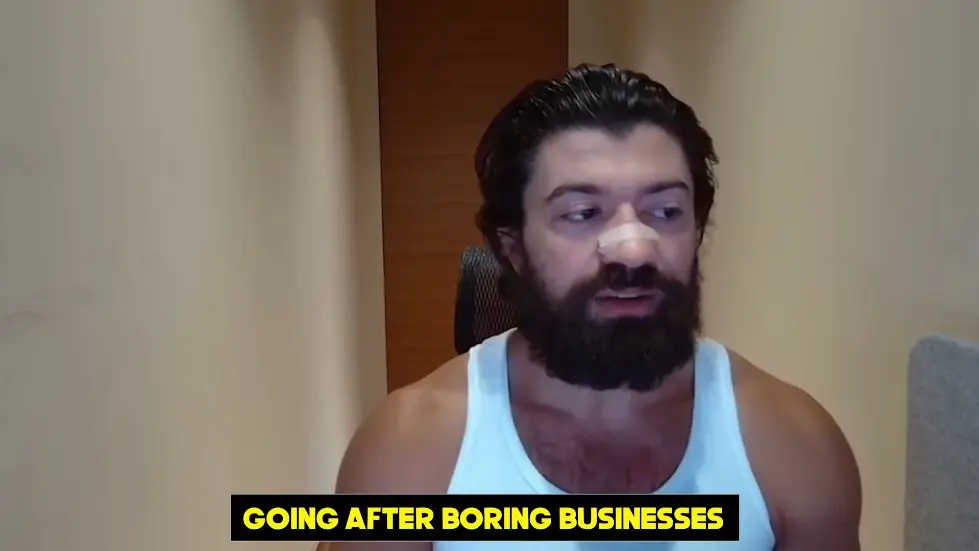
execution risk and idea risk. He emphasizes the importance of appropriately measuring risk and understanding the likelihood of success and failure. Hormozi also talks about the difficulty of knowing when to push or pivot in entrepreneurship and suggests that newer entrepreneurs may be better served going after boring businesses with established needs. He also touches on three big questions that entrepreneurs must manage:
when to push or pivot, how much to consume versus invest, and the uncertainty of tomorrow.
- There are two types of business risk: idea risk and execution risk.
- Measuring risk appropriately is important to avoid failure.
- Entrepreneurs should focus on ideas with low risk of not being wanted by people.
- There are three dichotomies to manage as an entrepreneur: when to push and when to pivot, how much to consume versus how much to invest, and how much to save versus how much to spend.
- Success in business requires a combination of natural proclivity, skill, and luck.
- Controlling risk can help entrepreneurs avoid failure and achieve success.
- It is important to consider the potential payoff of an idea and the amount of time and resources that will be required to execute it.
2 Types of Business Risk and the One I Choose EVERY TIME - YouTube

Two Types of Business Risk
- There are two big risks in business: execution risk and idea risk.
- Idea risk is whether the idea fundamentally works.
- Execution risk is whether the idea can be executed well.
- Environmental and regulatory risks can also be considered.
- Examples of idea risk include creating lockers for cats or having strangers drive kids around in cars.

Measuring Risk Appropriately
- Newer entrepreneurs tend to overestimate the payoff for a risk and underestimate the cost.
- They also overestimate the likelihood of success and underestimate the risk of failure.
- Jeff Bezos' quote about betting against conventional wisdom is relevant here.
- Portfolio theory is used by venture capitalists to take risks on multiple companies.
- However, for founders, the biggest cost of risk is time.
When to Push and When to Pivot
- One of the hardest questions in entrepreneurship is when to push and when to pivot.
- It's difficult to know whether it's the idea or the founder that needs to change.
- Some great business ideas have been abandoned just inches from gold.
- Most people don't know how to push at all.
- Entrepreneurs should focus on ideas that have virtually no risk of not being wanted by people.

2 Types of Business Risk and the One I Choose EVERY TIME - YouTube
Three Dichotomies to Manage as an Entrepreneur
- There are three big dichotomies that entrepreneurs have to manage: when to push and when to pivot, how much to consume versus how much to invest, and how much to save versus how much to spend.
- There needs to be a balance between immediate satisfaction and long-term goals.
- Consumption and investment need to be balanced, and this balance shifts over time.
- There is always uncertainty about the future, which makes managing these dichotomies challenging.
Two Types of Business Risk
- There are two types of business risk: idea risk and execution risk.
- Idea risk is the risk that the idea itself is not good or will not work.
- Execution risk is the risk that even if the idea is good, it will not be executed properly.
- It is important to measure risk appropriately and choose ideas with low risk.
- Many people fail because they take on too much risk.
The Importance of Measuring Risk
- It is important to measure risk appropriately and choose ideas with low risk.
- Many people fail because they take on too much risk.
- It is important to consider the amount of time and resources that will be required to execute an idea.
- It is also important to consider the potential payoff of an idea.
- Measuring risk can help entrepreneurs make better decisions and avoid failure.
The Role of Luck in Business
- Success in business often requires a combination of natural proclivity, skill, and luck.
- People at the very top of their field often have all of these things aligned, including luck.
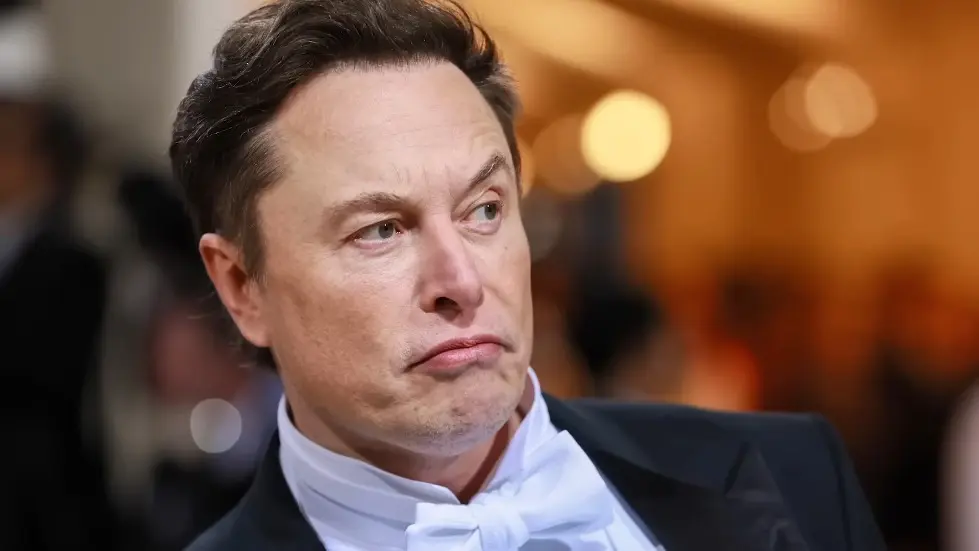
- Jeff Bezos and Elon Musk have had virtually limitless access to capital, which has allowed them to take on more risk.
- For most entrepreneurs, risk must be managed carefully.
- It is important to consider the amount of time and resources that will be required to execute an idea.

The Importance of Controlling Risk
- The wealthiest people in the world often eliminate risk and only play games where they cannot lose.
- Controlling risk can help entrepreneurs avoid failure and achieve success.
- It is important to choose ideas with low risk and to control risk as much as possible.
- Playing the game in new ways can help entrepreneurs limit risk and increase their chances of success.
- It is important to consider the potential payoff of an idea and the amount of time and resources that will be required to execute it.

Two Types of Business Risk
- There are two types of business risk: execution risk and idea risk.
- Execution risk is the risk that you won't be able to execute on your idea.
- Idea risk is the risk that your idea won't work.
- Execution risk can be mitigated by having the right team, resources, and plan in place.
- Idea risk can be mitigated by only pursuing ideas that are proven to work or have a high likelihood of success.
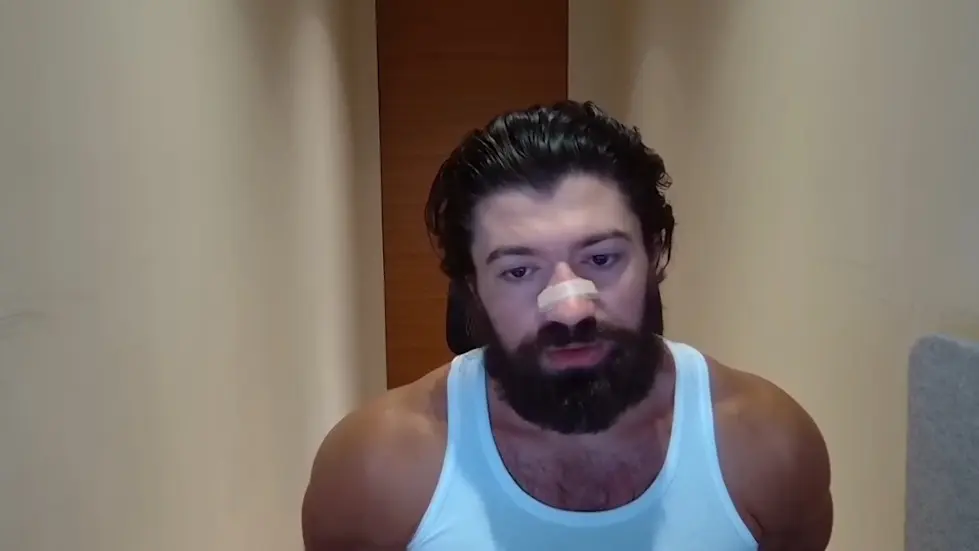
The Importance of Measuring Risk and Choosing Ideas with Low Risk
- It's important to measure risk and choose ideas with low risk because it allows you to stack the odds in your favor and create outsized returns over time.
- One way to measure risk is to calculate the likelihood of success and the potential payoff, and then multiply them together to get a risk-adjusted return.
- Choosing ideas with low risk allows you to virtually eliminate downside risk and focus on execution risk, which can be controlled by having the right team, resources, and plan in place.
- Assuming everything will go wrong and planning for it allows you to give yourself room to be pleasantly surprised and exceed expectations.
- By focusing on low-risk ideas and executing them well, you can double, triple, or 5x your returns over time and eventually achieve outsized returns.
Watch the video on YouTube:
2 Types of Business Risk and the One I Choose EVERY TIME - YouTube
Related summaries of videos:
- Alex Hormozi: Biggest mistake that stopped me from getting past $30M
- Alex Hormozi: The SIMPLE Managerial Framework that changed my business
- Alex Hormozi: Applying $100M Offers to E-Commerce: I'm Pissed
- Alex Hormozi: 10 KEYS to a TERRIBLE Business Partnership [GUARANTEED!]
- Alex Hormozi: "My Employees Don't Take My Business Serious...Why?"
- Alex Hormozi: 1.2M Followers in 6 Months… My Content Marketing Strategy REVEALED
- Alex Hormozi: How I Hacked My Brain to Feel Gratitude All the Time
- Alex Hormozi: How I Would Invest $1000 If I Were In My 20s
- Alex Hormozi: I Built a $50 Million Business in 6 Minutes
- Alex Hormozi: How to Make A Billion Dollars
- Home
- About us
- Contact
- Book Summaries 0-9
- Book Summaries A
- Book Summaries B
- Book Summaries C
- Book Summaries D
- Book Summaries E
- Book Summaries F
- Book Summaries G
- Book Summaries H
- Book Summaries I
- Book Summaries J
- Book Summaries K
- Book Summaries L
- Book Summaries M
- Book Summaries N
- Book Summaries O
- Book Summaries P
- Book Summaries Q
- Book Summaries R
- Book Summaries S
- Book Summaries T
- Book Summaries U
- Book Summaries V
- Book Summaries W
- Book Summaries X
- Book Summaries Y
- Book Summaries Z
- Jay Shetty Podcast - Summaries
- Tom Bilyeu Impact Theory - Summaries
- Lex Fridman - Summaries
- Diary of a CEO - Summaries
- Alex Hormozi - Summaries
