
Andrew Huberman: Goals Toolkit - How to Set and Achieve Your Goals (Huberman Lab Podcast)
Last updated: Oct 2, 2023
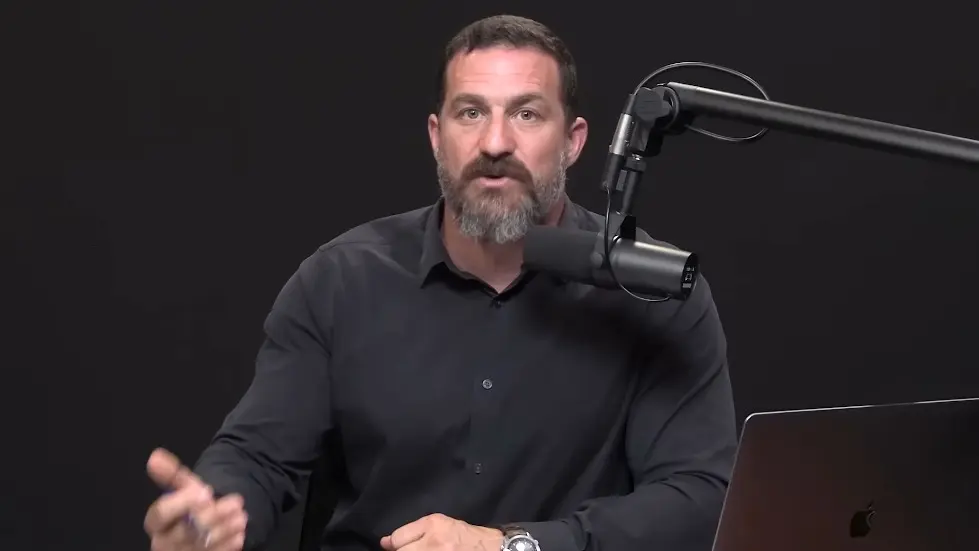
The video is about a podcast episode where Andrew Huberman discusses tools for setting and achieving goals. The episode focuses on key takeaways from previous episodes and new information published in the scientific literature since those episodes aired. The podcast covers how to select which goals to pursue, how to measure progress, how to initiate and sustain motivation, how to evaluate progress, and how to do a post-hawk analysis after achieving a goal or not achieving a goal. The podcast also emphasizes that the protocols described are not created by the host but are gleaned from the scientific peer-reviewed literature and have been shown to work. The podcast is sponsored by Eight Sleep and Maui Nei Venison.
This video by Andrew Huberman was published on Aug 28, 2023.
Video length: 01:34:37.
The video is about a podcast episode where Andrew Huberman discusses the science and tools for setting and achieving goals.
The episode is a toolkit that incorporates key takeaways from previous episodes and new information from scientific literature. The podcast covers topics such as selecting the right goals, measuring progress, initiating and sustaining motivation, and evaluating progress. Huberman also talks about the biological mechanisms that underlie goal setting and pursuit. The podcast is separate from Huberman's teaching and research roles at Stanford and is part of his effort to bring zero-cost consumer information about science and science-related tools to the general public.
The episode is sponsored by Eight Sleep and Maui Nei Venison.
- The Huberman Lab podcast discusses science and science-based tools for everyday life
- Hosted by Andrew Huberman, a professor of neurobiology and ophthalmology at Stanford School of Medicine
- Previous episodes have discussed goal setting and achieving goals
- This episode focuses on key takeaways from those episodes and new information published in the scientific literature since those episodes aired
- Provides a potent toolkit for setting and pursuing goals
- Emphasizes that the protocols described are not created by the host but are gleaned from the scientific peer-reviewed literature and have been shown to work
- Discusses how to select which goals to pursue
- Covers how to identify a goal and select the best goal for you to pursue
- Discusses how to initiate and sustain motivation as you pursue your goals
- Covers how to maintain goal pursuit and evaluate progress
- Discusses how to do a post-hawk analysis after achieving a goal or not achieving a goal
- Implementing even a subset of the protocols covered in this episode can greatly increase the chances of setting and achieving goals
- Provides confidence and humility that the protocols described work
Goals Toolkit: How to Set & Achieve Your Goals | Huberman Lab Podcast - YouTube
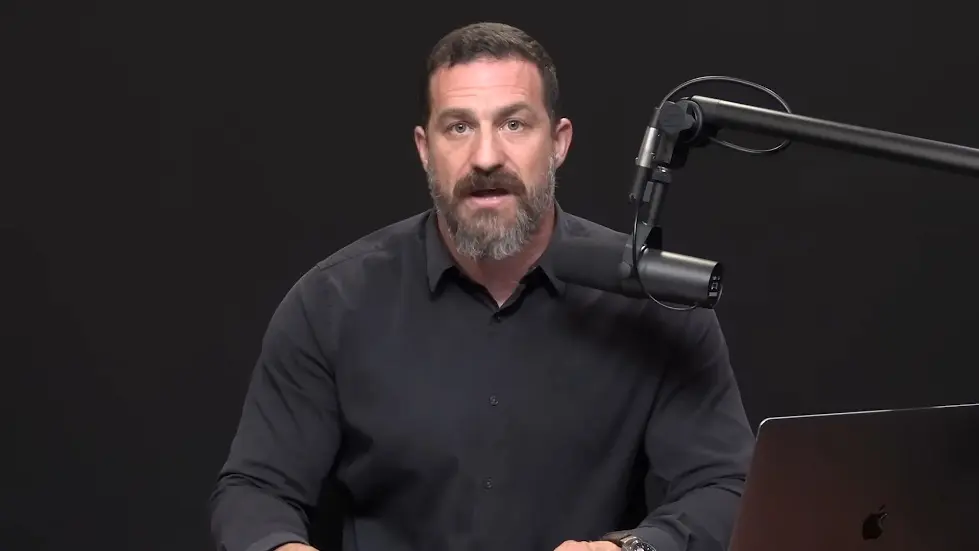
Introduction
- Welcome to the Huberman Lab podcast
- Discusses science and science-based tools for everyday life
- Hosted by Andrew Huberman, a professor of neurobiology and ophthalmology at Stanford School of Medicine
- Previous episodes have discussed goal setting and achieving goals
- This episode focuses on key takeaways from those episodes and new information published in the scientific literature since those episodes aired
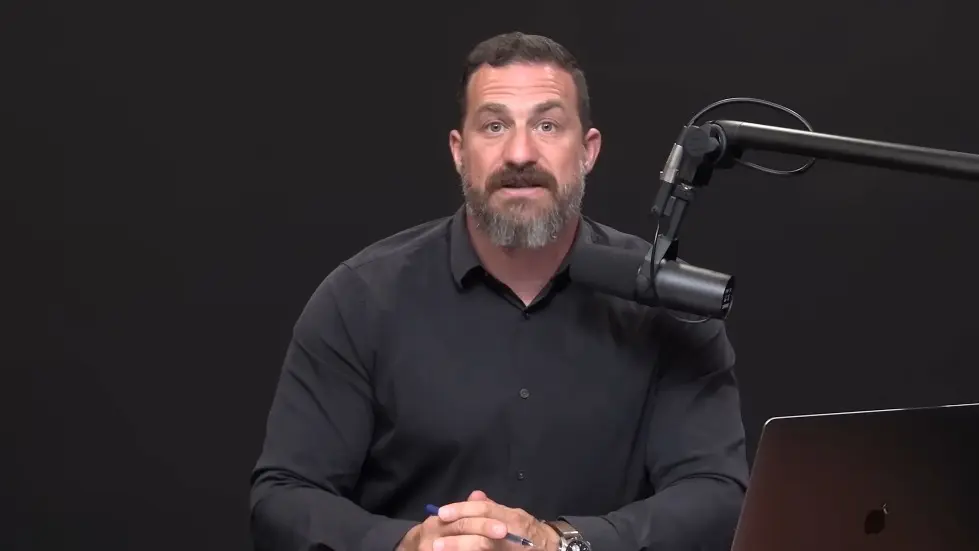
Goal Setting and Achieving Goals
- Discusses the importance of goal setting and achieving goals
- Covers key takeaways from previous episodes on this topic
- Incorporates new information published in the scientific literature since those episodes aired
- Provides a potent toolkit for setting and pursuing goals
- Emphasizes that the protocols described are not created by the host but are gleaned from the scientific peer-reviewed literature and have been shown to work
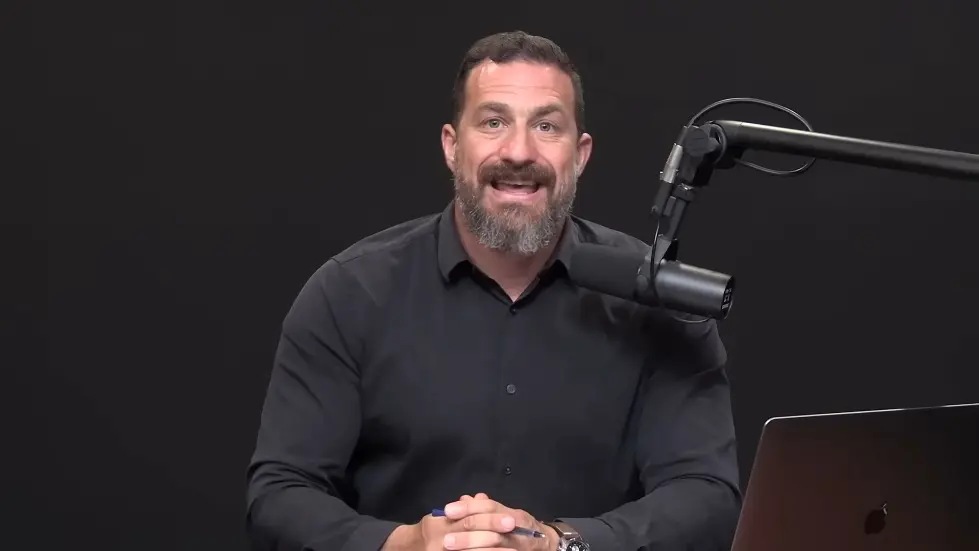
Selecting Goals
- Discusses how to select which goals to pursue
- Covers how to identify a goal and select the best goal for you to pursue
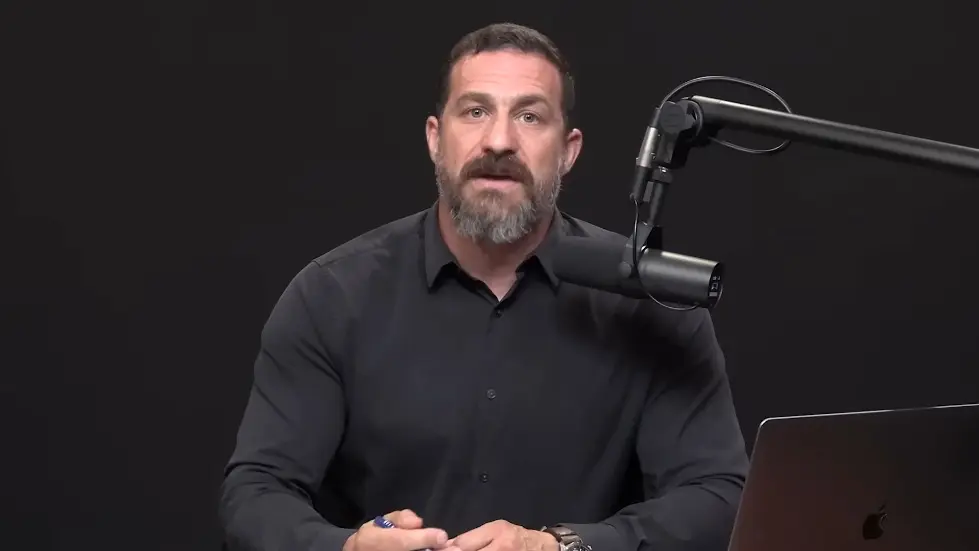
Goals Toolkit: How to Set & Achieve Your Goals | Huberman Lab Podcast - YouTube
Initiating and Sustaining Motivation
- Discusses how to initiate and sustain motivation as you pursue your goals
- Covers how to maintain goal pursuit and evaluate progress
Post-Hawk Analysis
- Discusses how to do a post-hawk analysis after achieving a goal or not achieving a goal
Conclusion
- Emphasizes that implementing even a subset of the protocols covered in this episode can greatly increase the chances of setting and achieving goals
- Provides confidence and humility that the protocols described work
Goal Setting and Pursuit Circuitry
- The goal setting and pursuit circuitry consists of four major stations in the brain: amydala, basil ganglia, lateral prefrontal cortex, and orbital frontal cortex.
- The amydala is involved in circuits associated with arousal, alertness, fear, anxiety, and positive veilance experiences.
- The basil ganglia includes two major pathways: the go pathway and the no-go pathway.
- The lateral prefrontal cortex is involved in immediate and long-term planning.
- The orbital frontal cortex is involved in the evaluation of our current emotional and arousal state as it relates to our goal pursuit.
Goal Setting and Pursuit Tools
- The first question to ask when deciding on a goal is what goal do you want to pursue.
- The first protocol for deciding what goal to pursue is to identify a specific goal to try and pursue.
- It's important to understand the biology of goal setting and pursuit to tweak and customize protocols to our unique needs.
- Measuring progress is crucial to initiating and sustaining motivation.
- Evaluating progress involves updating Finish Lines in many cases.
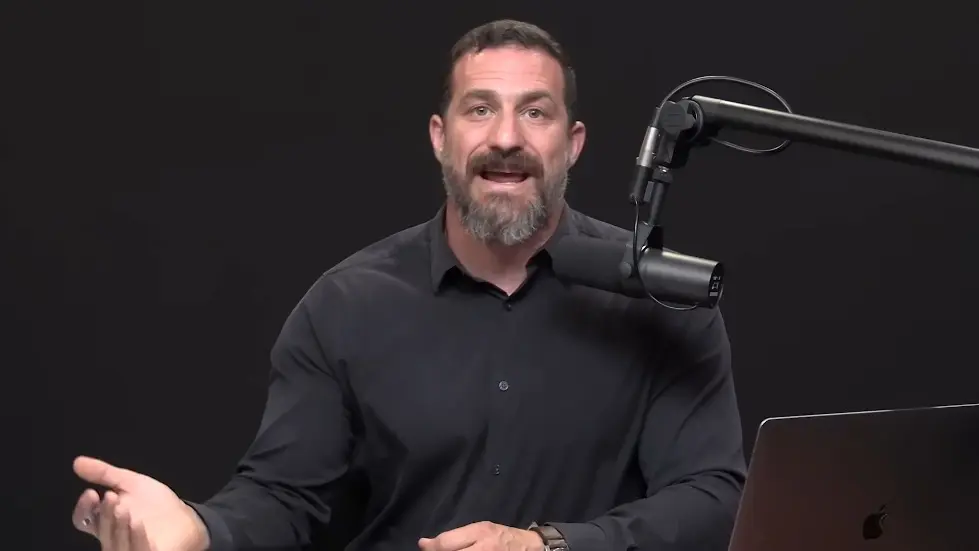
Section 1: Introduction
- The video is about a podcast episode where Andrew Huberman discusses tools for setting and achieving goals.
- The episode focuses on key takeaways from previous episodes and new information published in the scientific literature since those episodes aired.
- The podcast covers how to select which goals to pursue, how to measure progress, how to initiate and sustain motivation, how to evaluate progress, and how to do a post-hawk analysis after achieving a goal or not achieving a goal.
- The protocols described are not created by the host but are gleaned from the scientific peer-reviewed literature and have been shown to work.
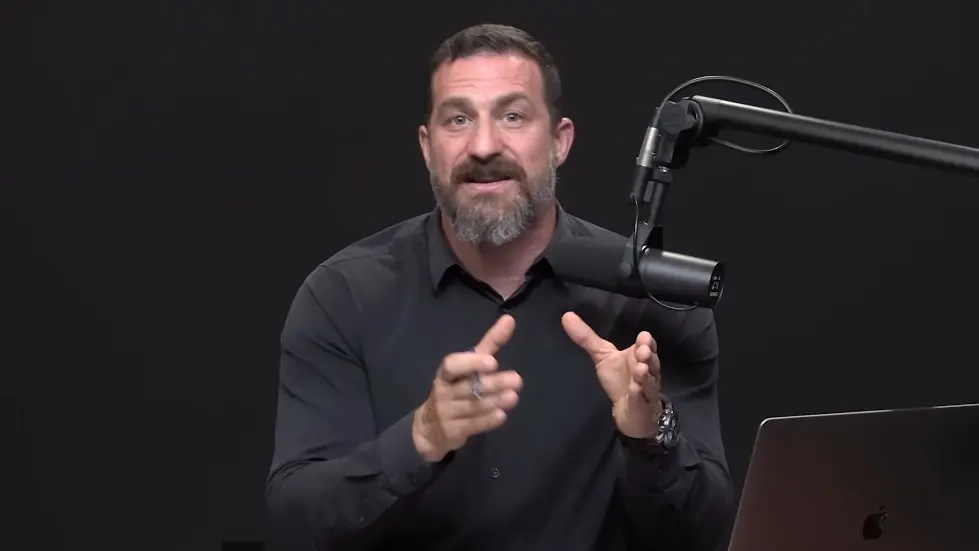
Section 2: The Importance of Prioritizing Goals
- When people think about setting goals, they often think about multiple goals at once.
- However, the host recommends selecting just one goal to pursue.
- This allows individuals to focus their time and resources on one specific goal.
- The host emphasizes that the goal should be something that is important to the individual and that they are willing to put effort into achieving.
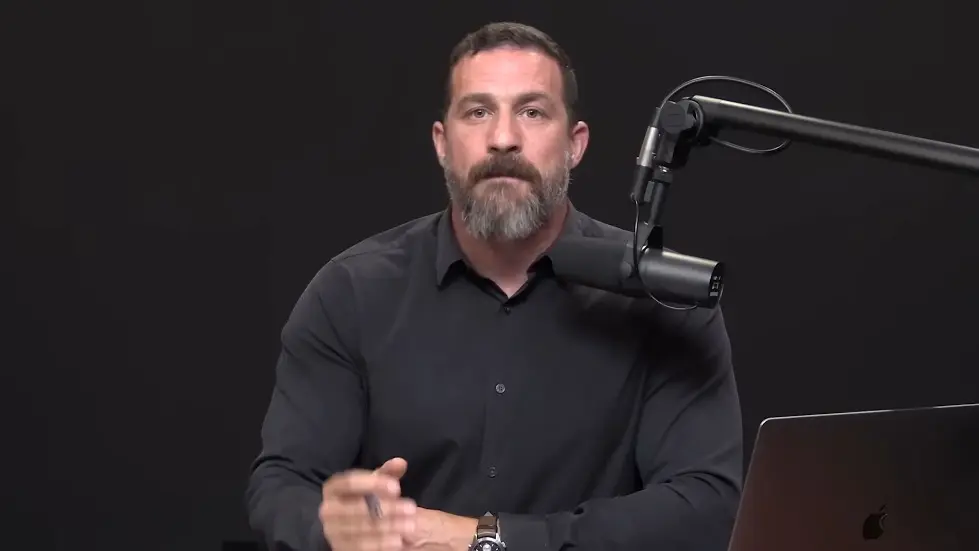
Section 3: Defining the Priority Goal
- Defining the priority goal is an important step in the goal-setting process.
- The host recommends writing out the different things that an individual wants to achieve and then crossing off the things that they are willing to put on hold for the time being.
- The individual should then circle the thing that they are really going to focus on and only that thing.
- The host emphasizes that this is an individual process and that the priority goal will depend on the individual's past, present, and future.
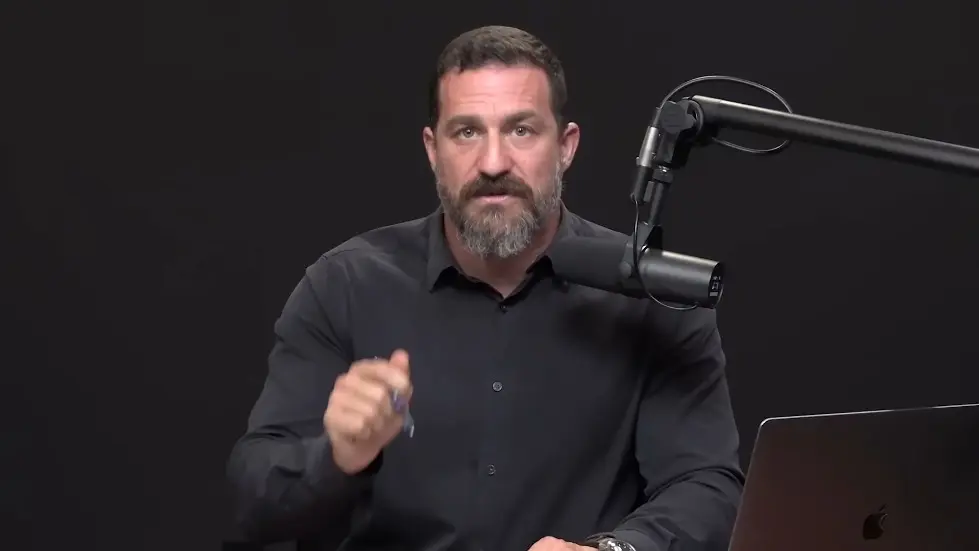
Section 4: The Impact of Goal Difficulty on Achievement
- The host discusses the impact of goal difficulty on achieving the goal.
- The host explains that if a goal is too easy to achieve, it may not recruit sufficient arousal and may not be challenging enough to lead to success.
- On the other hand, if a goal is too difficult to achieve, it may be overwhelming and may not be achievable.
- The host recommends setting a goal that is somewhat lofty but still achievable within a given time frame.
Neuroplasticity and Goal Setting
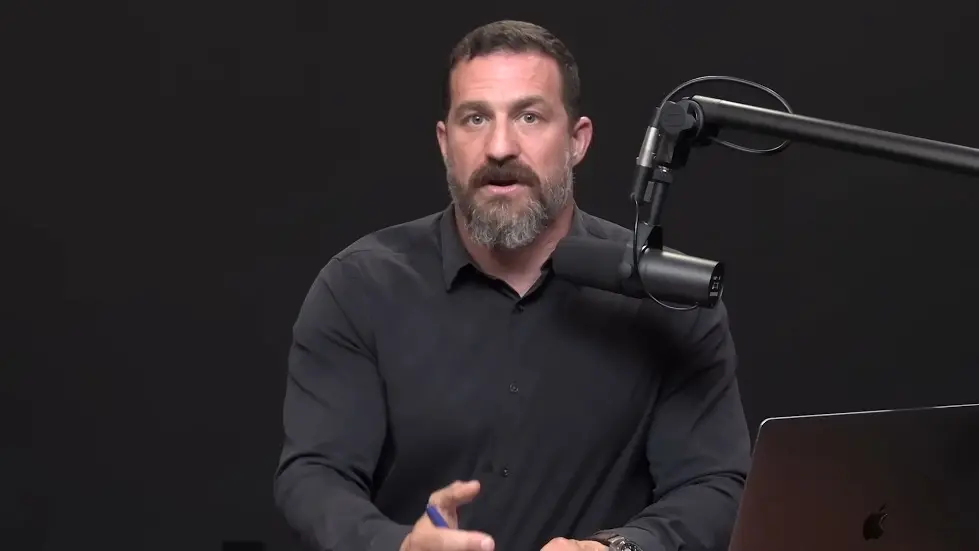
- Neuroplasticity is the ability of the brain to change and adapt in response to experience.
- The orbital frontal cortex is responsible for understanding context and combining information about neuroplasticity and frustration to trigger neuroplasticity.
- Neuroplasticity occurs during deep sleep and other forms of deep rest.
- Neuroplasticity is a toolkit for achieving neural circuit changes that allow for improved performance in the future.
Goal Setting and Pursuit
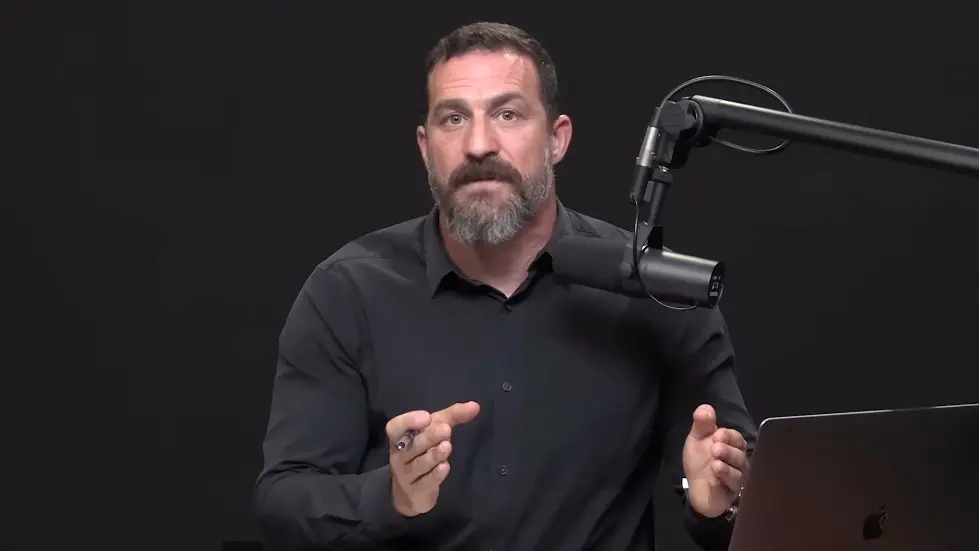
- Goal setting involves defining a priority and setting aside other goals.
- Goals should be challenging and feel out of reach.
- Defining specific verbs and actions involved in pursuing a goal is critical.
- Writing goals down on paper engages neural circuitry and is the most effective way to embed knowledge in our nervous system.
Goal Setting
- The key to setting a goal is to define the major block of action involved in pursuing it.
- For example, if you want to get more fit, you would want to define a priority goal such as running X number of miles per week or going to the gym three times per week to lift weights.
- It is recommended to get even more specific than that by writing down the exact actions, such as attending three classes per week or practicing for two hours per week.
- Specificity and measurability are key components of successful goal setting and pursuit.
- Setting specific goals and defining the verbs that will be engaged in to pursue them has a significant impact on the probability of success.
Goal Achievement
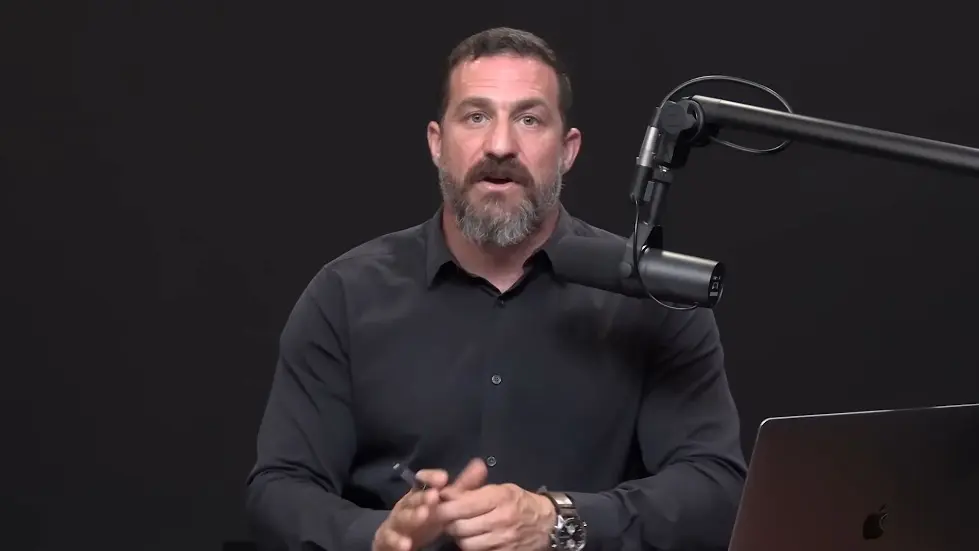
- Setting specificity and measurability are key features of any protocol used to set and achieve goals.
- Defining the verb actions involved and placing specificity in terms of the amount of time that one is going to try to achieve each week in pursuit of a specific priority goal has a significant impact on the probability of success.
- The recycling study found that when people were told what the specific goal was and what specific actions they needed to engage in were and how much of a given batch of refuse they were going to try to put into the recycle versus the trash, it led to a greater than doubling of successful achievement of that goal.
- Setting specificity and defining the verbs that will be engaged in to pursue goals increases the probability that they will be achieved.
Myths about Goal Setting and Pursuit
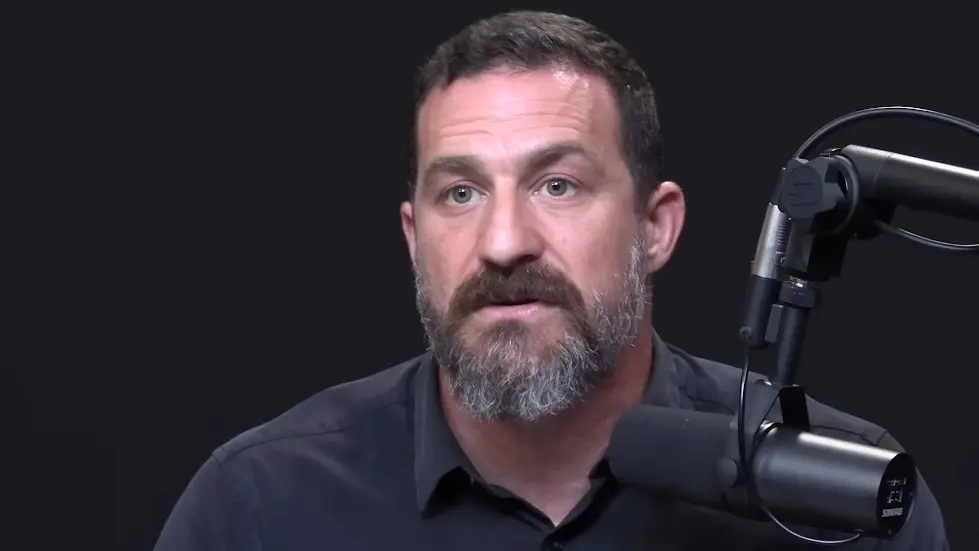
- Setting a Post-It note on the refrigerator or mirror does not increase the probability of sticking to a goal.
- The reason for this is that the visual system adapts to whatever is regular in the environment, and anything that shows up regularly gets canceled out.
Visual Reminders
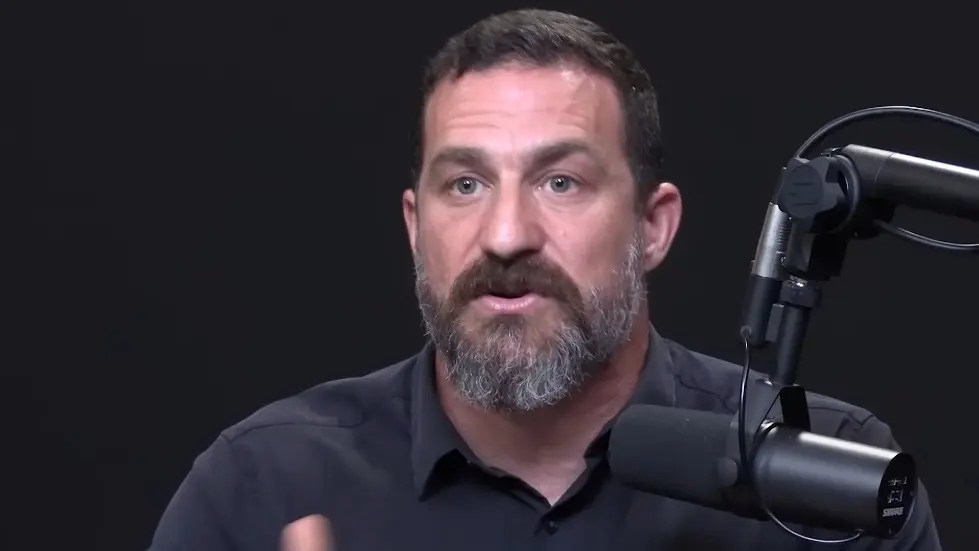
- Visual reminders can be effective in goal setting and pursuit.
- If you want to use visual reminders, update them every day.
- Visual reminders can be placed in different locations, such as the refrigerator or windshield of your car.
- Visual reminders can be helpful in increasing motivation and probability of achieving a goal.
- The first common myth that is dispelled is the "poit fallacy," which suggests that writing a goal down and posting it in a visible location increases the probability of adhering to it.
Accountability
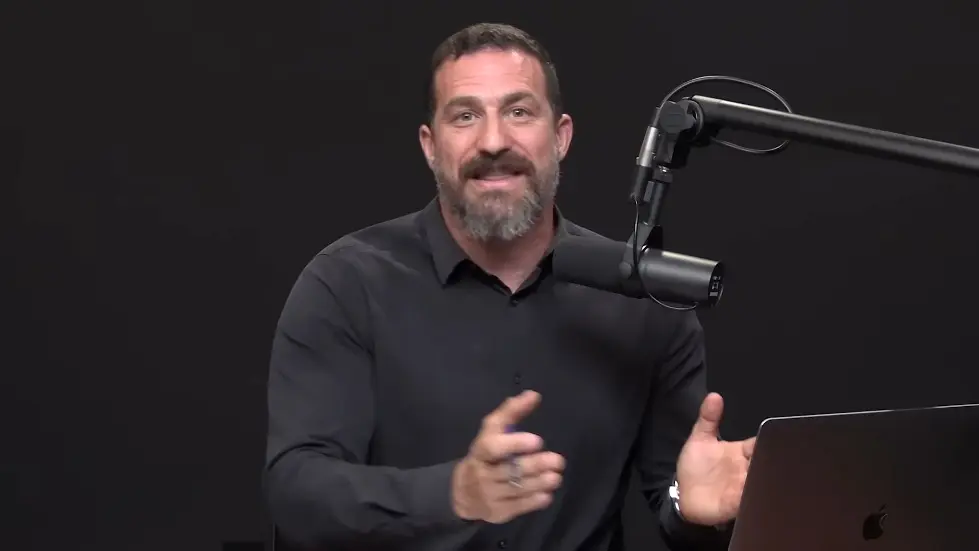
- Accountability is a great thing for goal pursuit.
- Telling people you are going to achieve a goal can provide positive feedback and activate reward systems in the brain.
- However, the positive feedback can quickly dissipate and diminish the probability of engaging in behaviors that lead to achieving the goal.
- The myth of accountability in goal pursuit suggests that telling people you are going to achieve a goal before initiating action can lead to negative psychological effects.
- It is better to tell someone who doubts you that you are going to achieve a goal, as this can provide friction and motivation to prove yourself.
Goal Setting
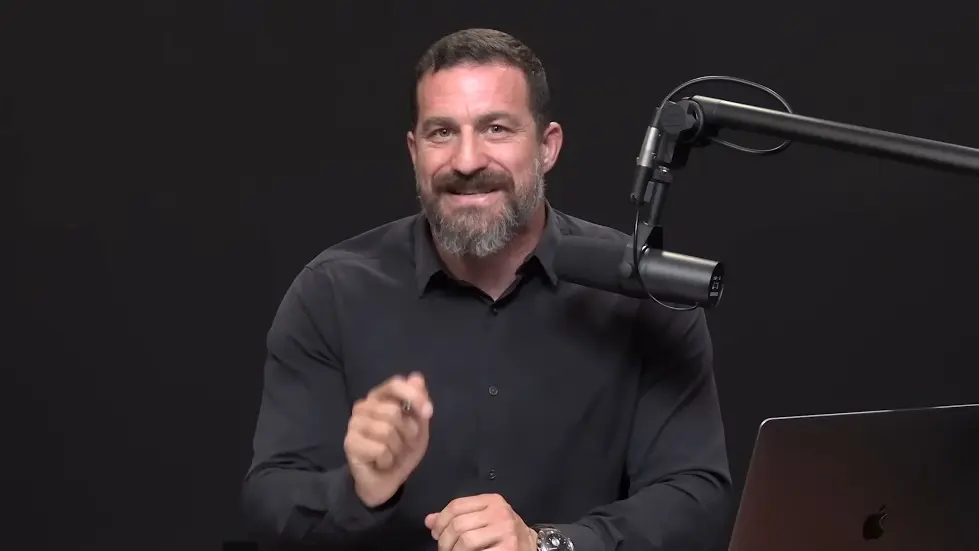
- Goal setting is the process of defining a specific goal and the actions required to achieve it.
- The more time you spend with your goal in mind and on paper, the higher the probability of achieving it.
- Telling the world about your goal can be counterproductive and may not provide the necessary dopamine and neurochemical reward to initiate and sustain motivation.
- Accountability can be helpful, but it's important to find the right balance between accountability and intrinsic motivation.
- Intrinsic motivation, which is directly attached to the thing that you are doing and root to a goal, is the most powerful and sustainable source of motivation.
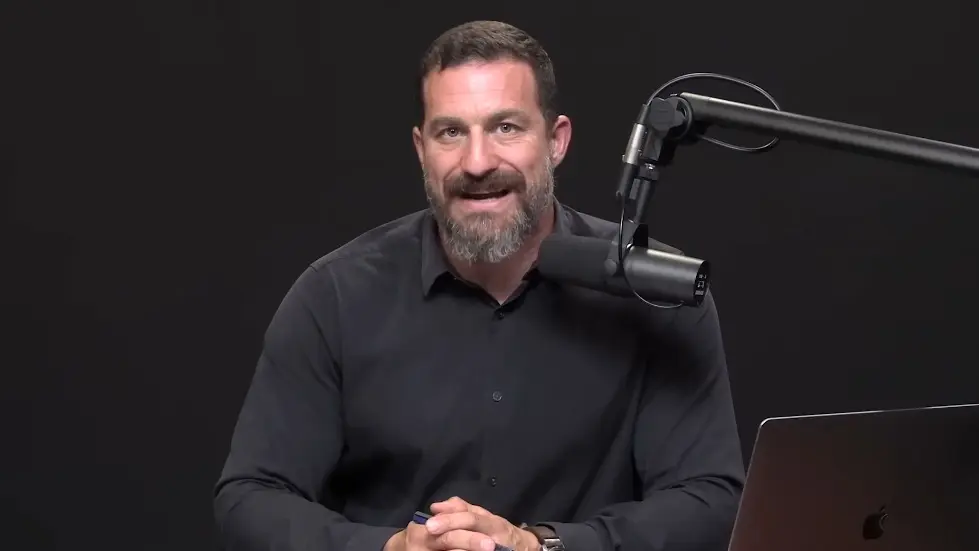
Goal Measurement
- Goals should be measurable, with defined time frames and specific actions required to achieve them.
- Breaking down a goal into smaller, more manageable time blocks can help make it more achievable.
- It's important to find the right balance between setting achievable goals and setting challenging ones that push you to grow.
- Regularly measuring progress and adjusting your strategy as needed can help ensure that you stay on track and achieve your goals.
- It's important to be flexible and adapt your goals as needed based on new information or changes in circumstances.
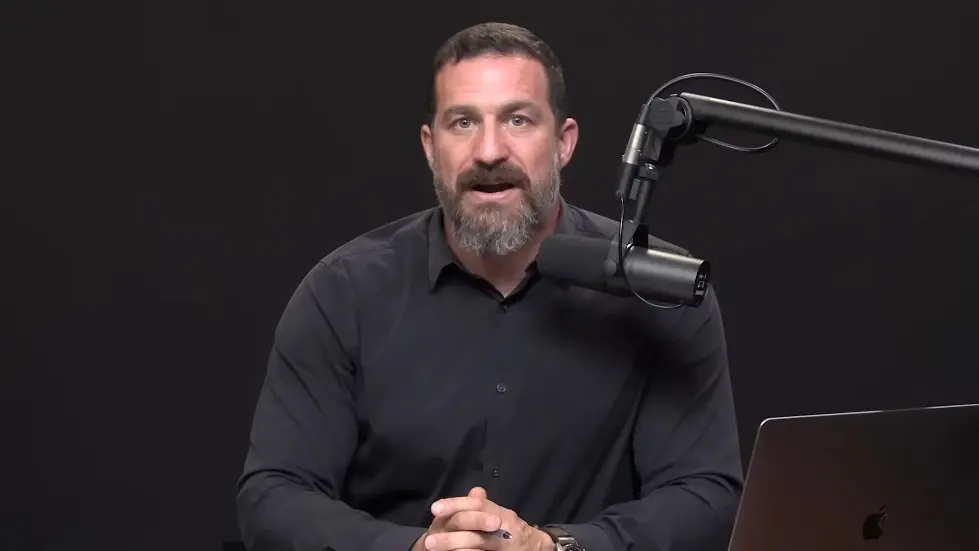
Goal Achievement
- Goal achievement requires consistent effort and a willingness to learn from setbacks and failures.
- It's important to stay motivated and focused on your goal, even when progress may seem slow or non-existent.
- Celebrating small victories along the way can help keep you motivated and on track.
- It's important to be patient and persistent in your efforts to achieve your goals.
- Remembering that progress is often gradual and that setbacks are a natural part of the process can help you stay motivated and focused.
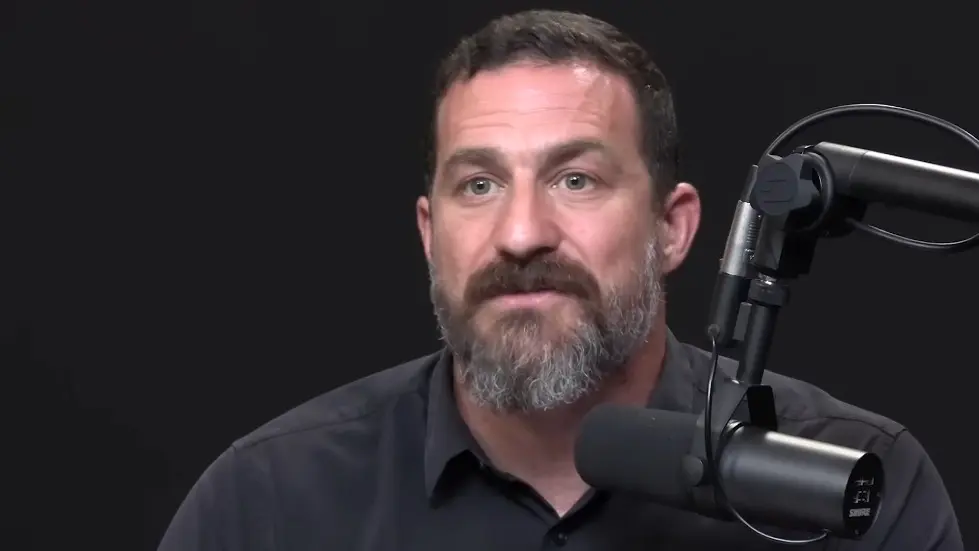
Goal Evaluation
- Evaluating your progress regularly can help you identify areas where you need to adjust your strategy or make changes to your approach.
- It's important to be honest with yourself about your progress and to acknowledge areas where you may be falling short.
- Reflecting on your progress can help you identify patterns and trends that may be impacting your ability to achieve your goals.
- It's important to be open to feedback and to seek out constructive criticism from others.
- Remembering that progress is often incremental and that small changes can have a big impact over time.
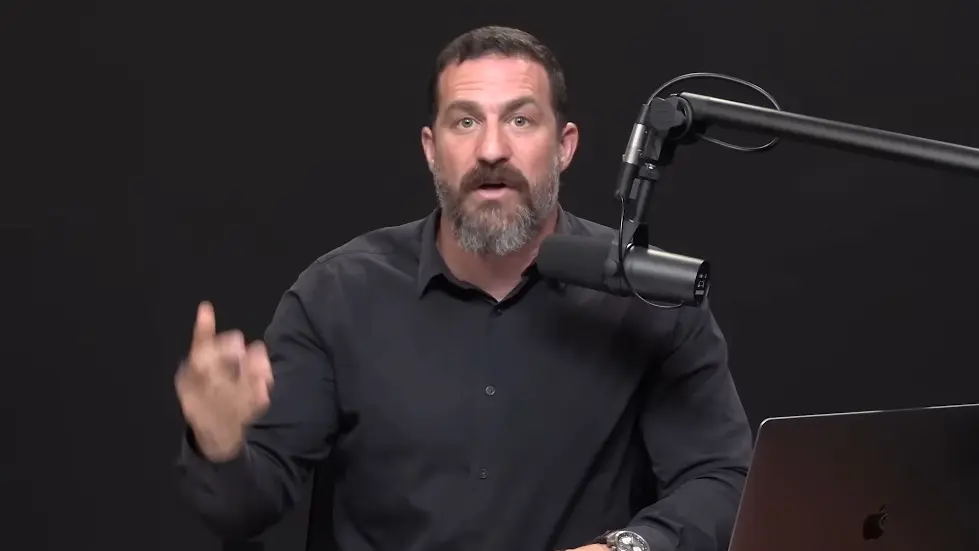
Goal Setting
- Goal setting is a process of establishing a specific goal to focus on for a period of time.
- The 12-week cycle or quarterly cycle (3 months) is a commonly used time frame for goal pursuit.
- Defining the specific goal, the number of hours per week and day, and the days of the week to pursue the goal is effective for 90% of different types of goals.
- Writing down the specific verb action and the specific quantifiable amount of time spent on the verb actions increases the probability of achieving the goal.
- Defining the goal itself can be challenging, especially for non-athletic or non-financial endeavors.
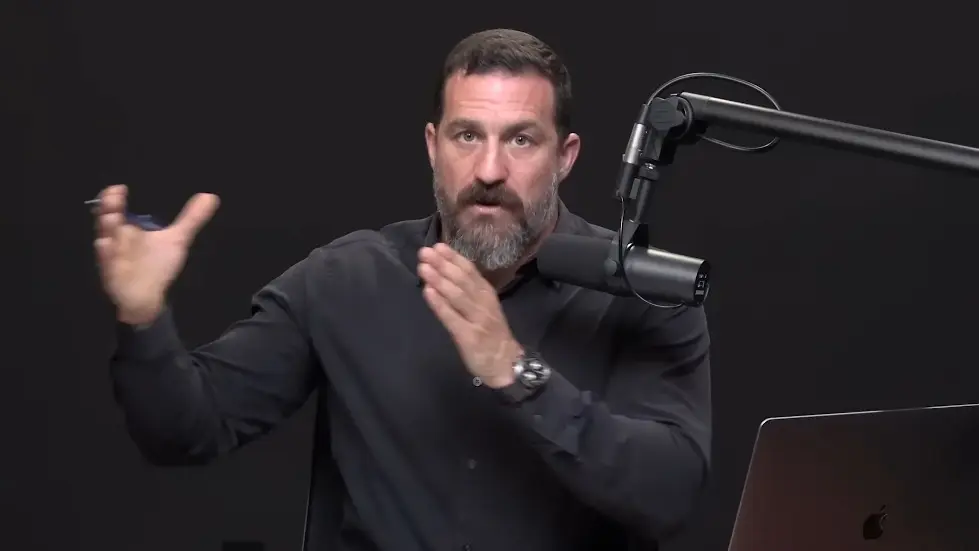
1. The Importance of Goal Selection
- Goals can be quantifiable or nebulous in terms of their quantifiability.
- Ultimately, the process of achieving goals is always in the form of actions.
- Actions themselves are always quantifiable, such as the number of hours of dedicated work toward a goal.
- The length of a book, for example, is hard to quantify in terms of the end goal itself.
- Experienced writers recommend setting a period of time each day to write and writing a specific number of words or for a specific amount of time each day.
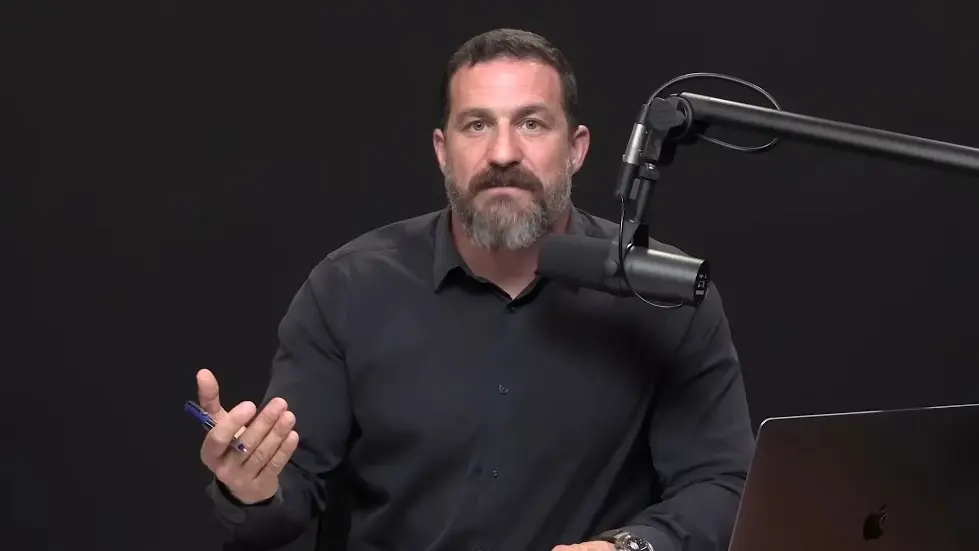
2. The Importance of Understanding Specific Verb Actions
- The highest probability of achieving our goals is by understanding the specific verb actions we need to engage in.
- Quantifying the amount of time we engage in those specific verb actions is also important.
- Engaging in a particular number of hours generating a particular number of words each day is the best protocol for initiating goal pursuit.
- The scientific literature recommends addressing a set of key questions when initiating goal pursuit.
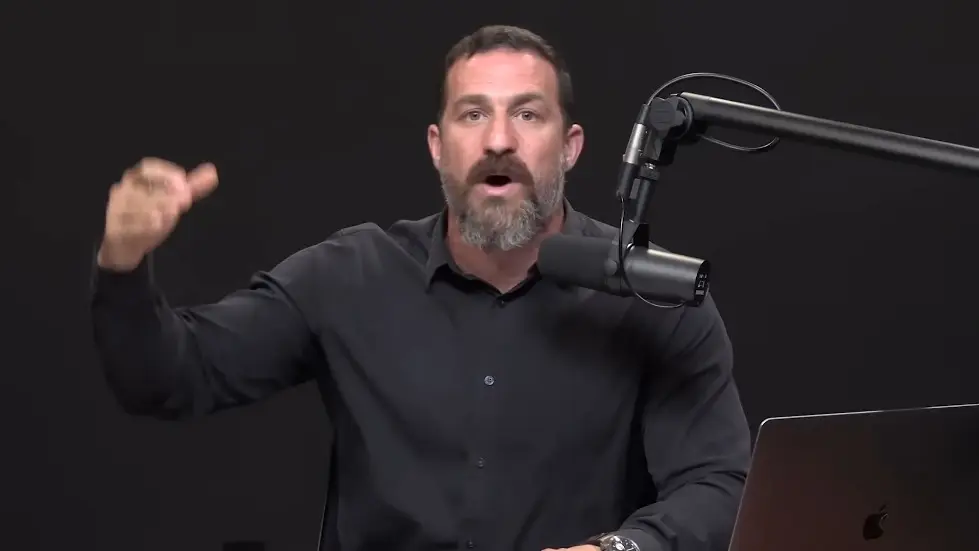
3. The Importance of Motivation
- There are two different strategies for incorporating motivation depending on whether or not we are motivated to pursue a particular goal.
- The data say that there are two markedly different strategies to incorporate depending on motivation.
- The psychology of motivation can be addressed by a therapist or coach.
- There are some universals that we can all apply in order to help us get started toward our goals.
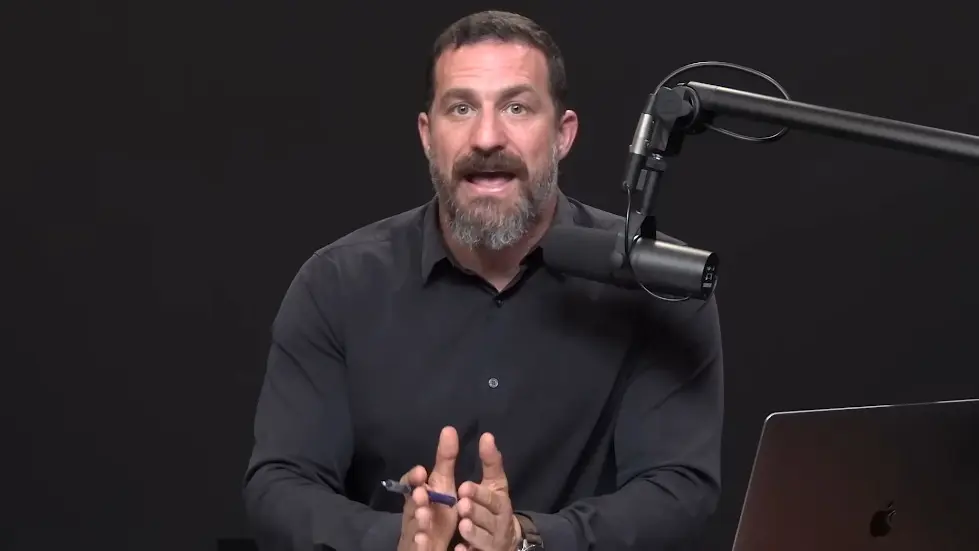
4. The Importance of Measuring Progress
- Measuring progress is important in order to evaluate the effectiveness of our actions.
- We can measure progress by the number of hours of dedicated work toward a goal.
- We can also measure progress by the quality of our actions, such as the writing of a book.
- The process of achieving goals is always in the form of actions.
You have read 50% of the summary.
To read the other half, please enter your Name and Email. It's FREE.
You can unsubscribe anytime. By entering your email you agree to our Terms & Conditions and Privacy Policy.
Watch the video on YouTube:
Goals Toolkit: How to Set & Achieve Your Goals | Huberman Lab Podcast - YouTube
Related summaries of videos:
- Dr. Paul Conti and Dr. Andrew Huberman: How to Understand and Assess Your Mental Health (Huberman Lab Guest Series)
- Andrew Huberman: Journal Club with Dr. Peter Attia - Metformin for Longevity and The Power of Belief Effects
- Dr. Paul Conti and Dr. Andrew Huberman: How to Improve Your Mental Health (Huberman Lab Guest Series)
- Andrew Huberman: How to Use Music to Boost Motivation, Mood and Improve Learning (Huberman Lab Podcast)
- Dr. Paul Conti and Dr. Andrew Huberman: How to Build and Maintain Healthy Relationships (Huberman Lab Guest Series)
- U.S. Surgeon General Dr. Vivek Murthy and Dr. Andrew Huberman: Efforts and Challenges in Promoting Public Health
- Dr. Paul Conti and Dr. Andrew Huberman: Tools and Protocols for Mental Health (Huberman Lab Guest Series)
- Chris Voss and Andrew Huberman: How to Succeed at Hard Conversations (Huberman Lab Podcast)
- Andrew Huberman: How to Increase Your Willpower and Tenacity (Huberman Lab Podcast)
- Dr. Lisa Feldman Barrett and Dr. Andrew Huberman: How to Understand Emotions (Huberman Lab Podcast)
- Home
- About us
- Contact
- Book Summaries 0-9
- Book Summaries A
- Book Summaries B
- Book Summaries C
- Book Summaries D
- Book Summaries E
- Book Summaries F
- Book Summaries G
- Book Summaries H
- Book Summaries I
- Book Summaries J
- Book Summaries K
- Book Summaries L
- Book Summaries M
- Book Summaries N
- Book Summaries O
- Book Summaries P
- Book Summaries Q
- Book Summaries R
- Book Summaries S
- Book Summaries T
- Book Summaries U
- Book Summaries V
- Book Summaries W
- Book Summaries X
- Book Summaries Y
- Book Summaries Z
- Jay Shetty Podcast - Summaries
- Tom Bilyeu Impact Theory - Summaries
- Lex Fridman - Summaries
- Diary of a CEO - Summaries
- Alex Hormozi - Summaries
