
Andrew Huberman: How Psilocybin Can Rewire Our Brain, Its Therapeutic Benefits and Its Risks (Huberman Lab Podcast)
Last updated: Oct 2, 2023
The video by Dr. Andrew Huberman is about the therapeutic benefits and risks of psilocybin, a psychedelic that modifies the psyche and changes our level of consciousness. Psilocybin is a serotonin that activates a subset of serotonin receptors in a very strong fashion, leading to neuroplasticity at the level of the neural circuits that serve things like memory and perception. Psilocybin has been shown to change brain circuitry and has positive effects on mood, insight, creativity, and the ability to experience joy from music or dissociate in a positive way from things that formerly were depressing or triggers for depression. However, just because something invokes neuroplasticity changes in brain circuitry does not mean that it's therapeutic, and the conditions of a psilocybin journey, including whether it's done with eyes closed or eyes open, whether people alternate between eyes closed and eyes open phases, and whether music is played during the journey, can dictate whether someone will feel better or worse in the days and weeks and years following the journey.
This video by Andrew Huberman was published on May 8, 2023.
Video length: 02:09:02.
The Huberman Lab podcast episode titled "How Psilocybin Can Rewire Our Brain, Its Therapeutic Benefits &
Its Risks" discusses the science and science-based tools for everyday life. The episode focuses on psilocybin, a psychedelic that modifies the psyche and changes our level of consciousness. Psilocybin is a serotonin that activates a subset of serotonin receptors in a very strong fashion, leading to neuroplasticity at the level of the neural circuits that serve things like memory and perception. Psilocybin has been shown to change brain circuitry and has clinical effects such as improvements in mood, tremendous insight into oneself and others, and changes in creativity or the ability to experience joy from music. However, just because something invokes neuroplasticity changes in brain circuitry does not mean that it's therapeutic. The conditions of a psilocybin journey, including whether it's done with eyes closed or eyes open, whether people alternate between eyes closed and eyes open phases, whether music is played during the journey, and the dosage level, can dictate whether someone will feel better or worse in the days and weeks and years following the psilocybin journey.
Clinical studies have shown that just one psilocybin journey can improve mood in a significant way.
- Psilocybin is a psychedelic that modifies the psyche and changes our level of consciousness.
- It is a serotonin that activates a subset of serotonin receptors in a very strong fashion, leading to neuroplasticity at the level of the neural circuits that serve things like memory and perception.
- Psilocybin has been shown to change brain circuitry and has positive effects on mood, insight, creativity, and the ability to experience joy from music or dissociate in a positive way from things that formerly were depressing or triggers for depression.
- However, just because something invokes neuroplasticity changes in brain circuitry does not mean that it's therapeutic.
- The conditions of a psilocybin journey, including whether it's done with eyes closed or eyes open, whether people alternate between eyes closed and eyes open phases, and whether music is played during the journey, can dictate whether someone will feel better or worse in the days and weeks and years following the journey.
- Dosages and translating from psilocybin mushrooms to actual psilocybin and the compound that actually exerts the effects of psilocybin have been discussed.
- Silacin, the actual compound that goes into the brain to create all the changes in consciousness and all the rewiring effects that we associate with psilocybin, has been discussed.
- The duration of a psilocybin journey and how it is converted to silacin has been discussed.
- Psilocybin has been shown to change brain circuitry and has positive effects on mood, insight, creativity, and the ability to experience joy from music or dissociate in a positive way from things that formerly were depressing or triggers for depression.
What is Psilocybin?
- Psilocybin is a psychedelic that modifies the psyche and changes our level of consciousness.
- It is a serotonin that activates a subset of serotonin receptors in a very strong fashion, leading to neuroplasticity at the level of the neural circuits that serve things like memory and perception.
- Psilocybin has been shown to change brain circuitry and has positive effects on mood, insight, creativity, and the ability to experience joy from music or dissociate in a positive way from things that formerly were depressing or triggers for depression.
- However, just because something invokes neuroplasticity changes in brain circuitry does not mean that it's therapeutic.
- The conditions of a psilocybin journey, including whether it's done with eyes closed or eyes open, whether people alternate between eyes closed and eyes open phases, and whether music is played during the journey, can dictate whether someone will feel better or worse in the days and weeks and years following the journey.
How does Psilocybin work?
- Psilocybin is one of many psychedelics, such as LSD, DMT, 5meo DMT, and MDMA.
- It is converted to silacin, the actual compound that goes into the brain to create all the changes in consciousness and all the rewiring effects that we associate with psilocybin.
- Understanding how psilocybin is converted to silacin has a tremendous impact on the duration of a psilocybin journey.
- Many people don't realize that much of the positive changes that are possible with proper and therapeutic approaches to psilocybin take place after the session in which one feels all the typical or typically associated effects of psilocybin, like hallucinations and changes in thought patterns.
- The actual neuronal changes that occur when one takes psilocybin and how neural circuits change over time impact the changes that most people are interested in when they go on a psilocybin journey, such as long-standing improvements in mood, tremendous insight into themselves and others, changes in their levels of creativity, or their ability to experience joy from music or their ability to dissociate in a positive way from things that formerly were depressing or triggers for depression.

What are the clinical effects of Psilocybin?
- Controlled laboratory studies have demonstrated the clinical effects of psilocybin, including changes in brain circuitry.
- Psilocybin has been shown to change brain circuitry and has positive effects on mood, insight, creativity, and the ability to experience joy from music or dissociate in a positive way from things that formerly were depressing or triggers for depression.
- Dosages and translating from psilocybin mushrooms to actual psilocybin and the compound that actually exerts the effects of psilocybin have been discussed.
- Silacin, the actual compound that goes into the brain to create all the changes in consciousness and all the rewiring effects that we associate with psilocybin, has been discussed.
- The duration of a psilocybin journey and how it is converted to silacin has been discussed.
What are the risks of Psilocybin?
- Just because something invokes neuroplasticity changes in brain circuitry does not mean that it's therapeutic.
- The conditions of a psilocybin journey, including whether it's done with eyes closed or eyes open, whether people alternate between eyes closed and eyes open phases, and whether music is played during the journey, can dictate whether someone will feel better or worse in the days and weeks and years following the journey.
- The dosage level and types of music played during a psilocybin journey can also impact whether someone will feel better or worse in the days and weeks and years following the journey.
- Clinical studies showing that just one psilocybin journey can improve mood in a person have been discussed.
- It is important to note that just because something invokes neuroplasticity changes in brain circuitry does not mean that it's therapeutic.
What is Psilocybin?
- Psilocybin is a psychedelic that modifies the psyche and changes our level of consciousness.
- It is a serotonin that activates a subset of serotonin receptors in a very strong fashion, leading to neuroplasticity at the level of the neural circuits that serve things like memory and perception.
- Psilocybin has been shown to change brain circuitry and has positive effects on mood, insight, creativity, and the ability to experience joy from music or dissociate in a positive way from things that formerly were depressing or triggers for depression.
Clinical Studies and Dosages
- Most clinical trials involving psilocybin involve two dosages spaced in very precise ways from one another with appropriate follow-up.
- The structure of the journey, including who's present, whether it's eyes open or eyes closed, the particular music that's played, and other features, make up part of a larger neuroplasticity trigger of which psilocybin is critical.
- Psilocybin is not the only variable, so whether or not someone is interested in participating in a clinical study or whether or not they're interested in psilocybin for other reasons, this is critical information to understand.
- In Oregon, psilocybin has been approved in particular therapeutic settings for use in particular conditions, namely depression and some forms of addiction.
- Psilocybin and other psychedelics are still considered illegal under the law today, and possessing or selling them, except for rare instances such as clinical studies and decriminalized areas, is not allowed.
Safety Issues
- Young people, meaning people 25 or younger, should consider psilocybin with caution, as their brain is still in a rampant period of naturally occurring neuroplasticity.
- Possessing or selling psilocybin except for rare instances such as clinical studies and decriminalized areas is still very much not allowed under the law today.
- People who have formerly been on or may currently be on different forms of antidepressants should be cautious when using psilocybin.
- People who are at risk for psychotic episodes, either because they know they themselves have a propensity for psychosis or they have close family members who have psychosis, should be cautious when using psilocybin.
Therapeutic Applications
- Psilocybin has been shown to change brain circuitry and has positive effects on mood, insight, creativity, and the ability to experience joy from music or dissociate in a positive way from things that formerly were depressing or triggers for depression.
- Clinical studies have shown that psilocybin can be effective in treating depression and some forms of addiction.
- Different patterns of dosing and spacing of different sessions can affect the therapeutic outcomes of psilocybin.
Section 1: Introduction to Psilocybin
- Psilocybin is a psychedelic that modifies the psyche and changes our level of consciousness.
- It is a serotonin that activates a subset of serotonin receptors in a very strong fashion, leading to neuroplasticity at the level of the neural circuits that serve things like memory and perception.
- Psilocybin has been shown to change brain circuitry and has positive effects on mood, insight, creativity, and the ability to experience joy from music or dissociate in a positive way from things that formerly were depressing or triggers for depression.
- However, just because something invokes neuroplasticity changes in brain circuitry does not mean that it's therapeutic.
Section 2: Conditions of a Psilocybin Journey
- The conditions of a psilocybin journey, including whether it's done with eyes closed or eyes open, whether people alternate between eyes closed and eyes open phases, and whether music is played during the journey, can dictate whether someone will feel better or worse in the days and weeks and years following the journey.
- It's important to note that just because something invokes neuroplasticity changes in brain circuitry does not mean that it's therapeutic.
Section 3: Psilocybin and Mood
- Psilocybin has been shown to change brain circuitry and has positive effects on mood.
- It can lead to feelings of joy, insight, and creativity.
Section 4: Psilocybin and Neuroplasticity
- Psilocybin activates a subset of serotonin receptors in a very strong fashion, leading to neuroplasticity at the level of the neural circuits that serve things like memory and perception.
- It has been shown to change brain circuitry, but just because something invokes neuroplasticity changes does not mean that it's therapeutic.
Section 1: Serotonin Transmission in the Brain
- Serotonin is a chemical that activates a subset of serotonin receptors in a very strong fashion, leading to neuroplasticity at the level of the neural circuits that serve things like memory and perception.
- Serotonin is involved in so many different things because there are a lot of different so-called serotonin receptors, and serotonin is a chemical that we call a ligand.
- The receptors in this case, serotonin receptors, have the opportunity to do all sorts of different things, they can change the activity of neurons, make them more active or less active, cause growth factors to be released, make sure those neurons reinforce or even build up stronger connections so that they're more likely to be active in the future.
- Serotonin binding to particular receptors can even change the gene expression in particular cells, making those cells proliferate, making those cells more robust, making those cells interact with new elements of the brain and body.
- Serotonin and all these different receptors that it binds to has dozens if not hundreds and maybe even thousands of different functions.
Section 2: Psilocybin and Serotonin
- Psilocybin is a psychedelic that modifies the psyche and changes our level of consciousness. Psilocybin is a serotonin that activates a subset of serotonin receptors in a very strong fashion, leading to neuroplasticity at the level of the neural circuits that serve things like memory and perception.
- Psilocybin is a chemical that we call a ligand, and the chemical ligand is simply the thing that plugs into the receptor for that chemical or ligand.
- The receptors in this case, serotonin receptors, have the opportunity to do all sorts of different things, they can change the activity of neurons, make them more active or less active, cause growth factors to be released, make sure those neurons reinforce or even build up stronger connections so that they're more likely to be active in the future.
- Psilocybin mainly binds to and activates the so-called serotonin 2A receptor, the serotonin 2A receptor is one of again many different serotonin receptors but serotonin 2A is expressed in particular areas of the brain and even on particular areas of neurons in the brain that allow for very specific types of changes in neural circuitry to take place.
- The serotonin 2A receptor is responsible for triggering all the changes in neural circuitry that lead to the changes that is the improvements in mood, the relief from compulsive disorders in many cases.
Section 3: Serotonin 2A Receptor
- The serotonin 2A receptor is one of again many different serotonin receptors but serotonin 2A is expressed in particular areas of the brain and even on particular areas of neurons in the brain that allow for very specific types of changes in neural circuitry to take place.
- The serotonin 2A receptor is responsible for triggering all the changes in neural circuitry that lead to the changes that is the improvements in mood, the relief from compulsive disorders in many cases.
- The serotonin 2A receptor selectivity of psilocybin is leading to all the excitement that you hear about in terms of psilocybin as a therapeutic tool.
- One although in most cases two psilocybin Journeys done with particular dosages of psilocybin lead to maximal binding or occupancy of those serotonin 2A receptors in ways that lead to significant and unprecedented relief for major depression in fact you'll soon learn that the clinical trials for psilocybin are outperforming standard therapy and outperforming so-called ssris and various other antidepressants in terms of providing depression relief in ways that are frankly staggering not just to me but to the psychiatric community at large.
- The clinical trials for psilocybin are outperforming standard therapy and outperforming so-called ssris and various other antidepressants in terms of providing depression relief in ways that are frankly staggering not just to me but to the psychiatric community at large.
Section 4: Psilocybin as a Therapeutic Tool
- Psilocybin is a psychedelic that modifies the psyche and changes our level of consciousness. Psilocybin is a serotonin that activates a subset of serotonin receptors in a very strong fashion, leading to neuroplasticity at the level of the neural circuits that serve things like memory and perception.
- The serotonin 2A receptor is responsible for triggering all the changes in neural circuitry that lead to the changes that is the improvements in mood, the relief from compulsive disorders in many cases.
- The serotonin 2A receptor selectivity of psilocybin is leading to all the excitement that you hear about in terms of psilocybin as a therapeutic tool.
- One although in most cases two psilocybin Journeys done with particular dosages of psilocybin lead to maximal binding or occupancy of those serotonin 2A receptors in ways that lead to significant and unprecedented relief for major depression in fact you'll soon learn that the clinical trials for psilocybin are outperforming standard therapy and outperforming so-called ssris and various other antidepressants in terms of providing depression relief in ways that are frankly staggering not just to me but to the psychiatric community at large.
- The clinical trials for psilocybin are outperforming standard therapy and outperforming so-called ssris and various other antidepressants in terms of providing depression relief in ways that are frankly staggering not just to me but to the psychiatric community at large.
The Effects of Psilocybin on the Brain
- Psilocybin is a serotonin that activates a subset of serotonin receptors in a very strong fashion, leading to neuroplasticity at the level of the neural circuits that serve things like memory and perception.
- Psilocybin has been shown to change brain circuitry and has positive effects on mood, insight, creativity, and the ability to experience joy from music or dissociate in a positive way from things that formerly were depressing or triggers for depression.
- However, just because something invokes neuroplasticity changes in brain circuitry does not mean that it's therapeutic, and the conditions of a psilocybin journey, including whether it's done with eyes closed or eyes open, whether people alternate between eyes closed and eyes open phases, and whether music is played during the journey, can dictate whether someone will feel better or worse in the days and weeks and years following the journey.
- The selectivity of psilocybin to bind that serotonin 2A receptor is what allows it to produce the neuroplasticity that allows people to feel better in terms of their mood and experience more pleasure and Joy from things like music and enhanced creativity.
- Psilocybin triggers visual hallucinations and is present at sufficient enough concentration that is taken at a sufficient dosage, one will experience profound visual hallucinations regardless of whether or not their eyes are open or their eyes are closed.
Psilocybin and Visual Hallucinations
- Psilocybin binds strongly to serotonin 2A receptors in the visual cortex, leading to visual hallucinations.
- Visual hallucinations occur even when eyes are closed during a psilocybin journey.
- Having an eye mask or other eye covering ensures that eyes are closed for the majority of the psilocybin session, limiting the extent to which one is focused on outside changes in visual perception.
- Going inward during a psilocybin journey allows the person to combine their thoughts, memories, and emotions with what they are seeing in their mind's eye.
- Staying in the eye mask for the majority of the time during a psilocybin journey is a critical feature of making the journey effective in a therapeutic sense.
Safety Precautions for Psilocybin Journeys
- Psilocybin use is contraindicated for people with existing or a predisposition to psychotic episodes or bipolar episodes, even if they have a first relative with these conditions.
- Psilocybin use is not for everyone, and it requires certain conditions and supports for it to be therapeutically useful.
- Psilocybin journeys should only be done in a clinical or research setting, and only in decriminalized areas or with legalization of psilocybin.
- Psilocybin is a powerful drug that can have long-lasting changes after the effects of the drug have worn off.
- It is important to protect oneself and others from the potential risks of psilocybin use.
Psilocybin and Developmental Neuroplasticity
- Most studies on psilocybin involve subjects ranging from 25 years of age to about 70 years of age, with developmental neuroplasticity completed.
- Psilocybin and its use are not for everyone, and it is still illegal in many places.
- Psilocybin journeys should only be done in a clinical or research setting, and only in decriminalized areas or with legalization of psilocybin.
- Psilocybin is a powerful drug that can have long-lasting changes after the effects of the drug have worn off.
- It is important to protect oneself and others from the potential risks of psilocybin use.
Psilocybin and Gut Health
- Athletic Greens, now called AG-1, is a vitamin, mineral, probiotic drink that covers all of your foundational nutritional needs.
- The probiotics in Athletic Greens are optimal and vital for microbiotic health.
- Athletic Greens contains a number of adaptogens and vitamins that are beneficial for overall health.
- Taking Athletic Greens regularly can improve gut health, which is important for immediate and long-term health.
- Athletic Greens is a sponsor of the Huberman Lab podcast.
Section 1: Introduction to Psilocybin
- Psilocybin is a psychedelic that modifies the psyche and changes our level of consciousness.
- It is a serotonin that activates a subset of serotonin receptors in a very strong fashion, leading to neuroplasticity at the level of the neural circuits that serve things like memory and perception.
- Psilocybin has been shown to change brain circuitry and has positive effects on mood, insight, creativity, and the ability to experience joy from music or dissociate in a positive way from things that formerly were depressing or triggers for depression.
- However, just because something invokes neuroplasticity changes in brain circuitry does not mean that it's therapeutic.
Section 2: Dosing of Psilocybin
- Effective and safe doses of psilocybin, provided all other things are considered safe, are typically in the range of one to three milligrams per day or even up to three milligrams per day repeatedly over time.
- This is what people generally think of as microdosing as compared to a 10 milligram dose given once or twice in two separate sessions or a 25 to 30 milligram dosage that's given once or twice.
- One to three milligrams or ten milligrams or 25 to 30 milligrams might not mean much to those who don't think about these things in research terms.
- The breakdown of psilocybin in most so-called magic mushrooms is about one percent, meaning one gram of mushrooms contains approximately 10 milligrams of psilocybin.
Section 3: Microdosing of Psilocybin
- Microdosing refers to taking a small amount of psilocybin, typically one to three milligrams per day or even up to three milligrams per day repeatedly over time.
- This is what people generally think of as microdosing as compared to a 10 milligram dose given once or twice in two separate sessions or a 25 to 30 milligram dosage that's given once or twice.
- One to three milligrams or ten milligrams or 25 to 30 milligrams might not mean much to those who don't think about these things in research terms.
- The dosage of 25 to 30 milligrams given once or twice is what's leading to the most pronounced therapeutic outcomes but of course with enhanced therapeutic outcomes one also observes enhanced side effect profiles or what are called Adverse Events.
Section 4: Conclusion
- Psilocybin is a psychedelic that modifies the psyche and changes our level of consciousness.
- It is a serotonin that activates a subset of serotonin receptors in a very strong fashion, leading to neuroplasticity at the level of the neural circuits that serve things like memory and perception.
- Psilocybin has been shown to change brain circuitry and has positive effects on mood, insight, creativity, and the ability to experience joy from music or dissociate in a positive way from things that formerly were depressing or triggers for depression.
- However, just because something invokes neuroplasticity changes in brain circuitry does not mean that it's therapeutic.
Psilocybin Journey
- Psilocybin is a psychedelic that modifies the psyche and changes our level of consciousness.
- It activates a subset of serotonin receptors in a very strong fashion, leading to neuroplasticity at the level of the neural circuits that serve things like memory and perception.
- Psilocybin has been shown to change brain circuitry and has positive effects on mood, insight, creativity, and the ability to experience joy from music or dissociate in a positive way from things that formerly were depressing or triggers for depression.
- However, just because something invokes neuroplasticity changes in brain circuitry does not mean that it's therapeutic.
- The conditions of a psilocybin journey, including whether it's done with eyes closed or eyes open, whether people alternate between eyes closed and eyes open phases, and whether music is played during the journey, can dictate whether someone will feel better or worse in the days and weeks and years following the journey.
Set and Setting
- Set refers to the mindset of the person taking the psychedelic.
- Setting refers to the name suggests the setting in which they're taking it in and the people that are present there.
- The setting for a psychedelic journey needs to be one in which the person under the influence of the psilocybin or other psychedelic is safe.
- This means no windows they can jump out of, no streets of moving cars they can run out into, no opportunity for getting lost, and no opportunity for getting into bodies of water.
- It requires that there be at least one and perhaps even two or more other individuals who are not also under the influence of the psychedelic.
The Risks of Psilocybin
- Psilocybin can cause anxiety, paranoia, and fear.
- It can also cause hallucinations, which can be frightening and overwhelming.
- Psilocybin can cause changes in mood and perception, which can be difficult to manage.
- It can also cause changes in cognitive function, which can be difficult to manage.
- Psilocybin can cause changes in brain circuitry, which can be difficult to manage.
The Therapeutic Benefits of Psilocybin
- Psilocybin has been shown to change brain circuitry and has positive effects on mood, insight, creativity, and the ability to experience joy from music or dissociate in a positive way from things that formerly were depressing or triggers for depression.
- Psilocybin has been shown to be effective in treating depression, anxiety, and PTSD.
- Psilocybin has been shown to be effective in treating addiction.
- Psilocybin has been shown to be effective in treating end-of-life anxiety.
- Psilocybin has been shown to be effective in treating existential anxiety.
The Conditions of a Psilocybin Journey
- The person taking the psilocybin should be in a safe and controlled environment.
- The person taking the psilocybin should be seated or ideally lying down.
- The person taking the psilocybin should have their eyes covered.
- The person taking the psilocybin should have responsible individuals present who are not under the influence of psychedelics.
- The person taking the psilocybin should have a guide or helper present who can talk to them and help them through the journey.
The Contour of the Psilocybin Journey
- The psilocybin journey typically involves a closed environment with one or two other individuals acting as guides or helpers.
- The psilocybin journey typically involves a list of things to ensure safety and get the maximum benefit out of the journey.
- The psilocybin journey typically involves subdued settings that are not just a list of things to ensure safety but also bias things towards a positive experience.
- The psilocybin journey typically involves the presence of music, which is one of the major drivers of the actual cognitive and emotional experience that somebody has on psilocybin.
- The psilocybin journey typically involves the presence of an eye mask, which is not just a list of things to ensure safety but also bias things towards a positive experience.
Duration of Psilocybin Journey
- The typical duration of a psilocybin journey is between 4 to 6 hours.
- The duration can vary depending on the dose, individual's liver metabolism, and food in the gut.
- It is advised that people not eat for at least 4 hours prior to the psilocybin journey.
- The peak component of the psilocybin journey occurs 30 to 45 minutes after ingesting psilocybin and is associated with anxiety.
- The anxiety component is part of what is referred to as ego dissolution in the therapeutic setting.
Music in Psilocybin Journey
- The music played in clinical studies using psilocybin for the treatment of depression or compulsive disorders or addiction tends to have a particular contour that matches with and can also drive the contour of the psilocybin journey.
- People wearing an eye mask with guides are present to ensure that the person feels supported and is safe during the psilocybin journey.
- The music played at the beginning of the psilocybin session tends to be music that doesn't have a lot of vocalizations and transitions into music that has a lot of percussion, often drums, at about the time of the peak in emotion and perception.
- Intense music is played for about 45 minutes to 90 minutes depending on the study, and then transitions into softer music, sometimes coral-type or more melodic music, often with female voices, and then transition into nature sounds.
- Music matches and contributes to the subjective experience that people have on psychedelics.
The Effects of Psilocybin on Perception and Emotion
- Psilocybin can cause perceptual and emotional blending, such as synesthesia, where different senses are merged.
- Some people may experience changes in their emotions and perceptions while under the influence of psilocybin.
- Psilocybin can activate the serotonin 2A receptor, which is responsible for many of the effects experienced during the psychedelic journey.
- The serotonin 2A receptor is predominantly expressed on pyramidal neurons, which are found in many areas of the brain.
- When psilocybin binds to the serotonin 2A receptors on the apical dendrites of pyramidal neurons, it can increase lateral communication across brain areas.
The Mechanisms Behind Psilocybin's Effects
- Psilocybin is converted to silacin, which crosses the blood-brain barrier and activates the serotonin 2A receptor.
- The serotonin 2A receptor is responsible for many of the effects experienced during the psychedelic journey.
- Pyramidal neurons are found in many areas of the brain and are responsible for communication between neurons.
- The apical dendrites of pyramidal neurons are located above the cell body and extend out into layers of neural tissue.
- When psilocybin binds to the serotonin 2A receptors on the apical dendrites, it can increase lateral communication across brain areas.
The Impact of Psilocybin on Brain Function
- Psilocybin can cause a reduction in the modularity of the brain, meaning that different functions are more integrated.
- The communication of pyramidal neurons involved in hearing, thinking, memory, visual perception, and the generation of visual hallucinations with eyes closed is more extensive.
- Psilocybin can increase communication across disparate brain regions, leading to a more integrated brain function.
- The ability to turn one's head and respond to stimuli depends on the communication between auditory, motor, and visual systems.
- The communication of pyramidal neurons is more extensive when psilocybin is present, leading to a reduction in the separateness of function in the brain.
Reduction in Hierarchical Organization of the Brain
- When psilocybin is present in the system, there is a broadening of the flow of information from the bottom up.
- This has to do with thalamic gating, which allows for more broad, less precise, and less hierarchical activation of brain circuitry.
- The thalamus is a structure that acts as a switchboard, sending visual, auditory, and touch information to the appropriate regions of the brain.
- When serotonin 2A receptors are activated very strongly, there is a tremendous broadening of the flow of information up and through the thalamus.
- This shift in the flow of sensory information into the brain can be described as a broader, less precise, and less hierarchical activation of brain circuitry.
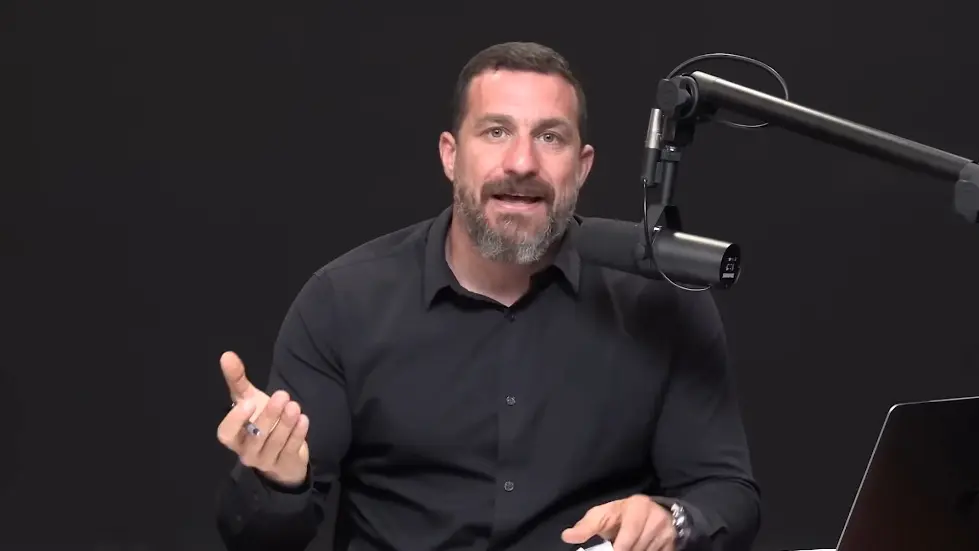
Blending of Senses and Interception of Sense of Body
- Serotonin 2A receptor activation allows for more broad, less precise, and less hierarchical activation of brain circuitry.
- This can result in a blending of the different senses, such as linking sound to breathing or visual phenomena occurring within the brain without external stimulus.
- The visual cortex is highly activated even in the absence of any visual input when under the influence of psilocybin.
- This can result in patterns of activation in the brain that are far less channeled, far less modular, and far less hierarchical than would ever be the case when not under the influence of psilocybin.
- The blending of the senses and interception of the sense of body can explain why one's breathing can be linked to a sound and vice versa.

Activation of Brain Circuitry
- Serotonin 2A receptor activation allows for more broad, less precise, and less hierarchical activation of brain circuitry.
- This can result in a blending of the different senses and interception of the sense of body.
- The thalamus is a structure that acts as a switchboard, sending visual, auditory, and touch information to the appropriate regions of the brain.
- When serotonin 2A receptors are activated very strongly, there is a tremendous broadening of the flow of information up and through the thalamus.
- This shift in the flow of sensory information into the brain can be described as a broader, less precise, and less hierarchical activation of brain circuitry.
You have read 50% of the summary.
To read the other half, please enter your Name and Email. It's FREE.
You can unsubscribe anytime. By entering your email you agree to our Terms & Conditions and Privacy Policy.
Watch the video on YouTube:
How Psilocybin Can Rewire Our Brain, Its Therapeutic Benefits & Its Risks | Huberman Lab Podcast - YouTube
Related summaries of videos:
- Dr. Susanna Søberg and Dr. Andrew Huberman: How to Use Cold & Heat Exposure to Improve Your Health | Huberman Lab Podcast
- Dr. Robin Carhart-Harris and Dr. Andrew Huberman: The Science of Psychedelics for Mental Health (Huberman Lab Podcast)
- Andrew Huberman: Adderall, Stimulants and Modafinil for ADHD: Short- and Long-Term Effects (Huberman Lab Podcast)
- Dr. Mary Helen, Immordino-Yang and Dr. Andrew Huberman: How Emotions and Social Factors Impact Learning (Huberman Lab Podcast)
- Andrew Huberman: The Science of MDMA and Its Therapeutic Uses - Benefits and Risks (Huberman Lab Podcast)
- Tim Ferriss and Andrew Huberman: How to Learn Better and Create Your Best Future (Huberman Lab Podcast)
- Dr. Jeffrey Goldberg and Dr. Andrew Huberman: How to Improve Your Eye Health and Offset Vision Loss (Huberman Lab Podcast)
- Andrew Huberman: How to Enhance Performance and Learning by Applying a Growth Mindset (Huberman Lab Podcast)
- Tony Hawk and Andrew Huberman: Harnessing Passion, Drive and Persistence for Lifelong Success (Huberman Lab Podcast)
- Dr. Andrew Huberman: Ketamine - Benefits and Risks for Depression, PTSD and Neuroplasticity (Huberman Lab Podcast)
- Home
- About us
- Contact
- Book Summaries 0-9
- Book Summaries A
- Book Summaries B
- Book Summaries C
- Book Summaries D
- Book Summaries E
- Book Summaries F
- Book Summaries G
- Book Summaries H
- Book Summaries I
- Book Summaries J
- Book Summaries K
- Book Summaries L
- Book Summaries M
- Book Summaries N
- Book Summaries O
- Book Summaries P
- Book Summaries Q
- Book Summaries R
- Book Summaries S
- Book Summaries T
- Book Summaries U
- Book Summaries V
- Book Summaries W
- Book Summaries X
- Book Summaries Y
- Book Summaries Z
- Jay Shetty Podcast - Summaries
- Tom Bilyeu Impact Theory - Summaries
- Lex Fridman - Summaries
- Diary of a CEO - Summaries
- Alex Hormozi - Summaries
