
Andrew Huberman: How to Increase Your Willpower and Tenacity (Huberman Lab Podcast)
Last updated: Oct 10, 2023
The video is about how to increase willpower and tenacity. The speaker, Andrew Huberman, discusses the psychology and neuroscience of these concepts and provides research-supported tools for enhancing them in any circumstance. He emphasizes that this podcast is separate from his teaching and research roles at Stanford and is part of his desire to bring zero-cost consumer information about science and science-related tools to the general public. The speaker mentions Maui Nei venison as a nutrient-dense and delicious red meat that is high in quality protein per calorie and is ideal for optimal nutrition. He also promotes Helix Sleep, which makes mattresses and pillows tailored to an individual's unique sleep needs. The speaker then discusses the major mechanism within the brain that generates tenacity and willpower, which lies at the interface of many other neural circuits and has input from all critical neural circuits.
This video by Andrew Huberman was published on Oct 9, 2023.
Video length: 02:07:59.
The Huberman Lab podcast episode titled "How to Increase Your Willpower &
Tenacity" discusses the concept of tenacity, which is the willingness to persist under pressure and resistance of different kinds. The episode also covers the topic of willpower, which is the motivation to do things and the motivation to resist certain things. The host, Andrew Huberman, discusses the psychology and neuroscience of tenacity and willpower and provides research-supported tools for enhancing these traits in any circumstance. The episode is separate from the host's teaching and research roles at Stanford and is aimed at providing zero-cost consumer information about science and science-related tools to the general public.
The episode is sponsored by Maui Nei venison and Helix Sleep.
- The Huberman Lab podcast discusses science and science-based tools for everyday life
- Andrew Huberman, a professor of neurobiology and ophthalmology at Stanford School of Medicine, hosts the podcast
- Today's episode focuses on building tenacity and willpower
- Tenacity is the willingness to persist under pressure and resistance of different kinds
- Willpower has to do with both the motivation to do things and the motivation to resist certain things
- There is a brain structure that integrates information from within and from outside to harness and build tenacity and willpower
- Research-supported tools for enhancing level of tenacity and willpower in any circumstance
- Maui Nei venison is a nutrient-dense and delicious red meat that is high in quality protein per calorie
- Helix Sleep makes mattresses and pillows tailored to an individual's unique sleep needs
How to Increase Your Willpower & Tenacity | Huberman Lab Podcast - YouTube
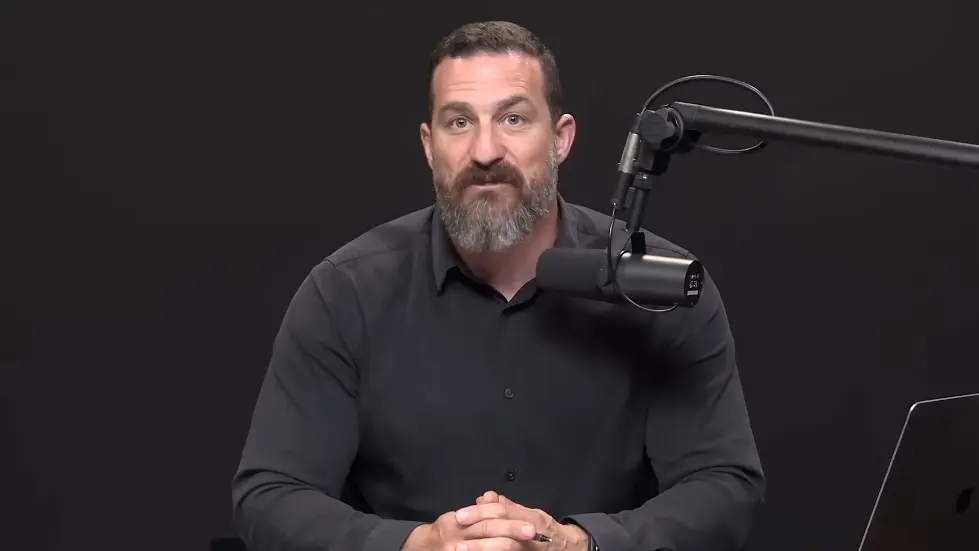
Introduction
- Welcome to the Huberman Lab podcast
- Discusses science and science-based tools for everyday life
- Hosted by Andrew Huberman, a professor of neurobiology and ophthalmology at Stanford School of Medicine
- Today's episode focuses on building tenacity and willpower
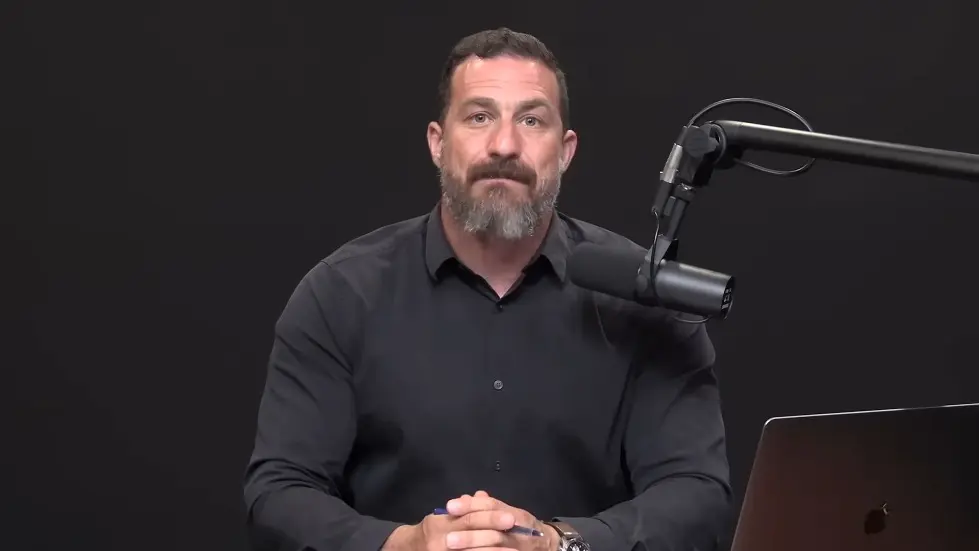
Psychology and Neuroscience of Tenacity and Willpower
- Tenacity is the willingness to persist under pressure and resistance of different kinds
- Willpower has to do with both the motivation to do things and the motivation to resist certain things
- There is a brain structure that integrates information from within and from outside to harness and build tenacity and willpower
- Research-supported tools for enhancing level of tenacity and willpower in any circumstance
Maui Nei Venison
- Most nutrient-dense and delicious red meat available
- Highest density of quality protein per calorie
- Achieves that in delicious things like ground meats, venison steaks, jerky, and bone broth
- Maui Nei venison is a key thing to make sure that you're not doing that by ingesting excessive calories
How to Increase Your Willpower & Tenacity | Huberman Lab Podcast - YouTube
Helix Sleep
- Makes mattresses and pillows tailored to your unique sleep needs
- Taking a two-minute quiz on their website to match you to a mattress that's ideal for your sleep needs
- Helix sleep has a brief two-minute quiz that matches you to a customized mattress for you
- Up to $350 off any mattress order and two free pillows if interested
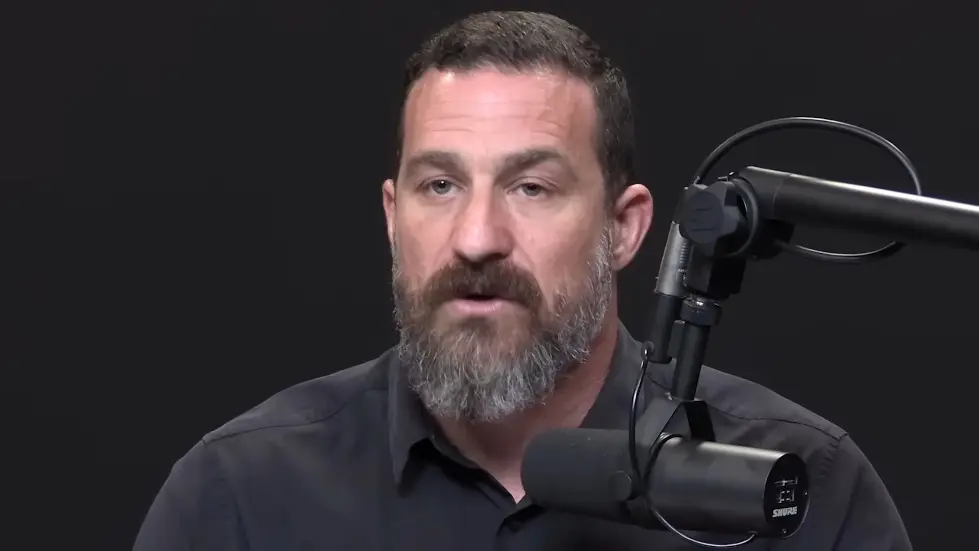
Enhancing Tenacity and Willpower
- One major mechanism within the brain that generates tenacity and willpower
- Activation of a particular brain center that lies at the interface of many other neural circuits
- Input from all critical neural circuits that one would need to generate tenacity and willpower
- Understanding this one particular brain center or hub of inputs and outputs from different neural structures in the brain and body will allow you to get the most out of tenacity and willpower
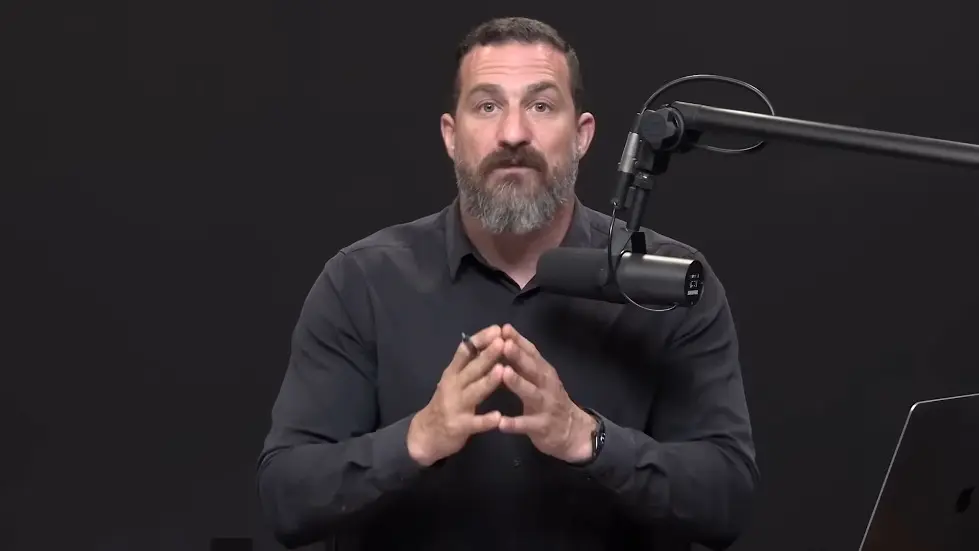
Introduction
- The speaker is Andrew Huberman, who discusses the psychology and neuroscience of willpower and tenacity.
- He emphasizes that this podcast is separate from his teaching and research roles at Stanford.
- The speaker mentions Maui Nei venison as a nutrient-dense and delicious red meat that is high in quality protein per calorie.
- He promotes Helix Sleep, which makes mattresses and pillows tailored to an individual's unique sleep needs.
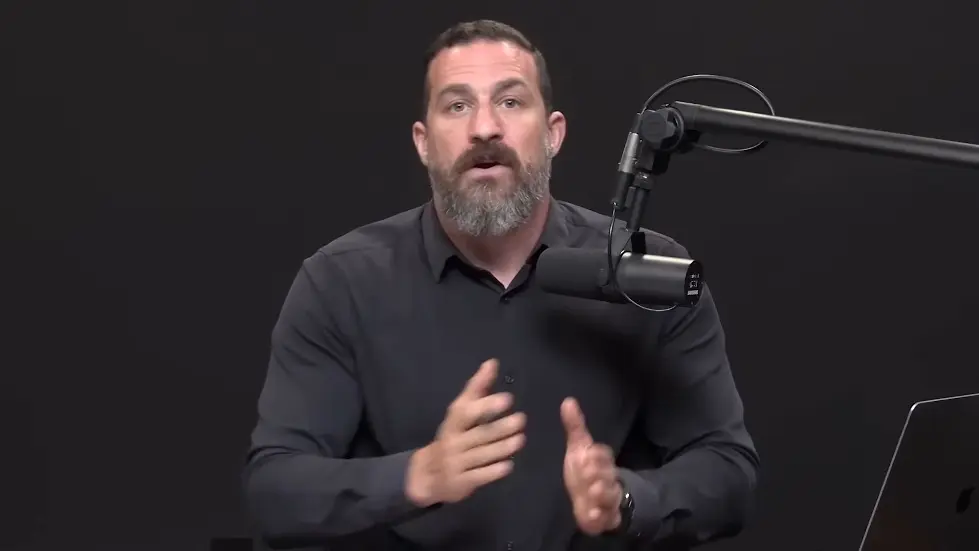
What are Willpower and Tenacity?
- Willpower and tenacity are distinctly different from habit execution.
- Willpower and tenacity require that we intervene in our own default neural processes such as habits or particular patterns of thinking.
- Engaging in a behavior that we really don't feel like engaging in or avoiding a behavior or a thought that by default we would naturally just engage in requires effort and energy.
- Neurons in the brain and body use chemical and electrical signaling to communicate with one another, and this requires fuel sources that come from things like glucose, ketones, the creatine phosphate system, and multiple fuel systems.
- When we talk about energy in today's discussion, we are talking about the energy required to engage in or resist in a particular behavior.
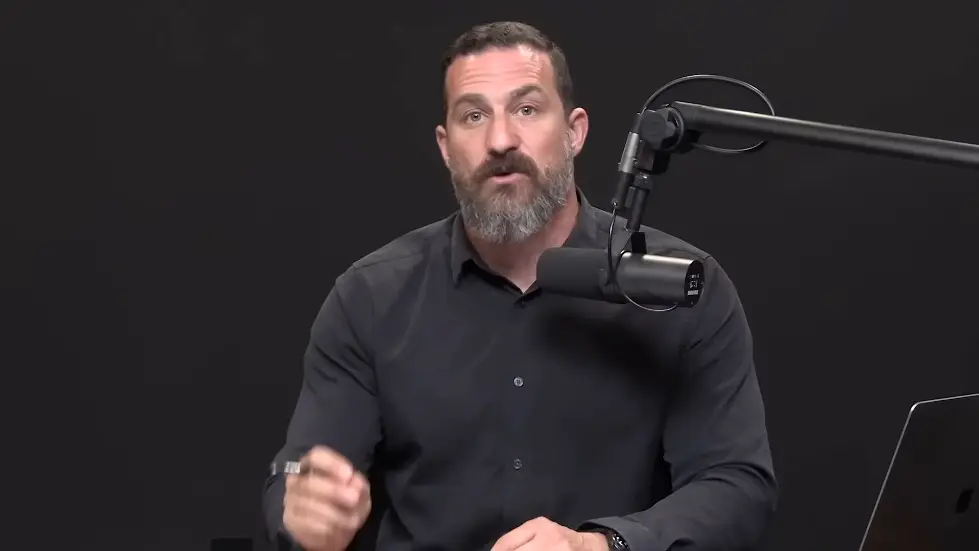
The Continuum of Willpower and Tenacity
- It is important to distinguish tenacity and willpower from habit execution.
- One of the hallmark features of major depression is a lack of positive anticipation about the future that leads to a much lower tendency to engage in the specific types of behavior that would allow one to arrive at a particular new different and positive future.
- Apathy and depression are at one end of the continuum, and grit, persistence, tenacity, and willpower are at the other end.
The Psychology of Willpower and Tenacity
- Willpower is a distinct concept from motivation, apathy, and depression.
- Willpower is the engine or the motor that allows individuals to move up and down the Continuum of psychological constructs.
- The study of willpower in the laboratory context has revealed that it is a limited resource, similar to fuel in the body or fuel in a car.
- The concept of ego depletion was first explored by Roy Baumeister and colleagues, who defined it as the ability for willpower to be depleted with each successive attempt to engage it.
- Ego depletion is the operational construct within the field of psychology, and it is important to understand the concepts of ego depletion and willpower as a limited resource to understand the psychology of willpower and tenacity.
The Psychology and Neuroscience of Willpower and Tenacity
- Willpower and tenacity are limited resources that can be replenished by engaging particular processes within the body.
- Willpower and tenacity are not limited resources, and ego depletion and willpower have not been debunked.
- Willpower is a limited resource, and ego depletion have not been debunked.
- Willpower is a limited resource, and ego depletion have not been debunked.
- Willpower is a limited resource, and ego depletion have not been debunked.
Evidence that Willpower is a Limited Resource
- Most people are familiar with what willpower feels like.
- Willpower and tenacity are two sides of the same coin.
- Willpower is not limited because we want the outcomes or rewards of those things and in many cases it's not that we don't enjoy those activities.
- We are feeling a lack of motivation, drifting down the continuum towards the more apathetic end of things.
- We are not far enough up the continuum and we are not engaging enough motivation to feel like the desire to do something either for its own sake or for the rewards and outcomes of that thing are sufficient to allow us to just do it.

Tools and Protocols for Increasing Willpower and Tenacity
- Willpower and tenacity are limited resources that can be replenished by engaging particular processes within the body.
- Willpower and tenacity are not limited resources, and ego depletion and willpower have not been debunked.
- Willpower is a limited resource, and ego depletion have not been debunked.
- Willpower is a limited resource, and ego depletion have not been debunked.
- Willpower is a limited resource, and ego depletion have not been debunked.
The Autonomic Nervous System and Willpower
- The autonomic nervous system (ANS) is responsible for generating states of alertness in our brain and body.
- The ANS has two major components: the sympathetic nervous system and the parasympathetic nervous system.
- The sympathetic nervous system is responsible for generating states of alertness and is active when we need to move or resist movement.
- The parasympathetic nervous system is responsible for generating states of relaxation and is active when we need to rest or sleep.
- The ANS is always in a push-pull with one another, and their balance reflects how alert or sleepy we are.
Willpower and Autonomic Function
- Willpower and tenacity ride on our current autonomic function.
- When we are well-rested, our level of tenacity and willpower to engage in things that we would not ordinarily engage in by default is much higher.
- When we are not getting enough quality sleep on a regular basis, our ability to call on tenacity and willpower is diminished.
- When we are in physical pain, emotional pain, or distracted, our ability to draw on tenacity and willpower will be diminished.
Modulators of Willpower
- Maui Nei venison is a nutrient-dense and delicious red meat that is high in quality protein per calorie and is ideal for optimal nutrition.
- Helix Sleep makes mattresses and pillows tailored to an individual's unique sleep needs.
Introduction
- The speaker is Andrew Huberman, discussing the psychology and neuroscience of willpower and tenacity.
- He emphasizes that there is no simple metric to measure autonomic function, but there are companies developing devices that hope to give indices of autonomic function or dysfunction.
- The speaker acknowledges that if you're not taking care of the foundational modulators of tenacity and willpower, none of the subsequent tools and protocols will help you much over time.
Foundational Modulators of Tenacity and Willpower
- Sleep is a foundational modulator of tenacity and willpower. Getting enough quality sleep on a regular basis is important.
- Stress management is also important for tenacity and willpower. There are a lot of tools for modulating stress in real-time, such as increasing stress threshold and stress real-time tools.
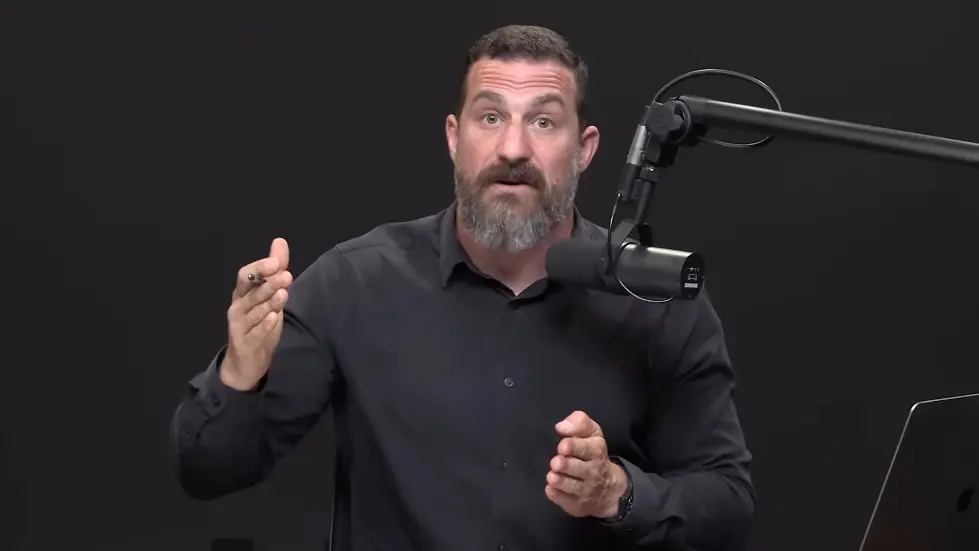
Zero Cost Ways to Manage Foundational Modulators
- There are a lot of zero cost ways to manage foundational modulators, such as going to the Huberman Lab website and putting in stress threshold tools or stress real-time tools.
- The Huberman Lab website also has a toolkit for sleep and specific time stamps for particular topics and protocols around sleep.
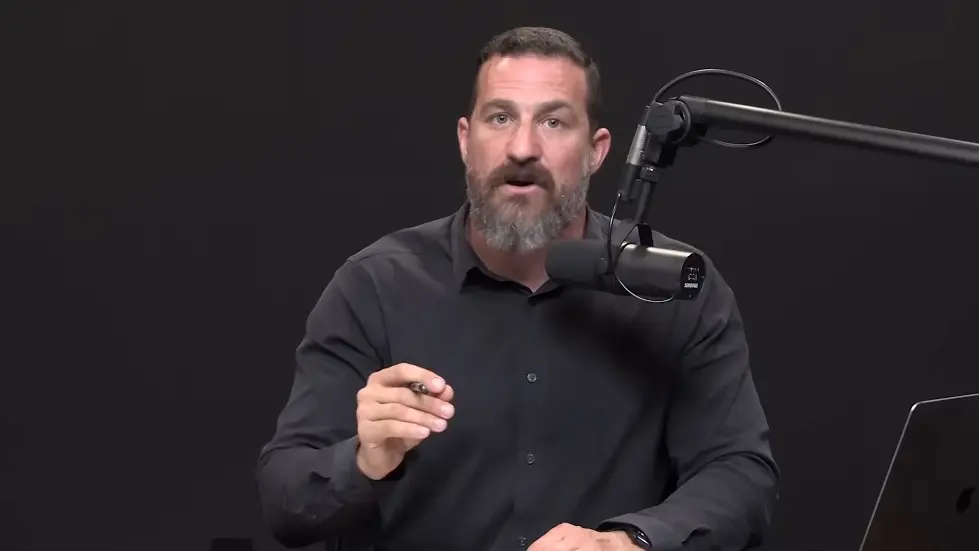
Neuroscience of Tenacity and Willpower
- The neural circuits of the autonomic nervous system provide direct and robust input to the brain location that governs our ability to allocate our mind and body toward particular activities or to resist particular activities.
- Autonomic health and autonomic function are important for our ability to engage tenacity and willpower.
Supplements and Tools for Tenacity and Willpower
- There are a lot of tools for modulating stress in real-time, such as increasing stress threshold and stress real-time tools.
- Ag1 is a vitamin mineral probiotic drink that's designed to meet all of your foundational nutrition needs.
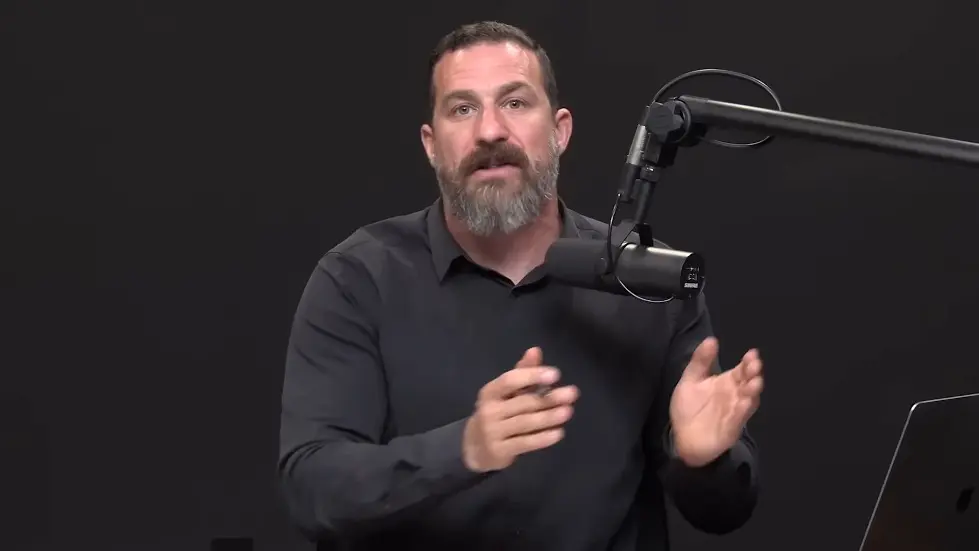
Section 1: Introduction
- The speaker is Andrew Huberman, discussing the psychology and neuroscience of willpower and tenacity.
- The video is from the Huberman Lab YouTube channel.
- The speaker emphasizes that this podcast is separate from his teaching and research roles at Stanford.
- The speaker mentions Maui Nei venison as a nutrient-dense and delicious red meat that is high in quality protein per calorie and is ideal for optimal nutrition.
- The speaker promotes Helix Sleep, which makes mattresses and pillows tailored to an individual's unique sleep needs.
Section 2: The Experiment
- The experiment is designed to get people to resist a certain kind of behavior.
- The subjects are divided into two groups: one group is told to resist eating radishes, the other group is told to resist eating cookies.
- The subjects are observed during this time, but the experiment is not about per se.
- There is no brain recordings, no one's in an MRI, and no cortisol being measured at least not in these early experiments.
- The key component of this stage of the experiment is to engage people's willpower.
Section 3: The Challenge
- The second part of the experiment has all of the subjects separately engage in another challenging task.
- The challenging task that they are asked to engage in is to solve a particular puzzle.
- Different experiments used different puzzles, but the original experiments that Bmeister and colleagues did had people try and solve a puzzle that could not be solved.
- The subjects weren't aware of that, and then what was measured was how long subjects persisted in trying to solve this impossible to solve puzzle.
- The outcome of this and similar studies was that if people had to resist the cookies, which is harder to do than resisting the radishes, they would persist for less time when they had to try and solve a puzzle that unbeknownst to them could not be solved.
Section 4: Conclusion
- The study concluded that if you have to resist one thing and it's a hard thing to resist, you have less resistance in you willpower to engage in another difficult task subsequently.
- If you had an easy challenge just prior or no challenge just prior to being faced with a challenge such as a very difficult puzzle, you had more resource more willpower to apply to the solving of that puzzle.
- The conclusion that Bmeister and colleagues drew from those results was that willpower is a limited resource.
- The idea that yes, there are things that challenge us both to do and to resist but that we can do that, but when we are asked to do that again and again and again while we may build up some capacity to engage our willpower and tenacity, it and of course, there are those rare individuals that we've heard about and some of us know.
- The speaker emphasizes that this podcast is separate from his teaching and research roles at Stanford and is part of his desire to bring zero-cost consumer information about science and science-related tools to the general public.
Introduction
- The speaker discusses the psychology and neuroscience of willpower and tenacity.
- He mentions Maui Nei venison as a nutrient-dense red meat and Helix Sleep as a mattress and pillow company.
- The speaker emphasizes that this podcast is separate from his teaching and research roles at Stanford.
The Neural Energy Required for Willpower and Tenacity
- The speaker discusses the idea that willpower and tenacity require neural energy.
- He raises the question of whether willpower is a limited resource and what exactly that resource is at a physiological level.
- The speaker mentions that the brain is one of the most metabolically active organs in the body and requires a lot of fuel, mainly glucose.
- He raises the hypothesis that glucose availability itself is the resource that's limiting willpower.
Experiments on Willpower and Glucose Availability
- The speaker mentions that experiments have shown that if people are asked to do a difficult task to engage their willpower, their levels of willpower are maintained consistently from one task to the next if they have more glucose available.
- He mentions that in some experiments, a third hard task that required willpower was also done, and the levels of willpower were increased from one task to the next if they had more glucose available.
- The speaker mentions that these studies attemp to bridge a psychological construct like tenacity and willpower.
Conclusion
- The speaker emphasizes that willpower and tenacity require effort and neural energy.
- He mentions that glucose availability is the resource that's limiting willpower.
- The speaker concludes that these studies attemp to bridge a psychological construct like tenacity and willpower.

The Argument that Willpower is an Expendable Resource
- The speaker argues that willpower is an expendable resource that can be replenished by linking it to a physiological variable.
- The physiological variable linked to willpower is glucose availability in the brain.
- The Bal Meister results showed that if glucose levels are kept stable across the day, individuals have more willpower and tenacity.
- This set the field of psychology and pop psychology, with many products and courses born out of this literature.
- However, there are other variables that could potentially explain the results, leading to controversy.
Counterinterpretation of the Bal Meister Results
- The question was about the interpretation of the Bal Meister results.
- Willpower is a limited resource, and the resource that's limited is glucose availability to the brain.
- A study by a colleague of the speaker at Stanford examined this idea.
- The study mirrored the overall organization of the experiments done by Bal Meister and colleagues.
- The study found that if glucose levels are kept stable across the day, individuals have more willpower and tenacity.

The Stroop Task
- The Stroop task is a task used to probe prefrontal cortex function.
- The prefrontal cortex is responsible for context and strategy setting given a particular set of rules.
- The Stroop task involves presenting subjects with words in different colors and instructing them to either read the word or the color.
- If the font is in the color green but the word is red, it is a little bit harder for subjects to make the correct answer.
- The study found that if glucose levels are kept stable across the day, individuals have more willpower and tenacity.

The Psychology and Neuroscience of Willpower and Tenacity
- Willpower and tenacity are context-dependent strategies.
- The major focus of the study was to have people engage in one hard task and then in another hard task, both of which draw on willpower.
- Ingesting glucose can improve performance on challenging willpower-requiring tasks.
- The degree to which the glucose-containing drink could improve performance depended on whether or not the subject believed that willpower was a limited resource and believed that resource was glucose.
- If you believe that willpower is a limited resource, then with each subsequent task that you engage in or life event of any kind that you engage in that requires willpower and tenacity, you will have less willpower and tenacity to draw on.
Beliefs about Willpower Determine the Impact of Glucose on Self-Control
- The study found that ingesting glucose can improve performance on challenging willpower-requiring tasks.
- The degree to which the glucose-containing drink could improve performance depended on whether or not the subject believed that willpower was a limited resource and believed that resource was glucose.
- If you believe that willpower is a limited resource, then with each subsequent task that you engage in or life event of any kind that you engage in that requires willpower and tenacity, you will have less willpower and tenacity to draw on.
- If you believe that willpower and tenacity are unlimited and divorced from blood glucose as the physiological source of willpower and tenacity, then you can engage in one challenging task and another challenging task without any diminishment in performance.
Experimental Design for Engaging Tenacity and Willpower
- The study used a very clever experimental design that argues that yes indeed it's hard to do a challenging thing right after another challenging thing but there's no reason to think that you can't do both of those things while engaging the utmost tenacity and willpower if you believe that tenacity and willpower exist within you as a single mechanism that can be harnessed and that it's not a single mechanism that has a reservoir that runs down as you engage in one hard thing to the next.
- The study used three major experiments in which the major conclusion was that yes ingesting glucose can improve your ability to engage tenacity and willpower, provided that you believe that glucose is the limiting resource for engaging tenacity and willpower.
- The study used an artificially flavored drink as a control group to test the effects of glucose on willpower and tenacity.
- The study found that if you believe that willpower is a limited resource, then with each subsequent task that you engage in or life event of any kind that you engage in that requires willpower and tenacity, you will have less willpower and tenacity to draw on.
The Neural Underpinnings of Tenacity and Willpower
- There is one major set of brain circuits in particular that an entire collection of more than two dozen studies points to as the seat of what we call tenacity and willpower.
- The major set of brain circuits in particular that an entire collection of more than two dozen studies points to as the seat of what we call tenacity and willpower is one brain area.
- The major set of brain circuits in particular that an entire collection of more than two dozen studies points to as the seat of what we call tenacity and willpower is one brain area that an entire collection of more than two dozen studies points to as the seat of what we call tenacity and willpower.
- The major set of brain circuits in particular that an entire collection of more than two dozen studies points to as the seat of what we call tenacity and willpower is one brain area that an entire collection of more than two dozen studies points to as the seat of what we call tenacity and willpower.
The Psychology and Neuroscience of Willpower and Tenacity
- The speaker, Andrew Huberman, discusses the psychology and neuroscience of willpower and tenacity.
- He emphasizes that this podcast is separate from his teaching and research roles at Stanford.
- The speaker mentions Maui Nei venison as a nutrient-dense and delicious red meat that is high in quality protein per calorie and is ideal for optimal nutrition.
- He promotes Helix Sleep, which makes mattresses and pillows tailored to an individual's unique sleep needs.
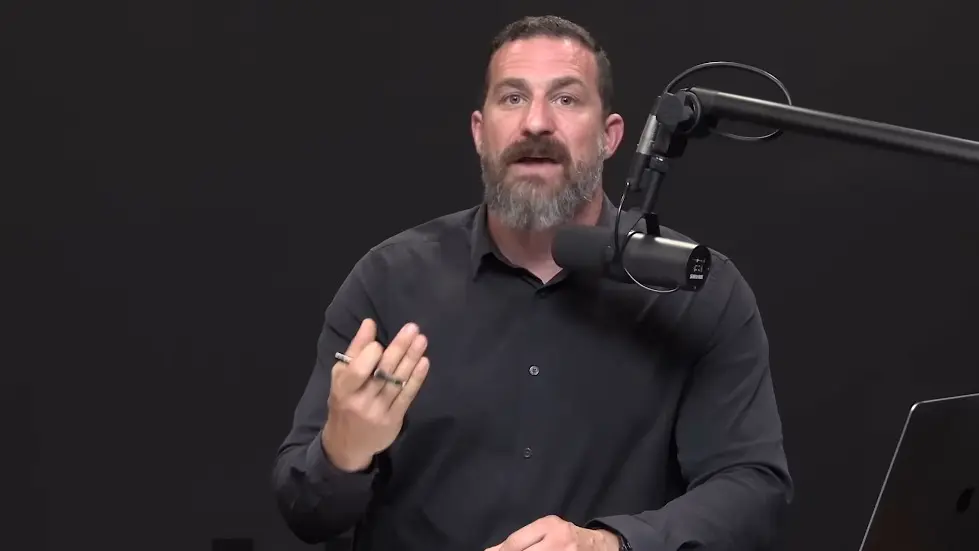
- The major mechanism within the brain that generates tenacity and willpower lies at the interface of many other neural circuits and has input from all critical neural circuits.
Willpower as a Limited Resource
- Andrew Huberman and colleagues found that when subjects are presented with not just two challenges back to back but three or more, their performance and willpower to engage in challenges is maintained across those multiple challenges.
- One's belief about willpower can indeed dictate whether or not willpower is or is not a limited resource and whether glucose would or would not enhance one's ability to engage willpower.
- The availability of glucose during and between tasks is valuable in allowing people to engage this thing that psychologically we describe as tenacity and willpower.
- The speaker argues that if one confronts multiple challenging circumstances as is very naturalistic as we say it's very typical of everyday real life, then the availability of glucose during and between tasks is valuable in allowing people to engage tenacity and willpower.

The Unified Source of Tenacity and Willpower
- Andrew Huberman argues that tenacity and willpower have a unified source that is a specific set of brain areas that when active engage that feeling of tenacity and willpower.
- Regardless of what we are confronted with, regardless of whether or not we are trying to engage in something that reflexively we wouldn't otherwise want to engage in, and regardless of whether or not we are confronted with something that we have to resist, the feeling of tenacity and willpower is engaged.
- The speaker finds this extremely reassuring because whether or not you believe that blood glucose is the limiting resource for willpower, whether or not you believe that your beliefs about willpower and blood glucose impact your level of willpower, what we know for sure is that there's a single set of brain circuits indeed there's a single brain area that seems to be able to largely if not entirely generate tenacity and willpower.
Section 1: Introduction
- The speaker discusses the concept of tenacity and willpower.
- He explains that these concepts are related to a specific brain area.
- He emphasizes that this brain area is highly subject to plasticity.
- He mentions that specific things can be done and specific mindsets can be adopted to increase the activity of this brain area.
- He states that this brain area is integral to high-level psychological concepts like tenacity and willpower.
Section 2: The Anterior Mid Singulate Cortex
- The speaker explains that the name of the brain area is the anterior mid singulate cortex.
- He provides background information about the brain area, including its location and size.
- He mentions that there are two anterior mid singulate cortices, one on each side of the brain.
- He explains that the anterior mid singulate cortex receives inputs from a variety of areas.
- He states that the anterior mid singulate cortex is a vital hub for engaging tenacity and willpower.
Section 3: Evidence Supporting the Anterior Mid Singulate Cortex
- The speaker mentions that there is at least one quality reviewed study in humans that supports the anterior mid singulate cortex's role in tenacity and willpower.
- He states that there is a lot of data from animal models that supports the human data and vice versa.
- He explains that one way to explore the anterior mid singulate cortex's role in a given psychological or physiological phenomenon is to put wire electrodes down below the skull and record the electric activity of neurons.
- He mentions that another way to assess the anterior mid singulate cortex's role in a given phenomenon is to assess whether or not the electrical activity of neurons changes when a person is experiencing a particular emotion or sensation.
- He states that another way to assess the anterior mid singulate cortex's role in a given phenomenon is to assess whether or not that brain area changes size over the course of some sort of training.
Section 4: Conclusion
- The speaker emphasizes that the anterior mid singulate cortex is integral to high-level psychological concepts like tenacity and willpower.
- He states that specific things can be done and specific mindsets can be adopted to increase the activity of this brain area.
- He mentions that this brain area is highly subject to plasticity.
- He emphasizes that this brain area is a vital hub for engaging tenacity and willpower in any circumstance.
- He concludes that the anterior mid singulate cortex is a key brain area that plays a crucial role in high-level psychological concepts like tenacity and willpower.
Section 1: Assessing Brain Area Function
- There are various ways to assess brain area function, including assessing input from other areas, recording neural activity, and evaluating resting state connectivity.
- The anterior mid singulate cortex (AMSC) is involved in tenacity and willpower, as it gets robust input from the autonomic nervous system, reward systems of the brain, and context and strategy setting areas.
- Researchers have observed that the AMSC shows elevated levels of activity in hard tasks versus easy tasks, and high achieving individuals have higher resting state connectivity in the AMSC compared to lower achieving individuals.
- Individuals with lesions or disruptions of AMSC function show increased apathy and depression, reduced levels of tenacity and motivation, and reduced levels of spontaneous and evoked activity in the AMSC.
- Successful dieters show elevated spontaneous and evoked levels of activity in the AMSC, and individuals who can resist food show increased activity in the AMSC.

Section 2: The Anterior Mid Singulate Cortex and Willpower
- The anterior mid singulate cortex (AMSC) is involved in willpower and tenacity, as it gets robust input from the autonomic nervous system, reward systems of the brain, and context and strategy setting areas.
- The AMSC shows elevated levels of activity in hard tasks versus easy tasks, and high achieving individuals have higher resting state connectivity in the AMSC compared to lower achieving individuals.
- Individuals with lesions or disruptions of AMSC function show increased apathy and depression, reduced levels of tenacity and motivation, and reduced levels of spontaneous and evoked activity in the AMSC.
- Successful dieters show elevated spontaneous and evoked levels of activity in the AMSC, and individuals who can resist food show increased activity in the AMSC.
- The AMSC is also involved in eating disorders such as anorexia nervosa, which is a deadly psychological and physiological condition.
Section 3: Assessing Brain Area Function in Anorexia Nervosa
- Individuals with anorexia nervosa exhibit heightened levels of activity in their anterior mid singulate cortex (AMSC) both at rest and when presented with food.
- Anorexia nervosa is a deadly psychological and physiological condition that is extremely serious and can lead to death in a large percentage of people with the condition.
- There are treatments and emerging treatments for anorexia nervosa, but it is a serious condition that requires medical attention.
Section 4: Conclusion
- The anterior mid singulate cortex (AMSC) is involved in willpower, tenacity, and eating disorders such as anorexia nervosa.
- There are various ways to assess brain area function, including assessing input from other areas, recording neural activity, and evaluating resting state connectivity.
- Individuals with anorexia nervosa exhibit heightened levels of activity in their AMSC, and the condition is deadly and requires medical attention.
- Successful dieters show elevated spontaneous and evoked levels of activity in the AMSC, and individuals who can resist food show increased activity in the AMSC.
Section 1: Anorexia Nervosa and Reward Pathways
- Anorexia nervosa is a mental disorder characterized by an intense fear of fatness and a distorted body image.
- The reward pathways of the brain, which are directly connected to the anterior mid singulate cortex, are activated under conditions in which people with anorexia avoid food as opposed to eating food.
- There is positive literature about "superagers," people who are 60 years old or more and maintain very youthful levels of cognition.
- Superagers maintain a volume and size of the anterior mid singulate cortex that is significantly greater than their age-matched cohorts.
- The anterior mid singulate cortex is involved in our ability to generate tenacity and willpower, moving us up the continuum away from apathy and depression.
Section 2: Superagers and the Anterior Mid Singulate Cortex
- Superagers are people who are 60 years old or more and maintain very youthful levels of cognition.
- Neuroimaging data shows that superagers maintain a volume and size of the anterior mid singulate cortex that is significantly greater than their age-matched cohorts.
- The anterior mid singulate cortex is involved in our ability to generate tenacity and willpower.
- The anterior mid singulate cortex is one of two things that has to do with our ability to engage in or resist particular types of behaviors.
- The anterior mid singulate cortex is activated when we have that sense within us that feeling in our body and that thought pattern AKA feeling in our brain that no matter what you say, do, or put in front of me, I won't.
Section 3: Willpower and the Anterior Mid Singulate Cortex
- Willpower is either an expression of "I will" or "I absolutely will" or "I absolutely won't."
- The anterior mid singulate cortex is involved in our ability to generate tenacity and willpower.
- The anterior mid singulate cortex is one of two things that has to do with our ability to engage in or resist particular types of behaviors.
- The anterior mid singulate cortex is activated when we have that sense within us that feeling in our body and that thought pattern AKA feeling in our brain that no matter what you say, do, or put in front of me, I won't.
- The anterior mid singulate cortex is involved in our ability to say "I will" or "I absolutely will" or "I absolutely won't" in different contexts where we have to say "I will" or "I absolutely will" or "I absolutely won't."
Section 4: The Anterior Mid Singulate Cortex and Tenacity
- The anterior mid singulate cortex is involved in our ability to generate tenacity and willpower.
- The anterior mid singulate cortex is one of two things that has to do with our ability to engage in or resist particular types of behaviors.
- The anterior mid singulate cortex is activated when we have that sense within us that feeling in our body and that thought pattern AKA feeling in our brain that no matter what you say, do, or put in front of me, I won't.
- The anterior mid singulate cortex is involved in our ability to say "I will" or "I absolutely will" or "I absolutely won't" in different contexts where we have to say "I will" or "I absolutely will" or "I absolutely won't."
- The anterior mid singulate cortex is involved in our ability to engage in or resist particular types of behaviors, which is required in a lot of different contexts where we have to say "I will" or "I absolutely will" or "I absolutely won't."

The Anterior Mid Singulate Cortex
- The anterior mid singulate cortex (AMSC) is a third of the way back from the forehead to the back of the brain, approximately above the corpus colossum.
- It is a robust collection of white matter tracks that connect the two sides of the brain and gets input and sends input to a number of different brain areas.
- The AMSC is in direct communication with areas of the brain that control cardiovascular function, respiration, heart rate, and immune system inputs and outputs.
- It is also in direct communication with the endocrine system and the systems of the brain and body that release hormones like estrogen and testosterone.
- The AMSC plays a major role in making effort feel good, which links up directly with the concept of tenacity and willpower.
The Interior Mid Singulate Cortex
- The interior mid singulate cortex (IMSC) is directly linked up with premotor centers, which organize particular patterns of behavior and can suppress particular patterns of behavior.
- The IMSC is also directly wired in with the reward pathways of the brain, which can trigger the release of dopamine and respond to the release of dopamine.
- The IMSC is in direct communication with the anterior mid singulate cortex and the dopamine system.
- It gets information about interoception, our readout of how we feel in our body, and has robust inputs and outputs with the areas of the brain associated with exteroception, our perception of what is out around us.
- The neuroimaging, lesion, and volumetric data provide a logical basis for the importance of the AMSC in various conditions such as depression, anxiety, high performance, and anorexia.

The Role of Testosterone
- Testosterone is one of the major functions of the AMSC in the brain.
- It makes effort feel good, which links up directly with the concept of tenacity and willpower.
- Testosterone is involved in different processes such as aggression, mating, and immune system inputs and outputs.
- Dr. Spolski and the speaker discussed that one of the major functions of testosterone in the brain is to make effort feel good.
- Testosterone is present in both males and females and plays a role in different processes.
Conclusion
- The AMSC is a third of the way back from the forehead to the back of the brain, approximately above the corpus colossum.
- It is a robust collection of white matter tracks that connect the two sides of the brain and gets input and sends input to a number of different brain areas.
- The AMSC is in direct communication with areas of the brain that control cardiovascular function, respiration, heart rate, and immune system inputs and outputs.
- It is also in direct communication with the endocrine system and the systems of the brain and body that release hormones like estrogen and testosterone.
- The IMSC is directly linked up with premotor centers, which organize particular patterns of behavior and can suppress particular patterns of behavior.
The Anterior Mid Singulate Cortex
- The major seat for tenacity and willpower comes from the anterior mid singulate cortex (AMSC).
- Lisa Feldman Barrett, who is soon to be a guest on the Huberman Lab podcast, has written several reviews about the AMSC and its role in tenacity and motivation.
- The AMSC is a brain structure that has an incredible function in generating tenacity and motivation.
- Joe Parvy, a colleague at Stanford, conducted a study that stimulated particular brain areas with a high degree of precision and found that the AMSC was responsible for generating feelings of tenacity and willpower.
- The AMSC is a hub that receives information from a diversity of brain areas and generates a particular sense within us that we are going to be able to push through challenges.
You have read 50% of the summary.
To read the other half, please enter your Name and Email. It's FREE.
You can unsubscribe anytime. By entering your email you agree to our Terms & Conditions and Privacy Policy.
Watch the video on YouTube:
How to Increase Your Willpower & Tenacity | Huberman Lab Podcast - YouTube
Related summaries of videos:
- Dr. Lisa Feldman Barrett and Dr. Andrew Huberman: How to Understand Emotions (Huberman Lab Podcast)
- Andrew Huberman: Mental Health Toolkit - Tools to Bolster Your Mood and Mental Health
- Dr. Michael Eisenberg and Dr. Andrew Huberman: Improving Male Sexual Health, Function and Fertility
- Dr. Natalie Crawford and Dr. Andrew Huberman: Female Hormone Health, Fertility and Vitality
- Andrew Huberman: A Science-Supported Journaling Protocol to Improve Mental and Physical Health
- Dr. Adam Grant and Dr. Andrew Huberman: How to Unlock Your Potential, Motivation and Unique Abilities
- Dr. Andrew Huberman: AMA #13: Winter Months and Sickness, Wim Hof Breathing and Stressors
- Robert Greene and Andrew Huberman: A Process for Finding and Achieving Your Unique Purpose
- Dr. Karen Parker and Dr. Andrew Huberman: The Causes and Treatments for Autism
- Dr. Robert Lustig and Dr. Andrew Huberman: How Sugar and Processed Foods Impact Your Health
- Home
- About us
- Contact
- Book Summaries 0-9
- Book Summaries A
- Book Summaries B
- Book Summaries C
- Book Summaries D
- Book Summaries E
- Book Summaries F
- Book Summaries G
- Book Summaries H
- Book Summaries I
- Book Summaries J
- Book Summaries K
- Book Summaries L
- Book Summaries M
- Book Summaries N
- Book Summaries O
- Book Summaries P
- Book Summaries Q
- Book Summaries R
- Book Summaries S
- Book Summaries T
- Book Summaries U
- Book Summaries V
- Book Summaries W
- Book Summaries X
- Book Summaries Y
- Book Summaries Z
- Jay Shetty Podcast - Summaries
- Tom Bilyeu Impact Theory - Summaries
- Lex Fridman - Summaries
- Diary of a CEO - Summaries
- Alex Hormozi - Summaries
