
Andrew Huberman: How to Stop Headaches Using Science-Based Approaches (Huberman Lab Podcast)
Last updated: Oct 2, 2023
The video is about discussing the different types of headaches and their underlying biology, as well as treatments for each type. The speaker, Andrew Huberman, is a professor of neurobiology and ophthalmology at Stanford School of Medicine. He discusses the various types of headaches, including migraine, tension, cluster, and sinus headaches, and explains the underlying biology of each. He also discusses natural treatments for headaches that are grounded in solid biological understanding and are as effective as prescription drug treatments. The speaker emphasizes that there are many excellent treatment options for headaches and encourages listeners to try natural treatments before resorting to prescription drugs.
This video by Andrew Huberman was published on Feb 6, 2023.
Video length: 02:26:44.
The video is about discussing the different types of headaches and their underlying biology, as well as treatments for each type.
The host, Andrew Huberman, is a professor of neurobiology and ophthalmology at Stanford School of Medicine. He explains that headaches can be caused by various factors such as muscular pain, excessive vasodilation, and other underlying mechanisms. He also discusses natural treatments for headaches that are grounded in solid biological understanding and are as effective as prescription drug treatments and over-the-counter medications.
Huberman emphasizes that this podcast is separate from his teaching and research roles at Stanford and is part of his desire to bring zero-cost consumer information about science and science-related tools to the general public.
- Headaches are a common health issue that affects millions of people worldwide.
- There are different types of headaches, including migraine, tension, cluster, and sinus headaches.
- The underlying biology of each type of headache is different and affects different tissues in the head and neck area.
- Migraine headaches are characterized by throbbing pain on one side of the head, often accompanied by light sensitivity, sound sensitivity, and nausea.
- Tension headaches are characterized by a dull, aching pain on both sides of the head, often accompanied by tightness in the neck and shoulders.
- Cluster headaches are characterized by recurring episodes of intense pain on one side of the head, often accompanied by tearing, congestion, and sensitivity to light and sound.
- Sinus headaches are characterized by pain and pressure in the forehead, often accompanied by congestion, runny nose, and difficulty breathing through the nose.
- Prescription drug treatments and over-the-counter medications such as ibuprofen and acetaminophen can be effective in treating headaches.
- Natural treatments such as hydration and electrolyte supplements, relaxation techniques, deep breathing and meditation, acupuncture, and biofeedback can also be effective in treating headaches.
How to Stop Headaches Using Science-Based Approaches | Huberman Lab Podcast - YouTube

Introduction
- Welcome to the Huberman Lab podcast
- Discusses science and science-based tools for everyday life
- Hosted by Andrew Huberman, a professor of neurobiology and ophthalmology at Stanford School of Medicine
- Today's episode focuses on headaches and their underlying biology, as well as treatments for each type

Types of Headaches
- Migraine headaches
- Tension headaches
- Cluster headaches
- Sinus headaches

Underlying Biology of Headaches
- Migraine headaches are caused by changes in blood vessels in the brain
- Tension headaches are caused by muscle tension in the neck and head
- Cluster headaches are caused by the release of certain chemicals in the brain
- Sinus headaches are caused by inflammation in the sinuses

How to Stop Headaches Using Science-Based Approaches | Huberman Lab Podcast - YouTube
Treatments for Headaches
- Prescription drug treatments and over-the-counter medications such as ibuprofen and acetaminophen
- Natural treatments such as acupuncture, massage, and chiropractic care
- Herbal remedies such as ginger and peppermint oil
- Lifestyle changes such as stress reduction and regular exercise

Conclusion
- Headaches are a common problem that can be debilitating
- Understanding the underlying biology of each type of headache can help in selecting the best treatment options
- Natural treatments can be as effective as prescription drug treatments and may have fewer side effects
- There are many excellent treatment options available for headaches, and it's important to try natural treatments before resorting to prescription drugs

Section 1: Introduction to Headaches
- Headaches are a common health issue that affects millions of people worldwide.
- There are different types of headaches, including migraine, tension, cluster, and sinus headaches.
- The underlying biology of each type of headache is different and affects different tissues in the head and neck area.
- Andrew Huberman, a professor of neurobiology and ophthalmology at Stanford School of Medicine, discusses the different types of headaches and their underlying biology.

Section 2: Migraine Headaches
- Migraine headaches are characterized by throbbing pain on one side of the head, often accompanied by light sensitivity, sound sensitivity, and nausea.
- The exact cause of migraine headaches is not fully understood, but they are thought to be related to changes in the levels of certain chemicals in the brain, such as serotonin and dopamine.
- Migraine headaches can be treated with prescription drugs, but natural treatments such as hydration and electrolyte supplements can also be effective.
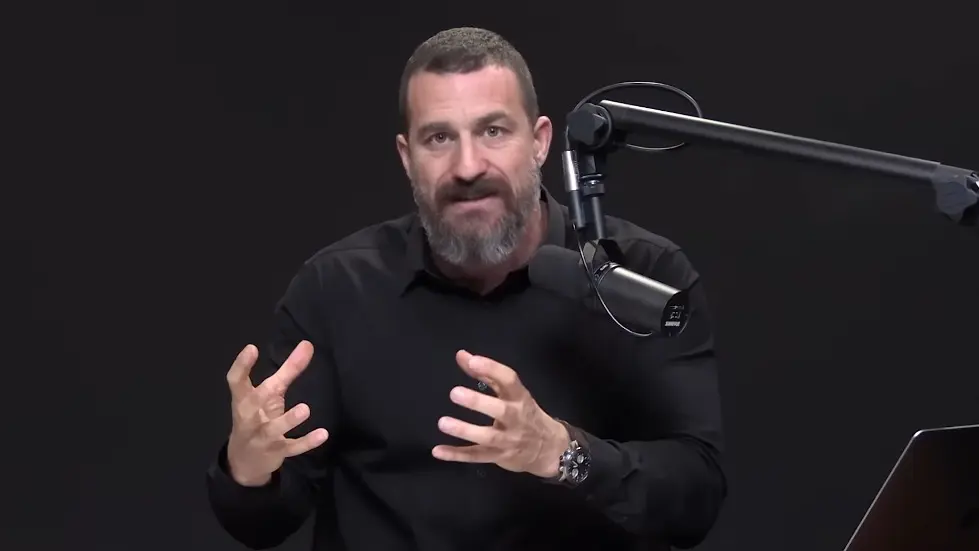
Section 3: Tension Headaches
- Tension headaches are characterized by a dull, aching pain on both sides of the head, often accompanied by tightness in the neck and shoulders.
- Tension headaches are thought to be caused by muscle tension in the neck and shoulders, which can be caused by stress, poor posture, and other factors.
- Treatment for tension headaches includes relaxation techniques, such as deep breathing and meditation, as well as prescription drugs and over-the-counter pain relievers.

Section 4: Cluster Headaches
- Cluster headaches are characterized by recurring episodes of intense pain on one side of the head, often accompanied by tearing, congestion, and sensitivity to light and sound.
- The exact cause of cluster headaches is not fully understood, but they are thought to be related to changes in the levels of certain chemicals in the brain, such as serotonin and dopamine.
- Treatment for cluster headaches includes prescription drugs, as well as lifestyle changes such as stress reduction and regular exercise.

Section 5: Sinus Headaches
- Sinus headaches are characterized by pain and pressure in the forehead, often accompanied by congestion, runny nose, and difficulty breathing through the nose.
- Sinus headaches are caused by inflammation of the sinuses, which can be caused by allergies, infections, or other factors.
- Treatment for sinus headaches includes over-the-counter pain relievers, nasal sprays, and prescription drugs.

The Dura and Meninges
- The dura is a very durable tissue that encases the brain and skull.
- The meninges are thin fibrous tissues that provide an additional buffer between the brain and the dura and the skull.
- The brain is not directly touching the skull, it is surrounded by a fibrous sac.
- There is a lot of vasculature, such as arteries, blood vessels, and capillaries, in the area on top of the brain and throughout the brain.
- The proximity of the dura and meninges to the brain and the fact that everything is wrapped very tightly together and the fact that there's a lot of vasculature in the area is one of the reasons why when blood vessels or arteries or both become dilated they open, creating a pressure between the brain and those tissues.
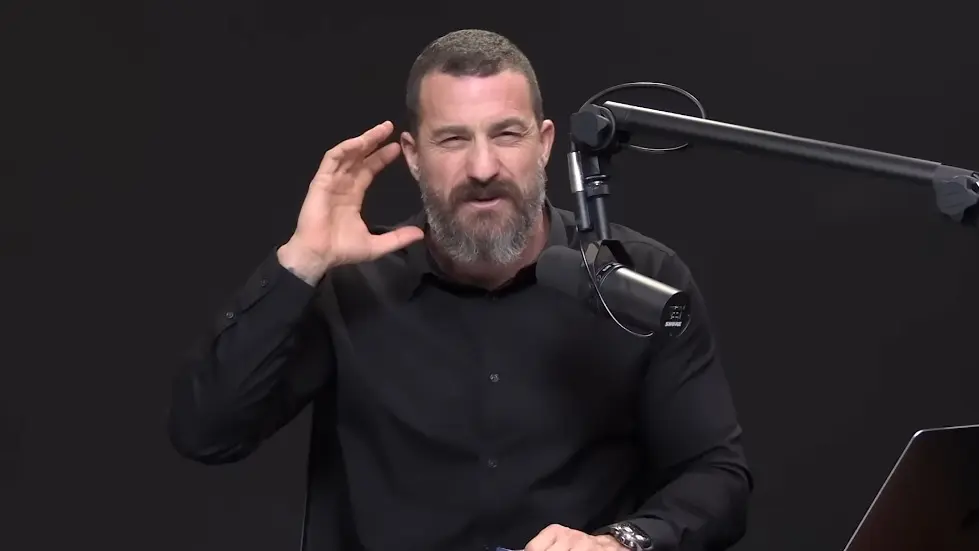
Muscular Tension and Vasodilation
- Muscular tension can give rise to headache.
- Vasodilation, or the expansion of the arteries, blood vessels, and capillaries, can also give rise to headache.
- There is not a lot of space for vasodilation to go, which means that anything except for the brain can push up against the very durable tissue and the very durable tissue can push up against the skull.
- The brain itself doesn't have pain receptors, but the tissues surrounding the brain, such as the dura, meninges, and vasculature, do have pain receptors.
- When there is an increase in the size of the vascular portals that allow movement of blood, the arteries, capillaries, and vessels experience that as intense pain and pressure.

Cluster Headaches
- Cluster headaches are headaches that arise not from the surface but rather from deep within the head, in particular from behind the orbit of one or both eyes.
- Cluster headaches are extremely painful, even the relatively minor ones.
- The exact cause of cluster headaches is not fully understood, but it is believed to be related to changes in blood flow and pressure in the head.
- Treatment for cluster headaches includes medications, lifestyle changes, and alternative therapies such as acupuncture and biofeedback.
- It is important to note that cluster headaches are a type of neural response and not an inflammatory response, which is a common misconception.

Types of Headaches
- Migraine
- Tension
- Cluster
- Sinus
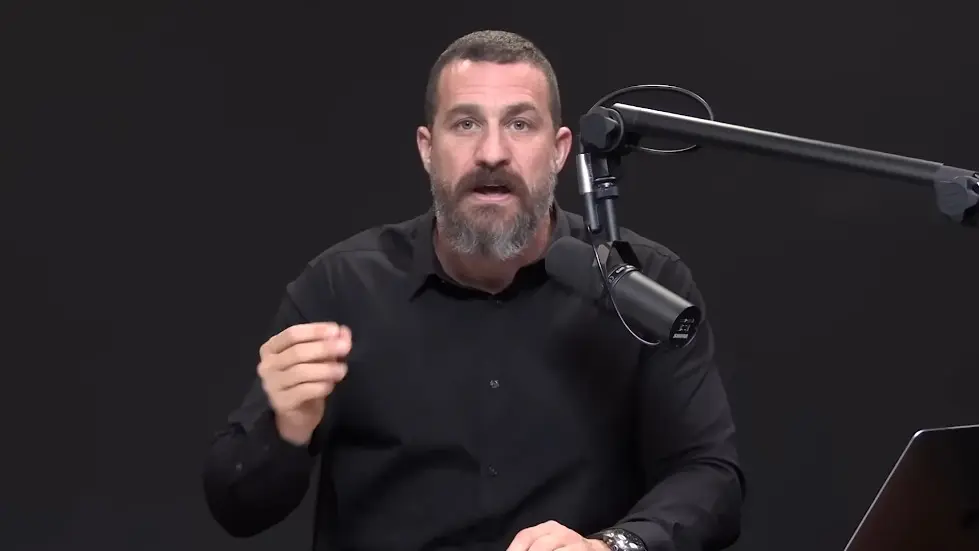
Migraine
- Painful
- Rising from deep within our head
- Opposed from the surface inward
- Neural in origin
- Trigeminal nerve is the origin

Tension
- Muscular origins
- Pain behind the eyes
- One or both sides of the face
- Arises from deep within the head

Cluster
- Neural in origin
- Trigeminal nerve is the origin
- Pain behind the eye
- One or both sides of the face
- Inflammation of the trigeminal nerve

Sinus
- Inflammation of the sinuses
- Clogged sinuses
- Allows the passage of different fluids
- Living tissue that needs to be nourished

Understanding Headaches
- Headaches can be caused by various factors such as infection, inflammation, or foreign objects.
- The immune system tries to limit the extent of inflammation in these cases.
- The face and head area are heavily infused with blood vessels and cerebral spinal fluid, making them more prone to inflammation.
- Inflammation can trigger pain mechanisms in other tissues as well.
- There are different sources of pain and headache, including muscular, meningeal, neural, and inflammation-based origins.

Types of Headaches
- Tension headaches are characterized by a running around the head like a headband.
- Cluster headaches start deep below the eye and feel as if they're emerging from deep in the brain.
- Migraine is a type of headache that is characterized by pulsing on one side of the head and can be accompanied by other symptoms such as nausea and sensitivity to light.

Treatments for Headaches
- Understanding the different types of headaches can help pinpoint the likely involved tissues and treatments.
- Treatments for tension headaches may include relaxation techniques, massage, or medication.
- Cluster headaches may respond to medication, lifestyle changes, or acupuncture.
- Migraine treatments may include medication, lifestyle changes, or biofeedback.

Understanding Pain and the Nervous System
- Pain is a perception that is neural in origin.
- All experience of pain is going to be neural in origin.
- There are different types of neurons in the brain that control different functions.
- Motor neurons control the contraction of muscles.
- Other types of neurons control movements and beating of the heart.
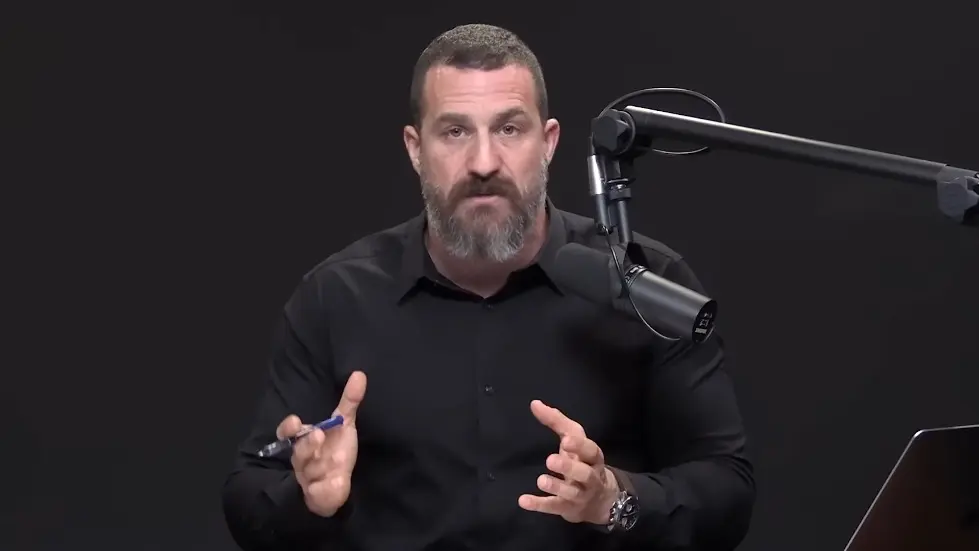
Sensory Neurons
- Sensory neurons communicate using action potentials and release neurotransmitters.
- They respond to certain events in the environment or within the body.
- Sensory neurons do not generate muscular contractions.
- They sense light touch, firm touch, pain, and light brushing on the skin.
- Sensory neurons respond differently to different stimuli, such as light brushing on the skin or firm touch.
Auditory and Visual Sensory Neurons
- Auditory neurons respond to sound waves.
- Visual neurons respond to photons of light, including red, green, and blue wavelengths.

Motor Neurons
- Motor neurons generate muscular contractions.

Modulatory Neurons
- Modulatory neurons adjust the relationship between sensory and motor neurons.
- They determine whether or not a sensory input will generate a motor change.

Headaches
- Tension headaches are caused by muscular tension in the head, jaw, and neck.
- There are different types of headaches, including tension, cluster, sinus, and migraine.
- Treatment options for headaches include turning off hypercontracted muscles, changing sensory input, and adjusting modulatory neurons.
Types of Headaches
- Tension headaches: These headaches tend to start off as a headband pattern but can extend to other tissues as well, such as the jaw, neck, and upper back. They are often caused by chronic psychological stress, lack of sleep, and lifestyle issues.
- Cluster headaches: These headaches are characterized by recurring episodes of intense pain on one side of the head, often accompanied by light sensitivity, sound sensitivity, and nausea. They can last for several weeks or even months.
- Migraine headaches: These headaches are defined as disorders of recurring attacks of headaches, often characterized by throbbing pain on one side of the head, sensitivity to light and sound, and nausea. They can last for several hours to several days.
- Sinus headaches: These headaches are caused by inflammation of the sinuses, which can lead to pressure, pain, and congestion in the head and face. They are often accompanied by facial pain, runny nose, and difficulty breathing through the nose.

Treatment Approaches
- Medication: Many painkillers, such as acetaminophen and ibuprofen, can be effective in treating headaches. However, they can have side effects and may not be suitable for everyone.
- Behavioral approaches: These approaches involve modulating the relationship between sensory neurons and motor neurons to reduce pain. Examples include relaxation techniques, such as deep breathing and meditation, and cognitive-behavioral therapy.
- Natural supplements: Certain supplements, such as magnesium and omega-3 fatty acids, have been shown to be effective in treating headaches. However, it's important to consult with a healthcare professional before taking any supplements.
- Lifestyle changes: Making lifestyle changes, such as getting enough sleep, reducing stress, and avoiding triggers, can help prevent and manage headaches.

Types of Headaches
- Migraine headaches are more common in females than males.
- Hormonal headaches are headaches that relate to a dip in estrogen and progesterone during the ovulatory cycle.
- Pregnancy seems to be protective against migraine headaches.
- Headaches can be recurring or non-recurring.
- Neural pain is the final common pathway for headaches.

Migraine Headaches
- Migraine headaches tend to be recurring.
- People who experience migraines can often predict when they will occur.
- Migraines have a deep neural origin that arises from deep within the nervous system, spinal cord, and brain.
- Dilation of the vessels is a prominent feature of migraine headaches.
- Photophobia, or sensitivity to light, is common in migraine headaches.

Treatment Options
- There are many excellent treatment options for headaches.
- Natural treatments for headaches are grounded in solid biological understanding and are as effective as prescription drug treatments.
- It is important to note that there are many different types of headaches and their underlying biology, as well as treatments for each type.
- There are many excellent treatment options for headaches and encourages listeners to try natural treatments before resorting to prescription drugs.

Types of Headaches
- Migraine headaches
- Tension headaches
- Cluster headaches
- Sinus headaches

Migraine Headaches
- Dilation of blood vessels in the brain area
- Photophobia, sensitivity to light
- Can be prevented or partially offset by adjusting sensitivity to light
- Onset and subsequent pathology of migraine can be short-circuited by preventing photophobia

Tension Headaches
- Not discussed in detail in the given text
Cluster Headaches
- Arise from deep within the head
- Feel as if they're coming from the inside out
- Unilateral, originate behind the eye, nose region, or mouth
- Trigeminal nerve is an easy one to remember and explains cluster headaches

Sinus Headaches
- Not discussed in detail in the given text

Headaches and Their Biology
- Headaches can be caused by inflammation in the nose, particularly in the branch that innervates the lip or the region close to the lip.
- Cluster type headaches are associated with a variety of uncomfortable symptoms, including unilateral pain, deep pain, and pain that is excruciatingly painful.
- Cluster type headaches can last anywhere from 30 minutes to three hours and are more common in men than in women.
- The origins of cluster type headaches are not entirely clear, but they are thought to be related to the biological clock mechanisms, or circadian mechanisms.
- Other symptoms of cluster type headaches include a droopy eyelid, meiosis (inability to dilate the pupil), and tearing and nasal discharge due to neural inflammation.

Treatment Options for Headaches
- Standard anti-inflammatory medications may not be effective in treating cluster type headaches.
- Treating cluster type headaches as a neural issue is more effective than adjusting blood vessel dilation or constriction.
- There are excellent treatments for hormonal headaches, which are caused by changes in gene expression due to steroid hormones.
- Estrogen and progesterone can impact vasodilation and vasoconstriction, leading to headaches. Low levels of these hormones can be treated with hormone replacement therapy.
- Other hormone-based headaches can be treated with medications that target specific hormones, such as serotonin reuptake inhibitors for migraines.
Hormonal Headaches
- Hormonal headaches are most likely to take place when estrogen and progesterone are lowest.
- Estrogen primes progesterone, and estrogen will peak and then start to fall right about the time that the egg ovulates.
- During the ludial phase, which is the second half of the menstrual cycle, there's been a buildup of the lining of the uterus because of an increase in progesterone.
- If there's no fertilization of the egg, progesterone starts coming down down down, and on the first to about the fourth or fifth day of the menstrual cycle, both estrogen and progesterone are very low.
- Many women are very prone to hormonal headaches during the first week of the menstrual cycle.
Headaches Associated with Head Hits
- Even people who do not have traumatic brain injury can experience headaches as the consequence of hitting their head.
- The line between traumatic brain injury and lower level brain injury is one that still seeks definition in fact this is one of the major goals of the clinical field as it relates to concussion.
- There is no way to assess the extent of brain damage after the consequence of hitting one's head or having one's head hit because almost all of the best ways to detect traumatic brain injury except the most severe ones tend to require a lot of very large equipment like MRI and functional MRI and CT scans none of which are available on the side of the field or in the locker room.
- Many many if not most of the effects of traumatic brain injury are going to occur not in the immediate minutes or even hours after the injury but several hours days.

Types of Headaches
- Migraine
- Tension
- Cluster
- Sinus

Migraine
- Pain on one side of the head
- Throbbing or pulsing pain
- Sensitivity to light, sound, or smell
- Nausea or vomiting
- Fatigue or weakness
Tension
- Dull, aching pain on both sides of the head
- Sensitivity to bright or flickering lights
- Sensitivity to loud noises
- Tenderness or tightness in the temples or jaw
- Headaches that occur with stress or tension
Cluster
- Localized pain on one side of the head
- Pain that lasts for a long time, often for weeks or months
- Pain that occurs in clusters or episodes
- Sensitivity to light, sound, or temperature changes
- Nausea or vomiting

Sinus
- Pain or pressure in the forehead, temples, or cheeks
- Nasal congestion or runny nose
- Sensitivity to bright or flickering lights
- Sensitivity to strong smells
- Fatigue or weakness
Introduction
- The video is about discussing the different types of headaches and their underlying biology, as well as treatments for each type.
- The speaker, Andrew Huberman, is a professor of neurobiology and ophthalmology at Stanford School of Medicine.
- The video covers natural treatments for headaches that are grounded in solid biological understanding and are as effective as prescription drug treatments.
- The speaker emphasizes that there are many excellent treatment options for headaches and encourages listeners to try natural treatments before resorting to prescription drugs.
Types of Headaches
- Migraine
- Tension
- Cluster
- Sinus
Underlying Biology of Headaches
- Migraine is caused by changes in the levels of certain chemicals in the brain, such as serotonin and dopamine.
- Tension headaches are caused by muscle tension in the neck and head.
- Cluster headaches are caused by the release of certain chemicals in the brain, such as histamine and serotonin.
- Sinus headaches are caused by inflammation in the sinuses, which can be triggered by allergies, infections, or changes in weather.
Natural Treatments for Headaches
- Creatine supplementation has been shown to significantly reduce the intensity and frequency of headaches, particularly in people with head hits or traumatic brain injury.
- Proper sleep, sunlight exposure, and social connection are also important for maintaining baselines of health and raising your baselines of health.
The Science Behind Headaches
- Headaches are a common symptom of various conditions, including migraine, tension, cluster, and sinus headaches.
- The underlying biology of headaches involves the regulation of calcium in neurons, which is important for generating action potentials and communicating with one another.
- Creatine, a naturally occurring compound found in muscles and brain tissue, can also be stored in the brain and is involved in energy production systems.
- Creatine's ability to communicate with the calcium in the ATP system is the motivation behind the study of its potential benefits for people with traumatic brain injury and headaches.
- Creatine supplementation has been shown to improve cognitive function in general and reduce the frequency of headaches in people with TBI.
Treatment Options for Headaches
- There are many effective treatment options for headaches, including natural treatments grounded in solid biological understanding.
- Creatine supplementation has been shown to be an effective treatment for headaches due to its ability to improve energy production systems and reduce the frequency of headaches in people with TBI.
- Other natural treatments for headaches include acupuncture, massage, and relaxation techniques such as meditation and yoga.
- Prescription drug treatments for headaches include nonsteroidal anti-inflammatory drugs (NSAIDs), triptans, and opioids.
- It is important to try natural treatments before resorting to prescription drug treatments, as they may be more effective and have fewer side effects.
Creatine Monohydrate Supplementation for Headaches
- Creatine monohydrate is an inexpensive and safe supplement that has been shown to have a significant impact on headache over the long term.
- It is particularly effective in people with TBI (Traumatic Brain Injury).
- Many people suffer from TBI and there are very few treatments for it.
- Proper sleep, exercise, nutrition, and social connection are encouraged for people with TBI.
- There have been very few compounds over-the-counter that are known to be safe and effective in dealing with TBI.
Creatine Monohydrate for Headaches
- Creatine monohydrate is an excellent candidate for people to try for headaches.
- It is relatively inexpensive and safe at the dosages used in this study.
- There are very few other compounds that have been shown to have as significant an impact on headache over the long term as has creatine monohydrate in these studies.
- People with headaches, including those with TBI, might consider supplementing with creatine to deal with their headaches.
- Other studies exploring the role of high dosage of creatine for offsetting headache are needed.
Creatine Monohydrate for TBI
- Creatine monohydrate is an exploratory option for people suffering from headaches.
- It is important to consult with a physician before adding or removing anything from your treatment, nutrition, etc.
- People with chronic headaches should consult with a physician.
- Creatine monohydrate can help offset headaches in people with TBI.
- Other supplements or interventions might be needed to adjust the numbers of metabolic factors, hormones, and lipids that impact immediate and long-term health.
Inside Tracker
- Inside Tracker is a personalized nutrition platform that analyzes data from your blood and DNA to help you better understand your body and reach your health goals.
- It solves the problem of analyzing data from blood and DNA tests and makes it easy to understand what nutritional, behavioral, and supplementation-based interventions you might want to take.
- Inside Tracker includes a measure of April lipoprotein (APO B) which is among the most important measures to evaluate your overall levels of cardiovascular health and health overall.
- APO B levels are predictive of cardiovascular function disease and things that cardiovascular function and disease can impinge on, including brain health and longevity.
- Visit insidetracker.com/huberman to get 20 off any of Inside Tracker's plans.
Over-the-Counter Compounds for Headaches
- There are over-the-counter compounds available that have been shown to be very effective in reducing the frequency and intensity of headaches.
- These compounds are available in food as well as supplement form.
- Nutrition can have a very strong impact on the frequency and intensity of headache.
- Supplementation with this particular compound can accomplish the same thing as well.
- Omega-3 fatty acids are an example of an over-the-counter compound that has been shown to be effective in reducing the frequency and intensity of headaches.
Omega-3 Fatty Acids
- Omega-3 fatty acids are fatty acids that come in the form of EPA and DHA.
- EPA and DHA are commonly distinguished from omega-6 fatty acids.
- Omega-3 fatty acids are commonly found in fatty ocean fish, such as salmon, salmon skins, sardines, and anchovies.
- Common sources of omega-3 fatty acids in supplement form are fish oil capsules or liquid fish oil.
- The quantity of EPA in omega-3 fatty acids seems to be the most impactful for health metrics.
Omega-6 Fatty Acids
- The most typical food sources of omega-6 fatty acids are seed oils.
- Seed oils have become quite controversial, but they are not inherently bad or inflammatory.
- Linoleic acid is the particular omega-6 fatty acid that is relevant for today's discussion.
- Many people are consuming too many seed oils, which can lead to consuming too many calories and too much omega-6 fatty acids relative to omega-3 fatty acids.
- There is general agreement among nutritionists and health professionals that we could all stand to get more omega-3 fatty acids, particularly for cardiovascular health, immune system function, mood, brain function, and anti-inflammatory effects.
Omega-3 Fatty Acids and Headaches
- Recent studies have explored the role of omega-3 fatty acids in headaches.
- One study published in 2018 looked at an enormous number of people and included men and women aged 20 or older.
- The study broke down the population into categories that included age, race, ethnicity, educational background, and body mass index.
- The study controlled for total caloric intake, which is useful for looking at these kinds of data.
- Omega-3 fatty acids are known to have an anti-inflammatory effect, which can be useful for headaches.
Omega-3 Fatty Acids and Pain Relief
- A study found that diets high in Omega-3s and low in omega-6s had a greater analgesic effect than diets that were just reduced in omega-6s.
- Increasing Omega-3s and reducing omega-6s seems to be beneficial for reducing pain and inflammation.
- Long chain omega-3 fatty acids are likely to have either a pain reducing or an inflammation reducing effect that can significantly reduce the severity of headache in both tension type headache and migraine.
- A more recent study published in 2021 found that dietary alteration of omega-3 and omega-6 fatty acids for headache reductions in adults with migraine was associated with a lower prevalence of severe headache or migraine.
Dietary Alteration for Headache Reduction
- A study found that increasing Omega-3s and reducing omega-6s seems to be beneficial for reducing pain and inflammation.
- A more recent study published in 2021 found that dietary alteration of omega-3 and omega-6 fatty acids for headache reductions in adults with migraine was associated with a lower prevalence of severe headache or migraine.
Omega-3 Fatty Acids and Headache Reduction
- Long chain omega-3 fatty acids are likely to have either a pain reducing or an inflammation reducing effect that can significantly reduce the severity of headache in both tension type headache and migraine.
- A more recent study published in 2021 found that dietary alteration of omega-3 and omega-6 fatty acids for headache reductions in adults with migraine was associated with a lower prevalence of severe headache or migraine.
Omega-3 Fatty Acids and Headache Reduction
- Long chain omega-3 fatty acids are likely to have either a pain reducing or an inflammation reducing effect that can significantly reduce the severity of headache in both tension type headache and migraine.
- A more recent study published in 2021 found that dietary alteration of omega-3 and omega-6 fatty acids for headache reductions in adults with migraine was associated with a lower prevalence of severe headache or migraine.
Mechanism of Headaches
- Headaches can be caused by various factors such as stress, lack of sleep, dehydration, and certain foods.
- There are different types of headaches, including tension, migraine, cluster, and sinus headaches.
- Tension headaches are caused by muscle tension in the head and neck.
- Migraine headaches are caused by changes in blood vessels in the head and are often accompanied by other symptoms such as nausea and sensitivity to light.
- Cluster headaches are characterized by recurring episodes of intense pain on one side of the head.
- Sinus headaches are caused by inflammation of the sinuses and can be accompanied by symptoms such as congestion and runny nose.
Treatment for Headaches
- There are various natural treatments for headaches that are grounded in solid biological understanding and are as effective as prescription drug treatments.
- Increasing omega-3 intake can reduce inflammation and help with headaches.
- Omega-6 fatty acids, particularly linoleic acid, can increase inflammation and contribute to headaches.
- Supplementing with omega-3 fatty acids can be done through ingestion of foods or supplements.
- Taking liquid form fish oil or capsules is the most cost-effective way to supplement omega-3s.
- Getting at least one gram or more of EPA per day is critical for reductions in the frequency and intensity of headaches.
Effectiveness of Omega-3 Supplementation
- Increasing omega-3 intake can reduce the frequency and intensity of headaches, including tension and migraine headaches.
- Taking supplements containing omega-3s can also be beneficial for other things such as mood.
- Ingesting one to three grams of EPA per day can improve mood and reduce headaches.
- Meta-analysis of omega-3 fatty acids for the treatment of headache found that one gram or higher dosage per day had a significant impact on reducing headache frequency and intensity.
Other Benefits of Omega-3 Supplementation
- Omega-3 supplementation has been shown to be effective in reducing the severity of PMS symptoms, including headaches.
- Omega-3 fatty acids have been considered as non-steroidal anti-inflammatory drugs in some cases.
- Prescription forms of omega-3 fatty acids are available but are quite hard to obtain and quite expensive.
- The fact that omega-3 fatty acids are available over the counter in a supplement or by liquid or available in food for that matter leads many people to conclude that it is a relatively weak or minor impact on things like headache or other health metrics.
Omega-3 Fatty Acids
- Omega-3s are potent in treating and reducing the frequency and intensity of headaches.
- They are beneficial for hormonal headaches, tension headaches, and migraine headaches.
- Supplementing with omega-3 fatty acids to a point where you're getting above one gram per day of EPA is not just beneficial for treating headaches but many types of headaches.
- The effects of Omega-3s on cluster headaches and some other types of headaches have not been evaluated.
- Omega-3 fatty acids are potent in reducing pain and inflammation, which can reduce the frequency and intensity of different types of headaches.
Photophobia and Aura
- Photophobia is a common and debilitating condition that can lead to negative downstream consequences.
- Aura is a phenomenon that is associated with spreading depression, which is a reduced excitability of neurons.
- Photophobia can be associated with headaches, but it can also occur without headaches.
- Photophobia can lead to people feeling not well and needing to leave work or school.
- Aura is a wave of lowering levels of electrical excitability that originates in the visual cortex and spreads forward in the brain.
Section 1: Understanding Sensory Modalities
- Sensory modalities are things like touch or hearing.
- People will get the sense that something is about to happen when they see something in their periphery of their vision.
- Aura is a spreading wave of depression that goes from back to front.
- People experience a number of these different semi-abstract sensory phenomena that we call Aura.
Section 2: Understanding Photophobia
- Photophobia is a little bit different from other sensory phenomena.
- Photophobia originates from a specific set of neurons in the eye called intrinsically photosensitive melanops and ganglion cells.
- These neurons respond most robustly to bright blue light or other short-wavelength light.
- The ganglion cells that respond most robustly to bright green or blue light send connections to a bunch of different places in the brain.
Section 3: Understanding the Thalamus
- The thalamus is an egg-like structure that sits in the center of the brain.
- It serves as a kind of a switchboard, funneling sensory information from the eyes, ears, touch system, etc., into different compartments in the thalamus.
- The thalamus has a bunch of different entry points, and those sources get routed into progressively narrower and narrower funnels to eventually arrive at the accurate place for their function.
- The neurons in the lateral posterior nucleus of the thalamus respond to bright blue light, green light, or any kind of bright light originating from artificial sources or sunlight.
Section 4: Understanding Photophobia and the Thalamus
- Bright blue light and green light activate the intrinsically photosensitive ganglion cells in the eye.
- These ganglion cells activate the lateral posterior neurons in the thalamus.
- The lateral posterior neurons communicate with areas of the brain that are specifically tuned to different sensory phenomena.
- This means that bright blue light and green light can activate the neurons in the eye, which then activate the neurons in the thalamus, which communicate with areas of the brain that are specifically tuned to different sensory phenomena, leading to photophobia.
- Headaches can be caused by various factors, including tension, migraine, cluster, and sinus headaches.
- Headaches can be triggered by bright light, which can cause pain sensing and even the creation of pain at the level of the meninges and intracranial pressure.
- Photophobia, or sensitivity to light, can be a symptom of headaches and can be treated by using patterns of light in the longer wavelength domain, such as red and orange light.
- Red light therapy can be effective for treating certain conditions, such as acne wound healing and improving vision, but it is not necessary for everyone.
- Red light bulbs can be purchased inexpensively and can be used to reduce the feeling of pain and pressure in the head through photophobia.
- Using patterns of light in the longer wavelength domain, such as red and orange light, can be an effective way to reduce the feeling of pain and pressure in the head through photophobia.
- Red light therapy can be effective for treating certain conditions, such as acne wound healing and improving vision, but it is not necessary for everyone.
- Red light bulbs can be purchased inexpensively and can be used to reduce the feeling of pain and pressure in the head through photophobia.
- Tension headaches can be treated with non-steroid anti-inflammatory drugs (NSAIDs) like acetaminophen, ibuprofen, and aspirin.
- Other treatments for headaches include relaxation techniques, stress management, and changes in diet and lifestyle.
- NSAIDs (non-steroid anti-inflammatory drugs) are often used to treat headaches, but they can have side effects on the liver and can offset the effects of exercise.
- Many NSAIDs do not work for many people or stop working after a certain period of time.
- Taking NSAIDs to reduce headaches and lower core body temperature can have downstream issues related to sleep, wake cycles, metabolism, and immune system function.
- There has been exploration of alternatives to NSAIDs for the treatment of headache and pain, but Botox is a more advanced modern treatment for tension headache.
- Botox is a neurotoxin that prevents the release of neurotransmitters in the muscles, causing them to relax.
- Botox can provide long-lasting relief of certain types of headaches, including tension headaches.
- People who suffer very badly from tension headaches due to hypercontraction of the muscles of the forehead or around the temples or jaw can achieve tremendous relief from Botox injections.
- Botox is safe despite the fact that botulinum neurotoxin is quite dangerous, as it is given in very low doses and locally, affecting only the affected muscles.
- There are many natural treatments for headache that are grounded in solid biological understanding and are as effective as prescription drug treatments.
- Exercise can trigger an adaptation event or series of adaptation events that leads to greater strength, speed, more muscle, and more endurance.
- Reducing pain can be good, but not if it requires taking more and more of a given drug that has side effects on the liver and can offset the effects of exercise and other things.
- There has been exploration of alternatives to NSAIDs for the treatment of headache and pain, but Botox is a more advanced modern treatment for tension headache.
- The speaker, Andrew Huberman, is a professor of neurobiology and ophthalmology at Stanford School of Medicine.
- He discusses the different types of headaches and their underlying biology.
- He also discusses natural treatments for headaches that are grounded in solid biological understanding.
- The speaker emphasizes that there are many excellent treatment options for headaches and encourages listeners to try natural treatments before resorting to prescription drugs.
- Migraine
- Tension
- Cluster
- Sinus
- Migraines are characterized by throbbing pain on one side of the head, often accompanied by light sensitivity and sound sensitivity.
- The underlying biology of migraines involves changes in the levels of certain neurotransmitters, such as serotonin and dopamine.
- There are several natural treatments for migraines, including herbal medications and essential oils.
- Tension headaches are characterized by a dull, aching pain on both sides of the head, often accompanied by muscle tension and stress.
- The underlying biology of tension headaches involves changes in the levels of certain neurotransmitters, such as serotonin and dopamine.
- There are several natural treatments for tension headaches, including herbal medications and essential oils.
- Cluster headaches are characterized by a series of short-lived, intense headaches that occur in clusters over a period of time.
- The underlying biology of cluster headaches involves changes in the levels of certain neurotransmitters, such as serotonin and dopamine.
- There are several natural treatments for cluster headaches, including herbal medications and essential oils.
- Sinus headaches are characterized by pain and pressure in the sinuses, often accompanied by congestion and runny nose.
- The underlying biology of sinus headaches involves inflammation of the sinuses and changes in the levels of certain neurotransmitters, such as histamine.
- There are several natural treatments for sinus headaches, including herbal medications and essential oils.
- The speaker discusses different types of headaches and their underlying biology.
- He explains natural treatments for headaches that are grounded in solid biological understanding.
- The speaker emphasizes that there are many excellent treatment options for headaches.
- Every person in the study received the same treatment for headache and the same headache.
- The study found that essential plant oil preparations containing peppermint and menthol significantly reduced the intensity of pain that subjects could tolerate.
- The speaker discusses the use of essential oils in reducing pain.
- The combination of peppermint oil, eucalyptus oil, and these oils in a ethanol suspension allowed people to increase their cognitive performance while under pain.
- The study found that the combination of peppermint oil and eucalyptus oil applied to the skin allowed people to relax both mentally and physically.
- The study found that the muscles of the forehead and temples were more relaxed when people had these oils on.
- The study found that the application of essential oils to the forehead and temples caused a cooling sensation or people could feel as if something was happening in the underlying muscle.
- The speaker explains the role of motor neurons, sensory neurons, and modulatory neurons in the body.
- Menthol and eucalyptus are known to activate certain channels in the sensory neurons that respond to the sensation of cooling.
- When we think of menthol and peppermint we think of cool scents and flavors, and when we think of hot peppers and capsaicin we think of anything that has a hot temperature.
- The application of essential oils is very likely activating modulatory neurons that respond to the sensation of cooling.
- The study found that the combination of peppermint oil and eucalyptus oil applied to the skin activated sensory neurons that respond to the sensation of cooling.
- Headaches are a common health problem that can be caused by various factors, including stress, lack of sleep, and certain medications.
- There are different types of headaches, including migraine, tension, cluster, and sinus headaches, each with its own underlying biology.
- Headaches can be treated with natural remedies that are grounded in solid biological understanding and are as effective as prescription drug treatments.
- Essential oils applied to the skin can reduce the symptoms of tension headache and lead to some offset of some cognitive defects seen with headaches.
- Acupuncture is another effective treatment for tension headache and has been used successfully to treat headache and other forms of pain for thousands of years.
- Essential oils such as peppermint and eucalyptus oil preparations can reduce pain and different aspects of pain due to headache.
- Peppermint oils and eucalyptus containing oils, menthol containing oils applied to the skin can be among the more potent treatments available for tension type headache.
- Acupuncture is another effective treatment for tension headache and has been used successfully to treat headache and other forms of pain for thousands of years.
- Insurance companies now pay for acupuncture as an insured practice, and the scientific community is starting to understand mechanistically how acupuncture works.
- Laboratories such as Harvard Medical School's lab run by Chufuma are starting to do studies on how acupuncture works, and the specific needle insertion sites can activate sensory neurons and their downstream pathways in ways that can potently reduce inflammation and the activity of certain muscles.
- Migraine
- Tension
- Cluster
- Sinus
- Activation of some of the parallel Pathways that assist in shutting down pain or in relaxing the muscles that are causing tension type headache as well as activation of neural Pathways that impinge on organs that then cause or reduce the release of molecules into the body that give us the experience of pain
- Reduced inflammation and in many cases increasing anti-inflammatory Pathways
- Acupuncture
- Omega-3 fatty acids
- Essential oils
- Herbal and essential oil type treatments
- Menthol and peppermint oil
- Calcium regulation pathway
- Caffeine
- Caffeine is a vasodilator, which means it increases blood vessel dilation.
- Drinking caffeine can cause vasoconstriction, preventing adenosine from causing excessive vasodilation and pressure in the head.
- Caffeine can also increase vasodilation, leading to headaches in some cases.
- The effects of caffeine on headaches depend on the time of day and the amount of adenosine in the system.
- Some people experience significant relief from headaches when they drink caffeine, while others experience exacerbation.
- Adenosine is a vasodilator that causes dilation of blood vessels, leading to headaches.
- Caffeine blocks the effects of adenosine, leading to vasoconstriction and relief from headaches.
- Caffeine can also impinge on the nitric oxide pathway, which is a nerve-to-blood pathway that causes dilation of blood vessels.
- Drinking caffeine can increase vasodilation, leading to headaches in some cases.
- The effects of caffeine on headaches depend on the time of day and the amount of adenosine in the system.
- If you are well-rested or it's early in the day and you've had some sleep, drinking caffeine is not likely to cause vasodilation.
- If you haven't slept well or it's late in the day and you've been up for a long time, drinking caffeine is likely to cause vasodilation.
- Some treatments that involve using caffeine to treat headaches are as extreme as drinking coffee and then going to sleep.
- Ingesting caffeine within 10 to 12 hours prior to bedtime can disrupt the architecture of sleep.
- It is not easy to predict who will experience relief or exacerbation of headaches from caffeine.
- Curcumin is a potent anti-inflammatory that can be used to treat headaches.
- It is often referred to as turmeric, which is a root that contains curcumin.
- Curcumin has been explored in the context of treatment of migraine.
- It is one of the compounds that was analyzed in extensive detail in a review of the effects of curcumin on headaches.
- Curcumin can be used alone or in conjunction with other things like coenzyme Q10 or omega-3 fatty acids to treat headaches.
- Curcumin, also known as turmeric, has been shown to be generally safe for most people at dosages as high as 8,000 milligrams per day.
- Curcumin and turmeric not only are anti-inflammatory but they also can impinge on other pathways, particularly hormonal pathways.
- Curcumin is a potent inhibitor of dihydrotestosterone (DHT), which is involved in an enormous range of different bodily functions, including libido, beard growth, and the regulation of a number of different tissues both in the reproductive axis and outside the reproductive axis.
- People who take high doses of curcumin and some people who are very sensitive to curcumin will even at low doses experience reductions in DHT that lead to things they would not like, such as sufficient reductions in libido.
- Curcumin has been shown to be effective as an anti-inflammatory and has been shown to be very effective in treating different types of headache, particularly migraine headache.
- Curcumin dosages come in an enormous range, as I mentioned before.
- Dosages that range anywhere from 80 milligrams taken daily for eight weeks have been examined.
- Curcumin dosages taken alongside two and a half grams of omega-3 fatty acids or omega-3 fatty acids alone have also been explored.
- The general conclusion of these studies is that curcumin when taken at dosages of about 80 milligrams, although for those of you very sensitive to curcumin, probably as low as 25 or even 50 milligrams per day in conjunction with omega-3 fatty acids at two and a half grams per day led to significant improvements in migraine and other forms of headache.
Understanding Headaches
Treating Headaches
NSAIDs and their limitations
Botox for tension headache
Other natural treatments for headache
Introduction
Types of Headaches
Migraine
Tension Headaches
Cluster Headaches
Sinus Headaches
Headache Treatments
Essential Oils
Sensory Neurons
The Science Behind Headaches
Treatment Options for Headaches
Types of Headaches
Underlying Biology of Headaches
Natural Treatments for Headaches
Herbal Treatments for Migraine
The Effects of Caffeine on Headaches
The Science Behind Caffeine and Headaches
Treating Headaches with Caffeine
Curcumin as a Treatment for Headaches
Curcumin as a Treatment for Headaches
Curcumin Dosages for Headache Treatment
You have read 50% of the summary.
To read the other half, please enter your Name and Email. It's FREE.
You can unsubscribe anytime. By entering your email you agree to our Terms & Conditions and Privacy Policy.
Watch the video on YouTube:
How to Stop Headaches Using Science-Based Approaches | Huberman Lab Podcast - YouTube
Related summaries of videos:
- Dr. Andy Galpin and Dr. Andrew Huberman: Maximize Recovery to Achieve Fitness and Performance Goals (Huberman Lab)
- Dr. Andy Galpin and Dr. Andrew Huberman: Optimal Nutrition and Supplementation for Fitness (Huberman Lab Guest Series)
- Dr. Oded Rechavi and Dr. Andrew Huberman: Genes and the Inheritance of Memories Across Generations (Huberman Lab Podcast)
- Dr. Satchin Panda and Dr. Andrew Huberman: Intermittent Fasting to Improve Health, Cognition and Longevity (Huberman Lab)
- Dr. Peter Attia and Dr. Andrew Huberman: Improve Vitality, Emotional and Physical Health and Lifespan (Huberman Lab Podcast)
- Andrew Huberman: Leverage Dopamine to Overcome Procrastination and Optimize Effort (Huberman Lab Podcast)
- Dr. Elissa Epel and Dr. Andrew Huberman: Control Stress for Healthy Eating, Metabolism and Aging (Huberman Lab Podcast)
- Andrew Huberman and Dr. Matthew MacDougall: Neuralink and Technologies to Enhance Human Brains (Huberman Lab Podcast)
- Andrew Huberman: Science-Based Mental Training and Visualization for Improved Learning (Huberman Lab Podcast)
- Dr. Noam Sobel and Dr. Andrew Huberman: How Smells Influence Our Hormones, Health and Behavior (Huberman Lab Podcast)
- Home
- About us
- Contact
- Book Summaries 0-9
- Book Summaries A
- Book Summaries B
- Book Summaries C
- Book Summaries D
- Book Summaries E
- Book Summaries F
- Book Summaries G
- Book Summaries H
- Book Summaries I
- Book Summaries J
- Book Summaries K
- Book Summaries L
- Book Summaries M
- Book Summaries N
- Book Summaries O
- Book Summaries P
- Book Summaries Q
- Book Summaries R
- Book Summaries S
- Book Summaries T
- Book Summaries U
- Book Summaries V
- Book Summaries W
- Book Summaries X
- Book Summaries Y
- Book Summaries Z
- Jay Shetty Podcast - Summaries
- Tom Bilyeu Impact Theory - Summaries
- Lex Fridman - Summaries
- Diary of a CEO - Summaries
- Alex Hormozi - Summaries
