
Andrew Huberman: Leverage Dopamine to Overcome Procrastination and Optimize Effort (Huberman Lab Podcast)
Last updated: Oct 2, 2023
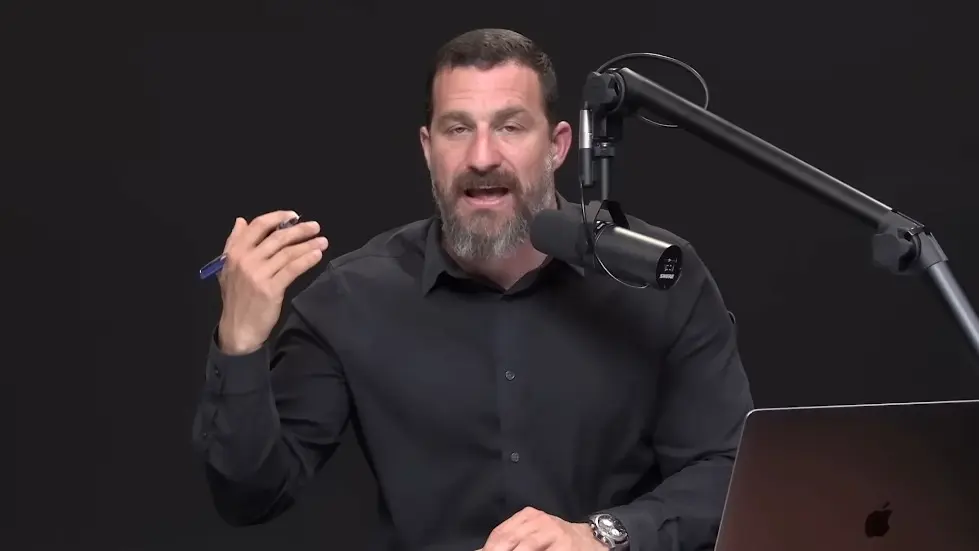
The video is about leveraging dopamine to overcome procrastination and optimize effort. The speaker, Andrew Huberman, discusses the role of dopamine in motivation, drive, and pursuit, and how it is critical for overcoming procrastination and ensuring ongoing motivation and confidence. The video covers the relationship between dopamine and motivation and confidence at the level of neurobiological circuitry and provides tools to help individuals leverage their dopamine in order to have a maximum motivation to overcome sticking points. The video is not about psychology but rather about the biological and practical knowledge to help individuals optimize their mental health, physical health, and performance.
This video by Andrew Huberman was published on Mar 27, 2023.
Video length: 01:58:49.
The video is about leveraging dopamine to overcome procrastination and optimize effort.
The speaker, Andrew Huberman, discusses the role of dopamine in motivation, drive, and pursuit, and how it is critical for overcoming procrastination and ensuring ongoing motivation and confidence. The video covers the relationship between dopamine and motivation and confidence at the level of neurobiological circuitry and tools that can be used to leverage dopamine in order to have a maximum motivation to overcome sticking points. The video is not about psychology but rather about pulling apart these things that are called motivation, reward, pleasure, procrastination, and understanding them in terms of their dopamine dynamics.
The video is designed to give the biological and practical knowledge so that listeners can leverage their dopamine circuitry and levels as well as tools to adjust dopamine circuitry and levels in order to optimize mental health, physical health, and performance.
- The video is about leveraging dopamine to overcome procrastination and optimize effort.
- Dopamine is a neurotransmitter that plays a critical role in motivation, drive, and pursuit.
- Dopamine is released in response to rewards and is involved in the experience of pleasure and satisfaction.
- Dopamine is also involved in the experience of motivation and the drive to pursue goals.
- The video provides tools to help individuals leverage their dopamine in order to have a maximum motivation to overcome sticking points.
- The tools include techniques to increase dopamine release, such as setting goals and rewarding progress.
- The video also provides techniques to optimize dopamine receptors, such as exercise and meditation.
- The video emphasizes the importance of understanding the relationship between dopamine and motivation in order to optimize mental health, physical health, and performance.
- Dopamine is involved in the regulation of motivation and procrastination.
Leverage Dopamine to Overcome Procrastination & Optimize Effort | Huberman Lab Podcast - YouTube
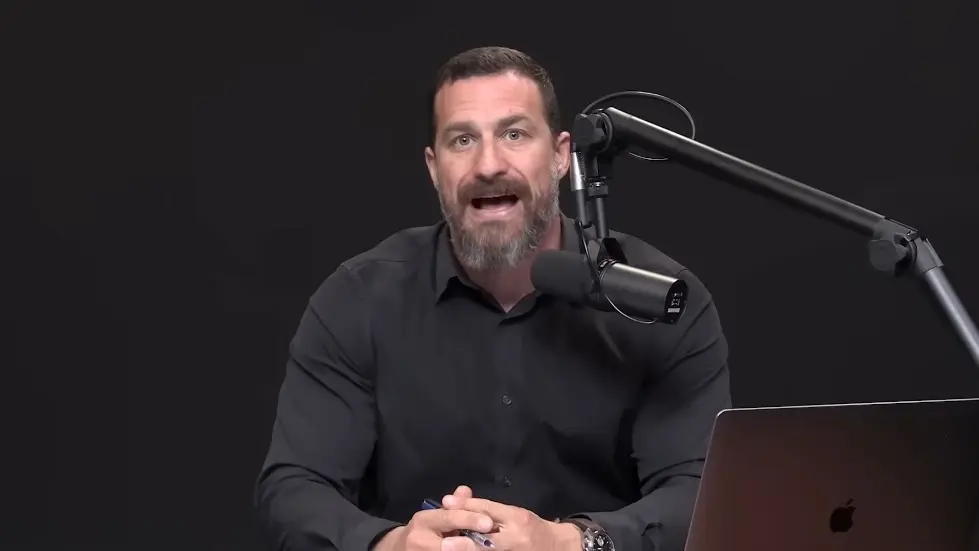
Introduction
- Welcome to the Huberman Lab podcast
- Discusses science and science-based tools for everyday life
- Hosted by Andrew Huberman, a professor of neurobiology and ophthalmology at Stanford School of Medicine
- Today's episode focuses on dopamine, its role in motivation, drive, and pursuit, and how it is critical for overcoming procrastination and ensuring ongoing motivation and confidence
Dopamine and Motivation
- Dopamine is involved in pleasure, motivation, drive, and pursuit
- Dopamine is responsible for all of these things
- Understanding the neural circuits in the brain and body that release and use dopamine is important
- Dopamine dynamics, such as big peaks in dopamine or troughs in dopamine, or what's referred to as our baseline level of dopamine, turn out to be our baseline levels of motivation and feelings of well-being
Dopamine and Procrastination
- Procrastination is a common problem that can be overcome with the right tools and knowledge
- Understanding the relationship between dopamine and motivation and confidence at the level of neurobiological circuitry is key to overcoming procrastination
- Tools such as Helix sleep and Whoop can help optimize mental health, physical health, and performance
Leverage Dopamine to Overcome Procrastination & Optimize Effort | Huberman Lab Podcast - YouTube
Conclusion
- By the end of today's episode, listeners will have a better understanding of why they become motivated, why they procrastinate, and how to ensure motivation on an ongoing basis
- Leveraging effort and the desire to become motivated as a way to do just that can also help become more motivated
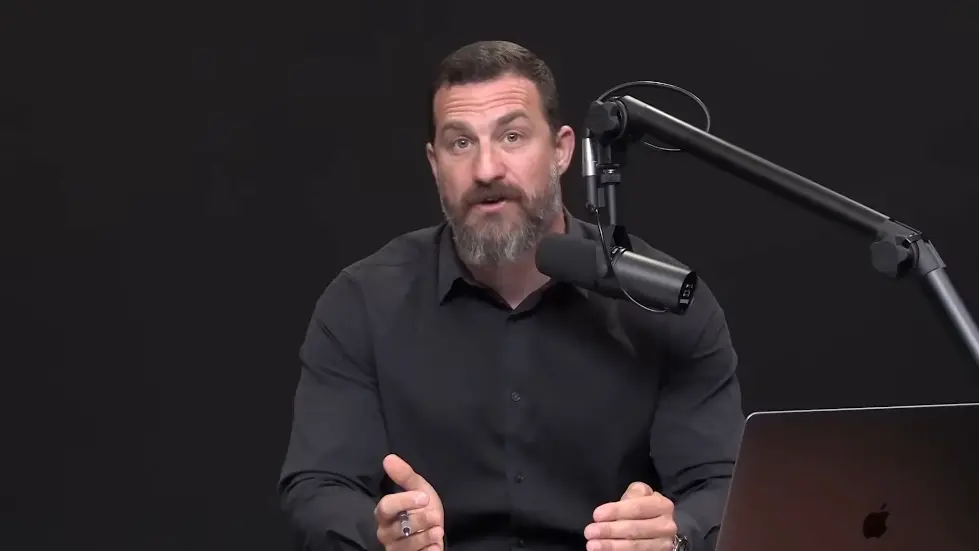
Section 1: Introduction
- The video is about leveraging dopamine to overcome procrastination and optimize effort.
- The speaker, Andrew Huberman, discusses the role of dopamine in motivation, drive, and pursuit.
- The video covers the relationship between dopamine and motivation and confidence at the level of neurobiological circuitry.
- The video is not about psychology but rather about the biological and practical knowledge to help individuals optimize their mental health, physical health, and performance.
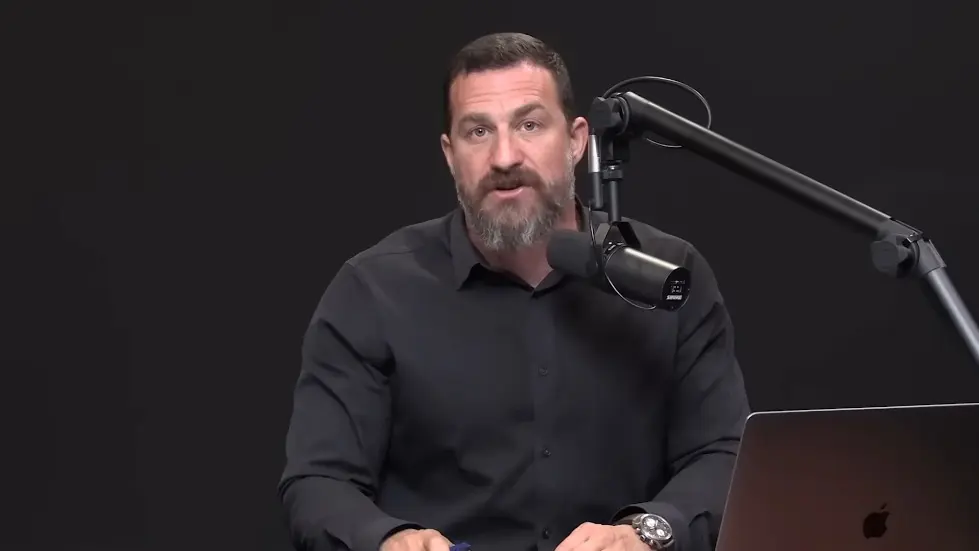
Section 2: The Role of Dopamine in Motivation and Confidence
- Dopamine is a neurotransmitter that plays a critical role in motivation, drive, and pursuit.
- It is released in response to rewards and is involved in the experience of pleasure and satisfaction.
- Dopamine is also involved in the experience of motivation and the drive to pursue goals.
- It is released in response to challenges and is involved in the experience of excitement and anticipation.
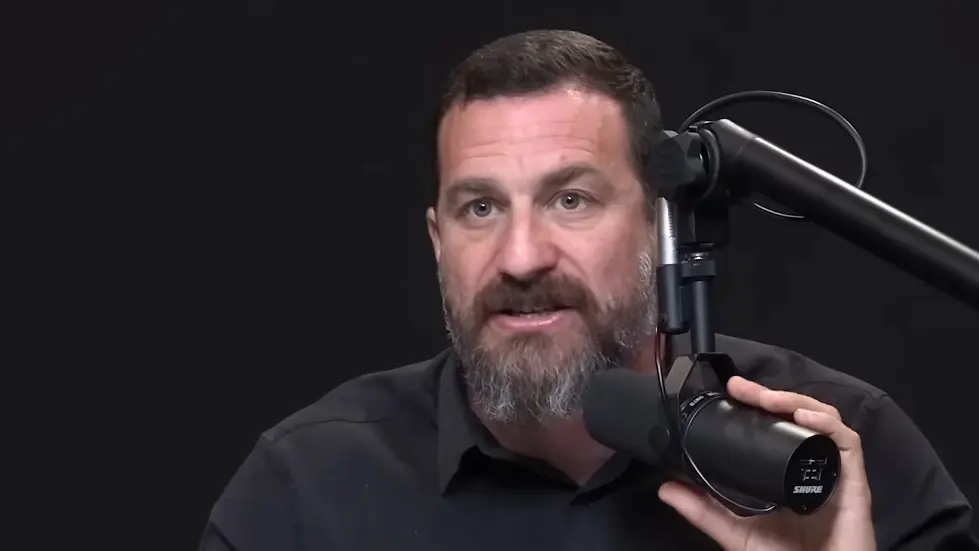
Section 3: The Neurobiological Circuitry of Dopamine
- Dopamine is released in response to rewards in the brain's reward system.
- It is involved in the experience of pleasure and satisfaction, and is released in response to rewards in the brain's reward system.
- Dopamine is also involved in the experience of motivation and the drive to pursue goals.
- It is released in response to challenges and is involved in the experience of excitement and anticipation.
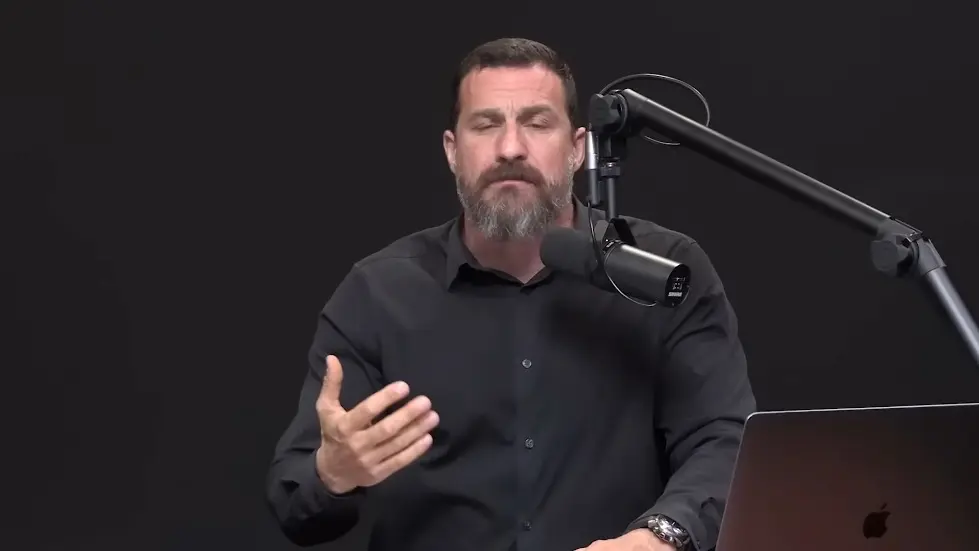
Section 4: Tools to Leverage Dopamine for Maximum Motivation
- The video provides tools to help individuals leverage their dopamine in order to have a maximum motivation to overcome sticking points.
- The tools include techniques to increase dopamine release, such as setting goals and rewarding progress.
- The video also provides techniques to optimize dopamine receptors, such as exercise and meditation.
- The video emphasizes the importance of understanding the relationship between dopamine and motivation in order to optimize mental health, physical health, and performance.
The Role of Dopamine in Motivation and Procrastination
- Dopamine is a neurotransmitter that plays a critical role in motivation, drive, and pursuit.
- It is released in response to rewards and is involved in the experience of pleasure and motivation.
- Dopamine is also involved in the regulation of basic functions such as sleep, eating, and movement.
- The mesocortical pathway is a pathway that projects from the VTA and nucleus accumbens to the prefrontal cortex.
- The prefrontal cortex is an area of the brain that is involved in decision-making, planning, and executing actions.
The Mesocortical Pathway and Procrastination
- The mesocortical pathway is involved in the regulation of motivation and procrastination.
- Dopamine is released in response to rewards and is involved in the experience of pleasure and motivation.
- The prefrontal cortex is involved in the regulation of motivation and procrastination.
- The prefrontal cortex is involved in the regulation of context and decision-making.
- The mesocortical pathway is involved in the regulation of impulses and the ability to suppress action.
The Tuberoinfundibular Pathway and Hormones
- The tuberoinfundibular pathway is a pathway that relates to connections between the brain and the pituitary gland.
- The pituitary gland is a gland that is involved in the regulation of hormones.
- The pituitary gland is involved in the regulation of functions such as the function of the ovary and females and the function of the testes and males.
- Dopamine has a powerful impact on the output of the pituitary gland.
- The tuberoinfundibular pathway is not the main topic of today's discussion.
The Retinal Dopamine Pathways
- The retinal dopamine pathways are involved in the regulation of vision.
- Dopamine is responsible for adapting to different light conditions so that you can see clearly both in the evening and when it gets darker.
- The retinal dopamine pathways are not the main topic of today's discussion.
- The retinal dopamine pathways are not discussed in detail in the transcript.
- The retinal dopamine pathways are not mentioned in the transcript.
The Nigrostriatal Pathway
- The nigrostriatal pathway is a pathway that projects from the nigrostriatal system to the striatum.
- The nigrostriatal pathway is involved in the regulation of movement.
- The nigrostriatal pathway is not the main topic of today's discussion.
- The nigrostriatal pathway is not discussed in detail in the transcript.
- The nigrostriatal pathway is not mentioned in the transcript.
The Role of Dopamine in Motivation and Pursuit
- Dopamine is a neurotransmitter that plays a critical role in motivation, drive, and pursuit.
- The mesocortical circuit, which uses dopamine to pursue anything, is not specific to any particular goal or pursuit.
- Some people have a greater propensity to pursue things like work, goals, and relationships, while others have a greater propensity to pursue drugs of abuse.
- Drugs of abuse tend to increase levels of dopamine to the extent that other types of pursuits in life become irrelevant.
- Addiction is a progressive narrowing of the things that bring us pleasure and healthy functioning of the mesocortical pathway.
Understanding Dopamine Release and Its Effects
- Dopamine is released into the prefrontal cortex where it has effects of activating or suppressing action.
- Dopamine release can be thought of as peaks and troughs, with peaks being an increase and then a decrease in dopamine and troughs being a decrease below baseline.
- Certain behaviors, compounds, drugs, or substances can trigger dopamine peaks.
- The dopamine baseline is the reservoir of dopamine that is used to create those dopamine peaks.
- When dopamine peaks come down, they can go back to baseline or go to a lower trough, which is called the base slime.
Implications for Goal Setting and Pursuit
- Understanding how dopamine works in the mesocortical pathway can help individuals optimize their mental health, physical health, and performance.
- Individuals can leverage their dopamine to have a maximum motivation to overcome sticking points and pursue their goals.
- Tools and techniques can be used to help individuals understand their recent dopamine history and dictate whether or not they are going to feel motivated in the next 5, 10, 15 minutes, hours, or days.
- Individuals can learn how to toggle or switch back and forth between different types of pursuits of all sorts.
- By understanding how dopamine is released and its effects, individuals can take control of their motivation and drive to pursue their goals and aspirations.
The Role of Dopamine in Motivation and Effort
- Dopamine is a neurotransmitter that plays a crucial role in motivation, drive, and pursuit.
- It is released in anticipation of what we want, not just when we get the reward.
- Dopamine is also related to our propensity and desire to move.
- Desire and the need to move in order to pursue and reach goals are one in the same process.
- Dopamine is released in anticipation of what we want, which relates to our propensity and desire to move.
The Relationship Between Dopamine Peaks and Baselines
- Dopamine peaks and baselines are related to one another.
- Every peak has a trough, which is the level of dopamine below baseline.
- The trough dictates whether or not we are going to feel motivated to pursue something.
- Dopamine starts rising when we have a desire for something.
- The increase in dopamine is by no happenstance no mistake.
The Importance of Understanding Dopamine Peaks and Baselines
- Dopamine is not just released when we get the reward.
- Dopamine is released in anticipation of what we want.
- Dopamine is related to our propensity and desire to move.
- Desire and the need to move in order to pursue and reach goals are one in the same process.
- Understanding the relationship between dopamine peaks and baselines is crucial.
The Role of Dopamine in Overcoming Procrastination and Ensuring Ongoing Motivation and Confidence
- Dopamine plays a crucial role in motivation, drive, and pursuit.
- It is released in anticipation of what we want, not just when we get the reward.
- Dopamine is related to our propensity and desire to move.
- Desire and the need to move in order to pursue and reach goals are one in the same process.
- Understanding the relationship between dopamine peaks and baselines is crucial for overcoming procrastination and ensuring ongoing motivation and confidence.
The Role of Dopamine in Motivation and Effort
- Dopamine is a neurotransmitter that plays a critical role in motivation, drive, and pursuit.
- It is released in response to rewards, such as consuming a desired food or achieving a goal.
- The level of dopamine experienced is influenced by the difference between the reward predicted and the actual reward received.
- A bigger reward prediction error in the direction of higher peak can lead to a greater increase in dopamine levels.
- The deli's closure or a bad experience while consuming a sandwich can lead to a lower dopamine level.
Desire and Expectation in Dopamine Release
- Desire for things increases dopamine levels.
- The level of dopamine drops below the baseline when the desire for something is not met.
- This drop in dopamine triggers motivation to bring the level back up by pursuing the desired thing.
- The prefrontal cortex is involved in context setting and craving and pursuit.
- The concept of reward prediction error is a key aspect of dopamine release.
Craving and Pursuit in Dopamine Release
- Craving for things is not just about the desire for those things per se.
- It is also a desire to relieve the pain of not having those things.
- Internalizing this desire and developing an awareness around it can increase motivation.
- The dopamine system can be leveraged to increase motivation, especially when things get hard.
- Procrastination can be a hindrance to dopamine release and motivation.
Athletic Greens Sponsorship
- Athletic Greens is a vitamin mineral probiotic drink that covers all foundational nutritional needs.
- The probiotics in Athletic Greens are optimal for gut health and strongly impact immediate and long-term health.
- Athletic Greens contains a number of adaptogens, vitamins, and minerals that meet foundational nutritional needs.
- Athletic Greens tastes great and can be easily mixed up while on the go.
- Athletic Greens offers a year's supply of vitamin D3 and K2 with five free travel packs for those on the go.
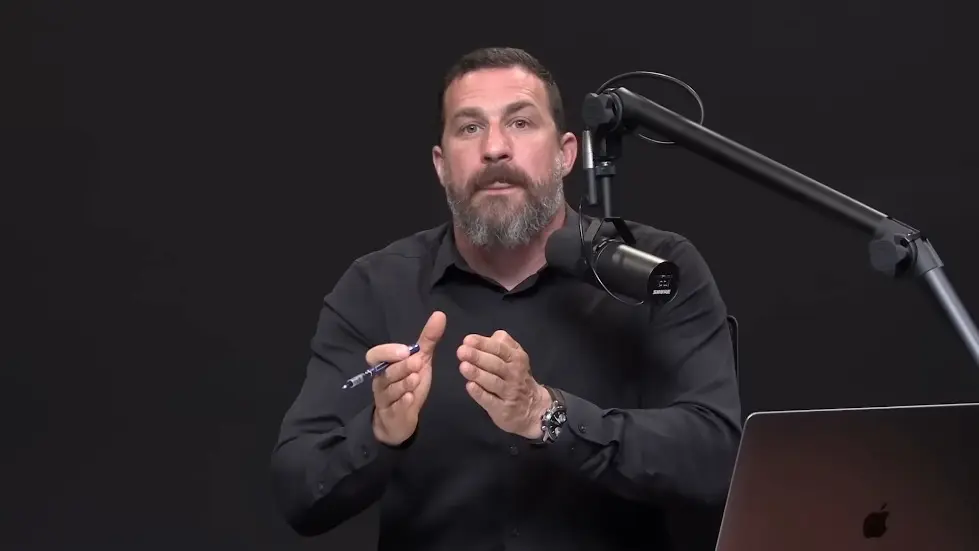
Dynamics of Dopamine Release
- Dopamine release is influenced by the difference between the reward predicted and the actual reward received.
- A bigger reward prediction error in the direction of higher peak can lead to a greater increase in dopamine levels.
- The deli's closure or a bad experience while consuming a sandwich can lead to a lower dopamine level.
- The prefrontal cortex is involved in context setting and craving and pursuit.
- The concept of reward prediction error is a key aspect of dopamine release.
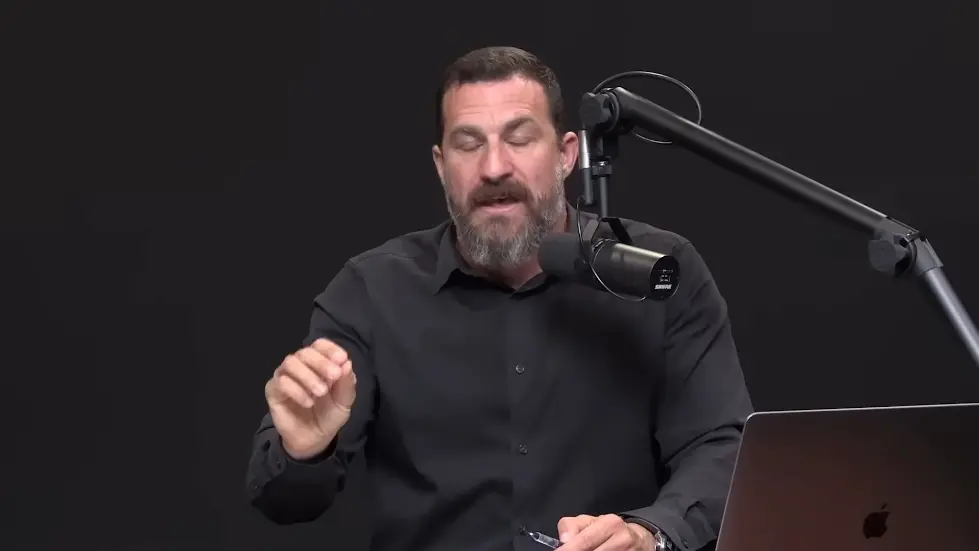
The Role of Dopamine in Motivation and Pursuit
- Dopamine is a neurotransmitter that plays a critical role in motivation, drive, and pursuit.
- It is associated with craving and is responsible for the peak and trough that occur when pursuing a goal.
- The peak and trough are followed by a return to baseline and may be followed by another peak or a drop below baseline.
- Dopamine is released when we receive cues that indicate we are on the right path to achieve our goal.
- It is also associated with setting a mindset or context within our brains as to whether or not we are confident or pessimistic about achieving our goal.
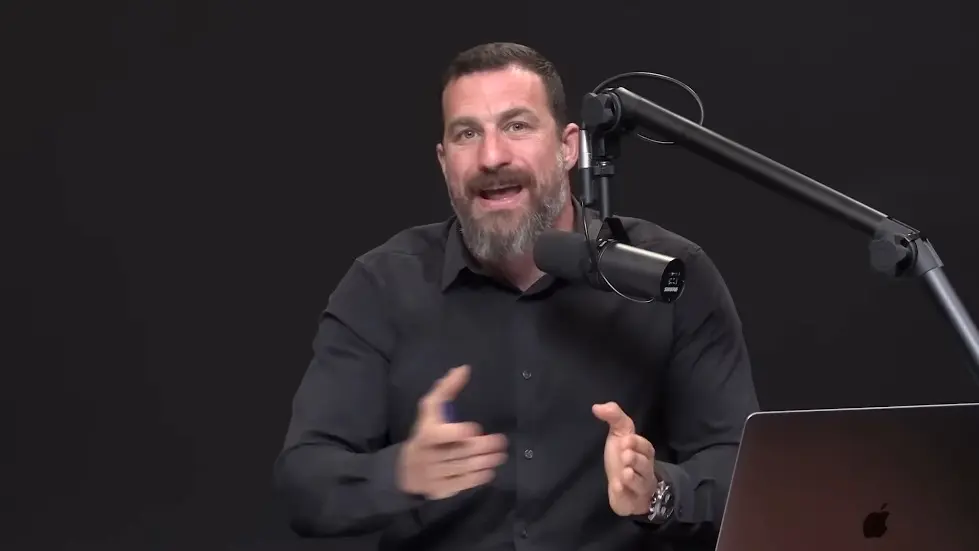
The Dopamine System and Goal Pursuit
- The dopamine system is responsible for comparing the height of the peak at the beginning of a goal pursuit to the reward that is received.
- It takes into account all the things that happen in between and uses this information as a cue for the eventual reward.
- The dopamine system is very good at subconsciously parsing what are the things that happen between wanting and getting.
- Specialized circuits from the VTA and nucleus accumbens are involved in the learning of how we achieve or pursue our goals.
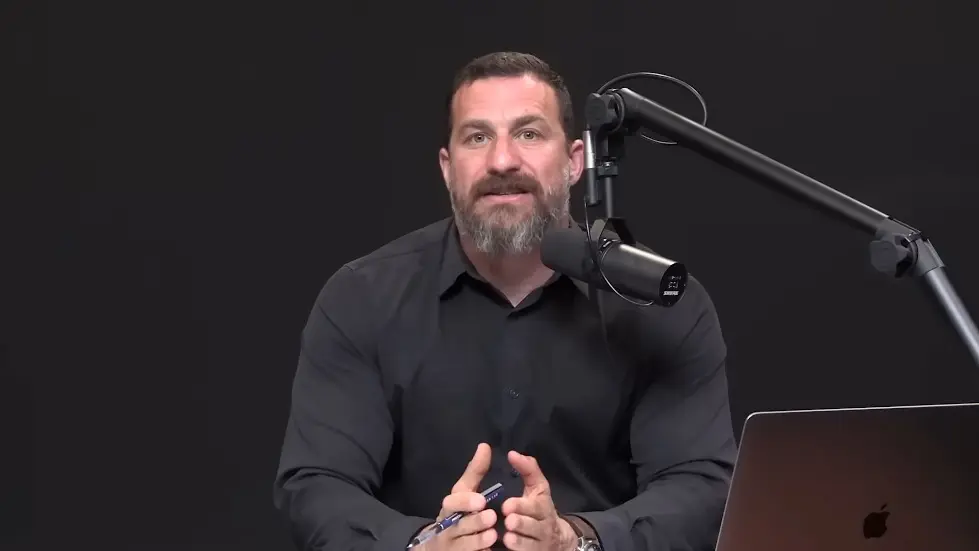
Leveraging Dopamine for Motivation and Effort
- Understanding the role of dopamine in motivation and pursuit can help individuals overcome procrastination and pursue their goals in an ongoing basis.
- Individuals can leverage dopamine by setting cues that indicate they are on the right path to achieve their goal.
- They can also set a mindset or context within their brains as to whether or not they are confident or pessimistic about achieving their goal.
- By doing so, individuals can increase their dopamine levels and subconsciously signal that they are on the right path to achieve their goal.
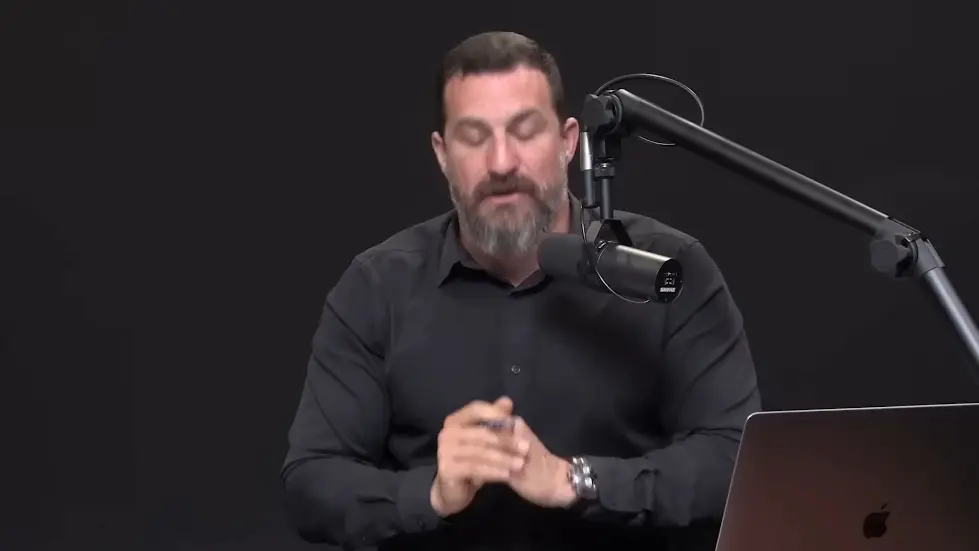
Conclusion
- The video discusses the role of dopamine in motivation, drive, and pursuit and how it is critical for overcoming procrastination and ensuring ongoing motivation and confidence.
- It covers the relationship between dopamine and motivation and confidence at the level of neurobiological circuitry and provides tools to help individuals leverage their dopamine in order to have a maximum motivation to overcome sticking points.
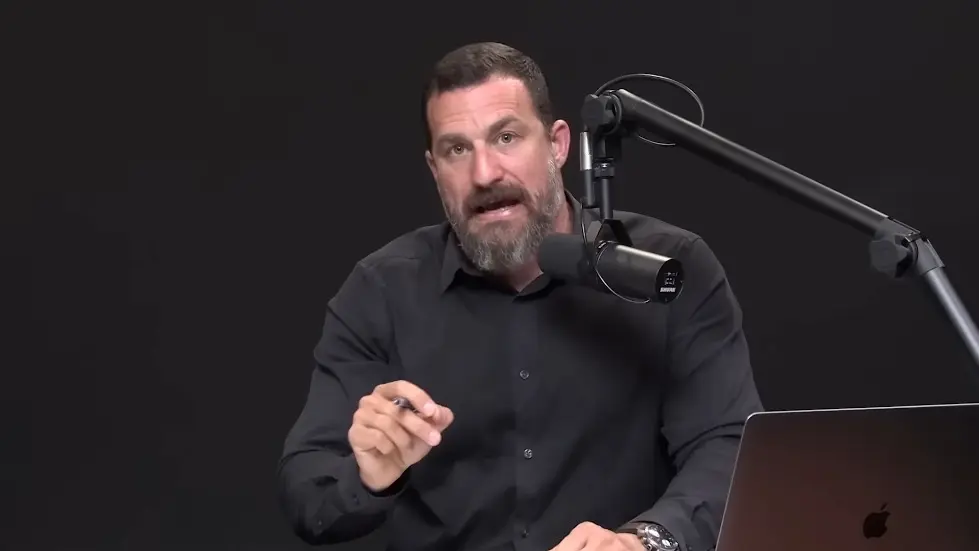
The Role of Dopamine in Motivation and Procrastination
- Dopamine is a neurotransmitter that plays a critical role in motivation, drive, and pursuit.
- It is released in the background and drives individuals in the direction of their desired pursuit.
- The dopamine system initiates a motivation signal that takes individuals through a round of pursuit.
- The learning contingency is the first thing that leads to a peak in dopamine, which drops below baseline and triggers motivation.
- The motivation is the second thing, which is dopamine release from a separate set of neurons within the circuit driving individuals forward.
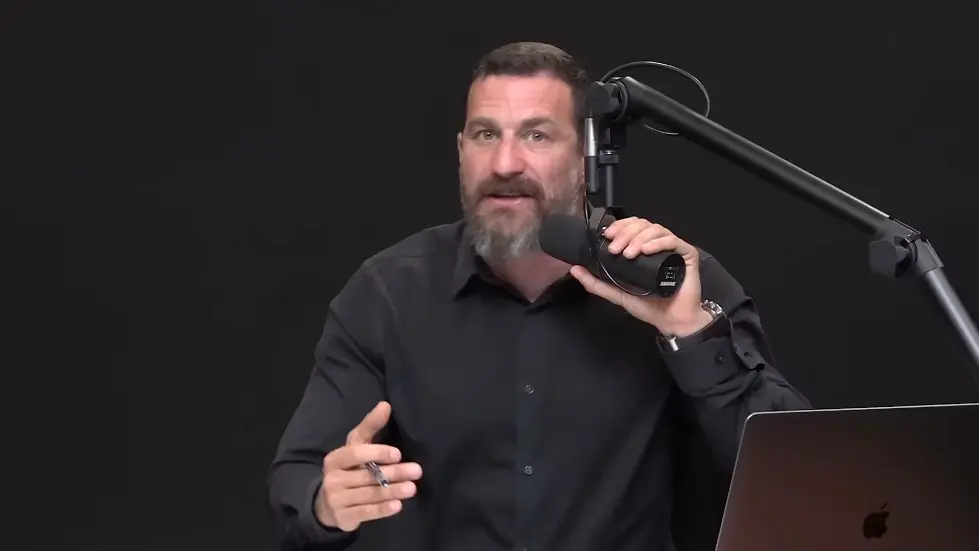
The Stimulus, Desire, and Peak in Dopamine
- The stimulus is the first thing that leads to a peak in dopamine.
- The desire is the second thing that leads to a peak in dopamine.
- The peak in dopamine triggers motivation.
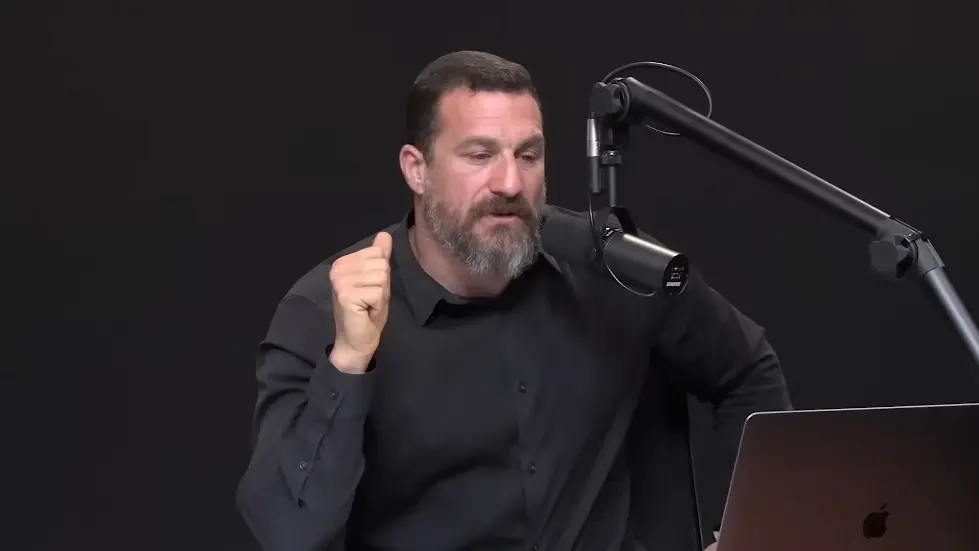
The Role of Dopamine in Learning and Addiction
- Dopamine is involved in learning the contingencies of what led up to a reward or what didn't lead up to a reward.
- It is a scoreboard for how individuals did given what just happened.
- Addiction involves dopamine, among other things.
The Progressive Narrowing of Pleasure in Addiction
- Addiction involves a progressive narrowing of the things that bring individuals pleasure.
- Nothing else is really salient or pulling them in the way that their addiction is.
The Role of Dopamine in Motivation and Procrastination
- Dopamine is a neurotransmitter that plays a critical role in motivation, drive, and pursuit.
- It is associated with feelings of being under the influence of drugs such as cocaine and crack.
- The stimulus for dopamine is immediate, with no other contingencies in between.
- The mesocortical system learns to expect and want short gaps between desire and effect.
- Longer contingencies, such as putting in the hard work to generate a fitness program, are not as rewarding as the dopamine associated with drugs.
The Effects of Short Gaps on Dopamine Levels
- Short gaps between desire and effect teach the system to expect and want short gaps.
- The steepness of the rise of dopamine peak is very high after desire.
- The higher the peak in dopamine and the faster the rise to that peak, the further below baseline the dopamine drops after the drug wears off.
- The drop below baseline triggers the desire and pursuit for more dopamine peaks.
- This sets in motion a vicious loop where people start pursuing peaks in dopamine that can come very fast without much effort.
The Dangers of Addiction and Dopamine
- Addictions start to take hold when people pursue peaks in dopamine that can come very fast without much effort.
- Recreational use of drugs like cocaine can lead to financial, psychological, physical, or other problems.
- After big fast increases in dopamine caused by things like cocaine, it takes a much longer time to get back to the original baseline than it did prior to using the drug.
- The peaks in dopamine that are created from more consumption of cocaine leads to progressively lower peaks and deeper troughs below baseline.
- The whole system is shifting away from pleasure and more to pain and the desire for pursuit of the drug.
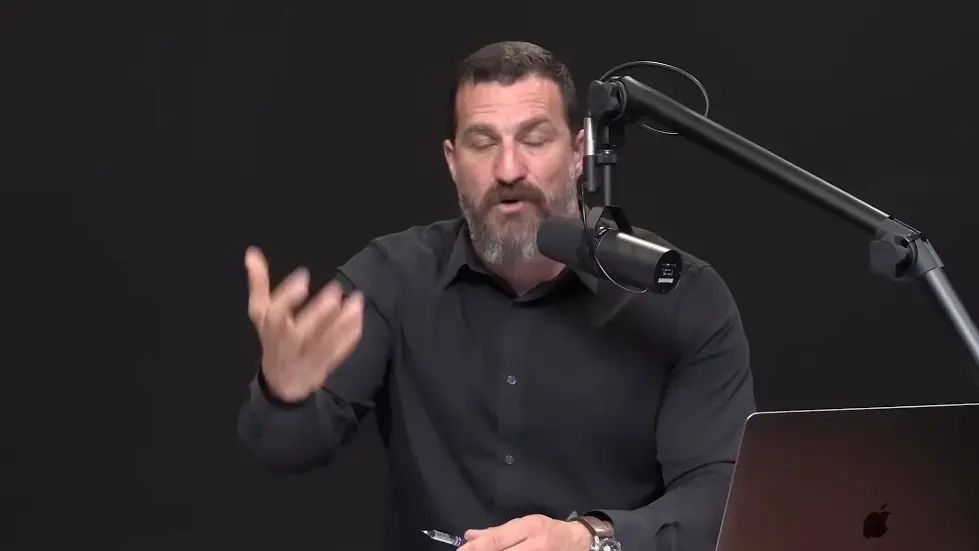
The Role of Dopamine in Motivation and Drive
- Dopamine is a neurotransmitter that plays a critical role in motivation, drive, and pursuit.
- It is unique to cocaine in that it causes a tenfold increase in the amount of dopamine released into the prefrontal cortex.
- Other substances, such as nicotine, methamphetamine, and caffeine, also cause an increase in dopamine release, but the extent varies depending on the potency of the drug and other factors.
- Some behaviors, such as eating, sex, and video games, also cause an increase in dopamine release, but the extent varies depending on the individual and the context.
- It is important to understand that dopamine release is relative and varies across individuals and behaviors.
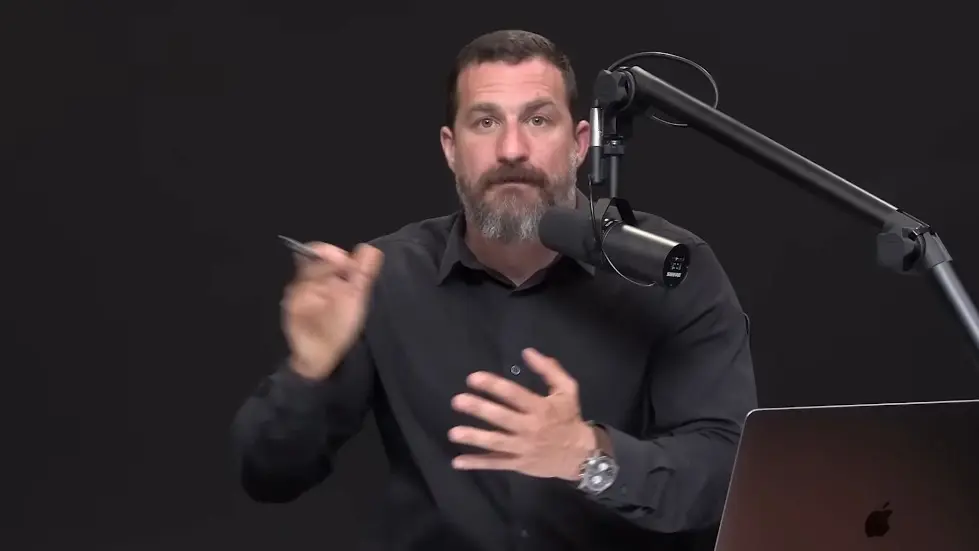
Leveraging Dopamine for Motivation and Effort
- Dopamine is critical for overcoming procrastination and ensuring ongoing motivation and confidence.
- Individuals can leverage their dopamine to have a maximum motivation to overcome sticking points.
- Tools and techniques can be used to help individuals optimize their dopamine release for maximum motivation and effort.
- The relationship between dopamine and motivation and confidence is at the level of neurobiological circuitry.
- It is not about psychology but rather about the biological and practical knowledge to help individuals optimize their mental health, physical health, and performance.
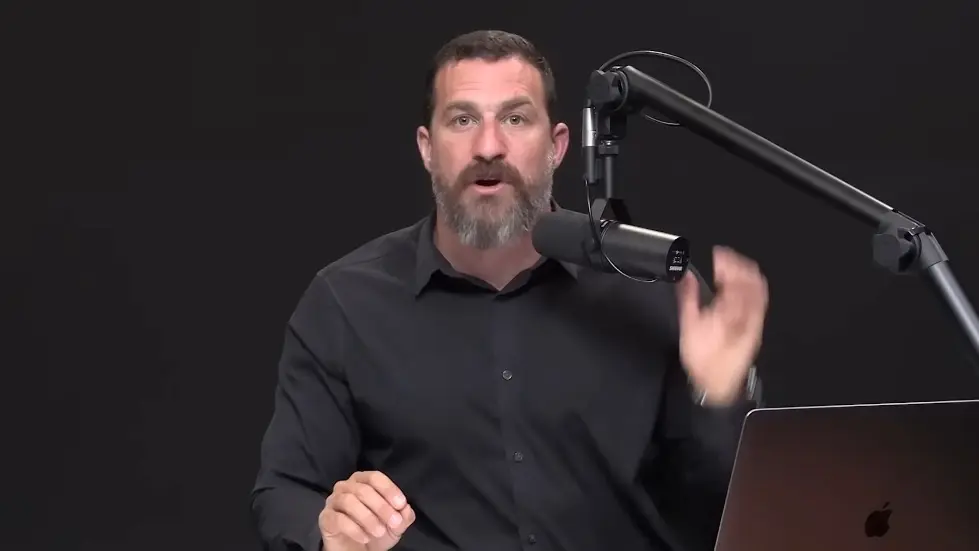
The Role of Dopamine in Motivation and Pursuit
- Dopamine is a neurotransmitter that plays a crucial role in motivation, drive, and pursuit.
- The craving and pursuit of substances and behaviors are related to the learning of those cravings.
- The height of dopamine peaks and the rate to reach those peaks, as well as the troughs that result, are important predictors of whether or not we will re-engage in a substance or behavior.
- Understanding the role of dopamine in motivation and pursuit can help individuals optimize their mental and physical health, as well as their performance.
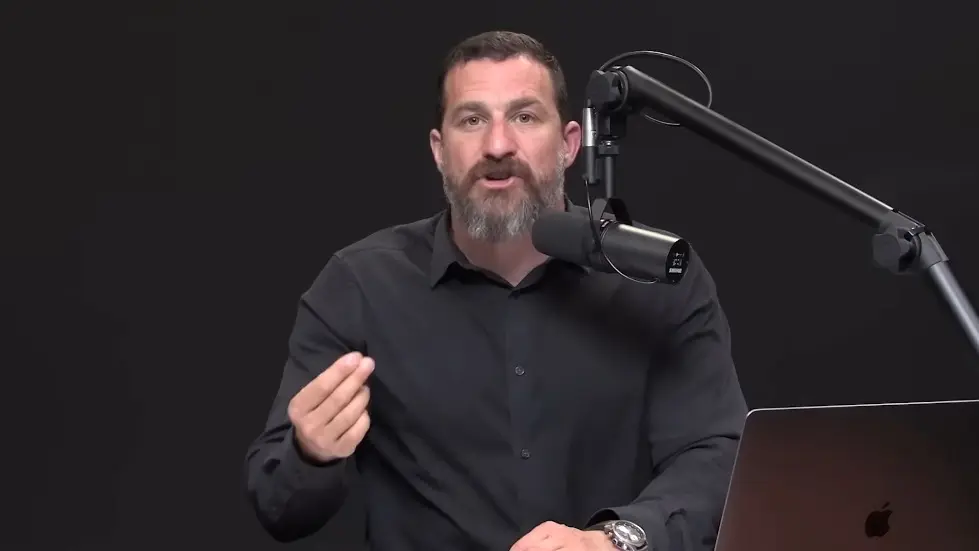
Recovery from Addiction
- Recovery from addiction often involves a reset of dopamine circuitry from unhealthy to healthy.
- Immediate and sustained abstinence may not be necessary for everyone with addiction, and other tools may be needed.
- Binding behaviors can be used to help individuals adapt to new situations and engage in healthy behaviors.
- The prefrontal cortex is important for context setting and training in healthy behaviors.
You have read 50% of the summary.
To read the other half, please enter your Name and Email. It's FREE.
You can unsubscribe anytime. By entering your email you agree to our Terms & Conditions and Privacy Policy.
Watch the video on YouTube:
Leverage Dopamine to Overcome Procrastination & Optimize Effort | Huberman Lab Podcast - YouTube
Related summaries of videos:
- Dr. Elissa Epel and Dr. Andrew Huberman: Control Stress for Healthy Eating, Metabolism and Aging (Huberman Lab Podcast)
- Andrew Huberman and Dr. Matthew MacDougall: Neuralink and Technologies to Enhance Human Brains (Huberman Lab Podcast)
- Andrew Huberman: Science-Based Mental Training and Visualization for Improved Learning (Huberman Lab Podcast)
- Dr. Noam Sobel and Dr. Andrew Huberman: How Smells Influence Our Hormones, Health and Behavior (Huberman Lab Podcast)
- Andrew Huberman: How Psilocybin Can Rewire Our Brain, Its Therapeutic Benefits and Its Risks (Huberman Lab Podcast)
- Dr. Susanna Søberg and Dr. Andrew Huberman: How to Use Cold & Heat Exposure to Improve Your Health | Huberman Lab Podcast
- Dr. Robin Carhart-Harris and Dr. Andrew Huberman: The Science of Psychedelics for Mental Health (Huberman Lab Podcast)
- Andrew Huberman: Adderall, Stimulants and Modafinil for ADHD: Short- and Long-Term Effects (Huberman Lab Podcast)
- Dr. Mary Helen, Immordino-Yang and Dr. Andrew Huberman: How Emotions and Social Factors Impact Learning (Huberman Lab Podcast)
- Andrew Huberman: The Science of MDMA and Its Therapeutic Uses - Benefits and Risks (Huberman Lab Podcast)
- Home
- About us
- Contact
- Book Summaries 0-9
- Book Summaries A
- Book Summaries B
- Book Summaries C
- Book Summaries D
- Book Summaries E
- Book Summaries F
- Book Summaries G
- Book Summaries H
- Book Summaries I
- Book Summaries J
- Book Summaries K
- Book Summaries L
- Book Summaries M
- Book Summaries N
- Book Summaries O
- Book Summaries P
- Book Summaries Q
- Book Summaries R
- Book Summaries S
- Book Summaries T
- Book Summaries U
- Book Summaries V
- Book Summaries W
- Book Summaries X
- Book Summaries Y
- Book Summaries Z
- Jay Shetty Podcast - Summaries
- Tom Bilyeu Impact Theory - Summaries
- Lex Fridman - Summaries
- Diary of a CEO - Summaries
- Alex Hormozi - Summaries
