
Andrew Huberman: The Science of MDMA and Its Therapeutic Uses - Benefits and Risks (Huberman Lab Podcast)
Last updated: Oct 2, 2023
The video by Dr. Andrew Huberman is about the science of MDMA and its therapeutic uses. MDMA, also known as ecstasy or Mali MDMA, is a compound that has properties similar to methamphetamine but also distinct from it. MDMA is a stimulant that produces big increases in both dopamine and serotonin, making it an empathogen that can increase one's sense of social connectedness and empathy. MDMA is currently being tested in clinical trials for its use as an empathogen for the treatment of PTSD. However, it is still a schedule one drug that is highly illegal to possess or sell in the United States. The video discusses the history of MDMA, the difference between recreational and therapeutic use, and the toxicity of MDMA. It also covers the spacing between sessions, dosages, and things that can be done to offset the potential toxicity of MDMA.
This video by Andrew Huberman was published on Jun 12, 2023.
Video length: 02:17:35.
The video is about the science of MDMA, commonly known as ecstasy or Mali MDMA, and its therapeutic uses.
MDMA is a stimulant that produces big increases in both dopamine and serotonin, making it distinct from other drugs. It is also an empathogen, meaning it can increase one's sense of social connectedness and empathy. MDMA is currently being tested in clinical trials for its use as a treatment for PTSD, and it has shown promising results. However, it is still a schedule one drug that is highly illegal to possess or sell in the United States.
The video discusses the path to legality, the history of MDMA, the difference between recreational and therapeutic use, and the toxicity and long-term effects of MDMA.
- MDMA stands for methylene dioxy methamphetamine
- Has properties similar to methamphetamine but also distinct from it
- Produces big increases in both dopamine and serotonin
- Acts as an empathogen, increasing sense of social connectedness and empathy
- Commonly used as a recreational drug but also being tested for therapeutic uses
- MDMA is being tested as an empathogen for the treatment of PTSD
- Results of clinical trials using MDMA for PTSD treatment discussed
- Toxicity of MDMA and ways to use it therapeutically without toxicity discussed
- Spacing between sessions, dosages, and offsetting potential toxicity of MDMA discussed
The Science of MDMA & Its Therapeutic Uses: Benefits & Risks | Huberman Lab Podcast - YouTube
Introduction
- Welcome to the Huberman Lab podcast
- Discussing science and science-based tools for everyday life
- Hosted by Andrew Huberman, a professor of neurobiology and ophthalmology at Stanford School of Medicine
- Today's topic: MDMA, also known as ecstasy or Mali MDMA
MDMA: Properties and Uses
- MDMA stands for methylene dioxy methamphetamine
- Has properties similar to methamphetamine but also distinct from it
- Produces big increases in both dopamine and serotonin
- Acts as an empathogen, increasing sense of social connectedness and empathy
- Commonly used as a recreational drug but also being tested for therapeutic uses
MDMA: History and Legal Status
- MDMA became illegal in the United States in the 1980s
- Schedule one drug, highly illegal to possess or sell
- Path to legality underway, but still illegal
- History of MDMA and why it became illegal discussed
The Science of MDMA & Its Therapeutic Uses: Benefits & Risks | Huberman Lab Podcast - YouTube
MDMA: Therapeutic Uses and Toxicity
- MDMA is being tested as an empathogen for the treatment of PTSD
- Results of clinical trials using MDMA for PTSD treatment discussed
- Toxicity of MDMA and ways to use it therapeutically without toxicity discussed
- Spacing between sessions, dosages, and offsetting potential toxicity of MDMA discussed
Conclusion
- Thorough understanding of MDMA discussed
- What MDMA is, what it isn't, what is known about it, and what is still outstanding
- Sponsors of the podcast thanked
Section 1: Introduction to MDMA
- MDMA, also known as ecstasy or Mali MDMA, is a compound that has properties similar to methamphetamine but also distinct from it.
- It is a stimulant that produces big increases in both dopamine and serotonin, making it an empathogen that can increase one's sense of social connectedness and empathy.
- MDMA is currently being tested in clinical trials for its use as an empathogen for the treatment of PTSD.
- It is still a schedule one drug that is highly illegal to possess or sell in the United States.

Section 2: Differences between Recreational and Therapeutic Use of MDMA
- Recreational use of MDMA involves taking the drug for its psychoactive effects, such as increased sense of social connectedness and empathy.
- Therapeutic use of MDMA involves using the drug in a controlled clinical setting for the treatment of PTSD.
- The therapeutic use of MDMA is still in the early stages of research and development.
- The potential risks and benefits of using MDMA for therapeutic purposes are still being studied.
Section 3: Toxicity of MDMA
- MDMA can have negative effects on the cardiovascular system, including increased heart rate and blood pressure.
- It can also cause dehydration and electrolyte imbalances, which can lead to more serious health problems.
- MDMA can cause anxiety, paranoia, and other psychological side effects.
- It can also cause long-term damage to the brain and nervous system.
Section 4: Spacing between Sessions, Dosages, and Offsetting Potential Toxicity of MDMA
- It is important to space out sessions of MDMA use to allow the body to recover and reduce the risk of negative side effects.
- Dosages of MDMA should be carefully monitored and adjusted based on individual tolerance and needs.
- There are several things that can be done to offset the potential toxicity of MDMA, such as staying hydrated and taking electrolyte supplements.
- It is important to consult with a healthcare professional before using MDMA for therapeutic purposes.
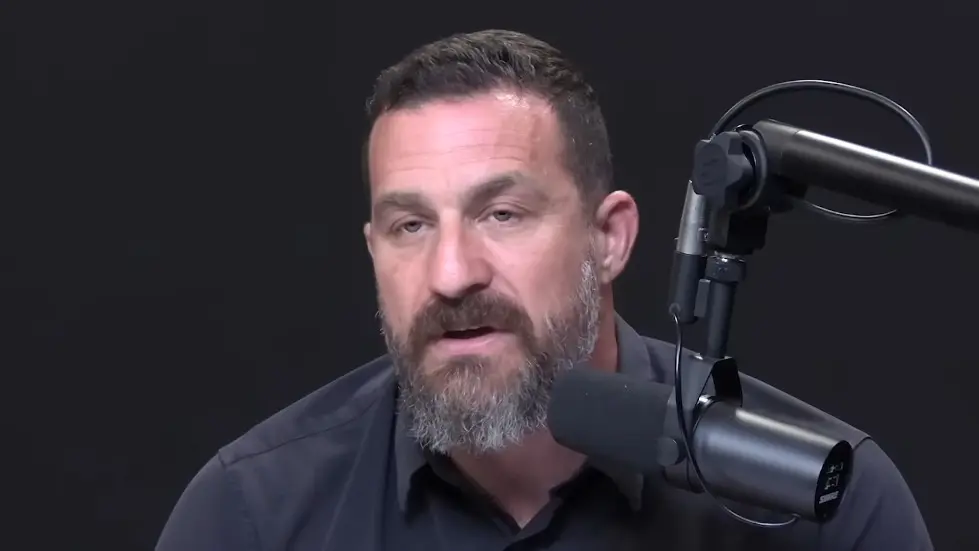
What is MDMA?
- MDMA is a synthetic compound that does not exist in nature.
- It is a stimulant that produces big increases in both dopamine and serotonin.
- MDMA is an empathogen that can increase one's sense of social connectedness and empathy.
- It is currently being tested in clinical trials for its use as an empathogen for the treatment of PTSD.
- MDMA is still a schedule one drug that is highly illegal to possess or sell in the United States.
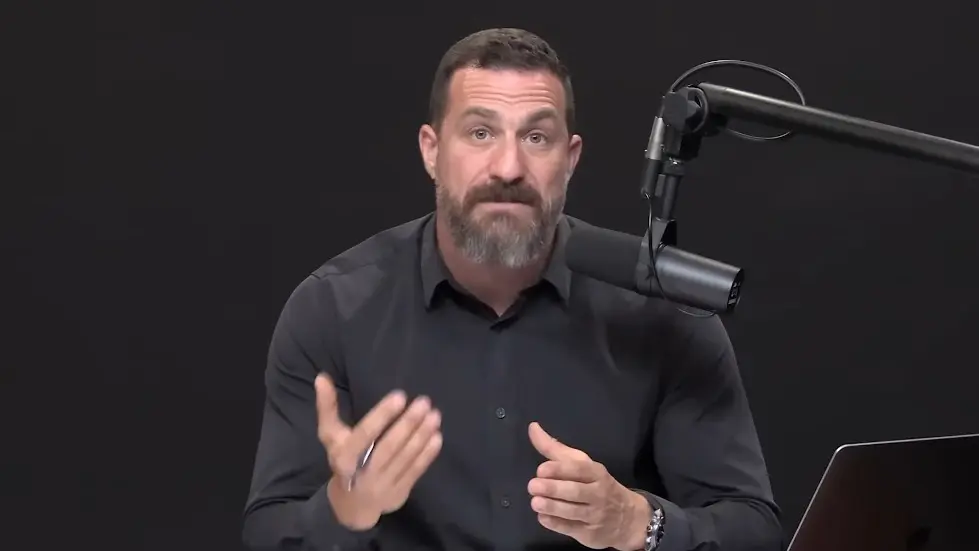
Differences between Recreational and Therapeutic Use of MDMA
- Recreational use of MDMA is for pleasure and can lead to addiction.
- Therapeutic use of MDMA is for medical purposes and is being studied for its potential to treat PTSD.
- Therapeutic use of MDMA is highly regulated and requires authorization from scientists and clinicians.
- Recreational use of MDMA is illegal and can lead to severe consequences.
- The potential toxicity of MDMA is a concern for both recreational and therapeutic use.
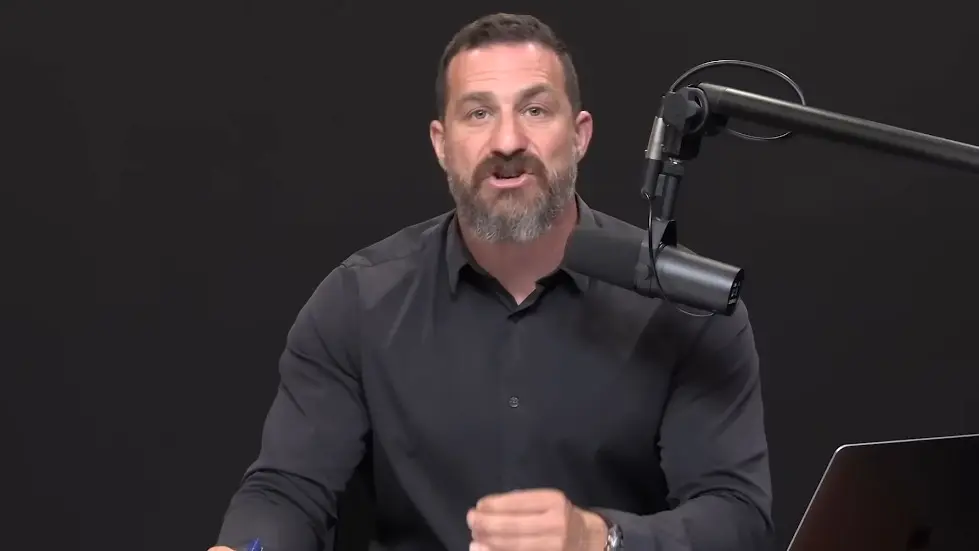
Toxicity of MDMA
- MDMA has the potential to kill neurons of the serotonin and dopamine type.
- Loss of serotonergic neurons is known to impact mood negatively.
- Killing off of or death of dopamine neurons is the underlying basis for Parkinson's Disease.
- The story of MDMA and its potential neurotoxicity comes slam right up against the issue of legality.
- There has been a race in the scientific community to establish the toxicity of MDMA so that it does not become legal again.
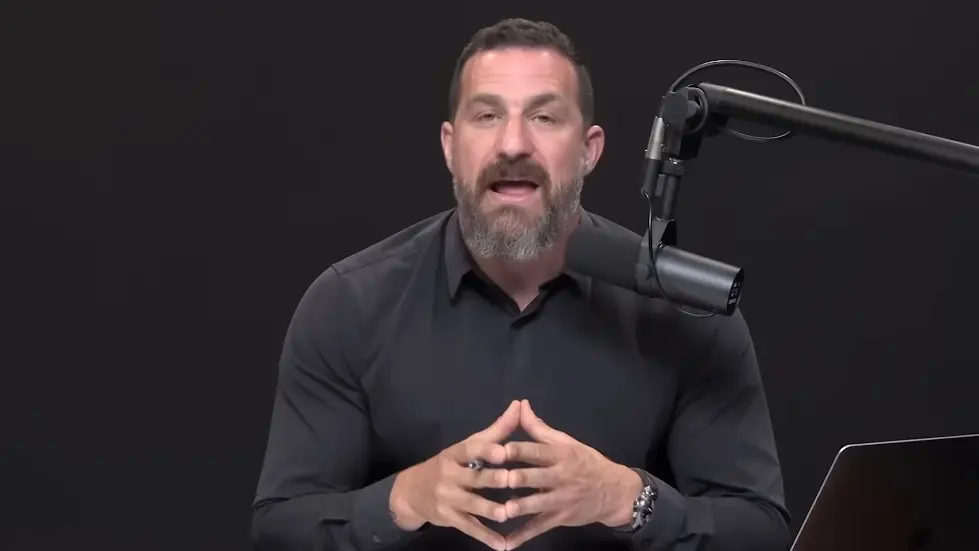
Legality of MDMA
- MDMA is currently illegal to possess or sell in the United States.
- It is being studied for its potential use as an empathogen for the treatment of PTSD.
- MDMA has been granted breakthrough status, which means it can be studied by scientists and clinicians.
- The story of MDMA and its potential neurotoxicity comes slam right up against the issue of legality.
- There has been a race in the scientific community to establish the toxicity of MDMA so that it does not become legal again.
The Science of MDMA
- MDMA, also known as ecstasy or Mali MDMA, is a compound that has properties similar to methamphetamine but also distinct from it.
- MDMA is a stimulant that produces big increases in both dopamine and serotonin, making it an empathogen that can increase one's sense of social connectedness and empathy.
- MDMA is currently being tested in clinical trials for its use as an empathogen for the treatment of PTSD.
- It is still a schedule one drug that is highly illegal to possess or sell in the United States.
Differences between Recreational and Therapeutic Use
- Recreational use of MDMA is typically done for its psychoactive effects, such as increased sense of social connectedness and empathy.
- Therapeutic use of MDMA is being studied for its potential to treat PTSD, a mental health disorder that can cause severe distress and difficulty functioning in daily life.
Toxicity of MDMA
- MDMA can be toxic to the body, particularly when taken in high doses or combined with other drugs.
- It can cause increased heart rate, blood pressure, and body temperature, as well as sweating, chills, and nausea.
- MDMA can also cause hallucinations, anxiety, and paranoia.
Spacing between Sessions and Dosages
- It is important to space out MDMA sessions to allow the body to recover and reduce the risk of toxicity.
- Dosages should be carefully monitored and adjusted based on individual tolerance and response to the drug.
Things to Offset Potential Toxicity
- Drinking plenty of water and staying hydrated can help to reduce the risk of dehydration and other side effects.
- Taking a break from other drugs, particularly stimulants and psychoactive substances, can help to reduce the risk of toxicity.
- Engaging in activities that promote relaxation and stress reduction, such as meditation or yoga, can help to counteract the stimulating effects of MDMA.
The Science of MDMA
- MDMA, also known as ecstasy or Mali MDMA, is a compound that has properties similar to methamphetamine but also distinct from it.
- MDMA is a stimulant that produces big increases in both dopamine and serotonin, making it an empathogen that can increase one's sense of social connectedness and empathy.
- The increases in serotonin that MDMA creates are at least three times and maybe as much as eight times greater than the amount of dopamine released that MDMA causes.
- MDMA is currently being tested in clinical trials for its use as an empathogen for the treatment of PTSD.
- It is still a schedule one drug that is highly illegal to possess or sell in the United States.
Differences between Recreational and Therapeutic Use
- MDMA is a recreational drug that is commonly used for its stimulant and empathogenic effects.
- It is also being studied for its potential therapeutic uses, such as the treatment of PTSD.
- The therapeutic use of MDMA is still in the early stages of research and development.
- The therapeutic use of MDMA is highly regulated and controlled.
- The therapeutic use of MDMA is not yet widely available to the public.
Toxicity of MDMA
- MDMA can cause a range of negative effects, including increased heart rate, blood pressure, and body temperature.
- MDMA can also cause anxiety, paranoia, and hallucinations.
- MDMA can cause a range of long-term effects, including damage to the heart and kidneys.
- MDMA can cause a range of psychological effects, including depression and anxiety.
- MDMA can cause a range of cognitive effects, including memory loss and difficulty concentrating.
Spacing between Sessions and Dosages
- The spacing between MDMA sessions can vary depending on the individual and the therapeutic goals.
- MDMA dosages can also vary depending on the individual and the therapeutic goals.
- It is important to follow the dosage and spacing recommendations provided by a healthcare professional.
- It is important to monitor the effects of MDMA and adjust the dosage and spacing as needed.
- It is important to be aware of the potential risks and side effects of MDMA and to take appropriate precautions.
Things to Offset the Potential Toxicity of MDMA
- It is important to stay hydrated before, during, and after MDMA use.
- It is important to eat a healthy diet before, during, and after MDMA use.
- It is important to get enough sleep before, during, and after MDMA use.
- It is important to avoid alcohol and other drugs before, during, and after MDMA use.
- It is important to seek medical attention if you experience any negative effects from MDMA use.
The Science of MDMA
- MDMA, also known as ecstasy or Mali MDMA, is a compound that has properties similar to methamphetamine but also distinct from it.
- MDMA is a stimulant that produces big increases in both dopamine and serotonin, making it an empathogen that can increase one's sense of social connectedness and empathy.
- MDMA is currently being tested in clinical trials for its use as an empathogen for the treatment of PTSD.
- MDMA is still a schedule one drug that is highly illegal to possess or sell in the United States.
Differences between MDMA and other Psychedelics
- MDMA is an empathogen with stimulant properties and it also has the serotonergic component that makes it an empathogen or an actogen.
- MDMA is very different than the other psychedelics and my hunch is that over the next few years we will stop talking about MDMA as a psychedelic because it does not tend to produce visual or auditory hallucinations of the sort that classic psychedelics do.
- MDMA is more of a mood impacting drug than it is a mystical one.
- MDMA produces unique effects that are different from drugs like psilocybin and LSD and from methamphetamine.
- The combination of big increases in dopamine and even bigger increases in serotonin create a situation where people have more energy and yet despite having more energy they don't feel irritated.
MDMA and PTSD Treatment
- MDMA taken on its own does not cure PTSD.
- MDMA can augment or boost the effects of talk therapy for PTSD and it does that through the engagement of specific neural circuits.
- The major effect of MDMA for the treatment of PTSD is not to cure PTSD but rather to make the therapy for PTSD much more effective.
- MDMA can increase trust and the increases in trust turn out to be vital because as you will learn later when we look at the clinical trials exploring MDMA for the treatment of PTSD.
MDMA and Neural Circuits
- The increases in serotonin that MDMA produces seem to act on different receptors than the big increases in serotonin the LSD and psilocybin produce.
- MDMA can activate the serotonin 1B receptor but it seems that it largely activates the serotonin 5ht2a receptor.
- Activation of the serotonin 1B receptor seems to be what gives MDMA its very strong impact on the neural circuits of the brain that relate to trust and to social engagement.
- MDMA can increase the interconnectedness between different brain areas, more consideration of new possibilities about events from the past present and future, and also the opening of so-called neuroplasticity of rewiring of neural connections that persist long after the MDMA effects have worn off.
The Science of MDMA
- MDMA, also known as ecstasy or Mali MDMA, is a compound that has properties similar to methamphetamine but also distinct from it.
- MDMA is a stimulant that produces big increases in both dopamine and serotonin, making it an empathogen that can increase one's sense of social connectedness and empathy.
- MDMA is currently being tested in clinical trials for its use as an empathogen for the treatment of PTSD.
- MDMA is still a schedule one drug that is highly illegal to possess or sell in the United States.
Differences between Recreational and Therapeutic Use
- Recreational use of MDMA is for the purpose of experiencing pleasure and euphoria.
- Therapeutic use of MDMA is for the purpose of treating PTSD by increasing one's sense of social connectedness and empathy.

Toxicity of MDMA
- MDMA can cause an increase in heart rate, blood pressure, and body temperature.
- MDMA can also cause an increase in dopamine and serotonin levels in the brain, which can lead to feelings of anxiety, paranoia, and hallucinations.
- MDMA can disrupt sleep patterns and cause difficulty sleeping.
- MDMA can also cause long-term changes in the brain, such as changes in mood and behavior.
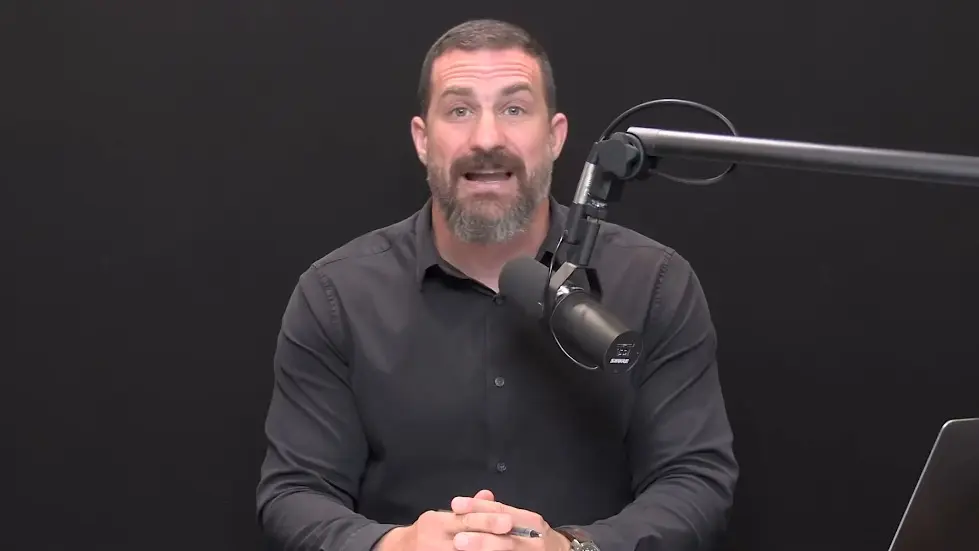
Spacing between Sessions and Dosages
- The spacing between MDMA sessions should be at least two weeks to allow the brain to recover.
- The dosage of MDMA should be carefully monitored and adjusted based on individual tolerance and response.

Things to Offset Potential Toxicity
- Drinking plenty of water before and after MDMA use can help to offset potential dehydration.
- Taking a multivitamin before and after MDMA use can help to offset potential nutrient deficiencies.
- Engaging in physical activity before and after MDMA use can help to offset potential sedation.

The Science of MDMA
- MDMA, also known as ecstasy or Mali MDMA, is a compound that has properties similar to methamphetamine but also distinct from it.
- MDMA is a stimulant that produces big increases in both dopamine and serotonin, making it an empathogen that can increase one's sense of social connectedness and empathy.
- MDMA is currently being tested in clinical trials for its use as an empathogen for the treatment of PTSD.
- It is still a schedule one drug that is highly illegal to possess or sell in the United States.
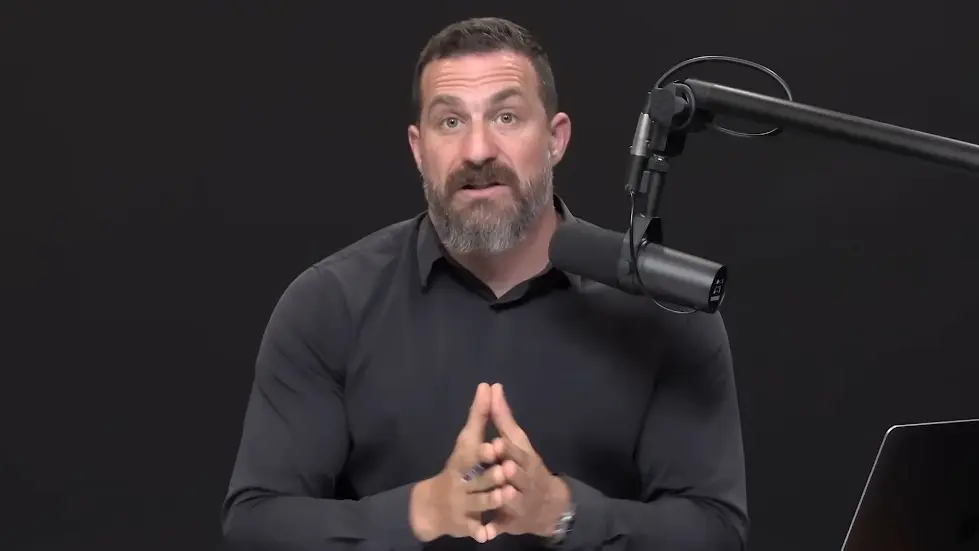
Differences between Recreational and Therapeutic Use
- Recreational use of MDMA is for the purpose of experiencing pleasure and euphoria.
- Therapeutic use of MDMA is for the treatment of PTSD, where it is used to increase social connectedness and empathy.
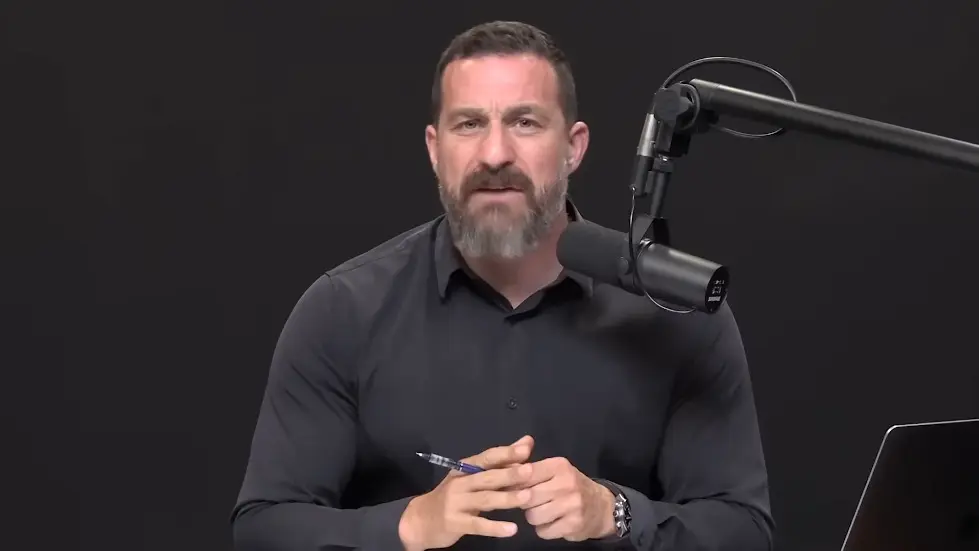
Toxicity of MDMA
- MDMA can cause a range of negative effects, including increased heart rate, blood pressure, and body temperature.
- It can also cause anxiety, paranoia, and hallucinations.
- MDMA can be addictive and can lead to long-term negative effects on the brain.

Spacing between Sessions and Dosages
- It is important to space out sessions of MDMA use to allow the brain to recover and prevent the development of tolerance.
- Dosages should be carefully monitored and adjusted to avoid overdose or negative effects.

Offsetting Potential Toxicity
- There are several things that can be done to offset the potential toxicity of MDMA, including staying hydrated and taking breaks from physical activity.
- It is also important to have a support system in place and to be aware of the potential risks and negative effects of MDMA use.
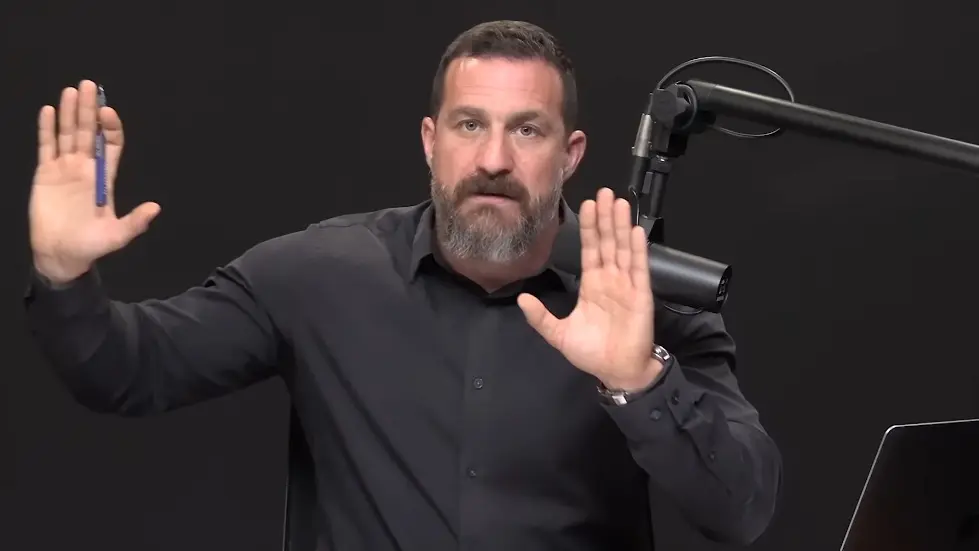
Introduction
- The video is about the science of MDMA and its therapeutic uses.
- MDMA, also known as ecstasy or Mali MDMA, is a compound that has properties similar to methamphetamine but also distinct from it.
- MDMA is a stimulant that produces big increases in both dopamine and serotonin, making it an empathogen that can increase one's sense of social connectedness and empathy.
- MDMA is currently being tested in clinical trials for its use as an empathogen for the treatment of PTSD.
- The video discusses the history of MDMA, the difference between recreational and therapeutic use, and the toxicity of MDMA.
History of MDMA
- The department of Psychiatry and behavioral neuroscience at the University of Chicago has a long history of giving people certain drugs in very specific dosages and then measuring their effects on the brain.
- One particular study that is highlighted is entitled "Effects of MDMA on sociability and neural responses to social threat and social reward."
- The study looked at how MDMA impacts people's perceptions of others' emotional expressions on their face.
- The study found that when people are on MDMA, their response to threatening faces or other threatening stimuli is reduced, and it's reduced in a very specific way.
MDMA and Perception of Emotions
- MDMA has a bi-directional effect on our perception of others' emotions.
- People are more likely to rate something as positive if it's initially positive or even a little bit positive when on MDMA.
- People are less likely to rate a threatening face as more threatening when on MDMA.
- The faces that are being shown are not of people on MDMA, but rather people are being given MDMA and then rating the level of threat or friendliness they detect in these facial expressions.
Dosages of MDMA
- The typical dosages of MDMA used in neuroimaging studies and in the clinical studies of PTSD range anywhere from 0.75 milligrams per kilogram of body weight to 1.5 milligrams per kilogram of body weight.
- The dosage control of MDMA in these studies is fairly tight, making interpreting results across studies easier.
- The range of MDMA that's been explored is 0.75 to 1.5 milligrams per kilogram of body weight.
- In general, the range of MDMA that's been explored is 0.75 to 1.5 milligrams per kilogram of body weight.
Conclusion
- The video discusses the history of MDMA, the difference between recreational and therapeutic use, and the toxicity of MDMA.
- MDMA has a bi-directional effect on our perception of others' emotions.
- The typical dosages of MDMA used in neuroimaging studies and in the clinical studies of PTSD range anywhere from 0.75 milligrams per kilogram of body weight to 1.5 milligrams per kilogram of body weight.
Dosages of MDMA
- Dosages of MDMA can range from 0.75 milligrams per kilogram of body weight to 1.5 milligrams per kilogram of body weight.
- Studies both clinical and research explorative use MDMA dosages between 1 to 1.5 milligrams of MDMA per kilogram of body weight.
- The dosage applied is important to consider when discussing the subjective effects or brain networks activated when people take MDMA.
- MDMA dosages are typically measured in milligrams per kilogram of body weight.
- The dosage applied can affect the subjective effects and brain networks activated when people take MDMA.
Brain Areas Activated by MDMA
- MDMA engages responses of people's faces.
- Reduction in amygdala activity is a key feature of PTSD.
- The insula is a brain area that is important for interoception.
- The insula is a brain area that is distinctly different from exteriorception.
- The insula has a map of the complete body surface, including internal organs.
Interoception and MDMA
- Interoception is one's perception of our feelings both pure sensations but also our emotional states and our feelings of well-being or lack of well-being.
- Interception is distinctly different from exteriorception.
- Interception can be about the fullness of your gut, how happy or sad you are, how tired or alert you happen to feel.
- Interception is a push-pull of interception and extra reception.
- The insula is a brain area that is absolutely critical for interception.
MDMA and PTSD
- People with PTSD tend to have greater or rather stronger connections between the amygdala and the insula than is normally observed in people who do not have PTSD.
- The insula is responsible for our sense of interception which provides a logical explanation for why people with PTSD often will feel the memory or sense the discomfort or just feel agitation or even other types of bodily sensations.
- Those brain networks can be revealed by putting people with PTSD into functional Imaging machines.
- The heightened connectivity between the amygdala and the insula in people with PTSD seems to have a logical explanation for why people with PTSD often will feel the memory or sense the discomfort or just feel agitation or even other types of bodily sensations.
- The insula is a brain area that is involved in memory formation and storage.
The Science of MDMA
- MDMA, also known as ecstasy or Mali MDMA, is a compound that has properties similar to methamphetamine but also distinct from it.
- MDMA is a stimulant that produces big increases in both dopamine and serotonin, making it an empathogen that can increase one's sense of social connectedness and empathy.
- MDMA is currently being tested in clinical trials for its use as an empathogen for the treatment of PTSD.
- It is still a schedule one drug that is highly illegal to possess or sell in the United States.

Differences between Recreational and Therapeutic Use
- Recreational use of MDMA is for its psychoactive effects, such as increased sense of social connectedness and empathy.
- Therapeutic use of MDMA is for its potential to treat PTSD by weakening connections between the amygdala and the insula.
Toxicity of MDMA
- MDMA can cause toxic effects such as increased heart rate, blood pressure, and body temperature.
- It can also cause hallucinations, anxiety, and paranoia.
Spacing between Sessions and Dosages
- The spacing between MDMA sessions and dosages is important for minimizing the risk of toxicity.
- It is recommended to wait at least 2-3 weeks between sessions and to start with a low dose.
Things to Offset Potential Toxicity
- Drinking plenty of water before and after taking MDMA can help to offset potential dehydration.
- Taking MDMA in a safe and controlled environment can also help to minimize the risk of toxicity.
The Science of MDMA
- MDMA, also known as ecstasy or Mali MDMA, is a compound that has properties similar to methamphetamine but also distinct from it.
- MDMA is a stimulant that produces big increases in both dopamine and serotonin, making it an empathogen that can increase one's sense of social connectedness and empathy.
- MDMA is currently being tested in clinical trials for its use as an empathogen for the treatment of PTSD.
- It is still a schedule one drug that is highly illegal to possess or sell in the United States.
Differences between Recreational and Therapeutic Use
- Recreational use of MDMA is for its psychoactive effects, such as increased sense of social connectedness and empathy.
- Therapeutic use of MDMA is for its potential to treat PTSD by increasing empathy and social connectedness.
Toxicity of MDMA
- MDMA can cause a range of negative effects, including increased heart rate, blood pressure, and body temperature.
- It can also cause anxiety, paranoia, and hallucinations.
- MDMA can cause long-term changes in the brain, including changes in the overall level of activation of threat detection networks and their connections to memory systems.

Spacing between Sessions and Dosages
- The spacing between MDMA sessions should be at least a week to allow the brain to recover.
- Dosages should be carefully monitored and adjusted to avoid overdose or adverse effects.
Things to Offset Potential Toxicity
- Drinking plenty of water before and after MDMA use can help to offset potential dehydration.
- Taking a multivitamin before and after MDMA use can help to replenish lost nutrients.
- Getting enough sleep before and after MDMA use can help to reduce the risk of adverse effects.
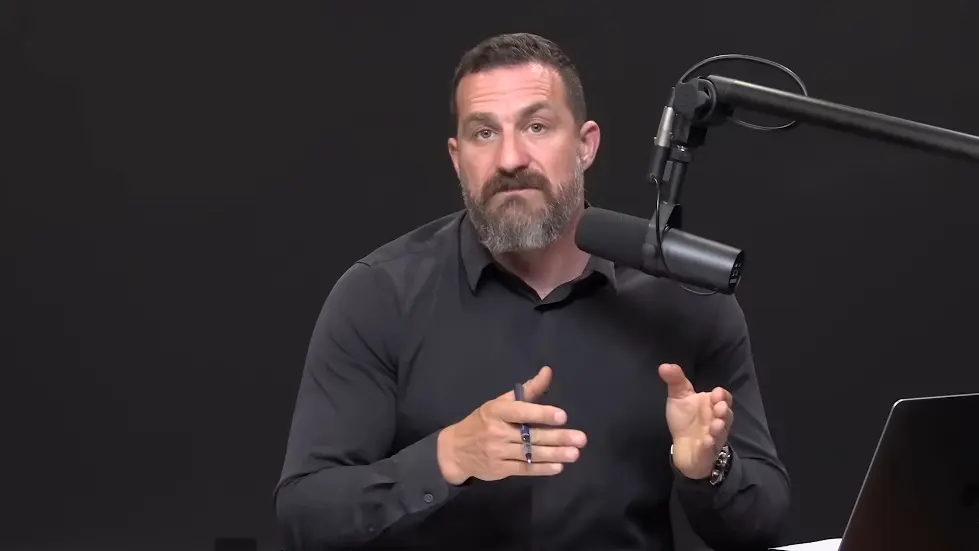
The Science of MDMA
- MDMA, also known as ecstasy or Mali MDMA, is a compound that has properties similar to methamphetamine but also distinct from it.
- MDMA is a stimulant that produces big increases in both dopamine and serotonin, making it an empathogen that can increase one's sense of social connectedness and empathy.
- MDMA is currently being tested in clinical trials for its use as an empathogen for the treatment of PTSD.
- It is still a schedule one drug that is highly illegal to possess or sell in the United States.
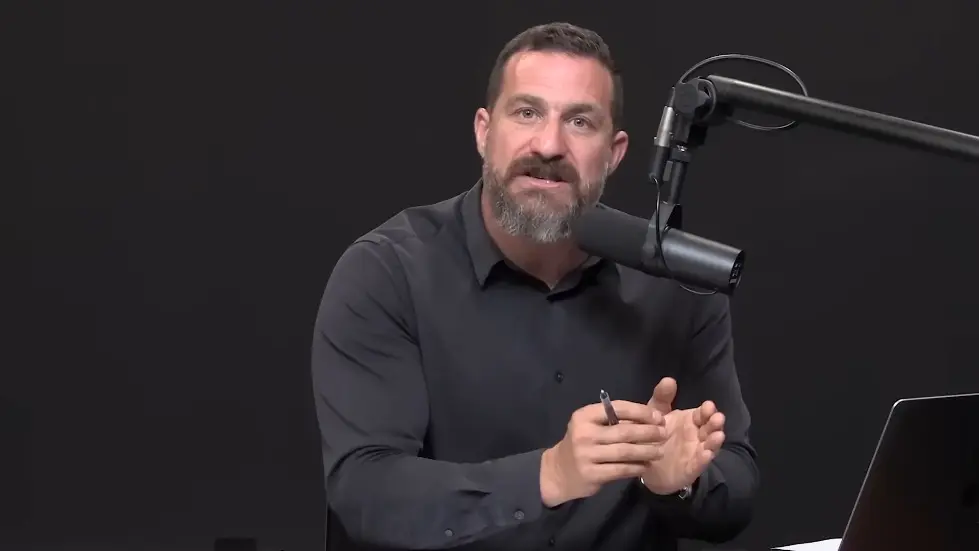
Differences between Recreational and Therapeutic Use
- Recreational use of MDMA is for the purpose of experiencing pleasure and euphoria.
- Therapeutic use of MDMA is for the treatment of PTSD, where it is used to increase empathy and social connection.
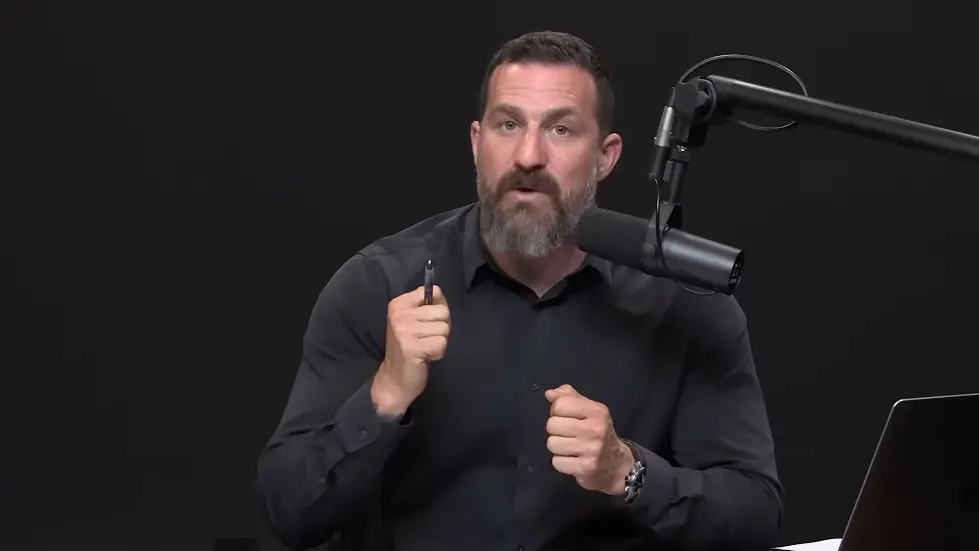
Toxicity of MDMA
- MDMA can cause a range of negative effects, including increased heart rate, blood pressure, and body temperature.
- It can also cause anxiety, paranoia, and hallucinations.
- MDMA can lead to dehydration and electrolyte imbalances, which can be dangerous.
- Long-term use of MDMA can cause damage to the heart, lungs, and kidneys.

Spacing between Sessions and Dosages
- It is important to space out MDMA sessions to allow the body to recover and avoid overdose.
- Dosages should be carefully monitored and adjusted based on individual tolerance and response.
You have read 50% of the summary.
To read the other half, please enter your Name and Email. It's FREE.
You can unsubscribe anytime. By entering your email you agree to our Terms & Conditions and Privacy Policy.
Watch the video on YouTube:
The Science of MDMA & Its Therapeutic Uses: Benefits & Risks | Huberman Lab Podcast - YouTube
Related summaries of videos:
- Tim Ferriss and Andrew Huberman: How to Learn Better and Create Your Best Future (Huberman Lab Podcast)
- Dr. Jeffrey Goldberg and Dr. Andrew Huberman: How to Improve Your Eye Health and Offset Vision Loss (Huberman Lab Podcast)
- Andrew Huberman: How to Enhance Performance and Learning by Applying a Growth Mindset (Huberman Lab Podcast)
- Tony Hawk and Andrew Huberman: Harnessing Passion, Drive and Persistence for Lifelong Success (Huberman Lab Podcast)
- Dr. Andrew Huberman: Ketamine - Benefits and Risks for Depression, PTSD and Neuroplasticity (Huberman Lab Podcast)
- Dr. Rena Malik and Dr. Andrew Huberman: Improving Sexual and Urological Health in Males and Females (Huberman Lab Podcast)
- Dr. David Linden and Andrew Huberman: Life, Death and the Neuroscience of Your Unique Experience (Huberman Lab Podcast)
- Andrew Huberman: Goals Toolkit - How to Set and Achieve Your Goals (Huberman Lab Podcast)
- Dr. Paul Conti and Dr. Andrew Huberman: How to Understand and Assess Your Mental Health (Huberman Lab Guest Series)
- Andrew Huberman: Journal Club with Dr. Peter Attia - Metformin for Longevity and The Power of Belief Effects
- Home
- About us
- Contact
- Book Summaries 0-9
- Book Summaries A
- Book Summaries B
- Book Summaries C
- Book Summaries D
- Book Summaries E
- Book Summaries F
- Book Summaries G
- Book Summaries H
- Book Summaries I
- Book Summaries J
- Book Summaries K
- Book Summaries L
- Book Summaries M
- Book Summaries N
- Book Summaries O
- Book Summaries P
- Book Summaries Q
- Book Summaries R
- Book Summaries S
- Book Summaries T
- Book Summaries U
- Book Summaries V
- Book Summaries W
- Book Summaries X
- Book Summaries Y
- Book Summaries Z
- Jay Shetty Podcast - Summaries
- Tom Bilyeu Impact Theory - Summaries
- Lex Fridman - Summaries
- Diary of a CEO - Summaries
- Alex Hormozi - Summaries
