
Dr. Andy Galpin and Dr. Andrew Huberman: Maximize Recovery to Achieve Fitness and Performance Goals (Huberman Lab)
Last updated: Oct 2, 2023
The video is about Dr. Andrew Huberman and Dr. Andy Galpin discussing recovery in fitness and exercise. He explains that recovery is when progress emerges and occurs away from the experience or learning. He talks about the importance of recovery in achieving fitness and performance goals and how to enhance recovery. He also discusses the different types of recovery and how to optimize it. The video covers various topics related to recovery, including nutrition, supplementation, fueling, hydration, and biomarkers. The video is part of a six-episode series on fitness, exercise, and performance.
This video by Andrew Huberman was published on Feb 15, 2023.
Video length: 03:05:06.
The video is about Dr. Andy Galpin discussing recovery in fitness and exercise.
He explains that recovery is the process where progress emerges and we get better at our fitness goals. He explains that recovery is not just about the experience of the workout, but rather the process that occurs after the workout. He also discusses the importance of recovery in avoiding overtraining and achieving optimal results. Dr. Galpin shares his experience working with individuals from high-functioning CEOs to athletes, and outlines some of the tools and tactics used for recovery.
He also discusses the role of nutrition and supplementation in recovery.
- The video is from the Huberman Lab YouTube channel.
- The video is a part of a six-episode series on fitness, exercise, and performance.
- The episode is about recovery in fitness and exercise.
- The guest is Dr. Andy Galpin, a professor of neurobiology and ophthalmology at Stanford School of Medicine.
- Recovery is when progress emerges in fitness and exercise.
- Recovery occurs away from the experience or learning.
- Recovery is important for achieving fitness and performance goals.
- Recovery is when adaptation occurs in fitness and exercise.
- There are different ways to enhance recovery in fitness and exercise.
Dr. Andy Galpin: Maximize Recovery to Achieve Fitness & Performance Goals | Huberman Lab - YouTube
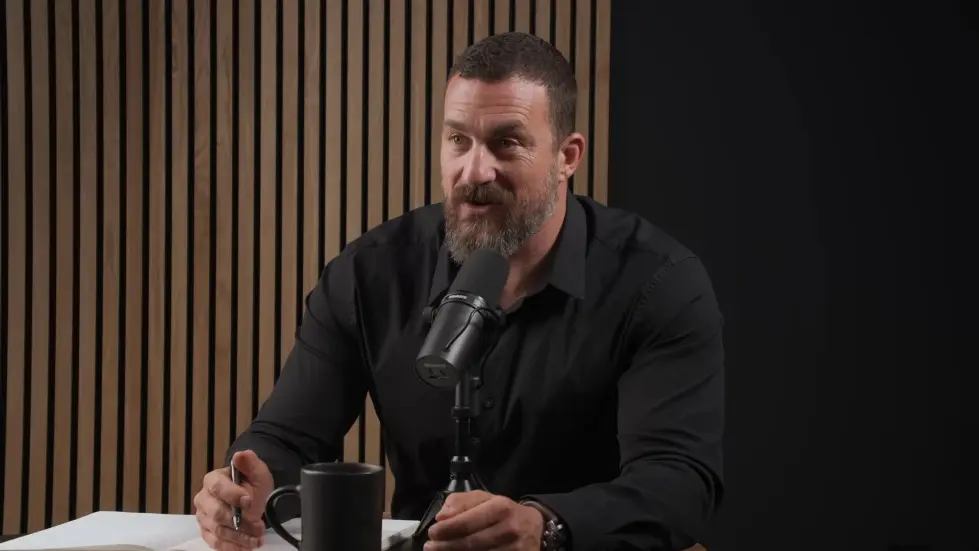
Introduction
- The video is from the Huberman Lab YouTube channel.
- The video is a part of a six-episode series on fitness, exercise, and performance.
- The episode is about recovery in fitness and exercise.
- The guest is Dr. Andy Galpin, a professor of neurobiology and ophthalmology at Stanford School of Medicine.
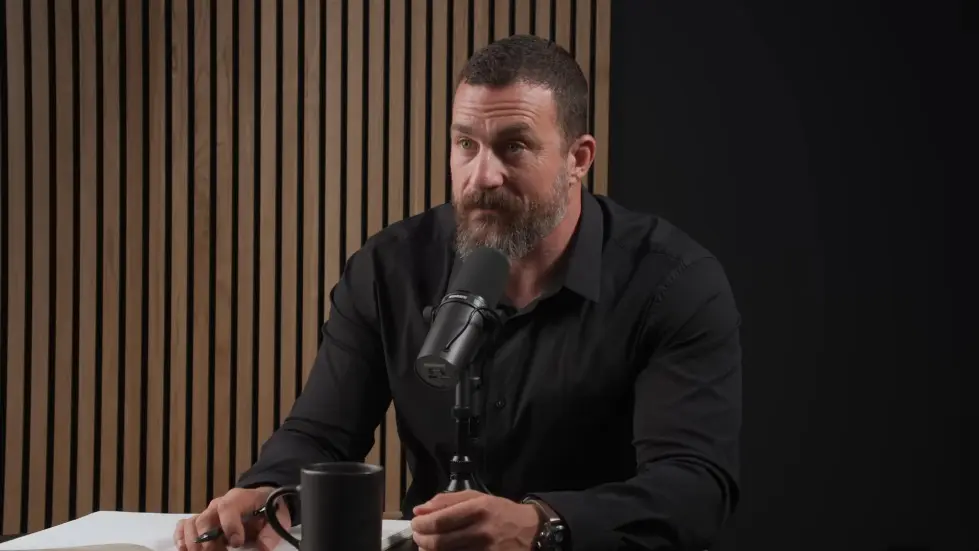
What is Recovery?
- Recovery is when progress emerges in fitness and exercise.
- Recovery occurs away from the experience or learning.
- Recovery is important for achieving fitness and performance goals.
- Recovery is when adaptation occurs in fitness and exercise.
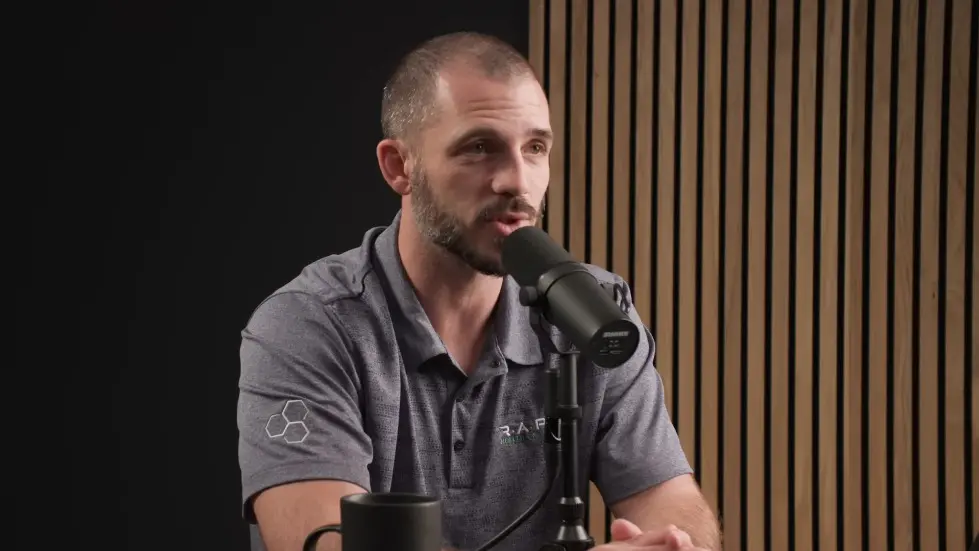
Types of Recovery
- There are different ways to enhance recovery in fitness and exercise.
- Recovery is a key factor in achieving fitness and performance goals.
- Recovery is when progress emerges in fitness and exercise.
- Recovery is important for avoiding overtraining.

Dr. Andy Galpin: Maximize Recovery to Achieve Fitness & Performance Goals | Huberman Lab - YouTube
Improving Recovery
- There are tools and tactics that can be used to improve recovery in fitness and exercise.
- Recovery is important for avoiding negative effects of stress.
- Recovery is important for achieving fitness and performance goals.
- Recovery is a key factor in avoiding injury in fitness and exercise.
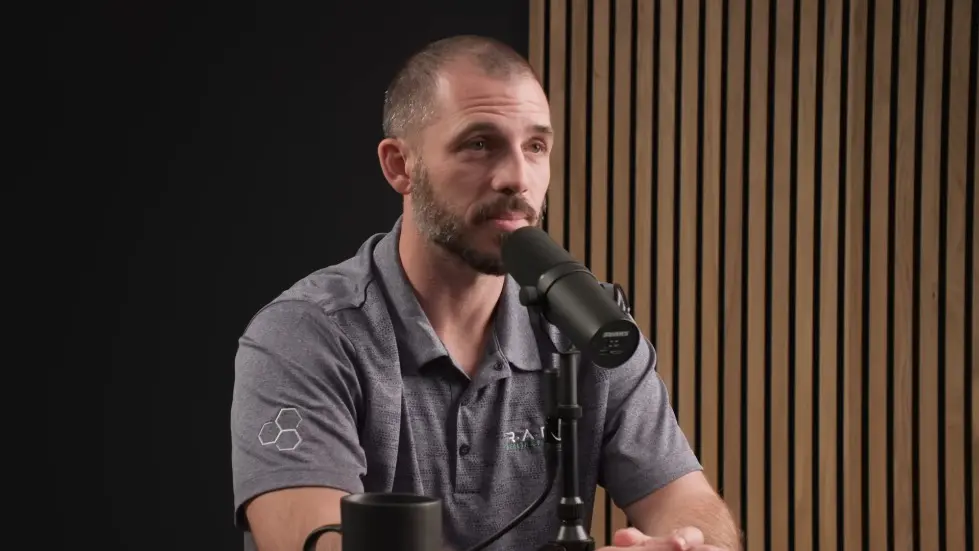
What is Muscle Soreness?
- Muscle soreness is a feeling of discomfort or pain in the muscles after exercise.
- It is a normal part of the recovery process and occurs when progress emerges away from the experience or learning.
- The soreness seems to arrive after a reasonable delay of maybe even a day, but it can be earlier for more fit or familiar movements.
- There is a physical component to muscle soreness, but perception also plays a role.
- There is ongoing research in this area, and there are colleagues at Stanford who work on pain both from the cellular molecular side and the psychological side.
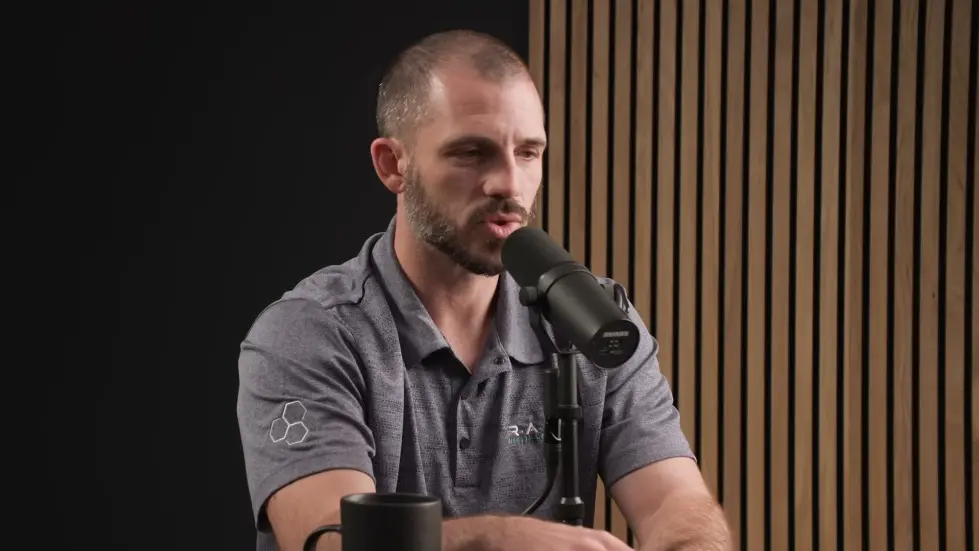
Delayed Onset Muscle Soreness
- Delayed onset muscle soreness (DOMS) is a common misconception that muscle soreness is a result of micro tears in the muscle.
- DOMS is not the only explanation for muscle soreness, and it is not the leading cause of it.
- The reason for muscle soreness taking 24 to 48 hours to kick in is due to an inflammatory and immune response that has a time delay.
- The immune response and inflammation peak 24 to 48 hours later, which is the same time the pain kicked in.
- The problem with DOMS is that it can lead to a false belief that muscle damage has occurred, which can lead to unnecessary rest or avoidance of exercise.
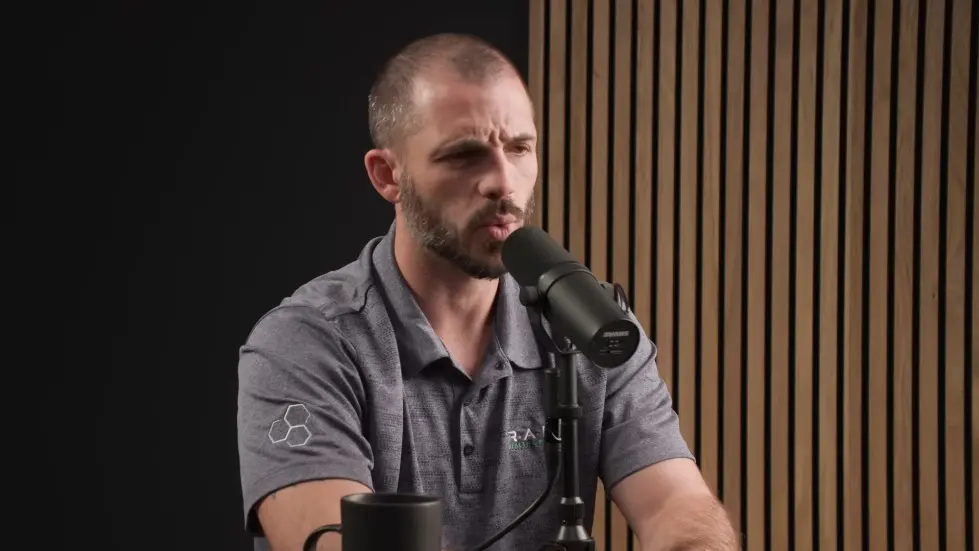
Immune Response and Inflammation
- The immune response and inflammation occur after exercise and can lead to fluid accumulation in the muscles.
- Nociceptors, pain receptors, are present in the muscles, and they respond to changes in tissue volume.
- Enhancing swelling in the actual muscle puts pressure on the pressure receptors, which is the signal for muscle soreness.
- A lot of delayed onset muscle soreness is probably just a neural feedback loop rather than actual muscle damage.
- It is important to understand the immune response and inflammation that occur after exercise to optimize recovery and prevent unnecessary rest or avoidance of exercise.

The Role of Touch Sensors in Pain and Itch Sensation
- The types of neurons that control touch sensation and pain sensation are closely related.
- Itch and pain are often experienced together, and it is a familiar sensation for people.
- Mosquito bites and other similar experiences are examples of this phenomenon.
- The classic gait theory of pain explains that rubbing an injured body part activates touch sensors that respond to broad, dull touch.
- This inhibition of pain receptors through the release of an inhibitory neurotransmitter helps to deactivate or partially inactivate the pain mechanism.

The Physiology of Muscle Spindles
- Muscle spindles are non-contractile and do not produce force.
- They are proprioceptive, meaning they sense stretch and respond by contracting.
- Muscle spindles are innervated by alpha motor units, which tell muscle fibers to contract.
- Muscle spindles are spread out throughout the muscle, both interior and exterior.
- Muscle spindles work by sending a signal back to the central nervous system, which then contracts the muscle fibers.

Proprioception and Muscle Spindles
- Proprioception is the ability to sense the position and movement of the body.
- Muscle spindles are proprioceptive and sense stretch in muscles.
- When a muscle is stretched, muscle spindles fire back to close the distance and stop the muscle from falling.
- Proprioception and muscle spindles work together to maintain balance and stability.
- Muscle spindles use gamma motor neurons to send signals back to the central nervous system, which then contracts the muscle fibers.

The Role of Muscle Spindles in Pain and Soreness
- Muscle spindles are involved in the sensation of pain and soreness.
- Pressure applied to nerve endings of muscle spindles can be responsible for the pain signal that is sent to the brain.
- Stretching muscles to alleviate soreness might be the exact opposite of what is effective.
- Low-level movement is effective at reducing acute soreness because it involves low-level contraction with muscles.
- The more effective principle for reducing soreness is based on the mechanistic logic laid out here.

Anti-Stretching and Fluid Removal
- Anti-stretching is a technique used to get tissue out and fluid out of the cell.
- It is a part of the recovery process in fitness and exercise.
- It is important to enhance recovery to achieve fitness and performance goals.
- There are different types of recovery, including nutrition, supplementation, fueling, hydration, and biomarkers.
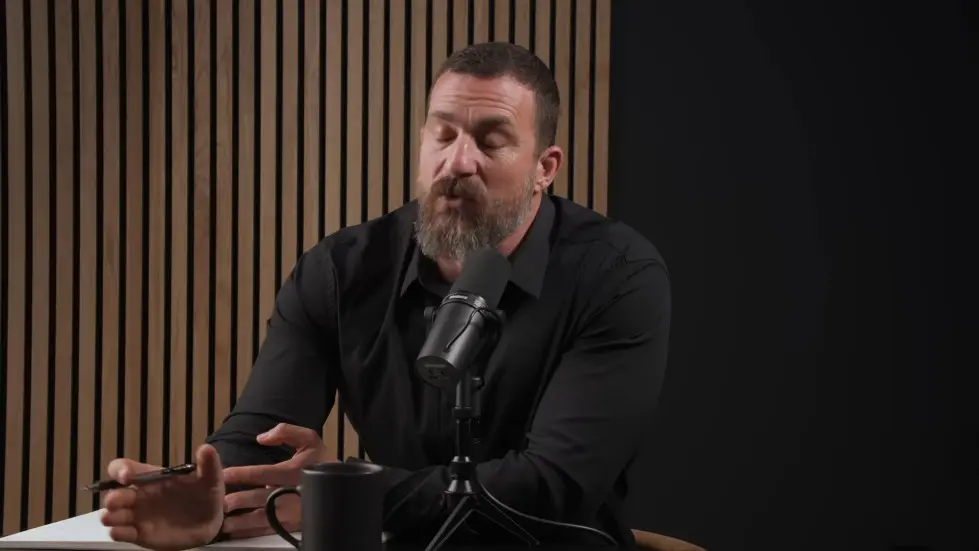
Inflammatory Signal and Free Radicals
- The inflammatory signal in soreness after heavy resistance training may come from free radicals released from the mitochondria.
- Free radicals are oxygen molecules that are missing in electrons and react to a lot of things.
- They are the opposite of antioxidants and can cause inflammation.
- More research is needed to understand the exact cause of the inflammatory signal.

Low-Level Exercise and Percussion
- Low-level exercise, such as using instruments that put a low level of vibration into the leg or pneumatic boots, can enhance recovery.
- Pressure comes off of nerve endings and muscle spindles, allowing you to stop receiving the signal of pain despite not regenerating tissue.
- This can help make faster progress with fitness.
- There are different modes of recovery, and combining different forms of recovery can accelerate them.

Supplementation and Single Ingredient Formulations
- Supplementation is an important part of recovery in fitness and exercise.
- Momentous makes supplements of the highest quality.
- Their supplements are generally in single ingredient formulations.
- Using single ingredient formulations can devise the most logical and effective supplementation regimen for your goals.

Introduction
- The video is about Dr. Andy Galpin discussing recovery in fitness and exercise.
- He explains that recovery is when progress emerges and occurs away from the experience or learning.
- He talks about the importance of recovery in achieving fitness and performance goals.
- He discusses the different types of recovery and how to optimize it.

Hydration and Electrolyte Balance
- Dr. Galpin explains that proper functioning of our cells and nerve cells requires the presence of sodium, magnesium, and potassium in the correct ratios.
- He mentions that most people do not realize the importance of electrolyte balance in hydration.
- He talks about the science-backed ratio of 1000 milligrams of sodium, 200 milligrams of potassium, and 60 milligrams of magnesium.
- He mentions that element, an electrolyte drink, contains this ratio and no sugar.
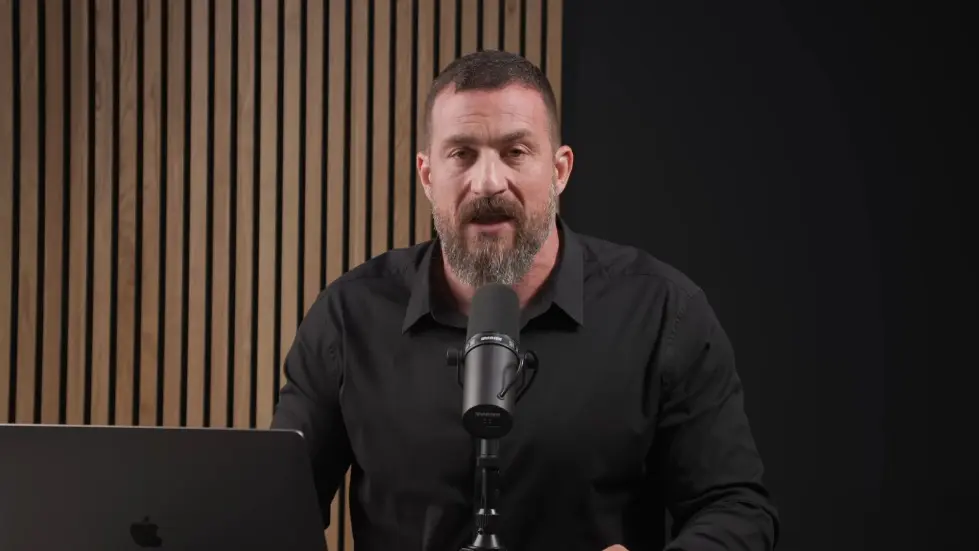
Sleep Optimization
- Dr. Galpin talks about the importance of sleep in optimizing mental and physical performance.
- He mentions that Eight Sleep, a company that makes Smart mattress covers with cooling, heating, and sleep tracking capacity, has transformed his sleep.
- He explains that the body needs to drop by about one to three degrees in terms of core body temperature to fall asleep and wake up feeling refreshed.
- He mentions that Eight Sleep mattress covers allow you to adjust the temperature of your sleeping environment to be one temperature at the start of the night, a different temperature the middle of the night, and a different temperature as you approach morning.
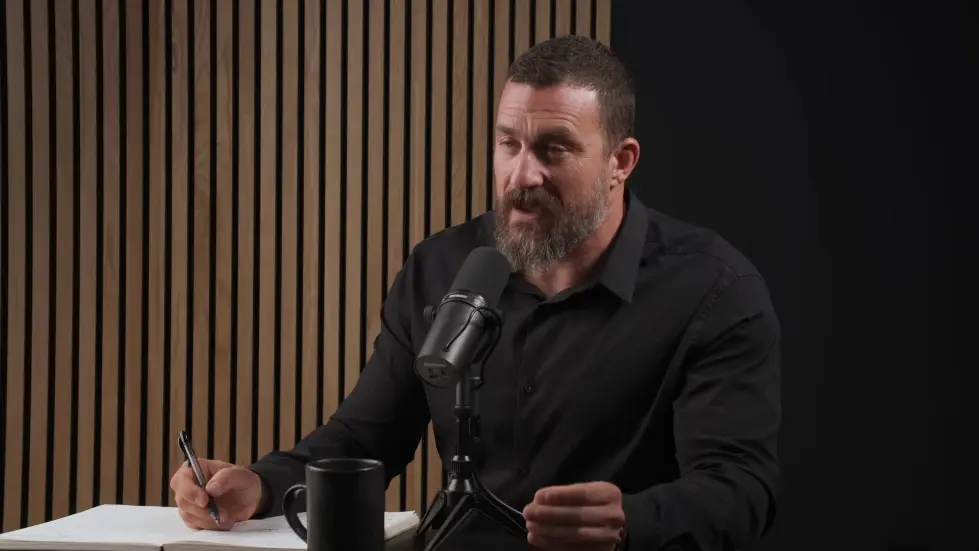
Exercise Recovery
- Dr. Galpin discusses the importance of specific types of exercise and specific types of adaptations that we trigger for recovery.
- He mentions that running, lifting weights, and slowing the cadence of a given movement can trigger specific types of adaptations for recovery.
- He explains that recovery is the process of taking an insult, being temporarily reduced in functionality, causing a change so that now we come back and get what we often call in support performance super compensation.
- He mentions that understanding if the same insult comes again, we need to be able to make sure that it doesn't cause the same level of disruption, so we raise the bar.
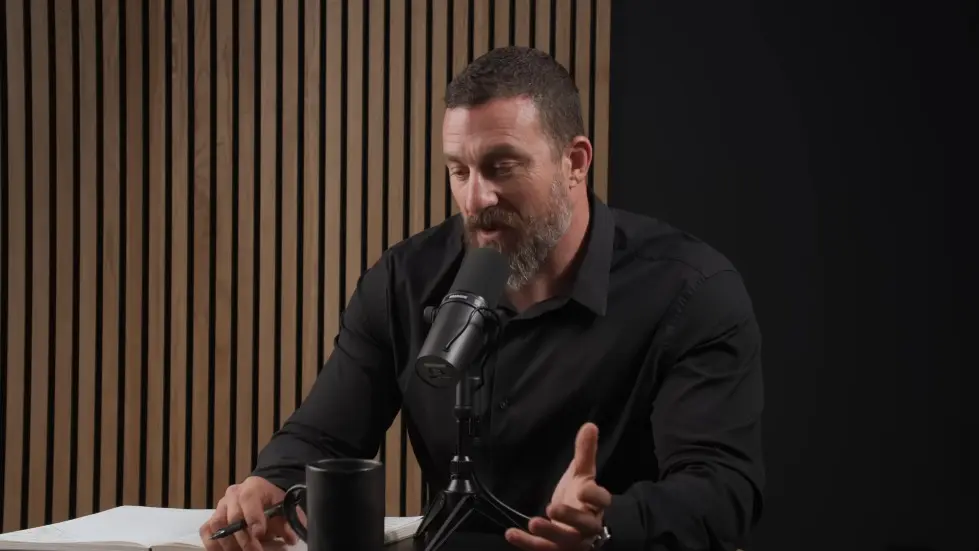
Introduction
- The video is about Dr. Andy Galpin discussing recovery in fitness and exercise.
- He explains that recovery is when progress emerges and occurs away from the experience or learning.
- He talks about the importance of recovery in achieving fitness and performance goals.
- He discusses the different types of recovery and how to optimize it.
- The video covers various topics related to recovery, including nutrition, supplementation, fueling, hydration, and biomarkers.

Types of Recovery
- Physical recovery: This is the recovery of the body from physical activity or injury.
- Mental recovery: This is the recovery of the mind from stress or mental fatigue.
- Emotional recovery: This is the recovery of the emotions from stress or negative experiences.
- Social recovery: This is the recovery of social relationships and connections after a period of isolation or social stress.
- Spiritual recovery: This is the recovery of the spirit or soul after a period of trauma or loss.

Optimizing Recovery
- Get enough sleep: Adequate sleep is essential for physical and mental recovery.
- Eat a balanced diet: A diet rich in nutrients and antioxidants can help speed up recovery.
- Stay hydrated: Proper hydration can help reduce inflammation and speed up recovery.
- Take supplements: Certain supplements, such as vitamins and minerals, can help speed up recovery.
- Engage in active recovery: Engaging in light exercise or stretching can help speed up recovery and prevent injury.
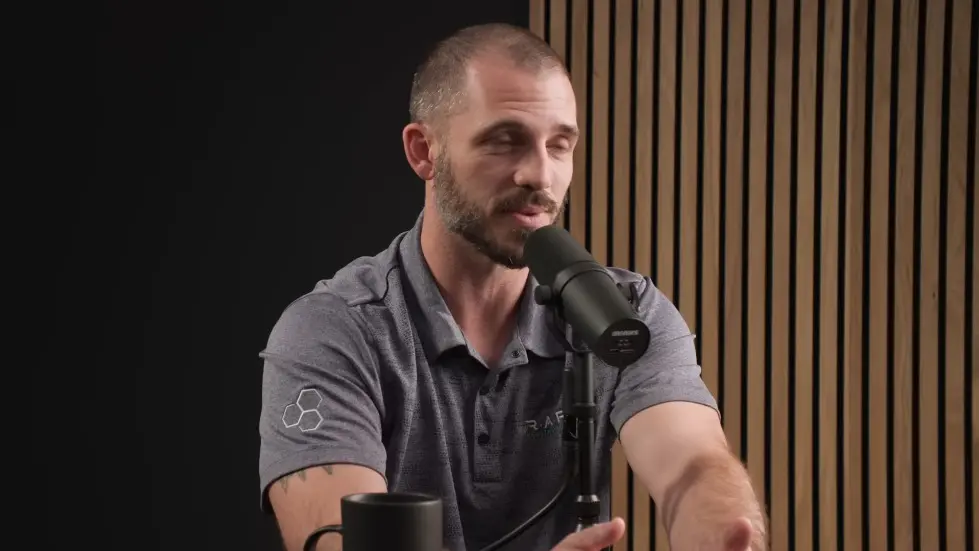
Conclusion
- Recovery is an essential part of achieving fitness and performance goals.
- There are different types of recovery, including physical, mental, emotional, social, and spiritual recovery.
- Optimizing recovery involves getting enough sleep, eating a balanced diet, staying hydrated, taking supplements, and engaging in active recovery.
- It is important to remember that recovery is a process and it takes time.
- By prioritizing recovery, individuals can improve their overall health and well-being.
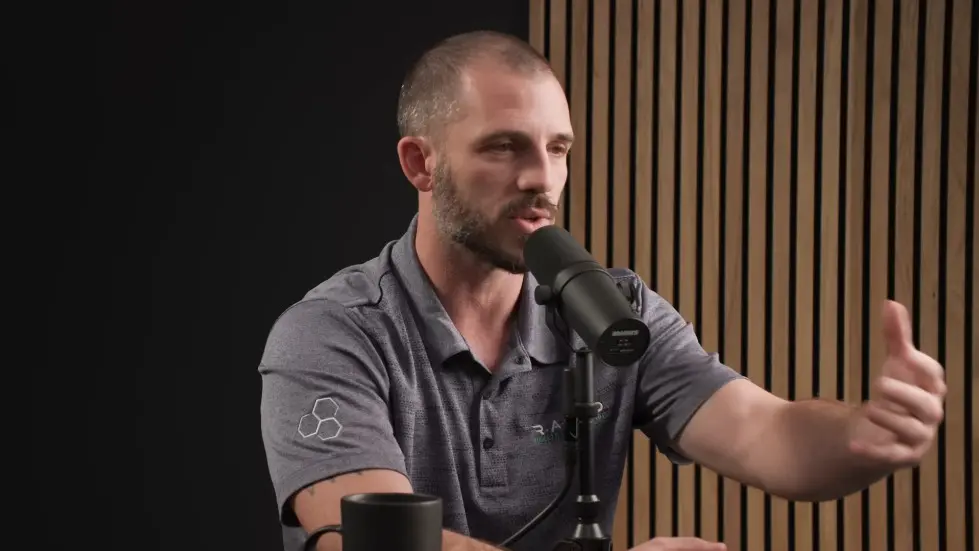
The Importance of Recovery in Fitness and Performance
- Recovery is when progress emerges and occurs away from the experience or learning.
- Recovery is crucial in achieving fitness and performance goals.
- There are different types of recovery, including nutrition, supplementation, fueling, hydration, and biomarkers.
- Chronically elevated inflammatory markers may indicate adaptation and not necessarily a bad thing.
- Heart rate goes down after exercise, indicating adaptation and not necessarily a bad thing.

Adaptation vs. Optimization
- Adaptation is the process of becoming better at something over time.
- Optimization is the process of achieving the best possible outcome in a given situation.
- Adaptation and optimization are related but not the same thing.
- Optimization can compromise long-term adaptation.
- Balancing immediate gratification with long-term adaptation is important in recovery.
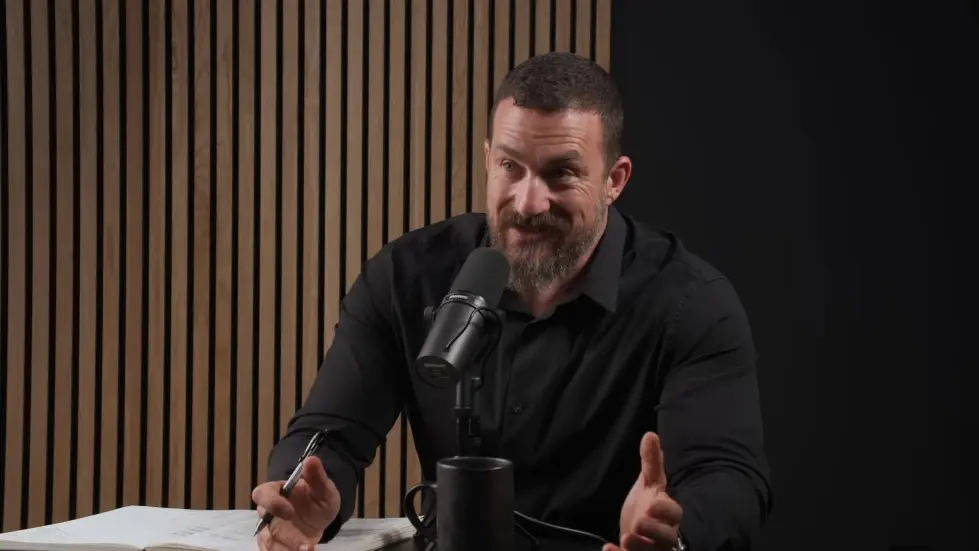
Blood Markers for Recovery
- Inflammatory markers are highest acutely after exercise.
- Chronically elevated inflammatory markers may indicate adaptation.
- Heart rate goes down after exercise, indicating adaptation.
- Blood markers can be used to identify the tools needed for recovery.
- Understanding what tool am I using and why is important in recovery.

Training for Recovery
- Acute recovery is important for athletes competing tomorrow.
- Adaptation is important for athletes starting the off-season.
- Vitamin C and vitamin E may blunt hypertrophic adaptations.
- Studies have shown that antioxidants may not have an inhibitory effect on adaptations.
- Forethought is important in decision making for recovery.
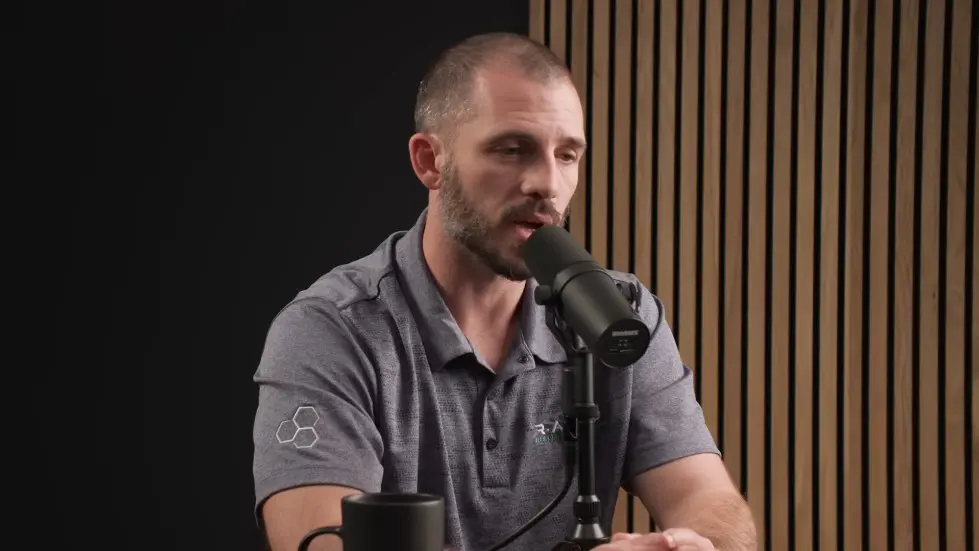
The Importance of Recovery in Fitness and Performance
- Recovery is when progress emerges and occurs away from the experience or learning.
- Recovery is important in achieving fitness and performance goals.
- There are different types of recovery, including nutrition, supplementation, fueling, hydration, and biomarkers.
- Optimizing recovery can enhance the effectiveness of exercise and lead to better results.

Types of Recovery
- Nutrition: Proper nutrition is essential for recovery. It helps to replenish energy stores, repair muscles, and support overall health.
- Supplementation: Certain supplements, such as protein powder and creatine, can aid in muscle recovery and improve performance.
- Fueling: Consuming the right type and amount of fuel before and after exercise can help to optimize recovery and improve performance.
- Hydration: Staying hydrated is crucial for recovery. Water helps to flush out toxins, transport nutrients, and regulate body temperature.
- Biomarkers: Monitoring biomarkers, such as heart rate, inflammatory markers, and muscle breakdown markers, can provide valuable insights into the recovery process and help to optimize it.
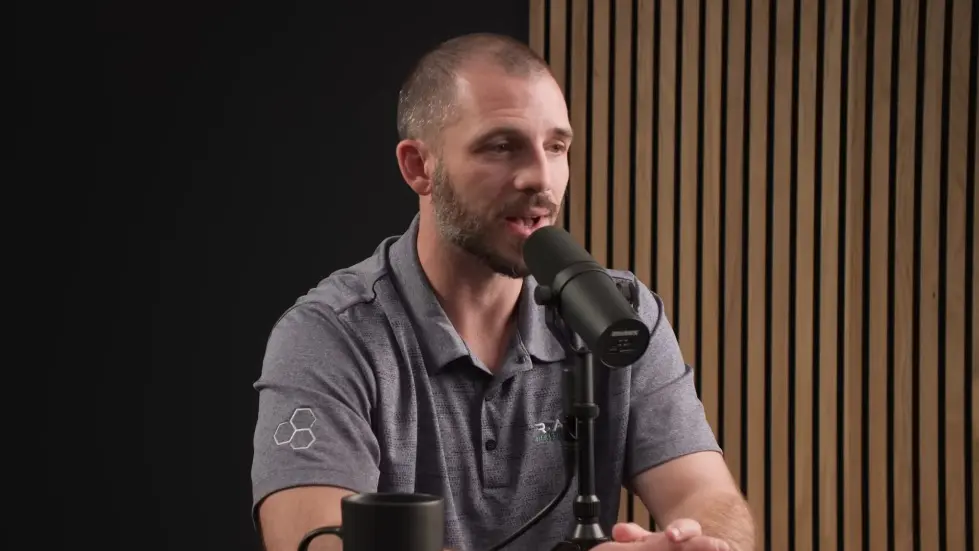
Optimizing Recovery
- It is important to be careful when using tools like massage, as some may block long-term adaptation.
- There is a set of events that occur during exercise that trigger adaptation and set in motion a number of adaptations that occur during recovery.
- The ceiling for things like inflammatory markers, heart rate, and stress remains the same, but the floor may lower with deliberate triggering of these markers.
- There is a limit or ceiling for things like inflammatory markers, heart rate, and stress, but the floor may lower with deliberate triggering of these markers.
- It is important to pay attention to the magnitude of changes in markers and to be careful when interpreting them.
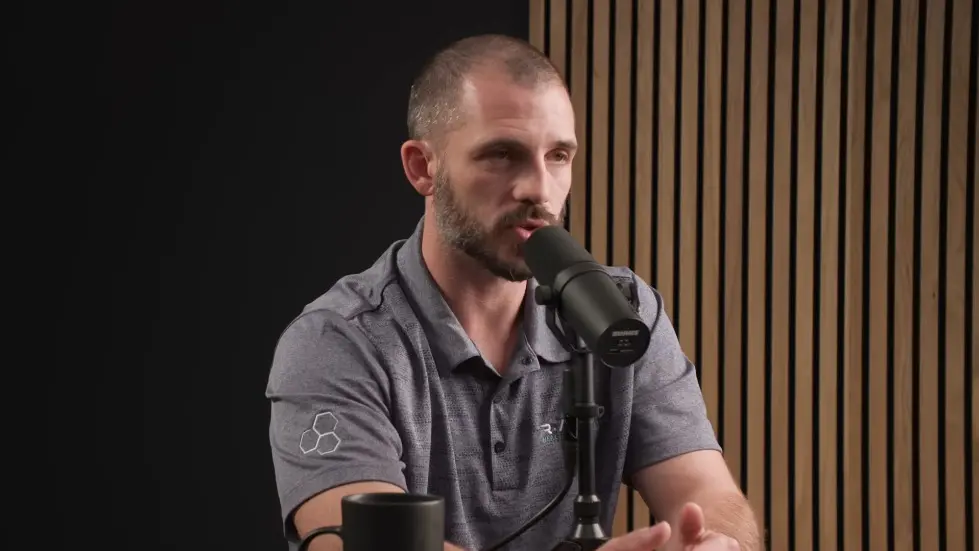
Section 1: Overload and Acute Overload
- Overload refers to a workout that causes fatigue and acute performance to decrease.
- The recovery period for acute overload is minutes to days.
- Acute overload is what we're looking for in order to push into the golden target, which is functional overreaching.
- Functional overreaching results in a functional outcome and enhances performance.
- Functional overreaching typically has a recovery time of a few days to a week or so.

Section 2: Functional Overreaching
- Functional overreaching is the golden target and results in a functional outcome.
- Functional overreaching enhances performance and is typically achieved through a taper, which is a reduced training volume for a short period of time.
- Functional overreaching is actualized once the system has recovered from the previous workout.
- Functional overreaching is typically achieved through a combination of intensity and volume.
- Functional overreaching is the most common type of overreaching and is achieved through a shorter time frame and scale.

Section 3: Non-Functional Overreaching
- Non-functional overreaching occurs when an individual continues to train after reaching the point of functional overreaching.
- Non-functional overreaching results in a negative benefit once recovery is allowed.
- Non-functional overreaching can take weeks to come back from and results in a return to baseline.
- Non-functional overreaching is a vicious cycle that can result in blowing up or quitting.
- Overtraining is considered to be over trained if it takes months to recover from.

Section 4: Recovery and Biomarkers
- Recovery is when progress emerges and occurs away from the experience or learning.
- Recovery is important in achieving fitness and performance goals.
- Recovery can be optimized through nutrition, supplementation, fueling, hydration, and biomarkers.
- Biomarkers can be used to measure recovery and identify areas for improvement.
- Over true overtraining is quite rare, non-functional overreaching is much more common.
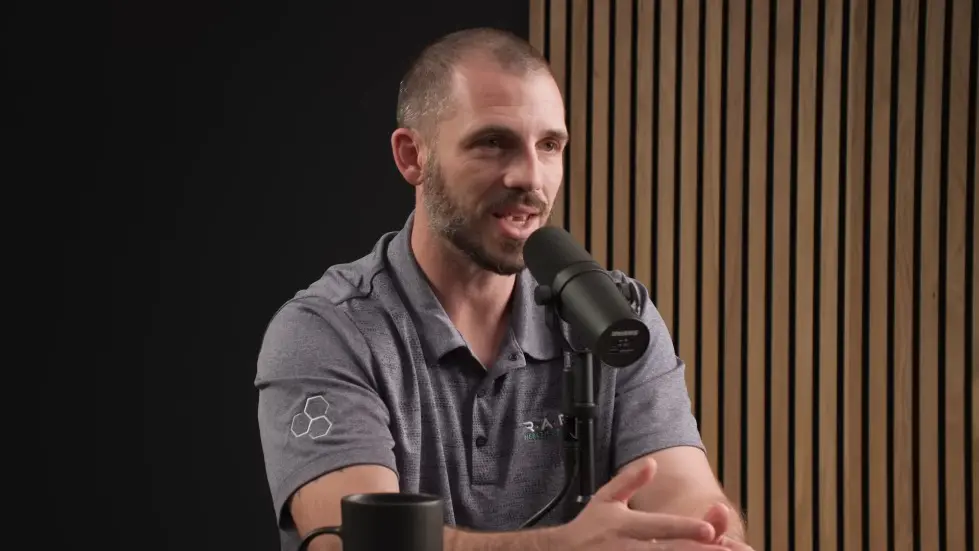
Overload and Recovery
- Overload refers to the stress on the body during exercise.
- Recovery is the time when progress emerges and occurs away from the experience or learning.
- Recovery is important for achieving fitness and performance goals.
- There are different types of recovery, including nutrition, supplementation, fueling, hydration, and biomarkers.
- To optimize recovery, it is important to pay attention to the volume and intensity recommendations in workouts.

Acute Overload Problems
- Acute overload problems can be flagged by looking at the program and making sure it is not too hard or too long.
- If the program is constantly happening and causing acute overload problems, it may be necessary to look at the allostatic load or allostasis.
- Allostatic load refers to the stress on the body that is not related to exercise.
- Allostasis refers to the body's ability to adapt to stress and maintain homeostasis.
- It is important to address acute overload problems to prevent long-term damage to the body.

Functional Overreaching vs Overtraining
- Functional overreaching refers to pushing the body beyond its current limits in a controlled manner.
- Overtraining refers to pushing the body beyond its limits in an uncontrolled manner.
- Functional overreaching can lead to improvements in performance, while overtraining can lead to injury and decreased performance.
- It is important to distinguish between functional overreaching and overtraining to avoid injury and optimize performance.
- Functional overreaching can be achieved by gradually increasing the intensity and volume of workouts.

Nutrition and Recovery
- Nutrition plays a crucial role in recovery by providing the body with the necessary nutrients to repair and rebuild muscle tissue.
- It is important to consume a balanced diet that includes protein, carbohydrates, and healthy fats.
- Supplements such as creatine and beta-alanine can also aid in recovery by providing additional energy and reducing muscle fatigue.
- Hydration is also important for recovery, as dehydration can impair muscle function and slow down recovery.
- It is important to pay attention to individual nutritional needs and adjust the diet accordingly.

Fueling and Recovery
- Fueling is the process of providing the body with the necessary energy to perform physical activity.
- It is important to fuel properly before, during, and after workouts to optimize performance and recovery.
- Carbohydrates are the primary source of energy for the body during exercise, while protein is necessary for muscle repair and recovery.
- Fats also play a role in fueling by providing a secondary source of energy and reducing inflammation.
- It is important to experiment with different fueling strategies to find what works best for individual needs and goals.

Progressive Overload
- Progressive overload is the idea of challenging your muscles to do something new.
- It is the same as learning something new or overreach in some sense.
- It is important to distinguish between verbs and nouns in this context.
- There is no clinical diagnosis for over training, and we cannot know if we are over trained in the moment.
- We can only retroactively diagnose over training if we have weeks of recovery and only get back to baseline.

Recovery
- Recovery is when progress emerges and occurs away from the experience or learning.
- It is important to optimize recovery in order to achieve fitness and performance goals.
- There are different types of recovery, including nutrition, supplementation, fueling, hydration, and biomarkers.
- Listening to slow-paced music and using down regulation breathing can enhance recovery.

Nutrition
- Nutrition plays a crucial role in recovery.
- It is important to consume a balanced diet that includes protein, carbohydrates, and healthy fats.
- Hydration is also important for recovery, as it helps to flush out toxins and improve muscle function.

Supplementation
- Supplementation can also enhance recovery.
- It is important to choose supplements that are safe and effective, and to consult with a healthcare professional before taking them.

Fueling
- Fueling is another important aspect of recovery.
- It is important to consume a meal or snack that contains carbohydrates and protein within 30 minutes of finishing a workout.
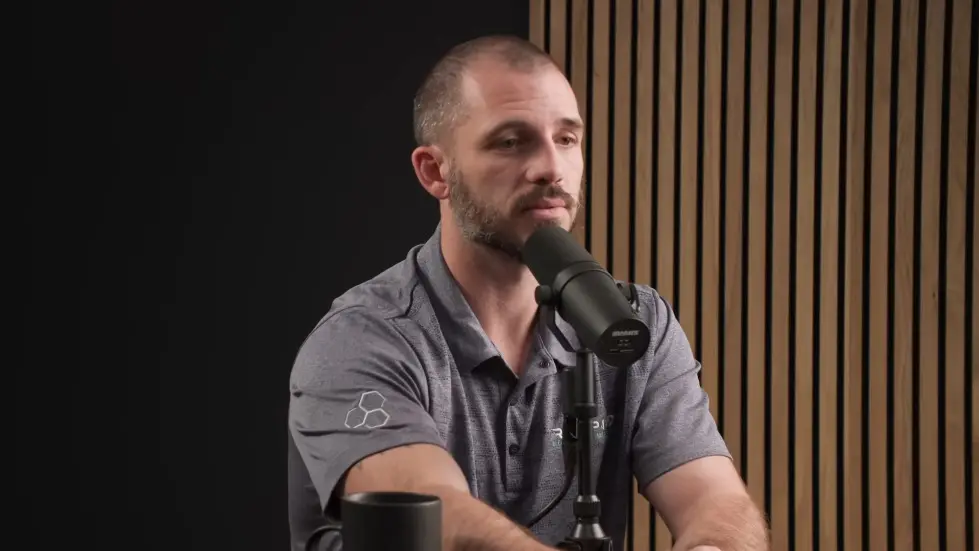
Hydration
- Hydration is essential for recovery.
- It is important to drink water throughout the day and to consume electrolytes before, during, and after a workout.

Biomarkers
- Biomarkers can provide insight into recovery.
- It is important to monitor biomarkers such as heart rate variability, sleep quality, and inflammation levels.
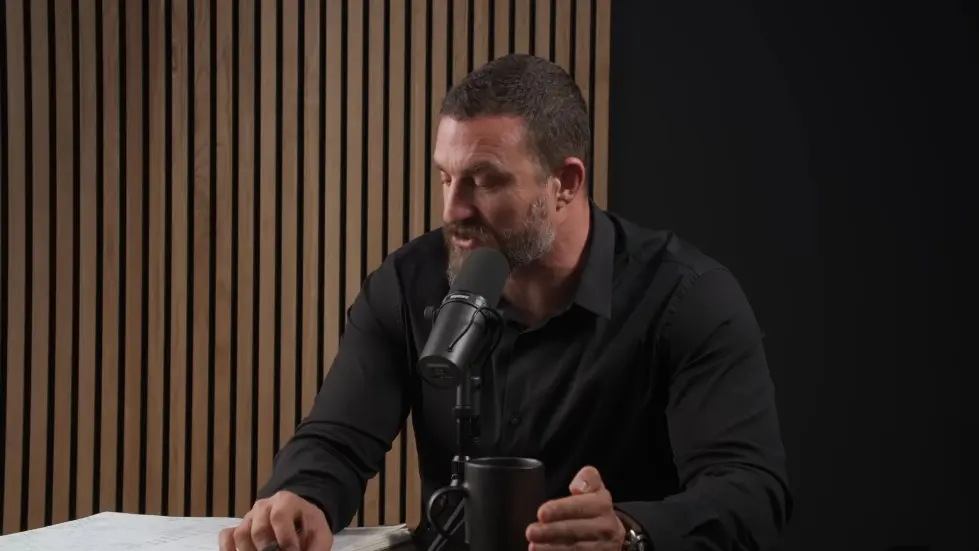
Section 1: Introduction to Recovery
- Recovery is when progress emerges and occurs away from the experience or learning.
- Recovery is important in achieving fitness and performance goals.
- There are different types of recovery, including nutrition, supplementation, fueling, hydration, and biomarkers.
- The video covers various topics related to recovery.
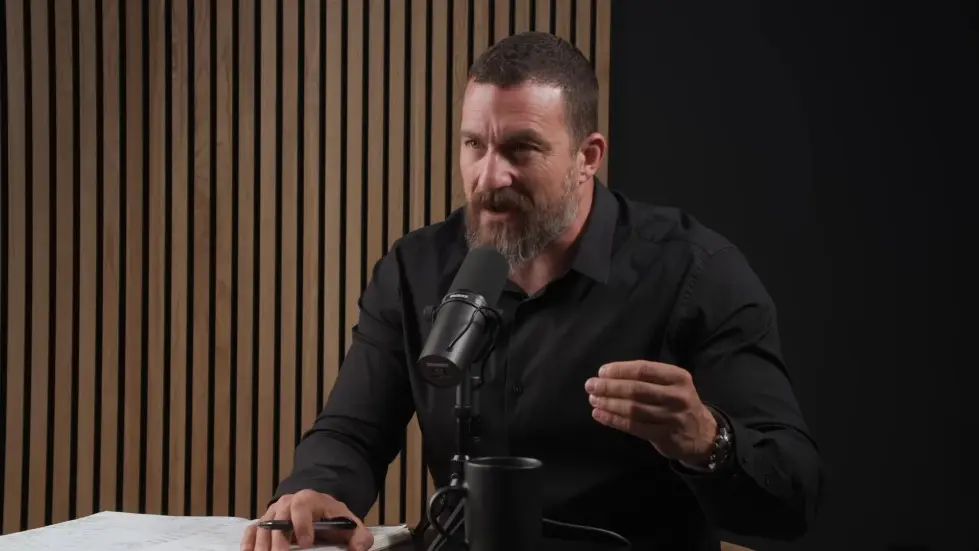
Section 2: Breathing Techniques for Recovery
- Box breathing is a technique for relaxation and stress reduction.
- Inhaling for 3-8 seconds and exhaling for the same duration is a common method of box breathing.
- Triangle breathing is another variation of box breathing where inhaling, holding, and exhaling are done in a specific pattern.
- Breathing exercises can accelerate the recovery process.
Section 3: Research on Breathing and Recovery
- A study showed that a short period of box breathing can significantly decrease resting heart rate and increase heart rate variability.
- Breathing exercises can reduce stress and improve overall nervous system function.
- Carbon dioxide tolerance tests can determine the duration of different sides of the box for optimal recovery.

Section 4: Conclusion
- Breathing techniques and research on breathing and recovery can enhance recovery and improve fitness and performance goals.
The Importance of Recovery in Fitness and Performance
- Recovery is when progress emerges and occurs away from the experience or learning.
- Recovery is crucial in achieving fitness and performance goals.
- Enhancing recovery can lead to increased results from training.
- Recovery allows for a smooth transition into the next task.
- Effective tools for accelerating recovery include compression gear and other strategies and tools.

Controlled Respiration for Reducing Stress
- Controlled respiration with holds and exhales has a dramatic and immediate impact on reducing stress.
- Exhalation is primarily responsible for down-regulation of stress.
- Inhales are associated with an uptick in sympathetic state and exhales are associated with a uptick in parasympathetic state.
- Individuals who can get back down to baseline heart rate after endurance training are likely to see greater improvements in performance.
- Additional benefits of controlled respiration include being able to transition more appropriately into the next task.
Effective Tools for Alleviating Soreness
- Compression gear can help prevent soreness from occurring.
- Wearing tighter fitting clothes or compression gear can help alleviate soreness.
- Lactate is not the cause of fatigue or soreness.
- Strategies and tools for alleviating soreness include wearing compression gear and other methods.
- It is important to note that lactate is not the cause of fatigue or soreness.
Compression Gear for Recovery
- Compression gear can help reduce muscle soreness and improve recovery after exercise.
- Examples of compression gear include compression pants, leggings, shirts, and socks.
- Compression gear should be tight-fitting but not so tight as to cause discomfort or purple hands.
- Compression socks can be effective in shifting blood flow patterns and reducing soreness in the lower legs.
- It is important to focus on the actual exercising tissue when using compression gear.
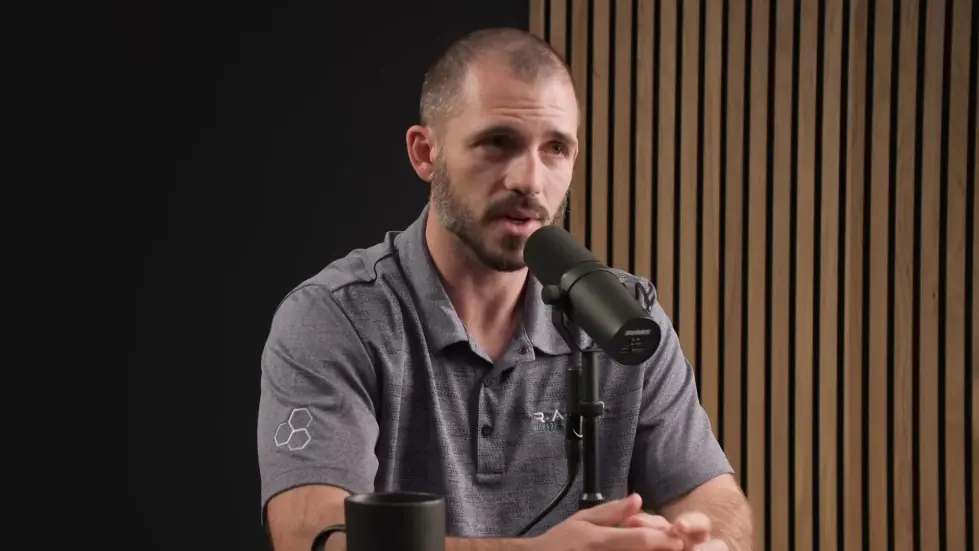
Effectiveness of Compression Gear
- There is some evidence to suggest that compression gear can aid muscle recovery.
- The effectiveness of compression gear may depend on the type of exercise and the individual's fitness level.
- Compression gear may be most effective when used in conjunction with other recovery strategies.
- Compression gear may not block adaptation or prevent soreness, but it can help reduce muscle soreness and improve recovery.
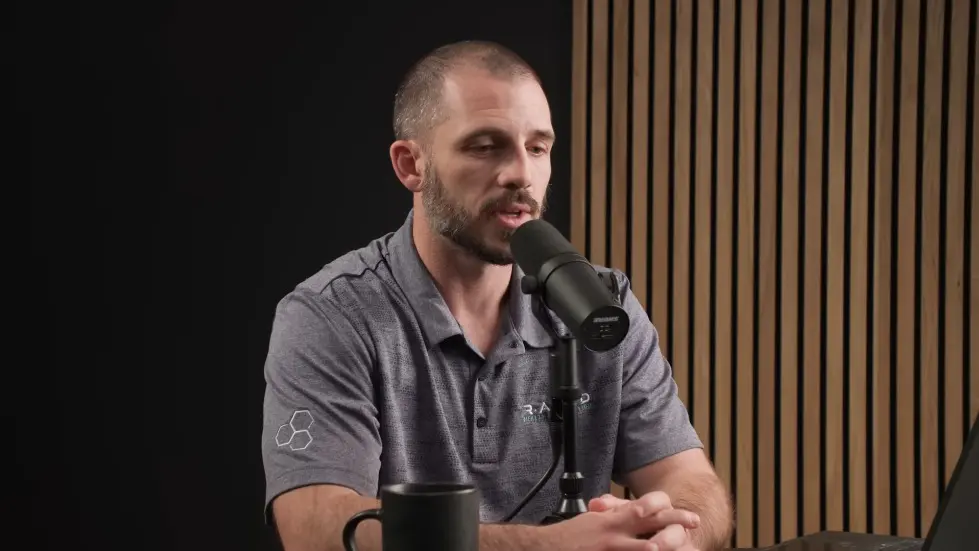
Compression Gear for Air Travel
- Compression gear can be effective in reducing blood-related coagulation and other issues associated with long flights and athletic performance.
- Tighter compression gear may be more effective in reducing blood-related issues during air travel.
- Compression gear can be worn during air travel to alleviate discomfort and improve recovery after a flight.
- Compression gear can be used in conjunction with other strategies to alleviate acute soreness, such as compression boots or garments and physical hand work like massage and body work.
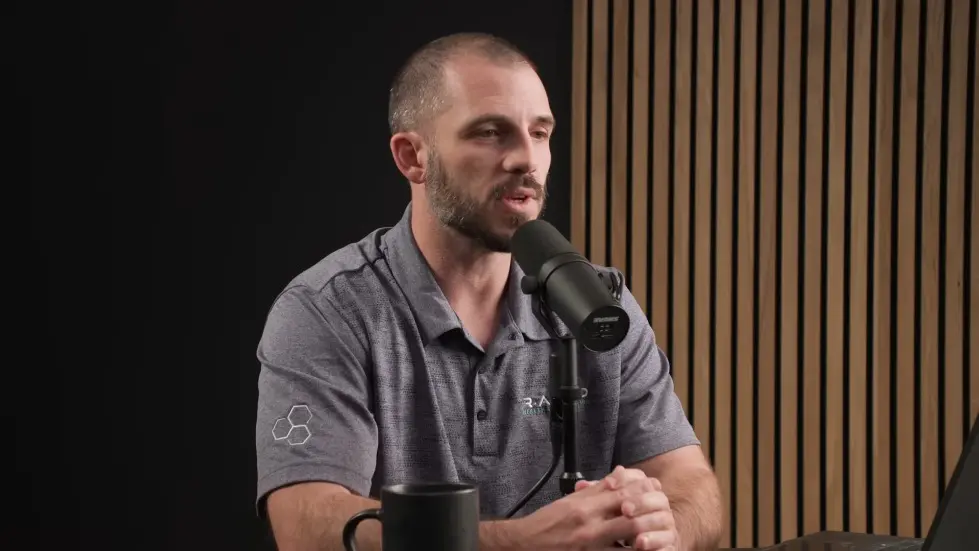
Other Recovery Strategies
- Pressure manipulation techniques, such as compression boots or garments, can enhance recovery by moving fluid in and out of the tissue and potentially increasing blood flow.
- Massage and body work can also be effective in enhancing recovery by working as best as possible to move fluid in and out of the tissue and potentially increasing blood flow.
- Thermal strategies, such as cold water immersion, can also be effective in reducing muscle soreness and improving recovery.
- It is important to choose effective strategies based on budget, preferences, availability, and timing.
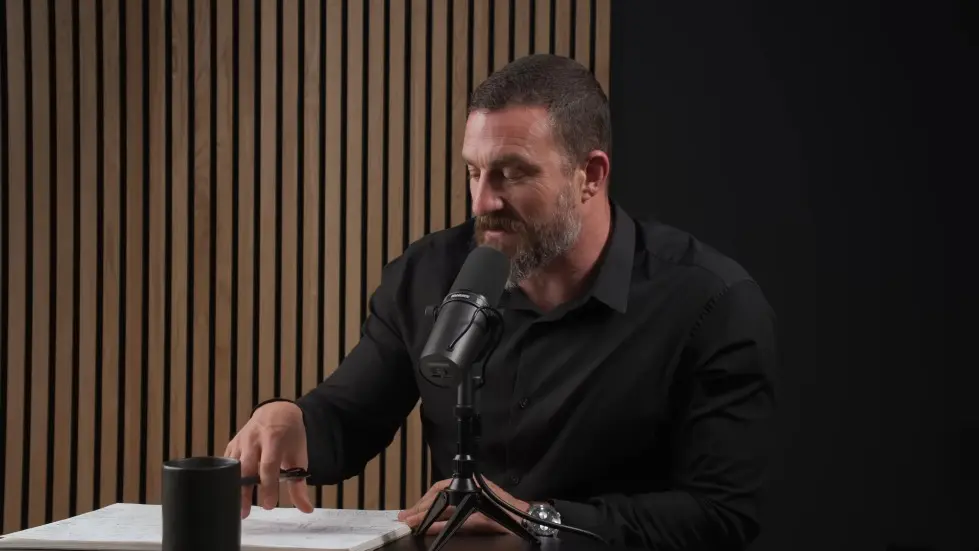
The Importance of Recovery in Fitness and Performance
- Recovery is when progress emerges and occurs away from the experience or learning.
- Recovery is important in achieving fitness and performance goals.
- Enhancing recovery can help optimize progress.
- There are different types of recovery, including nutrition, supplementation, fueling, hydration, and biomarkers.

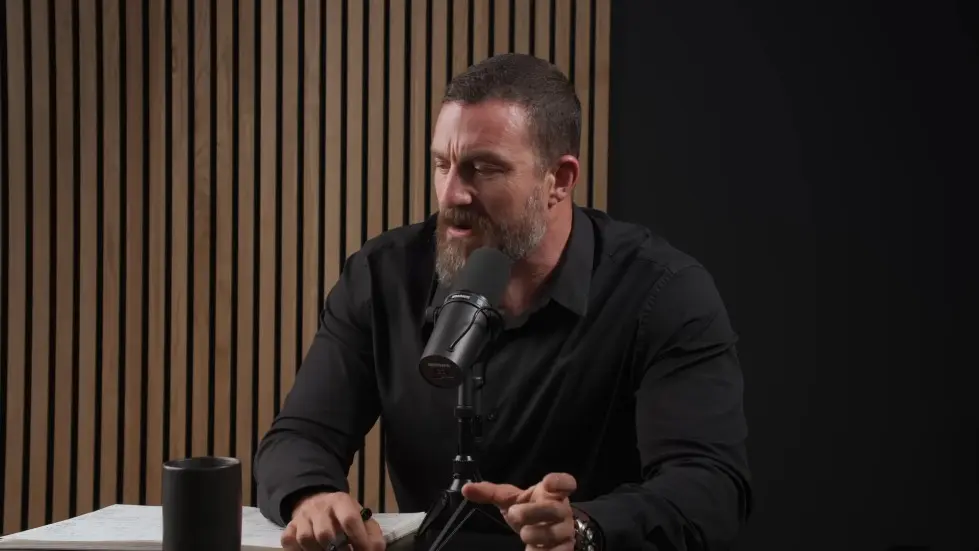
Cold Water Immersion as a Recovery Strategy
- Cold water immersion can be a great choice for accelerating recovery in certain scenarios.
- It is the best approach for recovery compared to cold air or other tactics.
- A cold shower is not enough for recovery; moderate to sub-40 degree water for 15 minutes or more is recommended.
- It is important to ease into cold water immersion as a protocol and not immediately go to 35 degree water if someone has never done it before.
The Effectiveness of Cold Water Immersion
- Studies have shown that cold water immersion can be effective in reducing inflammation and muscle soreness.
- It can also improve blood flow and oxygen delivery to the muscles.
- The optimal duration of cold water immersion for recovery depends on individual tolerance and preference.
- It is important to be safe when using cold water immersion as a recovery strategy.

Alternative Recovery Strategies
- Contrast therapy, which involves alternating between hot and cold temperatures, can also be effective in recovery.
- There are no specific rules for contrast therapy, and it can be adjusted based on individual preference and tolerance.
- Hot baths can also be helpful in alleviating soreness and stiffness after a workout.
- Studies have shown that cold water immersion and contrast therapy can be effective in reducing inflammation and improving recovery.

Heat and Cold Exposure for Recovery
- The optimal duration for heat exposure is 57 minutes per week, with a total of uncomfortable but safe heat in a sauna or cold exposure is 11 minutes per week.
- There is not a lot of research on different cold protocols, so subjective feel is required to establish a routine.
- Pain itself is not a defined outcome, and perception heavily influences it.
- Hot and cold contrast can be used for recovery, but it's not objective data and subjective nature is present.
- Deliberate cold exposure can be effective, but most showers are not cold enough and cold showers haven't been studied as much as immersion in cold water or ice.

Cold Water Immersion for Recovery
- Cold water immersion is better for recovery than cold shower.
- If one wants to use deliberate cold exposure, cold shower is better than nothing.
- If one wants to use cold shower for all the other awesome reasons to cold shower, it's totally great.
- If one wants to use cold shower for muscle soreness, it's probably not going to do much.
- If one can't get their water super cold, just make the water move.

Heat Exposure for Recovery
- Heat exposure can be in the form of sauna, wet sauna, dry sauna, steam saunas, or jacuzzis.
- Males who are looking to conceive should be aware that both sauna and hot tub approaches severely limit the number of motile sperm.

Recovery Techniques
- Ice packs are not recommended for recovery in a hot tub or sauna.
- Heat and sperm have a negative relationship.
- Inside Tracker is a personalized nutrition platform that analyzes data from blood and DNA to help understand the body and reach health goals.
- Inside Tracker makes knowing what to do with information about lipids, hormones, and metabolic factors easy.
- There are ways to combine various types of stimuli for inducing recovery, such as breathing-based tools, movement-based approaches, and thermal stimuli.

Combining Stimuli
- Breathing-based tools can adjust oxygen and carbon dioxide ratios, but the major effect on recovery is likely to be neural.
- Movement-based approaches can circulate blood and generate muscle contractions, which may help with soreness.
- Thermal stimuli can help with relaxation and reduce sympathetic nervous system activity.
- Combining compression garments, pneumatic compression devices, and saunas may be effective for recovery.
- A light swim in cold water with compression can also be effective for recovery.
Physical and Holistic Approaches
- Physical approaches to recovery can include breath work and thermal stress.
- Breath work can help with recovery by controlling and regulating breathing.
- Thermal stress can help with recovery by reducing sympathetic nervous system activity.
- Ice is a stressor that can enhance systemic recovery, but it may take at least 30 to 60 minutes to see a rebound effect.
- Combining physical and holistic approaches can be effective for recovery.
Combining Stimuli for Optimal Recovery
- Combining various types of stimuli for inducing recovery can be effective, but it may not be necessary to maximize all of them.
- Physical approaches can include breath work, thermal stress, and movement-based approaches.
- Holistic approaches can include breath work and thermal stress.
- Combining compression garments, pneumatic compression devices, and saunas may be effective for recovery.
- Using a couple of tactics based on what is easily available in a situation can be effective for recovery.

Section 1: Different Tools for Monitoring Recovery
- There are various tools available to monitor recovery, including free and technologically demanding ones.
- These tools aim to predict a problem that may occur in the future and place restrictions to prevent it.
- Identifying a drop in physiology or performance is another approach to recovery monitoring.
- Sport performance world uses terms like load, GPS tracking, and monitoring to predict negative consequences.
- GPS trackers can identify position-specific recommendations for distance covered in a practice or training session.
Section 2: Functional Example of Monitoring Recovery
- Functional example is monitoring where we break to prevent overreaching and overtraining.
- Performance metrics, such as times, squat numbers, and power, can be used to monitor recovery.
- Biological markers, such as resting heart rate, heart rate variability, and other measures not influenced by the individual, can be used to monitor recovery.
- Biomarkers can provide indirect information about recovery, while performance markers can provide direct information.
- Symptomology, such as overreaching, performance decline, and biological markers, can be used to monitor recovery.
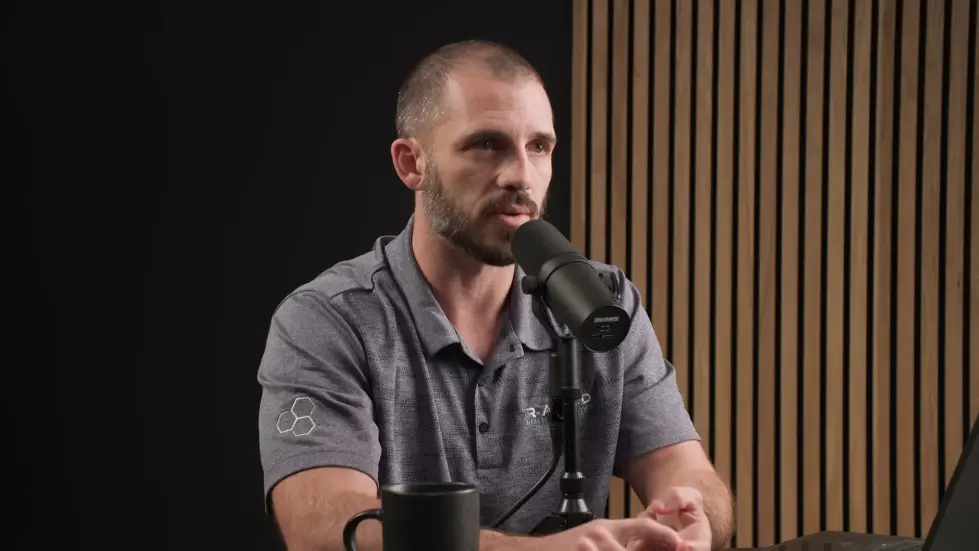
Section 3: Identifying Overreaching and Overtraining
- Functional overreaching occurs when an individual pushes themselves too hard and experiences fatigue, but adapts to the stress.
- Non-functional overreaching occurs when an individual pushes themselves too hard and experiences fatigue, but does not adapt to the stress.
- True overtraining occurs when an individual pushes themselves too hard and experiences fatigue, but does not adapt to the stress and experiences negative consequences.
- It is important to identify overreaching and overtraining to prevent negative consequences and optimize recovery.
- Sport performance coaches use numbers throughout the year to monitor recovery and predict negative consequences.
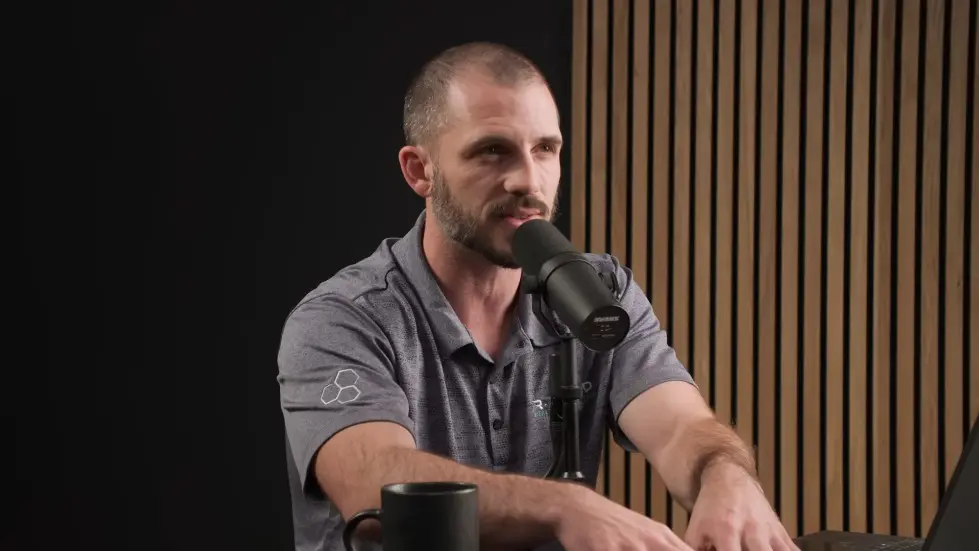
Section 4: Investing in Recovery
- Investing in recovery is necessary to actualize the adaptation and get the super compensation and performance increase.
- Backing off from training may be necessary to allow the body to adapt and recover.
- It is important to invest time and effort in recovery to optimize performance and prevent negative consequences.
- Sport performance coaches use numbers throughout the year to monitor recovery and predict negative consequences.
- Recovery is a critical aspect of achieving fitness and performance goals.
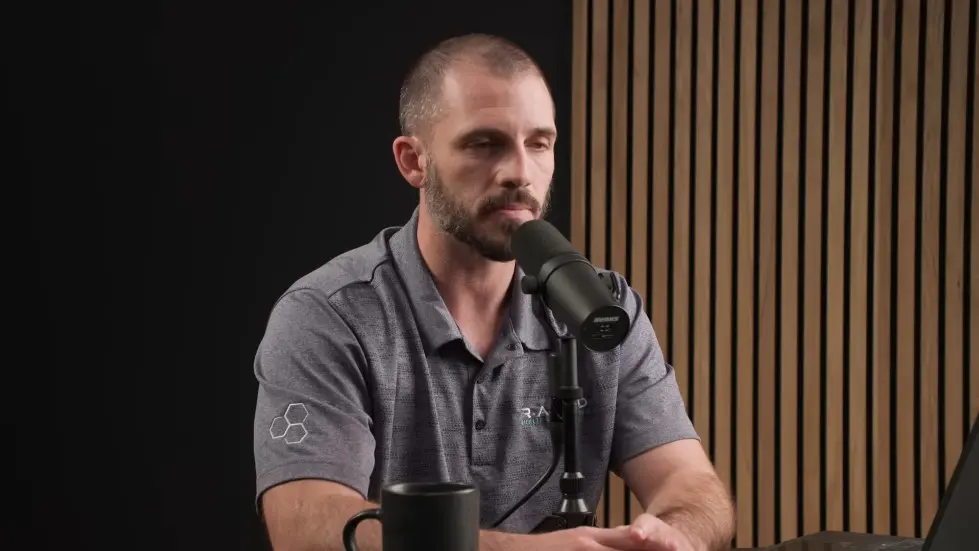
Section 1: Understanding Recovery
- Recovery is when progress emerges and occurs away from the experience or learning.
- Recovery is important in achieving fitness and performance goals.
- There are different types of recovery, including nutrition, supplementation, fueling, hydration, and biomarkers.
- The video covers various topics related to recovery.
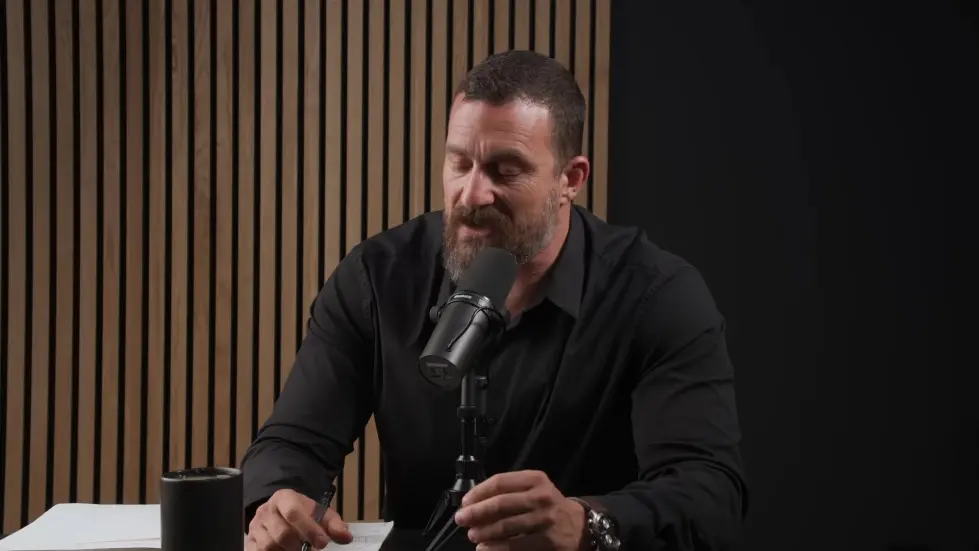
You have read 50% of the summary.
To read the other half, please enter your Name and Email. It's FREE.
You can unsubscribe anytime. By entering your email you agree to our Terms & Conditions and Privacy Policy.
Watch the video on YouTube:
Dr. Andy Galpin: Maximize Recovery to Achieve Fitness & Performance Goals | Huberman Lab - YouTube
Related summaries of videos:
- Dr. Andy Galpin and Dr. Andrew Huberman: Optimal Nutrition and Supplementation for Fitness (Huberman Lab Guest Series)
- Dr. Oded Rechavi and Dr. Andrew Huberman: Genes and the Inheritance of Memories Across Generations (Huberman Lab Podcast)
- Dr. Satchin Panda and Dr. Andrew Huberman: Intermittent Fasting to Improve Health, Cognition and Longevity (Huberman Lab)
- Dr. Peter Attia and Dr. Andrew Huberman: Improve Vitality, Emotional and Physical Health and Lifespan (Huberman Lab Podcast)
- Andrew Huberman: Leverage Dopamine to Overcome Procrastination and Optimize Effort (Huberman Lab Podcast)
- Dr. Elissa Epel and Dr. Andrew Huberman: Control Stress for Healthy Eating, Metabolism and Aging (Huberman Lab Podcast)
- Andrew Huberman and Dr. Matthew MacDougall: Neuralink and Technologies to Enhance Human Brains (Huberman Lab Podcast)
- Andrew Huberman: Science-Based Mental Training and Visualization for Improved Learning (Huberman Lab Podcast)
- Dr. Noam Sobel and Dr. Andrew Huberman: How Smells Influence Our Hormones, Health and Behavior (Huberman Lab Podcast)
- Andrew Huberman: How Psilocybin Can Rewire Our Brain, Its Therapeutic Benefits and Its Risks (Huberman Lab Podcast)
- Home
- About us
- Contact
- Book Summaries 0-9
- Book Summaries A
- Book Summaries B
- Book Summaries C
- Book Summaries D
- Book Summaries E
- Book Summaries F
- Book Summaries G
- Book Summaries H
- Book Summaries I
- Book Summaries J
- Book Summaries K
- Book Summaries L
- Book Summaries M
- Book Summaries N
- Book Summaries O
- Book Summaries P
- Book Summaries Q
- Book Summaries R
- Book Summaries S
- Book Summaries T
- Book Summaries U
- Book Summaries V
- Book Summaries W
- Book Summaries X
- Book Summaries Y
- Book Summaries Z
- Jay Shetty Podcast - Summaries
- Tom Bilyeu Impact Theory - Summaries
- Lex Fridman - Summaries
- Diary of a CEO - Summaries
- Alex Hormozi - Summaries
