
Dr. David Linden and Andrew Huberman: Life, Death and the Neuroscience of Your Unique Experience (Huberman Lab Podcast)
Last updated: Oct 2, 2023
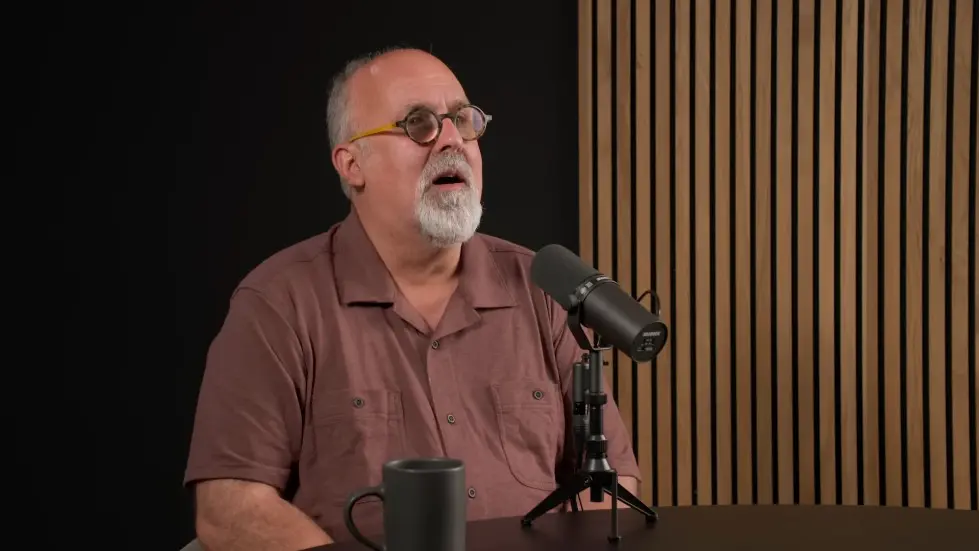
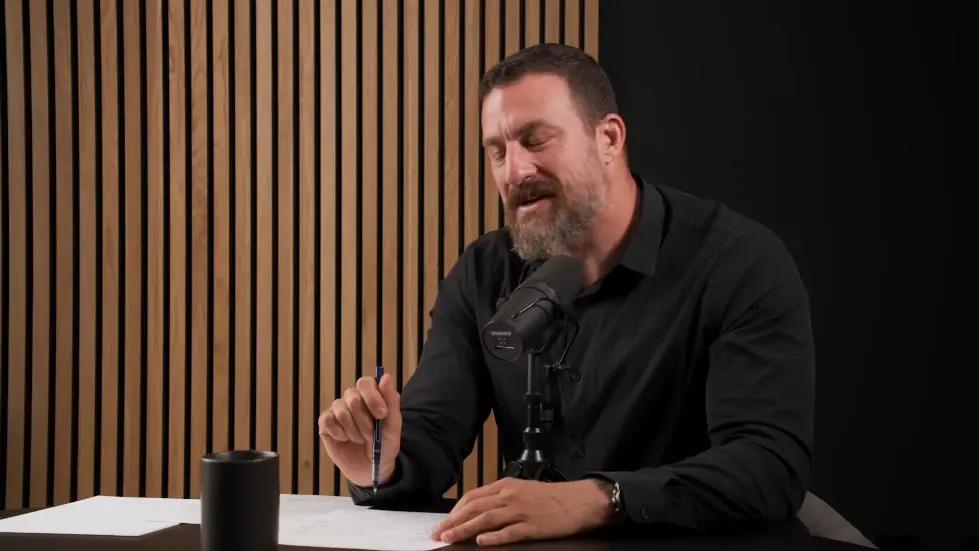
The video is about Andrew Huberman and Dr. David Linden, a professor of neuroscience at Johns Hopkins school of medicine, discussing the cerebellum, the sense of touch, and what makes us different. Dr. Linden's laboratory has focused on these topics and he is also the author of several popular books about neuroscience. The video covers a range of topics, including the discovery of a set of neurons involved in sensual touch, the nature versus nurture debate, the mind-body connection, and Dr. Linden's own experience with heart cancer. The video emphasizes the importance of understanding these topics and how they can inform our daily living and overall life.
This video by Andrew Huberman was published on Aug 21, 2023.
Video length: 02:36:47.
The video is about the neuroscience of the cerebellum, a structure in the brain responsible for basic functions such as motor behavior, sense of balance, and learning new motor behaviors.
Dr. David Linden, a professor of neuroscience at Johns Hopkins school of medicine, discusses the cerebellum and its functions, as well as the sense of touch and what makes us different. He also talks about the recent discovery of a set of neurons involved in sensual touch and how our thoughts inform our bodily health. The conversation shifts to discussing Dr. Linden's own experience with a heart cancer diagnosis and how it has informed his daily life and thinking.
The video also touches on the mind-body connection and the science behind it.
- Dr. David Linden is a professor of neuroscience at Johns Hopkins school of medicine
- The cerebellum is responsible for basic functions such as motor behavior, sense of balance, and learning new motor behaviors
- The sense of touch is an important topic discussed in the podcast
- Each person perceives the same things differently, such as smell, taste, and vision
- Nature vs nurture is a topic discussed in the podcast
- The mind-body connection is discussed in the podcast
- Dr. David Linden has a personal story about being diagnosed with heart cancer and outliving the initial prognosis
- The podcast covers a range of topics, including the discovery of a set of neurons involved in sensual touch
- Dr. Linden's laboratory has focused on the topics discussed in the podcast
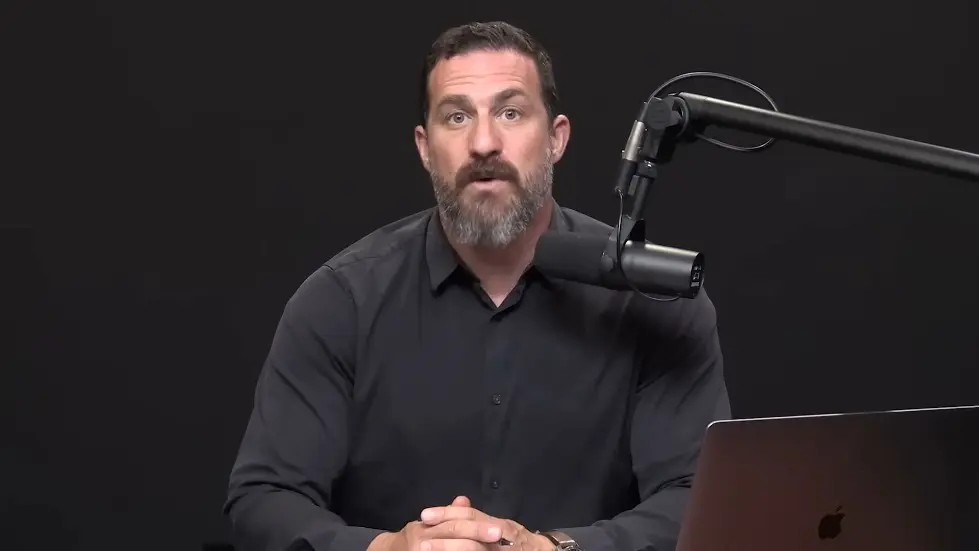
Introduction
- Welcome to the Huberman Lab podcast
- Discussing science and science-based tools for everyday life
- Hosted by Andrew Huberman, a professor of neurobiology and ophthalmology at Stanford school of medicine
- Guest is Dr David Linden, a professor of neuroscience at Johns Hopkins school of medicine

The Cerebellum
- Responsible for basic functions such as motor behavior, sense of balance, and learning new motor behaviors
- Looks like a mini brain in the bottom and back of the human brain
- Studied by Dr David Linden's laboratory
Sense of Touch
- Important topic discussed in the podcast
- Recent discovery of a set of neurons involved in sensual touch
- Fascinating conversation about the sense of touch
What Makes Us Different
- Discussed how each person perceives the same things differently
- Examples given such as smell, taste, and vision
Nature vs Nurture
- Talked about how we come to be who we are
- Through our genes and epigenetics as well as our early childhood and adult experiences

Mind-Body Connection
- Discussed the science behind how our thoughts inform our bodily health or lack thereof
- How the organs of our body control the chemicals, hormones, and thoughts within our brain
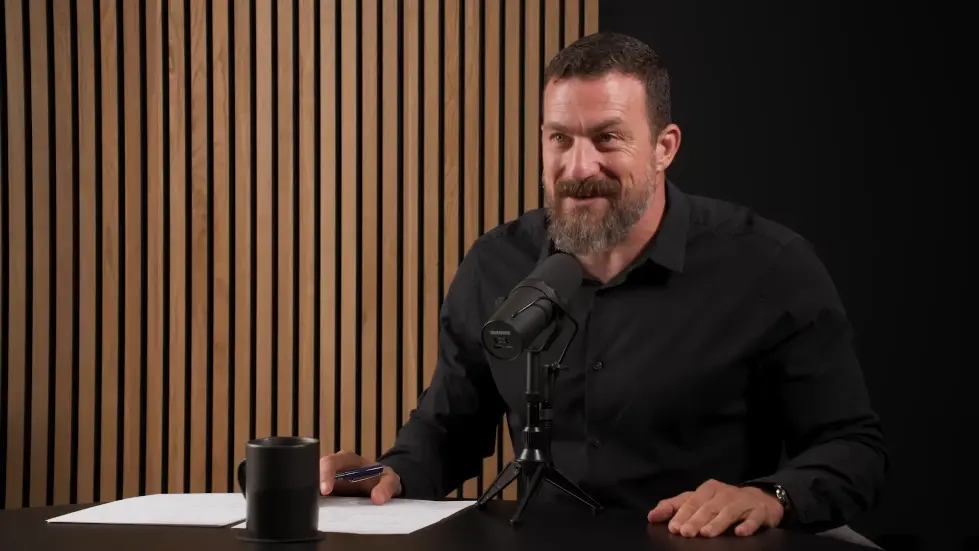
Dr David Linden's Personal Story
- Diagnosed with a form of heart cancer in 2020
- Outlived the initial prognosis of six to twelve months
- Talked about how the initial prognosis and outliving it has informed his day-to-day life, thinking, and relationships
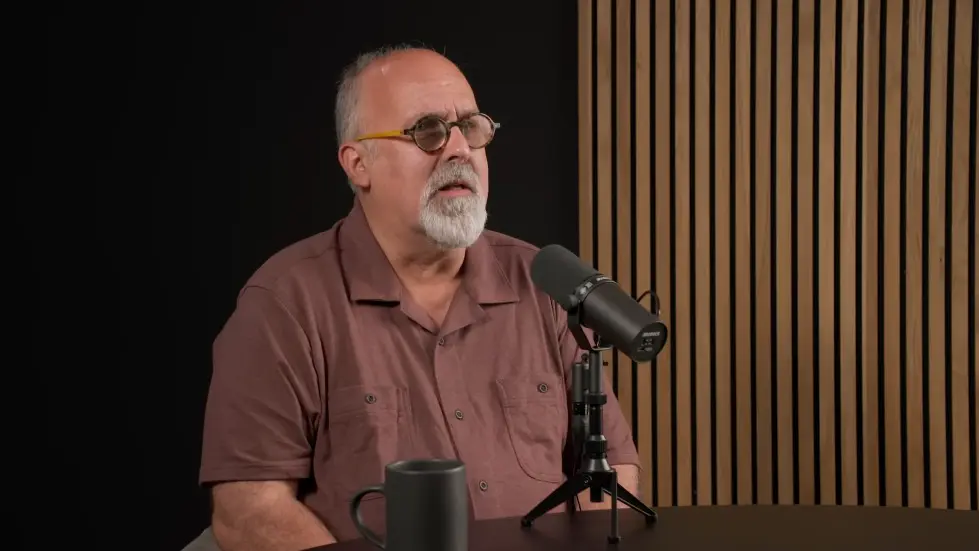
Conclusion
- Dr David Linden is a spectacular scientist, educator, popular writer, family man, and a courageous and generous human being
- The podcast is separate from Andrew Huberman's teaching and research roles at Stanford
- Sponsored by Roca, a company that makes eyeglasses and sunglasses designed with performance in mind
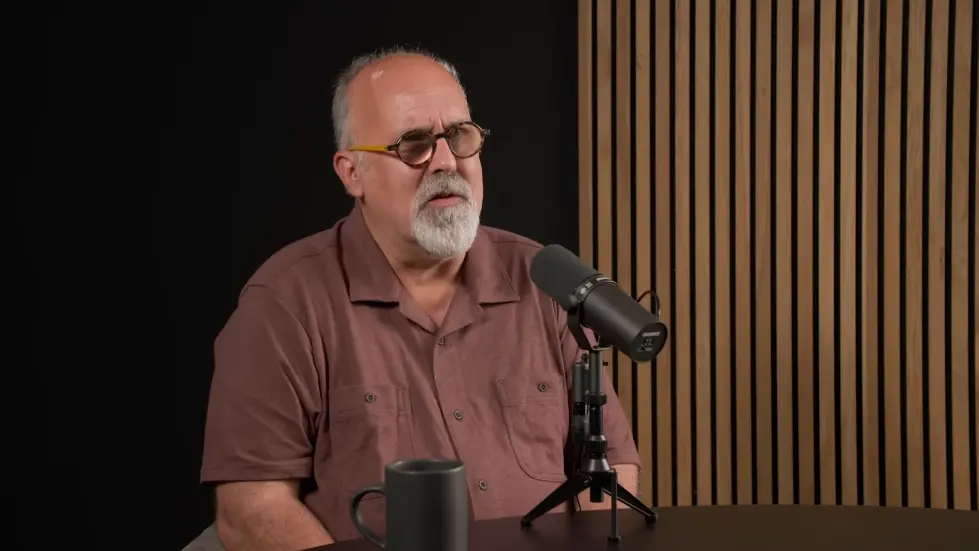
Section 1: Introduction
- The video is about Dr. David Linden, a professor of neuroscience at Johns Hopkins school of medicine, discussing the cerebellum, the sense of touch, and what makes us different.
- Dr. Linden's laboratory has focused on these topics and he is also the author of several popular books about neuroscience.
- The video covers a range of topics, including the discovery of a set of neurons involved in sensual touch, the nature versus nurture debate, the mind-body connection, and Dr. Linden's own experience with heart cancer.
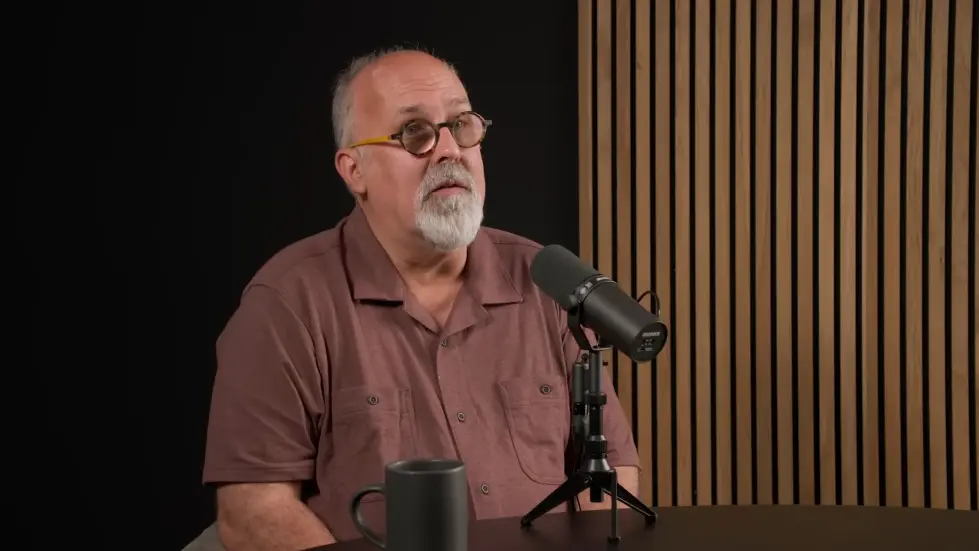
Section 2: The Cerebellum
- The cerebellum is a small region at the back of the brain that is responsible for coordinating movements and maintaining balance.
- It is also involved in the sense of touch and the perception of pain.
- Dr. Linden discusses the importance of the cerebellum in our daily lives and how it can be affected by injury or disease.
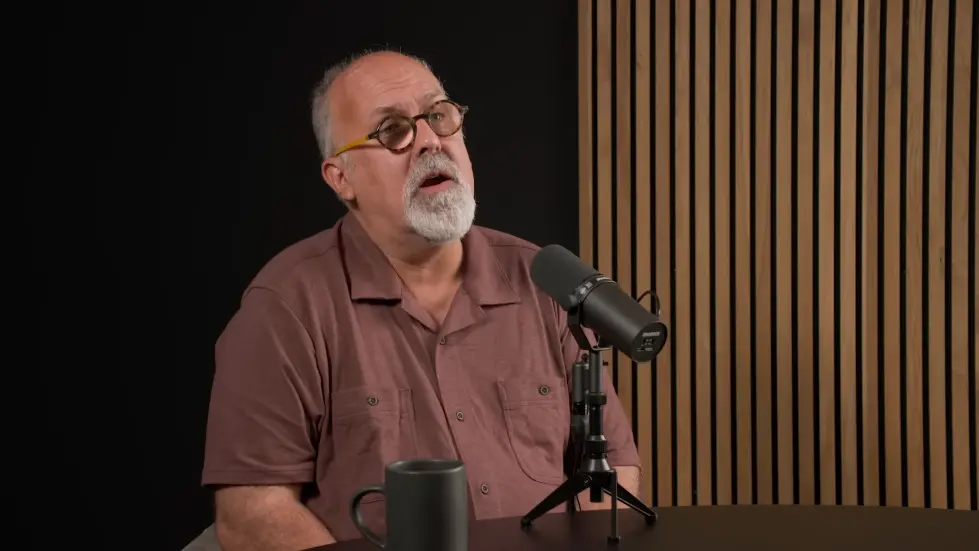
Section 3: The Sense of Touch
- Dr. Linden discusses the different types of touch receptors in the skin and how they contribute to our sense of touch.
- He also talks about the role of the brain in processing touch information and how it can be affected by injury or disease.
- Dr. Linden mentions the discovery of a set of neurons involved in sensual touch, which are responsible for the pleasurable sensations we experience when we are touched in certain ways.
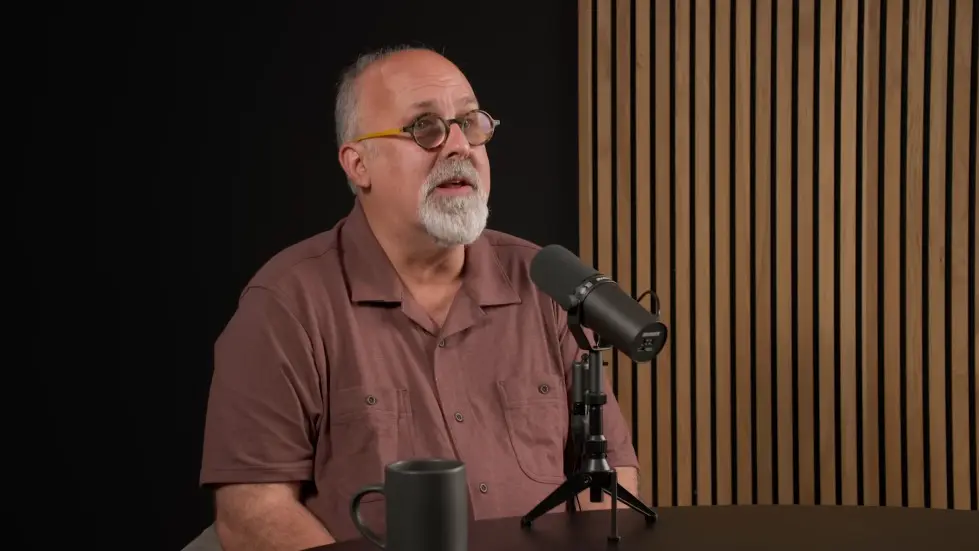
Section 4: What Makes Us Different
- Dr. Linden discusses the concept of individuality and how each person has a unique set of experiences and perceptions.
- He talks about the role of genetics and environment in shaping our experiences and how they can affect our sense of self.
- Dr. Linden also discusses the importance of understanding our own experiences and how they can inform our understanding of the world around us.

Discovery of Kraus Corpuscles
- Dr. David Linden discovered a set of nerve endings in the cerebellum called Kraus corpuscles.
- These nerve endings are responsible for sensual touch and are found in various places, including the nipples, lips, anus, cornea, and joints.
- Distribution of these nerve endings does not make sense, as they are found in both sexual and non-sexual areas.
- To test whether these nerve endings are responsible for sexual sensation, scientists recorded their electrical signals while the genitals were being touched and inactivated them to see if they could interfere with sexual sensation.
- Researchers at Harvard found a way to label and record from and activate and inactivate Kraus corpuscles in mice.
Mechanical Sensors
- Kraus corpuscles are mechanical sensors that convey various kinds of information, such as hot, cold, itch, pain, inflammation, and mechanical sensations.
- When recorded from these nerve endings, they are found to be mechanical sensors, as expected if they are involved in sexual sensation.
- Artificially turning on Kraus corpuscles in a male mouse results in an erection, while turning them off in a male mouse reduces its interest in females and ability to mount and ejaculate.
- Turning off Kraus corpuscles in a female mouse during its receptive time reduces its interest in a male and ability to let him finish.
- These results show that Kraus corpuscles are responsible for sexual sensation.
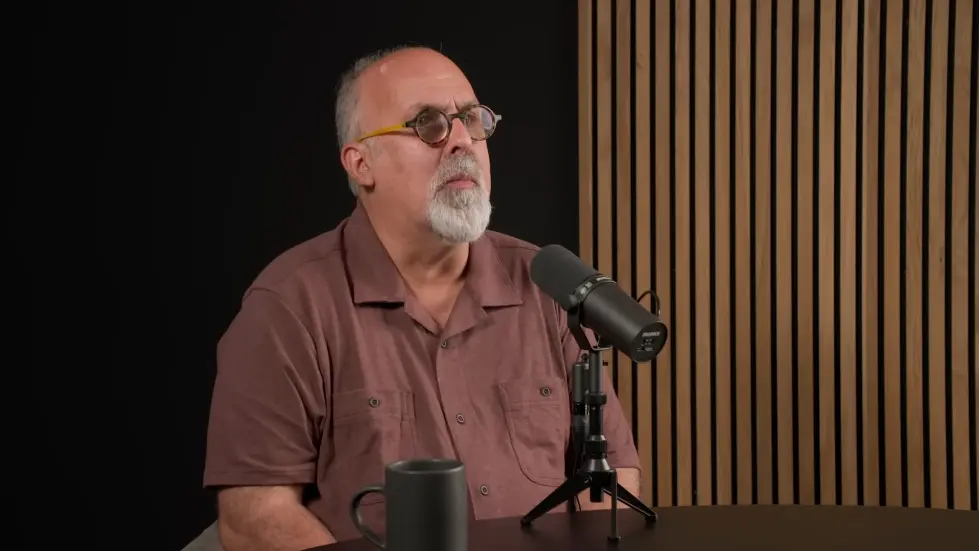
Individual Variation in Kraus Corpuscle Structure
- Kraus corpuscle structure varies among individuals, which may explain why people have different preferences in bed and propensity for orgasm.
- Sexual sensation diminishes with aging due to loss of Kraus corpuscle density from the skin of the genitals.
- Fine touch sensors, such as Merkel and Meisner endings, are also lost with age, which may contribute to the decline in sexual sensation.
- The discovery of Kraus corpuscles has opened up a world of science and research in the field of touch.
- Dr. David Linden's lab at Johns Hopkins Medical School has been a world center for touch research, and he has been a fanboy of touch for many years.

Stephen Shao and Michael Katarina Xinjiang Dong
- Dr. David Linden's neighbor at Hopkins before he moved to Harvard was Stephen Shao, one of the leaders in the field of touch research.
- Michael Katarina Xinjiang Dong was also a world leader in the field of touch research at Hopkins.
- Stephen Shao, Michael Katarina Xinjiang Dong, and other world leaders in the field of touch research were at Hopkins before moving to Harvard.
Kraus Corpuscles and Sensual Touch in Mice
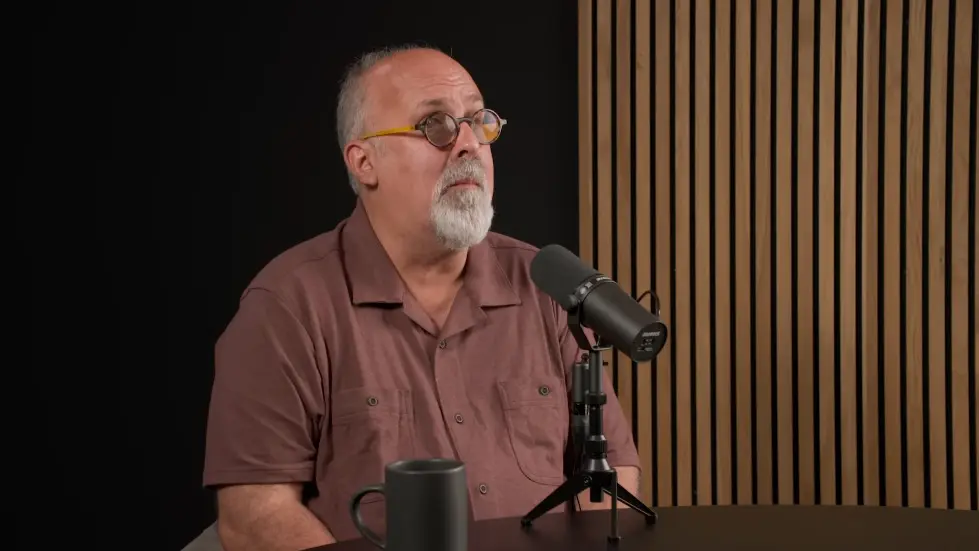
- Dr. David Linden and his laboratory have been studying the cerebellum and the sense of touch in mice.
- They are currently activating the Kraus corpuscles in female mice and observing if anything happens.
- It is not yet clear what they are looking for, as it is still on the leading edge of research.
- The female mice may be more willing to continue mating or make for longer during their fertile time if the Kraus corpuscles are stimulated.
- It is possible that the hormonal regulation of receptivity is hard to overcome, but they might be more willing to continue mating or make for longer during their fertile time.
Peripheral Nerves and Sexual Touch
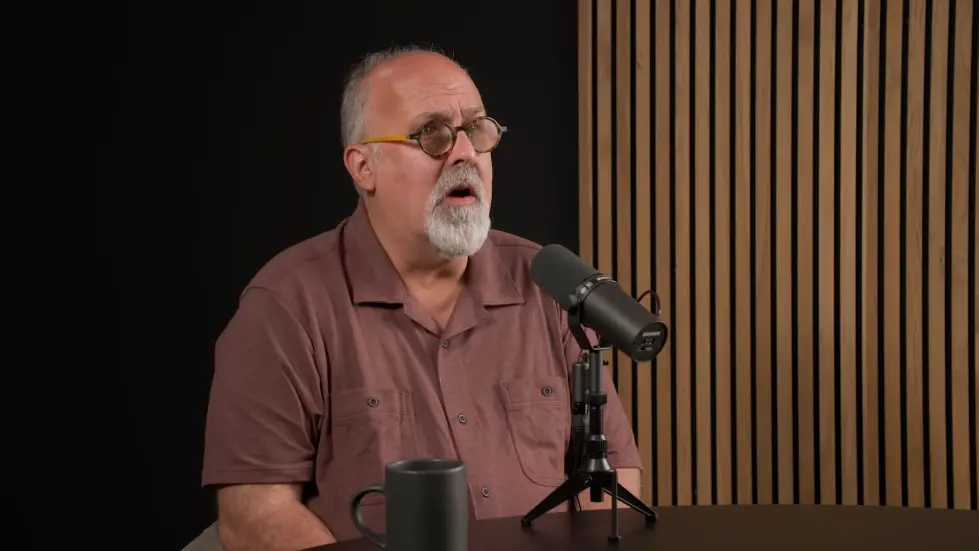
- Peripheral nerves are not of the brain and spinal cord, but in what we call the periphery.
- These neurons can regenerate and remodel themselves extensively in ways that neurons within the brain and spinal cord tend to remodel less, especially as one gets older.
- It is possible that the patterns of innervation within the genitals change according to the stimulation that people experience in other words, is sexual sensation experience dependent.
- Monitoring this in people is not technically possible, as it requires cadaver tissue.
- It is not yet clear if there is actual structural plasticity if you looked at these Kraus corpuscles or if there is a phenomenon like desensitization.
David Linden's Recent Book
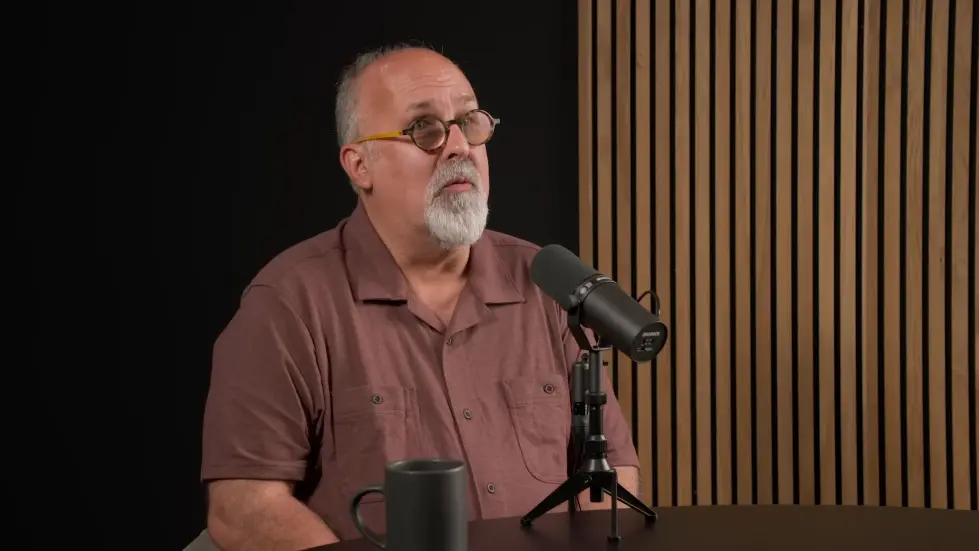
- David Linden has written a book about human individuality.
- The book provides a link to the show note captions.
- The idea that we are all different, especially coming from a neuroscientist who were trained at least similarly to learn that sure the bumps and ripples of the brain and the fine wiring of the brain is different and we are all unique and different we have different shapes AKA morphologies but focusing on human individuality is not something that modern Neuroscience or classic Neuroscience has really done.

The Importance of Individual Variation in Science
- Science often focuses on finding general principles of function of the brain, physiology, and genetics, but individual variation is important to our human experience and the process of evolution and natural selection.
- Individual variation in the way sense organs function is almost a miracle that we can agree on a common reality at all, even within the human species.
- The olfactory system is an example of individual variation in sense organs, with approximately 400 functional receptors for different odorant molecules in our nose.
- DNA that encodes for these odorant receptors is unusually variable from individual to individual, with an average of 30% functional differences between people.
- Individual variation in odor perception can be seen in terms of general terms, with some people being better smellers than others, as well as individual odors, with some people unable to detect certain odors or smelling them differently.
The Relevance of Genetics in Perception
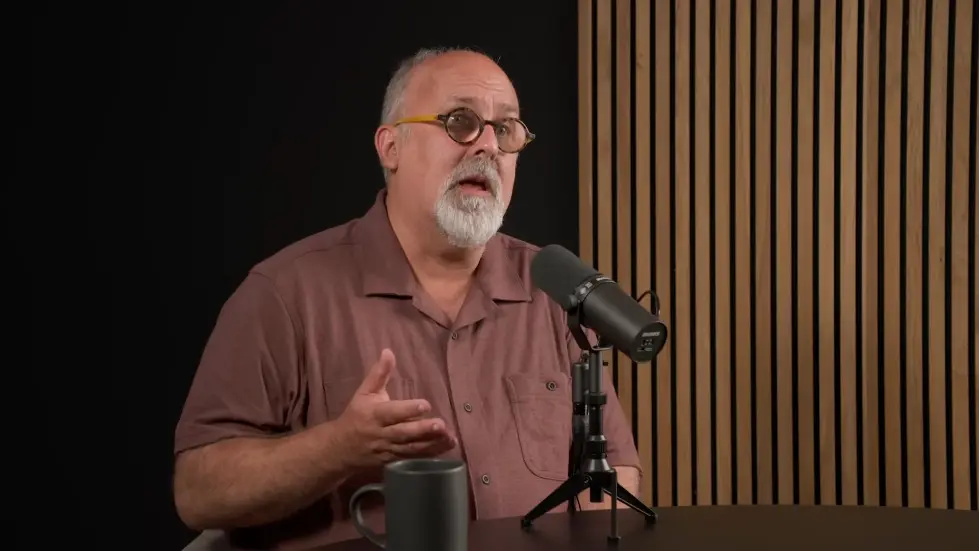
- There is a genetic component to our perception of odors.
- We are incredibly suggestible in terms of odors and are dependent on them in cultural context.
- Humans can live in any ecological niche in the world and eat a wide variety of foods.
- There are only a handful of odors that humans find innately aversive.
- Other things that we learn to find aversive are learned culturally.
The Role of Culture in Perception
- Culture plays a significant role in shaping our perception of odors.
- We learn to find certain odors aversive based on cultural context.
- There are only a few innate odor aversions and taste versions.
- Other things that we find aversive are elaborated culturally.
- The association between certain odors and sweetness is a learned cultural association.
The Influence of Association on Perception
- There is a parrot association that influences our perception of certain odors.
- People can overcome bitter aversion to become coffee aficionados.
- Our perception of the world is influenced by inference and not a purely objective world.
- All of our perception through all of our senses is influenced by inference.
- There is no pure perception perception; it is inference.
The Importance of Understanding Perception
- Understanding the role of genetics, culture, and association in perception is important.
- It can inform our daily living and overall life.
Introduction
- The video is about Dr. David Linden, a professor of neuroscience at Johns Hopkins school of medicine, discussing the cerebellum, the sense of touch, and what makes us different.
- Dr. Linden's laboratory has focused on these topics and he is also the author of several popular books about neuroscience.
- The video covers a range of topics, including the discovery of a set of neurons involved in sensual touch, the nature versus nurture debate, the mind-body connection, and Dr. Linden's own experience with heart cancer.
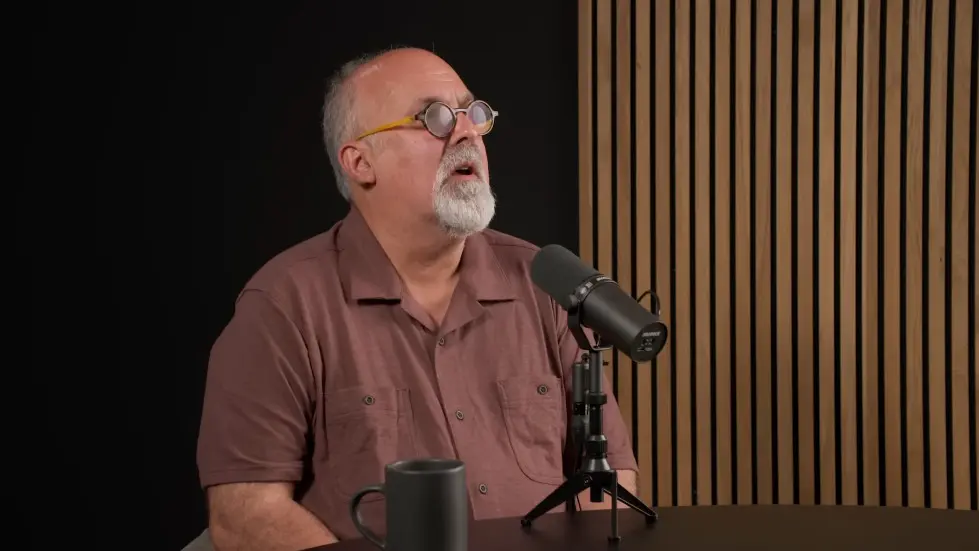
The Cerebellum
- The cerebellum is a part of the brain that is responsible for coordinating movements and maintaining balance.
- It is also involved in the sense of touch and the perception of pain.
- The cerebellum is a complex structure that is made up of many different parts and functions.
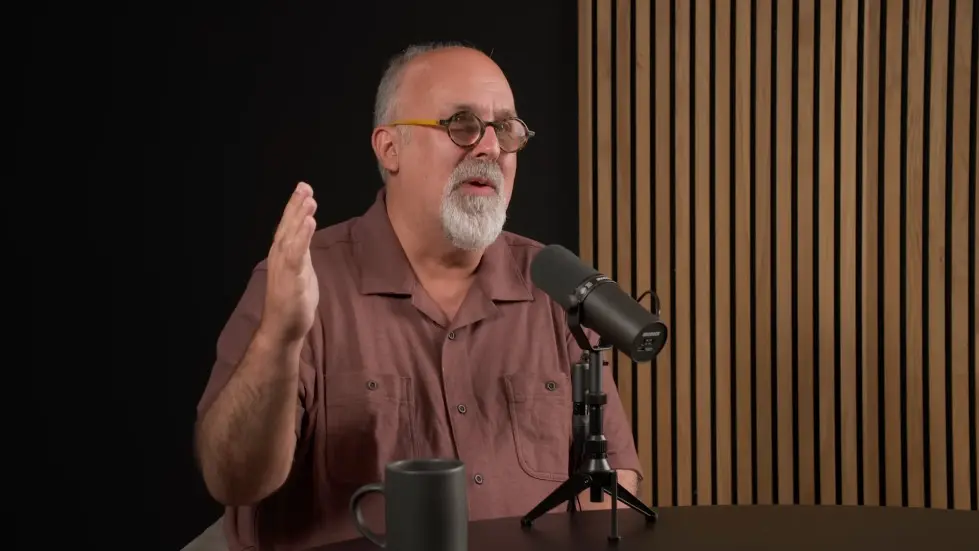
The Sense of Touch
- The sense of touch is a complex system that is responsible for our ability to feel the world around us.
- It is made up of many different types of receptors that are sensitive to different types of stimuli, such as pressure, temperature, and pain.
- The sense of touch is closely related to the sense of balance and is important for our overall sense of well-being.
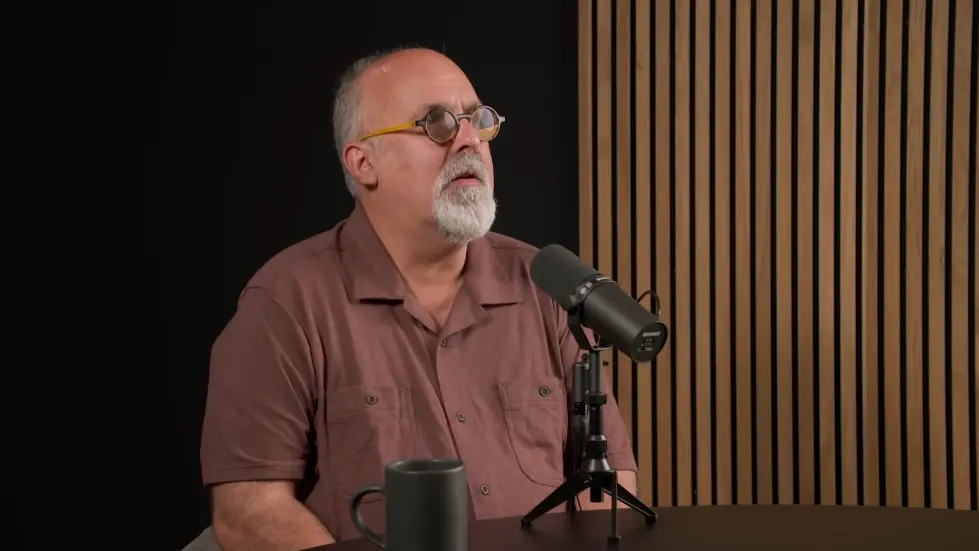
What Makes Us Different
- Everyone is unique and has their own set of experiences and expectations that shape their perception of the world.
- The situation of the moment is also important, as it can affect how we perceive and respond to the world around us.
- There are many different factors that can contribute to our uniqueness, including our genetics, our upbringing, and our environment.
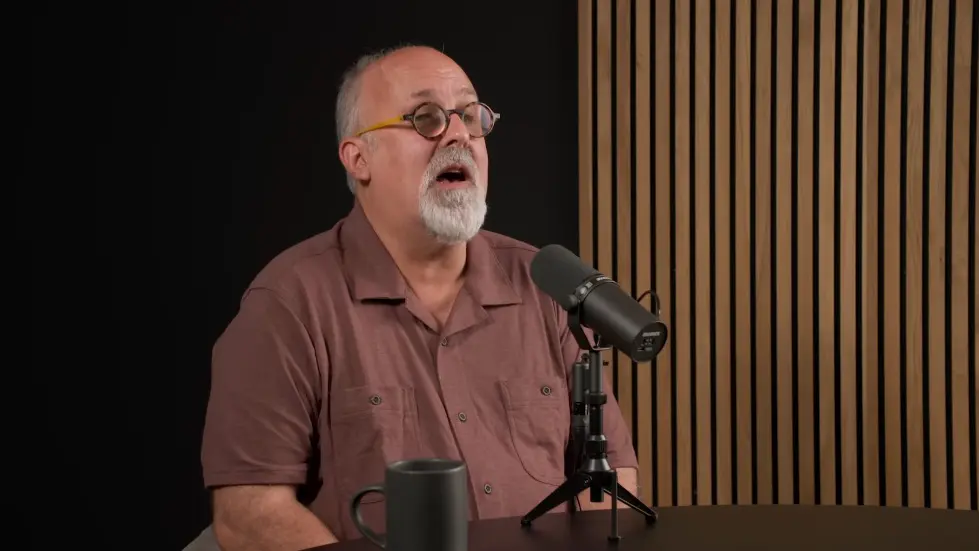
Conclusion
- Understanding the topics discussed in this video can inform our daily living and overall life.
- Dr. Linden's laboratory has focused on these topics and he is also the author of several popular books about neuroscience.
- The video emphasizes the importance of understanding these topics and how they can inform our daily living and overall life.
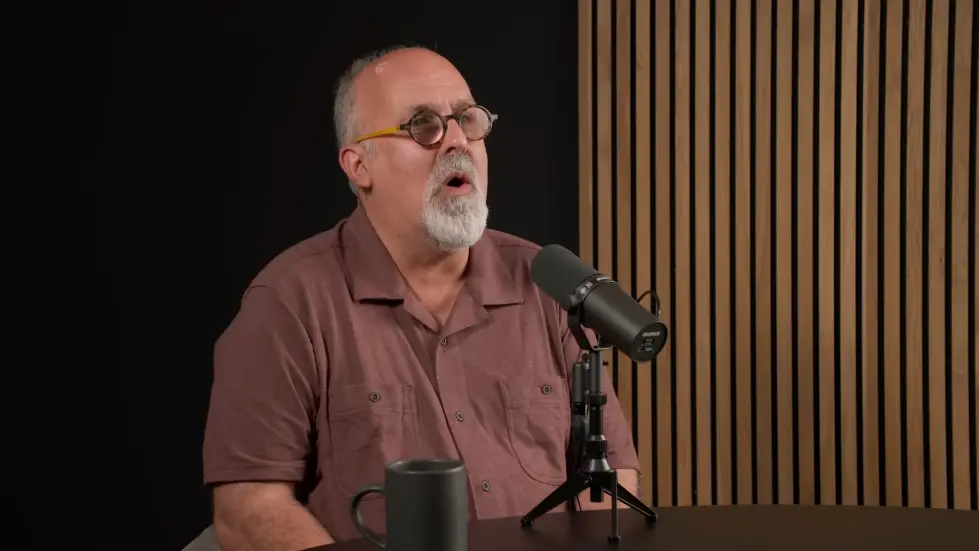
The Cerebellum and Sensory Touch
- The cerebellum is responsible for coordinating movements and maintaining balance.
- It also plays a role in processing sensory information, particularly touch.
- Recent research has revealed the existence of a set of neurons involved in sensual touch.
- These neurons are responsible for transmitting information about touch to the cerebellum.
- The discovery of these neurons has important implications for our understanding of the sense of touch and how it is processed in the brain.
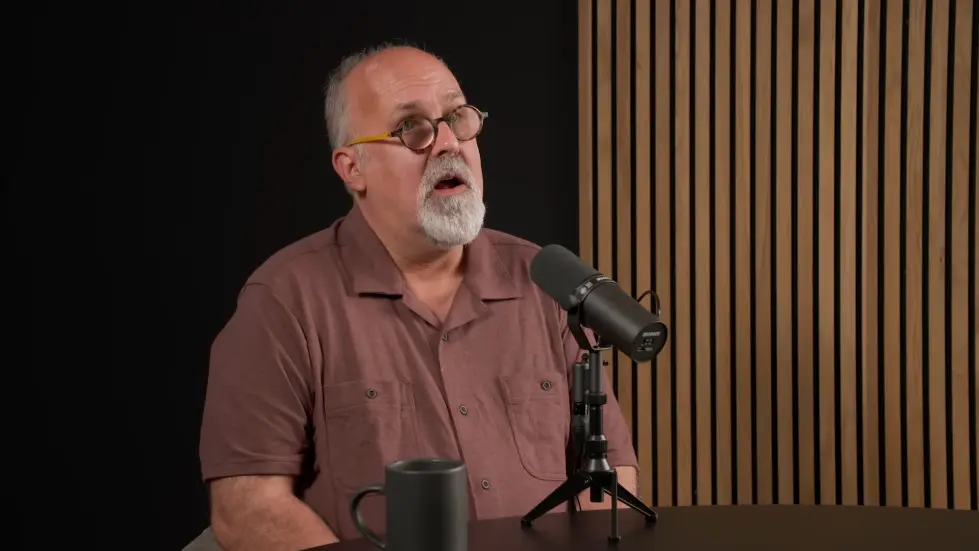
Nature vs. Nurture Debate
- The nature vs. nurture debate is a longstanding one in the field of psychology.
- It involves the question of whether our behavior is determined by our genetic makeup or by our environment.
- Recent research has shown that both nature and nurture play a role in shaping our behavior.
- Early life experiences can have a significant impact on our behavior and development.
- Understanding the interplay between nature and nurture is important for developing effective interventions and treatments.
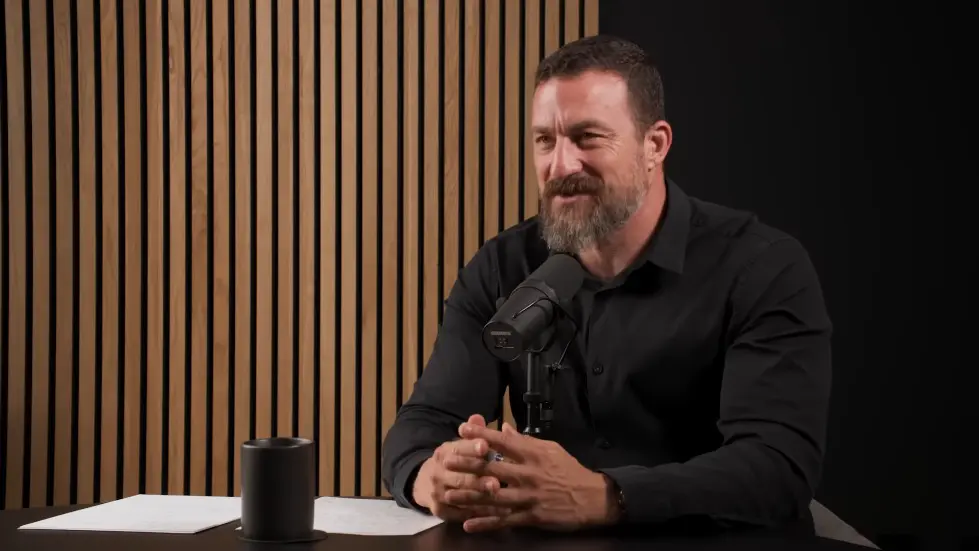
The Mind-Body Connection
- The mind-body connection is the idea that our thoughts and emotions can affect our physical health.
- Recent research has shown that the mind-body connection is a real and powerful phenomenon.
- Stress, for example, can lead to a range of physical health problems, including heart disease and depression.
- Practices such as meditation and yoga can help to reduce stress and improve overall health.
- Understanding the mind-body connection is important for developing effective treatments for a range of health conditions.
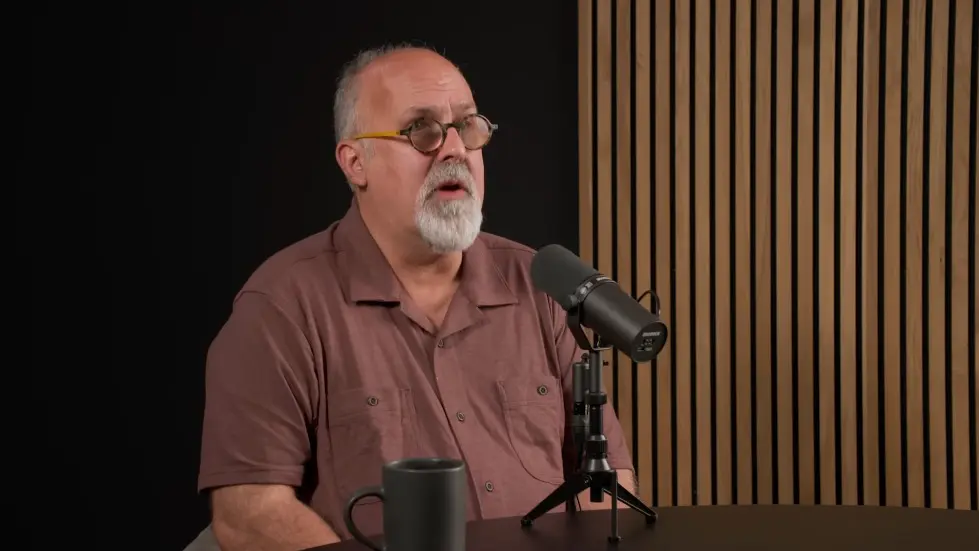
Dr. Linden's Experience with Heart Cancer
- Dr. Linden is a professor of neuroscience at Johns Hopkins school of medicine.
- He has also written several popular books about neuroscience.
- Dr. Linden's laboratory has focused on topics such as the cerebellum, the sense of touch, and what makes us different.
- Dr. Linden has also had a personal experience with heart cancer.
- His experience with heart cancer has given him a unique perspective on the mind-body connection and the importance of understanding the interplay between our thoughts and emotions and our physical health.
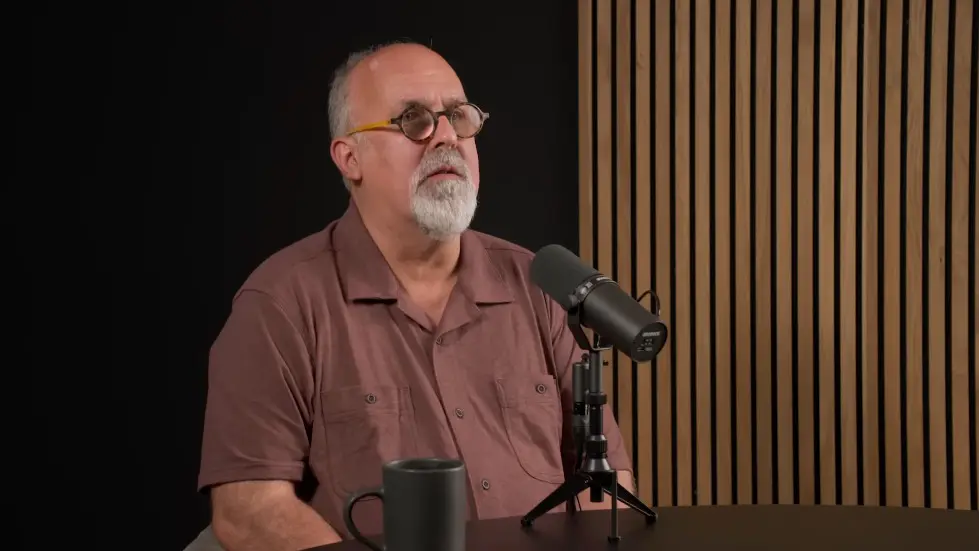
Section 1: Introduction to Perfect Pitch
- Perfect Pitch is a rare trait that allows a person to hear a note and identify it as a specific pitch, such as C sharp.
- Even among highly trained musicians, only about one in ten have perfect pitch.
- Having perfect pitch does not necessarily make a person a better musician.
- The question is whether perfect pitch is heritable or not.
- Twin studies suggest that perfect pitch has a low heritability, accounting for only about 30-40% of the variability.
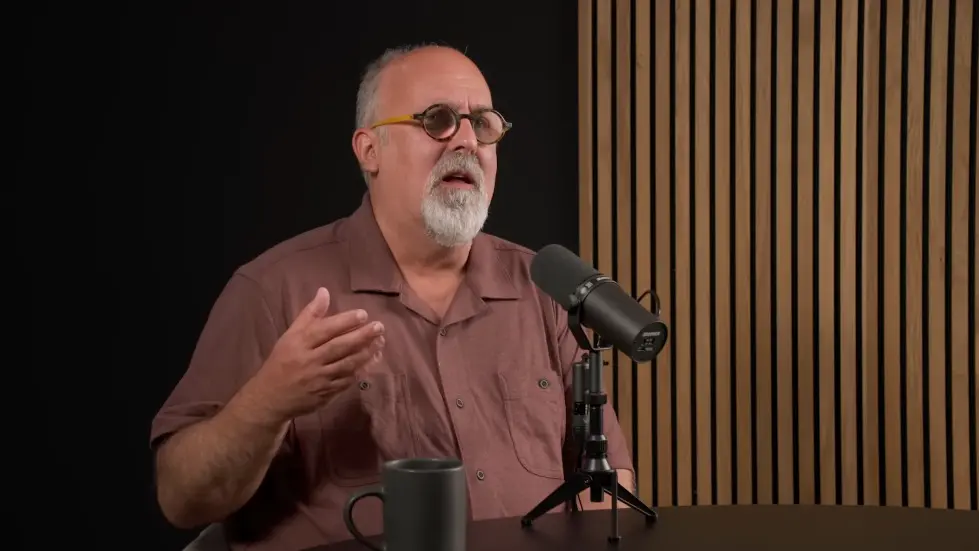
Section 2: Heritability and Human Individuality
- Most human traits have some heritable component, but few are entirely heritable.
- There are a few traits that are absolutely unheritable, such as earwax type.
- Most traits fall in between, with some heritable component but significant variability that cannot be predicted based on gene variants.
- An example of this is the earwax type gene, abcc11, which is expressed in cells throughout the body and has a heritable component but also confers a slightly higher risk for breast cancer.
- Speech accent is another example of a trait that is entirely dependent on the speech experienced in childhood, with the speech of peers being more influential than that of family.
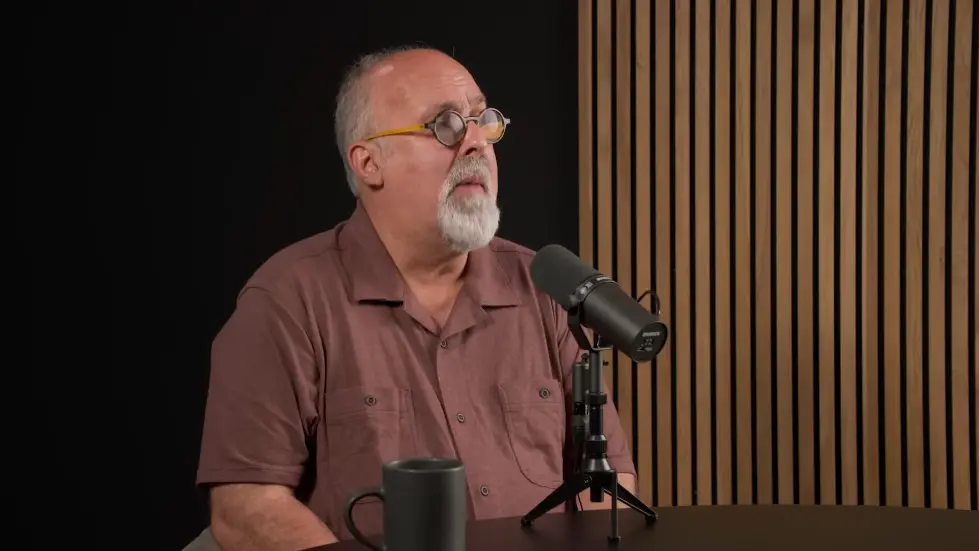
Section 3: Perfect Pitch and Heritability
- Perfect pitch is not entirely heritable, accounting for only about 30-40% of the variability.
- Ear training starting at a young age can improve the chance of developing perfect pitch.
- Twin studies suggest that perfect pitch has a low heritability, accounting for only about 30-40% of the variability.
- There are a few traits that are absolutely unheritable, such as earwax type.
- Most traits fall in between, with some heritable component but significant variability that cannot be predicted based on gene variants.
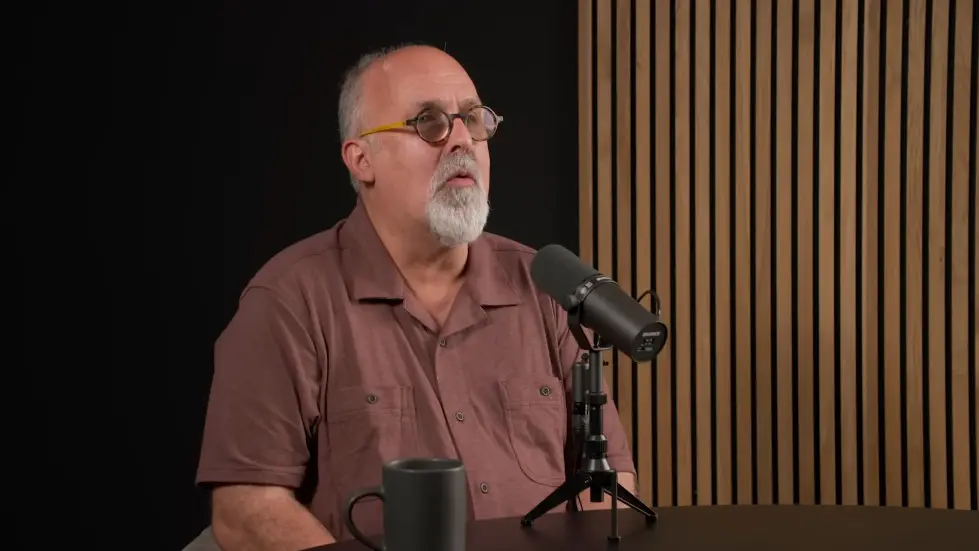
Section 4: Conclusion
- Perfect pitch is a rare trait that allows a person to hear a note and identify it as a specific pitch.
- Having perfect pitch does not necessarily make a person a better musician.
- The question is whether perfect pitch is heritable or not.
- Twin studies suggest that perfect pitch has a low heritability, accounting for only about 30-40% of the variability.
- Most human traits have some heritable component, but few are entirely heritable.

Heritability of Traits
- Heritability refers to the degree of traits that are passed down from parents to offspring.
- Physical traits such as speech accent are heritable.
- Height is one of the most heritable traits in humans, with 85% of the variation in height being explained by genetic factors.
- Nutrition, diseases fought off, and random variation also play a role in determining height.
- Height is not 100% heritable, but it is a good example of a heritable trait.
Heritability of Intelligence
- Intelligence is a complex trait that is difficult to measure.
- IQ tests are not perfect and can be culture-bound.
- IQ tests are predictive of later success, but not as well as other standardized tests such as SAT, GRE, or MCAT.
- Modern variants of classic IQ tests are administered by trans psychologists and are not just a paper form.
- The heritability of IQ test scores varies depending on the population and their access to basic things like nutrition, medical care, and schooling.
Heritability of Speech Accent
- Speech accent is a physical trait that is heritable.
- There is no evidence for any degree of heritability for speech accent.
- Speech accent is determined by the vocal tract and is influenced by genetics.
- Height is the most heritable trait in humans, with 85% of the variation in height being explained by genetic factors.
- Nutrition, diseases fought off, and random variation also play a role in determining speech accent.
Heritability of Height
- Height is a physical trait that is heritable.
- Height is 85% heritable in the United States.
- Nutrition, diseases fought off, and random variation also play a role in determining height.
- Height is not 100% heritable, but it is a good example of a heritable trait.
- Height is no longer 85% heritable in places where people don't get enough nutrition and are routinely fighting off infectious diseases.
Heritability of Intelligence
- Intelligence is a complex trait that is difficult to measure.
- IQ tests are not perfect and can be culture-bound.
- IQ tests are predictive of later success, but not as well as other standardized tests such as SAT, GRE, or MCAT.
- Modern variants of classic IQ tests are administered by trans psychologists and are not just a paper form.
- The heritability of IQ test scores varies depending on the population and their access to basic things like nutrition, medical care, and schooling.
The Importance of Good Schools
- Good schools are correlated with many other things such as good medical care, safer neighborhoods, and more books in the home.
- Students who attend good schools tend to perform better on IQ tests.
- Good schools provide a supportive environment for learning and personal growth.
- Good schools can help students develop important skills such as critical thinking, problem-solving, and communication.
- Good schools can also help students build strong relationships with peers and teachers.
Estimating Heritability
- There are two ways to estimate heritability: comparing identical and fraternal twins.
- Identical twins share nearly 100% of their gene variants, while fraternal twins share 50% of their gene variants on average.
- When comparing same-sex fraternal twins, the estimate of heritability can be calculated using Fischer's equation.
- The equal environment assumption is an assumption that two kids raised in the same family have the same environments, but this is not always true.
- A more powerful but difficult way to estimate heritability is by looking at twins reared apart.
The Minnesota Study of Twins Reared Apart
- The Minnesota study of twins reared apart is a landmark study that assesses the heritability of many different human traits.
- The study had a small population of identical and fraternal twins reared apart.
- The study found that family has almost nothing to do with personality traits such as openness, conscientiousness, empathy, agreeableness, and neuroticism.
- Parents can influence their children's occupations, moral ideas, and religious ideas, but have little to do with personality traits.
- The study brought up the question of whether family has any role in shaping personality traits.
Personality Traits and Heritability
- Personality traits such as openness, conscientiousness, empathy, agreeableness, and neuroticism are heritable to some extent.
- On average, these traits are about 50% heritable, meaning that the rest is influenced by environmental factors such as upbringing and life experiences.
- The study found that family has almost nothing to do with these personality traits.
- Parents can influence their children's occupations, moral ideas, and religious ideas, but have little to do with personality traits.
- The study highlights the importance of considering both genetic and environmental factors when studying personality traits and their development.
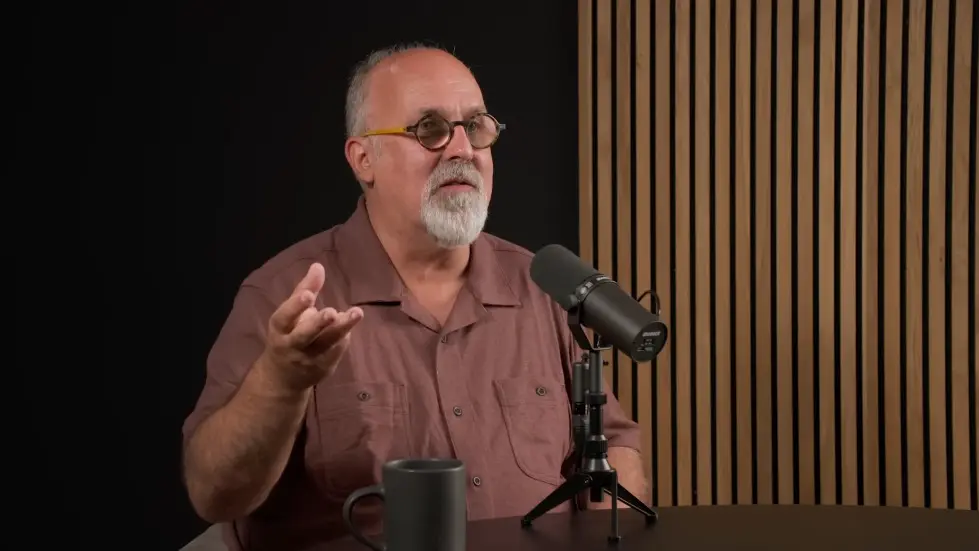
The Genome and Individual Variation
- The genome does not provide a blueprint for making the body and brain.
- The nervous system has hundreds of trillions of connections, rather than a schematic diagram that connects everything to everything.
- Individual variation in the nervous system is due to the random nature of neural development.
- The random or stochastic nature of neural development is a great way to study individual variation.
- The nine-banded armadillo is an example of an animal that carries leprosy and has a lot of twinning going on.
The Nervous System and Individual Variation
- The nervous system has hundreds of trillions of connections, rather than a schematic diagram that connects everything to everything.
- Individual variation in the nervous system is due to the random nature of neural development.
- The random or stochastic nature of neural development is a great way to study individual variation.
- The nine-banded armadillo is an example of an animal that carries leprosy and has a lot of twinning going on.
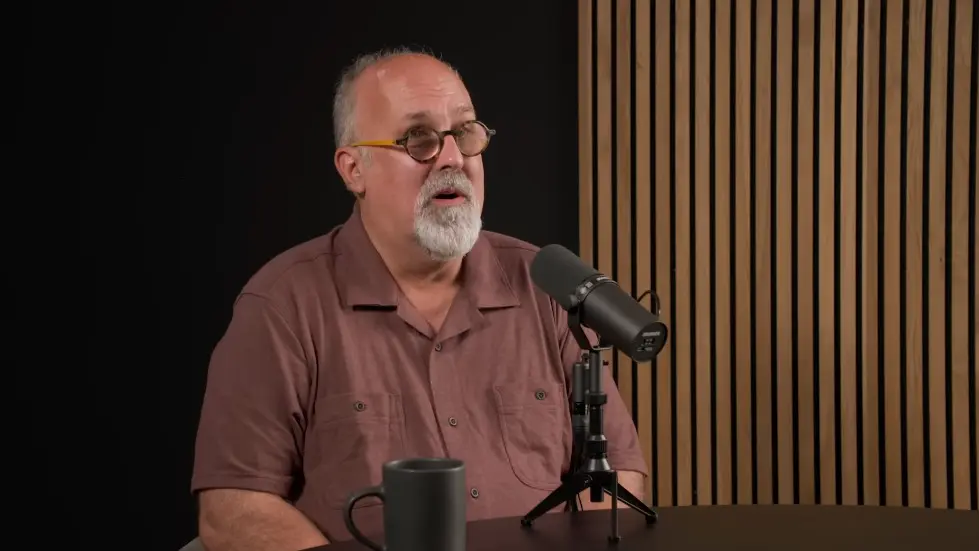
The Armadillo as a Model System
- The nine-banded armadillo is born as identical quadruplets.
- Their brains and bodies are wired slightly differently, even very early in life.
- Their behavioral variation comes from the random nature of neural development.
- The nine-banded armadillo is a great model system for studying stochastic differences in development.

The Study of Individual Variation
- The genome does not provide a blueprint for making the body and brain.
- The nervous system has hundreds of trillions of connections, rather than a schematic diagram that connects everything to everything.
- Individual variation in the nervous system is due to the random nature of neural development.
- The random or stochastic nature of neural development is a great way to study individual variation.
- The nine-banded armadillo is an example of an animal that carries leprosy and has a lot of twinning going on.
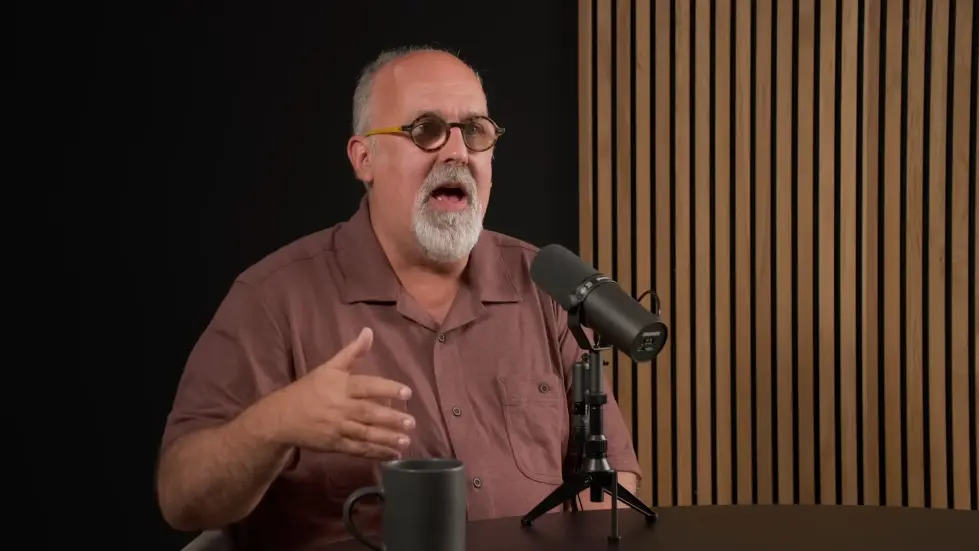
The Pseudo-Random Stochastic Nature of Development
- The pseudo-random stochastic nature of development is a major driving force for evolution.
- Mutations provide variation that can also subserve adaptive traits.
- Genetic variation is at the heart of individuality.
- Early life experience and the stochastic nature of development can also impact individuality.
- The germline is not modified in a direct way by behaviors, but transgenerational epigenetic inheritance can occur.
Epidemiology and Famines in Northern Sweden
- Epidemiology played a significant role in understanding the impact of famines on offspring.
- Medical records in Northern Sweden were used to study the effects of famines on offspring.
- Traits were found to be more likely to occur if a grandparent or great-grandparent went through a famine.
- There is not a biological mechanism for this phenomenon.
- The way these things were discovered is through statistical comparisons, which can lead to false positives.

The Importance of Understanding Development
- Understanding the pseudo-random stochastic nature of development can inform our understanding of evolution.
- Early life experience and the stochastic nature of development can impact individuality.
- The germline is not modified in a direct way by behaviors, but transgenerational epigenetic inheritance can occur.
- Epidemiology and famines in Northern Sweden provide insight into the impact of environmental factors on offspring.
- Understanding these topics can inform our daily living and overall life.
The Role of Inside Tracker
- Inside Tracker is a personalized nutrition platform that analyzes data from blood and DNA to help individuals better understand their body and meet their health goals.
- Regular blood work is important for understanding immediate and long-term health.
- Inside Tracker provides a personalized platform that makes it easy to understand data and adjust numbers to bring them into ideal ranges.
- Inside Tracker includes measures of both APO B and insulin, which are key indicators of cardiovascular health and energy regulation.
- Visit Inside Tracker's website to get 20 off any of their plans.

Transgenerational Epigenetic Inheritance
- The idea of transgenerational epigenetic inheritance is that parenting and upbringing can be passed down through generations.
- Evidence for this idea is weaker than for stress-related gene modifications during a trauma in grandparents or great-grandparents.
- The idea of transgenerational epigenetic inheritance is that the structure of DNA itself is changed by environmental events.
- Epigenetic inheritance can transfer things over a single generation.
- Interesting statistical anomalies have been found in children born to mothers who were pregnant during the 1918 pandemic flu.
The Role of Stress in Schizophrenia and Autism
- The number of variables that could be causing schizophrenia and autism is vast.
- It is not known if stress is the primary cause of these conditions.
- The hypothalamic pituitary axis (HPA) is involved in the stress response.
- The HPA is responsible for regulating the adrenal glands, which produce cortisol.
- It is possible that an immune-neural interaction could be responsible for these conditions.
Mouse Model of Schizophrenia and Autism
- Gloria Choi at MIT has created a mouse model of schizophrenia and autism.
- The model mimics viral infection by injecting a chemical limb that is on the code of viruses into pregnant female mice.
- The chemical limb produces a surge of an immune signaling molecule called interleukin 17.
- Interleukin 17 can pass through the placenta into the fetus and cause disorder in the development of the layers of the cortex.
- Autistic-like behaviors in mice have been observed in this model.
Immune Signaling Molecules and Brain Development
- Immune signaling molecules play a role in brain development.
- Neurons migrate during development and are vulnerable to disruption by these molecules.
- The critical moment for disruption of brain development is during the first trimester.
- The immune signaling pathway can produce autistic-like behaviors in mice.
- More research is needed to understand the role of immune signaling molecules in brain development and autism.

Stress and Immune System
- Stress can affect the immune system and lead to an increase in cortisol levels.
- The immune system can interact with the nervous system to produce autistic-like behaviors in mice.
- Pregnant women are bombarded with viruses and bacteria, which can lead to stress and immune system dysfunction.
- More research is needed to understand the relationship between stress, the immune system, and autism.
- The role of stress in schizophrenia and autism is still not fully understood.
The Cerebellum
- The cerebellum is a part of the brain that is often referred to as the "mini brain".
- It is involved in balance, timing, cognition, and motor behavior.
- It is one of the most cryptic and complicated structures to understand.
- Cerebellar researchers like to joke that it is a counterweight to keep your head from falling forward.
- The cerebellum is implicated in many things, including balance, timing, cognition, and motor behavior.

You have read 50% of the summary.
To read the other half, please enter your Name and Email. It's FREE.
You can unsubscribe anytime. By entering your email you agree to our Terms & Conditions and Privacy Policy.
Watch the video on YouTube:
Dr. David Linden: Life, Death & the Neuroscience of Your Unique Experience | Huberman Lab Podcast - YouTube
Related summaries of videos:
- Andrew Huberman: Goals Toolkit - How to Set and Achieve Your Goals (Huberman Lab Podcast)
- Dr. Paul Conti and Dr. Andrew Huberman: How to Understand and Assess Your Mental Health (Huberman Lab Guest Series)
- Andrew Huberman: Journal Club with Dr. Peter Attia - Metformin for Longevity and The Power of Belief Effects
- Dr. Paul Conti and Dr. Andrew Huberman: How to Improve Your Mental Health (Huberman Lab Guest Series)
- Andrew Huberman: How to Use Music to Boost Motivation, Mood and Improve Learning (Huberman Lab Podcast)
- Dr. Paul Conti and Dr. Andrew Huberman: How to Build and Maintain Healthy Relationships (Huberman Lab Guest Series)
- U.S. Surgeon General Dr. Vivek Murthy and Dr. Andrew Huberman: Efforts and Challenges in Promoting Public Health
- Dr. Paul Conti and Dr. Andrew Huberman: Tools and Protocols for Mental Health (Huberman Lab Guest Series)
- Chris Voss and Andrew Huberman: How to Succeed at Hard Conversations (Huberman Lab Podcast)
- Andrew Huberman: How to Increase Your Willpower and Tenacity (Huberman Lab Podcast)
- Home
- About us
- Contact
- Book Summaries 0-9
- Book Summaries A
- Book Summaries B
- Book Summaries C
- Book Summaries D
- Book Summaries E
- Book Summaries F
- Book Summaries G
- Book Summaries H
- Book Summaries I
- Book Summaries J
- Book Summaries K
- Book Summaries L
- Book Summaries M
- Book Summaries N
- Book Summaries O
- Book Summaries P
- Book Summaries Q
- Book Summaries R
- Book Summaries S
- Book Summaries T
- Book Summaries U
- Book Summaries V
- Book Summaries W
- Book Summaries X
- Book Summaries Y
- Book Summaries Z
- Jay Shetty Podcast - Summaries
- Tom Bilyeu Impact Theory - Summaries
- Lex Fridman - Summaries
- Diary of a CEO - Summaries
- Alex Hormozi - Summaries
