
David Pakman: Politics of Trump, Biden, Bernie, AOC, Socialism & Wokeism | Lex Fridman Podcast #375
Last updated: Jul 2, 2023
The video is about David Pakman, a left-wing political commentator, discussing his thoughts on various political topics such as Trump, Biden, Bernie, AOC, socialism, and wokeism. Pakman discusses the reactions he received to a tweet he made about these topics and how it escalated into a larger controversy. He also talks about the differences between terms like liberal, Democrat, left-wing, leftist, Progressive, Socialist, Communist, Marxist, and far left, and how these terms are used to tag individuals with certain ideologies. Pakman emphasizes the importance of distinguishing between these terms and using them to compare and contrast ideas rather than as insults or to stifle conversation.
This video by Lex Fridman was published on May 6, 2023.
Video length: 03:31:03.
The video is about the political climate in the United States, specifically regarding the Trump, Biden, Bernie, AOC, and socialism/wokeism movements.
The speaker, David Pakman, discusses the differences between various political terms such as liberal, Democrat, left-wing, leftist, Progressive, Socialist, Communist, and Marxist. He also talks about how these terms are used to tag individuals with certain ideologies and how they can be used positively or negatively to start or stop conversations.
Pakman also discusses how the use of these terms is evolving rapidly and how some terms, such as leftist, are being used as a smear more than others.
- David Pakman is a left-wing Progressive political commentator and host of the David Pakman Show.
- Pakman and Lex Friedman had planned to speak for a long time and had a challenging, eye-opening, and fun conversation.
- Pakman discussed the differences between terms like liberal, Democrat, left-wing, leftist, Progressive, Socialist, Communist, Marxist, and far left.
- Pakman emphasized the importance of distinguishing between these terms and using them to compare and contrast ideas rather than as insults or to stifle conversation.
- There are two sets of distinctions between political terms: defining them as political terms and using them to tag someone with a certain ideology.
- Marxist is a term that is being used by some on the right to attack Democrats, but there are very few actual Marxists in positions of power in the United States.
- The term leftist is being used as a smear more than Progressive, and the use of these terms is evolving rapidly month by month.
- The term liberal is being used to mean someone who is not really left enough, and the term Progressive is being used to describe more left-wing beliefs.
- Some of these terms are useful, such as liberal and Progressive, and Democrat, liberal, and Progressive.
- It is important to pick the terms that are useful and to identify the definable distinction between them.
- The term "liberal" has evolved to mean some kind of embodiment of the mainstream Democratic party.
- The term "progressive" is often used interchangeably with "Democratic socialist," but this is a linguistic and political confusion.
- Social democracy and Democratic socialism are similar words in a different order.
- Social democracy is a highly regulated form of capitalism, while socialism seeks to socialize ownership of the means of production.
- Social democracy is a form of socialism that is different from actual socialism, which is a fundamental shift in how society operates.
- David Pakman has a different attitude towards political discussions depending on who he is talking to.
- He takes a more serious attitude when he is having a deep policy discussion.
- He takes a more performance-based attitude when he is expected to provide a certain thing to an audience.
- He finds it easy to engage in conversations with people who are upfront and clear about their beliefs.
- David Pakman was involved in a recent Twitter dust-up that peaked with Donald Trump Jr tweeting about him.
- David Pakman did not see the tweet and had to understand it to respond.
- David Pakman recognizes that taking everything he does completely seriously is not always appropriate.
- David Pakman takes a tongue-in-cheek approach to Twitter.
- David Pakman regrets deleting the tweet that he made about the Nashville mass shooting.
- David Pakman believes that thoughts and prayers are not useful after a shooting and do not prevent shootings.
- David Pakman's tweet was misunderstood and criticized by some people.
- David Pakman regrets deleting the tweet and would love to talk about it.
- David Pakman has learned that when tweeting, it is important to consider how it will be read and analyzed.
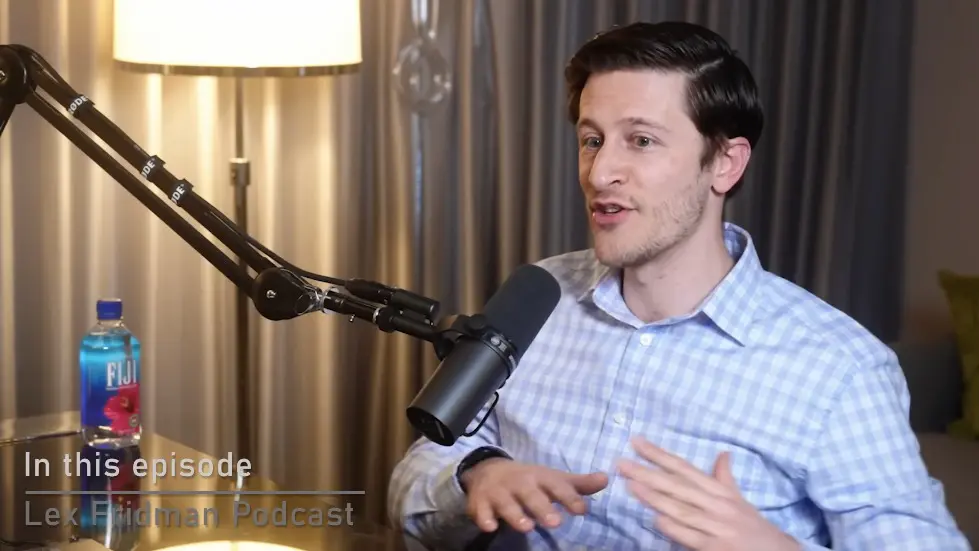
Section 1: Tweet and Reaction
- David Pakman tweeted about his thoughts on various political topics, including Trump, Biden, Bernie, AOC, socialism, and wokeism.
- The tweet received a large number of verified accounts demanding a retraction.
- Pakman deleted the tweet and regrets doing so.
- Over the next 48 hours, the attacks escalated and went through various news outlets.
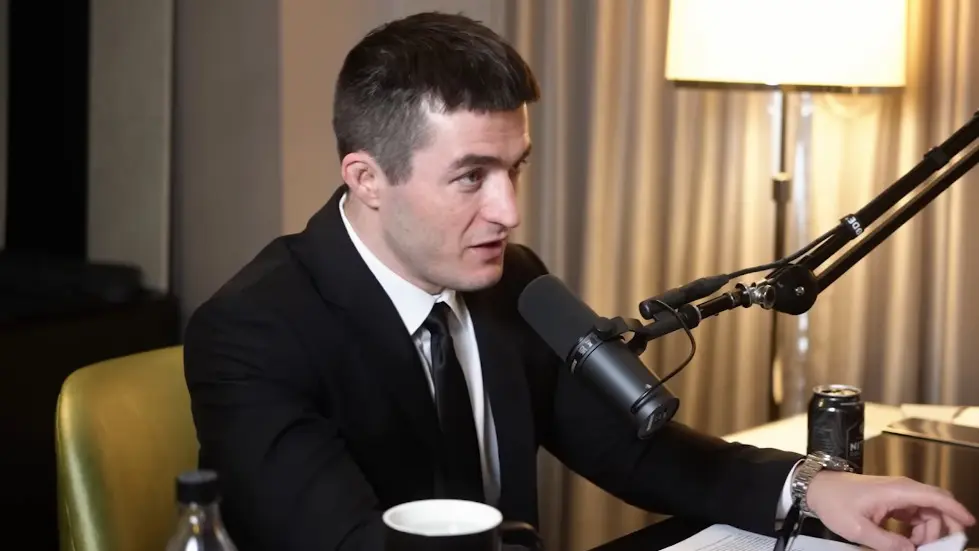
Section 2: Conversation with David Pakman
- David Pakman is a left-wing Progressive political commentator and host of the David Pakman Show.
- Pakman and Lex Friedman had planned to speak for a long time and had a challenging, eye-opening, and fun conversation.
- Pakman discussed the differences between terms like liberal, Democrat, left-wing, leftist, Progressive, Socialist, Communist, Marxist, and far left.
- Pakman emphasized the importance of distinguishing between these terms and using them to compare and contrast ideas rather than as insults or to stifle conversation.
Section 3: Distinctions between Political Terms
- There are two sets of distinctions between political terms: defining them as political terms and using them to tag someone with a certain ideology.
- Marxist is a term that is being used by some on the right to attack Democrats, but there are very few actual Marxists in positions of power in the United States.
- The term leftist is being used as a smear more than Progressive, and the use of these terms is evolving rapidly month by month.
- The term liberal is being used to mean someone who is not really left enough, and the term Progressive is being used to describe more left-wing beliefs.
Section 4: Useful Terms
- Some of these terms are useful, such as liberal and Progressive, and Democrat, liberal, and Progressive.
- There is an interesting definable distinction between liberal and Progressive, with liberal often meaning what is now meant by Progressive more recently.
- The progressive socialist-leaning part of the political spectrum has started to use liberal to mean someone who is not really left enough.
- It is important to pick the terms that are useful and to identify the definable distinction between them.
Section 1: Evolution of Political Terms
- The term "liberal" has evolved to mean some kind of embodiment of the mainstream Democratic party.
- The term "progressive" is often used interchangeably with "Democratic socialist," but this is a linguistic and political confusion.
- Social democracy and Democratic socialism are similar words in a different order.
- Social democracy is a highly regulated form of capitalism, while socialism seeks to socialize ownership of the means of production.
- Social democracy is a form of socialism that is different from actual socialism, which is a fundamental shift in how society operates.
Section 2: Social Democracy vs. Democratic Socialism
- Social democracy is a form of socialism that seeks to socialize a few more things than we socialize in most modern capitalist countries.
- Democratic socialism is beyond social democracy and involves socializing ownership of the means of production, businesses, etc.
- Social democracy is okay, but democratic socialism is beyond that and involves a fundamental shift in how society operates.
- Social democracy is a form of socialism that is different from actual socialism, which is a fundamental shift in how society operates.
Section 3: Patrick David Podcast
- David Pakman appeared on the Patrick David podcast with Patrick Bad David.
- The debate was intense, and there was a little bit of tension between ideas.
- People wrote to David after the podcast, expressing their opinions on the topic.
- The most interesting feedback David received was from people who asked about the tension and awkwardness of the conversation.
Section 4: Michael Knowles Conversation
- David Pakman spoke to Michael Knowles about the idea of what is a woman.
- Some of the conversations felt like they had gone wrong, and it was difficult to disagree with people.
- David disagreed with a lot of the things that Michael Knowles said, but he did not find anything inappropriate.
- David disagreed with people and that's it, he did not find anything that happened inappropriate.
Section 1: David Pakman's Attitude Towards Political Discussions
- David Pakman has a different attitude towards political discussions depending on who he is talking to.
- He takes a more serious attitude when he is having a deep policy discussion.
- He takes a more performance-based attitude when he is expected to provide a certain thing to an audience.
- He finds it easy to engage in conversations with people who are upfront and clear about their beliefs.
- He received threats after the fact when he stopped doing the Michael Knowles show.
Section 2: David Pakman's Interview with Jesse Lee Peterson
- David Pakman was interviewed by Jesse Lee Peterson in Los Angeles.
- The interviews were interesting and organized efficiently.
- David Pakman found Jesse Lee Peterson to be abundantly clear about his views and background.
- Despite their different views, David Pakman found it easy to engage in the conversation with Jesse Lee Peterson.
- The aftermath of the interviews was the reason David Pakman stepped away from the Michael Knowles show.
Section 3: David Pakman's Twitter Dust-Up
- David Pakman was involved in a recent Twitter dust-up that peaked with Donald Trump Jr tweeting about him.
- David Pakman did not see the tweet and had to understand it to respond.
- David Pakman recognizes that taking everything he does completely seriously is not always appropriate.
- David Pakman takes a tongue-in-cheek approach to Twitter.
- David Pakman regrets deleting the tweet that he made about the Nashville mass shooting.
Section 4: David Pakman's Tweet about the Nashville Mass Shooting
- David Pakman tweeted snarkily about the use of thoughts and prayers after the Nashville mass shooting.
- David Pakman believes that thoughts and prayers are not useful after a shooting and do not prevent shootings.
- David Pakman's tweet was misunderstood and criticized by some people.
- David Pakman regrets deleting the tweet and would love to talk about it.
- David Pakman has learned that when tweeting, it is important to consider how it will be read and analyzed.
Section 1: Tweet and Reaction
- David Pakman tweeted about his thoughts on various political topics such as Trump, Biden, Bernie, AOC, socialism, and wokeism.
- Pakman received reactions to his tweet, which escalated into a larger controversy.
- He deleted the tweet after receiving thousands of messages from people who were upset with his views.
- Pakman regrets deleting the tweet and believes it was unnecessarily provocative.
- He is aware that his style of communication on Twitter can affect his mind and believes it is not the best way to solve problems.
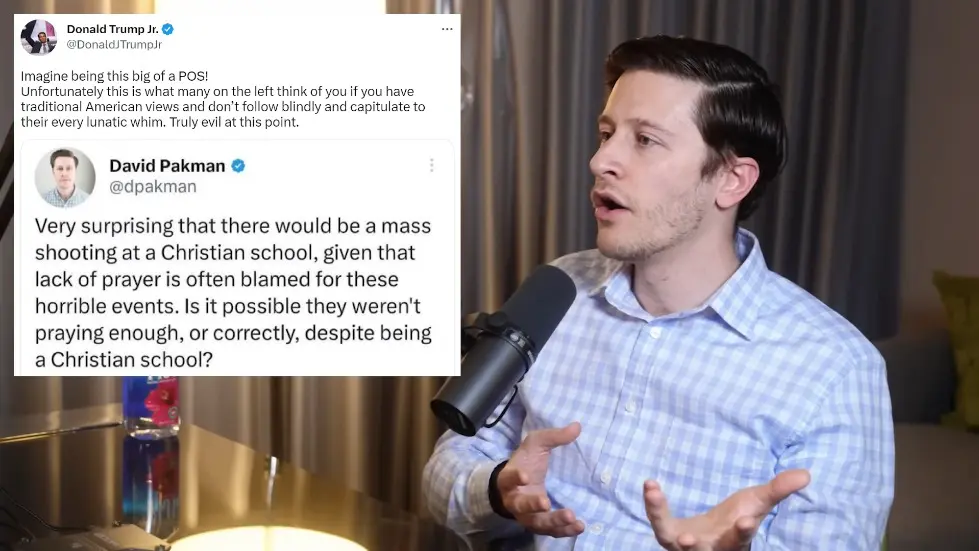
Section 2: Verified Accounts and Demands
- Pakman saw all verified accounts tweeting about his tweet and demanding a retraction.
- He thought the attacks would escalate and regretted deleting the tweet.
- The attacks did escalate and reached Fox News and Newsmax.
- Pakman received thousands of messages from people who were upset with his views.
- He believes that the threats didn't stop even after he deleted the tweet.
Section 3: Regret and Consequences
- Pakman regrets deleting the tweet and believes it was unnecessarily provocative.
- He believes that his style of communication on Twitter can affect his mind.
- He is aware that his views are not popular and that he may be seen as a partisan hack.
- He believes that Twitter is not the best way to solve problems and figure out solutions to complex issues.
- He believes that all of us have to adapt our content to the platform we are using.
Section 4: Conclusion
- David Pakman tweeted about his thoughts on various political topics and received reactions that escalated into a larger controversy.
- He regrets deleting the tweet and believes it was unnecessarily provocative.
- He is aware that his views are not popular and that he may be seen as a partisan hack.
- He believes that Twitter is not the best way to solve problems and figure out solutions to complex issues.
- He believes that all of us have to adapt our content to the platform we are using.
Section 1: Introduction
- The speaker is David Pakman, a left-wing political commentator.
- The speaker discusses his thoughts on various political topics such as Trump, Biden, Bernie, AOC, socialism, and wokeism.
- The speaker discusses the reactions he received to a tweet he made about these topics and how it escalated into a larger controversy.
- The speaker talks about the differences between terms like liberal, Democrat, left-wing, leftist, Progressive, Socialist, Communist, Marxist, and far left, and how these terms are used to tag individuals with certain ideologies.
Section 2: The Importance of Distinguishing Between Political Terms
- The speaker emphasizes the importance of distinguishing between political terms like liberal, Democrat, left-wing, leftist, Progressive, Socialist, Communist, Marxist, and far left.
- The speaker uses these terms to compare and contrast ideas rather than as insults or to stifle conversation.
- The speaker believes that using these terms correctly can help to avoid misunderstandings and promote a deeper understanding of political ideas.
Section 3: The Role of Social Media in Politics
- The speaker discusses the role of social media in politics and how it can be used to divide people.
- The speaker believes that social media can be addictive and that it can be difficult to resist the urge to mock and ridicule others.
- The speaker believes that it is important to be mindful of the impact that social media can have on our thinking and behavior.
Section 4: Conclusion
- The speaker concludes that it is important to be mindful of the impact that social media can have on our thinking and behavior.
- The speaker emphasizes the importance of using political terms correctly to promote a deeper understanding of political ideas.
- The speaker encourages his audience to be critical thinkers and to consume a variety of content to form a well-rounded understanding of the world.
Section 1: David Pakman's Audience
- David Pakman's audience is not made up of people who follow Candace Owens on Twitter.
- Pakman's core audience is made up of people who are more likely to be displeased with certain topics, such as the Israeli-Palestinian conflict, vaccines, foreign policy issues, and some political challenges.
- Pakman's audience is not necessarily made up of people who are fans of Marianne Williamson or Bobby Kennedy Jr.
- Pakman's audience is not necessarily made up of people who are fans of Joe Biden, but they are not necessarily his biggest critics either.
- Pakman is open to being told ways in which his audience may be changing without him noticing.
Section 2: 2024 Election
- If the 2024 election is a rematch of the 2020 election with a known outcome, it is difficult to make a case for circumstances having changed in Trump's favor to give a couple of state-level examples.
- Florida seems to be moving more to the Republican side since 2020, but Trump won that state already in 2020, so it wouldn't really change the outcome.
- Arizona was close in 2020, but Arizona has moved to the left since 2020, so Pakman doesn't see Trump taking that one.
- Wisconsin is similar to Arizona in that the same sort of thing applies, so being very practical, Pakman would say that being very practical, the start of his reasoning would be that it's a rematch of an election with a known outcome.
Section 3: Joe Biden as a Candidate
- Pakman thinks Joe Biden is a worse candidate now than he was in 2020.
- Being four years older could be a liability for Biden, as there is an appetite for younger candidates on the Democratic voting side.
- However, Biden also has four years of accomplishments, such as the inflation reduction act and COVID stimulus.
- Pakman thinks that looking historically, it's a pretty okay environment for Joe Biden with the exception that he was already the oldest president to be inaugurated in 2021 and he would beat his own record in January of 2025.
- Pakman thinks that if he were to give criticism towards Trump, it would be that he is chaotic and disrespectful to different groups, ideas, nations, and leaders.
Section 1: David Pakman's Political Views
- David Pakman is a left-wing political commentator who discusses his thoughts on various political topics such as Trump, Biden, Bernie, AOC, socialism, and wokeism.
- Pakman discusses the reactions he received to a tweet he made about these topics and how it escalated into a larger controversy.
- He talks about the differences between terms like liberal, Democrat, left-wing, leftist, Progressive, Socialist, Communist, Marxist, and far left, and how these terms are used to tag individuals with certain ideologies.
- Pakman emphasizes the importance of distinguishing between these terms and using them to compare and contrast ideas rather than as insults or to stifle conversation.
Section 2: Comparison of Trump and Biden
- Pakman believes that Trump's unhinged personality and lack of knowledge about most issues make him a threat to the standing of the United States in the current geopolitical environment.
- He believes that Biden would be a better choice for president than Trump, but he also acknowledges that there are other options on the Democratic side that he would prefer over Trump.
- Pakman believes that the differences between Trump and Biden seem less significant than the four years of Trump's presidency.
- He also mentions McCain and Obama as examples of politicians with different political views and personalities.
Section 3: Political Terms and Labels
- Pakman discusses the different political terms and labels used to describe individuals and their ideologies.
- He believes that it is important to distinguish between these terms and use them to compare and contrast ideas rather than as insults or to stifle conversation.
- Pakman places himself on the progressive side of the political spectrum, but he is not a socialist or communist.
- He believes that AOC has the staying power to be an American elected politician for a long time, but he is not sure about her ambitions.
Section 4: Future of Politics
- Pakman believes that people who are able to skillfully piss off the other side, like AOC and Trump, have the potential to have significant staying power in American politics.
- He believes that understanding how to communicate policy ideas is also an important aspect of being a successful politician.
- Pakman believes that there are some things Trump is very good at, and this is why it is hard for him to believe that Ron DeSantis has what it takes to actually fight Trump in a national primary.
- He also discusses other political topics such as Bernie, AOC, socialism, and wokeism.
Section 1: Lex Fridman's Video
- The video is from Lex Fridman's YouTube channel.
- It is a part of a transcript of a video with the title 'David Pakman: Politics of Trump, Biden, Bernie, AOC, Socialism & Wokeism | Lex Fridman Podcast #375 - YouTube' and with the description 'The video is about David Pakman, a left-wing political commentator, discussing his thoughts on various political topics such as Trump, Biden, Bernie, AOC, socialism, and wokeism. Pakman discusses the reactions he received to a tweet he made about these topics and how it escalated into a larger controversy. He also talks about the differences between terms like liberal, Democrat, left-wing, leftist, Progressive, Socialist, Communist, Marxist, and far left, and how these terms are used to tag individuals with certain ideologies.'.
- The video is about David Pakman, a left-wing political commentator, discussing his thoughts on various political topics such as Trump, Biden, Bernie, AOC, socialism, and wokeism.
- Pakman discusses the reactions he received to a tweet he made about these topics and how it escalated into a larger controversy.
- He talks about the differences between terms like liberal, Democrat, left-wing, leftist, Progressive, Socialist, Communist, Marxist, and far left, and how these terms are used to tag individuals with certain ideologies.
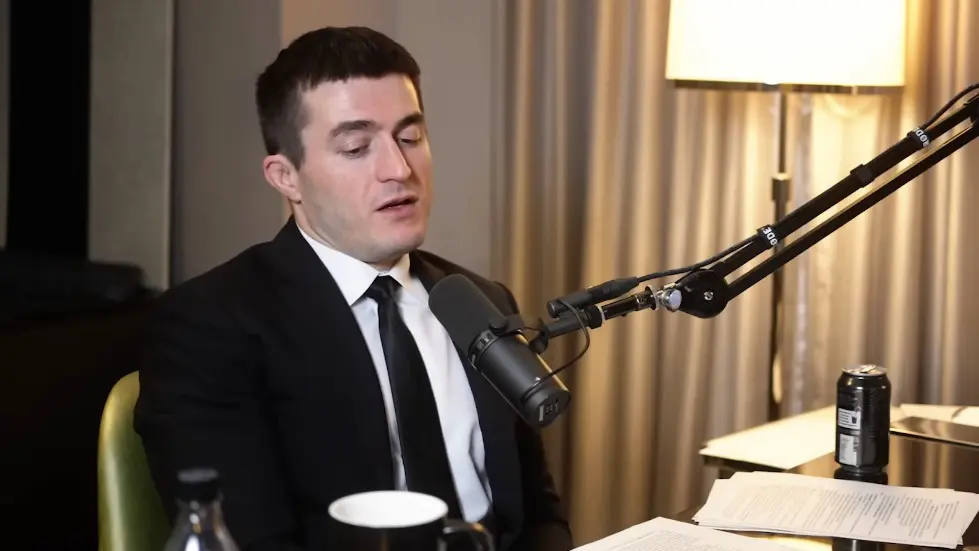
Section 2: Pakman's Political Ideology
- Pakman identifies as a left-wing political commentator.
- He does not think that Bernie Sanders is a Democratic Socialist.
- He believes that Bernie Sanders has spoken about social programs and the value of social programs throughout the history of the United States.
- Pakman's understanding of socialism is very similar to his understanding of social programs.
- He identifies with a lot of Bernie's ideas but is more flexible on how they are implemented.
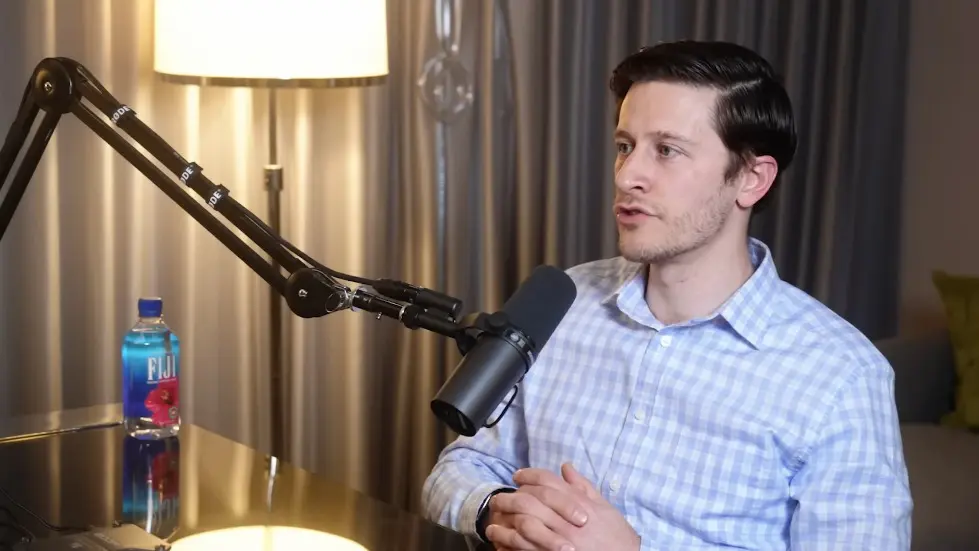
Section 3: Pakman's Political Views
- Pakman identifies as a left-wing political commentator.
- He believes that Bernie Sanders is a Center left politician.
- Pakman identifies as to the left of Center left.
- He believes that AOC and Bernie are very similar in their political views.
- Pakman is more agnostic about how we do it than just saying let's expand Medicare.
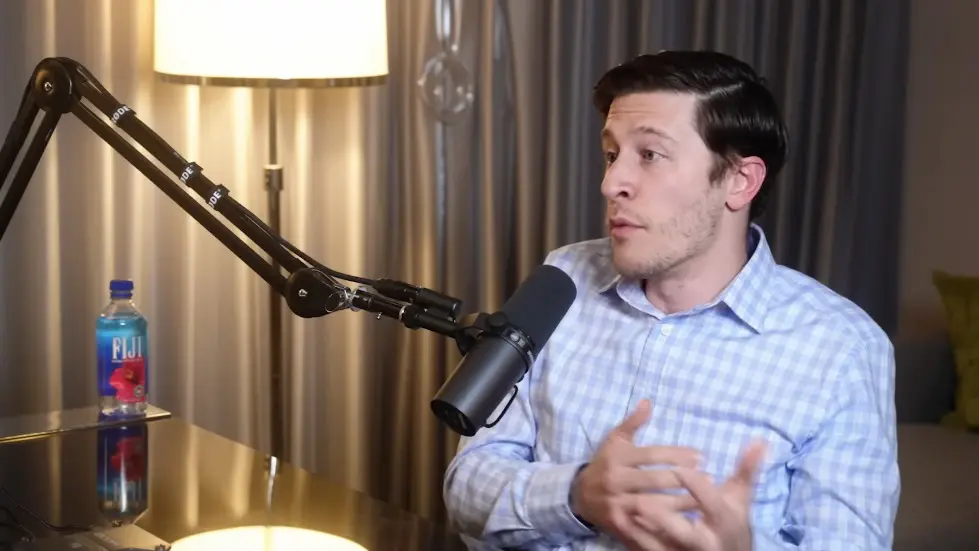
Section 4: Pakman's Views on Corruption in the DNC
- Pakman does not think that Bernie Sanders lost the election because of corruption in the DNC.
- He believes that the DNC and the RNC exist to justify their own existence.
- He believes that the DNC and the RNC are organizations that assert their value and importance.
- He believes that the DNC and the RNC organize the way that the nominee is chosen.
- He believes that the DNC and the RNC coordinate behind the scenes to make sure their candidates don't get hurt.
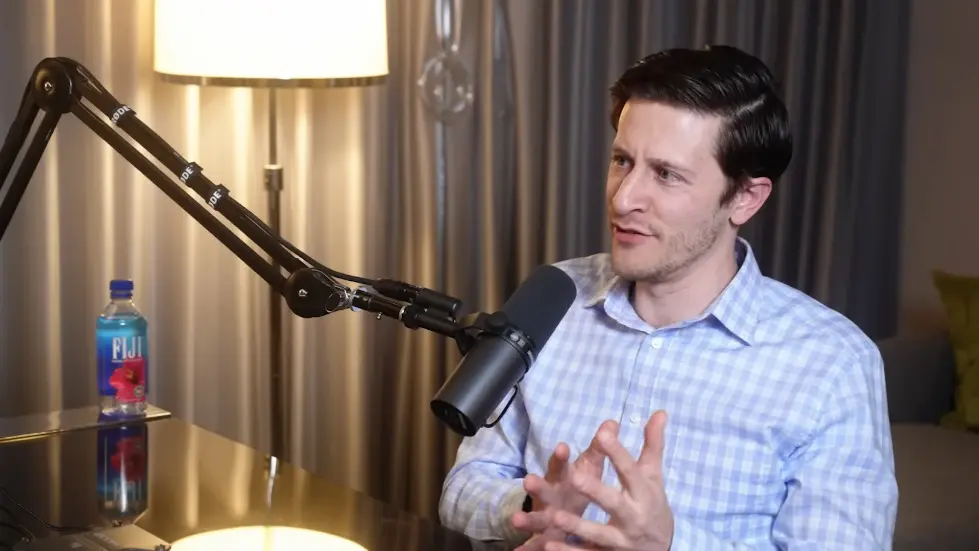
Section 1: The 2020 Presidential Election
- The 2020 primary was interesting, with Bernie Sanders facing an uphill battle.
- Bernie's popularity within the Democratic Party was inflated on Reddit and Twitter.
- South Carolina was a turning point in the election, with Joe Biden winning handily.
- The DNC negotiated and timed their endorsement of Joe Biden to help him.
- The DNC has power and negotiates behind the scenes, favoring certain candidates.
Section 2: The Frustration with the DNC
- The DNC has a favorite candidate, which is frustrating for those who want a more democratic process.
- The DNC's actions may be seen as biased or favoring the bureaucracy over new ideas.
- Joe Biden's platform was arguably the most progressive of any Democratic candidate who won the nomination.
- The perception of Joe Biden or what he ran on may not always align with his actual policies.
- Joe Biden's interest in doing student loan forgiveness and cannabis was seen as a way to appeal to the tide of public opinion.
Section 3: Criticizing Trump
- Trump's strengths are mostly superficial and in terms of presentation.
- Trump was able to convince people that he spent most of his life trying to be kept isolated from them.
- Trump's biggest weaknesses are his lack of substance and his tendency to rely on superficiality.
- Trump's ability to relate to different types of people is seen as a strength by some on the right.
- Trump's grift, or ability to manipulate people for personal gain, is seen as a weakness.
Section 1: Trump's Love Affair with his Followers
- Trump's love affair with his followers stopped for a brief period of time after the 2016 election.
- He needs them again now to push his agenda.
- Trump didn't really understand the causes of the problems that those folks were experiencing.
- His solutions were laughable and not based on reality.
- Trump's greatest strength is his ability to put up a united front and use political donations to his advantage.
Section 2: Trump's Greatest Strength
- Trump's greatest strength is his ability to put up a united front.
- He uses political donations to his advantage.
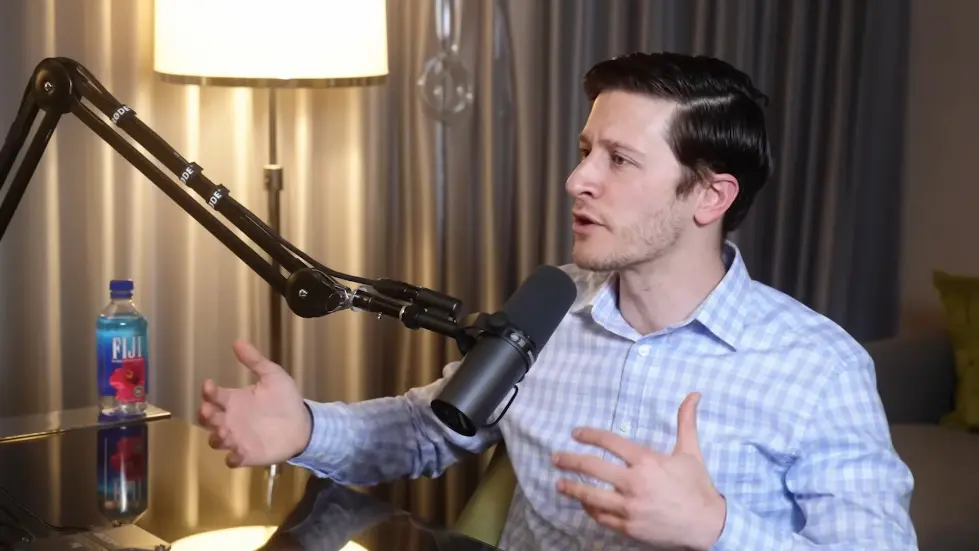
Section 3: Trump's Laughable Plans
- Trump's plan for Israel-Palestine and the plan for health care to improve Obamacare are laughable.
- Only someone who doesn't know anything about the size and scope of these issues could arrogantly say that they could solve them in that way and on that time frame.
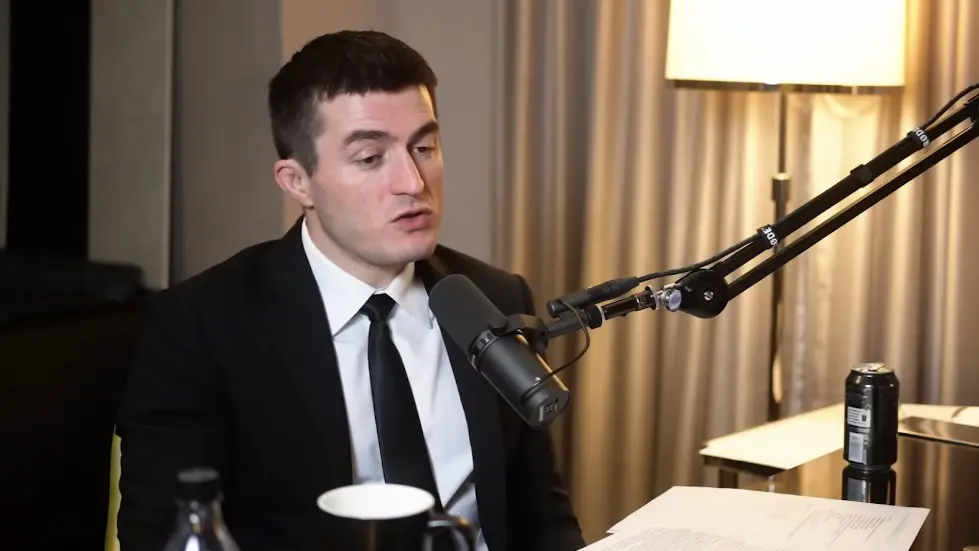
Section 4: Trump's Optimism
- Trump is all for optimism and bringing a new face to things.
- He believes that he can solve complex issues in a short amount of time.
Section 1: The Importance of Realism in Politics
- The speaker emphasizes the importance of distinguishing between terms like liberal, Democrat, left-wing, leftist, Progressive, Socialist, Communist, Marxist, and far left, and using them to compare and contrast ideas rather than as insults or to stifle conversation.
- The speaker argues that when it comes down to voting and saying one of these people is going to be ostensibly in charge for four years through all of the Departments and secretaries and choices that they make, we do want to apply some level of realism with the understanding that the examples given are from the tech space and they're good examples there's no question about it.
- The speaker mentions that the examples given are from the technology space and they're good examples, but there's no question about it.
- The speaker argues that the problem with Trump's personality was not at its base, but rather the lack of knowledge and understanding of the backstory of the relationship with North Korea.
- The speaker mentions that there are other things of this nature that could go and some people argue goes into the strengths and pros of Donald Trump for China for example Terrace and China.
Section 2: The Positive Outcomes of Trump's Acting with China
- The speaker mentions that it's tough to make the case that there's some positive outcomes of the way Donald Trump acted with China.
- The speaker mentions that the China thing is really so just um very recently to when we're recording this Trump was on Fox News interviewed by a guy named Mark Levin and Trump proposed a new I call it a conspiracy theory maybe it will strike you with something different about China covid and tariffs and Trump's suggestion was that the tariffs cost China so much money China sent the U.S so much money in tariffs that they released covid as punishment.
- The speaker mentions that there's a couple problems with that idea.
- The speaker mentions that American companies pay the tariffs and Trump still doesn't seem to know this.
- The speaker mentions that it still has this thing to the Chinese economy.
Section 3: The Negative Outcomes of Trump's Acting with China
- The speaker mentions that the other problem with that idea is that China created and released the virus in order to hurt you.
- The speaker mentions that as of today 5.7 of the 6.8 million deaths were in other countries.
- The speaker mentions that it's a very indirect way you're mostly killing people in other countries to hurt Trump.
- The speaker mentions that given another four years who who knows what he might do if he still doesn't understand how tariffs work so geopolitics operates in complicated ways with carrots and sticks and Henry Kissinger has written quite a lot about this and in some sense the positive aspect here that uh Donald Trump is willing to take big risks in uh the game of geopolitics with this uh giant superpower that is China and a lot of others are too afraid too afraid to call them out to come to the table and criticize.
- The speaker mentions that one of the things you're kind of getting at maybe indirectly is that there's been this sense that politics has been done very similarly for a long time and even
Section 4: The Impact of Trump's Acting with China
- The speaker mentions that it's tough to make the case that there's some positive outcomes of the way Donald Trump acted with China.
- The speaker mentions that the China thing is really so just um very recently to when we're recording this Trump was on Fox News interviewed by a guy named Mark Levin and Trump proposed a new I call it a conspiracy theory maybe it will strike you with something different about China covid and tariffs and Trump's suggestion was that the tariffs cost China so much money China sent the U.S so much money in tariffs that they released covid as punishment.
- The speaker mentions that there's a couple problems with that idea.
- The speaker mentions that American companies pay the tariffs and Trump still doesn't seem to know this.
- The speaker mentions that it still has this thing to the Chinese economy.
Section 1: Trump's Bluster
- The speaker discusses the differences between Democrats and Republicans, but still, there is a feeling that it's disconnected folks in DC mostly dealing with issues that don't directly affect them.
- The speaker discusses the reaction to a tweet he made about Trump, Biden, Bernie, AOC, socialism, and wokeism, which escalated into a larger controversy.
- The speaker talks about the differences between terms like liberal, Democrat, left-wing, leftist, Progressive, Socialist, Communist, Marxist, and far left, and how these terms are used to tag individuals with certain ideologies.
- The speaker emphasizes the importance of distinguishing between these terms and using them to compare and contrast ideas rather than as insults or to stifle conversation.
Section 2: Trump's Bluster
- The speaker discusses the reaction to a tweet he made about Trump, Biden, Bernie, AOC, socialism, and wokeism, which escalated into a larger controversy.
- The speaker talks about the differences between terms like liberal, Democrat, left-wing, leftist, Progressive, Socialist, Communist, Marxist, and far left, and how these terms are used to tag individuals with certain ideologies.
- The speaker emphasizes the importance of distinguishing between these terms and using them to compare and contrast ideas rather than as insults or to stifle conversation.
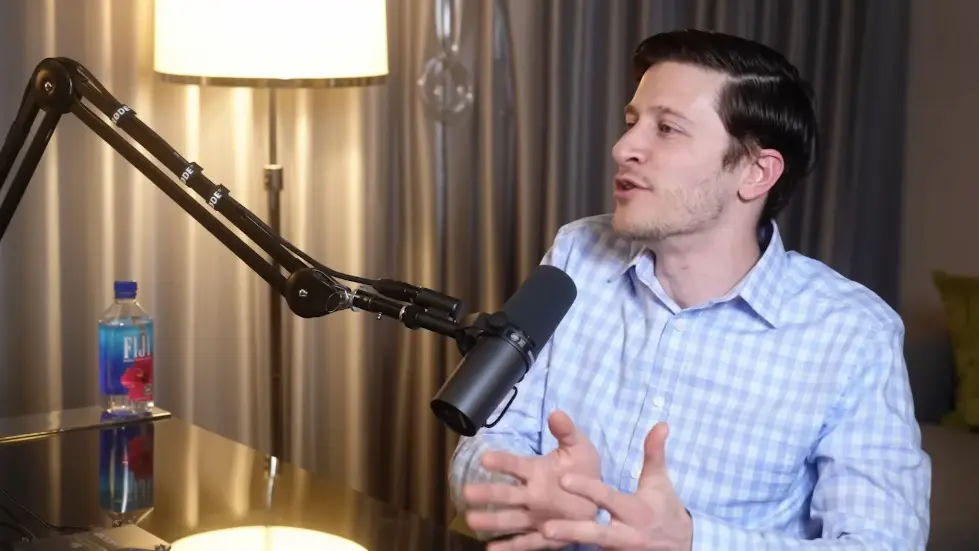
Section 3: Trump's Bluster
- The speaker discusses the reaction to a tweet he made about Trump, Biden, Bernie, AOC, socialism, and wokeism, which escalated into a larger controversy.
- The speaker talks about the differences between terms like liberal, Democrat, left-wing, leftist, Progressive, Socialist, Communist, Marxist, and far left, and how these terms are used to tag individuals with certain ideologies.
- The speaker emphasizes the importance of distinguishing between these terms and using them to compare and contrast ideas rather than as insults or to stifle conversation.
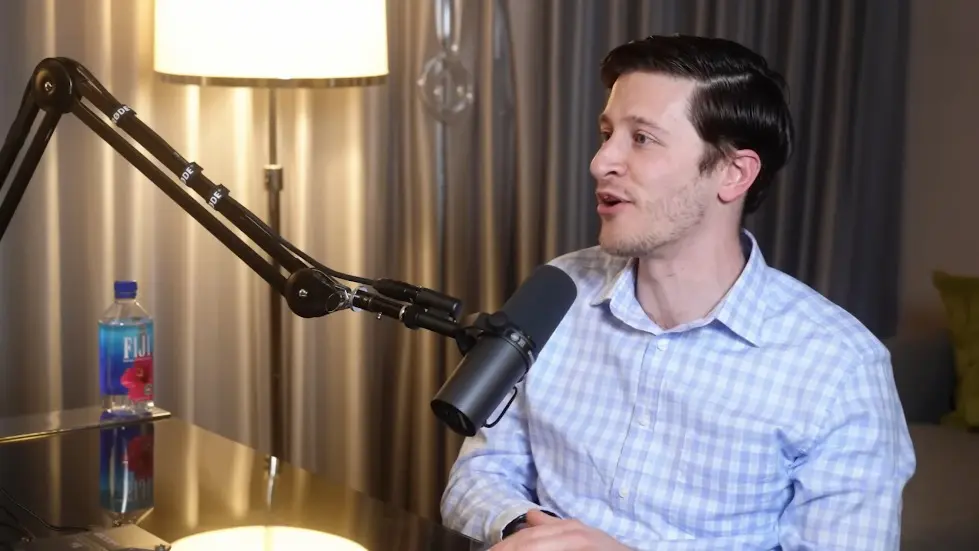
Section 4: Trump's Bluster
- The speaker discusses the reaction to a tweet he made about Trump, Biden, Bernie, AOC, socialism, and wokeism, which escalated into a larger controversy.
- The speaker talks about the differences between terms like liberal, Democrat, left-wing, leftist, Progressive, Socialist, Communist, Marxist, and far left, and how these terms are used to tag individuals with certain ideologies.
- The speaker emphasizes the importance of distinguishing between these terms and using them to compare and contrast ideas rather than as insults or to stifle conversation.
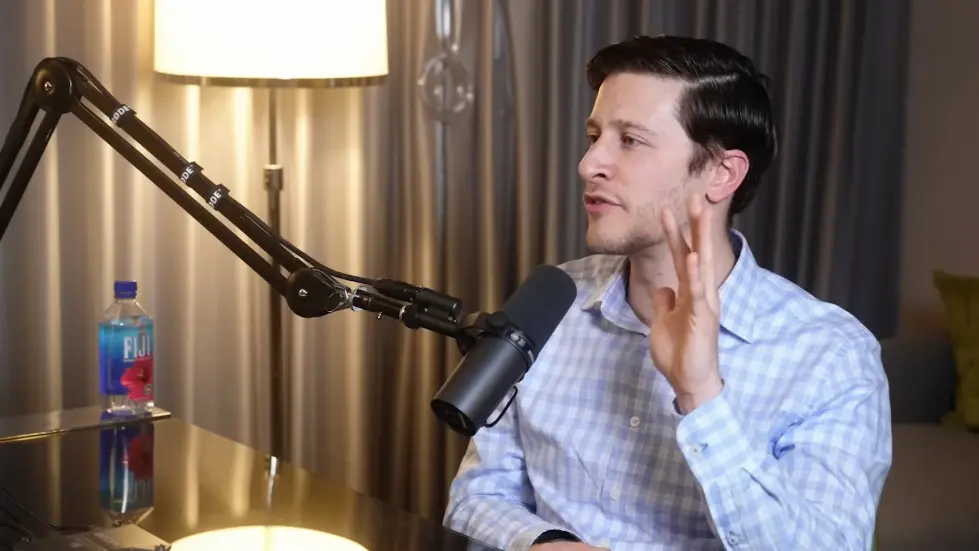
Section 1: Fast Tracking the Development of the Vaccine
- The video discusses the development of the COVID-19 vaccine and how it was fast-tracked by the Trump administration.
- The development of the vaccine was a result of pre-purchasing a supply of vaccine by the government, which provided liquidity to pharmaceutical companies to scale up the manufacturing.
- The video argues that the development of the vaccine was a result of the global situation and the need for a political benefit, rather than Trump's personal efforts.
- The video also notes that the development of the vaccine was not hindered by the government or bureaucracy, as is often the case with other vaccines.
- The video argues that the development of the vaccine was a result of the global situation and the need for a political benefit, rather than Trump's personal efforts.
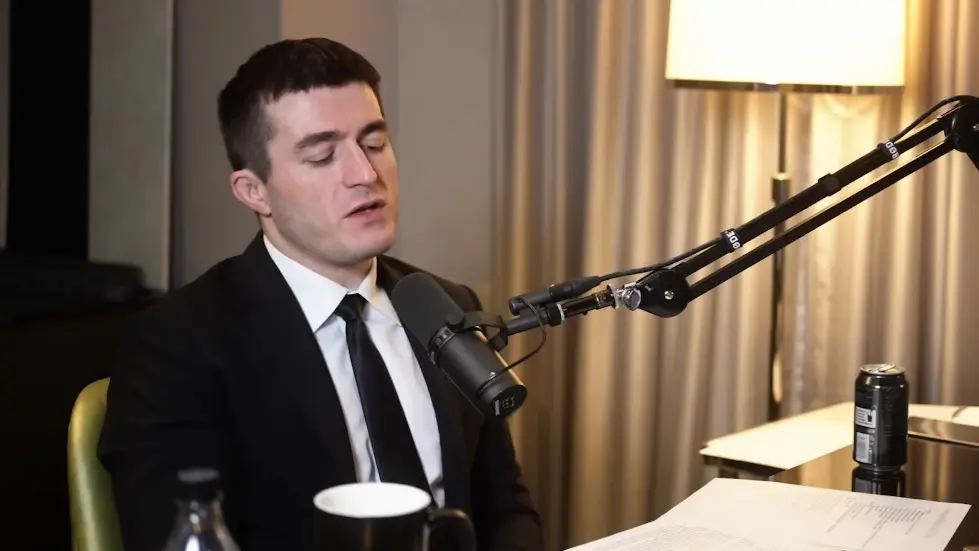
Section 2: Trump's Hand Gestures and Decisions
- The video discusses the hand gestures used by Trump during his rallies and how they were used to make a political statement.
- The video argues that the hand gestures used by Trump during his rallies were used to make a political statement and not necessarily to convey any specific message.
- The video notes that the hand gestures used by Trump during his rallies were used to make a political statement and not necessarily to convey any specific message.
- The video argues that the hand gestures used by Trump during his rallies were used to make a political statement and not necessarily to convey any specific message.
- The video notes that the hand gestures used by Trump during his rallies were used to make a political statement and not necessarily to convey any specific message.
Section 3: Trump's Touting of the Vaccine
- The video discusses how Trump touted the development of the vaccine during his rallies.
- The video argues that Trump's decision to tout the vaccine was a result of his desire to provide political benefits.
- The video notes that Trump's decision to tout the vaccine was a result of his desire to provide political benefits.
- The video argues that Trump's decision to tout the vaccine was a result of his desire to provide political benefits.
- The video notes that Trump's decision to tout the vaccine was a result of his desire to provide political benefits.
Section 4: The Scientific Community and the Vaccine
- The video discusses the role of the scientific community in the development of the vaccine.
- The video argues that the scientific community played a significant role in the development of the vaccine.
- The video notes that the scientific community played a significant role in the development of the vaccine.
- The video argues that the scientific community played a significant role in the development of the vaccine.
- The video notes that the scientific community played a significant role in the development of the vaccine.
Section 1: Lex Fridman's Video
- Lex Fridman is a YouTuber who discusses various political topics.
- He discusses his thoughts on Trump, Biden, Bernie, AOC, socialism, and wokeism.
- He talks about a tweet he made about these topics and how it escalated into a larger controversy.
- He emphasizes the importance of distinguishing between terms like liberal, Democrat, left-wing, leftist, Progressive, Socialist, Communist, Marxist, and far left.
Section 2: Hydroxychloroquine
- Hydroxychloroquine was first mentioned as a possible treatment for COVID-19.
- Lex Fridman tried to be careful not to speak in certain terms when he didn't have complete information.
- He eventually learned that hydroxychloroquine was not effective in treating COVID-19.
- He emphasizes that it's not Super Wise to go and start taking this stuff without proper information.
Section 3: Vaccines
- The truth about the vaccines changed over time.
- Lex Fridman adjusted his beliefs to what was taking place in the real world.
- He believes that the way science works is there's usually a lot more humility and transparency about what we know and what we don't know.
- He believes that some large percent of the population didn't trust anything about the vaccine, which made it completely ineffective.
Section 4: Leadership
- Lex Fridman believes that political and scientific leaders should inspire us to all get together and respond to a terrible pandemic.
- He believes that leaders should be held accountable for their actions and decisions.
- He believes that the early communication about the pandemic was not good.
- He believes that the communication about masks was also a disaster.
Section 1: David Pakman's Political Views
- David Pakman is a left-wing political commentator who discusses his thoughts on various political topics such as Trump, Biden, Bernie, AOC, socialism, and wokeism.
- Pakman discusses the reactions he received to a tweet he made about these topics and how it escalated into a larger controversy.
- He talks about the differences between terms like liberal, Democrat, left-wing, leftist, Progressive, Socialist, Communist, Marxist, and far left, and how these terms are used to tag individuals with certain ideologies.
- Pakman emphasizes the importance of distinguishing between these terms and using them to compare and contrast ideas rather than as insults or to stifle conversation.
Section 2: Joe Biden's Political Performance
- Pakman discusses Joe Biden's political performance and compares it to his performance in the 2012 debate with Paul Ryan.
- He notes that Biden is not as inspiring as someone like Barack Obama was to younger voters.
- Pakman mentions that Biden is not interested in many of the things that younger voters are interested in, such as cannabis reform and student loans.
- He notes that Biden is good at knowing when to work with Republicans and when to not waste time on posturing.

Section 3: Joe Biden's Cognitive Capabilities
- Pakman discusses whether Joe Biden is an active and practicing executive given his cognitive capabilities.
- He notes that his sense from the people he talks to is that Biden is very much involved in the highest level geopolitical and big domestic economic issues.
- Pakman mentions that Biden is not plugged into the details of many of the smaller issues that presidents might or might not be in.
- He notes that the same exact criticism could be applied to the Donald Trump Administration in terms of being a practicing active executive who pays attention to details.
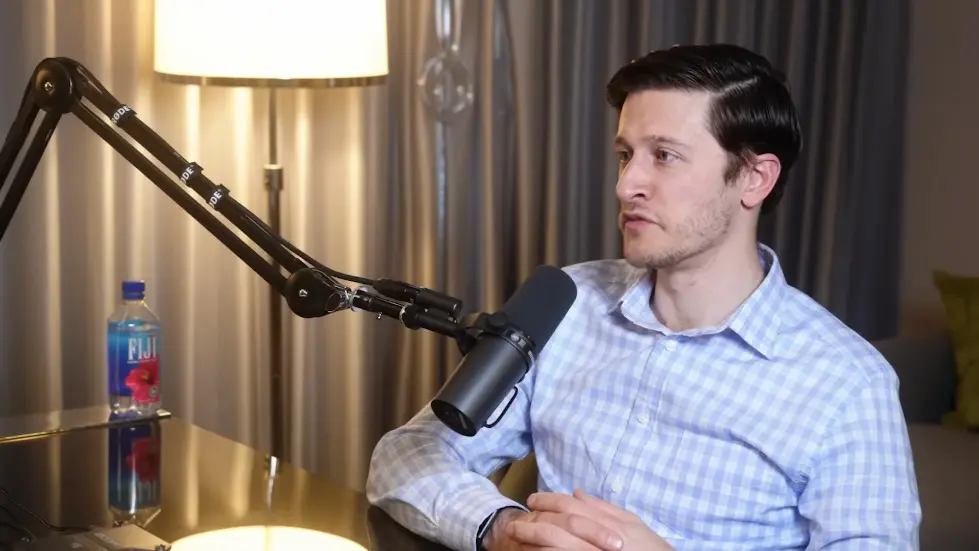
Section 4: Comparison with Other Executives
- Pakman compares Joe Biden to other executives such as Vladimir Putin, Donald Trump, and Kim Jong-un.
- He notes that Putin loves the role of the executive and is extremely good at tracking information about different subsystems of government.
- Pakman mentions that Trump is not as good at paying attention to details as Putin or other executives.
- He notes that Kim Jong-un is another executive who is good at making specific comments about things but is not as active as other executives.
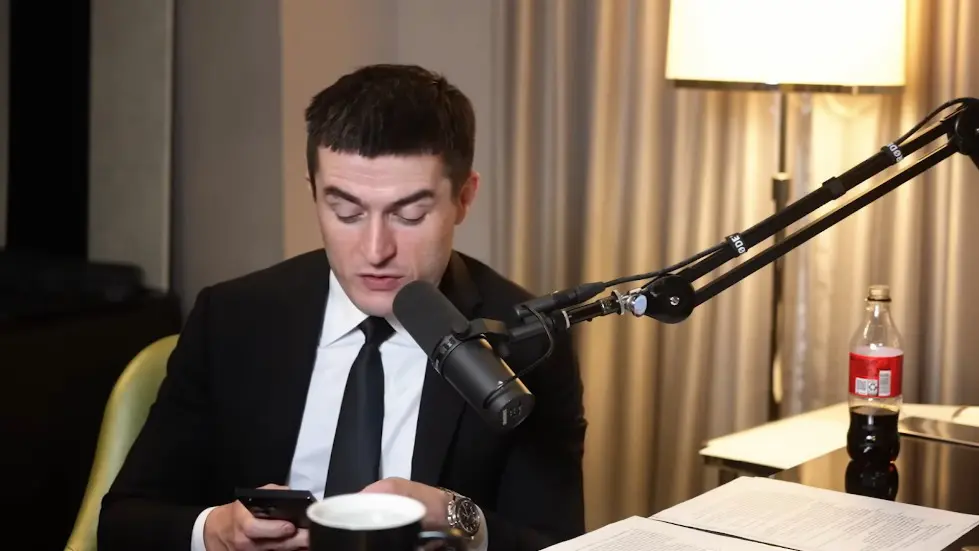
Section 1: Trump and Biden
- The speaker discusses the reactions he received to a tweet he made about Trump, Biden, and other political topics.
- The tweet escalated into a larger controversy, with the speaker discussing the differences between terms like liberal, Democrat, left-wing, leftist, Progressive, Socialist, Communist, Marxist, and far left.
- The speaker emphasizes the importance of distinguishing between these terms and using them to compare and contrast ideas rather than as insults or to stifle conversation.
- The speaker discusses the reactions he received to a tweet he made about Trump, Biden, and other political topics.
- The speaker discusses the differences between terms like liberal, Democrat, left-wing, leftist, Progressive, Socialist, Communist, Marxist, and far left.
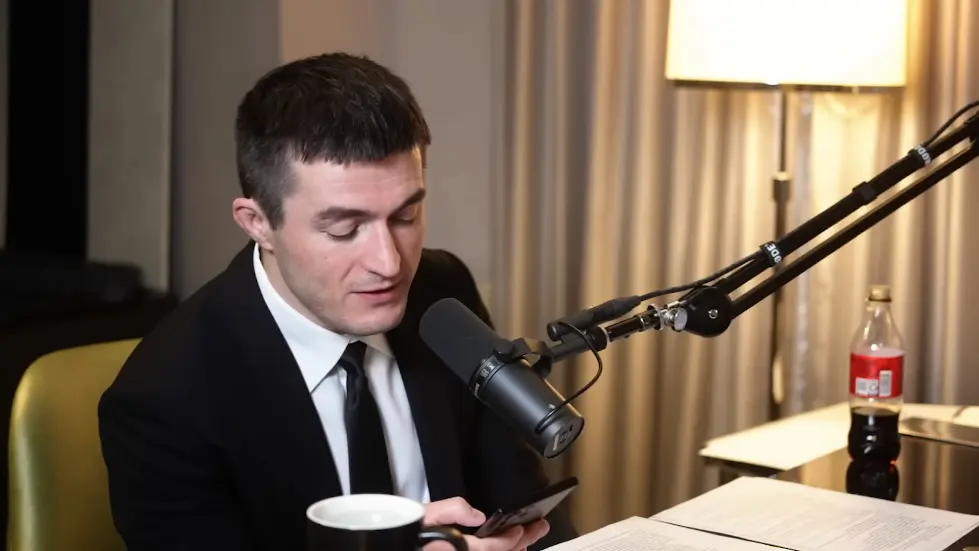
Section 2: Trump's Military Policies
- The speaker discusses Trump's policies regarding the military, including his rebuilding of the military and his efforts to get transgender individuals out of the military.
- The speaker discusses the reactions he received to his comments about Trump's military policies.
- The speaker discusses the differences between terms like liberal, Democrat, left-wing, leftist, Progressive, Socialist, Communist, Marxist, and far left.
- The speaker discusses the reactions he received to his comments about Trump's military policies.
- The speaker discusses the differences between terms like liberal, Democrat, left-wing, leftist, Progressive, Socialist, Communist, Marxist, and far left.
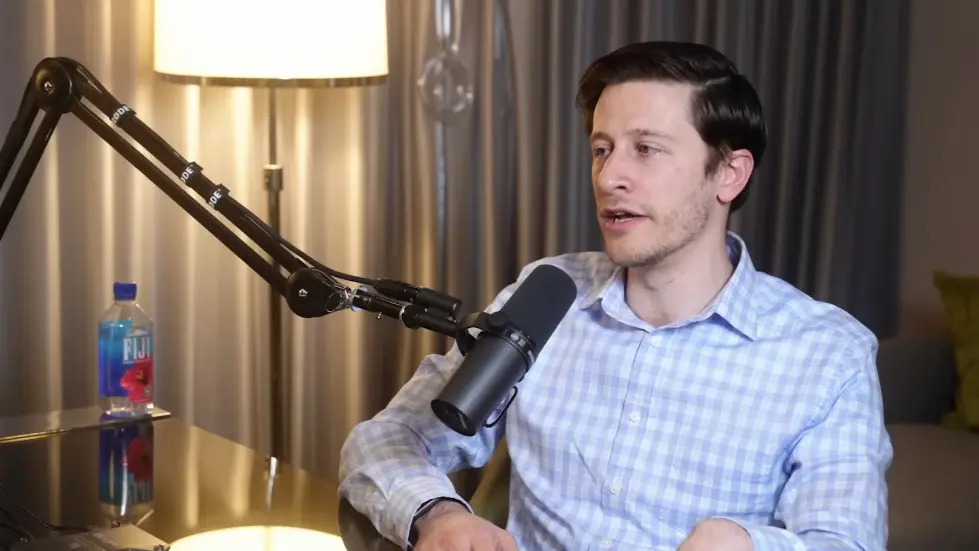
Section 3: Trump's Stories and Policies
- The speaker discusses the stories that Trump tells and the policies that he implemented, including his rebuilding of the military and his efforts to get transgender individuals out of the military.
- The speaker discusses the reactions he received to his comments about Trump's stories and policies.
- The speaker discusses the differences between terms like liberal, Democrat, left-wing, leftist, Progressive, Socialist, Communist, Marxist, and far left.
- The speaker discusses the reactions he received to his comments about Trump's stories and policies.
- The speaker discusses the differences between terms like liberal, Democrat, left-wing, leftist, Progressive, Socialist, Communist, Marxist, and far left.
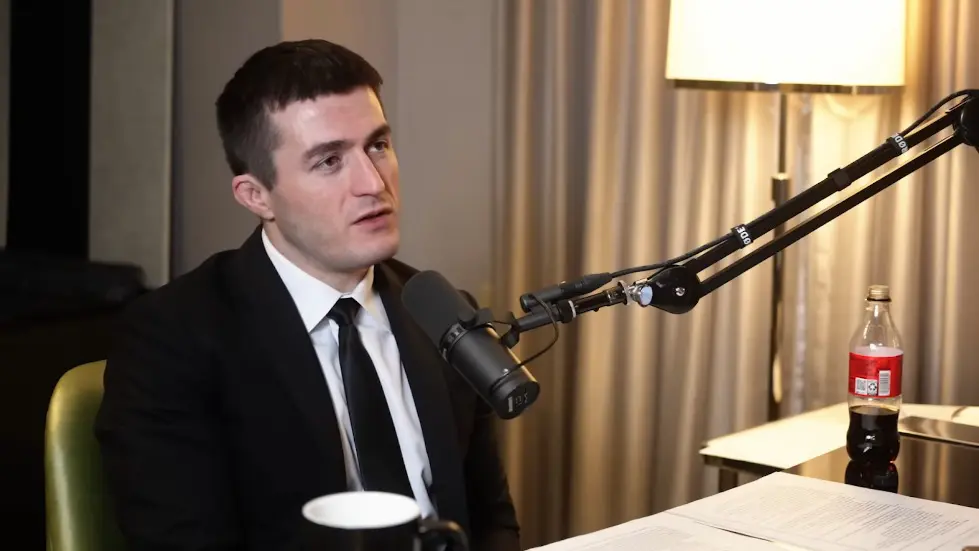
Section 4: Trump and Biden in a Podcast or Debate Context
- The speaker discusses the possibility of having a good conversation with Trump and Biden in a podcast or debate context.
- The speaker discusses the political differences between Trump and Biden and how they would not be an impediment to having a good conversation with either of them.
- The speaker discusses the frustrations of talking to elected officials who are handlers and who are not allowed to discuss certain topics.
- The speaker discusses the possibility of having a good conversation with Trump and Biden in a podcast or debate context.
- The speaker discusses the political differences between Trump and Biden and how they would not be an impediment to having a good conversation with either of them.
- The speaker discusses how people in the United States have become uncomfortable with disagreement on political topics.
- This discomfort has led to a breakdown in interpersonal relationships.
- The speaker mentions that this is not a phenomenon unique to the United States, as it is also common in other countries.
- The speaker mentions that political debates can become heated and emotional, even among family members.
- The speaker mentions that they have experienced this discomfort themselves, both in person and online.
- The speaker describes the process of making up after a political disagreement, which involves in-person conversation and de-escalation.
- The speaker mentions that this process can be stressful and requires effort.
- The speaker mentions that most of their interactions are online, which can make it difficult to have in-person conversations.
- The speaker mentions that making up after a political disagreement can be a feature of the system, as it rewards controversy and limits the number of characters used to express oneself.
- The speaker mentions that they are aware of the negative effects of online interactions on political discourse.
- The speaker mentions that online platforms can contribute to the polarization of political discourse.
- The speaker mentions that online platforms can limit the number of characters used to express oneself, which can lead to snarky and mocking language.
- The speaker mentions that they use their show as a tool to build a community and simplify complex concepts.
- The speaker mentions that they are aware that their show is not a peer-reviewed, randomized controlled trial about political views.
- The speaker mentions that they are open to exploring different trajectories for their show.
- The speaker mentions that mockery and derision are a part of the process of having political disagreements.
- The speaker mentions that they are fine with this process, both personally and professionally.
- The speaker mentions that they are open to exploring different trajectories for their show, including a potential dance with Candace Owens.
- The speaker mentions that they are aware of the negative effects of online interactions on political discourse.
- The speaker mentions that they are open to exploring different trajectories for their show, including a potential dance with Candace Owens.
- David Pakman is a left-wing political commentator who discusses various political topics such as Trump, Biden, Bernie, AOC, socialism, and wokeism.
- He discusses the reactions he received to a tweet he made about these topics and how it escalated into a larger controversy.
- Pakman talks about the differences between terms like liberal, Democrat, left-wing, leftist, Progressive, Socialist, Communist, Marxist, and far left, and how these terms are used to tag individuals with certain ideologies.
- He emphasizes the importance of distinguishing between these terms and using them to compare and contrast ideas rather than as insults or to stifle conversation.
- Pakman discusses a tweet he made about various political topics that escalated into a larger controversy.
- He talks about the reactions he received to the tweet and how it led to a larger controversy.
- Pakman discusses the differences between terms like liberal, Democrat, left-wing, leftist, Progressive, Socialist, Communist, Marxist, and far left, and how these terms are used to tag individuals with certain ideologies.
- He emphasizes the importance of distinguishing between these terms and using them to compare and contrast ideas rather than as insults or to stifle conversation.
- Pakman discusses his views on social media and how it affects political discourse.
- He talks about the importance of using social media as a tool for political engagement rather than as a means of performance art.
- Pakman discusses the potential negative effects of social media on political discourse and the importance of being mindful of these effects.
- He talks about the importance of using social media as a tool for political engagement rather than as a means of performance art.
- Pakman discusses the use of clickbait in political discourse and its potential negative effects.
- He talks about the importance of using clickbait as a tool for political engagement rather than as a means of performance art.
- Pakman discusses the potential negative effects of clickbait on political discourse and the importance of being mindful of these effects.
- He talks about the importance of using clickbait as a tool for political engagement rather than as a means of performance art.
- The video is about David Pakman, a left-wing political commentator, discussing his thoughts on various political topics such as Trump, Biden, Bernie, AOC, socialism, and wokeism.
- Pakman discusses the reactions he received to a tweet he made about these topics and how it escalated into a larger controversy.
- He talks about the differences between terms like liberal, Democrat, left-wing, leftist, Progressive, Socialist, Communist, Marxist, and far left, and how these terms are used to tag individuals with certain ideologies.
- Pakman emphasizes the importance of distinguishing between these terms and using them to compare and contrast ideas rather than as insults or to stifle conversation.
- Pakman mentions that he goes into content creation thinking about metrics such as views, likes, and comments.
- He says that he finds inner peace and focus when he doesn't think about the numbers at all.
- Pakman mentions that he has very little control over the news cycle and that there is a meta metric or a macro metric that affects him.
- He says that he tries to focus on the things he can control and understand those that he really has no control over.
- Pakman discusses the reactions he received to a tweet he made about various political topics.
- He talks about the differences between terms like liberal, Democrat, left-wing, leftist, Progressive, Socialist, Communist, Marxist, and far left, and how these terms are used to tag individuals with certain ideologies.
- Pakman emphasizes the importance of distinguishing between these terms and using them to compare and contrast ideas rather than as insults or to stifle conversation.
- Pakman discusses the controversy that arose from a tweet he made about various political topics.
- He talks about how the tweet escalated into a larger controversy and how he responded to the reactions he received.
- The speaker is discussing the importance of understanding the people involved and organizations in politics.
- He mentions that he doesn't read many modern political books or memoirs of elected officials.
- He feels that he gets enough of it in his job, so his reading list is focused on history, narrative non-fiction, economics, etc.
- He emphasizes that his bias is due to being overloaded with information about the topics he discusses.
- He mentions that he hasn't read any of Obama's books or John Bolton's book, although he is sure there is value to be gleaned from them.
- The speaker discusses Marianne Williamson, a candidate for president.
- He mentions that many in his audience are angry with him for not finding her candidacy interesting.
- He lists the pros and cons of her candidacy as he sees them.
- He mentions that he would benefit from a greater diversity of backgrounds in elected officials, including people from education and the science world.
- He mentions that Marianne Williamson's background in woo-woo type stuff is a bit off-putting to him.
- The speaker discusses the literary credentials of Marianne Williamson.
- He mentions that some in his audience thought that her running a small non-profit would make him fall in love with the idea of her candidacy.
- He mentions that he interviewed her, but it wasn't for him.
- He mentions that he understands that someone with literal Christian Bible beliefs can be elected president, but some of the things she says just strike him as strange.
- He mentions that he is not suggesting there should be an uncontested primary for Joe Biden.
- The speaker discusses the idea of a contested primary for Joe Biden.
- He mentions that he would like there to be debates, but the DNC is not going to organize them.
- He mentions that he thinks if you did them, you would have to say at what polling level do you qualify.
- He mentions that he thinks it would be a great thing to put Joe Biden on a stage with other candidates.
- He mentions that he is not suggesting that there should be an uncontested primary for Joe Biden.
- David Pakman is a left-wing political commentator who discusses his thoughts on various political topics such as Trump, Biden, Bernie, AOC, socialism, and wokeism.
- Pakman discusses the reactions he received to a tweet he made about these topics and how it escalated into a larger controversy.
- He talks about the differences between terms like liberal, Democrat, left-wing, leftist, Progressive, Socialist, Communist, Marxist, and far left, and how these terms are used to tag individuals with certain ideologies.
- Pakman emphasizes the importance of distinguishing between these terms and using them to compare and contrast ideas rather than as insults or to stifle conversation.
- Pakman discusses the lack of technology and innovation in the political process.
- He believes that there is a need for more technology and innovation in order to improve the political process.
- Pakman believes that the use of technology and innovation in politics could help to address issues such as climate change and poverty.
- He also discusses the potential for technology and innovation to be used to improve the voting process.
- Pakman discusses the importance of voting and the impact it can have on society.
- He believes that voting is a fundamental right and that it is important for citizens to exercise their right to vote.
- Pakman believes that voting can help to bring about change and improve the political process.
- He also discusses the importance of voting in local elections and how it can have a direct impact on communities.
- Pakman discusses the concept of political hobbyism and how it can impact the political process.
- He believes that political hobbyism can be a positive thing, as it can help to educate and engage citizens.
- Pakman also believes that political hobbyism can be a negative thing, as it can lead to a lack of focus on tangible issues.
- He believes that it is important for citizens to focus on tangible issues and to take action to address them.
- Trump's campaign is considered dead on arrival.
- Trump does better in polls when he is running against other candidates.
- DeSantis is the best scenario for him, but it's not great for him.
- The difficulty is for Republicans to figure out how to handle Trump.
- Many people still believe Trump is not good for their party, but recognize that most voters are still behind him.
- Pro-business, low tax Republicans.
- Libertarian type Republicans.
- Religious conservatives.
- Trump introduced a new category of people who just didn't pay attention to politics.
- These voters followed celebrity or had grievances that they didn't yet have a scapegoat for.
- They were right-leaning culturally, even though they didn't attribute that to republicanism.
- Trump was able to bring them into politics for the first time as voters.
- These voters were more like a cult of personality than traditional political groups.
- Populism is a rhetoric that doesn't necessarily come with particular policies.
- Trump used populist rhetoric effectively in 2016 to identify real economic problems.
- The populist rhetoric can lend itself to very different policy proposals.
- Hillary Clinton was hated as intensely as she was by a certain percentage of the population.
- Hillary Clinton has been in the political space for a long time, starting from her time as First Lady through her career as a Senator and Secretary of State.
- There are many people who developed an antipathy towards her for different reasons.
- Trump's branding of her as crooked was very effective, with many people demanding that she be imprisoned.
- The email story and James Comey's investigation about it generated some hate and hurt her image.
- Hillary Clinton is not particularly likable, although many people voted for her in the 2016 election.
- There are many conspiracy theories about Clinton, including the Seth Rich and Clinton Body Count theories.
- These theories have generated an audience for a long time, even before the internet era.
- Conspiracy theories are compelling to people because they offer a sense of control and predictability in an unpredictable world.
- Some people find comfort in the idea that there is a mastermind behind events, rather than random chance.
- Conspiracy theories are not limited to Clinton; they exist for many other politicians and public figures as well.
- David Pakman thinks there have been conspiracies throughout history, but he uses a colloquial definition of the term.
- He believes that conspiracy theories are compelling because they offer a sense of control and predictability in an unpredictable world.
- Pakman acknowledges that some people find comfort in the idea that there is a mastermind behind events, rather than random chance.
- He thinks that conspiracy theories are not limited to Clinton; they exist for many other politicians and public figures as well.
- Pakman believes that it is important to distinguish between conspiracy theories and actual evidence, and to be skeptical of unsubstantiated claims.
- David Pakman made a tweet about conspiracy theories and their impact on politics, which sparked a controversy.
- He argued that conspiracy theories are often used as a tool to stifle conversation and silence dissenting voices.
- Pakman emphasized the importance of distinguishing between conspiracy theories and actual evidence, and to be skeptical of unsubstantiated claims.
- He also criticized the media for giving too much attention to conspiracy theories, which can create a false sense of urgency and fear.
- Pakman's tweet received mixed reactions, with some people agreeing with his views and others disagreeing.
- The speaker discusses the idea that the vaccine could be used as a tool for a powerful billionaire to implant chips into people to control them further.
- The speaker notes that this idea seems less crazy than it should because people think that Hollywood contributes to it, but they believe that an evil person who wants more control and power could also hold this belief.
- The speaker questions whether people in power are being transparent and whether there is anything wrong with suspecting that they may not be giving the full story.
- The speaker notes that the problem becomes when there is a lack of a shared understanding of how to assess whether something is true.
- The speaker mentions that both alleged evidence and the absence of evidence can support a conspiracy theory if there is bad evidence or if evidence is manipulated.
- The speaker notes that older authorities may be more polished and present a narrative where the truth is hidden in the shadows.
- The speaker suggests that it is reasonable to suspect that public figures may not be giving the full story.
- The speaker notes that exploring different things is not necessarily a bad thing, but it can become a problem when there is a lack of a shared understanding of how to assess what is true.
- The speaker mentions that it is important to have a shared understanding of how to determine what is true in order to evaluate whether something is true.
- The speaker notes that it is difficult to determine whether someone's faith in something or their desire for something to be true is a good way to evaluate whether it is true.
- The speaker notes that the January 6th Capitol Riots were not only the event itself, but also what led up to it and what has happened since.
- The speaker notes that there are many conspiracy theories that have flowed from the January 6th Capitol Riots.
- The speaker notes that the January 6th Capitol Riots completely made the United States have to go back to the top to say okay what are the parameters of valid discussion and activism in the United States.
- The speaker notes that the number of people hurt and the number of people who died is not the only metric to consider when evaluating the January 6th Capitol Riots.
- The speaker notes that the sum total of what it means about how the United States operates is what is most concerning about the January 6th Capitol Riots.
- The speaker notes that the January 6th Capitol Riots were a big deal in a lot of ways because it completely made the United States have to go back to the top to say okay what are the parameters of valid discussion and activism in the United States.
- The speaker notes that the aspect of the January 6th Capitol Riots that was bad for the United States was the sum total of what it means about how the United States operates.
- The speaker notes that the summer of 2020, Trump's already saying they're going to cheat, and the polling is close but it shows that Biden's in a commanding lead.
- The speaker notes that the polling is close but it shows that Biden's in a commanding lead.
- The speaker notes that the speaker notes that the speaker notes that the speaker notes that the speaker notes that the speaker notes that the speaker notes that the speaker notes that the speaker notes that the speaker notes that the speaker notes that the speaker notes that the speaker notes that the speaker notes that the speaker notes that the speaker notes that the speaker notes that the speaker notes that the speaker notes that the speaker notes that the speaker notes that the speaker notes that the speaker notes that the speaker notes that the speaker notes that the speaker notes that the speaker notes that the speaker notes that the speaker notes that the speaker notes that the speaker notes that the speaker notes that the speaker notes that the speaker notes that the speaker notes that the speaker notes that the speaker notes that the speaker notes that the speaker notes that the speaker notes that the speaker notes that the speaker notes that the speaker notes that the speaker notes that the speaker notes that the speaker notes that the speaker notes that the speaker notes that the speaker notes that the speaker notes that the speaker notes that the speaker notes that the speaker notes that the speaker notes that the speaker notes that the speaker notes that the speaker notes that the speaker notes that the speaker notes that the speaker notes that the speaker notes that the speaker notes that the speaker notes that the speaker notes that the speaker notes that the speaker notes that the speaker notes that the speaker notes that the speaker notes that the speaker notes that the speaker notes that the speaker notes that the speaker notes that the speaker notes that the speaker notes that the speaker notes that the speaker notes that the speaker notes that the speaker notes that the speaker notes that the speaker notes that the speaker notes that the speaker notes that the speaker notes that the speaker notes that the speaker notes that the speaker notes that the speaker notes that the speaker notes that the speaker notes that the speaker notes that the speaker notes that the speaker notes that the speaker notes that the speaker notes that the speaker notes that the speaker notes that the speaker notes that the speaker notes that the speaker notes that the speaker notes that the speaker notes that the speaker notes that the speaker notes that the speaker notes that the speaker notes that the speaker notes that the speaker notes that the speaker notes that the speaker notes that the speaker notes that the speaker notes that the speaker notes that the speaker notes that the speaker notes that the speaker notes that the speaker notes that the speaker notes that the speaker notes that the speaker notes that the speaker notes that the speaker notes that the speaker notes that the speaker notes that the speaker notes that the speaker notes that the speaker notes that the speaker notes that the speaker notes that the speaker notes that the speaker notes that the speaker notes that the speaker notes that the speaker notes that the speaker notes that the speaker notes that the speaker notes that the speaker notes that the speaker notes that the speaker notes that the speaker notes that the speaker notes that the speaker notes that the speaker notes that the speaker notes that the speaker notes that the speaker notes that the speaker notes that the speaker notes that the speaker notes that the speaker notes that the speaker notes that the speaker notes that the speaker notes that the speaker notes that the speaker notes that the speaker notes that the speaker notes that the speaker notes that the speaker notes that the speaker notes that the speaker notes that the speaker notes that the speaker notes that the speaker notes that the speaker notes that the speaker notes that the speaker notes that the speaker notes that the speaker notes that the speaker notes that the speaker notes that the speaker notes that the speaker notes that the speaker notes that the speaker notes that the speaker notes that the speaker notes that the speaker notes that the speaker notes that the speaker notes that the speaker notes that the speaker notes that the speaker notes that the speaker notes that the speaker notes that the speaker notes that the speaker notes that the speaker notes that the speaker notes that the speaker notes that the speaker notes that the speaker notes that the speaker notes that the speaker notes that the speaker notes that the speaker notes that the speaker notes that the speaker notes that the speaker notes that the speaker notes that the speaker notes that the speaker notes that the speaker notes that the speaker notes that the speaker notes that the speaker notes that the speaker notes that the speaker notes that the speaker notes that the speaker notes that the speaker notes that the speaker notes that the speaker notes that the speaker notes that the speaker notes that the speaker notes that the speaker notes that the speaker notes that the speaker notes that the speaker notes that the speaker notes that the speaker notes that the speaker notes that the speaker notes that the speaker notes that the speaker notes that the speaker notes that the speaker notes that the speaker notes that the speaker notes that the speaker notes that the speaker notes that the speaker notes that the speaker notes that the speaker notes that the speaker notes that the speaker notes that the speaker notes that the speaker notes that the speaker notes that the speaker notes that the speaker notes that the speaker notes that the speaker notes that the speaker notes that the speaker notes that the speaker notes that the speaker notes that the speaker notes that the speaker notes that the speaker notes that the speaker notes that the speaker notes that the speaker notes that the speaker notes that the speaker notes that the speaker notes that the speaker notes that the speaker notes that the speaker notes that the speaker notes that the speaker notes that the speaker notes that the speaker notes that the speaker notes that the speaker notes that the speaker notes that the speaker notes that the speaker notes that the speaker notes that the speaker notes that the speaker notes that the speaker notes that the speaker notes that the speaker notes that the speaker notes that the speaker notes that the speaker notes that the speaker notes that the speaker
Section 1: Trump's Reaction to Election Results
- Trump initially said that he won the election, but where are you getting that sir?
- Trump's claim that he won the election was not supported by any evidence.
- Trump's claim that he won the election was not supported by any evidence.
- Trump's claim that he won the election was not supported by any evidence.
- Trump's claim that he won the election was not supported by any evidence.
Section 2: Trump's Audits and Lawsuits
- Trump's audits and lawsuits were not supported by any evidence.
- Trump's audits and lawsuits were not supported by any evidence.
- Trump's audits and lawsuits were not supported by any evidence.
- Trump's audits and lawsuits were not supported by any evidence.
- Trump's audits and lawsuits were not supported by any evidence.
Section 3: Trump's Attempt to Change Electoral Votes
- Trump's attempt to change electoral votes was not supported by any evidence.
- Trump's attempt to change electoral votes was not supported by any evidence.
- Trump's attempt to change electoral votes was not supported by any evidence.
- Trump's attempt to change electoral votes was not supported by any evidence.
- Trump's attempt to change electoral votes was not supported by any evidence.
Section 4: Trump's Attempt to Take Control of the Military
- Trump's attempt to take control of the military was not supported by any evidence.
- Trump's attempt to take control of the military was not supported by any evidence.
- Trump's attempt to take control of the military was not supported by any evidence.
- Trump's attempt to take control of the military was not supported by any evidence.
- Trump's attempt to take control of the military was not supported by any evidence.
Section 1: Kerry Lake's Loss
- Kerry Lake lost the governor's race in Arizona in 2022.
- Her opponent received more votes, making it clear that she lost.
- Lake insists to this day that she won the election.
- She used the same grift as Trump did about donations and winning.
- Lake's loss is likely to become part of the political playbook.
Section 2: Election Fraud Claims
- Joe Biden may lose the 2024 presidential election.
- He may concede and leave the White House in an orderly fashion.
- There may be claims of a hacked election, but evidence is lacking.
- The difficulty is determining if something happened without knowledge of the election results.
- Evidence of crimes committed by Biden and his family members is lacking.
Section 3: Hunter Biden Laptop
- The hunter Biden laptop story has been floating around for years.
- There is no actual evidence of any crime involving Joe Biden.
- The claim that references to the "big guy" are about Joe Biden getting 10% for illicit activities is unproven.
- The laptop story is mostly about nude images released without consent.
- Rudy Giuliani and Tucker Carlson have claimed to have a copy of the hard drive.
Section 4: Social Media Censorship
- The hunter Biden laptop story was censored during an important time in the electoral process.
- Censorship on social media is a matter of principle, but it should not be illegal.
- Twitter has the right to enforce its terms of service as long as they are not illegal.
- Claims that had people been able to see Hunter Biden's genitals, they would have voted for Trump are dubious.
- The claim that allegedly hiring prostitutes and having a drug problem would have affected the outcome of the election is unproven.
Section 1: David Pakman's Political Views
- David Pakman is a left-wing political commentator who discusses various political topics such as Trump, Biden, Bernie, AOC, socialism, and wokeism.
- He discusses the reactions he received to a tweet he made about these topics and how it escalated into a larger controversy.
- Pakman talks about the differences between terms like liberal, Democrat, left-wing, leftist, Progressive, Socialist, Communist, Marxist, and far left, and how these terms are used to tag individuals with certain ideologies.
- He emphasizes the importance of distinguishing between these terms and using them to compare and contrast ideas rather than as insults or to stifle conversation.
Section 2: Tucker Carlson's Firing from Fox
- Tucker Carlson was a media person who works independently, not for a company.
- The firing of Tucker Carlson was not a politically oriented firing, but rather a legal problem for Fox News.
- The settlement with Dominion partially was because of claims made on Tucker's program.
- Smartmatic, another voting machine company, also has a similarly sized lawsuit against Fox News based on the same claims.
- A former Tucker staffer has brought a lawsuit against Fox News based on claims of discrimination.
Section 3: Tucker Carlson's Program and Lawsuits
- Tucker's program was a prominent node of the problematic claims that became the subject of a lawsuit.
- Smartmatic, another voting machine company, also has a similarly sized lawsuit against Fox News based on the same claims.
- A former Tucker staffer has brought a lawsuit against Fox News based on claims of discrimination.
- Ray Epps, who was sued by Smartmatic, claims that Tucker ruined his life by fomenting conspiracies about him around January 6th.
- These lawsuits will be employed as a risk mitigation strategy by Fox News as they come forward.
Section 4: Tucker Carlson's Ideas and Audience
- Tucker's ideas were not welcome on Fox News, but the audience liked them.
- Fox News is less dependent on ad revenue than other cable news channels.
- The ratings question is an interesting one, but Fox's position is different on that.
- Both sides are the same in quotes is a meme notion that has spread widely in American political discourse.
- Russell Brand, Joe Rogan, and George Carlin are examples of big proponents of this notion.
Section 1: Enlightened Centrism
- Enlightened centrism is a term used to describe individuals who want to present themselves as above partisan politics.
- It is often used as a pejorative term to describe those who do not want to fall for being a Democrat or a Republican.
- It is popular at dinner parties in some circles to say "I'm not left or right" as a way to acknowledge that both sides have their flaws.
- The idea is that it is not uniquely wrong and it is not worse than what anyone else does.
- It is often used to suppress voter turnout by making people believe that their vote does not make a difference.
Section 2: Wokeism
- Wokeism is a term used to describe a cultural aspect of the left that involves censorship and suppression of speech.
- It is a reallocation of resources not based on merit but based on high ethical notions of what is right.
- Only a very small portion of the population gets to decide what is fair and what is right.
- It is a negative characterization of folks on the left when comparing it to play devil's advocate.
- It is a great conversation to discuss the two sides of it.
Section 3: Wokism vs Anti-Wokism
- New polling suggests that wokism is more popular in the United States than anti-wokism.
- People sometimes what people mean by wokism is an overreaction to a perceived injustice that goes beyond what would be fair and equitable.
- It is an interesting poll that goes to the more interesting part of the conversation.
- It is important to distinguish between terms like liberal, Democrat, left-wing, leftist, Progressive, Socialist, Communist, Marxist, and far left, and use them to compare and contrast ideas rather than as insults or to stifle conversation.
- It is important to have a great conversation to discuss the two sides of it.
Section 4: Conclusion
- It is important to distinguish between terms like liberal, Democrat, left-wing, leftist, Progressive, Socialist, Communist, Marxist, and far left, and use them to compare and contrast ideas rather than as insults or to stifle conversation.
- It is important to have a great conversation to discuss the two sides of it.
Section 1: The Woke Position
- The woke position is a critical term that has been perverted and used as a pejorative.
- It originally meant becoming aware of problems that are bigger than any one person can fix for themselves.
- Now it is used to mean outrageously left-wing, with socialist or Marxist undertones.
- It has become a bullies' term, used to censor and call others racist without proof or justification.
- The term "woke" is used to stifle conversation and suppress or oppress people.
Section 2: The Polling
- Polling shows that most Americans still care about these issues and want to improve them.
- People want to do it in a genuine way that doesn't suppress or oppress anybody.
- The term "woke" is not popular among most Americans.
- The term "woke" is used to stifle conversation and suppress or oppress people.
- The term "woke" is used to stifle conversation and suppress or oppress people.
Section 3: The Actual Woke Agenda
- The actual woke agenda is to fix the problems that are bigger than any one person can fix for themselves.
- It is not a huge margin, with some people supporting it and others disagreeing.
- The woke perspective is a little bit more popular than the right-wing media narrative.
- Desantis's anti-woke agenda may be a political misstep that is interesting to consider.
- The woke perspective is a little bit more popular than the right-wing media narrative.
Section 4: The Woke Perspective
- The woke perspective is a critical term that has been perverted and used as a pejorative.
- It originally meant becoming aware of problems that are bigger than any one person can fix for themselves.
- Now it is used to mean outrageously left-wing, with socialist or Marxist undertones.
- It has become a bullies' term, used to censor and call others racist without proof or justification.
- The term "woke" is used to stifle conversation and suppress or oppress people.
Transgenderism and Sports
- The trans issue has become huge due to the right's obsession with it.
- The right is no longer concerned with gay men, but instead focuses on transgender issues.
- Transgenderism is a complicated question, and it is not clear how to deal with it.
- The left is trying to force trans women into sports, but this is not the big issue that the right is reacting to.
- The right's reaction to transgenderism is forcing the left to continue discussing it.
Diversity, Inclusion, and Equity
- The ideas of diversity, inclusion, and equity are taking some of the air out of the room at universities.
- Prioritizing diversity is moving away from giving power to people who care about merit.
- People who are concerned about wokeness are concerned about its impact on society.
- The concern is about the degree to which it is happening at different institutions.
- The idea of a perfect meritocracy is not necessarily the goal, and what we want to do is generate roughly equal opportunity for people.
Meritocracy
- There are problems with a perfect meritocracy.
- We want to generate roughly equal opportunity for people.
- People generally speaking should determine the path they want to take.
- It is important to allow people to pursue their goals without suppressing or limiting them.
- The actual data on self-censorship at university campuses is not always available.
Pit Bull Bite Stories
- Pit bull bite stories are often reported on because they fit a certain narrative.
- Right-wing publications are interested in making this seem like an epidemic.
- The degree to which it is happening to a degree is not clear.
- Only a couple of people in academia say that it is an issue.
- If people believed it, they would say it to the media.
Section 1: Personal Contacts
- The speaker is discussing their personal contacts and how they do not feel comfortable discussing certain topics with them.
- They mention that they have a large number of colleagues who self-censor by not thinking about politics and social issues.
- The speaker believes that this is a problem because it limits their ability to figure out solutions to problems.
- They mention a funny clip where Jordan Peterson says that even atheists are religious and it is hard to test this claim.
- The speaker believes that there may be some people who have repressed their political beliefs due to toxicity, but they do not know how to determine this.
Section 2: Symptoms of Toxicity
- The speaker mentions that certain people speaking lightly about certain topics can trigger a reaction from young people who are outraged.
- They believe that this is a dangerous sign and that it indicates a toxic environment.
- The speaker mentions that they do not think it is a big issue, but they notice it and wonder if it is a sign of a larger problem.
- They mention that they sympathize with the idea that a toxic environment would not allow a young Noam Chomsky to be around.
- The speaker believes that tenure is designed to allow controversial thinkers and ideas, but they are concerned that it is not happening in practice.
Section 3: Examples of Controversial Thinkers
- The speaker mentions that they will ask for specific examples of controversial thinkers and people who have been reprimanded for their views.
- They mention that one example is a legitimate bona fide example of what they are discussing.
- The speaker mentions that four other examples are not as clear-cut, but they still indicate a problem.
- The speaker believes that the kind of apparatus of the four-year degree in college is going to change in the future.
- They mention that they are fascinated by the tool GPT and how it is changing the nature of how we learn and explore information.
Section 4: The Future of University Education
- The speaker believes that the value of a university degree will change in the future.
- They mention that language models and Google search have already transformed civilization, but basic education still has value.
- The speaker believes that with the rise of child GPT, the value of basic education may start to dissipate.
- They mention that they do not think there will be a university in the way we think of it in 20-30 years.
- The speaker is interested in the idea of making critical thinking, epistemology, philosophy, and media literacy the core of basic education.
Section 1: Introduction
- The video is about David Pakman, a left-wing political commentator, discussing his thoughts on various political topics such as Trump, Biden, Bernie, AOC, socialism, and wokeism.
- Pakman discusses the reactions he received to a tweet he made about these topics and how it escalated into a larger controversy.
- He talks about the differences between terms like liberal, Democrat, left-wing, leftist, Progressive, Socialist, Communist, Marxist, and far left, and how these terms are used to tag individuals with certain ideologies.
- Pakman emphasizes the importance of distinguishing between these terms and using them to compare and contrast ideas rather than as insults or to stifle conversation.
Section 2: The Video
- The video is from Lex Fridman YouTube channel.
- It is a part of a transcript of a video with title 'David Pakman: Politics of Trump, Biden, Bernie, AOC, Socialism & Wokeism | Lex Fridman Podcast #375 - YouTube' and with description 'The video is about David Pakman, a left-wing political commentator, discussing his thoughts on various political topics such as Trump, Biden, Bernie, AOC, socialism, and wokeism. Pakman discusses the reactions he received to a tweet he made about these topics and how it escalated into a larger controversy. He also talks about the differences between terms like liberal, Democrat, left-wing, leftist, Progressive, Socialist, Communist, Marxist, and far left, and how these terms are used to tag individuals with certain ideologies. Pakman emphasizes the importance of distinguishing between these terms and using them to compare and contrast ideas rather than as insults or to stifle conversation.'.
- The video is about 1 hour and 15 minutes long.
- Pakman discusses his thoughts on various political topics such as Trump, Biden, Bernie, AOC, socialism, and wokeism.
- He discusses the reactions he received to a tweet he made about these topics and how it escalated into a larger controversy.
Section 3: The Controversy
- Pakman discusses the reactions he received to a tweet he made about various political topics.
- He talks about how the tweet escalated into a larger controversy.
- He discusses the different reactions he received from different groups of people.
- He talks about how the controversy was fueled by the use of certain terms and labels.
Section 4: The Ideologies
- Pakman discusses the differences between terms like liberal, Democrat, left-wing, leftist, Progressive, Socialist, Communist, Marxist, and far left.
- He talks about how these terms are used to tag individuals with certain ideologies.
- He emphasizes the importance of distinguishing between these terms and using them to compare and contrast ideas rather than as insults or to stifle conversation.
- He talks about how these terms are often used in a negative way to stifle conversation and to label individuals as "other."
Section 1: Efficiency of Markets
- The speaker discusses the efficiency of markets in delivering information.
- He mentions that markets can be manipulated due to lack of perfect information.
- He talks about how the digital age has allowed for higher bandwidth participation in the market.
- He discusses the importance of specializing in the digital space.
- He mentions that governments play a role in the market, but there are underlying principles of libertarianism that prioritize individual freedom.
Section 2: Agricultural Revolution and Food Production
- The speaker discusses the problems that started at the Agricultural Revolution.
- He mentions that the solutions to these problems are similar, whether provided by a company or the government.
- He talks about the underlying principles of libertarianism that prioritize individual freedom.
- He mentions that he is way down on the libertarian side of the authoritarian-libertarian axis.
- He discusses his tendency towards anti-authoritarianism and towards the option that makes sense.
Section 3: Political Compass and Ideologies
- The speaker discusses the political compass and the authoritarian-libertarian axis.
- He mentions that he is way down on the libertarian side of the axis.
- He talks about his tendency towards anti-authoritarianism and towards the option that makes sense.
- He discusses the underlying principles of libertarianism that prioritize individual freedom.
- He mentions that there is no perfect agreement on political issues.
Section 4: Tesla and Elon Musk
- The speaker discusses Tesla and Elon Musk.
- He mentions that he was an investor in Tesla starting in 2015.
- He talks about the maturity of electric vehicle technology and his plans for the future.
- He mentions that he is not a fan of cults of personality around people.
- He discusses his view on Elon Musk and his impact on the battery and electric vehicle technology.
Section 1: Twitter Feed
- The speaker discusses the Twitter feed and how it works.
- The feed is supposed to be pleasant and tailored to the user's interests.
- Twitter used to suppress right-wing voices, but now they are getting a fair shake.
- The speaker wonders if there is a left-wing setting for the feed.
- The speaker believes that Elon Musk is not a right-winger and has been influenced by some voices on Twitter.
Section 2: Elon Musk
- The speaker discusses Elon Musk's successes and achievements.
- The speaker believes that Elon Musk is not a right-winger and has been influenced by some voices on Twitter.
- The speaker believes that Elon Musk has drifted towards the right in response to attacks from the left.
- The speaker believes that Joe Rogan has also drifted towards the right in response to attacks from the left.
- The speaker believes that there is toxicity on the left, but it is intense.
Section 3: Toxicity on the Left
- The speaker discusses the toxicity on the left and how it affects people on the left.
- The speaker believes that there is a small number of people who are responsible for the toxicity on the left.
- The speaker believes that the attacks on people who are on the left are just as vicious as the attacks on people who are on the right.
- The speaker believes that the attacks on people who are on the left are a small number of people who are willing to levy those attacks against them.
- The speaker believes that there is a difference in the experience of being attacked by the left and the right.
Section 4: Criticism of Elon Musk
- The speaker discusses the criticism of Elon Musk and his association with right-wing voices.
- The speaker believes that Elon Musk is not a right-winger and has been influenced by some voices on Twitter.
- The speaker believes that Elon Musk has drifted towards the right in response to attacks from the left.
- The speaker believes that there is toxicity on the left, but it is intense.
- The speaker believes that there is a difference in the experience of being attacked by the left and the right.
Section 1: David Pakman's Political Views
- David Pakman is a left-wing political commentator who discusses his thoughts on various political topics such as Trump, Biden, Bernie, AOC, socialism, and wokeism.
- Pakman discusses the reactions he received to a tweet he made about these topics and how it escalated into a larger controversy.
- He talks about the differences between terms like liberal, Democrat, left-wing, leftist, Progressive, Socialist, Communist, Marxist, and far left, and how these terms are used to tag individuals with certain ideologies.
- Pakman emphasizes the importance of distinguishing between these terms and using them to compare and contrast ideas rather than as insults or to stifle conversation.
Section 2: David Pakman's Video Production Process
- David Pakman produces five shows a week, with a Letterman schedule that means he does five shows in four days.
- He chooses six to eight stories each day that are a blend of interesting things he wants to talk about and things where there's ongoing discussion and he wants to go deeper.
- He records the show in the early afternoon and puts it out by that afternoon.
- He uses a Wiki type system called media Wiki, which is a Wikipedia clone, to take notes and access them for his show.
- He has a curated list of journalists and subreddits that he follows to get ideas for his show.
Section 3: David Pakman's Personal Life
- David Pakman is in a toxic space due to the news, politics, and partisan news on the internet.
- He tries to completely tune out from news and politics altogether for a few days each week.
- He limits his visibility by not reading every comment or looking at every email or tweet.
- He tries to move on when something like we've talked about at the beginning happens, rather than obsessing over it.
Section 4: David Pakman's Personal Philosophy
- David Pakman believes that it's impossible to please everybody and that fresh, genuine views are more important than views that are restricted and flattened by people's preferences.
- He believes that it's unhealthy to become obsessed with who's attacking him and scrolling through it.
- He believes that limiting exposure to toxic news and politics is important for mental health.
- He believes that it's important to fact check information on his show and to use a variety of sources to verify facts.
The Nature of Truth
- The speaker discusses the challenges of determining what is true and what is a statement of fact versus a statement of opinion.
- The speaker emphasizes the importance of critical thinking and media literacy in distinguishing between these terms.
- The speaker notes that some people may call in with an opinion but claim they want to talk about facts.
- The speaker believes that the big difficulty is getting people to agree on what is a statement of fact and what is a statement of opinion.
- The speaker believes that the big statements are always somewhat opinions.
The 2020 Election
- The speaker believes that any answer to the question of whether the 2020 election was fair is an opinion.
- The speaker disagrees with the idea that fairness can be defined in a way that is not several paragraphs long with facts.
- The speaker believes that the process of determining fairness is probably the right process, but it is exhausting for mundane things.
- The speaker notes that it is not an overwhelming task to decide on whether it is better for the economy to have a tax rate on people making over a million dollars.
- The speaker believes that determining the parameters that have been established is relatively doable, but the issue is with the bigger ones like what do we mean by a fair election.
The Parameters of Fairness
- The speaker believes that determining the parameters that have been established is relatively doable.
- The speaker notes that the issue is with the bigger ones like what do we mean by a fair election.
- The speaker believes that it often devolves into a conversation about opinions about what is fair rather than an ascertainment of the facts.
- The speaker notes that avoiding some trigger words may allow people to talk about the facts and educate themselves.
- The speaker believes that there is not much evidence around the question of whether the virus leaked from a lab, and a lot of the conclusive statements about especially in the early days were just opinions.
The Idea of Truth
- The speaker notes that the idea of what is true becomes a little divisive when mentioning the word truth in that context.
- The speaker believes that it is strange that people think it shouldn't be one of the really good opening questions that have worked to their advantage when talking with people who disagree with them about a contentious topic.
Section 1: The COVID-19 Lab Leak
- The speaker discusses the COVID-19 lab leak theory.
- They believe it is an interesting topic to discuss.
- The speaker discusses the challenges of determining the truth about the lab leak.
- They believe that establishing a shared understanding of the truth is important.
- The speaker has had success in conversations about the lab leak.
Section 2: Trump's Presidency
- The speaker discusses their thoughts on Trump's presidency.
- They believe there is no evidence that Trump was the best president ever.
- The speaker believes the conversation about Trump's presidency is probably done.
- They mention Abraham Lincoln as an example of a good president.
- The speaker believes that the conversation about Trump's presidency is probably done, except for Abraham Lincoln.
Section 3: Israel and Palestine
- The speaker discusses their thoughts on the situation in Israel and Palestine.
- They believe that some of the black and white characterizations about Israel are not accurate.
- The speaker believes that most people view the situation as a litmus test.
- They believe that some of the pre-negotiated terms need to be set before peace can be achieved.
- The speaker believes that the most likely solution to the conflict is one where the borders are similar to what was being discussed in the Clinton era.
Section 4: The Role of the US in Peace Negotiations
- The speaker discusses the role of the US in peace negotiations.
- They believe that the US should play a big role in the negotiations.
- The speaker believes that the US should play essentially no role in the negotiations.
- The speaker believes that the funding of Israel by the US will be seen as credible on the global stage.
- The speaker believes that both sides need to agree that the negotiations are the end of past claims and any disagreements cannot go back to the past.
Section 1: Introduction
- The speaker is David Pakman, a left-wing political commentator.
- The speaker discusses his thoughts on various political topics such as Trump, Biden, Bernie, AOC, socialism, and wokeism.
- The speaker discusses the reactions he received to a tweet he made about these topics and how it escalated into a larger controversy.
- The speaker talks about the differences between terms like liberal, Democrat, left-wing, leftist, Progressive, Socialist, Communist, Marxist, and far left, and how these terms are used to tag individuals with certain ideologies.
Section 2: Trump, Biden, and Putin
- The speaker believes that if Trump had been re-elected, Putin may have seen himself as having other tools with which to try to expand influence.
- The speaker does not know for sure if this is true.
- The speaker has a hard time imagining what the end of this looks like and is scared because sometimes the most benign end seems to be that Putin ends up out of power.
- The speaker is not thrilled with some of the reflexive comments about Ukraine that have come out of the American Republican Party.
Section 3: Ukraine and Geopolitics
- The speaker believes that Russia's troop withdrawal from Ukraine is under the control of Ukraine, but not entirely.
- The speaker is not thrilled with some of the reflexive comments about Ukraine that have come out of the American Republican Party.
- The speaker believes that this topic has become politicized and is very disappointing.
- The speaker believes that some of these issues become divisive because they are simplified and become partisan.
Section 4: Conclusion
- The speaker believes that some of these issues become divisive because they are simplified and become partisan.
- The speaker believes that some of these issues become divisive because they are simplified and become partisan.
- The speaker believes that some of these issues become divisive because they are simplified and become partisan.
- The speaker believes that some of these issues become divisive because they are simplified and become partisan.
Section 1: Conflict between Factions
- The tactics of war may evolve and become less about missiles.
- There will always be conflicts that are referred to as war.
- Charles Krauthammer's criticism of US foreign policy in war is harsh.
- Many actions taken by the US military are criminal in nature.
- Noam Chomsky takes a perspective that the US is a uniquely bad actor in some cases.
Section 2: Chomsky's Criticism of US Foreign Policy
- Chomsky takes a perspective that the US is a uniquely bad actor in some cases.
- Chomsky's criticism of US foreign policy is harsh.
- Chomsky takes a perspective that the US is a uniquely bad actor in some cases.
- Chomsky's criticism of US foreign policy is harsh.
- Chomsky takes a perspective that the US is a uniquely bad actor in some cases.
Section 3: Chomsky's Perspective on US Foreign Policy
- Chomsky takes a perspective that the US is a uniquely bad actor in some cases.
- Chomsky's criticism of US foreign policy is harsh.
- Chomsky takes a perspective that the US is a uniquely bad actor in some cases.
- Chomsky's criticism of US foreign policy is harsh.
- Chomsky takes a perspective that the US is a uniquely bad actor in some cases.
Section 4: Chomsky's Focus of Criticism
- Chomsky's focus of criticism should be in America.
- Chomsky's criticism of US foreign policy is harsh.
- Chomsky's focus of criticism should be in America.
- Chomsky's criticism of US foreign policy is harsh.
- Chomsky's focus of criticism should be in America.
Section 1: The Second Time Listening to an Audiobook
- The speaker listened to an audiobook for the second time.
- The speaker noticed little details in the audiobook that were not present in the book.
- The speaker appreciated the little quirks in the audiobook.
- The speaker noticed the dynamics between people in a room during a meeting with Hitler.
- The speaker found the rise and fall of the Third Reich interesting because it was reported on by someone who was there.
Section 2: Biographies
- The speaker is a big fan of biographies.
- The speaker appreciates the shortness of biographies like Victor Frankel's book.
- The speaker believes that reading biographies is a secret weapon that provides insights into many aspects of the human psyche.
- The speaker is exposed to many different things and ideas when reading dozens of books a year.
- The speaker believes that reading biographies is not even in the universe of someone who does not read.
Section 3: Attacks for Reading
- The speaker was attacked for publishing a reading list.
- The speaker was attacked for the books they chose.
- The speaker was attacked for reading Dostoyevsky.
- The speaker was attacked for reading books that sounded like a high school reading list.
- The speaker was forced to release a video summarizing their takeaways from a book.
Section 4: Advice on Recording
- The speaker advises not to record videos if it ruins the fun of sharing with others.
- The speaker believes that time cures negative feelings about recording.
- The speaker has taken on projects that sounded good but they felt they could not say no.
- The speaker feels privileged to be able to do projects that they enjoy.
- The speaker believes that it is important to appreciate the little quirks in life.
Section 1: Realizing the Impact of Words
- The speaker realized that their words were ruining the exact thing they had worked to build.
- They struggled to understand why they were doing something that didn't align with their goals.
- It took them a week to realize the impact of their words.
- The speaker emphasized the importance of distinguishing between terms like liberal, Democrat, left-wing, leftist, Progressive, Socialist, Communist, Marxist, and far left.
- Using these terms to tag individuals with certain ideologies can be misleading and stifle conversation.
Section 2: The Importance of Privacy
- The speaker enjoyed reading and sharing their thoughts on books, but sometimes it was attacked.
- They realized that certain private things should remain private.
- The speaker emphasized the importance of protecting one's privacy and not sharing everything online.
- They also discussed the importance of being careful about what one shares online, as it can be used against them.
- The speaker highlighted the importance of balancing the desire to share ideas with the need to protect one's privacy.
Section 3: The Future of Travel Blogging
- The speaker considered switching from politics to travel blogging.
- They realized that traveling would become their job and they would need to bring cameras and film their experiences.
- The speaker discussed the challenges of balancing their desire to travel with the need to create content for their audience.
- They also discussed the importance of being authentic and sharing their experiences in a genuine way.
- The speaker emphasized the importance of finding a balance between their personal interests and their professional goals.
Section 4: The Importance of Legacy
- The speaker discussed the potential revenue stream from their YouTube channel after their death.
- They considered the impact of their legacy on their career and how it would wind down.
- The speaker discussed the importance of planning for their legacy and how it would impact their career.
- They also discussed the importance of creating content that would stand the test of time and be relevant even after their death.
- The speaker emphasized the importance of considering their legacy and how it would impact their career and their life.
Section 1: David Pakman's Political Views
- David Pakman is a left-wing political commentator who discusses his thoughts on various political topics such as Trump, Biden, Bernie, AOC, socialism, and wokeism.
- Pakman discusses the reactions he received to a tweet he made about these topics and how it escalated into a larger controversy.
- He talks about the differences between terms like liberal, Democrat, left-wing, leftist, Progressive, Socialist, Communist, Marxist, and far left, and how these terms are used to tag individuals with certain ideologies.
- Pakman emphasizes the importance of distinguishing between these terms and using them to compare and contrast ideas rather than as insults or to stifle conversation.
Section 2: Advice to Young Folks Facing the Future
- Pakman advises young folks to start right away and that applies in so many different ways.
- If someone is thinking about a new thing, they should find a new hobby or the ability to get data right away about what's working, what's not working, and whether they even like the approach they're taking.
- Iterating from there is valuable and it will allow them to make changes in direction at a lower cost.
- Pakman does not do self-help or generic advice type stuff, but the one thing that applies in so many situations is just trying it right away and iterating from there.
Section 3: Thoughts on the Future
- Pakman believes that the future will be unimaginable and that the degree that we make progress out into space is also unimaginable.
- He thinks that space exploration may well learn things that can then be used to improve circumstances here.
- Pakman is big on space exploration and believes that in getting closer to the next step of space exploration, we may well learn things that can then be used to improve circumstances here.
- He believes that exploring space is not one or the other and that we may learn things that can then be used to improve circumstances here.
Section 4: Final Thoughts
- Pakman advises young folks to start right away and that applies in so many different ways.
- If someone is thinking about a new thing, they should find a new hobby or the ability to get data right away about what's working, what's not working, and whether they even like the approach they're taking.
- Iterating from there is valuable and it will allow them to make changes in direction at a lower cost.
- Pakman does not do self-help or generic advice type stuff, but the one thing that applies in so many situations is just trying it right away and iterating from there.
Summary of David Pakman's Video
- David Pakman is a left-wing political commentator who discusses various political topics such as Trump, Biden, Bernie, AOC, socialism, and wokeism.
- Pakman talks about a tweet he made about these topics and how it escalated into a larger controversy.
- He emphasizes the importance of distinguishing between terms like liberal, Democrat, left-wing, leftist, Progressive, Socialist, Communist, Marxist, and far left, and using them to compare and contrast ideas rather than as insults or to stifle conversation.
- Pakman discusses the reactions he received to his tweet and how it led to a larger controversy.
- He emphasizes the importance of being objective and thoughtful in political discussions, and encourages listeners to continue doing so.
Section 1: The Discomfort of Political Disagreement
- The speaker discusses how people in the United States have become uncomfortable with disagreement on political topics.
- This discomfort has led to a breakdown in interpersonal relationships.
- The speaker mentions that this is not a phenomenon unique to the United States, as it is also common in other countries.
- The speaker mentions that political debates can become heated and emotional, even among family members.
- The speaker mentions that they have experienced this discomfort themselves, both in person and online.
Section 2: The Process of Making Up
- The speaker describes the process of making up after a political disagreement, which involves in-person conversation and de-escalation.
- The speaker mentions that this process can be stressful and requires effort.
- The speaker mentions that most of their interactions are online, which can make it difficult to have in-person conversations.
- The speaker mentions that making up after a political disagreement can be a feature of the system, as it rewards controversy and limits the number of characters used to express oneself.
- The speaker mentions that they are aware of the negative effects of online interactions on political discourse.
Section 3: The Online Platform
- The speaker mentions that online platforms can contribute to the polarization of political discourse.
- The speaker mentions that online platforms can limit the number of characters used to express oneself, which can lead to snarky and mocking language.
- The speaker mentions that they use their show as a tool to build a community and simplify complex concepts.
- The speaker mentions that they are aware that their show is not a peer-reviewed, randomized controlled trial about political views.
- The speaker mentions that they are open to exploring different trajectories for their show.
Section 4: The Mockery and Derision
- The speaker mentions that mockery and derision are a part of the process of having political disagreements.
- The speaker mentions that they are fine with this process, both personally and professionally.
- The speaker mentions that they are open to exploring different trajectories for their show, including a potential dance with Candace Owens.
- The speaker mentions that they are aware of the negative effects of online interactions on political discourse.
- The speaker mentions that they are open to exploring different trajectories for their show, including a potential dance with Candace Owens.
Section 1: David Pakman's Political Views
- David Pakman is a left-wing political commentator who discusses various political topics such as Trump, Biden, Bernie, AOC, socialism, and wokeism.
- He discusses the reactions he received to a tweet he made about these topics and how it escalated into a larger controversy.
- Pakman talks about the differences between terms like liberal, Democrat, left-wing, leftist, Progressive, Socialist, Communist, Marxist, and far left, and how these terms are used to tag individuals with certain ideologies.
- He emphasizes the importance of distinguishing between these terms and using them to compare and contrast ideas rather than as insults or to stifle conversation.
You have read 50% of the summary.
To read the other half, please enter your Name and Email. It's FREE.
You can unsubscribe anytime. By entering your email you agree to our Terms & Conditions and Privacy Policy.
Watch the video on YouTube:
David Pakman: Politics of Trump, Biden, Bernie, AOC, Socialism & Wokeism | Lex Fridman Podcast #375 - YouTube
Section 1: The Discomfort of Political Disagreement
Section 2: The Process of Making Up
Section 3: The Online Platform
Section 4: The Mockery and Derision
Section 1: David Pakman's Political Views
Section 2: Pakman's Political Controversies
Section 3: Pakman's Views on Social Media
Section 4: Pakman's Views on Clickbait
Section 1: Video Content
Section 2: Video Metrics
Section 3: Video Topics
Section 4: Video Controversy
Section 1: Understanding the People Involved and Organizations
Section 2: Marianne Williamson
Section 3: Literary Credentials
Section 4: Contested Primary
Section 1: The Politics of Trump, Biden, Bernie, AOC, Socialism & Wokeism
Section 2: The Role of Technology in Politics
Section 3: The Importance of Voting
Section 4: The Role of Political Hobbyism
Section 1: Trump's Campaign
Section 2: Four Categories of Republican Voters
Section 3: Trump's New Category of Voters
Section 4: Populism and Trump's Campaign
Section 1: Hillary Clinton's Political Career
Section 2: Conspiracy Theories about Clinton
Section 3: David Pakman's Views on Conspiracy Theories
Section 4: David Pakman's Tweet and Controversy
Section 1: The Vaccine and Chip Implant Conspiracy
Section 2: The Transparency of Authorities
Section 3: The January 6th Capitol Riots
Section 4: The Trump 2020 Election and January 6th
Related summaries of videos:
- Stephen Wolfram: ChatGPT and the Nature of Truth, Reality & Computation | Lex Fridman Podcast #376
- Harvey Silverglate: Freedom of Speech | Lex Fridman Podcast #377
- Anna Frebel: Origin and Evolution of the Universe, Galaxies, and Stars | Lex Fridman Podcast #378
- Randall Kennedy: The N-Word - History of Race, Law, Politics, and Power | Lex Fridman Podcast #379
- Neil Gershenfeld: Self-Replicating Robots and the Future of Fabrication | Lex Fridman Podcast #380
- Chris Lattner: Future of Programming and AI | Lex Fridman Podcast #381
- Bert Kreischer: Comedy, Drinking, Rogan, Segura, Churchill & Kim Jong Un | Lex Fridman Podcast #382
- Mark Zuckerberg: Future of AI at Meta, Facebook, Instagram, and WhatsApp | Lex Fridman Podcast #383
- Matthew McConaughey: Freedom, Truth, Family, Hardship, and Love | Lex Fridman Podcast #384
- Jimmy Wales: Wikipedia | Lex Fridman Podcast #385
- Home
- About us
- Contact
- Book Summaries 0-9
- Book Summaries A
- Book Summaries B
- Book Summaries C
- Book Summaries D
- Book Summaries E
- Book Summaries F
- Book Summaries G
- Book Summaries H
- Book Summaries I
- Book Summaries J
- Book Summaries K
- Book Summaries L
- Book Summaries M
- Book Summaries N
- Book Summaries O
- Book Summaries P
- Book Summaries Q
- Book Summaries R
- Book Summaries S
- Book Summaries T
- Book Summaries U
- Book Summaries V
- Book Summaries W
- Book Summaries X
- Book Summaries Y
- Book Summaries Z
- Jay Shetty Podcast - Summaries
- Tom Bilyeu Impact Theory - Summaries
- Lex Fridman - Summaries
- Diary of a CEO - Summaries
- Alex Hormozi - Summaries
