
Dr. Erich Jarvis and Dr. Andrew Huberman: The Neuroscience of Speech, Language and Music (Huberman Lab Podcast)
Last updated: Oct 2, 2023
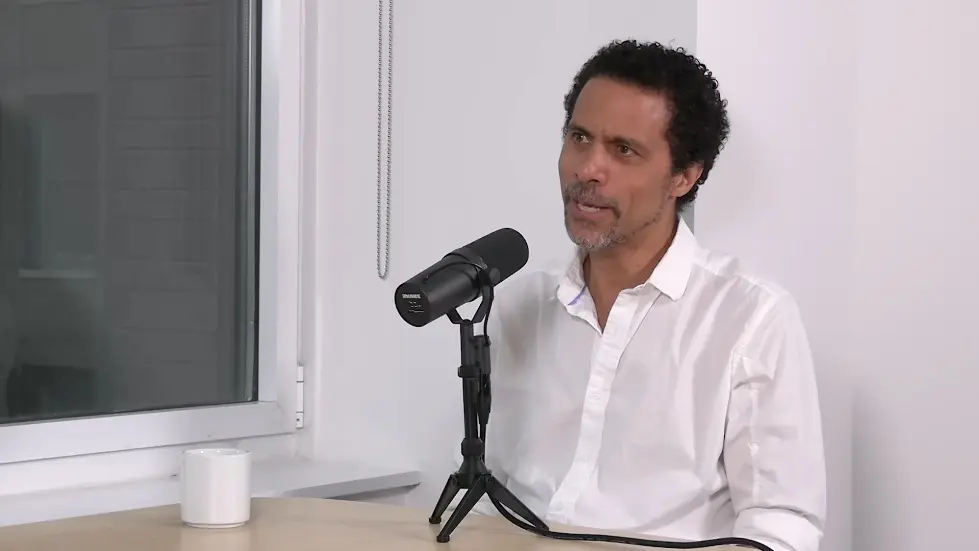
The video is about Dr. Andrew Huberman and Dr. Erich Jarvis, a professor at the Rockefeller University in New York City, who studies the neurobiology of vocal learning, language, speech disorders, and the relationship between language, music, and movement, particularly dance. Dr. Jarvis's work spans from genomics to neural circuits that govern our ability to learn and generate specific sounds and movements coordinated with those sounds, including hand movements and cognition. The video discusses how our genome and the genomes of other species that speak and have language, such as songbirds and parrots, are related to our ability to learn and generate complex language. The video also highlights Dr. Jarvis's pioneering work and his numerous awards, including being a Howard Hughes Medical Institute investigator. The video is sponsored by InsideTracker, a personalized nutrition platform that analyzes data from your blood and DNA to help you better meet your immediate and long-term nutritional needs.
This video by Andrew Huberman was published on Aug 29, 2022.
Video length: 01:54:20.
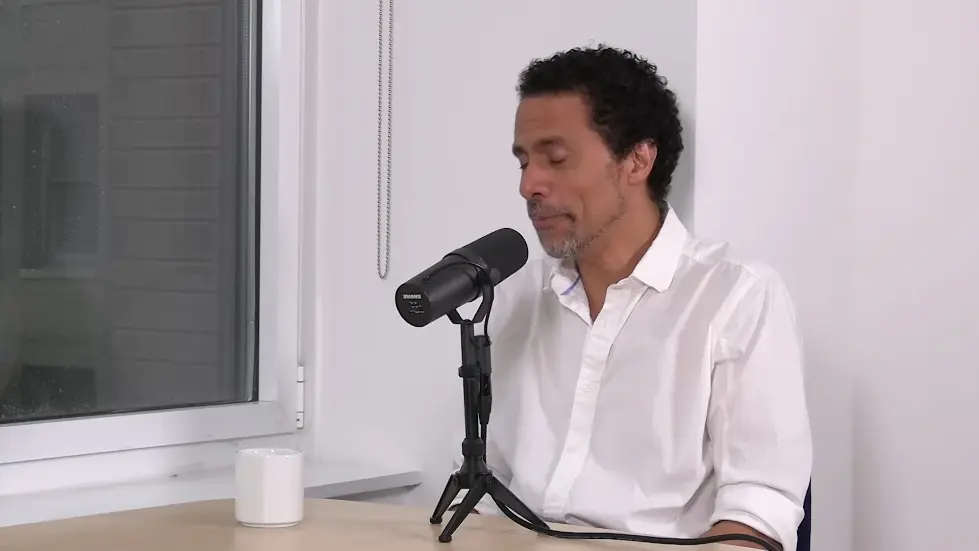
The video is about Dr. Erich Jarvis, a professor at the Rockefeller University in New York City, who studies the neurobiology of vocal learning, language, speech disorders, and the relationship between language, music, and movement, particularly dance.
Dr. Jarvis's work spans from genomics to neural circuits that govern our ability to learn and generate specific sounds and movements coordinated with those sounds, including hand movements and cognition. The video discusses how our genome and the genomes of other species that speak and have language, such as songbirds and parrots, are related to our ability to learn and generate complex language. The video also highlights Dr. Jarvis's pioneering work and his numerous awards, including being a Howard Hughes Medical Institute investigator.
The video emphasizes the importance of understanding the science behind communication and how it can impact our lives.
- Dr. Erich Jarvis is a professor at the Rockefeller University in New York City who studies the neurobiology of vocal learning, language, speech disorders, and the relationship between language, music, and movement, particularly dance.
- His work spans from genomics to neural circuits that govern our ability to learn and generate specific sounds and movements coordinated with those sounds, including hand movements and cognition.
- Dr. Jarvis's pioneering work and his numerous awards, including being a Howard Hughes Medical Institute investigator, highlight his contributions to the field of speech and language research.
- The speech production pathway controls our larynx and jaw muscles.
- It has built-in algorithms for spoken language.
- The auditory pathway has built-in algorithms for understanding speech.
- The speech production pathway is specialized to humans and parrots and songbirds.
- The auditory perception pathway is more ubiquitous among the animal kingdom.
- There is an evolutionary relationship between the brain pathways that control speech production and gesturing.
Dr. Erich Jarvis: The Neuroscience of Speech, Language & Music | Huberman Lab Podcast #87 - YouTube

Introduction
- Welcome to the Huberman Lab podcast
- Discusses science and science-based tools for everyday life
- Hosted by Andrew Huberman, a professor of neurobiology and ophthalmology at Stanford School of Medicine
- Guest is Dr. Erich Jarvis, a professor at the Rockefeller University in New York City

Dr. Erich Jarvis's Work
- Studies the neurobiology of vocal learning, language, speech disorders, and the relationship between language, music, and movement, particularly dance
- Work spans from genomics to neural circuits that govern our ability to learn and generate specific sounds and movements coordinated with those sounds, including hand movements and cognition
- Pioneering work and numerous awards, including being a Howard Hughes Medical Institute investigator

Dr. Jarvis's Personal Journey
- Dr. Jarvis's story is an especially unique one in terms of how he arrived at becoming a neurobiologist
- Interested in personal journey and personal story
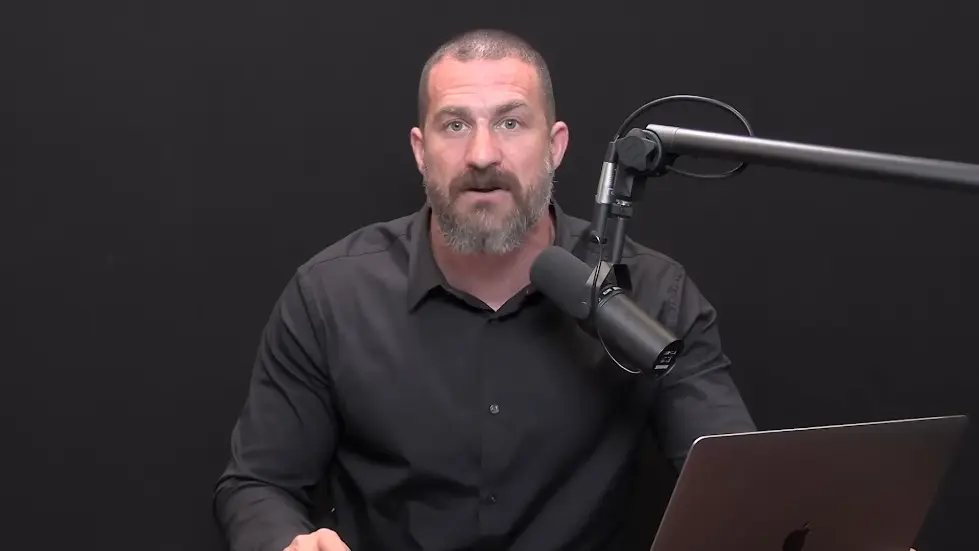
Dr. Erich Jarvis: The Neuroscience of Speech, Language & Music | Huberman Lab Podcast #87 - YouTube
Supplements
- Partnered with Momentous Supplements
- Ship internationally
- Supplements of second-to-none quality in terms of purity and precision of the amounts of the ingredients
- Single ingredient supplements supplied in dosages that allow for an optimized supplementation protocol
- Supplements available through Momentous on a regular basis
Section 1: InsideTracker
- InsideTracker is a personalized nutrition platform that analyzes data from your blood and DNA to help you better meet your immediate and long-term nutritional needs.
- It allows you to click on any specific factor and learn more about it and what it does in your brain and body.
- InsideTracker also provides various nutritional supplementation and other types of interventions you can take to bring the levels of that factor into the ranges that are optimal for you and your health.
- You can try InsideTracker by going to insidetracker.com/huberman and get 20 off any of InsideTracker's plans.

Section 2: Roka
- Roka makes eyeglasses and sunglasses that are of the absolute highest quality.
- They have some really unique features that make them especially attractive from the standpoint of aesthetics and performance.
- The company was founded by two All-American swimmers from Stanford and everything about their eyeglasses and sunglasses were designed with performance in mind initially.
- Their eyeglasses and sunglasses are very lightweight and they won't slip off your face if you get sweaty.
- You can try Roka eyeglasses or sunglasses by going to roka.com and enter the code huberman to save 20 off your first order.
Section 3: Element
- Element is an electrolyte drink that has everything you need and nothing you don't, meaning no sugar but plenty of the correct ratios of sodium, magnesium, and potassium.
- Those three electrolytes are critical for your neuron, your nerve cell function, and the function of all the cells in your brain and body.
- Element has 1000 milligrams of sodium, which is one gram of salt, which might sound like a lot of salt but for many people, especially those following low carbohydrate diets or exercising or sweating a lot, that level of salt can actually help them in many circumstances.
- Getting the appropriate level of salt and the appropriate levels of electrolytes will improve your cognitive function and will improve your physical performance.
- You can try Element by going to drinklmnt.com/huberman and now for my discussion with Dr. Eric Jarvis, Eric, thank you, very interested in learning from you about speech and language and even as I asked the question, I realized that a lot of people, including myself, probably don't fully appreciate the distinction between speech and language.
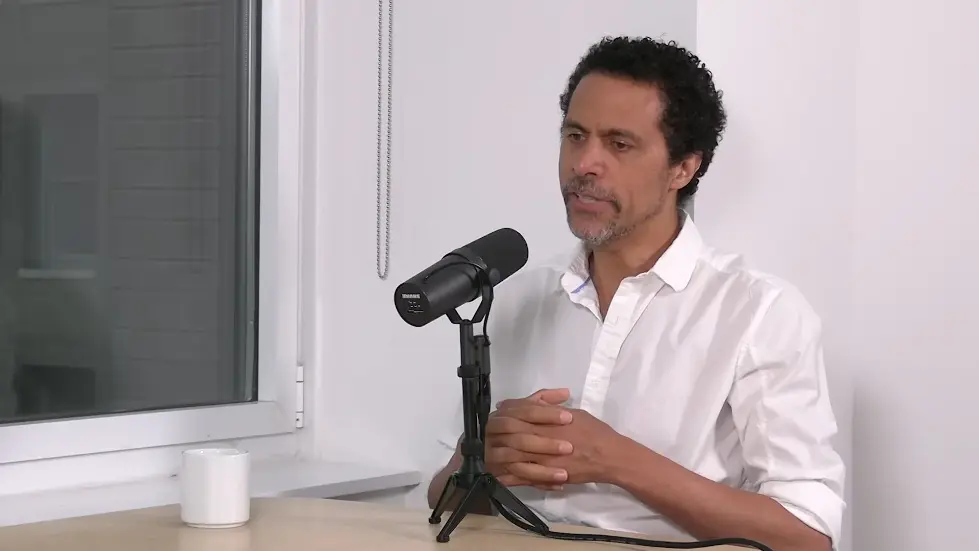
Section 4: Discussion with Dr. Eric Jarvis
- Dr. Eric Jarvis is a professor at the Rockefeller University in New York City who studies the neurobiology of vocal learning, language, speech disorders, and the relationship between language, music, and movement, particularly dance.
- His work spans from genomics to neural circuits that govern our ability to learn and generate specific sounds and movements coordinated with those sounds, including hand movements and cognition.
- The genome and the genomes of other species that speak and have language, such as songbirds and parrots, are related to our ability to learn and generate complex language.
- Dr. Jarvis's pioneering work and his numerous awards, including being a Howard Hughes Medical Institute investigator, highlight his contributions to the field of speech and language research.

Speech Production Pathway
- The speech production pathway controls our larynx and jaw muscles.
- It has built-in algorithms for spoken language.
- The auditory pathway has built-in algorithms for understanding speech.
- The speech production pathway is specialized to humans and parrots and songbirds.
- The auditory perception pathway is more ubiquitous among the animal kingdom.
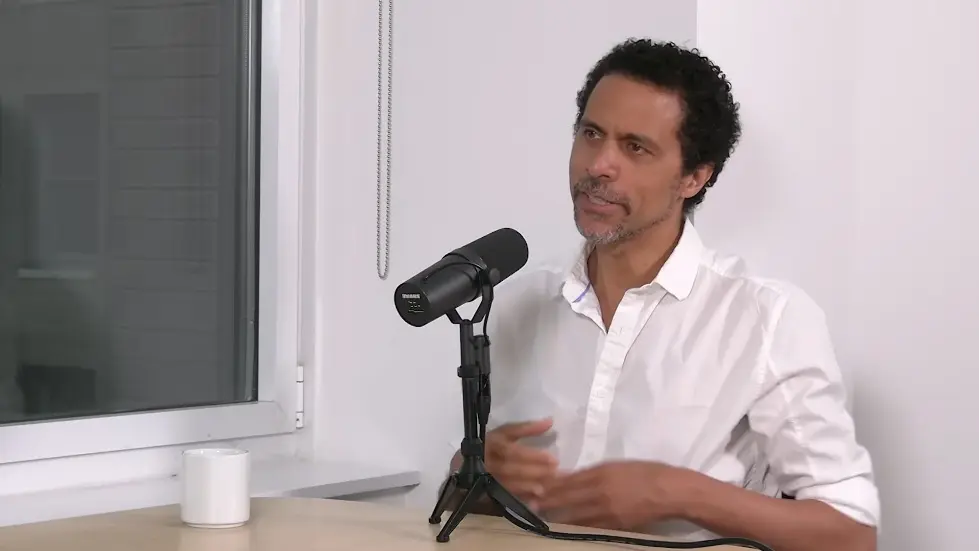
Animal Communication
- The speaker has an obsession with animals since childhood.
- The speaker is interested in modes of communication that are like language but might not be classified as such.
- Modes of communication that people would define as language, such as Morse, have complex algorithms that can be utilized.
- Some species are more advanced in these circuits than others, whether it's sound or gesturing with hands.
- Humans are the most advanced at spoken language, but not necessarily as big a difference at gestural language compared to some other species.
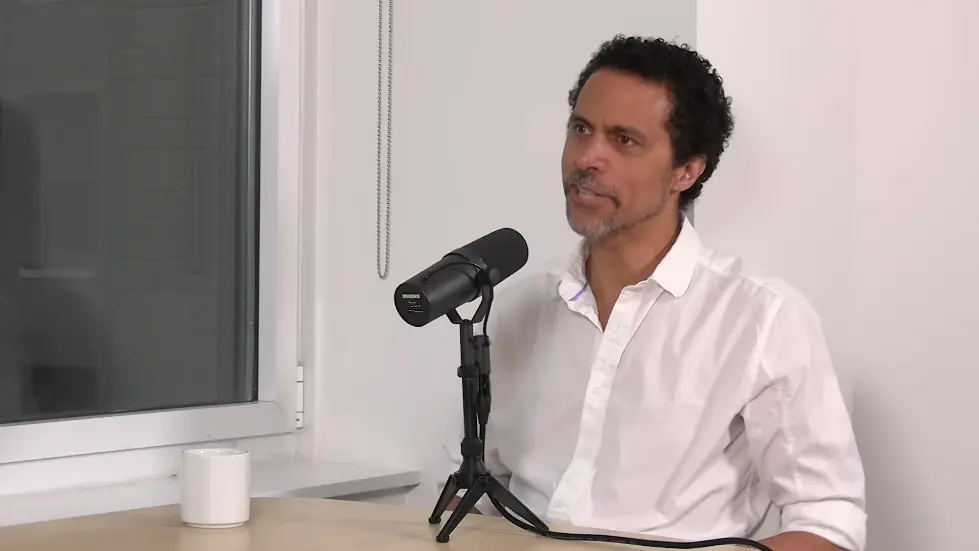
Brain Regions and Gesturing
- The speech pathway is responsible for controlling spoken language and is adjacent to brain regions for gesturing.
- The brain regions for gesturing with the hands have complex algorithms that can be utilized.
- Some species are more advanced in these circuits than others, whether it's sound or gesturing with hands.
- Humans are the most advanced at spoken language, but not necessarily as big a difference at gestural language compared to some other species.
- There is an evolutionary relationship between the brain pathways that control speech production and gesturing.
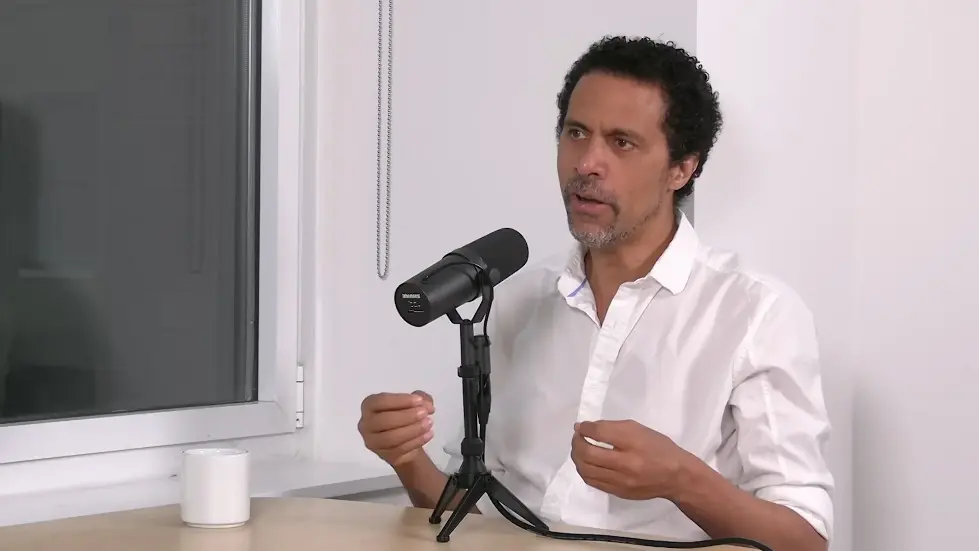
Gesture Communication
- Gesture communication is related to other animals, such as Cocoa or Gorilla, who are raised with humans for 39 years or more.
- Cocoa learned how to do gesture communication and learned how to sign language, but couldn't produce those sounds.
- Cocoa could understand those sounds by seeing somebody sign or hearing somebody produce speech but couldn't produce it with her voice.
- The speech production pathway evolved out of the brain pathways that control body movement.
- Each language comes with a learned set of gestures that can be communicated with.

Section 1: Vocal Learning and Communication
- Vocal learning is a form of communication that involves the ability to imitate sounds and produce vocalizations.
- Only a few species have learned vocal communication, while most produce innate sounds.
- In humans and some other species, the forebrain has taken over the brain stem to produce both innate and learned vocalizations.
- The distinction between innateness and learned behavior is more pronounced in vocalizations than in other behaviors in the animal kingdom.
- The brain stem circuits handle a lot of the vocalizations, including breathing, grunting, and other sounds.
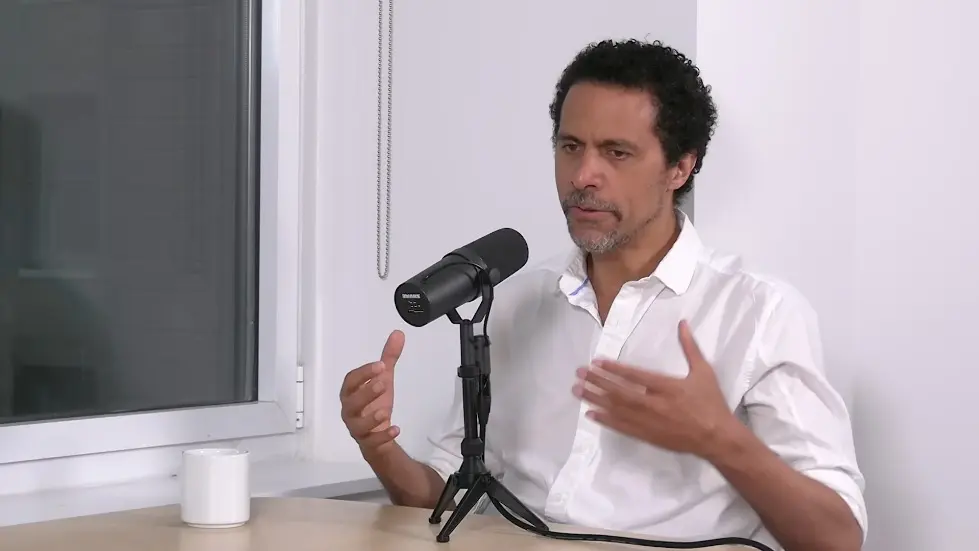
Section 2: Emotional Aspects of Behavior
- Emotional aspects of behavior are controlled by the hypothalamus in the brain.
- For learned behaviors like learning how to speak, play the piano, or teach a dog to do tricks, the forebrain circuits are controlling the movement of body parts.
- In humans and some other species, the forebrain has taken over the brain stem to produce both innate and learned vocalizations.
- The distinction between innateness and learned behavior is more pronounced in vocalizations than in other behaviors in the animal kingdom.
- The brain stem circuits handle a lot of the vocalizations, including breathing, grunting, and other sounds.
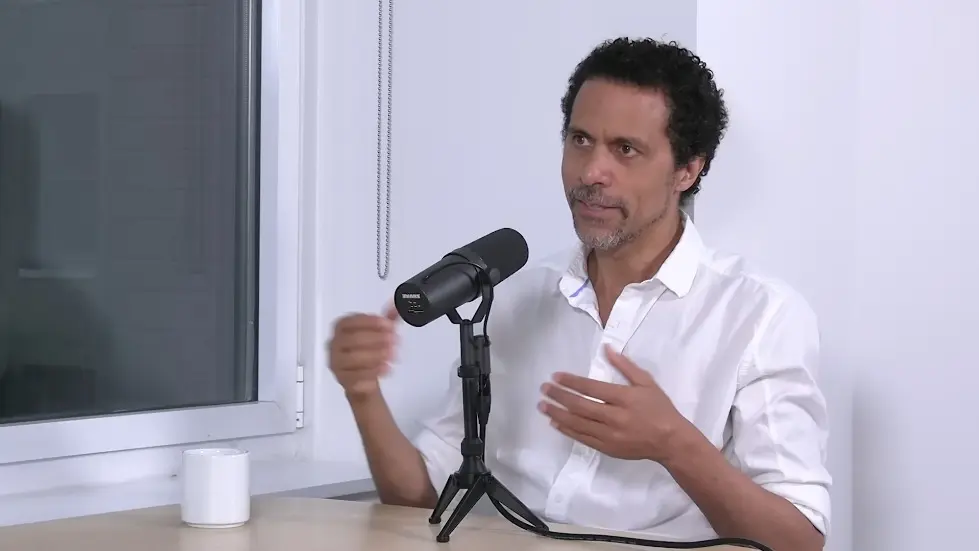
Section 3: Evolution of Language
- The evolution of language is a complex and ongoing process that is difficult to study.
- Modern or sophisticated language evolved over time, with different species contributing to its development.
- There is no clear evidence of when modern or sophisticated language evolved, and scientists often overrate humans' abilities compared to other species.
- Fossil evidence of language is limited, and genomic data can provide insights into the evolution of language in different species.
- The ability to produce and imitate vocalizations is a key aspect of language evolution, and it is rare in the animal kingdom.
Section 4: Conclusion
- Vocal learning and communication are complex processes that involve both innate and learned behaviors.
- The distinction between innateness and learned behavior is more pronounced in vocalizations than in other behaviors in the animal kingdom.
- The evolution of language is a complex and ongoing process that is difficult to study, and scientists often overrate humans' abilities compared to other species.
- Fossil evidence of language is limited, and genomic data can provide insights into the evolution of language in different species.
- The ability to produce and imitate vocalizations is a key aspect of language evolution, and it is rare in the animal kingdom.

Section 1: Ancestors and Vocal Learning
- The ancestors of humans supposedly hybridized with other hominid species.
- These other hominid species did not learn how to imitate sounds.
- There is no known species today that is a vocal learner and has children with a non-vocal learning species.
- It is not certain whether these other hominid species existed, but genetic data from ancestral hominids shows that genes involved in vocal communication have the same sequence as in humans.
- Neanderthals are believed to have spoken language, but it is not known how advanced it was compared to human language.
Section 2: Evolution of Vocal Learning
- Vocal learning and speech circuits in humans have evolved over time.
- The critical period for language learning, when it is learned more easily than later in life, has been studied in both humans and animals.
- Different brain areas control speech and language in humans and animals, but there are homologies between these areas in terms of function.
- Behaviorally, some species of birds and young humans have similarities in their ability to imitate sounds.
- The discovery of these critical periods and homologies has led to further research into the brain circuits and genes involved in vocal learning.
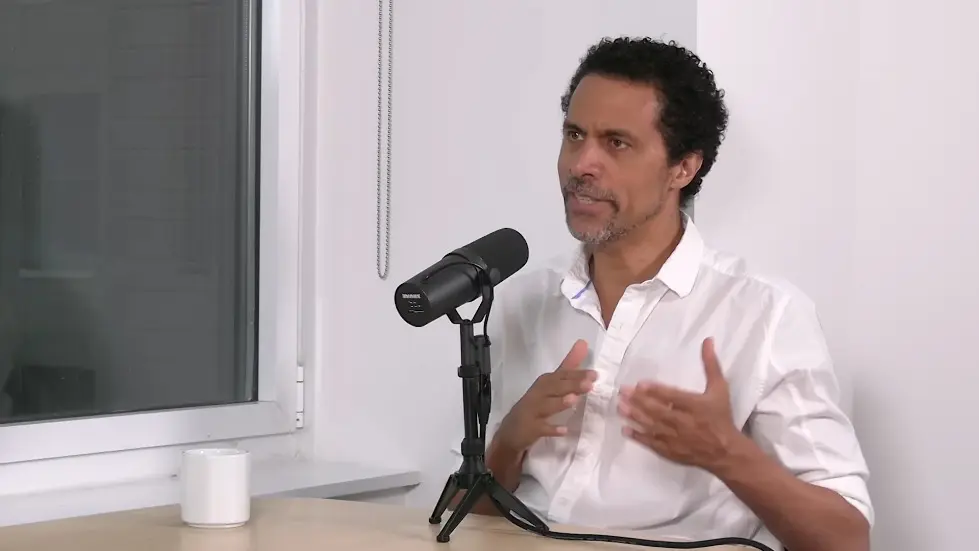
Section 3: Neuroimaging and Vocal Learning
- Neuroimaging techniques have been used to study the brains of humans and animals while they are learning and speaking.
- The names of the different brain areas involved in speech and language have changed over time, but their functions have remained similar.
- Behaviorally, some species of birds and young humans have similarities in their ability to imitate sounds.
- The discovery of these critical periods and homologies has led to further research into the brain circuits and genes involved in vocal learning.
- Neuroimaging has also been used to study the effects of deafness on vocal learning in both humans and animals.
Section 4: Genetics and Vocal Learning
- Genetic data from ancestral hominids shows that genes involved in vocal communication have the same sequence as in humans.
- Neanderthals are believed to have spoken language, but it is not known how advanced it was compared to human language.
- The discovery of specific mutations in genes involved in vocal learning has shown remarkable convergence between species separated by 300 million years.
- The genes involved in vocal learning are expressed in specialized ways in the brain regions responsible for speech and language.
- Further research into the genetics of vocal learning is ongoing, with the hope of understanding more about the evolution of this complex behavior.
Section 1: Genetics and Speech Deficits
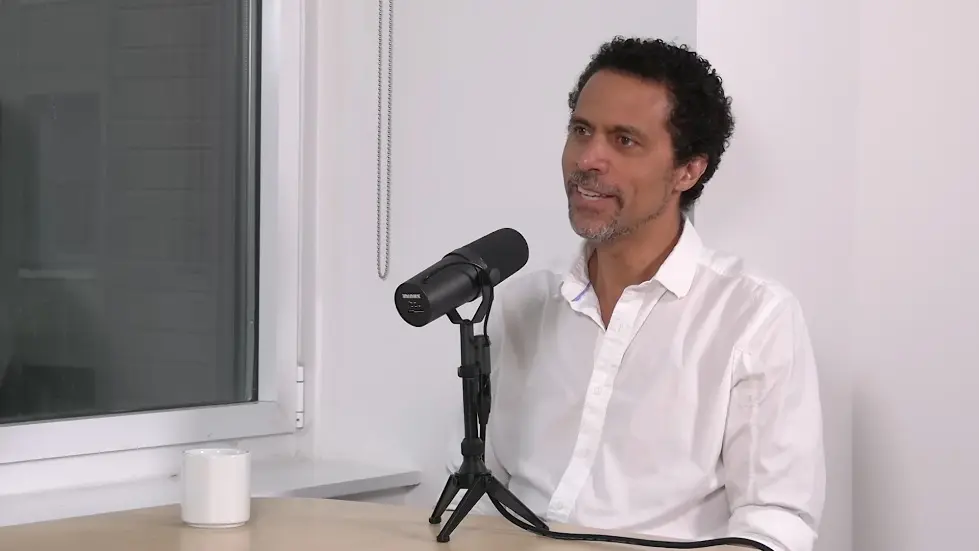
- The ability to learn and generate complex language is related to our genome and the genomes of other species that speak and have language, such as songbirds and parrots.
- Mutations in genes that cause speech deficits in humans, like in Fox P2, are also associated with similar deficits in vocal learning birds.
- Convergence of behavior is associated with similar genetic disorders of the behavior.
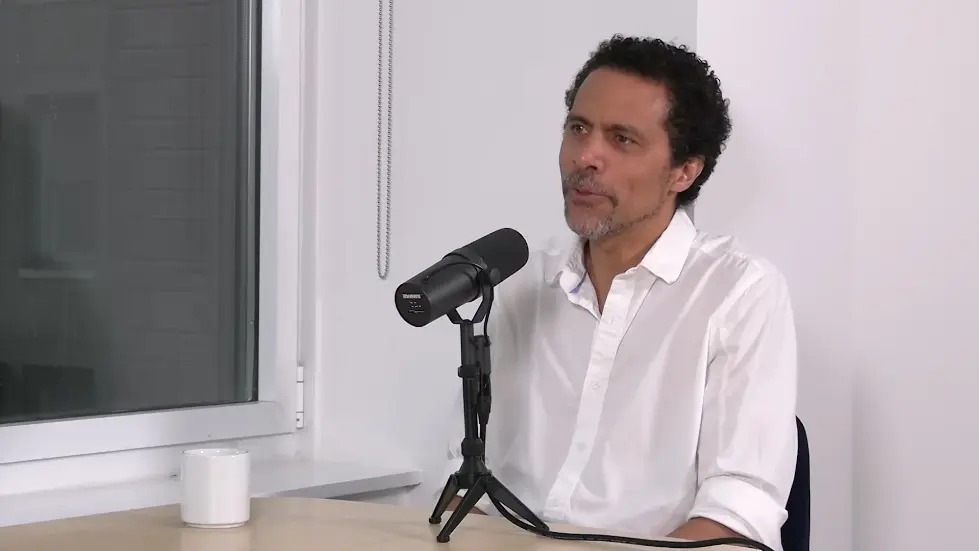
- Hummingbirds have some of the smartest kids and can learn multiple complex traits.
- Hummingbirds play music and make sounds with their wings in a coordinated way.
Section 2: Hummingbirds and Music
- Hummingbirds have a special talent for playing music with their wings and singing in a coordinated way.
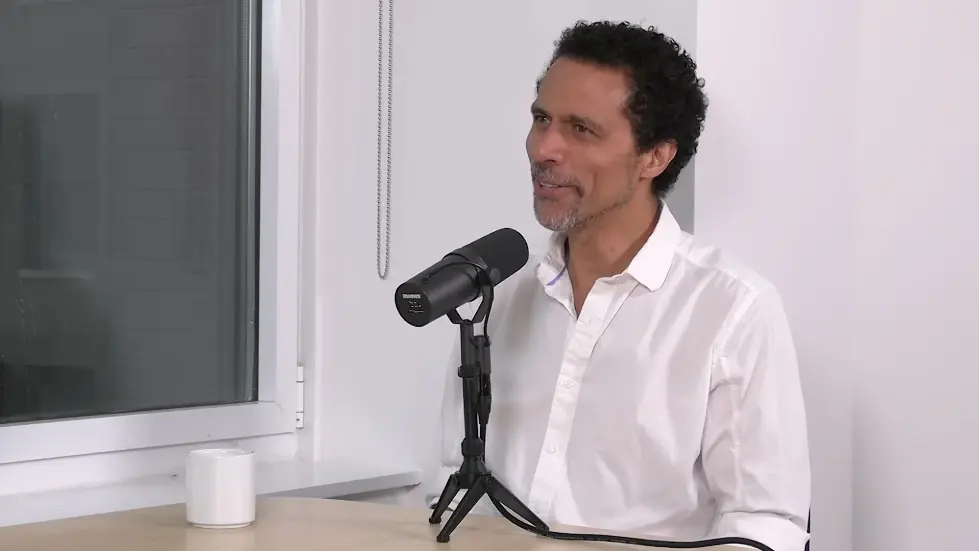
- Hummingbirds can learn the song of another tutor, but not as well as their own natural song.
- There is a balance between genetic control of speech or a song in these birds and learned cultural control.
- Taking a Zebra Finch and raising it with a canary would result in a hybrid song.
- Taking a Zebra Finch and placing it next to a Bengalese Finch would result in the Bengalese Finch learning the song of its own species.
Section 3: Language and Social Bonding
- Social bonding with one's own species plays a role in learning and generating language.
- The idea of pigeon, a hybrid of various languages that their parents spoke, raises a question about the convergence of cultures and languages.

Section 4: Conclusion
- The relationship between genetics, speech, language, and music is complex and multifaceted.
- Hummingbirds are a fascinating example of how vocal learning and music play a role in behavior and evolution.
- The convergence of cultures and languages can result in the development of new languages and hybrid species.
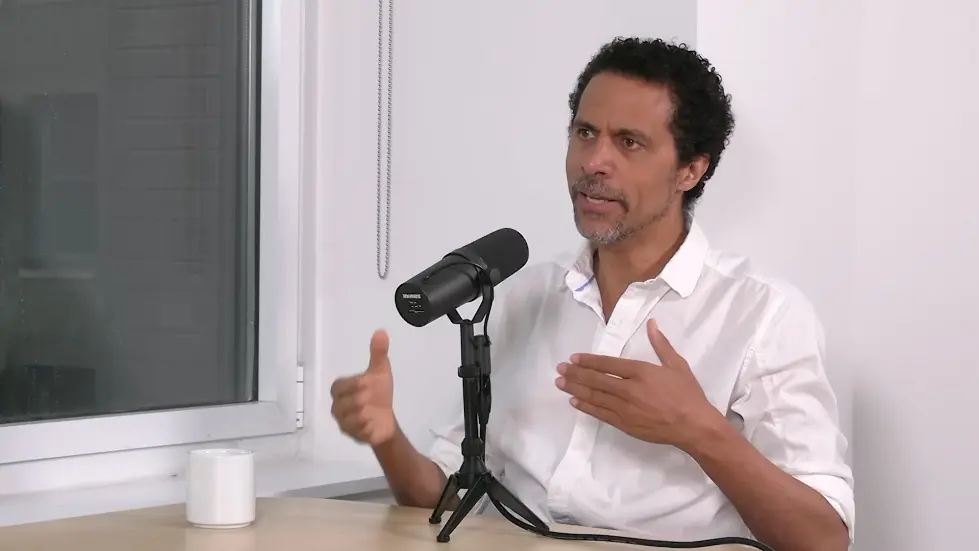
Section 1: Introduction
- The video is about Dr. Erich Jarvis, a professor at the Rockefeller University in New York City, who studies the neurobiology of vocal learning, language, speech disorders, and the relationship between language, music, and movement, particularly dance.
- Dr. Jarvis's work spans from genomics to neural circuits that govern our ability to learn and generate specific sounds and movements coordinated with those sounds, including hand movements and cognition.
- The video discusses how our genome and the genomes of other species that speak and have language, such as songbirds and parrots, are related to our ability to learn and generate complex language.
- The video highlights Dr. Jarvis's pioneering work and his numerous awards, including being a Howard Hughes Medical Institute investigator.
- The video is sponsored by InsideTracker, a personalized nutrition platform that analyzes data from your blood and DNA to help you better meet your immediate and long-term nutritional needs.
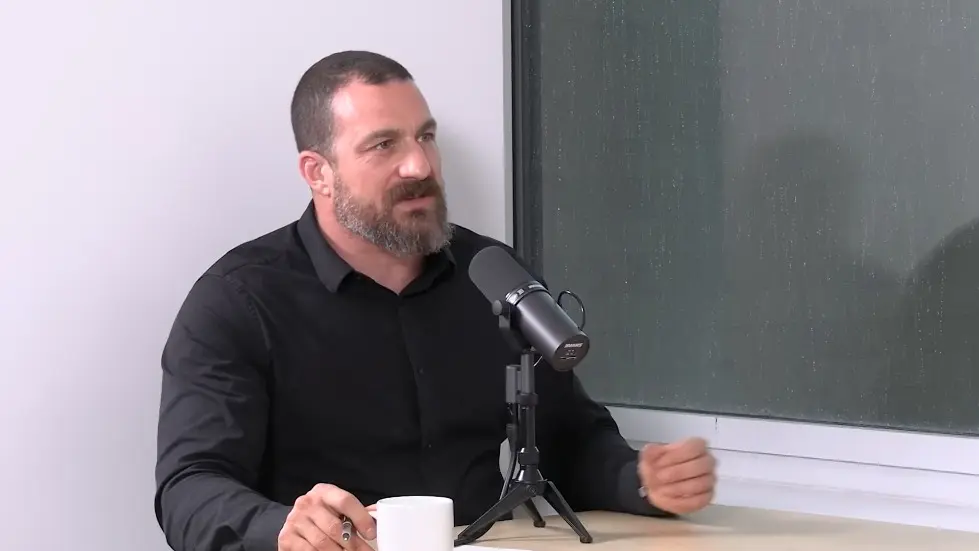
Section 2: Vocal Learning and Language
- Dr. Jarvis studies the neurobiology of vocal learning, language, speech disorders, and the relationship between language, music, and movement, particularly dance.
- His work spans from genomics to neural circuits that govern our ability to learn and generate specific sounds and movements coordinated with those sounds, including hand movements and cognition.
- The video discusses how our genome and the genomes of other species that speak and have language, such as songbirds and parrots, are related to our ability to learn and generate complex language.
- Dr. Jarvis's work highlights the relationship between language and music, and how the two are interconnected in terms of neural circuits and cognitive processes.
- The video also discusses the relationship between language and movement, particularly dance, and how the two are interconnected in terms of neural circuits and cognitive processes.
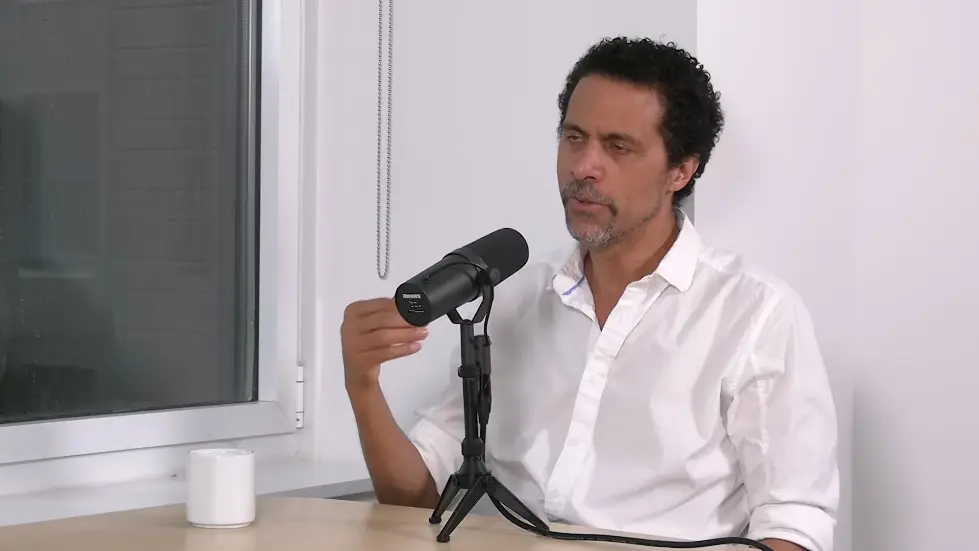
Section 3: Neuroplasticity and Speech Circuit
- The video discusses the role of neuroplasticity in the speech circuit, and how it allows the brain to adapt and change in response to new experiences and learning.
- Dr. Jarvis's work highlights the importance of neuroplasticity in the development and maintenance of language and speech abilities.
- The video discusses the role of the speech circuit in language and speech abilities, and how it is specialized for these functions.
- Dr. Jarvis's work highlights the unique features of the speech circuit, such as its specialized neural circuits and genes that control neurodeconnectivity and formation.
- The video also discusses the role of genes in the speech circuit, and how they control neurodeconnectivity and formation, as well as other functions related to language and speech abilities.
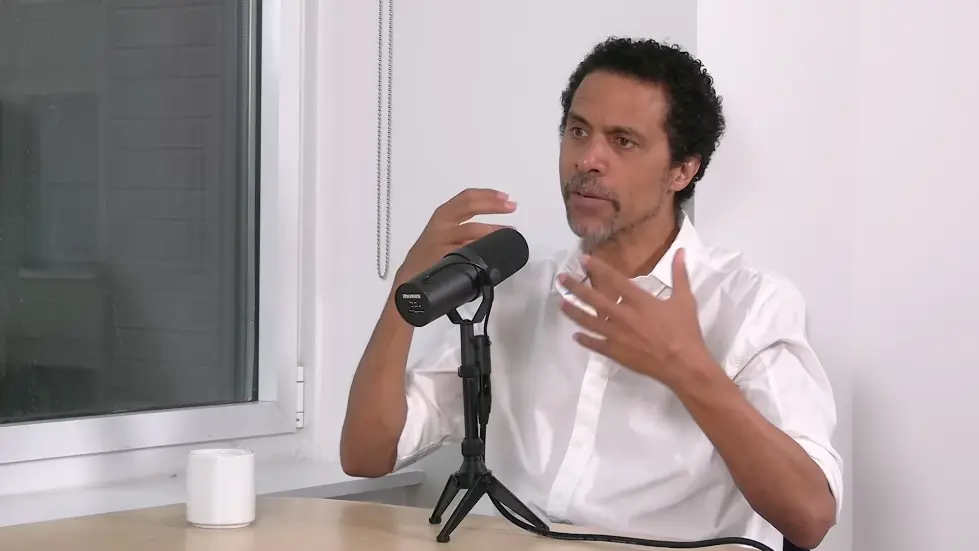
Section 4: Conclusion
- The video provides an overview of Dr. Erich Jarvis's work on the neurobiology of vocal learning, language, speech disorders, and the relationship between language, music, and movement, particularly dance.
- Dr. Jarvis's work highlights the importance of genomics, neural circuits, and neuroplasticity in the development and maintenance of language and speech abilities.
- The video also discusses the role of genes in the speech circuit, and how they control neurodeconnectivity and formation, as well as other functions related to language and speech abilities.
- Overall, the video provides a fascinating insight into the complex relationship between language, music, and movement, and how the brain adapts and changes in response to new experiences and learning.
- The video also highlights the importance of continued research in this area, and the potential for new discoveries and breakthroughs in our understanding of the neurobiology of language and speech abilities.
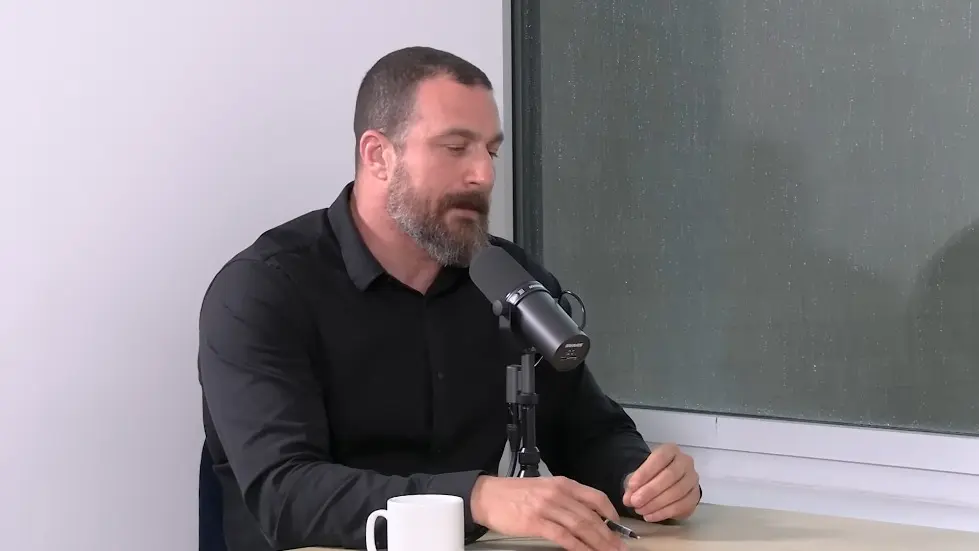
Section 1: Learning to Produce Speech
- Learning to produce speech is a more complex learning ability than learning to walk or do tricks and jumps.
- Many aspects of speech are reflexive, meaning they don't require much thought or deliberation.
- Some people seem to speak with fewer synapses between their brain and their mouth, making them appear to speak more naturally.
- Precision and plasticity of speech are important factors in learning multiple languages.
- The ability to learn multiple languages is easier when learned early in life.
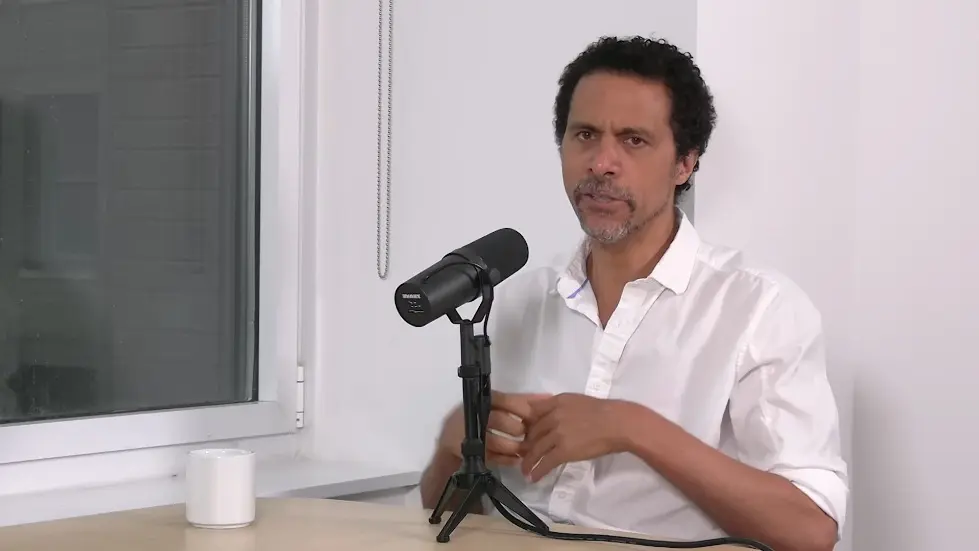
Section 2: Critical Period for Learning
- The brain undergoes a critical period of development during which it is easier to learn new skills.
- It is easier to learn how to play a piano or ride a bike as a child than as an adult.
- The speech pathways and behavior have a stronger critical period than other circuits.
- The brain is not designed to hold all the information it learns, so it must discard some information to make room for new knowledge.
- The brain is designed to undergo a critical period and solidify the circuits with what is learned as a child.
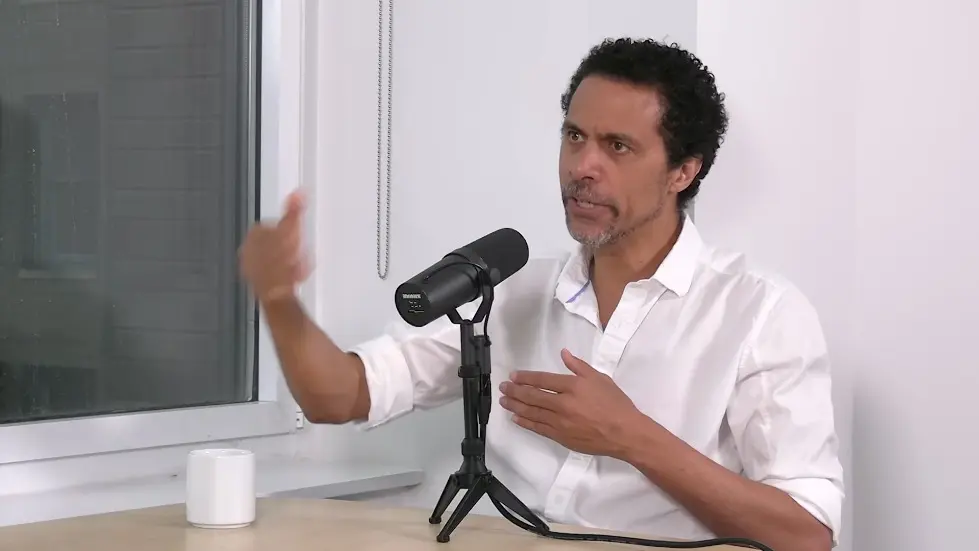
Section 3: Genetics and Speech Learning
- Our genome and the genomes of other species that speak and have language are related to our ability to learn and generate complex language.
- Songbirds and parrots also have the ability to learn and generate complex language, which is related to our ability to do so.
- Dr. Jarvis's work spans from genomics to neural circuits that govern our ability to learn and generate specific sounds and movements coordinated with those sounds.
- The ability to learn and generate complex language is related to our genome and the genomes of other species that speak and have language.
- Dr. Jarvis's work has led to numerous awards, including being a Howard Hughes Medical Institute investigator.
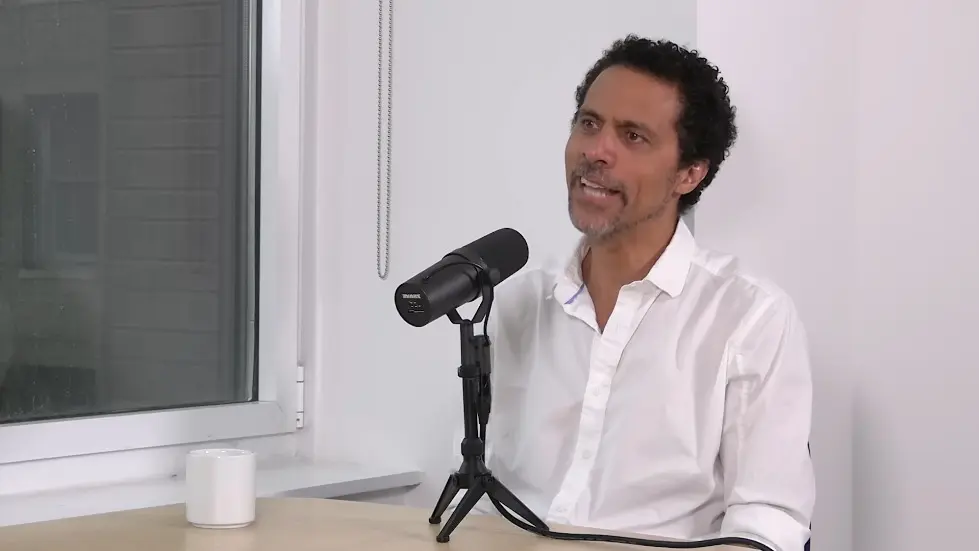
Section 4: Learning Multiple Languages
- It is easier to learn multiple languages as a child than as an adult.
- We are born with a set of innate sounds that we can produce, which narrows down as we learn different languages.
- If you already have the phonemes in multiple languages that you're using, it makes it easier to use them in another third or fourth language.
- Learning multiple languages as a child makes it easier to learn as an adult.
- There are some that argue against the idea that learning multiple languages as a child is easier, but for those that support it, the idea is that it is.
Section 1: Learning a Language
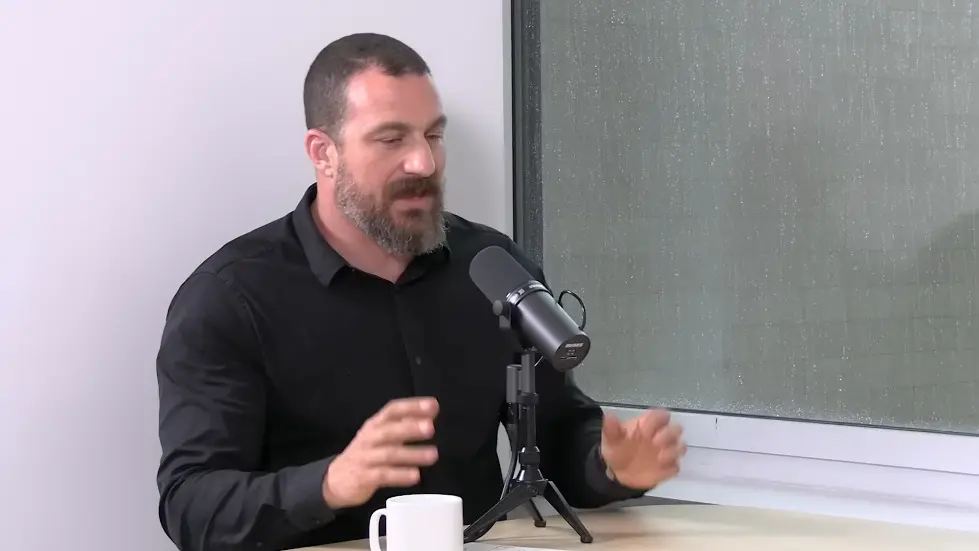
- The ability to learn a language faster is related to hand gestures associated with sounds or with meanings of words.
- Hand gestures associated with both the sounds and the meaning of words can produce both qualities of sounds and for people that speak multiple languages especially those that learn in those multiple languages early in development.
- People might call this code switching even different dialects of the same language could you do that with your gestures?
- The hand gestures are producing both uh uh you know both qualities of sounds and for people that speak multiple languages especially those that learn in those multiple languages early in development.
- The hand gestures are producing both uh uh you know both qualities of sounds and for people that speak multiple languages especially those that learn in those multiple languages early in development.
Section 2: Motor Movements and Language
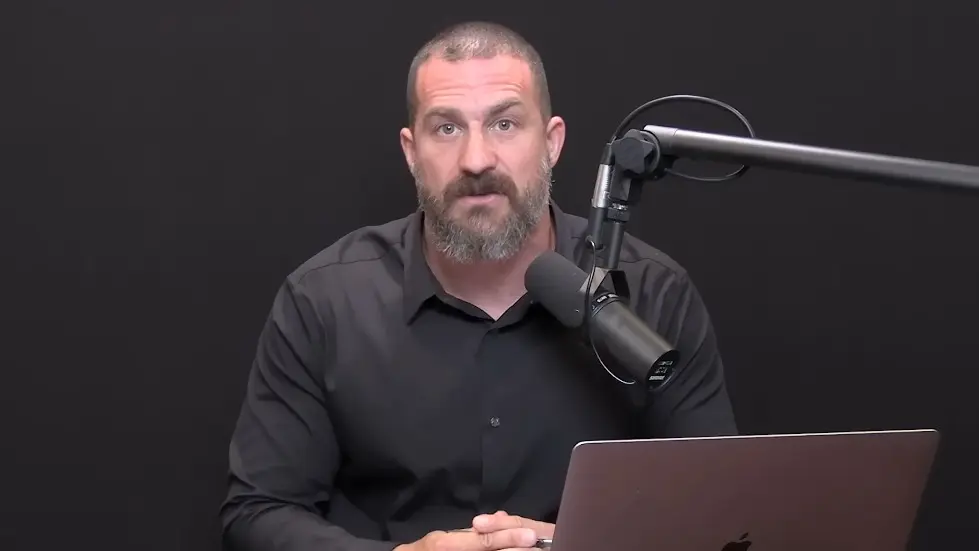
- Motor movements can match the precision of language that people are speaking.
- Switching between different languages can make sense because of the precision of language that people are speaking.
- Code switching even different dialects of the same language could be done with gestures.
- The hand gestures are producing both uh uh you know both qualities of sounds and for people that speak multiple languages especially those that learn in those multiple languages early in development.
- The hand gestures are producing both uh uh you know both qualities of sounds and for people that speak multiple languages especially those that learn in those multiple languages early in development.
Section 3: Athletic Greens
- Athletic Greens is an all-in-one vitamin mineral probiotic drink that also has adaptogens and digestive enzymes.
- The reason I started taking Athletic Greens is that it supplies total foundational coverage of my vitamin mineral needs.
- Athletic Greens also supplies important nutrients that I need to support my gut microbiome.
- The gut microbiome supports the immune system and the so-called gut brain axis.
- Athletic Greens also supports mood, energy levels, focus, and many other features of our mental health and physical health that impact our daily performance and high performance in any endeavors we might be involved in.

Section 4: Semantic Communication
- Words that seem to have meaning but not associated with language can tap into an emotionality.
- Semantic communication communication with meaning and effective communication communication that has more of an emotional feeling content to it.
- The two can be mixed up like with singing words that have meaning but also have this effective emotional you just love the sound of the singer that you're hearing.
- Emotional brain centers and a hypothalamus in the singulate cortex and so forth that do give tone to the sounds.
- The hand gestures are producing both uh uh you know both qualities of sounds and for people that speak multiple languages especially those that learn in those multiple languages early in development.
The Neuroscience of Speech, Language, and Music
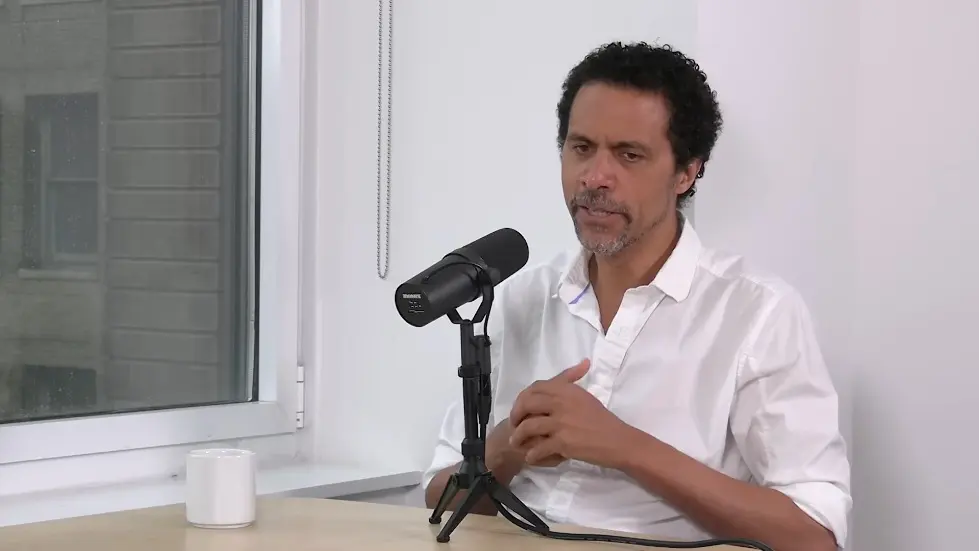
- Dr. Erich Jarvis is a professor at the Rockefeller University in New York City who studies the neurobiology of vocal learning, language, speech disorders, and the relationship between language, music, and movement, particularly dance.
- His work spans from genomics to neural circuits that govern our ability to learn and generate specific sounds and movements coordinated with those sounds, including hand movements and cognition.
- The genomes of other species that speak and have language, such as songbirds and parrots, are related to our ability to learn and generate complex language.
- Dr. Jarvis's pioneering work and his numerous awards, including being a Howard Hughes Medical Institute investigator, have contributed significantly to the field of neuroscience.
Effective and Semantic Communication
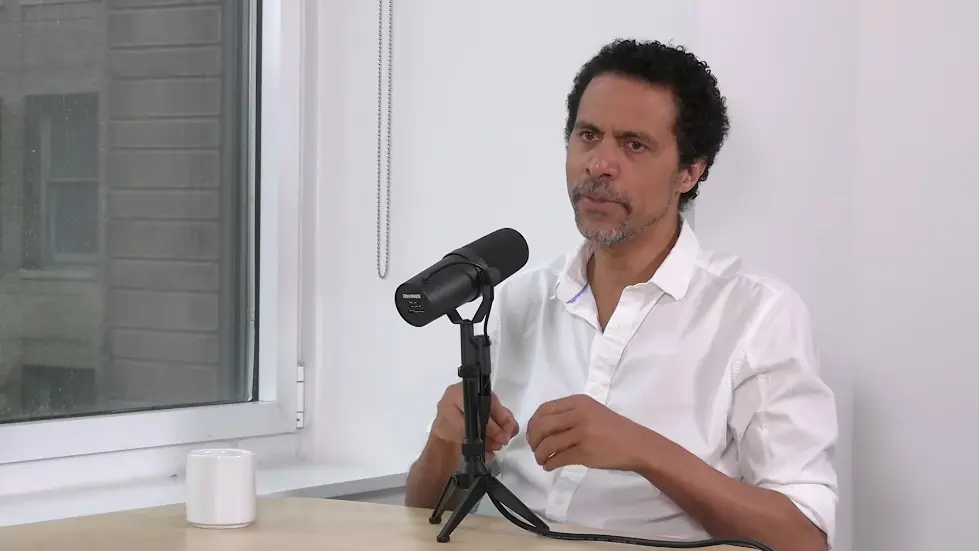
- Effective and semantic communication are two different types of communication that use similar brain circuits.
- The left side of the brain is more dominant for speech in humans, while the right side has a more balanced role for singing or processing musical sounds.
- All vocal learning species use their learned sounds for emotional, effective kind of communication, but only a few of them, like humans and some parrots and dolphins, use it for abstract communication.
- The evolution of spoken language may have evolved first for singing, which was used for making attraction, like Jennifer Lopez and Ricky Martin songs.

Motor Control and Dance
- The speaker has a background in dance, specifically the Alvin Ailey Dance School.
- Dance informs his interest in neuroscience and perhaps even relates specifically to his work on speech and language.
- The speaker's family has a history of singing and music, which may have influenced his interest in dance and neuroscience.
- The speaker started competing in dance contests as a teenager and eventually auditioned for the High School of Performing Arts in New York City.

Senior Dance Concert
- The individual had an opportunity to audition for the Alvin Ailey dance company.
- The individual went to college and majored in molecular biology and Mathematics.
- The individual decided to study the brain at the Rockefeller University.
- The individual wanted to study something that had a positive impact on society.
- The individual chose to study the brain because it controls dancing.
Vocal Learning and Dance
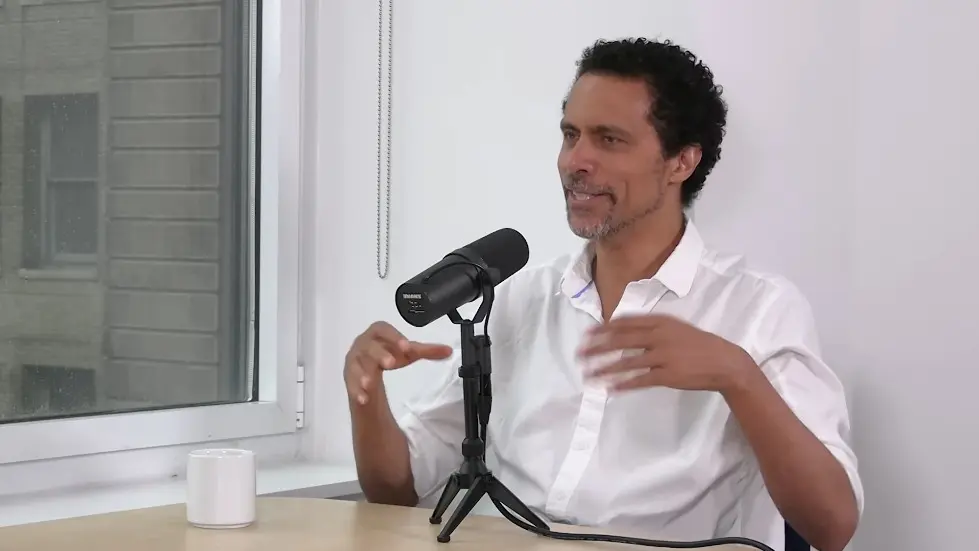
- Only vocal learning species can learn how to dance.
- Parrots are known for their ability to dance.
- The ability to imitate sounds is important for vocal learning and dance.
- Vocal learning and speech evolved by a whole duplication of the surrounding motor circuits.
- When humans and parrots dance, they use the brain regions around their speech-like circuits to do so.
Auditory Motor Integration
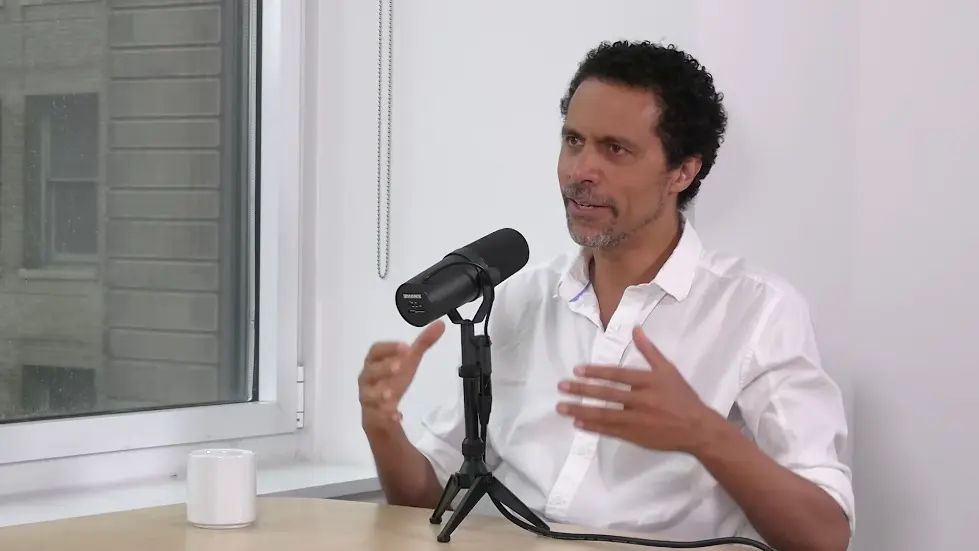
- Auditory motor integration is important for coordinating muscle movements with sound.
- The tight integration of auditory and motor regions in the brain allows for coordination of muscle movements with sound.
- The contamination of surrounding brain regions by auditory motor integration allows for coordination of muscle movements with sound in humans and parrots.
- Humans and parrots can coordinate their muscle movements of the rest of the body with sound in the same way they do for speech sounds.
- Dancing with sound is a form of auditory motor integration.
Conclusion
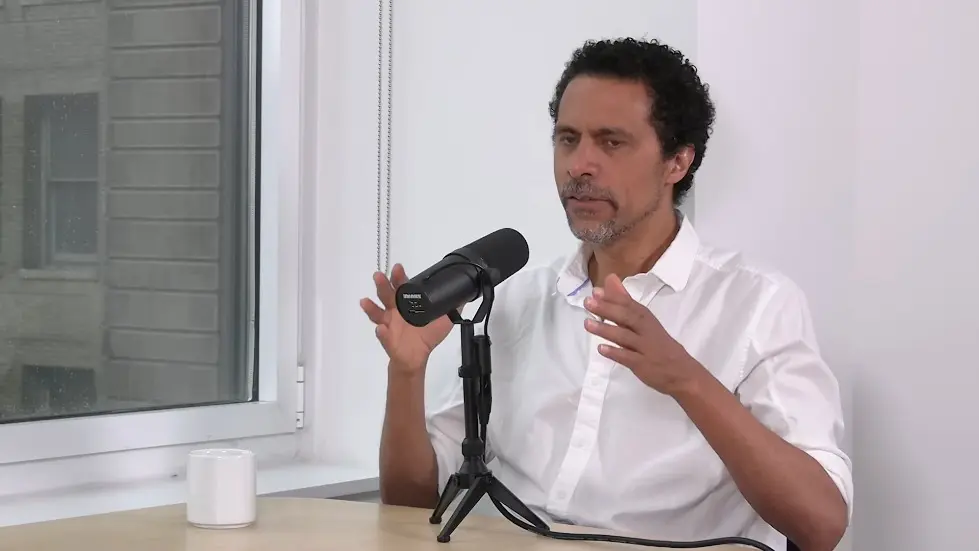
- The individual had an opportunity to audition for the Alvin Ailey dance company and went to college to major in molecular biology and Mathematics.
- The individual decided to study the brain at the Rockefeller University and found an overlap between the Arts and Sciences.
- The individual chose to study the brain because it controls dancing and found that only vocal learning species can learn how to dance.
- The individual discovered that vocal learning and speech evolved by a whole duplication of the surrounding motor circuits and that auditory motor integration is important for coordinating muscle movements with sound.
- The individual concluded that dancing with sound is a form of auditory motor integration and that humans and parrots can coordinate their muscle movements of the rest of the body with sound in the same way they do for speech sounds.

Section 1: The Neuroscience of Speech, Language, and Music
- The video is about Dr. Erich Jarvis, a professor at the Rockefeller University in New York City, who studies the neurobiology of vocal learning, language, speech disorders, and the relationship between language, music, and movement, particularly dance.
- Dr. Jarvis's work spans from genomics to neural circuits that govern our ability to learn and generate specific sounds and movements coordinated with those sounds, including hand movements and cognition.
- The video discusses how our genome and the genomes of other species that speak and have language, such as songbirds and parrots, are related to our ability to learn and generate complex language.
- Dr. Jarvis's pioneering work and his numerous awards, including being a Howard Hughes Medical Institute investigator, are highlighted in the video.

Section 2: The Language of the Body
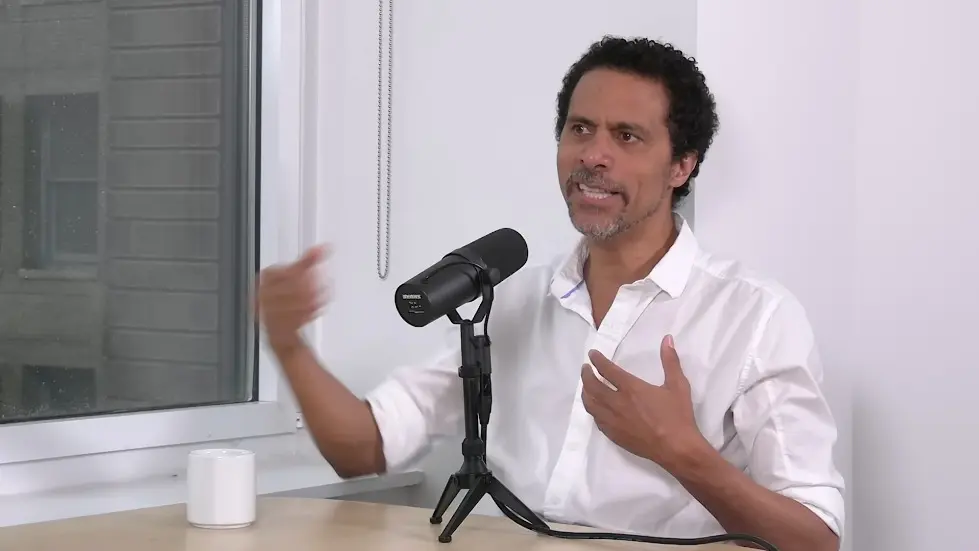
- There is a direct bridge between the movement of the body and language, with some species, such as vocal learning species, specializing in synchronizing body movements of muscles to the rhythmic beats of music.
- This kind of communication is more effective and emotional, rather than semantic, and is used for effective emotional bonding communication.
- Humans use their voices more for semantic abstract communication but use dance for the effective emotional bonding kind of communication.
- Dance is not as popular as semantic communication in ballet, but it is effective in communicating emotional content.
Section 3: The Dance Brain Circuit
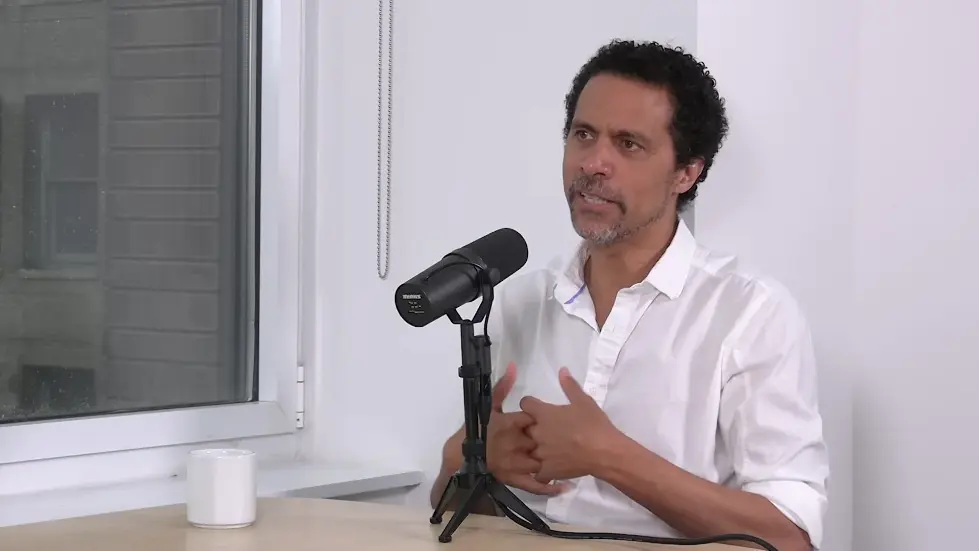
- The dance brain circuit inherited the more ancient part of the speech circuit, which was for singing.
- There is a literal resonance created between the singer and the listener at some level, which could be the vibration of the phrenic nerve controlling the diaphragm for all I know.
- There is evidence that there is coordination between performer and audience at the level of mind and body.
- The neurobiology of dance is a new field, with many neuroscientists studying it in the last five years.
Section 4: The Neurobiology of Dance
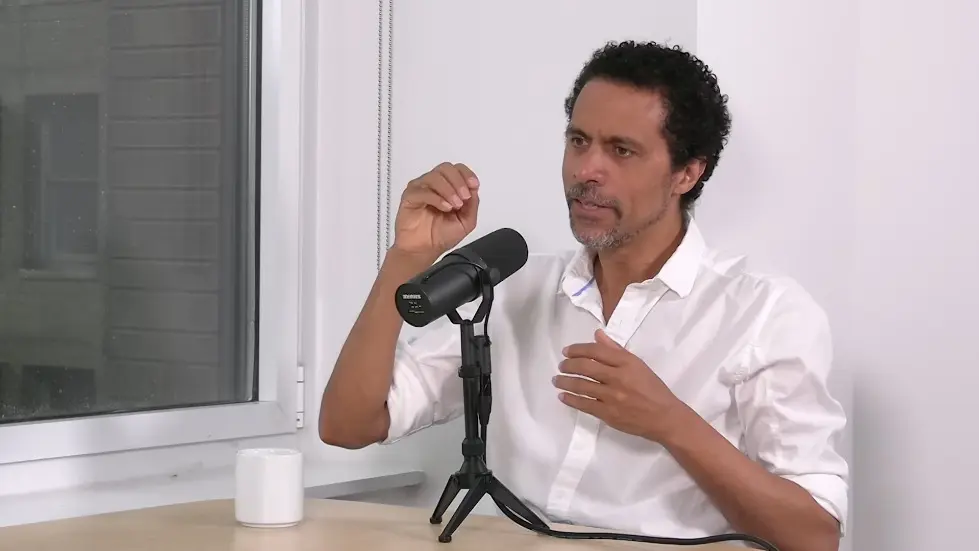
- A lab at the conference put EEG electrodes on dancers partnering with each other as well as the audience, and found that when listening to music, the audience was responding because they were asking a question about music and the speaker was giving an answer about dance.
- This suggests that there is a relationship between music and dance, and that the brain processes them in a similar way.
- The video highlights the importance of studying the neurobiology of dance, as it can provide insights into how the brain processes and communicates complex information.
- The video also emphasizes the need for more research in this field, as it is still a relatively new area of study.
Section 1: The Neuroscience of Speech, Language, and Music
- The video is about Dr. Erich Jarvis, a professor at the Rockefeller University in New York City, who studies the neurobiology of vocal learning, language, speech disorders, and the relationship between language, music, and movement, particularly dance.
- Dr. Jarvis's work spans from genomics to neural circuits that govern our ability to learn and generate specific sounds and movements coordinated with those sounds, including hand movements and cognition.
- The video discusses how our genome and the genomes of other species that speak and have language, such as songbirds and parrots, are related to our ability to learn and generate complex language.
- Dr. Jarvis's pioneering work and his numerous awards, including being a Howard Hughes Medical Institute investigator, are highlighted in the video.

Section 2: Resonance in Dance and Music
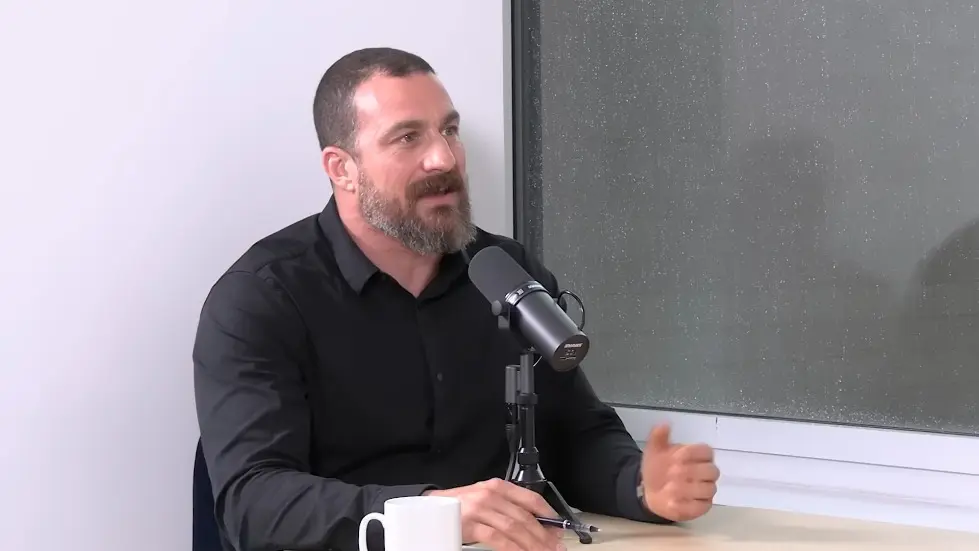
- The video discusses the concept of resonance in dance and music, and how it can affect brain activity.
- Resonance in dance refers to the way that dancers can feel a connection with each other and the audience through their movements and the music they are dancing to.
- Resonance in music refers to the way that certain sounds can create a sense of harmony and unity in a piece of music.
- The video suggests that there may be a connection between resonance in dance and music, and how it can affect brain activity.
Section 3: Genetics of Musical Ability
- The video discusses the idea that there may be a genetic predisposition to musical ability.
- The speaker mentions that they have a sibling with tremendous musical ability, but they do not have the same ability themselves.
- The speaker raises the question of whether it is possible to modify one's own muscles or brain circuits to improve musical ability.
- The video suggests that there may be a connection between musical ability and genetics, but more research is needed to fully understand the relationship.
Section 4: Personal Goals and Interests
- The video discusses the speaker's personal goals and interests, including their desire to find the genetics of why some people can sing really well and others cannot.
- The speaker mentions that they have always been interested in music and dance, and that they have tried to improve their own abilities in these areas.
- The video suggests that the speaker's personal goals and interests may be related to their research in the field of neuroscience.
- Overall, the video provides a glimpse into the speaker's passion for understanding the relationship between speech, language, music, and movement, and their desire to learn more about the underlying neurobiology of these processes.
- The video is about Dr. Erich Jarvis, a professor at the Rockefeller University in New York City, who studies the neurobiology of vocal learning, language, speech disorders, and the relationship between language, music, and movement, particularly dance.
- Dr. Jarvis's work spans from genomics to neural circuits that govern our ability to learn and generate specific sounds and movements coordinated with those sounds, including hand movements and cognition.
- The video discusses how our genome and the genomes of other species that speak and have language, such as songbirds and parrots, are related to our ability to learn and generate complex language.
- Dr. Jarvis's pioneering work and his numerous awards, including being a Howard Hughes Medical Institute investigator, are highlighted in the video.
- The video discusses the relationship between facial expression and language control in humans and non-human primates.
- Non-human primates have a lot of diversity in their facial expression, similar to humans, but there is a pre-existing diversity of communication through facial expression in our ancestors.
- When children learn language, they learn to untangle the different components of hand movement, body posture, speech, and facial expression, in their best form.
- In most cases, when these different circuitries are aligned, it reflects that all the different circuitries are operating in parallel, but the ability to misalign these is also a powerful aspect of our maturation.
- The video discusses the relationship between facial expression and vocalization in humans and non-human primates.
- Facial expressions are associated with our vocalizations in a different way than in non-human primates and other species that have learned vocalizations.
- There is a learned component to facial expressions in humans, in addition to an innate component.
- Facial expressions come naturally in humans because there is an innate component that brings them together with vocalization.
- The video discusses the relationship between written language and hearing content.
- When writing, either by type or by hand, we hear the content of what we want to write in our head.
- This is because we personally know that we do this, as the speaker is trying to figure out a way to write something down.
- The speaker asked a colleague, Carl Diceroth, to try an exercise of writing and thinking in complete sentences.
- The exercise involves sitting completely still and thinking in complete sentences.
- The speaker found the exercise challenging because it requires thinking in complete sentences and not just talking.
- The speaker realized that most of the time we write in simple declarative sentences, not complete sentences.
- The speaker wanted to understand the process of going from a thought to language to written word.
- The speaker mentioned the connection between language and hand movement, even if one isn't speaking.
- The speaker realized that many thoughts involve gesticulating with the hands.
- The speaker wanted to understand why it is difficult to write down thoughts that are not written out onto a page.
- The speaker wanted to understand the neural circuitry involved in going from a thought to language to written word.
- The speaker wanted to understand why it is possible to go from a thought to language to written word.
- The speaker mentioned that going from a thought to language to written word is a challenging neural computational problem.
- The speaker came from the linguistic world and even the regular neurobiology world.
- The speaker mentioned that there is no separate language module in the brain that has complex algorithms to produce sounds and gestures.
- The speaker explained that the thinking process involves interpreting a signal in the visual pathway of what is being read.
- The speaker mentioned that the signal is sent to the speech pathway in the motor cortex in front of Broca's area.
- The speaker mentioned that the signal from the paper goes through the eyes to the visual cortical regions.
- The speaker mentioned that the signal goes to the speech pathway in the motor cortex in front of Broca's area.
- The speaker mentioned that the signal is sent to the auditory pathway so that the person can hear what they are speaking in their own head.
- The speaker mentioned that the hand area has to translate the auditory signal into a visual signal on paper.
- The speaker explained that the hand area uses at least four brain circuits, including the speech production and perception pathways, to write.
- Dr. Erich Jarvis studies the neurobiology of vocal learning, language, speech, and the relationship between language, music, and movement.
- The video discusses how our genome and the genomes of other species that speak and have language, such as songbirds and parrots, are related to our ability to learn and generate complex language.
- Dr. Jarvis's work spans from genomics to neural circuits that govern our ability to learn and generate specific sounds and movements coordinated with those sounds, including hand movements and cognition.
- The video highlights Dr. Jarvis's pioneering work and his numerous awards, including being a Howard Hughes Medical Institute investigator.
- If the rate of thought and the rate of writing are aligned nicely, things go well.
- If thinking much faster than writing, it's a problem.
- If thinking more slowly than wanting to write, it's also a problem.
- The solution for Dr. Jarvis has been to write with a pen.
- Writing by hand requires a different set of less skills with the fingers than typing.
- Writing by hand also requires more arm movement than typing.
- The difficulty in writing by hand could be in the types of muscles and the fine motor control needed.
- Speaking in the brain at the same time as writing could make writing by hand more primitive.
- Dr. Jarvis can write something faster by hand for a short period of time compared to typing.
- He runs out of energy in his arm movements faster than muscle energy in his finger movements when writing by hand.
- It takes a longer time for us to write words with our fingers than with our speech.
- Dr. Jarvis finds it very hard to switch from one module to the next when speaking on a podcast.
- The idea that even when we are imagining singing or writing in our mind, we are exercising our vocal cords.
- There is a little low potential of electrical currents reaching our muscles when we sing or imagine singing.
- Exercising our speed-sprain circuits without actually going with the flowable activity in the muscles.
- Singing helps people with Parkinson's disease move better.
- The brain circuits for singing or the function of the brain circuits for speech being used for singing first is the more ancestral trait.
- Stutter is a particularly interesting case and one that every once in a while I get questions about from our audience.
- Stutter can often cause people to hide and speak less because it can be embarrassing.
- We are often not patient with stutter and assume that if somebody's stuttering, they're thinking is slow.
- There are many examples historically of people who could not speak well but were brilliant thinkers.
- The current neurobiological understanding of stutter is that it is a speech-like pathway in the brain that is involved in coordinating movements learning how to make movements when it is damaged.
The Neuroscience of Speech, Language, and Music
Facial Expression and Language Control
Facial Expression and Vocalization
Written Language and Hearing Content
Section 1: Self-Experimentation
Section 2: Language and Hand Movement
Section 3: Neural Computational Problem
Section 4: Writing and Speaking
Section 1: Writing vs. Typing
Section 2: Writing by Hand vs. Typing
Section 3: Writing by Hand vs. Typing: Motor Pathway
Section 4: Writing by Hand vs. Typing: Personal Experience
Section 1: Singing and Vocal Learning
Section 2: Stuttering
You have read 50% of the summary.
To read the other half, please enter your Name and Email. It's FREE.
You can unsubscribe anytime. By entering your email you agree to our Terms & Conditions and Privacy Policy.
Watch the video on YouTube:
Dr. Erich Jarvis: The Neuroscience of Speech, Language & Music | Huberman Lab Podcast #87 - YouTube
Related summaries of videos:
- LIVE EVENT Q&A: Dr. Andrew Huberman Question & Answer in Portland, OR
- Dr. Casey Halpern and Dr. Andrew Huberman: Biology and Treatments for Compulsive Eating and Behaviors (Huberman Lab Podcast)
- Andrew Huberman: The Effects of Cannabis (Marijuana) on the Brain and Body (Huberman Lab Podcast)
- Andrew Huberman: Developing a Rational Approach to Supplementation for Health & Performance | Huberman Lab Podcast
- Dr. Andy Galpin and Dr. Andrew Huberman: Optimal Protocols to Build Strength and Grow Muscles (Huberman Lab Guest Series)
- Dr. Sara Gottfried and Dr. Andrew Huberman: How to Optimize Female Hormone Health for Vitality and Longevity (Huberman Lab)
- Dr. Andy Galpin and Dr. Andrew Huberman: How to Build Physical Endurance and Lose Fat (Huberman Lab Guest Series)
- Andrew Huberman: How to Stop Headaches Using Science-Based Approaches (Huberman Lab Podcast)
- Dr. Andy Galpin and Dr. Andrew Huberman: Maximize Recovery to Achieve Fitness and Performance Goals (Huberman Lab)
- Dr. Andy Galpin and Dr. Andrew Huberman: Optimal Nutrition and Supplementation for Fitness (Huberman Lab Guest Series)
- Home
- About us
- Contact
- Book Summaries 0-9
- Book Summaries A
- Book Summaries B
- Book Summaries C
- Book Summaries D
- Book Summaries E
- Book Summaries F
- Book Summaries G
- Book Summaries H
- Book Summaries I
- Book Summaries J
- Book Summaries K
- Book Summaries L
- Book Summaries M
- Book Summaries N
- Book Summaries O
- Book Summaries P
- Book Summaries Q
- Book Summaries R
- Book Summaries S
- Book Summaries T
- Book Summaries U
- Book Summaries V
- Book Summaries W
- Book Summaries X
- Book Summaries Y
- Book Summaries Z
- Jay Shetty Podcast - Summaries
- Tom Bilyeu Impact Theory - Summaries
- Lex Fridman - Summaries
- Diary of a CEO - Summaries
- Alex Hormozi - Summaries
