
If You Want To COMPLETELY HEAL Your Body & Mind, WATCH THIS! | Gabrielle Bernstein & Jay Shetty
Last updated: May 31, 2023
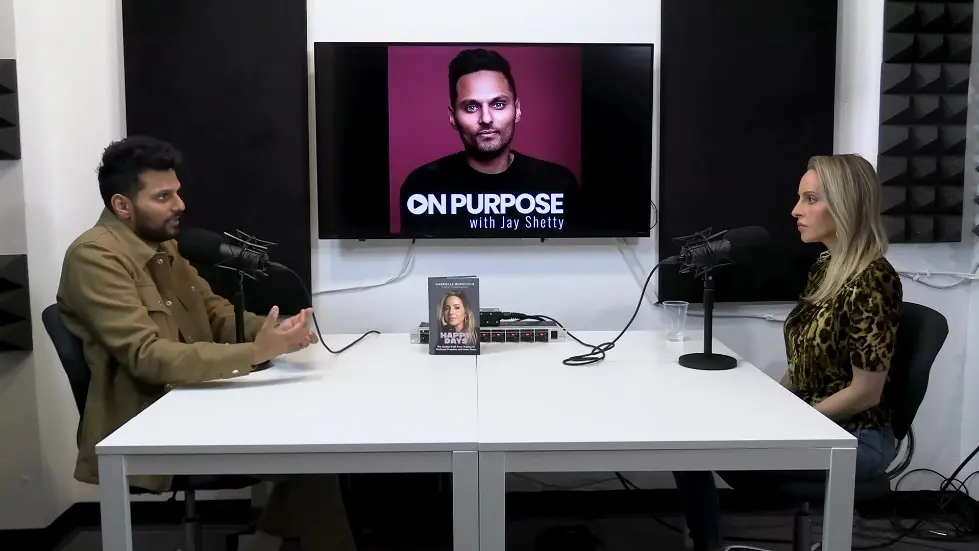
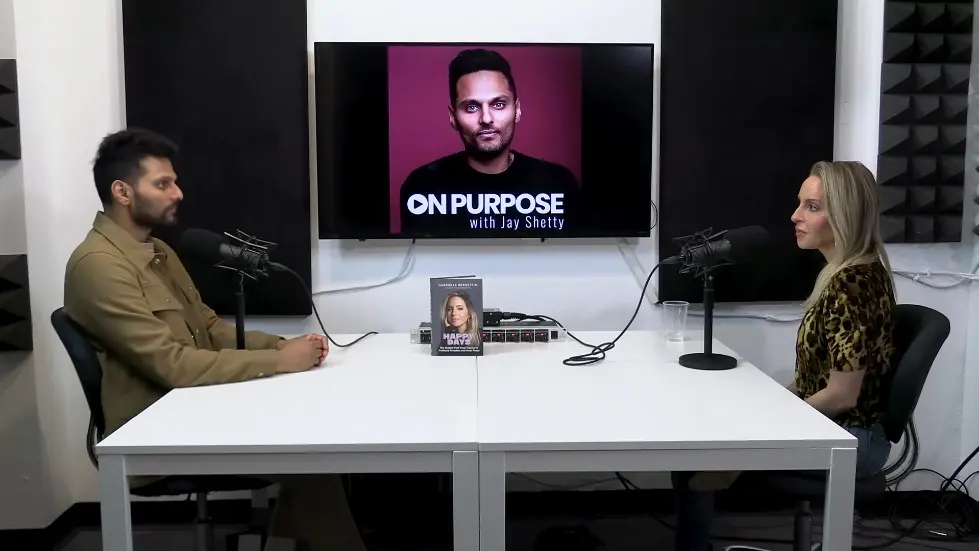
The video is a conversation between Gabrielle Bernstein and Jay Shetty about healing the body and mind by addressing trauma and being fully present in the moment.
The video features a conversation between Gabrielle Bernstein and Jay Shetty about healing the body and mind. They discuss the importance of addressing trauma, both big and small, and how it can affect our ability to be present and experience joy. They also delve into the concept of happiness and how it is not just a fleeting emotion, but rather the ability to be fully present in the moment. Gabrielle shares her personal journey towards understanding true happiness and how it has transcended traditional descriptions. Overall, the video emphasizes the importance of healing and being present in order to live a fulfilling life.
- Trauma is what we're running from first and foremost.
- Even subtle moments in time can dictate the rest of our lives.
- Happiness is the ability to be fully present in the moment.
- Gabby Bernstein wrote the book "Happy Days: The Guided Path from Trauma to Profound Freedom and Inner Peace."
- Being present in the moment allows us to experience life with all of its richness.
- Presence is often misunderstood as judgment or criticism.
- Being present is challenging because we live in protector mode.
- We are all traumatized in some form or another.
- The global crisis we've all just lived through has cracked many of us open to the reality that we can't just pretend anymore.

Running from Trauma
- Trauma is what we're running from first and foremost.
- Even subtle moments in time can dictate the rest of our lives.
- These seemingly insignificant moments can be fat shaming or being told you're stupid.
- Trauma is often the root cause of most of our unhappiness.
- Big T trauma is living through a catastrophic event, while small t trauma is being bullied or told you're not good enough.
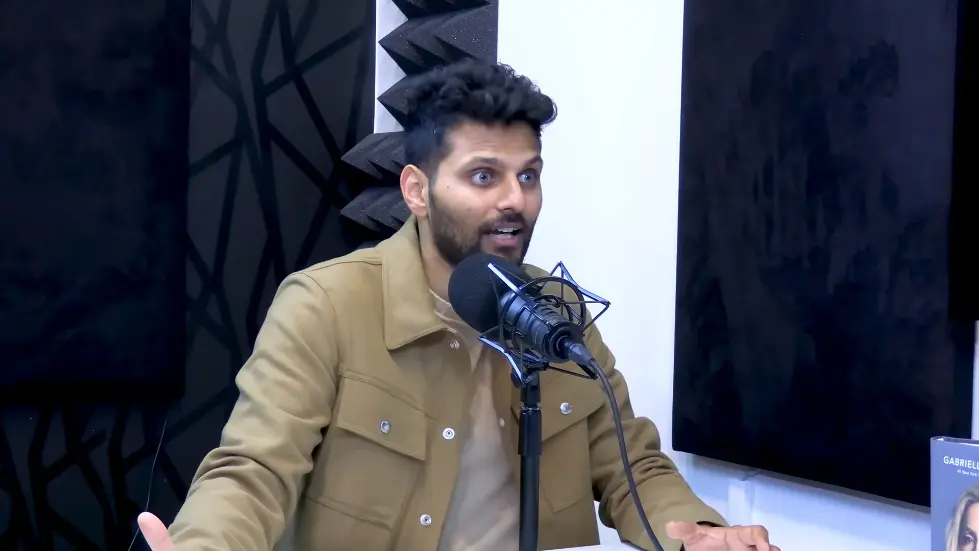
What is Happiness?
- Happiness is the ability to be fully present in the moment.
- Trauma is the inability to be present, and it creates defense mechanisms against it.
- Being fully present allows us to experience life with all of its moment-to-moment richness.
- Happiness means being able to fully experience life with whatever is going on right here, right now.
- True happiness is not just a description, but a feeling that transcends obvious descriptions.

Gabby Bernstein's Book
- Gabby Bernstein wrote the book "Happy Days: The Guided Path from Trauma to Profound Freedom and Inner Peace."
- The book was written during a tough time in the world.
- Gabby has been serving millions of people for over a decade.
- The book is about finding a way to stay connected even when you can't see each other.
- Listeners are encouraged to order the book and join the conversation.

Being Present in the Moment
- Being fully present in the moment allows us to experience life with all of its richness.
- It's important to recognize that true happiness is not just a description, but a feeling that transcends obvious descriptions.
- Being present allows us to fully experience life with whatever is going on right here, right now.
- It's possible to be fully present even in small moments, like having a conversation with an Uber driver.
- Being present allows us to fully connect with others and experience the thrill of being with loved ones.
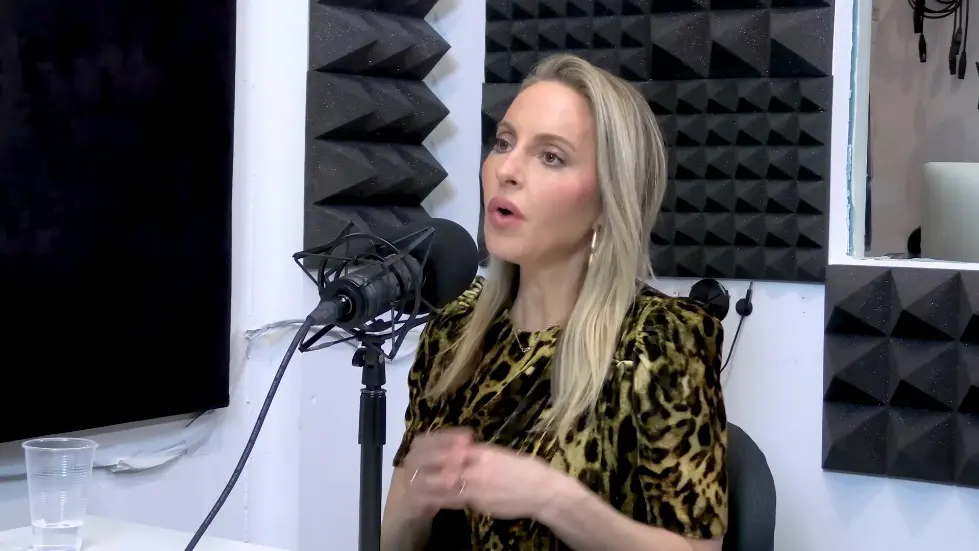
Re-defining Presence
- Presence is often misunderstood as judgment or criticism.
- Presence means being fully present in the moment without judgment or criticism.
- Presence is established by undoing past storylines and reorganizing reactivity.
- Presence is a felt sense of experiencing life through all senses.
- Presence is being in the experience of things and taking it all in.
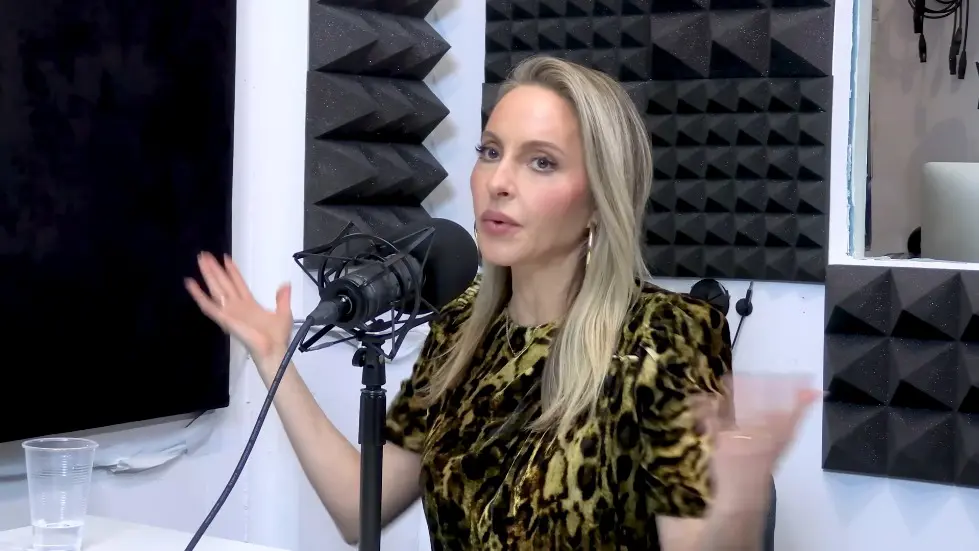
The Immersive Experience of Presence
- Presence is the ability to take it all in through all senses.
- We over-rely on our eyes and neglect other senses.
- Presence is experiencing the or effect, feeling tiny but connected to something bigger.
- Presence is being in awe and experiencing beauty.
- Presence is being fully immersed in the experience of life.
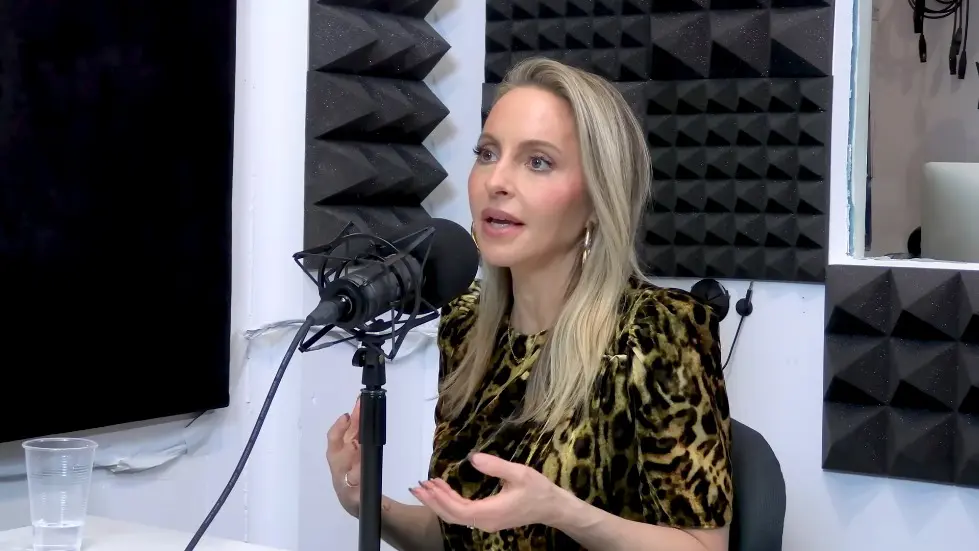
The Challenge of Being Present
- Being present is challenging because we live in protector mode.
- Being present requires undoing past storylines and reorganizing reactivity.
- Being present requires a lot of work with meditation and spiritual practice.
- Being present is a journey of yo-yoing in and out of groundedness.
- Being present is a continuous effort to stay grounded and present in the moment.
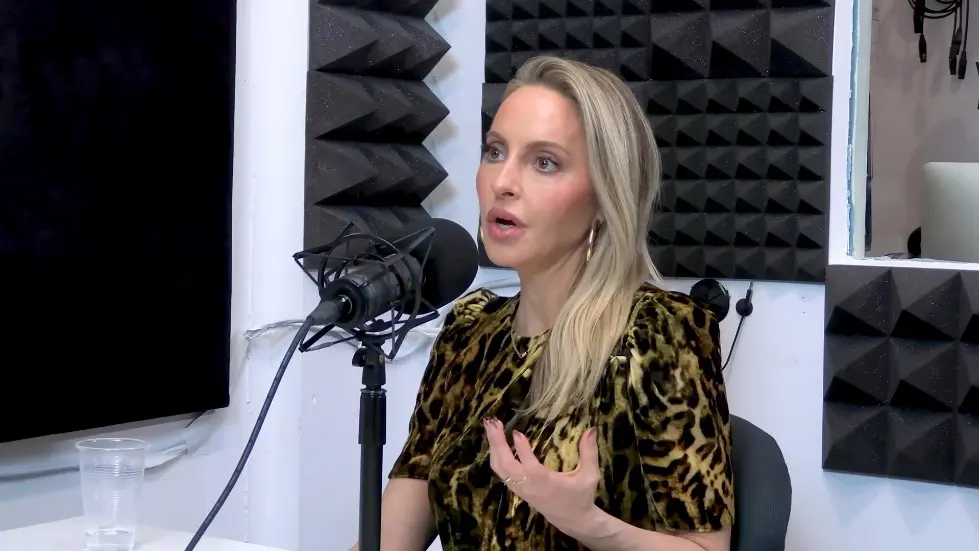
The Benefits of Being Present
- Being present leads to a felt sense of experiencing life through all senses.
- Being present leads to happiness and pro-social behavior.
- Being present leads to a sense of insignificance but connectedness.
- Being present leads to a deeper appreciation of life and beauty.
- Being present leads to a more fulfilling and immersive experience of life.
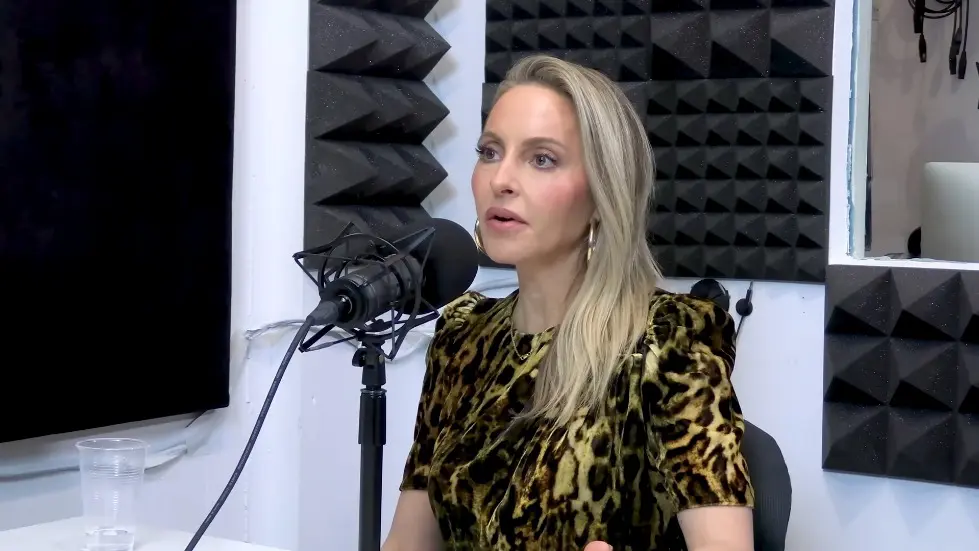
Running from Trauma
- We are all traumatized in some form or another.
- Even seemingly insignificant moments can dictate the rest of our lives.
- Big T trauma, such as child abuse or living with an alcoholic parent, needs to be addressed.
- We run from trauma with drugs, alcohol, food, judgment, work, rage, and control.
- Protector parts of us, built up to protect us from pain, can actually cause more pain.
Relaxing Protector Parts
- We all have exiled parts and protector parts.
- The journey is to relax those protector parts so they can remember there is a source of love and an internal parent within us that can take care of us.
- Internal Family Systems therapy simplifies this process.
- Exiled parts are often young parts of us that have experienced trauma and have been locked away.
- Protector parts are built up to protect us from ever experiencing that pain again.
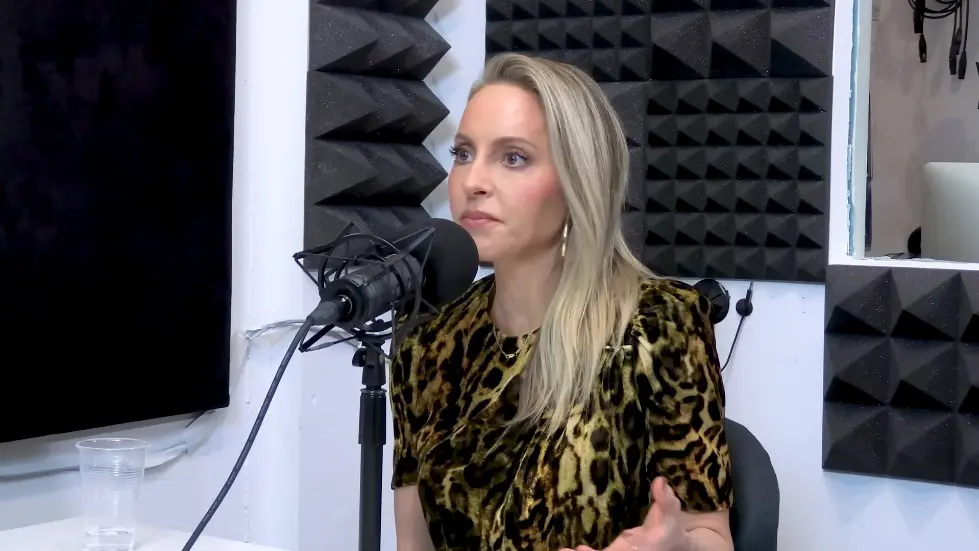
Cracking Open to Reality
- The global crisis we've all just lived through has cracked many of us open to the reality that we can't just pretend anymore.
- We need to unearth why we have been running and how we've been running.
- There are hidden, confusing places where we're running away or making excuses that block us.
- It's time to uplevel and address our trauma.
- Even if we've had a secure attachment and resilience, we've still experienced trauma in some form.
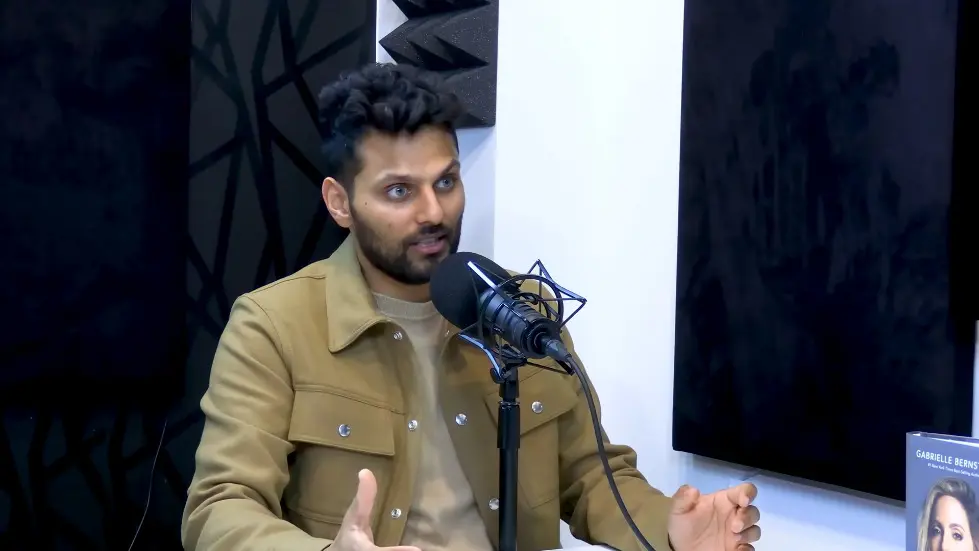
Returning to Presence
- We have built up a wall against the presence of awe and energy within ourselves.
- We need to dismantle each brick on this wall to reconnect and return to that presence.
- Even in the midst of not being connected to that awe and presence, we can still touch into it.
- Being fully present in the moment is key to healing the body and mind.
- Returning to presence is a journey that can benefit ourselves and others.
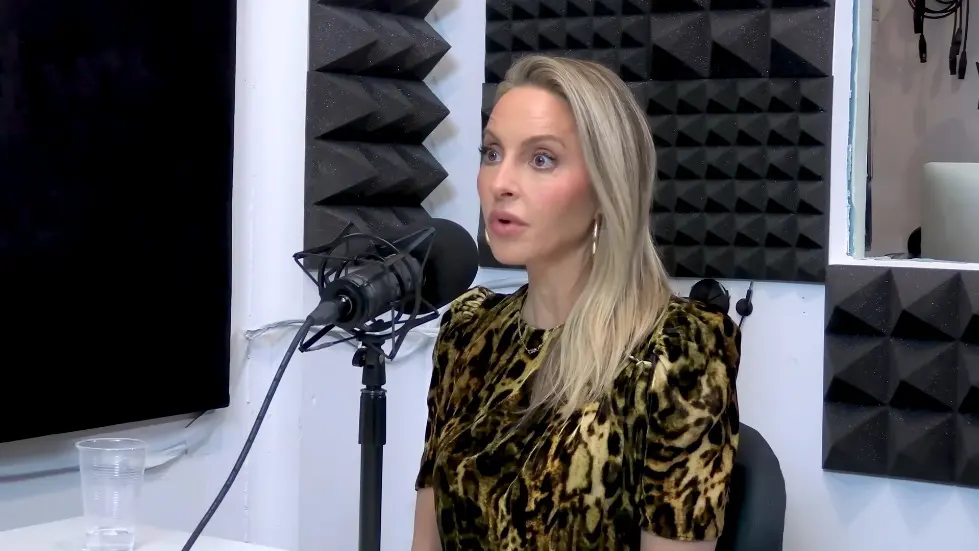
Addressing Trauma
- Many people feel too sensitive and empathetic towards the world and don't feel like they belong.
- Looking at trauma can be scary, but it still shows up in the body and affects various aspects of life.
- Dissociation is a common protector part that can prevent people from looking at trauma.
- Remembering trauma can be a relief and can explain addictive or controlling behaviors.
- It's important to recognize that trauma can still be in the nervous system even if it's dissociated from memory.
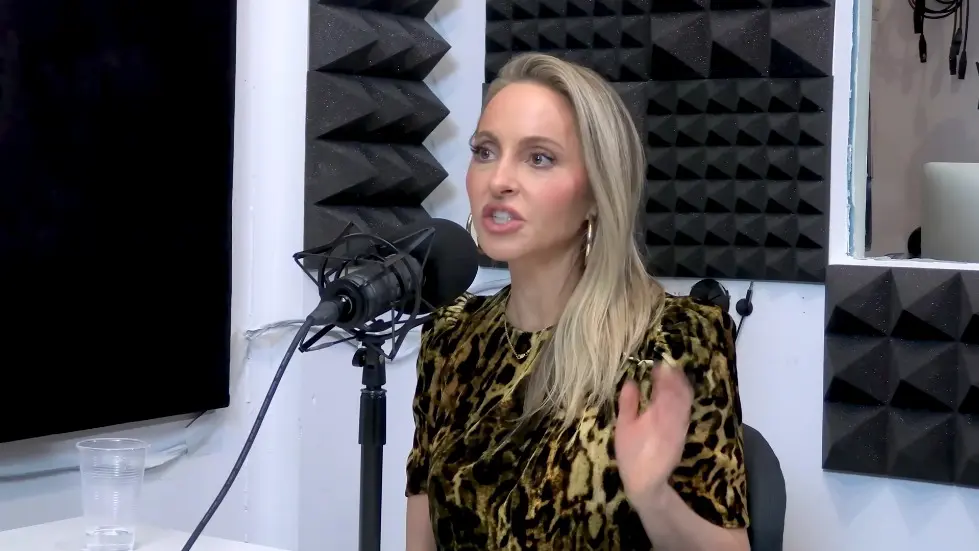
Opening Up to Trauma
- It took 36 years of spiritual and therapeutic work for Gabrielle to remember her childhood sexual abuse.
- Control was one way Gabrielle kept her exiled story at bay.
- Big life moments can trigger the remembering of trauma.
- It's important to feel safe enough to open up to trauma.
- Personal growth and spiritual work can look different every year and unlock new things.
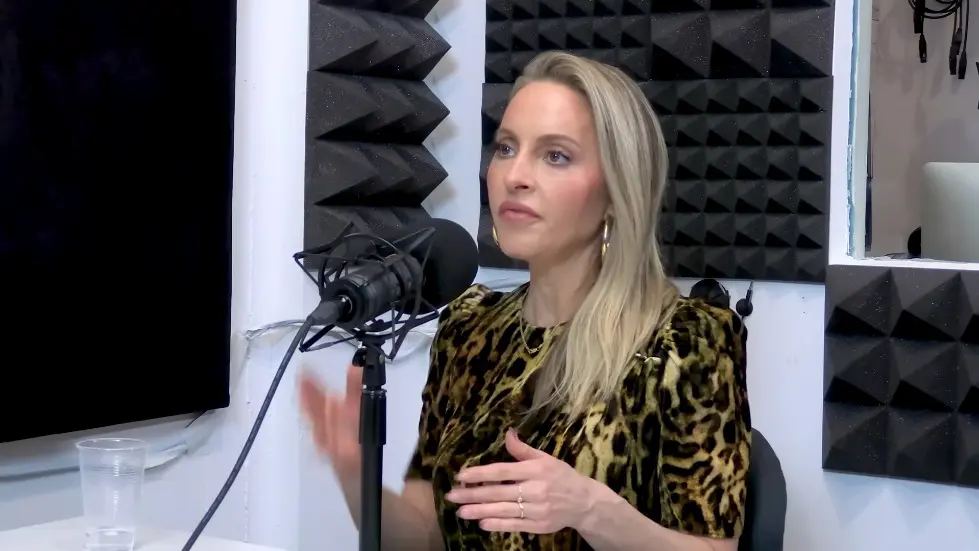
Dedication to Husband
- Gabrielle dedicates her book to her husband, Zach, for loving all of her parts and helping her feel safer than she ever thought possible.
- It was a trauma for Zach to be married to Gabrielle.
- Gabrielle's publishers came to her with the manuscript, and she opened the book by acknowledging her husband's support.
Living to Tell
- Gabrielle's journey since remembering her trauma has allowed her to stand behind her book's message of a guided path from trauma to profound freedom and inner peace.
- It's a gift to be able to live to tell and help others heal from their trauma.
- Personal growth and spiritual work can lead to feeling safe enough to open up to trauma and heal.
- It's important to recognize that trauma can affect various aspects of life and still be in the nervous system even if dissociated from memory.
- It's possible to find relief and understanding by remembering trauma and addressing its effects on behavior and relationships.
Sharing Vulnerability and Trauma
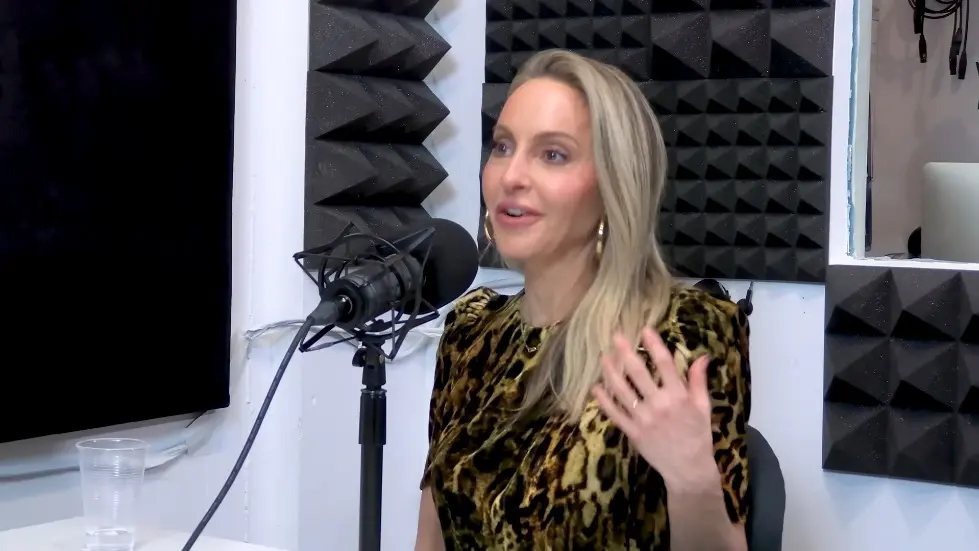
- Gabrielle Bernstein shares her experience of writing a book that reveals her trauma and vulnerability.
- Her husband and editors were triggered by the content of the book.
- Living in recovery and crisis can be isolating and shameful, especially for a self-help book author.
- Gabrielle wants her book to help people know they are not alone in their journey and can safely begin to heal.
- Being vulnerable is a true strength, and it is important to have a spiritual connection to avoid feeling alone.
Holding Space for Trauma
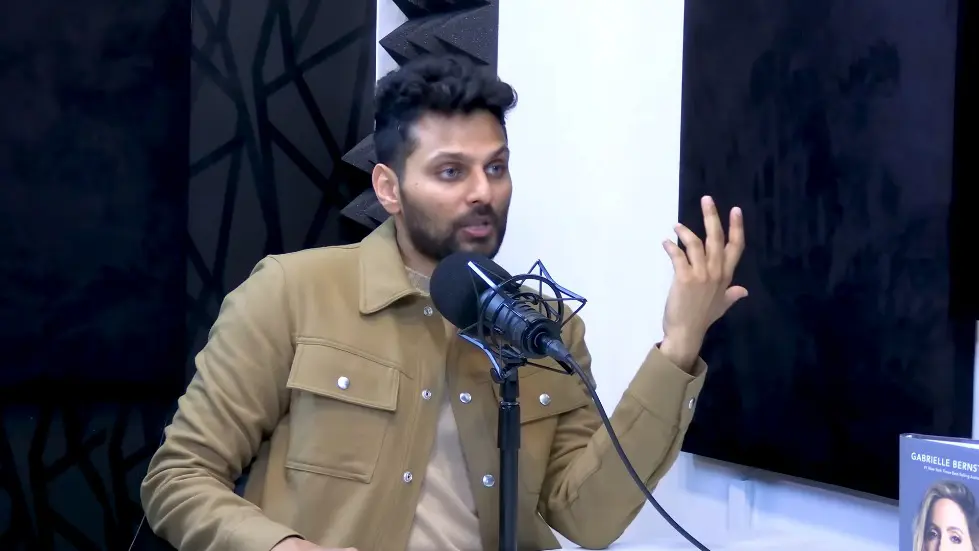
- Trauma can break partnerships, and it is important to know how to hold space for someone during their trauma journey.
- It is unrealistic to expect a partner to be a therapist.
- The best way to help someone help you is to tell the truth to the best of your ability.
- Even if it is difficult to share the full journey, it is valuable to let your partner know that you are facing old childhood trauma and are committed to seeking therapy.
- Sharing vulnerability and truth can be soothing to the other partner and help them understand why you may be reactive or struggling.
Guided Path from Trauma to Freedom
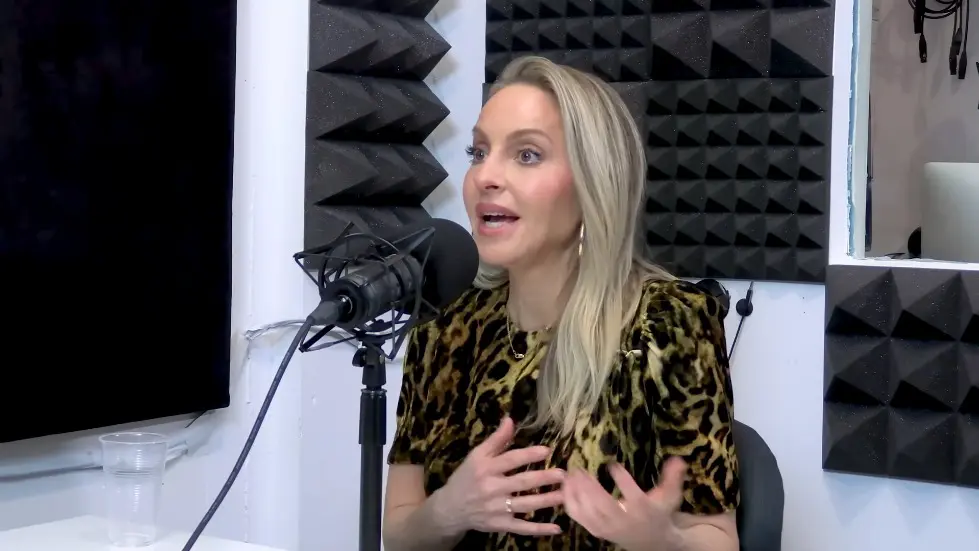
- Gabrielle's book offers a guided path from trauma to profound freedom.
- Unresolved trauma can create patterns that are textbook and can be spotted in humans everywhere.
- It is important to seek therapy and do the work to heal from trauma.
- Reading books about trauma and sharing them with a partner can help them understand your journey.
- It is possible to heal from trauma and find profound freedom.
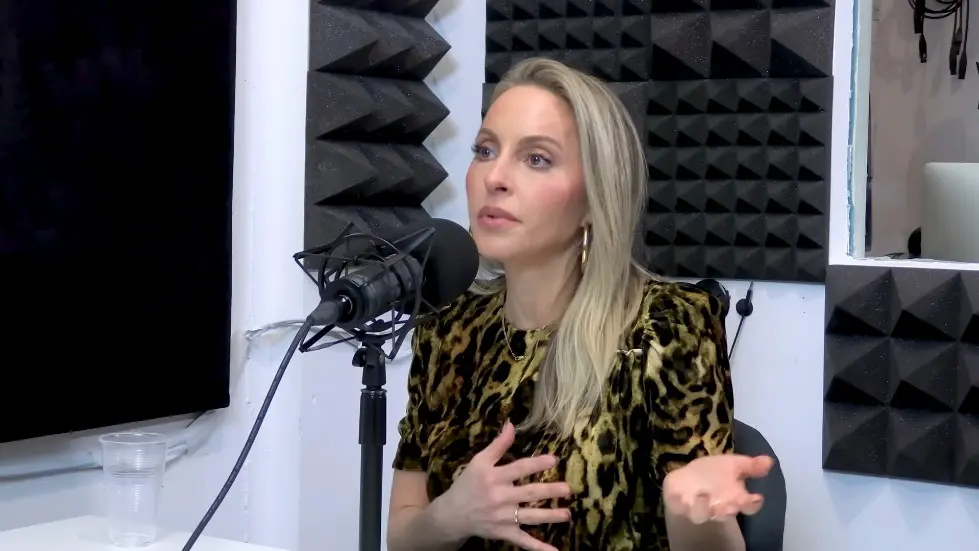
Being Present in the Moment
- Being present in the moment is important for healing the body and mind.
- Mindfulness practices such as meditation and breathwork can help you be present.
- It is important to be gentle with yourself and not judge yourself for past mistakes.
- Forgiveness is a key component of healing and moving forward.
- Being present in the moment can help you connect with your intuition and make better decisions for your life.
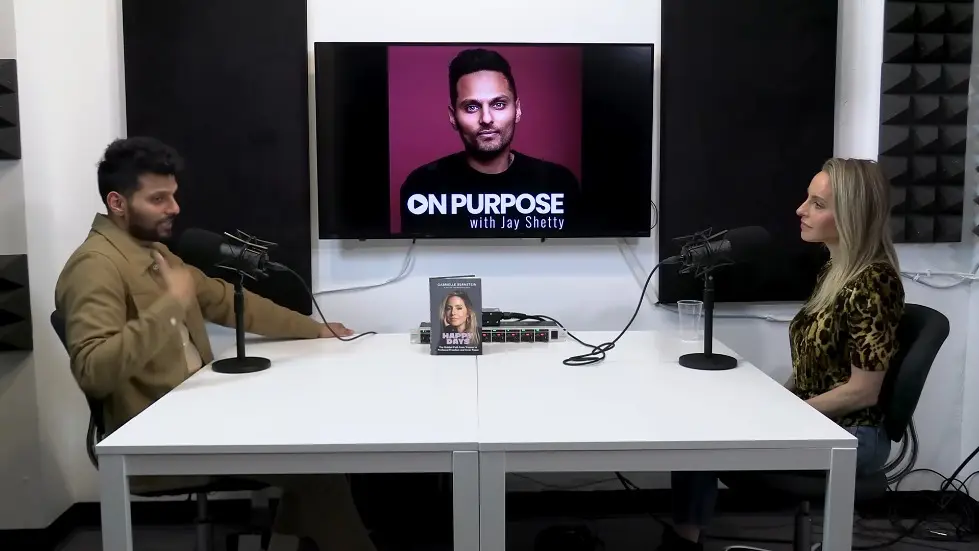
Sharing Trauma and Healing
- Sharing a book like Happy Days with a partner or friend can help the traumatized person feel less alone and the partner gain insight into their experience.
- Sharing even paragraphs or pictures from the book can be helpful.
- Unhealed trauma can affect every aspect of life and relationships.
- Sharing and addressing trauma can help end the stigma and shift the shame surrounding it.
- Shame can be a barrier to opening up to partners or even reading a book about trauma.

Overcoming Fear of Trauma
- Some people deny having trauma or shame, even when doing inner child meditations or other work.
- Fear of getting stuck in trauma can be a barrier to opening up.
- Opening up to trauma can be a gentle process.
- Happy Days provides a path for opening up to trauma without getting stuck.
- There is a difference between opening up and feeling like your whole life is collapsing.
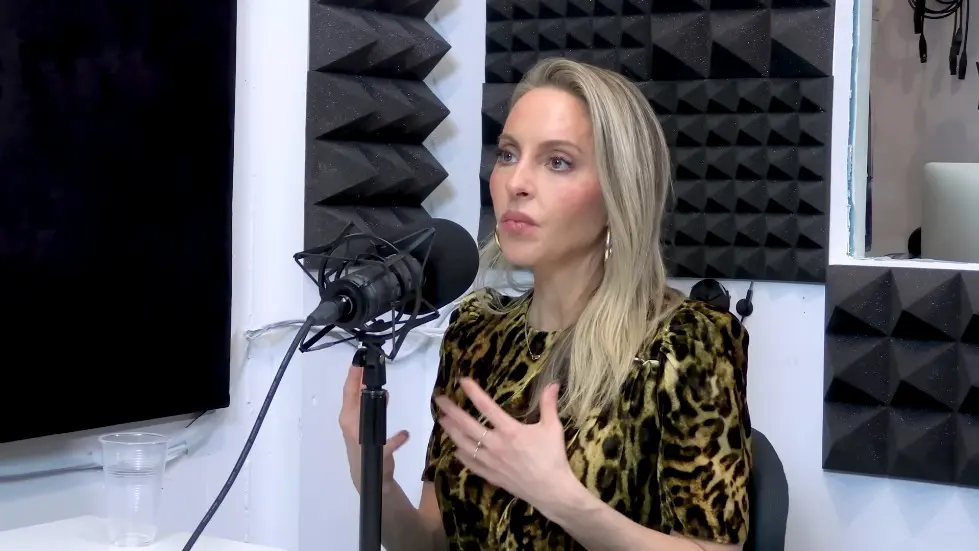
Being Present in the Moment
- Being present in the moment is key to healing.
- Being present can help you recognize patterns and triggers.
- Being present can help you respond to situations in a healthier way.
- Being present can help you connect with your intuition and inner guidance.
- Being present can help you experience joy and gratitude.

Addressing Trauma in the Workplace
- Unhealed trauma can affect workplace relationships and scenarios.
- Addressing trauma can help create a healthier workplace environment.
- Being present in the moment can help you respond to workplace situations in a healthier way.
- Addressing trauma can help end the cycle of trauma being tied up in more people's trauma.
- Happy Days provides tools for addressing trauma in the workplace.
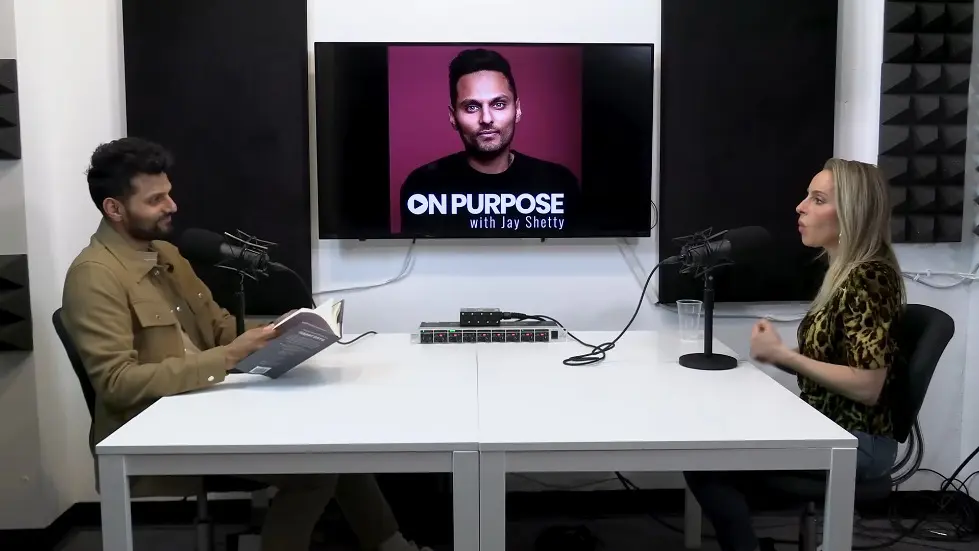
You have read 50% of the summary.
To read the other half, please enter your Name and Email. It's FREE.
You can unsubscribe anytime. By entering your email you agree to our Terms & Conditions and Privacy Policy.
Watch the video on YouTube:
If You Want To COMPLETELY HEAL Your Body & Mind, WATCH THIS! | Gabrielle Bernstein & Jay Shetty - YouTube
Related summaries of videos:
- How To Change The World & Make An Impact! | Matt Damon & Gary White
- If You Want To COMPLETELY CHANGE Your Life In 7 Days, WATCH THIS! | Lisa Bilyeu
- The BIG SIGNS You've Found THE ONE... (Find The Perfect Relationship) | Jay & Radhi Shetty
- In Order To Change Your Life, YOU NEED TO LEARN THIS FIRST! | Zachary Levi & Jay Shetty
- How To REMOVE TOXIC PEOPLE & Thoughts From Your Life! | Lindsey Stirling
- The 3 MONEY MYTHS That Keep You Poor! (How To Build Wealth) | Jaspreet Singh & Jay Shetty
- The 3 KEY SIGNS That Relationship Will Last! (How To Find Love) | Lewis Howes & Jay Shetty
- LONGEVITY: The Daily Hacks To COMPLETELY HEAL Your Body & Mind! | Shawn Stevenson & Jay Shetty
- This SECRET Was Kept By Monks - How To Achieve SELF MASTERY | Gauranga Das & Jay Shetty
- If You Want To CHANGE Your Life In 1 Year, WATCH THIS! | Jenna Kutcher & Jay Shetty
- Home
- About us
- Contact
- Book Summaries 0-9
- Book Summaries A
- Book Summaries B
- Book Summaries C
- Book Summaries D
- Book Summaries E
- Book Summaries F
- Book Summaries G
- Book Summaries H
- Book Summaries I
- Book Summaries J
- Book Summaries K
- Book Summaries L
- Book Summaries M
- Book Summaries N
- Book Summaries O
- Book Summaries P
- Book Summaries Q
- Book Summaries R
- Book Summaries S
- Book Summaries T
- Book Summaries U
- Book Summaries V
- Book Summaries W
- Book Summaries X
- Book Summaries Y
- Book Summaries Z
- Jay Shetty Podcast - Summaries
- Tom Bilyeu Impact Theory - Summaries
- Lex Fridman - Summaries
- Diary of a CEO - Summaries
- Alex Hormozi - Summaries
