
Build More Muscle & Supercharge Your Longevity - Dr Gabrielle Lyon | Modern Wisdom 696
Last updated: Oct 22, 2023
The video is about the importance of building muscle for longevity and overall health. The host, Dr. Gabrielle Lyon, explains that skeletal muscle is the primary site for glucose disposal and is crucial for preventing diseases such as cardiovascular disease, cancer, diabetes, and Alzheimer's. She emphasizes the importance of training for strength and building skeletal muscle as a form of "body armor" to protect against catabolic crisis, which can occur during injury or illness. Dr. Lyon also discusses the role of skeletal muscle in mitigating the onset of diseases such as Parkinson's, dementia, and heart disease.
This video by Chris Williamson was published on Oct 21, 2023.
Video length: 01:33:34.
The video is about the importance of building muscle for longevity and overall health.
The host, Dr. Gabrielle Lyon, explains that skeletal muscle is not just about physical strength, but also plays a crucial role in glucose disposal, which is linked to several of the top causes of death, including cardiovascular disease, cancer, diabetes, and Alzheimer's. She emphasizes the need to train for strength and endurance, as well as focus on building skeletal muscle as a tissue that relates to medicine.
Dr. Lyon also discusses the role of skeletal muscle in mitigating the onset of diseases such as Parkinson's, dementia, and heart disease.
- Building muscle is crucial for preventing diseases such as cardiovascular disease, cancer, diabetes, and Alzheimer's.
- Skeletal muscle is the primary site for glucose disposal, which is important for overall health and longevity.
- Training for strength and building skeletal muscle is a form of "body armor" that protects against catabolic crisis, which can occur during injury or illness.
- Skeletal muscle plays a role in mitigating the onset of diseases such as Parkinson's, dementia, and heart disease.
- Building muscle requires mental strength, fortitude, and resiliency.
- Skeletal muscle is a nutrient sensing organ that senses the quality of the diet and specifically the amino acids that are important for muscle growth and maintenance.
- The efficiency of skeletal muscle as a nutrient sensing organ goes down as we age, which can lead to a decline in muscle mass and function.
- Focusing on hypertrophy and strength is important, but focusing on skeletal muscle as a tissue that relates to medicine is paramount.
- Having more muscle can help mitigate the onset of diseases such as Alzheimer's, Parkinson's, dementia, and heart disease.
Build More Muscle & Supercharge Your Longevity - Dr Gabrielle Lyon | Modern Wisdom 696 - YouTube

The Importance of Building Muscle for Longevity
- Building muscle is crucial for preventing diseases such as cardiovascular disease, cancer, diabetes, and Alzheimer's.
- Skeletal muscle is the primary site for glucose disposal, which is important for overall health and longevity.
- Training for strength and building skeletal muscle is a form of "body armor" that protects against catabolic crisis, which can occur during injury or illness.
- Skeletal muscle plays a role in mitigating the onset of diseases such as Parkinson's, dementia, and heart disease.
- Building muscle requires mental strength, fortitude, and resiliency.
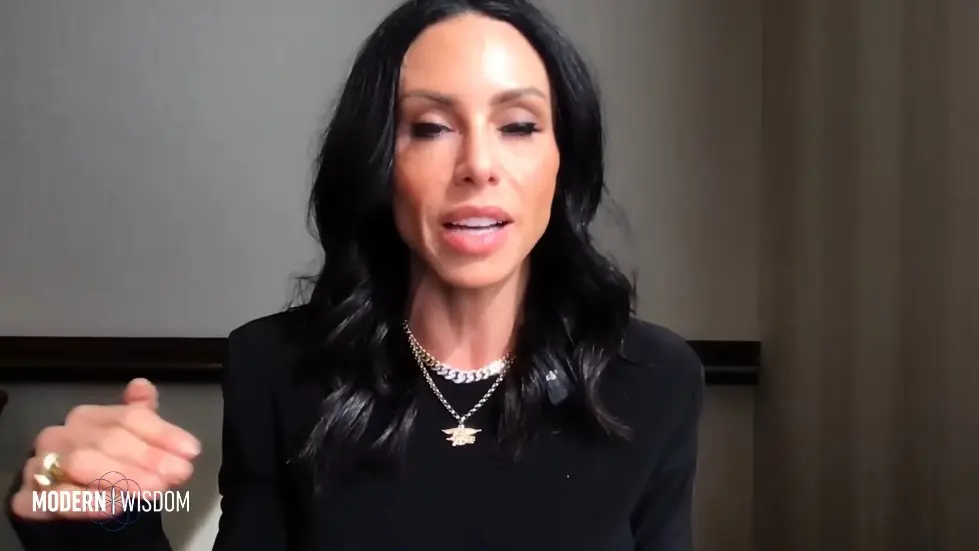
The Role of Skeletal Muscle in Health and Longevity
- Skeletal muscle is the primary site for glucose disposal, which is important for overall health and longevity.
- Skeletal muscle is a nutrient sensing organ that senses the quality of the diet and specifically the amino acids that are important for muscle growth and maintenance.
- The efficiency of skeletal muscle as a nutrient sensing organ goes down as we age, which can lead to a decline in muscle mass and function.
- Focusing on hypertrophy and strength is important, but focusing on skeletal muscle as a tissue that relates to medicine is paramount.
- Having more muscle can help mitigate the onset of diseases such as Alzheimer's, Parkinson's, dementia, and heart disease.
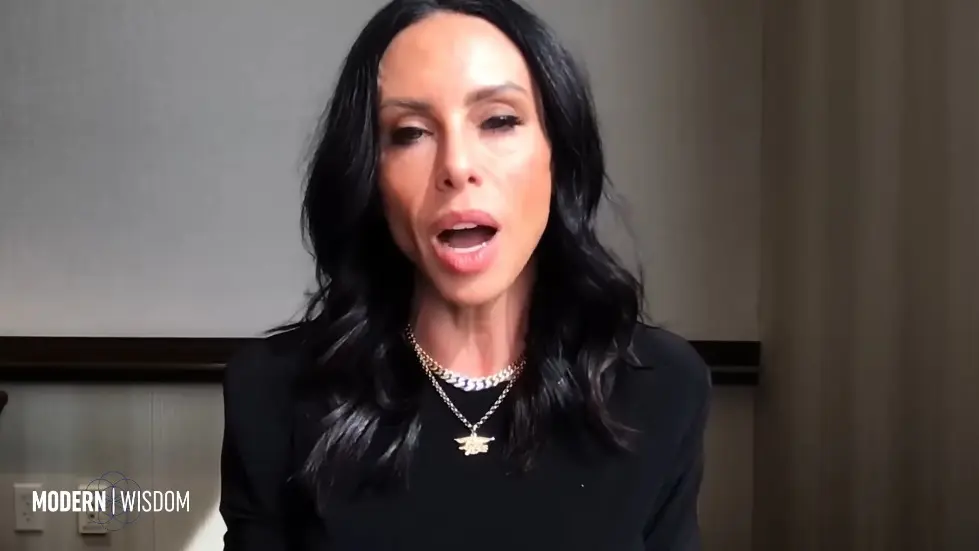
The Benefits of Building Muscle for Overall Health
- Building muscle can help prevent diseases such as cardiovascular disease, cancer, diabetes, and Alzheimer's.
- Training for strength and building skeletal muscle can help protect against catabolic crisis, which can occur during injury or illness.
- Building muscle can help improve overall health and longevity by mitigating the onset of diseases such as Parkinson's, dementia, and heart disease.
- Building muscle requires mental strength, fortitude, and resiliency, which can have positive effects on overall health and well-being.
- Building muscle can help improve physical function and make it easier to perform daily activities as we age.
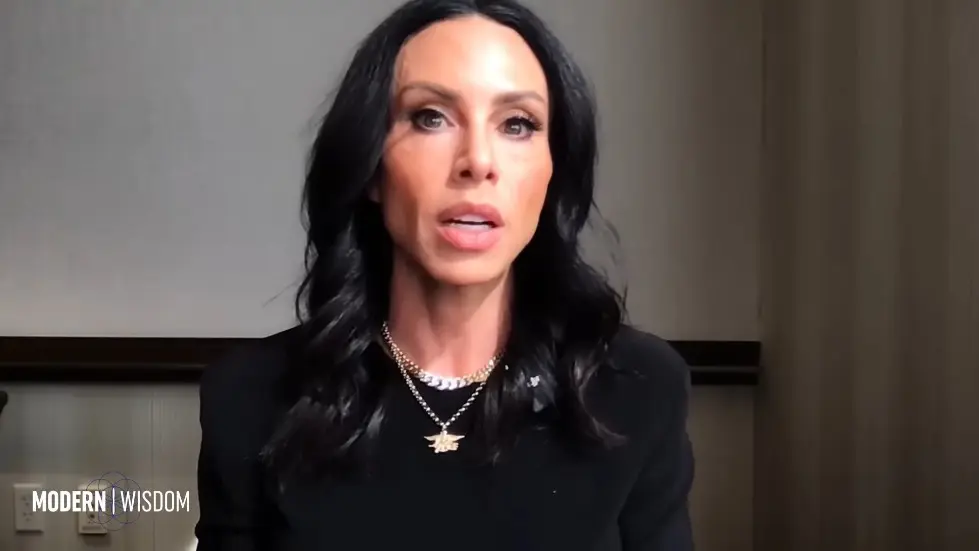
Build More Muscle & Supercharge Your Longevity - Dr Gabrielle Lyon | Modern Wisdom 696 - YouTube
The Importance of Mental Strength in Building Muscle
- Building muscle requires mental strength, fortitude, and resiliency.
- Mental strength is important for pushing through the challenges and setbacks that can occur during the process of building muscle.
- Mental strength can help individuals stay motivated and committed to their fitness goals, which is important for long-term success.
- Mental strength can also help individuals develop a growth mindset, which is important for personal and professional success in all areas of life.
- Mental strength can help individuals develop resilience, which is important for dealing with stress and adversity in all areas of life.
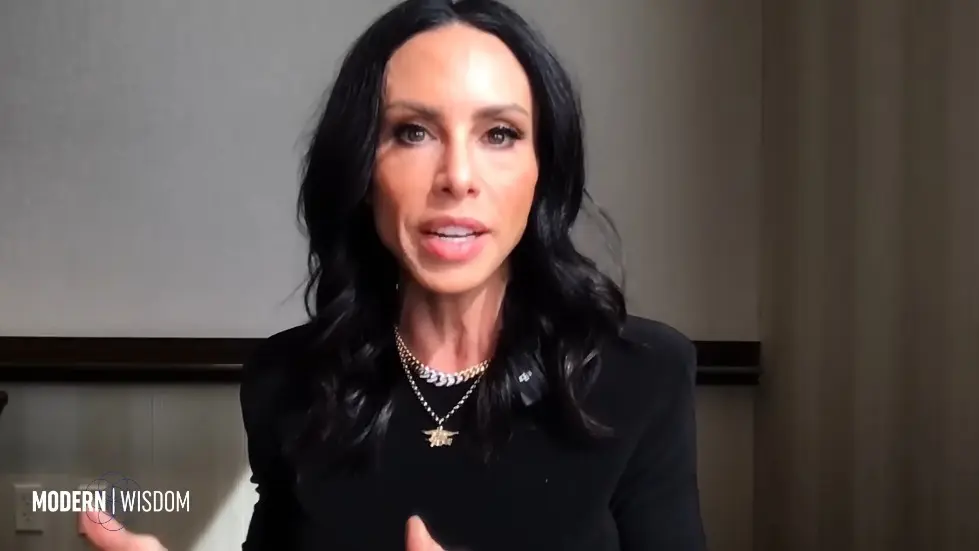
The Importance of Building Muscle for Longevity
- Dr. Gabrielle Lyon explains the importance of building muscle for longevity and overall health.
- Skeletal muscle is the primary site for glucose disposal and is crucial for preventing diseases such as cardiovascular disease, cancer, diabetes, and Alzheimer's.
- Training for strength and building skeletal muscle is important as a form of "body armor" to protect against catabolic crisis, which can occur during injury or illness.
- Skeletal muscle also plays a role in mitigating the onset of diseases such as Parkinson's, dementia, and heart disease.
The Importance of Building Muscle for Longevity
- Skeletal muscle is the primary site for glucose disposal and is crucial for preventing diseases such as cardiovascular disease, cancer, diabetes, and Alzheimer's.
- Training for strength and building skeletal muscle can be seen as "body armor" to protect against catabolic crisis, which can occur during injury or illness.
- Skeletal muscle plays a role in mitigating the onset of diseases such as Parkinson's, dementia, and heart disease.
- Building muscle can improve insulin sensitivity and glucose disposal, which can help prevent and manage type 2 diabetes.
- Building muscle can also improve bone density and reduce the risk of osteoporosis.

The Role of Skeletal Muscle in Health and Longevity
- Skeletal muscle is the primary site for glucose disposal and is crucial for preventing diseases such as cardiovascular disease, cancer, diabetes, and Alzheimer's.
- Training for strength and building skeletal muscle can be seen as "body armor" to protect against catabolic crisis, which can occur during injury or illness.
- Skeletal muscle plays a role in mitigating the onset of diseases such as Parkinson's, dementia, and heart disease.
- Building muscle can improve insulin sensitivity and glucose disposal, which can help prevent and manage type 2 diabetes.
- Building muscle can also improve bone density and reduce the risk of osteoporosis.
The Benefits of Building Muscle for Health and Longevity
- Building muscle can improve insulin sensitivity and glucose disposal, which can help prevent and manage type 2 diabetes.
- Building muscle can also improve bone density and reduce the risk of osteoporosis.
- Building muscle can improve cardiovascular health and reduce the risk of heart disease.
- Building muscle can improve cognitive function and reduce the risk of dementia and Alzheimer's.
- Building muscle can improve overall physical function and quality of life.
The Importance of Measuring Skeletal Muscle Mass
- Directly measuring skeletal muscle mass is important for understanding the relationship between muscle mass and health outcomes.
- Current methods for measuring muscle mass, such as DEXA, have limitations and may not provide a consistent way of measuring muscle mass over time.
- New methods for directly measuring muscle mass, such as D3 creatine, are emerging and may provide more accurate and consistent measurements.
- Tracking muscle mass over time can help individuals understand the impact of their training and make adjustments as needed.
- Directly measuring muscle mass can also help healthcare professionals better understand the relationship between muscle mass and health outcomes.
The Importance of Building Muscle for Longevity
- Building muscle is crucial for preventing diseases such as cardiovascular disease, cancer, diabetes, and Alzheimer's.
- Skeletal muscle is the primary site for glucose disposal.
- Training for strength and building skeletal muscle is important as a form of "body armor" to protect against catabolic crisis, which can occur during injury or illness.
- Skeletal muscle plays a role in mitigating the onset of diseases such as Parkinson's, dementia, and heart disease.
- Individuals with more muscle mass have a greater survivability.

The Role of Exercise in Building Muscle
- Walking is great but not enough for building muscle.
- Flux, or activity and utilization of glycogen, is important for building muscle.
- Skeletal muscle requires stimulation, not just walking.
- Skeletal muscle utilizes fatty acids at rest, which is why an individual's health is determined by their activity.
- Individuals with obesity may have more muscle, but the quality of the tissue is not necessarily healthy.
The Plasticity of Muscle Tissue
- Muscle tissue is very pliable and can be changed in a healthy way.
- Adding mass to an organ system in a healthy way is possible through attention and awareness.
- 50% of Americans do not exercise, which has a bigger impact on skeletal muscle health than diet.
- The influence of exercise on all homeostatic mechanisms in the body is profound.
- The human body is flexible and can adapt to different ways of eating.
The Ultimate Outcome of Muscle-Centric Medicine
- Muscle-centric medicine is a form of medicine that focuses on the health and wellbeing of skeletal muscle.
- Skeletal muscle is the pinnacle of health and wellbeing.
- Training for strength and building skeletal muscle is important as a form of "body armor" to protect against catabolic crisis.
- Skeletal muscle plays a role in mitigating the onset of diseases such as Parkinson's, dementia, and heart disease.
- Individuals with more muscle mass have a greater survivability.

The Importance of Building Muscle for Longevity
- Skeletal muscle is the primary site for glucose disposal and is crucial for preventing diseases such as cardiovascular disease, cancer, diabetes, and Alzheimer's.
- Training for strength and building skeletal muscle is important as a form of "body armor" to protect against catabolic crisis, which can occur during injury or illness.
- Skeletal muscle also plays a role in mitigating the onset of diseases such as Parkinson's, dementia, and heart disease.
- Building muscle can also improve overall health and fitness, leading to a longer and healthier life.

Training While Pregnant
- There is little data in literature on training while pregnant, but it is generally recommended to continue to do what you do.
- It is important to understand that you will feel bad during pregnancy, so training can help alleviate some of the discomfort.
- Activities such as walking, moving, and lifting can induce labor later on, so it is important to consult with a healthcare provider before starting any new exercise routine.
- Giving birth is like a sport, so activities such as squats and deadlifts can be difficult, but it is important to be able to carry and move during pregnancy.

Improving Fertility
- Diet plays a role in fertility, with foods rich in zinc and proteins being particularly beneficial.
- Having a good body composition can also improve fertility, as it can lead to better sperm health.
- Resistance training can also play a role in improving fertility, as it can help improve sperm volume and quality.
- Clomid or enclomiphene, a selective estrogen receptor modulator, can be used to improve fertility in men.
The Importance of Building Muscle for Longevity
- Skeletal muscle is the primary site for glucose disposal and is crucial for preventing diseases such as cardiovascular disease, cancer, diabetes, and Alzheimer's.
- Training for strength and building skeletal muscle is important as a form of "body armor" to protect against catabolic crisis, which can occur during injury or illness.
- Skeletal muscle also plays a role in mitigating the onset of diseases such as Parkinson's, dementia, and heart disease.
- Building muscle can also improve overall health and well-being, including bone density, joint mobility, and balance.
- It is important to prioritize building muscle as part of a holistic approach to health and wellness.

The Diet Culture vs. Training Culture
- The diet culture has been fervent and religious for at least 30 years, with a focus on weight loss and restriction.
- The training culture, on the other hand, is more focused on building strength and muscle, with a focus on nutrition as a complementary aspect of training.
- The two cultures are often at odds, with crossfitters being the only group that both groups hate.
- As more people plant a flag for their training modality, it is likely that this will become a battleground for religious fights over nutrition and training.
- It is important to be aware of the different perspectives and approaches to nutrition and training, and to find a balance that works for individual needs and goals.

The History of Nutritional Sciences
- The history of nutritional sciences dates back to the Great Depression and World War II, when the US identified nutrition as a real threat.
- The US issued guidelines and campaigns to educate people on the importance of high-quality proteins, fruits, vegetables, and other nutrients for building strong muscles and improving overall health.
- The campaign was successful in increasing the consumption of these foods, and they were shipped to soldiers overseas.
- The campaign also led to the rise of vegan and vegetarian movements, with influential figures such as Sylvester Graham and John Kellogg promoting these diets.
- Today, the focus on nutrition and training has evolved, with a greater emphasis on building muscle and overall health and wellness.
Conclusion
- Building muscle is important for overall health and wellness, and can help prevent and mitigate the onset of various diseases.
- The diet culture and training culture are often at odds, with different perspectives and approaches to nutrition and training.
- The history of nutritional sciences dates back to the Great Depression and World War II, with a focus on high-quality proteins and other nutrients for building strong muscles.
- It is important to be aware of the different perspectives and approaches to nutrition and training, and to find a balance that works for individual needs and goals.
- Overall, building muscle and prioritizing nutrition and training can lead to improved health and well-being.
The Importance of Building Muscle for Longevity
- Skeletal muscle is the primary site for glucose disposal and is crucial for preventing diseases such as cardiovascular disease, cancer, diabetes, and Alzheimer's.
- Training for strength and building skeletal muscle is important as a form of "body armor" to protect against catabolic crisis, which can occur during injury or illness.
- Skeletal muscle also plays a role in mitigating the onset of diseases such as Parkinson's, dementia, and heart disease.
- Building muscle can also improve overall health and wellness, including bone density, metabolism, and immune function.
- It is important to note that building muscle requires a balanced diet and regular exercise, and should be done under the guidance of a healthcare professional.

The Importance of Building Muscle for Longevity
- Skeletal muscle is the primary site for glucose disposal and is crucial for preventing diseases such as cardiovascular disease, cancer, diabetes, and Alzheimer's.
- Training for strength and building skeletal muscle can be seen as "body armor" to protect against catabolic crisis, which can occur during injury or illness.
- Skeletal muscle also plays a role in mitigating the onset of diseases such as Parkinson's, dementia, and heart disease.
- Building muscle can also improve overall health and well-being, including bone density, joint mobility, and balance.
- It is important to note that building muscle is not just about physical appearance, but also about improving overall health and longevity.

The Importance of Building Muscle for Longevity
- Skeletal muscle is the primary site for glucose disposal and is crucial for preventing diseases such as cardiovascular disease, cancer, diabetes, and Alzheimer's.
- Training for strength and building skeletal muscle can be seen as "body armor" to protect against catabolic crisis, which can occur during injury or illness.
- Skeletal muscle also plays a role in mitigating the onset of diseases such as Parkinson's, dementia, and heart disease.
- Building muscle can also improve overall health and well-being, including bone density, metabolism, and energy levels.
Protein Intake for Building Muscle
- The ideal protein intake for building muscle is 1 gram per pound of ideal body weight.
- It is important to understand that hitting the first meal of the day and eating early on can help retrain the body through feeding patterns.
- A protein shake, whether it's a whey protein shake or a whey concentrate, can be a convenient and effective way to increase dietary protein intake.
- Thinking about other low molecular weight molecules and compounds, such as anthocyanins and other nutrients, can also be beneficial for overall health and well-being.
Fasting and Protein Intake
- Fasting can be beneficial for retraining the body through feeding patterns.
- Eating after coming out of an overnight fast can stimulate muscle growth and improve overall health and well-being.
- It is important to find a balance between fasting and protein intake that works best for individual needs and goals.

Macronutrient Dynamics and Protein Intake
- The 24-hour dietary protein intake is most important for muscle protein synthesis.
- Protein distribution matters and there are different schools of thought on how to optimize protein intake.
- It is important to consider meal distribution studies and their impact on muscle protein synthesis when planning protein intake.

Section 1: Importance of Skeletal Muscle
- Skeletal muscle is the primary site for glucose disposal.
- It is crucial for preventing diseases such as cardiovascular disease, cancer, diabetes, and Alzheimer's.
- Skeletal muscle also plays a role in mitigating the onset of diseases such as Parkinson's, dementia, and heart disease.
- Training for strength and building skeletal muscle can be seen as "body armor" to protect against catabolic crisis, which can occur during injury or illness.

You have read 50% of the summary.
To read the other half, please enter your Name and Email. It's FREE.
You can unsubscribe anytime. By entering your email you agree to our Terms & Conditions and Privacy Policy.
Watch the video on YouTube:
Build More Muscle & Supercharge Your Longevity - Dr Gabrielle Lyon | Modern Wisdom 696 - YouTube
Related summaries of videos:
- Why Is Everyone Losing Their Minds? - Konstantin Kisin (4K) | Modern Wisdom 697
- Did The Sexual Revolution Actually Benefit Women? - Mary Eberstadt | Modern Wisdom 698
- Non-Monogamy, Exclusivity Agreements & Regulating Sexual Jealousy - Justin Mogiliski | Modern Wisdom
- Practical Tools To Hack Your Brain For Success - Dr Andrew Huberman (4K)
- Why Modern Dating Feels So Awful - Alex DatePsych
- 16 Lessons From 700 Episodes - Sam Harris, Mark Manson & Tim Urban
- Patrick Bet-David - Why Does No One Trust The Media Anymore? (4K)
- Ancestral Mating Strategies VS Modern Mating - Mads Larsen
- The 5 Most Effective Techniques To Hack Your Habits - Spencer Greenburg | Modern Wisdom 705
- “We Need To Stop Listening To These People” - Douglas Murray (4K)
- Home
- About us
- Contact
- Book Summaries 0-9
- Book Summaries A
- Book Summaries B
- Book Summaries C
- Book Summaries D
- Book Summaries E
- Book Summaries F
- Book Summaries G
- Book Summaries H
- Book Summaries I
- Book Summaries J
- Book Summaries K
- Book Summaries L
- Book Summaries M
- Book Summaries N
- Book Summaries O
- Book Summaries P
- Book Summaries Q
- Book Summaries R
- Book Summaries S
- Book Summaries T
- Book Summaries U
- Book Summaries V
- Book Summaries W
- Book Summaries X
- Book Summaries Y
- Book Summaries Z
- Jay Shetty Podcast - Summaries
- Tom Bilyeu Impact Theory - Summaries
- Lex Fridman - Summaries
- Diary of a CEO - Summaries
- Alex Hormozi - Summaries
