
How To Get Over Your Ex | Guy Winch - MP Podcast #111
Last updated: Jul 2, 2023
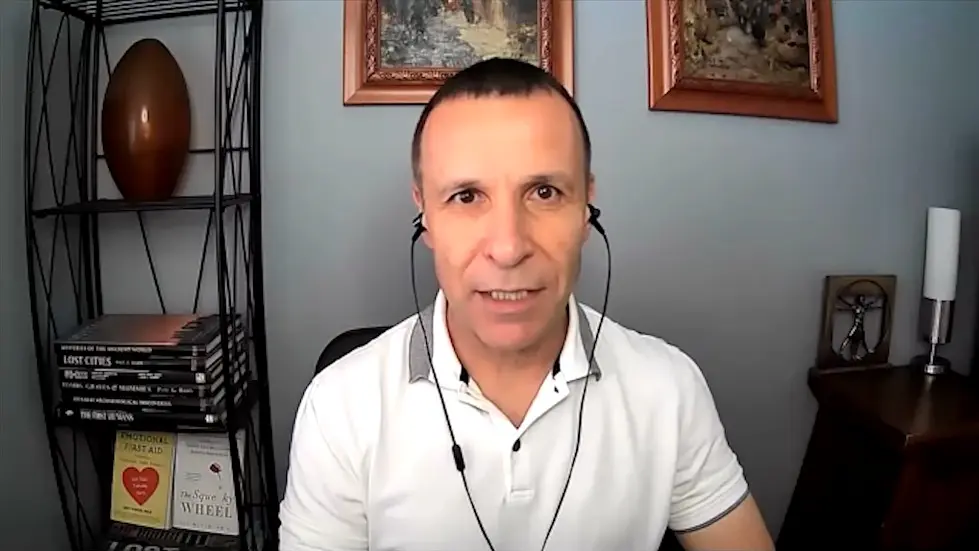
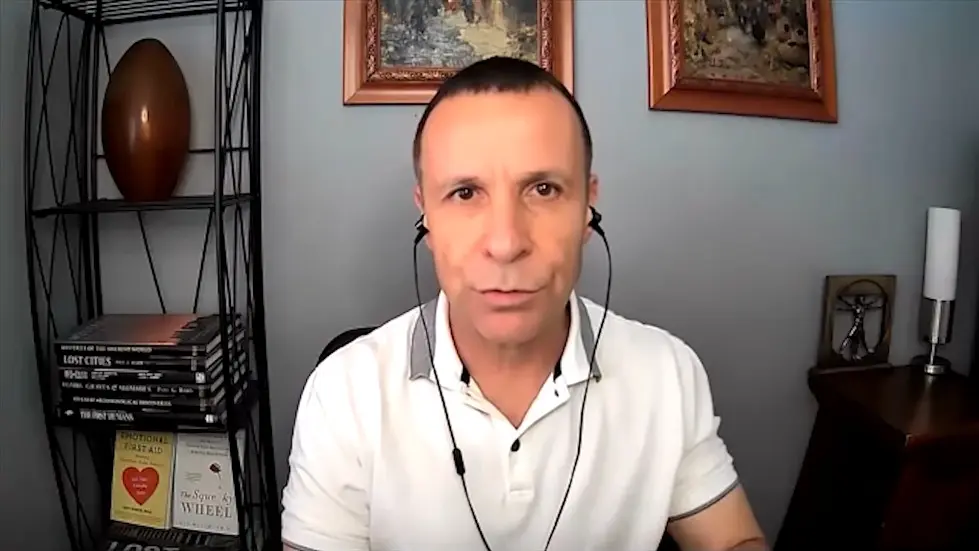
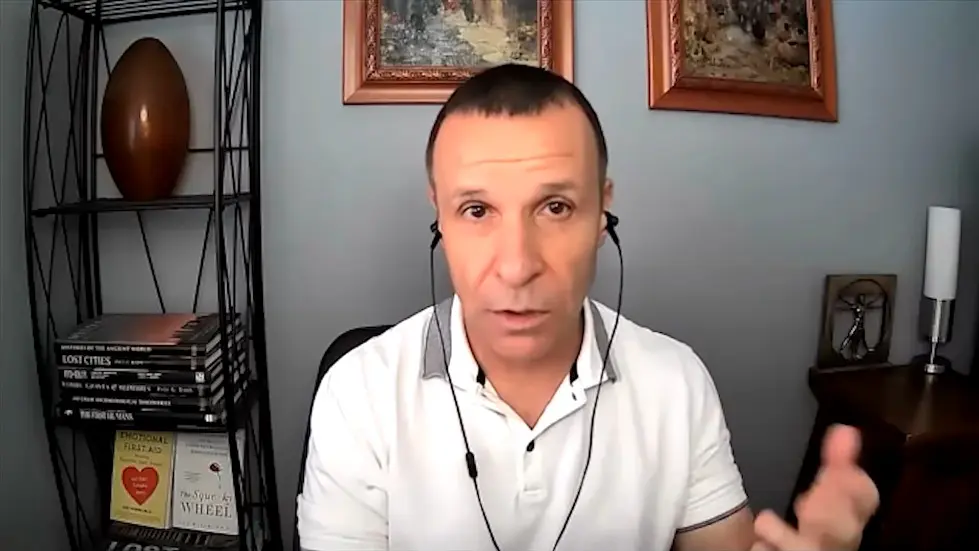
The video is about how to get over a broken heart and the research on couples therapy. The speaker, Guy Winch, is a psychologist and author who specializes in the topics of trauma, heartbreak, and couples relationships. He has written several self-help books and co-hosts a podcast called "Dear Therapists." In this episode, he talks about the specific topic of relationships and heartbreak, and how to deal with trauma. Winch discusses his own experience with heartbreak and how it can affect people of all ages. He also talks about the unique nature of heartbreak as a life experience that can take someone who has no psychological problems and render them non-functional.
This video by Mikhaila Peterson was published on Sep 7, 2021.
Video length: 59:19.
The video is about the research on couples and how couples therapists can use it to help couples get over their relationship issues.
The speaker, Guy Winch, is a psychologist and author who specializes in the topics of trauma, heartbreak, and couples relationships. He has written several self-help books and co-hosts a podcast called "Dear Therapists." In this episode, he talks about the subject of heartbreak and how to heal a broken heart. He discusses the common experience of heartbreak at all ages and how it can take someone who has no psychological problems and render them non-functional.
He also talks about the importance of therapy in navigating heartbreak and how it can help someone move forward.
- Couples therapy research shows that most therapists can accurately predict divorce with over 90% accuracy in a five-minute snippet of a couple arguing.
- The accuracy of couples therapy is due to the unique nature of how couples process conflict.
- Several factors have been shown to both improve and worsen couples' relationships.
- Couples therapy is not for couples who argue in a certain way.
- The accuracy of couples therapy is not for everyone, and it depends on the couple's relationship dynamics.
- Heartbreak is a life experience that can take someone who has no psychological problems and render them non-functional.
- Heartbreak is not a common experience in life, and there is no life experience like it.
- Heartbreak can take someone who has no psychological problems and render them non-functional.
- Heartbreak is a unique experience that can take someone who has no psychological problems and render them non-functional.
How To Get Over Your Ex | Guy Winch - MP Podcast #111 - YouTube

Section 1: Research on Couples Therapy
- Couples therapy research shows that most therapists can accurately predict divorce with over 90% accuracy in a five-minute snippet of a couple arguing.
- The accuracy of couples therapy is due to the unique nature of how couples process conflict.
- Several factors have been shown to both improve and worsen couples' relationships.
- Couples therapy is not for couples who argue in a certain way.
- The accuracy of couples therapy is not for everyone, and it depends on the couple's relationship dynamics.
Section 2: Heartbreak and Relationships
- Heartbreak is a life experience that can take someone who has no psychological problems and render them non-functional.
- Heartbreak is not a common experience in life, and there is no life experience like it.
- Heartbreak can take someone who has no psychological problems and render them non-functional.
- Heartbreak is a unique experience that can take someone who has no psychological problems and render them non-functional.
- Heartbreak is a life experience that can take someone who has no psychological problems and render them non-functional.
Section 3: Guy Winch's Background and Self-Help Books
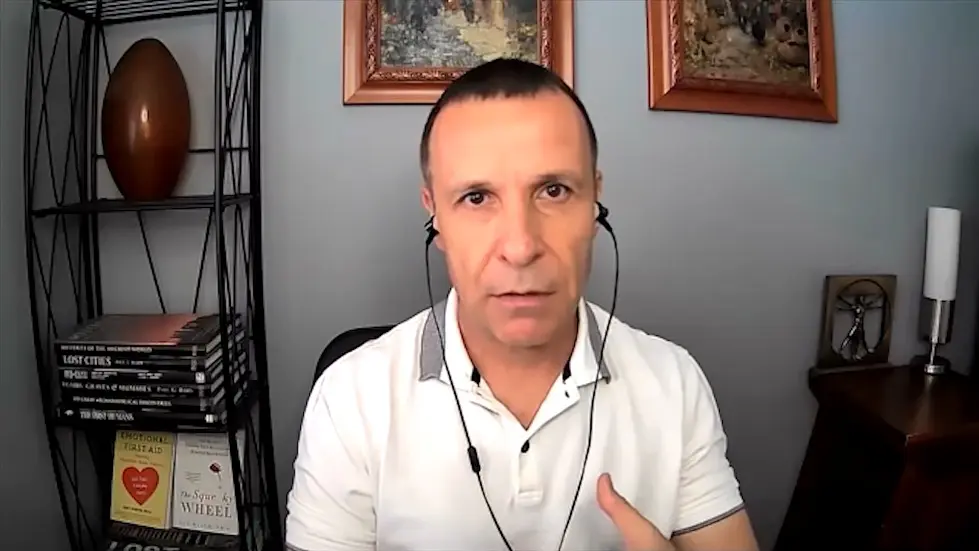
- Guy Winch is a psychologist and author who specializes in the topics of trauma, heartbreak, and couples relationships.
- He has written several self-help books, including "How to Fix a Broken Heart."
- He has also written a TED Talk of the same name.
- Winch has a podcast called "Dear Therapists" where he co-hosts with Laurie Gottlieb.
- On the podcast, they give advice to people who write them letters about their problems.
How To Get Over Your Ex | Guy Winch - MP Podcast #111 - YouTube
Section 4: Heartbreak and How to Heal a Broken Heart
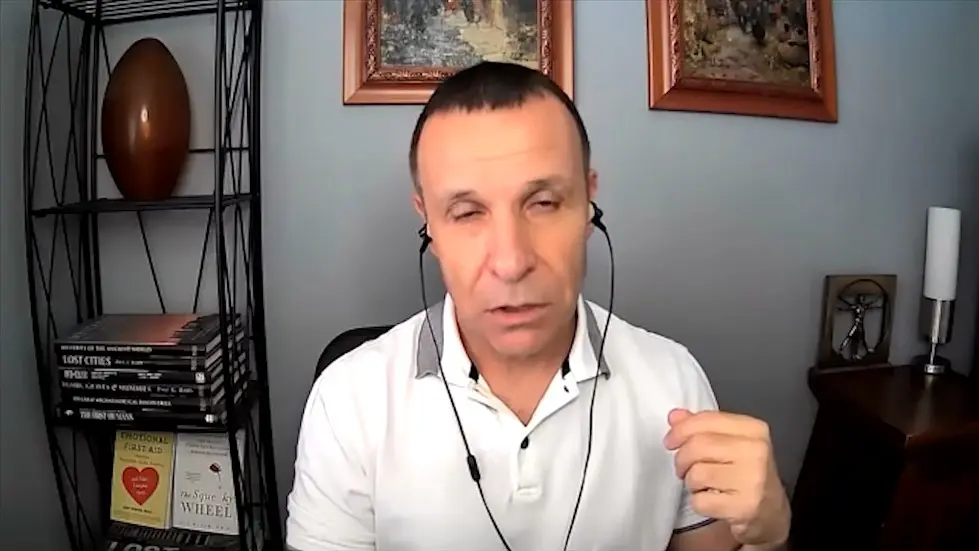
- Heartbreak is a common experience that happens to people of all ages.
- Heartbreak can take someone who has no psychological problems and render them non-functional.
- There is no common experience in life like heartbreak.
- Heartbreak can take someone who has no psychological problems and render them non-functional.
- Heartbreak is a life experience that can take someone who has no psychological problems and render them non-functional.
What is Heartbreak?
- Heartbreak is a form of grief that is not recognized as a sanctioned form of grief like losing a first degree relative.
- Reactions to heartbreak can be as powerful as those to losing a first degree relative.
- People can sit in bed and not be able to eat or sleep for days on end due to heartbreak.
- Heartbreak can cause people to do desperate acts they would never otherwise do.
- Heartbreak can take someone who has no psychological problems and render them non-functional.
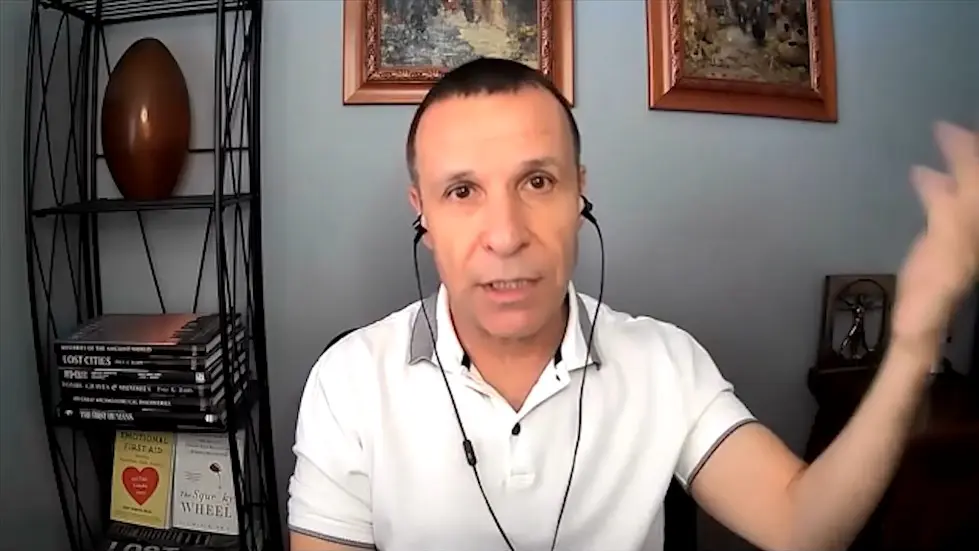
What Happens in the Brain When We're Heartbroken?
- Functional MRI studies and brain scans have shown that the same thing happens to our brain when love is removed from our lives.
- The same mechanisms that are activated when we're heartbroken are also activated during opiate withdrawal.
- People are so out of swords when they're heartbroken, which is similar to the shocking but unreasonable part of opiate withdrawal.
- People may send 150 text messages just waiting for a one-word response when they're heartbroken.
- The goal when you're heartbroken is to stop hurting and get over the person.
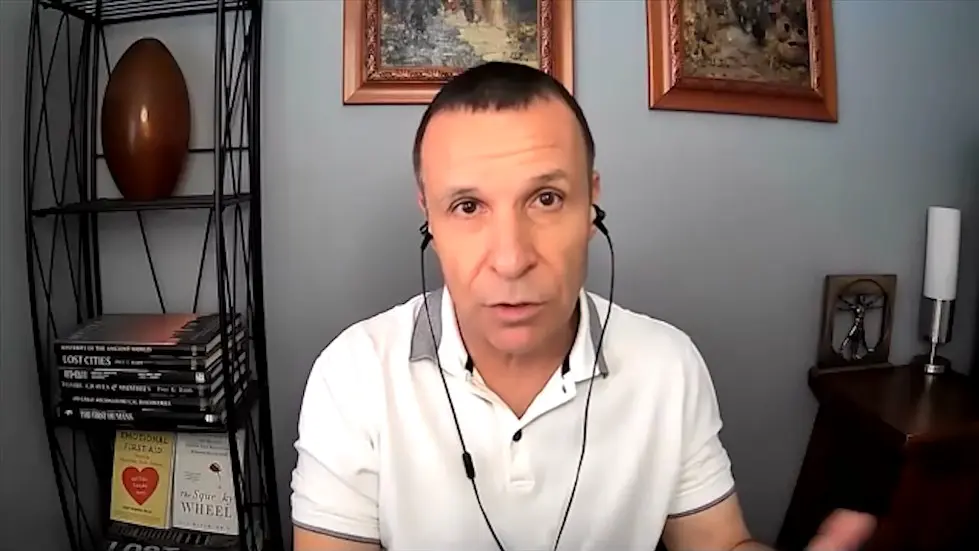
How to Deal with Heartbreak
- If it's possible, it's best to do cold turkey and treat heartbreak as an addiction.
- The goal when you're heartbroken is to stop hurting and get over the person.
- To diminish the presence of the person in your thoughts, you should reduce their presence in your thoughts.
- It's very difficult to do cold turkey, especially when there was a blind side involved.
- Almost in every case, there was a blind side involved in breaking up.

Getting Over a Broken Heart
- The speaker, Guy Winch, is a psychologist and author who specializes in the topics of trauma, heartbreak, and couples relationships.
- He has written several self-help books and co-hosts a podcast called "Dear Therapists."
- In this episode, he talks about the specific topic of relationships and heartbreak, and how to deal with trauma.
- Winch discusses his own experience with heartbreak and how it can affect people of all ages.
- He also talks about the unique nature of heartbreak as a life experience that can take someone who has no psychological problems and render them non-functional.

Social Media and Heartbreak
- Social media can make it difficult to get over a broken heart.
- It can be tempting to constantly check social media to see what the other person is doing, but this can be harmful.
- It's important to block and unfollow the other person on social media, even temporarily, to avoid being reminded of them.
- It's also important to remember that the other person may be putting out a highly curated version of their life on social media, which can be misleading.
- It's important to focus on your own healing and recovery, rather than trying to keep up with the other person's life on social media.

Friendships After Heartbreak
- It can be difficult to maintain friendships after a heartbreak.
- It's important to take a break from the other person, if temporarily, to focus on your own healing and recovery.
- If you do decide to maintain the friendship, it's important to communicate openly and honestly with the other person.
- It's also important to remember that the other person may not be ready to be friends yet, and that's okay.
- Ultimately, the decision to maintain a friendship after heartbreak should be based on what's best for both parties.

Getting Over a Relationship
- It can be difficult to get over a relationship, especially if it was a long-term one.
- It's important to take time for yourself and focus on your own healing and recovery.
- It's also important to communicate openly and honestly with the other person, if possible.
- If you do decide to end the relationship, it's important to do so in a respectful and amicable way.
- It's also important to remember that it's okay to take things slow and not rush into a new relationship right away.
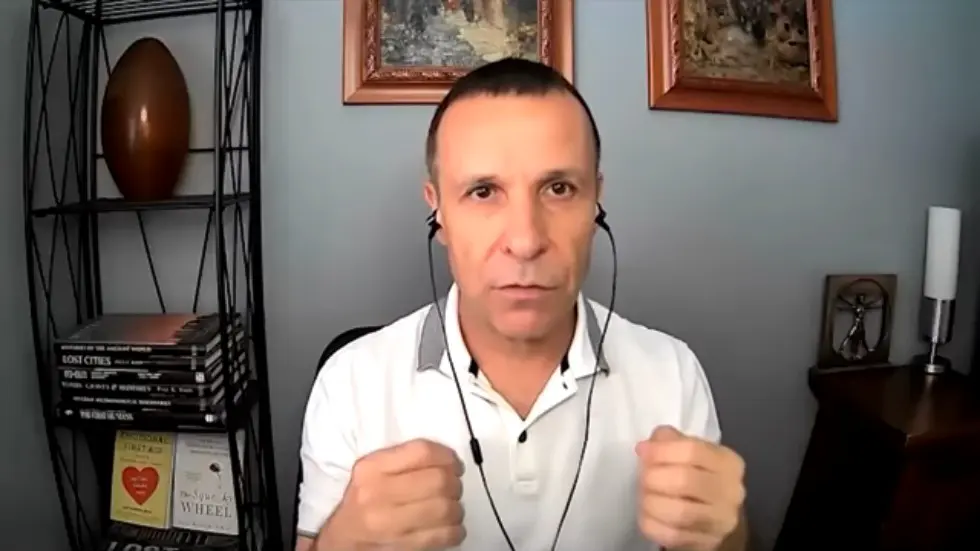
How to Get Over Your Ex
- The speaker, Guy Winch, recommends finding a way to engage in activities with others who share the same passion as you.
- This can help you meet people who have things in common with you, making it easier to form meaningful relationships.
- Winch suggests that couples who date each other without anything in common are more likely to drift apart emotionally and feel lonely.
- He also notes that loneliness can happen within relationships, especially when there is a lack of communication and overlap.
- Winch suggests that having children can provide a common ground for couples, but it is not the only solution.

Common Ground
- Two people can find common ground but it requires mutual effort and intentionality.
- Common ground can be found by exploring with one another and opening up to each other.
- Couples who have been together for a while may need to rediscover commonalities.
- Commonalities can be found by diving into each other and trying to understand where they are coming from.
- Couples can explore new areas of interest together, such as travel or hobbies.
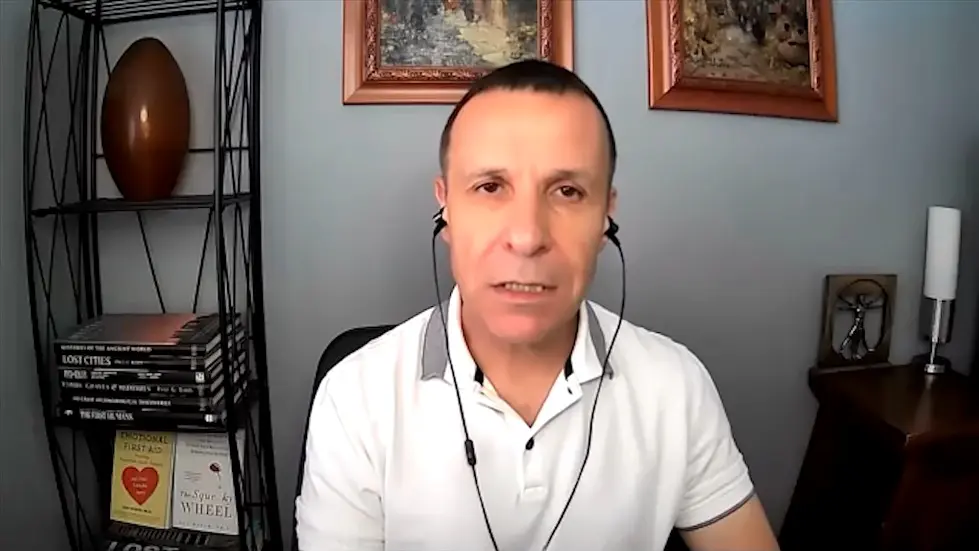
Communication
- Couples often avoid conversation because they think they already know each other.
- Couples can explore new topics together, such as current events or personal interests.
- Couples can make conversation a mutual experience by actively listening to each other.
- Couples can use conversation as a way to connect and deepen their relationship.
- Couples can make an effort to understand each other's perspectives and feelings.
Relationship Maintenance
- Relationships require effort and maintenance to keep them healthy and strong.
- Couples can make an effort to check in with each other regularly and address any issues that arise.
- Couples can make an effort to understand each other's needs and make an effort to meet them.
- Couples can make an effort to communicate openly and honestly with each other.
- Couples can make an effort to make time for each other and prioritize their relationship.

You have read 50% of the summary.
To read the other half, please enter your Name and Email. It's FREE.
You can unsubscribe anytime. By entering your email you agree to our Terms & Conditions and Privacy Policy.
Watch the video on YouTube:
How To Get Over Your Ex | Guy Winch - MP Podcast #111 - YouTube
Related summaries of videos:
- How to Heal Your Toxic Brain | Dr. Daniel Amen - MP Podcast #112
- Restructure your BRAIN using your THOUGHTS | Dr. Caroline Leaf - MP Podcast #113
- Men and Women and Evolution | Bret Weinstein & Heather Heying - MP Podcast #114
- Conversation Tricks From An FBI Negotiation Trainer | Mark Goulston - MP Podcast #115
- How Your Breathing is Damaging Your Health | James Nestor - MP Podcast #116
- Leaving the Cult of Wokeness with Jordan Peterson | Africa Brooke - MP Podcast #120
- The Art Of Seduction and Human Psychology | Robert Greene - MP Podcast #121
- How Men Can Instantly Look More Attractive | Tanner Guzy 123
- Opposing Views: Is Bitcoin The Future? | Peter Schiff & Robert Breedlove - MP Podcast #124
- Rollo Tomassi on the Mikhaila Peterson Podcast #131
- Home
- About us
- Contact
- Book Summaries 0-9
- Book Summaries A
- Book Summaries B
- Book Summaries C
- Book Summaries D
- Book Summaries E
- Book Summaries F
- Book Summaries G
- Book Summaries H
- Book Summaries I
- Book Summaries J
- Book Summaries K
- Book Summaries L
- Book Summaries M
- Book Summaries N
- Book Summaries O
- Book Summaries P
- Book Summaries Q
- Book Summaries R
- Book Summaries S
- Book Summaries T
- Book Summaries U
- Book Summaries V
- Book Summaries W
- Book Summaries X
- Book Summaries Y
- Book Summaries Z
- Jay Shetty Podcast - Summaries
- Tom Bilyeu Impact Theory - Summaries
- Lex Fridman - Summaries
- Diary of a CEO - Summaries
- Alex Hormozi - Summaries
