
How Your Breathing is Damaging Your Health | James Nestor - MP Podcast #116
Last updated: Jul 2, 2023
This video is about the impact of breathing on health, specifically sleep apnea. The speaker, James Nestor, discusses the importance of working out the muscles and cartilage in the throat to reduce and sometimes reverse sleep apnea. He also talks about the potential benefits of freediving and other aspects of breathing for overall health. The video is part of a podcast hosted by Mikhaila Peterson, who is interested in the potential of the human body and has been writing about health for several years.
This video by Mikhaila Peterson was published on Sep 24, 2021.
Video length: 56:30.
In this video, Mikhaila Peterson interviews James Nestor, a breathing expert, to discuss the impact of breathing on health.
The video covers topics such as freediving, the healthcare system, and the potential of the human body. Nestor shares his background and interests in health and the potential of the human body. He specifically wanted to speak with Peterson because her father has been diagnosed with sleep apnea and they wanted to discuss other aspects of breathing. Nestor discusses the problem of sleep apnea, its causes, and potential solutions. He also talks about the link between sleep apnea and chronic health problems such as diabetes, ADHD, and Alzheimer's.
Nestor emphasizes the importance of getting a proper diagnosis and fixing the root cause of the problem.
- The video is about the impact of breathing on health, specifically sleep apnea.
- The speaker, James Nestor, discusses the importance of working out the muscles and cartilage in the throat to reduce and sometimes reverse sleep apnea.
- He also talks about the potential benefits of freediving and other aspects of breathing for overall health.
How Your Breathing is Damaging Your Health | James Nestor - MP Podcast #116 - YouTube
Section 1: Introduction to Calm Breathing
- The speaker discusses the importance of breathing for health, specifically sleep apnea.
- The speaker mentions James Nestor, who discusses the benefits of working out the muscles and cartilage in the throat to reduce sleep apnea.
- The speaker also talks about the potential benefits of freediving and other aspects of breathing for overall health.
- The speaker emphasizes that calm breathing should be very relaxing and can be used anytime to calm oneself.
- The speaker mentions Wim Hof, who is known for his breathing techniques and their potential benefits for autoimmune issues, anxiety, fitness, and more.
Section 2: Wim Hof's Breathing Technique
- Wim Hof's method is an ancient method that teaches how to turn on stress and compound all day's stress in 20 minutes.
- The speaker mentions that Wim Hof's method is not as sexy as seeing him on stage in front of an audience doing it, but it is very effective.
- The speaker mentions that Wim Hof's method is not just about breathing heavily and holding one's breath, but also involves breathing very lightly and softly through the nose.
- The speaker mentions that Wim Hof's method has been around for thousands of years and there are many pranayamas that do the same thing.
- The speaker mentions that Wim Hof's method is accessible to everyone and has no negative side effects.

Section 3: Benefits of Calm Breathing
- The speaker mentions that calm breathing can make a big difference to mental health and sense of calm.
- The speaker mentions that there are many independent studies looking at the effectiveness of techniques like Sudarshan Kriya and Kundalini breathwork.
- The speaker mentions that calm breathing can help get all stress out and allow one to be so relaxed throughout the day.
- The speaker mentions that calm breathing is free and accessible to everyone.
- The speaker mentions that calm breathing is universal and has been practiced by Hindus, ancient Chinese, and many others today.

How Your Breathing is Damaging Your Health | James Nestor - MP Podcast #116 - YouTube
Section 4: Conclusion
- The speaker mentions that their book on calm breathing has been very successful and they are grateful for the support of their readers.
- The speaker mentions that they are grateful for the support of their agent and editor, even though they initially thought the book idea was stupid.
- The speaker mentions that they are grateful for the support of researchers who helped them understand the potential benefits of calm breathing.
- The speaker mentions that they are grateful for the support of their fans and the community who have embraced the practice of calm breathing.
- The speaker mentions that they are excited to continue exploring the potential benefits of calm breathing and sharing their knowledge with others.
Section 1: The Impact of Breathing on Health
- The speaker, James Nestor, discusses the importance of working out the muscles and cartilage in the throat to reduce and sometimes reverse sleep apnea.
- He also talks about the potential benefits of freediving and other aspects of breathing for overall health.
- The video is part of a podcast hosted by Mikhaila Peterson, who is interested in the potential of the human body and has been writing about health for several years.
- The speaker mentions that doctors in the field have put together breathing protocols for COVID-19 patients, starting with prone position instead of on their backs.
- Researchers have found that engaging the rest of the lungs and breathing more fluidly can make a huge difference for people suffering from severe COVID-19 and breathing problems.

Section 2: The Importance of Breathing in COVID-19 Treatment
- The speaker mentions that doctors in the field have put together breathing protocols for COVID-19 patients, starting with prone position instead of on their backs.
- Researchers have found that engaging the rest of the lungs and breathing more fluidly can make a huge difference for people suffering from severe COVID-19 and breathing problems.
- The speaker mentions that the medical community is so used to looking into pharmaceutical interventions that it's just a little bit outside of their forte.
- The speaker mentions that the medical community is dealing with acute severe problems, while the speaker is dealing with chronic low-grade problems.
- The speaker mentions that the medical community is dealing with people who come in with lung disease, while the speaker is dealing with people who have chronic low-grade problems.
Section 3: The Role of Breathing in Human Health
- The speaker mentions that there are so many aspects of our lives that are just wrong, and that fixing one part is not enough.
- The speaker mentions that the speaker is interested in the potential of the human body and has been writing about health for several years.
- The speaker mentions that the speaker is dealing with people who have chronic low-grade problems, while the speaker is dealing with people who come in with lung disease.
- The speaker mentions that the speaker is dealing with people who have acute severe problems, while the speaker is dealing with people who have chronic low-grade problems.
- The speaker mentions that the speaker is dealing with people who have walking dead, while the speaker is dealing with people who have chronic low-grade problems.
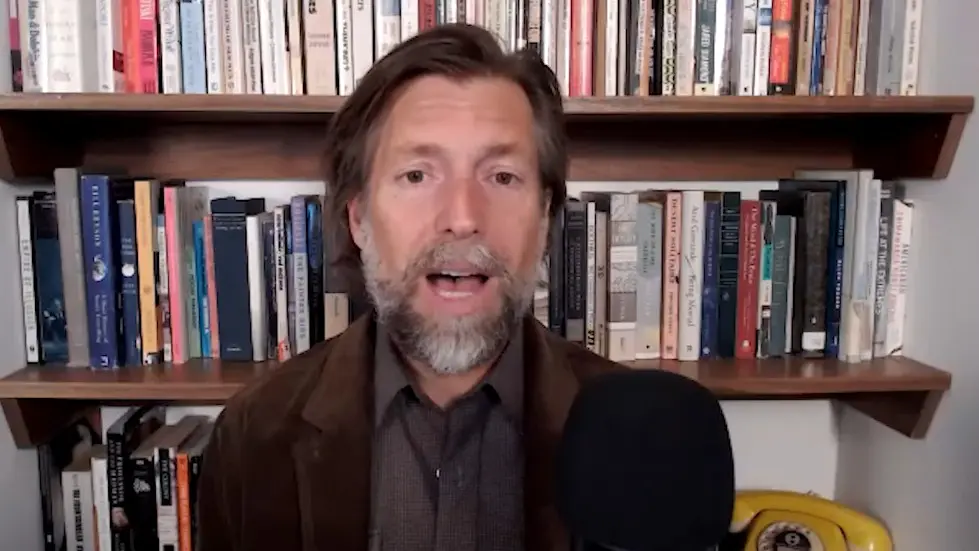
Section 4: The Impact of Breathing on Sleep Apnea
- The speaker mentions that working out the muscles and cartilage in the throat can reduce and sometimes reverse sleep apnea.
- The speaker mentions that the speaker is dealing with people who have chronic low-grade problems, while the speaker is dealing with people who come in with lung disease.
- The speaker mentions that the speaker is dealing with people who have acute severe problems, while the speaker is dealing with people who have chronic low-grade problems.
- The speaker mentions that the speaker is dealing with people who have walking dead, while the speaker is dealing with people who have chronic low-grade problems.
- The speaker mentions that the speaker is dealing with people who have chronic low-grade problems, while the speaker is dealing with people who come in with lung disease.
The Importance of Breathing for Health
- Breathing is an important aspect of overall health.
- It can impact sleep apnea, which is a chronic disease that affects breathing during sleep.
- Working out the muscles and cartilage in the throat can help reduce or reverse sleep apnea.
- Freediving and other aspects of breathing can have potential benefits for overall health.

The Impact of Breathing on Sleep Apnea
- Sleep apnea is a chronic disease that affects breathing during sleep.
- It can lead to a variety of health problems, including high blood pressure, diabetes, and heart disease.
- Working out the muscles and cartilage in the throat can help reduce or reverse sleep apnea.
- Freediving and other aspects of breathing can also help with sleep apnea.

The Potential Benefits of Freediving
- Freediving is a form of diving that involves holding one's breath for an extended period of time.
- It can have a variety of potential benefits for overall health, including improved lung function and increased oxygen intake.
- Freediving can also help with sleep apnea and other breathing problems.
- It is important to note that freediving should only be done with proper training and under the guidance of a qualified instructor.

The Importance of Proper Breathing Techniques
- Proper breathing techniques are important for overall health and well-being.
- It is important to pay attention to how you breathe, as it can impact your sleep, energy levels, and overall health.
- There are a variety of breathing techniques that can be helpful, including diaphragmatic breathing and alternate nostril breathing.
- It is important to find a breathing technique that works for you and to practice it regularly.
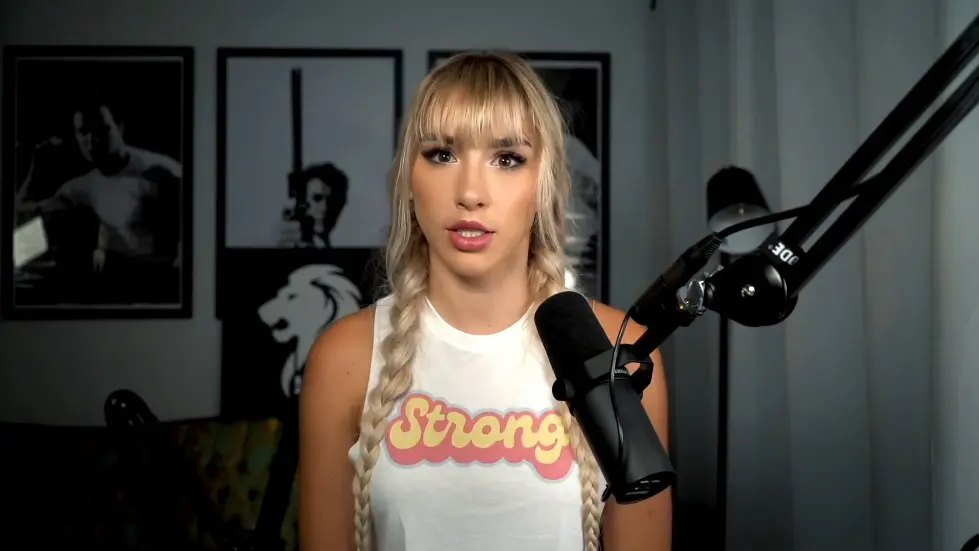
Section 1: Personal Experience with Breathing and Sweating
- The speaker, Mikhaila Peterson, shares her personal experience with sweating profusely and having her hair soaked wet.
- She went to her friends in medicine who said she had a fever and the room was too hot.
- Despite these factors, Mikhaila knew something was wrong and didn't know what to do.
- She put the experience in the back file and continued researching breathing.
- Years later, she was assigned to write about free divers for outside magazines.
Section 2: Breathing for Free Diving
- The speaker discusses the importance of breathing for free diving and how it can be used to hold breath for extended periods of time.
- She explains that the need to breathe is not triggered by oxygen, but by an increase of carbon dioxide (CO2).
- If you exhale and hold your breath, you can trigger the need to breathe by offloading CO2 from your body.
- The speaker simplifies the process by saying that if you hold your breath for a long time after hyperventilating, you are allowing your chemoreceptors to reset and have more time before they trigger the need to breathe.
Section 3: Dangers of Hyperventilation
- The speaker warns against hyperventilating before diving, as it can lead to passing out due to a lack of oxygen.
- She explains that if CO2 levels get too high, the body may need oxygen to function properly.
- The speaker emphasizes the importance of being aware of the dangers of hyperventilation and not pushing oneself too hard.

Section 4: The Benefits of Free Diving
- The speaker discusses the benefits of free diving, including the ability to accept an increase of CO2 and breathe slowly.
- She explains that free diving can be a transcendent meditative experience and can help connect the human body to the ocean.
- The speaker shares her personal experience with free diving and the sense of peace and connection it brought her.

The Benefits of Free Diving
- Free diving is a way to connect with oneself and force oneself into a meditative state.
- It is the easiest way to connect with oneself and to force oneself into a meditative state.
- Free diving is a huge deal in Europe, not just the competitive side but also for people who want to connect with themselves.
- Freedivers told the speaker not to pay attention to their watch, as their body changes from day to day.
- The speaker has done very shallow dives for about three minutes and even a minute underwater can be transformational.
The Importance of Proper Training
- It is important to practice free diving in a responsible way and with a proper teacher.
- Staying more shallow is recommended for beginners to get used to the breathing slowly.
- It is important to think of free diving like climbing a mountain and to use about 40 of one's energy.
- A proper free diving instructor will help you go down to seven feet and gradually increase the depth.
- It is important to know your halfway limit and to listen to your body when diving.

The Transformational Experience of Free Diving
- Feeling the negative buoyancy and the gravity-less state is a transformational experience.
- Staying down for a minute is a transformational experience and feeling the negative buoyancy.
- The speaker is definitely interested in practicing free diving in a responsible way.
- The speaker is interested in learning more about the breathing slowly and the energy used in free diving.
- The speaker is excited to try free diving and connect with oneself in a new way.

Conclusion
- Free diving is a way to connect with oneself and force oneself into a meditative state.
- It is important to practice free diving in a responsible way and with a proper teacher.
- The speaker is excited to try free diving and connect with oneself in a new way.
The Impact of Breathing on Health
- The speaker, James Nestor, discusses the importance of working out the muscles and cartilage in the throat to reduce and sometimes reverse sleep apnea.
- He also talks about the potential benefits of freediving and other aspects of breathing for overall health.
- The video is part of a podcast hosted by Mikhaila Peterson, who is interested in the potential of the human body and has been writing about health for several years.
- The speaker mentions that humans have something called a mammalian dive reflex, which is the same reflexes that dolphins and whales have.
- The deeper you go, the less of a terrestrial animal you become because more of these reflexes kick in, your spleen releases oxygenated blood into your bloodstream, and your blood comes into your core and your mind enters a meditative state.

Free Diving and Breathing
- The speaker mentions that free divers have recorded their heart rates at seven beats per minute during deep dives.
- This is the body learning that you're reacquainted with these ancient skills that we're all born with.
- When these skills start turning on, it can be freaky but also feels incredible because you feel like you're really connecting with your true nature.
- Free diving can be done by splashing cool water on your face, which triggers nerves in your face to send messages to your body to calm down.
- The deeper you go, the more oxygen you conserve, which allows you to stay underwater for longer periods of time.

Mammalian Dive Reflex
- The speaker mentions that humans have mammalian dive reflex, which is the same reflexes that dolphins and whales have.
- When you free dive, these animals accept you as one of their own and interact with you.
- When you're being aggressive, they associate bubbles with signs of aggression, but when you come up and interact with them, they start mimicking you.
- This is a beautiful thing and people can learn more about breathing and breath work on the speaker's website.
Conclusion
- The speaker discusses the importance of working out the muscles and cartilage in the throat to reduce and sometimes reverse sleep apnea.
- He also talks about the potential benefits of freediving and other aspects of breathing for overall health.
- The speaker mentions that humans have mammalian dive reflex, which is the same reflexes that dolphins and whales have.
- When you free dive, these animals accept you as one of their own and interact with you.
- This is a beautiful thing and people can learn more about breathing and breath work on the speaker's website.

The Importance of Breathing for Health
- The video is about the impact of breathing on health, specifically sleep apnea.
- The speaker, James Nestor, discusses the importance of working out the muscles and cartilage in the throat to reduce and sometimes reverse sleep apnea.
- He also talks about the potential benefits of freediving and other aspects of breathing for overall health.
- The video is part of a podcast hosted by Mikhaila Peterson, who is interested in the potential of the human body and has been writing about health for several years.
- The video is free for people and can be accessed on YouTube.
Watch the video on YouTube:
How Your Breathing is Damaging Your Health | James Nestor - MP Podcast #116 - YouTube
Related summaries of videos:
- Leaving the Cult of Wokeness with Jordan Peterson | Africa Brooke - MP Podcast #120
- The Art Of Seduction and Human Psychology | Robert Greene - MP Podcast #121
- How Men Can Instantly Look More Attractive | Tanner Guzy 123
- Opposing Views: Is Bitcoin The Future? | Peter Schiff & Robert Breedlove - MP Podcast #124
- Rollo Tomassi on the Mikhaila Peterson Podcast #131
- Opposing Views: Islam - The End of Europe? | Mohammed Hijab & Ayaan Hirsi Ali 140
- How To Be More Attractive To The Opposite Sex | Rob Henderson & Mikhaila Peterson #143
- The Problem With Elon Musk, Raising Kids and Libertarianism | Will Witt 148
- Wokeism, Advice to Teens and the Dangers of Casual Relationships | Jordan Peterson 150
- Inclusiveness or Dangerous Brainwashing?: The Transgender Movement | Kara Dansky 152
- Home
- About us
- Contact
- Book Summaries 0-9
- Book Summaries A
- Book Summaries B
- Book Summaries C
- Book Summaries D
- Book Summaries E
- Book Summaries F
- Book Summaries G
- Book Summaries H
- Book Summaries I
- Book Summaries J
- Book Summaries K
- Book Summaries L
- Book Summaries M
- Book Summaries N
- Book Summaries O
- Book Summaries P
- Book Summaries Q
- Book Summaries R
- Book Summaries S
- Book Summaries T
- Book Summaries U
- Book Summaries V
- Book Summaries W
- Book Summaries X
- Book Summaries Y
- Book Summaries Z
- Jay Shetty Podcast - Summaries
- Tom Bilyeu Impact Theory - Summaries
- Lex Fridman - Summaries
- Diary of a CEO - Summaries
- Alex Hormozi - Summaries
