
Dr. Jeffrey Goldberg and Dr. Andrew Huberman: How to Improve Your Eye Health and Offset Vision Loss (Huberman Lab Podcast)
Last updated: Oct 2, 2023
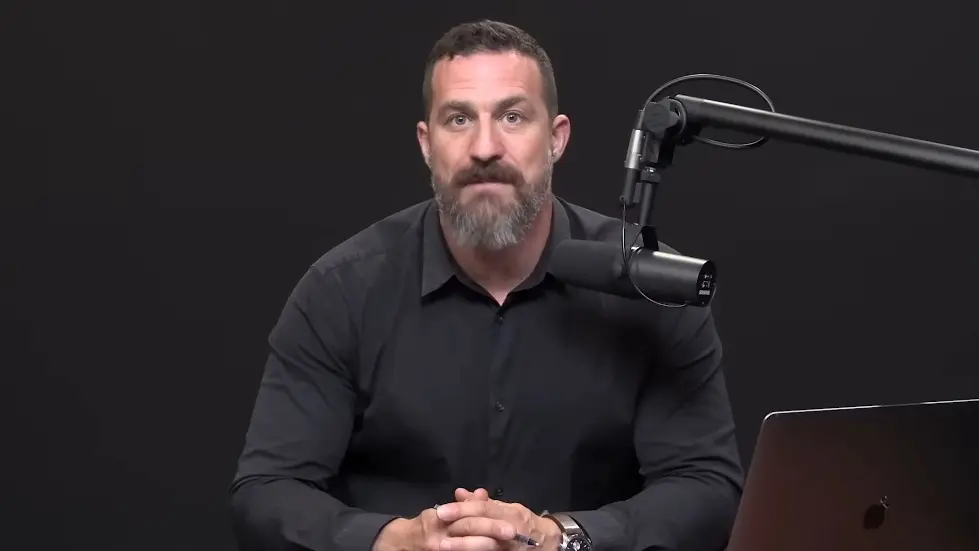
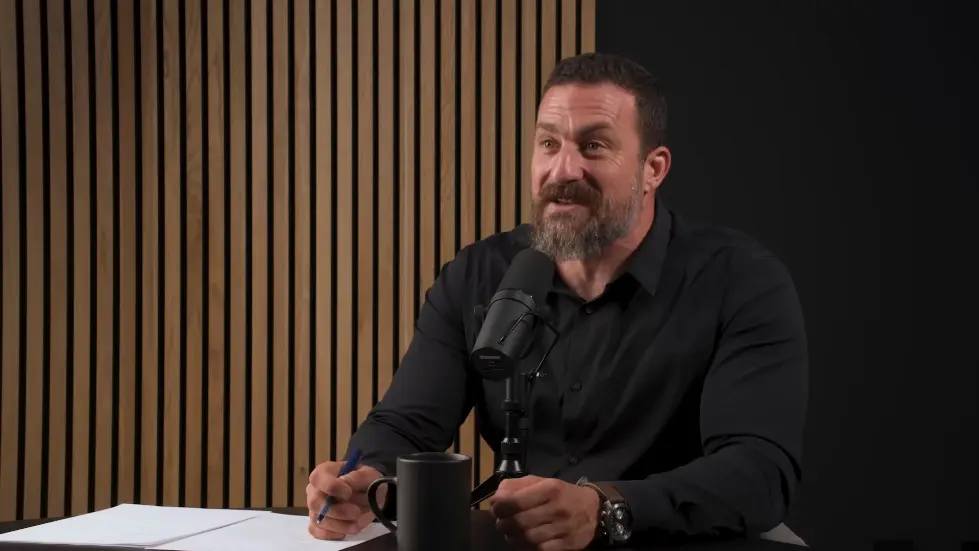
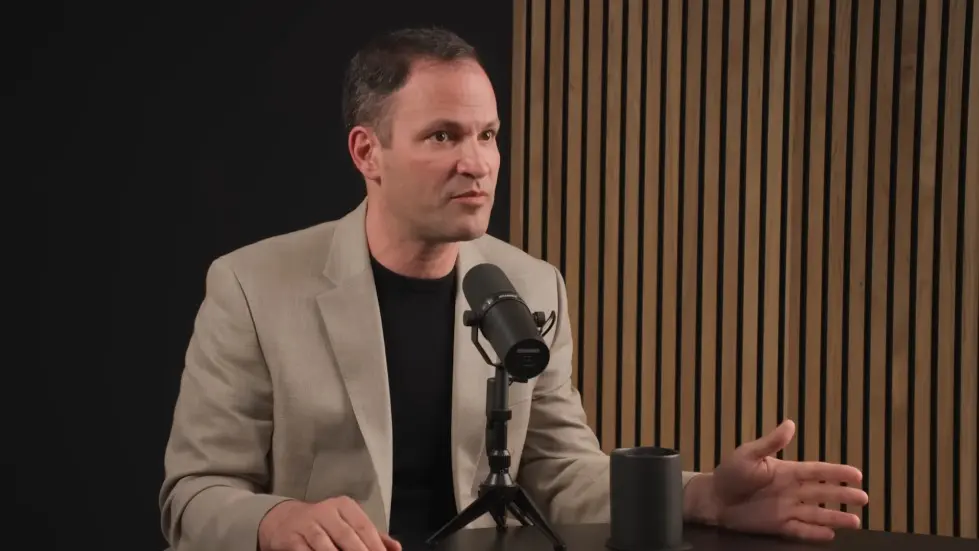
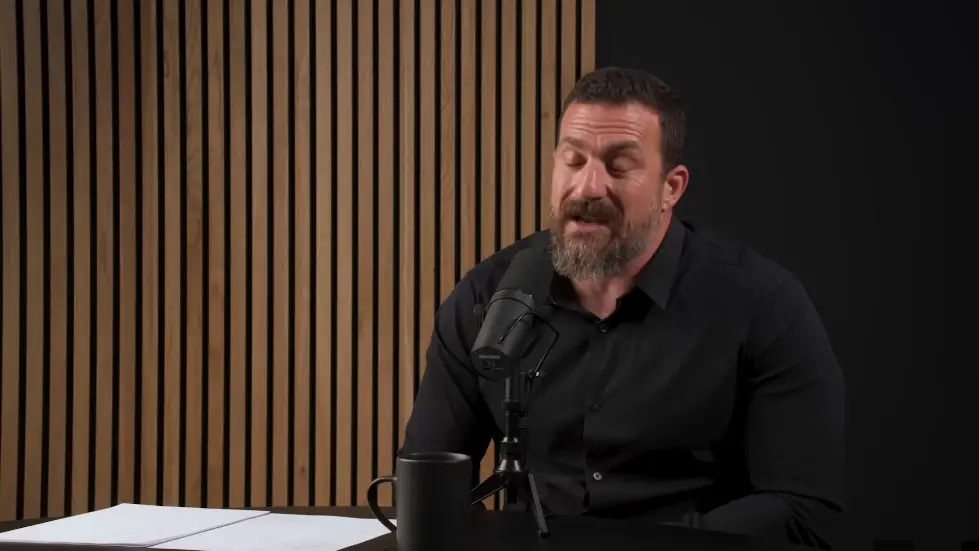
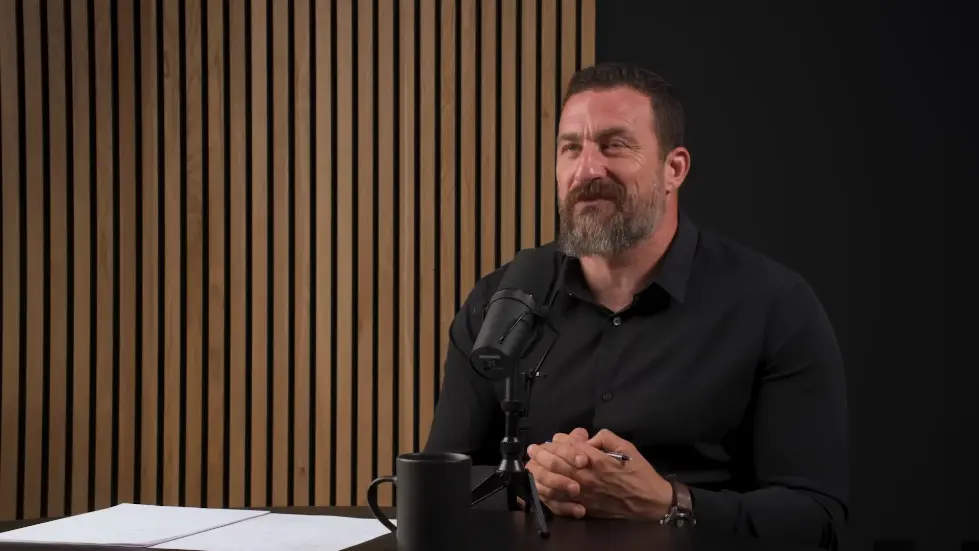
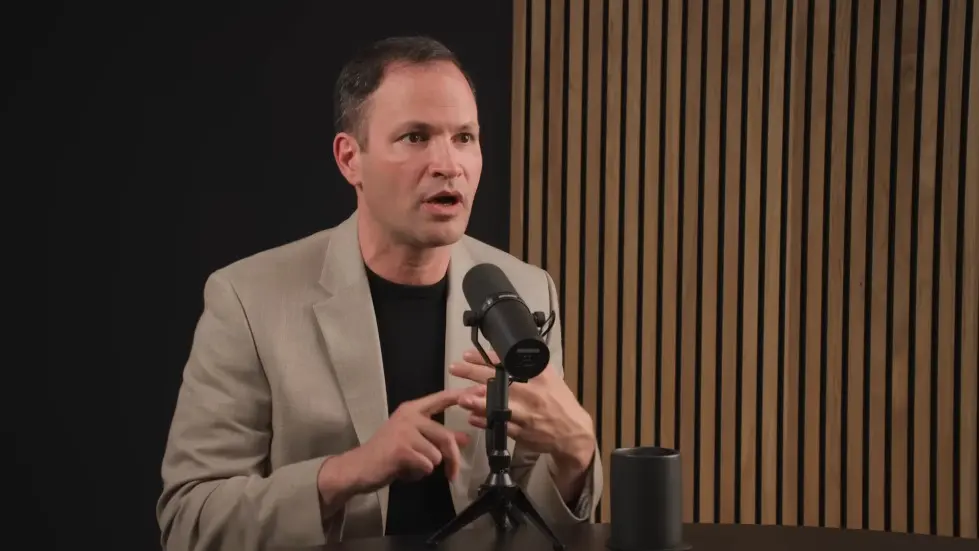
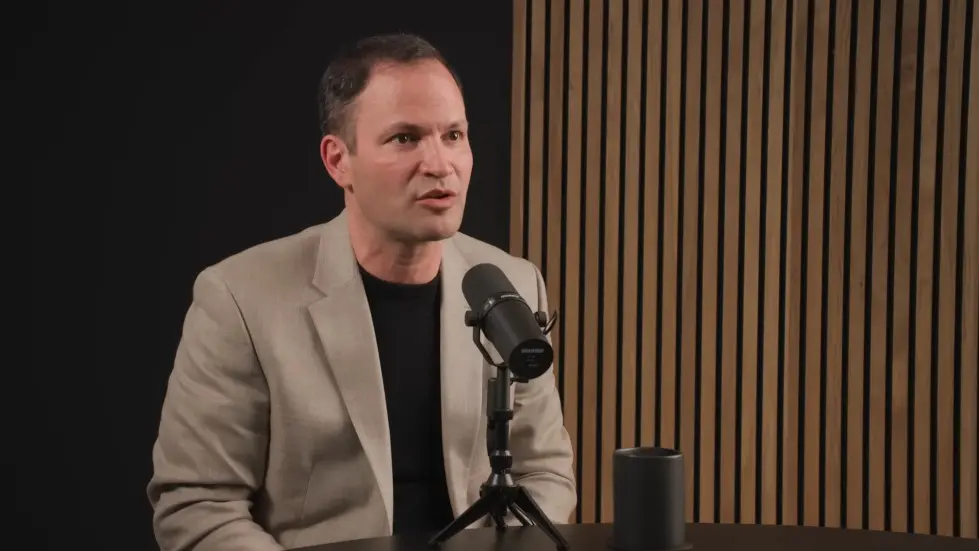
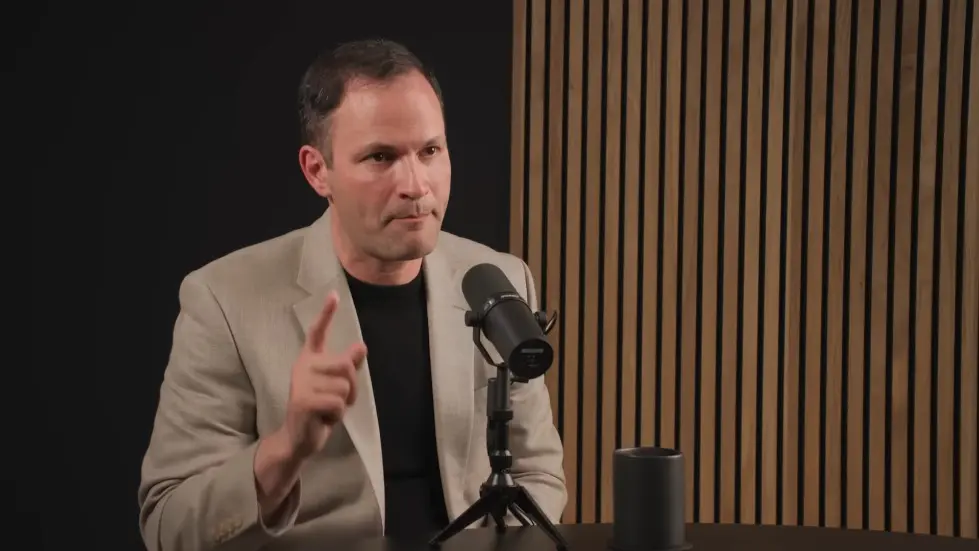
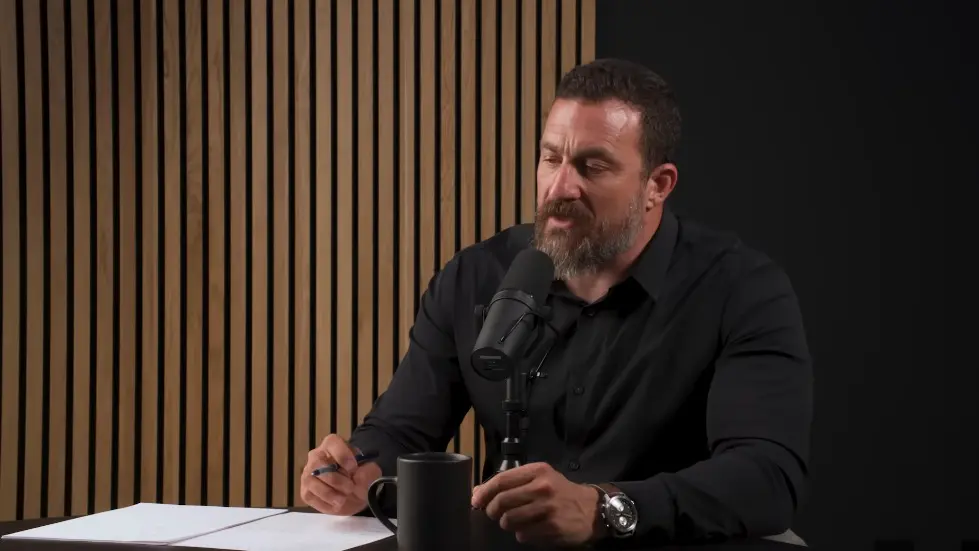
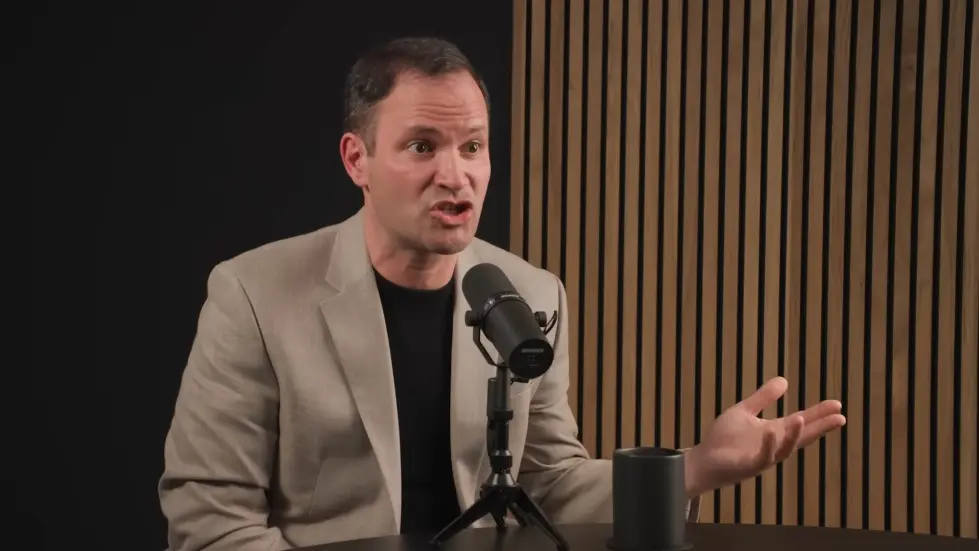
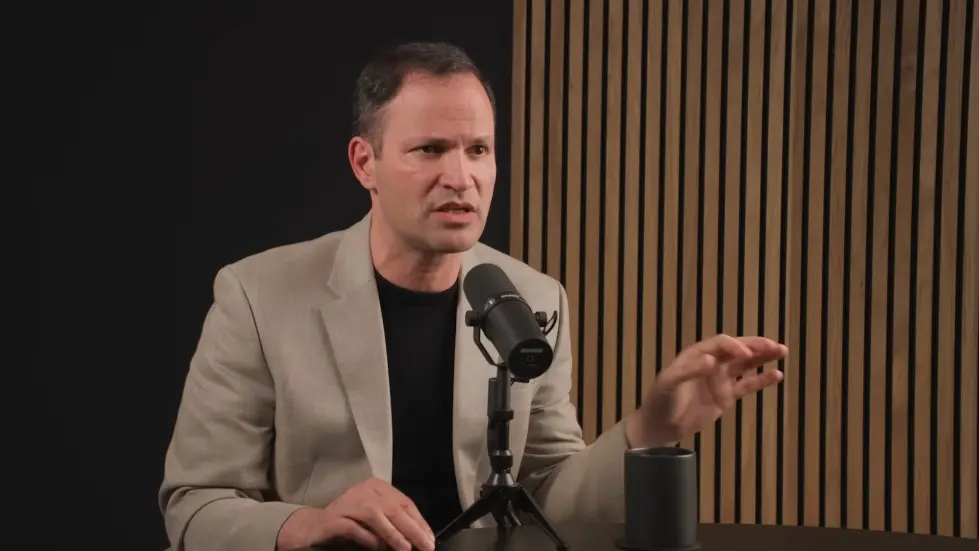
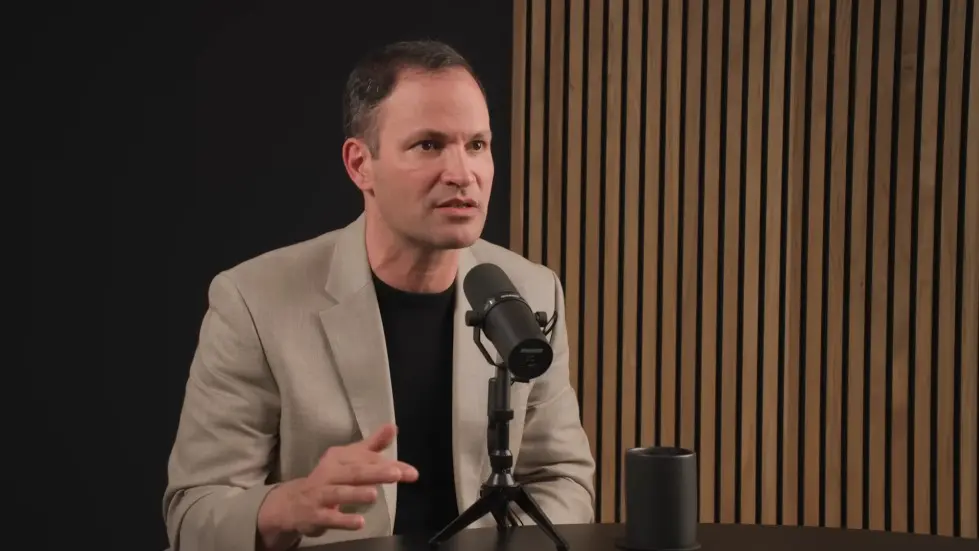
The video is about Dr. Andrew Huberman and Dr. Jeffrey Goldberg discussing various topics related to eye health and vision loss. Dr. Goldberg is a clinician and MD who specializes in ophthalmology and directs his own laboratory focused on understanding the mechanisms and cures for diseases of the eye. The video covers topics such as the benefits and drawbacks of wearing corrective lenses, the benefits and detriments of sunlight, tools for maintaining and improving vision, dry eye remedies, nutritional approaches and supplementation-based approaches for maintaining and improving vision, and advanced technologies for preventing and offsetting vision loss due to diseases of the eye.
This video by Andrew Huberman was published on Jun 26, 2023.
Video length: 03:08:45.
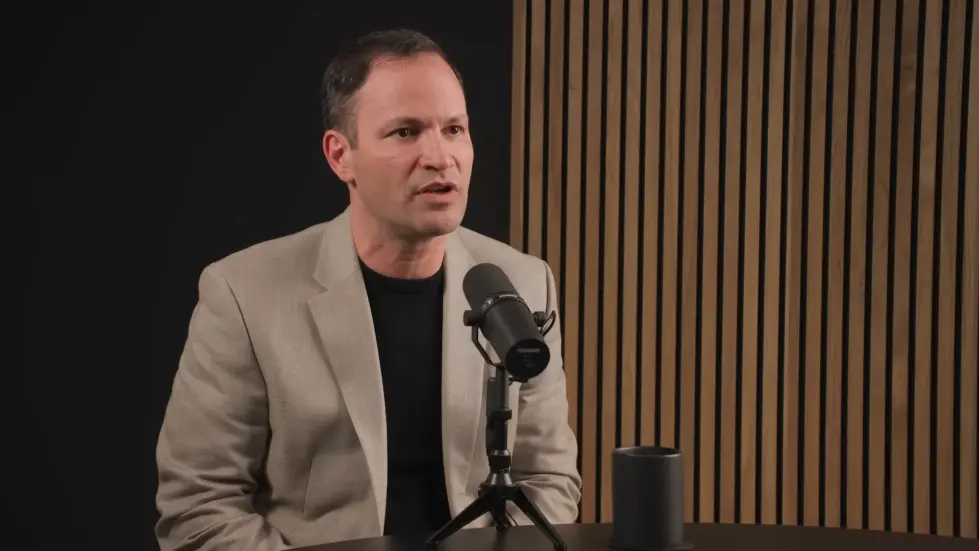
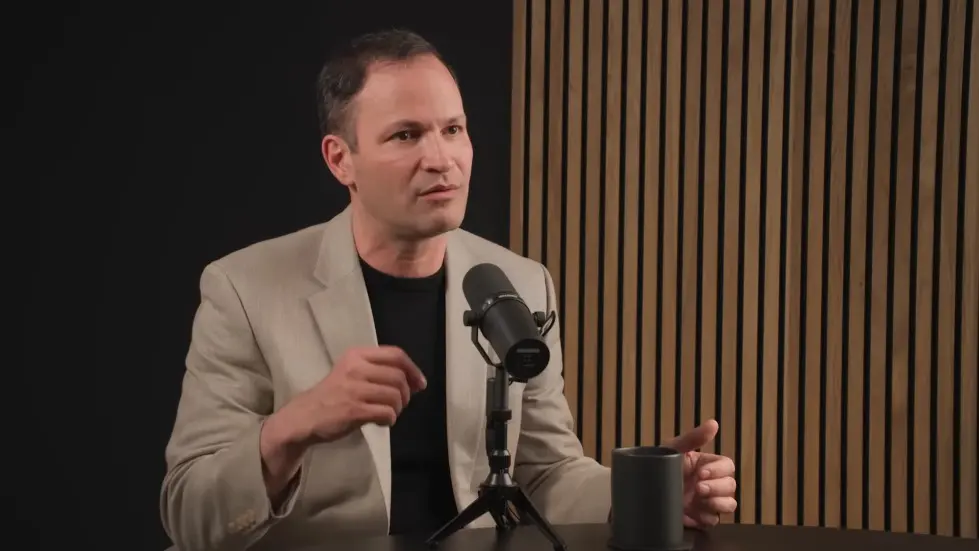
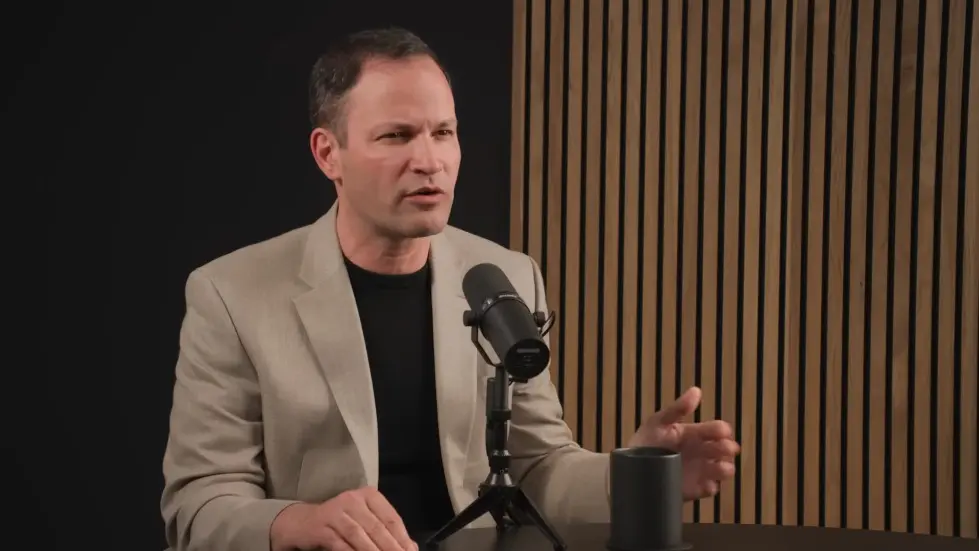
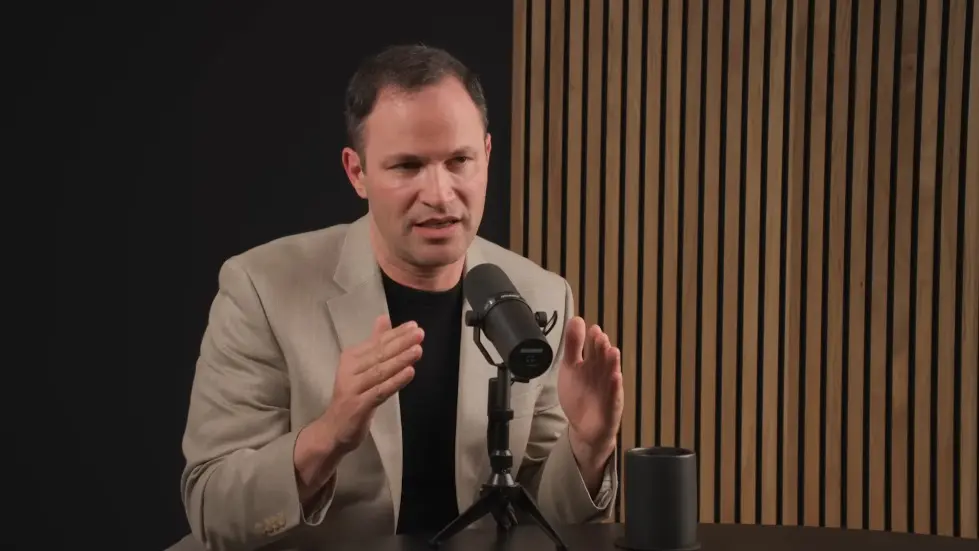
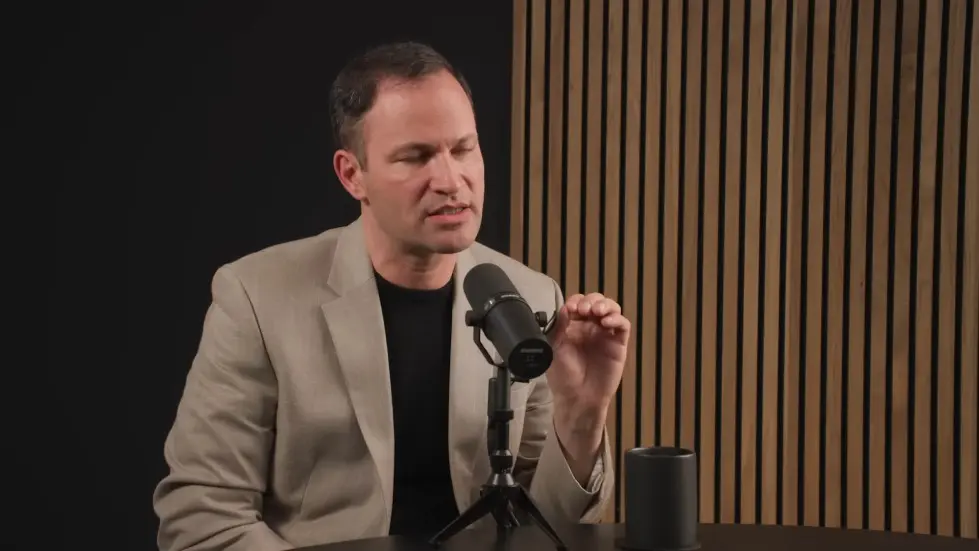
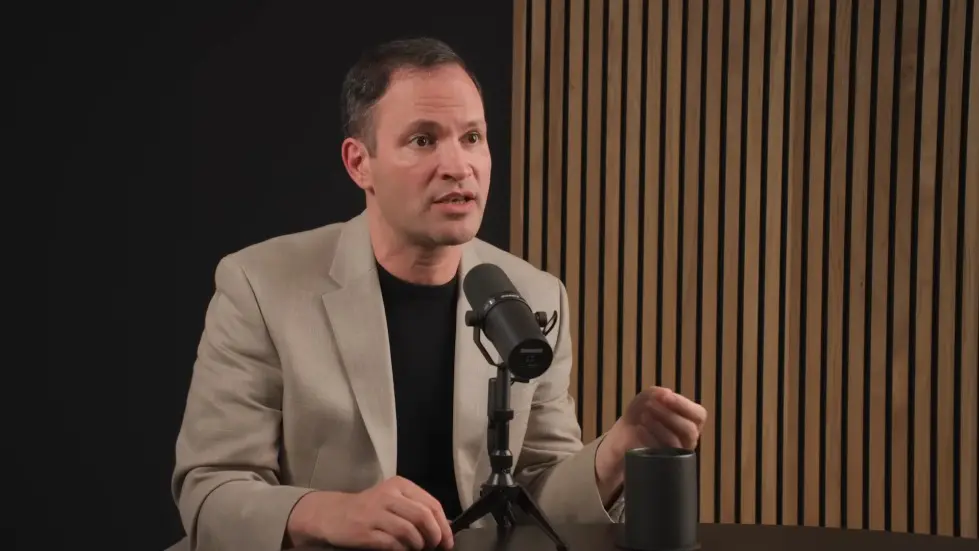
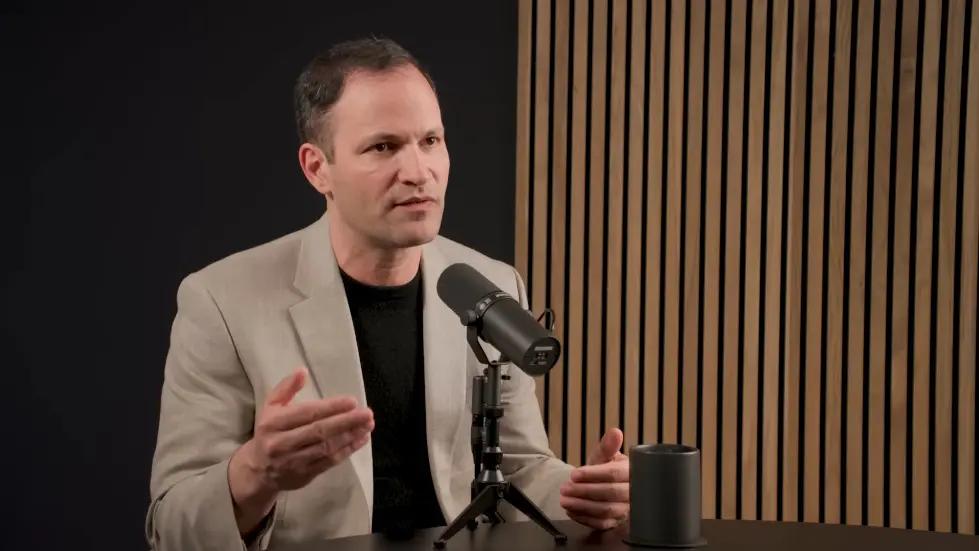
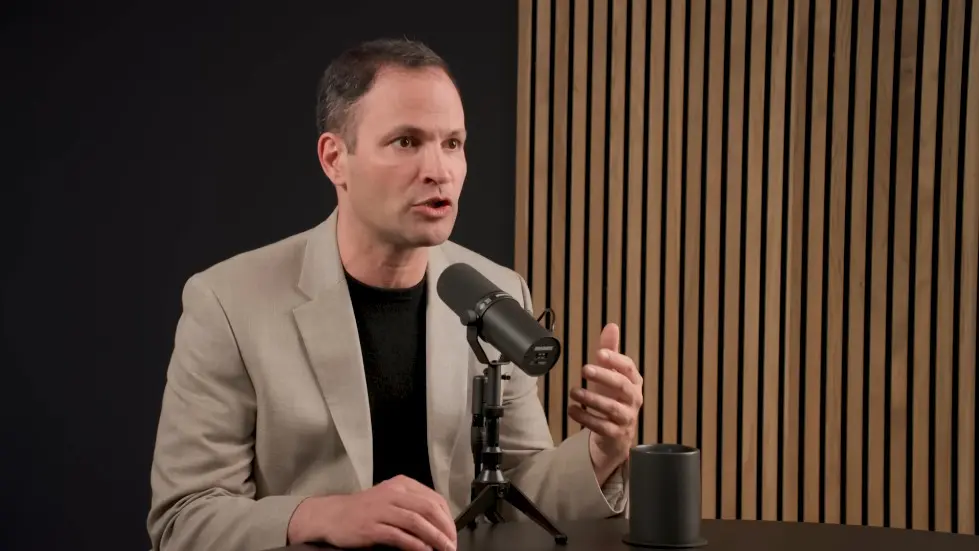
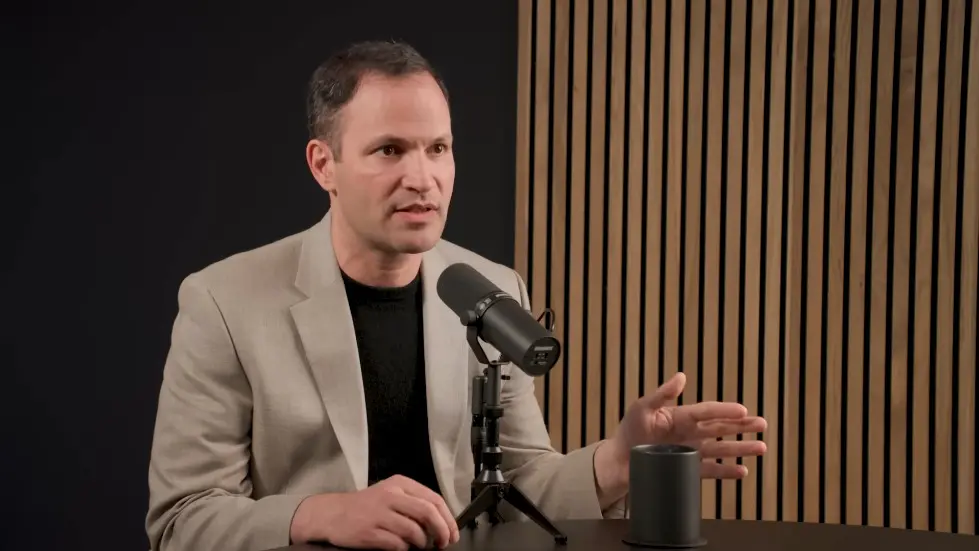
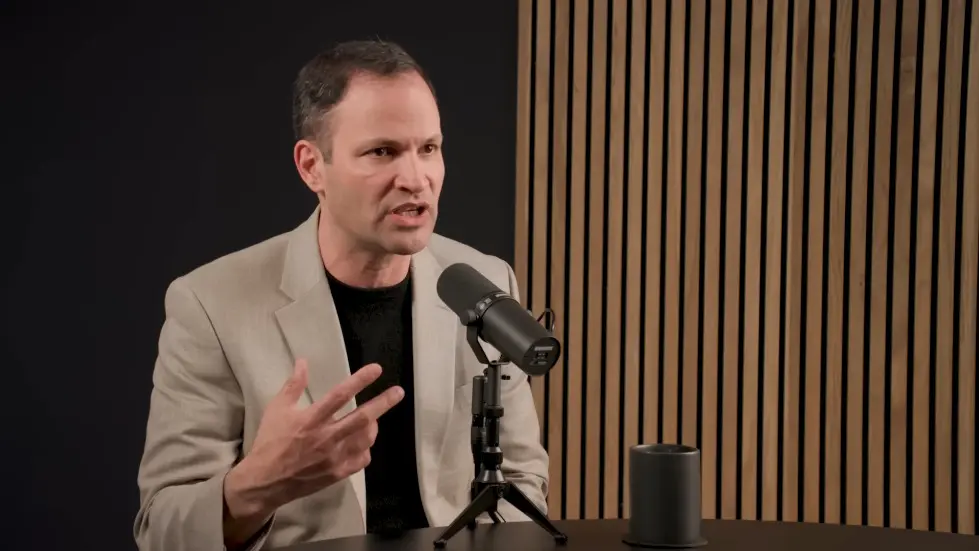
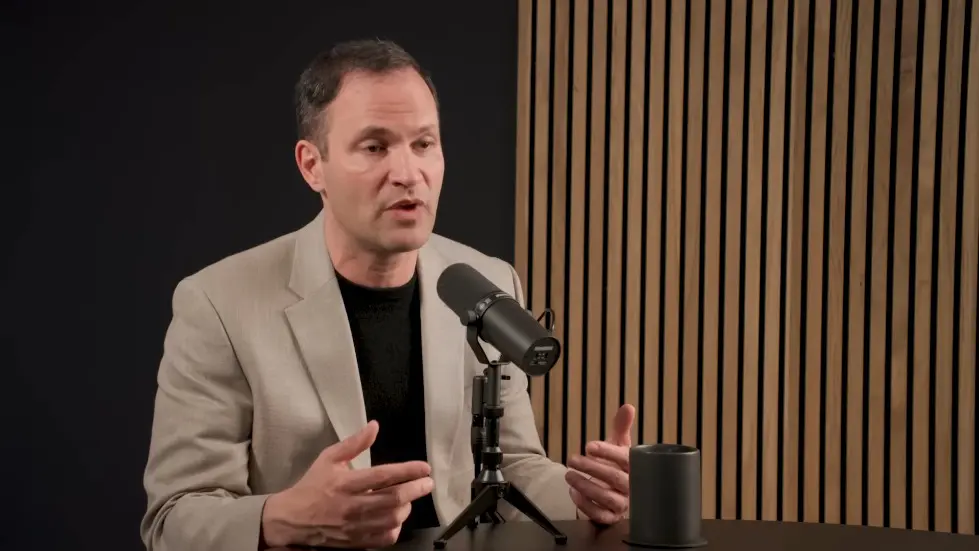
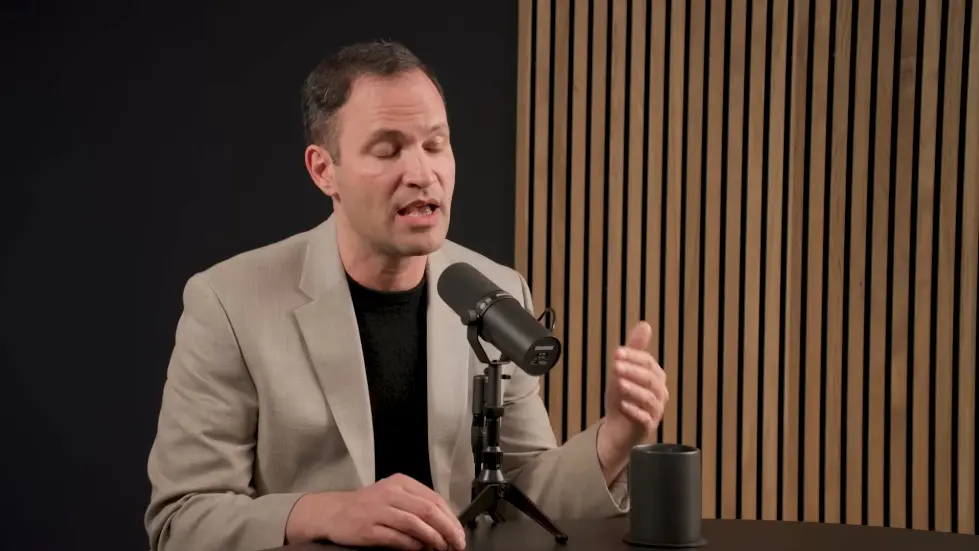
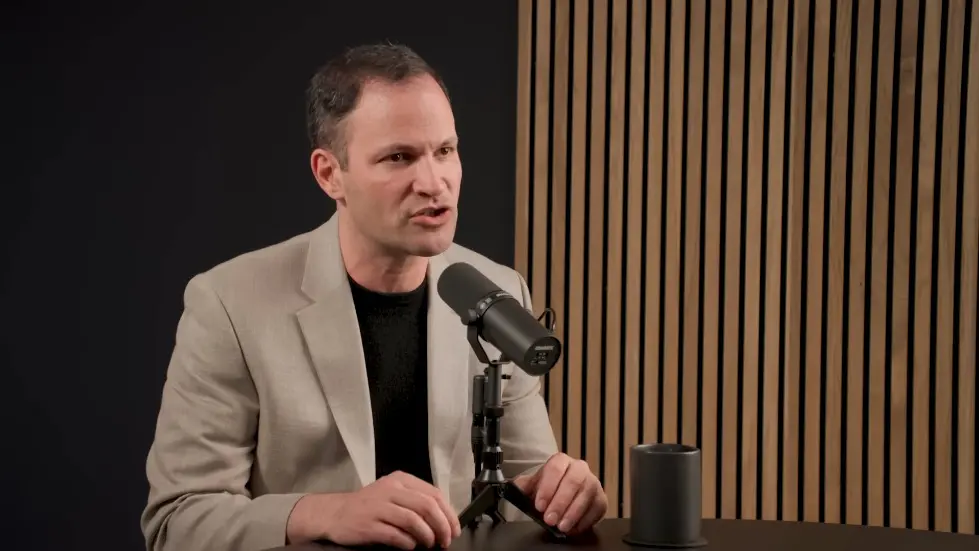
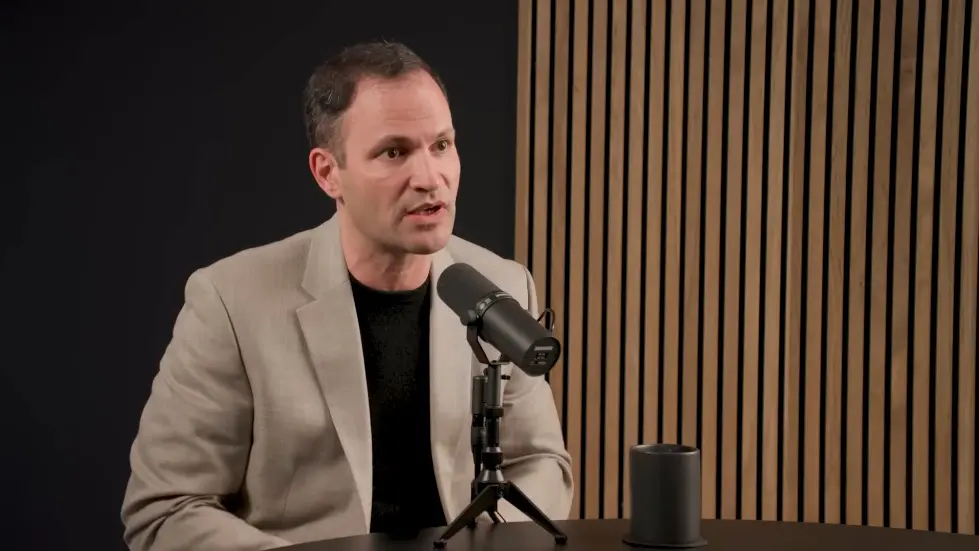
The video is about Dr. Jeffrey Goldberg, who is a chair of the Department of Ophthalmology at Stanford University School of Medicine and an expert in developing methods to cure blindness.
The video covers various topics related to eye health and vision, including the benefits and drawbacks of wearing corrective lenses, the effects of sunlight on vision, and tools for maintaining and improving vision across the lifespan. Dr. Goldberg also discusses advanced technologies for preventing and offsetting vision loss due to diseases such as glaucoma, retinitis pigmentosa, and macular degeneration.
The video is sponsored by Maui Nui Venison and Element, an electrolyte drink.
- The Huberman Lab podcast discusses science and science-based tools for everyday life
- Hosted by Andrew Huberman, a professor of neurobiology and ophthalmology at Stanford School of Medicine
- Guest is Dr. Jeffrey Goldberg, chair of the Department of Ophthalmology at Stanford University School of Medicine
- Benefits of wearing corrective lenses such as contact lenses or eyeglasses for reading
- Drawbacks of wearing corrective lenses, such as the potential for development of cataracts
- Benefits of sunlight for vision, including its ability to help reverse or prevent myopia
- Potential detriments of sunlight, such as the development of cataracts
- Tools for maintaining and improving vision, including behavioral tools and specific vision tasks and exercises
- Specific surgical procedures such as LASIK surgery
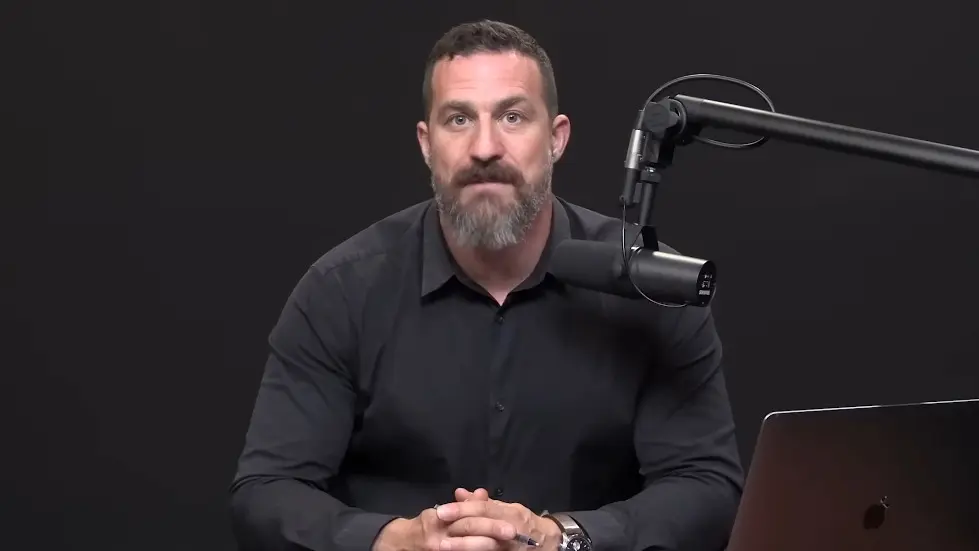
Introduction
- Welcome to the Huberman Lab podcast
- Discusses science and science-based tools for everyday life
- Hosted by Andrew Huberman, a professor of neurobiology and ophthalmology at Stanford School of Medicine
- Guest is Dr. Jeffrey Goldberg, chair of the Department of Ophthalmology at Stanford University School of Medicine
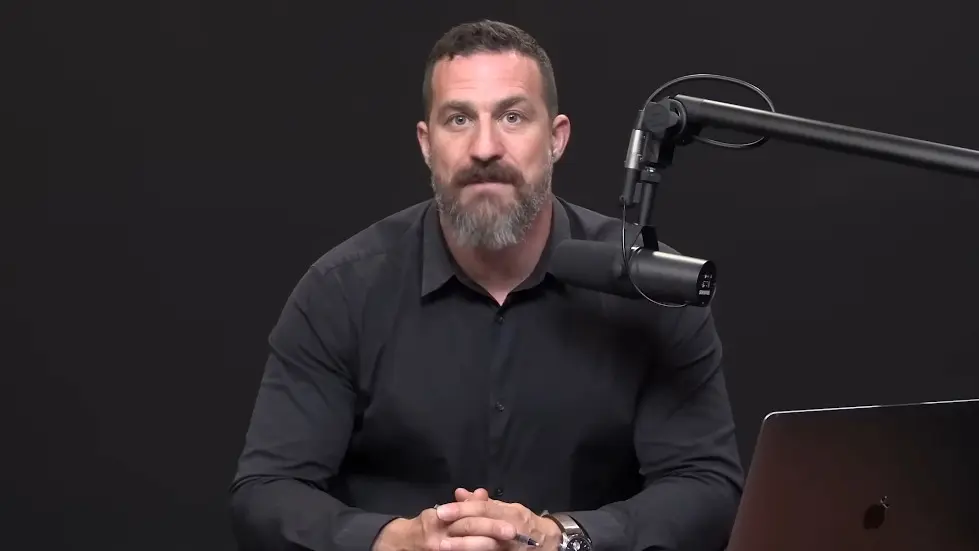
Benefits and Drawbacks of Wearing Corrective Lenses
- Discusses the benefits of wearing corrective lenses such as contact lenses or eyeglasses for reading
- Explores the drawbacks of wearing corrective lenses, such as the potential for development of cataracts
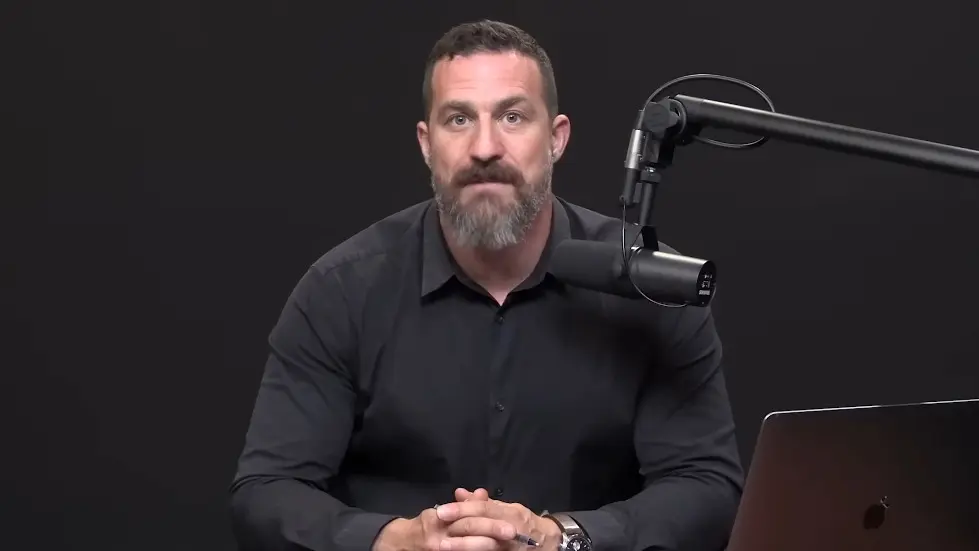
Benefits and Detriments of Sunlight
- Explores the benefits of sunlight for vision, including its ability to help reverse or prevent myopia
- Discusses the potential detriments of sunlight, such as the development of cataracts
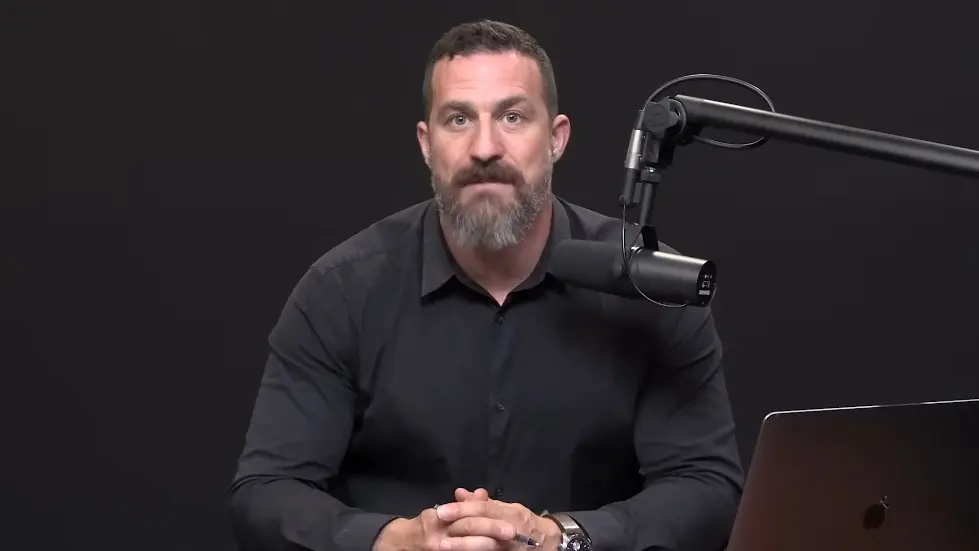
Tools for Maintaining and Improving Vision
- Discusses behavioral tools and specific vision tasks and exercises for maintaining and improving vision
- Explores specific surgical procedures such as LASIK surgery
- Explores age-related considerations for things like LASIK eye surgery
- Discusses best practices for cleaning contact lenses
- Explores the use of disposable contact lenses versus other forms of contact lenses
Dry Eye and Remedies
- Discusses the scientific and clinical data around dry eye
- Explores the best remedies for dry eye
Nutritional Approaches and Supplementation-Based Approaches for Maintaining and Improving Vision
- Discusses nutritional approaches and supplementation-based approaches for maintaining and improving vision
- Explores whether or not relying on corrective lenses is impairing vision and how to enhance vision
Advanced Technologies for Preventing and Offsetting Vision Loss
- Discusses the most advanced technologies for preventing and offsetting vision loss due to diseases of the eye
Conclusion
- Emphasizes that this podcast is separate from the host's teaching and research roles at Stanford
- Thanks the sponsors of the podcast: Maui Nui Venison and Element
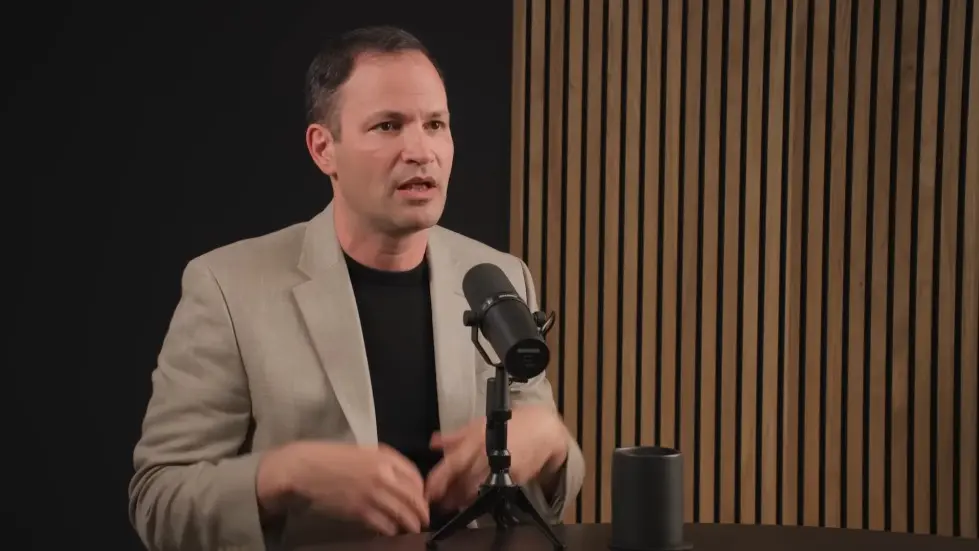
Section 1: Drink Element
- Drink Element is a product that can improve eye health and offset vision loss.
- It contains LMNT, a supplement that can improve eye health.
- Drink Element can be purchased at drinkelement.com.
- It is currently available in the USA, Canada, UK, select countries in the EU, and Australia.
- The product is brought to us by Eight Sleep, a company that makes smart mattress covers with cooling, heating, and sleep tracking capacity.
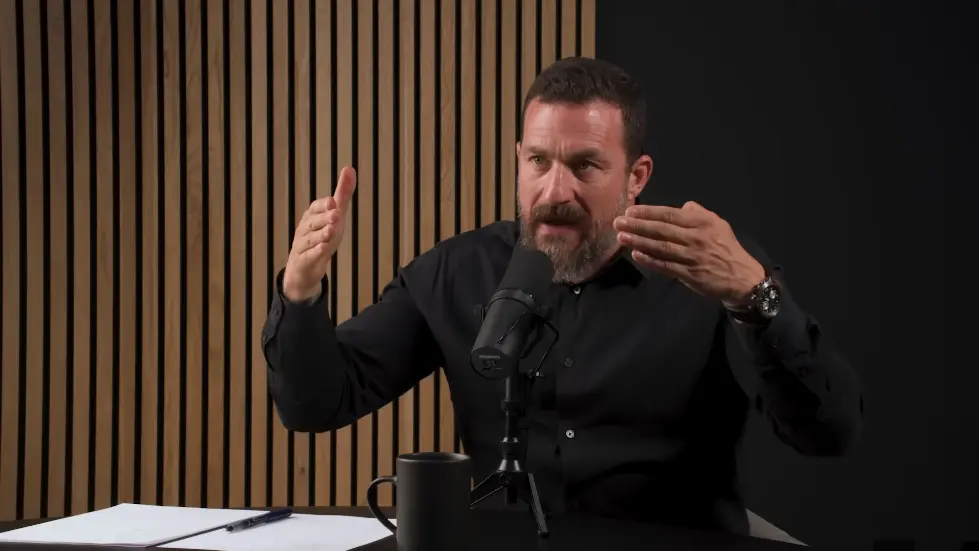
Section 2: Sleep and Eye Health
- Sleep is the foundation of mental health, physical health, and performance.
- The temperature of your sleeping environment is important for getting a good night's sleep.
- Eight Sleep mattress covers can cool or heat your mattress at the beginning, middle, and end of your night to optimize your sleep.
- Sleeping on an Eight Sleep mattress cover has improved the sleep of the speaker significantly.
- The speaker recommends trying Eight Sleep to improve your sleep and eye health.
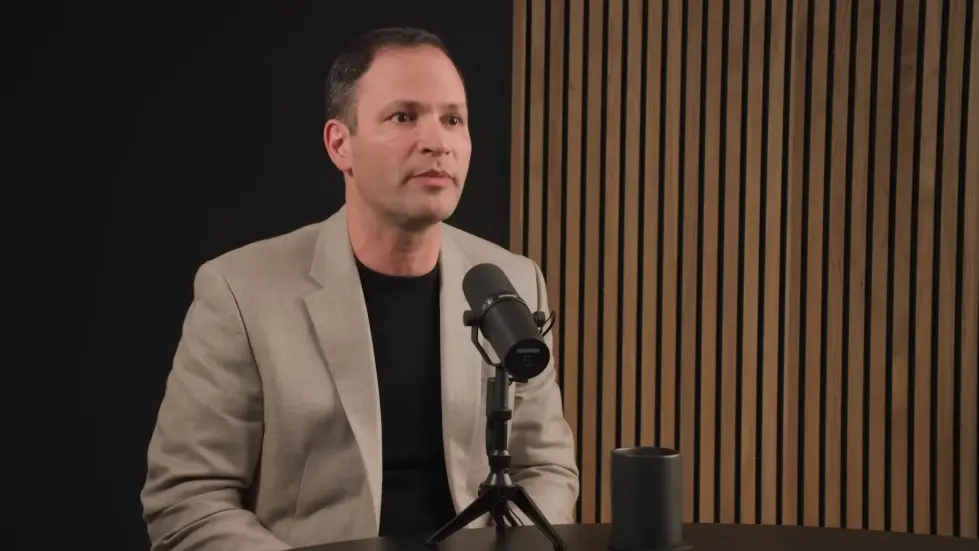
Section 3: Vision and Eye Health
- The speaker gets a lot of questions about vision and eye health.
- As a neuroscientist who has worked on the visual system, the speaker sometimes has answers or partial answers but more often than not does not have the answers.
- The speaker is confident that the listener can direct them to the proper place to get answers about vision and eye health.
- The speaker wants to know what was the most commonly asked question when soliciting for questions in anticipation of this episode.
- The speaker wants to know how early should one do an eye exam on their child and how regularly should we all be doing eye exams.
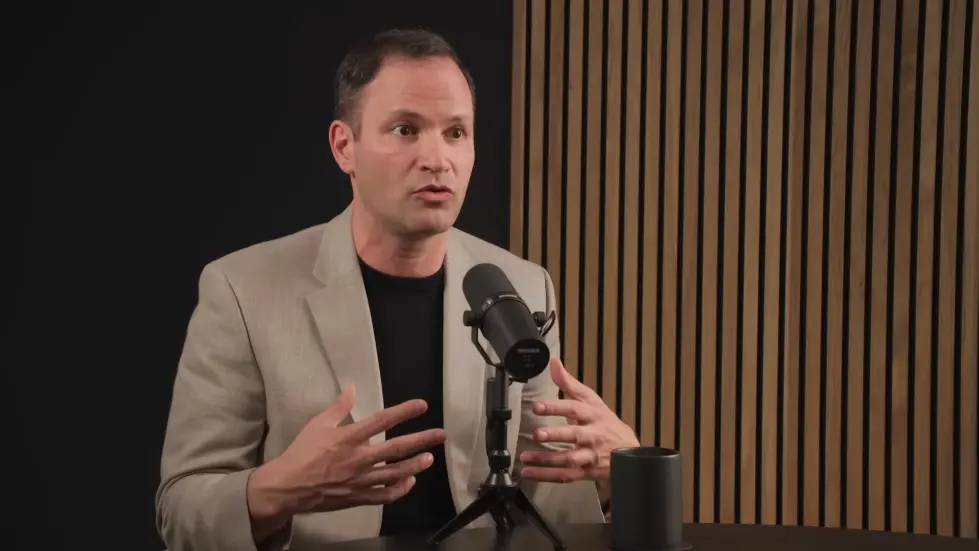
Section 4: Eye Exams and Vision
- Every baby should get an eye exam or should be getting an eye exam.
- The main thing that is screened for when a baby is born is a red reflex.
- A red reflex is normal and if a baby has a red reflex in their eye, it means they have a disease in the eye.
- Babies with a red reflex in their eye will not have a red reflex in that eye.
- The speaker recommends getting an eye exam from an early age and hopes every baby is getting their first eye exam.
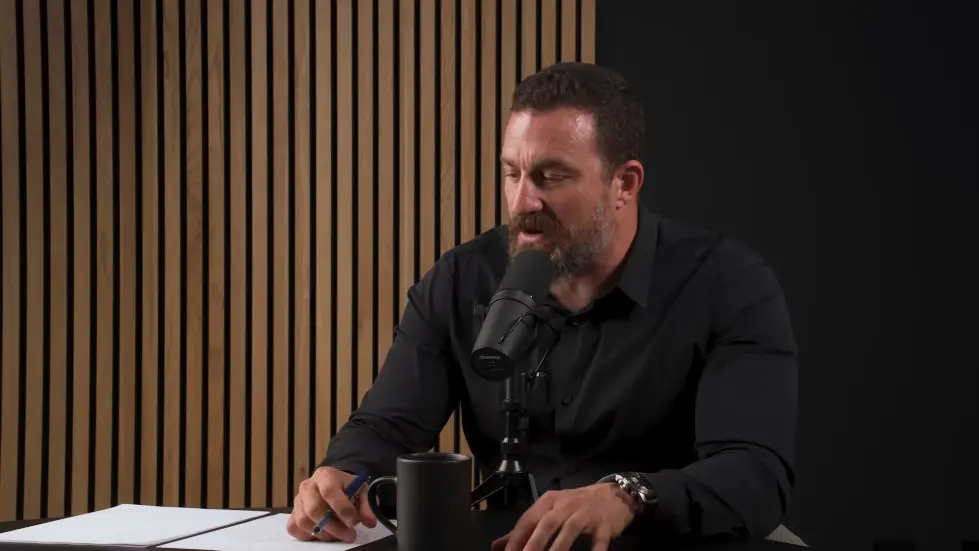
Section 1: Red Reflex Check and Amblyopia Screening Exam
- Red reflex check is done during regular well-child checks.
- Amblyopia screening exam is done for children with one eye that doesn't see well.
- Amblyopia is a condition where one eye is not talking to the brain properly.
- Amblyopia is one of the most common eye diseases of children.
- Eye muscles and the brain behind them are responsible for keeping the two eyes looking straight ahead.
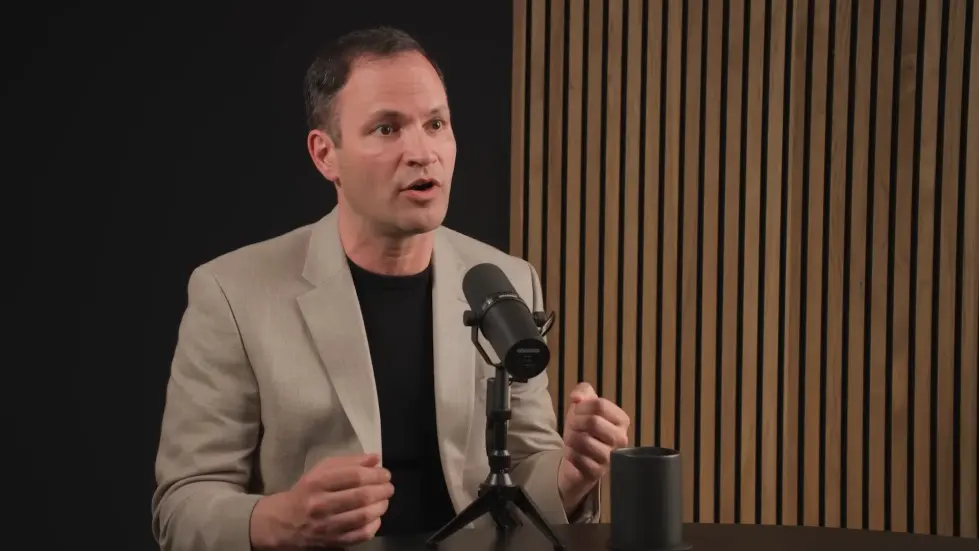
Section 2: Misalignment of Eyes
- Misalignment of the eyes is a common presenting symptom of children in elementary school.
- Nearsightedness and farsightedness can also lead to amblyopia.
- Early eye exams are usually done for babies, toddlers, and school-aged children.
- There are two main presenting symptoms of children in elementary school.
- Screening exams for strabismus and amblyopia can be done for children.
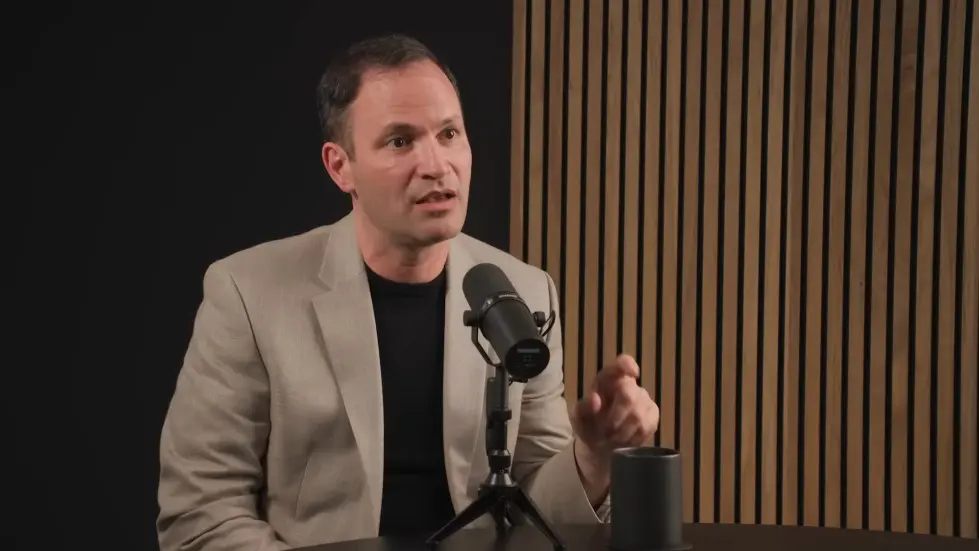
Section 3: Brain Plasticity and Early Correction
- The brain is changing at early stages of development.
- It is critical to get eye alignment corrected early on.
- If a child has cross eyes and they are not corrected until their 20s, they may never recover normal vision.
- If a child has cross eyes, it is possible that they will never recover normal vision if not corrected early in development.
- Early detection of eye misalignment is important for correcting it.
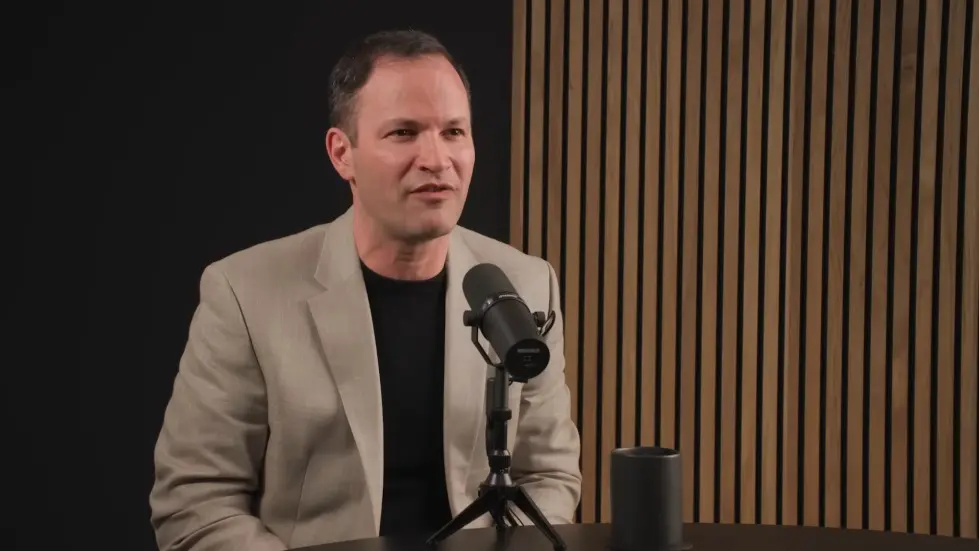
Section 4: Red Reflex and Pseudostrabismus
- A red reflex check can be done to detect eye misalignment.
- Pseudostrabismus is a condition where the eyes look turned in even when they are straight.
- If a child has turned-in eyes, it is important to correct it early.
- The brain starts ignoring eye misalignment if it is not corrected early.
- Even kids into their young teens have a shot at correcting eye misalignment.
Section 1: Critical Period Plasticity
- Critical period plasticity is a phenomenon that occurs during development and goes away as we age.
- It is best studied in the visual system, and the idea of reopening it is fascinating.
- Different parts of the brain have different periods for critical period plasticity.
- For example, even if an amblyopic eye sees well again and is realigned, kids may not recover full depth perception.
- This is because the critical period plasticity for stereopsis, the use of two eyes to see depth, may not correct as well as visual acuity or central vision.
Section 2: Personal Story
- The speaker shares a personal story about swimming without goggles and closing one eye while swimming.
- This led to double vision and a loss of depth perception that lasted for several days.
- The speaker was young enough to recover their vision, but they have terrible depth perception.
- The speaker has focused on foot sports throughout their life due to their deficiency in hand-eye coordination.
- The speaker's experience highlights the importance of corrective measures in preventing permanent brain rewiring.
Section 3: Misalignment of Information
- Misalignment of information to the two eyes early in development can permanently rewire the brain.
- Corrective measures such as patching one eye can help prevent this rewiring.
- The speaker shares an example of someone with a corneal scratch who was patched and then the other eye was patched after the first eye felt better.
- The speaker's story highlights the importance of ensuring the balance of information coming into the two eyes, even on the order of hours or days.
- The speaker's experience is atypical, as most kids with misaligned eyes recover depth perception with patching the strong eye.
Section 4: Amblyopia and Strabismus
- Strabismus, or misalignment of the eyes, can lead to double vision and amblyopia.
- Amblyopia is a condition where one eye is weaker and turns outward.
- Strabismus is what causes the double vision in this case.
- The speaker shares an example of how intermittent misalignment of the eyes can lead to amblyopia over time.
- The speaker's experience highlights the importance of addressing any intermittent misalignment of the eyes to prevent permanent damage.
Benefits of Outdoor Time
- Spending time outdoors can improve eye health and offset vision loss.
- There is some evidence that suggests a dose-dependent response to outdoor time, with more time outdoors potentially being better.
- Randomized controlled trials are the highest level of evidence for clinical evidence in this field.
- Studies have shown that the difference between zero and one or two hours of outdoor time is clearly significant, with five minutes being enough and five hours being better.
- It is important to note that near and far viewing cannot be completely isolated from indoor and outdoor time.
Importance of Morning Sunlight
- Morning sunlight can help set the circadian rhythm, which is important for eye health.
- A mixture of near and far viewing by being outdoors is generally beneficial for eye health, regardless of age.
- There is some evidence that suggests that getting outdoors and getting full spectrum light is healthy for the eye in ways that are separate from the known healthy effects of doing that on circadian rhythm setting.
- Most of the action on nearsightedness development happens in younger ages, so intervening in an older person may not be as effective.
- There are many other benefits to getting outdoors, such as exercise and improved overall health, which can also benefit the eyes.
Sponsorship
- Athletic Greens, now called AG-1, is a vitamin, mineral, probiotic drink that covers all foundational nutritional needs.
- The host has been taking Athletic Greens since 2012 and continues to take it once or twice a day for gut health and other benefits.
- Athletic Greens contains adaptogens, vitamins, and minerals that meet the host's foundational nutritional needs.
- Athletic Greens tastes great and is easy to mix up while on the go.
- To try Athletic Greens, visit athleticgreens.com/huberman and get five free travel packs and a year's supply of vitamin D3K2.
Eye Health
- The host acknowledges the importance of eye health and the impact of gut health on overall health.
- Probiotics and Athletic Greens are optimal and vital for microbiotic health.
- The host discusses the importance of eye safety and injury prevention, especially for people working in certain industries.
- The host mentions the risk of eye injury from gardening and other outdoor activities.
- The host encourages eye safety measures such as wearing glasses or goggles when necessary.
Eye Trauma
- The host mentions the risk of open globes, which are eye injuries that can lead to blindness.
- The host suggests that more education around eye protection and injury prevention is needed.
- The host encourages people to take eye safety seriously and take steps to prevent eye trauma.
Eye Cleanliness
- The host mentions the importance of eye cleanliness and the potential consequences of poor eye hygiene.
- The host suggests that people should be more mindful of their eye cleanliness habits.
- The host encourages people to take care of their eyes and prioritize eye health.
Section 1: Benefits and Drawbacks of Wearing Corrective Lenses
- Wearing corrective lenses can improve vision.
- Corrective lenses can also cause dry eye symptoms.
- The benefits and drawbacks of wearing corrective lenses depend on the individual's needs and circumstances.
Section 2: Benefits and Detriments of Sunlight
- Sunlight can be beneficial for eye health.
- Exposure to sunlight can increase the production of vitamin D, which is important for eye health.
- However, excessive exposure to sunlight can be harmful to the eyes.
Section 3: Tools for Maintaining and Improving Vision
- Regular eye exams are important for maintaining and improving vision.
- Eye drops can help to lubricate the eyes and prevent dryness.
- Eye exercises can help to improve eye strength and flexibility.
Section 4: Dry Eye Remedies and Nutritional Approaches
- Drinking plenty of water can help to prevent dry eye symptoms.
- Eating a diet rich in omega-3 fatty acids can also help to improve eye health.
- Using artificial tears can help to lubricate the eyes and prevent dryness.
Section 1: Eye Exams in Adults
- Eye exams are important for adults to maintain good eye health and detect any potential problems early.
- Optometrists and ophthalmologists are both eye care providers, but they have different roles and levels of training.
- Optometrists typically get an optometry degree and have additional clinical training in eye care, while ophthalmologists have a medical degree and have done surgical training in ophthalmology.
- Both optometrists and ophthalmologists can diagnose and prescribe appropriate eye treatments, including prescription eye drops for many diseases.
- In some states, only MD ophthalmologists and surgeons can perform eye surgeries, but both groups of eye care providers can provide primary care and screening exams.
Section 2: Roles of Optometrists and Ophthalmologists
- Optometrists typically provide primary care eye care, including screening exams and managing common diseases.
- Ophthalmologists usually have a medical degree and have done surgical training in ophthalmology, in addition to their clinical training in eye care.
- Both optometrists and ophthalmologists can diagnose and prescribe appropriate eye treatments, including prescription eye drops for many diseases.
- In some states, only MD ophthalmologists and surgeons can perform eye surgeries, but both groups of eye care providers can provide primary care and screening exams.
- The distinction between optometrists and ophthalmologists has been declining over time, and both groups of eye care providers can access care for regular people wherever they may live.
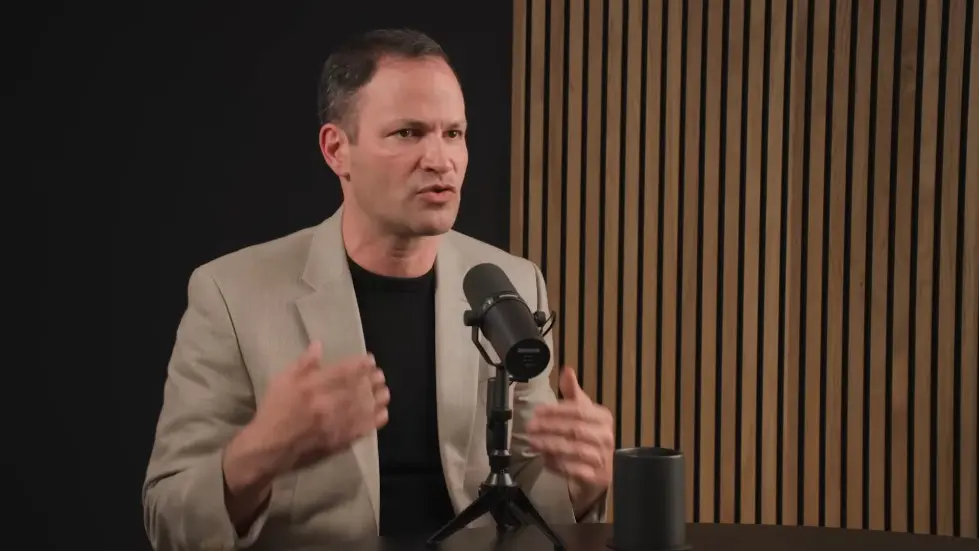
Section 3: Eye Exam Frequency and Importance
- The frequency of eye exams depends on individual needs and risk factors, but it is generally recommended to have a comprehensive eye exam at least once every two to four years.
- Regular eye exams can help detect potential problems early and prevent more serious issues from developing.
- Eye exams can also help maintain good eye health and improve overall vision.
- It is important to go to an ophthalmologist or an optometrist for regular eye exams, depending on individual needs and availability.
- Both optometrists and ophthalmologists can diagnose and prescribe appropriate eye treatments, including prescription eye drops for many diseases.
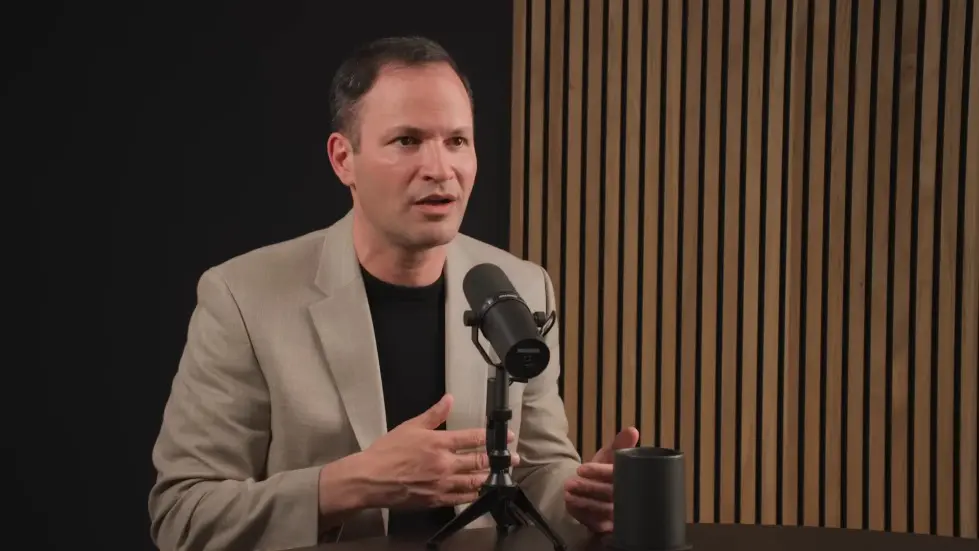
Section 4: Access to Eye Care
- Optometrists are usually easier for most people to access because there are usually one or more optometrist offices near an eyeglass store.
- Both optometrists and ophthalmologists can diagnose and prescribe appropriate eye treatments, including prescription eye drops for many diseases.
- In some states, only MD ophthalmologists and surgeons can perform eye surgeries, but both groups of eye care providers can provide primary care and screening exams.
- Optometrists have successfully lobbied for expanded rights of providing air care eye care and access to care for regular people wherever they may live.
- Being able to access eye care is the most important element, whether it's with an optometrist in your community or an ophthalmologist that may be in your community or at a distance.
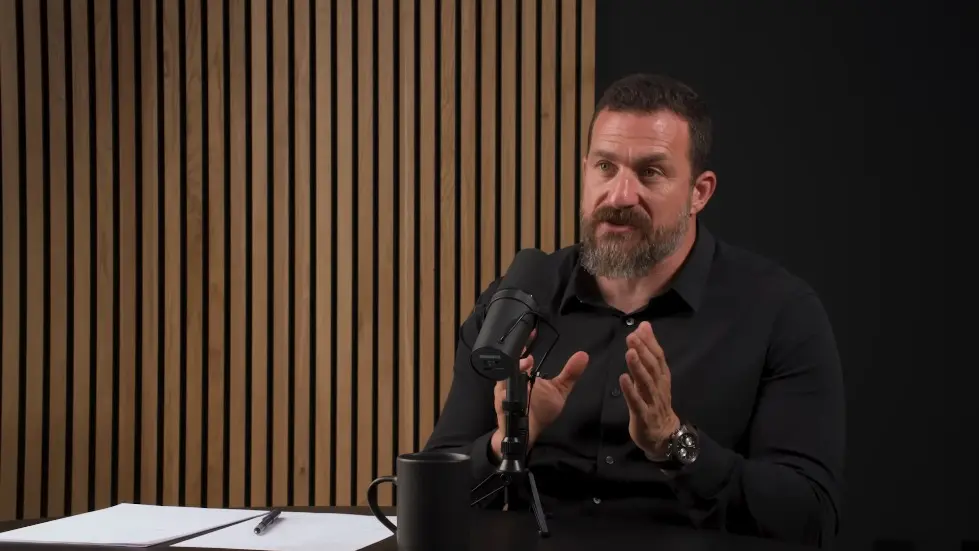
Optometrist Exam
- The optometrist will perform a puff test to measure the rigidity of the eyes.
- The optometrist will check the eye pressure, surface of the eyes, eyelids, and lashes.
- The optometrist will look inside the eye to screen for diseases.
- The optometrist will check for any complaints of blurriness at distance or near.
- The optometrist will check for presbyopia, which is a disease of the eye that affects vision at both distance and near.
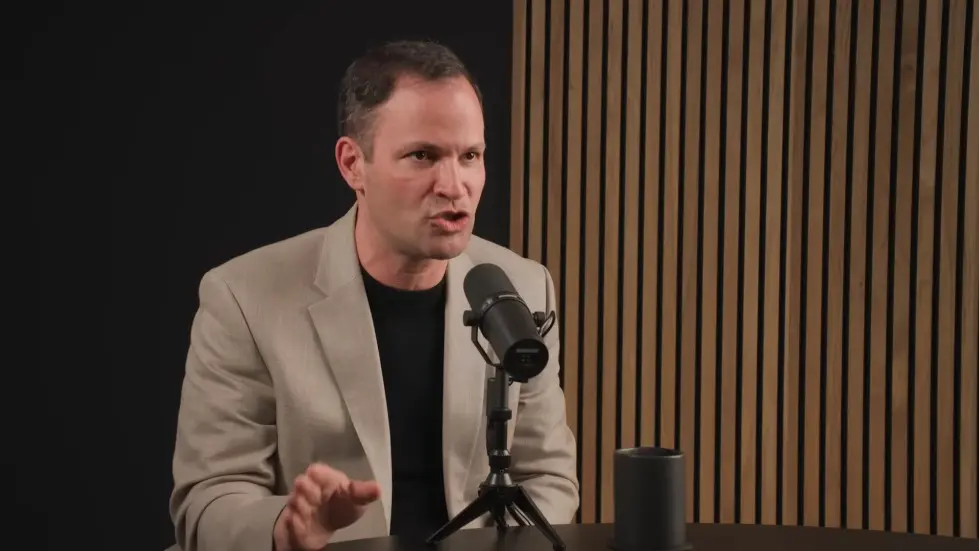
Presbyopia
- Presbyopia is a disease of the eye that affects vision at both distance and near.
- As we age, the lens inside our eye that helps focus light onto our retina gets stiffer.
- Our eye muscles are no longer able to relax and reshape the lens as we age.
- We lose the ability to flex our lens, relax our lens, and refocus our lens from distance to near.
- Most people around age 40 could be a couple years before or five or ten years later that they notice it.
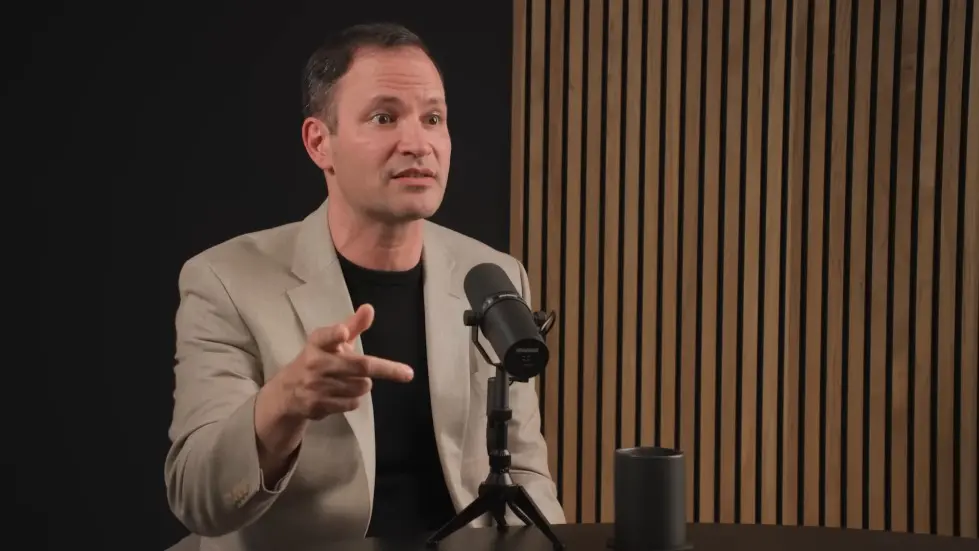
Reading Glasses
- Reading glasses are needed when we start needing them, even if we can see fine at distance and don't need prescription glasses for distance.
- Reading glasses are a crutch and can cause problems.
- The story about using glasses as a crutch and the problems with that.
- The two eyes seem to come into focus at different rates early in the day.
- Reading glasses can be used late in the day or at night to relax the eyes.
Clinical Data
- There is clinical data that supports the story about using glasses as a crutch and the problems with that.
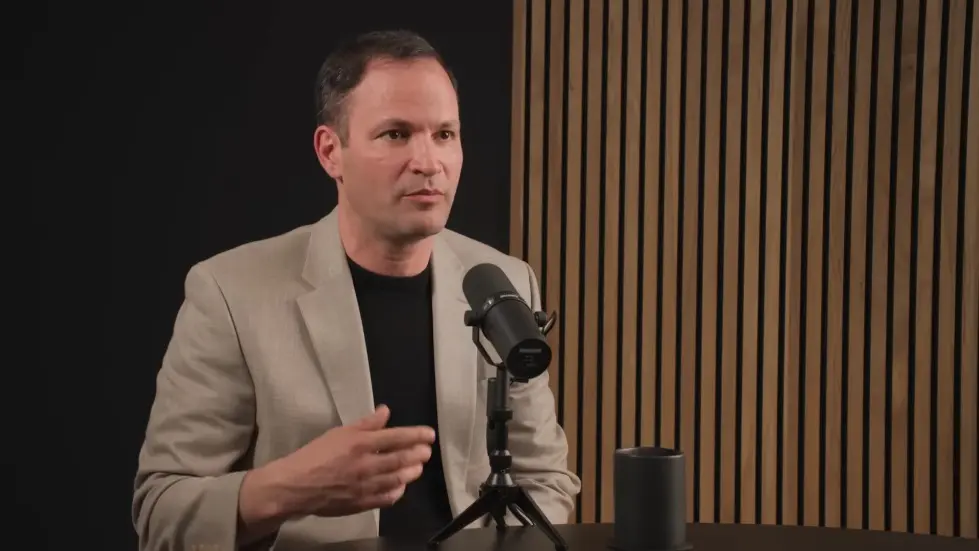
Section 1: Discovering Reading Glasses
- The speaker found a pair of reading glasses in a closet.
- They tried the glasses on and realized their near vision was blurry.
- The glasses were 1.25 magnifiers, which improved the speaker's vision.
- The speaker became addicted to the glasses and kept them with them at all times.
- The speaker eventually had to buy multiple pairs of glasses to keep them with them.
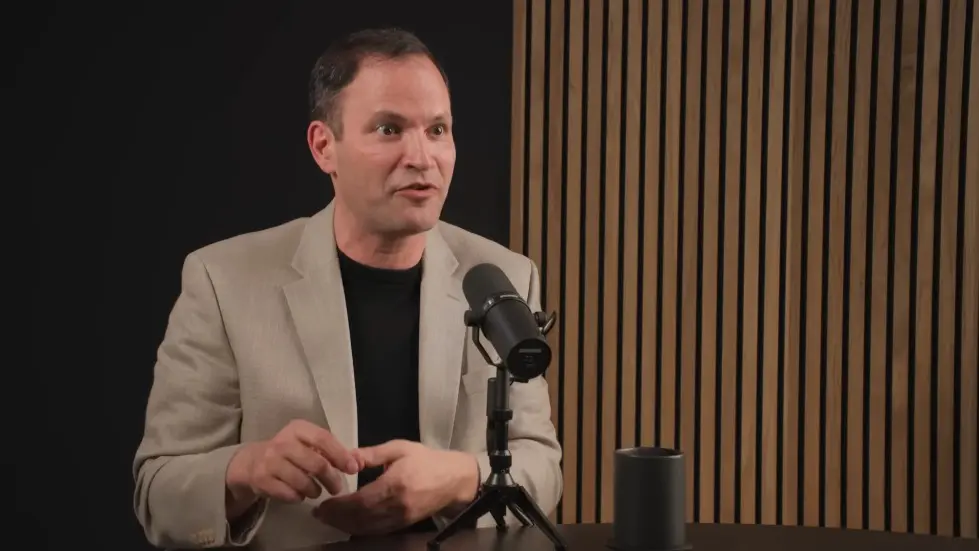
Section 2: The Psychology of Good Vision
- The speaker became addicted to good vision because it was easy and comfortable.
- The speaker's dependence on the glasses grew as they continued to use them.
- The speaker's ability to shape the lens weakened as they aged.
- The speaker eventually maxed out at about plus 2.5 or plus three magnifiers.
- The speaker's dependence on the glasses eventually decreased as they maxed out their magnification.
Section 3: The Importance of Regular Eye Exams
- Most people use reading glasses for the first time in their 40s.
- A full screening exam is typically given in optometrist or ophthalmologist offices.
- The exam includes a puff test, blue light test, eye pressure check, and a look inside the eye.
- The exam screens for all the main diseases of the eye.
- If someone feels their glasses aren't working for them, they should schedule a follow-up exam.
Section 4: Conclusion
- The speaker discovered reading glasses and became addicted to good vision.
- As they aged, their dependence on the glasses grew and eventually decreased.
- Regular eye exams are important for screening for all the main diseases of the eye.
- If someone feels their glasses aren't working for them, they should schedule a follow-up exam.
- The speaker emphasizes the importance of taking care of one's eyes and vision.
The Need for Corrective Lenses
- The need for corrective lenses is not always necessary.
- People can still drive and read with a little more effort.
- Using corrective lenses can weaken the eyes.
- The data on the use of corrective lenses is mixed.
- Exercising the eye muscles can help maintain vision.
Exercising the Eye Muscles
- Exercising the eye muscles can help maintain vision.
- Exercising the eye muscles can help stretch and relax the lens.
- Exercising the eye muscles can slow the progression of vision loss.
- Exercising the eye muscles can improve visual signals to the retina and brain.
- Exercising the eye muscles can help with near work and reading.
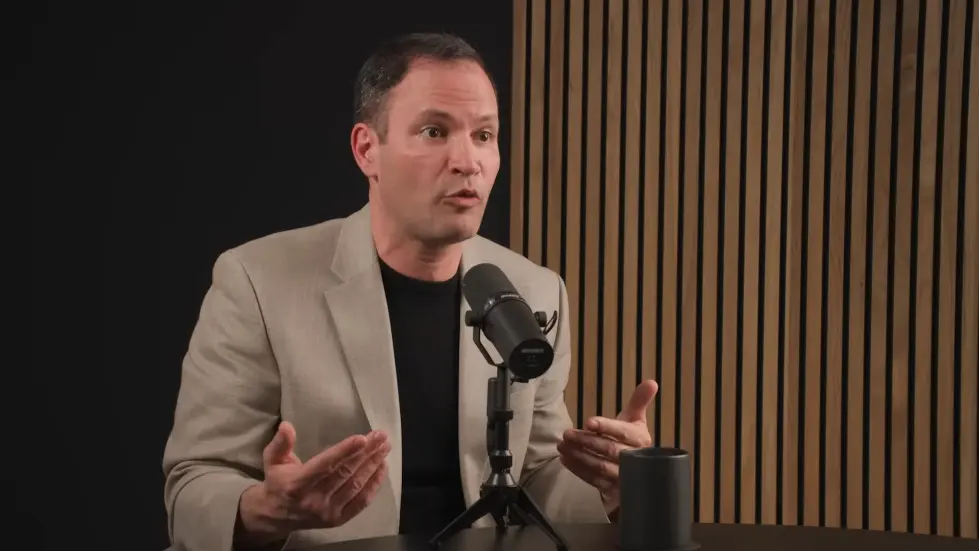
Using Corrective Lenses
- Using corrective lenses can help improve vision.
- Using corrective lenses can help enjoy the best vision all the time.
- Using corrective lenses can help with far vision.
- Using corrective lenses can help with near vision.
- Using corrective lenses can help with reading glasses.
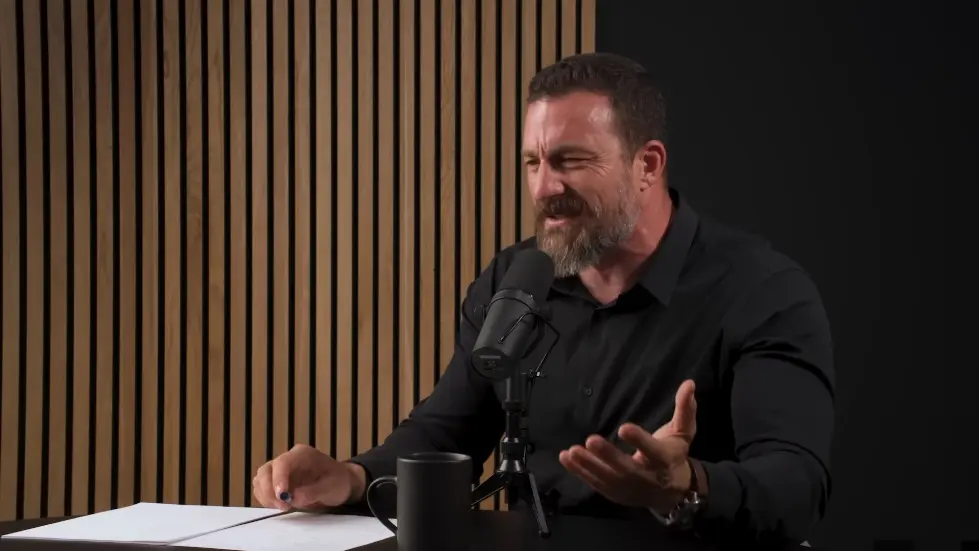
Enjoying Good Vision
- Enjoying good vision can be enormous.
- Enjoying good vision can help with driving at night.
- Enjoying good vision can help with stationary night blindness.
- Enjoying good vision can help with fatigue while driving at night.
- Enjoying good vision can help with reading glasses at night.
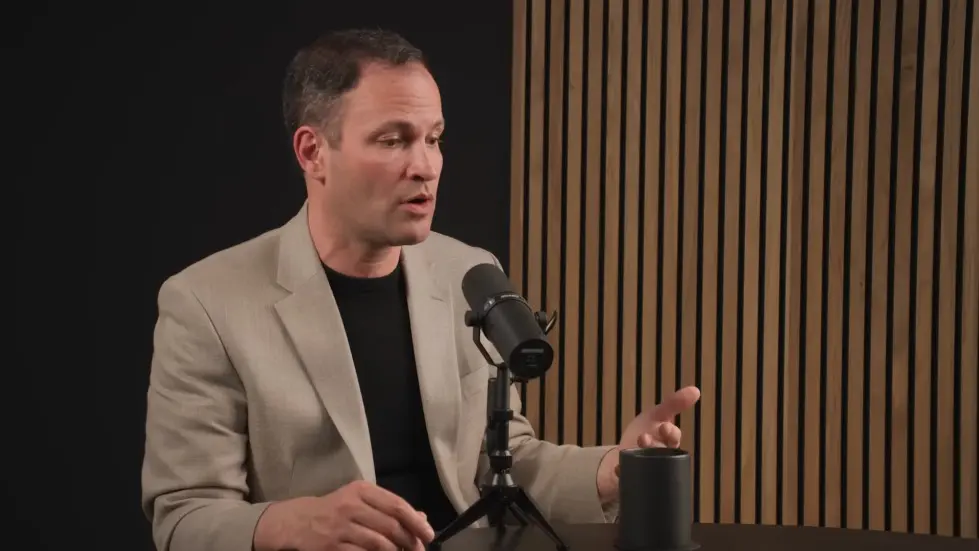
Section 1: Benefits and Drawbacks of Wearing Corrective Lenses
- Wearing corrective lenses can improve vision in people with hyperopia.
- However, wearing corrective lenses can also cause eye strain and fatigue.
- It is important to consider the individual's needs and preferences when deciding whether to wear corrective lenses.
- Using bright enough signal and contrast can also improve vision without the need for corrective lenses.
- Driving at night can reveal a need for glasses, but it is not the only indicator of a need for glasses.
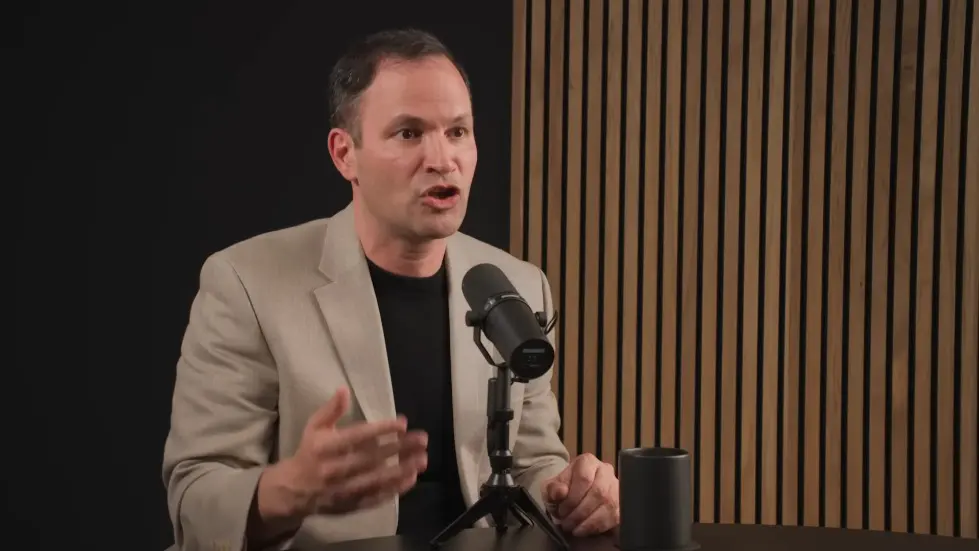
Section 2: Latent Hyperopia
- Latent hyperopia is a condition where the eye's optical system is not designed for regular distance vision.
- It is more common than congenital stationary night blindness.
- Latent hyperopia can cause eye strain and fatigue, especially at night.
- Using plus one lenses can improve distance vision in people with latent hyperopia.
- It is important to get an eye exam to determine if latent hyperopia is present.
Section 3: Alcohol and Latent Hyperopia
- Alcohol can cause latent hyperopia in some people.
- As we age, our ability to refocus the lens decreases, making it more difficult to see at distance.
- Using plus one lenses can improve distance vision in people with latent hyperopia.
- It is important to be aware of the potential effects of alcohol on vision.
- Getting an eye exam can help determine if latent hyperopia is present.
Section 4: Personalized Nutrition Platforms
- Inside tracker is a personalized nutrition platform that analyzes data from blood and DNA to help people better understand their body and reach their health goals.
- Regular blood work can help assess factors that impact immediate and long-term health.
- Inside tracker makes it easy to look at levels of hormones, metabolic factors, and lipids and assess what interventions might be needed to bring those numbers into appropriate ranges.
- Inside tracker can help people make informed decisions about their health and wellness.
- Visiting inside tracker.com can provide more information about inside tracker and its plans.
Corrective Lenses
- Corrective lenses can create a significant shift in eye position if one relies on them.
- People should force themselves to work with their natural vision, do more far viewing, and get outside for sunlight.
- There is a distinction between the muscles inside the eye and the muscles on the outside of the eyeball.
- Intermittent esotropia or turning in of the eyes can be related to a lack of ability to turn one eye in.
- Excellent vision brings comfort to an ophthalmologist.
Corrective Lenses vs. Contacts
- Corrective lenses allow you to focus for near or distance, while contacts allow you to focus for both.
- Corrective lenses can cause eye strain and headaches if not adequately corrected.
- Children and young adults are more likely to experience eye strain from corrective lenses.
- Corrective lenses can help yoke the eyes straight, while contacts can help turn the eyes in.
- Undercorrecting and exercising the eye muscles can help yoke the eyes straight.
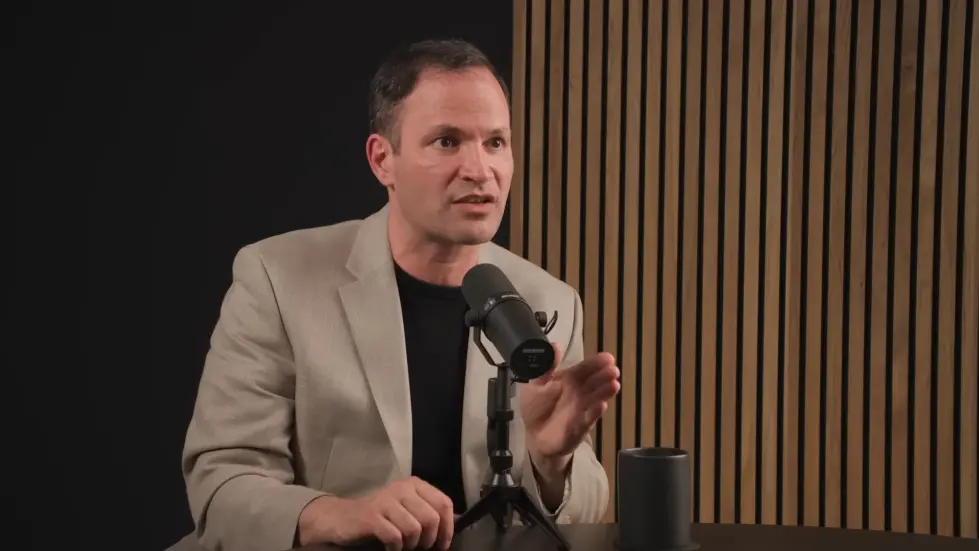
Undercorrecting
- Undercorrecting can help yoke the eyes straight and improve vision.
- Optometrists often specialize in providing the right glasses for development.
- Using a prism or full correction can overshoot the natural turning in of the eyes.
- Using a little bit of a plus lens can help children turn their eyes in less and reduce eye strain.
- Every optometrist and ophthalmologist is not always right on target.
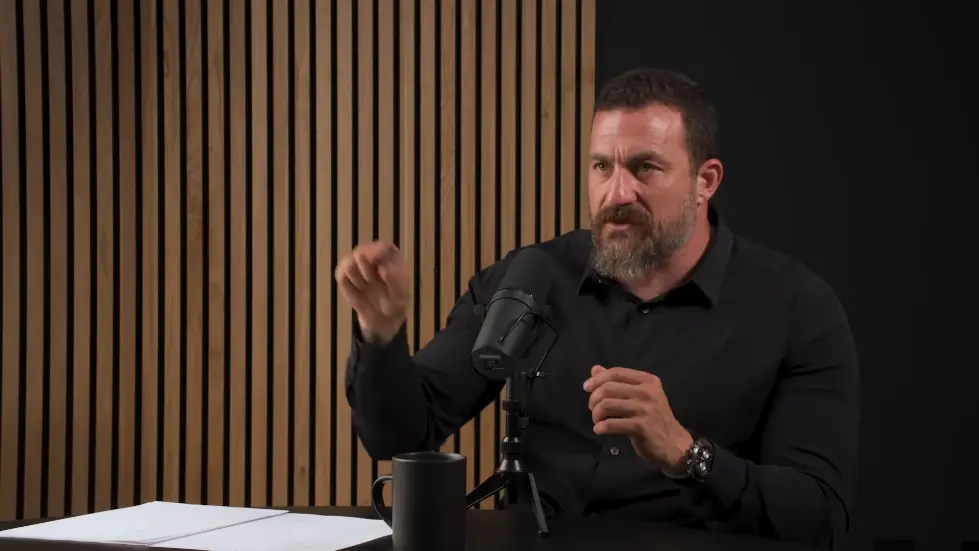
Near-Far Exercises
- Near-far exercises can improve vision and reduce eye strain.
- Pencil push-ups and smooth pursuit exercises can be effective.
- Near-far exercises can help improve accommodation and reduce eye strain.
- Near-far exercises can help improve eye muscle strength and flexibility.
- Near-far exercises can help improve eye tracking and focus.
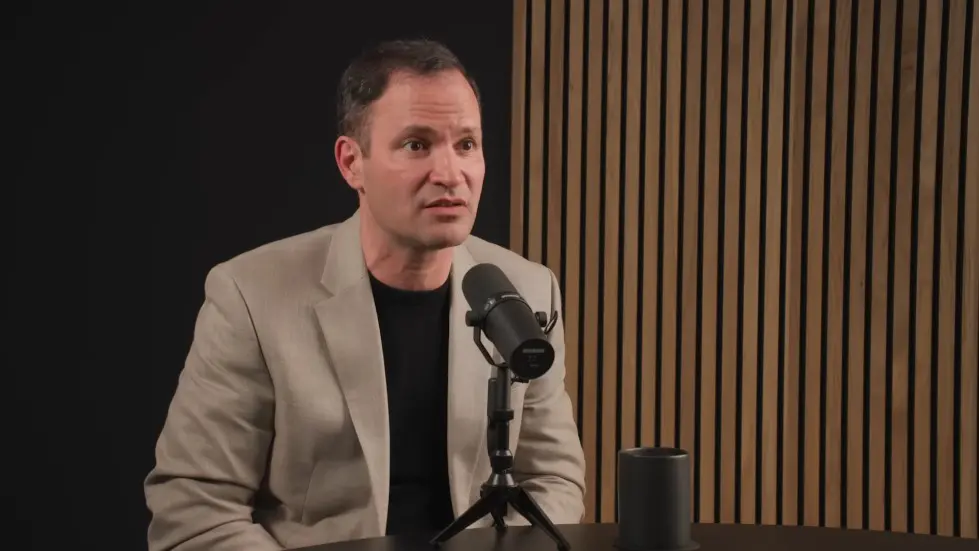
The Benefits and Drawbacks of Wearing Corrective Lenses
- Wearing corrective lenses can improve vision, but it requires a bit of work.
- It is beneficial for people transitioning from age 30 to age 50.
- It can help people with double vision at near but not at distance.
- It can also help people with convergence insufficiency.
- It is not harmful and can slow down progression to presbyopia or needing reading glasses.
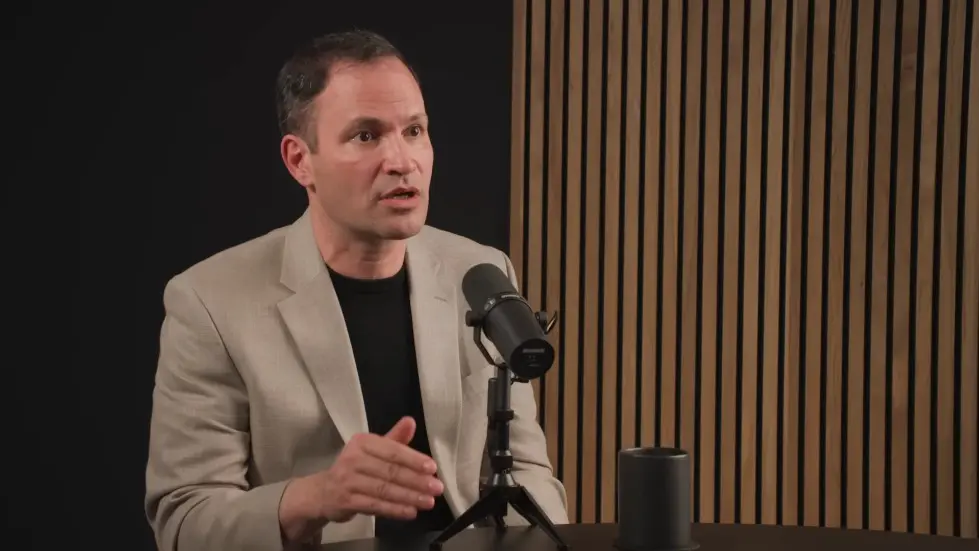
The Benefits and Detriments of Sunlight
- Sunlight is beneficial for eye health.
- It can help improve vision and reduce the risk of age-related macular degeneration.
- It can also help improve the health of the retina.
- However, excessive exposure to sunlight can be harmful and can lead to cataracts.
- It is important to find a balance between the benefits and risks of sunlight.
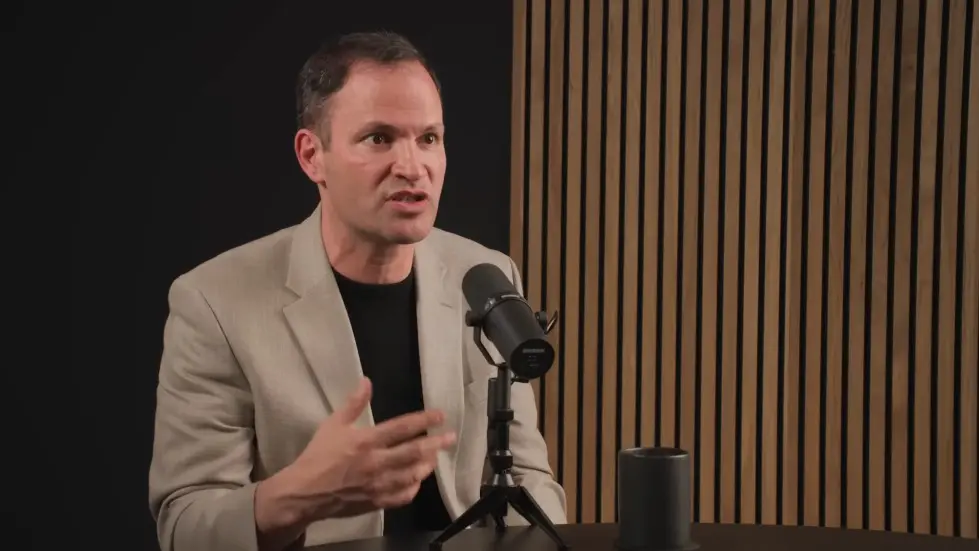
Tools for Maintaining and Improving Vision
- Pencil push-ups can help improve eye muscles and vision.
- Smooth Pursuit exercises can help improve eye movements and visual rehab.
- Focusing from far away to focusing near can help regain tighter control of eye movements and eye-brain connection.
- There are several smooth Pursuit tools available that can be done at home.
- Some people may notice a difference in their visual activity after doing these exercises.
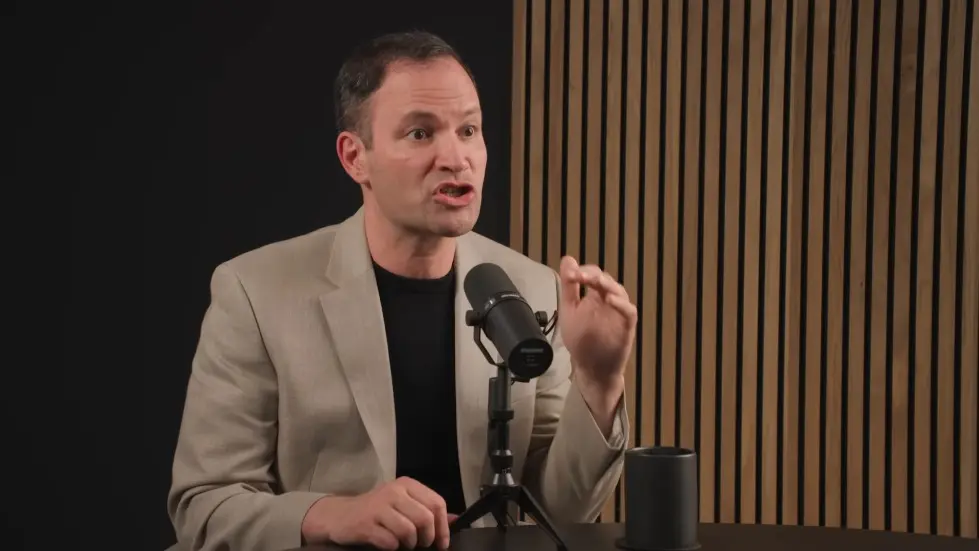
Dry Eye Remedies
- Dry eye can be caused by a variety of factors, including aging and certain medications.
- Symptoms of dry eye include blurry vision, redness, and discomfort.
- There are several remedies for dry eye, including artificial tears, eye drops, and warm compresses.
- It is important to consult with an eye doctor to determine the best treatment for dry eye.
- Regular eye care and hydration can also help prevent and manage dry eye symptoms.
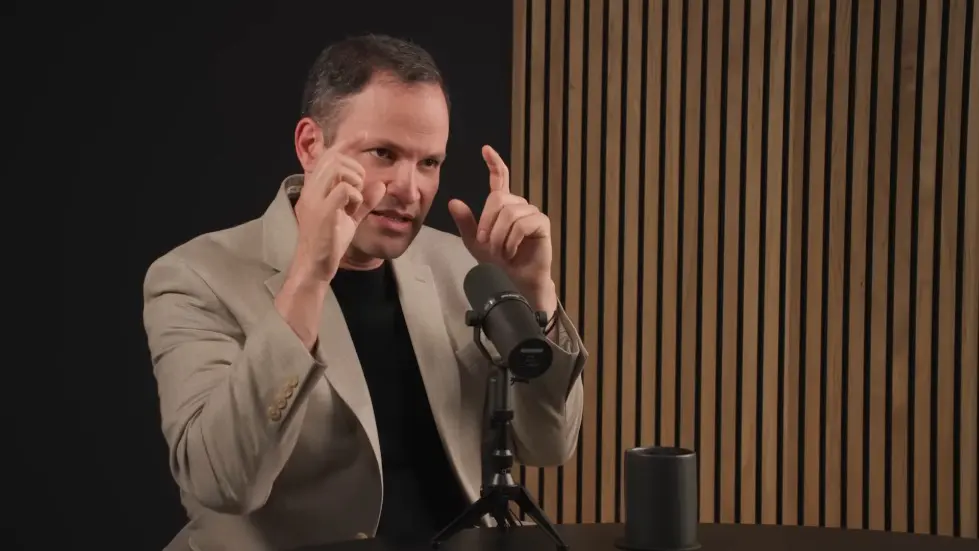
Nutritional Approaches and Supplementation-Based Approaches for Maintaining and Improving Vision
- A healthy diet can help maintain and improve eye health.
- Foods rich in antioxidants, such as leafy greens and berries, can help protect the eyes from damage.
- Supplements, such as vitamin A and omega-3 fatty acids, can also help improve eye health.
- It is important to consult with an eye doctor before taking any supplements for eye health.
- Regular exercise and stress management can also help maintain and improve eye health.
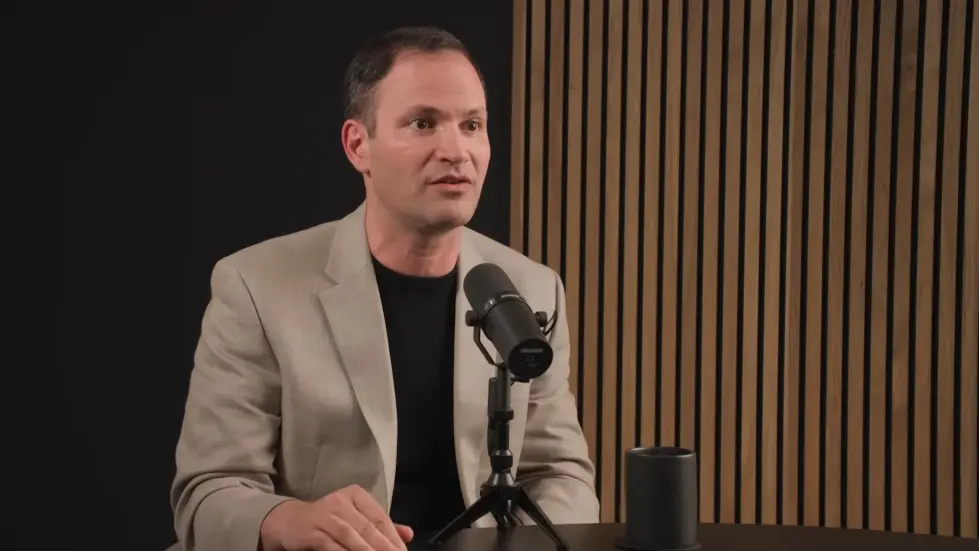
Section 1: Introduction
- The video is about Dr. Jeffrey Goldberg discussing various topics related to eye health and vision loss.
- Dr. Goldberg is a clinician and MD who specializes in ophthalmology and directs his own laboratory focused on understanding the mechanisms and cures for diseases of the eye.
- The video covers topics such as the benefits and drawbacks of wearing corrective lenses, the benefits and detriments of sunlight, tools for maintaining and improving vision, dry eye remedies, nutritional approaches and supplementation-based approaches for maintaining and improving vision, and advanced technologies for preventing and offsetting vision loss due to diseases of the eye.
- The video is relevant to every regular person, including athletes, esports players, and gamers.
Section 2: Training for Supernormal Vision
- It is possible to train and understand the biology of training to get the eyes from normal to supernormal performance.
- Athletes have been studied for their visual characteristics, such as faster visual reflexes and higher visual acuity, and it is not fully understood whether these are genetic or trained.
- It is not clear if it is possible to train all people with normal vision to get up to supernormal vision.
- There is evidence that some athletes train using special goggles that use electrical signals in the glasses to improve their visual performance.
- It is possible to improve visual information processing by training with these goggles, even when only getting a fraction of the visual information.
Section 3: New Program at Stanford
- There is a new program at Stanford through the department of Ophthalmology that is linked up with the Woosai Performance Institute.
- The program focuses on human performance and has a new human performance alliance and center that is layered on top of the department of Orthopedics.
- The department of Orthopedics has long had a human performance laboratory that focuses on joints, muscles, strength, and conditioning.
- The new program aims to understand how vision is operating and how it is different from normal vision.
- The program is starting to study and understand the difference between normal and supernormal vision and how to measure that difference.
Section 4: Conclusion
- The video discusses the possibility of training and understanding the biology of training to get the eyes from normal to supernormal performance.
- There is evidence that some athletes train using special goggles that use electrical signals in the glasses to improve their visual performance.
- There is a new program at Stanford through the department of Ophthalmology that is linked up with the Woosai Performance Institute.
- The program focuses on human performance and has a new human performance alliance and center that is layered on top of the department of Orthopedics.
- The video is relevant to every regular person, including athletes, esports players, and gamers.
Section 1: Understanding 20/20 Vision
- 20/20 vision means that a person can read the smallest letters at 20 feet away that the average healthy person can read at 20 feet away.
- Worse than 20/20 vision is called 20/25, 20/40, 2200 vision, etc.
- 2200 vision is like the Big E at the top of the eye chart and means a person can read at 20 feet what a normal person could read at 200 feet.
- Legal blindness in the United States is typically defined as 2200 or worse.
- There are people who are legally blind that are out there driving, which is dangerous.
Section 2: Improving Vision
- People can be on the other end of the 20/20 vision curve and have better vision than normal.
- Athletes, fighter pilots, and people who have had LASIK surgery can have 20/15 or 20/10 vision.
- Better than 20/20 vision is possible through a variety of ways.
- The degree of visual acuity can differ dramatically between the two eyes in most healthy people.
- Visual acuity is the vision in the very center of a person's vision, like when they are reading or looking at something.
Section 3: Visual Acuity and Vision Chart
- Visual acuity is described as a hill of vision, with the peak in the center and a slope off.
- Most people have a normal visual acuity of 20/20 in the center and a slope off.
- Our highest acuity visions are in the center and that's a big part of why we spend a lot of time using our eye muscles to look around.
- We have a high acuity, high pixel density camera in the middle and a low resolution but very fast detector camera surrounding it.
- Contact lenses can have a detriment to vision, but LASIK surgery can improve vision.
Section 4: Contact Lenses and LASIK Surgery
- There is no detriment to having a piece of glass or plastic in the eye, such as contact lenses.
- LASIK surgery can improve vision and is a popular option for people with worse than 20/20 vision.
- LASIK surgery can correct nearsightedness, farsightedness, and astigmatism.
- LASIK surgery is a safe and effective option for people who want to improve their vision.
- It is important to consult with an eye doctor before deciding on LASIK surgery.
The Benefits and Drawbacks of Wearing Corrective Lenses
- Corrective lenses can improve vision for people with certain diseases.
- Contacts can change the dynamics on the surface of the eye, decreasing oxygen diffusion.
- Most people have enough tear film reserve to tolerate contacts.
- Contacts can correct different elements of the shape of the eye that need to be corrected.
- Contacts can correct higher order aberrations in the corneas that glasses cannot.
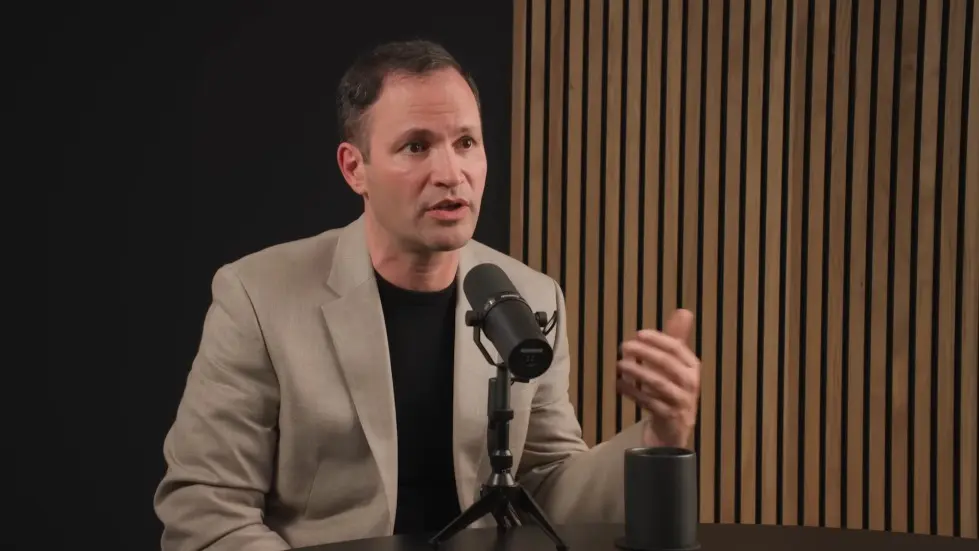
The Quality of Vision with Contact Lens Correction
- People who wear contacts report a higher quality of vision compared to glasses.
- Enjoying the best vision in daily life is an upside to seeing if contacts could work.
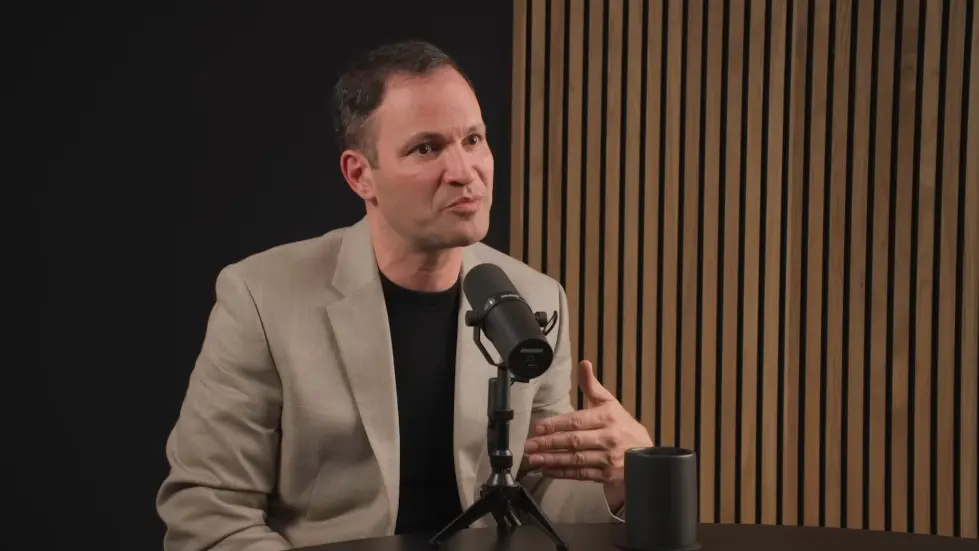
The Risks of Contact Lenses
- Contacts may become less tolerable as we age due to less tear film reserves.
- Contacts can trap bacteria or fungus, leading to corneal infections.
- Corneal infections from contact lenses can cause scarring on the surface of the cornea.
- It is important to be attentive to whether contacts are being tolerated well.
- Daily disposable contact lenses are recommended for safer use.
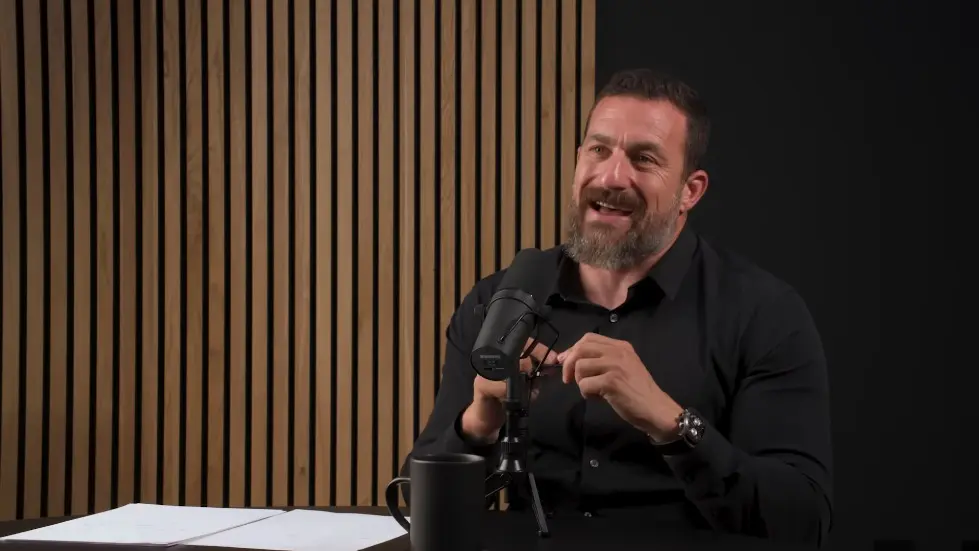
Cleaning and Use of Contact Lenses
- It is important to be attentive to the recommended use and cleaning of contact lenses.
- Daily disposable contact lenses are recommended for safer use.
- People should almost always use daily disposable contact lenses that don't have to be cleaned or used for two weeks or four weeks.
- Sleeping in contacts can be dangerous.
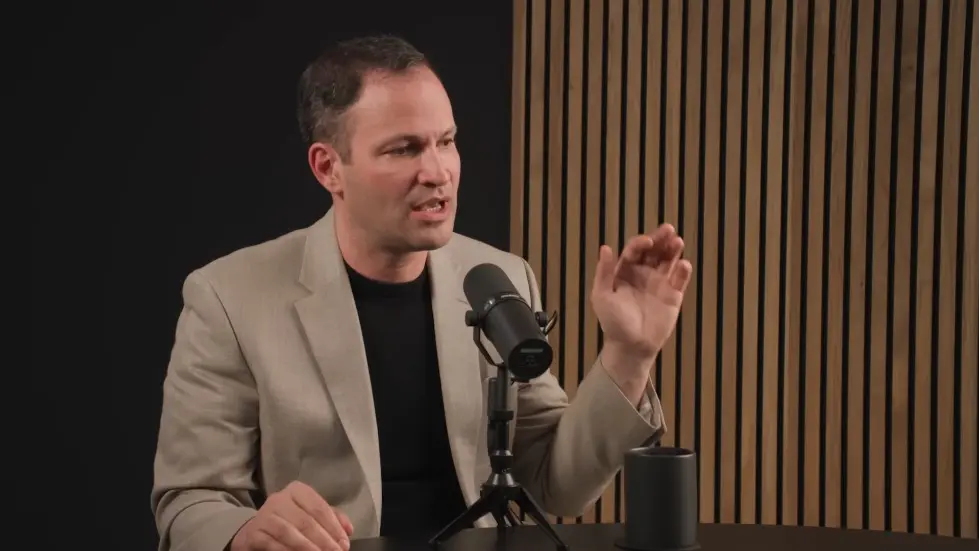
Section 1: Eye Health and Contacts
- The use of contacts can increase the risk of bacterial infections on the surface of the eye.
- It is important to clean contacts properly and follow recommended use guidelines.
- Daily use contacts should be cleaned and rinsed before being put back in the eye.
- Most people do not need to use contacts for more than 2-4 weeks at a time.
- It is important to avoid using contacts overnight when eyelids are closed as it can lead to less oxygen and increased risk of infection.
Section 2: UV Protection in Eyeglasses and Contacts
- It is important to avoid bright lights of any wavelength late at night to maintain normal melatonin production and sleep well.
- Blue light blockers can be helpful for some people who want to avoid bright lights at night.
- It is important to distinguish that UV light is next to blue light on the light spectrum.
- UV light can be damaging to the skin and eyes, leading to sunburn and accelerating the formation of cataracts.
- Blocking UV light is standard in every pair of eyeglasses and contact lenses.
Section 3: Nutritional Approaches and Supplementation-based Approaches for Maintaining and Improving Vision
- There is no specific nutritional approach or supplement that has been proven to improve vision.
- It is important to maintain a healthy diet and lifestyle to support overall eye health.
- Some supplements, such as vitamin A and omega-3 fatty acids, have been suggested to support eye health.
- It is important to consult with a healthcare professional before taking any supplements for eye health.
- There is no specific supplement or approach that can guarantee improved vision.
Section 4: Advanced Technologies for Preventing and Offsetting Vision Loss due to Diseases of the Eye
- There are no advanced technologies that can guarantee prevention or offsetting of vision loss due to diseases of the eye.
- It is important to maintain a healthy lifestyle and diet to support overall eye health.
- Regular eye exams and screenings can help detect and prevent vision loss due to diseases of the eye.
- There are no specific technologies or treatments that can guarantee improved vision due to diseases of the eye.
- It is important to consult with a healthcare professional before using any advanced technologies or treatments for eye health.
Section 1: Entrainment of Natural Daily Rhythm
- The speaker discusses the importance of entraining our natural daily rhythm.
- He mentions that blocking UV light is a good idea.
- He explains that glasses with Transitions technology react to UV light and turn from clear to sunglasses.
- He notes that these glasses may not work in a car because car glass also filters UV light.
- He recommends morning sunlight viewing, which involves low solar angle sunlight viewed for 10 minutes a morning.
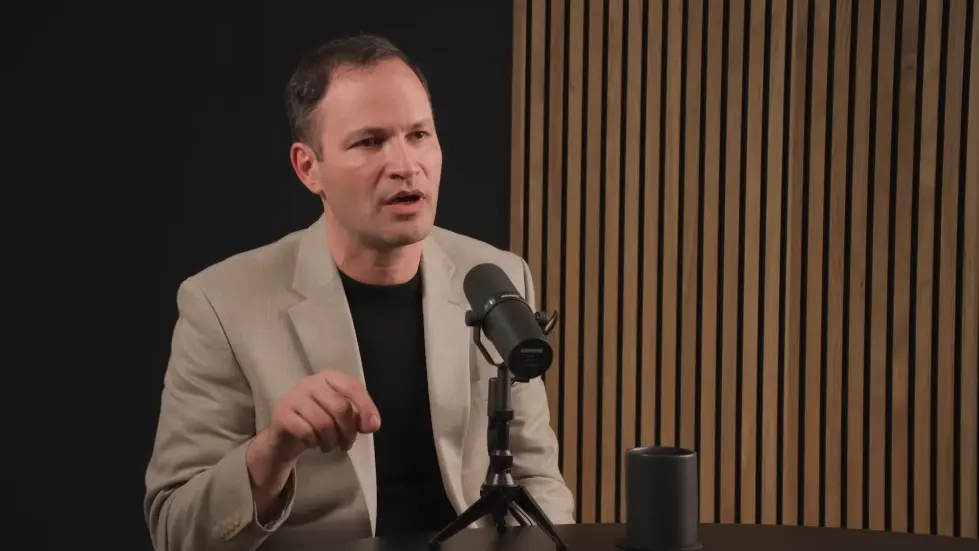
Section 2: Morning Sunlight Viewing
- The speaker recommends morning sunlight viewing for eye health.
- He notes that low solar angle sunlight viewed for 10 minutes a morning is safe and effective.
- He emphasizes that it's not necessary to force oneself to look at the sun and stare.
- He explains that the sun's direct overhead position is the most harmful to the eyes.
- He mentions that people who don't wear corrective lenses should wear a brimmed hat to protect their eyes from UV light.
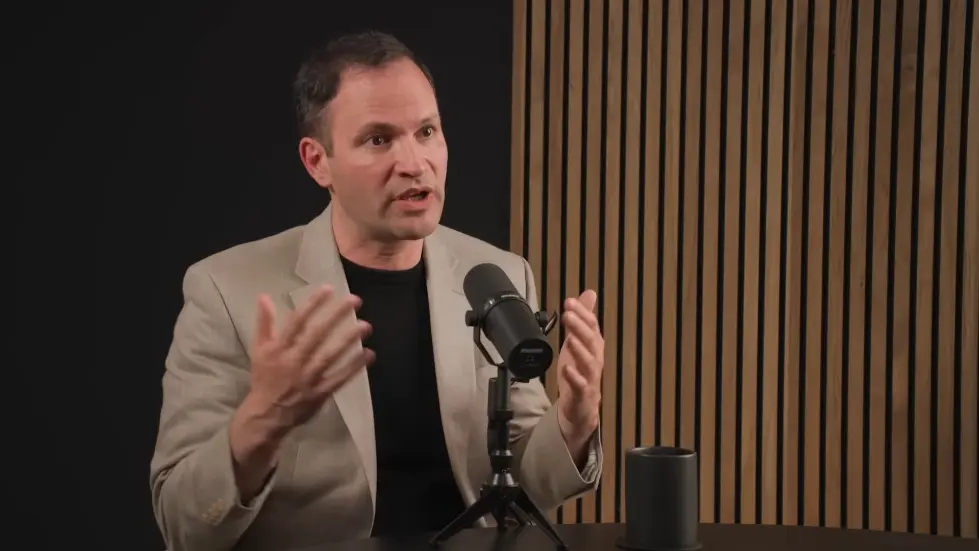
Section 3: Wearing Sunglasses
- The speaker notes that wearing sunglasses outside, even without corrective lenses, can be more comfortable.
- He explains that wearing sunglasses may not make a huge difference in the health of the eyes.
- He notes that people who are dogmatic about wearing UV blocking sunglasses may get cataracts at a younger age.
- He emphasizes that comfort is the most important factor when choosing to wear sunglasses.
- He mentions that wide-brimmed hats can also protect the eyes from UV light and keep the sun off the face.
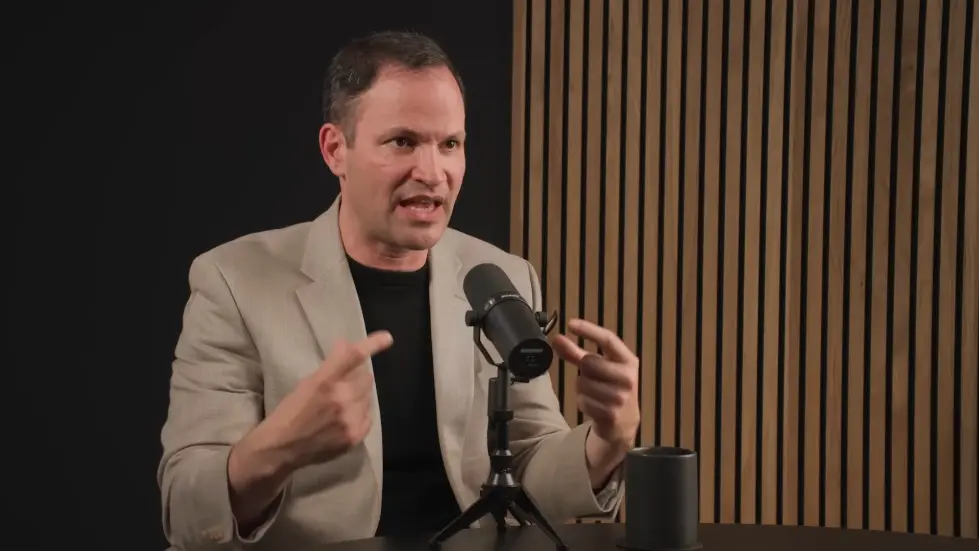
Section 4: Sensitivity to Light and Eye Color
- The speaker discusses the variation in sensitivity to light among individuals.
- He notes that people with blue or light-colored eyes may be more sensitive to light.
- He explains that there are biological differences between the irises and their muscles and nerves that feed those muscles.
- He mentions that people with blue or light-colored eyes may have a shorter duration of dilation when using eye drops.
- He emphasizes that there may be a correlation between eye color and sensitivity to light.
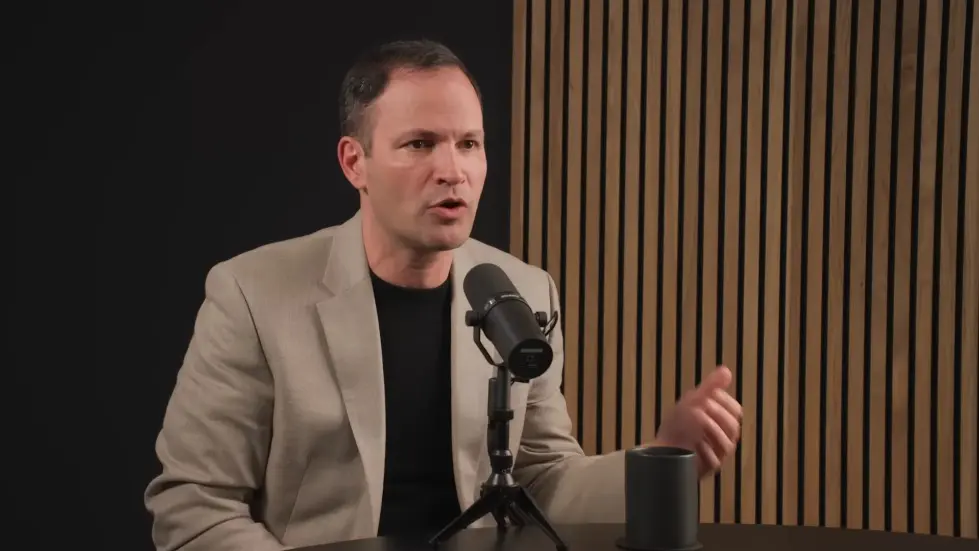
Differential Sensitivity
- Some people have a differential sensitivity to bright light.
- If you're not able to constrict your eyes in bright light effectively, you may find it more frustrating, annoying, or even painful.
- People with this condition may feel like their eyes are cramping as they try to get the eye muscles to activate and block some of the excess light from getting in.
- LASIK surgery can help improve eye health and offset vision loss due to diseases of the eye.
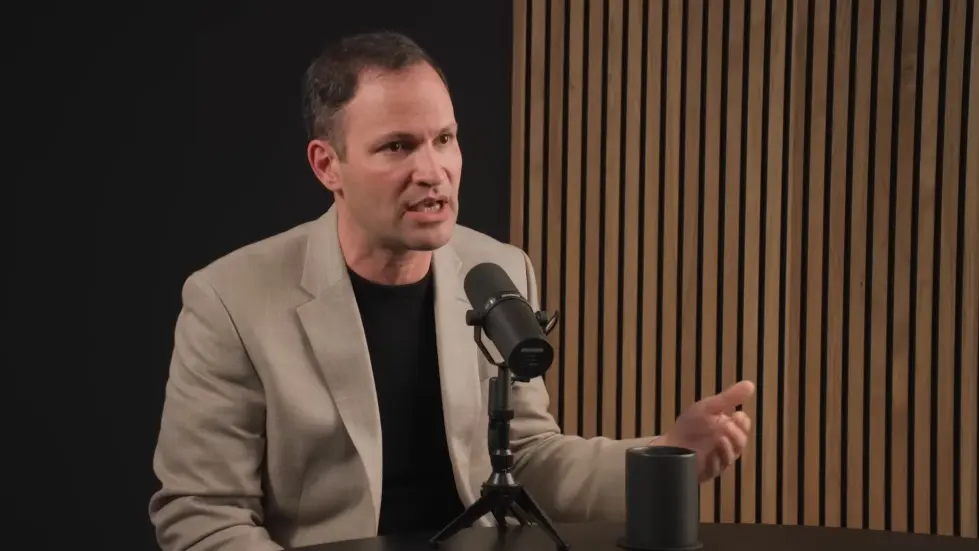
LASIK Surgery
- LASIK is a type of eye surgery that can improve vision and offset vision loss due to diseases of the eye.
- It is amazing, and people will come out of LASIK surgery better than 2020.
- The cornea, the clear window on the front of your eye, must be in good shape for LASIK surgery to be effective.
- If the cornea is misshapen, astigmatism may occur, and a correction for that may be needed instead of glasses.
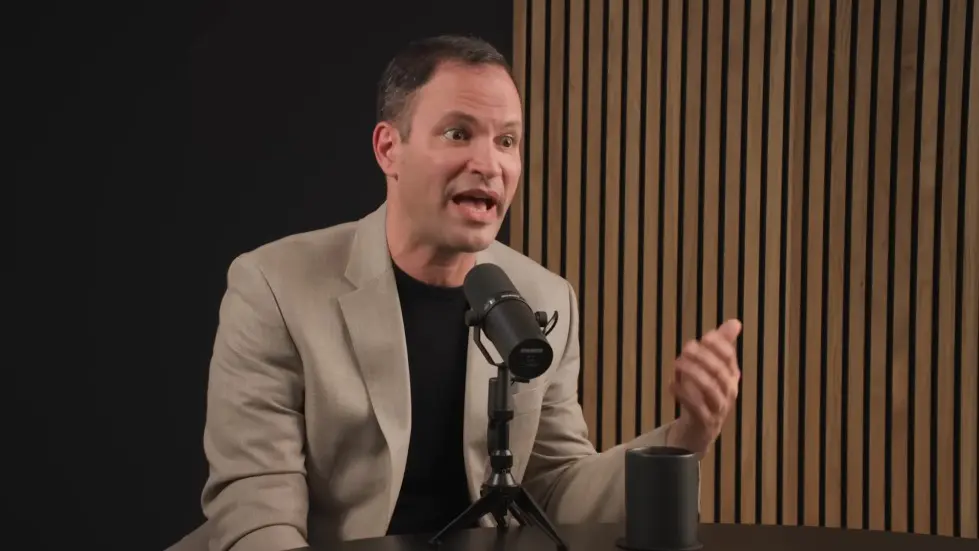
Lasik Procedures
- There are different versions of LASIK, but the basic idea is to ablate or get rid of a little ring or rim of corneal tissue.
- This reshapes the cornea, allowing light to pass through it more efficiently.
- Wave front guided LASIK uses light waves to measure the exact amount and location of tissue to laser for each individual eye.
- One or a few percent of patients may have a dry eye problem after LASIK, which can be counseled by an eye surgeon.
Benefits of LASIK Surgery
- LASIK surgery can correct not just regular aberrations but also some higher order aberrations.
- It can improve vision and offset vision loss due to diseases of the eye.
- It is amazing, and people will come out of LASIK surgery better than 2020.
- It can correct astigmatism, which is a common problem in younger people.
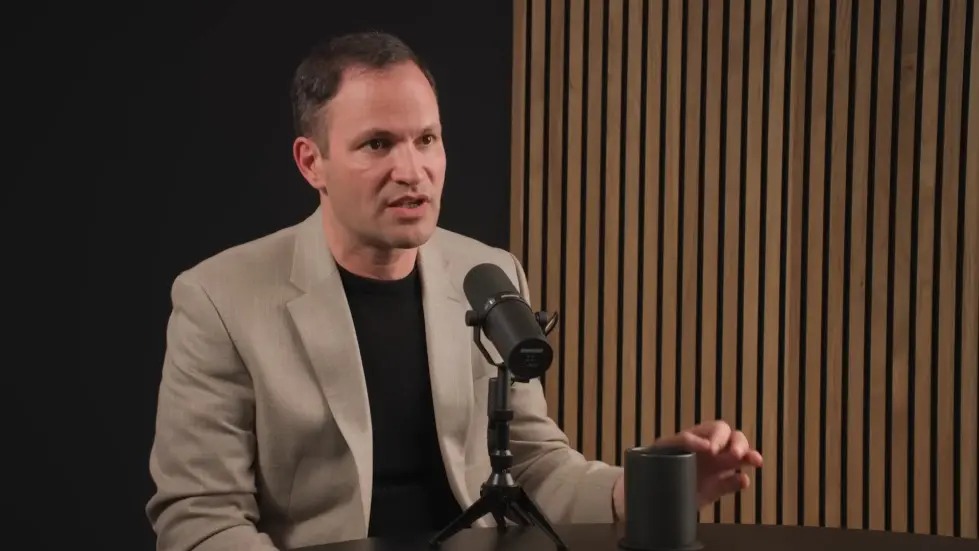
Advantages of LASIK
- LASIK is generally a safe and comfortable procedure for patients.
- It can improve vision and reduce the need for glasses or contact lenses.
- LASIK is ideal for people who have reached their late teens or early 20s and their eye has stopped changing its prescription.
- It can last for a decade or more.
- LASIK is not recommended for children or even young teenagers because their eyes are still growing and their prescription can change.
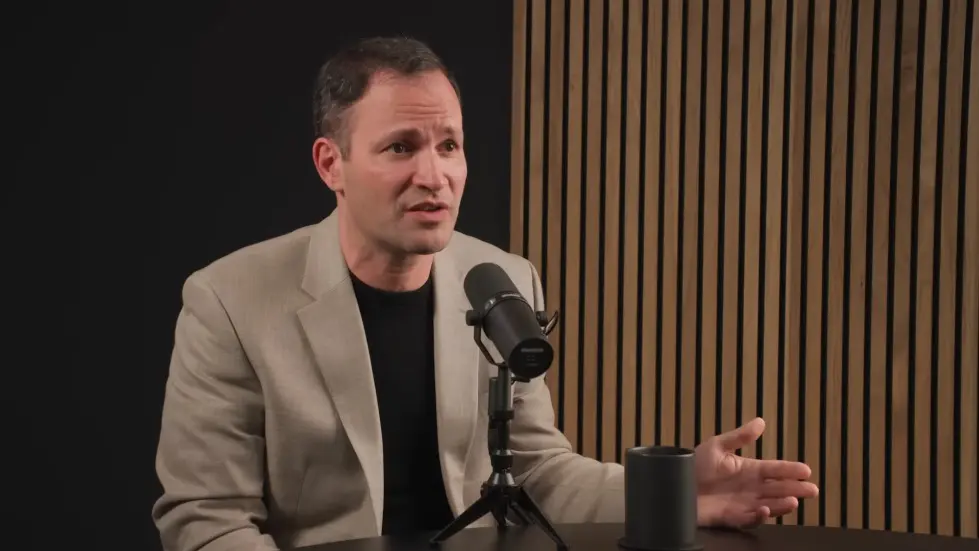
Dry Eye
- Dry eye is a common eye disease that affects millions of people.
- It is caused by a deficiency in the lacrimal hormone glands that produce tears for the eye.
- Tears are made primarily by the lacrimal gland and there is a steady drip of those tears onto the ocular surface as well as reflexive tearing.
- There are also essential oils critical oils that come from other types of glands including meibomian glands and form a surface over the salt water part of the tear film.
- As we age, the quantity and quality of both the salt water and oil parts of our tears go down, which can lead to dry eye symptoms.
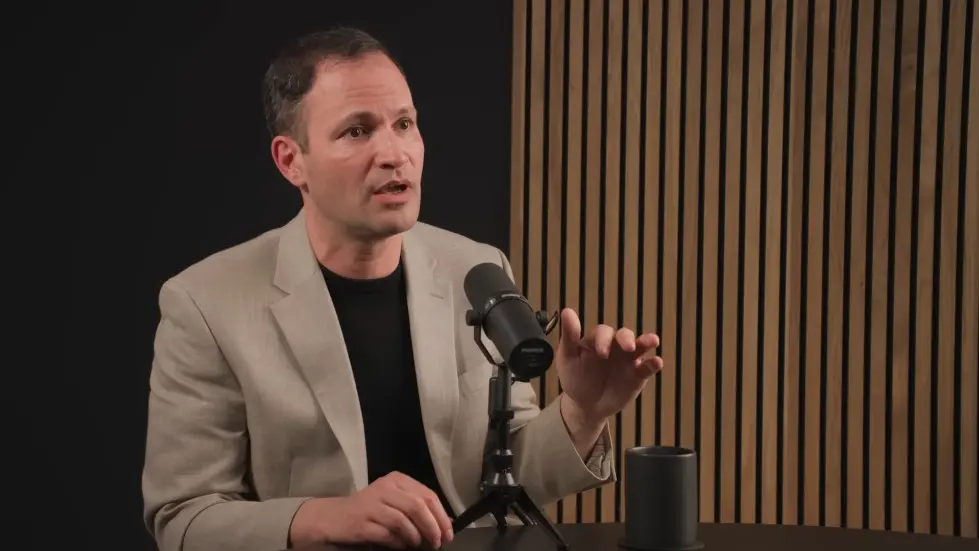
Treatment for Dry Eye
- Standard drops are not always effective for treating dry eye.
- There is a need for a treatment that works specifically for dry eye.
- Manufacturing something that works as well as tears could be a solution.
- There are other eye diseases besides dry eye, but by far the most common eye treatment is over-the-counter things like artificial tears.
- As we age, our tear quantity and quality go down, which can lead to dry eye symptoms.
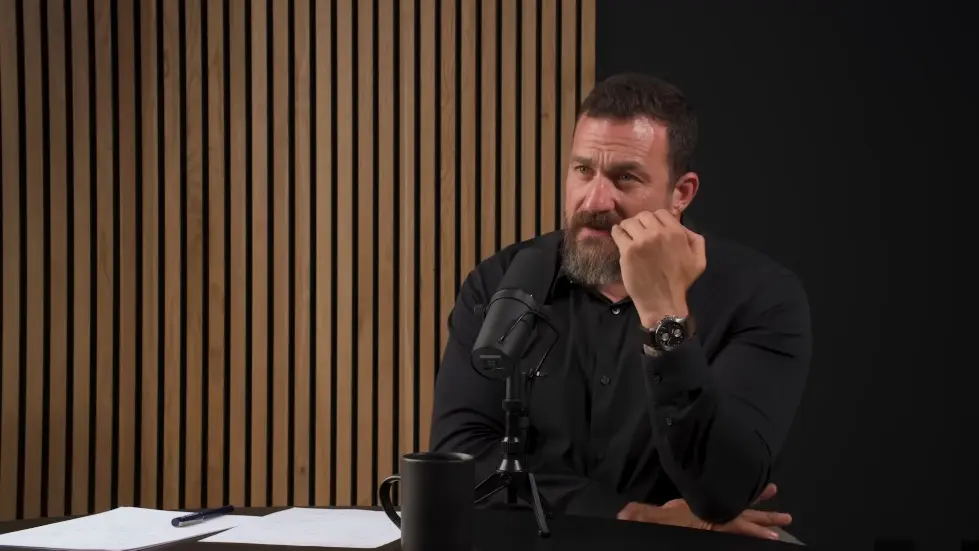
Preservative Free Artificial Tears
- Preservative free artificial tears can replace the salt water part of your tears.
- They can be used every hour if needed or when symptoms are exacerbated.
- Preservative free artificial tears are not harmful to the eyes.
- They are a popular choice for people who need to use them frequently.
- Preservative free artificial tears are not recommended for children or even young teenagers because their eyes are still growing and their prescription can change.
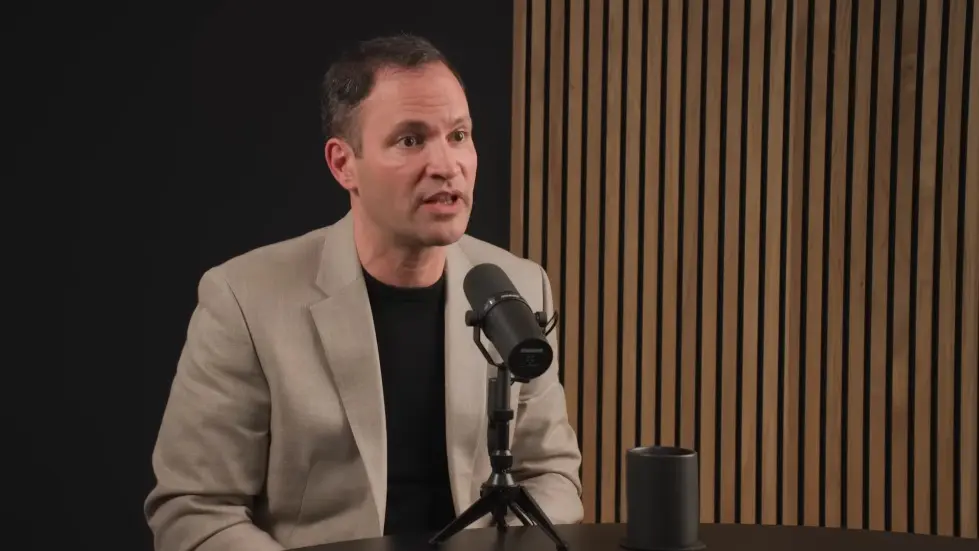
The Benefits and Drawbacks of Wearing Corrective Lenses
- Wearing corrective lenses can help improve vision.
- However, it can also lead to dry eye symptoms.
- Redistributing tears less effectively when wearing glasses can lead to dry eye symptoms.
- Squeezing out less of the tears including less of the oils can also lead to dry eye symptoms.
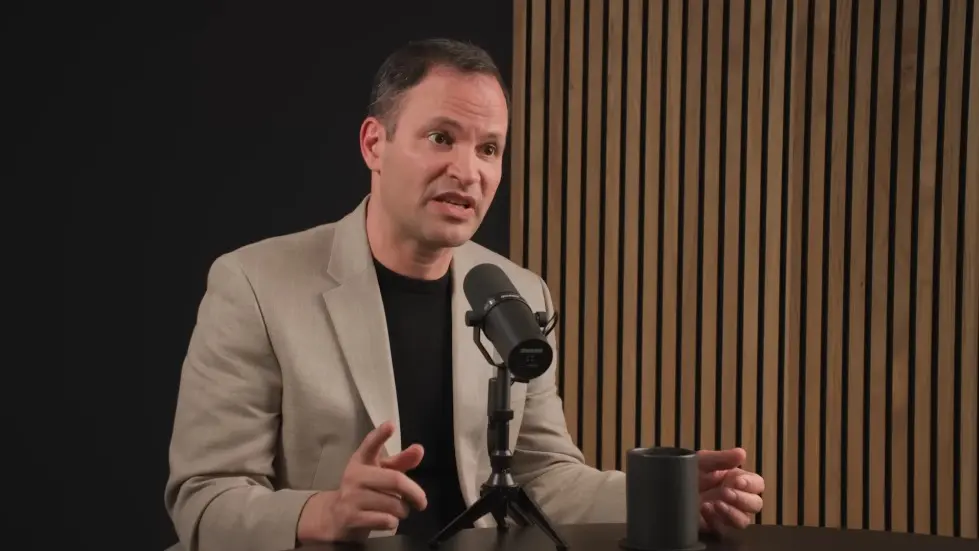
The Benefits and Detriments of Sunlight
- Sunlight can help maintain and improve vision.
- However, it can also lead to dry eye symptoms.
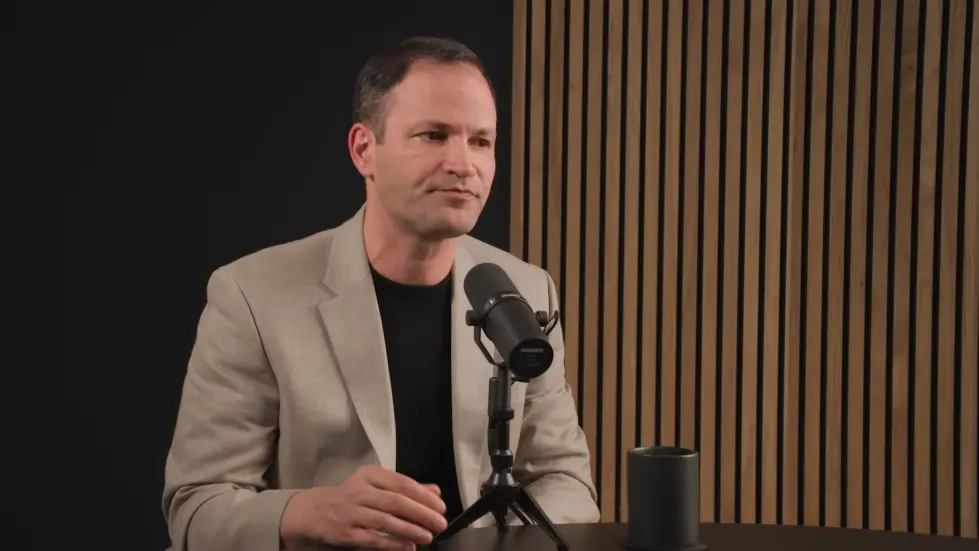
Tools for Maintaining and Improving Vision
- Eye drops can help maintain and improve vision.
- Eyelid cleaning can help maintain and improve vision.
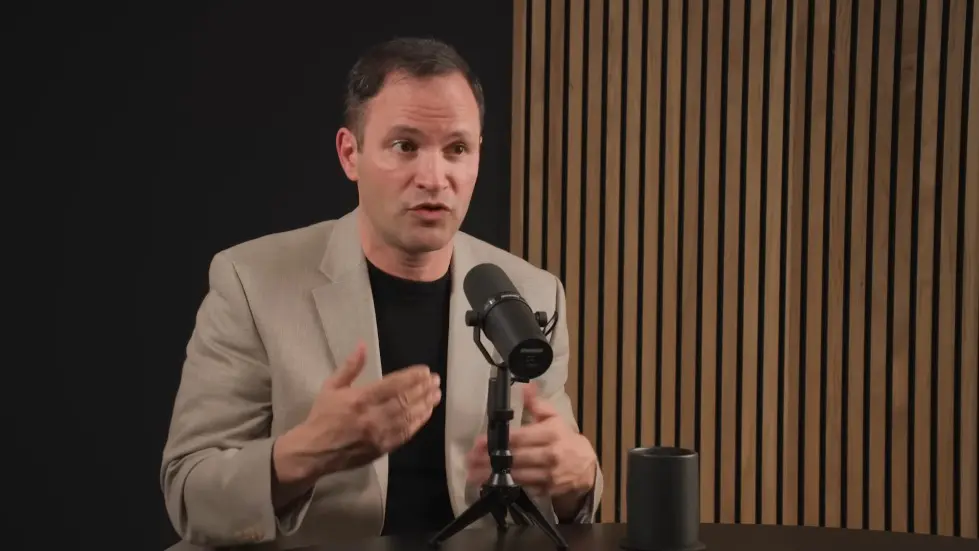
Dry Eye Remedies
- Tears can be used to treat dry eye symptoms.
- Eyelid cleaning can help reduce inflammation and improve dry eye symptoms.
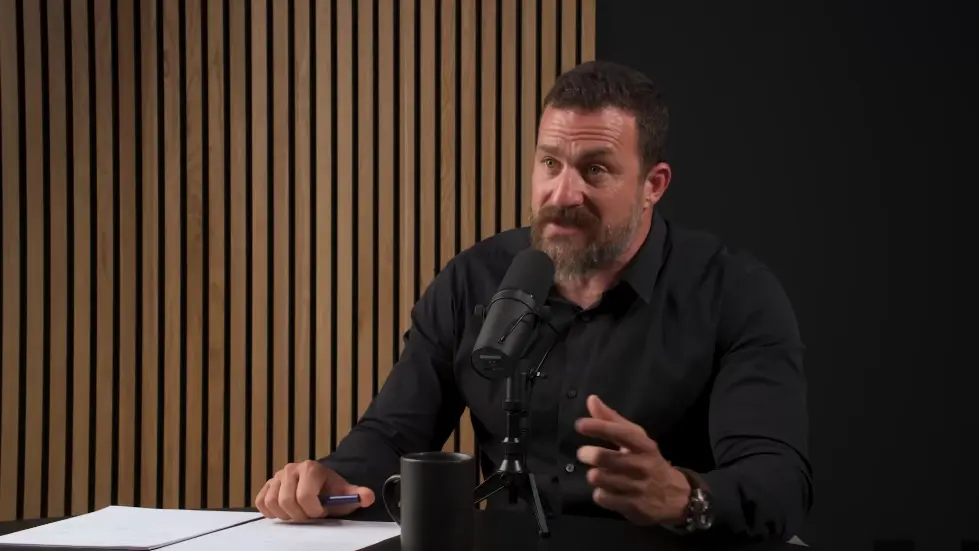
Nutritional Approaches and Supplementation-Based Approaches for Maintaining and Improving Vision
- Blood serum can be used to treat dry eye symptoms.
- Growth factors in blood serum can be helpful for people with dry eye.
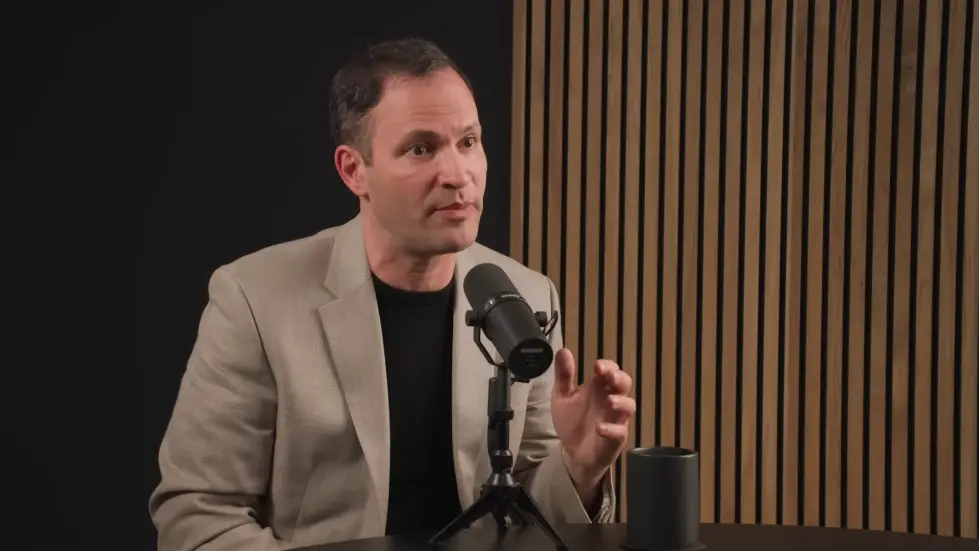
Advanced Technologies for Preventing and Offsetting Vision Loss Due to Diseases of the Eye
- Understanding the nerves on the cornea and ocular surface can lead to better treatment and rejuvenation of tissue cells.
- Blood serum can be used to treat dry eye symptoms.
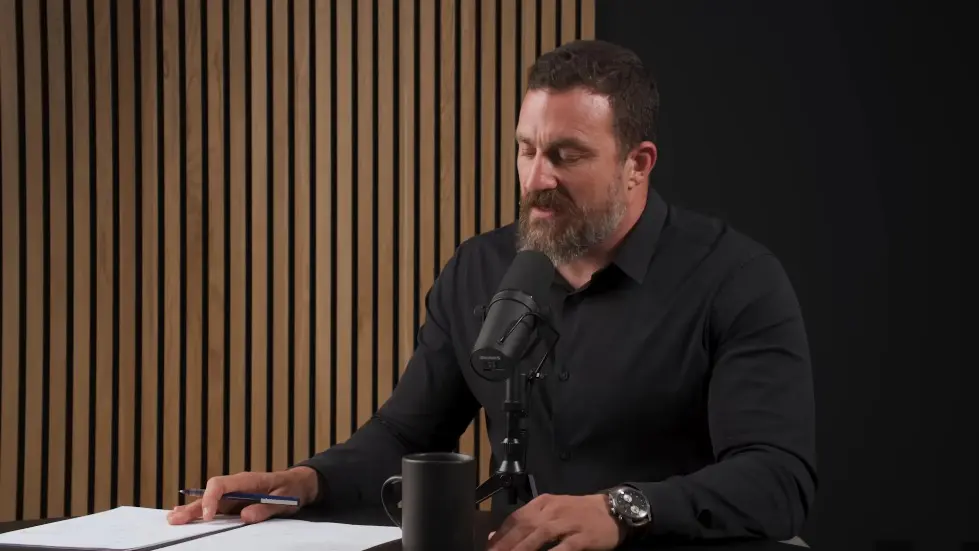
Serum Tears for Dry Eye Symptoms
- Serum tears can be helpful for people with advanced or severe dry eye symptoms.
- Companies are trying to identify and package just the growth factor in serum for dry eye patients.
- There is a lot of research on the ocular surface and dry eye going into that space.
- Preservatives can be irritating or inflammatory to the ocular surface.
- Preservative-free artificial tears are recommended for patients using more than a couple drops for dry eye control.
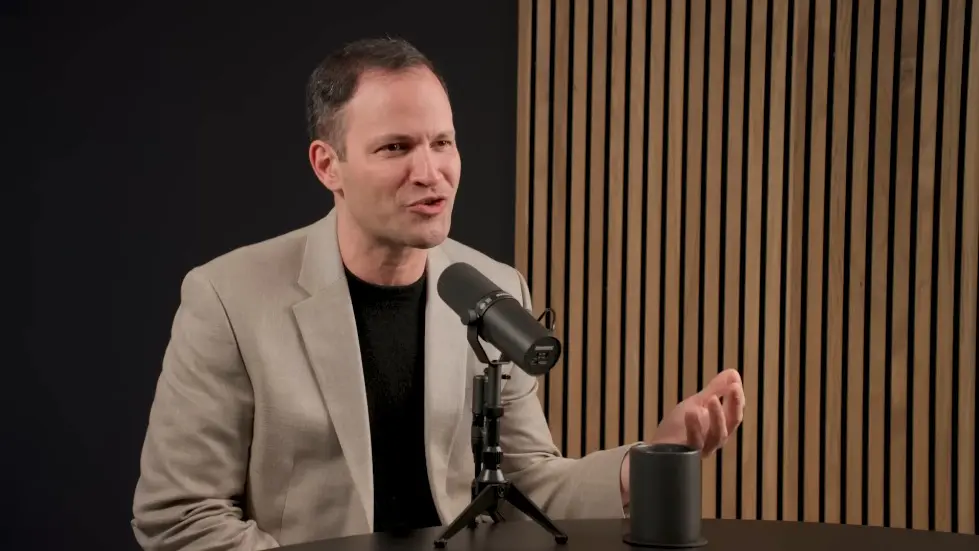
Preservatives in Eye Drops
- Preservatives are typically added to eye drops to prevent bacterial growth.
- Preservative-free artificial tears are recommended for patients using more than a couple drops for dry eye control.
- Preservatives can be very irritating or inflammatory to the ocular surface.
- Preservative-free artificial tears are great recommendations.
- Preservative-free artificial tears are more expensive than over-the-counter drops.
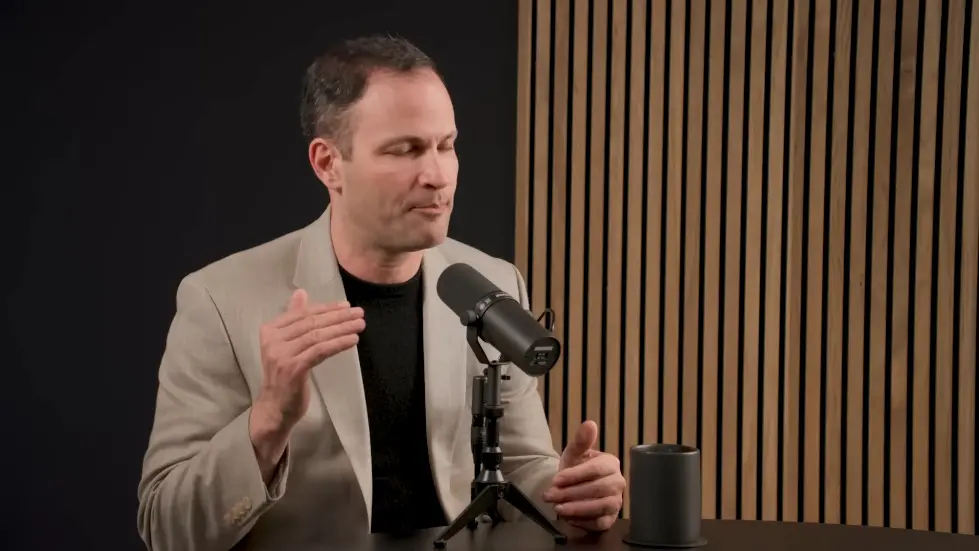
Platelet-Rich Plasma (PRP)
- PRP was suggested as a source of stem cells for rejuvenation of tissues and organs.
- There are very few true stem cells in PRP.
- PRP is now standard in major ophthalmic clinics, including Stanford.
- PRP is being studied for its potential benefits for certain conditions, such as on the ocular surface.
- PRP has a high concentration of growth factors that may be responsible for tissue rejuvenation effects.
Stem Cell Therapies
- Stem cell therapies are being studied for their potential benefits for certain conditions, such as on the ocular surface.
- There is a lot of research on the ocular surface and dry eye going into that space.
- Stem cell therapies are not yet a standard of care in Ophthalmology.
- There is a lot of research on the ocular surface and dry eye going into that space.
- Stem cell therapies are not yet a standard of care in Ophthalmology.
Section 1: Introduction to Eye Health and Vision Loss
- The video is about Dr. Jeffrey Goldberg discussing various topics related to eye health and vision loss.
- Dr. Goldberg is a clinician and MD who specializes in ophthalmology and directs his own laboratory focused on understanding the mechanisms and cures for diseases of the eye.
- The video covers topics such as the benefits and drawbacks of wearing corrective lenses, the benefits and detriments of sunlight, tools for maintaining and improving vision, dry eye remedies, nutritional approaches and supplementation-based approaches for maintaining and improving vision, and advanced technologies for preventing and offsetting vision loss due to diseases of the eye.
- The video is from Andrew Huberman - Huberman Lab YouTube channel.
Section 2: Major Forms of Vision Loss in Childhood and Adulthood
- The major causes of vision loss differ where you are in the world.
- The number one cause of low vision is actually refractive error.
- Cataract is the next most common cause of vision loss.
- Glaucoma is the number one cause of irreversible vision loss in the world.
- Retinitis Pigmentosa and macular degeneration are also major forms of vision loss.
Section 3: Detection and Offset of Vision Loss
- There are ways to detect and offset the progression of vision loss caused by glaucoma, retinitis pigmentosa, and macular degeneration.
- Cataract is a normal aging process that can be detected years or even decades before it affects your vision in a meaningful way.
- Cataract surgery is a four to eight minute procedure that works beautifully 99 point something percent of the time.
- There are lenses that can focus light from far and near, which can be used in cataract surgery.
- Access to care, cataract surgery, and the machinery or the lenses are the main challenges in treating cataract.
Section 4: Global Ophthalmology and Global Eye Care
- Global Ophthalmology and Global Eye Care are important in solving for cataract and other eye diseases.
- There is a need for more programming around Global Ophthalmology and Global Eye Care to bring solutions to countries around the world.
- Glaucoma is the number one cause of irreversible vision loss in the world.
- There are lumps or constellations of diseases that we lump together as glaucoma, which is a neurodegenerative disease that affects the optic nerve.
- There are nutritional approaches and supplementation-based approaches for maintaining and improving vision, but more research is needed in this area.
Introduction
- The brain and optic nerves need to carry visual information from the eye to the brain.
- Optic nerve degeneration can lead to permanent vision loss, which is a common optic neuropathy.
- Glaucoma is the most common optic neuropathy and has two major risk factors: increasing age and increasing eye pressure.
- Glaucoma can present in infancy and pediatrics, making it more aggressive and damaging.
- Glaucoma usually presents in adulthood and is more common after 50 or 60 years old.
Optic Nerve Degeneration
- Optic nerve degeneration can lead to permanent vision loss.
- There are other optic neuropathies, such as stroke of the optic nerve, inflammatory diseases like multiple sclerosis, and optic neuritis.
- Glaucoma is the most common optic neuropathy.
- Optic nerve degeneration can affect the optic nerve and lead to permanent vision loss.
Glaucoma
- Glaucoma has two major risk factors: increasing age and increasing eye pressure.
- Glaucoma can present in infancy and pediatrics, making it more aggressive and damaging.
- Glaucoma usually presents in adulthood and is more common after 50 or 60 years old.
- Glaucoma can be treated by trying to reduce the impact of high eye pressure.
- Glaucoma ends up being the number one cause of irreversible blindness in the world.
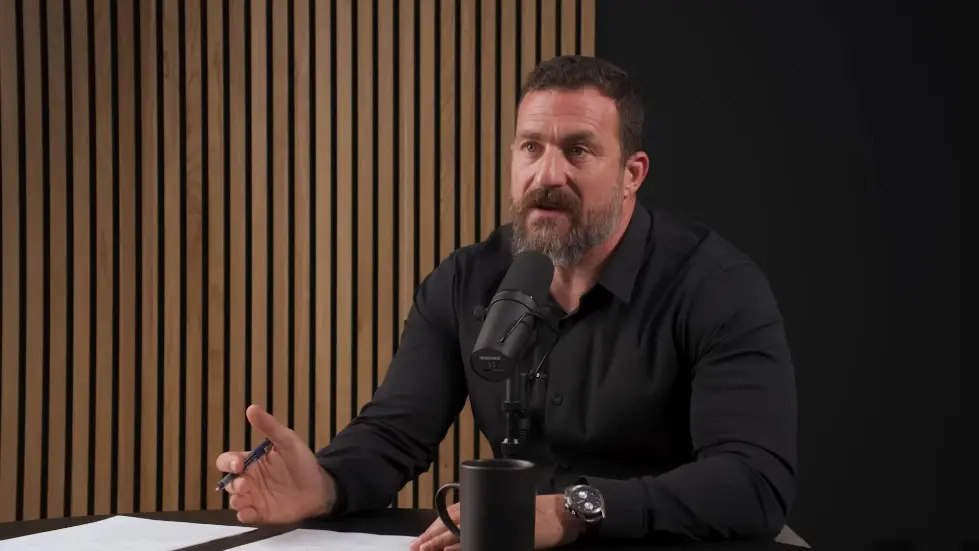
Comprehensive Eye Exam
- A comprehensive eye exam can check your pressure and is a screening tool.
- Glaucoma can be treated by trying to reduce the impact of high eye pressure.
- Glaucoma can be treated with medications like eye drops.
- Glaucoma can be treated with lasers that can be used inside the eye.
- Glaucoma can be treated with surgeries that can also provide an outflow that lets the fluid out of the eye in a controlled way.
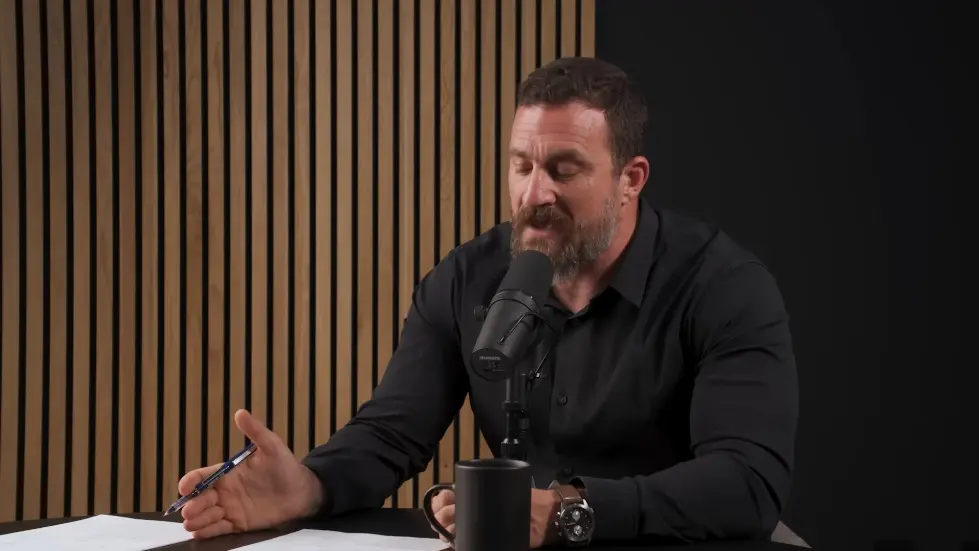
Affordability and Accessibility
- The affordability of eye drops, access to lasers or surgical procedures around the world isn't equal to what it is here.
- Even within our country, people may not be accessing healthcare effectively to get screened for glaucoma or to get treated for glaucoma.
- Glaucoma affects our peripheral vision first and only very late in the disease does it pinch in and finally pinch off the center of our vision in typical glaucomas.
- We don't notice if our peripheral vision is down, which is a real problem because we don't notice it in regular daily life.
- Screening and early detection are important for glaucoma.
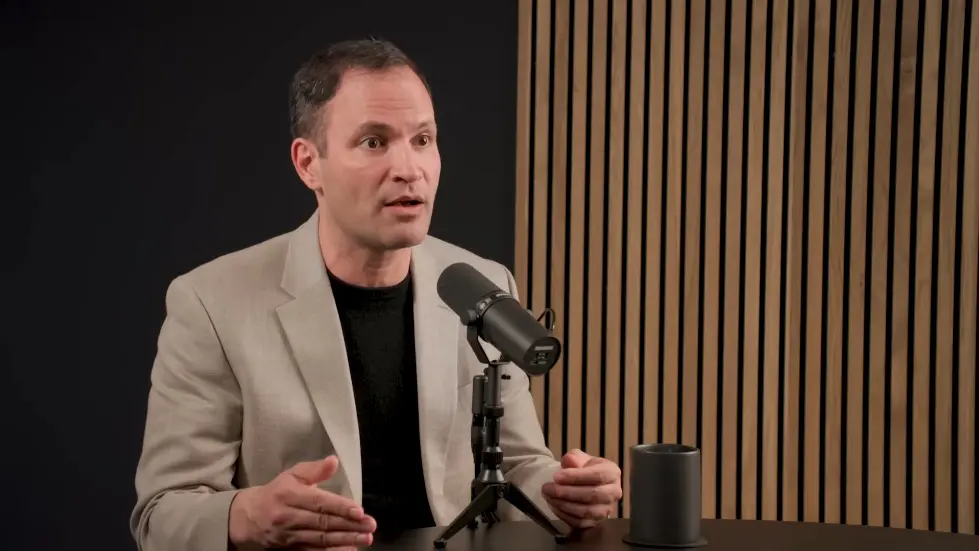
Future of Eye Diseases
- There are treatments that target the optic nerve degenerative process.
- Age-related macular degeneration and diabetic retin
Macular Degeneration
- Macular degeneration is the leading cause of vision loss in the elderly population in the United States.
- There are two forms of macular degeneration: dry and wet.
- Dry macular degeneration is a slow, insidious disease that causes the degeneration of rods, cones, and support cells in the back of the retina.
- Wet macular degeneration is a more acute form of the disease that occurs when new blood vessels grow inappropriately under and into the retina, causing fluid to leak out and interfere with vision.
- There are treatments for wet macular degeneration, such as injections that can fight against the molecules causing new blood vessels to grow.
Dry Macular Degeneration
- Dry macular degeneration is a slow, insidious disease that causes the degeneration of rods, cones, and support cells in the back of the retina.
- Some people with the dry form of macular degeneration may convert to the wet form, which is called wet macular degeneration.
- New blood vessels grow inappropriately under and into the retina in wet macular degeneration, causing fluid to leak out and interfere with vision.
- There are treatments for wet macular degeneration, such as injections that can fight against the molecules causing new blood vessels to grow.
- The anatomic progression of the disease can be slowed by these treatments, but patients may still get worse even with them.
Retinitis Pigmentosa
- Retinitis Pigmentosa is an inherited form of macular degeneration that affects the rods, cones, and support cells in the back of the eye.
- It can be very devastating because it can affect people much earlier in life, including children and even babies.
- It is caused by many different genes that leave to retinized pigments.
- It is much less common in aggregate than macular degeneration, but in a way it is more severe because it affects people much earlier in life.
- It is clumped together with macular degeneration, retinitis pigmentosa degeneration of the rods and cones, and the support cells, the RPE support cells.
Diabetic Retin
Section 1: Benefits and Drawbacks of Wearing Corrective Lenses
- Corrective lenses can improve vision in people with diabetes.
- Corrective lenses can also prevent further vision loss in people with diabetes.
- Corrective lenses can improve overall eye health in people with diabetes.
- Corrective lenses can also reduce the risk of cataracts in people with diabetes.
- Corrective lenses can improve the quality of life for people with diabetes.
Section 2: Benefits and Detriments of Sunlight
- Sunlight can improve eye health in people with diabetes.
- Sunlight can also reduce the risk of cataracts in people with diabetes.
- Sunlight can improve overall eye health in people with diabetes.
- Sunlight can also reduce the risk of dry eye in people with diabetes.
- Sunlight can improve the quality of life for people with diabetes.
Section 3: Tools for Maintaining and Improving Vision
- Eye care providers can help maintain and improve vision in people with diabetes.
- Eye care providers can also detect early signs of diabetic retinopathy in people with diabetes.
- Eye care providers can also recommend tools for maintaining and improving vision in people with diabetes.
- Eye care providers can also recommend nutritional approaches and supplementation-based approaches for maintaining and improving vision in people with diabetes.
- Eye care providers can also recommend advanced technologies for preventing and offsetting vision loss due to diseases of the eye in people with diabetes.
Section 4: Dry Eye Remedies and Nutritional Approaches
- Dry eye remedies can help maintain and improve vision in people with diabetes.
- Nutritional approaches can also help maintain and improve vision in people with diabetes.
- Supplementation-based approaches can also help maintain and improve vision in people with diabetes.
- Eye care providers can recommend dry eye remedies and nutritional approaches for maintaining and improving vision in people with diabetes.
- Eye care providers can also recommend supplementation-based approaches for maintaining and improving vision in people with diabetes.
Section 1: Diabetic Retinopathy
- Diabetic retin
Trabeculoplasty SLT
- Trabeculoplasty SLT is a first-line treatment option for glaucoma.
- It is effective in lowering eye pressure.
- It is a non-invasive procedure.
- It is a good option for patients who do not want to use eye drops.
- It is a good option for patients who have trouble remembering to take eye drops.
Surgical Approaches
- Surgical approaches to lower eye pressure are available.
- These approaches are effective in lowering eye pressure.
- They are a good option for patients who do not respond to eye drops or laser treatment.
- They are a good option for patients who have a significant amount of eye pressure.
- They are a good option for patients who are at risk of blindness.
Glaucoma and Vision Loss
- Glaucoma is a disease that can cause vision loss.
- It is a common cause of blindness in the world.
- It is an insidious disease that is hard to detect early.
- It is a significant cohort of patients that go blind legally blind and then you know absolute blindness.
- It is a tough disease even with all of the treatments that we have.
Treatment Options
- Get your pressures checked regularly.
- Take your eye drops as prescribed.
- Compliance with prescribed medications is important.
- Age is a risk factor for glaucoma.
- Smoking and vaping nicotine are also risk factors for glaucoma.
Section 1: Benefits and Drawbacks of Wearing Corrective Lenses
- Wearing corrective lenses can improve vision in people with glaucoma.
- However, if the blood vessels supplying the optic nerve head are short on blood or oxygen, wearing corrective lenses may not be enough to prevent glaucoma from getting worse.
- Glaucoma patients should also maintain a healthy lifestyle, including eating a healthy diet, getting regular exercise, and taking a multivitamin.
Section 2: Benefits and Detriments of Sunlight
- Sunlight can be beneficial for eye health, as it provides the body with vitamin D and can help prevent age-related macular degeneration.
- However, excessive exposure to sunlight can cause damage to the eyes, including cataracts and corneal sunburn.
You have read 50% of the summary.
To read the other half, please enter your Name and Email. It's FREE.
You can unsubscribe anytime. By entering your email you agree to our Terms & Conditions and Privacy Policy.
Watch the video on YouTube:
Dr. Jeffrey Goldberg: How to Improve Your Eye Health & Offset Vision Loss | Huberman Lab Podcast - YouTube
Related summaries of videos:
- Andrew Huberman: How to Enhance Performance and Learning by Applying a Growth Mindset (Huberman Lab Podcast)
- Tony Hawk and Andrew Huberman: Harnessing Passion, Drive and Persistence for Lifelong Success (Huberman Lab Podcast)
- Dr. Andrew Huberman: Ketamine - Benefits and Risks for Depression, PTSD and Neuroplasticity (Huberman Lab Podcast)
- Dr. Rena Malik and Dr. Andrew Huberman: Improving Sexual and Urological Health in Males and Females (Huberman Lab Podcast)
- Dr. David Linden and Andrew Huberman: Life, Death and the Neuroscience of Your Unique Experience (Huberman Lab Podcast)
- Andrew Huberman: Goals Toolkit - How to Set and Achieve Your Goals (Huberman Lab Podcast)
- Dr. Paul Conti and Dr. Andrew Huberman: How to Understand and Assess Your Mental Health (Huberman Lab Guest Series)
- Andrew Huberman: Journal Club with Dr. Peter Attia - Metformin for Longevity and The Power of Belief Effects
- Dr. Paul Conti and Dr. Andrew Huberman: How to Improve Your Mental Health (Huberman Lab Guest Series)
- Andrew Huberman: How to Use Music to Boost Motivation, Mood and Improve Learning (Huberman Lab Podcast)
- Home
- About us
- Contact
- Book Summaries 0-9
- Book Summaries A
- Book Summaries B
- Book Summaries C
- Book Summaries D
- Book Summaries E
- Book Summaries F
- Book Summaries G
- Book Summaries H
- Book Summaries I
- Book Summaries J
- Book Summaries K
- Book Summaries L
- Book Summaries M
- Book Summaries N
- Book Summaries O
- Book Summaries P
- Book Summaries Q
- Book Summaries R
- Book Summaries S
- Book Summaries T
- Book Summaries U
- Book Summaries V
- Book Summaries W
- Book Summaries X
- Book Summaries Y
- Book Summaries Z
- Jay Shetty Podcast - Summaries
- Tom Bilyeu Impact Theory - Summaries
- Lex Fridman - Summaries
- Diary of a CEO - Summaries
- Alex Hormozi - Summaries
