
Jimmy Wales: Wikipedia | Lex Fridman Podcast #385
Last updated: Jul 2, 2023
The video is about the origin story of Wikipedia, which was founded by Jimmy Wales. Wales was inspired by the free software movement and the idea of collaboration in creating cultural works. He started with an encyclopedia, which he thought would be easy to collaborate on. However, he soon realized that he needed a more rigorous process to ensure the accuracy and quality of the content. He implemented a seven-stage review process, but it was not successful. He then tried to write a biography of Robert Merton, but was intimidated by the feedback process. He then decided to launch Wikipedia as a side project, with the idea of starting to play around with the concept.
This video by Lex Fridman was published on Jun 18, 2023.
Video length: 03:15:07.
The video is an interview with Jimmy Wales, the co-founder of Wikipedia.
The conversation begins with Wales discussing the origin story of Wikipedia, which was inspired by the growth of the free software movement and the idea of collaborative production. Wales talks about how he realized that collaboration could extend beyond just software to all kinds of cultural works, and the first thing he thought of was an encyclopedia. He describes how Newpedia, the first version of Wikipedia, was set up with a seven-stage review process to ensure academic rigor, but this process was later abandoned after an entry was pulled due to plagiarism. Wales then talks about his frustration with the slow progress of Newpedia and how he decided to try a different approach by writing a short biography of Robert Merton, which he submitted for feedback from prestigious finance professors.
This experience led him to launch Wikipedia as a side project, which eventually became a successful and impactful website.
- Jimmy Wales was inspired by the free software movement and the idea of collaboration in creating cultural works.
- He started with an encyclopedia, which he thought would be easy to collaborate on.
- He realized that he needed a more rigorous process to ensure the accuracy and quality of the content.
- He implemented a seven-stage review process, but it was not successful.
- He then tried to write a biography of Robert Merton, but was intimidated by the feedback process.
- Wales decided to launch Wikipedia as a side project.
- He was able to add content to Wikipedia easily and quickly, with people jumping on and starting to do stuff.
- The first half of the experience was successful, with people collaborating on topics that were in the news at the moment.
- The second half of the experience was not successful, as it was too intimidating for Wales to contribute to Robert Merton's biography.
- Wales discovered that the collaborative model worked much better than the traditional model.
- People enjoyed collaborating on topics and adding to the content.
- There was debate over the interface and details of how to make the process seamless and frictionless.
- Newpedia was a failure, with very little work getting done.
- There was a huge long discussion email about technical ideas, such as how to update data automatically.
- Wikipedia data was a reality today, with data variables and linking to specific data.
- There were advanced users who were doing advanced things with Wikipedia data.
- The data was stored in flat text files, which was not scalable or efficient.
- Wales had to write a login system to store people's passwords and ensure unique identities.
- The origin of Wikipedia can be traced back to Jimmy Wales's interest in the free software movement and the idea of collaboration in creating cultural works.
- Wales started with an encyclopedia, which he thought would be easy to collaborate on.
- He soon realized that he needed a more rigorous process to ensure the accuracy and quality of the content.
- He implemented a seven-stage review process, but it was not successful.
- He then tried to write a biography of Robert Merton, but was intimidated by the feedback process.
Jimmy Wales: Wikipedia | Lex Fridman Podcast #385 - YouTube
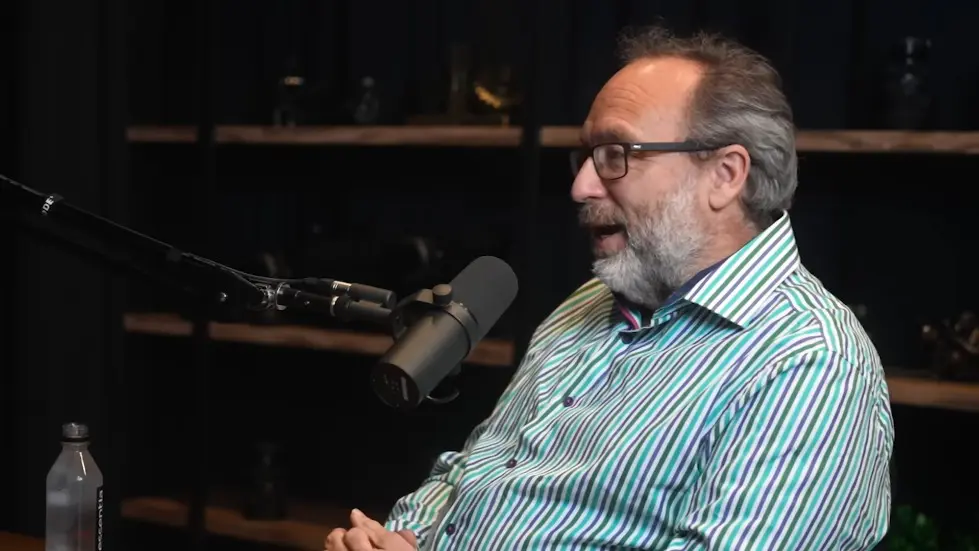
The Origin Story of Wikipedia
- Jimmy Wales was inspired by the free software movement and the idea of collaboration in creating cultural works.
- He started with an encyclopedia, which he thought would be easy to collaborate on.
- He realized that he needed a more rigorous process to ensure the accuracy and quality of the content.
- He implemented a seven-stage review process, but it was not successful.
- He then tried to write a biography of Robert Merton, but was intimidated by the feedback process.
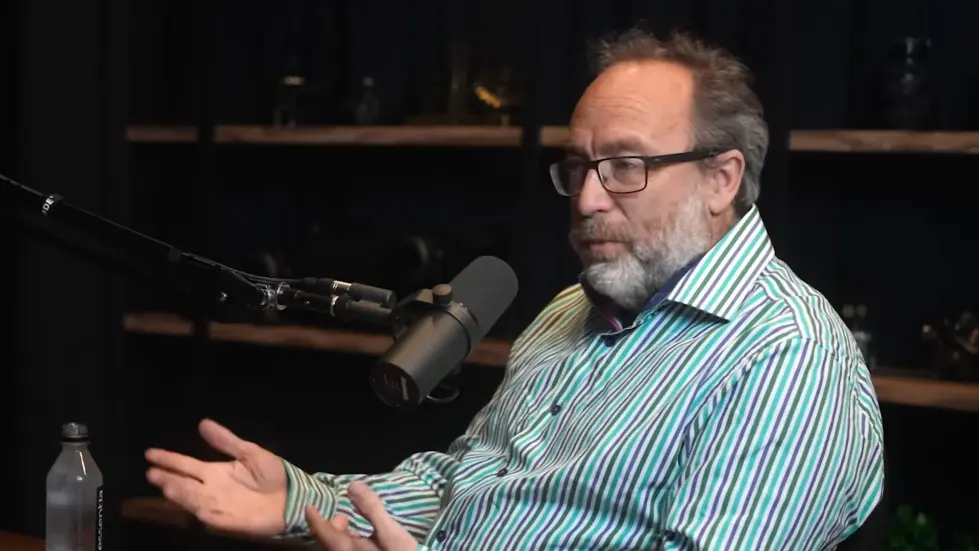
The Launch of Wikipedia
- Wales decided to launch Wikipedia as a side project.
- He was concerned that academics might hate the idea and wanted to launch it as a separate project.
- The original project was called Newpedia, but it was not successful.
- Wales and his team got more work done on Wikipedia than on Newpedia.
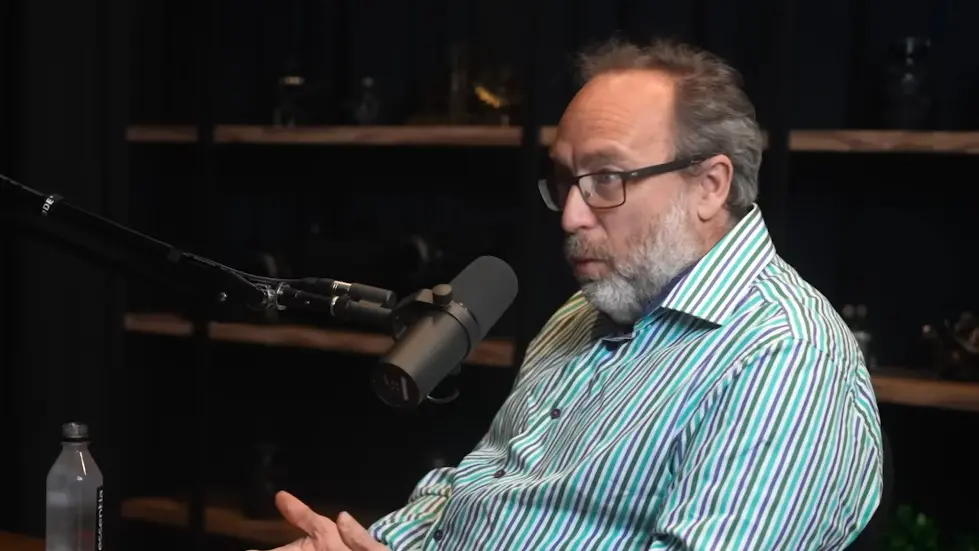
The Growth of Wikipedia
- Wikipedia has become one of the most impactful websites in history.
- It has expanded the collective knowledge, intelligence, and wisdom of human civilization.
- Wikipedia has inspired other collaborative projects in various fields.
- It has faced criticism and challenges, but has continued to grow and improve.

Jimmy Wales: Wikipedia | Lex Fridman Podcast #385 - YouTube
The Impact of Wikipedia
- Wikipedia has revolutionized the way people access and share information.
- It has empowered individuals to contribute to the collective knowledge of humanity.
- It has challenged traditional sources of authority and expertise.
- It has been used in various fields, including education, research, and journalism.
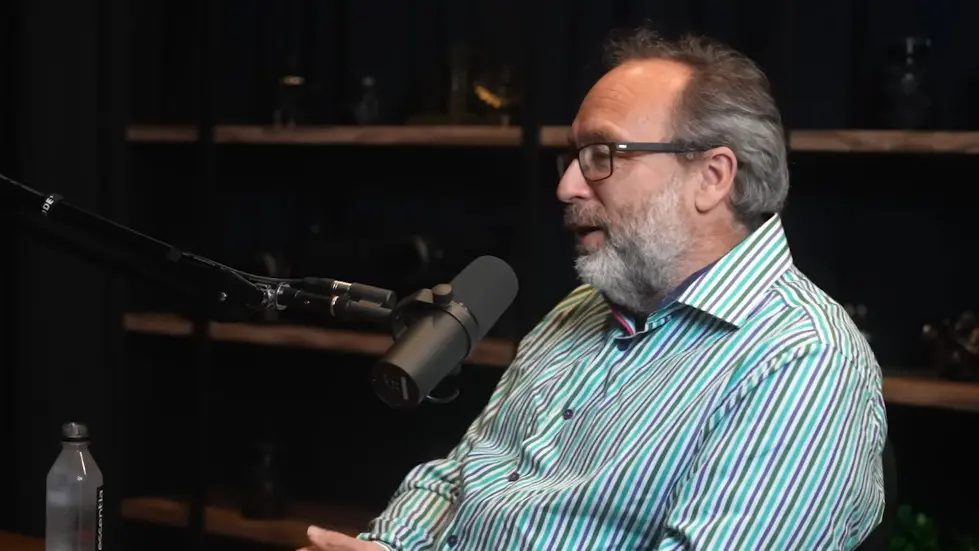
The Origin of Wikipedia
- Jimmy Wales was inspired by the free software movement and the idea of collaboration in creating cultural works.
- He started with an encyclopedia, which he thought would be easy to collaborate on.
- However, he soon realized that he needed a more rigorous process to ensure the accuracy and quality of the content.
- He implemented a seven-stage review process, but it was not successful.
- He then tried to write a biography of Robert Merton, but was intimidated by the feedback process.

The Launch of Wikipedia
- Wales decided to launch Wikipedia as a side project, with the idea of starting to play around with the concept.
- He was able to add content to Wikipedia easily and quickly, with people jumping on and starting to do stuff.
- The first half of the experience was successful, with people collaborating on topics that were in the news at the moment.
- The second half of the experience was not successful, as it was too intimidating for Wales to contribute to Robert Merton's biography.

The Collaborative Model
- Wales discovered that the collaborative model worked much better than the traditional model.
- People enjoyed collaborating on topics and adding to the content.
- There was debate over the interface and details of how to make the process seamless and frictionless.
- The idea of collaborating on a project was new and exciting for people.
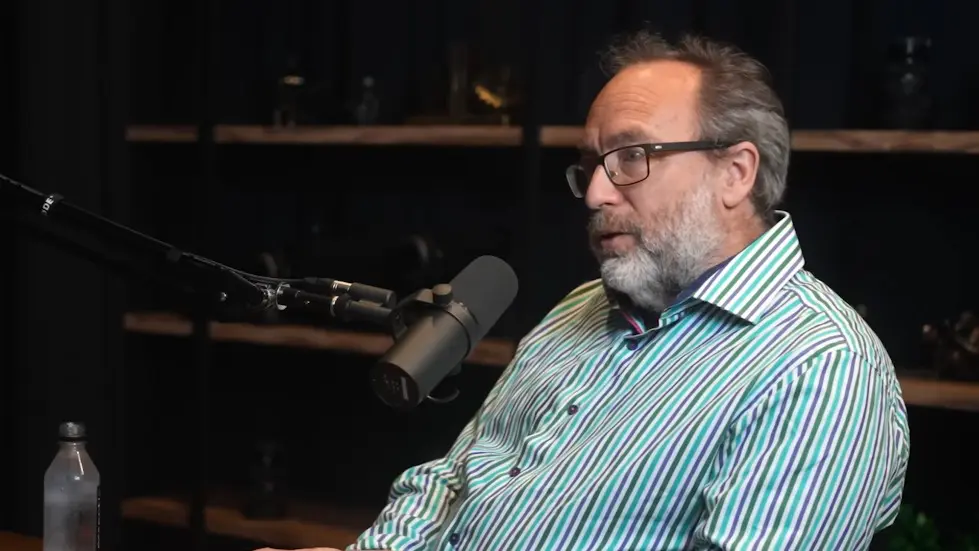
The Failure of Newpedia
- Newpedia was a failure, with very little work getting done.
- There was a huge long discussion email about technical ideas, such as how to update data automatically.
- Wikipedia data was a reality today, with data variables and linking to specific data.
- There were advanced users who were doing advanced things with Wikipedia data.
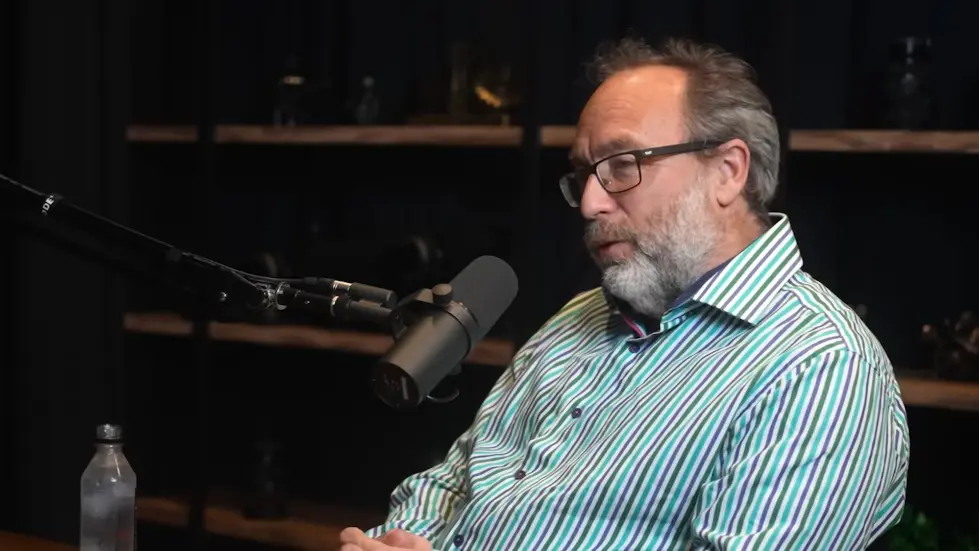
The Interface and Details
- There was debate over the interface and details of how to make the Wikipedia process seamless and frictionless.
- There was a software called UseModWiki, which was easy to install and use.
- The data was stored in flat text files, which was not scalable or efficient.
- Wales had to write a login system to store people's passwords and ensure unique identities.
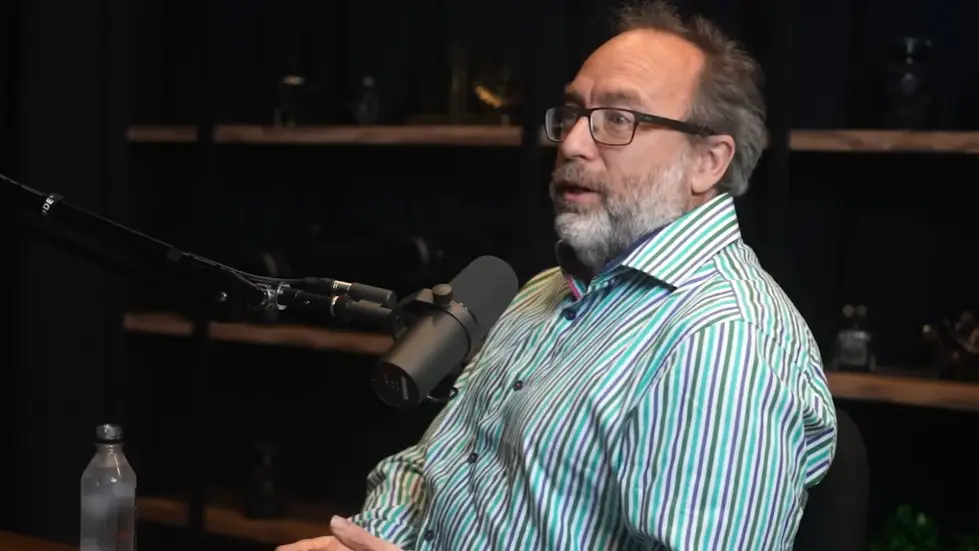
The Origin of Wikipedia
- Jimmy Wales was inspired by the free software movement and the idea of collaboration in creating cultural works.
- He started with an encyclopedia, which he thought would be easy to collaborate on.
- However, he soon realized that he needed a more rigorous process to ensure the accuracy and quality of the content.
- He implemented a seven-stage review process, but it was not successful.
- He then tried to write a biography of Robert Merton, but was intimidated by the feedback process.

Launching Wikipedia as a Side Project
- Wales decided to launch Wikipedia as a side project, with the idea of starting to play around with the concept.
- He was able to make nice links and users could cut and paste square brackets when they could find one.
- German Wikipedia has been a massive success, despite the fact that German keyboards don't have a square bracket.
- Wikipedia has been able to adapt to different languages and cultures.

The Discussion of Square Brackets
- The discussion of square brackets is an interesting one on both the English and German Wikipedia.
- Wikidata is a fascinating topic that has been discussed on both the English and German Wikipedia.
- The broader discussion of what is an encyclopedia is also an interesting one.
- The goal of an encyclopedia is the sum of all human knowledge.
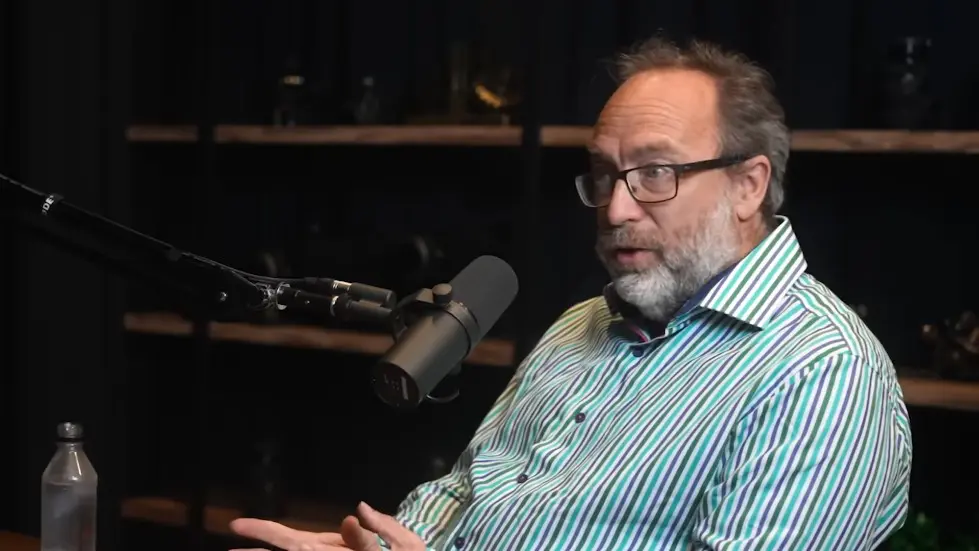
Wikisource
- Wikisource is a place where you put original texts and things like that out of copyright text.
- An encyclopedia article about Hamlet that's a perfectly valid thing but the actual text of the play is not an encyclopedia article.
- There are some interesting quirks and differences between encyclopedias in different languages.
- French encyclopedias traditionally have recipes, which is unusual in English.
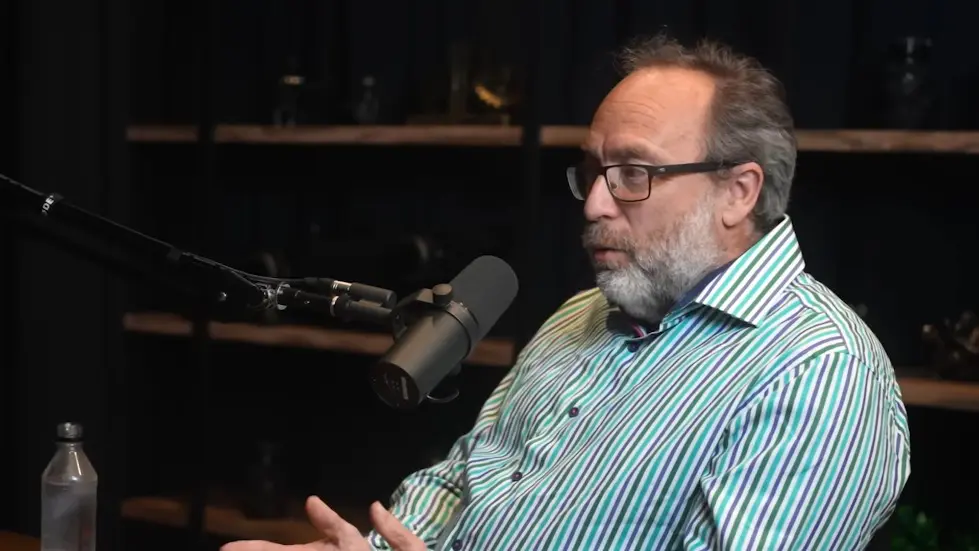
Recipes in Wikipedia
- It's very hard to have a neutral recipe because like a fanatical recipe for canonical recipes is difficult to come by.
- There are many variants of recipes and it's all debatable and interesting.
- For something like chocolate cake, you could probably say you know here's one of the earliest recipes or here's one of the most common recipes.
- The variants of recipes are as interesting as the recipes themselves.
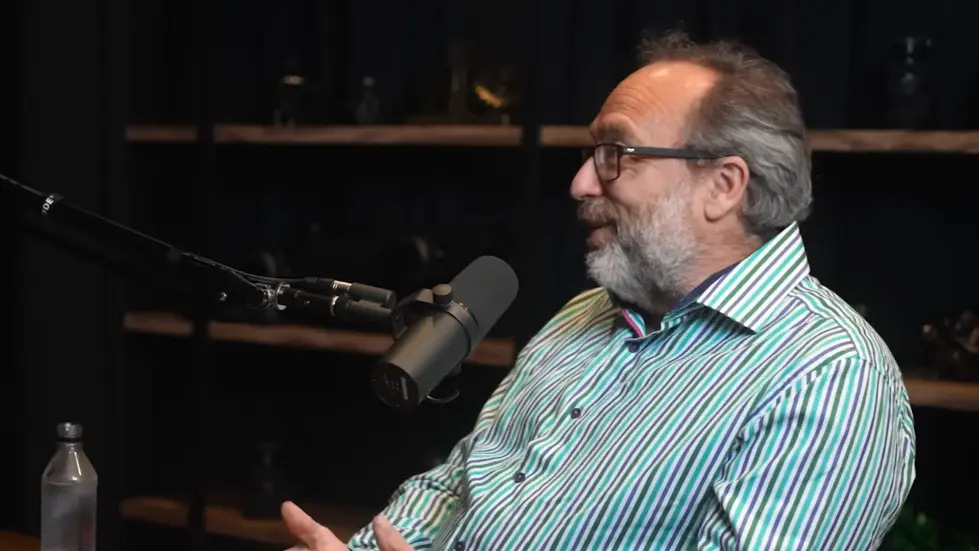
The Origin of Wikipedia
- Jimmy Wales founded Wikipedia in 2001.
- Wales was inspired by the free software movement and the idea of collaboration in creating cultural works.
- He started with an encyclopedia, which he thought would be easy to collaborate on.
- However, he soon realized that he needed a more rigorous process to ensure the accuracy and quality of the content.
- He implemented a seven-stage review process, but it was not successful.

Notability
- Notability is the question of how to draw the limit of what is considered notable.
- Sometimes people say there should be no limit, but this does not stand up to much scrutiny.
- There is a limit to what can be included in an encyclopedia.
- The limit can vary depending on the subject matter.
- One area where they try to be more careful is biographies of living people.
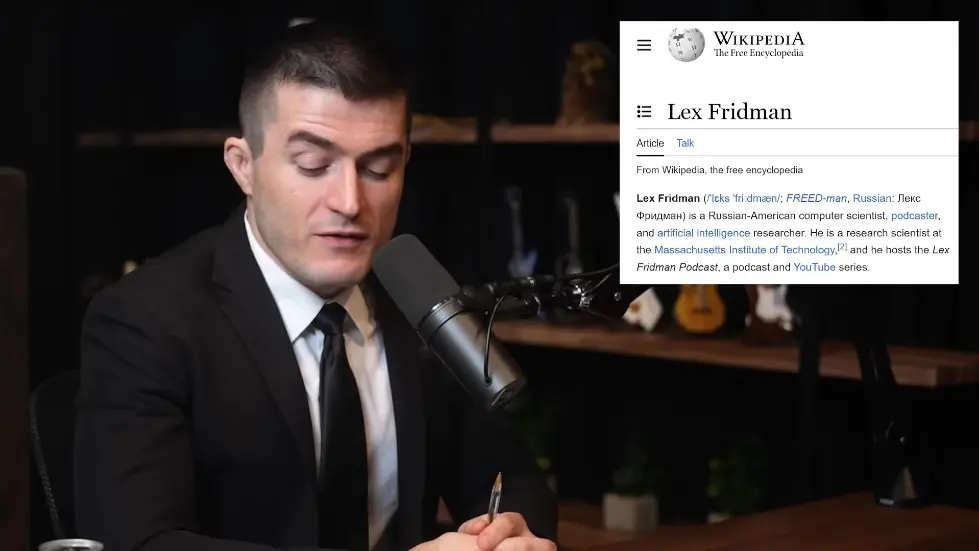
Biographies of Living People
- If a biography of a living person is incorrect, it can be quite hurtful and damaging.
- If someone is a private person, it is not possible to update their Wikipedia entry.
- An example of a biography of a living person is an encyclopedia article about a mother who was a school teacher and later a pharmacist.
- There is not enough known about someone who is notable for only one event, such as a victim of a crime.
- An example of this is a victim of a famous serial killer who is not well-known and does not have much information available.

Notability of Academics
- For academics, it is important to have information about their career, such as their published papers.
- Personal information about academics is not typically included in an encyclopedia entry.
- The term notability can be problematic, as it can feel insulting to someone who is not considered notable.
- Verifiability is the key to creating an encyclopedia entry.
- An example of this is a Wikipedia page about the speaker.

Jimmy Wales's Inspiration for Wikipedia
- Jimmy Wales was inspired by the free software movement and the idea of collaboration in creating cultural works.
- He started with an encyclopedia, which he thought would be easy to collaborate on.
- However, he soon realized that he needed a more rigorous process to ensure the accuracy and quality of the content.
- He implemented a seven-stage review process, but it was not successful.
- He then tried to write a biography of Robert Merton, but was intimidated by the feedback process.
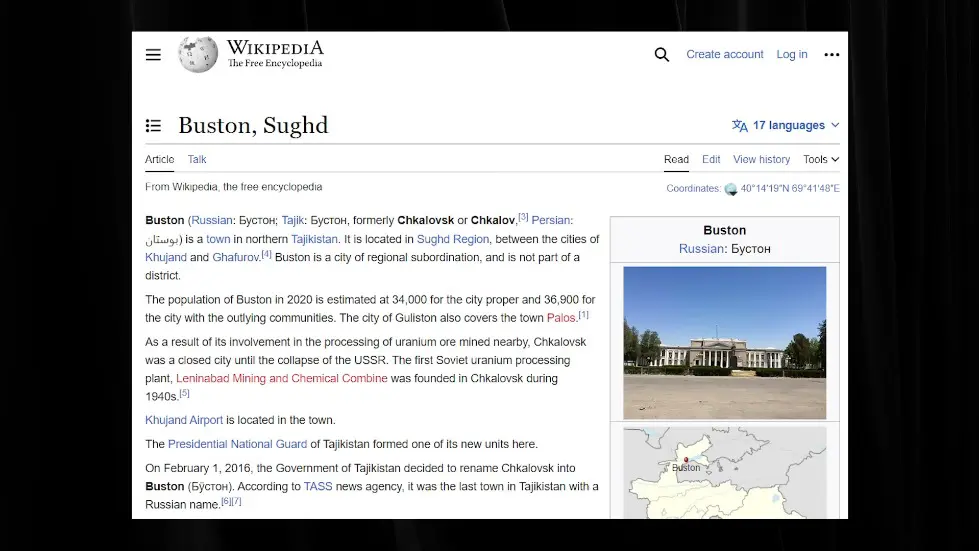
Wikipedia as a Side Project
- Jimmy Wales decided to launch Wikipedia as a side project, with the idea of starting to play around with the concept.
- He was surprised and grateful that such a page could exist for him.
- He felt the love when he saw the page, but also realized the potential for hurtful information.
- He realized that there had to be credible sources and verifiable sources for Wikipedia.
- He experienced some of the politics involved in Wikipedia when he wrote about living individuals.

Sources and Verification
- Some of the sources for Wikipedia are pieces of journalism, which operate under their own complicated incentives.
- People can write articles that are not factual or cherry-pick all the flaws they can have in a journalistic article.
- There is a dance between sources and verifiable sources for Wikipedia.
- Jimmy Wales experienced a concerted attack to say that he was never at MIT.
- MIT has been very kind to defend him unlike Wikipedia says it is not an unpaid position.

Personal Experiences with Wikipedia
- Jimmy Wales's research at MIT has been calm and happy, with no controversy.
- He is half Ukrainian and half Russian, and has traveled to Ukraine and Russia.
- He has experienced difficult conversations with family in both places due to the war.
- There was a little battle about the biography on Wikipedia, which he wanted to correct.
- Jimmy Wales feels that the little details don't matter in the grand scheme of things, but the community noticing him is important.

Section 1: The Origin of Wikipedia
- Jimmy Wales was inspired by the free software movement and the idea of collaboration in creating cultural works.
- He started with an encyclopedia, which he thought would be easy to collaborate on.
- However, he soon realized that he needed a more rigorous process to ensure the accuracy and quality of the content.
- He implemented a seven-stage review process, but it was not successful.
- He then tried to write a biography of Robert Merton, but was intimidated by the feedback process.
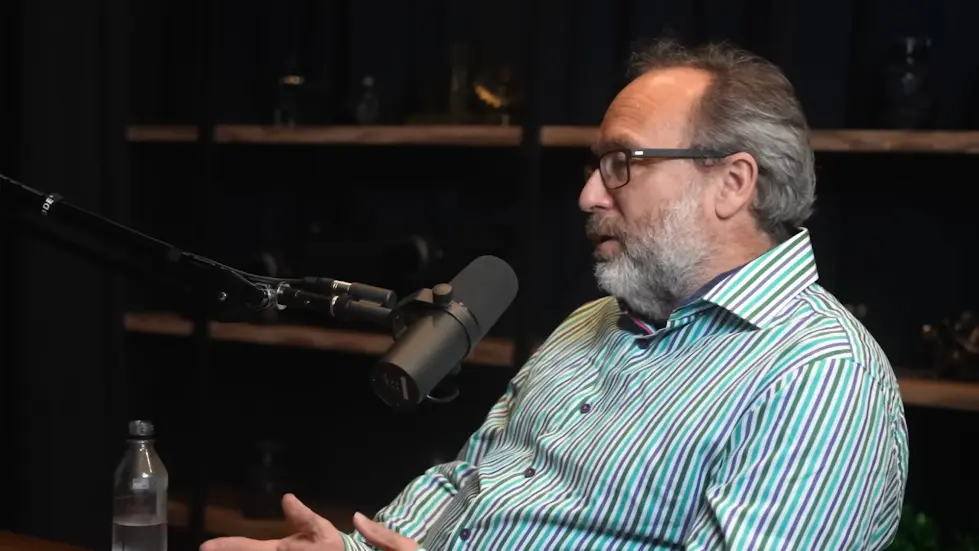
Section 2: The Importance of Human Dignity in Biographies
- Some of the things that have to do with biographies are related to human dignity.
- The common debate that goes on in Wikipedia is what is called undue weight.
- An example of undue weight is a biography that includes a paragraph about a person's son being arrested for DUI, even if it is not relevant to the person's career or life.
- It is important to think about the context and the potential controversies in a biography.
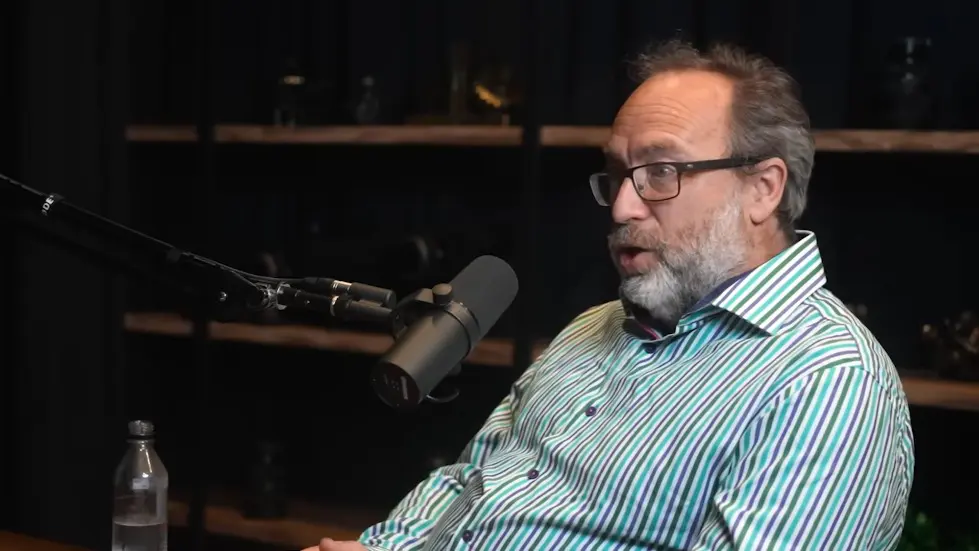
Section 3: The Importance of Community Health in Wikipedia
- Community health is an important aspect of Wikipedia.
- It is important to ensure that people react defensively or combatively to criticism or complaints.
- It is important to ensure that good sources are used and that the content is contextualized appropriately.
- It is important to ensure that the content is important enough to mention and that it is not just a distraction.

Section 4: The Flaw of Media and Journalism
- The media is deeply flawed and journalism can go wrong.
- In the last 15 years, there has been a real decimation of journalism.

The Rise of Clickbait Headlines
- The video discusses the rise of clickbait headlines in local media and newspapers.
- The author mentions that tabloid newspapers have always been a part of the media landscape, but the current focus on controversial topics has made it more challenging to sort through sources.
- The author deprecated The Daily Mail as a source due to its tendency to run hyped-up stories and attack people for political reasons.
- The author emphasizes the importance of fact-checking and using reliable sources in journalism.
- The author suggests that community health is crucial in ensuring the accuracy and quality of information in the media.

The Importance of Community Health in Journalism
- The author emphasizes the importance of community health in journalism, particularly in ensuring the accuracy and quality of information.
- The author suggests that community health requires massive community involvement and respect for knowledge.
- The author mentions that community health can be toxic, particularly when people become defensive and refuse to modify their answers.
- The author suggests that community health requires a balance between strictness and defensiveness.
- The author emphasizes the importance of improving towards a more truthful depiction of topics in journalism.

The Example of a Racist Headline on Wikipedia
- The author mentions an example of a racist headline on the front page of Wikipedia.
- The author suggests that the headline was demeaning to compare a person to a car.
- The author mentions that the conversation that followed the headline was interesting and led to a general consensus.
- The author suggests that the conversation highlighted the importance of improving language and avoiding comparisons that are demeaning or offensive.
- The author emphasizes that the conversation was a good one and did not result in any banning or removal of content.
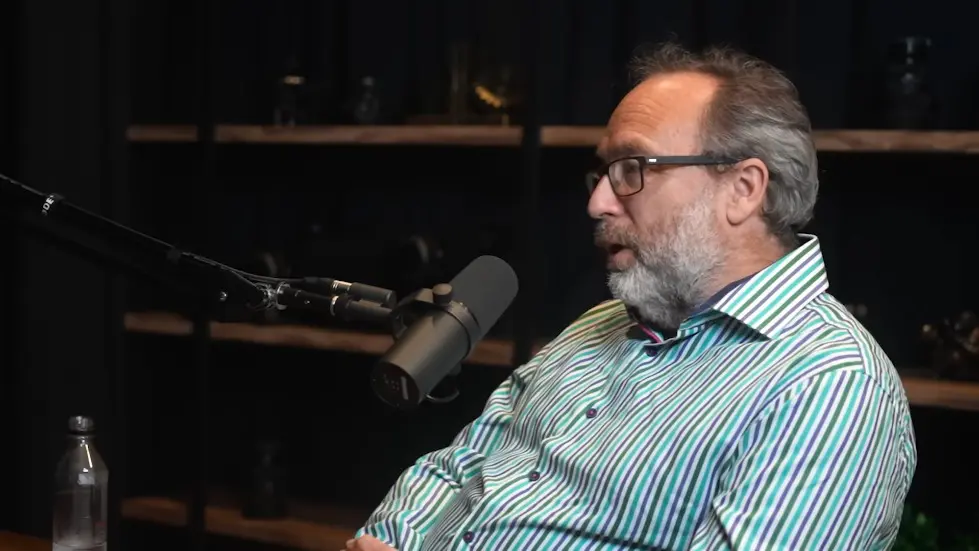
The Origin Story of Wikipedia
- Jimmy Wales was inspired by the free software movement and the idea of collaboration in creating cultural works.
- He started with an encyclopedia, which he thought would be easy to collaborate on.
- However, he soon realized that he needed a more rigorous process to ensure the accuracy and quality of the content.
- He implemented a seven-stage review process, but it was not successful.
- He then tried to write a biography of Robert Merton, but was intimidated by the feedback process.

The Launch of Wikipedia
- Wales decided to launch Wikipedia as a side project, with the idea of starting to play around with the concept.
- He was aware of the deprecation of news sources and wanted to make a decision based on his own judgment.
- He became deeply aware of clickbait versus truth and developed a sense like a radar to pick out the truth from the clickbaity type language.
- He was interested in language models and their potential to take a passage and point out potentially biased terms to rewrite it to be more neutral.

Sources and Finding Inaccuracies
- Wales fed in a Wikipedia entry and all the sources and asked for anything in the article that was not accurately reflecting what's in the sources.
- He was interested in using language models to write part of the article and found that it made an error and apologized for the error.
- He was aware of the interesting loop where the weasel words and the nuances can get lost or can propagate even though they're not grounded in reality.
- He was interested in using language models to write part of the article and found that it made an error and apologized for the error.
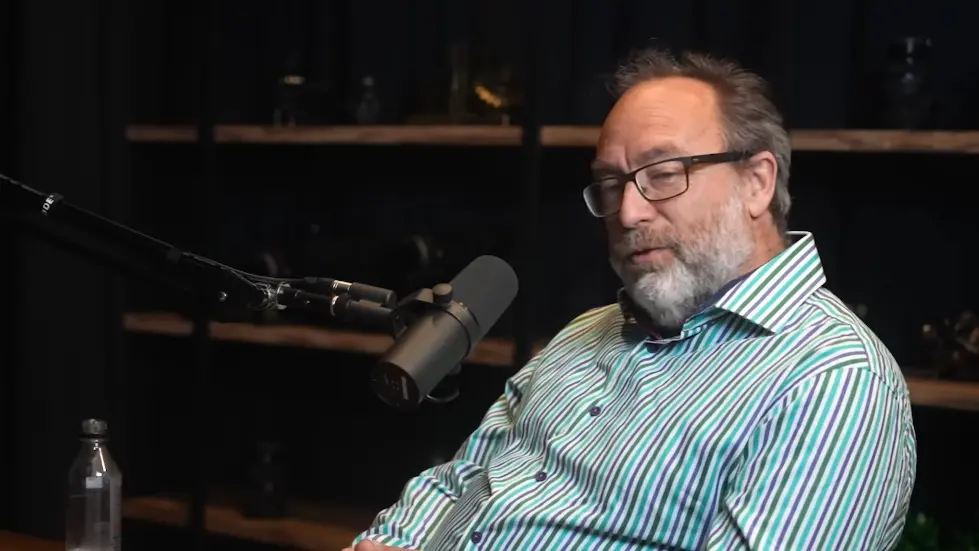
Biography Magazine and Chess
- Wales was profiled in a biography magazine which said that he enjoyed playing chess with friends.
- He was surprised to find out that the information was not accurate and contacted the magazine.
- He realized that the information was taken from Wikipedia and that there had been vandalism of the entry.
- He was concerned that the information would take on a life of its own and be added to the entry.

Section 1: Introduction
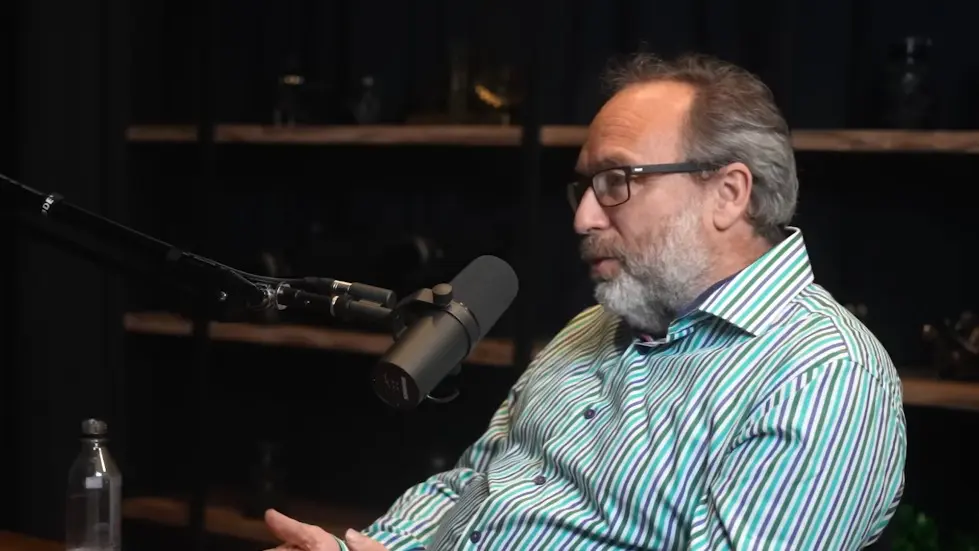
- The video is about the origin story of Wikipedia, which was founded by Jimmy Wales.
- Wales was inspired by the free software movement and the idea of collaboration in creating cultural works.
- He started with an encyclopedia, which he thought would be easy to collaborate on.
- However, he soon realized that he needed a more rigorous process to ensure the accuracy and quality of the content.
Section 2: The Seven-Stage Review Process
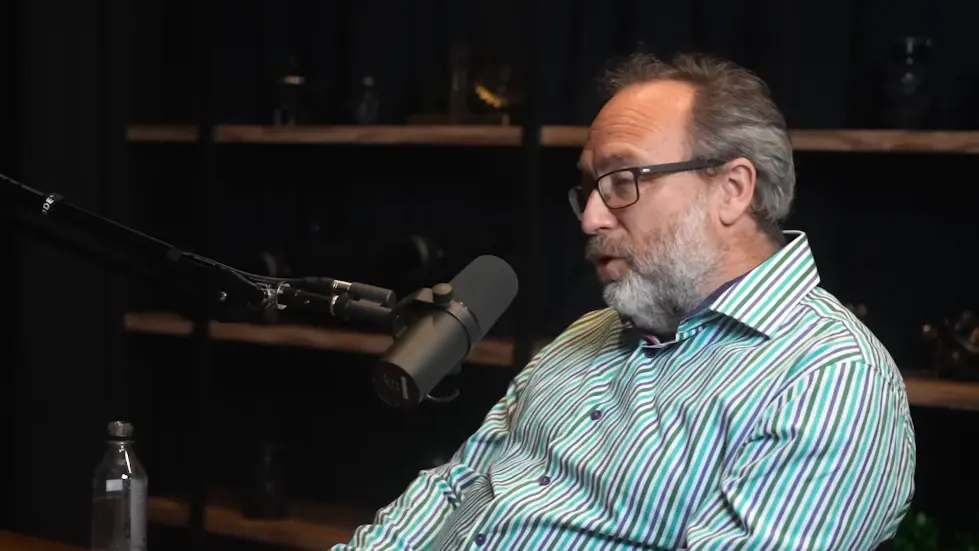
- Wales implemented a seven-stage review process to ensure the accuracy and quality of Wikipedia content.
- The process included peer review, expert review, and community review.
- However, the process was not successful and was abandoned.
Section 3: Writing a Biography of Robert Merton
- Wales tried to write a biography of Robert Merton, but was intimidated by the feedback process.
- He realized that the feedback process was necessary to ensure the accuracy and quality of the content.

Section 4: Launching Wikipedia as a Side Project
- Wales decided to launch Wikipedia as a side project, with the idea of starting to play around with the concept.
- He wanted to see how the community would respond to the idea of collaborating on an encyclopedia.

The Origin of Wikipedia
- Jimmy Wales founded Wikipedia in 2001 as a free encyclopedia.
- He was inspired by the free software movement and the idea of collaboration in creating cultural works.
- Wales started with an encyclopedia, which he thought would be easy to collaborate on.
- However, he soon realized that he needed a more rigorous process to ensure the accuracy and quality of the content.
- He implemented a seven-stage review process, but it was not successful.
The Neutrality of Wikipedia
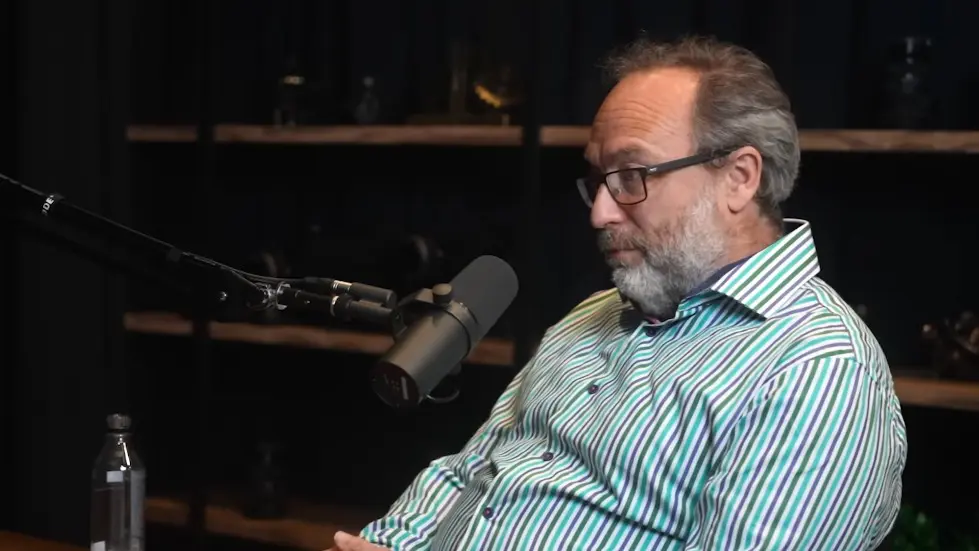
- One of the great things about Wikipedia is its neutrality, but it can be a source of controversy.
- Not all journalists are on board with the neutrality of Wikipedia, and some have disputed its accuracy.
- Chad GPT, an AI language model, has also commented on the neutrality of Wikipedia.
- The neutrality of Wikipedia is a summary of the discussions that are going on under the surface.
- It is important to be aware of the potential biases and limitations of Wikipedia's content.

Using Wikipedia's Tools
- Wikipedia's tools can be useful to the community, but they need to be used carefully.
- Feeding in the article and the talk page can suggest warnings and provide more color to the content.
- It is important to be aware of the amount of emotion and controversy surrounding certain topics.
- Looking at long articles with a critical eye can help identify areas of agreement and disagreement.
- Understanding the nuances of language and terminology is crucial when discussing controversial topics.

The Israel-Palestine Conflict
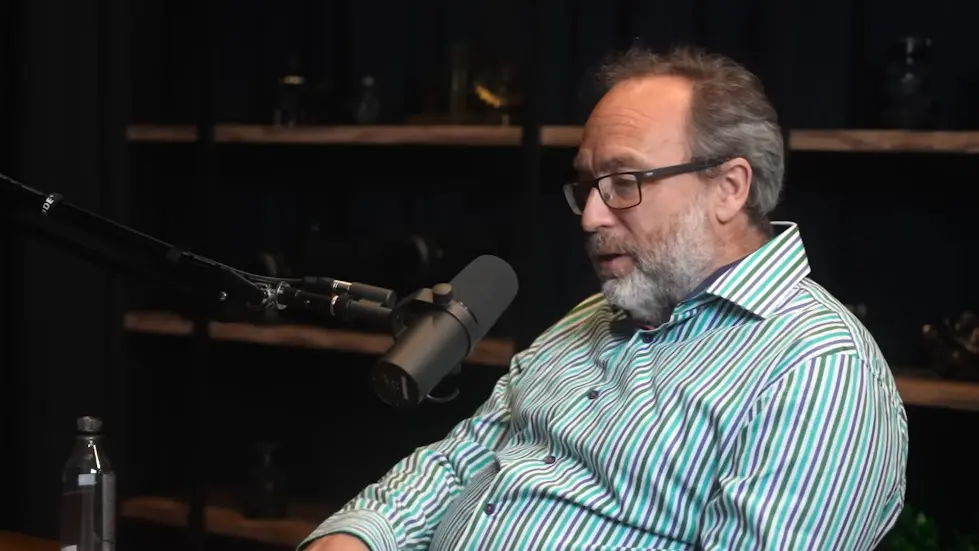
- The Israel-Palestine conflict is a charged topic that can be difficult to discuss neutrally.
- Explaining the reasons behind the conflict can help people understand the debate better.
- The term "conflict" is a charged word that may not accurately describe the situation from all perspectives.
- It is important to be aware of the potential biases and limitations of Wikipedia's content on this topic.
- Understanding the nuances of language and terminology is crucial when discussing the Israel-Palestine conflict.
Section 1: Conflict and Consensus
- Conflict arises when two equally powerful sides are fighting.
- There are cases where there is no one word that can get consensus.
- In such cases, it is difficult to come to an understanding of why each side wants to use a certain word.
- Certain things like photos have different views on what is best.
- At the end of the day, there is usually one slot for a lead photo and categories have their own one slot.
Section 2: Categories and Labels
- Categories are used to label people into ideas.
- Labels stick and have a lot of power.
- There are certain words that have a lot of power like "criminal" or "political Left/Right/Center".
- Adding a label as a category can change the perception of a person or idea.
- Definitely some labels are charged and should be used with caution.

Section 3: Wikipedia and Political Bias
- Wikipedia has been accused of having a left-leaning political bias.
- Not broadly, but specific entries can show bias.
- Anyone can challenge and go on about bias in Wikipedia.
- Extreme accusations of bias are often seen on Twitter.
- It is important to be aware of potential bias in Wikipedia and to challenge it when necessary.

The Origin of Wikipedia
- Jimmy Wales was inspired by the free software movement and the idea of collaboration in creating cultural works.
- He started with an encyclopedia, which he thought would be easy to collaborate on.
- However, he soon realized that he needed a more rigorous process to ensure the accuracy and quality of the content.
- He implemented a seven-stage review process, but it was not successful.
- He then tried to write a biography of Robert Merton, but was intimidated by the feedback process.
Wikipedia as a Side Project
- Jimmy Wales decided to launch Wikipedia as a side project, with the idea of starting to play around with the concept.
- He wanted to create a platform for people to collaborate on creating knowledge and sharing information.
- He believed that Wikipedia could be a powerful tool for democratizing access to information and empowering individuals.
- He also saw the potential for Wikipedia to challenge traditional sources of authority and knowledge.
The Evolution of Wikipedia
- Wikipedia has grown exponentially since its launch in 2001, with millions of articles and contributors from around the world.
- The platform has evolved to include a wide range of content beyond just encyclopedic entries, including news articles, biographies, and even scientific research papers.
- Wikipedia has also become a major source of information for journalists, academics, and other professionals.
- The platform has faced criticism for its lack of oversight and potential for bias, but has also been praised for its openness and accessibility.
The Future of Wikipedia
- The future of Wikipedia is uncertain, as the platform continues to evolve and face new challenges.
- Some critics argue that Wikipedia's lack of oversight and potential for bias could lead to inaccurate or misleading information being published.
- Others argue that Wikipedia's openness and accessibility are its greatest strengths, and that the platform has the potential to continue to democratize access to information and empower individuals.
- Ultimately, the future of Wikipedia will depend on how it continues to adapt to new technologies, changing social norms, and the evolving needs of its users.

The Origin of Wikipedia
- Jimmy Wales founded Wikipedia in 2001 as an encyclopedia that could be collaboratively edited by anyone.
- Wales was inspired by the free software movement and the idea of collaboration in creating cultural works.
- He implemented a seven-stage review process, but it was not successful.
- Wales then tried to write a biography of Robert Merton, but was intimidated by the feedback process.
- He decided to launch Wikipedia as a side project, with the idea of starting to play around with the concept.

Philosophy on Mainstream and Fringe Ideas
- Wales thinks that it is important to try to do our best to recognize both mainstream and fringe ideas.
- However, he also recognizes that emotions can make it hard to appropriately contextualize and recognize both.
- He gives the example of the moon, where there is not a lot of emotion around it and it is easy to recognize both theories.
- He also mentions Flat Earth, where there is more controversy and it is harder to appropriately contextualize both theories.

Wikipedia's Responsibility to Accurately Represent Both Mainstream and Fringe Ideas
- Wales believes that it is important for Wikipedia to accurately represent both mainstream and fringe ideas.
- He thinks that false neutrality is not what we want to get to.
- He mentions the example of the moon is made of cheese, where it talks about a common joke or thing that children say.
- He thinks that there is a Wikipedia entry called something like the moon is made of cheese where it talks about this is a common sort of joke or thing that children say or that people tell to children or whatever you know it's just a thing.

Controversy and Fringe Ideas
- Wales mentions that there is little controversy around Flat Earth, as it is not a widely held belief.
- He thinks that most people who claim to be flat earthers are just having a laugh and trolling.
- He mentions that there is a sizeable percent of the population who at least will say they believe in a flat Earth.
- He thinks that it is a movement that just says that the mainstream narrative to have distrust and skepticism about the mainstream narrative which to a very small degree is probably a very productive thing to do.
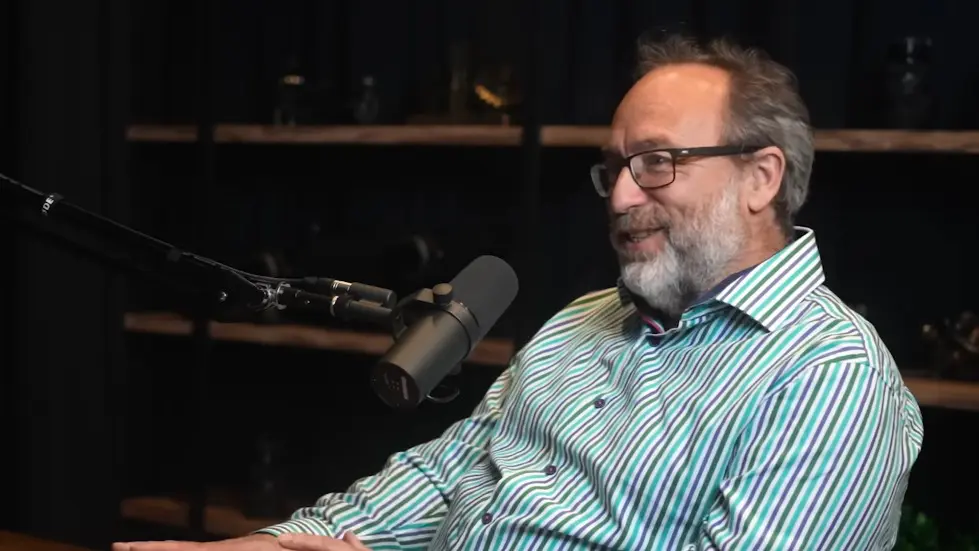
The Origin of Wikipedia
- Jimmy Wales was inspired by the free software movement and the idea of collaboration in creating cultural works.
- He started with an encyclopedia, which he thought would be easy to collaborate on.
- However, he soon realized that he needed a more rigorous process to ensure the accuracy and quality of the content.
- He implemented a seven-stage review process, but it was not successful.
- He then tried to write a biography of Robert Merton, but was intimidated by the feedback process.
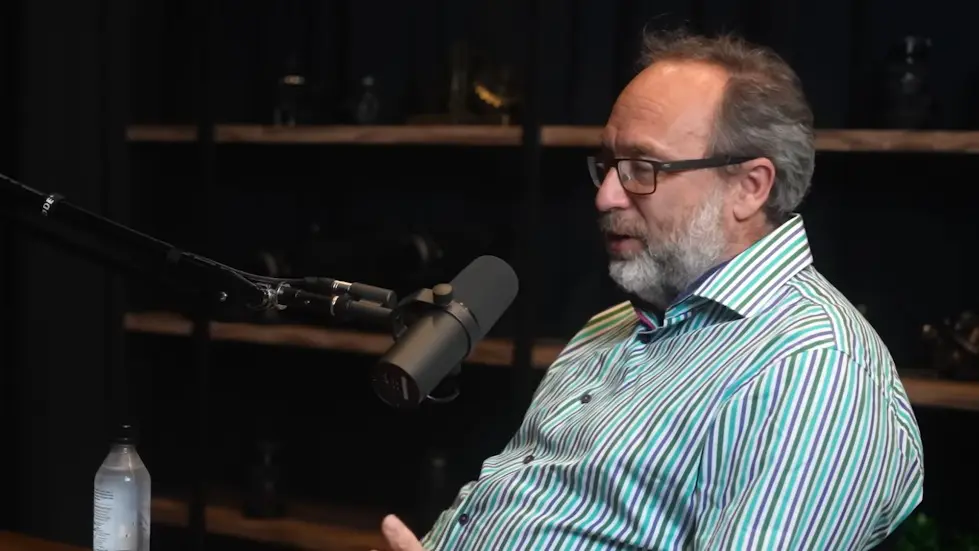
Wikipedia as a Side Project
- Wales decided to launch Wikipedia as a side project, with the idea of starting to play around with the concept.
- He wanted to address the cultural phenomenon of people slamming each other personal attacks and so forth.
- He believed that Wikipedia could represent a more thoughtful and interesting debate, rather than just personal attacks.
- He believed that the personal political leaning of the group of people who added Wikipedia probably leans left.
- He believed that engineers for the most part when creating platforms that are open and unbiased create all kinds of perspective.

Engineers and Political Bias
- Engineers for the most part when creating platforms that are open and unbiased create all kinds of perspective.
- There is a degree to which the personal political bias of the editors might seep in in silly ways and in big ways.
- The right will call it's the Democrat Party and the left will call it the Democratic Party.
- The personal political bias of the editors might seep in in subtle ways and in big ways.
- The right will call it's the Democrat Party and the left will call it the Democratic Party.

Hunter Biden's Laptop and Censorship
- There are camps that take very strong points and construct big narratives around that.
- It's very sizable percentage of the population believes the two narratives that compete with each other.
- It feels like it's gotten much worse than it used to be.
- It feels like it's gotten much worse than it used to be.
- It feels like it's gotten much worse than it used to be.

Social Media Algorithms and Clickbait Headlines
- Social media algorithms reward clickbait headlines and tweets that go viral.
- My most successful tweet ever by a fairly wide margin was a tweet about Elon Musk.
- Social media algorithms reward clickbait headlines and tweets that go viral.
- Social media algorithms reward clickbait headlines and tweets that go viral.
- Social media algorithms reward clickbait headlines and tweets that go viral.
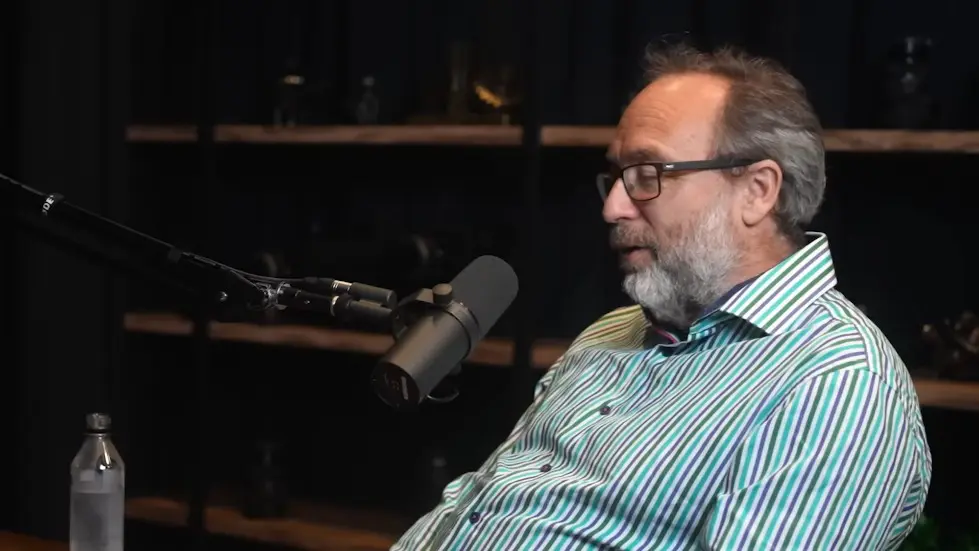
Section 1: Origin of Wikipedia
- Jimmy Wales founded Wikipedia in 2001 as a collaborative encyclopedia.
- He was inspired by the free software movement and the idea of collaboration in creating cultural works.
- He started with an encyclopedia, which he thought would be easy to collaborate on.
- However, he soon realized that he needed a more rigorous process to ensure the accuracy and quality of the content.
- He implemented a seven-stage review process, but it was not successful.
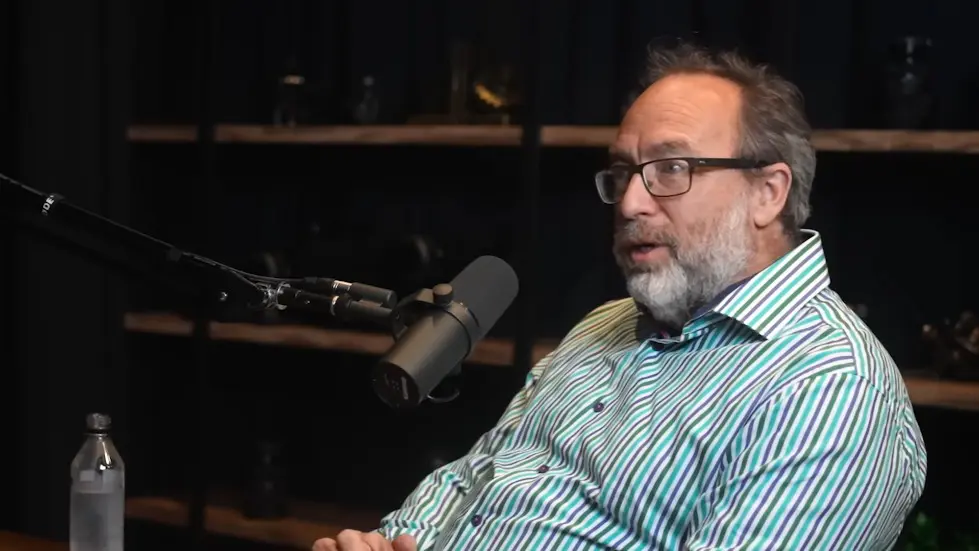
Section 2: Collaboration in Wikipedia
- Wales realized that he needed a more rigorous process to ensure the accuracy and quality of the content.
- He implemented a seven-stage review process, but it was not successful.
- He then tried to write a biography of Robert Merton, but was intimidated by the feedback process.
- He decided to launch Wikipedia as a side project, with the idea of starting to play around with the concept.
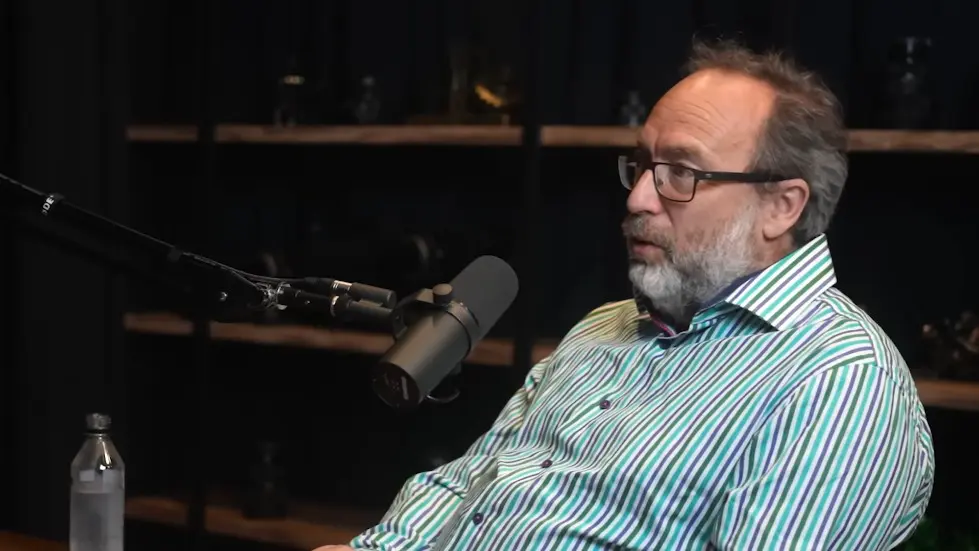
Section 3: Success of Wikipedia
- Wikipedia has become a popular and widely used source of information.
- It has a large community of contributors who work together to create and maintain the content.
- Wikipedia has been successful in providing accurate and reliable information on a wide range of topics.
- It has also been successful in promoting collaboration and knowledge sharing.
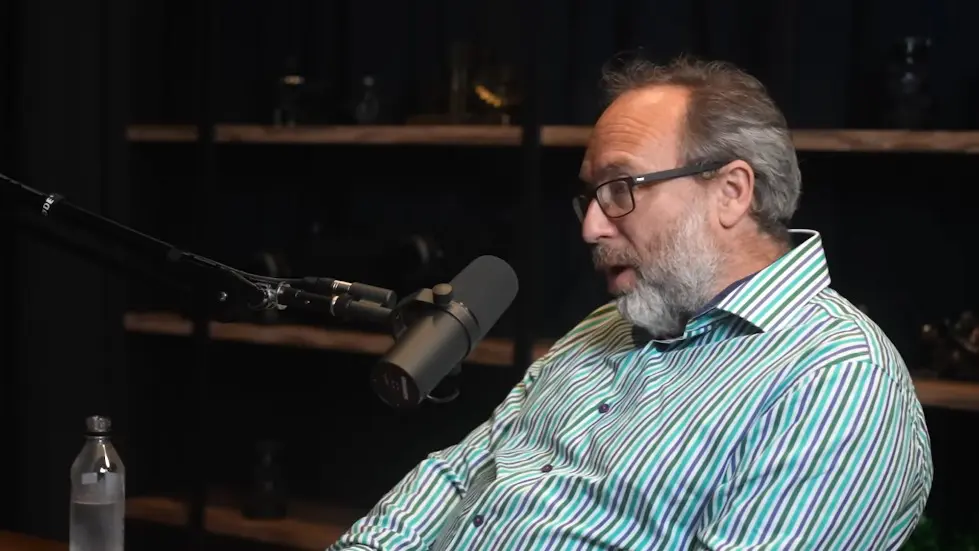
Section 4: Challenges in Wikipedia
- Wikipedia faces challenges in maintaining the accuracy and quality of the content.
- It also faces challenges in dealing with vandalism and other forms of disruption.
- Wikipedia has been criticized for its lack of diversity and its reliance on a small group of contributors.
- It also faces challenges in dealing with controversial topics and maintaining neutrality.
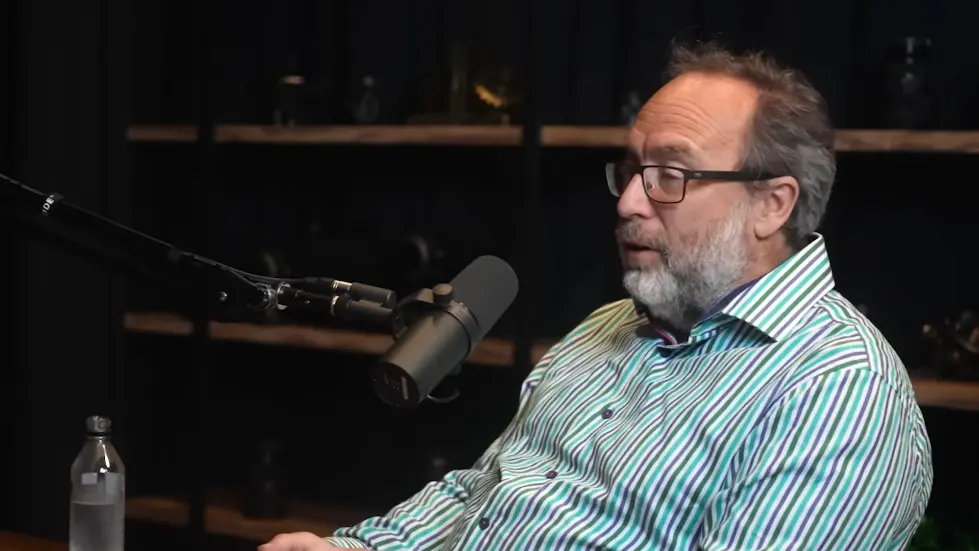
Section 1: Facebook's Power
- Facebook has a unique amount of power due to its founder Mark Zuckerberg's ability to name members of the board and control the company.
- Even if financial results are not as good as they could be, Zuckerberg's decision to rein in some things that are working for the company but giving it a bad reputation is commendable.
- One recommendation to improve Facebook's reputation is to implement a moratorium on all political advertising.
- Political advertising has given rise to deep questions about dark money, false narratives, and questionable people.
- Journalists have difficulty seeing the truth in political advertising, as it often requires finding a mainstream narrative to push people to the center.
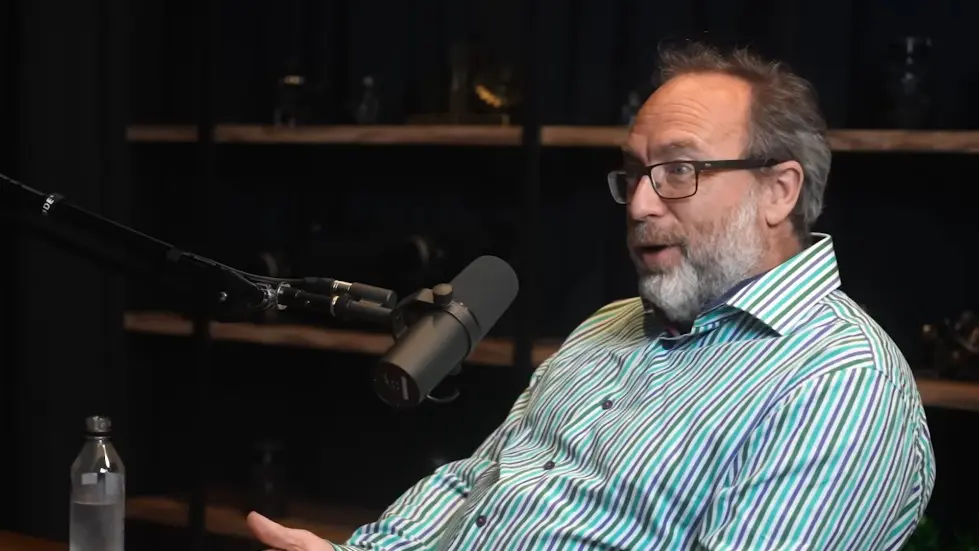
Section 2: Political Advertising
- Political advertising is not always optimized for engagement but can be optimized for long-term mental well-being and balance.
- Facebook is launching a new system called WT Social that focuses on trust and feedback from people.
- The new system will start with a core base of the community and will optimize on what feedback enhances people's lives.
- Facebook is not pursuing an advertising business model but a membership model where people can pay to be a member and get some benefits.
- The problem with Facebook's current division is that it gives different results than paying for HBO or Netflix.
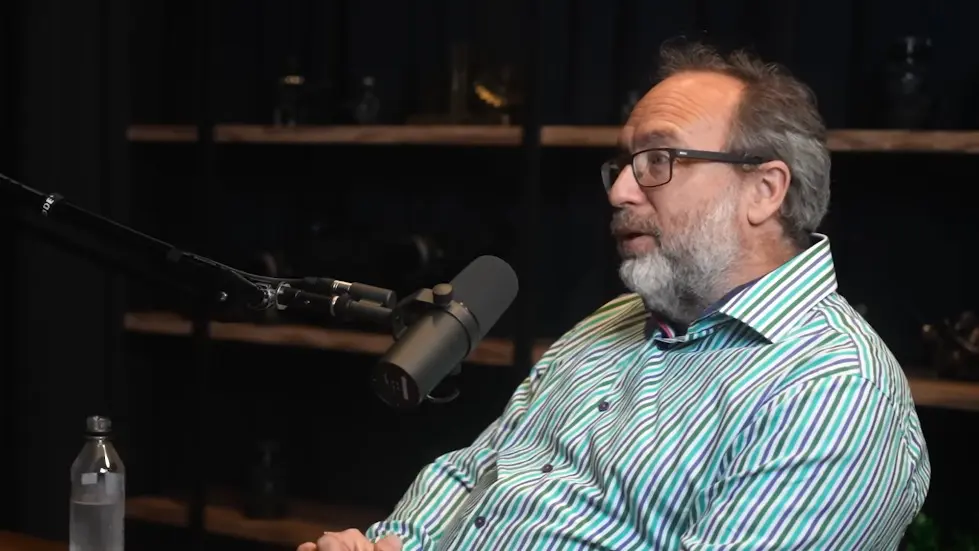
Section 3: Recommender Systems
- Recommender systems can be used to optimize engagement in the news feed but not always optimize long-term mental well-being and balance.
- Facebook is launching a new system called WT Social that focuses on trust and feedback from people.
- The new system will start with a core base of the community and will optimize on what feedback enhances people's lives.
- Facebook is not pursuing an advertising business model but a membership model where people can pay to be a member and get some benefits.
- The problem with Facebook's current division is that it gives different results than paying for HBO or Netflix.
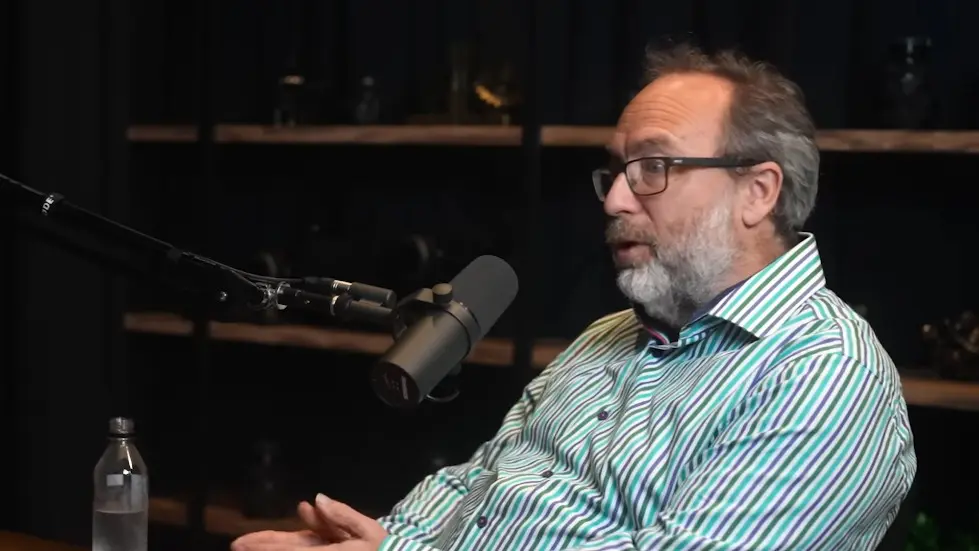
Section 4: Membership Model
- Facebook is considering a membership model where people can pay to be a member and get some benefits.
- This model could be a good business model but may not be optimized for engagement.
- The problem with Facebook's current division is that it gives different results than paying for HBO or Netflix.
- Facebook is launching a new system called WT Social that focuses on trust and feedback from people.
- The new system will start with a core base of the community and will optimize on what feedback enhances people's lives.
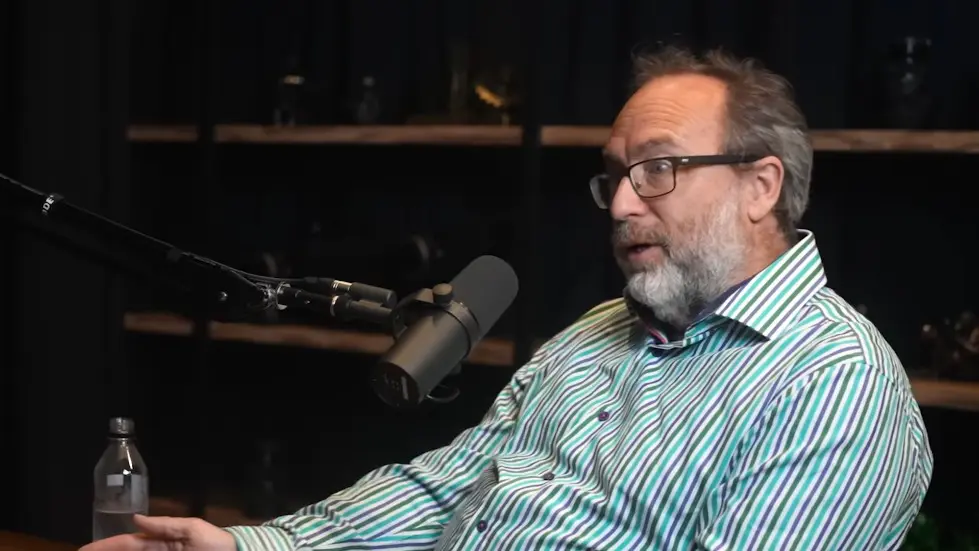
The Origin Story of Wikipedia
- Jimmy Wales was inspired by the free software movement and the idea of collaboration in creating cultural works.
- He started with an encyclopedia, which he thought would be easy to collaborate on.
- However, he soon realized that he needed a more rigorous process to ensure the accuracy and quality of the content.
- He implemented a seven-stage review process, but it was not successful.
- He then tried to write a biography of Robert Merton, but was intimidated by the feedback process.

The Launch of Wikipedia
- Wales decided to launch Wikipedia as a side project, with the idea of starting to play around with the concept.
- He wanted to create a platform for people to collaborate on creating knowledge.
- He believed that the internet had the potential to democratize knowledge and make it accessible to everyone.
- He launched Wikipedia on January 15, 2001.

The Business Model of Twitter
- Twitter's business model is based on advertising.
- The platform generates revenue by allowing businesses to advertise to its users.
- Twitter also offers premium services, such as Twitter Blue, which provides additional features for a monthly fee.
- The success of Twitter's business model has allowed the company to grow and expand its services.

The Business Model of Wikipedia
- Wikipedia's business model is based on donations from its users.
- The platform is run by a community of volunteers who contribute their time and expertise to create and maintain the content.
- Wikipedia relies on the contributions of its users to keep the platform running and growing.
- The success of Wikipedia's business model has allowed the platform to become one of the most popular sources of information on the internet.

Jimmy Wales' Origin Story
- Jimmy Wales was inspired by the free software movement and the idea of collaboration in creating cultural works.
- He started with an encyclopedia, which he thought would be easy to collaborate on.
- However, he soon realized that he needed a more rigorous process to ensure the accuracy and quality of the content.
- He implemented a seven-stage review process, but it was not successful.
- He then tried to write a biography of Robert Merton, but was intimidated by the feedback process.

Wikipedia as a Side Project
- Jimmy Wales decided to launch Wikipedia as a side project, with the idea of starting to play around with the concept.
- He was not sure if it would be successful, but he was excited to try.
- He worked on the project in his spare time, and it quickly gained popularity.
- Today, Wikipedia is one of the most popular online resources for information.

Reporting Abuse on Twitter
- A teenager reported being bullied and receiving false accusations on Twitter.
- The report was not taken seriously by Twitter, and the teenager was not helped.
- The teenager raised the issue with other members of the Twitter board, who were sympathetic.
- The General Counsel of Trust and Safety responded, saying that there was nothing in the tweet that violated Twitter's terms of service.

Content Moderation at Huge Scales
- Content moderation at huge scales is a difficult problem.
- It is hard to ensure that all content is accurate and appropriate.
- There is a risk of false accusations and the spread of misinformation.
- It is important to have a system in place to address these issues.

Jimmy Wales' Origin Story
- Jimmy Wales was inspired by the free software movement and the idea of collaboration in creating cultural works.
- He started with an encyclopedia, which he thought would be easy to collaborate on.
- However, he soon realized that he needed a more rigorous process to ensure the accuracy and quality of the content.
- He implemented a seven-stage review process, but it was not successful.
- He then tried to write a biography of Robert Merton, but was intimidated by the feedback process.

Wikipedia as a Side Project
- Jimmy Wales decided to launch Wikipedia as a side project, with the idea of starting to play around with the concept.
- He was not a public figure, unlike other Wikipedia contributors.
- He was not making millions or billions, unlike other Wikipedia contributors.
- He was not a nerd from Silicon Valley, unlike other Wikipedia contributors.
- He was not a victim of the Barbara Streisand effect, unlike other Wikipedia contributors.

Being Thrust in the Public Eye
- Being thrust in the public eye can result in abuse, even at a small scale.
- Even when just two people make up lies about someone, it can feel like a crowd.
- The feeling of loneliness and powerlessness can be overwhelming.
- It can be a terrifying experience, regardless of genetics, biology, or brain function.
- Correcting this problem will require a societal effort to figure out a way around it.

Teenagers and Kids
- Teenagers and kids can be particularly vulnerable to online abuse.
- Even when the abuse is not viral, it can still be hurtful and damaging.
- The feeling of loneliness and powerlessness can be especially intense for teenagers.
- Even when just two people make up lies about someone, it can feel like a crowd.
- It is important to address this problem and find a way to protect teenagers and kids from online abuse.

Wikipedia and Community Notes on Twitter
- Wikipedia and community notes on Twitter are examples of community-driven content.
- Wikipedia has been successful in creating a vast amount of information on a wide range of topics.
- Community notes on Twitter can be a useful tool for changing people's minds and providing more nuanced perspectives.
- The specific implementation of these platforms is not the focus of this discussion.
- In general, these platforms have the potential to be scalable and effective in creating and sharing knowledge.

Twitter's Limitations
- Twitter's mechanisms for user interaction are limited to retweeting, replying, and blocking.
- The algorithm does not make content viral; it is the way the platform works.
- Twitter is not the only platform with this limitation; Facebook also has similar interactions.
- Facebook also uses a neural net to learn from user interactions and curate content.
- The signals that a human can provide at scale, such as retweeting or commenting, can be used to create a curated list of content.

You have read 50% of the summary.
To read the other half, please enter your Name and Email. It's FREE.
You can unsubscribe anytime. By entering your email you agree to our Terms & Conditions and Privacy Policy.
Watch the video on YouTube:
Jimmy Wales: Wikipedia | Lex Fridman Podcast #385 - YouTube
Related summaries of videos:
- Marc Andreessen: Future of the Internet, Technology, and AI | Lex Fridman Podcast #386
- George Hotz: Tiny Corp, Twitter, AI Safety, Self-Driving, GPT, AGI & God | Lex Fridman Podcast #387
- Robert F. Kennedy Jr: CIA, Power, Corruption, War, Freedom, and Meaning | Lex Fridman Podcast #388
- Benjamin Netanyahu: Israel, Palestine, Power, Corruption, Hate, and Peace | Lex Fridman Podcast #389
- Yuval Noah Harari: Human Nature, Intelligence, Power, and Conspiracies | Lex Fridman Podcast #390
- Mohammed El-Kurd: Palestine | Lex Fridman Podcast #391
- Joscha Bach: Life, Intelligence, Consciousness, AI & the Future of Humans | Lex Fridman Podcast #392
- Andrew Huberman: Relationships, Drama, Betrayal, Sex, and Love | Lex Fridman Podcast #393
- Neri Oxman: Biology, Art, and Science of Design & Engineering with Nature | Lex Fridman Podcast #394
- Walter Isaacson: Elon Musk, Steve Jobs, Einstein, Da Vinci & Ben Franklin | Lex Fridman Podcast #395
- Home
- About us
- Contact
- Book Summaries 0-9
- Book Summaries A
- Book Summaries B
- Book Summaries C
- Book Summaries D
- Book Summaries E
- Book Summaries F
- Book Summaries G
- Book Summaries H
- Book Summaries I
- Book Summaries J
- Book Summaries K
- Book Summaries L
- Book Summaries M
- Book Summaries N
- Book Summaries O
- Book Summaries P
- Book Summaries Q
- Book Summaries R
- Book Summaries S
- Book Summaries T
- Book Summaries U
- Book Summaries V
- Book Summaries W
- Book Summaries X
- Book Summaries Y
- Book Summaries Z
- Jay Shetty Podcast - Summaries
- Tom Bilyeu Impact Theory - Summaries
- Lex Fridman - Summaries
- Diary of a CEO - Summaries
- Alex Hormozi - Summaries
