
Jocko Willink Explains Respect, Influence and Leadership | Impact Theory
Last updated: Jun 1, 2023
The video is an interview with Jocko Willink, a retired U.S Navy SEAL officer and author, discussing the importance of respect, influence, and leadership in gaining trust and achieving success.
The video features an interview with Jocko Willink, a retired U.S Navy SEAL officer and author, discussing the concepts of respect, influence, and leadership. Willink explains that in order to gain influence, one must give influence and allow others to influence them. He also emphasizes the importance of treating others with respect in order to earn their respect. The interview also touches on Willink's new field manual, which aims to provide practical applications of leadership principles.
- Gaining influence requires giving others the ability to influence you.
- Allowing others to influence you opens their minds to your influence.
- Treating others with respect earns their respect in return.
- When you want to earn respect, give respect.
- When you want to earn influence, give influence.
- When you want to earn trust, give trust.
- Jocko Willink is a retired U.S Navy SEAL officer and author.
- The field manual is designed to help people apply leadership principles to real-world situations.
- Jocko Willink believes that respect is the foundation of leadership.
- Jocko Willink believes that influence is a key aspect of leadership.
- Jocko Willink believes that leadership is essential for achieving success.
- Relationships are crucial in the military and in life.
- The book Extreme Ownership serves as a field manual for leadership and personal development.
Jocko Willink Explains Respect, Influence and Leadership | Impact Theory - YouTube
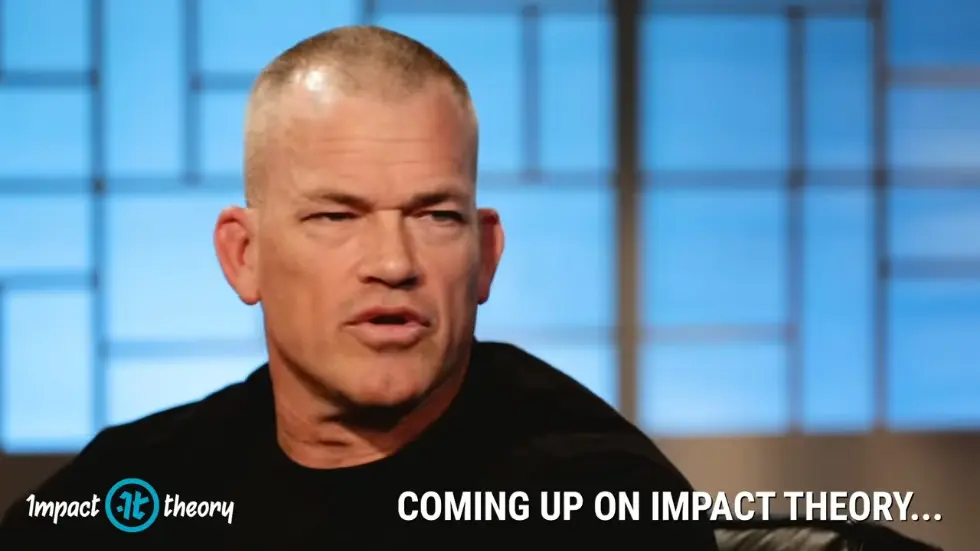
The Importance of Influence, Respect, and Trust
- Gaining influence requires giving others the ability to influence you.
- Allowing others to influence you opens their minds to your influence.
- Treating others with respect earns their respect in return.
- When you want to earn respect, give respect.
- When you want to earn influence, give influence.
- When you want to earn trust, give trust.
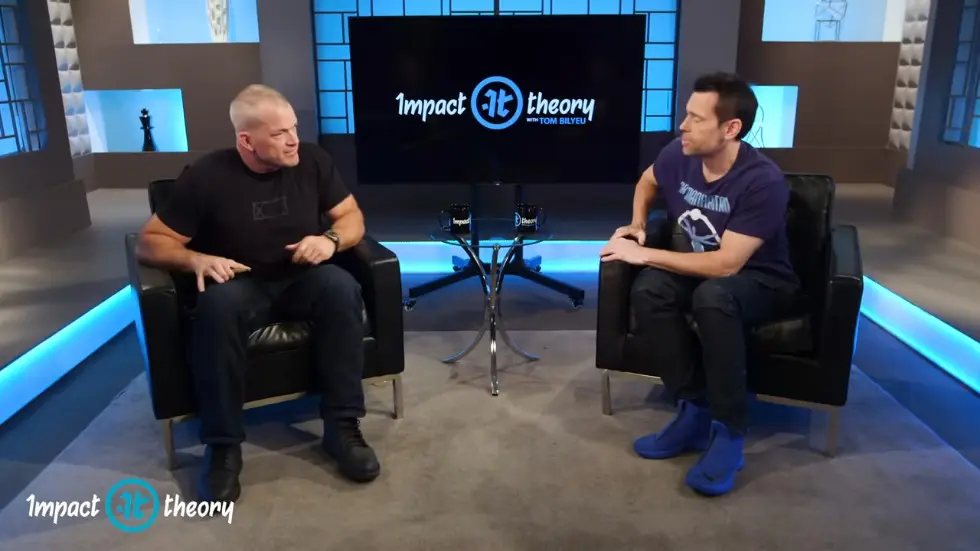
Jocko Willink's Background and Accomplishments
- Jocko Willink is a retired U.S Navy SEAL officer and author.
- He is the host of the top-rated Jocko Podcast and co-founder of Echelon Front and partner in Origen Maine.
- During his time in Iraq, he was awarded the Bronze and Silver Stars for his actions in battle.
- Under his leadership, Task Unit Bruiser became the most highly decorated special operations unit in the war.
- He is the author of Extreme Ownership, The Dichotomy of Leadership, and Leadership Strategy and Tactics.

The Purpose of Jocko Willink's Field Manual
- The field manual is designed to help people apply leadership principles to real-world situations.
- It was created in response to questions from Jocko's podcast listeners and consulting clients.
- The manual provides practical guidance on how to apply leadership principles in various scenarios.
- The manual is organized in a way that allows readers to easily find the information they need.
- The manual is meant to be a practical tool for anyone looking to improve their leadership skills.

Jocko Willink Explains Respect, Influence and Leadership | Impact Theory - YouTube
The Challenge of Organizing a Book on Personal Development
- Jocko is currently writing a book on personal development.
- The book focuses on how to change the direction of your life by changing the way you think.
- The challenge of organizing the book is deciding what information to present first.
- The book will cover topics such as beliefs, values, and identity.
- The order of the chapters is crucial to the book's effectiveness.
- The book is meant to be a practical guide for anyone looking to improve their life.

Leadership Building Blocks
- Jocko Willink shares his leadership building blocks from his experience in the SEAL teams.
- He tells three stories from his first three SEAL platoons.
- In his first platoon, he learned the importance of detaching from chaos and taking a step back to make better decisions.
- In his second platoon, he witnessed the negative impact of an inexperienced and arrogant leader who didn't listen to his team.
- He emphasizes the importance of humility, listening, and taking advice as a leader.
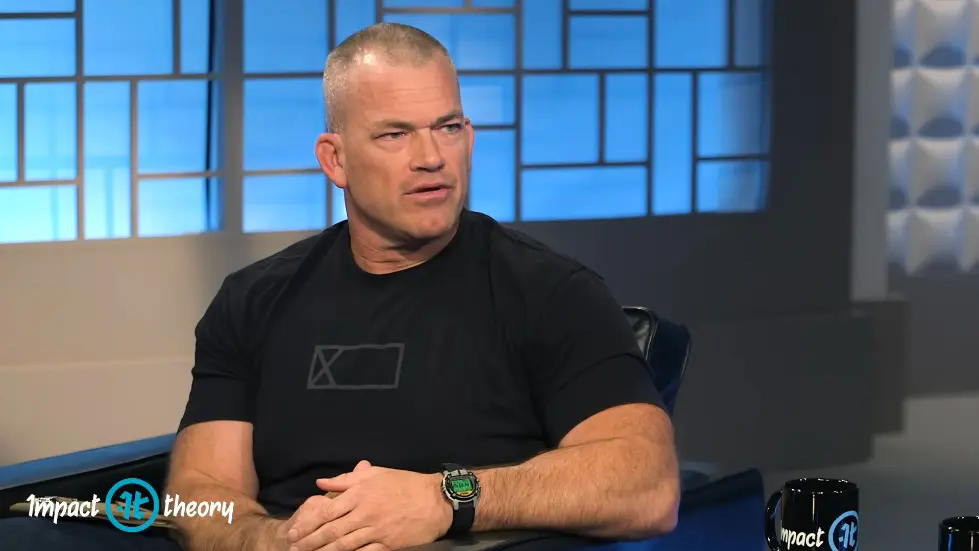
The Power of Respect
- Jocko Willink believes that respect is the foundation of leadership.
- He explains that respect is earned through actions, not words.
- He shares a story of a SEAL team member who earned respect by consistently performing well in training and on missions.
- He emphasizes the importance of treating everyone with respect, regardless of their rank or position.
- He believes that respect leads to trust, which is essential for effective leadership.

The Importance of Influence
- Jocko Willink believes that influence is a key aspect of leadership.
- He explains that influence is earned through respect and trust.
- He shares a story of a SEAL team member who had a lot of influence because he was always willing to help others and put the team first.
- He emphasizes the importance of using influence for the greater good and not for personal gain.
- He believes that leaders should strive to have a positive influence on their team and the world around them.

The Role of Leadership in Achieving Success
- Jocko Willink believes that leadership is essential for achieving success.
- He explains that leaders must set a clear vision and communicate it effectively to their team.
- He shares a story of a SEAL team mission where the leader's clear communication and decisive action led to success.
- He emphasizes the importance of taking ownership of problems and finding solutions.
- He believes that leaders should lead by example and be willing to do whatever it takes to achieve success.

Lessons from Jocko Willink's Platoon Experience
- Importance of being a humble leader and listening to others.
- Giving ownership to others and putting them in charge of things.
- Realization that it's not always about being the center of attention.
- Subordinating ego and being supportive of the person in charge.
- Moving forward together as a team.
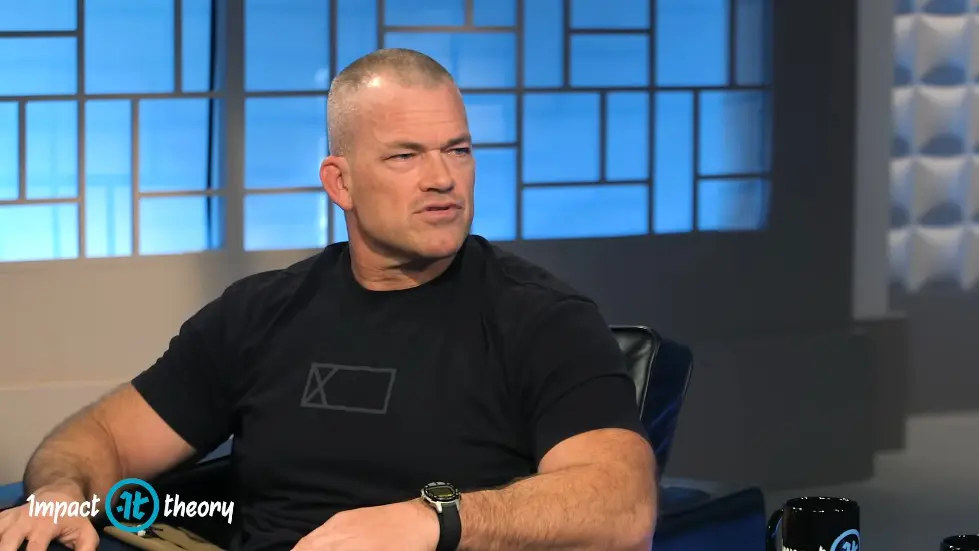
Foundational Lessons for Extreme Ownership
- Respect: treating everyone with respect regardless of their position.
- Influence: building relationships and gaining influence through trust.
- Leadership: taking ownership of everything and leading by example.
- Building a mindset and having principles to act through.
- Lessons learned from Jocko's platoon experience.

The Importance of Relationships
- Relationships are crucial in the military and in life.
- Building relationships requires trust, communication, and respect.
- Relationships help to build influence and gain support.
- Relationships also help to hold people accountable.
- Leaders must prioritize building and maintaining relationships.

Extreme Ownership as a Field Manual
- The book Extreme Ownership serves as a field manual for leadership and personal development.
- The lessons in the book build upon each other to create a mindset for success.
- The book emphasizes the importance of taking ownership of everything and leading by example.
- Relationships and communication are also crucial components of extreme ownership.
- The book provides practical advice and examples for applying these principles in various situations.
Building Lasting and Useful Relationships
- Relationships are the most important thing in getting things done.
- Just about every single thing that Jocko did in the Navy and the SEAL teams was through relationships.
- Relationships are built on trust.
- To build trust with someone above you in the chain of command, do what they ask and do it well and consistently.
- To build trust with someone below you in the chain of command, give them a project and let them figure out how to do it without micromanaging them.

The Importance of Trust
- Trust is built on relationships.
- The more deeply you trust someone, the better relationship you have with them.
- If you don't trust someone, you don't really have a relationship with them.
- Trust is the foundation of effective leadership.
- Leaders must trust their subordinates and vice versa.

Effective Leadership
- Effective leadership is about building relationships and trust.
- Leaders must give their subordinates autonomy and trust them to get the job done.
- Leaders must support their subordinates when things go wrong instead of hanging them out to dry.
- Leaders must start small when delegating tasks to new subordinates and gradually increase the level of responsibility as trust is built.
- Leaders must have a clear vision and communicate it effectively to their subordinates.

The Unreasonable Man
- Success often depends on being the unreasonable man who insists that the world conform to him.
- Leaders must be willing to take risks and make bold decisions in order to achieve success.
- Leaders must be willing to challenge the status quo and think outside the box.
- Leaders must be willing to push themselves and their subordinates to their limits in order to achieve greatness.
- Leaders must be willing to embrace failure and learn from their mistakes.
Approaching Impossible Tasks
- People often write off tasks as impossible, but it's important to approach them with a "no [__] what" mentality.
- When assigning a task, it's tempting to give all the parameters and say "go go go," but this robs agency from the person assigned the task.
- Instead, give them the path and ask if they agree, so they can take ownership of the plan.
- If they still say it's impossible, ask questions to help them come to a solution.
- Eventually, they will either find a solution or explain why it's truly impossible.
Transparency vs. Manipulation
- It's important to be transparent, but also realistic about human psychology.
- Soft shoeing and asking legitimate questions can help lead someone to the desired outcome without robbing them of agency.
- Manipulation and leadership both involve getting someone to do something, but the difference is that manipulation benefits the manipulator, while leadership benefits the team.

Respect and Influence
- Respect is earned through actions, not words.
- Influence is earned through respect and the ability to communicate effectively.
- Leadership involves leading by example and being willing to do the hard work.
- It's important to listen to and consider the opinions of others, even if they differ from your own.
- Leaders should be willing to take responsibility for their mistakes and learn from them.
You have read 50% of the summary.
To read the other half, please enter your Name and Email. It's FREE.
You can unsubscribe anytime. By entering your email you agree to our Terms & Conditions and Privacy Policy.
Watch the video on YouTube:
Jocko Willink Explains Respect, Influence and Leadership | Impact Theory - YouTube
Related summaries of videos:
- If You Want to See How Deep the Mind Can Go, Watch This | Eric Weinstein on Conversations with Tom
- This Is Why You DON'T SUCCEED! (Don't Let This HOLD YOU BACK From Success) | Les Brown
- Change Your Life by Changing Your Thought Process | Brendon Burchard
- Optimize Your Body and Brain Right Now | Ben Greenfield on Conversations with Tom
- Deepak Chopra on the Power of Meditation to Unlock Infinite Possibilities | Impact Theory
- The Secret to Ending Mental Illness | Dr. Daniel Amen on Health Theory
- How To BREAK THE ADDICTION To Negative Thoughts & Emotions In 31 MINUTES | Trevor Moawad
- Noah Kagan on How to Reduce Fear and Gain Control | Conversations with Tom
- How to Survive a Severe Economic Downturn | Russell Brunson
- Rich Dad Poor Dad Author Robert Kiyosaki on Attaining and Keeping Wealth
- Home
- About us
- Contact
- Book Summaries 0-9
- Book Summaries A
- Book Summaries B
- Book Summaries C
- Book Summaries D
- Book Summaries E
- Book Summaries F
- Book Summaries G
- Book Summaries H
- Book Summaries I
- Book Summaries J
- Book Summaries K
- Book Summaries L
- Book Summaries M
- Book Summaries N
- Book Summaries O
- Book Summaries P
- Book Summaries Q
- Book Summaries R
- Book Summaries S
- Book Summaries T
- Book Summaries U
- Book Summaries V
- Book Summaries W
- Book Summaries X
- Book Summaries Y
- Book Summaries Z
- Jay Shetty Podcast - Summaries
- Tom Bilyeu Impact Theory - Summaries
- Lex Fridman - Summaries
- Diary of a CEO - Summaries
- Alex Hormozi - Summaries
