
Dr. Lisa Feldman Barrett and Dr. Andrew Huberman: How to Understand Emotions (Huberman Lab Podcast)
Last updated: Oct 16, 2023
The video is about Dr. Andrew Huberman and Dr. Lisa Feldman Barrett discussing emotions and their origins in the brain and body. She explains that emotions are not fixed or predetermined, but rather are shaped by our experiences and thoughts. She also discusses the importance of understanding the psychological underpinnings of emotions and how to regulate them effectively. The video is practical and informative, and provides practical tools for understanding and navigating emotional states.
This video by Andrew Huberman was published on Oct 16, 2023.
Video length: 02:39:04.
The video is about Dr. Lisa Feldman Barrett, a distinguished professor of psychology at Northeastern University, discussing emotions with Andrew Huberman, a professor of neurobiology and ophthalmology at Stanford School of Medicine.
Dr. Feldman Barrett studies emotions using approaches from both psychology and neuroscience and has published numerous academic papers and given public lectures on the topic. She is also the chief scientific officer of the Center of Law, Brain, and Behavior at Northeastern University. In the video, Dr. Feldman Barrett discusses the neural circuits and psychological underpinnings of emotions, what emotions truly are, and how to interpret different emotional states. She also teaches listeners how to regulate their emotions effectively and how to better interpret the emotional states of others. Dr. Feldman Barrett emphasizes that emotions are not fixed or predetermined, but rather are shaped by our thoughts, beliefs, and experiences.
She also discusses the powerful relationship between our emotional states and the movement of our body, and how our emotions can impact our motivation, consciousness, and overall well-being.
- The speaker is Dr. Lisa Feldman Barrett, a distinguished professor of psychology at Northeastern University.
- The podcast is hosted by Andrew Huberman, a professor of neurobiology and ophthalmology at Stanford School of Medicine.
- The podcast discusses science and science-based tools for everyday life.
- The speaker explains that emotions are not fixed or predetermined, but rather shaped by experiences and thoughts.
- The speaker explores the relationship between emotions and motivation, consciousness, and affect.
- The speaker provides practical tools for understanding and navigating emotional states.
- The speaker teaches how to regulate emotions effectively.
- The speaker provides practical tools for interpreting emotional states of others.
- The speaker emphasizes the importance of understanding the psychological underpinnings of emotions and how to regulate them effectively.
Dr. Lisa Feldman Barrett: How to Understand Emotions | Huberman Lab Podcast - YouTube
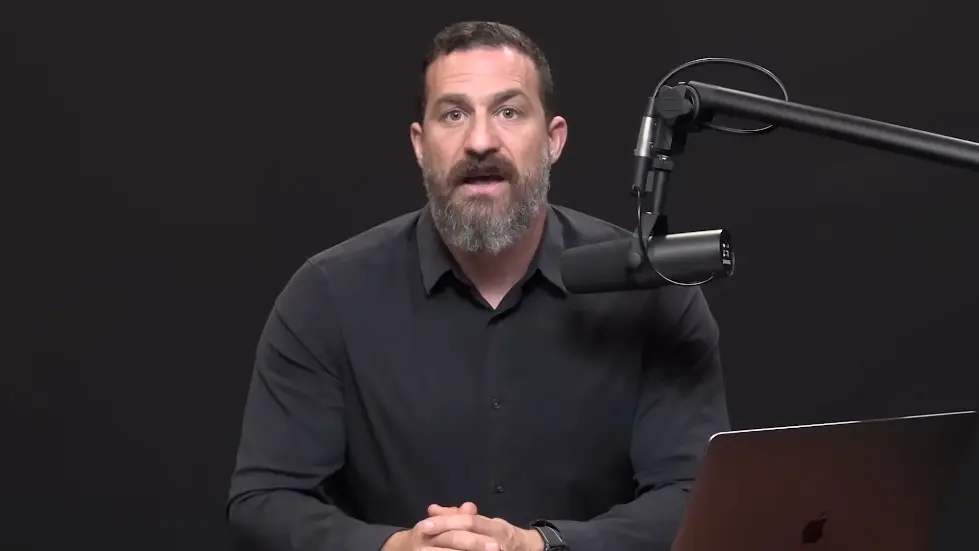
Introduction
- Welcome to the Huberman Lab podcast
- Discusses science and science-based tools for everyday life
- Hosted by Andrew Huberman, a professor of neurobiology and ophthalmology at Stanford School of Medicine
- Guest is Dr. Lisa Feldman Barrett, a distinguished professor of psychology at Northeastern University
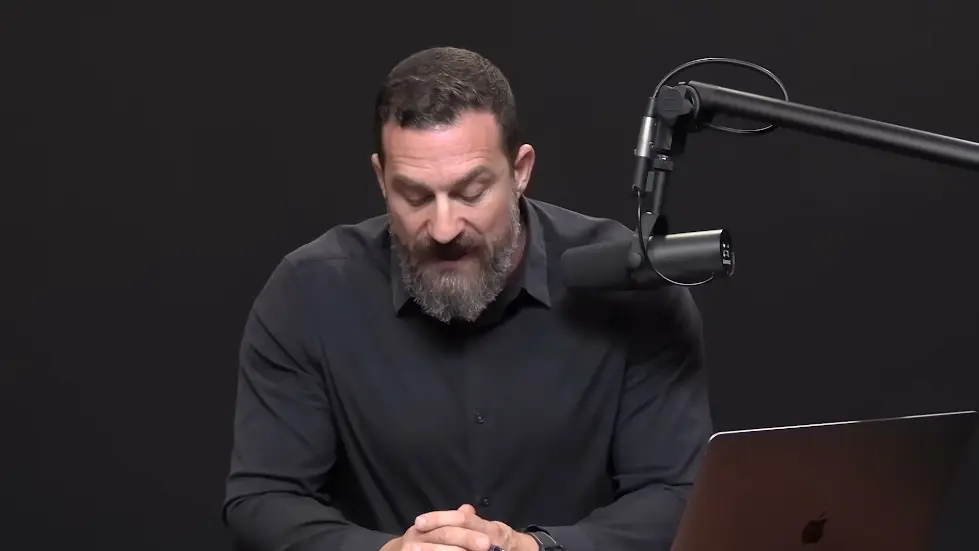
Neural Circuits and Psychological Underpinnings of Emotions
- Discusses the neural circuits and psychological underpinnings of emotions
- Explains that emotions are not fixed or predetermined, but rather shaped by experiences and thoughts
- Explores the relationship between emotions and motivation, consciousness, and affect
- Provides practical tools for understanding and navigating emotional states
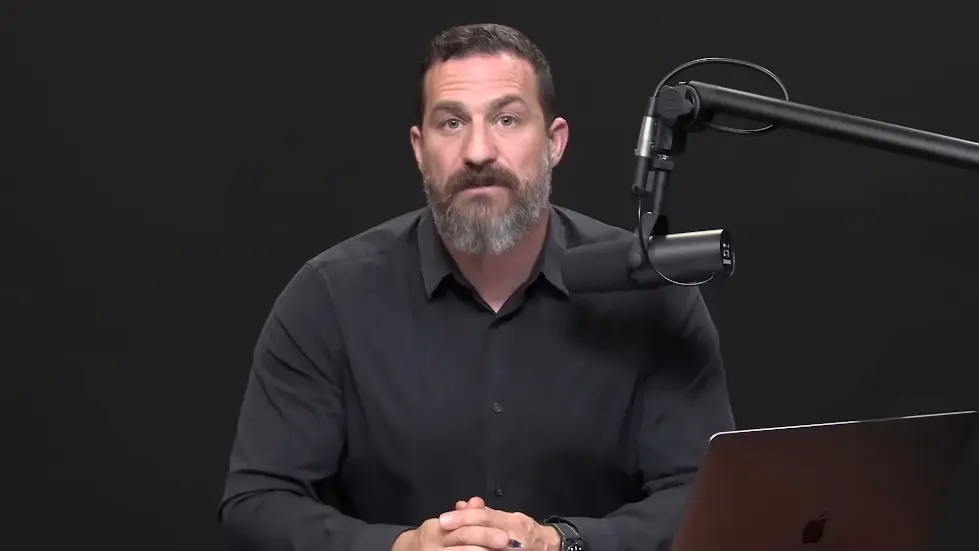
Regulating Emotions Effectively
- Teachs how to regulate emotions effectively
- Provides practical tools for interpreting emotional states of others
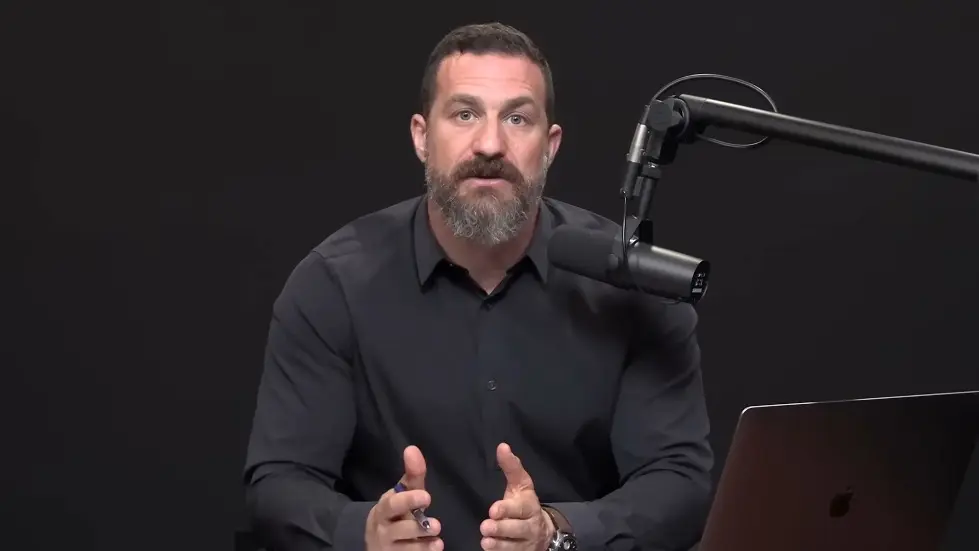
Dr. Lisa Feldman Barrett: How to Understand Emotions | Huberman Lab Podcast - YouTube
Relationship between Emotional States and Body Movement
- Explores the powerful relationship between emotional states and body movement
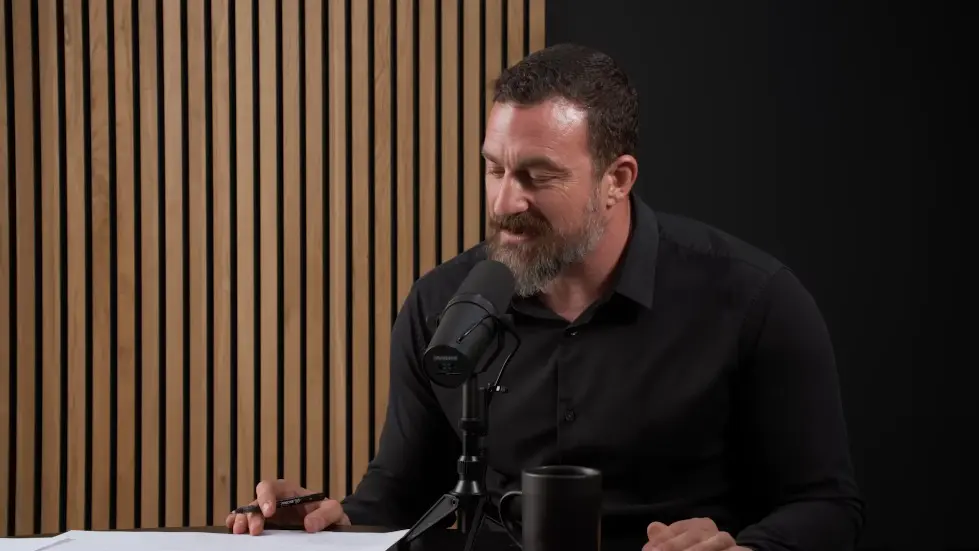
Conclusion
- Practical and informative discussion on the mechanisms underlying emotions
- Surprising to many in terms of the origins of emotions in the brain and body

Introduction
- The speaker is discussing emotions and their origins in the brain and body.
- They explain that emotions are not fixed or predetermined, but rather are shaped by our experiences and thoughts.
- The speaker discusses the importance of understanding the psychological underpinnings of emotions and how to regulate them effectively.

What are Emotions?
- The speaker explains that emotions are a coordinated response to a change in physical state, brain activity, and facial expression.
- Physiological changes in the body, changes in the brain, and changes in facial expression are all part of the coordinated set of features that make up an emotion.
- The speaker notes that emotions are not distinct from any other experience, but there is a claim that there would be diagnostic patterns associated with certain emotions.

Diagnostic Patterns of Emotions
- The speaker explains that scientists have long tried to define emotions based on diagnostic patterns, such as changes in heart rate, facial expressions, and other physical and mental signs.
- However, the speaker notes that these patterns are not universal and can vary across cultures and individuals.
- The speaker suggests that the way scientists define emotions may be limited by cultural and individual differences.
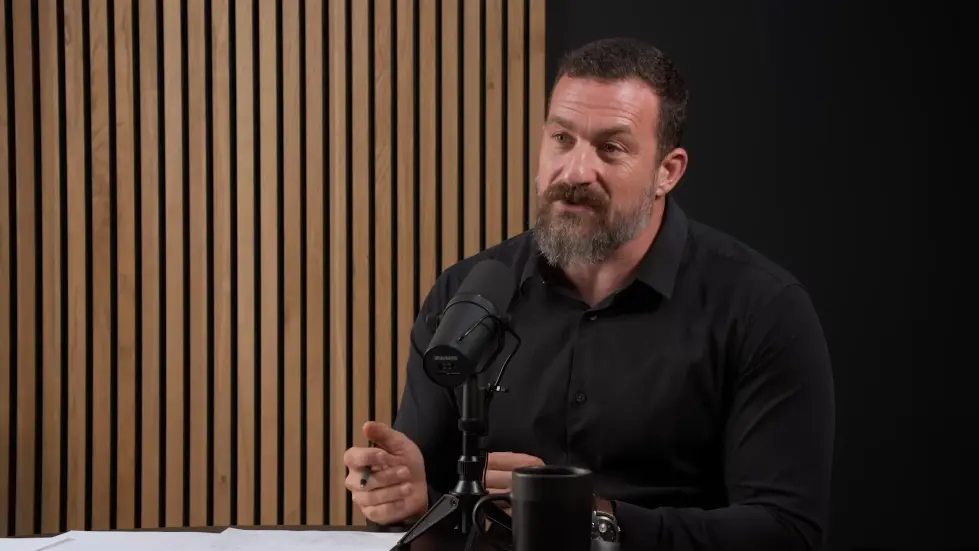
Conclusion
- The speaker emphasizes the importance of understanding the psychological underpinnings of emotions and how to regulate them effectively.
- They suggest that emotions are not fixed or predetermined, but rather are shaped by our experiences and thoughts.
- The speaker encourages viewers to learn more about emotions and how to navigate emotional states through continuous monitoring and self-reflection.
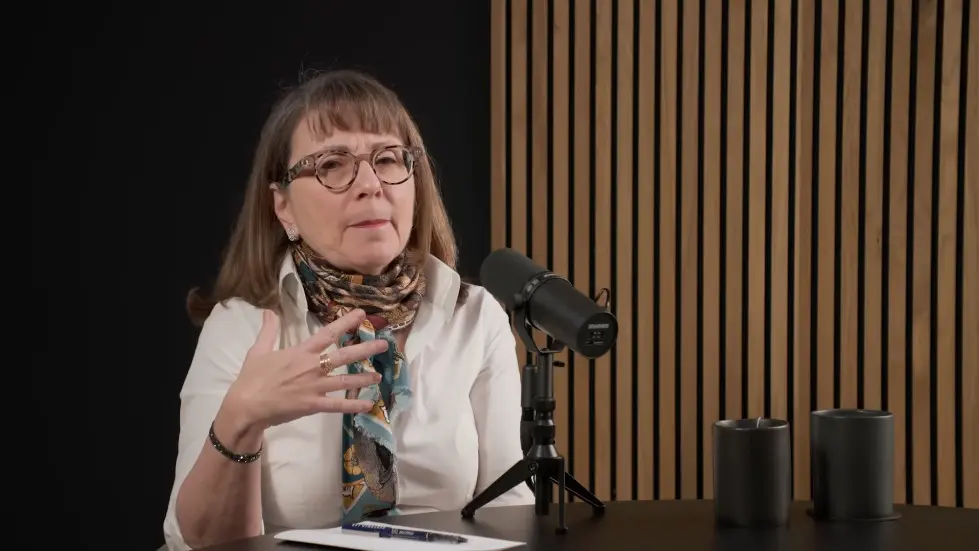
The Mystery of Emotions
- The speaker discusses the mystery of how emotions are experienced and how scientists cannot find a single set of physical markers that correspond with each state distinctively.
- The speaker explains that emotions are not fixed or predetermined, but rather are shaped by our experiences and thoughts.
- The speaker discusses the importance of understanding the psychological underpinnings of emotions and how to regulate them effectively.
- The speaker mentions that facial expressions are often used to make assumptions about what might be going on internally for someone.
- The speaker raises the question of whether changing one's facial expression can direct shifts in the brain and body.
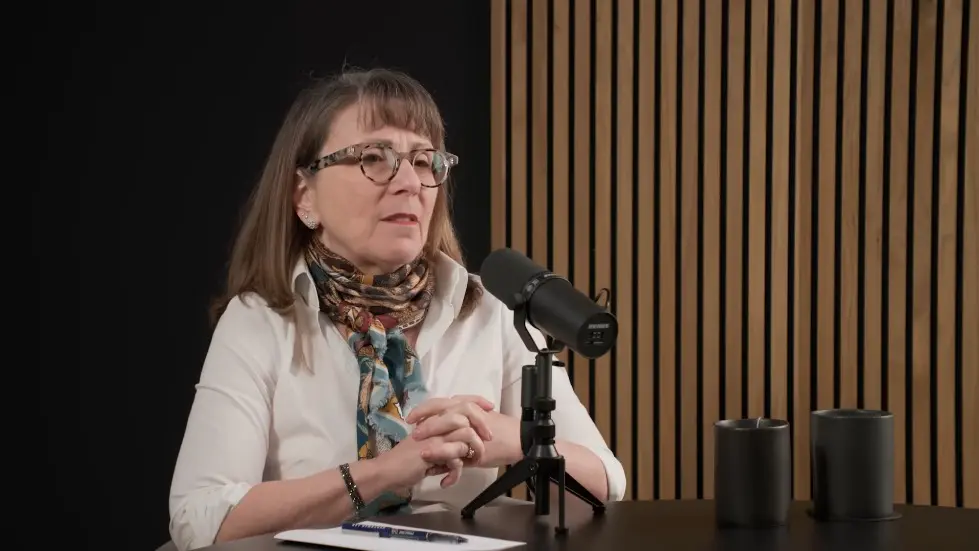
Facial Expressions and Emotions
- The speaker explains that there is a system for moving facial muscles, but a movement is not the same as an expression.
- The speaker mentions that scientists often interpret their findings in ways that the average person would find interesting, but they forget that they are making an interpretation.
- The speaker explains that facial movements are not always to express an internal state, and one might think that they are very rarely to express an internal state.
- The speaker raises the question of whether there is a facial expression system, either.
- The speaker mentions that the brain takes in an entire ensemble of signals as it makes meaning out of any signal, and research shows that baby's cries are not acoustically specific to when they are tired or hungry or right.
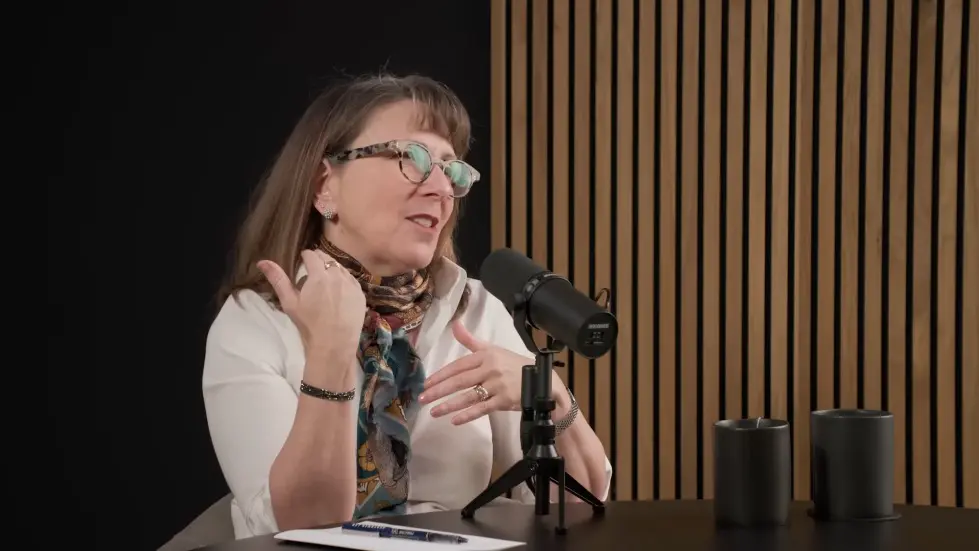
The Brain's Interpretation of Facial Expressions
- The brain interprets facial expressions in context, making guesses about the emotional meaning of facial movements.
- The brain sends motor commands to the body and receives sensory signals from it, in a constant conversation.
- Over time, the brain has learned to predict what will happen next based on patterns of signal recurrence.
- Facial expressions are not fixed or predetermined, but rather shaped by our experiences and thoughts.
- There is no emotion system in the brain, and causation is not as simplistic as it triggering facial muscles to move in a particular way.

The Role of Facial Expressions in Emotions
- Facial expressions are just one part of a larger ensemble of signals that the brain uses to predict what will happen next.
- The brain interprets facial expressions in context, making guesses about the emotional meaning of facial movements.
- Facial expressions are not fixed or predetermined, but rather shaped by our experiences and thoughts.
- There is no emotion system in the brain, and causation is not as simplistic as it triggering facial muscles to move in a particular way.
- The idea that the body and emotional states are inextricably linked makes a ton of sense to me, but the idea that you could just grab onto one of the nodes in the EM system, like position of the body, like being hunched over makes you depressed, never made sense to me.
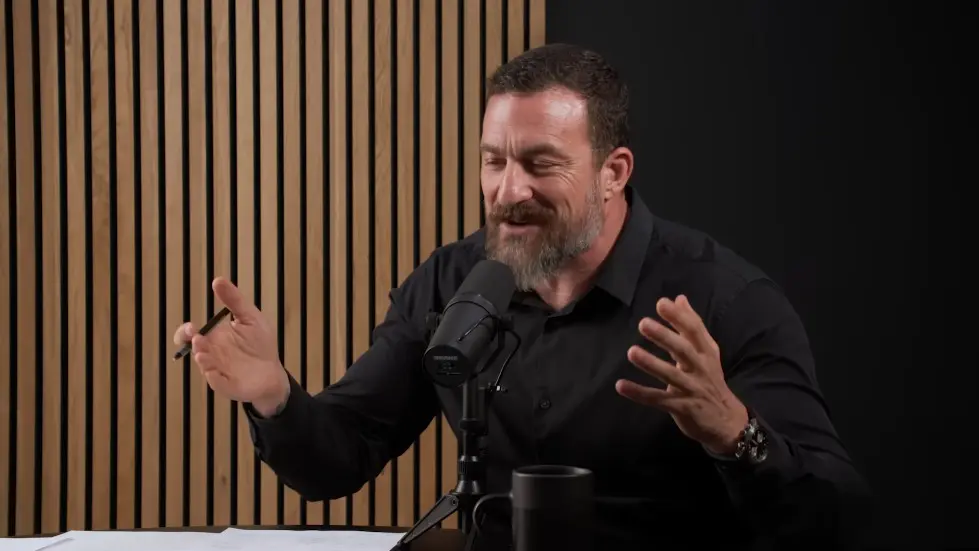
The Psychological Underpinnings of Emotions
- Emotions are not fixed or predetermined, but rather shaped by our experiences and thoughts.
- The brain interprets facial expressions in context, making guesses about the emotional meaning of facial movements.
- Facial expressions are just one part of a larger ensemble of signals that the brain uses to predict what will happen next.
- There is no emotion system in the brain, and causation is not as simplistic as it triggering facial muscles to move in a particular way.
- The idea that the body and emotional states are inextricably linked makes a ton of sense to me, but the idea that you could just grab onto one of the nodes in the EM system, like position of the body, like being hunched over makes you depressed, never made sense to me.
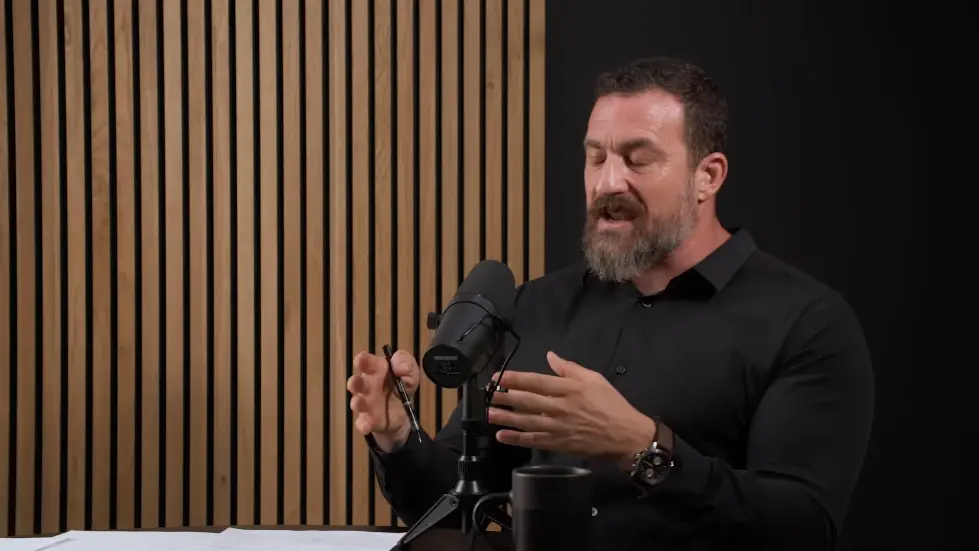
Regulating Emotions Effectively
- Understanding the psychological underpinnings of emotions is important for regulating them effectively.
- Emotions are not fixed or predetermined, but rather shaped by our experiences and thoughts.
- The brain interprets facial expressions in context, making guesses about the emotional meaning of facial movements.
- Facial expressions are just one part of a larger ensemble of signals that the brain uses to predict what will happen next.
- There is no emotion system in the brain, and causation is not as simplistic as it triggering facial muscles to move in a particular way.

The Science of Emotions
- The author of the text discusses the idea that emotions are not fixed or predetermined, but rather are shaped by our experiences and thoughts.
- The author explains that emotions are not universal, and there is no one-to-one correspondence between a particular face and a specific emotional state.
- The author discusses the importance of understanding the psychological underpinnings of emotions and how to regulate them effectively.
- The author mentions that there is a debate in psychology about the nature of facial expressions and whether they are universal.
- The author explains that the Association for Psychological Science tasked them with attempting to write a consensus paper on what the literature actually shows about facial expressions and emotions.

The Video
- The video is about Dr. Lisa Feldman Barrett discussing emotions and their origins in the brain and body.
- Dr. Feldman Barrett explains that emotions are not fixed or predetermined, but rather are shaped by our experiences and thoughts.
- The video provides practical tools for understanding and navigating emotional states.
- The video is practical and informative.
- The video is from Andrew Huberman's YouTube channel.

Dr. Feldman Barrett's Hypothesis
- Dr. Feldman Barrett's starting hypothesis was that facial movements are meaningful.
- She believed that there is no one-to-one correspondence between a particular facial configuration and a specific emotion.
- Dr. Feldman Barrett believed that the collection of facial expressions people make when they're angry or sad would be highly variable.
- She believed that facial expressions are not universal and vary across cultures and situations.
- Dr. Feldman Barrett's hypothesis was based on scientific reasons.

The Group's Discussion
- The group of scientists discussed Dr. Feldman Barrett's hypothesis.
- The group agreed that the only thing that mattered was coming to a consensus over the data.
- The group had varying reasons for hypothesizing that facial expressions were universal.
- The group had different commitments to this position.
- The group agreed that they would not be adversarial about the discussion.

The Consensus
- After two and a half years and thousands of papers, the group came to a consensus.
- There was no evidence for facial expressions of emotion being universal.
- Facial expressions are highly variable and do not correspond to a specific emotion.
- The group agreed that the correspondence between a scowl and anger is not reliable.
- The group's consensus was based on statistical summaries of many studies.

The Variability of Emotions
- Emotions are not fixed or predetermined, but rather are shaped by our experiences and thoughts.
- The specificity of emotions is higher than chance, but not that much higher.
- People make a scowl for a variety of reasons, not just anger.
- The body's response to anger varies depending on the situation and physical movements.
- The goal is to understand that emotions are a highly variable grouping of instances that vary depending on the situation.

Emotions as a Category
- Anger is not one thing, it's a category of things or a grouping of actions in the brain and body.
- Emotions are not entities or things, but rather a process.
- Emotions are not nouns, but rather a verb.
- Emotions are a highly variable grouping of instances that vary depending on the situation.
- There are ways to talk about emotions in Neuroscience terms that are more precise.
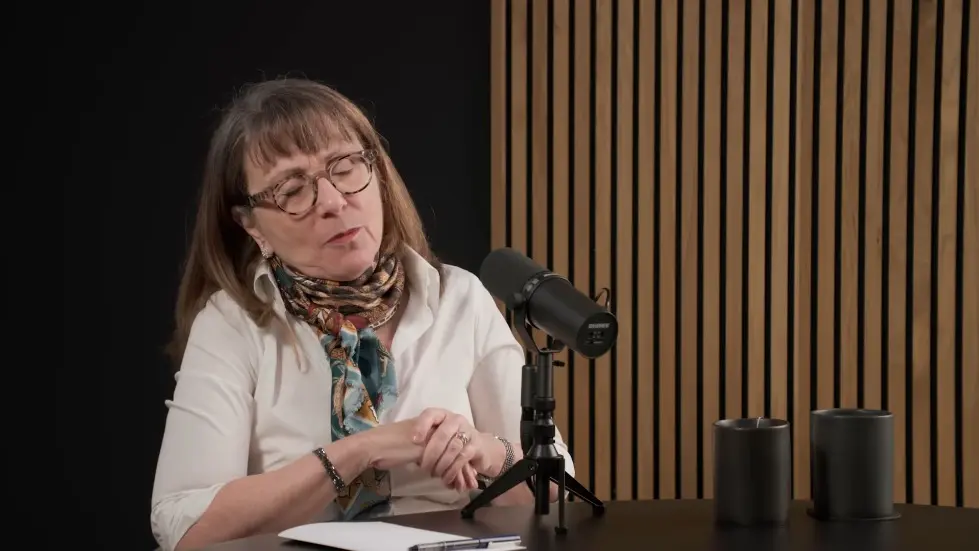
Cultural Differences in Emotions
- Emotions are not universal, but vary across cultures.
- In Western cultures, emotions are often talked about in terms of categories or groupings of actions.
- In non-Western cultures, emotions may be experienced differently and not have the same specificity as in Western cultures.
- Facial expressions may not have the same meaning across cultures.
- Babies are born with a preference for certain facial configurations, but this does not mean they understand or experience emotions in the same way as adults.
Learning Emotions
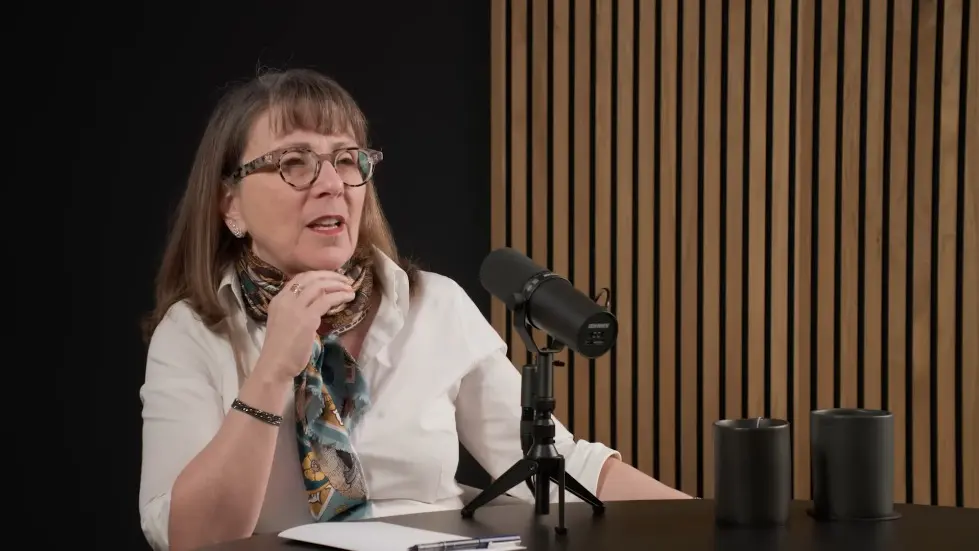
- Babies learn about emotions through continuous exposure to faces and facial expressions.
- There is a reciprocity between smiling and receiving a smile from others.
- Recognizing faces as faces is hardwired, but not solely by genes.
- Emotions are not fixed or predetermined, but rather are shaped by our experiences and thoughts.
- The specificity of emotions is higher than chance, but not that much higher.
The Role of Genes in Emotions
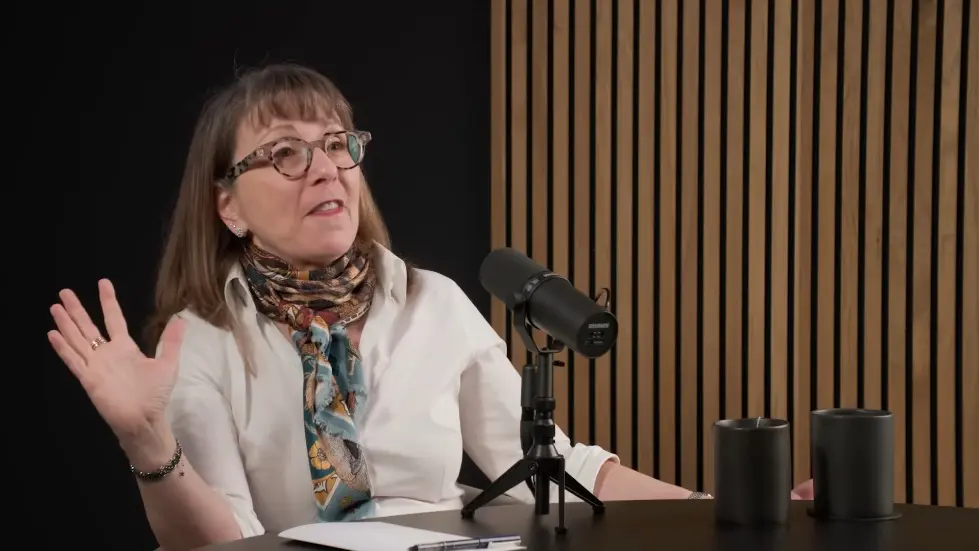
- Emotions are not fixed or predetermined, but rather shaped by experiences and thoughts.
- The brain expects certain inputs from the world and needs that information to be competent culturally.
- Infant brains are wiring themselves to their world, including people making faces at them.
- Smiling is a cue for happiness because we've learned it through cultural inheritance.
- The information about emotions gets into our brain through cultural inheritance, which is a part of evolutionary theory.
The Importance of Understanding Emotions
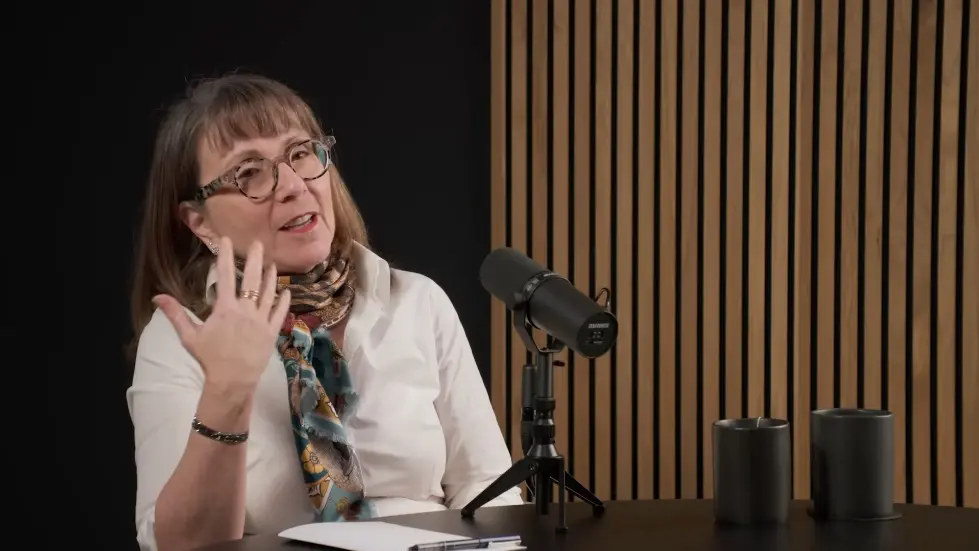
- Understanding the psychological underpinnings of emotions is important for regulating them effectively.
- Emotions are not universal expressions that can be used to read each other.
- Judgments made based on facial expressions can impact people's lives in serious ways.
- The idea that there are universal expressions for emotions is not supported by science.
- It's important to recognize that emotions are shaped by experiences and thoughts, not just genes.
The Role of Cultural Inheritance in Emotions
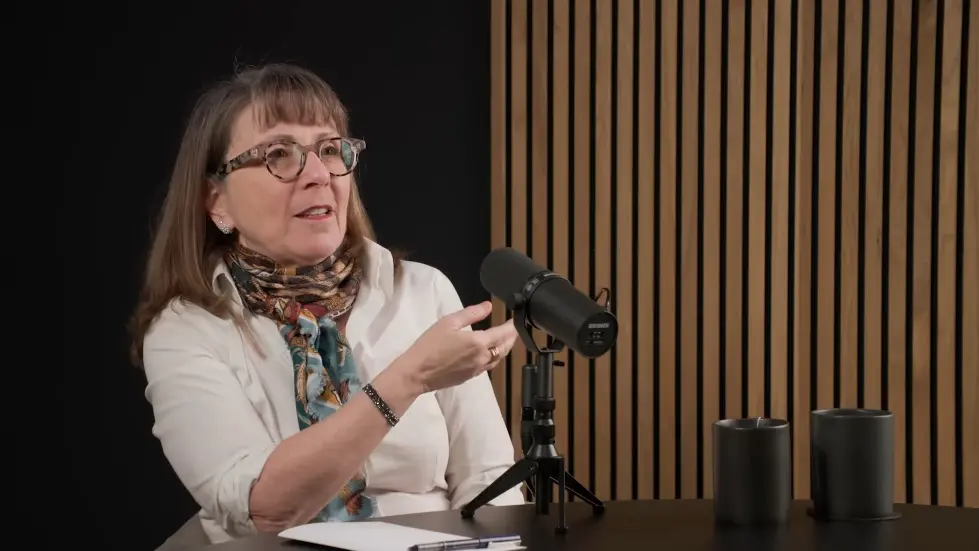
- Cultural inheritance plays a significant role in shaping our emotions.
- Our brains are wired to expect certain inputs from the world, including cultural cues.
- Smiling is a cue for happiness because we've learned it through cultural inheritance.
- The information about emotions gets into our brain through cultural inheritance, which is a part of evolutionary theory.
- It's important to recognize that emotions are shaped by cultural cues, not just genes.

The Importance of Early Learning in Emotions
- Early learning is important for wiring our brains to our world, including people making faces at us.
- Smiling is a cue for happiness because we've learned it through early learning.
- Our brains are wired to expect certain inputs from the world, including cultural cues.
- The information about emotions gets into our brain through cultural inheritance, which is a part of evolutionary theory.
- It's important to recognize that emotions are shaped by early learning, not just genes.

The Role of Reinforcement Learning in Emotions
- Reinforcement learning plays a significant role in shaping our emotions.
- Our brains are wired to expect certain inputs from the world, including cultural cues.
- Smiling is a cue for happiness because we've learned it through reinforcement learning.
- Our brains are wired to expect certain inputs from the world, including cultural cues.
- It's important to recognize that emotions are shaped by reinforcement learning, not just genes.
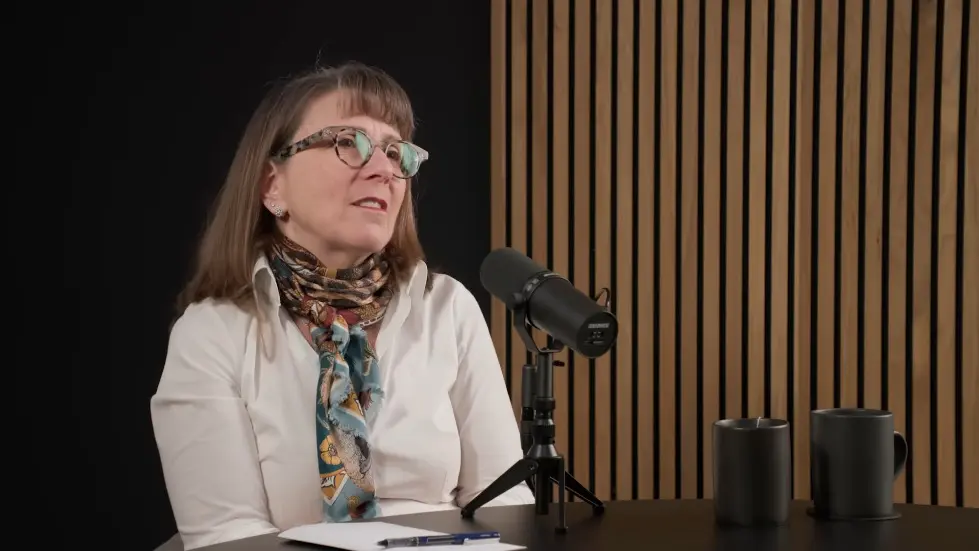
The Complexity of Emotions
- Emotions are not fixed or predetermined, but rather shaped by our experiences and thoughts.
- Emotions are not universal templates, but rather unique to each individual.
- Our brains are pattern learners, which means that we learn to recognize patterns in our emotions.
- There is no one-size-fits-all way to understand or regulate emotions.
- Emotions are complex and multifaceted, and cannot be fully captured by language alone.
The Limitations of Language in Capturing Emotions
- Language is not sufficient to capture the complexity of emotions.
- Different languages have different labels for emotions, which may not capture the same configurations or states.
- Emotions are unique to each individual, and may not be captured by language alone.
- Language may not be able to capture the nuances and subtleties of emotions.
- Additional signals and cues may be necessary to understand emotions more fully.
The Importance of Understanding Emotions
- Understanding the psychological underpinnings of emotions is important for regulating them effectively.
- Emotions are shaped by our experiences and thoughts, and can be influenced by external factors.
- Emotions can have a significant impact on our behavior and decision-making.
- Emotions can be difficult to regulate, but with practice and awareness, they can be managed more effectively.
- Understanding emotions can help us build stronger relationships with others and improve our overall well-being.
Practical Tools for Understanding and Regulating Emotions
- Practicing mindfulness and self-awareness can help us better understand our emotions.
- Engaging in activities that promote positive emotions, such as exercise or spending time with loved ones, can help regulate negative emotions.
- Developing a growth mindset can help us reframe negative emotions as opportunities for growth.
- Seeking support from others, such as friends or a therapist, can help us better manage our emotions.
- Practicing gratitude and focusing on the positive aspects of our lives can help improve our overall emotional well-being.
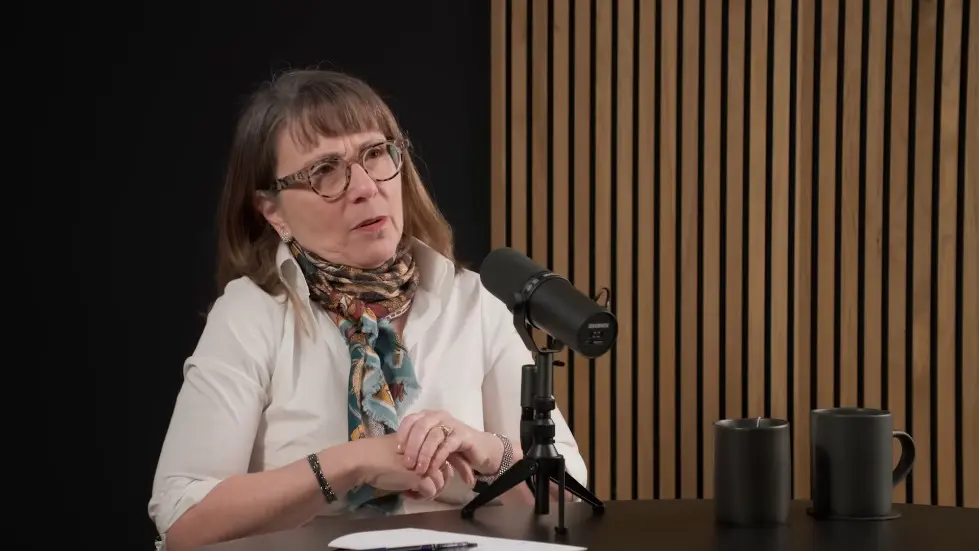
Section 1: Understanding Emotions
- Emotions are not fixed or predetermined, but rather are shaped by our experiences and thoughts.
- The experience of someone having a face that deserves a punch is an example of an emotion word in German.
- The word "liot" is a Polynesian head-hunting emotion word that means exuberant aggression in a group.
- The military personnel who experienced "liot" while deployed in a war felt intense, high arousal, and were experiencing the intensity of having their life on the line.
- The word "giggle" is another example of an emotion word that means the feeling of delight when seeing a cute baby.
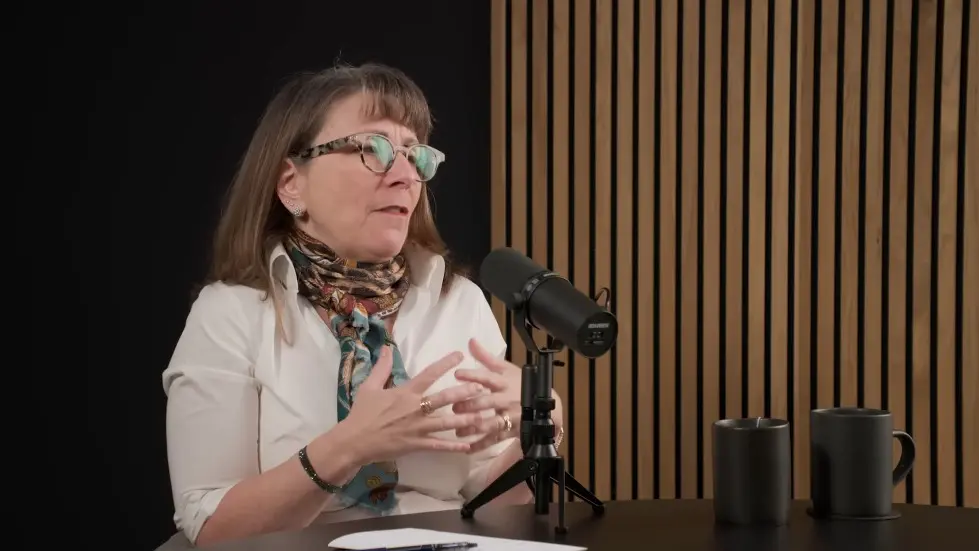
Section 2: Emotions in Different Cultures
- There are different words for emotions in different cultures, but they are not always the states that other people in other cultures care about.
- The phrasing of the question made it clear why the answer followed, and the speaker learned something about how the things that create emotions work.
- The speaker grew up in a culture that was different from the academic culture, and the academic culture was more intense and hazing than it is now.
- The speaker is tougher than they look, and the point they are trying to get at is that when we ask questions, there are certain assumptions that we make in order to allow us to pose the question.
- The speaker is taking issue with the assumptions behind the question, and the assumption that people make that there's a state in here called an emotion and now I have to label it and identify it is not how it works.
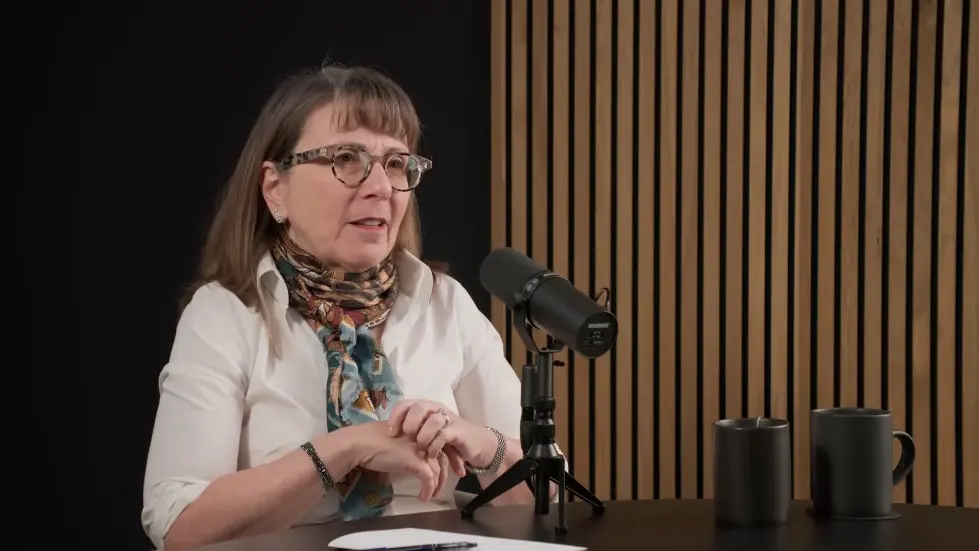
The Importance of Understanding Emotions
- Emotions are not fixed or predetermined, but rather are shaped by our experiences and thoughts.
- Understanding the psychological underpinnings of emotions is important for regulating them effectively.
- Words are not insufficient by virtue of what the brain is actually doing.
- The way that Dr. Feldman Barrett comes at emotions is different from many of her colleagues.
- Emotions are not just a matter of experience, but also of the brain and body.

The Evolution of Emotions
- The nervous system is very important for understanding emotions.
- Anatomy is crucial for understanding how the nervous system evolved and developed.
- Discoveries in anatomy have led to new insights into the role of emotions in the brain and body.
- The brain is not a stimulus-driven organ, but rather is first and foremost a collection of signals from the sensory surfaces of the body.
- Emotions are not just a matter of experience, but also of the brain and body.
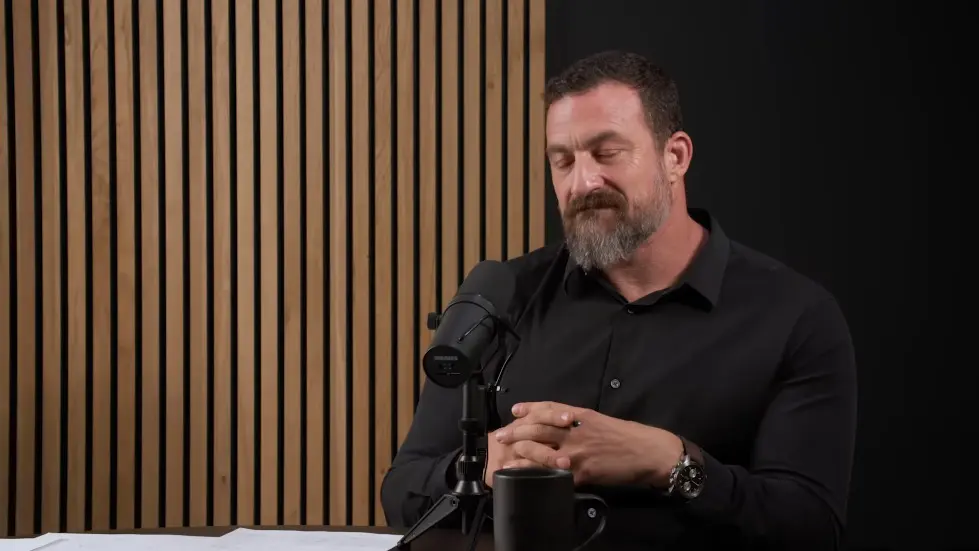
The Role of Words in Understanding Emotions
- Words are important for understanding emotions, but they are not insufficient by virtue of what the brain is actually doing.
- The way that Dr. Feldman Barrett comes at emotions is different from many of her colleagues.
- The scientific publication process can limit the understanding of emotions.
- Drugs can disrupt the language system, facial movements system, and other biological signals.
- The absence of fatigue and discomfort can be a pleasant feeling.

The Psychological Underpinnings of Emotions
- Emotions are not fixed or predetermined, but rather are shaped by our experiences and thoughts.
- Understanding the psychological underpinnings of emotions is important for regulating them effectively.
- The brain is not running a model or making inferences about the world.
- Emotions are not just a matter of experience, but also of the brain and body.
- The brain is first and foremost a collection of signals from the sensory surfaces of the body.
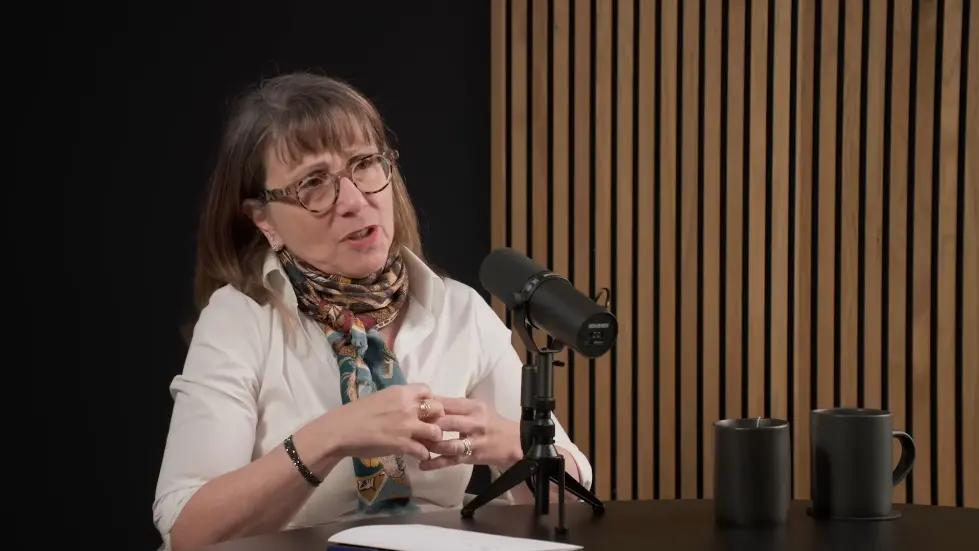
The Brain as a Model
- The brain models the retina, the eyes, and the skin.
- The brain receives signals continuously from the sensory surfaces of the body.
- The brain doesn't know the causes of those signals, it only knows the outcomes.
- The brain has to guess at what the causes of those signals are in order to stay alive.
- This is an inverse problem, where the brain has to deal with a massive continuous problem without access to all the information.
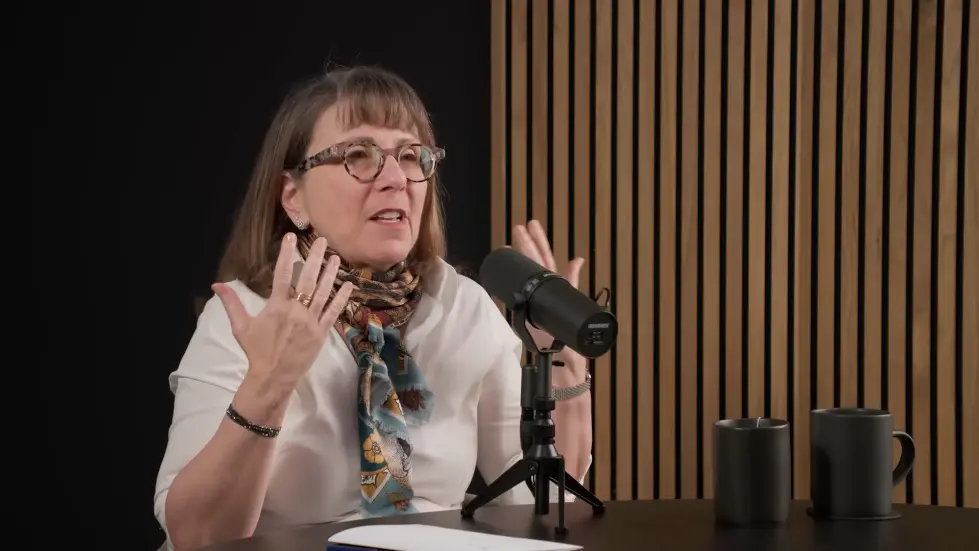
The Brain as a Guessing Machine
- The brain is a guessing machine that makes plans for changing the internal state of the body.
- The brain reinstates bits and pieces of past experience to make decisions about the present.
- The brain creates categories of possible futures and outcomes.
- The brain knows which plan is the right one by comparing it to other possible plans.
- The brain is constantly narrowing down its categories based on context and new information.

The Brain as a Continuous Category Constructor
- The brain is a continuous category constructor that constructs categories of possible futures and outcomes.
- The brain is constantly updating its categories based on new information and experiences.
- The brain is not just picking one plan, but rather constructing a category of possible plans.
- The brain is constantly narrowing down its categories based on context and new information.
- The brain is a continuous process of constructing and updating categories.
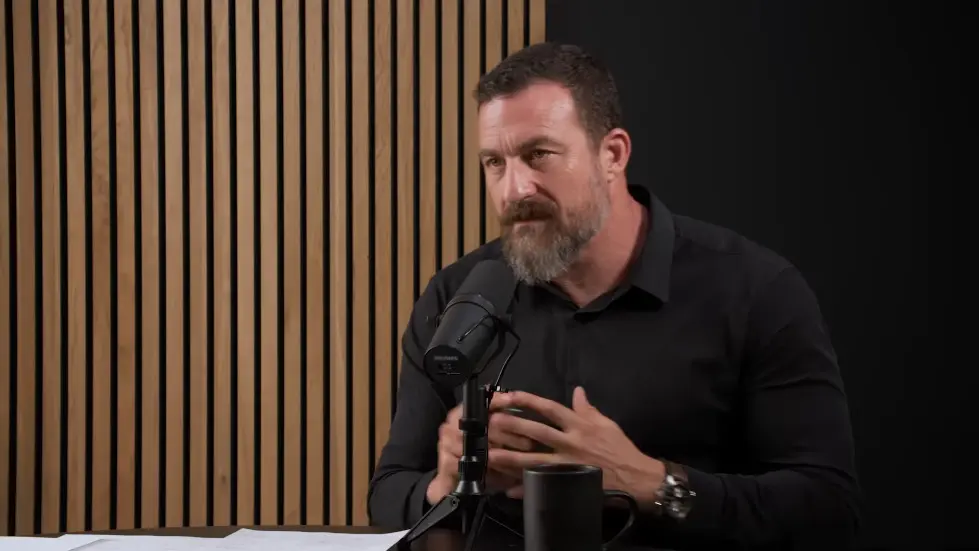
The Brain as a Trapped Box
- The brain is trapped in a dark, silent box called the skull.
- The brain receives signals continuously from the sensory surfaces of the body.
- The brain doesn't know the causes of those signals, it only knows the outcomes.
- The brain has to guess at what the causes of those signals are in order to stay alive.
- The brain is constantly constructing categories of possible futures and outcomes.
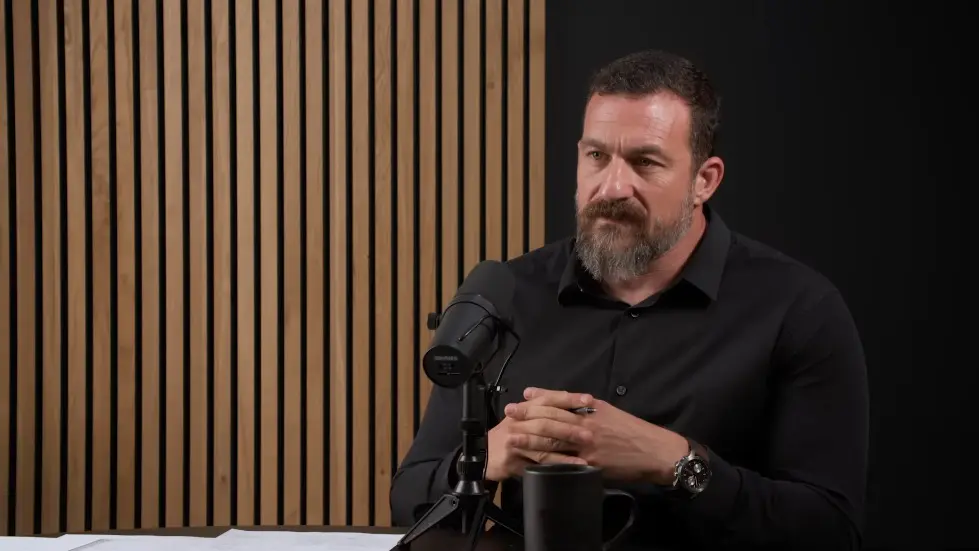
The Brain's Attempt to Reduce Uncertainty
- The brain attempts to reduce uncertainty because uncertainty is expensive.
- The brain deals with uncertainty by creating categories.
- Some brains are wired in a way that they don't predict very well.
- The goal is to reduce uncertainty.
- The brain is constantly sorting out signals and narrowing down possibilities.

The Brain's Decision-Making Process
- The brain makes decisions about similarity by comparing features.
- The brain sorts out signals dynamically over time.
- The brain uses selection mechanisms to guess better.
- The signals coming from the world also help select the right possibility.
- The brain is constantly sorting out possibilities and narrowing them down.

The Importance of Context in Decision-Making
- Context is important in decision-making because it affects how the brain makes decisions.
- The brain is constantly sorting out signals and narrowing down possibilities based on context.
- The brain uses selection mechanisms to guess better based on context.
- The signals coming from the world also help select the right possibility based on context.
- The brain is constantly sorting out possibilities and narrowing them down based on context.

The Evolution of Signals Over Time
- The signals that hit the sensory surfaces of the body are constantly evolving over time.
- The intrinsic signals in the brain are also constantly evolving over time.
- The brain is constantly sorting out signals and narrowing down possibilities over time.
- The brain uses selection mechanisms to guess better over time.
- The signals coming from the world also help select the right possibility over time.
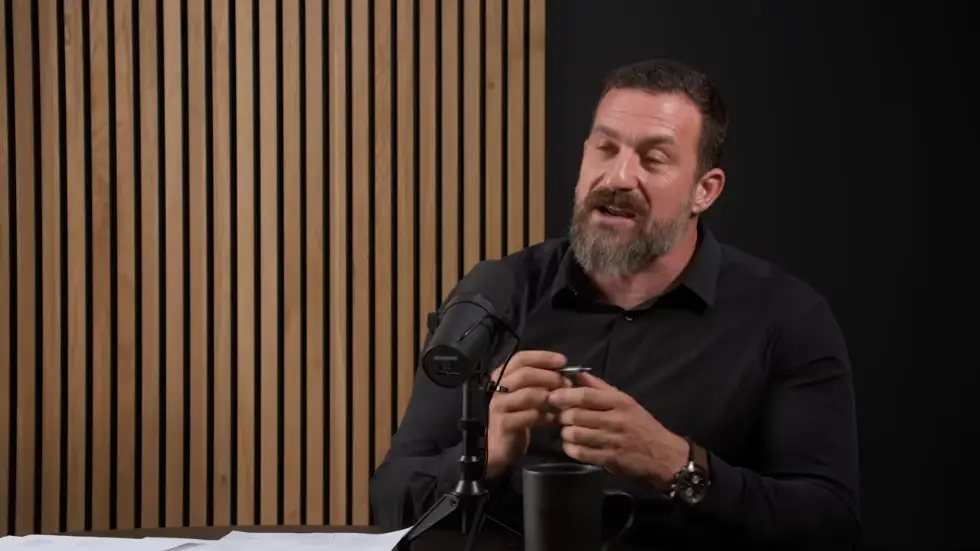
Section 1: Signals and Noise
- The brain is constantly making signal noise.
- Distinctions between signals and noise are important.
- Humans use eye gaze to cue each other about signals and noise.
- We learn and queue each other to distinguish signals from noise.
- We teach children to distinguish signals from noise.

Section 2: Signal Processing
- The brain is a signal processor.
- The brain assembles a set of features from sensory surfaces.
- The brain compresses the dimensionality of the sensory surfaces.
- The brain reduces the dimensionality of the sensory surfaces as information is passed along the cortex.
- The brain uses hierarchies to reduce the dimensionality of the sensory surfaces.

Section 3: Emotions and Signals
- Emotions are not fixed or predetermined.
- Emotions are shaped by our experiences and thoughts.
- Emotions are signals that the brain processes.
- Emotions are not just electrical signals, but also hormonal signals.
- Emotions are complex and involve many different features.
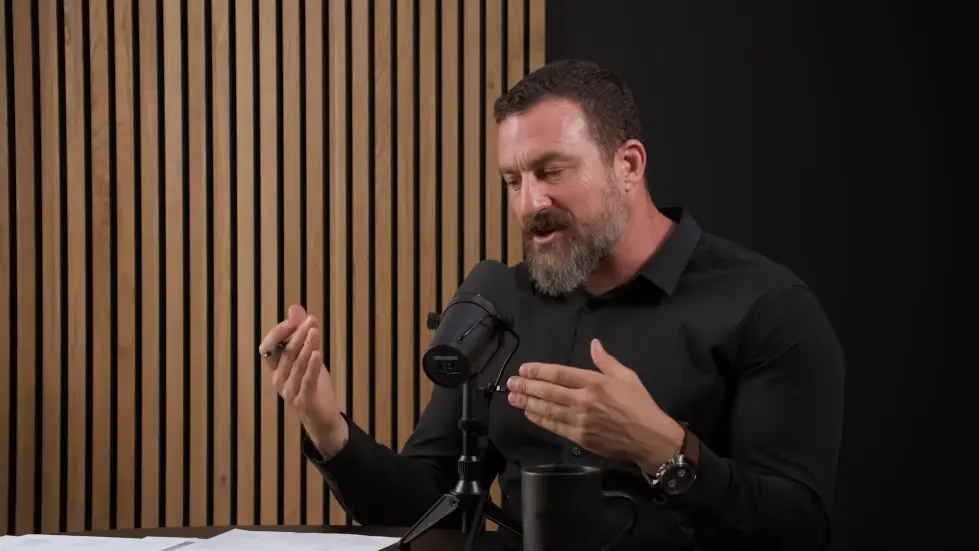
Section 4: Emotional Regulation
- Understanding the psychological underpinnings of emotions is important.
- Regulating emotions effectively is practical and informative.
- Practical tools for understanding and navigating emotional states are available.
- Humans use eye gaze to cue each other about emotional states.
- We can learn and queue each other to regulate emotions effectively.
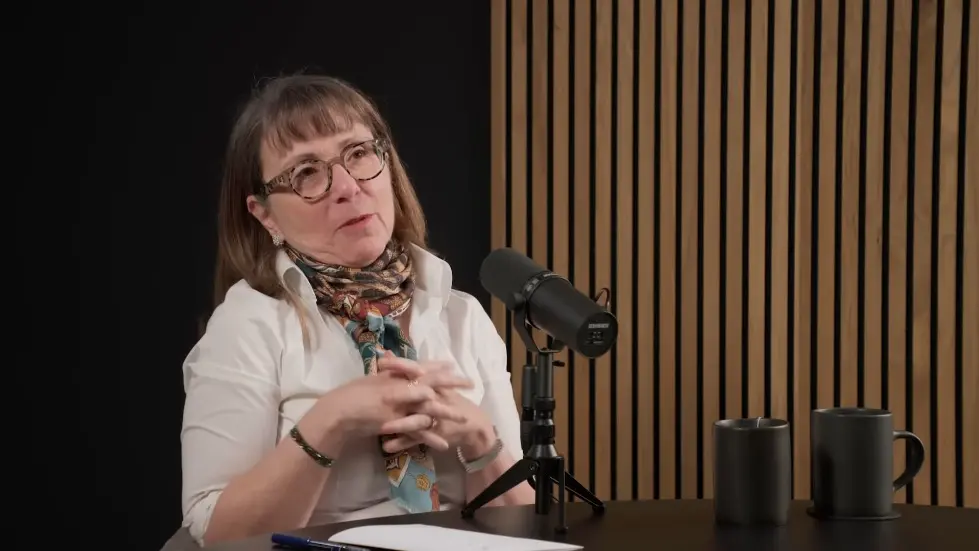
The Nervous System and Emotions
- The nervous system is responsible for processing sensory information and generating motor responses.
- Emotions are represented as multimodal summaries of sensory and motor information.
- These summaries are coarser and more abstract than the original sensory or motor information.
- Emotions are not fixed or predetermined, but rather are shaped by our experiences and thoughts.
- Understanding the psychological underpinnings of emotions is important for regulating them effectively.
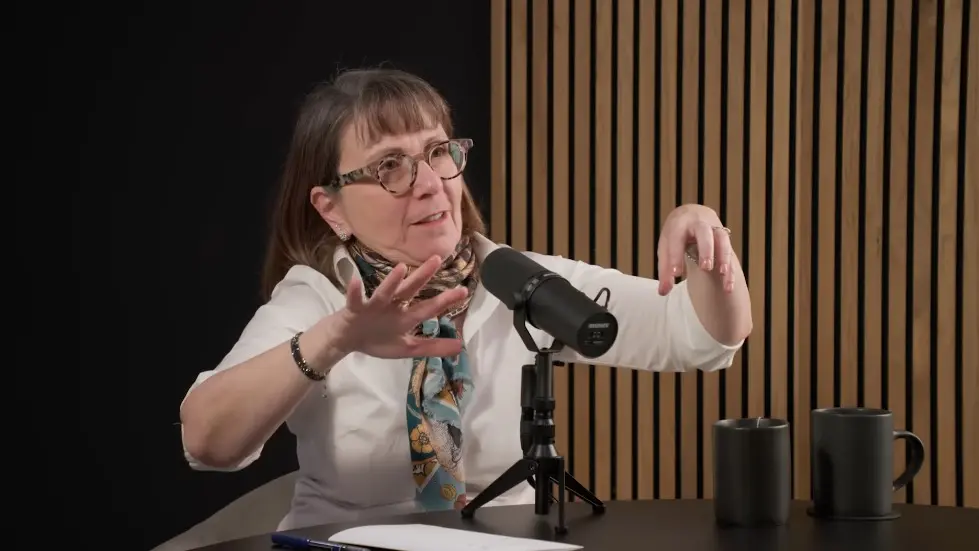
The Importance of Summaries in Understanding Emotions
- Summaries are important for understanding the nervous system and emotions.
- Summaries are multimodal abstractions that represent emotions as broad bins.
- Summaries are highly constrained by developmental and cultural experience.
- Summaries are not fixed or predetermined, but rather are shaped by our experiences and thoughts.
- Summaries are a crucial component of our experience of emotions.
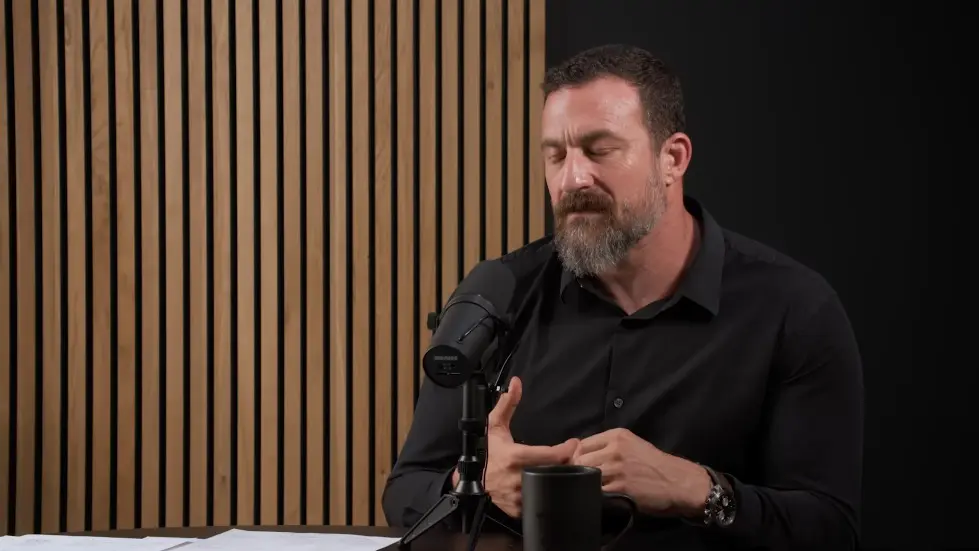
The Role of Developmental and Cultural Experience in Shaping Emotions
- Developmental and cultural experience shape the way we perceive and interpret emotions.
- Developmental and cultural experience add dimensionality to emotions.
- Language is a crude descriptor for the neural process of emotions.
- Emotions are not fixed or predetermined, but rather are shaped by our experiences and thoughts.
- Understanding the psychological underpinnings of emotions is important for regulating them effectively.

The Concept of Emotional Granularity
- Emotional granularity refers to the level of detail and specificity in our emotional experiences.
- Emotional granularity is an important concept for understanding emotions.
- Emotional granularity is not fixed or predetermined, but rather is shaped by our experiences and thoughts.
- Emotional granularity is a crucial component of our experience of emotions.
- Understanding the psychological underpinnings of emotions is important for regulating them effectively.

The Brain's Categorization Process
- The brain constructs categories to understand emotions.
- The size of the categories can vary depending on the feature of equivalence used.
- The brain needs to make categories that are more fine-grained but not super fine-grained.
- The brain constructs entire worlds of options based on the categories it creates.
- The brain's categorization process is not a fixed or predetermined phenomenon.

Emotional States as Categories of Possible Futures
- The brain creates categories of possible futures based on emotional states.
- The state of an emotional experience is largely determined by the brain's memory and what it is drawing from.
- The brain samples from a huge library of options to create emotional states.
- Emotional intelligence involves understanding this process and working with it.
- The brain's categorization process is not a fixed or predetermined phenomenon.

The Plasticity of Emotional Categories
- The brain's emotional categories are not fixed or predetermined.
- The brain can create new emotional categories based on new experiences.
- The brain's emotional categories can be influenced by cultural differences.
- The brain's emotional categories can be influenced by individual differences.
- The brain's emotional categories can be influenced by the brain's memory and what it is drawing from.
You have read 50% of the summary.
To read the other half, please enter your Name and Email. It's FREE.
You can unsubscribe anytime. By entering your email you agree to our Terms & Conditions and Privacy Policy.
Watch the video on YouTube:
Dr. Lisa Feldman Barrett: How to Understand Emotions | Huberman Lab Podcast - YouTube
Related summaries of videos:
- Andrew Huberman: Mental Health Toolkit - Tools to Bolster Your Mood and Mental Health
- Dr. Michael Eisenberg and Dr. Andrew Huberman: Improving Male Sexual Health, Function and Fertility
- Dr. Natalie Crawford and Dr. Andrew Huberman: Female Hormone Health, Fertility and Vitality
- Andrew Huberman: A Science-Supported Journaling Protocol to Improve Mental and Physical Health
- Dr. Adam Grant and Dr. Andrew Huberman: How to Unlock Your Potential, Motivation and Unique Abilities
- Dr. Andrew Huberman: AMA #13: Winter Months and Sickness, Wim Hof Breathing and Stressors
- Robert Greene and Andrew Huberman: A Process for Finding and Achieving Your Unique Purpose
- Dr. Karen Parker and Dr. Andrew Huberman: The Causes and Treatments for Autism
- Dr. Robert Lustig and Dr. Andrew Huberman: How Sugar and Processed Foods Impact Your Health
- Rick Rubin and Andrew Huberman: Protocols to Access Creative Energy and Process
- Home
- About us
- Contact
- Book Summaries 0-9
- Book Summaries A
- Book Summaries B
- Book Summaries C
- Book Summaries D
- Book Summaries E
- Book Summaries F
- Book Summaries G
- Book Summaries H
- Book Summaries I
- Book Summaries J
- Book Summaries K
- Book Summaries L
- Book Summaries M
- Book Summaries N
- Book Summaries O
- Book Summaries P
- Book Summaries Q
- Book Summaries R
- Book Summaries S
- Book Summaries T
- Book Summaries U
- Book Summaries V
- Book Summaries W
- Book Summaries X
- Book Summaries Y
- Book Summaries Z
- Jay Shetty Podcast - Summaries
- Tom Bilyeu Impact Theory - Summaries
- Lex Fridman - Summaries
- Diary of a CEO - Summaries
- Alex Hormozi - Summaries
