
Maajid Nawaz and Jordan Peterson: In Response to Netanyahu
Last updated: Nov 2, 2023
The video is about Jordan Peterson's interview with Maajid Nawaz, a British anti-extremist political commentator and podcast host. They discuss topics such as polarization, the role of language in promoting change, and the idea system as a false religion. Peterson also talks about his own experiences with censorship and the importance of accepting oneself just the way they are. The video is from Peterson's YouTube channel, where he conducts interviews with guests on a variety of topics.
This video by Jordan B Peterson was published on Mar 6, 2023.
Video length: 01:40:05.
The video is an interview with Maajid Nawaz, a British anti-extremist political commentator and podcast host, on the podcast of Jordan Peterson.
The interview is about the polarization of ideas and how it can lead to a catastrophe. The video discusses how the web of ideas can operate in a distributed manner and how it can be used to promote certain ends. The video also touches on the idea of idols and false religions.
The interview is a continuation of a previous conversation between Peterson and Nawaz, and they discuss their views on various topics such as the situation in Palestine and the COVID-19 pandemic.
- Jordan Peterson believes that people should accept themselves just the way they are.
- He argues that this acceptance is important for personal growth and development.
- Peterson believes that people should not try to change themselves to fit into a certain mold or ideal.
- He argues that this can lead to a lack of self-acceptance and a sense of inadequacy.
- Peterson believes that people should embrace their unique qualities and strengths.
- Jordan Peterson believes that polarization is a method for change used by extremist groups.
- He argues that this method is harmful and can lead to division and conflict.
- Peterson believes that people should be careful not to fall into the trap of polarization.
- He argues that people should strive for understanding and compromise instead.
- Peterson believes that people should be open to different perspectives and ideas.
- Jordan Peterson believes that language is a powerful tool for shaping our beliefs and ideas.
- He argues that language can be used to promote change or to maintain the status quo.
- Peterson believes that people should be careful with the language they use.
- He argues that language can be used to divide and polarize people.
- Peterson believes that people should strive for clarity and precision in their language use.
- Jordan Peterson believes that ideology can be seen as a false religion.
- He argues that ideology is a set of beliefs and values that are not grounded in reality.
- Peterson believes that people should be wary of ideology and its influence on society.
- He argues that ideology can be used to manipulate and control people.
- Peterson believes that people should strive for a more balanced and nuanced understanding of the world.
- Jordan Peterson and Maajid Nawaz discuss topics such as polarization, the role of language in promoting change, and the idea system as a false religion.
- Peterson talks about his own experiences with censorship and the importance of accepting oneself just the way they are.
- The video is from Peterson's YouTube channel, where he conducts interviews with guests on a variety of topics.
- Peterson first met Nawaz when he was touring with Sam Harris and Nawaz was beginning his dialogues.
- Peterson and Nawaz had a lovely conversation in London, where they discussed the Abraham Accords and the Israel-Palestine situation.
- Peterson has been corresponding with Nawaz for the last couple of months, trying to set up this interview.
- Peterson was very ill for a good while, from 2000 to 2018, and was out of commission for about three years.
- When he started to spring back to life, he was alerted to the emerging fact of the Abraham Accords and was struck by how much it was downplayed in the Legacy press and by the Democrats that he was working with.
- Peterson believes that the Abraham Accords have the potential to be an extraordinary significant advance in an area that has been characterized by very little peace for a very long time.
- Peterson is of the opinion that the Abraham Accords look like an Avenue to something approximating peace in an area that has been characterized by very little peace for a very long time.
- He believes that the process by which the Abraham Accords were negotiated with a number of the people who were directly involved, including the former Israel ambassador to the U.S and the American ambassador to Israel, is something he is interested in.
- Peterson raised the topic of the Abraham Accords before he was canceled on his previous show, LBC, and was canceled for raising covid mandates.
In Response to Netanyahu | Maajid Nawaz | EP 337 - YouTube
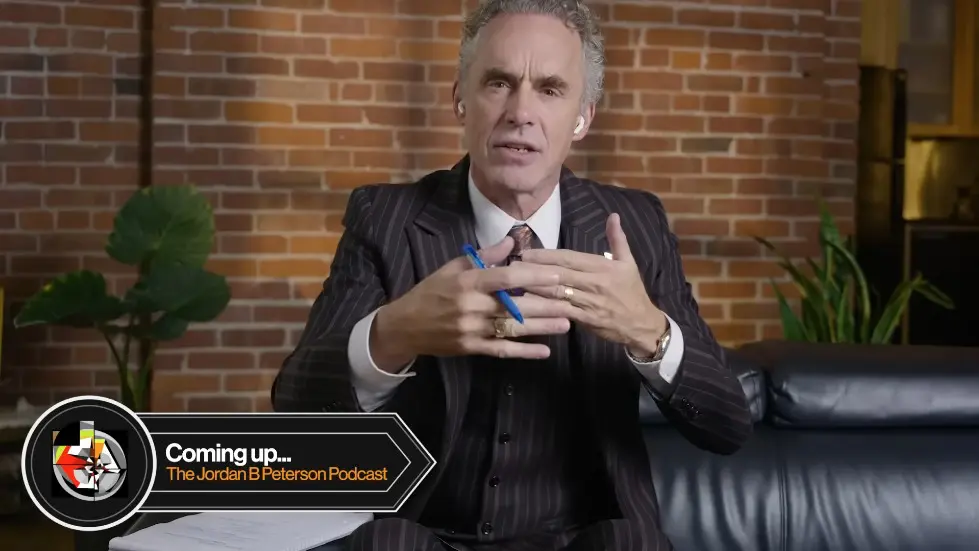
Section 1: Accepting Yourself
- Jordan Peterson believes that people should accept themselves just the way they are.
- He argues that this acceptance is important for personal growth and development.
- Peterson believes that people should not try to change themselves to fit into a certain mold or ideal.
- He argues that this can lead to a lack of self-acceptance and a sense of inadequacy.
- Peterson believes that people should embrace their unique qualities and strengths.
Section 2: Polarization
- Jordan Peterson believes that polarization is a method for change used by extremist groups.
- He argues that this method is harmful and can lead to division and conflict.
- Peterson believes that people should be careful not to fall into the trap of polarization.
- He argues that people should strive for understanding and compromise instead.
- Peterson believes that people should be open to different perspectives and ideas.
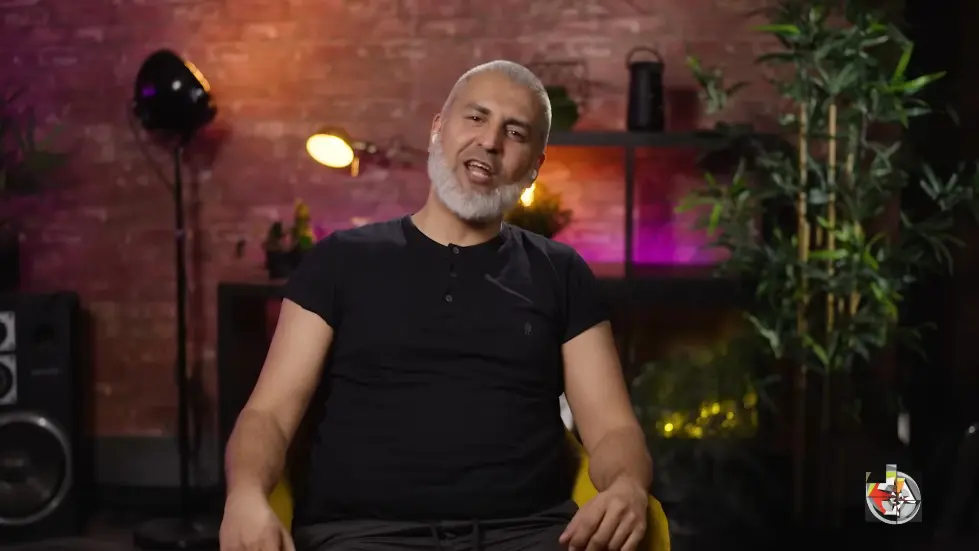
Section 3: Language and Ideology
- Jordan Peterson believes that language is a powerful tool for shaping our beliefs and ideas.
- He argues that language can be used to promote change or to maintain the status quo.
- Peterson believes that people should be careful with the language they use.
- He argues that language can be used to divide and polarize people.
- Peterson believes that people should strive for clarity and precision in their language use.
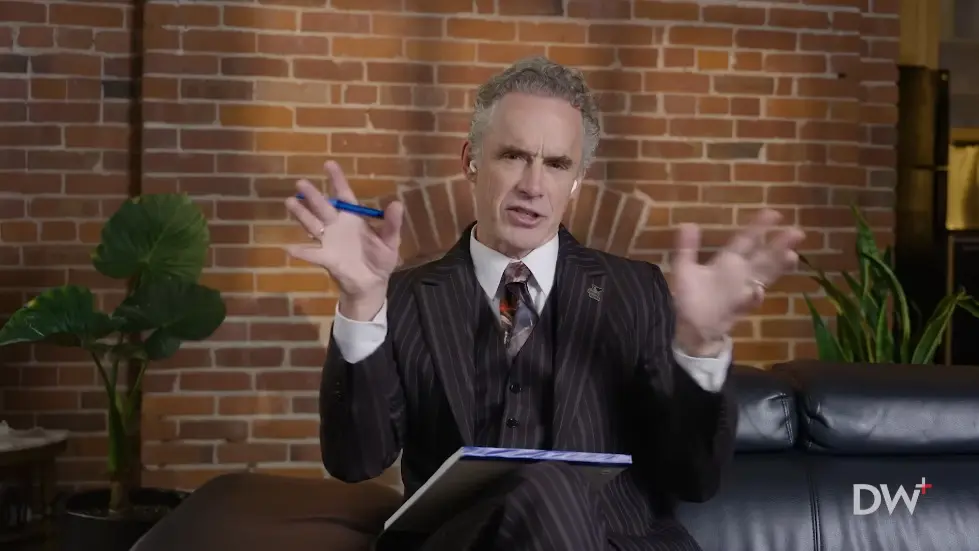
In Response to Netanyahu | Maajid Nawaz | EP 337 - YouTube
Section 4: Ideology as a False Religion
- Jordan Peterson believes that ideology can be seen as a false religion.
- He argues that ideology is a set of beliefs and values that are not grounded in reality.
- Peterson believes that people should be wary of ideology and its influence on society.
- He argues that ideology can be used to manipulate and control people.
- Peterson believes that people should strive for a more balanced and nuanced understanding of the world.
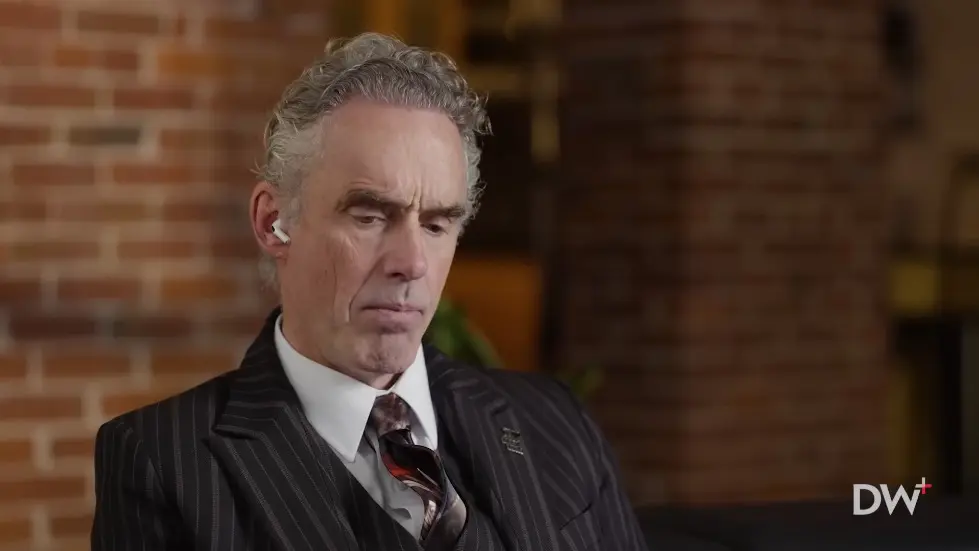
Introduction
- Jordan Peterson and Maajid Nawaz discuss topics such as polarization, the role of language in promoting change, and the idea system as a false religion.
- Peterson talks about his own experiences with censorship and the importance of accepting oneself just the way they are.
- The video is from Peterson's YouTube channel, where he conducts interviews with guests on a variety of topics.
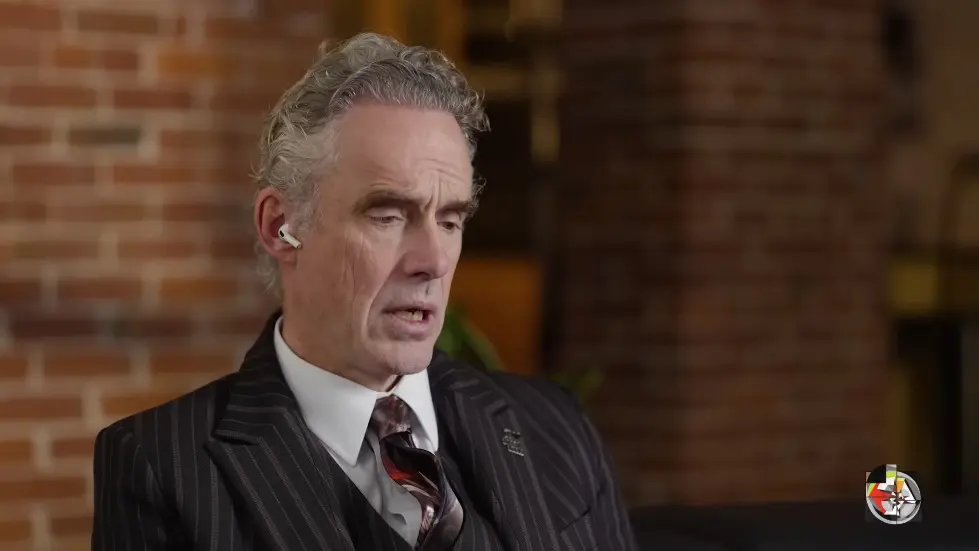
Jordan Peterson's Background
- Peterson first met Nawaz when he was touring with Sam Harris and Nawaz was beginning his dialogues.
- Peterson and Nawaz had a lovely conversation in London, where they discussed the Abraham Accords and the Israel-Palestine situation.
- Peterson has been corresponding with Nawaz for the last couple of months, trying to set up this interview.

Abraham Accords and the Israel-Palestine Situation
- Peterson was very ill for a good while, from 2000 to 2018, and was out of commission for about three years.
- When he started to spring back to life, he was alerted to the emerging fact of the Abraham Accords and was struck by how much it was downplayed in the Legacy press and by the Democrats that he was working with.
- Peterson believes that the Abraham Accords have the potential to be an extraordinary significant advance in an area that has been characterized by very little peace for a very long time.
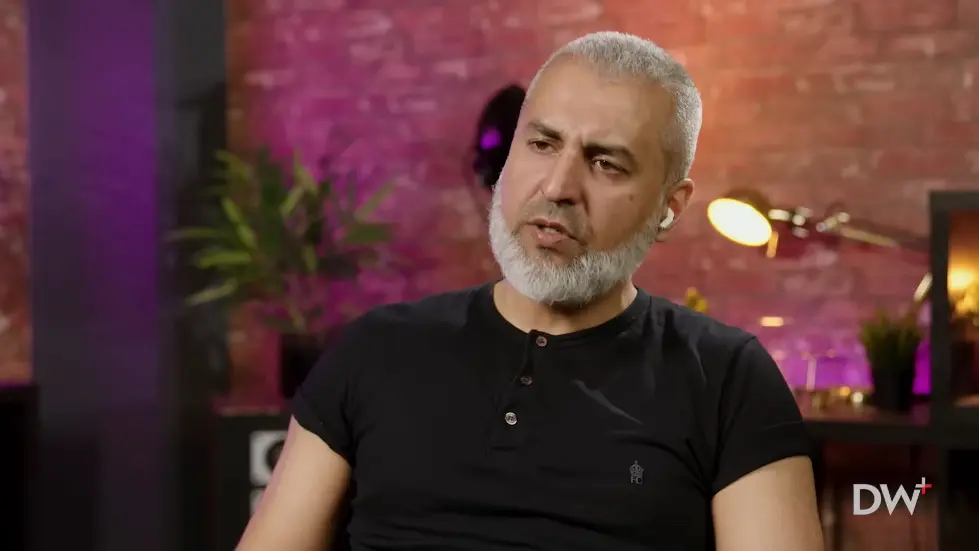
Jordan Peterson's Views on the Abraham Accords
- Peterson is of the opinion that the Abraham Accords look like an Avenue to something approximating peace in an area that has been characterized by very little peace for a very long time.
- He believes that the process by which the Abraham Accords were negotiated with a number of the people who were directly involved, including the former Israel ambassador to the U.S and the American ambassador to Israel, is something he is interested in.
- Peterson raised the topic of the Abraham Accords before he was canceled on his previous show, LBC, and was canceled for raising covid mandates.
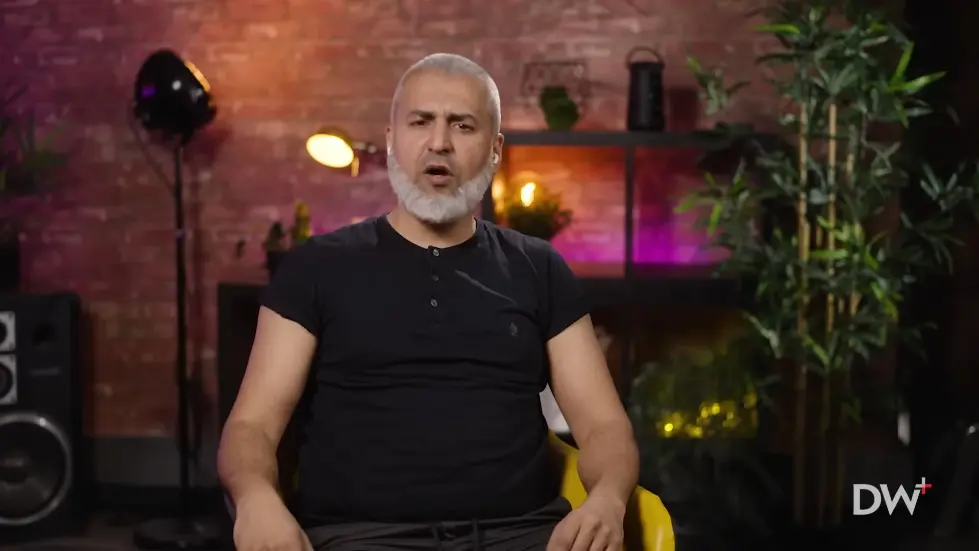
Jordan Peterson's Interview with Maajid Nawaz
- Jordan Peterson interviews Maajid Nawaz, a British anti-extremist political commentator and podcast host.
- They discuss topics such as polarization, the role of language in promoting change, and the idea system as a false religion.
- Peterson talks about his own experiences with censorship and the importance of accepting oneself just the way they are.
- Peterson believes that peace must be embraced regardless of power dynamics and that it should be presented as if all parties are equals.
- He advocates for giving peace a chance and believes that language can bring people closer together if it is not stigmatizing.
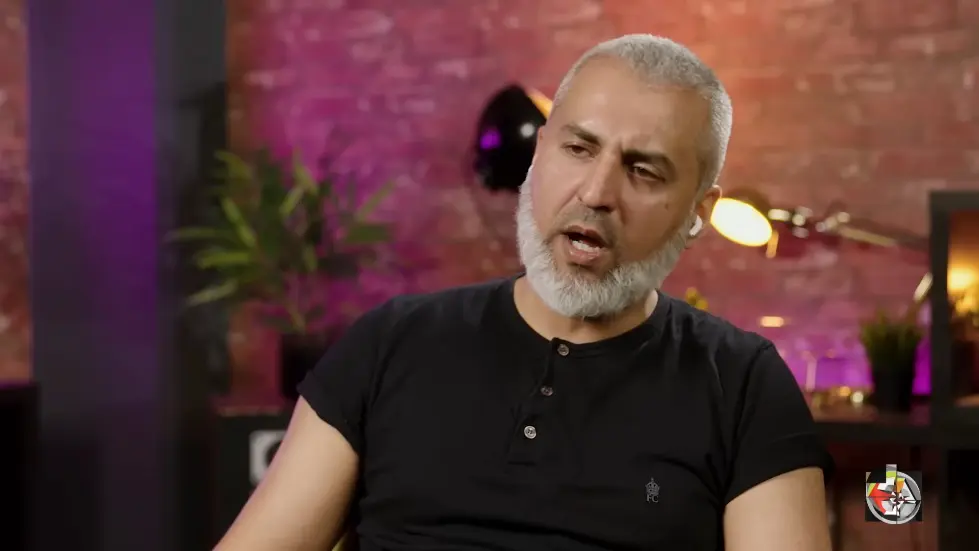
The Role of Language in Promoting Change
- Jordan Peterson discusses the role of language in promoting change.
- He believes that language can create feelings in people that reserve and receive those words.
- When we speak in certain terms that exclude one key element of the conversation, it can lead to feelings of exclusion and separation.
- Peterson believes that understanding the history and heritage of different cultures can help us find common ground and avoid exclusionary language.
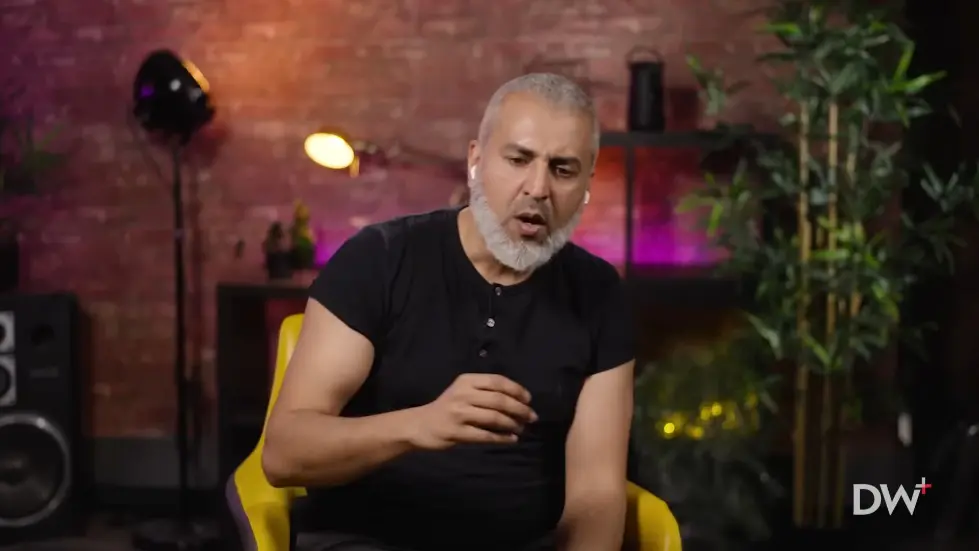
The Abrahamic Civilization
- Jordan Peterson discusses the concept of the Abrahamic civilization.
- He believes that this civilization is more inclusive than other civilizations, such as the Judeo-Christian civilization.
- Peterson argues that the Judeo-Christian civilization is a deliberate amputation of a limb that does not include Muslims within the conversation.
- He believes that the Abrahamic civilization is a more inclusive and diverse civilization that can bring people together.
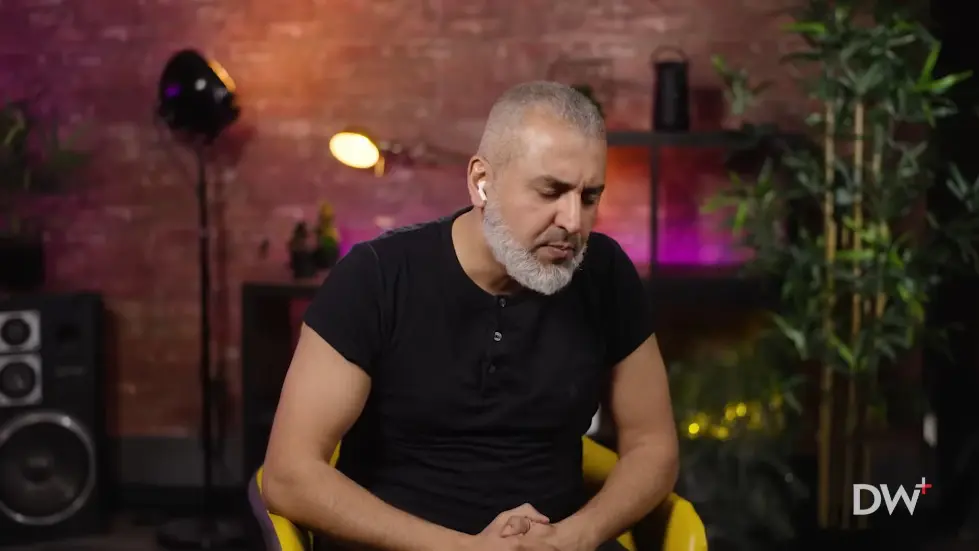
The Palestinian-Israeli Conflict
- Jordan Peterson discusses the Palestinian-Israeli conflict.
- He believes that the attempt to erase the existence of Palestinians is exclusionary language that does not aid the spirit of the Abraham Accords.
- Peterson acknowledges that the term "Palestinian" in our language is a modernist term, but he believes that we must acknowledge the identity of the Arab people in the area.
- He argues that we need to have a conversation that acknowledges the identity of the Arab people in the area in order to find a solution to the conflict.
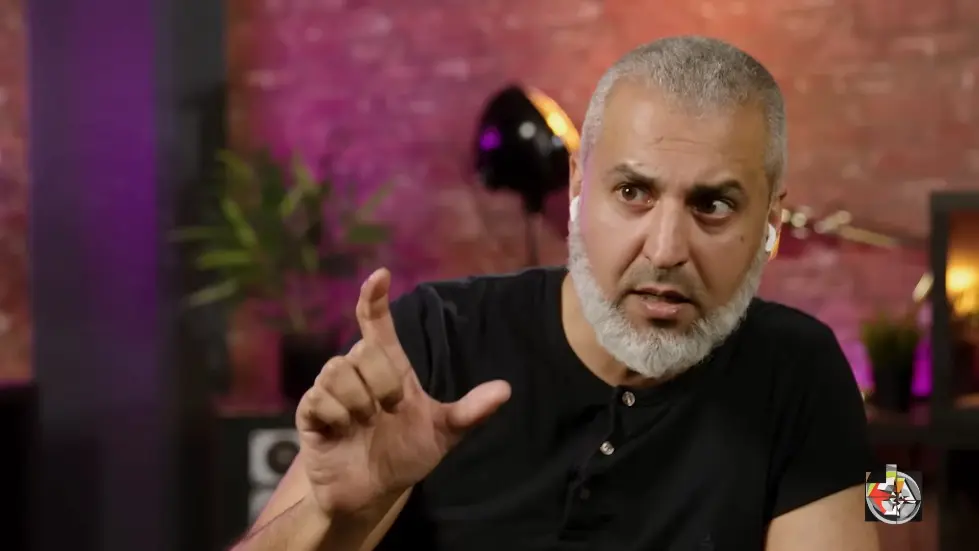
The Importance of Accepting Oneself
- Jordan Peterson discusses the importance of accepting oneself just the way they are.
- He believes that we should not try to change who we are, but rather embrace our unique qualities and strengths.
- Peterson argues that we should not try to fit into a mold or conform to societal expectations.
- He believes that accepting oneself is essential for personal growth and happiness.
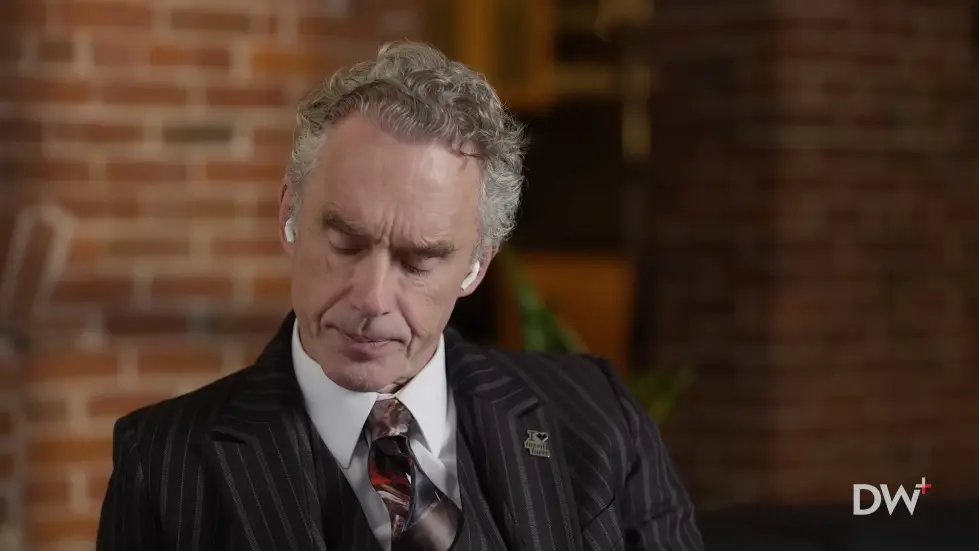
Jordan Peterson's Interview with Maajid Nawaz
- Jordan Peterson discusses his work with regards to the elucidation of the meaning of Genesis and its attraction to Muslims.
- He talks about his podcasts with Muslim thinkers across the spectrum of Muslim thought.
- Peterson acknowledges his ignorance in relationship to his understanding of Islamic culture.
- He discusses the complexity of the situation in Jerusalem and the ongoing conflict in the Middle East.
- Peterson sympathizes with the notion that the notion of judeo-christian culture is exclusionary.
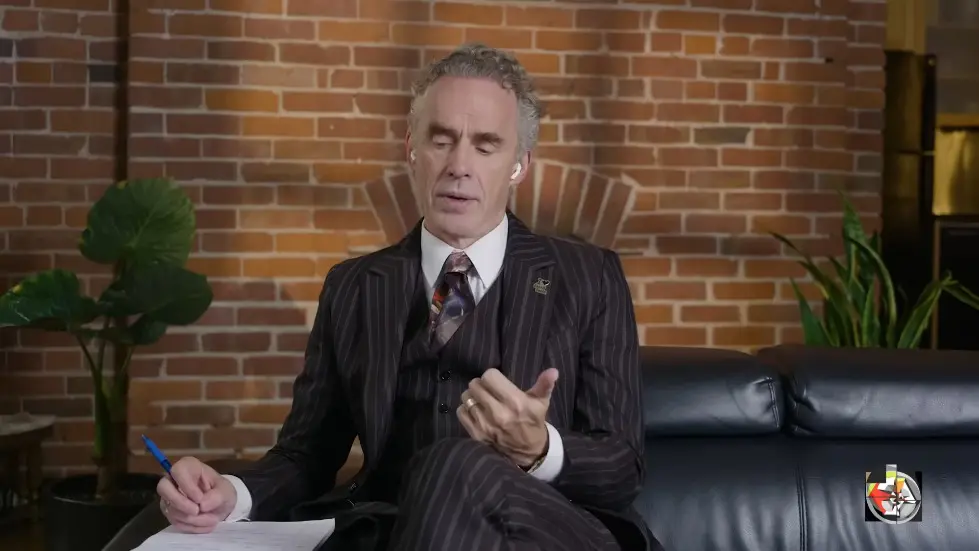
The Role of Language in Promoting Change
- The conversation between Jordan Peterson and Maajid Nawaz is about the role of language in promoting change.
- The conversation is about the assumption that the central civilizing tenancy in the West is only Judeo-Christian.
- The conversation is about the potential problems that come with this assumption.
- The conversation is about the role of language in promoting change.
- The conversation is about the importance of accepting oneself just the way they are.
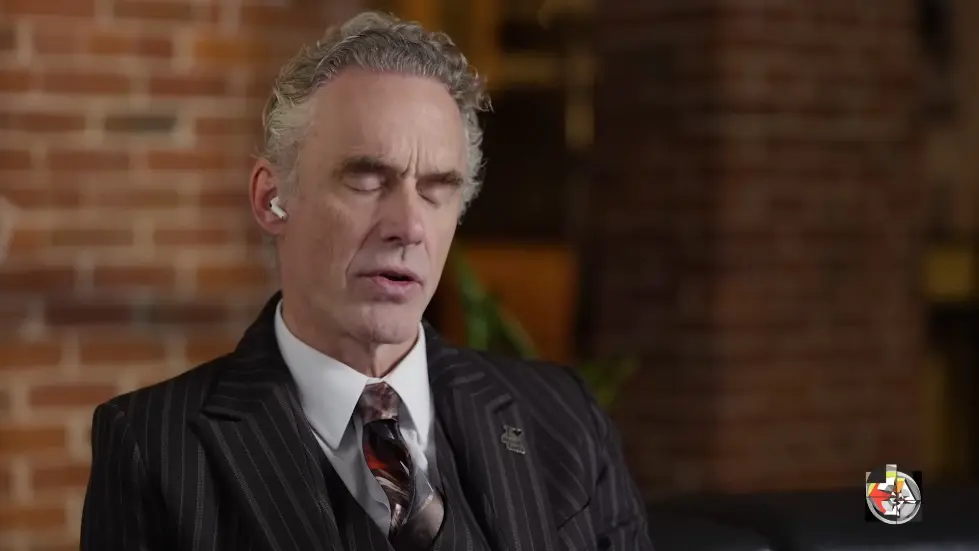
The Netanyahu Conversation with Regards to the Palestinians
- The conversation between Jordan Peterson and Maajid Nawaz is about the Netanyahu conversation with regards to the Palestinians.
- The conversation is about the erasure of the Palestinians and their role in the process.
- The conversation is about the impediments to the process.
- The conversation is about the Israeli claim for a variety of reasons.
- The conversation is about the consequences of the establishment of a Jewish state.
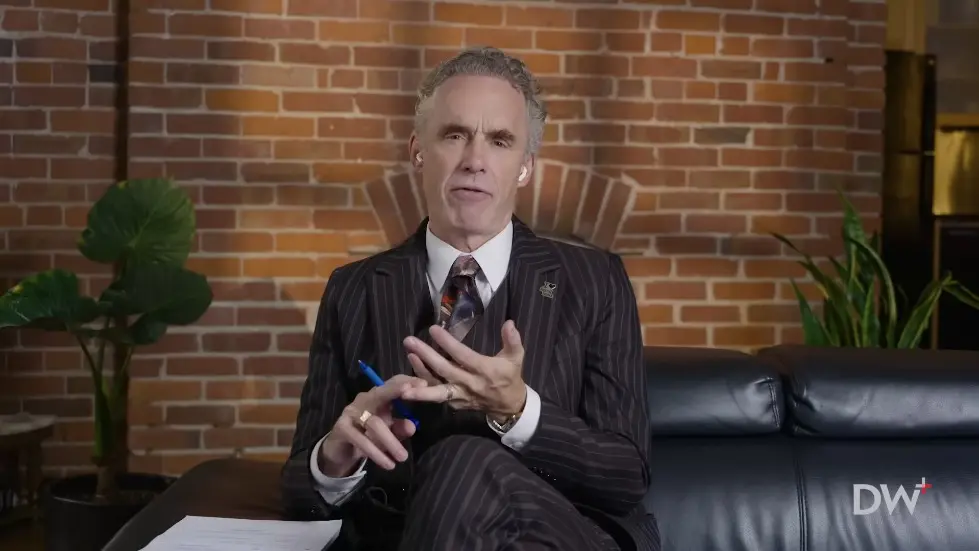
The Israeli Claim
- Jordan Peterson is sympathetic to the Israeli claim.
- The founder of Zionism observed a Dawning wave of vicious anti-Semitism in Europe.
- The West in the guise of the U.N decided that the establishment of a Jewish state was going to be all things considered something like uh a universal good.
- The establishment of that state has been incredibly problematic.
- The consequences of the establishment of a Jewish state are that there's a flourishing nation in that area now that is doing quite well economically and on the governance side.
The Palestinian Situation
- The Palestinian situation is still unaddressed and the catastrophes that are associated with that still playing themselves out.
- One thing that could be done is not to exclude the Palestinians linguistically or practically.
- It's pretty damn convenient for people who are anti-Israel in the most fundamental sense to keep the Palestinian conflict raging for their own particular narrow self-interest.
- The bloody state department has insisted for the last 70 years that there's no possibility whatsoever of moving even incrementally towards peace in the Middle East without a full solution to the Palestinian problem.
- Jordan Peterson would much rather see the Muslims and the Jews and the Christians armed together on the monotheistic front.

Jordan Peterson's Interview with Maajid Nawaz
- Jordan Peterson is a Canadian clinical psychologist and professor of psychology at the University of Toronto.
- Maajid Nawaz is a British anti-extremist political commentator and podcast host.
- The two discuss topics such as polarization, the role of language in promoting change, and the idea system as a false religion.
- Peterson talks about his own experiences with censorship and the importance of accepting oneself just the way they are.
- The video is from Peterson's YouTube channel, where he conducts interviews with guests on a variety of topics.
Jordan Peterson's Interview with Maajid Nawaz
- Jordan Peterson discusses his background and experiences with censorship.
- He talks about the importance of accepting oneself just the way they are.
- Peterson discusses the role of language in promoting change.
- He talks about the idea system as a false religion.
- Peterson discusses his own experiences with censorship and the importance of accepting oneself just the way they are.

Polarization and Language
- Jordan Peterson discusses the role of language in promoting change.
- He talks about the importance of using language that reflects one's intention.
- Peterson discusses the idea that there are vested interests on both sides of a conflict.
- He talks about the idea of dialectical materialism and how it is used to create conflict.
- Peterson discusses the idea that only conflict advances civilization.

One World Government Summit
- Jordan Peterson discusses the One World Government Summit and the speakers.
- He talks about the idea that shocks to the planet are required to bring about change.
- Peterson discusses the idea that only conflict advances civilization.
- He talks about the idea that only conflict can come in many forms.
- Peterson discusses the idea that the great reset is pursuing.
Israeli Side of the Debate
- Jordan Peterson discusses the Israeli government's methodology on the Israeli side of the debate.
- He talks about the idea that Pfizer is a major culprit with the Israeli government.
- Peterson discusses the idea that the Israeli government is trying to bring about the conditions in which people can't eat because they can't buy food.
- He talks about the idea that the Israeli government is trying to bring about the carbon targets.
- Peterson discusses the idea that the Israeli government is trying to bring about the great reset.
Canadian Side of the Debate
- Jordan Peterson discusses the Canadian side of the debate.
- He talks about the idea that the Canadian government is trying to bring about the conditions in which people can't eat because they can't buy food.
- Peterson discusses the idea that the Canadian government is trying to bring about the carbon targets.
- He talks about the idea that the Canadian government is trying to bring about the great reset.
- Peterson discusses the idea that the Canadian government is trying to bring about the conditions in which people can't eat because they can't buy food.
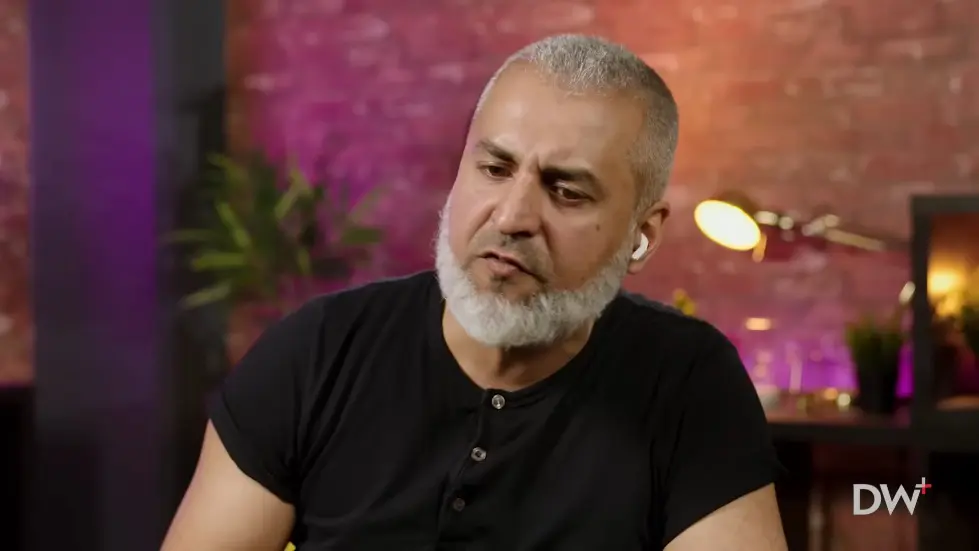
The Idea Network
- An idea network is a set of interconnected ideas that have an animating essence, reflected in the use of terms such as Zeitgeist.
- Styles of ideas move and shift over time, and people in different decades may not recognize their own appearance.
- People are imitating each other and striving for consensus, and are possessed by webs of ideas that happen to be old or new.
- The idea network is rooted in a corrupt Enlightenment and an envious spirit of Cain-like vengefulness that acts like a conspiracy.
- The idea network is a subset of dialectical materialism, and there are correlations between ideas that hang together as sets.
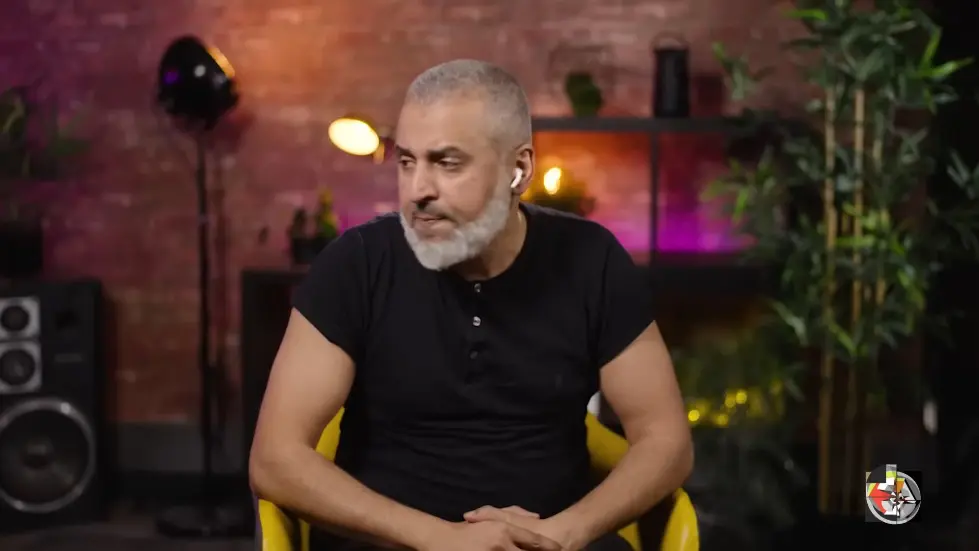
Politically Correct Ideas
- The first question was whether there was a coherent set of politically correct ideas that could be identified.
- The idea network is rooted in a corrupt Enlightenment and beyond that in an envious spirit of Cain-like vengefulness that acts like a conspiracy.
- The notion that there is a web of ideas that are part of this dialectical materialism that you described or that would be a subset of it that's clearly the case.
- The two sets of ideas that hung together were a kind of inclusive, compassionate liberalism and something more like an authoritarian political correctness.
- The biggest predictor of being possessed by the idea network was low verbal intelligence, followed by being female, having a feminine temperament, and having ever taken a course that was overtly propagandistic on the politically correct side.

Conspiracy
- People are imitating each other and striving for consensus, and are possessed by webs of ideas that happen to be old or new.
- The idea network is rooted in a corrupt Enlightenment and beyond that in an envious spirit of Cain-like vengefulness that acts like a conspiracy.
- The notion that there is a web of ideas that are part of this dialectical materialism that you described or that would be a subset of it that's clearly the case.
- The two sets of ideas that hung together were a kind of inclusive, compassionate liberalism and something more like an authoritarian political correctness.
- The biggest predictor of being possessed by the idea network was low verbal intelligence, followed by being female, having a feminine temperament, and having ever taken a course that was overtly propagandistic on the politically correct side.
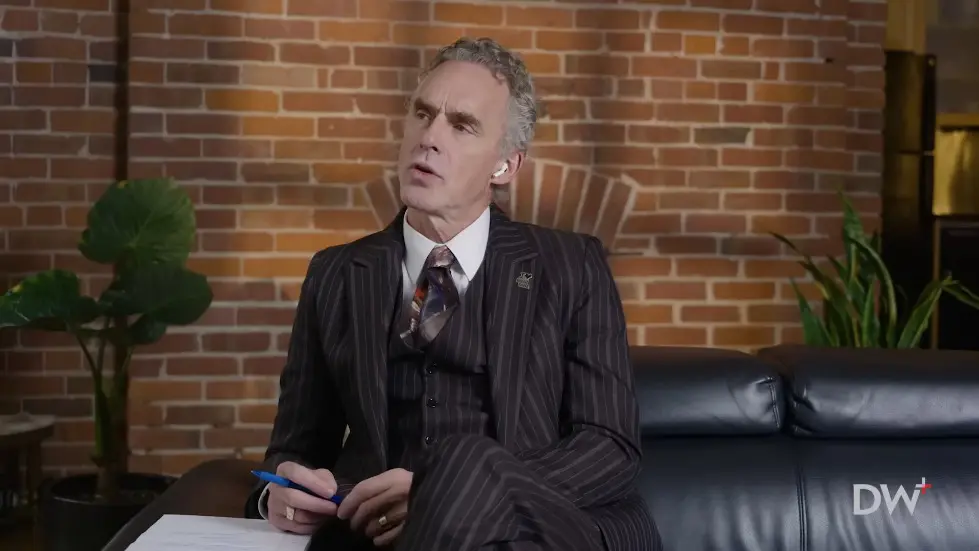
Predictors
- The biggest predictor of being possessed by the idea network was low verbal intelligence.
- The next predictor was being female.
- The final major predictor was having ever taken a course that was overtly propagandistic on the politically correct side.
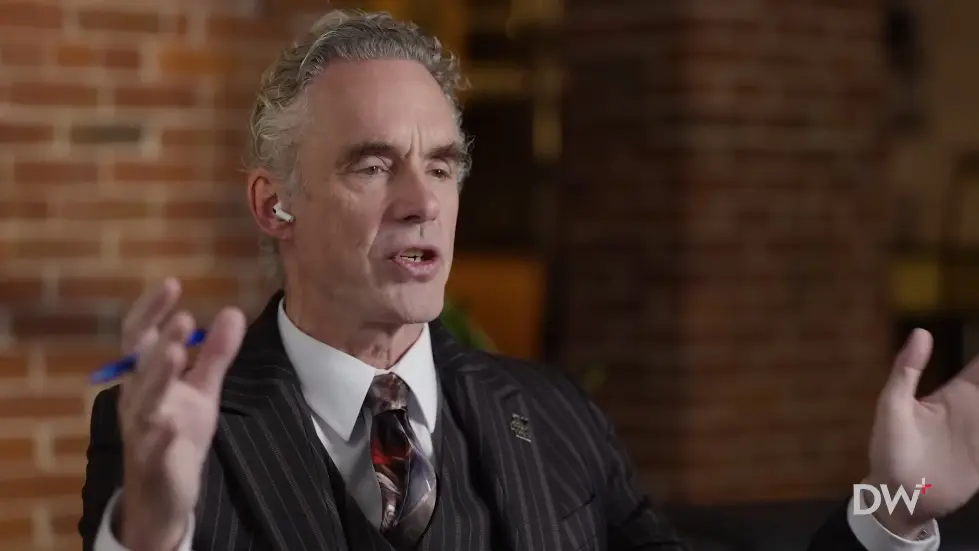
The Idea System
- The idea system is a set of beliefs and ideas that work together to promote a certain end.
- It can operate in a distributed manner, with individuals promoting the idea system in their own way.
- The idea system is a false religion, with its own set of idols and beliefs.
- The idea system is a fundamental element of the entire idea system.
- The idea system is a complex and multifaceted concept that requires a nuanced understanding.
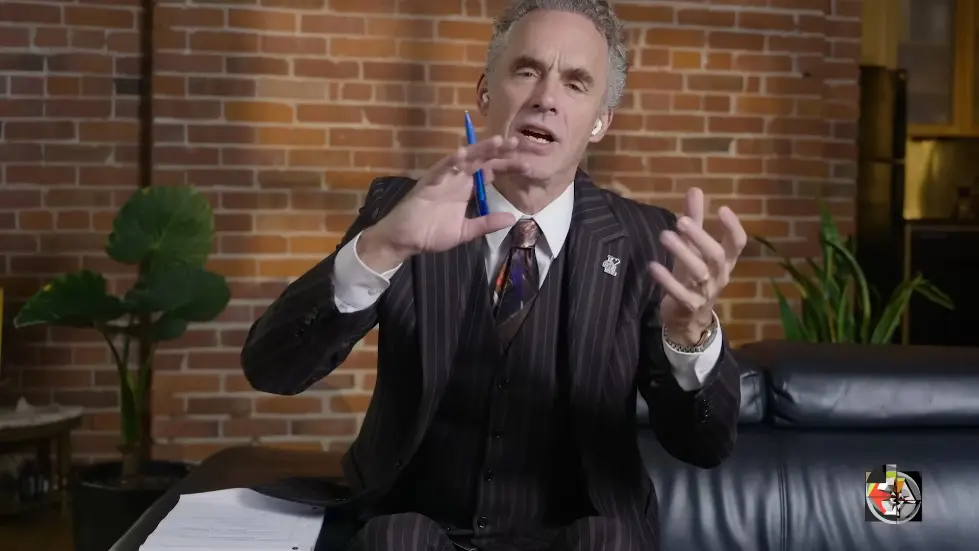
Dialectical Materialism
- Dialectical materialism is a political ideology that seeks to use political ideas for the purpose of bringing change.
- It is a reaction to the status quo and the belief that the status quo is actively harming society.
- The exploitation of conflict for a direction of travel is a key aspect of dialectical materialism.
- The ends justify the means is a belief held by those who engage in dialectical materialism.
- The problem with dialectical materialism is that it is often used to justify extreme and violent actions.
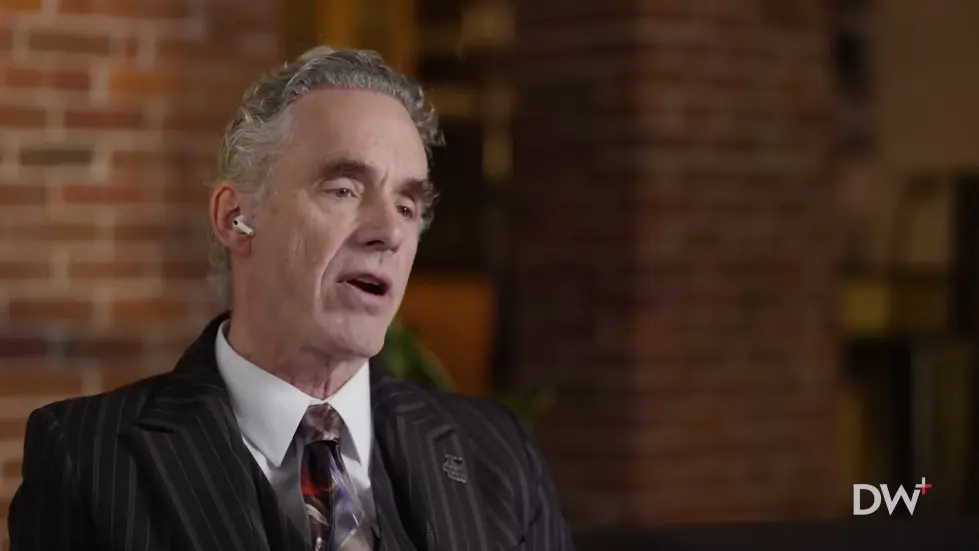
Woke Political Activism
- Woke political activism is a reaction to the power hegemony of the state and the belief that the ends justify the means.
- It is often used to justify extreme and violent actions.
- The vision of equality that woke political activism seeks is often based on a false understanding of the concept.
- The opposition to the status quo is often just as absurd as the status quo itself.
- The problem with woke political activism is that it is often used to justify extreme and violent actions.
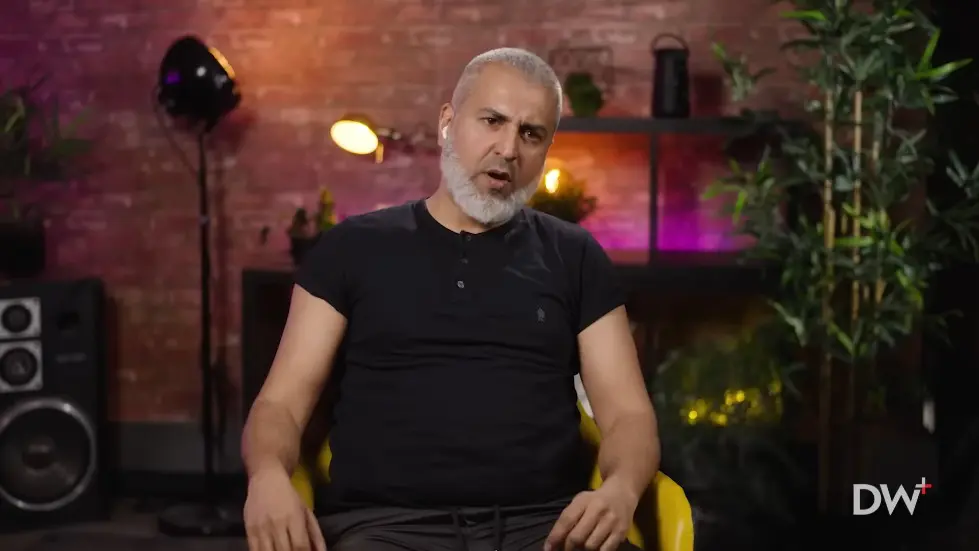
The Absurdity of Opposing the Status Quo
- The opposition to the status quo is often just as absurd as the status quo itself.
- The unbridled corporatism displayed by big pharmaceutical companies is an example of this absurdity.
- The problem with opposing the status quo is that it often leads to extreme and violent actions.
- The solution to this problem is to understand that the problem is not the proton or the neutron, but both of them.
- If individuals understand that they are part of an atom and that their actions are connected to the actions of others, they may be less likely to approach the world's problems through a subject-object lens.

Jordan Peterson's Interview with Maajid Nawaz
- Jordan Peterson interviews Maajid Nawaz, a British anti-extremist political commentator and podcast host.
- They discuss topics such as polarization, the role of language in promoting change, and the idea system as a false religion.
- Peterson talks about his own experiences with censorship and the importance of accepting oneself just the way they are.
- Nawaz discusses the problem of separation and how it has led to polarization and a global problem of human beings living in a state of permanent psychosis or separation from the Life Source.
- Peterson and Nawaz agree that the solution to this problem is a long-term one and requires understanding the root cause of the problem.

The Predator and Its Representations
- The essence of what's predatory is the fact that human beings are subject to the ravages of predation, particularly true of infants and part of our mammalian and spiritual heritage is the fact that we can be prey animals and always have to contend with that.
- The image of Satan symbolically is put forward as the most apt representative of the predator.
- The concept of predator or predation as such is not the only predator and it's not Predator as such, it's a specific predator, a snake or a bear or a wolf.
- A dragon is a meta-predator, it's a cat, a snake, a fire, a predatory bird, all entangled into one image.
- The greatest dragon isn't merely a dragon, it's something metaphysical.
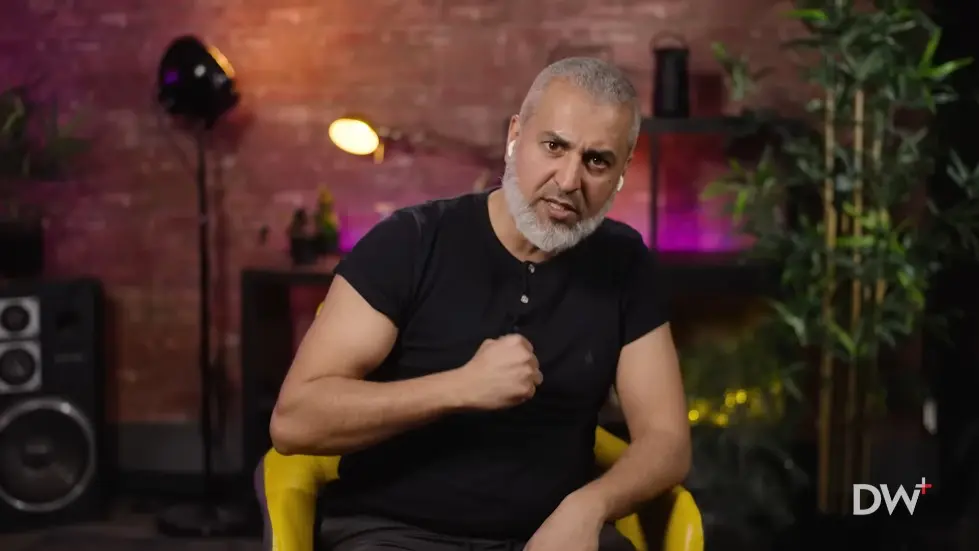
You have read 50% of the summary.
To read the other half, please enter your Name and Email. It's FREE.
You can unsubscribe anytime. By entering your email you agree to our Terms & Conditions and Privacy Policy.
Watch the video on YouTube:
In Response to Netanyahu | Maajid Nawaz | EP 337 - YouTube
Related summaries of videos:
- Rafe Kelley and Jordan Peterson: Parkour and Rough Play
- Dr. Scott Jensen and Dr. Jordan Peterson: Weaponized Bureaucracy
- Riley Gaines and Jordan Peterson: Narcissists, Frauds and Enablers - The Death of Women's Sports
- Dr. Peter Attia and Dr. Jordan Peterson: Diet and Death
- Zach Lahn and Jordan Peterson: School-Kids as Factory Products
- Eric Metaxas and Jordan Peterson: Listen and Weep
- Douglas Murray and Jordan Peterson: Truth as Glorious Adventure
- Helen Joyce and Jordan Peterson: The War for Reality
- Miranda Devine and Jordan Peterson: The Biden Dynasty Exposed
- Jeremy Boreing and Jordan Peterson: Building an Empire And Making Snow White
- Home
- About us
- Contact
- Book Summaries 0-9
- Book Summaries A
- Book Summaries B
- Book Summaries C
- Book Summaries D
- Book Summaries E
- Book Summaries F
- Book Summaries G
- Book Summaries H
- Book Summaries I
- Book Summaries J
- Book Summaries K
- Book Summaries L
- Book Summaries M
- Book Summaries N
- Book Summaries O
- Book Summaries P
- Book Summaries Q
- Book Summaries R
- Book Summaries S
- Book Summaries T
- Book Summaries U
- Book Summaries V
- Book Summaries W
- Book Summaries X
- Book Summaries Y
- Book Summaries Z
- Jay Shetty Podcast - Summaries
- Tom Bilyeu Impact Theory - Summaries
- Lex Fridman - Summaries
- Diary of a CEO - Summaries
- Alex Hormozi - Summaries
