
Ancestral Mating Strategies VS Modern Mating - Mads Larsen
Last updated: Nov 10, 2023
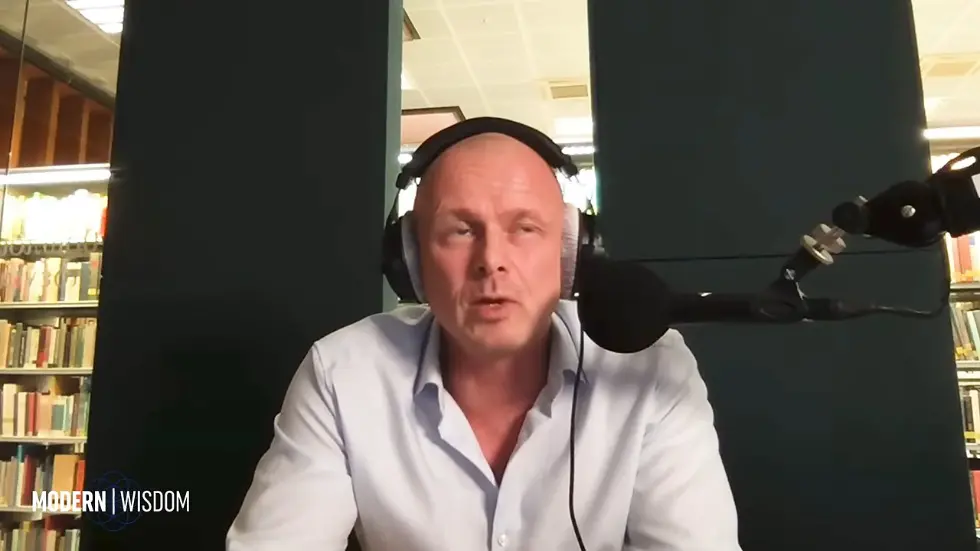
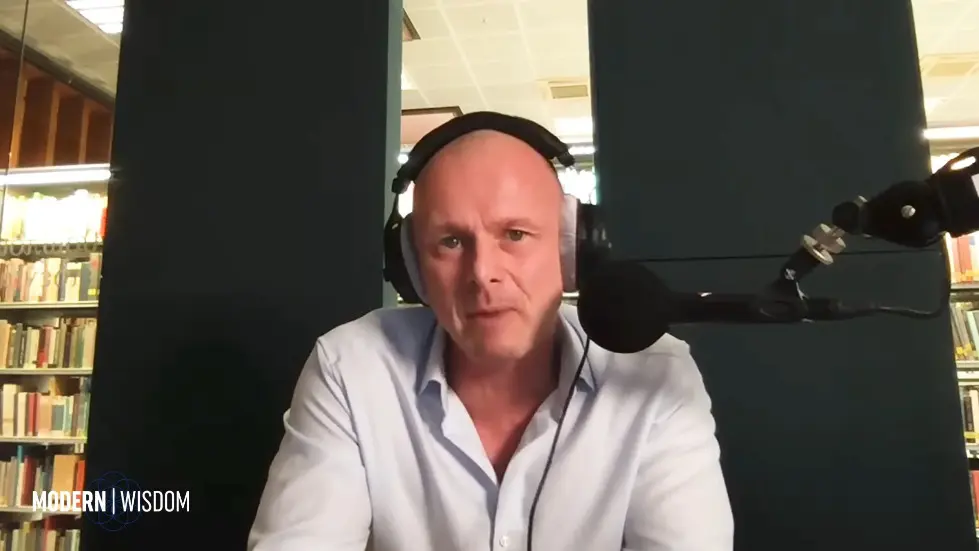
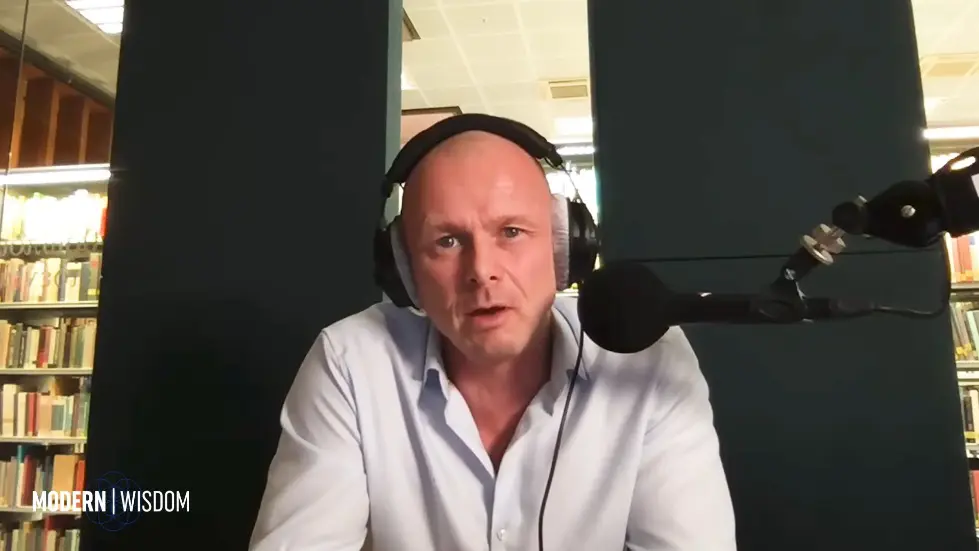
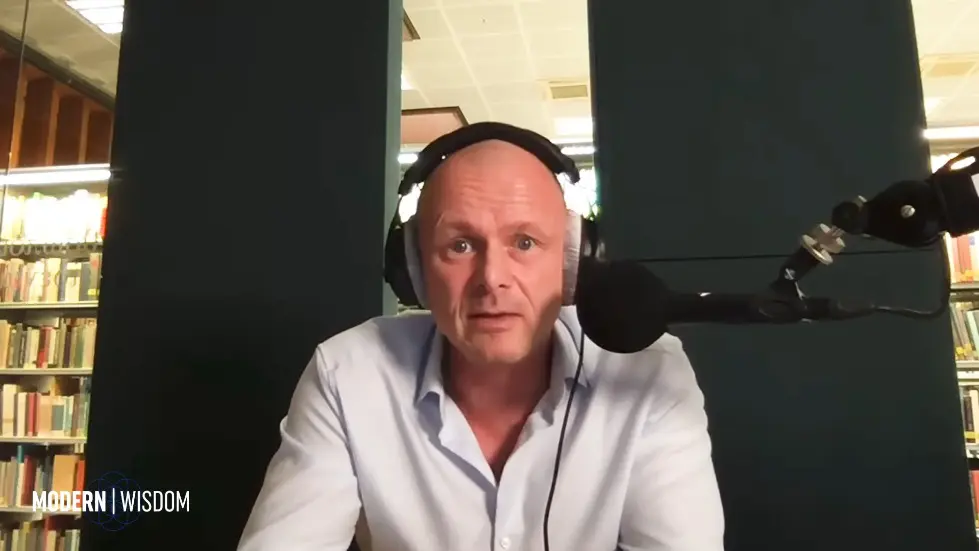
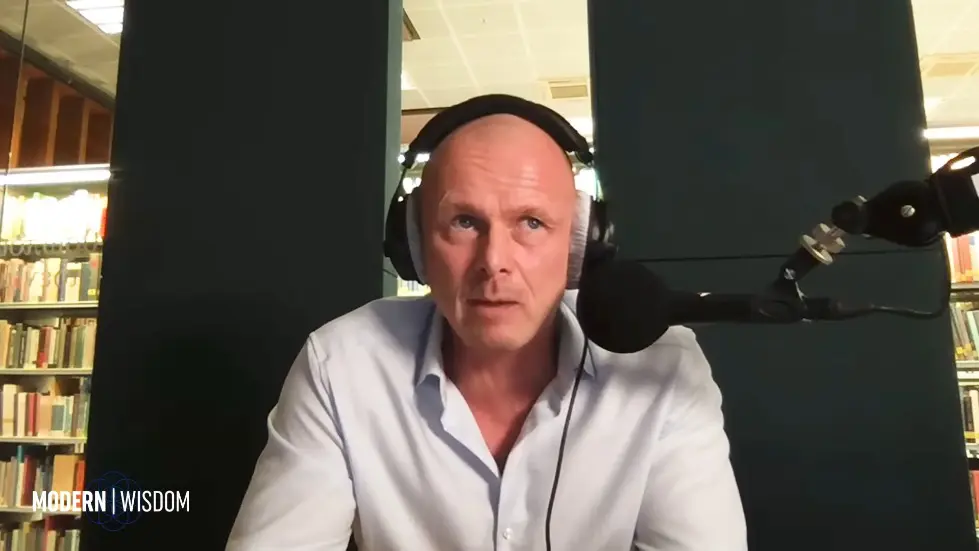
The video is about the study of ancestral mating strategies and how they differ from modern mating strategies. The host, Mads Larsen, argues that mating is a physical activity that requires an ideology to compel people to mate and have children. He explains that in the modern world, there are several factors that have changed, such as the availability of contraception and the individualistic nature of society, which disincentivizes reproduction. The host then discusses the ancestral mating strategy for humans, which was promiscuous and focused on distributing successful genes within the population. He also mentions that some species develop a need for pair bonding if they can get paternal investment, which was the case with early hominins. The host then discusses a new hypothesis that suggests that high status males started keeping harems and providing for females as a strategy for law status males to be allowed to copulate and reproduce.
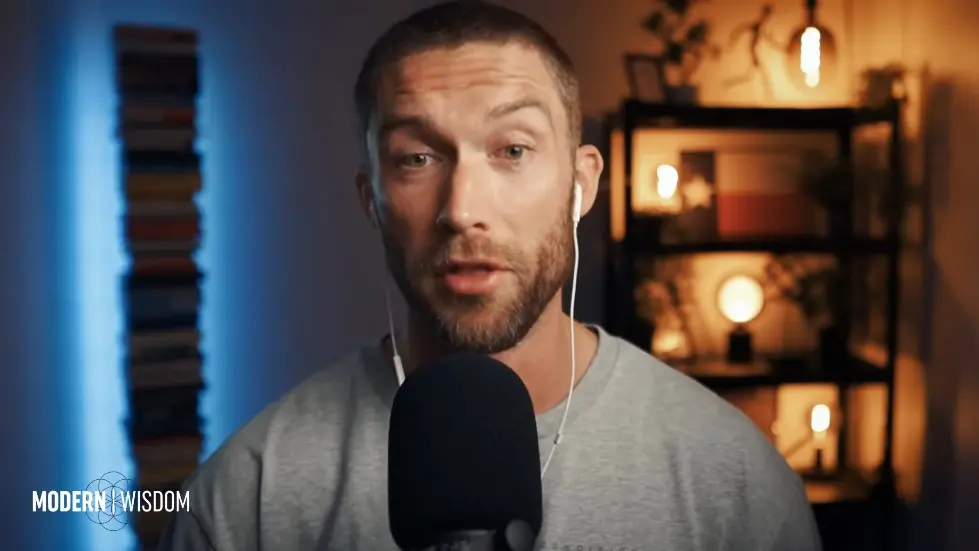
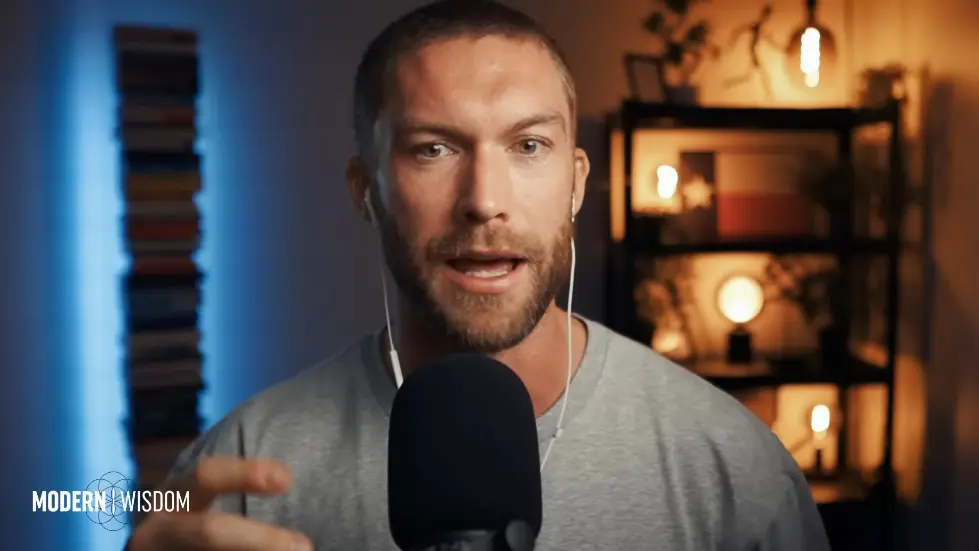
This video by Chris Williamson was published on Nov 9, 2023.
Video length: 01:46:40.
The video is about the study of mating ideologies and their role in society.
The host, Chris Williamson, argues that mating is the foundation of all social orders and that it is important to understand the ideology that governs it. He explains that mating is a physical activity that requires coercion to ensure that people commit to peer bonding and providing for offspring. The host also discusses the changes in mating demands and resource supply in the modern world, which have made it more difficult to reproduce. He argues that the current ideology is weak in terms of compelling people to mate and that there is a need for a stronger ideology that makes people think it is their duty to pair bond and have children.
The host also discusses the role of biological and cultural coercion in reproduction and the impact of effective contraception on mating demands.
- The video is about the study of ancestral mating strategies and how they differ from modern mating strategies.
- The host, Mads Larsen, argues that mating is a physical activity that requires an ideology to compel people to mate and have children.
- In the modern world, there are several factors that have changed, such as the availability of contraception and the individualistic nature of society, which disincentivizes reproduction.
- Ancestral mating strategies were promiscuous and focused on distributing successful genes within the population.
- Some species developed a need for pair bonding if they could get paternal investment, which was the case with early hominins.
- The host mentions that high status males started keeping harems and providing for females as a strategy for law status males to be allowed to copulate and reproduce.
- In the modern world, mating is no longer a physical activity that requires an ideology to compel people to mate and have children.
- The availability of contraception and the individualistic nature of society disincentivizes reproduction.
- The host emphasizes the importance of studying mating ideologies as they are the foundation of all social orders.
Ancestral Mating Strategies VS Modern Mating - Mads Larsen - YouTube

Introduction
- The video is about the study of ancestral mating strategies and how they differ from modern mating strategies.
- The host, Mads Larsen, argues that mating is a physical activity that requires an ideology to compel people to mate and have children.
- In the modern world, there are several factors that have changed, such as the availability of contraception and the individualistic nature of society, which disincentivizes reproduction.

Ancestral Mating Strategies
- Ancestral mating strategies were promiscuous and focused on distributing successful genes within the population.
- Some species develop a need for pair bonding if they can get paternal investment, which was the case with early hominins.
- The host mentions that high status males started keeping harems and providing for females as a strategy for law status males to be allowed to copulate and reproduce.

Modern Mating Strategies
- In the modern world, mating is no longer a physical activity that requires an ideology to compel people to mate and have children.
- The availability of contraception and the individualistic nature of society disincentivizes reproduction.
- The host argues that the ideology we have now is compared to previous ideologies very weak in that regard.

Ancestral Mating Strategies VS Modern Mating - Mads Larsen - YouTube
Conclusion
- The host concludes that the foundation of all social orders is how men and women reproduce.
- If that falls apart, our societies fall apart.
- The host emphasizes the importance of studying mating ideologies as they are the foundation of all social orders.

Section 1: Ancestral Mating Strategies
- Ancestral mating strategies were promiscuous and focused on distributing successful genes within the population.
- Some species developed a need for pair bonding if they could get paternal investment, which was the case with early hominins.
- The host discusses a new hypothesis that suggests that high status males started keeping harems and providing for females as a strategy for law status males to be allowed to copulate and reproduce.

Section 2: Modern Mating Strategies
- The host argues that mating is a physical activity that requires an ideology to compel people to mate and have children.
- In the modern world, there are several factors that have changed, such as the availability of contraception and the individualistic nature of society, which disincentivizes reproduction.

Section 3: Mathematical Models
- The host is a theoretical biologist who did mathematical models and he just couldn't make it add up for high status uh males.
- It didn't make sense for them to go along with that initial transition from priscu mating to pair bonding.

Section 4: Competition between Low and High Status Males
- The development of offspring doubled over four million years, making it more beneficial to pass on good genes.
- Males that were excluded from mating saw as offspring needed more help, provisioning, and protection.

Ancestral Mating Strategies
- Ancestral mating strategies were promiscuous and focused on distributing successful genes within the population.
- Some species develop a need for pair bonding if they can get paternal investment, which was the case with early hominins.
- The host argues that mating is a physical activity that requires an ideology to compel people to mate and have children.
- In the modern world, there are several factors that have changed, such as the availability of contraception and the individualistic nature of society, which disincentivizes reproduction.

Modern Mating Strategies
- The host discusses a new hypothesis that suggests that high status males started keeping harems and providing for females as a strategy for law status males to be allowed to copulate and reproduce.
- The host mentions that this hypothesis is not plausible knowing what we know about human behavior.
- The host argues that mating is a physical activity that requires an ideology to compel people to mate and have children.
- In the modern world, there are several factors that have changed, such as the availability of contraception and the individualistic nature of society, which disincentivizes reproduction.

Ancestral Mating Practices
- The host discusses the ancestral mating strategy for humans, which was promiscuous and focused on distributing successful genes within the population.
- Some species develop a need for pair bonding if they can get paternal investment, which was the case with early hominins.
- The host argues that mating is a physical activity that requires an ideology to compel people to mate and have children.
- In the modern world, there are several factors that have changed, such as the availability of contraception and the individualistic nature of society, which disincentivizes reproduction.

Modern Mating Practices
- The host discusses a new hypothesis that suggests that high status males started keeping harems and providing for females as a strategy for law status males to be allowed to copulate and reproduce.
- The host mentions that this hypothesis is not plausible knowing what we know about human behavior.
- The host argues that mating is a physical activity that requires an ideology to compel people to mate and have children.
- In the modern world, there are several factors that have changed, such as the availability of contraception and the individualistic nature of society, which disincentivizes reproduction.

Ancestral Mating Strategies
- Ancestral mating strategies were promiscuous and focused on distributing successful genes within the population.
- Some species developed a need for pair bonding if they could get paternal investment, which was the case with early hominins.
- The availability of contraception and the individualistic nature of society disincentivizes reproduction in the modern world.
- Mads Larsen argues that mating is a physical activity that requires an ideology to compel people to mate and have children.

Heroic Love Narrative
- The heroic love narrative is useful for both sexes in some regards.
- It can be used as a coping strategy to dampen down the discomfort of what women are subjected to in mating.
- The heroic love narrative can be used to legitimize what men are doing.
- It can be an absolute nightmare for people who have to go through it.

Polygamous Mating
- Polygamous mating marked the period under heroic love.
- It drove a lot of war and social instability.
- The church imposed lifelong monogamy even on the most superior of males.
- This changed everything when it happened.

Modern World
- The modern world has created sexual egalitarianism.
- This is how parents invest in children.
- It has created a different more individualistic psychology.
- Low testosterone has led to a different way of thinking about mating.
The Role of Religion in Mating Structures
- Religion played a significant role in mating structures in the past.
- The church controlled powerful men by imposing itself between them and their resources.
- The church's primary goal was to control women, as they believed women were the key to their power.
- The church used a subversive strategy to make the union between a man and a woman seem divine.
- The church's role in mating structures gave them power over powerful men.
Sexual Redistribution and Its Benefits
- Sexual redistribution was a key factor in the success of the modern world.
- Inequality within a sexual system can lead to young male syndrome, which is not beneficial.
- The church imposed sexual redistribution on medieval Europeans, which had beneficial effects on social stability and potential for growth.
- It is unclear if the church understood the ramifications of their actions.
- The end result of sexual redistribution was impressive, but it is unknown if the church predicted its consequences.

Cultural Dissolvent Ideologies
- Some mating ideologies are cultural dissolvent, undermining previous ideologies.
- Cultural dissolvent ideologies make people lose faith in previous ideologies.
- Heroic love was an ideology that undermined previous ideologies.
- Courtly love, promoted through romances and ballads, was an ideology that discouraged polygamy.
- Ballads and romances promoted the idea that men should use sophisticated social skills to make women feel a high degree of lust and love before having sex.

The Role of Religion in Modern Mating
- Religion no longer plays a significant role in modern mating structures.
- The church's control over powerful men has been replaced by other factors.
- The church's role in making the union between a man and a woman seem divine has been replaced by other factors.
- The church's role in mating structures has been replaced by other factors.
- The church's role in mating structures has been replaced by other factors.

Section 1: The Study of Ancestral Mating Strategies
- The host, Mads Larsen, discusses the study of ancestral mating strategies and how they differ from modern mating strategies.
- Ancestral mating strategies were promiscuous and focused on distributing successful genes within the population.
- Some species develop a need for pair bonding if they can get paternal investment, which was the case with early hominins.
- The host mentions that some species develop a need for pair bonding if they can get paternal investment, which was the case with early hominins.
- The host discusses a new hypothesis that suggests that high status males started keeping harems and providing for females as a strategy for law status males to be allowed to copulate and reproduce.

Section 2: The Role of Marriage in Ancestral and Modern Societies
- The host discusses the role of marriage in ancestral and modern societies.
- Marriage was widespread at this point, and people went through the church to get married.
- The transition was before marriages were private, but with the Gregorian reform they had to be Church marriages.
- The European marriage pattern develops in the west, where people have to start accumulating resources.
- People's marriage age were pushed up from say from their teens or early 20s up to the late 20s so you had a shortened people reproductive period.

Section 3: The Role of Sexuality in Ancestral and Modern Societies
- The host discusses the role of sexuality in ancestral and modern societies.
- In Antiquity, we practice what you could call fourth trimester abortion.
- People's sexuality were restricted because under individual life became sacred.
- The European marriage pattern where you reproductive period didn't start until you around 30 years old that way you didn't have more children.
- After the black death in the mid 14th century north of Europe lost over in my country lost over 50% of the population, there was a sexual laxness in the 15th century.

Section 4: The Reproductive Window in Ancestral and Modern Societies
- The host discusses the reproductive window in ancestral and modern societies.
- People were told that they shouldn't reproduce after 30 or they weren't permitted to reproduce until 30.
- In feudal Europe, you'd have to accumulate resources to be able to afford what's called a neolocal resident.
- Labor markets typically in their 20s until they had accumulated enough resources to get their own place.
- This pushed up the marriage age and which so reproductive reproduction didn't start until typically in your late 20s for women.
Ancestral Mating Strategies
- Ancestral mating strategies were promiscuous and focused on distributing successful genes within the population.
- Some species develop a need for pair bonding if they can get paternal investment, which was the case with early hominins.
- High status males started keeping harems and providing for females as a strategy for law status males to be allowed to copulate and reproduce.

Modern Mating Strategies
- The availability of contraception and the individualistic nature of society disincentivizes reproduction in the modern world.
- Mads Larsen argues that mating is a physical activity that requires an ideology to compel people to mate and have children.
- In the modern world, there are several factors that have changed, such as the availability of contraception and the individualistic nature of society, which disincentivizes reproduction.
Female Consent
- The core value of the F West's first sexual Revolution was female consent.
- Women were given leverage through being allowed to say no to marriage, which set them on a path of emancipation.
- The beginning of female emancipation in the west was the church's imposition of female consent in the first sexual Revolution.
Companionate Love
- The mating ideology that society was built on after courtly love was companionate love.
- Companionate love was a very pragmatic ideology and very different from courtly love.
- This ideology was not the reality, as people did not live in bless forever after naturally.

Section 1: Ancestral Mating Strategies
- Ancestral mating strategies were promiscuous and focused on distributing successful genes within the population.
- Some species develop a need for pair bonding if they can get paternal investment, which was the case with early hominins.
- The host discusses a new hypothesis that suggests that high status males started keeping harems and providing for females as a strategy for law status males to be allowed to copulate and reproduce.

Section 2: Companionate Love and Arranged Marriages
- Companionate Love was an ideology that a man and a woman shall marry for life through an arranged marriage, whether they like each other or not.
- The primary task of the couple was to run the farm and keep their children alive.
- This was the reality for European peasants from the end of the first sexual Revolution to 1750.

Section 3: Puritanism and Sexual Restrictions
- Puritanism was a period of companionate Love, arranged marriages, pragmatism, and then sexual laxness before 1500.
- After this period of sexual laxness, when the population was rebuilt and Europe entered into a period of stagnation, puritanism was used to restrict people's impulses to avoid a malthusian crisis.
- The choice faced in these situations was either to kill babies when they were born or to find a way to prevent people from having extramarital sex or sex that produced too many babies.
Section 4: Demonizing Female Sexuality
- In the 1400s, female sexuality was acknowledged and celebrated to an extent.
- When puritanism came, the ideology was that women do not benefit from sex outside of marriage, and women who are lustful are aligned with Satan.
- The means used in the west to prevent people from having extramarital sex or sex that produced too many babies was to demonize female sexuality.
Section 1: Ancestral Mating Strategies
- Ancestral mating strategies were promiscuous and focused on distributing successful genes within the population.
- Some species develop a need for pair bonding if they can get paternal investment, which was the case with early hominins.
- The host discusses a new hypothesis that suggests that high status males started keeping harems and providing for females as a strategy for law status males to be allowed to copulate and reproduce.

Section 2: Modern Mating Strategies
- In the modern world, there are several factors that have changed, such as the availability of contraception and the individualistic nature of society, which disincentivizes reproduction.
- The host argues that mating is a physical activity that requires an ideology to compel people to mate and have children.

Section 3: Puritanism and Sexuality
- The Puritans were really bad but then we have to try to understand why did they do this what was the function of this.
- The practice of infanticide was just cracked out on really hard by the Christians because it went against their belief of every life being sacred.

Section 4: The West Second Sexual Revolution
- The West Second sexual Revolution was one of individual choice.
- Human men and women generally didn't pick and attract their own mates, they were given mates by their families and communities.
Section 1: The Growth of Sexual Activity
- The video discusses the growth of sexual activity, especially among young people, which had enormous consequences.
- This growth in sexual activity started among young wage earners and spread over the centuries.
- The dam completely burst with a third sexual revolution in the 1960s.
- Flirting is seen as an evolutionary anomaly that if you were to have the ability ancestrally, it would be beneficial to have a line of flirters.
- Being a good-looking guy and charming with good flirting skills would increase mating success in the olden days.

Section 2: The Consequences of Sexual Activity
- Sexual activity had significant consequences, including a greater chance of getting snuffed out if you were a solid guy who created alliances and worked hard.
- Being a good-looking Adonis who liked to sleep around would increase the chance of getting killed by the men in the king group of your latest affair.
- Creating a sense of concern and envy among other men because of your charm and flirting skills.
- Other men would feel envious and jealous of the person who is the outgroup now and say let's kill him.
- Times were tough, and a lot of the time, you needed a really solid guy willing to work really hard to provide for his wife and children.

Section 3: The Evolution of Mating Strategies
- Our ancestors have not been lotharios that's only recently where that has been very beneficial.
- The church loses control as people start sleeping around, and there is an enormous increase in illegitimate birth across Europe.
- The Romantic Century from 1750 to 1850 saw a counter-reaction to the burst in sexual activity.
- The increase in illegitimate birth doubles, triples, and quadruples, and low-class women can make their own decisions in terms of culation and pair bonding.
- We didn't evolve to see through the intentions of men or assess our own mate value precisely.

Section 4: The Role of Ideology in Mating
- Mating is a physical activity that requires an ideology to compel people to mate and have children.
- In the modern world, there are several factors that have changed, such as the availability of contraception and the individualistic nature of society, which disincentivizes reproduction.
- The ancestral mating strategy for humans was promiscuous and focused on distributing successful genes within the population.
- Some species develop a need for pair bonding if they can get paternal investment, which was the case with early hominins.
- A new hypothesis suggests that high status males started keeping harems and providing for females as a strategy for law status males to be allowed to copulate and reproduce.

Ancestral Mating Strategies
- Ancestral mating strategies were promiscuous and focused on distributing successful genes within the population.
- Some species developed a need for pair bonding if they could get paternal investment, which was the case with early hominins.
- High status males started keeping harems and providing for females as a strategy for law status males to be allowed to copulate and reproduce.

Modern Mating Strategies
- In the modern world, there are several factors that have changed, such as the availability of contraception and the individualistic nature of society, which disincentivizes reproduction.
- The host argues that mating is a physical activity that requires an ideology to compel people to mate and have children.
- The host mentions that in the beginning of the 1700s there's a huge increase in women taking men to court for having had sex with them but at marrying them, so they end that law in 1734.
- From 1750, there is an enormous increase in illegitimate birth, at the worst in Stockholm 50% of child births were by unwed mothers.

Liberty in Love
- In the late 1700s, there was an ideology which I also consider as a cultural disant because you couldn't build a social order on it.
- This was Liberty in love, the kind of Kasanova ideology where you're supposed to just enjoy sex for the sake of sex.
- This ideology spread from the French court and then throughout Europe and it reached Scandinavia around 1770.
- Women were left with the burden of child care when these Libertines left them once they got pregnant.
Romantic Love
- Liberty love undermined companionate love where where you're supposed to be pragmatic and double down take care of your family.
- Romantic love did the same as Puritan love had done where you again so Liberty love celebrated female sexuality.
- Romantic love said no women have no benefit from sex outside of marriage.
- From then on men and women were only supposed to have sex within the confines of marriage and you should be married forever.

The Evolution of Mating Strategies
- The introduction of reliable contraception was a significant change in human reproductive history.
- The concept of confluent love, which emphasizes gender equality, convenience, reward, and self-realization, arose in the 19th century.
- Confluent love is the mating ideology that is prevalent in the modern world.
- The Romantic Utopia, which is the breadwinner-housewife model, became near-universal after World War II.
- The social revolution of the 1960s marked the breakthrough of confident love.

The Impact of Mating Strategies on Society
- The change in mating practices led to a population explosion that is still ongoing.
- The reduction in mortality from other causes also contributed to the population explosion.
- The introduction of reliable contraception led to a shift in mating ideology from confluent love to confluent love.
- The Romantic Utopia, which emphasizes the breadwinner-housewife model, has led to a change in the role of men and women in society.
- The social revolution of the 1960s marked a significant shift in societal attitudes towards love and relationships.
The Role of Ideology in Mating Strategies
- Mating strategies are influenced by societal ideologies.
- The concept of confluent love emphasizes gender equality, convenience, reward, and self-realization.
- The Romantic Utopia, which is the breadwinner-housewife model, is a societal ideology that has influenced mating strategies.
- The social revolution of the 1960s marked a shift in societal attitudes towards love and relationships.

The Evolution of Love Cycles
- The mating cycle of foragers was around 3 to 4 years.
- With the advent of agriculture, humans needed to commit to lifelong monogamy.
- The cultural environment and modern environment required something else from humans.
- Religion was used to make people fight their urges to sleep around and have multiple partners.
- The Romantic regime did not peak until after World War II.

Section 1: Introduction
- The video is about the study of ancestral mating strategies and how they differ from modern mating strategies.
- The host, Mads Larsen, argues that mating is a physical activity that requires an ideology to compel people to mate and have children.
- In the modern world, there are several factors that have changed, such as the availability of contraception and the individualistic nature of society, which disincentivizes reproduction.
- The host then discusses the ancestral mating strategy for humans, which was promiscuous and focused on distributing successful genes within the population.
- He also mentions that some species develop a need for pair bonding if they can get paternal investment, which was the case with early hominins.
You have read 50% of the summary.
To read the other half, please enter your Name and Email. It's FREE.
You can unsubscribe anytime. By entering your email you agree to our Terms & Conditions and Privacy Policy.
Watch the video on YouTube:
Ancestral Mating Strategies VS Modern Mating - Mads Larsen - YouTube
Related summaries of videos:
- The 5 Most Effective Techniques To Hack Your Habits - Spencer Greenburg | Modern Wisdom 705
- “We Need To Stop Listening To These People” - Douglas Murray (4K)
- Why Feminism Scares Fathers - Bryan Caplan
- The Terrifying Link Between Diet & Mental Health - Max Lugavere (4K)
- How To Fix Your Brain - Jim Kwik
- The Vicious Ways Women Compete - Dr Tracy Vaillancourt
- Jordan Peterson - How To Destroy Your Negative Beliefs (4K)
- Why Is Everyone Acting Like A Victim? - Rob Henderson (4K)
- It's Time To Stop Living On Hard Mode
- Are Women Actually Happy With Modern Dating? - Louise Perry (4K)
- Home
- About us
- Contact
- Book Summaries 0-9
- Book Summaries A
- Book Summaries B
- Book Summaries C
- Book Summaries D
- Book Summaries E
- Book Summaries F
- Book Summaries G
- Book Summaries H
- Book Summaries I
- Book Summaries J
- Book Summaries K
- Book Summaries L
- Book Summaries M
- Book Summaries N
- Book Summaries O
- Book Summaries P
- Book Summaries Q
- Book Summaries R
- Book Summaries S
- Book Summaries T
- Book Summaries U
- Book Summaries V
- Book Summaries W
- Book Summaries X
- Book Summaries Y
- Book Summaries Z
- Jay Shetty Podcast - Summaries
- Tom Bilyeu Impact Theory - Summaries
- Lex Fridman - Summaries
- Diary of a CEO - Summaries
- Alex Hormozi - Summaries
