
Mark Zuckerberg: First Interview in the Metaverse | Lex Fridman Podcast #398
Last updated: Sep 29, 2023
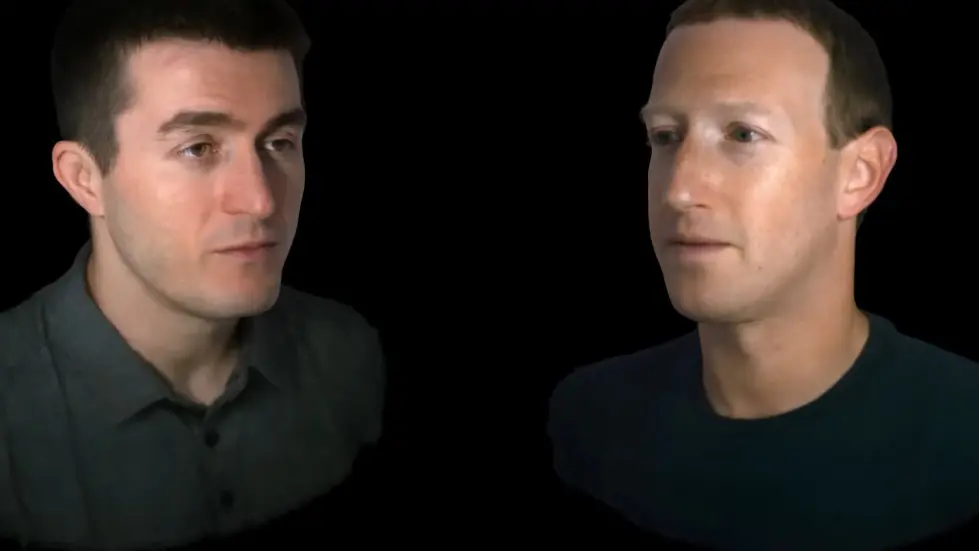
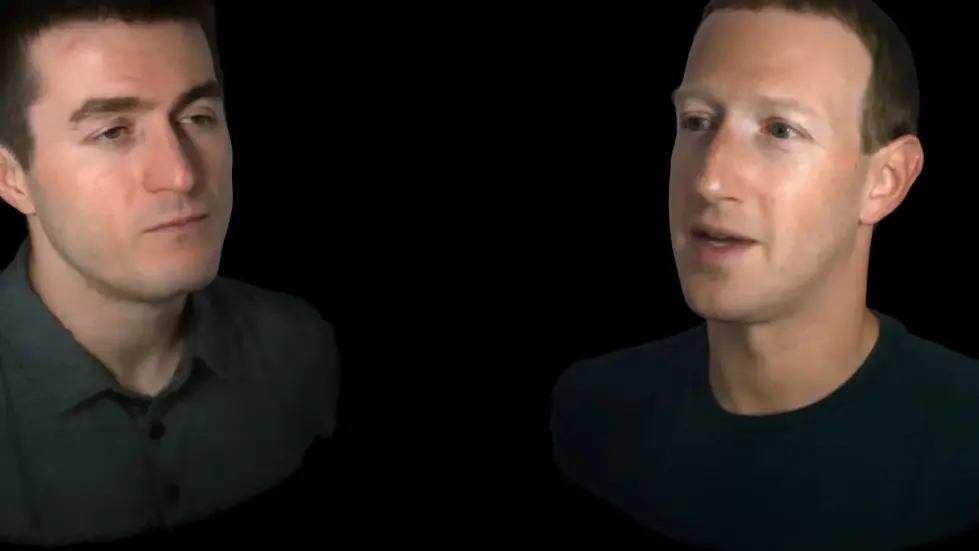
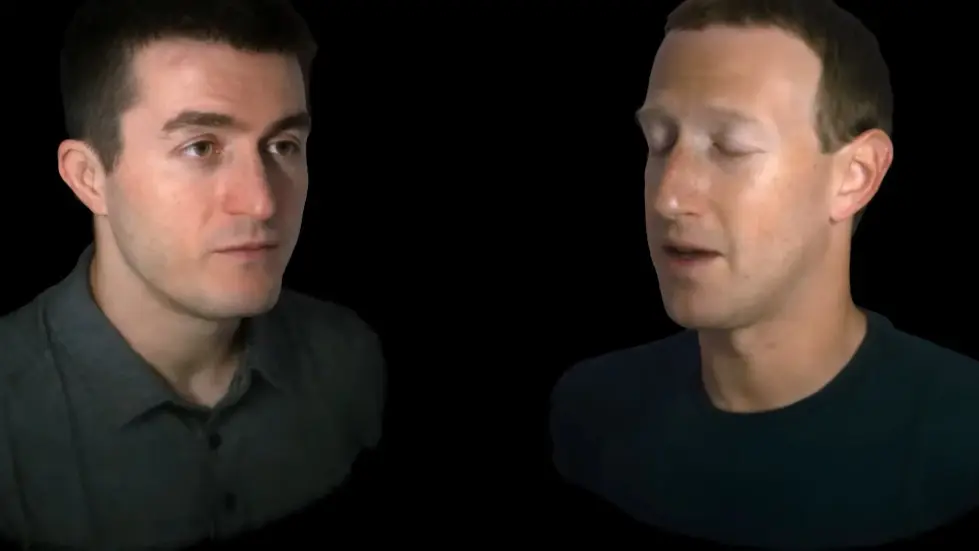
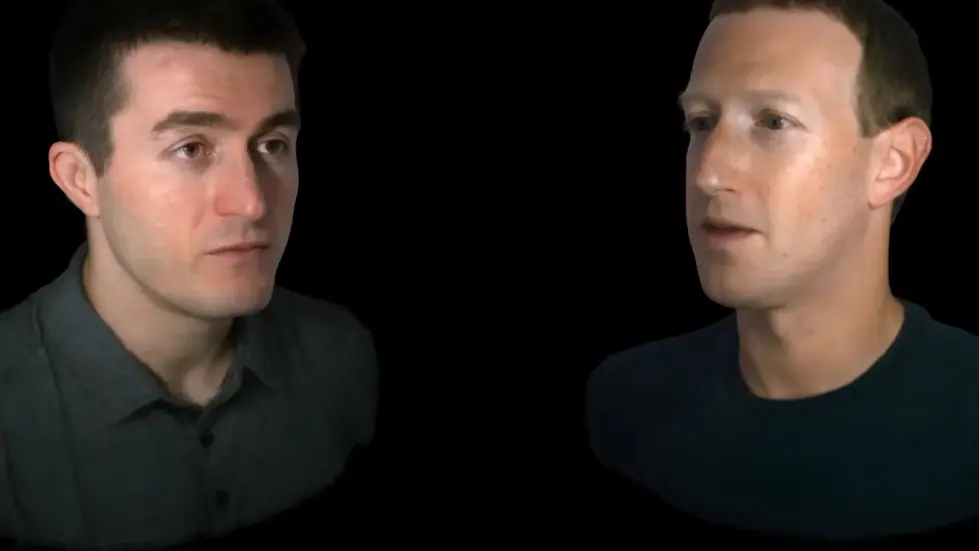
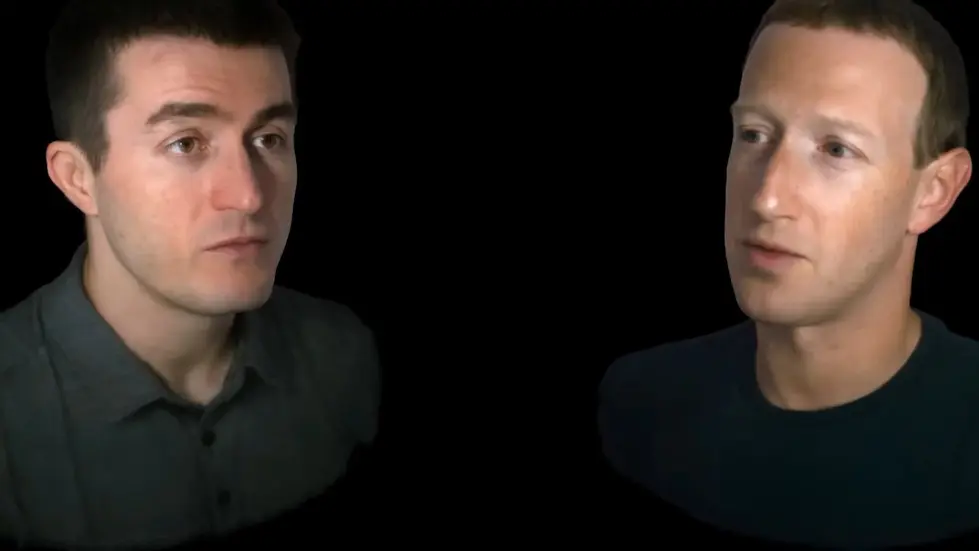
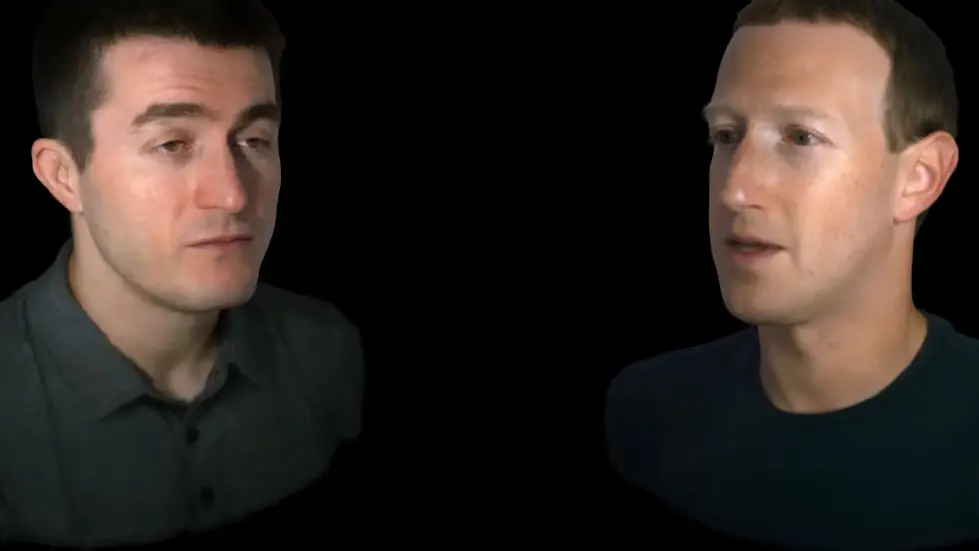
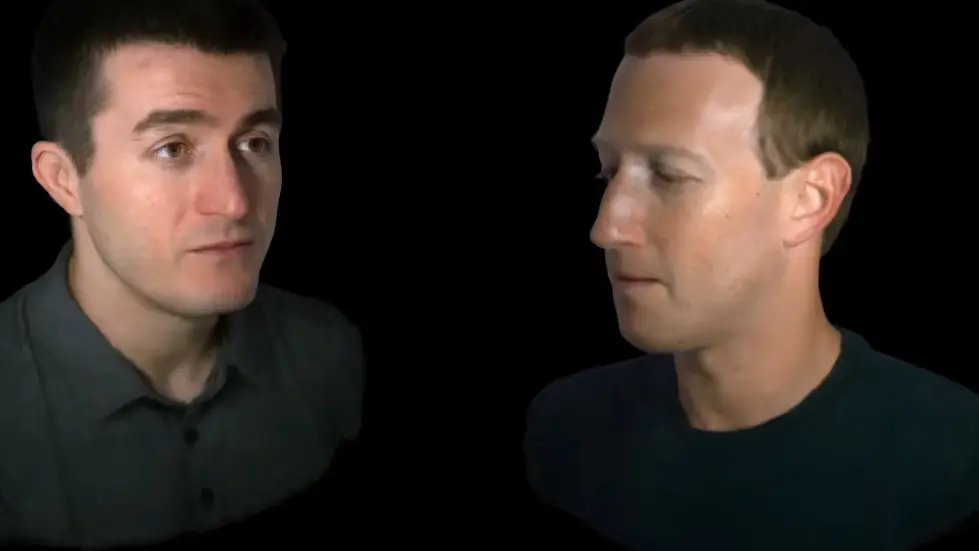
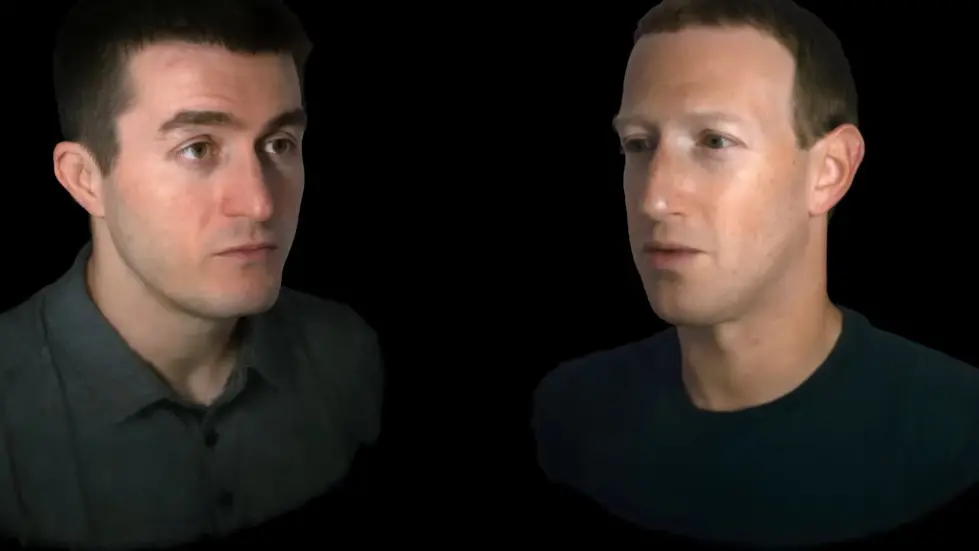
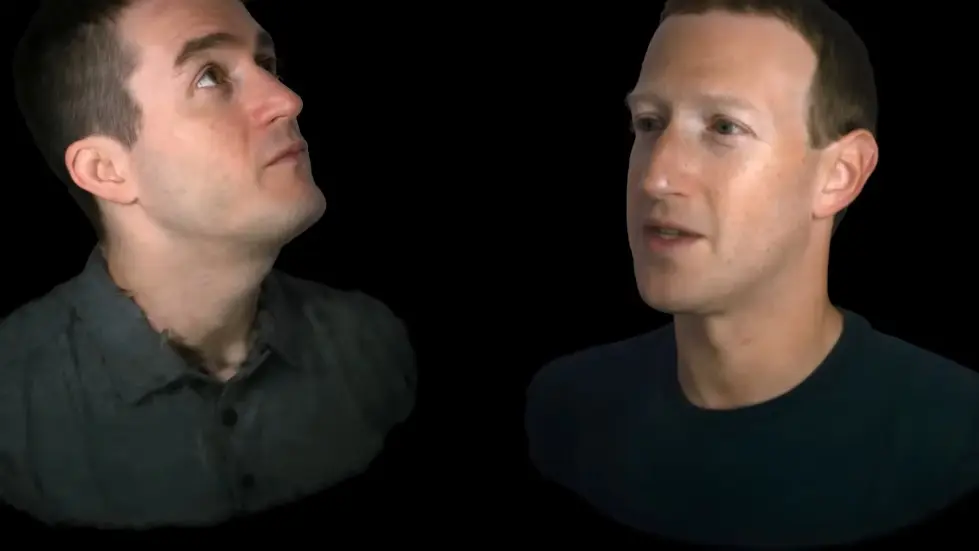
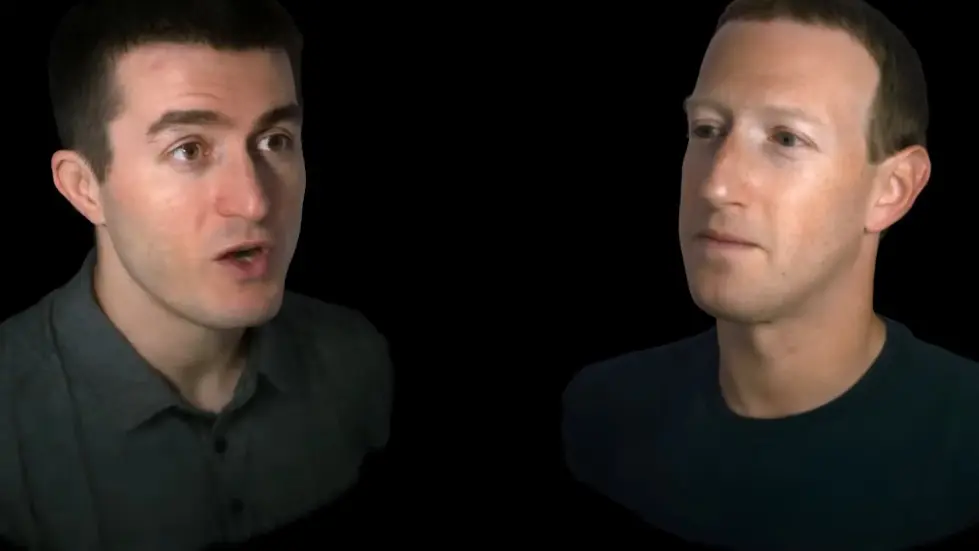
The video is about Mark Zuckerberg's first interview in the metaverse, where he appears as a photorealistic Kodak avatar in 3D with spatial audio. The technology is incredible and Zuckerberg believes it's the future of how human beings connect to each other in a deeply meaningful way on the internet. The avatars can capture many of the nuances of facial expressions that humans use to communicate emotion, and Zuckerberg is working on upgrading his emotions expressing capabilities. The video is from the Lex Fridman YouTube channel.
This video by Lex Fridman was published on Sep 28, 2023.
Video length: 01:04:39.
The video is about Mark Zuckerberg's first interview in the metaverse, a virtual reality platform developed by Facebook.
In the interview, Zuckerberg discusses the technology behind the metaverse and how it can be used to connect people in a more meaningful way on the internet. He also talks about the potential of the metaverse to revolutionize how people communicate and interact with each other online.
The video features Zuckerberg appearing as a photorealistic avatar in 3D with spatial audio, which allows for a more immersive and realistic experience.
- The video is about Mark Zuckerberg's first interview in the metaverse.
- Zuckerberg appears as a photorealistic Kodak avatar in 3D with spatial audio.
- The technology is incredible and Zuckerberg believes it's the future of how human beings connect to each other in a deeply meaningful way on the internet.
- The avatars can capture many of the nuances of facial expressions that humans use to communicate emotion.
- Zuckerberg is working on upgrading his emotions expressing capabilities.
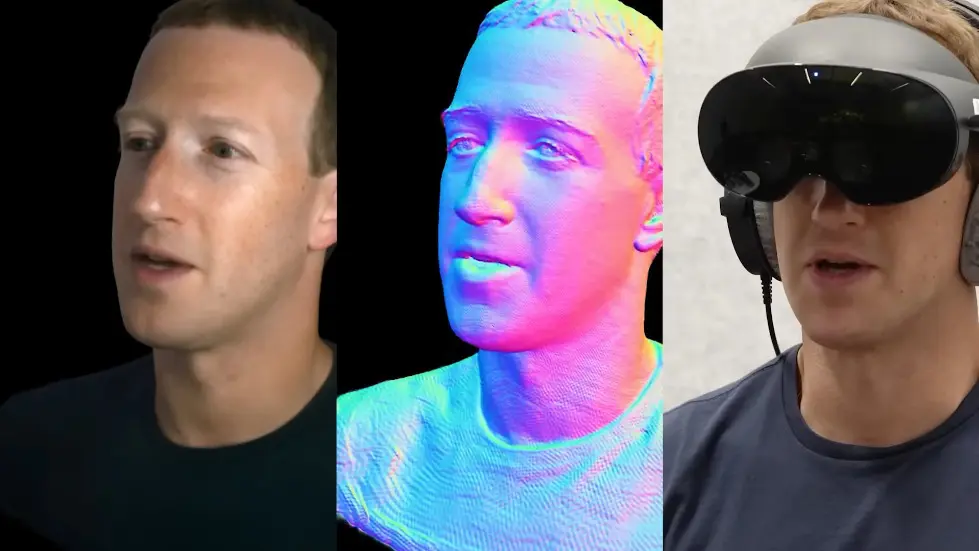
- The avatars are created by scanning oneself in a lot of different expressions and building a computer model of each of their faces and bodies.
- The different expressions that are made are collapsed into a codec that can be sent over the wire.
- The technology is more bandwidth efficient than transmitting a full video or especially a 3D immersive video of a whole scene like this.
- The little subtle flaws like freckles, variations in color, and wrinkles are what make the experience more immersive.
Mark Zuckerberg: First Interview in the Metaverse | Lex Fridman Podcast #398 - YouTube
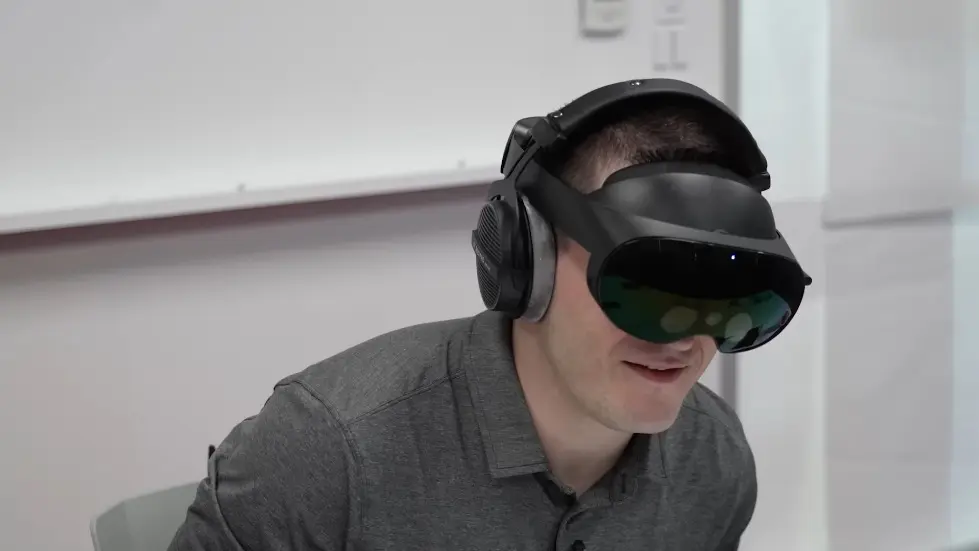
Introduction
- The video is about Mark Zuckerberg's first interview in the metaverse.
- Zuckerberg appears as a photorealistic Kodak avatar in 3D with spatial audio.
- The technology is incredible and Zuckerberg believes it's the future of how human beings connect to each other in a deeply meaningful way on the internet.
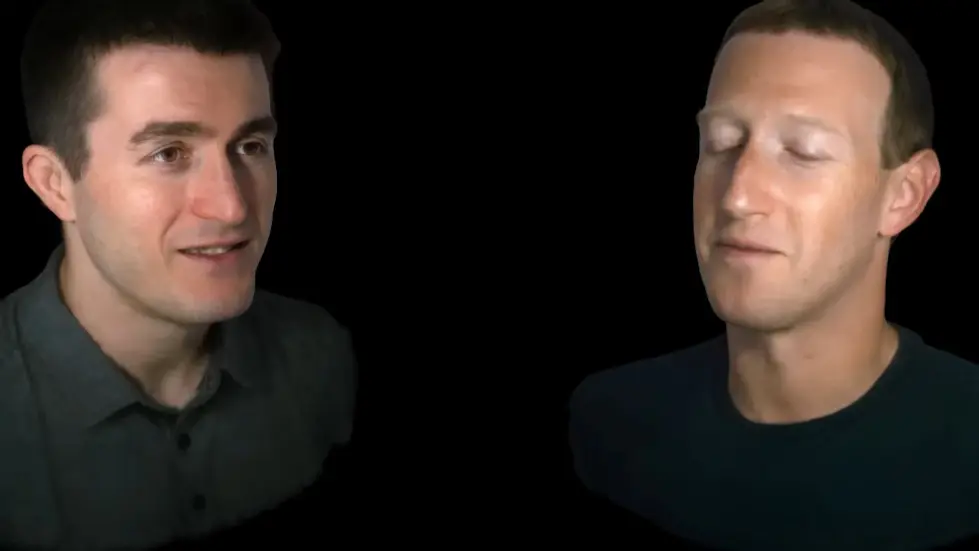
Interview
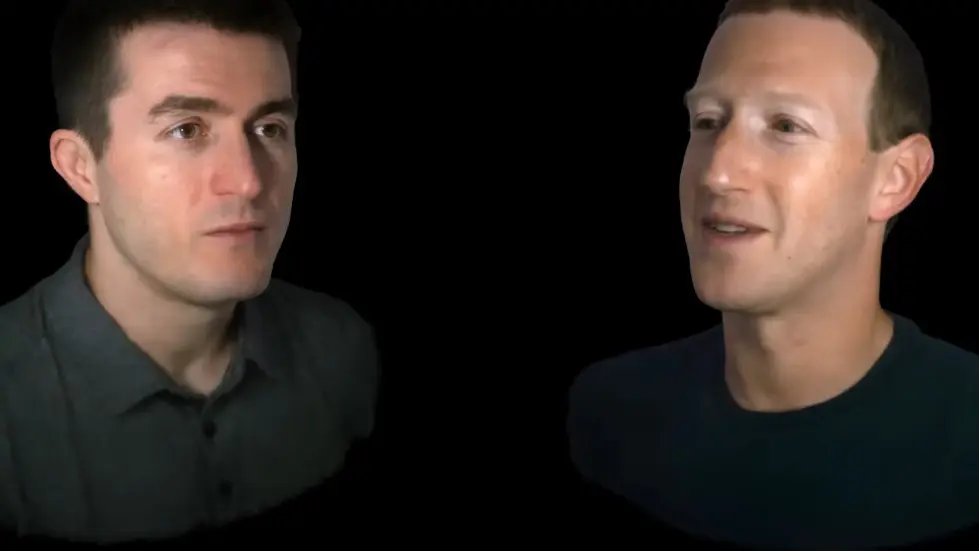
- Zuckerberg and Lex Fridman are hundreds of miles apart from each other in physical space but it feels like they're in the same room because they appear to each other as photorealistic Kodak avatars in 3D with spatial audio.
- The avatars can capture many of the nuances of facial expressions that humans use to communicate emotion.
- Zuckerberg is working on upgrading his emotions expressing capabilities of the underlying human body.
- The video is from the Lex Fridman YouTube channel.
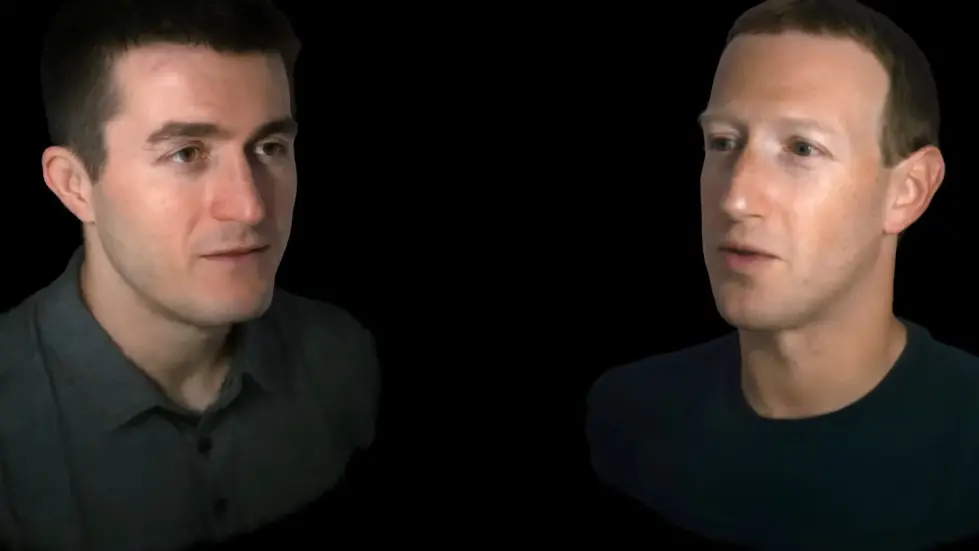
Technology
- The avatars are created by scanning oneself in a lot of different expressions and building a computer model of each of their faces and bodies.
- The different expressions that are made are collapsed into a codec that can be sent over the wire.
- The technology is more bandwidth efficient than transmitting a full video or especially a 3D immersive video of a whole scene like this.
- The technology captures everything like the flaws, subtleties, and variations in color of the human face.

Mark Zuckerberg: First Interview in the Metaverse | Lex Fridman Podcast #398 - YouTube
Immersion
- The little subtle flaws like freckles, variations in color, and wrinkles are what make the experience more immersive.
- The kind of classical expressive avatar system that is used captures the expression and all that, which is a huge part of communication.
- The kind of more cartoon designed one can put those expressions on those faces as well but there's obviously a certain realism that comes with delivering a photorealistic experience.
- The vision around virtual and augmented reality is to deliver a sense of presence, and this technology gets to the core of that.
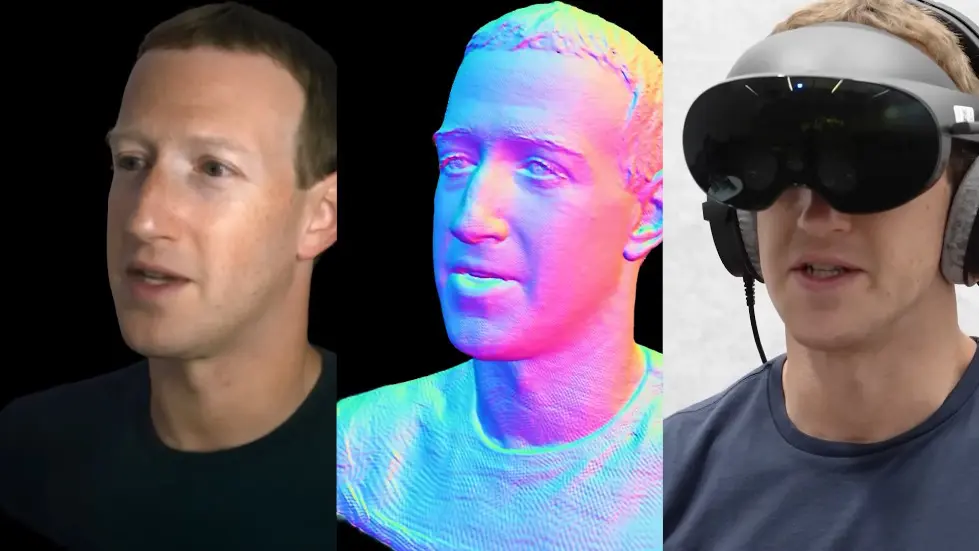
Introduction
- The video is about Mark Zuckerberg's first interview in the metaverse, where he appears as a photorealistic Kodak avatar in 3D with spatial audio.
- The technology is incredible and Zuckerberg believes it's the future of how human beings connect to each other in a deeply meaningful way on the internet.
- The avatars can capture many of the nuances of facial expressions that humans use to communicate emotion, and Zuckerberg is working on upgrading his emotions expressing capabilities.
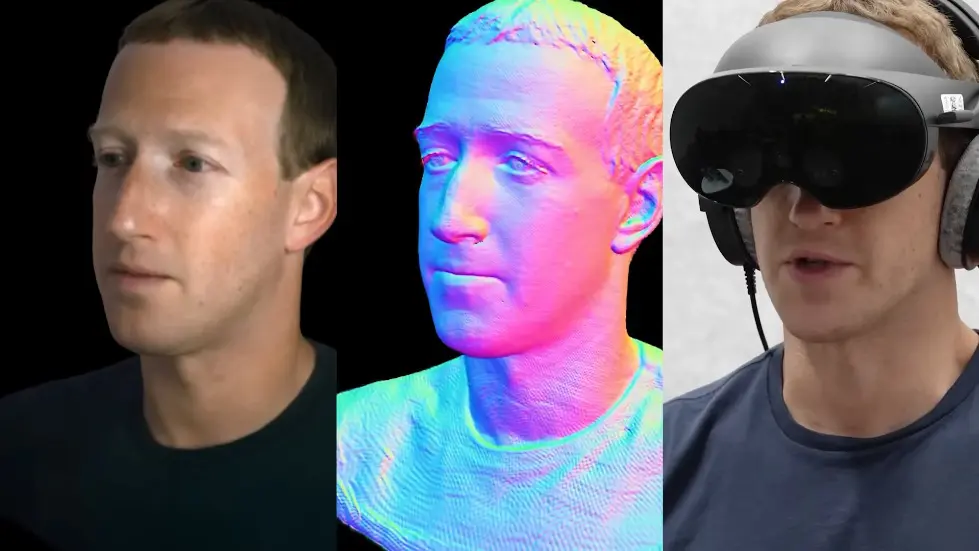
Mark Zuckerberg's First Interview in the Metaverse
- Zuckerberg's first interview in the metaverse was conducted by Lex Fridman.
- Zuckerberg appeared as a photorealistic Kodak avatar in 3D with spatial audio.
- The technology is incredible and Zuckerberg believes it's the future of how human beings connect to each other in a deeply meaningful way on the internet.

The Avatars Can Capture Many of the Nuances of Facial Expressions
- The avatars in the metaverse can capture many of the nuances of facial expressions that humans use to communicate emotion.
- Zuckerberg is working on upgrading his emotions expressing capabilities.
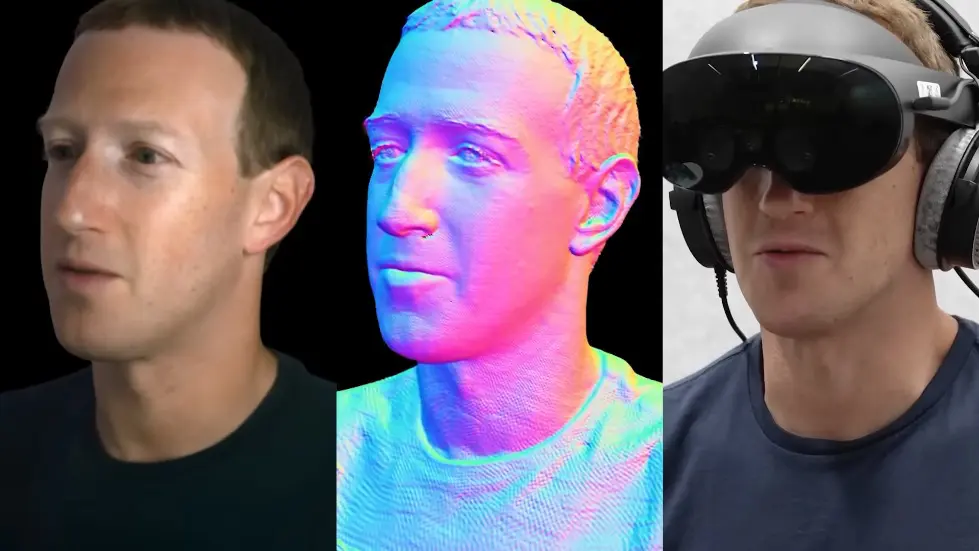
The Future of the Metaverse
- Zuckerberg believes the future of the metaverse is to make it more accessible to people.
- The goal is to do a very quick scan with your cell phone where you just take your phone and wave it in front of your face for a couple of minutes.
- The production of these scans in a very efficient way is one of the last pieces that need to be nailed.
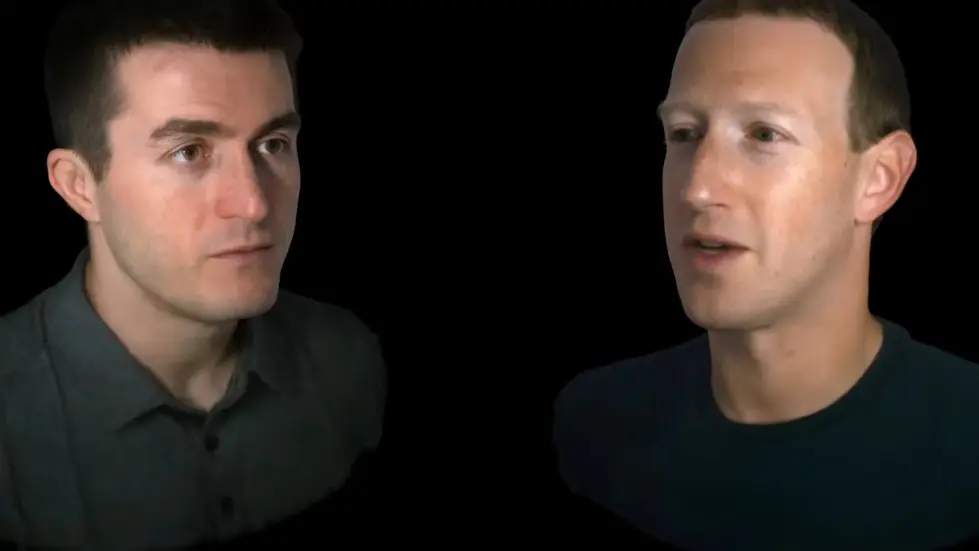
Introduction
- The video is about Mark Zuckerberg's first interview in the metaverse, where he appears as a photorealistic Kodak avatar in 3D with spatial audio.
- Zuckerberg believes that this technology is the future of how human beings connect to each other in a deeply meaningful way on the internet.
- The avatars can capture many of the nuances of facial expressions that humans use to communicate emotion.
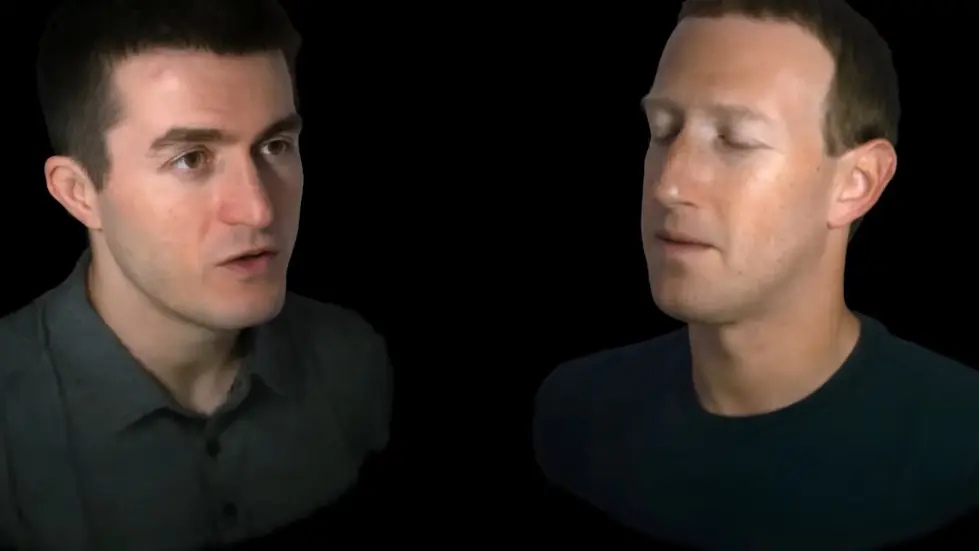
Mark Zuckerberg's Avatar
- Zuckerberg's avatar is a photorealistic Kodak avatar in 3D with spatial audio.
- He believes that this technology is the future of how human beings connect to each other in a deeply meaningful way on the internet.
- The avatars can capture many of the nuances of facial expressions that humans use to communicate emotion.
Expressing Emotions
- Zuckerberg's avatar is not monotone or emotionless, but his expression of emotion is more subtle, usually with the eyes.
- He is curious to see how people think of this technology, as one of the issues with VR and mixed reality work is that it tends to feel more profound when you're in it than the 2D videos capturing the experience.
Intimacy of Conversation
- The intimacy of conversation could be achieved remotely with this technology.
- Zuckerberg does not do remote podcasts for this reason, as this breaks all barriers like geographic and physical barriers.
Scanning with a Smartphone
- The technology will be rolled out progressively over time, starting with scanning with a smartphone.
- The goal is to get more people scanned and into the system, and then start integrating it into each one of their apps.

Section 1: Mark Zuckerberg's First Interview in the Metaverse
- The video is about Mark Zuckerberg's first interview in the metaverse, where he appears as a photorealistic Kodak avatar in 3D with spatial audio.
- Zuckerberg believes that the technology is incredible and that it's the future of how human beings connect to each other in a deeply meaningful way on the internet.
- The avatars can capture many of the nuances of facial expressions that humans use to communicate emotion, and Zuckerberg is working on upgrading his emotions expressing capabilities.
- The video is from the Lex Fridman YouTube channel.
Section 2: Quest 3 and Mixed Reality
- Quest 3 is a mixed reality device that is coming out and is expected to be available for $500.
- The mixed reality technology in Quest 3 is better than what is currently being used in Quest Pro.
- The resolution for the mixed reality cameras and sensors in Quest 3 is multiple times better than in Quest Pro.
- Qualcomm has also released a new generation chipset for VR that is available for Quest 3 and is not available in Quest Pro.
Section 3: Excitement for Quest 3
- Zuckerberg is excited to get Quest 3 in people's hands.
- The device does all the VR stuff that Quest 2 and other devices do, but it does it better because of the improved display and chip.
- The mixed reality capability of Quest 3 is a major shift and is one of the most exciting things about the device.
- The mixed reality technology allows for digital representations of people or objects to be superimposed on the real world.

Section 4: Other Innovations
- There are a lot of VR experiences today that are not fully immersive and can be uncomfortable for people.
- Mixed reality technology is a simpler innovation that allows for a more comfortable and immersive experience.
- Mixed reality technology allows for an experience that is not possible in the physical world alone.
- Zuckerberg is excited to see how people use Quest 3 and how it will change the way people connect with each other in the metaverse.

Section 1: Technical Challenges
- The video is about Mark Zuckerberg's first interview in the metaverse.
- Zuckerberg appears as a photorealistic Kodak avatar in 3D with spatial audio.
- The technology is incredible and Zuckerberg believes it's the future of how human beings connect to each other on the internet.
- The avatars can capture many of the nuances of facial expressions that humans use to communicate emotion.
- Zuckerberg is working on upgrading his emotions expressing capabilities.

Section 2: Hand Tracking
- The video also includes hand tracking without the need for a control.
- The cameras aren't interested in the pass-through of the entire physical reality around the user is also tracking the details of their hands.
- This allows for gesture recognition and other applications.
- The demo experience built around a piano learning to play piano is an example of this technology.
Section 3: Copies of Ourselves
- The video also shows how the technology allows for ultra-realistic copies of ourselves in the metaverse.
- This technology is converging towards an incredible digital experience in the metaverse.
- The intimacy of conversation is one of the benefits of this technology.
- There are many other applications of this technology, such as superimposing digital objects on the physical world.
Section 4: The Future of the Real World
- The video also discusses the future of the real world and how technology is bringing the physical and digital worlds together.
- The physical world will always be important, but increasingly, digital Holograms will be a part of our lives.
- Screens can be transformed into holograms, making them more effective in many cases.
- The ability to have mixed Hangouts with photorealistic avatars is an important aspect of this technology.
Section 1: Introduction
- The video is about Mark Zuckerberg's first interview in the metaverse.
- Zuckerberg appears as a photorealistic Kodak avatar in 3D with spatial audio.
- The technology is incredible and Zuckerberg believes it's the future of how human beings connect to each other on the internet.
- The avatars can capture many of the nuances of facial expressions that humans use to communicate emotion.
- Zuckerberg is working on upgrading his emotions expressing capabilities.
Section 2: Photorealistic Avatars
- Photorealistic avatars are realistic digital representations of people.
- They can be used in the metaverse to blend the digital and physical worlds.
- They can be used in meetings where people are physically present and others are holograms.
- They can be used to embody AI assistants as well.
- They can be used to express emotions in a realistic way.
Section 3: Expressive Avatars
- Expressive avatars are digital representations of people that are more expressive than photorealistic avatars.
- They can be used in the metaverse to blend the digital and physical worlds.
- They can be used in meetings where people are physically present and others are holograms.
- They can be used to embody AI assistants as well.
- They can be used to express emotions in a more expressive way.
Section 4: Future of Photorealistic Avatars
- The future of photorealistic avatars is uncertain.
- People may modify them to make them more interesting.
- People may prefer being able to express themselves in non-physical ways.
- People may get used to the photorealistic avatars and take them seriously.
- People may prefer being able to express themselves in non-physical ways.
You have read 50% of the summary.
To read the other half, please enter your Name and Email. It's FREE.
You can unsubscribe anytime. By entering your email you agree to our Terms & Conditions and Privacy Policy.
Watch the video on YouTube:
Mark Zuckerberg: First Interview in the Metaverse | Lex Fridman Podcast #398 - YouTube
Related summaries of videos:
- Jared Kushner: Israel, Palestine, Hamas, Gaza, Iran, and the Middle East | Lex Fridman Podcast #399
- Elon Musk: War, AI, Aliens, Politics, Physics, Video Games, and Humanity | Lex Fridman Podcast #400
- John Mearsheimer: Israel-Palestine, Russia-Ukraine, China, NATO, and WW3 | Lex Fridman Podcast #401
- Michael Malice: Thanksgiving Pirate Special | Lex Fridman Podcast #402
- Lisa Randall: Dark Matter, Theoretical Physics, and Extinction Events | Lex Fridman Podcast #403
- Lee Cronin: Controversial Nature Paper on Evolution of Life and Universe | Lex Fridman Podcast #404
- Jeff Bezos: Amazon and Blue Origin | Lex Fridman Podcast #405
- Teddy Atlas: Mike Tyson, Cus D'Amato, Boxing, Loyalty, Fear & Greatness | Lex Fridman Podcast #406
- Guillaume Verdon: Beff Jezos, E/acc Movement, Physics, Computation & AGI | Lex Fridman Podcast #407
- Tal Wilkenfeld: Music, Guitar, Bass, Jeff Beck, Prince, and Leonard Cohen | Lex Fridman Podcast #408
- Home
- About us
- Contact
- Book Summaries 0-9
- Book Summaries A
- Book Summaries B
- Book Summaries C
- Book Summaries D
- Book Summaries E
- Book Summaries F
- Book Summaries G
- Book Summaries H
- Book Summaries I
- Book Summaries J
- Book Summaries K
- Book Summaries L
- Book Summaries M
- Book Summaries N
- Book Summaries O
- Book Summaries P
- Book Summaries Q
- Book Summaries R
- Book Summaries S
- Book Summaries T
- Book Summaries U
- Book Summaries V
- Book Summaries W
- Book Summaries X
- Book Summaries Y
- Book Summaries Z
- Jay Shetty Podcast - Summaries
- Tom Bilyeu Impact Theory - Summaries
- Lex Fridman - Summaries
- Diary of a CEO - Summaries
- Alex Hormozi - Summaries
