
Mark Zuckerberg: Meta, Facebook, Instagram, and the Metaverse | Lex Fridman Podcast #267
Last updated: Jun 2, 2023
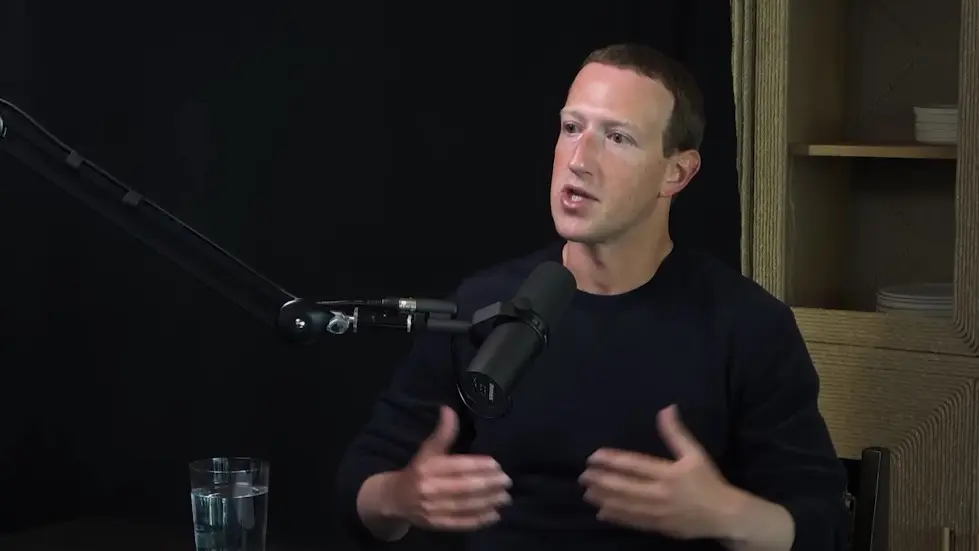
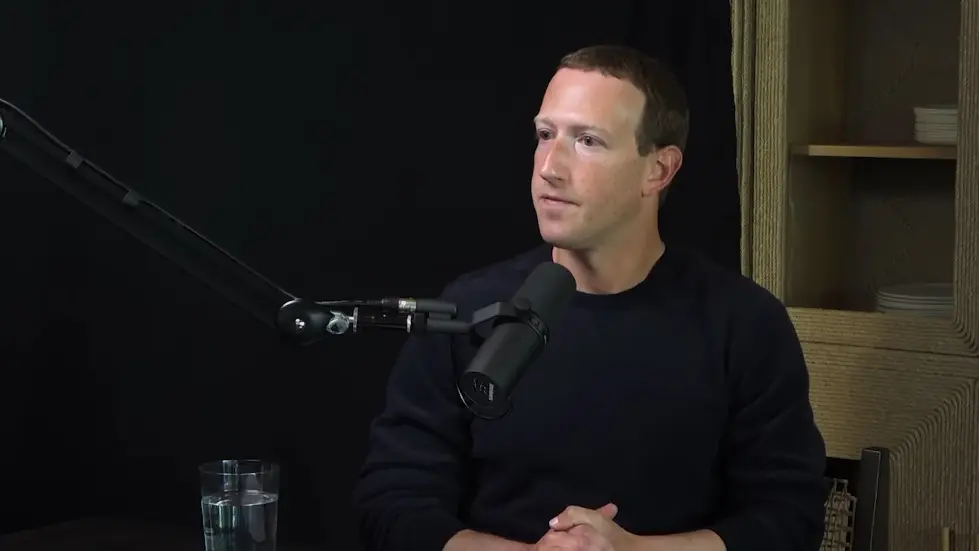
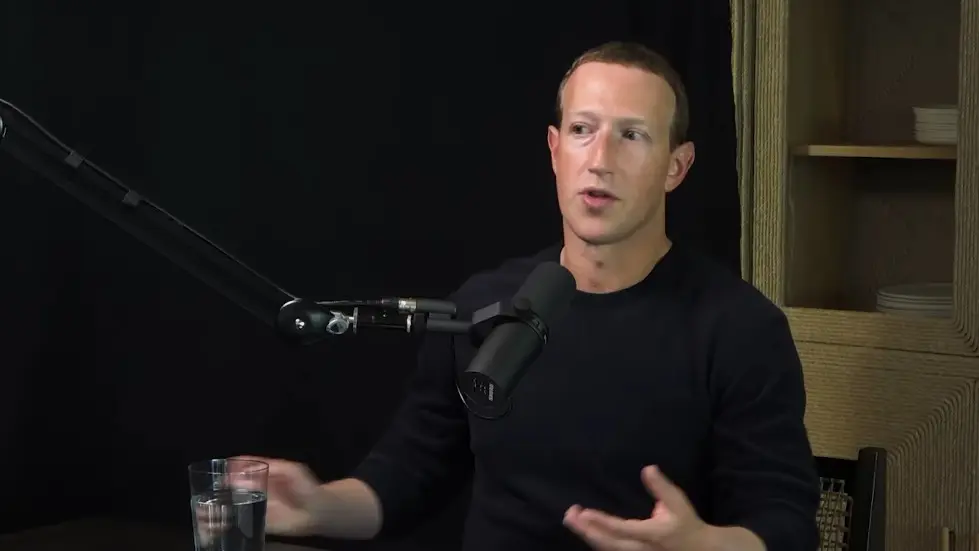
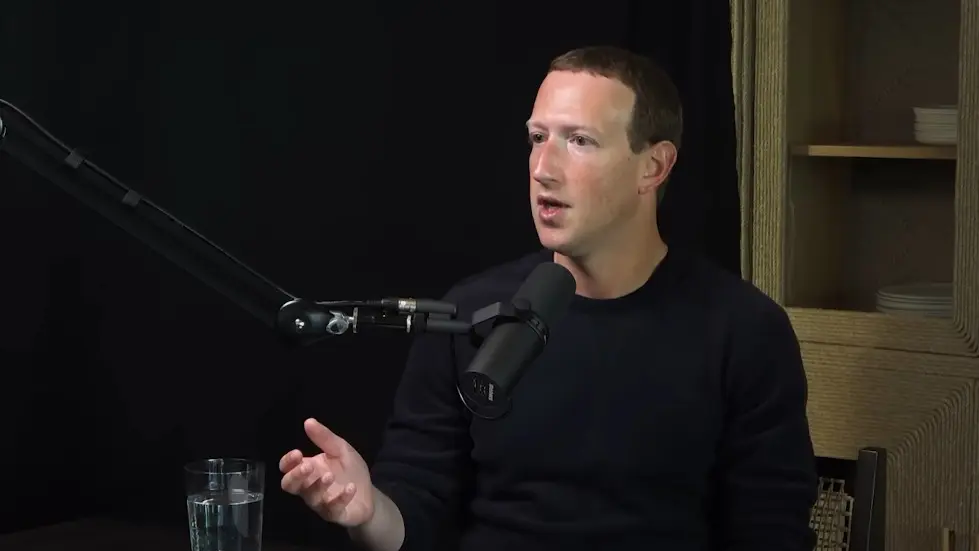
The video is a podcast conversation with Mark Zuckerberg, CEO of Facebook (now called Meta), discussing social media, free speech, censorship, and the responsibility of social networks in a world full of hate, violence, and destruction.
The video is a podcast conversation between Lex Fridman and Mark Zuckerberg, CEO of Facebook (now called Meta), discussing social media, free speech, censorship, and the responsibility of social networks in a world full of hate, violence, and destruction. Fridman expresses his concerns about the cruelty and pain of war, poverty, and human suffering, and how social media can both cause immense suffering and lessen it. They also talk about the importance of criticism and the power of innovation and engineering coupled with freedom of speech to solve any problem in the world. The conversation seeks to understand the failures and successes of the past, the problems before us, and the possible solutions in our complicated world.
- Zuckerberg believes in the importance of free speech and expression on social media.
- He is troubled by human suffering and wants to use technology to help alleviate it.
- Social networks have a responsibility to prevent harm and Facebook is investing in safety measures.
- Zuckerberg is passionate about the metaverse and the idea of avatars representing individuals.
- Facebook is investing in developing systems for the metaverse, including visual presence and spatial audio.
- Facebook is committed to transparency and accountability in its actions.
- The building blocks for the metaverse will be available in the next 10 years.
- Psychological cues, such as face and eye tracking, are important for creating a sense of presence in virtual reality.
- Zuckerberg believes in designing products with basic elements of psychology in mind.
Mark Zuckerberg: Meta, Facebook, Instagram, and the Metaverse | Lex Fridman Podcast #267 - YouTube
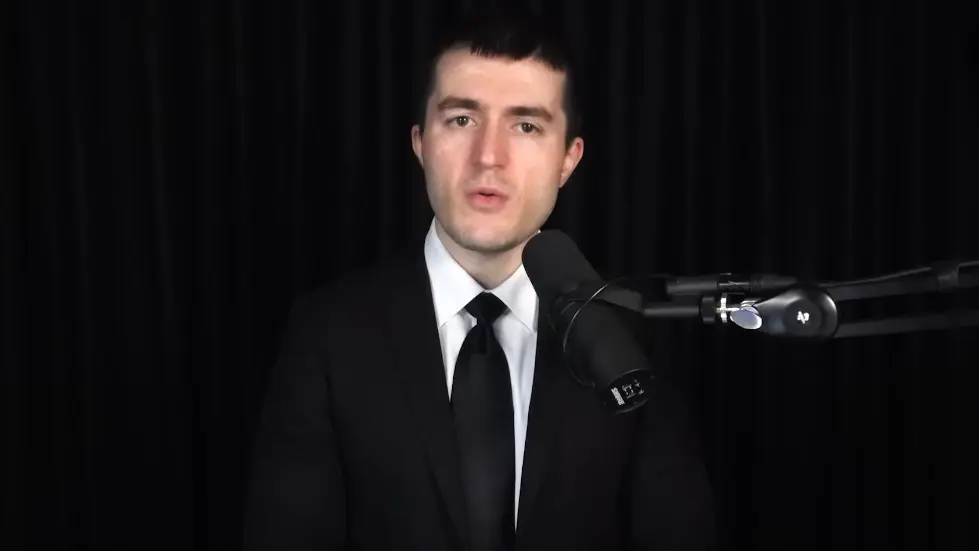
Free Speech and Censorship
- Zuckerberg believes that people expressing themselves is a good thing.
- He cares about how people feel when they use Facebook's products and doesn't want to build products that make people angry.
- He acknowledges that people get bullied on social networks and it weighs heavy on him as a father.
- Zuckerberg believes that social media at its best puts a mirror to humanity and reveals the full complexity of our world.
- He thinks that social media can turn into understanding, friendship, and even love through compassionate but tense chaos of conversation.
- Zuckerberg is aware that many people dislike him and some even hate him, and he wants to regain their trust and support.

Human Suffering and Hope
- Zuckerberg is troubled by the cruelty and pain of war and the human suffering in the world.
- He thinks about the hundreds of millions of people who are starving and who live in extreme poverty.
- Zuckerberg is troubled by the 1 million people who take their own life every year and the 20 million people that attempt it.
- He believes that the line between good and evil runs through the heart of every man.
- Zuckerberg wants to travel to Russia and Ukraine soon to speak to citizens and leaders, including Vladimir Putin.
- He believes that the world is full of hate, violence, and destruction, but it is also full of love, beauty, and the insatiable desire to help each other.

The Responsibility of Social Networks
- Zuckerberg believes that the people who run the social networks have the greatest of responsibilities in a time of war, pandemic, and atrocity.
- He thinks that social networks have the power to cause immense suffering when they fail and the power to lessen that suffering when they succeed.
- Zuckerberg acknowledges that this responsibility is perhaps almost unlike any other in history.
- He believes that criticism is essential, but cynicism is not, and he worries that in our public discourse, cynicism too easily masquerades as wisdom.
- Zuckerberg thinks that both innovation and engineering coupled with the freedom of speech in the form of its highest ideal can solve any problem in the world.
- He believes that honest conversations like these that seek to understand the failures and successes of the past, the problems before us, and the possible solutions are one small way to contribute to inspiring young minds to build solutions to the problems of the world.

Mark Zuckerberg: Meta, Facebook, Instagram, and the Metaverse | Lex Fridman Podcast #267 - YouTube
Conclusion
- Zuckerberg's feet are often held to the fire, and this gives the interviewer hope.
- The power of innovation and engineering coupled with the freedom of speech in the form of its highest ideal can solve any problem in the world.
- Criticism is essential, but cynicism is not, and we need to inspire young minds to build solutions to the problems of the world.
- Honest conversations like these that seek to understand the failures and successes of the past, the problems before us, and the possible solutions are one small way to contribute to inspiring young minds.
- Zuckerberg believes that the line between good and evil runs through the heart of every man.
- The world is full of hate, violence, and destruction, but it is also full of love, beauty, and the insatiable desire to help each other.

Metaverse and Avatars
- Conversation happening inside the metaverse created by Meta many years from now.
- Passionate about the idea of the avatar representing who you are in the metaverse.
- Photorealistic avatars are not going to be four decades before we have.
- Feeling of presence is different from all the other screens that we have today.
- Visual presence and spatial audio are making reasonable progress.
- Workrooms launched where you have meetings and standing meetings in workrooms.

Developing Systems for Metaverse
- Question about how you develop these systems is like what are all of the things that make the physical world all the different cues.
- Visual presence and spatial audio are making reasonable progress.
- Arm gestures and stuff feel more natural.
- You can have side conversations which is something that you can't really do in zoom.
- Lean over and whisper to the person next to you and have a conversation that you can't really do with in just video communication.
- Temperature, olfactory, and touch are the feelings of the true physical world.
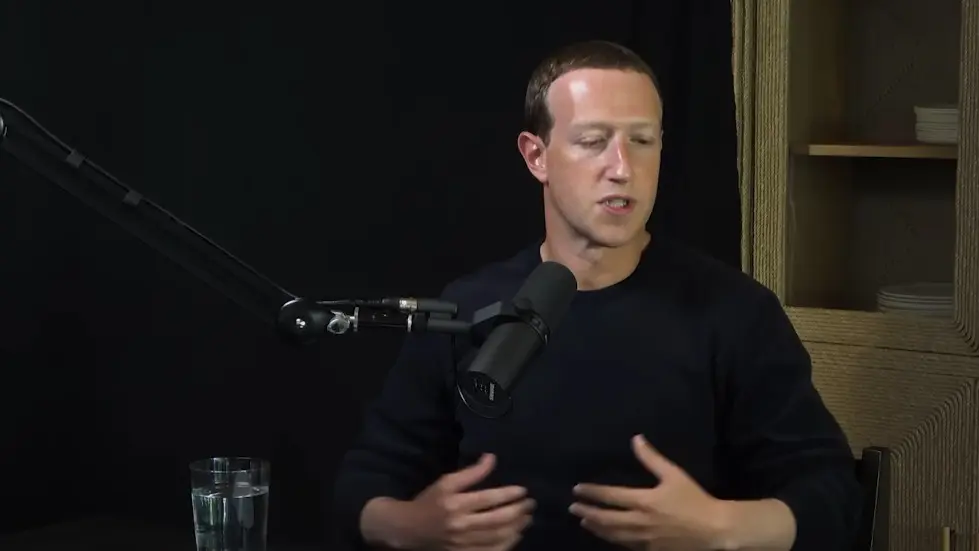
Social Media and Free Speech
- Facebook is a platform for all ideas and voices.
- People should be able to express themselves and share their opinions.
- There are limits to free speech, such as hate speech and incitement to violence.
- Facebook has a responsibility to remove harmful content and misinformation.
- Facebook is investing in AI to detect harmful content and misinformation.
- Facebook is working with independent fact-checkers to label misinformation.
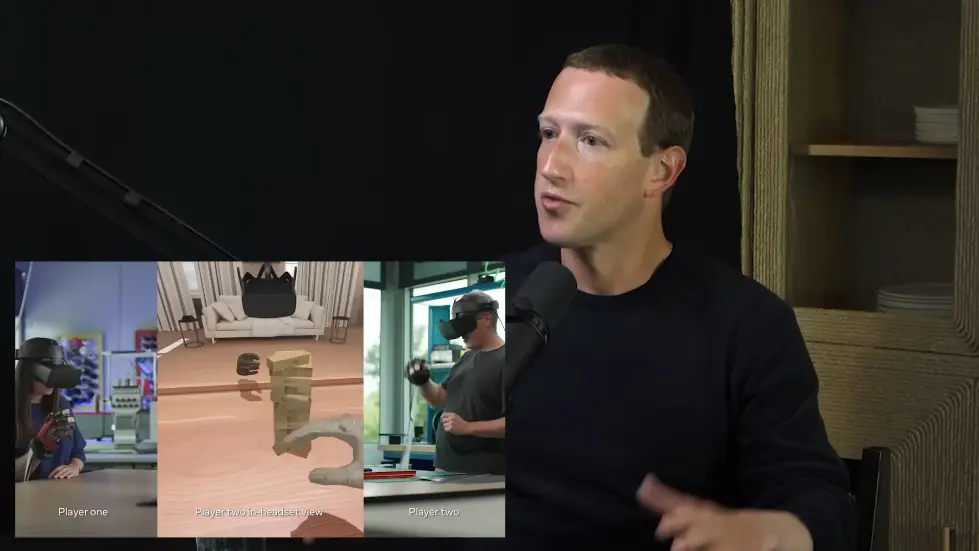
Responsibility of Social Networks
- Social networks have a responsibility to prevent hate, violence, and destruction.
- Facebook is investing in safety and security measures.
- Facebook is working with law enforcement to prevent harm.
- Facebook is working with experts to prevent the spread of harmful content.
- Facebook is working with governments to prevent election interference.
- Facebook is committed to transparency and accountability.

Building Blocks for the Metaverse
- Illusion of being fully present in a virtual world is critical
- Building blocks for the metaverse will be available in the next 10 years
- Software can mask some of the limitations of virtual reality
- Hand presence is important for interaction in virtual reality
- Psychological cues are important for creating a sense of presence
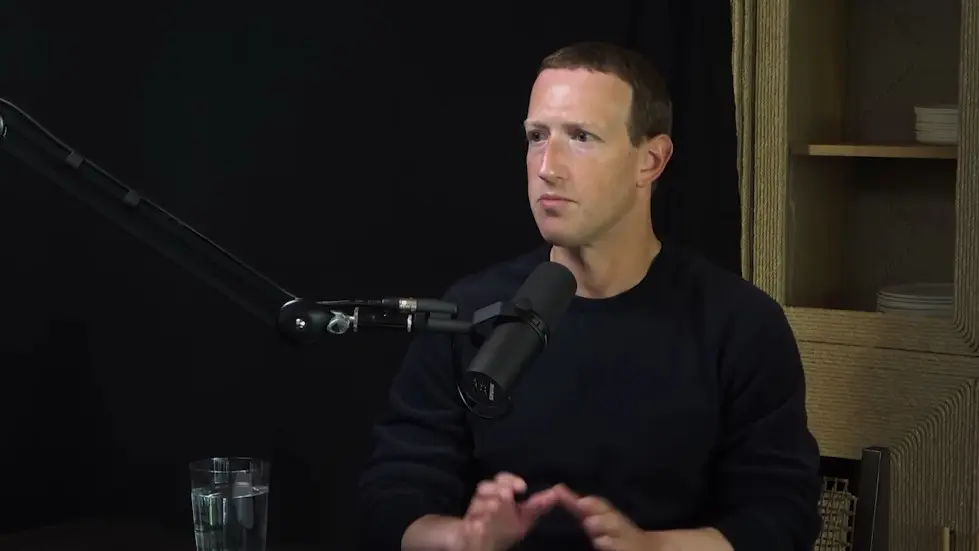
Psychology of Intimacy in Virtual Reality
- Emojis can convey emotion well despite not being photorealistic
- People can fall in love through writing letters without seeing each other in person
- Mark Zuckerberg's approach to building technology is different from other tech entrepreneurs
- Designing products with basic elements of psychology in mind is important
- Face tracking and eye tracking are important for creating a sense of presence in virtual reality
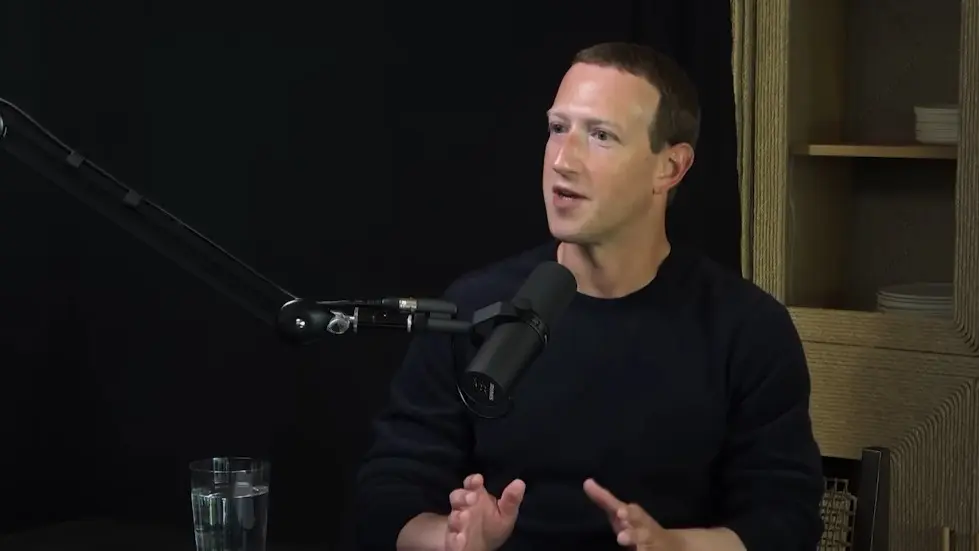
Importance of Face and Eye Tracking in Virtual Reality
- Humans are wired to read facial cues and are very visual
- Face tracking and eye tracking are important for creating a sense of presence in virtual reality
- Eye contact is not possible in video conferencing
- Without eye tracking, virtual eye contact can be faked reasonably well
- Actual eye tracking will allow for real eye contact in virtual reality
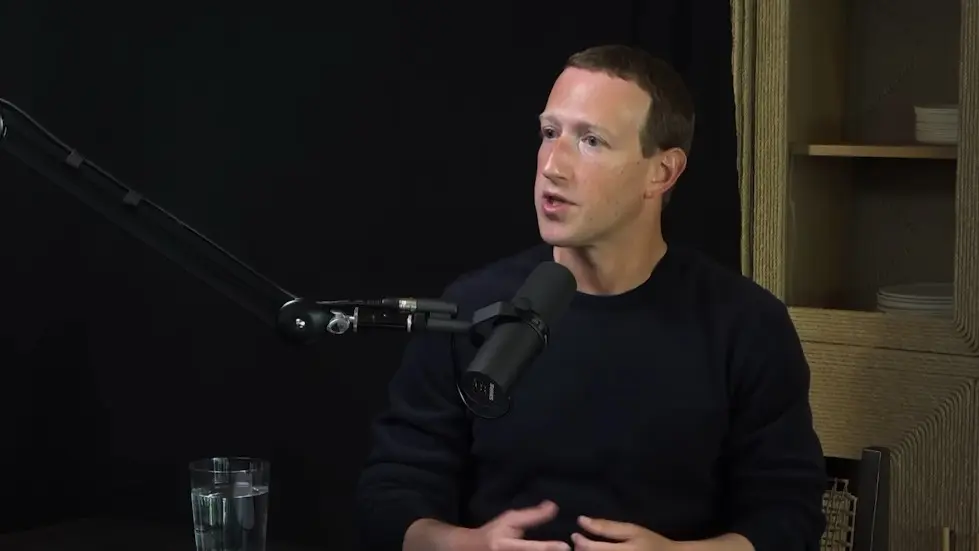
Meta's Contribution to the Metaverse
- Meta's focus on creating the most human and social experience possible in the metaverse.
- The trade-offs of adding features to hardware, such as weight and thickness.
- The importance of micro movements in human expression and emotion.
- The need to build a roadmap of the most important things to unlock over a five to ten year period.
- The goal of making the experience more and more human and social.
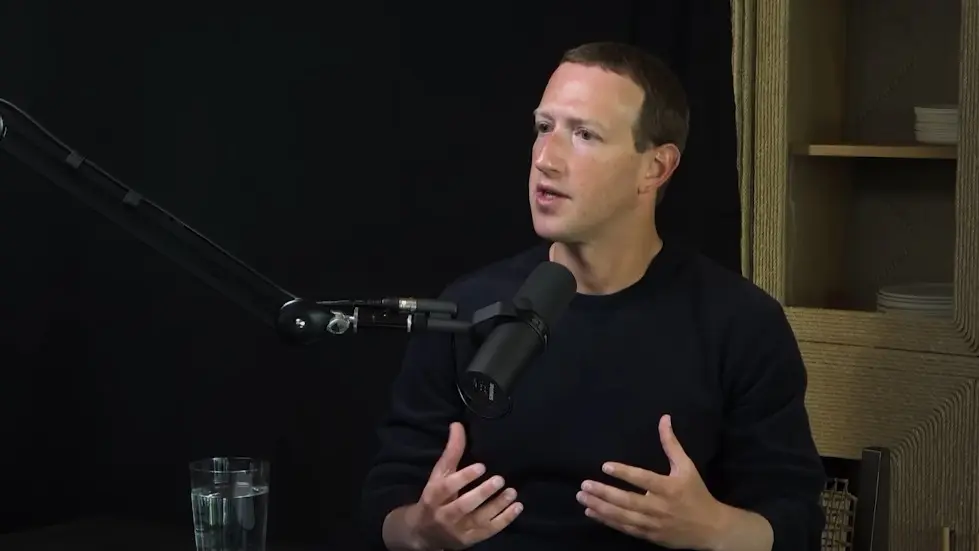
The Singularity Moment for the Metaverse
- The definition of the metaverse as a time when immersive digital worlds become the primary way we live our lives and spend our time.
- The fact that many people already live a large part of their lives in digital worlds, but they are not 3D immersive virtual reality.
- The need to manage the duality of building elegant things that can scale and unlocking different use cases.
- The focus on gaming and social experiences as the first use cases to go after.
- The importance of productivity and collaboration in the metaverse, including workroom and knowledge work.
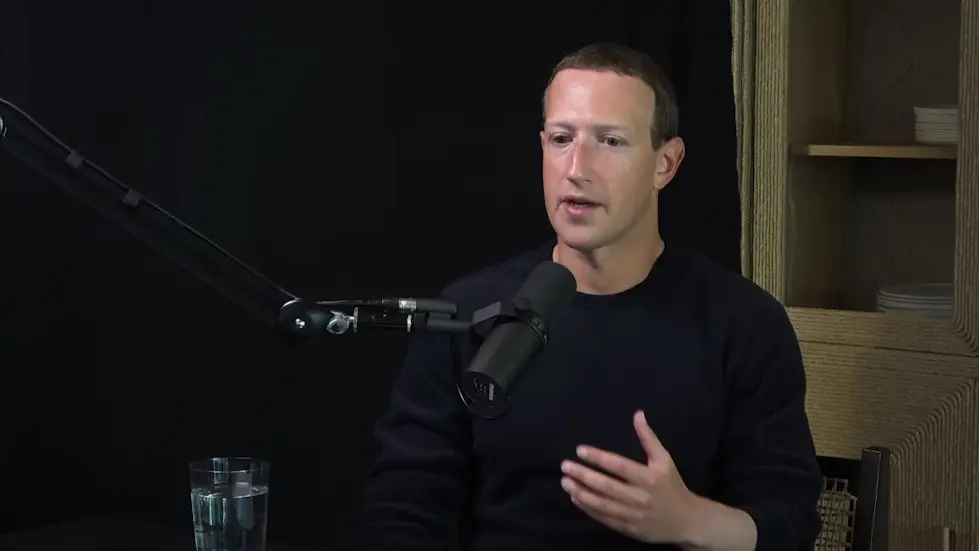
The Responsibility of Social Networks
- The importance of free speech and the responsibility of social networks to balance it with preventing hate, violence, and destruction.
- The challenge of defining hate speech and the need for clear guidelines and transparency in content moderation.
- The role of AI in content moderation and the need for continuous improvement and human oversight.
- The importance of building a diverse and inclusive team to address bias and ensure fairness in content moderation.
- The need for collaboration among social networks, governments, and civil society to address the challenges of the digital age.
The Future of Facebook and Instagram
- The rebranding of Facebook to Meta and the focus on the metaverse as the next computing platform.
- The importance of Instagram as a social network that connects people and inspires creativity.
- The challenges of balancing the positive and negative effects of social media on mental health and well-being.
- The need to address the issues of misinformation, polarization, and election interference on social media.
- The importance of privacy and security in protecting user data and preventing abuse.

Virtual Reality and Productivity
- Virtual reality has the potential to revolutionize productivity by providing an ideal workstation that can be taken anywhere.
- It is not more than five years away before virtual reality becomes the norm for productivity.
- Virtual reality can also be used for fitness, with apps like Supernatural on Quest providing a great workout experience.
- The possibilities of stepping into virtual worlds are endless, and it is a convenient way to travel into different worlds.
- The collaborative aspects of virtual reality are also exciting, especially for programmers who can work together in a virtual environment.

New Paradigms for Coding
- Virtual reality will bring new paradigms for coding, with the ability to build and manipulate the world as you are in it.
- Builder bot programs like the one shown at the Inside the Lab event can be used to create objects in the virtual world through voice commands.
- There will be new experiences that are amazing for the first time, but most of your life will not be spent doing things that are amazing for the first time.
- The goal of virtual reality is not to have people spend more time in computing, but to make computing more natural.
- It will take time for a large amount of the programming community to move to virtual reality, but the possibilities are super exciting.

The Possibilities of the Metaverse
- The Metaverse has the potential to be a new platform for social interaction, entertainment, and commerce.
- It will be a place where people can teleport to any place, whether it's a real place or something that people made.
- There will be new experiences that were not possible before, such as building the world as you are in it.
- The Metaverse will require a balance between new experiences and things that people are already familiar with.
- It will take time for the Metaverse to become mainstream, but the possibilities are endless.
The Responsibility of Social Networks
- Social networks have a responsibility to address hate speech, violence, and other harmful content on their platforms.
- Facebook (now called Meta) is investing in AI to detect harmful content and hiring more content moderators to remove it.
- There is a need for more transparency and accountability in how social networks operate.
- Free speech is important, but it should not be used as an excuse to spread hate and incite violence.
- Social networks should work with governments and other organizations to address these issues and create a safer online environment.

Avatar Identity in the Metaverse
- The avatar identity in the metaverse can range from photorealistic to expressive and cartoonish avatars.
- There will be different use cases for different avatars.
- There are technical challenges in building software to allow people to seamlessly go between different avatars.
- People will have different identities online, and there is utility in being able to do different things.
- The software should allow people to seamlessly go between different avatars.
The Metaverse Economy
- The economy around virtual clothing in the metaverse will be quite big.
- People will invest in their appearance or expression for their photorealistic avatar for meetings.
- There should be a way to translate photorealistic clothing into a more expressive thing for cartoonish or expressive avatars.
- The metaverse economy might exist more as a spectrum in the future.
- The direction on some of the AI advances is happening to be able to take a piece of art or express something and put it in the style of what the user has designed for their expressive avatar.

The Future of Computing
- The future of computing is about spending most of your computing time in the metaverse.
- Having your perfect workstation is a five percent improvement on your coding productivity.
- Increasing the productivity of every engineer in Meta by five percent can make it rival some of the bigger computing platforms that exist today.
- The future of computing is about making the things that people use computing for somewhat better.
- The future of computing is about making the metaverse more accessible to everyone.

The Responsibility of Social Networks
- Social networks have a responsibility in a world full of hate, violence, and destruction.
- Free speech is important, but it should not be used to justify hate speech or incitement to violence.
- Social networks should have policies to remove hate speech and incitement to violence.
- Social networks should have transparency in their policies and enforcement.
- Social networks should have independent oversight to ensure that they are enforcing their policies fairly and consistently.
Digital Clothing and the Metaverse
- The metaverse will allow for the creation of digital clothing that can be infinitely generated.
- There will be a big market for people designing digital clothing.
- The more useful the digital content is, the more valuable it becomes.
- There is potential for people to conceal their identity in order to troll or use bots.
- The negative aspect of digital clothing is the potential for people to impersonate others.

Security in the Metaverse
- One of the biggest security issues in the metaverse is impersonation.
- There should be biometric security to prove that the user is who they say they are.
- People hiding behind fake accounts to do malicious things is not unique to the metaverse.
- AI systems have been developed to detect inauthentic accounts and harmful behavior.
- Trying to figure out who the inauthentic accounts are is more effective than policing what they say.
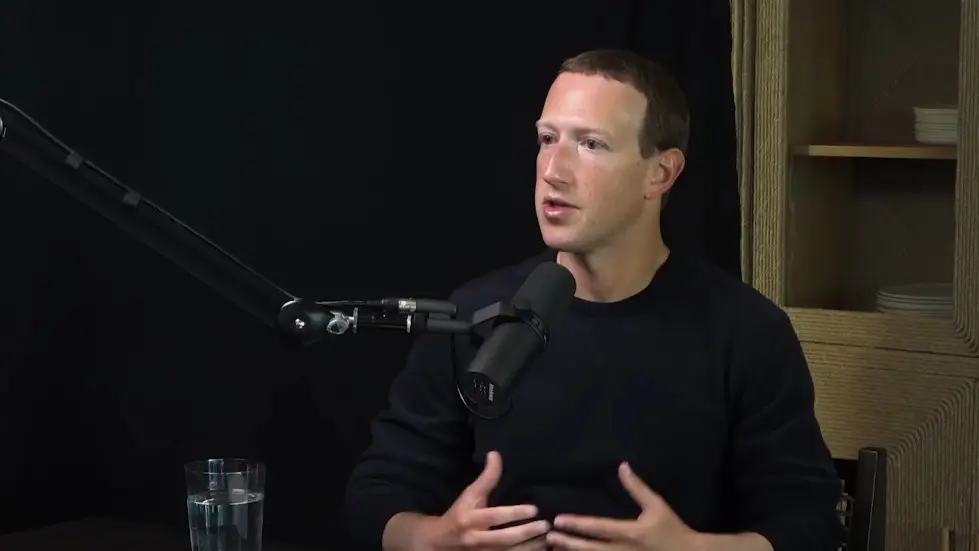
Free Speech and Censorship
- There are hard and philosophical questions around where to draw the line on harmful content.
- Facebook has built AI systems to police harmful content.
- Facebook tries to figure out who the inauthentic accounts are rather than policing what they say.
- Facebook is trying to balance free speech with the responsibility of social networks in a world full of hate, violence, and destruction.
- Facebook is trying to create a platform where people can express themselves while also feeling safe.
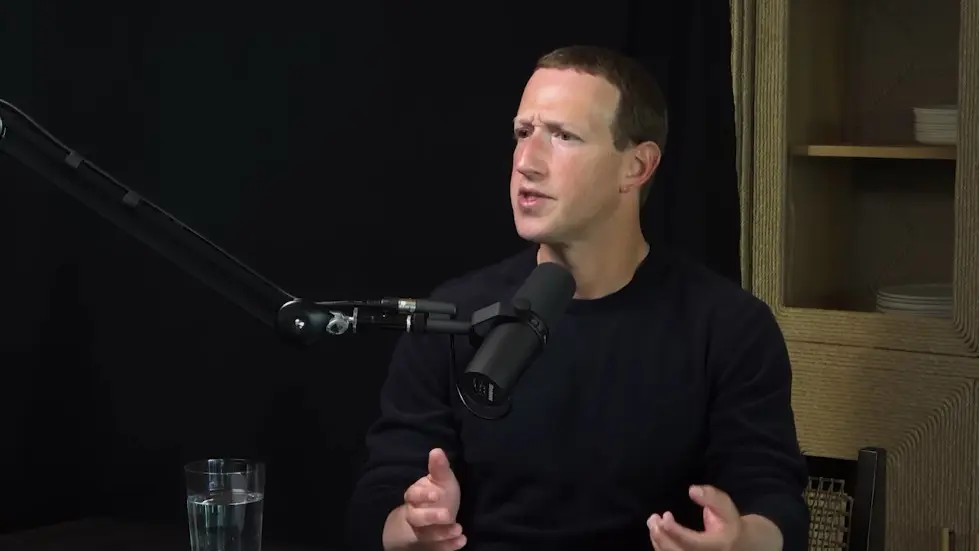
The Future of Meta
- Meta is a new name for Facebook that reflects the company's focus on the metaverse.
- The metaverse is a vision for the future of the internet that is more immersive and interactive.
- Meta is investing heavily in the development of the metaverse.
- The metaverse will be a new platform for social interaction, entertainment, and commerce.
- The metaverse will be a new frontier for innovation and creativity.

Metaverse and Account Security
- The metaverse will have more properties of a phone call, which will require more security measures at the account level.
- Counterintelligence teams and AI systems have been built to detect real accounts from fake ones.
- Facebook is years ahead of other companies in terms of building these capabilities.
- Open sourcing avatars may be useful for public figures, but a notion of talking to the real person is still necessary.
- Clones may outperform the original, leading to trust issues in private relationships.
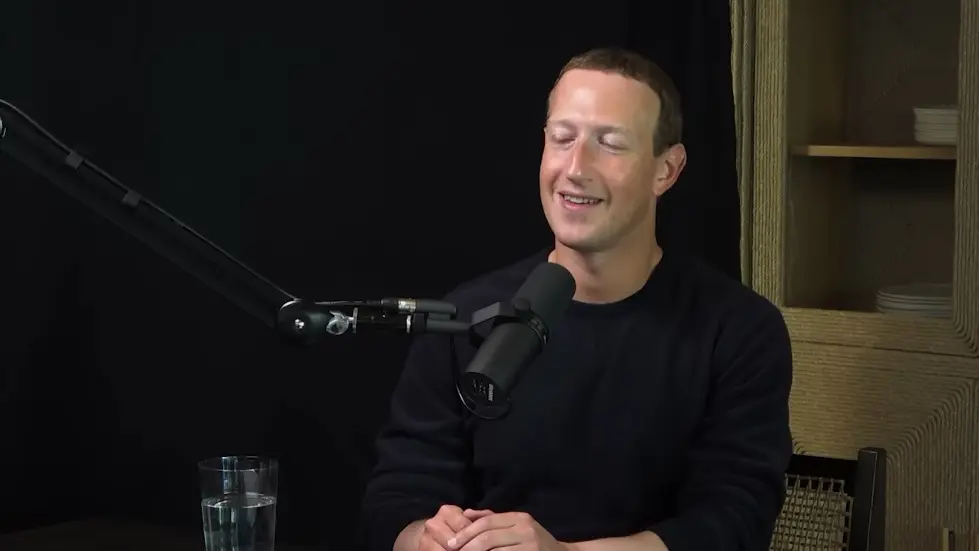
Data Security
- Centralized and decentralized models both have strengths and weaknesses in terms of security.
- Encryption is a big advance for the industry, and WhatsApp is the largest encrypted service in the world.
- WhatsApp's encryption ensures that the company cannot see the content of encrypted messages.
- However, all content is on the user's phone, which can be lost or hacked.
- Centralized data can be useful for training systems, but it also poses risks of government access and hacking.

Free Speech and Censorship
- Facebook's goal is to give people a voice and connect them with others.
- However, there are limits to free speech, such as hate speech and incitement to violence.
- Facebook has policies and teams to remove harmful content, but it's a difficult problem to solve.
- Facebook is working on AI systems to detect harmful content, but it's not perfect.
- Facebook is also working on giving users more control over their content and privacy.

The Responsibility of Social Networks
- Social networks have a responsibility to prevent harm and promote good in the world.
- Facebook is working on initiatives to combat misinformation, promote mental health, and support small businesses.
- Facebook is also working on building a more decentralized internet to give people more control over their data.
- Facebook is open to regulation and working with governments to address issues like privacy and content moderation.
- Facebook is committed to making the world a better place through technology.

Security of Centralized Systems
- Centralized systems can offer better personalization and state-of-the-art security.
- Red teams attack the system, and bounty programs attract the best hackers to break into the system.
- Any system will have security issues, but the best way forward is to be aggressive and open about hardening the systems.
- Open source systems have gotten relatively more secure because they are open, and people surface issues quicker.
- Adopt an approach of constantly hardening the system and staying one step ahead of the attackers.
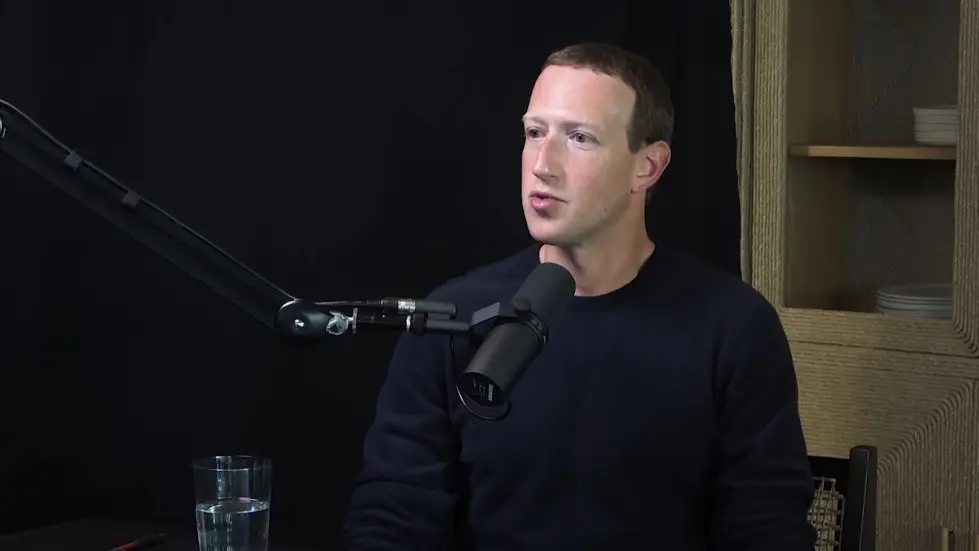
Security in an Adversarial Space
- Security is interesting because of the different threats that we've managed over the last five years.
- Adversaries keep getting better, and security is an inherently adversarial space.
- Nation-states try to interfere in elections and evolve their tactics.
- People usually aren't getting smarter about how they say hateful things.
- Most people are good and get better over time, not being less hateful because they realize it's not fun being hateful.
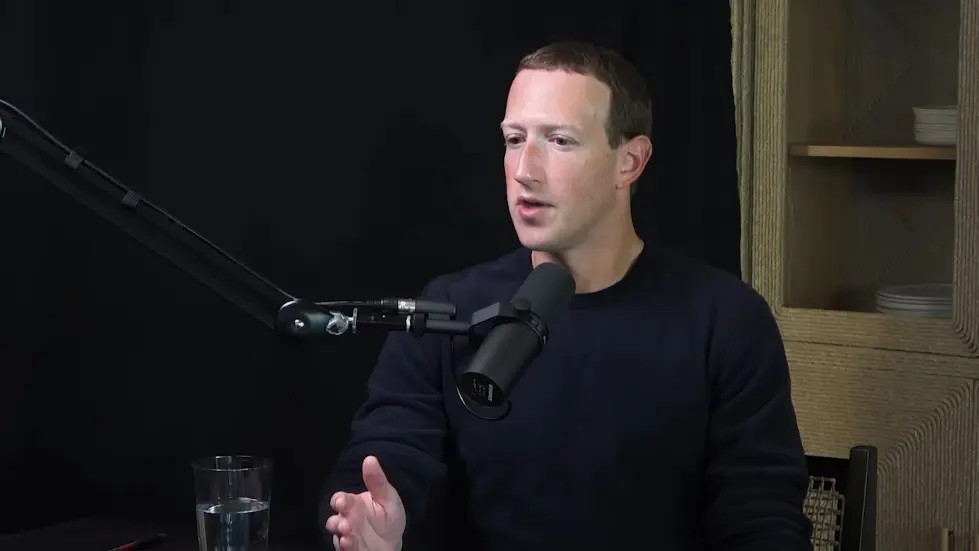
The Social Dilemma Documentary
- The documentary raised concerns about the effects of social media and society.
- The key point they make is that algorithms want to maximize attention and engagement, and an effective way to do so is to get people angry at each other and increase division.
- There are assumptions that are very big jumps that are not reasonable to make.
- Our business model and ads in general make more money as people use the service more.
- Getting people agitated does not necessarily make them more likely to use the services more.
- Provocative content may grab someone's attention in the near term, but it's not necessarily something they'll appreciate having seen or be the best over the long term.
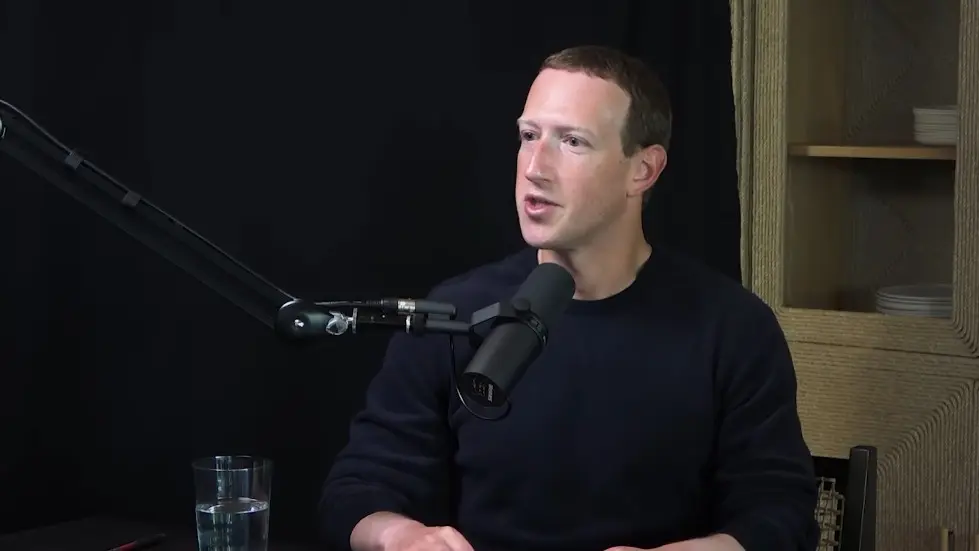
Building a Company for the Long Term
- Mark Zuckerberg is not building the company to make the most money or get people to spend the most time on it in the next quarter or year.
- He's been doing this for 17 years and is still relatively young.
- The goal is to build something that people find useful and appreciate having used over the long term.
- There are trade-offs between maximizing engagement and doing what's right for the long-term health of the community.
- Facebook is investing in safety and security, and they're making progress in reducing hate speech and misinformation.
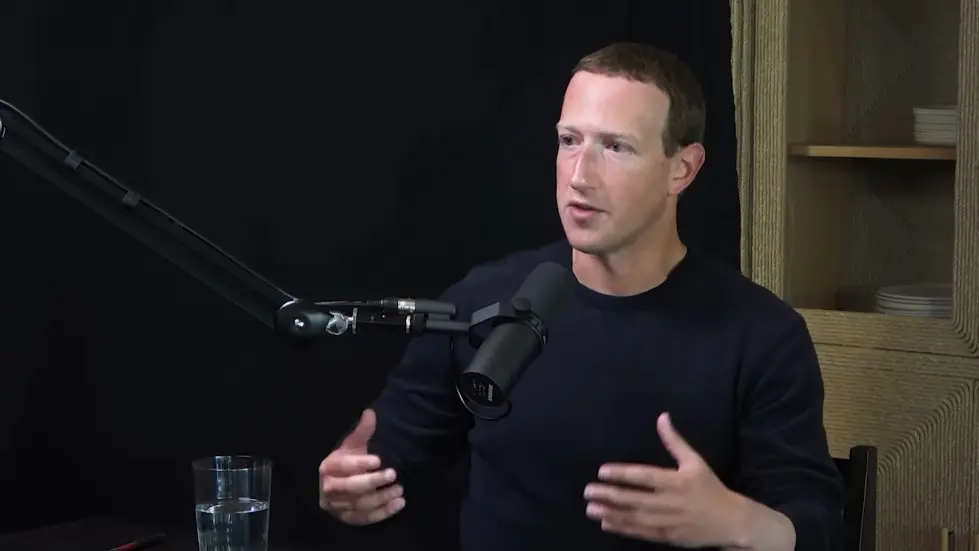
Incentives and Product Design
- Long-term incentives of a company are to do what people will find valuable over time, not just what draws attention today.
- Building a product is not just about function and utility, but also about the feeling it creates.
- Mark Zuckerberg cares about how people feel when they use Facebook's products and does not want to build products that make people angry.
- Facebook shows content that makes people angry less because they want people to connect and feel good over a long period of time.
- Real incentives of Facebook are not just about optimizing for the next week, but about designing a system that benefits people in the long run.
- Issues with social media are not unique to ads, as subscription news business models also have potential pitfalls.
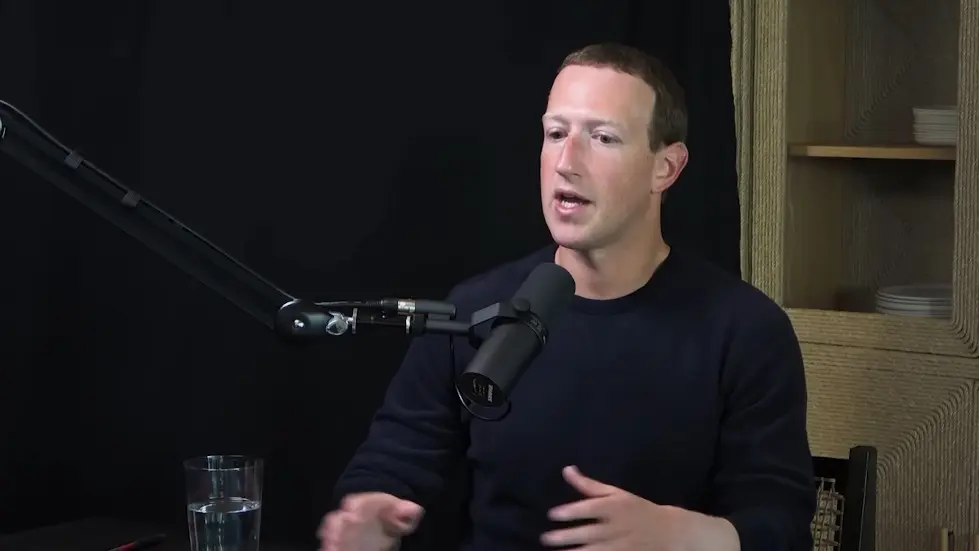
Advertising Business Model
- Advertising makes consumer services free, which is a great thing if you believe that everyone should have a voice and be able to connect.
- Every business model has pitfalls, and it is important to be careful about how you implement what you are doing.
- Subscription news business models can also be polarizing and produce content that is not centrist or down the line.
- There is no perfect business model, and everything has its own set of challenges.
- Mark Zuckerberg believes that advertising is a great business model because it makes consumer services free for everyone.
- Building a luxury service that not everyone can afford is not a good way to connect people.
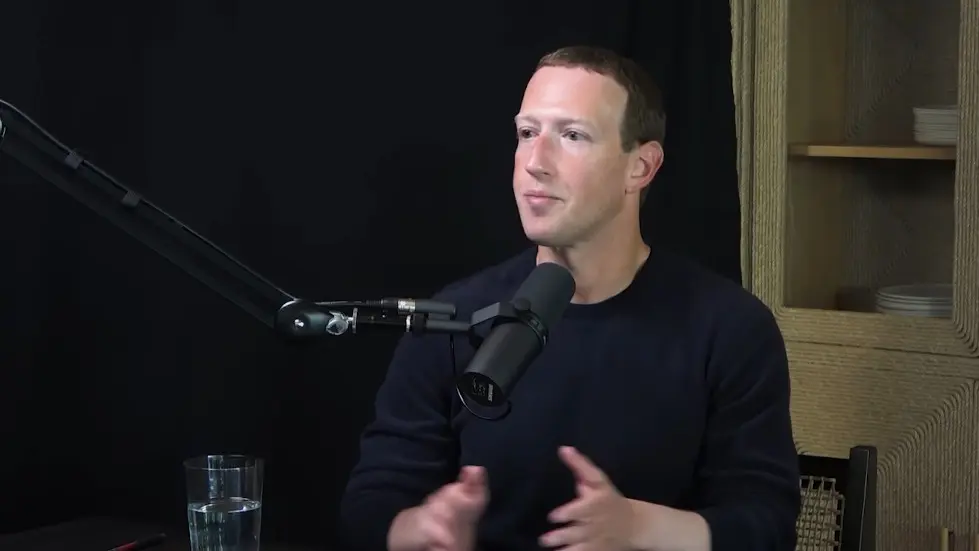
Narrative of Malevolence
- There is a narrative of malevolence that suggests Facebook is making people angry just to make more money in the short term.
- Mark Zuckerberg believes that this narrative is too simplistic and does not take into account the long-term incentives of the company.
- Facebook's real incentives are to do what people will find valuable over time, not just what draws attention today.
- Mark Zuckerberg cares about how people feel when they use Facebook's products and does not want to build products that make people angry.
- Facebook shows content that makes people angry less because they want people to connect and feel good over a long period of time.
- Issues with social media are not unique to ads, as subscription news business models also have potential pitfalls.

Human Nature and Social Media
- Human nature involves fights, arguments, and disagreements, but long-term growth involves learning, challenging oneself, improving, and being kind to each other.
- Social media can be a place where fights break out, arguments happen, and viral content can be polarizing.
- Mark Zuckerberg cares about how people feel when they use Facebook's products and does not want to build products that make people angry.
- Facebook shows content that makes people angry less because they want people to connect and feel good over a long period of time.
- Issues with social media are not unique to ads, as subscription news business models also have potential pitfalls.
- It is important to be careful about how you implement what you are doing, regardless of the business model.
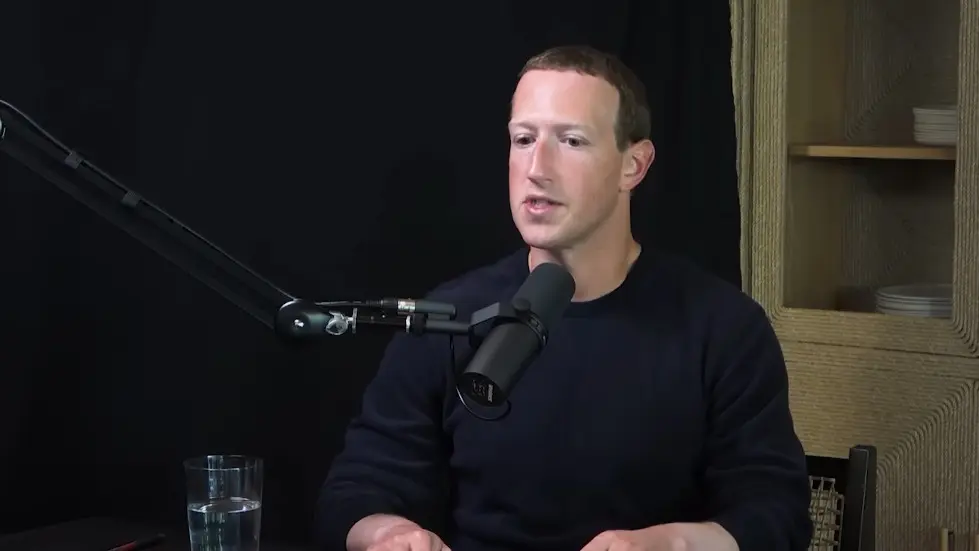
Social Media and Polarization
- Research shows that social media is not a large driver of polarization.
- Studies by economists and social scientists have found that polarization varies around the world and is declining in many countries.
- Facebook is present in almost every country, and social media is a phenomenon that is pretty much equivalent in all of these different countries.
- Most academic studies show that social media use is correlated with lower polarization.
- Studies have shown that voters who are the most polarized were actually the ones who were not on the internet.
- Most problematic is what they call affective polarization, which is basically having negative feelings towards people of another group.
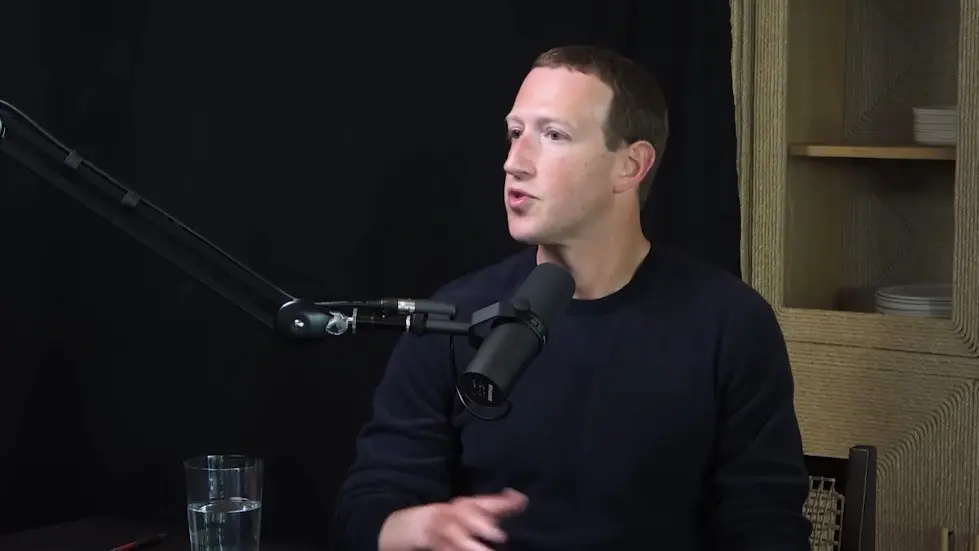
Mark Zuckerberg's Unfavorable Rating
- Mark Zuckerberg has a 54 percent unfavorable rating, making him one of the most disliked tech leaders today.
- Elon Musk has a 23 percent unfavorable rating.
- Many people dislike or even hate Mark Zuckerberg.
- It is unclear why so many people dislike Mark Zuckerberg.
- Mark Zuckerberg needs to regain people's trust and support.
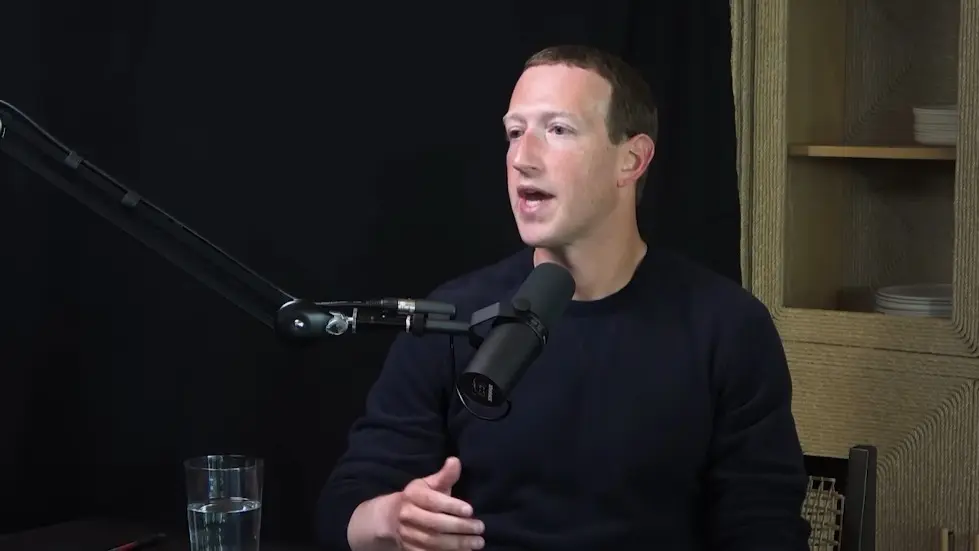
Design Decisions and Handling Content
- It is worth grounding the discussion in the research that overwhelmingly shows that the mainstream narrative around social media and polarization is just not right.
- Mark Zuckerberg acknowledges that social media companies have a responsibility to improve the long-term well-being of human beings.
- There are design decisions that can be made to improve the well-being of users.
- Mark Zuckerberg believes that transparency is important in handling content.
- Mark Zuckerberg is open to discussing design decisions and how to handle specific pieces of content.
- Mark Zuckerberg believes that social media can be a force for good in the world.
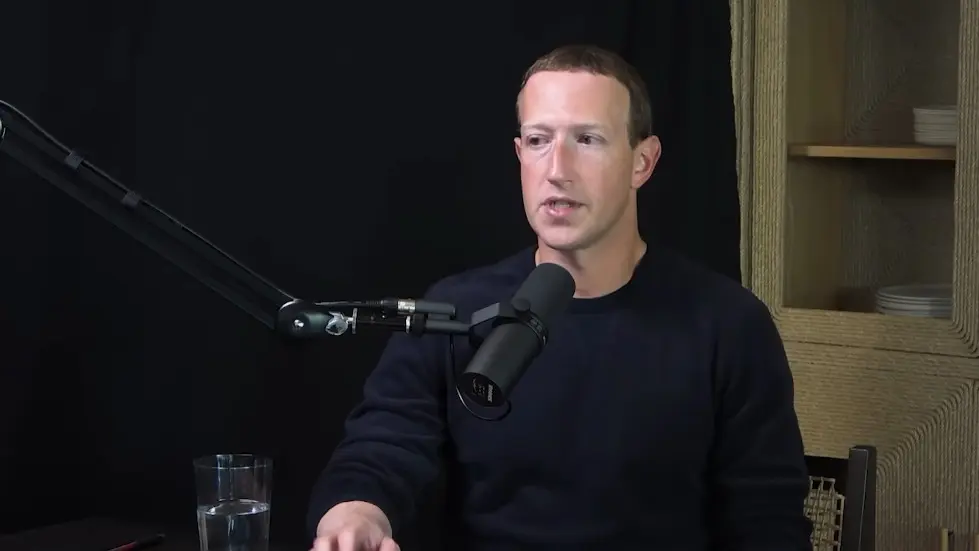
Other Factors Contributing to Polarization
- There are other factors contributing to polarization, such as partisan politics and Fox News, that predate the internet.
- Having different opinions on something is not by itself bad.
- Most problematic is affective polarization, which is having negative feelings towards people of another group.
- Use of social media has corresponded to decreases in affective polarization.
- There is a deeper analysis needed to understand polarization and its different forms.
- Mark Zuckerberg believes that social media can help bring people together and reduce polarization.
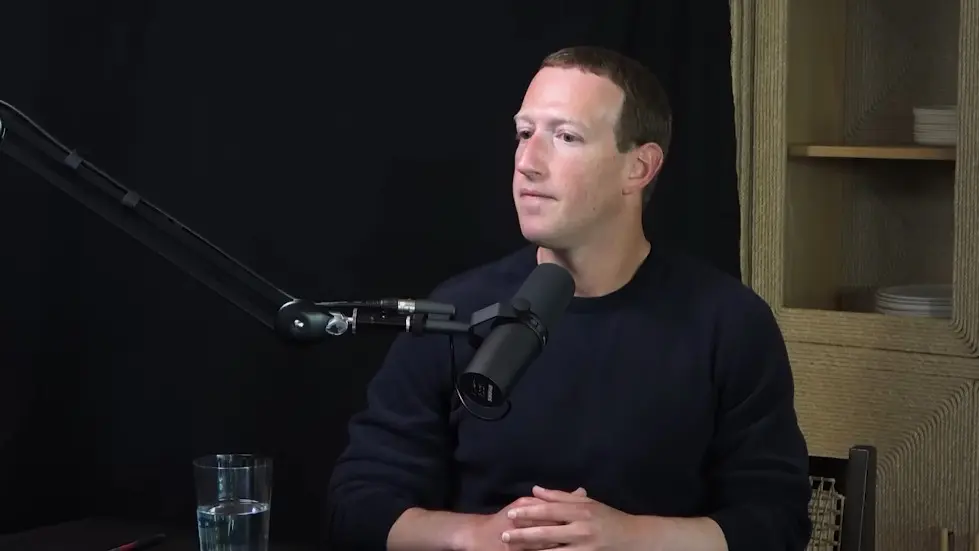
Challenges in Explaining Social Media Impact
- Meta's brand has been uniquely challenged in the US compared to other places.
- Before 2016, there were very few negative sentiments towards Meta, but since then, there have been very few positive ones.
- The sentiment towards Meta and its services is extremely positive in many other countries in the world.
- Meta is not a partisan company, so it constantly makes decisions that upset people in both camps.
- When Meta makes a controversial decision, the people who disagree tend to be more vocal and negative than those who agree.
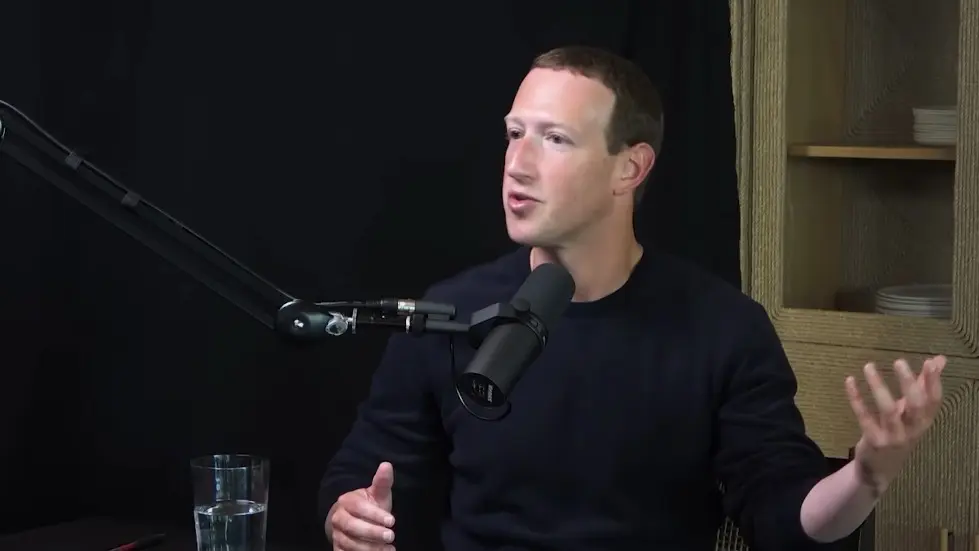
Challenges of Being a Non-Partisan Company
- Meta is not a democrat or republican company, so it tries to make the best decisions to help people connect and have a voice while still having rules because it is running a community.
- Meta is constantly making decisions that upset people in both camps, which negatively affects its brand.
- Meta's internal assessment of analytics on its brand shows that anytime a big controversial issue comes up in society, its brand goes down with half of the country.
- It is challenging for Meta to navigate a polarizing country in a principled way without hewing to one side or the other.
- Meta will continue to try to do what it thinks is the right thing.

You have read 50% of the summary.
To read the other half, please enter your Name and Email. It's FREE.
You can unsubscribe anytime. By entering your email you agree to our Terms & Conditions and Privacy Policy.
Watch the video on YouTube:
Mark Zuckerberg: Meta, Facebook, Instagram, and the Metaverse | Lex Fridman Podcast #267 - YouTube
Related summaries of videos:
- Andrew Huberman: Focus, Stress, Relationships, and Friendship | Lex Fridman Podcast #277
- Grimes: Music, AI, and the Future of Humanity | Lex Fridman Podcast #281
- David Buss: Sex, Dating, Relationships, and Sex Differences | Lex Fridman Podcast #282
- Joe Rogan: Comedy, Controversy, Aliens, UFOs, Putin, CIA, and Freedom | Lex Fridman Podcast #300
- Jordan Peterson: Life, Death, Power, Fame, and Meaning | Lex Fridman Podcast #313
- Magnus Carlsen: Greatest Chess Player of All Time | Lex Fridman Podcast #315
- Noam Chomsky: Putin, Ukraine, China, and Nuclear War | Lex Fridman Podcast #316
- Annaka Harris: Free Will, Consciousness, and the Nature of Reality | Lex Fridman Podcast #326
- Kanye 'Ye' West Interview | Lex Fridman Podcast #332
- Ben Shapiro: Politics, Kanye, Trump, Biden, Hitler, Extremism, and War | Lex Fridman Podcast #336
- Home
- About us
- Contact
- Book Summaries 0-9
- Book Summaries A
- Book Summaries B
- Book Summaries C
- Book Summaries D
- Book Summaries E
- Book Summaries F
- Book Summaries G
- Book Summaries H
- Book Summaries I
- Book Summaries J
- Book Summaries K
- Book Summaries L
- Book Summaries M
- Book Summaries N
- Book Summaries O
- Book Summaries P
- Book Summaries Q
- Book Summaries R
- Book Summaries S
- Book Summaries T
- Book Summaries U
- Book Summaries V
- Book Summaries W
- Book Summaries X
- Book Summaries Y
- Book Summaries Z
- Jay Shetty Podcast - Summaries
- Tom Bilyeu Impact Theory - Summaries
- Lex Fridman - Summaries
- Diary of a CEO - Summaries
- Alex Hormozi - Summaries
