
Andrew Huberman and Dr. Matthew MacDougall: Neuralink and Technologies to Enhance Human Brains (Huberman Lab Podcast)
Last updated: Oct 2, 2023
The video is about Andrew Huberman and Dr. Matthew McDougall, the head neurosurgeon at Neurolink, discussing the company's mission to develop technologies to overcome specific clinical challenges of the brain and nervous system, as well as to improve brain design. The video covers topics such as augmenting memory, cognition, and communication between humans and machines, and the use of robotics, machine learning, computer science, and novel devices to change the ways that human brains work for the better. Dr. McDougall also discusses his own experiences with implanting devices in his body to overcome daily life challenges and demonstrate the utility of combining novel machines and devices with the nervous system. The video provides an extensive conversation about the utility of animal versus human research in probing brain function and devising and improving the human brain, as well as an overview of Neurolink's goals and progress in brain augmentation.
This video by Andrew Huberman was published on Apr 17, 2023.
Video length: 02:01:41.
The video is about Dr. Matthew McDougall, the head neurosurgeon at Neurolink, discussing the company's mission to develop technologies to overcome specific clinical challenges of the brain and nervous system, as well as to improve brain design.
Dr. McDougall explains how Neurolink is approaching these challenges by combining existing knowledge of brain function from the fields of neuroscience and neurosurgery with robotics, machine learning, computer science, and the development of novel devices.
The video also covers Dr. McDougall's perspective on which challenges of brain function and disease are immediately tractable, as well as where he sees the future of brain augmentation for treating disease and improving brain function.
- Neurolink is a company that aims to develop technologies to overcome specific clinical challenges of the brain and nervous system, as well as to improve brain design
- They combine existing knowledge of brain function from the fields of neuroscience and neurosurgery with robotics, machine learning, computer science, and novel devices to change the ways that human brains work for the better
- Dr Matthew McDougall is the head neurosurgeon at Neurolink and has implanted devices in his own body to overcome daily life challenges and demonstrate the utility of combining novel machines and devices with the nervous system
- Neurolink is currently conducting experiments to improve brain function and treat disease, and they are working on developing peripheral nervous system technology
- Animal research is important for understanding the basic mechanisms of the brain, but human research is necessary for translating those findings into practical applications
- Ketones are the brain's preferred use of fuel even if not following a ketogenic diet
- Continuous glucose monitors allow users to assess how their specific routines, food intake patterns, exercise, sleep, and things like alcohol impact their blood glucose levels
- Levels is a program that uses continuous glucose monitors to give real-time feedback on diet and health by assessing blood glucose levels
- Hyperglycemia or hypoglycemia should be avoided as they can negatively impact the cells of the body, particularly the nervous system
- The podcast discusses the utility of animal versus human research in probing brain function and devising and improving the human brain

Introduction
- Welcome to the Huberman Lab podcast
- Hosted by Andrew Huberman, a professor of neurobiology and ophthalmology at Stanford School of Medicine
- Guest is Dr Matthew McDougall, head neurosurgeon at Neurolink
Neurolink and Brain Augmentation
- Neurolink is a company that aims to develop technologies to overcome specific clinical challenges of the brain and nervous system, as well as to improve brain design
- They combine existing knowledge of brain function from the fields of neuroscience and neurosurgery with robotics, machine learning, computer science, and novel devices to change the ways that human brains work for the better
- Neurolink is uniquely positioned to accomplish these goals because they are approaching these challenges by combining both existing knowledge of brain function and novel devices
Dr Matthew McDougall's Perspective
- Dr Matthew McDougall is a neurosurgeon who has implanted devices in his own body to overcome daily life challenges and demonstrate the utility of combining novel machines and devices with the nervous system
- He has also implanted similar devices in his family members to overcome specific movement disorders such as Parkinson's and other disorders of deep brain function
- Dr McDougall has a radio receiver implanted in the periphery of his own body to monitor how people's cognition and behavior change as the brain itself has changed structurally and functionally
Experiments at Neurolink
- Neurolink is currently conducting experiments to improve brain function and treat disease
- They are also working on developing peripheral nervous system technology
- Dr McDougall generously takes us under the hood of what's happening at Neurolink, explaining the sorts of experiments they are doing and have planned
Animal vs Human Research
- The podcast discusses the utility of animal versus human research in probing brain function and devising and improving the human brain
- Dr McDougall explains that animal research is important for understanding the basic mechanisms of the brain, but human research is necessary for translating those findings into practical applications
Conclusion
- By the end of the episode, you will have a much clearer understanding of how human brains work and how they can be improved by Robotics and engineering
- You'll also have a very clear picture of what Neurolink is doing toward these goals
Section 1: Ketones and Brain Fuel
- Ketones are the brain's preferred use of fuel even if not following a ketogenic diet.
- Continuous glucose monitors allow users to assess how their specific routines, food intake patterns, exercise, sleep, and things like alcohol impact their blood glucose levels.
- Levels is a program that uses continuous glucose monitors to give real-time feedback on diet and health by assessing blood glucose levels.
- Hyperglycemia or hypoglycemia should be avoided as they can negatively impact the cells of the body, particularly the nervous system.
- Levels allows users to understand how their specific routines, food intake patterns, exercise, sleep, and things like alcohol impact their blood sugar levels.
Section 2: Continuous Glucose Monitors
- Continuous glucose monitors are used to assess how what you eat and what combinations of foods you eat and exercise and sleep and things like alcohol impact your blood glucose levels.
- Many people who use levels find that there is a lot to learn and gain by understanding these blood glucose patterns.
- Levels is offering an additional two free months of membership to those who sign up today.
- Thesis makes custom nootropics that are designed to place your brain and body into a specific state ideal for a particular type of work or physical effort.
- Thesis understands that the brain has neural circuits for focus, creativity, and task switching but not for being smart.
Section 3: Nootropics
- Thesis has designed custom nootropics that are each designed to place your brain and body into a specific state ideal for a particular type of work or physical effort.
- Thesis nootropics are designed to enhance focus, creativity, and task switching.
- Taking the three-minute quiz on the Thesis website will design a custom starter pack for you.
- Thesis will iterate with you over the course of the next few weeks or months to come to come up with the ideal nootropic kit for your needs.
- Using the code huberman at checkout will get you 10 off your first box from Thesis.
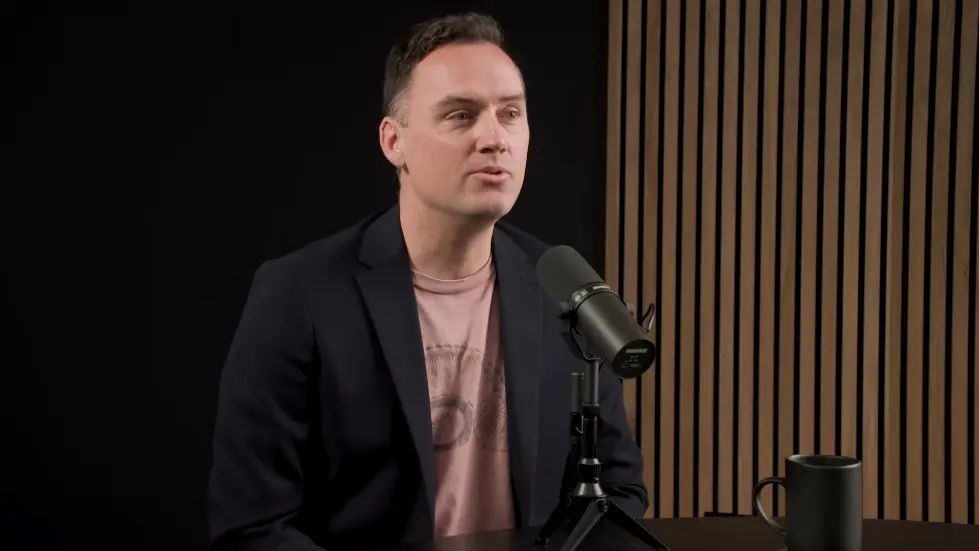
Section 4: Dr. Matthew McDougall's Vision of the Brain
- Dr. Matthew McDougall views the brain as an organ that has the potential to add things into it that don't exist there already.
- The brain is a collection of functional modules pinned together, duct-taped together, in a bone box attached to your head.
- Surgeons tend to view the world a little differently than most because they like to cut and fix and mend.
- The brain can limit our ability to feel the way we want to feel or move the way we want to move.
- Dr. McDougall thinks about the brain as a three-pound lump of meat trapped in a prison of the skull.
Dr. Matthew McDougall's Experience with Brain Damage
- Dr. Matthew McDougall, head neurosurgeon at Neurolink, discusses his experience with implanting devices in his body to overcome daily life challenges.
- He describes the utility of combining novel machines and devices with the nervous system.
- Dr. McDougall discusses his own experiences with implanting devices in his body to overcome daily life challenges and demonstrate the utility of combining novel machines and devices with the nervous system.
- He talks about the importance of animal versus human research in probing brain function and devising and improving the human brain.
- Dr. McDougall discusses Neurolink's goals and progress in brain augmentation.
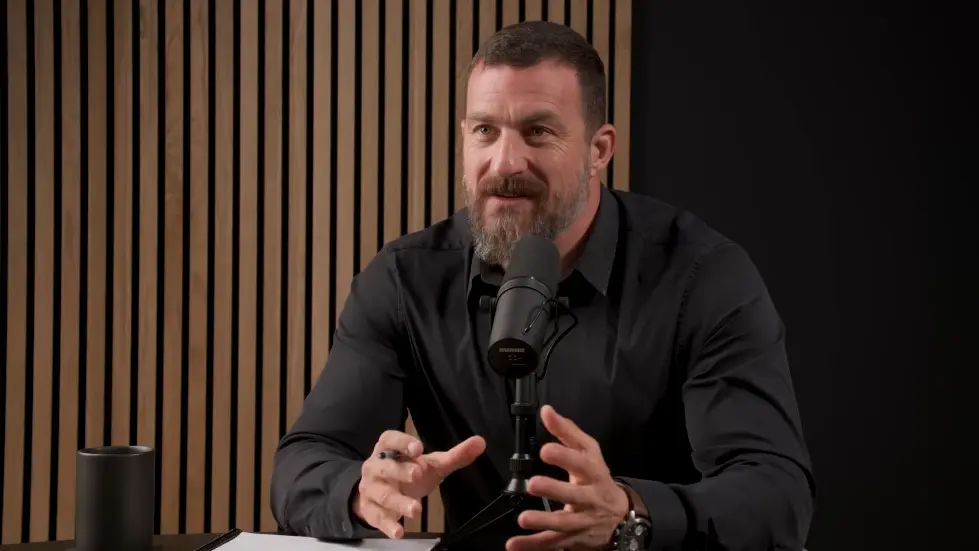
Neurolink's Mission to Develop Technologies to Overcome Specific Clinical Challenges of the Brain and Nervous System
- Neurolink's mission is to develop technologies to overcome specific clinical challenges of the brain and nervous system.
- The company aims to augment memory, cognition, and communication between humans and machines.
- Neurolink uses robotics, machine learning, computer science, and novel devices to change the ways that human brains work for the better.
- The company's goal is to improve brain design.
- Neurolink's progress in brain augmentation includes techniques such as using a two millimeter drill hole in the skull to pass a little fiber optic cannula and attach it to a laser to heat the tumor deep inside the brain under direct MRI visualization in real time.
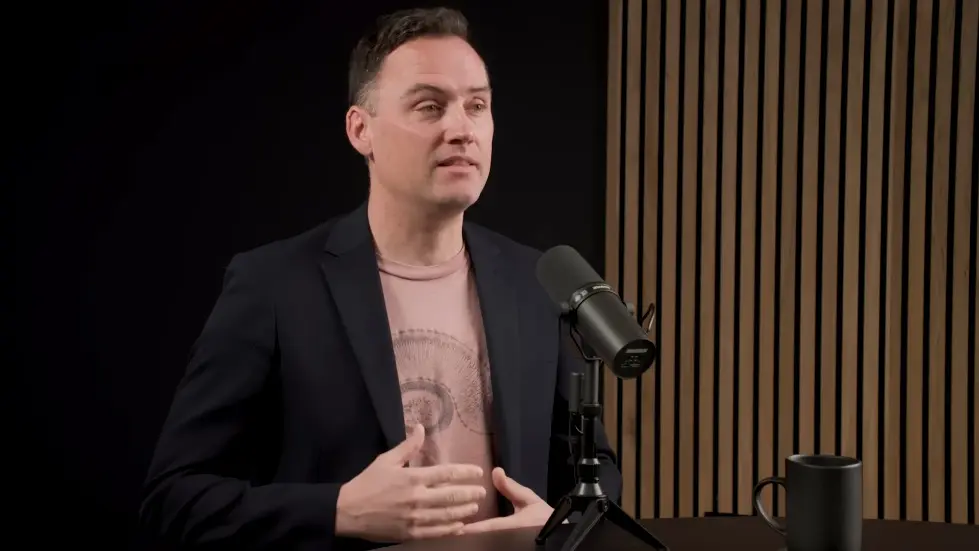
Dr. McDougall's Discussion of Frontal Lobe Damage
- Dr. McDougall discusses the case of a patient who had bilateral frontal lobe damage and had essentially no impulse control left.
- He describes the patient's condition as tragic and one of the most difficult ways to have a brain malfunction.
- Dr. McDougall talks about the importance of working with the brain as a surgeon and the high stakes involved.
- He describes one of the relatively newer techniques that they do is using a two millimeter drill hole in the skull to pass a little fiber optic cannula and attach it to a laser to heat the tumor deep inside the brain under direct MRI visualization in real time.
- Dr. McDougall talks about the clinical outcomes of this procedure and how it translates into better outcomes for patients.

Dr. McDougall's Discussion of Basic Information about Brain Function
- Dr. McDougall discusses the basic information about brain function that can be gleaned from clinical approaches such as lesions and strokes.
- He talks about the importance of understanding the normal functioning of the brain and how it relates to specific clinical challenges.
- Dr. McDougall discusses the role of excitatory and inhibitory neurons in communication and how they affect impulsivity.
- He talks about the importance of animal versus human research in probing brain function and devising and improving the human brain.
- Dr. McDougall discusses Neurolink's goals and progress in brain augmentation and how it relates to basic information about brain function.
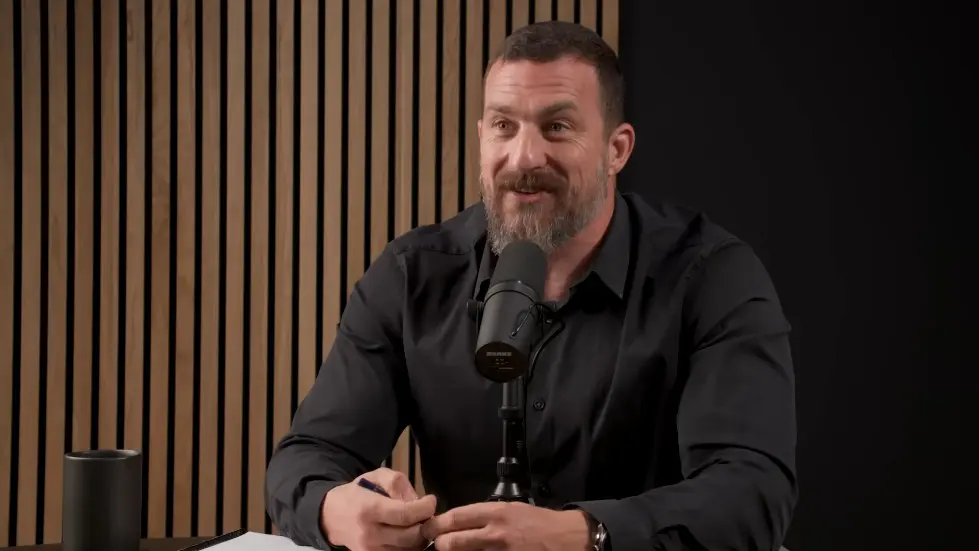
Section 1: Understanding the Basic Function of Neural Tissue
- The function of neural tissue varies from tissue to tissue.
- The frontal lobes act as a filter, selectively allowing impulses to pass through in a controlled way.
- The frontal lobes are responsible for controlling behavior and decision-making.
- The frontal lobes are also involved in planning, organization, and problem-solving.
- The frontal lobes are affected by damage, which can lead to impaired decision-making and behavior.
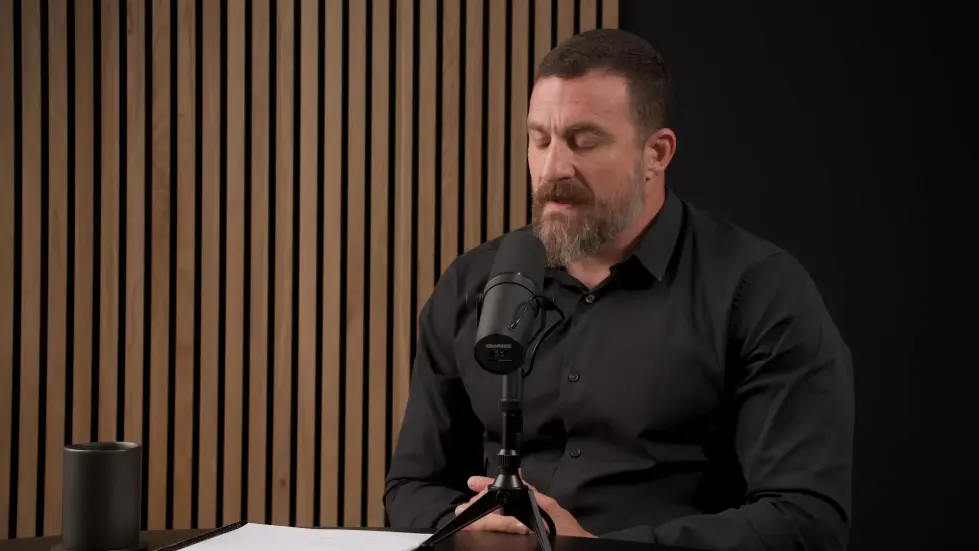
Section 2: The Frontal Lobes and Their Function
- The frontal lobes are responsible for controlling behavior and decision-making.
- The frontal lobes are also involved in planning, organization, and problem-solving.
- The frontal lobes act as a filter, selectively allowing impulses to pass through in a controlled way.
- The frontal lobes are affected by damage, which can lead to impaired decision-making and behavior.
- The frontal lobes are a key area of research for brain augmentation and enhancement.
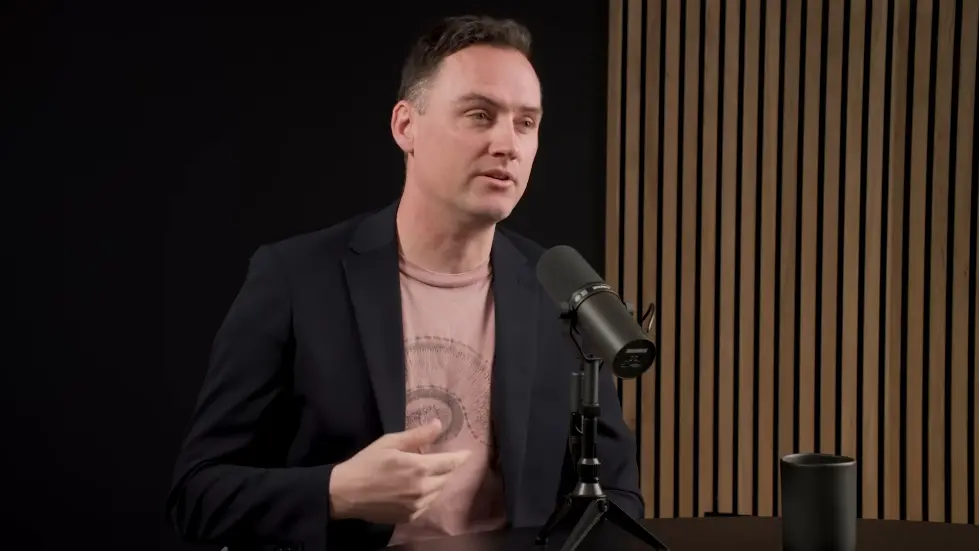
Section 3: The Potential for Neuroplasticity in the Adult Brain
- Neuroplasticity is the capacity of the nervous system to change its wiring and strengthen or weaken connections.
- Neuroplasticity is a key area of research for brain augmentation and enhancement.
- Classical psychedelics like LSD and psilocybin are believed to open plasticity and enhance neuroplasticity.
- The potential for neuroplasticity in the adult brain is still being studied and understood.
- Machines and devices can be used to enhance neuroplasticity and improve brain function.
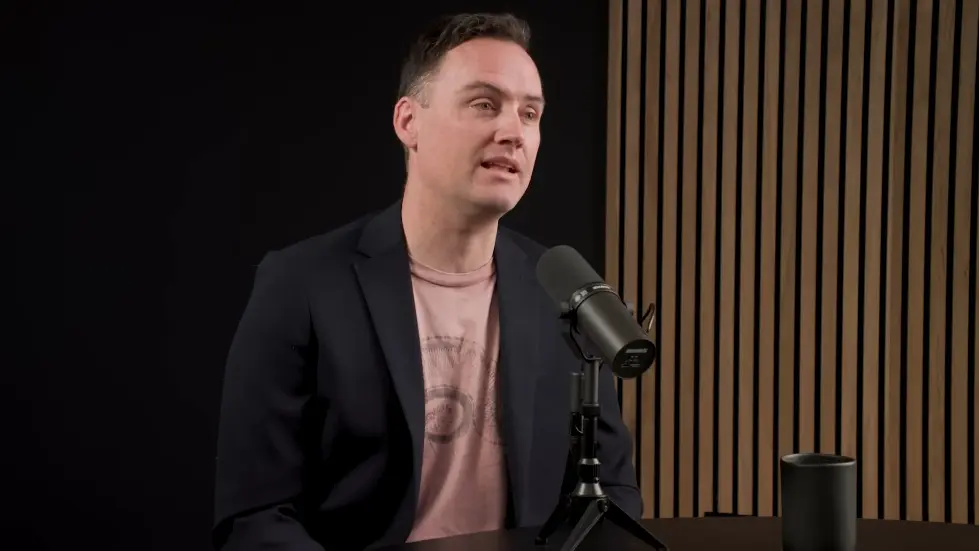
Section 4: The Role of Machines and Devices in Brain Augmentation
- Machines and devices can be used to enhance neuroplasticity and improve brain function.
- Neurosurgeons and other clinical professionals use machines and devices to treat specific clinical challenges of the brain and nervous system.
- Robotics, machine learning, computer science, and novel devices can be used to change the ways that human brains work for the better.
- Animal research is used to probe brain function and devise and improve human brain augmentation.
- Neurolink is a company that is developing technologies to overcome specific clinical challenges of the brain and nervous system, as well as to improve brain design.
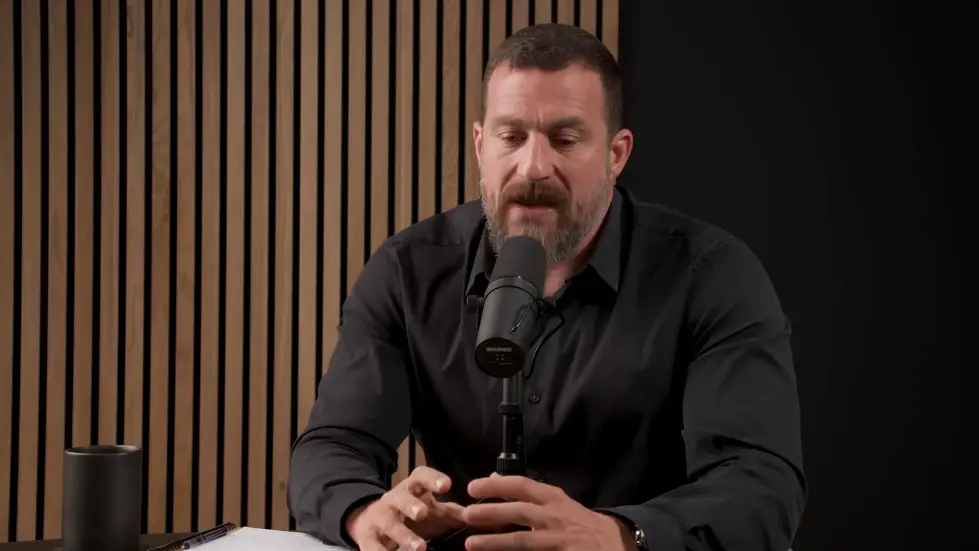
Introduction
- The video is about Dr. Matthew McDougall, the head neurosurgeon at Neurolink, discussing the company's mission to develop technologies to overcome specific clinical challenges of the brain and nervous system, as well as to improve brain design.
- The video covers topics such as augmenting memory, cognition, and communication between humans and machines, and the use of robotics, machine learning, computer science, and novel devices to change the ways that human brains work for the better.
- Dr. McDougall also discusses his own experiences with implanting devices in his body to overcome daily life challenges and demonstrate the utility of combining novel machines and devices with the nervous system.
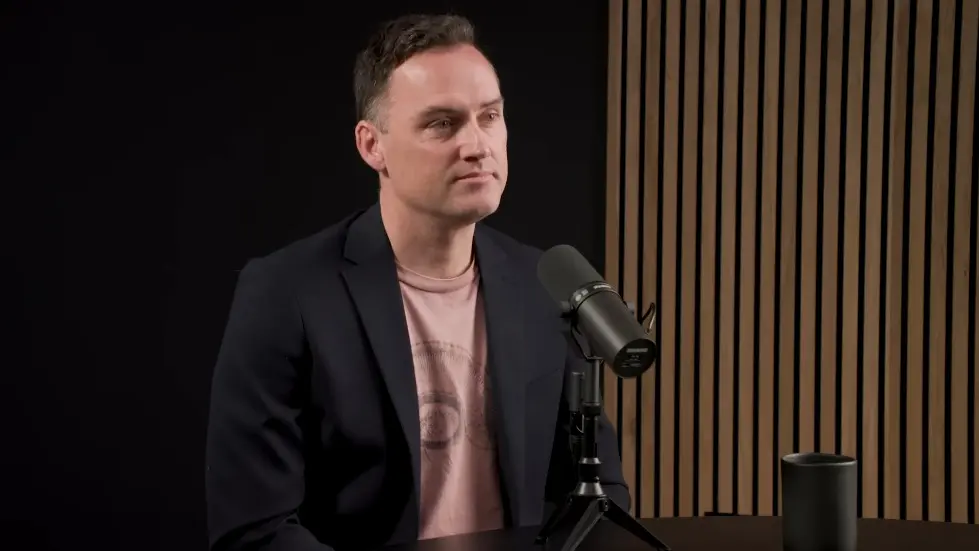
Plasticity
- The video discusses the concept of plasticity, which refers to the brain's ability to change and adapt in response to new experiences and stimuli.
- The video suggests that plasticity is a complex and multifaceted phenomenon that can be influenced by a variety of factors, including genetics, environment, and experience.
- The video also discusses the potential for plasticity to be enhanced or manipulated through the use of technology, such as implanted electrodes and computers.
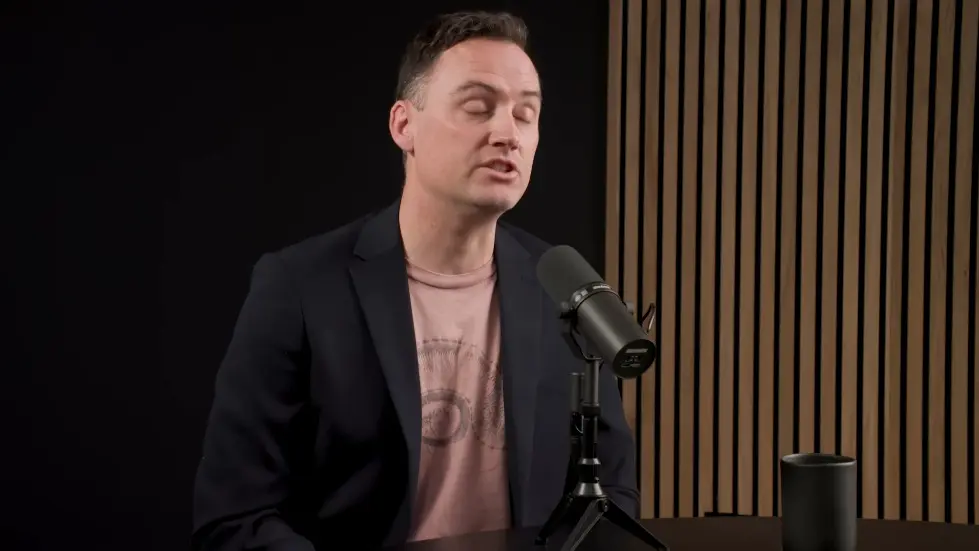
Neuroplasticity
- The video discusses the concept of neuroplasticity, which refers to the brain's ability to change and adapt in response to new experiences and stimuli.
- The video suggests that neuroplasticity is a complex and multifaceted phenomenon that can be influenced by a variety of factors, including genetics, environment, and experience.
- The video also discusses the potential for neuroplasticity to be enhanced or manipulated through the use of technology, such as implanted electrodes and computers.

Neurotechnology
- The video discusses the use of neurotechnology to enhance or manipulate the brain's plasticity.
- The video suggests that neurotechnology has the potential to be a powerful tool for improving brain function and design.
- The video also discusses the challenges and limitations of using neurotechnology to enhance plasticity, such as the need for precise and targeted stimulation.
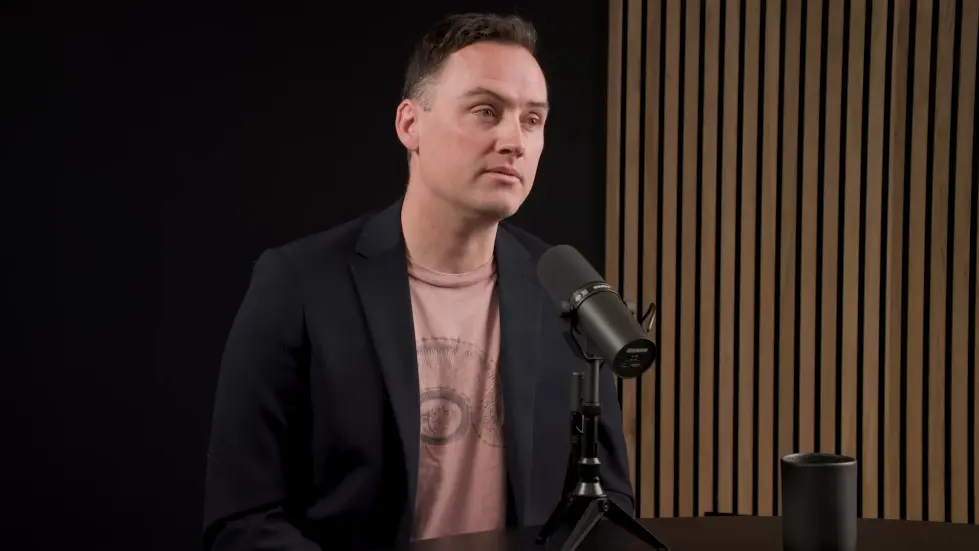
Introduction
- Neurolink is a company that aims to develop technologies to overcome specific clinical challenges of the brain and nervous system, as well as to improve brain design.
- The company's goal is to implant a series of electrodes into the brains of people who have had a bad spinal cord injury, allowing them to control a computer as if they had their hands on a mouse and keyboard.
- The implant is placed into a motor cortex, and the person is able to regain their digital freedom and connect with the world through the internet.
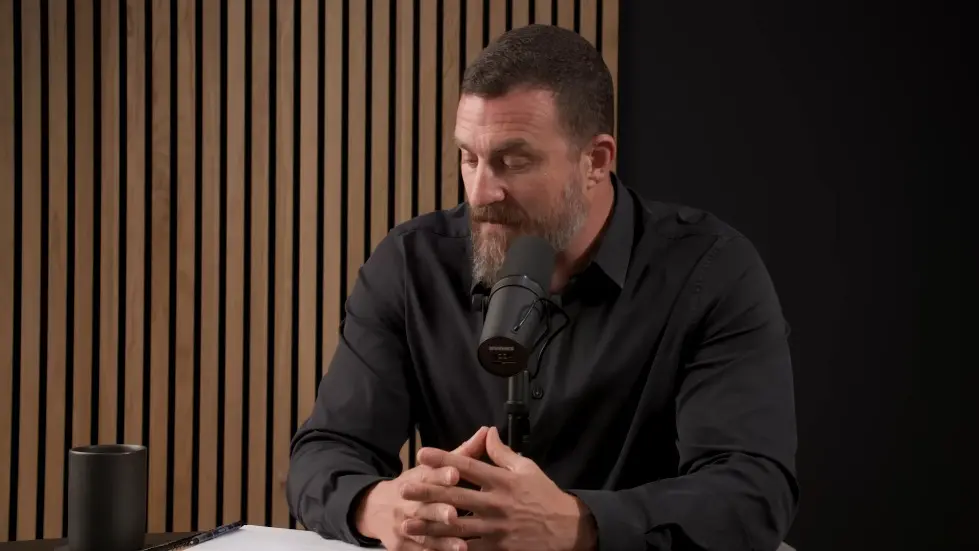
Robotics in Brain Surgery
- The use of robotics to insert these chips is not as precise as a human hand, but it is more precise than a robot.
- The human eye cannot detect all capillaries in the brain, but a robot can detect them and avoid them.
- Navigating through the brain is best carried out by a human, as no two brains are identical.
- Robots are better surgeons than humans in this limited case, as they can place the electrodes accurately and blindly into the cortical surface.
- Human surgeons are essential to the process, but very soon humans run out of motor skills sufficient to do this job, and robots are required to do the incredibly precise, fast, and numerous placement of electrodes into the right area of the brain.
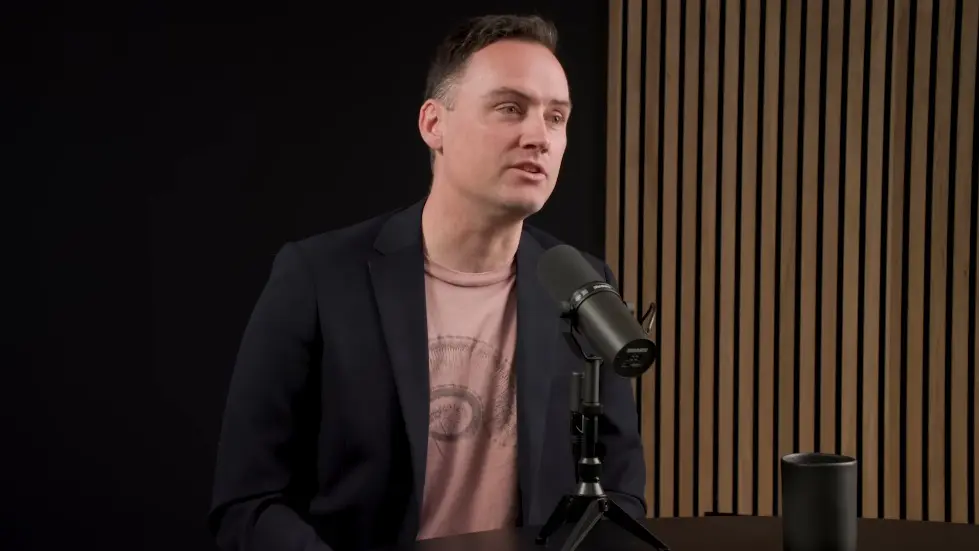
First Goal of Neurolink
- The first goal of Neurolink is to reduce human suffering, at least in the near term.
- The mission of Neuralink is to develop technologies to overcome specific clinical challenges of the brain and nervous system, as well as to improve brain design.
- The company's goal is to implant a series of electrodes into the brains of people who have had a bad spinal cord injury, allowing them to control a computer as if they had their hands on a mouse and keyboard.
- The implant is placed into a motor cortex, and the person is able to regain their digital freedom and connect with the world through the internet.
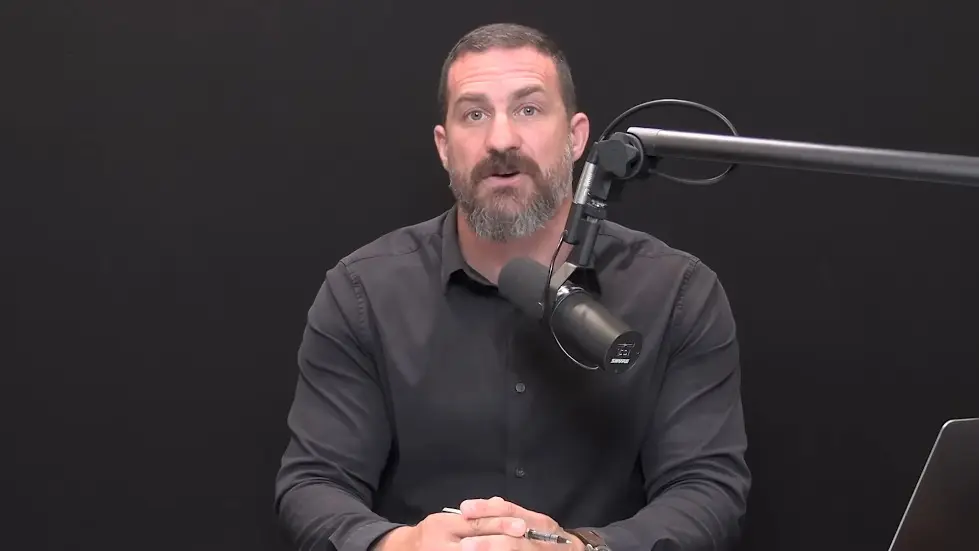
Conclusion
- Neurolink is pioneering the development of robotic surgeons as much as it's pioneering the exploration and augmentation and treatment of human brain conditions.
- The device currently exists as we're submitting it to the FDA, but it is only for the placement of the electrodes the robot is part of the surgery.
- The more crude part of opening the skin and skull and presenting the robotic pristine brain surface to sew electric threads into is still done by a neurosurgeon.
- Getting quadriplegics to be able to move again or maybe even to walk again is a heroic goal and one that everyone would agree would be wonderful to accomplish.
- The mission of Neuralink is to reduce human suffering at least in the near term, and the company is focused on people with terrible medical problems that have no options with regard to motor control.
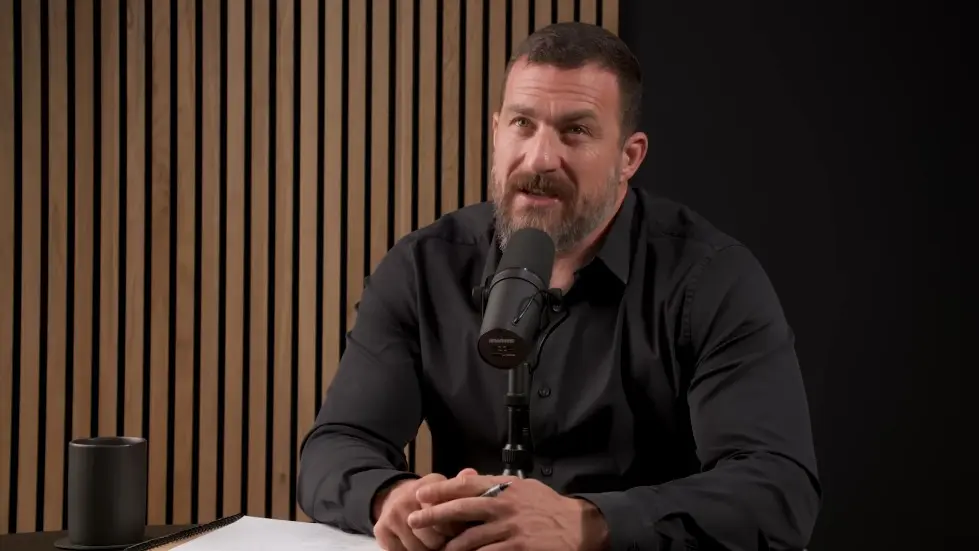
Introduction
- The video is about Dr. Matthew McDougall, the head neurosurgeon at Neurolink, discussing the company's mission to develop technologies to overcome specific clinical challenges of the brain and nervous system, as well as to improve brain design.
- The video covers topics such as augmenting memory, cognition, and communication between humans and machines, and the use of robotics, machine learning, computer science, and novel devices to change the ways that human brains work for the better.
- Dr. McDougall also discusses his own experiences with implanting devices in his body to overcome daily life challenges and demonstrate the utility of combining novel machines and devices with the nervous system.

Neurolink's Goals and Progress
- Neurolink's goal is to develop technologies to overcome specific clinical challenges of the brain and nervous system, as well as to improve brain design.
- The company's work is currently focused on only surface features on the brain, which requires them to focus on only surface functions like motor control.
- In the immediate future, Neurolink's first indication or two or three will probably be brain surface functions like motor control.
- The company is working on developing technologies to augment memory, cognition, and communication between humans and machines.
- Neurolink is using robotics, machine learning, computer science, and novel devices to change the ways that human brains work for the better.
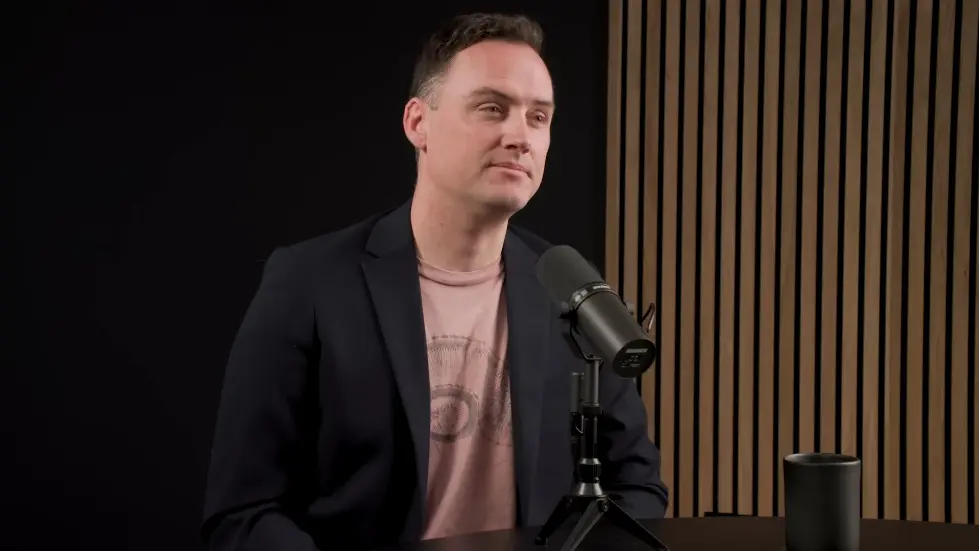
Animal versus Human Research
- Dr. McDougall discusses the utility of animal versus human research in probing brain function and devising and improving the human brain.
- Animal research is important for understanding basic brain function, but human research is necessary for understanding how the brain works in humans.
- Neurolink is working on developing technologies to augment memory, cognition, and communication between humans and machines.
- The company is using robotics, machine learning, computer science, and novel devices to change the ways that human brains work for the better.
Dr. McDougall's Experiences with Implanting Devices
- Dr. McDougall has experience with implanting devices in his body to overcome daily life challenges and demonstrate the utility of combining novel machines and devices with the nervous system.
- He has implanted devices to help with his vision, hearing, and touch.
- Dr. McDougall has also implanted devices to help with his memory and cognition.
- He has found that implanting devices in the brain can improve brain function and help people overcome specific clinical challenges.

Section 1: Introduction to Neuralink
- Neurolink is a company that aims to develop technologies to overcome specific clinical challenges of the brain and nervous system.
- The company's mission is to improve brain design and augment memory, cognition, and communication between humans and machines.
- Dr. Matthew McDougall, the head neurosurgeon at Neurolink, discusses the company's goals and progress in brain augmentation.
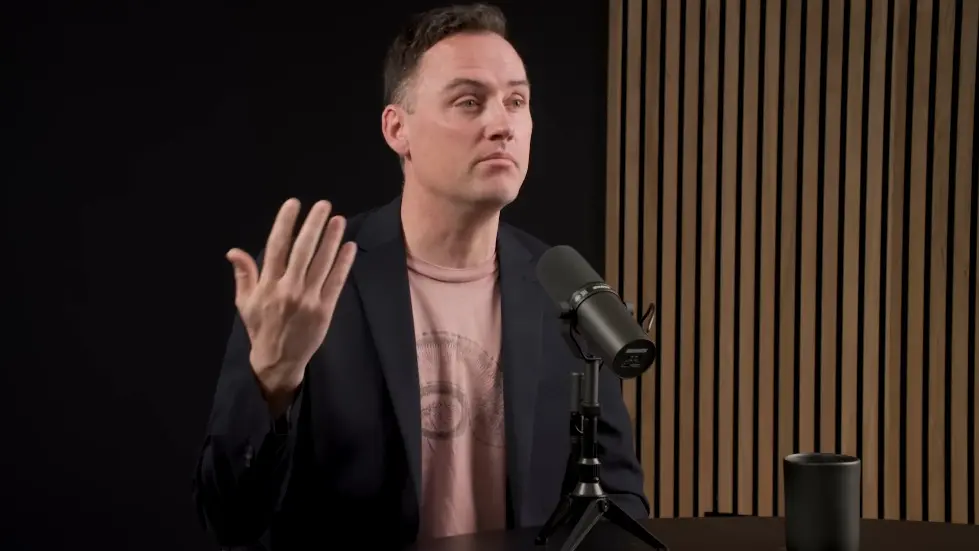
Section 2: Neuralink's Approach to Brain Augmentation
- Neuralink's approach to brain augmentation involves two broad categories: pharmacology and microelectrodes.
- Pharmacology involves using drugs to treat diseases or increase memory and cognitive abilities.
- Microelectrodes involve strategically placing electrodes into multiple regions of the brain to play a concert of electricity that is exactly right to get a quadriplegic moving.
- Neuralink is currently focused on decoding the brain through electrical stimulation and recording, which is considered the hardest problem facing humans.
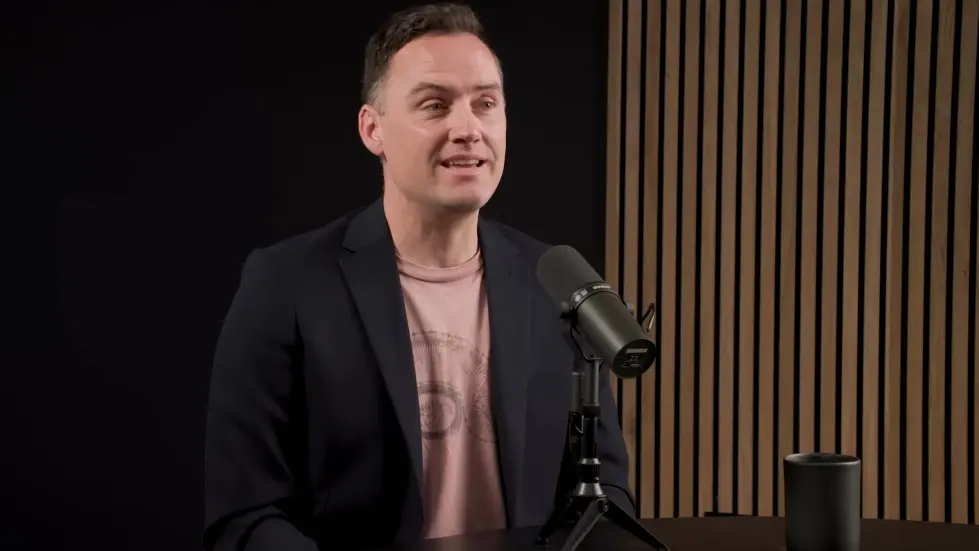
Section 3: Neuralink's Role in Brain Augmentation
- Neuralink is interested in combining pharmacology with stimulation to augment the brain.
- The company is currently focused on decoding the brain through electrical stimulation and recording, but it plans to explore other approaches in the future.
- Neuralink is not currently working on reconnecting the brain to the patient's own limbs, but it plans to explore this in the future.
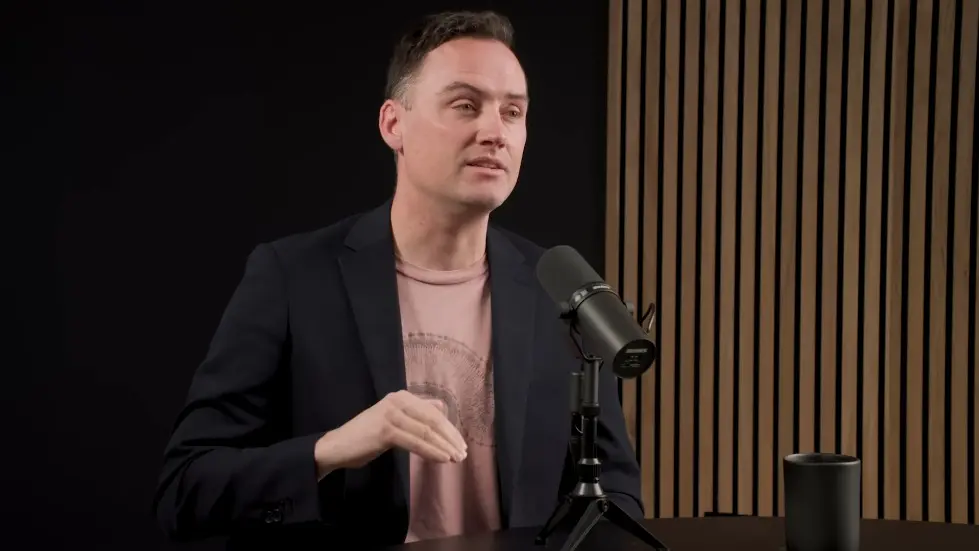
Section 4: Neuralink's Immediate Future
- In the immediate future, Neuralink aims to help patients control electronic devices around them with their motor intentions.
- This will involve prosthetic hands and arms or a mouse and keys on a mouse and keyboard for starters.
- The transformation of electrical signals from motor cortex through the brain stem into the spinal cord and out to the muscles is somewhat known, but the transformation of electrical signals out of motor cortex and into a mouse or a robot arm is still being researched.

Section 1: Neuralink's Mission
- Neuralink is a company that aims to develop technologies to overcome specific clinical challenges of the brain and nervous system.
- The company's goal is to improve brain design and augment memory, cognition, and communication between humans and machines.
- Neuralink uses robotics, machine learning, computer science, and novel devices to change the ways that human brains work for the better.
- The company has been able to decode motor intentions out of the brain of monkeys and has a world record of a bit rate of information coming out of a monkey's brain.
- Neuralink expects to see what humans have seen when they have done similar work in academic labs, which is the ability to vastly accelerate the process and get much more interesting results.

Section 2: Monkey Research
- Neuralink has a small army of monkeys playing video games for smoothie rewards and they do really well.
- The company has the world record of a bit rate of information coming out of a monkey's brain to intelligently control a cursor on a screen.
- Monkeys can't ask what they're thinking, but humans can ask them and they won't get a very interesting answer.
- Monkeys can't tell each other to try something different or to put their shoulder on this early or try the other hand and see if there's some cross-body neuron firing that gives a useful signal.
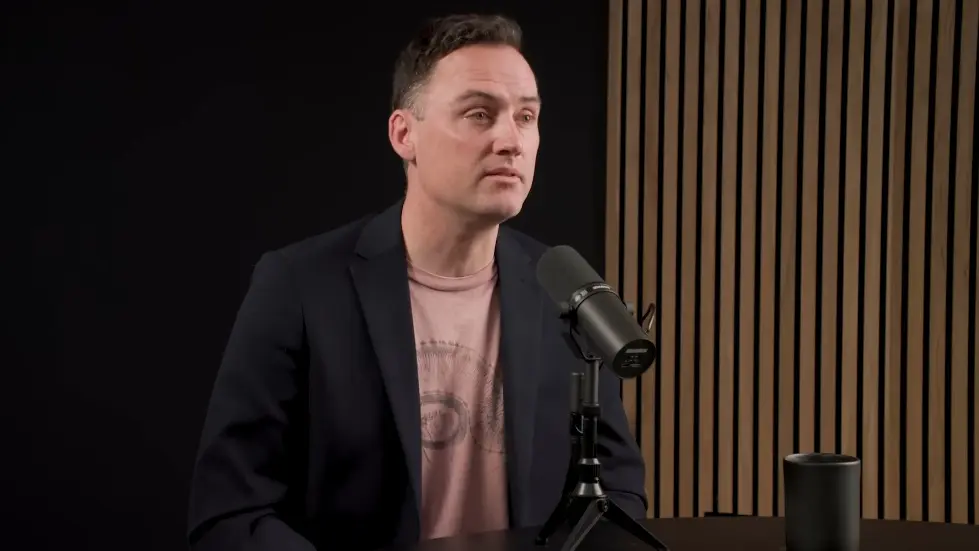
Section 3: Human Research
- Neuralink expects to see what humans have seen when they have done similar work in academic labs, which is the ability to vastly accelerate the process and get much more interesting results.
- There are multitudes of useful signals in each area of the brain that have been looked at so far, but they just tend to be highly expressed for say hand movement in the hand area.
- Scientists have taken drugs, stimulated their own brain, or done things to really try and get a sense of what the animals they work on or the patients they work on might be experiencing.
- The confidence test is whether someone would be willing or are they willing if allowed to have these electrodes implanted into their motor cortex.
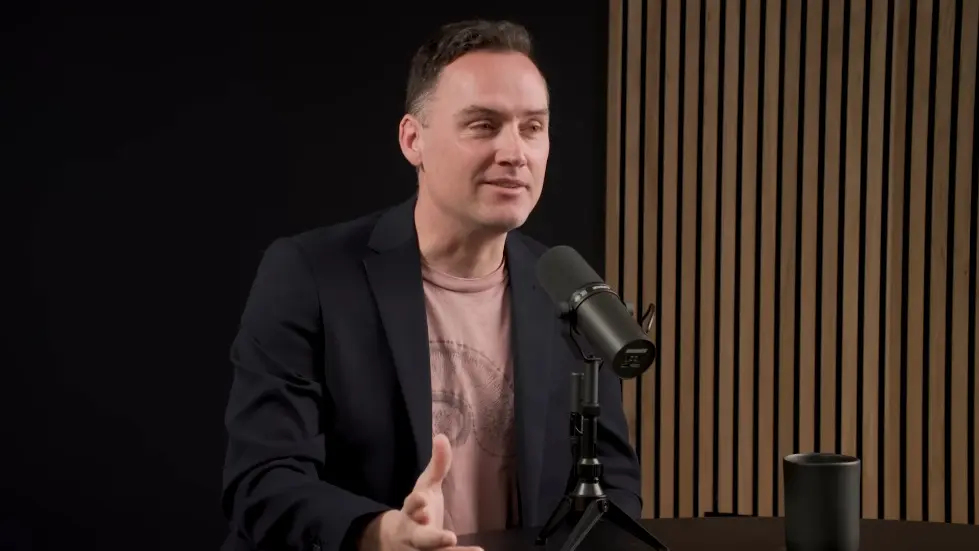
Section 4: Implanting Electrodes
- Neuralink is currently working on implanting microelectrodes into the brain to help people with bad medical problems and no good options.
- For the first iteration of the device, it probably wouldn't be very meaningful or useful because the person can still move their limbs and the first outputs from this are things that they can do just as easily with their hands.
- The company is excited about the potential of implanting electrodes into the brain and believes that it will advance the technology fastest.
- The implantation of electrodes into the brain is an important step in the development of brain augmentation technologies.
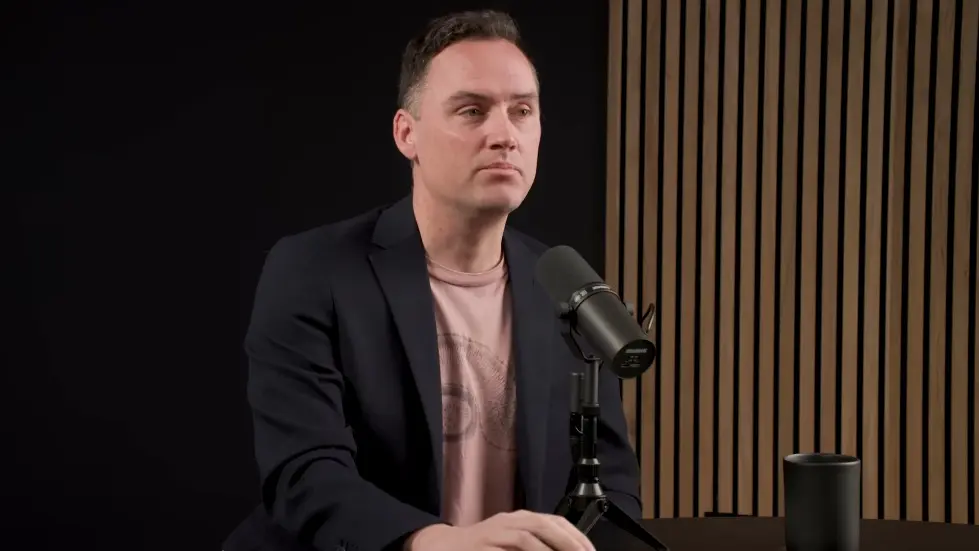
Introduction
- The video is about Dr. Matthew McDougall, the head neurosurgeon at Neurolink, discussing the company's mission to develop technologies to overcome specific clinical challenges of the brain and nervous system, as well as to improve brain design.
- The video covers topics such as augmenting memory, cognition, and communication between humans and machines, and the use of robotics, machine learning, computer science, and novel devices to change the ways that human brains work for the better.
- Dr. McDougall also discusses his own experiences with implanting devices in his body to overcome daily life challenges and demonstrate the utility of combining novel machines and devices with the nervous system.
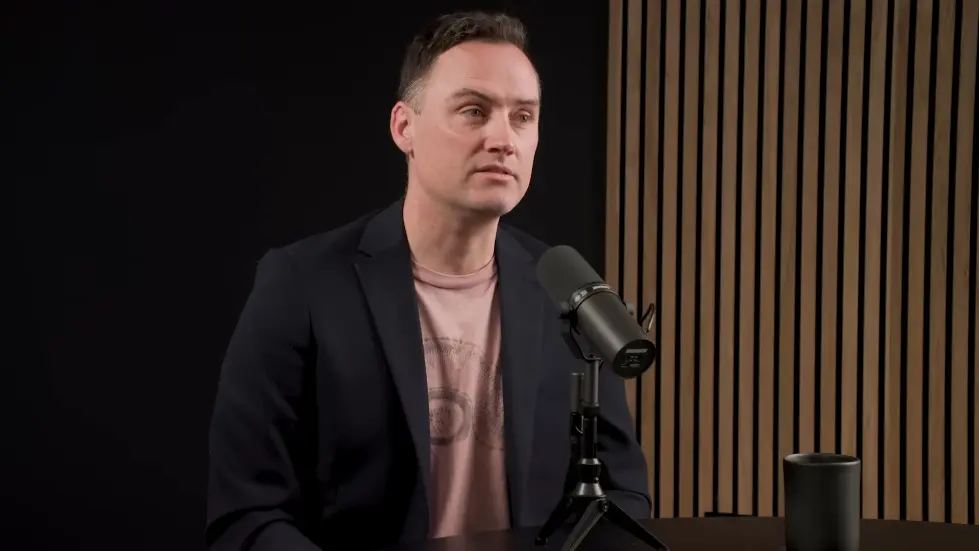
Section 1: Neuralink's Mission
- Neurolink's mission is to develop technologies to overcome specific clinical challenges of the brain and nervous system, as well as to improve brain design.
- The company aims to augment memory, cognition, and communication between humans and machines, and to use robotics, machine learning, computer science, and novel devices to change the ways that human brains work for the better.

Section 2: Dr. McDougall's Experiences with Implanting Devices
- Dr. McDougall has implanted devices in his body to overcome daily life challenges and demonstrate the utility of combining novel machines and devices with the nervous system.
- He has used these devices to improve his ability to type faster with his mind and one of these devices than he can with text to speech or speech to text and his fingers.

Section 3: Safety of Neuralink's Devices
- The safety of Neurolink's devices is vouched for by Dr. McDougall, who has personally done hundreds of surgeries with this technology and thinks it is much safer than many of the industry standard FDA approved surgeries that are routinely done on patients.
- The safety threshold of Neurolink's devices is far beyond a commonly accepted safety threshold, along the lines of augmenting one's biological function or functions in the world.
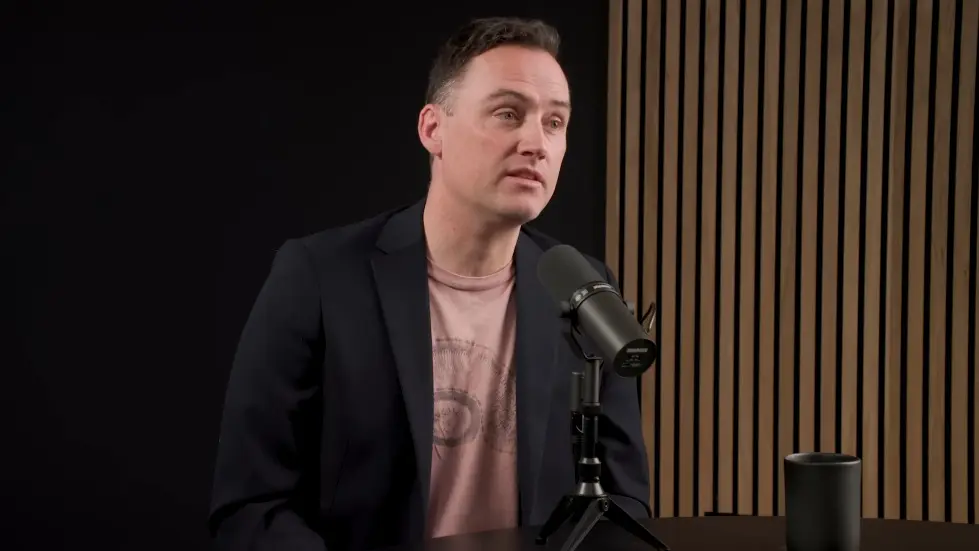
Section 4: Small Lump in the Hand
- Dr. McDougall has a small writable RFID tag implanted in the top of his hand for years.
- It is a very small implantable chip that wireless devices can temporarily power if you approach an antenna they can power and send a small amount of data back and forth.
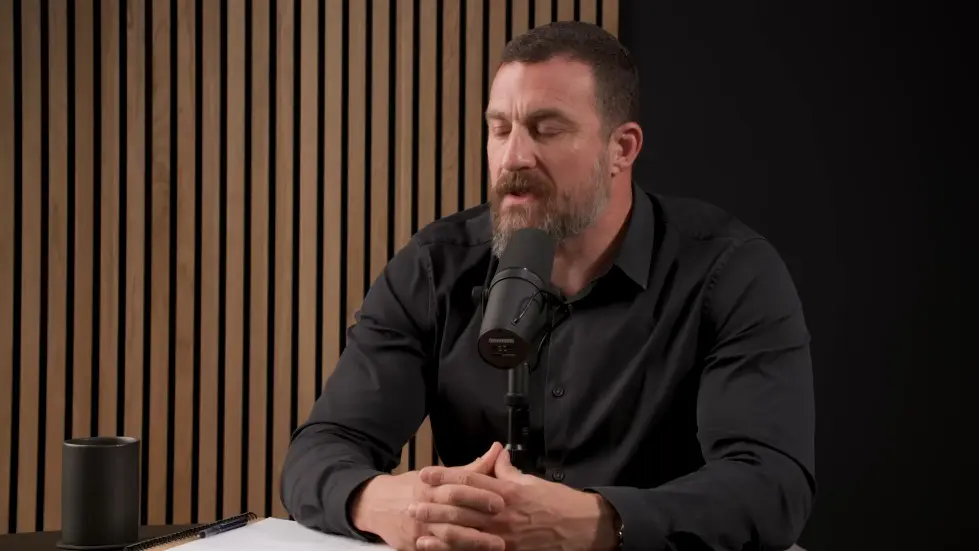
Section 1: Lidocaine Injection
- The speaker discusses the use of lidocaine injections for augmenting memory and cognition.
- Lidocaine injections are considered less painful than the procedures themselves.
- The speaker mentions that some people are cringing at the thought of the injection, while others are excited about the convenience it offers.
- The speaker mentions that he personally would like to use lidocaine injections for passwords because he is bad at remembering them.
- The speaker mentions that he has seen people use lidocaine injections for other purposes, such as hiding pennies under a porch.
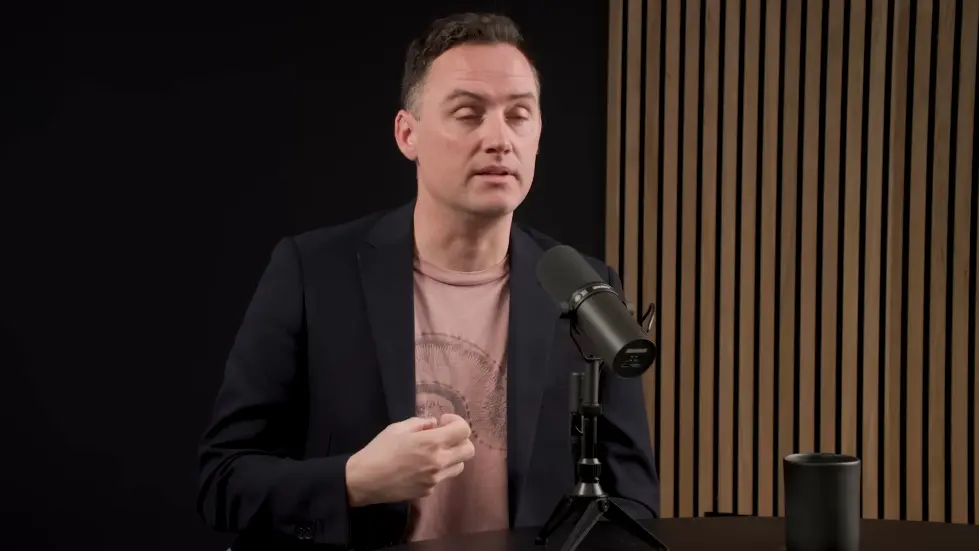
Section 2: Implantable Devices
- The speaker discusses the use of implantable devices for augmenting memory and cognition.
- The speaker mentions that the materials used in implantable devices are completely biocompatible and do not cause a bad reaction.
- The speaker mentions that implantable devices can heal up in days and are considered safe.
- The speaker mentions that implantable devices can be used for passwords because they are more permanent than wedding rings.
- The speaker mentions that implantable devices can be used for other purposes, such as opening doors without keys.
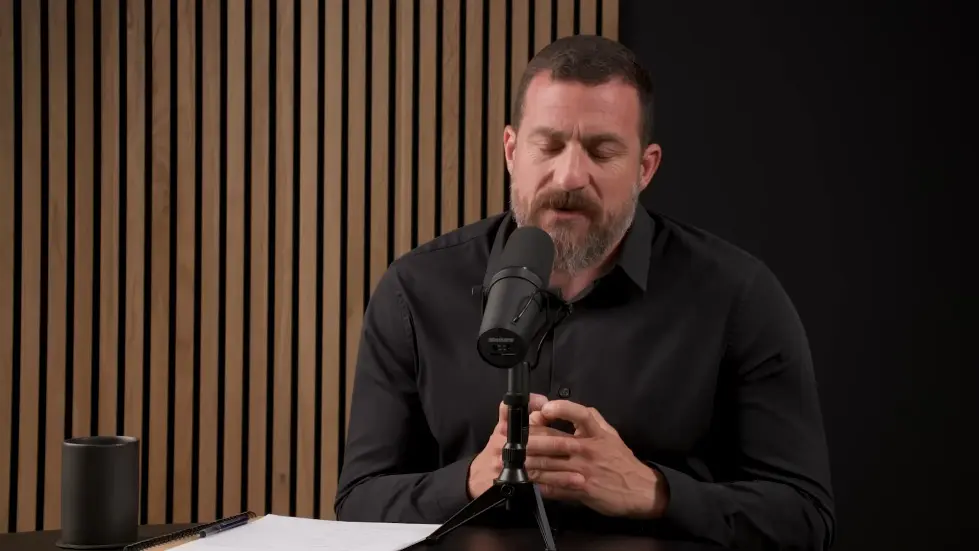
Section 3: Safety of Implantable Devices
- The speaker discusses the safety of implantable devices, including the lack of a local immune response and the absence of pus or swelling.
- The speaker mentions that the materials used in implantable devices are completely biocompatible and do not cause a bad reaction.
- The speaker mentions that implantable devices can heal up in days and are considered safe.
- The speaker mentions that implantable devices can be used for passwords because they are more permanent than wedding rings.
- The speaker mentions that implantable devices can be used for other purposes, such as opening doors without keys.
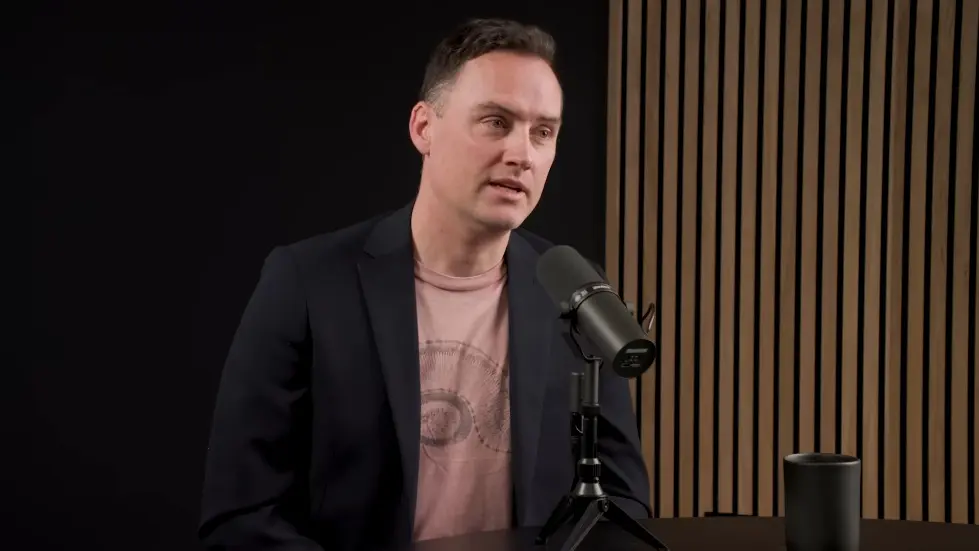
Section 4: Electromagnetic Fields and Implantable Devices
- The speaker discusses the use of implantable devices and the potential risks associated with electromagnetic fields.
- The speaker mentions that electromagnetic fields can alter the function of neural tissue and affect the health of the brain.
- The speaker mentions that the energy levels involved in implantable devices are tiny and do not cause ionizing radiation.
- The speaker mentions that the body has DNA repair mechanisms that can deal with the constant bath of ionizing radiation from implantable devices.
- The speaker mentions that implantable devices can be used for passwords because they are more permanent than wedding rings.
The Importance of Cooling the Brain
- The brain is not a fan of heat.
- Keeping the brain cool is important for its health and function.
- The body has a massive distributed fluid cooling system, similar to a car's radiator.
- Blood carries heat away from the body and helps regulate temperature.
- The body is capable of carrying and dissipating heat, but there may be a tiny temperature variation that could cause a problem.

You have read 50% of the summary.
To read the other half, please enter your Name and Email. It's FREE.
You can unsubscribe anytime. By entering your email you agree to our Terms & Conditions and Privacy Policy.
Watch the video on YouTube:
Dr. Matthew MacDougall: Neuralink & Technologies to Enhance Human Brains | Huberman Lab Podcast - YouTube
Related summaries of videos:
- Andrew Huberman: Science-Based Mental Training and Visualization for Improved Learning (Huberman Lab Podcast)
- Dr. Noam Sobel and Dr. Andrew Huberman: How Smells Influence Our Hormones, Health and Behavior (Huberman Lab Podcast)
- Andrew Huberman: How Psilocybin Can Rewire Our Brain, Its Therapeutic Benefits and Its Risks (Huberman Lab Podcast)
- Dr. Susanna Søberg and Dr. Andrew Huberman: How to Use Cold & Heat Exposure to Improve Your Health | Huberman Lab Podcast
- Dr. Robin Carhart-Harris and Dr. Andrew Huberman: The Science of Psychedelics for Mental Health (Huberman Lab Podcast)
- Andrew Huberman: Adderall, Stimulants and Modafinil for ADHD: Short- and Long-Term Effects (Huberman Lab Podcast)
- Dr. Mary Helen, Immordino-Yang and Dr. Andrew Huberman: How Emotions and Social Factors Impact Learning (Huberman Lab Podcast)
- Andrew Huberman: The Science of MDMA and Its Therapeutic Uses - Benefits and Risks (Huberman Lab Podcast)
- Tim Ferriss and Andrew Huberman: How to Learn Better and Create Your Best Future (Huberman Lab Podcast)
- Dr. Jeffrey Goldberg and Dr. Andrew Huberman: How to Improve Your Eye Health and Offset Vision Loss (Huberman Lab Podcast)
- Home
- About us
- Contact
- Book Summaries 0-9
- Book Summaries A
- Book Summaries B
- Book Summaries C
- Book Summaries D
- Book Summaries E
- Book Summaries F
- Book Summaries G
- Book Summaries H
- Book Summaries I
- Book Summaries J
- Book Summaries K
- Book Summaries L
- Book Summaries M
- Book Summaries N
- Book Summaries O
- Book Summaries P
- Book Summaries Q
- Book Summaries R
- Book Summaries S
- Book Summaries T
- Book Summaries U
- Book Summaries V
- Book Summaries W
- Book Summaries X
- Book Summaries Y
- Book Summaries Z
- Jay Shetty Podcast - Summaries
- Tom Bilyeu Impact Theory - Summaries
- Lex Fridman - Summaries
- Diary of a CEO - Summaries
- Alex Hormozi - Summaries
