
Concentration Camps, Drug Use, and Solar Panels | EP 169 Michael Shellenberger
Last updated: Jul 2, 2023
The video is about the environmental impact of solar panel production and the role of politicians, news media, and activists in perpetuating the problem. The speaker, Michael Shellenberger, argues that the solar panel industry is contributing to the depletion of natural resources and the release of toxic chemicals into the environment. He also discusses the political and economic factors that are driving the demand for solar panels and the need for more sustainable energy solutions. The video is sponsored by Rabbit Air, a company that produces air purifiers to help people with allergies.
This video by Mikhaila Peterson was published on Nov 15, 2022.
Video length: 01:20:25.
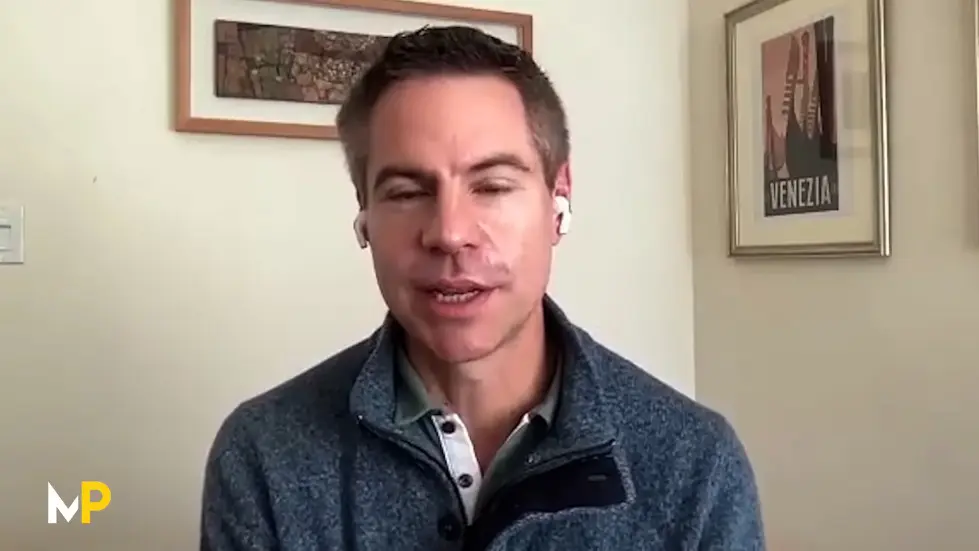
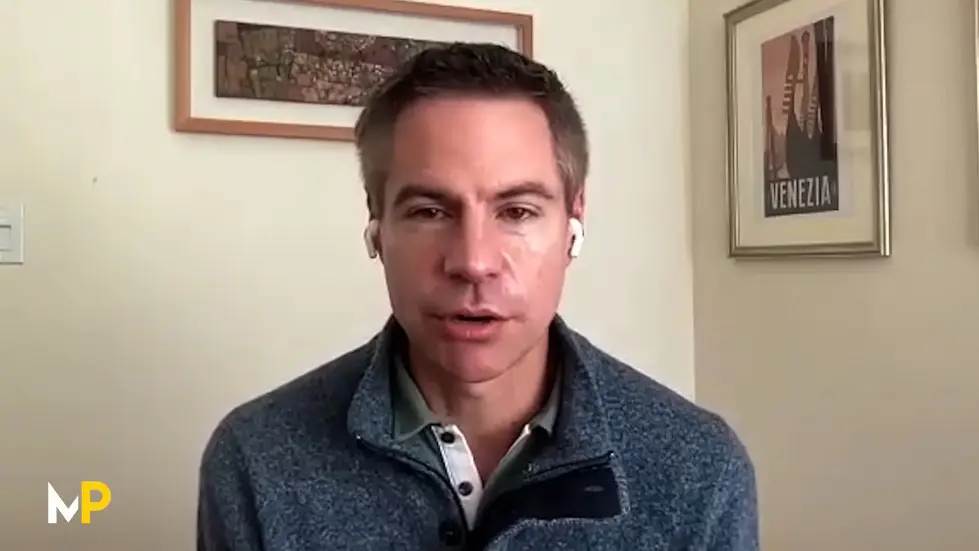
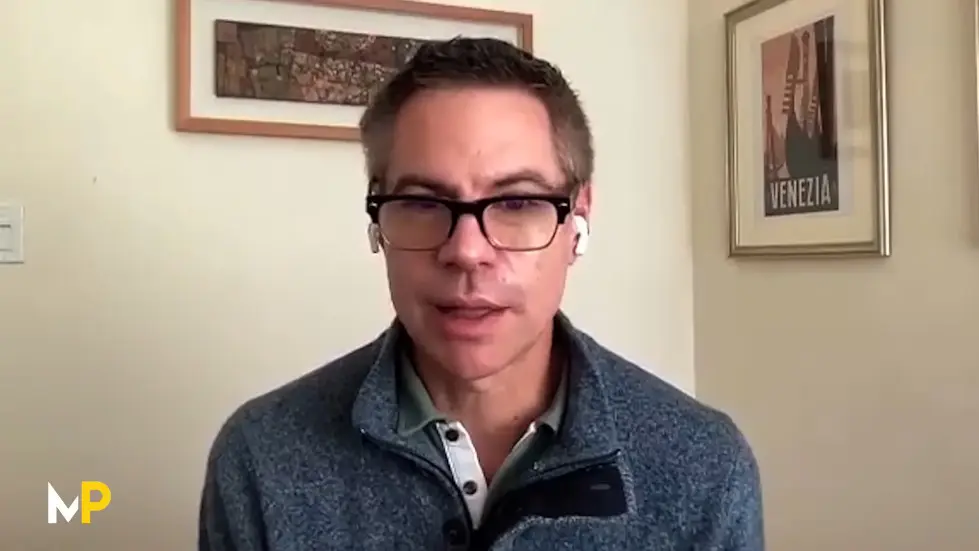
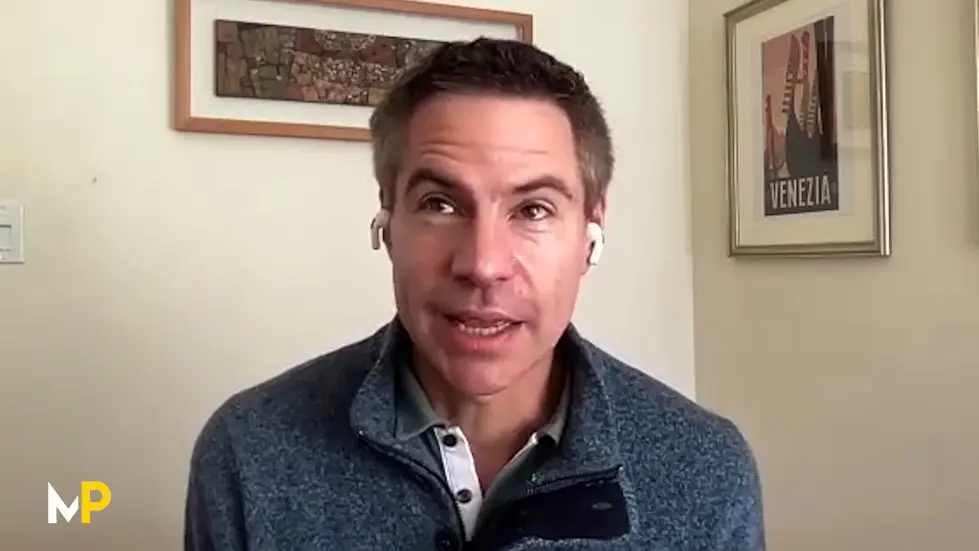
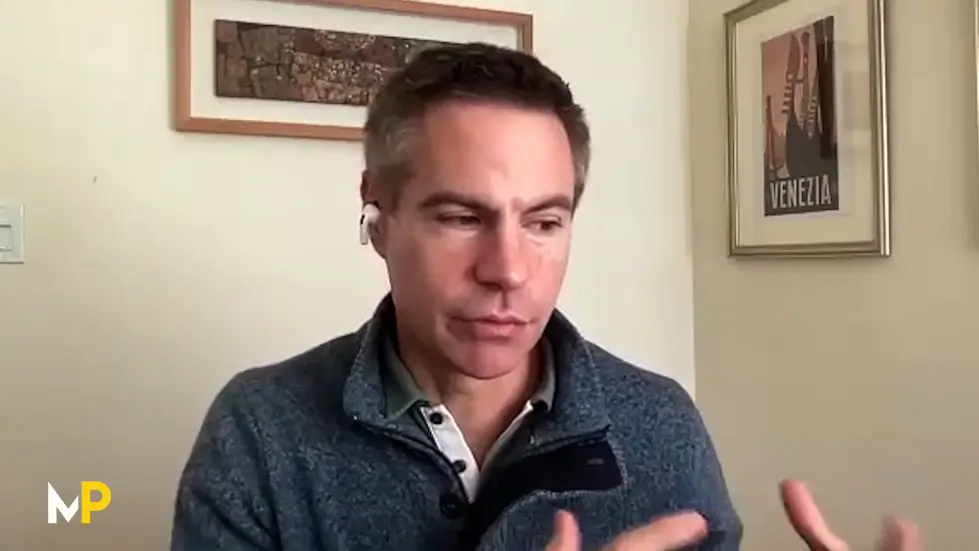
In this video, Mikhaila Peterson interviews Michael Shellenberger, an author, journalist, and advocate for abundance energy.
They discuss various topics, including the energy crisis in Europe, the use of solar panels in concentration camps in China, and the addiction and psychiatric crisis in North America. Shellenberger also talks about his political views and his recent run for governor in California.
Throughout the interview, Peterson and Shellenberger express their opinions on various issues and engage in a thoughtful and insightful conversation.
- The episode discusses the use of solar panels in concentration camps during World War II.
- The host, Michael Shellenberger, argues that the use of solar panels in concentration camps was not a form of renewable energy, but rather a way to provide power for the camps' operations.
- The episode also touches on the use of drugs in concentration camps, and how it was used as a form of control over the prisoners.
Concentration Camps, Drug Use, and Solar Panels | EP 169 Michael Shellenberger - YouTube

The Environmental Impact of Solar Panel Production
- The solar panel industry is contributing to the depletion of natural resources and the release of toxic chemicals into the environment.
- The demand for solar panels is driven by political and economic factors, including government subsidies and the desire for clean energy.
- The production of solar panels requires a significant amount of energy and resources, which can have negative environmental impacts.
- The solar panel industry is not sustainable and may not be the best solution for meeting our energy needs.
- There is a need for more sustainable energy solutions that do not have negative environmental impacts.
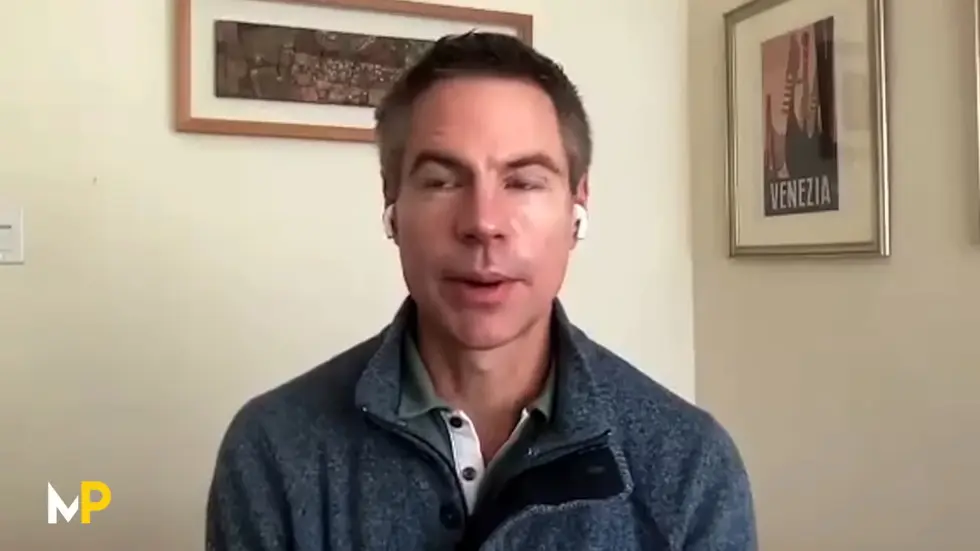
The Role of Politicians, News Media, and Activists
- Politicians, news media, and activists play a significant role in shaping public opinion about energy and the environment.
- There is a tendency for these groups to focus on virtue signaling and not enough on the actual impact of their actions.
- The treatment of weaker Muslims and Chinese store factories is also a concern, as it can lead to disconnection and a lack of understanding of the real impact of our actions.
- There is a need for more transparency and accountability in the energy industry, as well as a focus on sustainable solutions.
- The public needs to be educated about the true impact of energy production and consumption, and the need for sustainable solutions.

The Disconnection of Progressive Elites
- Progressive elites are often disconnected from the productive sectors of the economy and have a limited understanding of the real impact of their actions.
- These elites tend to be more focused on virtue signaling and not enough on the actual impact of their actions.
- The disconnection of progressive elites can lead to a lack of understanding of the real impact of energy production and consumption.
- There is a need for more education and engagement with the productive sectors of the economy to better understand the real impact of our actions.
- The public needs to be educated about the true impact of energy production and consumption, and the need for sustainable solutions.

Concentration Camps, Drug Use, and Solar Panels | EP 169 Michael Shellenberger - YouTube
The Need for Sustainable Energy Solutions
- There is a need for more sustainable energy solutions that do not have negative environmental impacts.
- The solar panel industry is not sustainable and may not be the best solution for meeting our energy needs.
- There is a need for more transparency and accountability in the energy industry, as well as a focus on sustainable solutions.
- The public needs to be educated about the true impact of energy production and consumption, and the need for sustainable solutions.
- There is a need for more research and development of sustainable energy solutions that can meet our energy needs without negative environmental impacts.
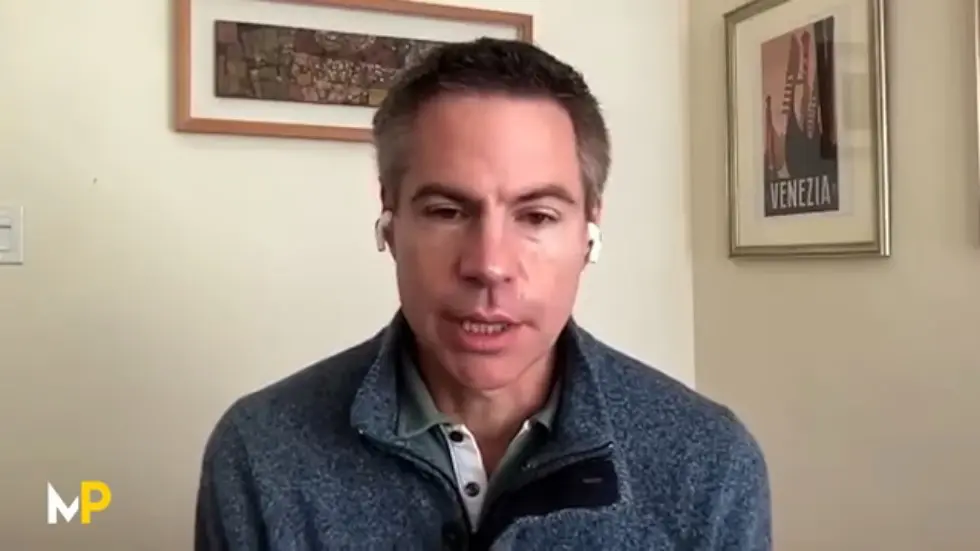
The Environmental Impact of Solar Panel Production
- The speaker, Michael Shellenberger, argues that the solar panel industry is contributing to the depletion of natural resources and the release of toxic chemicals into the environment.
- The solar panel industry is driving the demand for more sustainable energy solutions.
- The speaker discusses the political and economic factors that are driving the demand for solar panels.
- The speaker argues that the solar panel industry is contributing to the depletion of natural resources and the release of toxic chemicals into the environment.
- The speaker discusses the political and economic factors that are driving the demand for solar panels.

The Role of Politicians, News Media, and Activists
- The speaker argues that politicians, news media, and activists are perpetuating the problem by promoting the solar panel industry as a sustainable energy solution.
- The speaker argues that the solar panel industry is contributing to the depletion of natural resources and the release of toxic chemicals into the environment.
- The speaker discusses the political and economic factors that are driving the demand for solar panels.
- The speaker argues that the solar panel industry is contributing to the depletion of natural resources and the release of toxic chemicals into the environment.
- The speaker discusses the political and economic factors that are driving the demand for solar panels.
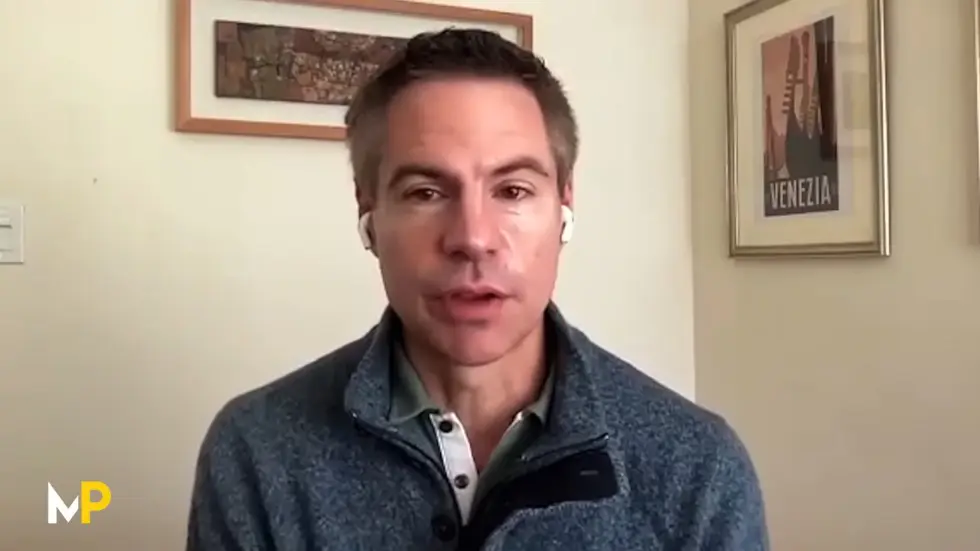
The Need for More Sustainable Energy Solutions
- The speaker argues that the solar panel industry is not a sustainable energy solution and that more sustainable options are needed.
- The speaker discusses the political and economic factors that are driving the demand for solar panels.
- The speaker argues that the solar panel industry is contributing to the depletion of natural resources and the release of toxic chemicals into the environment.
- The speaker discusses the political and economic factors that are driving the demand for solar panels.
- The speaker argues that the solar panel industry is not a sustainable energy solution and that more sustainable options are needed.
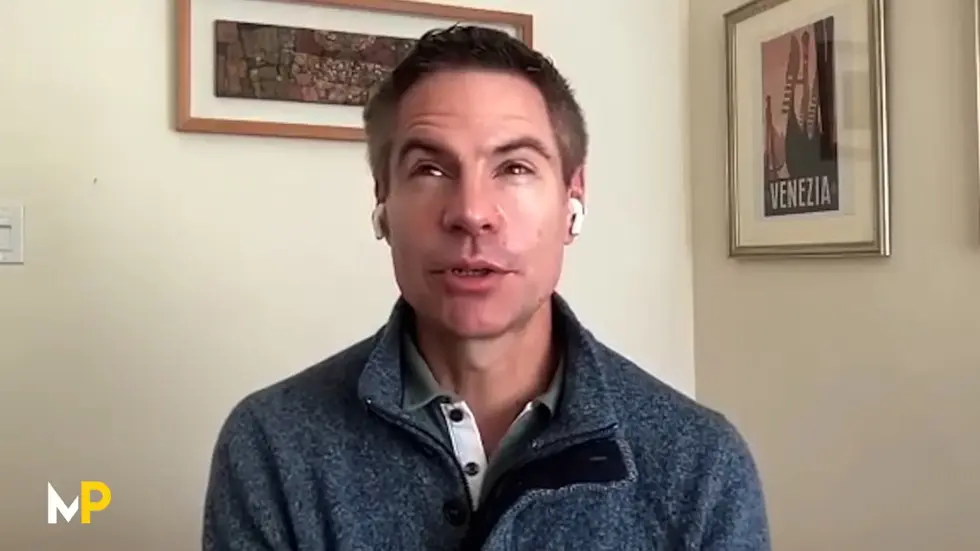
The Importance of Dematerialization
- The speaker discusses the concept of dematerialization and its importance in reducing the environmental impact of energy production.
- The speaker argues that the solar panel industry is not a sustainable energy solution and that more sustainable options are needed.
- The speaker discusses the political and economic factors that are driving the demand for solar panels.
- The speaker argues that the solar panel industry is contributing to the depletion of natural resources and the release of toxic chemicals into the environment.
- The speaker discusses the importance of dematerialization in reducing the environmental impact of energy production.

The Environmental Impact of Solar Panel Production
- The speaker, Michael Shellenberger, argues that the solar panel industry is contributing to the depletion of natural resources and the release of toxic chemicals into the environment.
- The production of solar panels requires the use of rare earth metals, which are mined from the earth and can cause environmental damage.
- The production of solar panels also requires the use of toxic chemicals, which can contaminate the air and water.
- The production of solar panels requires a significant amount of energy, which can lead to greenhouse gas emissions.
- The production of solar panels also requires the use of land, which can lead to deforestation and habitat destruction.
The Role of Politicians, News Media, and Activists
- The speaker argues that politicians, news media, and activists are perpetuating the problem by promoting the use of solar panels as a sustainable energy solution.
- The speaker argues that the demand for solar panels is driven by political and economic factors, rather than a genuine desire to protect the environment.
- The speaker argues that the focus on renewable energy sources is leading to a false sense of sustainability, as the production of these sources also has environmental impacts.
- The speaker argues that the focus on renewable energy sources is leading to a false sense of sustainability, as the production of these sources also has environmental impacts.
- The speaker argues that the focus on renewable energy sources is leading to a false sense of sustainability, as the production of these sources also has environmental impacts.

The Need for More Sustainable Energy Solutions
- The speaker argues that more sustainable energy solutions are needed, such as nuclear power and natural gas.
- The speaker argues that these energy sources are more energy-dense and less material-intensive than solar panels and wind turbines.
- The speaker argues that these energy sources are more energy-dense and less material-intensive than solar panels and wind turbines.
- The speaker argues that these energy sources are more energy-dense and less material-intensive than solar panels and wind turbines.
- The speaker argues that these energy sources are more energy-dense and less material-intensive than solar panels and wind turbines.

The Importance of Environmental Progress and Economic Progress
- The speaker argues that environmental progress and economic progress go hand in hand.
- The speaker argues that using less materials for energy production can lead to a lower cost of energy.
- The speaker argues that using less materials for energy production can lead to a lower cost of energy.
- The speaker argues that using less materials for energy production can lead to a lower cost of energy.
- The speaker argues that using less materials for energy production can lead to a lower cost of energy.

The State's Plan to Phase Out Gasoline-Powered Cars
- The state announced that they would phase out internal combustion engines and gasoline-powered cars by 2030.
- Five days later, the government said that electric cars should not be charged between 4 PM and 9 PM to avoid blackouts.
- To charge 30 million cars and trucks, 10 full-sized new nuclear power plants would be needed in addition to the one currently in operation.
- The state is also phasing out the sale of natural gas heaters and furnaces in California by 2030.
- The combination of people not thinking it through and a lack of concern for the consequences is leading to irrational and nihilistic decisions.

The Replacement for Natural Gas Heaters and Furnaces
- People will have to have an electric heater as a replacement for natural gas heaters and furnaces.
- The state is planning to shut down its last nuclear plant one year before the planned date.
- The decision to phase out natural gas heaters and furnaces is a combination of irrationality and nihilism.
- Some people want to see the chaos and crisis that will result from these decisions.
- The decision to phase out natural gas heaters and furnaces is a combination of people not thinking it through and a lack of concern for the consequences.

The Bigger Goal is to Create a Great Future
- The bigger goal is to create a great future, regardless of the cost.
- Some people are making decisions that are irrational and nihilistic.
- The decision to shut down nuclear power plants is a combination of irrationality and nihilism.
- The decision to phase out natural gas heaters and furnaces is a combination of irrationality and nihilism.
- The decision to phase out natural gas heaters and furnaces is a combination of people not thinking it through and a lack of concern for the consequences.

The Combination of Narcissism, Machiavellianism, and Sociopathy
- The decision to phase out natural gas heaters and furnaces is a combination of narcissism, machiavellianism, and sociopathy.
- The decision to shut down nuclear power plants is a combination of narcissism, machiavellianism, and sociopathy.
- The decision to phase out natural gas heaters and furnaces is a combination of narcissism, machiavellianism, and sociopathy.
- The decision to shut down nuclear power plants is a combination of narcissism, machiavellianism, and sociopathy.
- The decision to phase out natural gas heaters and furnaces is a combination of narcissism, machiavellianism, and sociopathy.
The Importance of Fertilizer in Agriculture
- There are three types of fertilizer: phosphate, potash, and nitrogen.
- Nitrogen fertilizer is made from natural gas.
- Fertilizer is essential for agriculture because it provides the necessary nutrients for crops to grow.
- If there is a shortage of gas, there will be a shortage of fertilizer.
- The decision to phase out natural gas heaters and furnaces is a combination of irrationality and nihilism.
The Impact of Modern Food Production
- Modern food production is contributing to the food production crisis.
- Fertilizer production has declined between 70 to 80 percent, which is catastrophic and dangerous.
- If we didn't have fertilizers, we would be able to produce just about half as much food as we produce now.
- This means that we would have only enough food for four billion people, not for 8 billion people.
- Some environmentalists have a philosophy that mass famines are inevitable, but it's a self-fulfilling prophecy around fertilizer reductions.
Food Shortages in Europe
- Europe is Rich and will not starve or freeze to death, but they will lose a bunch of their heavy industries.
- The Germans are almost certainly going to lose a bunch of their heavy industries over several years over the next three to five years.
- Some industries are just going to be like hey we're out of here we're going to go and relocate into the United States or into some other country where there's cheap and reliable energy.
- This crisis will occur in places like Haiti, sub-Saharan Africa, poor Asian countries, and Europeans.
- The crises will occur in places like Haiti, sub-Saharan Africa, poor Asian countries, and Europeans.
The Cycle of Civilization
- This is a cycle where a lot of people just forgot what it takes to run a civilization.
- People are having to deal with the consequences of their choices that were made in most cases out of misinformation and ideology.
- Leaders in power are doing everything they're doing like literally in Europe, they're like we're gonna just move to Renewables faster.
- The Japanese and the South Koreans have moved on, and one of the hypotheses is that the West is in the grip of a religion.
- The dominant ideology in the West for the last 30 years has been that the only way to make right by nature is through Renewables.

You have read 50% of the summary.
To read the other half, please enter your Name and Email. It's FREE.
You can unsubscribe anytime. By entering your email you agree to our Terms & Conditions and Privacy Policy.
Watch the video on YouTube:
Concentration Camps, Drug Use, and Solar Panels | EP 169 Michael Shellenberger - YouTube
Related summaries of videos:
- Cults: From Tom Cruise To Adolf Hitler | EP 170 Rick Alan Ross
- What Antidepressant Withdrawal Is Really Like | EP 171 Brooke Siem
- 'Detransitioned' Navy SEAL Opens Up About Gender Dysphoria | Chris Beck EP 175
- Michael Malice on Why You Should Leave New York, Bad Relationships, and The White Pill | EP 176
- Harvard Doctor Chris Palmer Recommends Diet for Mental Disorders | Chris Palmer EP 177
- Cutting Edge Anti-Aging Treatments and What You Can Do Too | Dr. Adeel Khan EP 178
- Evolutionary Psychologist's Advice on Relationships | Dr. Geoffrey Miller EP 179
- Mewing: How to Be More Attractive, Breathe Better and Live Longer | Dr. Mike Mew EP 180
- Mold: The Root Cause Behind Food Sensitivities? | Judy Cho EP 181
- Peterson Academy, Andrew Tate, New Book, Childhood Stories, Life | Jordan Peterson
- Home
- About us
- Contact
- Book Summaries 0-9
- Book Summaries A
- Book Summaries B
- Book Summaries C
- Book Summaries D
- Book Summaries E
- Book Summaries F
- Book Summaries G
- Book Summaries H
- Book Summaries I
- Book Summaries J
- Book Summaries K
- Book Summaries L
- Book Summaries M
- Book Summaries N
- Book Summaries O
- Book Summaries P
- Book Summaries Q
- Book Summaries R
- Book Summaries S
- Book Summaries T
- Book Summaries U
- Book Summaries V
- Book Summaries W
- Book Summaries X
- Book Summaries Y
- Book Summaries Z
- Jay Shetty Podcast - Summaries
- Tom Bilyeu Impact Theory - Summaries
- Lex Fridman - Summaries
- Diary of a CEO - Summaries
- Alex Hormozi - Summaries
