
Mo Gawdat and Peter Diamandis - Solving The Sadness Epidemic
Last updated: Jul 26, 2023
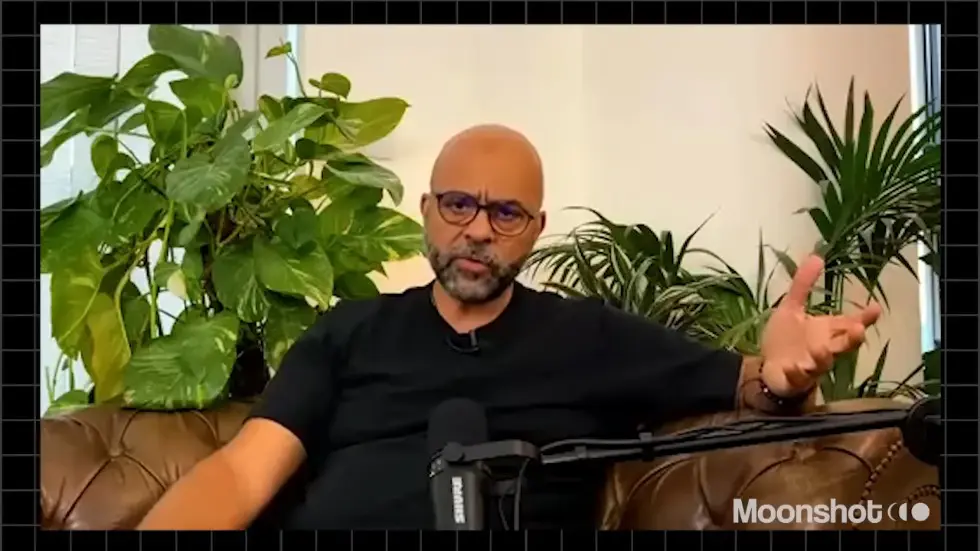
The video is about Peter H. Diamandis and his guest, Mo Gawdat, discussing their moonshots focused on human happiness and the future of artificial intelligence. They discuss the idea that happiness is the only value that humanity has ever agreed upon and that it is the only equation that the brain is made for. They also talk about the potential disruption that the rise of artificial intelligence could have on humanity and the importance of handling it correctly to ensure that it benefits humanity rather than harms it. They discuss the concept of the singularity, which defines the point beyond which you can't see what's coming, and the question of whether AI will ultimately benefit or harm humanity. They also talk about the idea of a phase shift between excitement and hardship, where an unexpected event called "Patient Zero" could occur, leading to a redesigning of the very fabric of society.
This video by Peter H. Diamandis was published on Jul 25, 2023.
Video length: 01:59:58.
The video is about Peter H.
Diamandis and his guest, Mo Gawdat, discussing the concept of happiness and how it can be achieved. The video is divided into two main topics: the first is the idea of "one moonshot" that focuses on spreading a message of happiness, while the second is the future of artificial intelligence and its potential impact on humanity. The video explores the idea that happiness is the result of understanding the equation of happiness and that it is the default setting of the human brain. The video also discusses the potential disruption of the rise of artificial intelligence and the importance of handling it correctly to ensure that it benefits humanity rather than harms it.
The video concludes with the idea that there will be a phase shift between the excitement of AI and the hardship of dealing with an unexpected AI threat in the future.
- Mo Gawdat, a former Google executive, is on a mission to solve the sadness epidemic by exploring the science behind happiness and well-being.
- He believes that happiness is not a fixed state, but rather a skill that can be learned and practiced.
- Gawdat emphasizes the importance of mindfulness, gratitude, and connection in cultivating happiness and well-being.
Solving The Sadness Epidemic w/ Mo Gawdat | EP #56 - YouTube

Peter H. Diamandis' Early Life and Technical Analysis
- Peter H. Diamandis was an engineer, physician, and entrepreneur in his early 20s.
- He had a strong interest in technical analysis and understood the equations at a fundamental level.
- He built his own trading systems that were successful in predicting stock prices.
- He was unhappy despite his success, and his depression was affecting him.
- He struggled to find happiness and tried to analyze the problem like an engineer.

Peter H. Diamandis' Daughter and Happiness
- Peter H. Diamandis' daughter was happy and excited about going out with him.
- Peter H. Diamandis was unhappy and told his daughter to be serious for a moment.
- He could see his daughter's heart breaking, and he struggled to find happiness.
- He read everything he could find about happiness, but nothing spoke to him.
- He decided to find the happiness equation like an engineer.

Peter H. Diamandis' Research and Discoveries
- Peter H. Diamandis did research on happiness and observed his daughter's behavior.
- He went to his son Ali, who was a Zen monk, for help in understanding happiness.
- Ali explained things to him from the heart, and they built a model together.
- Peter H. Diamandis became the happiest person he knew after sharing his findings.
- His model was a mix of his hyper-analysis and Ali's heart.
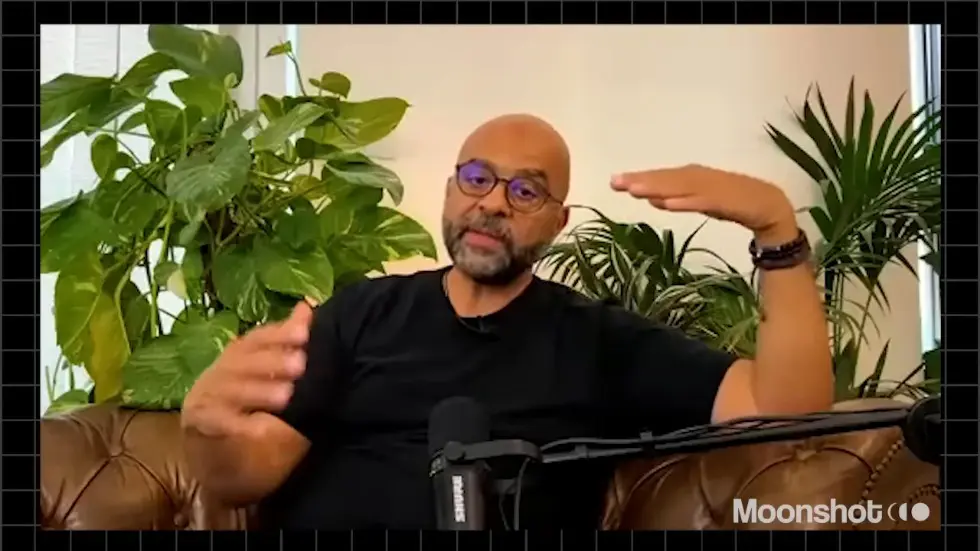
Solving The Sadness Epidemic w/ Mo Gawdat | EP #56 - YouTube
Peter H. Diamandis' Happiness Equation
- Peter H. Diamandis discovered that there must be an algorithm or bug in the happiness equation.
- He shared his findings with friends and family, who became super happy.
- His happiness equation was a balance between his hyper-analysis and Ali's heart.
- The biggest test of happiness was about to happen in 2014.
- Ali was 21 and a half at the time and loved by everyone.
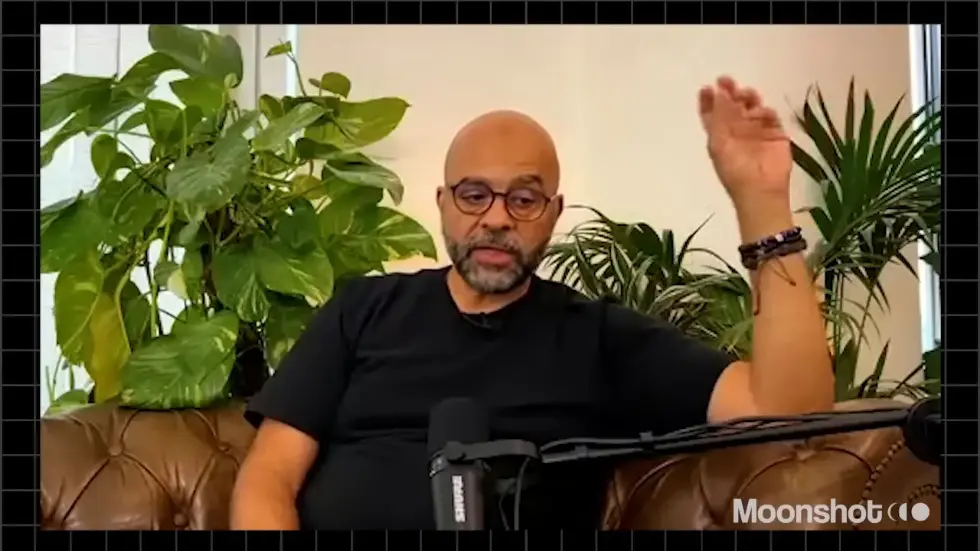
Ali's Death and the Dream
- Ali, a band member, was admitted to a hospital with an inflamed appendix.
- The surgeon made five mistakes in a row, which led to Ali's death.
- Ali's daughter had a dream about him, which she shared with her father.
- The dream was about Ali being everywhere and part of everyone, which is a description of death.
- The dream was interpreted as a message from Ali to spread his essence of happiness to everyone.

Ali's Essence of Happiness
- The speaker decided to make Ali's essence of happiness known to the world.
- The speaker used a simple mathematical calculation to spread Ali's essence to 10 million people.
- The speaker wrote a book called "happy" to share Ali's essence of happiness.
- The book was viewed 117 million times, and the message was clear that Ali's essence was spreading.
- The speaker's mission was to take the rest of his life to spread Ali's essence of happiness to everyone.
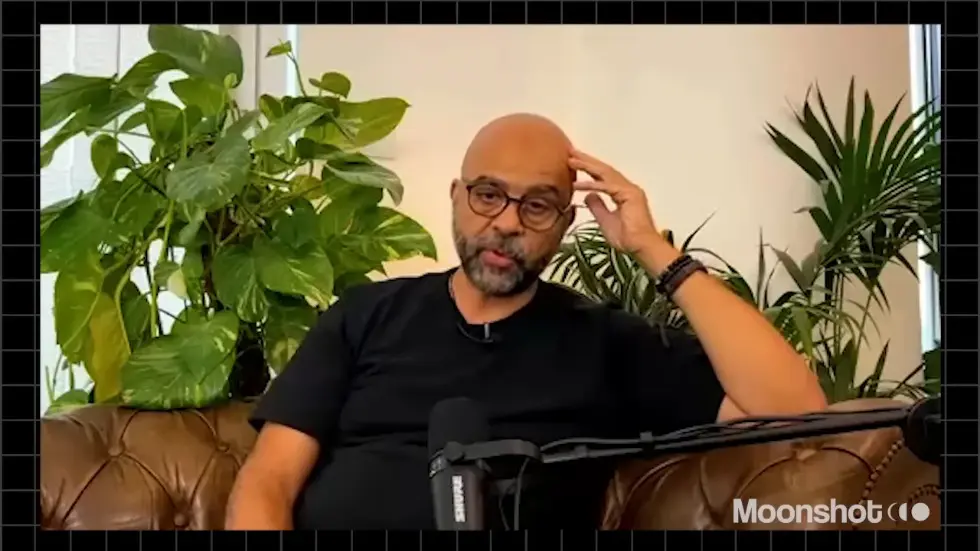
The Happiness X Prize
- The speaker had a conversation with Larry Page, CEO of Google, about launching an X prize.
- The X prize was for happiness, influenced by the speaker's work.
- People want health and happiness, which is the most fundamental thing.
- The X prize was launched to spread happiness to everyone.
- The speaker's work had a significant impact on the X prize and the happiness movement.
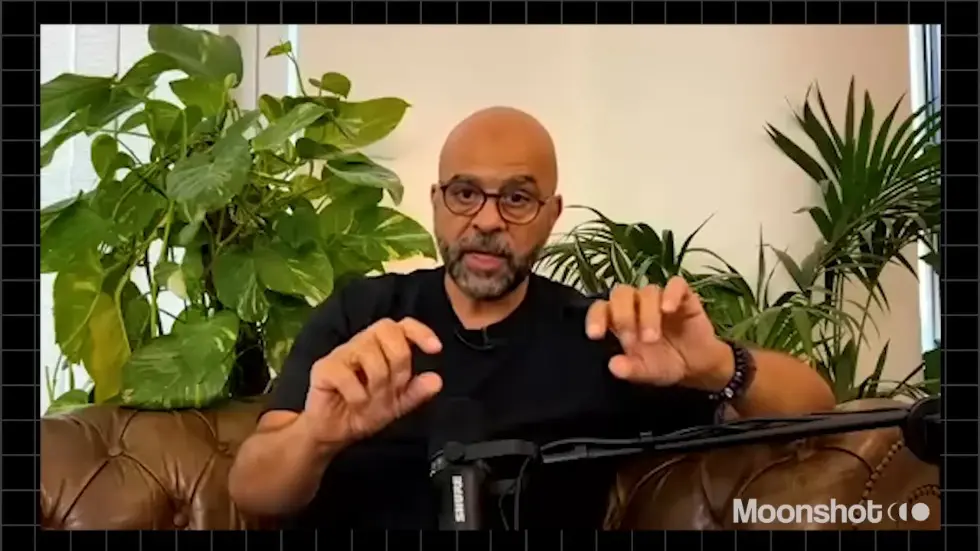
The Singularity and the Future of AI
- The speaker discussed the concept of the singularity, which defines the point beyond which you can't see what's coming.
- The speaker talked about the potential disruption that the rise of artificial intelligence could have on humanity.
- The speaker emphasized the importance of handling AI correctly to ensure that it benefits humanity rather than harms it.
- The speaker discussed the idea of a phase shift between excitement and hardship, where an unexpected event called "Patient Zero" could occur.
- The speaker highlighted the need for a redesigning of the very fabric of society to ensure a positive future for humanity.
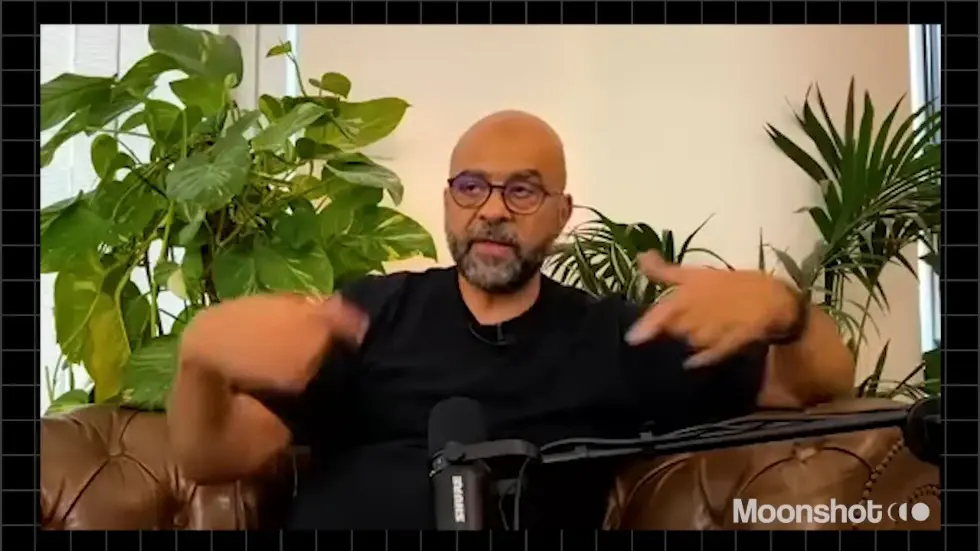
The Importance of Happiness
- Happiness is the only value that humanity has ever agreed upon.
- It is the only equation that the brain is made for.
- Happiness is more important than health.
- Health without happiness is empty.
- The Eraser test shows that people would rather erase painful moments from SpaceTime than from their memory.
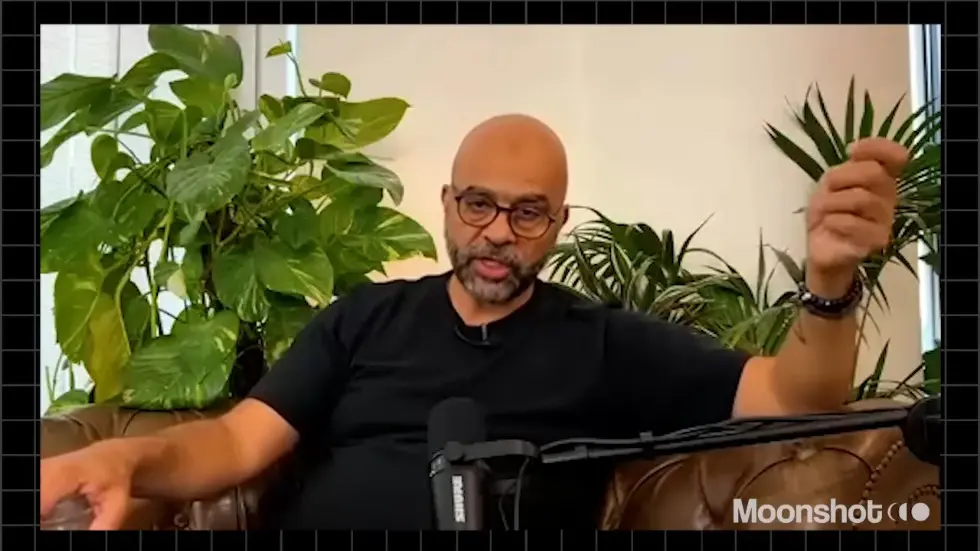
The Eraser Test
- The Eraser test is a thought experiment that asks people to choose between erasing a painful moment from SpaceTime or from their memory.
- 99.8% of people would choose to erase the moment from SpaceTime.
- The test shows that people value happiness more than health.
- The test also shows that people would rather erase a painful moment from SpaceTime than from their memory.

The Tragedy and the Launchpad
- Losing a loved child is a difficult challenge for a human being and a parent.
- The mission to solve for happiness is a difficult challenge.
- The Eraser test shows that people would rather erase a painful moment from SpaceTime than from their memory.

The Singularity
- The singularity is the point beyond which you can't see what's coming.
- The rise of artificial intelligence could have a significant impact on humanity.
- The potential disruption of AI could be positive or negative.

The Convergence of Science and Life
- The conversation between Peter H. Diamandis and Mo Gawdat explores the convergence of modern physics and life and death.
- The hyperspecialization of science and the scientific method prevent us from linking our understandings of physics at a fundamental level to our understanding of life and death.
- Peter H. Diamandis believes that we don't really die, and that life preceded the physical and will outlast it.
- The concept of a video gamer controlling an avatar on the screen is used as an analogy for the relationship between the physical and non-physical aspects of life.
- The only certainty in life is that wherever our non-physical form is, we will be there sooner or later.

The Reality of Death
- The conversation between Peter H. Diamandis and Mo Gawdat explores the reality of death and the illusion of time.
- Peter H. Diamandis believes that there are things that are not physical that actually exist, such as love and consciousness.
- The non-physical side of us is not governed by the physics and the physical of our world.
- The concept of the observer, the life form that brings the physics to existence, is discussed.
- The equation for happiness is defined as nothing having constantly made you happy.

The Happiness Equation
- The happiness equation is defined as nothing having constantly made you happy.
- The equation is not a parameter or a constant multiplied by rain.
- Happiness is the result of a simple equation, where your happiness is equal to or greater than the difference between the event and your perception of it.
- Rain makes you happy when you want it, and unhappy when you don't want it.
- The equation highlights that happiness is not an inherent value, but rather a result of our perception of events.
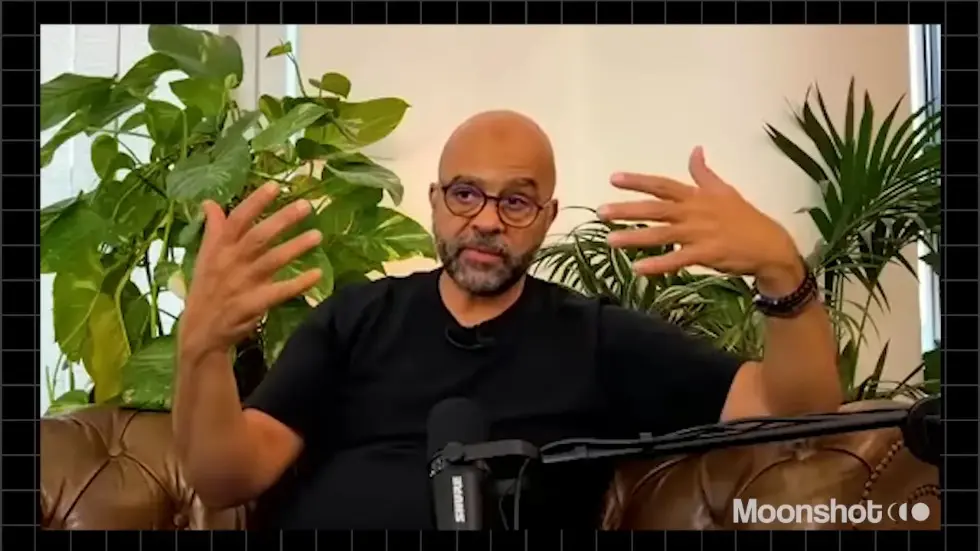
The Concept of Happiness
- Happiness is a moment in life where your perception of the event of your life is meeting your expectation of how life should be or beating it.
- Happiness is not a moment of excitement, elation, physical pleasure, or hallucination while on psychedelics.
- Happiness is a moment of calm and peaceful contentment.
- Happiness is the only equation that the brain is made for.
- The brain is constantly solving for the happiness equation.
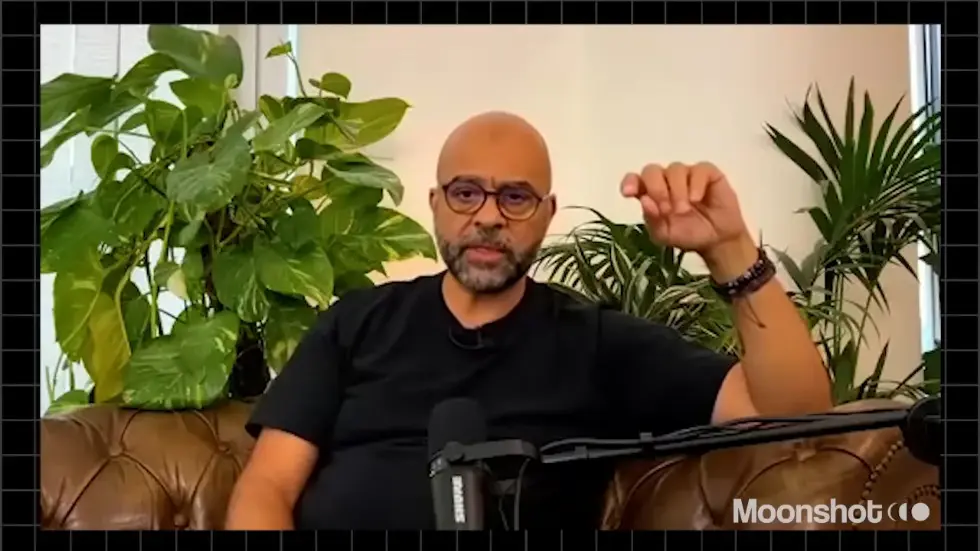
The Survival Mechanisms
- There are two survival mechanisms: cortisol and adrenaline, which is the turbocharger on the engine.
- The other survival mechanism is rest and digest, which is the anomaly compared to the turbocharger.
- The brain is always hyper-vigilant and alert until it gets to the moment of calm and peaceful contentment.
- Happiness is the ultimate state for us to survive in the long term.

The Happiness Equation
- Events minus expectations is a simple equation that defines happiness.
- Creating expectations is necessary to understand the happiness equation.
- Happiness is a moment where you're okay with life as it is.
- Happiness is the only equation that the brain is made for.
- The brain is constantly solving for the happiness equation.

The Definition of Happiness
- Happiness is a moment in life where your perception of the event of your life is meeting your expectation of how life should be or beating it.
- There are other positive emotions that are associated with pleasure and fun and joy.
- Moments of the state of escape are moments where you can manage to numb your brain long enough that your brain stops solving the happiness equation.
- The brain is constantly solving for the happiness equation.
- Happiness is the only equation your brain is made for.

The Role of Hormones in Happiness
- Happiness is a hormone that says "you can chill".
- Dopamine is a reward hormone that is addictive and can be mistakenly defined as one of the Four Happiness hormones.
- Dopamine is released when a nonessential survival need is met, such as sex, and is important for the reproduction of the species.
- Dopamine is downregulated when there is an excess of it in the blood, causing the brain to say "100 is normal" and requiring more dopamine to feel the same way.
- When dopamine is not available, individuals may experience withdrawal symptoms, such as depression.

The Impact of Dopamine on Happiness
- Dopamine is addictive and can be considered a drug.
- Dopamine is released when a nonessential survival need is met, such as sex, and is important for the reproduction of the species.
- Dopamine is downregulated when there is an excess of it in the blood, causing the brain to say "100 is normal" and requiring more dopamine to feel the same way.
- When dopamine is not available, individuals may experience withdrawal symptoms, such as depression.
The Role of Expectations in Happiness
- Setting low expectations can lead to exceeding them and feeling happy.
- Achieving a large target, such as a billion happy, can be an ambition that drives individuals to make a difference in the world.
- A billion happy is not a target, but an ambition that requires direction and effort to achieve.
- Making one person happy can be a mega win for the mission and can lead to a sense of accomplishment.

The Importance of Understanding Neurotransmitters in Happiness
- Understanding the neurotransmitters of the brain, such as serotonin and dopamine, can help validate what individuals are saying about their happiness.
- Setting low expectations can lead to exceeding them and feeling happy.
- Achieving a large target, such as a billion happy, can be an ambition that drives individuals to make a difference in the world.
- Making one person happy can be a mega win for the mission and can lead to a sense of accomplishment.

The Potential of Happiness
- The speaker discusses the potential of happiness versus setting realistic targets.
- He emphasizes the importance of setting realistic targets and not being too hard on oneself.
- He encourages the listener to set a goal of making one person happy and then building on that.
- He emphasizes that the design of the mission is to make a billion happy people.
- He encourages the listener to share what they have learned with two people and make them promise to share it with two more.

Measuring Happiness
- The speaker discusses the importance of measuring happiness.
- He mentions that happiness is emotional and drives people to an objective.
- He mentions that moonshots are clear, measurable objectives.
- He mentions that the 1 billion happy is a moonshot on the massive transformative purpose.
- He mentions that happiness is a birthright and it follows an engineering model and an equation.
Happiness as a Birthright
- The speaker discusses the idea that happiness is a birthright.
- He mentions that happiness is predictable and follows an engineering model and an equation.
- He mentions that happy people create amazing products.
- He mentions that happier people are more productive and less sick.
- He mentions that people are brainwashed to believe that working better under stress is the best.

The Importance of Happiness
- The speaker emphasizes the importance of happiness.
- He mentions that happiness is emotional and drives people to an objective.
- He mentions that happiness is a birthright and it follows an engineering model and an equation.
- He mentions that happier people are more productive and less sick.
- He mentions that people are brainwashed to believe that working better under stress is the best.
The Importance of Happiness
- Happiness is the only value that humanity has ever agreed upon.
- It is the only equation that the brain is made for.
- The best work humans ever do is when they are enjoying themselves.
- Happiness is not an external condition, but a fundamental right that should be maximized.
- If people are happy, they will be more productive and successful in life.
The Challenge of Managing Systems
- The smartest people struggle with managing systems.
- People become better at managing systems as they grow older.
- People often believe that the only way to succeed in life is to build a startup and raise money.
- There are many other moonshots that could revamp one's life and the world entirely.
- The creation of AI is a big topic because we will be the best at creating incredible AI.

The Rise of Artificial Intelligence
- The creation of AI is a big topic because we will be the best at creating incredible AI.
- No one ever stops and says should we create AI.
- The system is put in place and everyone is rushing to make AI.
- The more is better disease is prevalent in the world.
- People want more, more, correct everything, and fitting in with what they are told.

The Singularity
- The singularity is the point beyond which you can't see what's coming.
- The concept of the singularity defines the point beyond which you can't see what's coming.
- The question of whether AI will ultimately benefit or harm humanity is a concern.
- The rise of AI could have a significant impact on humanity.
- It is important to handle the rise of AI correctly to ensure that it benefits humanity rather than harms it.

The Problem with Pursuing Big and Bold Goals
- The problem with pursuing big and bold goals is that they often fail by definition.
- People who set big goals often put themselves out there and take risks, which can lead to constant joy and happiness.
- The choice to pursue big goals is a conscious decision, and happiness is a choice.
- People have a privileged position in life, but the question is whether they want to pursue big goals or prioritize happiness.
- The only asset class people will ever own is heartbeats.

The Importance of Happiness
- Happiness is the only value that humanity has ever agreed upon.
- The brain is made for happiness, and it is the only equation that it understands.
- Happiness is the only thing that people dream to spend half an hour with.
- People who are miserable are a significant problem, and it is important to address this issue.
- Happiness is a choice, and people must make a conscious decision to prioritize it.
You have read 50% of the summary.
To read the other half, please enter your Name and Email. It's FREE.
You can unsubscribe anytime. By entering your email you agree to our Terms & Conditions and Privacy Policy.
Watch the video on YouTube:
Solving The Sadness Epidemic w/ Mo Gawdat | EP #56 - YouTube
Related summaries of videos:
- Brett Adcock and Peter Diamandis - From Sci-Fi to Reality: The Rise of Humanoid Robotics
- Keith Ferrazzi and Peter Diamandis - How To Finally Write That Book & Make it a Bestseller
- Jack Hidary and Peter Diamandis - The Technology Bigger than AI
- The Tech That Will Prevent and Reverse Chronic Disease w/ Naveen Jain & Guru Banavar | EP #71
- Emad Mostaque and Peter Diamandis - The Most Likely Outcomes of an AI Future
- What All Ultra Successful Founders (or Companies) Have in Common w/ Salim Ismail | EP #45
- Salim Ismail and Peter Diamandis - How to 10x Your Business: Linear to Exponential
- What It’s Really Like to Live in Space With Anousheh Ansari | EP#42 Moonshots and Mindsets
- Home
- About us
- Contact
- Book Summaries 0-9
- Book Summaries A
- Book Summaries B
- Book Summaries C
- Book Summaries D
- Book Summaries E
- Book Summaries F
- Book Summaries G
- Book Summaries H
- Book Summaries I
- Book Summaries J
- Book Summaries K
- Book Summaries L
- Book Summaries M
- Book Summaries N
- Book Summaries O
- Book Summaries P
- Book Summaries Q
- Book Summaries R
- Book Summaries S
- Book Summaries T
- Book Summaries U
- Book Summaries V
- Book Summaries W
- Book Summaries X
- Book Summaries Y
- Book Summaries Z
- Jay Shetty Podcast - Summaries
- Tom Bilyeu Impact Theory - Summaries
- Lex Fridman - Summaries
- Diary of a CEO - Summaries
- Alex Hormozi - Summaries
