
Neri Oxman: Biology, Art, and Science of Design & Engineering with Nature | Lex Fridman Podcast #394
Last updated: Sep 1, 2023
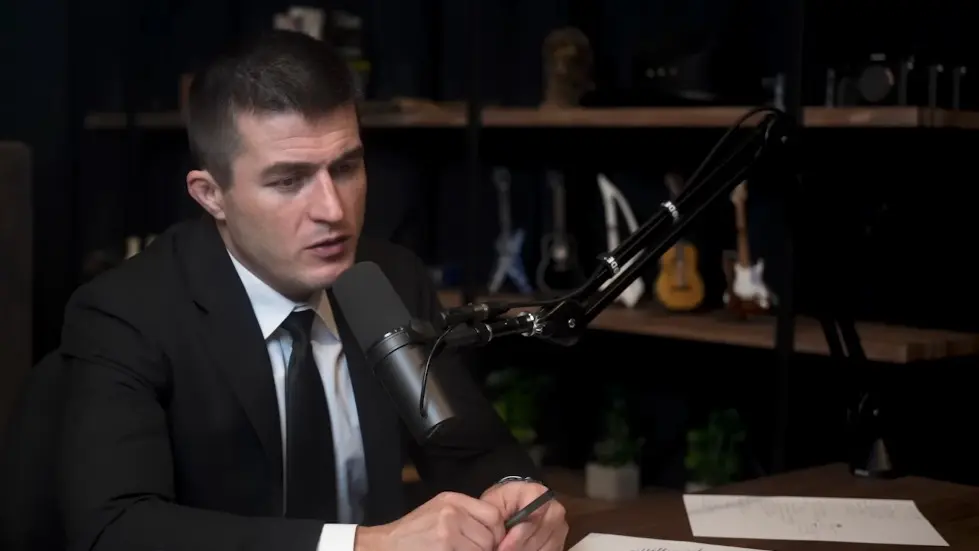
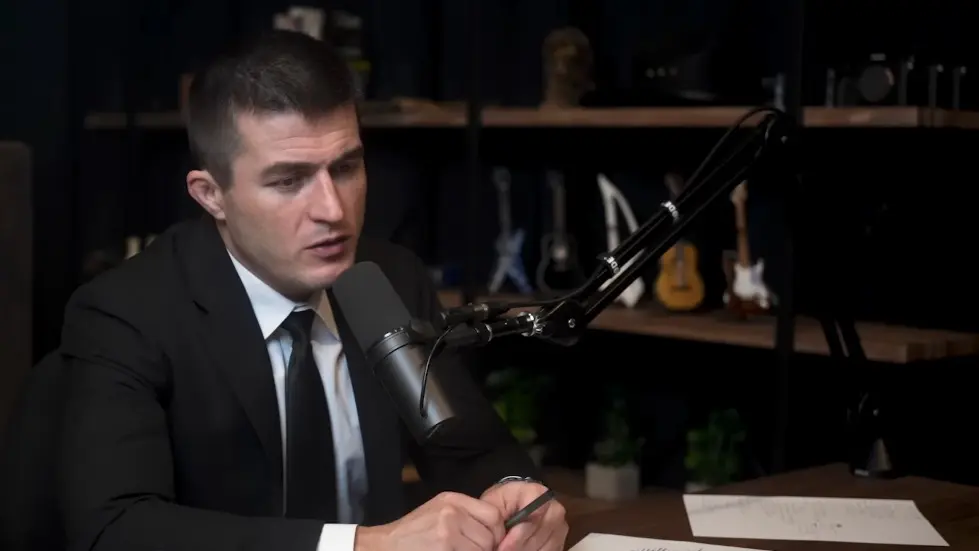
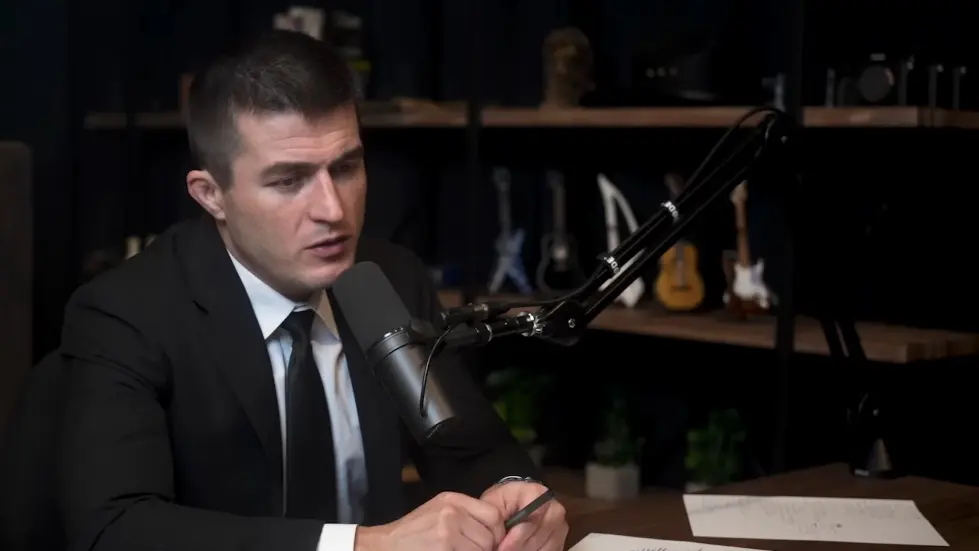
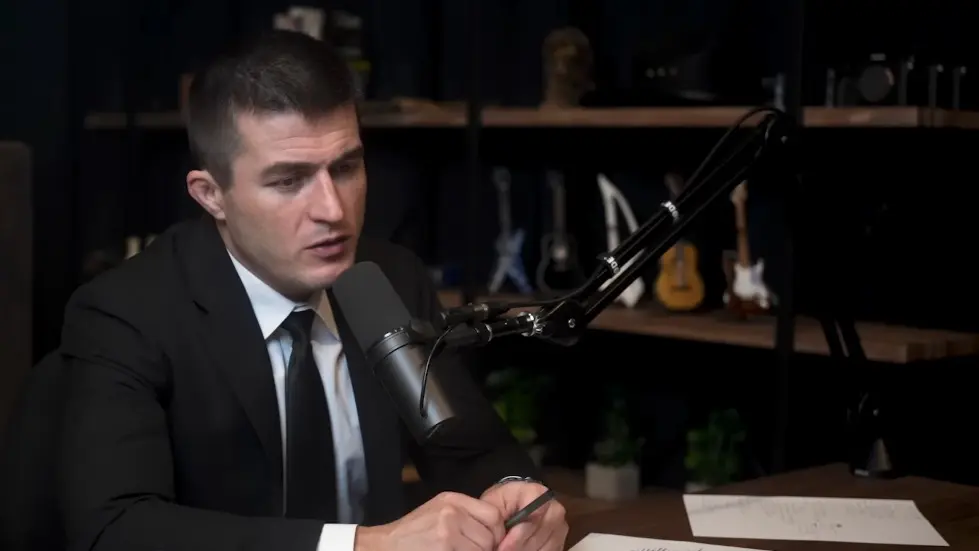
The video is about Neri Oxman, an engineer, scientist, designer, and artist, who led the Mediated Matter group at MIT and is now working at a new company called Oxman. The conversation between Lex Fridman and Neri Oxman explores the intersection of computational design, digital fabrication, material science, and synthetic biology, and how these disciplines can be used to create something novel. Neri Oxman believes that nature should be seen as a kind of machine that designs beautiful things at multiple scales, and that humans can learn from nature's wisdom to design products that are sustainable and connected to the natural world. The video also touches on the idea of entropomas, which refers to the amount of design goods (such as buildings, cities, and asphalt) that humans have created and brought into the world, and how this has exceeded the scale of biomass on the planet.
This video by Lex Fridman was published on Sep 1, 2023.
Video length: 02:18:26.
The video is about Neri Oxman, an engineer, scientist, designer, and artist, who led the Mediated Matter group at MIT and is now working at a new company called Oxman.
The video discusses her work at the intersection of computational design, digital fabrication, material science, and synthetic biology, and how she aims to revolutionize how humans design and build products by working with nature rather than against it. The video also touches on the idea of nature as a kind of machine that designs beautiful things at multiple scales and the connection between humans and nature. Oxman believes that there is still much to learn about the natural world and that technology can be used to tap into its wisdom.
The video also discusses the concept of entropomas, which refers to the amount of design goods (such as buildings, cities, and asphalt) that humans have created and brought into the world, which now outweigh all of the biomass on the planet.
* Neri Oxman is an engineer, scientist, designer, and artist who led the Mediated Matter group at MIT and is now working at a new company called Oxman. * Oxman's work focuses on the intersection of computational design, digital fabrication, material science, and synthetic biology, and how these disciplines can be used to create something novel. * Oxman believes that nature should be seen as a kind of machine that designs beautiful things at multiple scales, and that humans can learn from nature's wisdom to design products that are sustainable and connected to the natural world. * Oxman's work has been done at all scales, from the micro scale to the building scale. * Oxman is currently working on a new company called Oxman, which is looking to revolutionize how humans design and build products, working with nature not against it. * Neri Oxman thinks of nature in the context of design as everything that is not produced by humankind, including birds, rocks, and everything in between. * Oxman believes that there is an intricate connection between humans and nature, and that we are looking for it. * Oxman thinks that from the beginning of mankind, the products that we have designed have separated us from nature, and it's ironic that the things that we designed and produced as humankind are exactly the things that separated us before. * Oxman wants to return to a world where humans are completely connected to the natural world, but bring the tools of engineering and computation to it. * Neri Oxman identifies 2020 as the crossover year when anthropomas exceeded biomass on the planet. * All of the design goods that we have created and brought into the world now outweigh all of the biomass, including plastics, wearables, building cities, asphalt, and concrete. * Oxman believes that this imbalance now supersedes the biomass on the planet, and we need to figure out where to go from here. * Neri Oxman's material ecology approach is a way of thinking about design that sees everything material as part of the ecology and having an impact on the ecology. * The goal of this approach is to work together to help each other, all things, nature, and humans, to have a positive impact on the ecology. * Neri Oxman dreams of a world in which nature has access to the cloud at the kind of bandwidth that we're talking about. * If nature had that bandwidth, it would be able to make decisions for itself as opposed to being guided and guarded and abused by humankind. * Neri Oxman believes that nature should be seen as a kind of machine that designs beautiful things at multiple scales. * Humans can learn from nature's wisdom to design products that are sustainable and connected to the natural world. * Neri Oxman's work tries to reduce the dimensional mismatch between things made and things grown. * Providing extra dimensions to the natural environment can help nature fix itself using tools provided by humans. * The team at Oxman consists of humans from different disciplines and backgrounds. * The team includes a brilliant designer who is a mathematical genius and a computer scientist. * The team also includes a mechanical engineer who has trained as a synthetic biologist. * Oxman is currently hiring a microbiologist and a chemist. * The team is constantly seeking to build, design, and deploy products in three scales: the molecular, the built, and the grown. * The work at Oxman relates to creating an interface between nature and computational tools. * The goal is to give nature the ability to use this interface to know what it needs to do, such as running away from fire or increasing photosynthesis in the presence of smoke. * The team is constantly seeking to understand whether there is a universal language to nature and what that language is. * The team is dreaming of creating an iPhone for nature if nature had one. * The second area in the company focuses on growing products. * The team is working on a single product that starts from CO2 and ends with something that can be consumed, used, worn, and then returned to the soil to grow an edible fruit plant. * The team is working on carbon recycling technologies that start with methane or wastewater and end with a product that doesn't need to end up in a composting site but can just be thrown into the ground and grow. * The team is also working on textile-based work that is focused on one single element in the long chain, such as creating leather out of mycelium. * The team is constantly seeking to create sustainable and connected products that are designed with nature in mind.
Neri Oxman's Work
- Neri Oxman is an engineer, scientist, designer, and artist who led the Mediated Matter group at MIT and is now working at a new company called Oxman.
- Oxman's work focuses on the intersection of computational design, digital fabrication, material science, and synthetic biology, and how these disciplines can be used to create something novel.
- Oxman believes that nature should be seen as a kind of machine that designs beautiful things at multiple scales, and that humans can learn from nature's wisdom to design products that are sustainable and connected to the natural world.
- Oxman's work has been done at all scales, from the micro scale to the building scale.
- Oxman is currently working on a new company called Oxman, which is looking to revolutionize how humans design and build products, working with nature not against it.
Neri Oxman's Views on Nature
- Oxman thinks of nature in the context of design as everything that is not produced by humankind, including birds, rocks, and everything in between.
- Oxman believes that there is an intricate connection between humans and nature, and that we are looking for it.
- Oxman thinks that from the beginning of mankind, the products that we have designed have separated us from nature, and it's ironic that the things that we designed and produced as humankind are exactly the things that separated us before.
- Oxman wants to return to a world where humans are completely connected to the natural world, but bring the tools of engineering and computation to it.
- Oxman believes that nature has kind of wisdom that exists beyond intelligence or above intelligence, and it's that wisdom that we're trying to tap into through technology.

Neri Oxman's Views on Entropomas
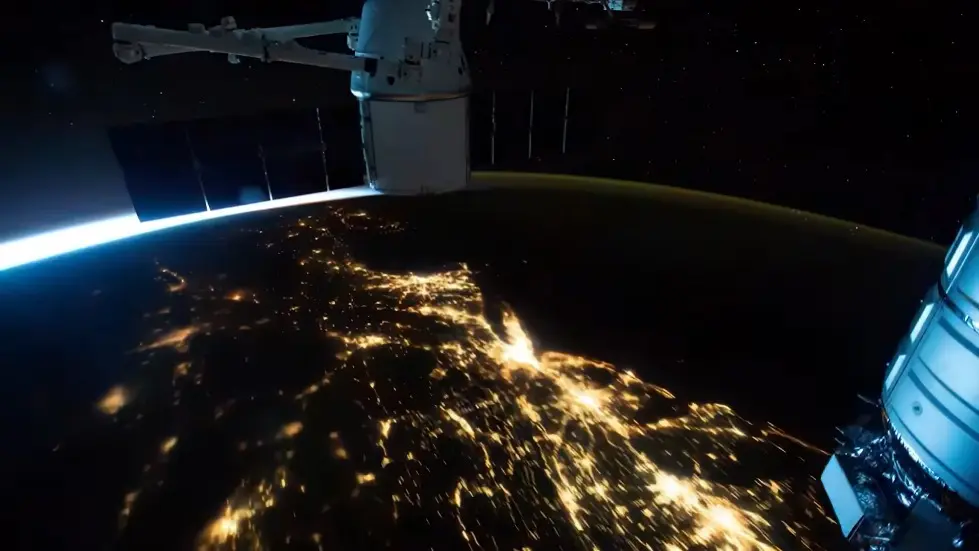
- Oxman identifies 2020 as the crossover year when anthropomas exceeded biomass on the planet.
- All of the design goods that we have created and brought into the world now outweigh all of the biomass, including plastics, wearables, building cities, asphalt, and concrete.
- Oxman believes that this imbalance now supersedes the biomass on the planet, and we need to figure out where to go from here.
- Oxman has heard the expression "more phones than bones" and the entropomas and the anthropocene, and the technosphere outweighing the biosphere.
- Oxman is working on a new company called Oxman, which is looking to revolutionize how humans design and build products, working with nature not against it.
Neri Oxman's Personal Life
- Oxman is a kind and thoughtful person who has been a friend to Alex Friedman for a long time.
- Oxman has brought Alex Friedman a present, War and Peace by Tolstoy and Meditations by Marcus Aurelius.
- Oxman is a brilliant and beautiful human being.
- Oxman is a designer, scientist, engineer, and artist.
- Oxman is currently working on a new company called Oxman, which is looking to revolutionize how humans design and build products, working with nature not against it.

Section 1: The Intersection of Computational Design, Digital Fabrication, Material Science, and Synthetic Biology
- The conversation between Lex Fridman and Neri Oxman explores the intersection of computational design, digital fabrication, material science, and synthetic biology.
- Neri Oxman believes that nature should be seen as a kind of machine that designs beautiful things at multiple scales, and that humans can learn from nature's wisdom to design products that are sustainable and connected to the natural world.
- The video touches on the idea of entropomas, which refers to the amount of design goods (such as buildings, cities, and asphalt) that humans have created and brought into the world, and how this has exceeded the scale of biomass on the planet.
Section 2: The Material Ecology Approach
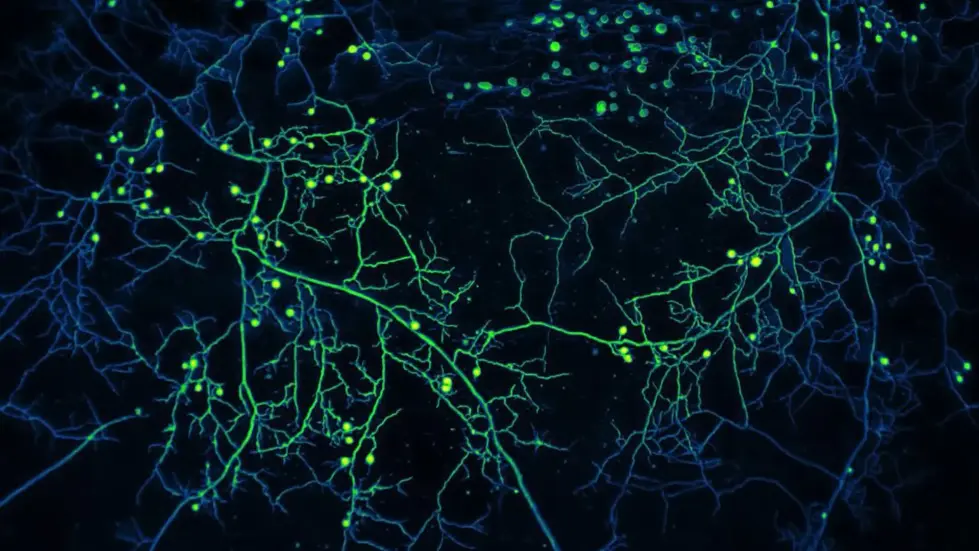
- Neri Oxman's material ecology approach is a way of thinking about design that sees everything material as part of the ecology and having an impact on the ecology.
- The goal of this approach is to work together to help each other, all things, nature, and humans, to have a positive impact on the ecology.
- Oxman calls this approach material ecology and thinks that it could lead to a world in which driving a car is better for nature than a world in which there are no cars.

Section 3: The Intersection between Biomass and Entropyl Mass
- In 2005, Neri Oxman called this material ecology approach and thought that all material, all things, would be considered part of the ecology and would have an impact on the ecology.
- The idea is that everything material, everything that you design in the physical universe, can be read and written to as or thought of or perceived of as nature grown.
- There is a good term for the intersection between biomass and entropyl mass, like things that are grown, such as buildings, cities, and asphalt.
Section 4: The Dream of Connecting Nature with the Cloud
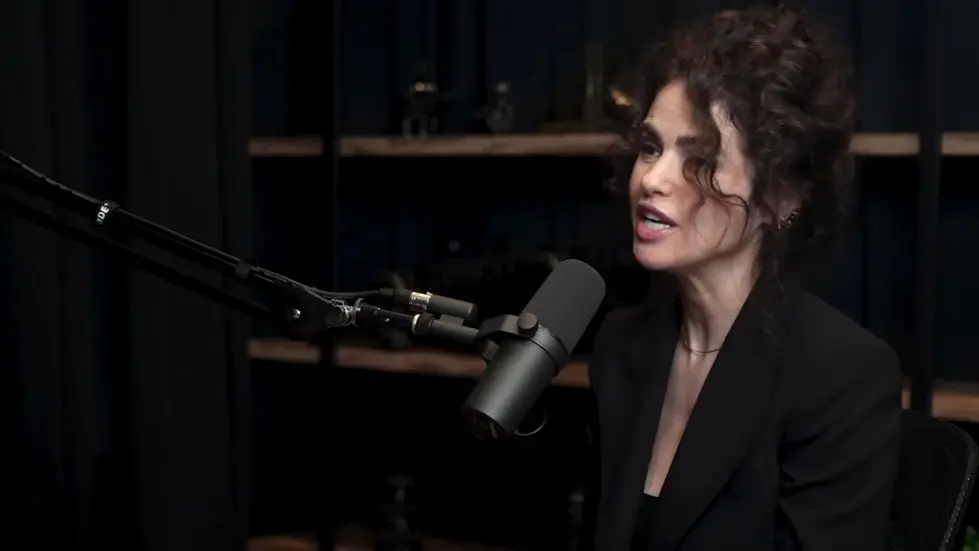
- Neri Oxman dreams of a world in which nature has access to the cloud at the kind of bandwidth that we're talking about.
- This would be like neuralink for nature, where we have computational power that is one trillion times the power that we had in those times and 26.5 trillion times the bandwidth.
- If nature had that bandwidth, it would be able to make decisions for itself as opposed to being guided and guarded and abused by humankind.

Nature's Design
- Neri Oxman believes that nature should be seen as a kind of machine that designs beautiful things at multiple scales.
- Humans can learn from nature's wisdom to design products that are sustainable and connected to the natural world.
- Nature wants to increase information but decrease entropy, meaning finding order while constantly increasing the information scale.
- Oxman's work tries to reduce the dimensional mismatch between things made and things grown.
- Providing extra dimensions to the natural environment can help nature fix itself using tools provided by humans.

Oxman Team
- The team at Oxman consists of humans from different disciplines and backgrounds.
- The team includes a brilliant designer who is a mathematical genius and a computer scientist.
- The team also includes a mechanical engineer who has trained as a synthetic biologist.
- Oxman is currently hiring a microbiologist and a chemist.
- The team is constantly seeking to build, design, and deploy products in three scales: the molecular, the built, and the grown.
Interface with Nature
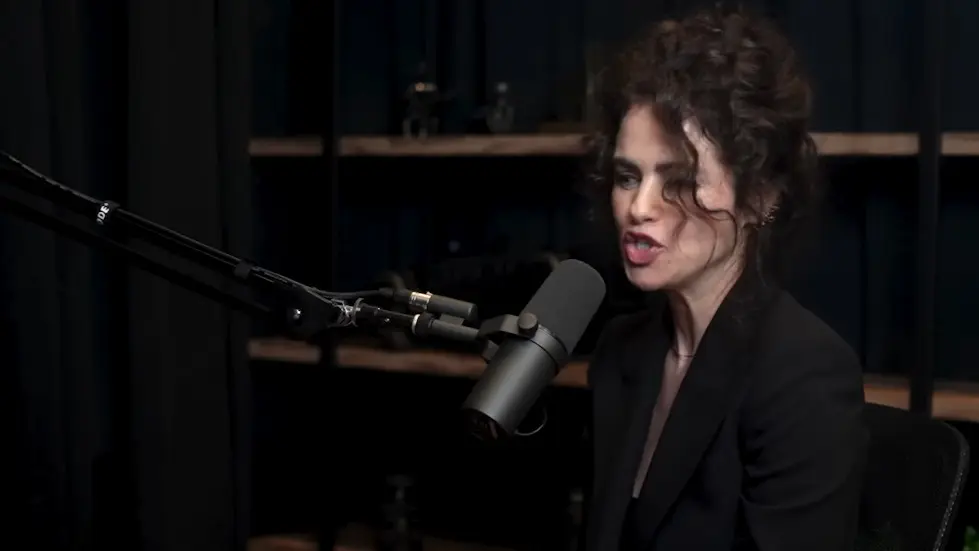
- The work at Oxman relates to creating an interface between nature and computational tools.
- The goal is to give nature the ability to use this interface to know what it needs to do, such as running away from fire or increasing photosynthesis in the presence of smoke.
- The work at Oxman is focused on creating an interface with the natural world.
- The team is constantly seeking to understand whether there is a universal language to nature and what that language is.
- The team is dreaming of creating an iPhone for nature if nature had one.
Growing Products
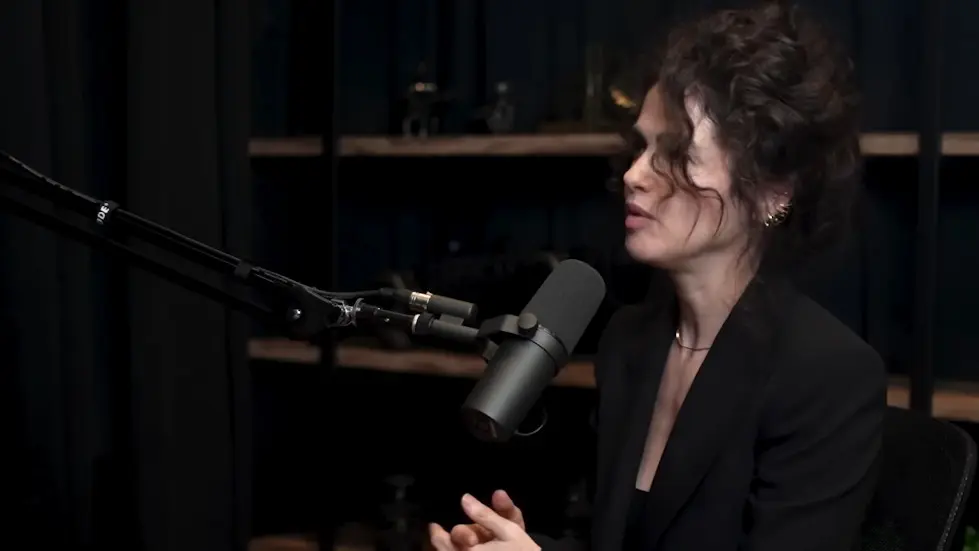
- The second area in the company focuses on growing products.
- The team is working on a single product that starts from CO2 and ends with something that can be consumed, used, worn, and then returned to the soil to grow an edible fruit plant.
- The team is working on carbon recycling technologies that start with methane or wastewater and end with a product that doesn't need to end up in a composting site but can just be thrown into the ground and grow.
- The team is also working on textile-based work that is focused on one single element in the long chain, such as creating leather out of mycelium.
- The team is constantly seeking to create sustainable and connected products that are designed with nature in mind.
Section 1: Creating Products with Computational Design and Robotics
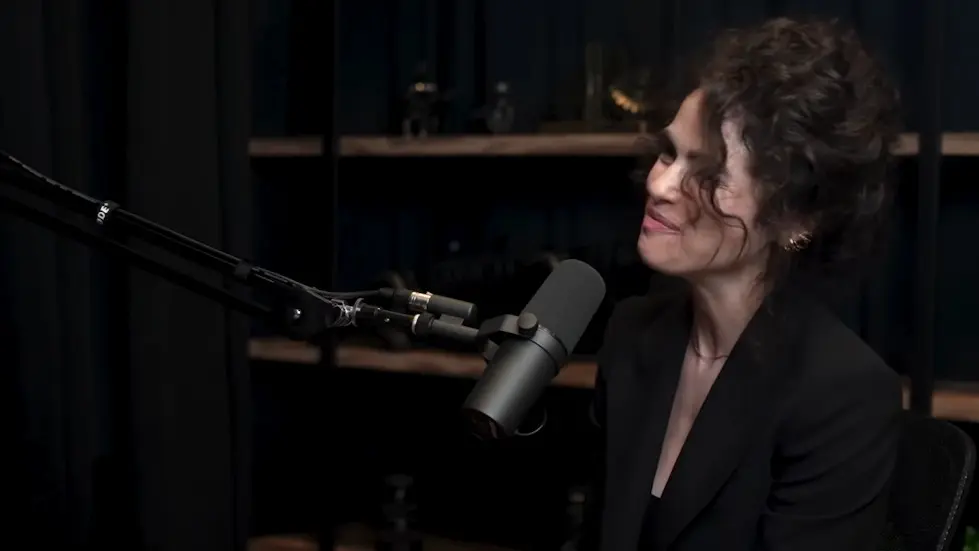
- The video discusses the use of computational design and robotics in creating products.
- The goal is to create products that are materially, computationally, and robotically novel.
- The process involves creating products from carbon recycling technology to the final product.
- The video mentions the possibility of using robots and microbes to create products end-to-end.
- The speaker is excited to see what the factory will look like and how it will work.

Section 2: Building Life Forms with Robotics and Synthetic Biology
- The video discusses the use of robotics and synthetic biology in building life forms.
- The speaker mentions the use of bacteria to grow and produce pigments.
- The speaker mentions the use of silk with silkworms and honey with bees as structural materials.
- The speaker mentions the use of Vespers to produce pigments synthetically engineered bacteria.
- The speaker mentions the use of physical and environmental templates to guide the movement of organisms.

Section 3: Learning from Nature's Designs
- The video discusses the idea of learning from nature's designs.
- The speaker mentions the use of environmental conditions to guide the movement of organisms.
- The speaker mentions the idea that the environment defines the shape that organisms create.
- The speaker mentions the use of hero organisms to guide the work of organisms.
- The speaker mentions the use of precision ag and food new design technologies.

Section 4: The Future of Biobased Design
- The video discusses the future of biobased design.
- The speaker mentions the use of hero organisms in pharmaceuticals and biomaterials.
- The speaker mentions the use of hero organisms in precision agriculture and food design technologies.
- The speaker mentions the use of hero organisms in the creation of new products.
- The speaker mentions the use of computational design and robotics in the creation of products.
Section 1: Silkworm Pavilion Project
- The project involved building a Pavilion using silkworms.
- Each silkworm thread was about one mile in distance.
- The silkworms built a cocoon in 24 to 72 hours.
- The cocoon was a beautiful form of architecture that used two materials: saracen and fibrin.
- The process of building the cocoon varied the properties of the silk thread.
Section 2: Emulating the Silkworm Process
- The team tried to emulate the silkworm process robotically with a 6-axis Kuka arm.
- The process was computed and built something very large.
- One of the students, Marcus, suggested working with the silkworms to produce a dome.
- The silkworms were quite egocentric and moved forward in evolution by natural selection.
- The team realized that if the silkworms were placed on a horizontal surface, they would spin flat patches.
Section 3: Communication and Material Sophistication
- The termites have incredible ability to communicate and connect with each other.
- The material sophistication of termites is primitive compared to humans.
- The silkworms have zero connection or communication across silkworms.
- The domesticated silk moth creates the cocoon, which is then produced as silk.
- The sericulture industry has a problem with the dysfunctional wings of the silk moth.

Section 4: Computational Biology and Design
- The team was fascinated by the computational biology dimension of silkworms.
- The project was driven by many good lines.
- The team never got to tell the full story due to paragraphs being too long.
- The project was a great example of how computational biology can be used in design.
- The project was a wonderful example of heaven driving many good lines.
Section 1: Silkworms as Templating Strategies
- Silkworms are not designed to connect, communicate, and build things that are bigger than themselves through connection and communication.
- Adding 17,000 silkworms communicating effects can lead to emergence of new products or opportunities.
- Templating strategies provide control over nature, but the question is whether there is a world in which we can move from templating to a problem or an opportunity of emergence.
- Robotic platforms designed initially as templates can inspire collaboration and cooperation between silkworms.
- Computational and fabrication technologies enable the silkworm to assemble products that seem like they were produced by a swarm-like community, but are actually produced by biological agents working together.
Section 2: Emergence and Empowerment
- Emergence is the process by which a complex system arises from simpler components, and cannot be predicted or controlled.
- Empowerment in nature means increasing the information dimension and reducing entropy.
- We want more order and information in our designs, while nature wants to increase the information dimension and reduce entropy.
- An agent is empowered if the entropy of the distribution of all states is high, while the entropy of the distribution of a single state given a choice given an action is low.
- Duality between opportunity and closure is a key concept in emergence and empowerment.

Section 3: Silkworms as Swarm-Like Organisms
- Silkworms are not a swarm-based organism, they do not work together and have no social orders.
- Computational and fabrication technologies enable the silkworm to assemble products that seem like they were produced by a swarm-like community, but are actually produced by biological agents working together.
- The variation of density of fiber and the distribution of the fiber and the transparency of the product at the end seems like it was produced by a swarm silk community, but it was not.
- The product that we got at the end was produced by a bunch of biological agents working together to assemble the thing.
- The computational template constructs a swarm-like behavior and creatures that have not been designed to work as swarms.
Section 4: Predicting Emergence
- If we can predict what emerges, it does not count as emergence.
- Emergence is a deeply poetic concept that relates to empowerment and reduction of entropy.
- We constantly move between different processes and concepts, and one of them is empowering nature.
- Kristoff shared a mathematical equation for what it means to empower nature and what empowerment in nature looks like.
- We can go back to emergence in a few moments, but the key concept is that an agent is empowered if the entropy of the distribution of all states is high, while the entropy of the distribution of a single state given a choice given an action is low.
Section 1: Choice and Control
- The choice made by an individual or system can control the trajectory of the system.
- This applies to all kinds of systems, including human beings.
- The choice made by an individual or system can empower or limit the agency needed to achieve a desired outcome.
- The amount of control exercised by a choice can vary depending on the system and the individual making the choice.
Section 2: Co-fabrication and Synthetic Environments
- Co-fabrication involves digitally fabricating with other organisms that live across different Kingdoms of Life.
- A synthetic apiary was designed as an environment that was a perpetual spring environment for bees in Massachusetts.
- The synthetic apiary was designed to augment bees in the winter season in any city where bees survive and thrive in the summer and spring seasons.
- The synthetic apiary was a product-scale control environment that provided bees with all the conditions they needed.
Section 3: Robotic Queens and Pheromones
- The robotic queen was a concept that was experimented with in the synthetic apiary.
- The bees returned from space were not reproductive and some died, prompting the team to create a life support system for bees.
- The life support system for bees was designed to provide them with all the conditions they needed, including pheromones associated with a queen's guidance.
- The bees returned from space were alive and reproductive, and continued to create comb.
Section 4: Gold and Silver Nanoparticles
- The team gave the bees gold and silver nanoparticles to study if bees recycle wax.
- The bees did not recycle the nanoparticles, but the study resulted in a beautiful nature paper.
Section 1: Recycling Wax in Bees
- Known forever that bees do not recycle wax.
- Feeding them gold nanoparticles proved that they recycle wax.
- Technologies associated with projects involve new technology.
- Every project involves a technology associated with it.
- Projects reveal new knowledge about the topic being investigated.
Section 2: Art and Science
- Art and science are one and the same.
- Creating art reveals something about organisms or materials.
- Interesting things about organisms or materials learned.
- Shrimp shells built a tower on the roof of SF MoMA.
- Product or part can reincarnate into the soil.
Section 3: Second and Tertiary Derivatives
- Discover new truths about things through second and tertiary derivatives.
- Go to the second and tertiary derivative of things.
- Internalize the notion that there's always something deeper.
- Discover new truths about organisms through second and tertiary derivatives.
- Internalize the notion that there's always something deeper about organisms.

Section 4: Organisms and Bacteria
- Organisms and bacteria used in death masks project.
- Death masks project based on legacy and biology of wearer.
- Harness a few stem cells for future generations.
- Contain the last breath of the wearer in a mask.
- Use E coli to create pigmented masks whose pigments recreated at the surface of the mask.
The Masks
- The masks were made of natural minerals like gold.
- The masks were designed using a computational program.
- The masks were entirely designed using a computational program.
- The masks were about the surface of the mask.
- The masks were about the volume of the mask.
The Surface of the Mask
- The masks were made of natural minerals like gold.
- The masks were designed using a computational program.
- The masks were entirely designed using a computational program.
- The masks were about the surface of the mask.
- The masks were intricate and delicate.
The Volume of the Mask
- The masks were made of natural minerals like gold.
- The masks were designed using a computational program.
- The masks were entirely designed using a computational program.
- The masks were about the volume of the mask.
- The masks had pockets and channels to guide life through them.

The Interactions between Chemical Signals and Bacteria
- Chemical signals were embedded in the jet in the printer.
- Those chemical signals interacted with the bacteria at the surface of the mask.
- The interactions between the chemical signals and bacteria allowed for the exact patterns to be achieved.
- The technology allowed for the creation of hybrid living materials.
- The technology paved the way towards a whole new set of products.
The Implications and Potential Applications
- The technology allowed for the creation of hybrid living materials.
- The technology paved the way towards a whole new set of products.
- The technology allowed for the creation of products that were sustainable and connected to the natural world.
- The technology allowed for the creation of products that were designed to be more efficient and effective.
- The technology allowed for the creation of products that were more environmentally friendly.

Neri Oxman's Design Principle
- Neri Oxman's design principle is to grow cool stuff as a byproduct of the organism flourishing.
- The synergy between the organism and the final creation should be bigger than the sum of its parts.
- Genetic modification of an organism should be done in a way that benefits both the organism and the final creation.
- The idea is to not modify bacteria genetically, as they are wonderful organisms that create the matter we consume and reincarnate into the soil.
- Directed evolution is one of the interesting works happening with bacteria for the production of products such as shoes, wearables, biomaterials, and therapeutics.

Bacteria and Design
- Bacteria are pretty wonderful organisms that create the matter we consume and reincarnate into the soil.
- Directed evolution is used to look at high-throughput directed evolution of bacteria for the production of products such as shoes, wearables, biomaterials, and therapeutics.
- The physical space in their new lab will have capsules designed like growth chambers or grow rooms, where genetic genetic modulation and environmental templating can be done at the same time.
- In one of those capsules, maybe they grow transparent wood for architectural application, another capsule they grow a shoe, and in another capsule they look at language models for large language models associated with particular technologies.

Ethical Range
- The ethical range for bacteria is not the same as for humans.
- Bacteria are pretty wonderful organisms that create the matter we consume and reincarnate into the soil.
- We should never get to a point where we evolve life for the service of mankind.
- The idea is to not modify bacteria genetically, as they are wonderful organisms that create the matter we consume and reincarnate into the soil.
Directed Evolution
- Directed evolution is used to look at high-throughput directed evolution of bacteria for the production of products such as shoes, wearables, biomaterials, and therapeutics.
- The physical space in their new lab will have capsules designed like growth chambers or grow rooms, where genetic genetic modulation and environmental templating can be done at the same time.

Conclusion
- Neri Oxman's design principle is to grow cool stuff as a byproduct of the organism flourishing.
- The synergy between the organism and the final creation should be bigger than the sum of its parts.
- Genetic modification of an organism should be done in a way that benefits both the organism and the final creation.
- Bacteria are pretty wonderful organisms that create the matter we consume and reincarnate into the soil.
- Directed evolution is used to look at high-throughput directed evolution of bacteria for the production of products such as shoes, wearables, biomaterials, and therapeutics.

Section 1: Introduction to Neri Oxman's Work
- Neri Oxman is an engineer, scientist, designer, and artist who led the Mediated Matter group at MIT and is now working at a new company called Oxman.
- Oxman believes that nature should be seen as a kind of machine that designs beautiful things at multiple scales, and that humans can learn from nature's wisdom to design products that are sustainable and connected to the natural world.
- The conversation between Lex Fridman and Neri Oxman explores the intersection of computational design, digital fabrication, material science, and synthetic biology, and how these disciplines can be used to create something novel.
Section 2: Designing Capsules for Food and Products
- Oxman's work involves designing capsules that can be used to grow food, produce products, and create construction materials of the future.
- These capsules are designed as part of a lab that's why it's been taking us such a long time to get to this point.
- The capsules are designed to stress the environment and see how that environment behaves, think about a kind of a biodiversity chamber right, a kind of a time capsule that is designed as a biodiversity chamber where you can program the exact temperature humidity and light.
- These capsules are designed to be stress-tested to produce the food of the future or the products of the future or the construction materials of the future.
Section 3: Control in Different Variables
- Designing these capsules requires a dance of control in different variables in order for various kinds of growth to happen.
- This has never been done before and these capsules have never been designed before.
- When people first decided these are going to be environmental capsules, people thought were crazy, what are you building, what are you making.
- The answer is that we don't know but we know that there has never been a space like this where you have basically a wet lab and a grow room at that resolution.
Section 4: Creating a Novel Wet Lab
- Oxman's work is pushing on creating a wet lab that is novel in every possible way.
- In this wet lab, you could create the future, you could create an environment of plants talking to each other with a robotic referee.
- The robotic referee we you know and you could set an objective function and let's say for for for for the uh transaction driven individuals in the world let's say the objective function is carbon sequestration.
- All of those plants are implemented with a gaming engine and they have this reward system right and they're constantly needing to optimize the way in which they carbon sequester.
Nature as a Machine
- Neri Oxman believes that nature should be seen as a kind of machine that designs beautiful things at multiple scales.
- Humans can learn from nature's wisdom to design products that are sustainable and connected to the natural world.
- Oxman's work focuses on the intersection of computational design, digital fabrication, material science, and synthetic biology.
- The goal is to create something novel that goes beyond assembly and mechanically putting things together with toxic materials.
- Oxman's work is inspired by the idea of emergence, where a system has its own rules and doesn't need to be templated anymore.
Communication with Plants
- It is possible to have some kind of interface between humans and nature, such as a human having a conversation with a plant.
- Plants communicate using a different language than ours, which is based on molecular models.
- Plants have a kind of ecological intelligence that is focused on a particular time scale, which is very slow.
- Melting these time scales and connecting with plants in terms of the content of the language in this case molecules can help us start having a conversation.
- Precision agriculture will look very different in the future, as we will be able to understand the molecular footprints and things that plants are trying to say.
Understanding Plant Communication
- Plants do not have a nervous system, but they have something akin to a nervous system that is focused on a particular time scale.
- The duration of the language in this case molecules is very slow, so it is difficult to understand plant communication.
- Quantifying and qualifying these languages will help us better understand the physiological biological behavior of plants.
- These languages will help us design better wines, foods, and medicine, as well as better products across all scales and applications.
- There are intricacies to understanding the time scales in which these communications operate, which is different from the way humans communicate.
Humility Towards Nature
- Understanding that nature operates on different scales requires a kind of humility towards nature.
- Recently, it was discovered that the molecular footprint of a rose or a plant in general during night time is different than its molecular footprint during daytime.
- These are circadian rhythms that are associated with what kind of molecules these plants emit.
- There is a reason why the Jasmine Jasmine field smells so delicious at 4am in the morning and then there's peace and rest amongst the plants.
- Tuning into the time dimension of the plant kingdom is necessary to understand plant communication.

Section 1: Designing Products in the Scale of Thousands of Years
- Designing products in the scale of thousands of years is a challenging task that requires humility.
- It takes years, not months, to design a biodiversity chamber.
- Humility in design comes from looking at how we use and abuse nature.
- Redwoods take hundreds of years to grow and reach incredible heights.
- Building a company that designs products in the scale of thousands of years is difficult.
Section 2: Integrating Technology with Nature
- The challenge is to integrate technology with nature.
- The human brain is a complex creation of nature that needs to be integrated with machines.
- Every company has an image that embodies its spirit.
- Neuralink's short-term products are a challenge to integrate with nature.
- Plants have molecules that impact or inspire them to behave or act in a certain way.
Section 3: Functionalized Fragrances
- The future of fragrances and flavors is being designed for a human-centric use.
- Fragrances are designed for attraction, feeling good, and smelling good.
- There is a world in which a fragrance can be functionalized.
- A fragrance can be imparted upon or given agency to connect with another organism.
- The future of agriculture and molecular goods should look like.
You have read 50% of the summary.
To read the other half, please enter your Name and Email. It's FREE.
You can unsubscribe anytime. By entering your email you agree to our Terms & Conditions and Privacy Policy.
Watch the video on YouTube:
Neri Oxman: Biology, Art, and Science of Design & Engineering with Nature | Lex Fridman Podcast #394 - YouTube
Related summaries of videos:
- Walter Isaacson: Elon Musk, Steve Jobs, Einstein, Da Vinci & Ben Franklin | Lex Fridman Podcast #395
- James Sexton: Divorce Lawyer on Marriage, Relationships, Sex, Lies & Love | Lex Fridman Podcast #396
- Greg Lukianoff: Cancel Culture, Deplatforming, Censorship & Free Speech | Lex Fridman Podcast #397
- Mark Zuckerberg: First Interview in the Metaverse | Lex Fridman Podcast #398
- Jared Kushner: Israel, Palestine, Hamas, Gaza, Iran, and the Middle East | Lex Fridman Podcast #399
- Elon Musk: War, AI, Aliens, Politics, Physics, Video Games, and Humanity | Lex Fridman Podcast #400
- John Mearsheimer: Israel-Palestine, Russia-Ukraine, China, NATO, and WW3 | Lex Fridman Podcast #401
- Michael Malice: Thanksgiving Pirate Special | Lex Fridman Podcast #402
- Lisa Randall: Dark Matter, Theoretical Physics, and Extinction Events | Lex Fridman Podcast #403
- Lee Cronin: Controversial Nature Paper on Evolution of Life and Universe | Lex Fridman Podcast #404
- Home
- About us
- Contact
- Book Summaries 0-9
- Book Summaries A
- Book Summaries B
- Book Summaries C
- Book Summaries D
- Book Summaries E
- Book Summaries F
- Book Summaries G
- Book Summaries H
- Book Summaries I
- Book Summaries J
- Book Summaries K
- Book Summaries L
- Book Summaries M
- Book Summaries N
- Book Summaries O
- Book Summaries P
- Book Summaries Q
- Book Summaries R
- Book Summaries S
- Book Summaries T
- Book Summaries U
- Book Summaries V
- Book Summaries W
- Book Summaries X
- Book Summaries Y
- Book Summaries Z
- Jay Shetty Podcast - Summaries
- Tom Bilyeu Impact Theory - Summaries
- Lex Fridman - Summaries
- Diary of a CEO - Summaries
- Alex Hormozi - Summaries
