
Noah Kagan on How to Reduce Fear and Gain Control | Conversations with Tom
Last updated: Jun 1, 2023
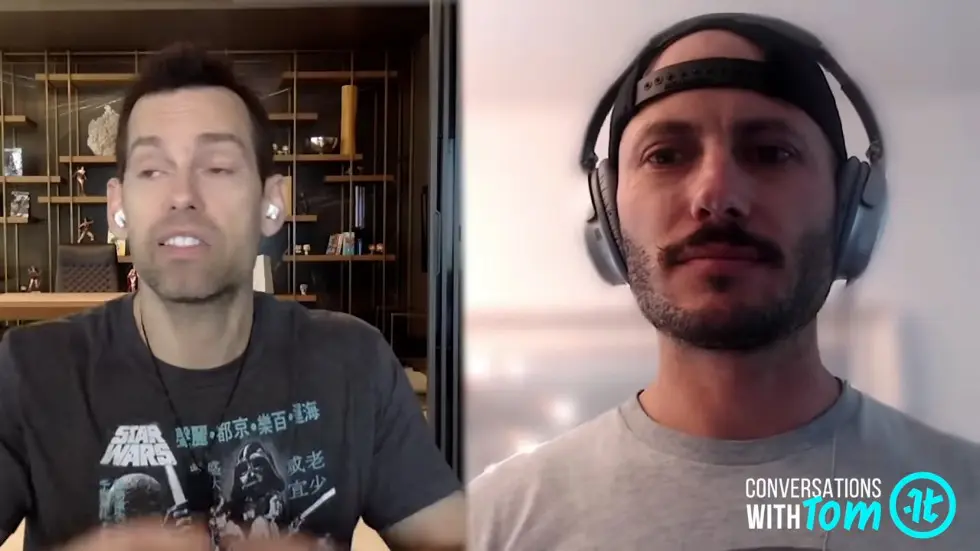
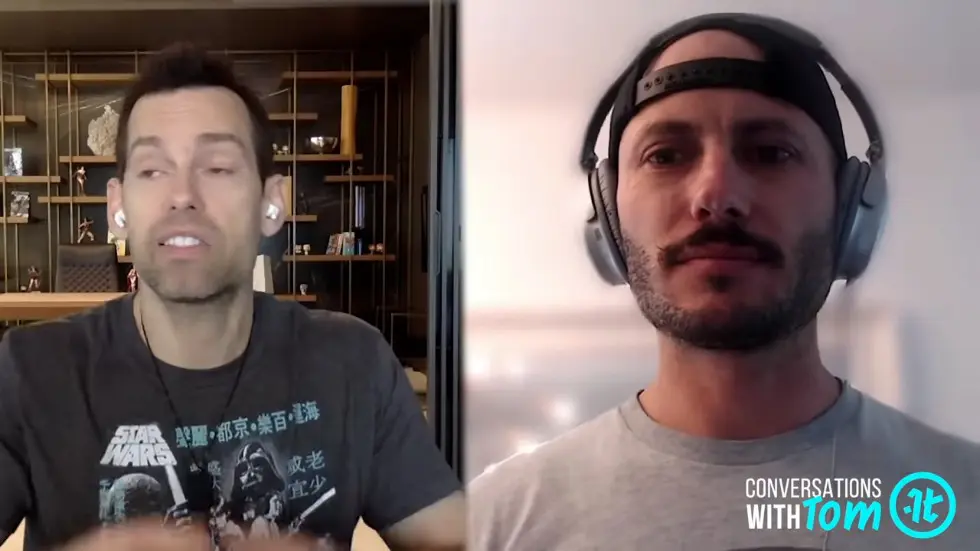
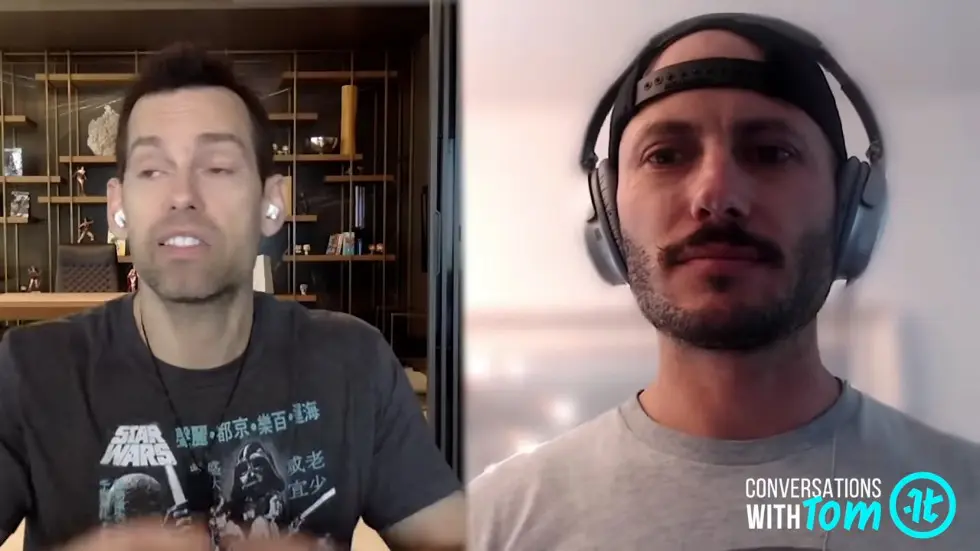
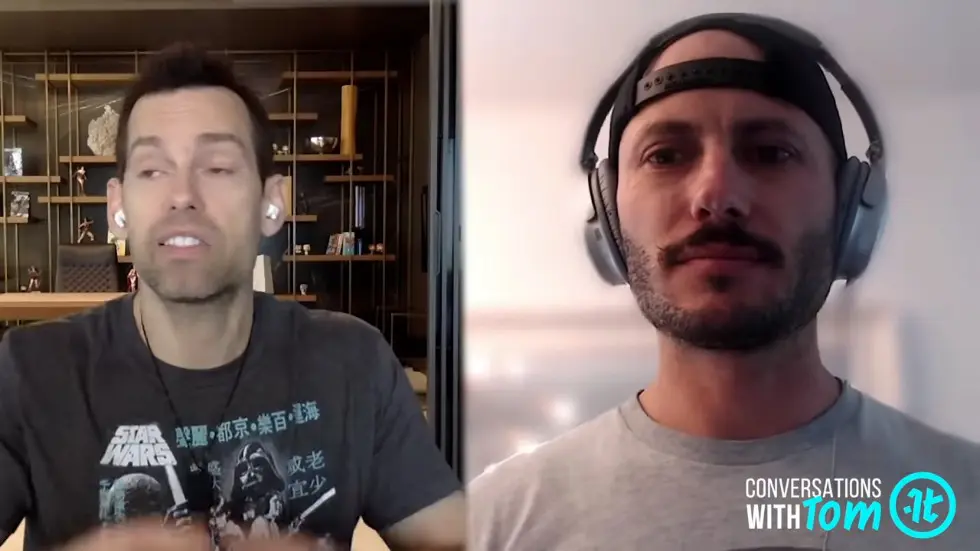
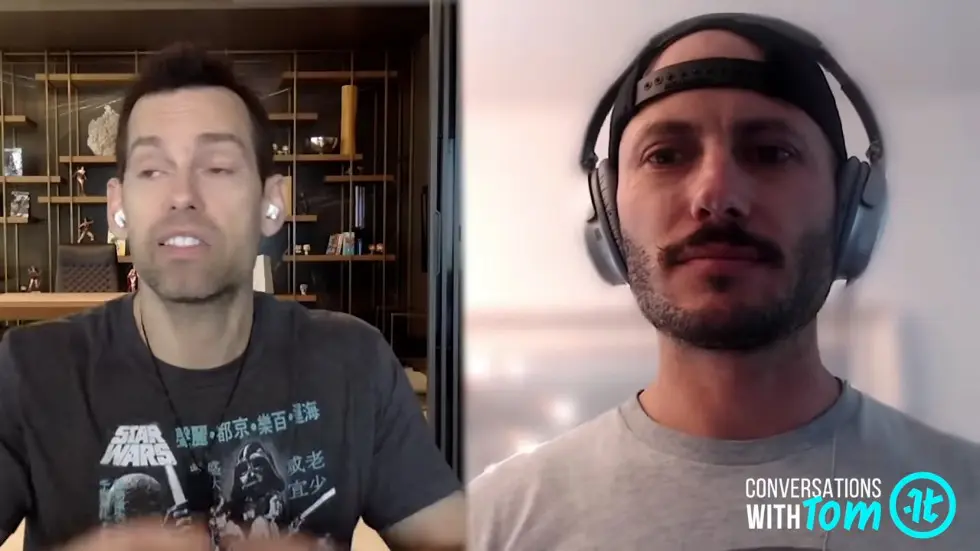
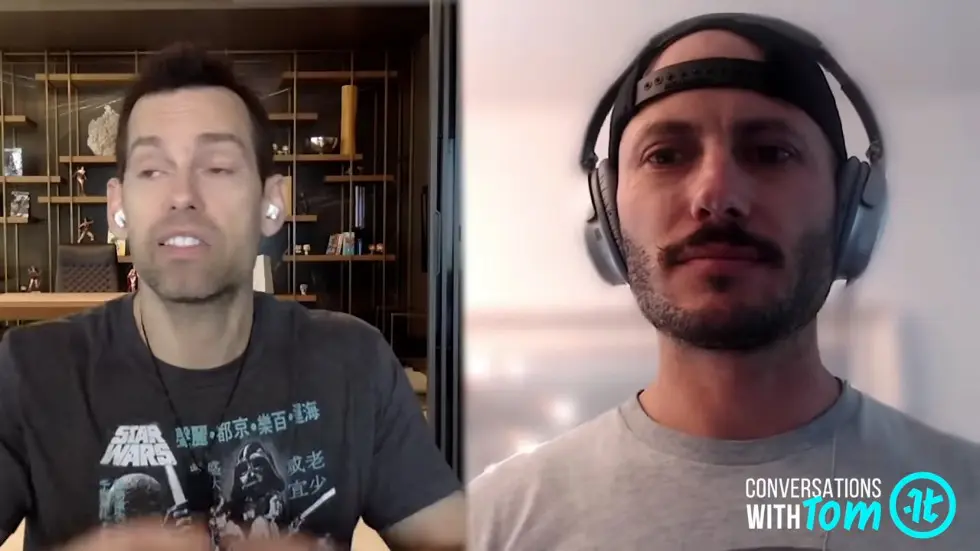
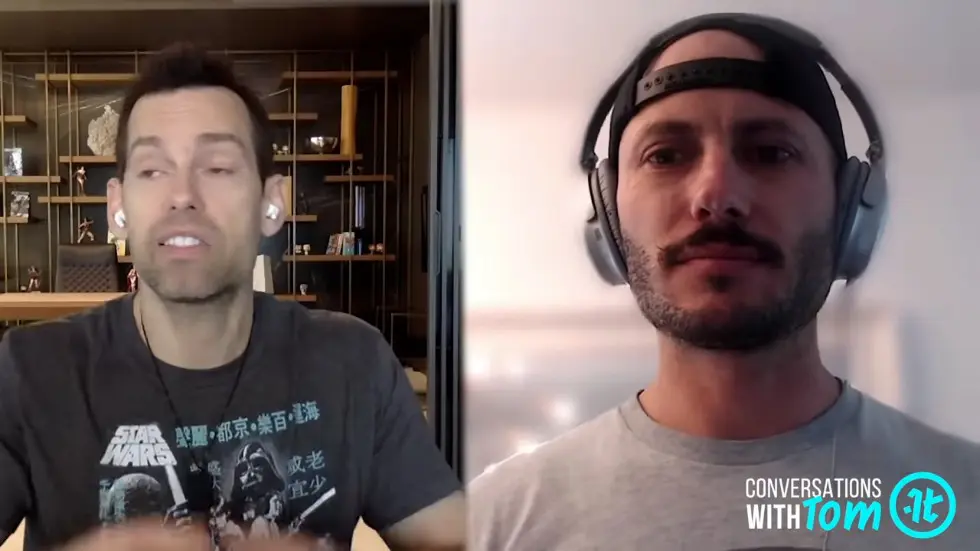
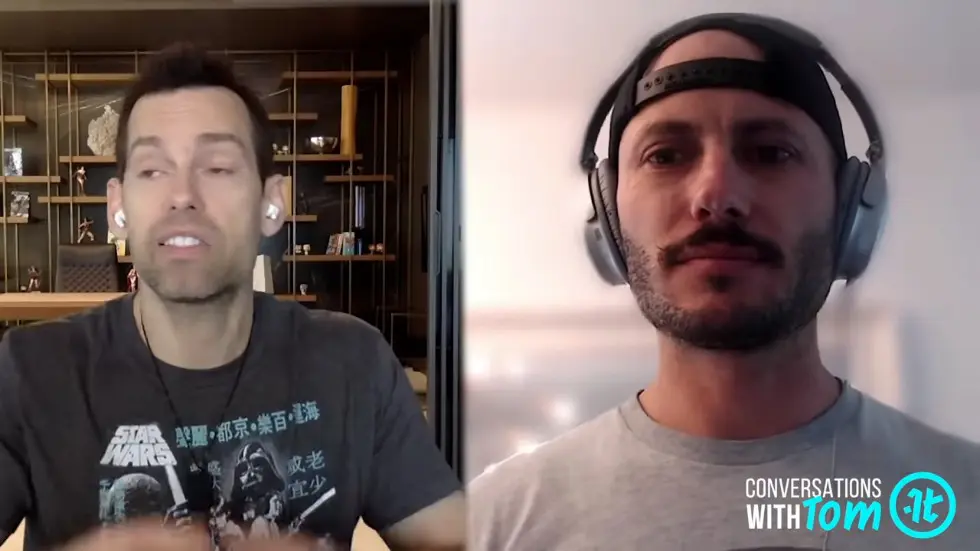
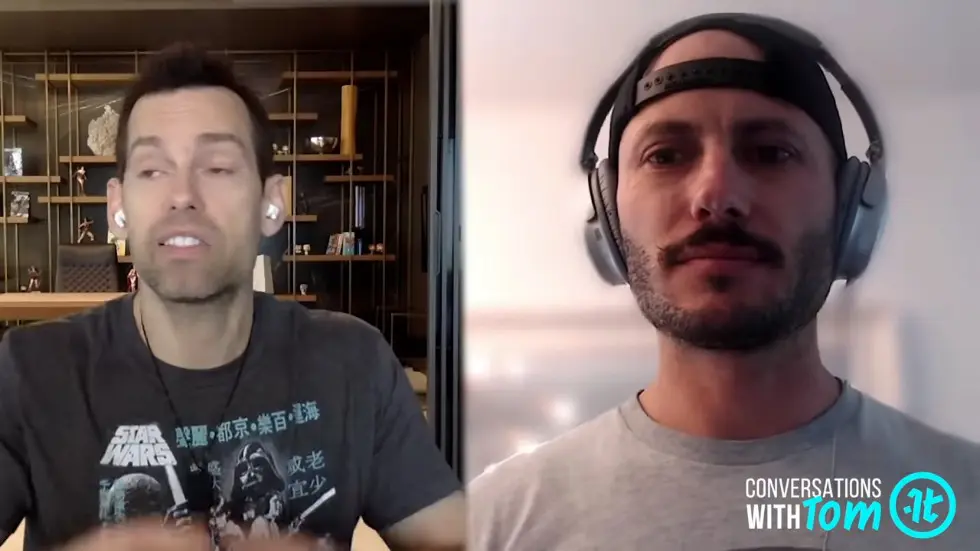
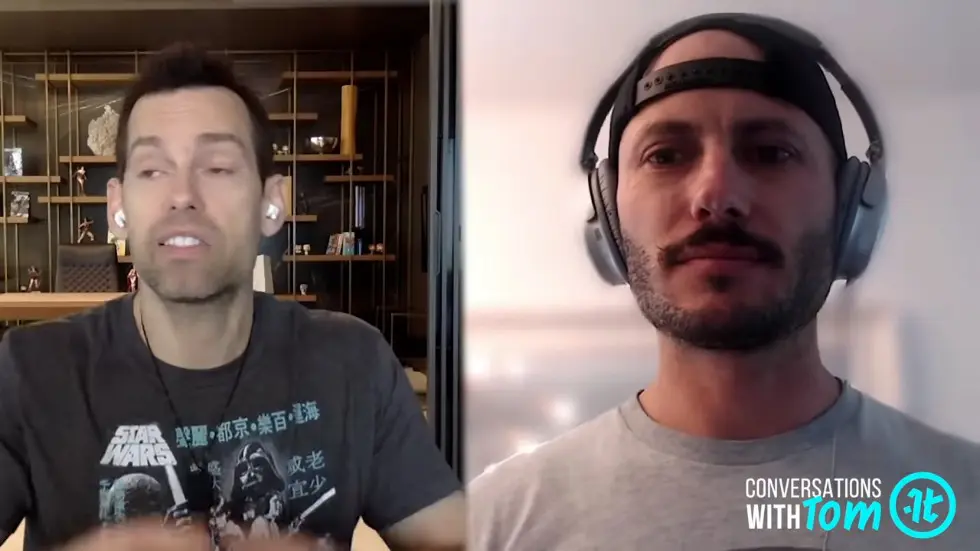
The video is an interview with Noah Kagan about how to reduce fear and gain control during the COVID-19 pandemic.
The video is a conversation between Tom and Noah Kagan about how to reduce fear and gain control during the COVID-19 pandemic. Noah shares his experience of losing money in the stock market and feeling scared, but also realizing that the pandemic is an equalizer that gives everyone a chance to prove themselves. He encourages people to not let the pandemic go to waste and to use this time to make positive changes in their lives. They also discuss the importance of taking action, building habits, and focusing on what you can control.
- The video is an interview with Noah Kagan about reducing fear and gaining control during the pandemic.
- Neuroscience of change: Noah Kagan discusses the neurochemistry of desire and the benefits of the pandemic.
- Entrepreneurial journey: Noah Kagan talks about the challenges of being an entrepreneur and the importance of taking action.
- Opportunities in crisis: COVID-19 pandemic has created opportunities for people to do things they didn't have time for before.
- Reducing fear and anxiety: Putting a plan in place and experimenting can help reduce fear and anxiety.
- Importance of giving and asking for help: People who have more should be giving, and those who don't have enough should ask for help.
- The living example of getting more of what you focus on: It's important to focus on potential opportunities rather than the negative.
- How eye movement helps reduce fear: Moving your eyes from side to side helps reduce negative emotion.
- Action cures all: Every time you feel afraid or overwhelmed, take one thing and do it.
- The power of a mood board: Create a mood board to track your mood throughout the day.
- The Gabby exercise: Every morning, identify what you're grateful for to start your day off great.
Noah Kagan on How to Reduce Fear and Gain Control | Conversations with Tom - YouTube
Introduction
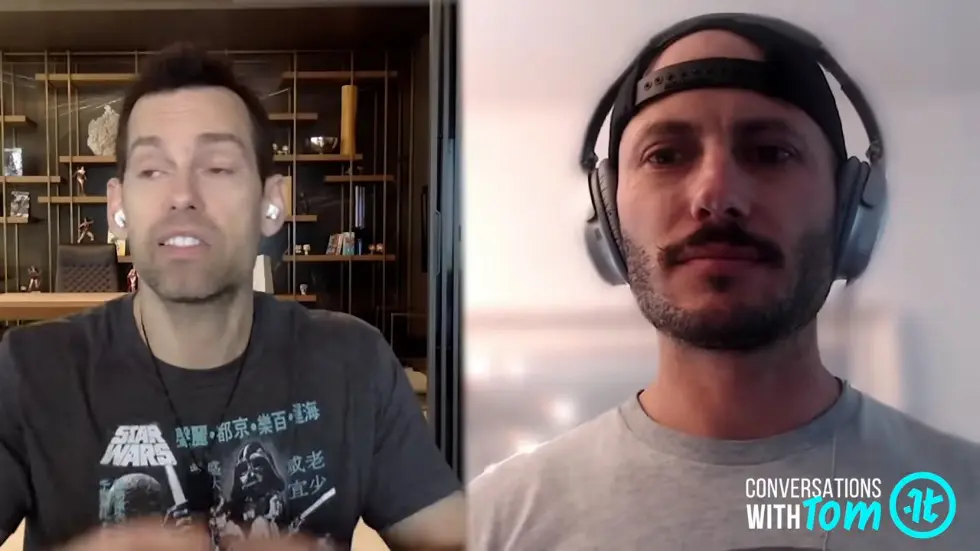
- The video is an interview with Noah Kagan about how to reduce fear and gain control during the COVID-19 pandemic.
- The interviewer and Noah Kagan discuss the challenges of doing interviews remotely and the importance of body language and cues.
Neuroscience of Change
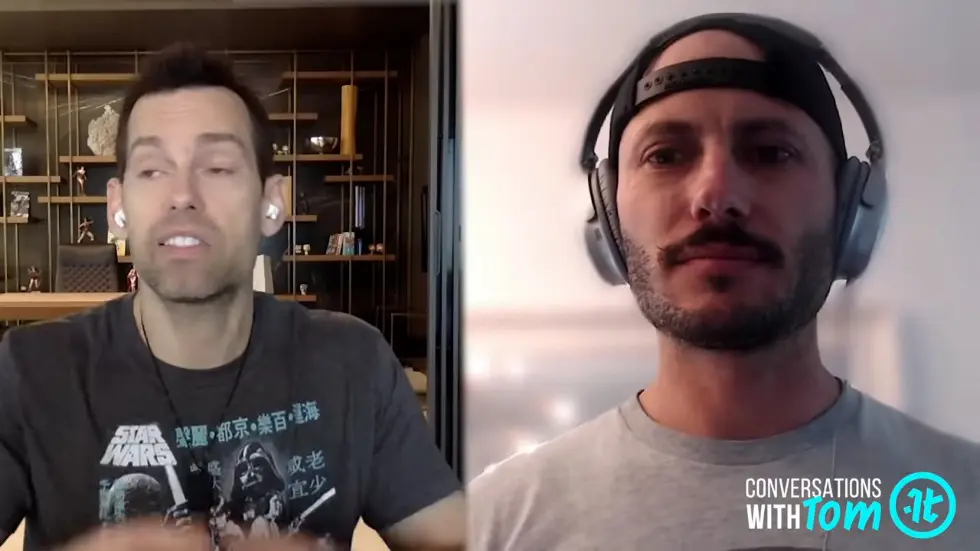
- Noah Kagan talks about a recent interview he did with a researcher who studies the neuroscience of change.
- The researcher explains the neurochemistry of desire and how to reframe traumatic experiences.
- Noah Kagan discusses the challenges of doing interviews remotely and missing out on body language cues.
- He expresses frustration with the limitations of remote interviews and the desire to do interviews in person.
- Noah Kagan talks about the benefits of the COVID-19 pandemic, including the opportunity to learn and grow.
Entrepreneurial Journey
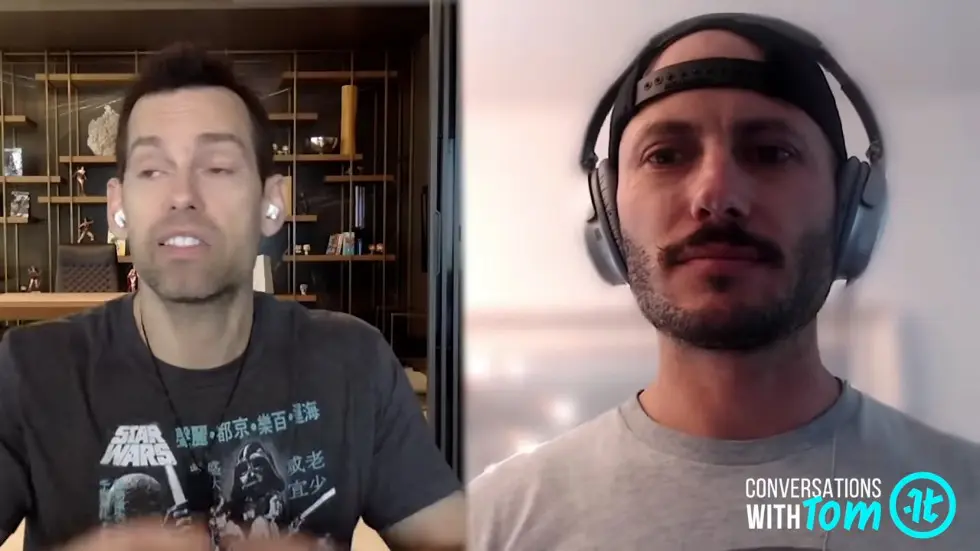
- Noah Kagan talks about losing money in the stock market during the pandemic and feeling scared.
- He discusses the challenges of being an entrepreneur and the ups and downs of the journey.
- Noah Kagan talks about how he addressed his fear and started putting plans in place.
- He discusses the benefits of the pandemic as an equalizer and an opportunity for everyone to prove themselves.
- Noah Kagan talks about the importance of not letting the pandemic go to waste and doing everything possible to make this time better.
Noah Kagan on How to Reduce Fear and Gain Control | Conversations with Tom - YouTube
Conclusion
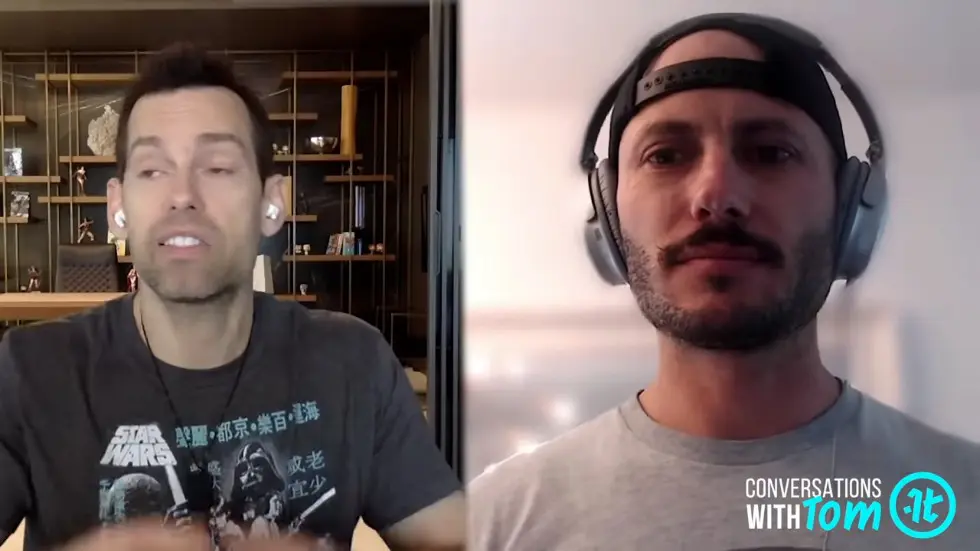
- Noah Kagan talks about the importance of taking action and not letting fear control your life.
- He encourages people to focus on what they can control and take advantage of the opportunities presented by the pandemic.
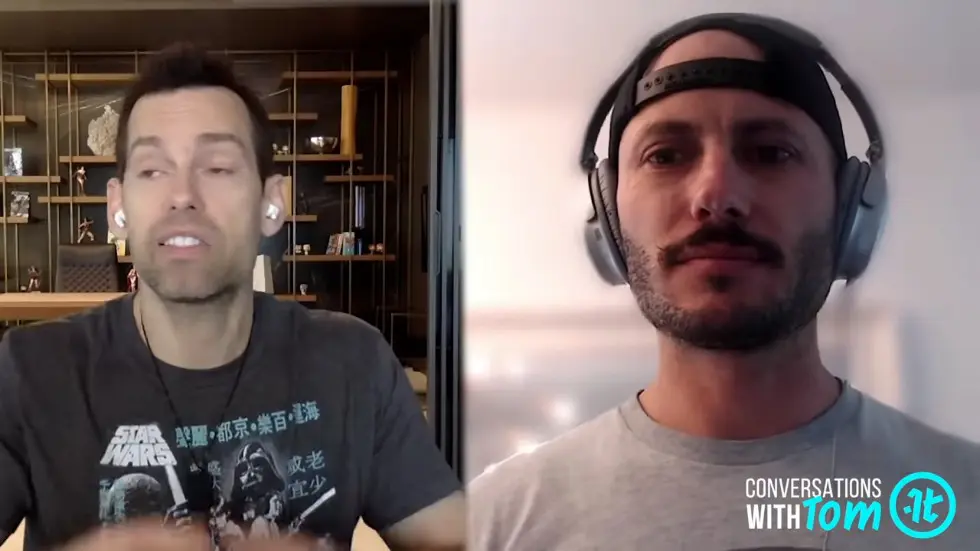
Opportunities in Crisis
- COVID-19 pandemic has created opportunities for people to do things they didn't have time for before.
- It's a good realization of how important your business is.
- The pandemic is a great equalizer and mother nature does not care if you're rich or poor.
- People who are willing to identify opportunities and develop the skill set to go and do it will benefit.
- It's easy to find the negative in all of this, but it's important to focus on potential opportunities.
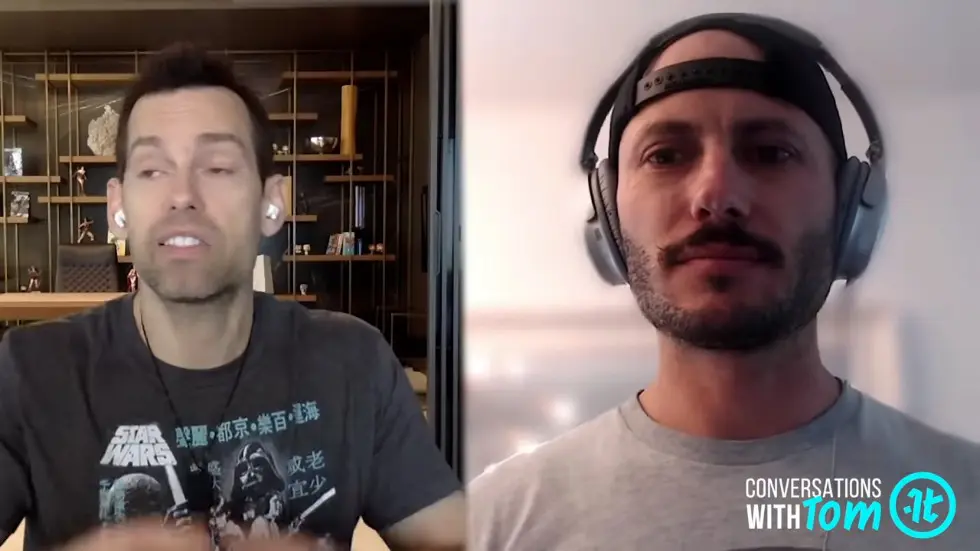
Reducing Fear and Anxiety
- People are feeling anxious and uncertain because they don't have control over their job or the virus.
- Putting a plan in place can help reduce fear and anxiety.
- Experimenting and figuring out what works for you can help reduce mood swings.
- Having more ways to reduce fear is important.
- Reducing fear and anxiety can help regain control of your life.
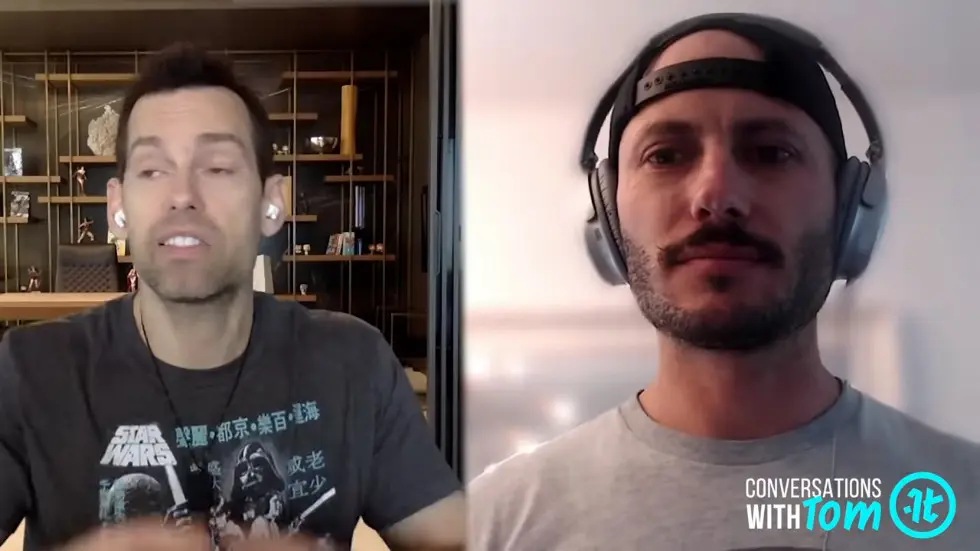
Importance of Giving and Asking for Help
- People who have more should be giving, and those who don't have enough should ask for help.
- It's important to stay level-headed and know what to look for.
- Watching people go out and serve and do beautiful things for humanity is amazing.
- It's easy to focus on the negative, but it's important to choose to focus on something positive.
- It's important to hit the bottom of the trough and then come back up.
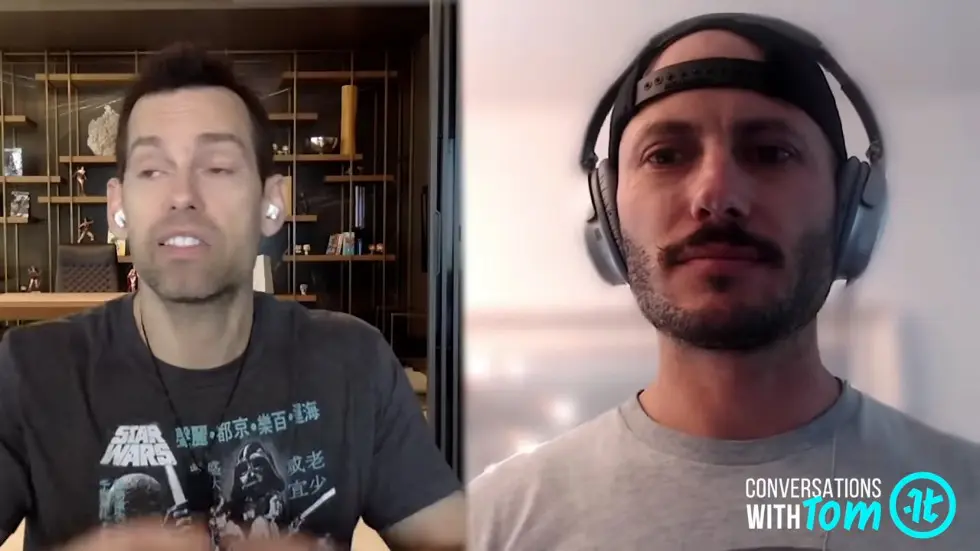
The Living Example of Getting More of What You Focus On
- The pandemic is a living example of getting more of what you focus on.
- It's important to focus on potential opportunities rather than the negative.
- Fortunes will be lost, and lives will be lost, but it's important to stay level-headed.
- People who are willing to identify opportunities and develop the skill set to go and do it will benefit.
- It's important to reduce fear and anxiety to regain control of your life.
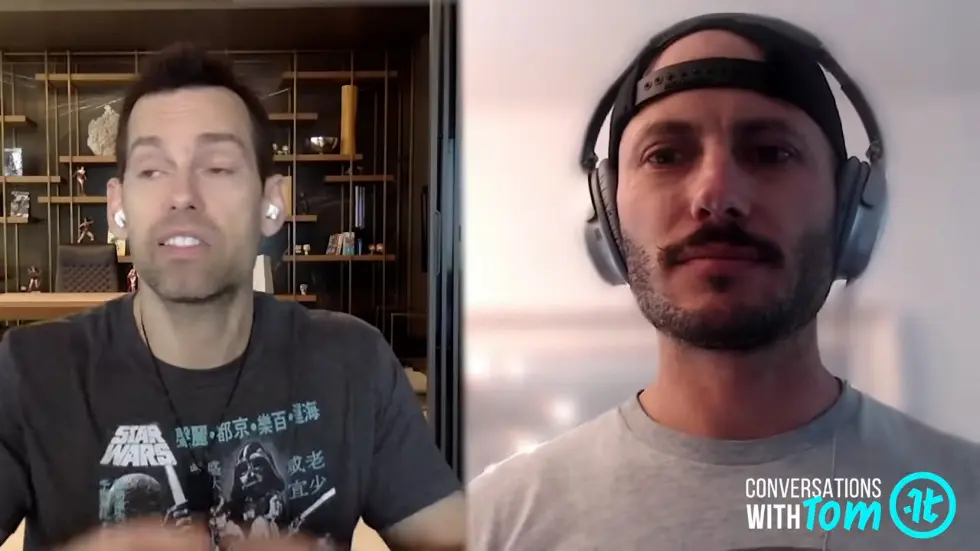
How Eye Movement Helps Reduce Fear
- Moving your eyes from side to side helps reduce negative emotion.
- Regions of the brain have to orient themselves to know what to reward and punish.
- There are parts of the brain that are pro-depressive and make you feel badly about doing something.
- Forward movement is rewarded because it was pro-survival in the past.
- Eye movement is equivalent to walking forward and helps to clock things as they move.
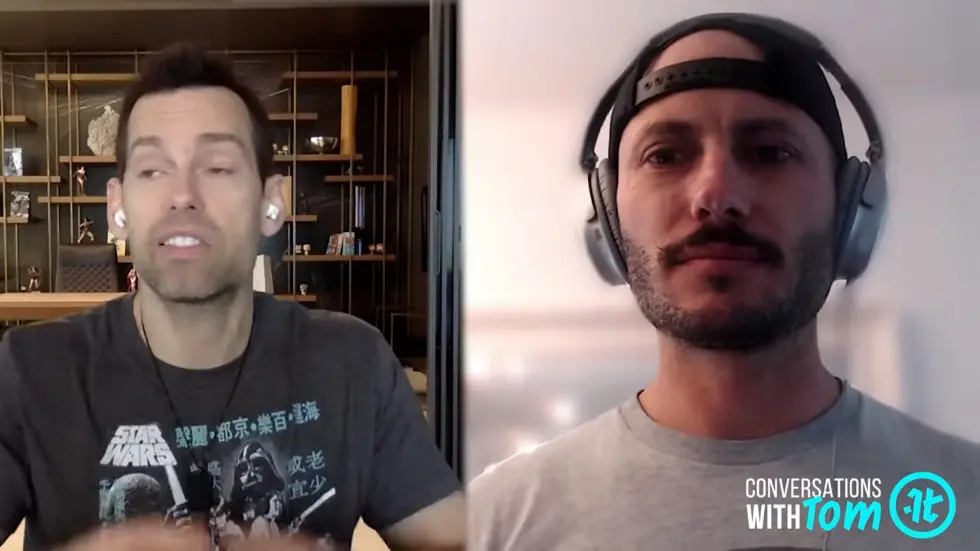
Action Cures All
- Every time you feel afraid or overwhelmed, take one thing and do it.
- Shifting your brain into problem-solving mode feels better.
- Understanding the brain mechanisms and neurotransmitters involved in problem-solving is powerful.
- Control is a big deal and confidence is important.
- Think of losing your job as not having found the right career yet.
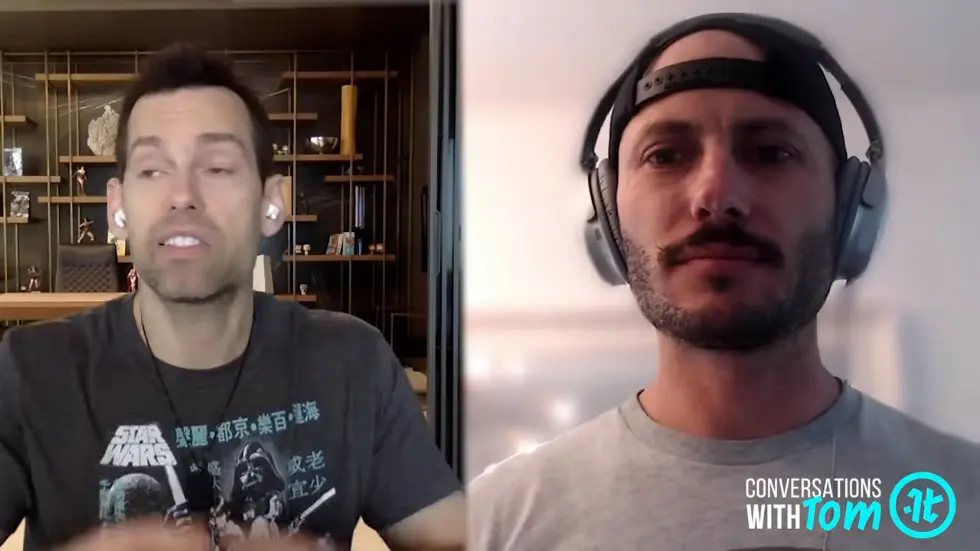
The Power of a Mood Board
- Create a mood board to track your mood throughout the day.
- Rate your mood from 1-5 and write down why.
- In the next column, write down what you will do if you're not at a 5.
- The mood board helps you identify what's going on and how to improve it immediately.
- The mood board is free and easy to create.
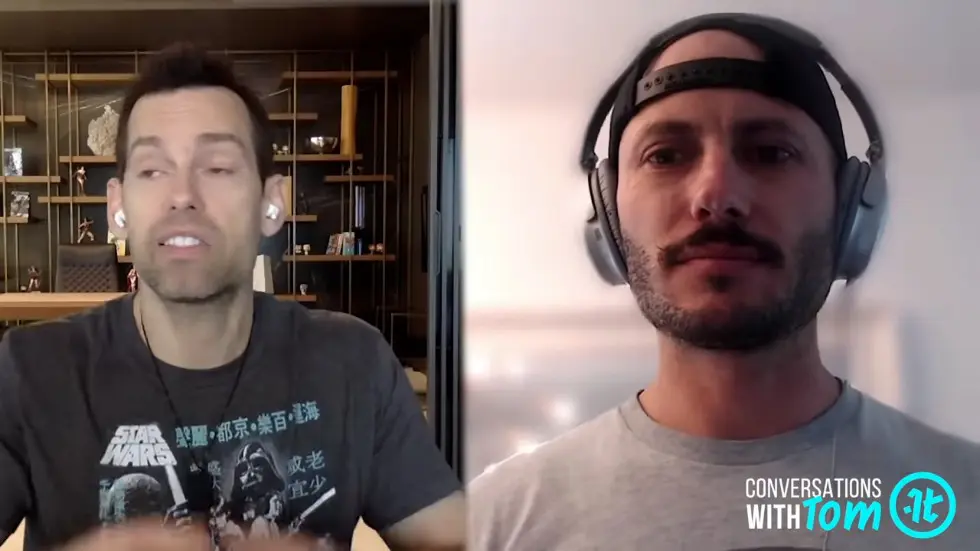
The Gabby Exercise
- Gabby stands for gratitude exercise, breakfast, and you.
- Every morning, identify what you're grateful for.
- Gratefulnesses can be simple things like cuddling in bed or getting a treadmill desk.
- The Gabby exercise helps start your day off great.
- Doing something before you move off helps you start your day with intention.
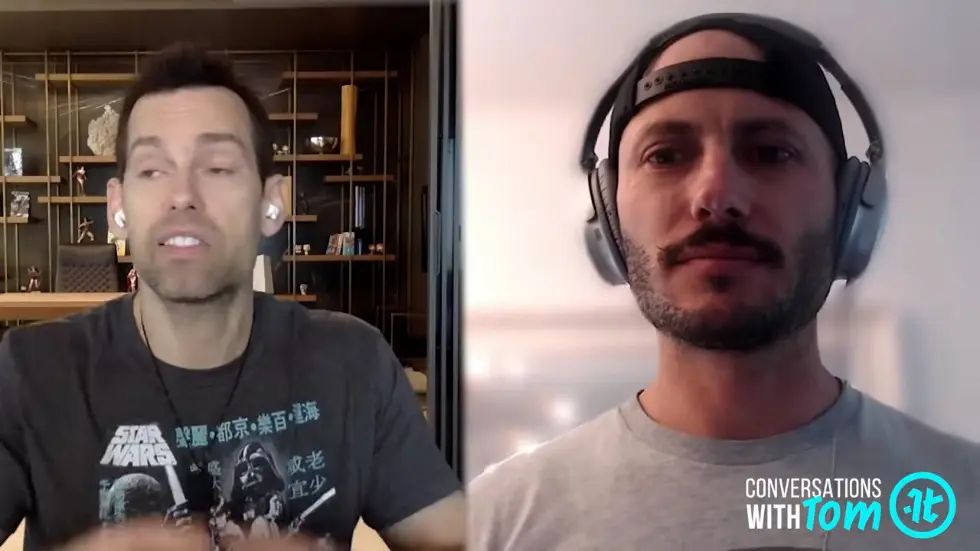
Gratitude and Perspective
- Gratitude for small things is important, not just big successes.
- Examples of small things to be grateful for include a smile from a loved one in the morning.
- It's important to have perspective and consider worst-case scenarios, but also have confidence in your ability to rebuild.
- Knowing your own skill set and discipline can give you confidence in handling difficult situations.
- Identifying the things that bring you joy and comfort can help you cope with stress and anxiety.
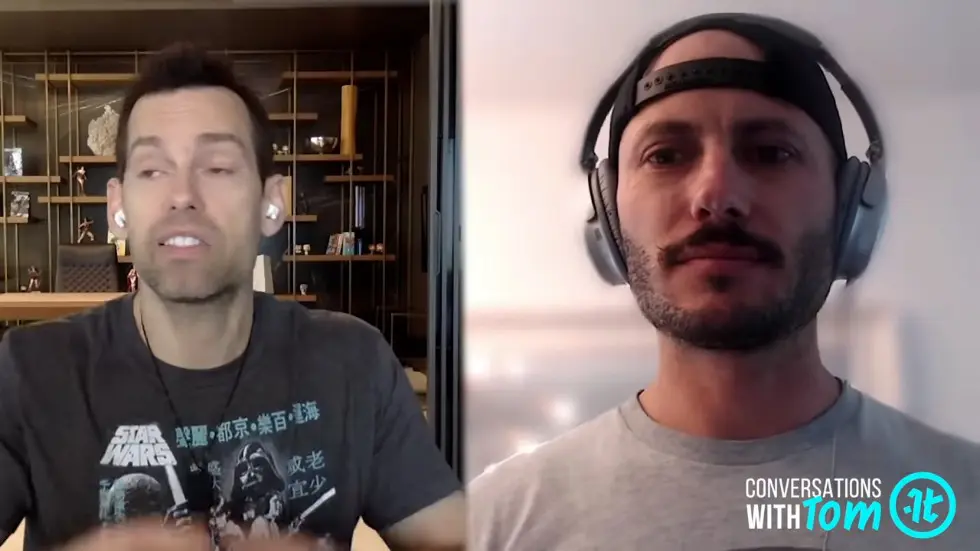
Identifying What Makes a Great Day
- Identifying the elements that make a great day for you is important.
- For the speaker, writing days are his favorite and he has constructed them to be joyful.
- Discipline is one of the speaker's superpowers and he can make any day a celebration by breaking out of his routine.
- For someone who eats ice cream every day, having a bowl of ice cream wouldn't be as meaningful as it would be for someone who rarely has it.
- Working towards a big goal can be challenging, but finding joy in the process is important.
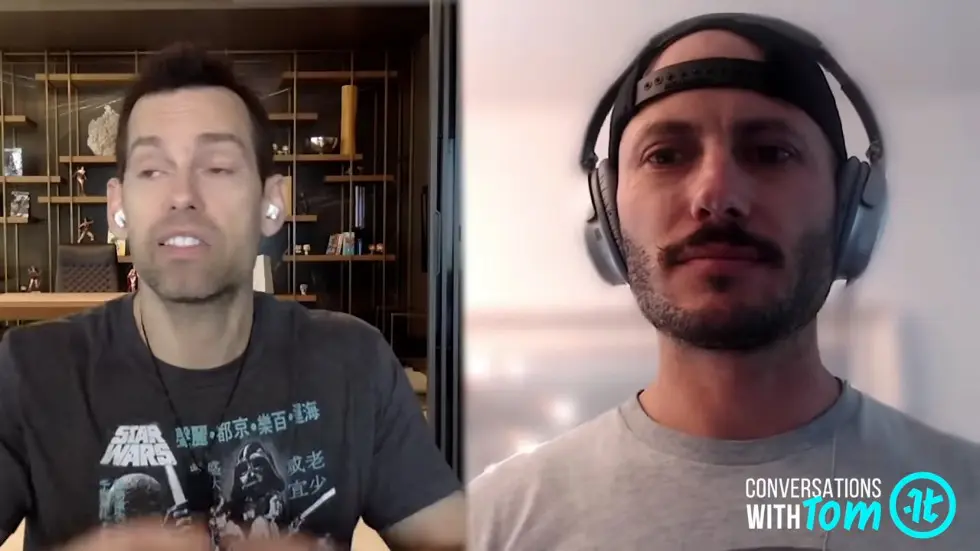
Building Confidence
- Building confidence starts with small actions, like making your bed in the morning.
- Having a routine and sticking to it can help build discipline and confidence.
- Trying new things and stepping out of your comfort zone can also help build confidence.
- Surrounding yourself with supportive people can also help build confidence.
- Remembering past successes and accomplishments can also help build confidence.
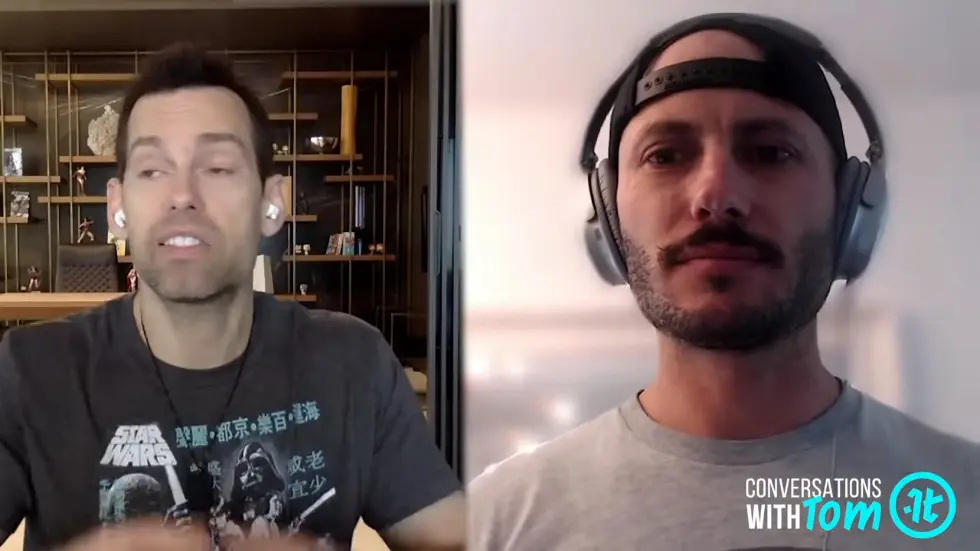
Dealing with Fear and Anxiety
- It's important to acknowledge and accept your fears and anxieties.
- Identifying the source of your fears and anxieties can help you address them.
- Practicing mindfulness and meditation can help calm your mind and reduce anxiety.
- Exercise and physical activity can also help reduce anxiety.
- Seeking professional help, like therapy, can also be beneficial in dealing with fear and anxiety.
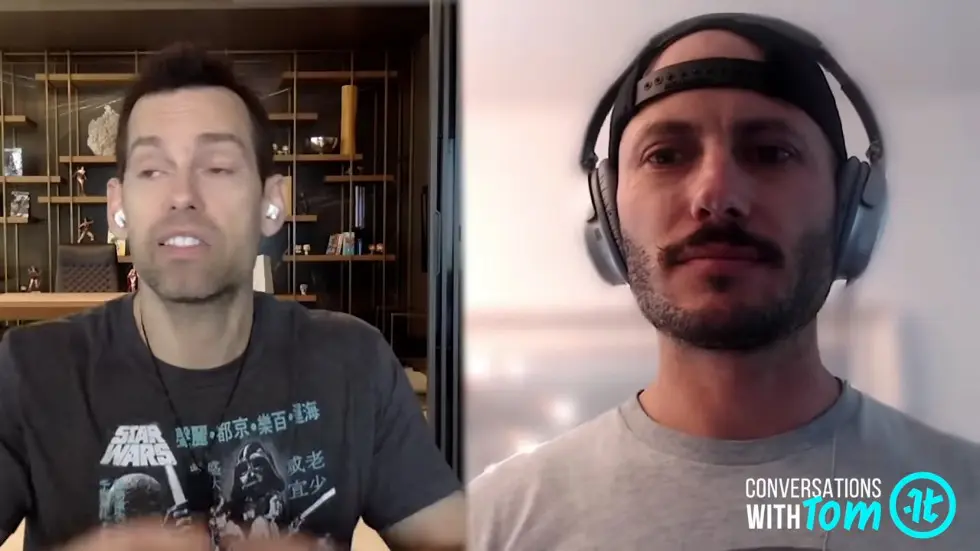
Creating Space for Creativity
- Wednesdays are carved out as writing days.
- No meetings or interruptions are allowed on Wednesdays.
- Drinks with a long history of consumption are preferred over soda.
- A special mini diet coke is allowed on Wednesdays as a treat.
- Writing stories that build towards something is important for meaning and purpose.
- Carving out intentional space for creativity is necessary for personal fulfillment.
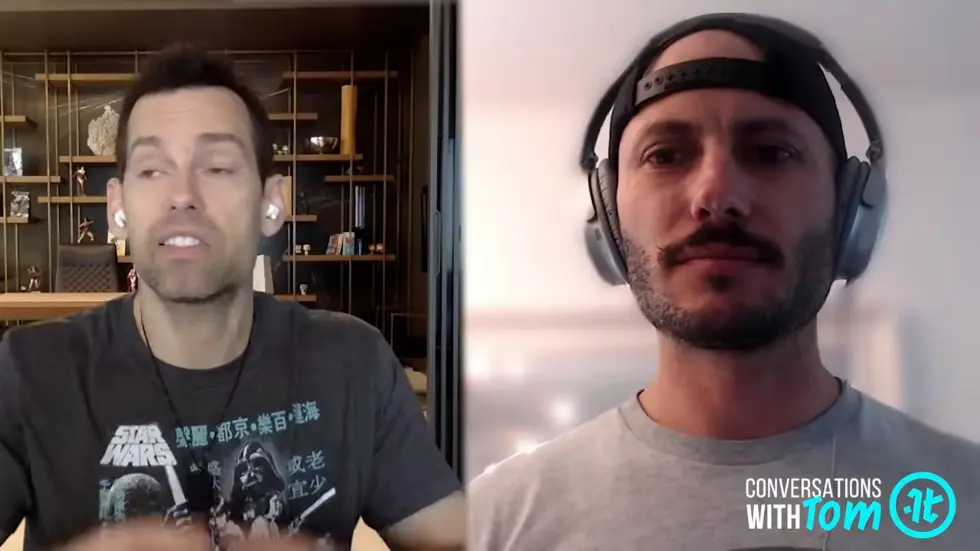
Maximizing Productivity
- Knowing oneself is key to maximizing productivity.
- Identifying personal strengths and weaknesses can help delegate tasks to others.
- Spending more time on areas of strength can lead to greater productivity.
- Weekends are reserved for work that is enjoyable and fun.
- Spending time with loved ones is a priority on weekends.
- Playing video games with family can be a fun way to bond.
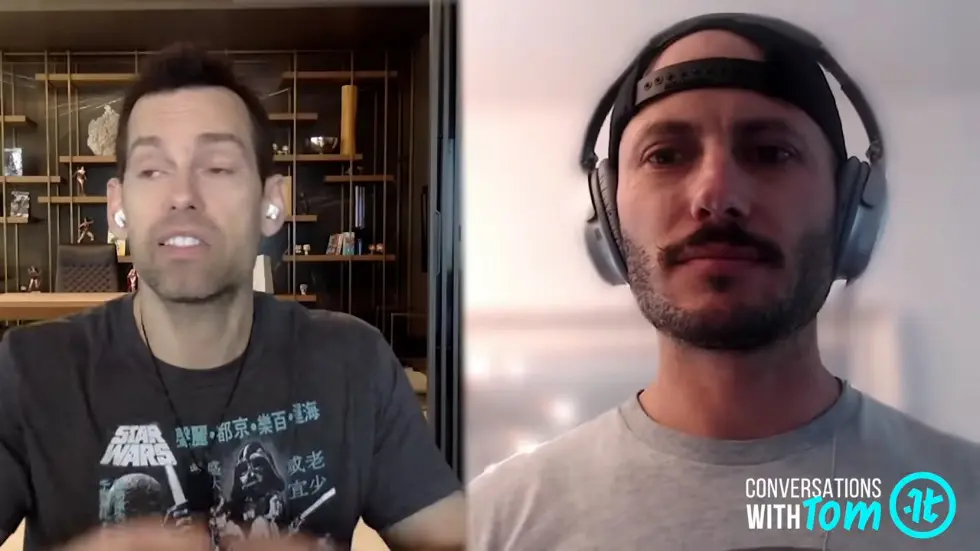
Building Towards a Goal
- Building the next Disney is a personal goal for Noah Kagan.
- Writing stories that contribute to this goal is a way to build towards it.
- Identifying personal goals can help provide meaning and purpose.
- Breaking down goals into smaller steps can make them more achievable.
- Having a clear vision of what one wants to achieve can help guide decision-making.
- Being intentional about how time is spent can help achieve personal goals.
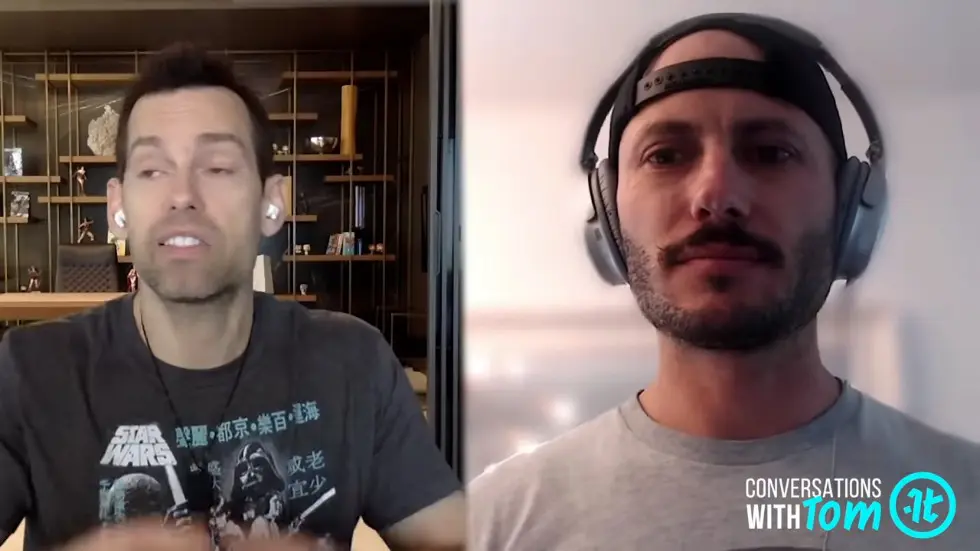
Finding Joy in Small Things
- Having a special mini diet coke on Wednesdays is a small joy for Noah Kagan.
- Identifying small things that bring joy can help improve overall well-being.
- Being intentional about incorporating small joys into daily life can improve mood and productivity.
- Being present in the moment and enjoying small pleasures can improve overall happiness.
- Small joys can be a way to cope with stress and uncertainty during difficult times.
- Appreciating small joys can help cultivate a positive mindset.
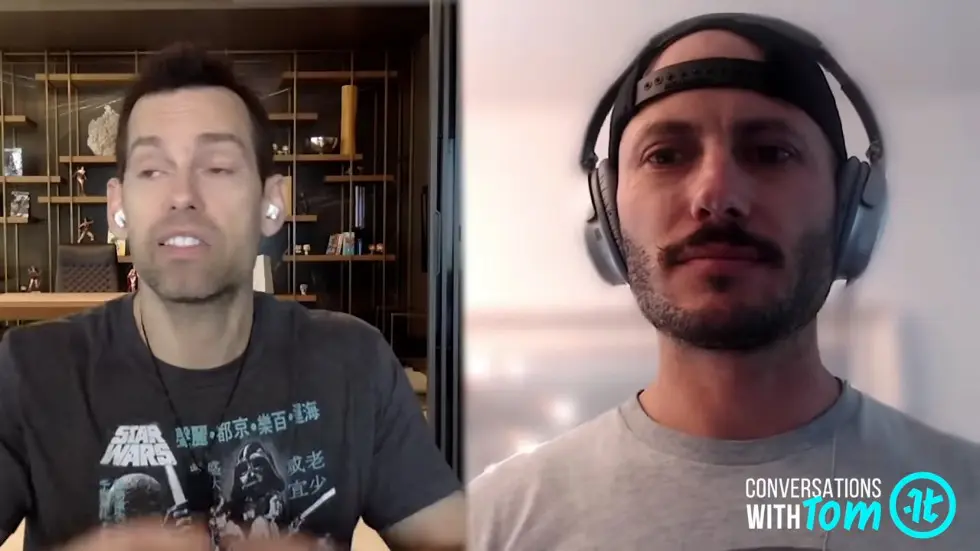
Fulfillment over Momentary Happiness
- Fulfillment is born out of suffering and doing something hard.
- Chasing momentary happiness leads to zero fulfillment.
- Working out is hard but it makes you feel strong, young, and gives you energy.
- Eliminate things you don't like doing but understand that some things are necessary to achieve long-term goals.
- Jeff Bezos said every job has some amount of overhead, so there will always be things you don't want to do.
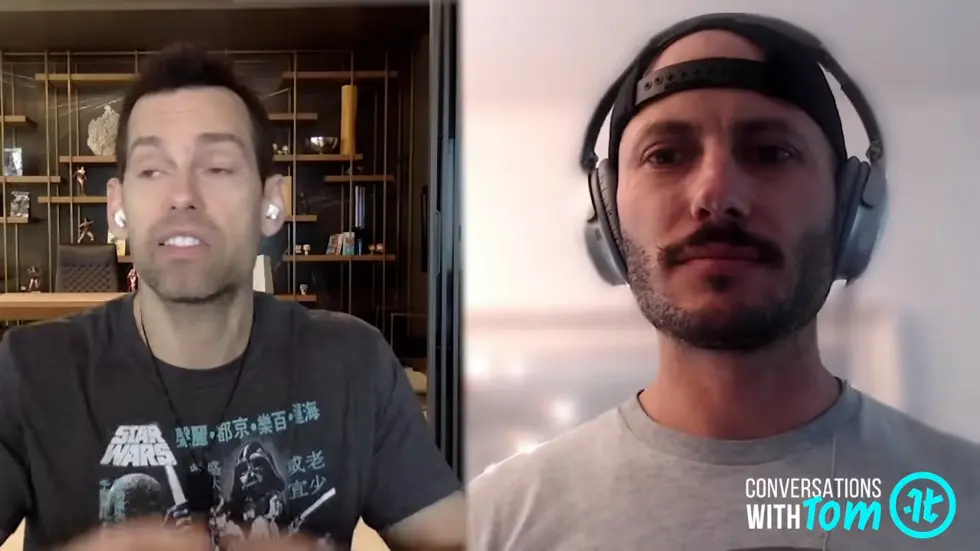
Discipline and Taking Action
- Tom's superpower is discipline, but not everyone has it.
- Tom's brilliance is in the simplicity of his advice, like getting a discount on your next coffee or tea.
- Realize that discipline is not something you're born with, but something you develop.
- Start small and build momentum by taking action every day.
- Find an accountability partner or join a community to help you stay on track.
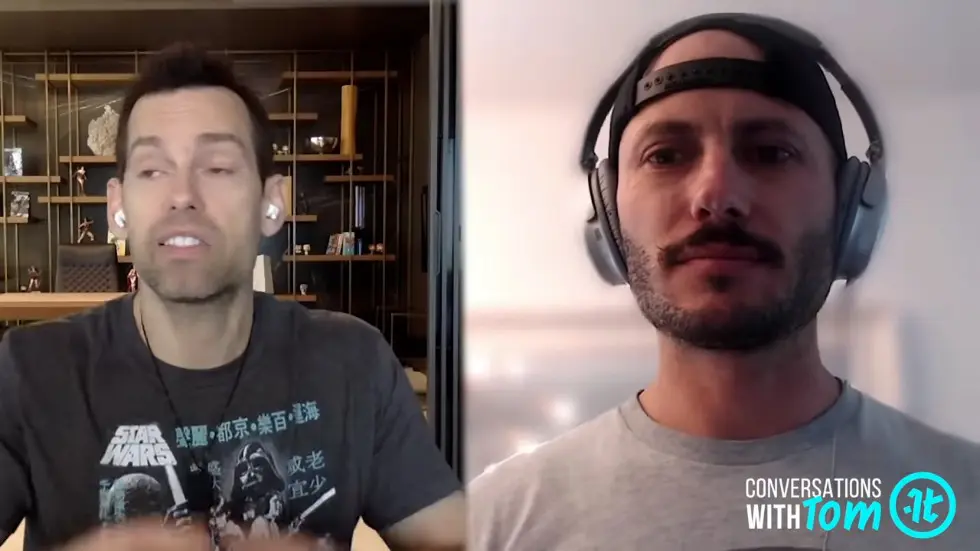
Overcoming Fear and Gaining Control
- Fear is a natural response to uncertainty, but it can be managed.
- Focus on what you can control, like your thoughts and actions.
- Practice gratitude and mindfulness to stay present and positive.
- Take action to address your fears and build resilience.
- Surround yourself with positive people and seek out support when needed.
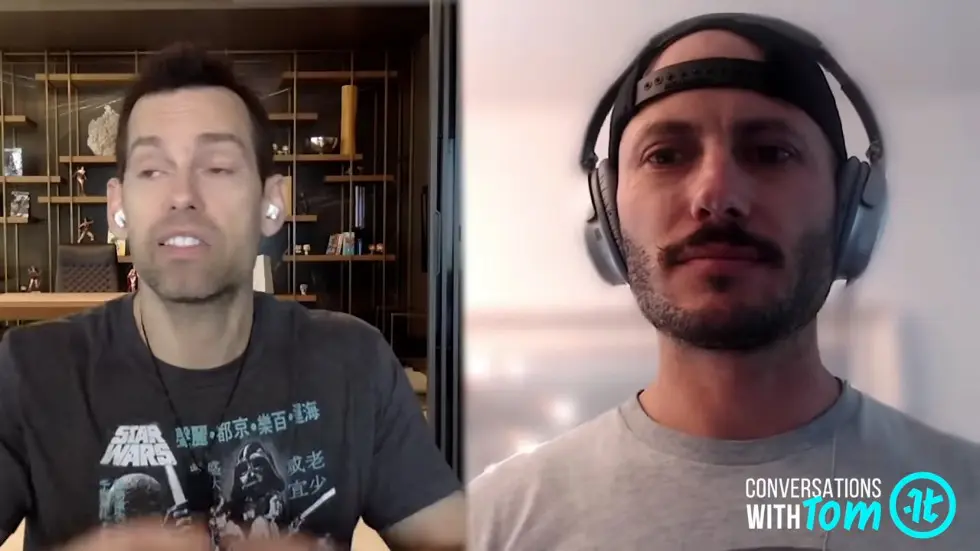
Building a Fulfilling Life
- Define what fulfillment means to you and set goals accordingly.
- Focus on your strengths and passions to find purpose and meaning.
- Take risks and embrace failure as a learning opportunity.
- Invest in relationships and experiences that bring you joy and fulfillment.
- Continuously learn and grow to stay engaged and fulfilled.
Building Discipline
- Noah Kagan was born with verbal ability, but had to work hard to sharpen it and put in a lot of effort to articulate ideas.
- He found speech and debate in seventh grade and began to realize that writing is very much like being able to think and speak.
- He wanted to be a stand-up comic and spent an unimaginable amount of time in front of a mirror with a hairbrush performing routines.
- Noah had zero entrepreneurial instincts or abilities and lacked discipline.
- He realized that discipline is useful and a skill he needed to learn.
- Building up desire was the key to discipline, and he rewarded himself like crazy for being disciplined.
Figuring Out What You Want
- It's easy to get what you want when you know what you want.
- Knowing what you want and labeling the desire is the hard part.
- Noah did a fantasy year exercise where he wrote up what the craziest year he could possibly have would look like.
- He started really thinking about what really mattered and it was easy to understand where his desires were going.
- Encourages exploring desires through childhood experiences and recent desires.
Building Desire
- Everything is a process, and if you want to fall in love, you better go on a date and find someone you're attracted to.
- Love needs to be reciprocated and built through trust, communication, and intimacy.
- Building desire is key to discipline, and Noah caught himself off guard with how he built desire for Quest.
- He built desire by focusing on the impact Quest could have on people's lives and the legacy he could leave behind.
- He also built desire by surrounding himself with people who shared his vision and passion for Quest.
Overcoming Fear
- Noah's biggest fear is not living up to his potential and not making a difference in the world.
- He overcomes fear by focusing on the impact he can have on people's lives and the legacy he can leave behind.
- He also overcomes fear by surrounding himself with people who share his vision and passion for making a difference.
- Noah believes that fear is a natural part of the process and that it's important to embrace it and use it as motivation.
- He also believes that taking action is the best way to overcome fear and gain control.
Passion and Meaning
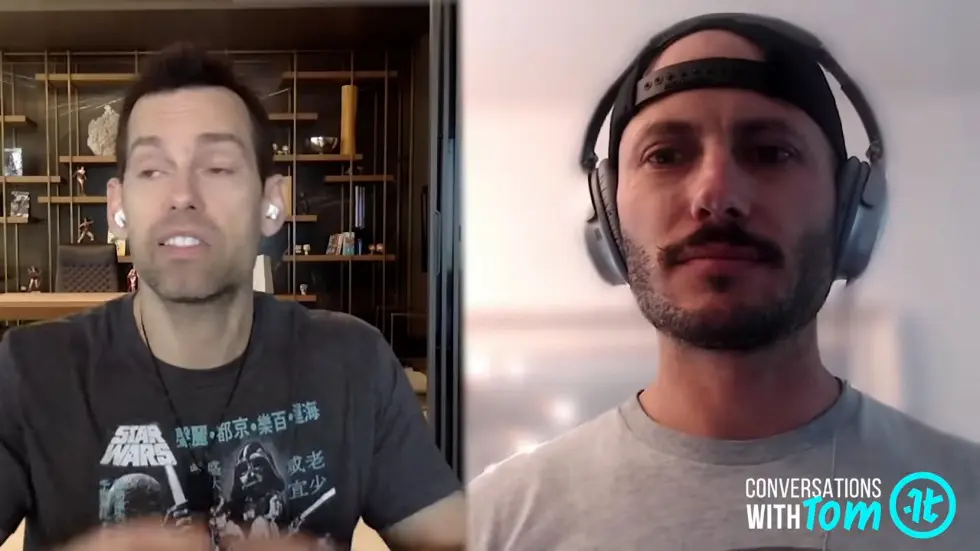
- Noah's first passion was filmmaking, followed by a pursuit of wealth.
- He learned that the pursuit of money without meaning leads to emotional bankruptcy.
- He found meaning in creating food that could help his morbidly obese mother and sister.
- After spending almost a decade at Quest, he pivoted to storytelling.
- He realized that storytelling is a way to impact people emotionally and at scale.
Impact and Failure
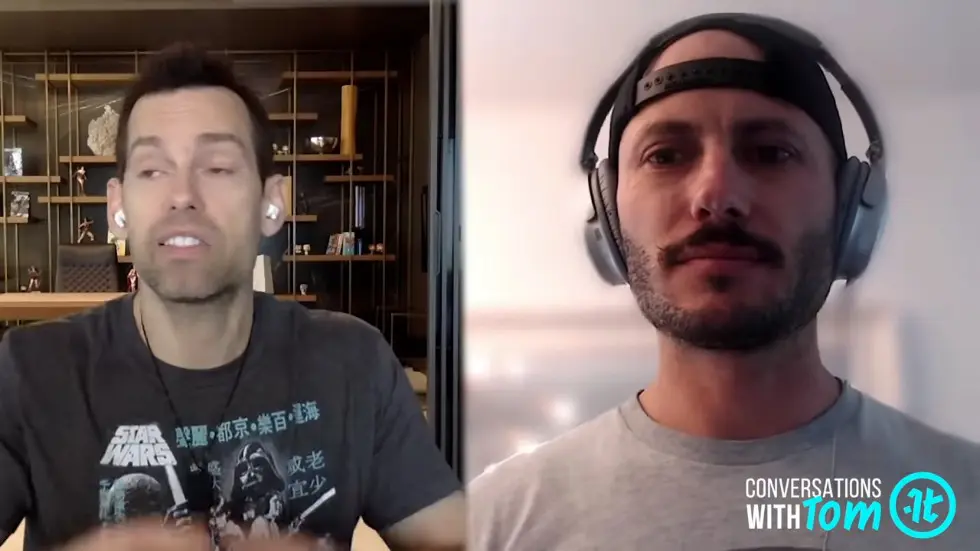
- Noah failed to save a kid named Rashaan from his zip code.
- He met Rashaan when he was eight years old, during the age of imprinting (11-15).
- Noah spent a lot of time admitting that he failed Rashaan.
- He didn't want to fail more people and wanted to impact them in a positive way.
- Noah is building a media company to embed amazing ideas and entertaining content.
The Power of Storytelling
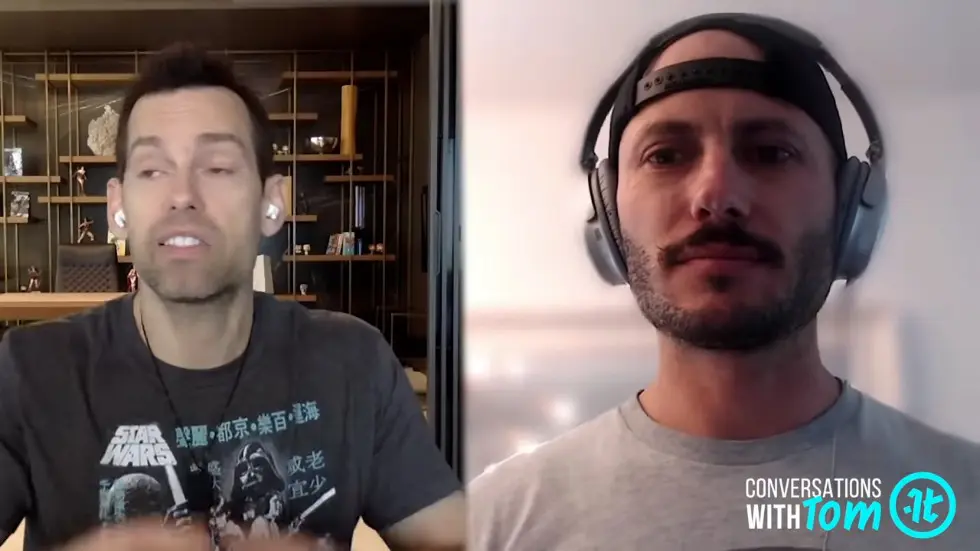
- Storytelling is a way to impact people at an emotional level.
- Humans assimilate truly disruptive information through storytelling.
- Neuroscientists say that storytelling hits us at a limbic level.
- Noah believes in the power of storytelling to incept people.
- He tells himself a story about what Rashaan now means and what his failure was.
Noah's Process of Making Meaning
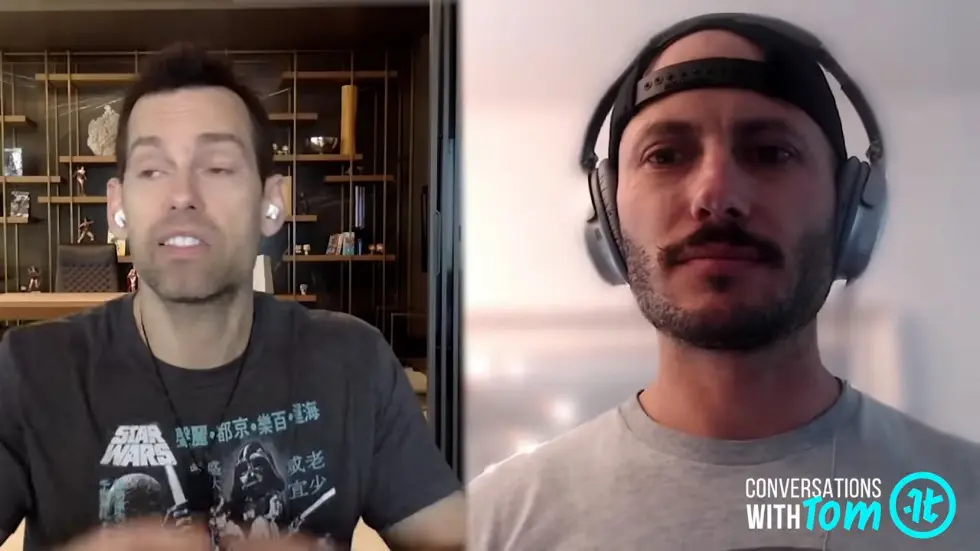
- Noah shares his experience of failing a kid named Rashaan and how it affected him emotionally.
- He talks about how he reshaped his past experience with Rashaan to make it meaningful and current in his life.
- Noah emphasizes the importance of embodying emotions and letting oneself feel them to make the process of making meaning real.
- He suggests that articulating one's emotions to oneself and others is a crucial step in making meaning.
- Noah recommends watching a video of him talking about Rashaan to understand the process of making meaning.
The Reality of Success
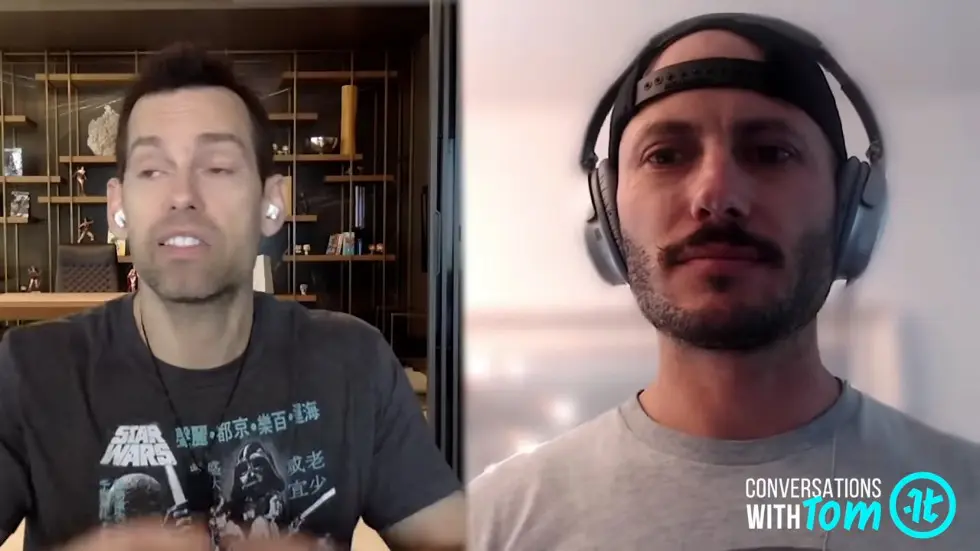
- Noah talks about how it took him over 10 years to become successful.
- He emphasizes the importance of committing to one's goals for a long time to achieve success.
- Noah shares his experience of having gigantic visions and encourages people to aspire for big goals.
- He suggests that people should not be discouraged by failures and should see them as tests of their conviction.
- Noah shares his personal experience of failing to recruit people and how he saw it as a test of his commitment.
Noah's Relationship with Rashaan
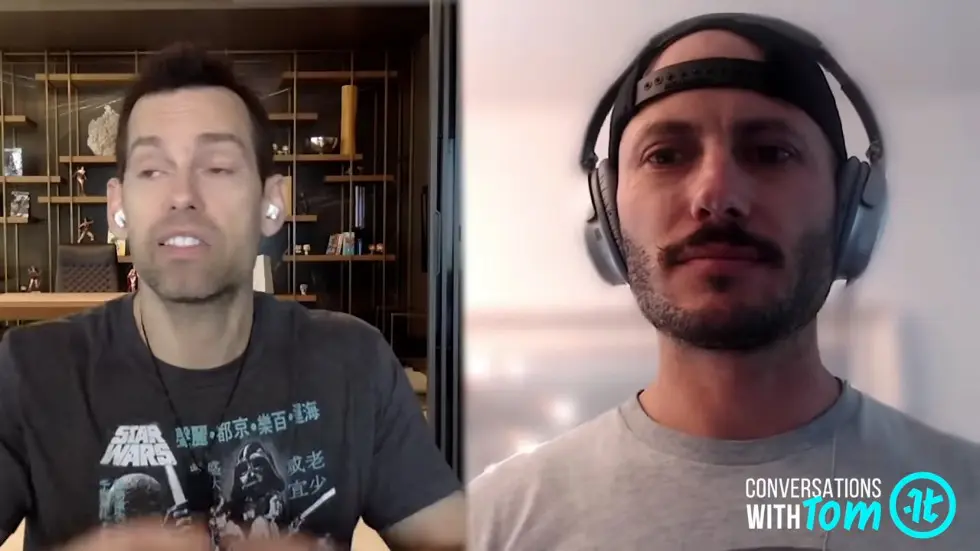
- Noah shares his experience of meeting Rashaan when he was 18 and how he failed to recognize that he was being abused.
- He talks about how Rashaan begged him to live with him, but he couldn't because he was broke and in college.
- Noah explains that his relationship with Rashaan started as an eight-week extra credit assignment to tutor him, but it turned into an eight-and-a-half-year relationship.
- He shares how Rashaan was finally taken out of his home because he was being beaten and how he became Rashaan's guardian to help him into foster care.
- Noah reflects on how Rashaan would have been better off if he had taken him into his home earlier.
If Noah Could Go Back
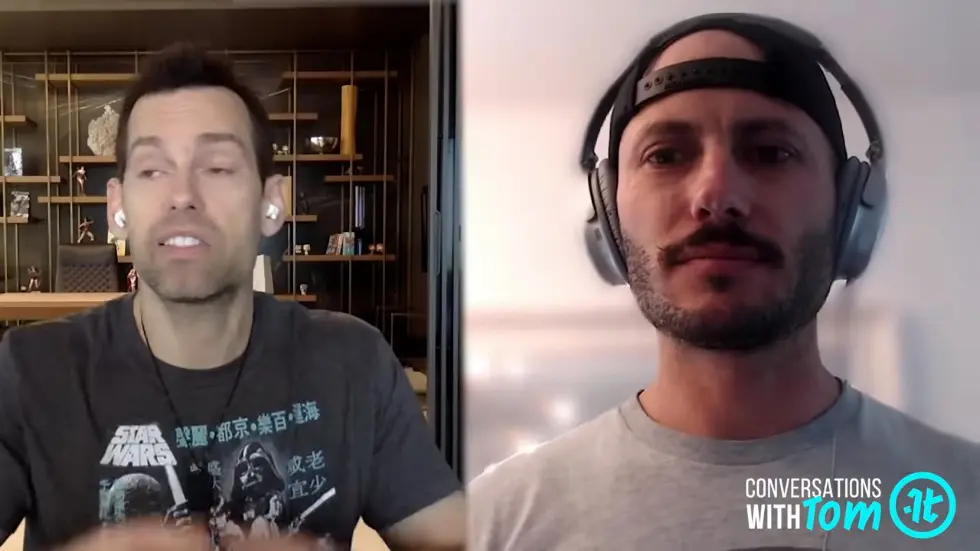
- Noah admits that if he knew what he knows now, he would have done things differently with Rashaan.
- He reflects on how he was young and didn't recognize the signs of abuse in Rashaan's life.
- Noah shares how he made a promise to Rashaan to help him with his homework as long as he lived in Los Angeles.
- He talks about how Rashaan begged him to live with him, but he couldn't understand why.
- Noah explains how he became Rashaan's guardian to help him into foster care and how he wishes he had taken him into his home earlier.
Noah's Mindset
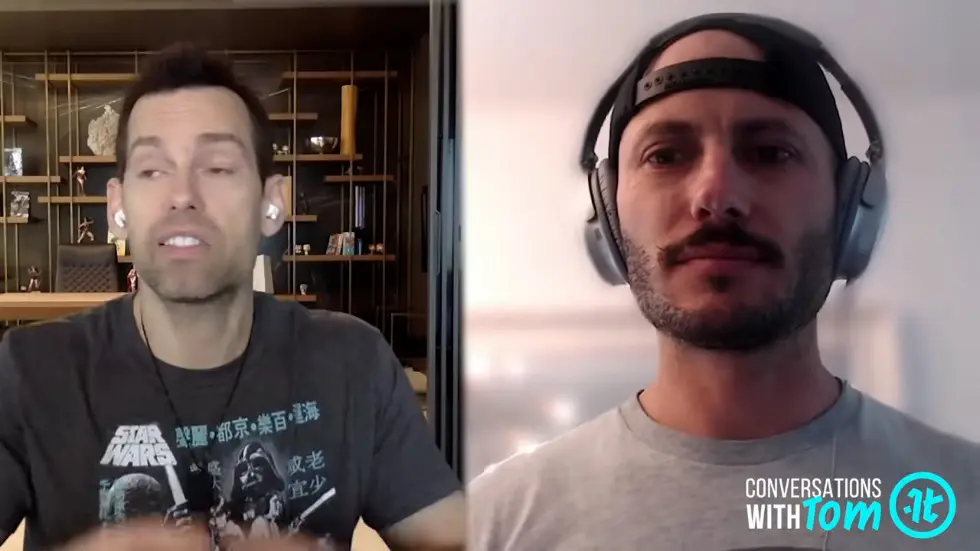
- Noah regrets not being able to help a friend in need, but he uses this experience to motivate himself to be more helpful in the future.
- Noah believes in being tactical and using systems to assess whether an idea will work or not.
- Noah's mindset is influenced by his parents, who taught him to ask for what he wants and to persevere through challenges.
- Noah believes that persistence is key to success and encourages others to take action to improve their lives.
- Noah values feedback and believes that it is a gift that can help him improve and live a better life.
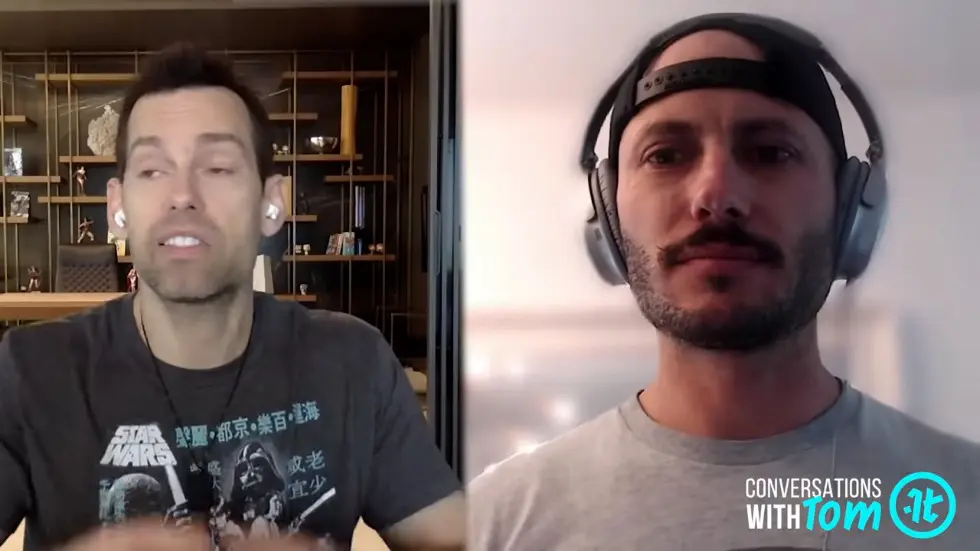
Following Curiosity
- Noah believes in following his curiosity and chasing down ideas that interest him.
- He believes that this approach has led him to success in his professional life.
- Noah encourages others to pursue their interests and to not be afraid to try new things.
- He believes that failure is a natural part of the learning process and that it is important to learn from mistakes.
- Noah believes that taking action is key to success and encourages others to take small steps towards their goals.
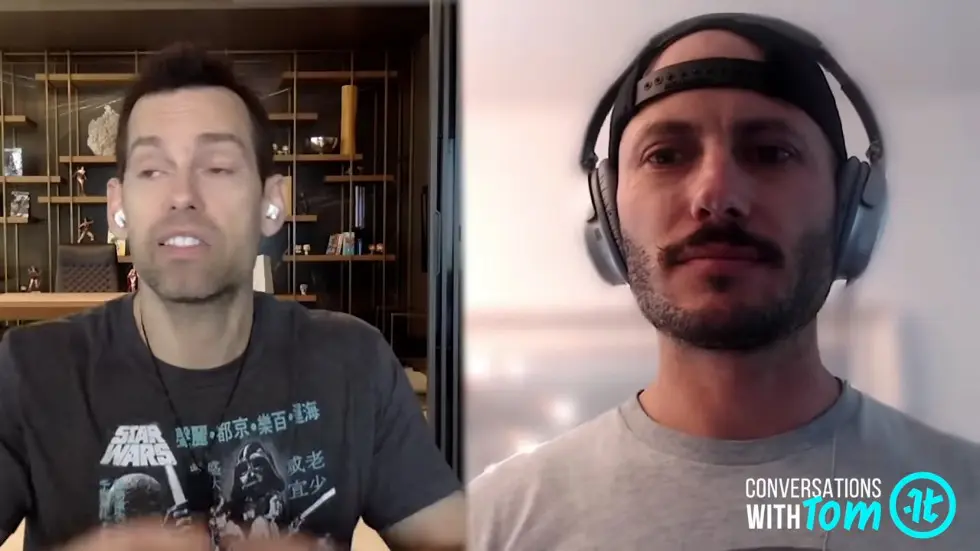
Dealing with Fear
- Noah believes that fear is a natural part of life and that it is important to acknowledge and accept it.
- He believes that taking action is the best way to overcome fear and gain control over a situation.
- Noah encourages others to break down their fears into small, manageable steps and to take action towards overcoming them.
- He believes that it is important to have a support system and to surround oneself with positive influences.
- Noah believes that it is important to focus on the present moment and to not worry too much about the future.
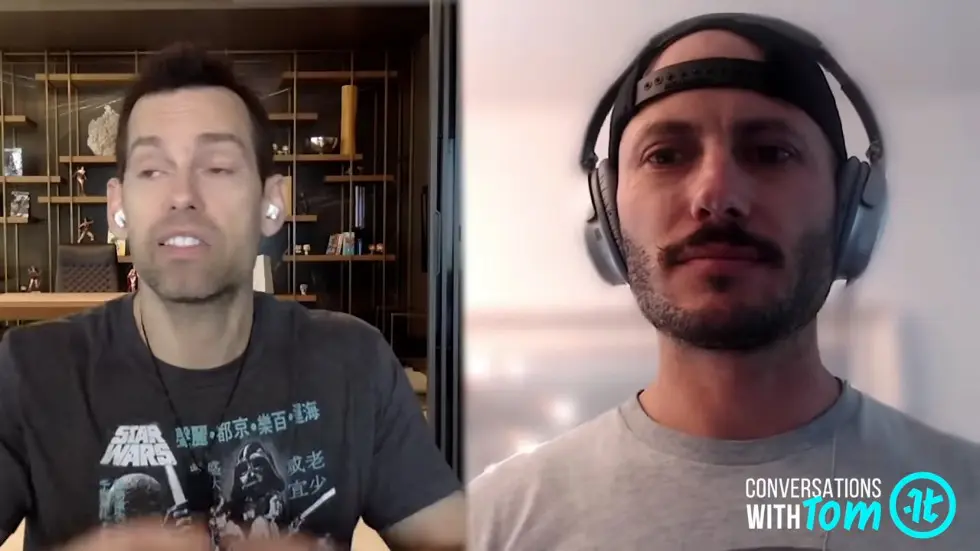
Maintaining Productivity
- Noah believes in setting clear goals and breaking them down into smaller tasks.
- He believes in using systems and tools to stay organized and on track.
- Noah encourages others to prioritize their tasks and to focus on the most important ones first.
- He believes in taking breaks and allowing oneself to rest and recharge.
- Noah believes in the power of accountability and encourages others to find an accountability partner or group.
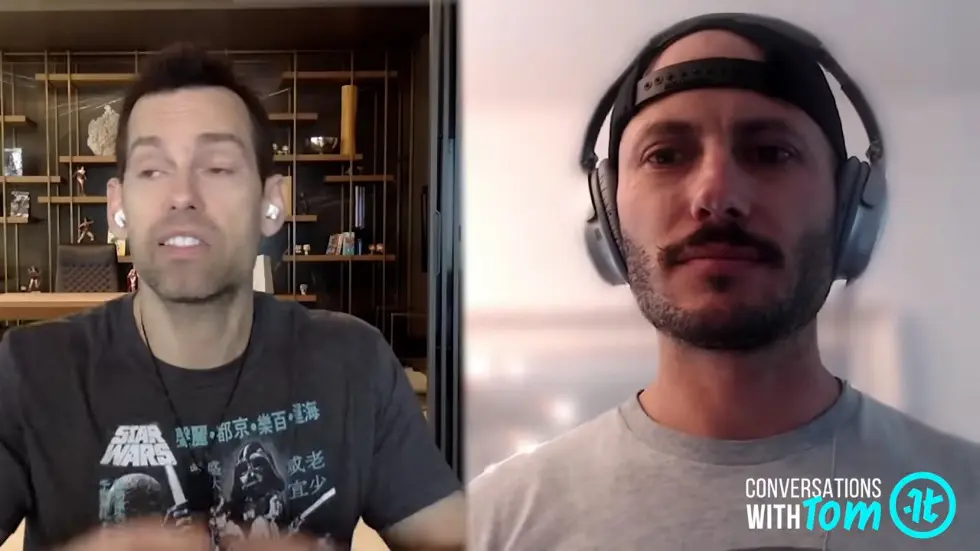
Exercising and Learning Hebrew
- Noah Kagan got bored of going to the gym and explored other ways to stay healthy.
- He found boxing and does virtual training on his Oculus with an app called Box VR.
- Curiosity helps with exploring new things, but having a reason or goal is important.
- Noah also had a desire to learn Hebrew to speak to his dad's family.
- He experimented with different ways of learning and found that having a goal and taking responsibility for learning is important.
Learning Hebrew and Curiosity
- Noah shares his experience of learning Hebrew and how having a goal is important.
- He experimented with different ways of learning and found that putting in at least two hours a week and figuring out his learning style helped him improve.
- Noah found that having structure and micro-learning worked for him, and he has a structured program with a teacher in Israel twice a week.
- He also uses an app called Drops for vocabulary and a free app called Strides for a daily checklist of things he wants to get done.
- Noah emphasizes that learning is a journey and what works for him now may change in the future.
Curiosity in Business
- Noah believes that anyone can start a business or work at a company by looking at what they already enjoy.
- He shares his experience of seeing the power of connecting on Facebook while working as an R.A in a dorm and applying for a job at the company.
- Noah emphasizes the importance of finding a big enough problem to solve and having a desire to solve it.
- He also shares a video he made about 10 sites for side hustles and online businesses, including language teaching sites like Italki and Preply.
- Noah believes that curiosity and experimentation are important in business and in life.
Conclusion
- Noah Kagan shares his experiences of exploring new ways to stay healthy, learning Hebrew, and starting a business.
- He emphasizes the importance of having a goal, taking responsibility for learning, and experimenting with different ways of doing things.
- Noah believes that curiosity is important in all aspects of life and that it is a journey that never ends.
Working for Free
- Working for free can be valuable to gain experience and connections.
- Two people who now work for Noah started by offering their services for free.
- Working for free can lead to paid opportunities once you've proven yourself.
- People are often scared of rejection, but working for free eliminates that fear.
- Money only spends once, but knowledge and connections can monetize forever.
Approaching Someone to Work for Free
- Don't ask someone what they need help with, offer a specific service.
- Offering a specific service makes it easier for the person to say yes or no.
- Offering a specific service requires less mental energy than figuring out what someone needs help with.
You have read 50% of the summary.
To read the other half, please enter your Name and Email. It's FREE.
You can unsubscribe anytime. By entering your email you agree to our Terms & Conditions and Privacy Policy.
Watch the video on YouTube:
Noah Kagan on How to Reduce Fear and Gain Control | Conversations with Tom - YouTube
Related summaries of videos:
- How to Survive a Severe Economic Downturn | Russell Brunson
- Rich Dad Poor Dad Author Robert Kiyosaki on Attaining and Keeping Wealth
- This Neuroscientist Shows You the Secrets to Obtaining A Growth Mindset | Andrew Huberman
- Legendary Psychologist Adam Grant on Why Leadership is All About Humility, Integrity and Adaptation
- The Zen Millionaire’s Secret to Creating Abundance | Ken Honda on Impact Theory
- Harvard Psychologist Shows You How to Make Your Negative Thoughts Serve You | Susan David
- Jay Shetty Reveals How Mindset Matters | Impact Theory
- Is Your Self-Identity Limiting Your Potential? | Vusi Thembekwayo on Impact Theory
- "TRY THIS Technique For 7 Days To IMPROVE YOUR BREATHING!" | James Nestor
- Harvard Nutritional Psychiatrist Shares the Key Foods for Incredible Mental Health | Dr. Uma Naidoo
- Home
- About us
- Contact
- Book Summaries 0-9
- Book Summaries A
- Book Summaries B
- Book Summaries C
- Book Summaries D
- Book Summaries E
- Book Summaries F
- Book Summaries G
- Book Summaries H
- Book Summaries I
- Book Summaries J
- Book Summaries K
- Book Summaries L
- Book Summaries M
- Book Summaries N
- Book Summaries O
- Book Summaries P
- Book Summaries Q
- Book Summaries R
- Book Summaries S
- Book Summaries T
- Book Summaries U
- Book Summaries V
- Book Summaries W
- Book Summaries X
- Book Summaries Y
- Book Summaries Z
- Jay Shetty Podcast - Summaries
- Tom Bilyeu Impact Theory - Summaries
- Lex Fridman - Summaries
- Diary of a CEO - Summaries
- Alex Hormozi - Summaries
