
Dr. Noam Sobel and Dr. Andrew Huberman: How Smells Influence Our Hormones, Health and Behavior (Huberman Lab Podcast)
Last updated: Oct 2, 2023
The video is about Dr. Andrew Huberman and Dr. Noam Sobel, a professor of neurobiology at the Weissman Institute of Science, who studies olfaction and chemosensation. The video covers a range of topics related to the sense of smell and its impact on our hormones, health, and behavior. Some of the key points discussed include: * Humans are incredibly good at sensing the chemical world around them, even better than dogs in some cases. * Every time we meet someone, we are taking in chemicals from them, either from the chemical cloud that surrounds them or directly from their skin. This information is processed by our brains and nervous system, and can impact our emotions, decision-making, and who we choose to relate to. * Tears of others can impact our hormone levels in powerful ways. * There is a regular schedule of alternating ease in breathing through one nostril or the other, which reflects an underlying dynamic of our nervous system and can impact how alert or sleepy we are. * We are always sensing our own odors, even if we don't realize it, and can use this information to change our cognition and behavior. The video also covers some of the experiments and discoveries made by Dr. Sobel's laboratory at UC Berkeley and the Weissman Institute of Science, including the ability of humans to follow scent trails and the incredible power of human olfaction.
This video by Andrew Huberman was published on May 1, 2023.
Video length: 03:13:16.
The video is about Dr. Noam Sobel, a professor of neurobiology at the Weissman Institute of Science, who studies olfaction and chemosensation.
The video covers a range of topics related to the sense of smell and its impact on our hormones, health, and behavior. Some of the key points discussed include: * Humans are incredibly good at sensing the chemical world around them, even better than dogs in some cases. * Every time we meet someone, we are taking in chemicals from them, either from the chemical cloud that surrounds them or directly from their skin. This information is processed by our brains and nervous system, and can impact our emotions, decision-making, and who we choose to relate to. * Tears of others can impact our hormone levels in powerful ways. * There is a regular schedule of alternating ease in breathing through one nostril or the other, which reflects an underlying dynamic of our nervous system and can impact how alert or sleepy we are. * We are always sensing our own odors, even if we don't realize it, and can use this information to change our cognition and behavior.
The video also covers some of the experiments and discoveries made by Dr. Sobel's laboratory at UC Berkeley and the Weissman Institute of Science, including the ability of humans to follow scent trails and the incredible power of human olfaction.
- Dr. Noam Sobel is a professor of neurobiology at the Weissman Institute of Science who studies olfaction and chemosensation.
- The video covers a range of topics related to the sense of smell and its impact on our hormones, health, and behavior.
- Humans are incredibly good at sensing the chemical world around them, even better than dogs in some cases.
- Every time we meet someone, we are taking in chemicals from them, either from the chemical cloud that surrounds them or directly from their skin.
- Tears of others can impact our hormone levels in powerful ways.
- There is a regular schedule of alternating ease in breathing through one nostril or the other, which reflects an underlying dynamic of our nervous system and can impact how alert or sleepy we are.
- Humans are always sensing our own odors, even if we don't realize it, and can use this information to change our cognition and behavior.
- The sense of smell plays a crucial role in regulating our hormones, particularly those related to stress and mood.
- Certain scents can trigger the release of hormones that promote relaxation, while others can trigger the release of hormones that promote alertness and energy.
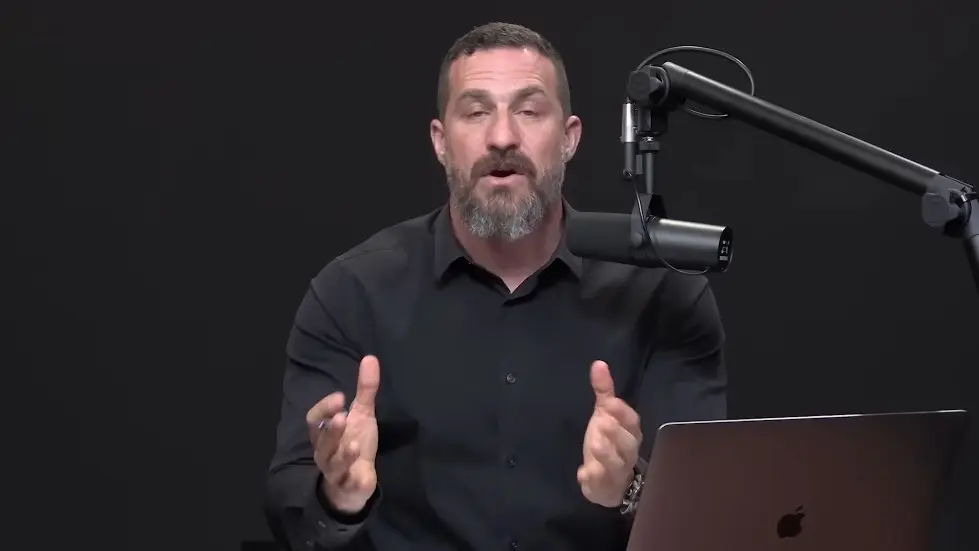
Section 1: Introduction
- The video is about Dr. Noam Sobel, a professor of neurobiology at the Weissman Institute of Science.
- Dr. Sobel studies olfaction and chemosensation, the sense of smell and the ability to respond to chemicals in our environment.
- The video covers a range of topics related to the sense of smell and its impact on our hormones, health, and behavior.
- Some of the key points discussed include the incredible power of human olfaction and the ability of humans to follow scent trails.
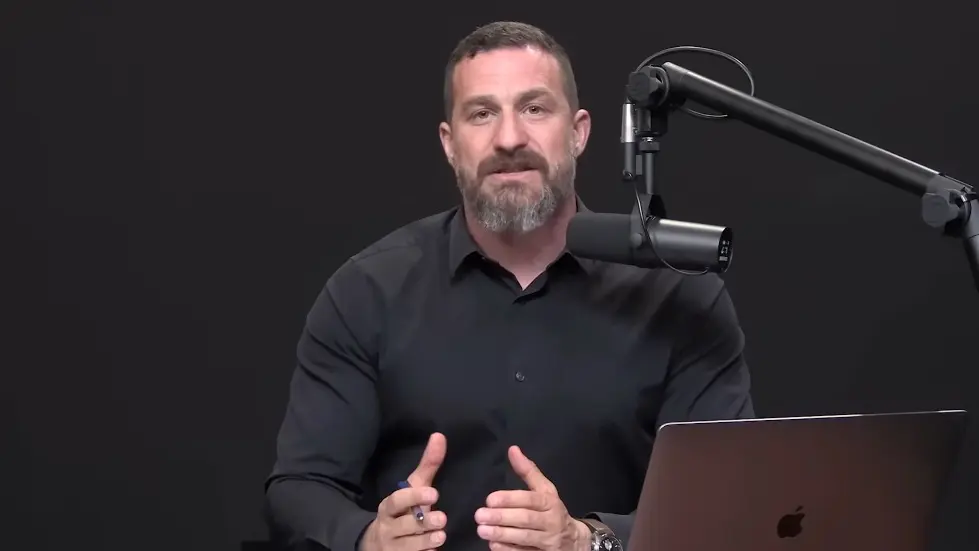
Section 2: The Power of Human Olfaction
- Humans are incredibly good at sensing the chemical world around them, even better than dogs in some cases.
- Every time we meet someone, we are taking in chemicals from them, either from the chemical cloud that surrounds them or directly from the surface of their skin.
- This information is processed by our brains and nervous system, and can impact our emotions, decision-making, and who we choose to relate to.
- Tears of others can impact our hormone levels in powerful ways.
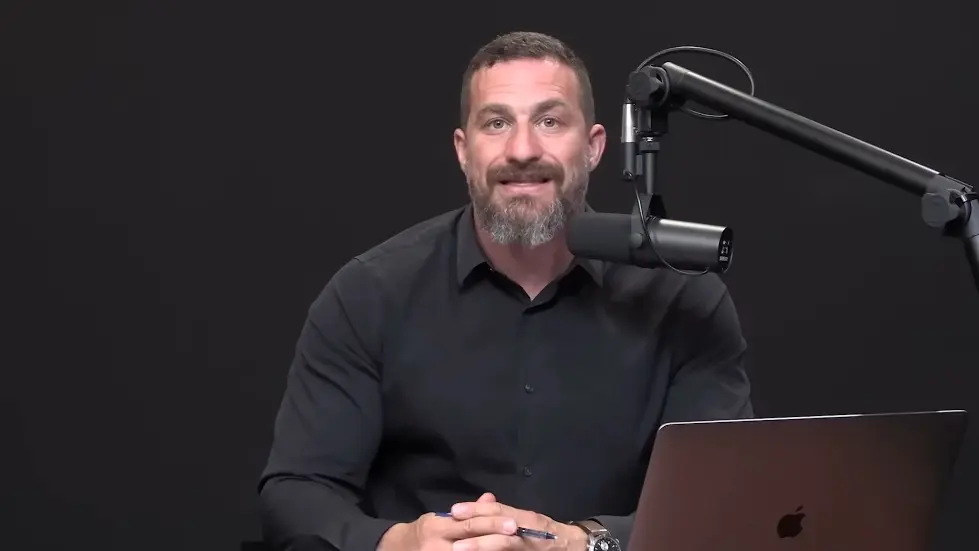
Section 3: The Impact of Chemicals on Our Hormones and Health
- There is a regular schedule of alternating ease in breathing through one nostril or the other, which reflects an underlying dynamic of our nervous system and can impact how alert or sleepy we are.
- We are always sensing our own odors, even if we don't realize it, and can use this information to change our cognition and behavior.
- Every so often, on a regular schedule, there is an alternation of ease through which we can breathe through one nostril or the other, and this alternation reflects an underlying dynamic of our nervous system and has a lot to do with how alert or sleepy we happen to be.
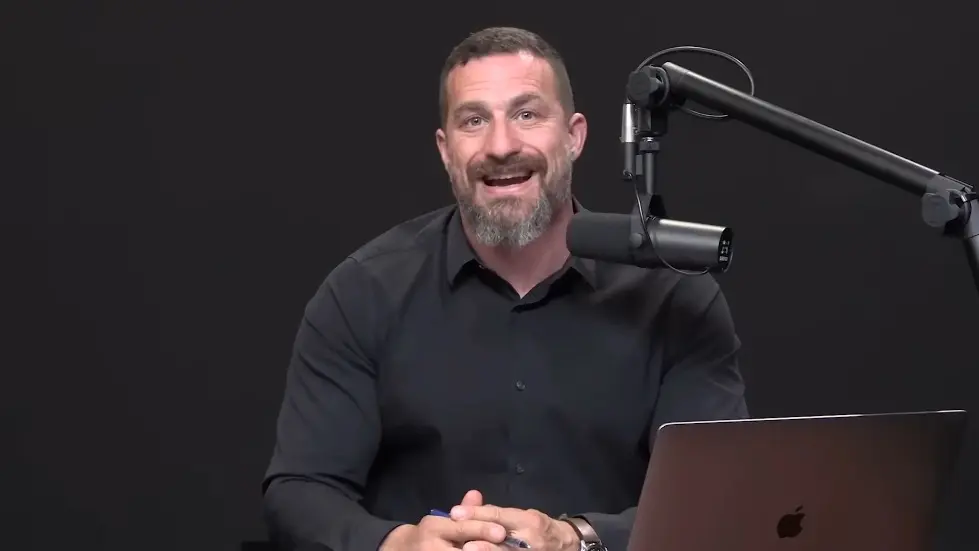
Section 4: Conclusion
- Dr. Sobel's laboratory has discovered that we are always sensing our own odors, even though we might not notice our own smell.
- Throughout the day, we periodically smell ourselves deliberately, even though we might not realize it, in order to change our cognition and behavior.
- The video emphasizes that this podcast is separate from the speaker's teaching and research roles at Stanford.
- The speaker thanks the sponsors of the podcast, including Roca Rococo and Thesis.
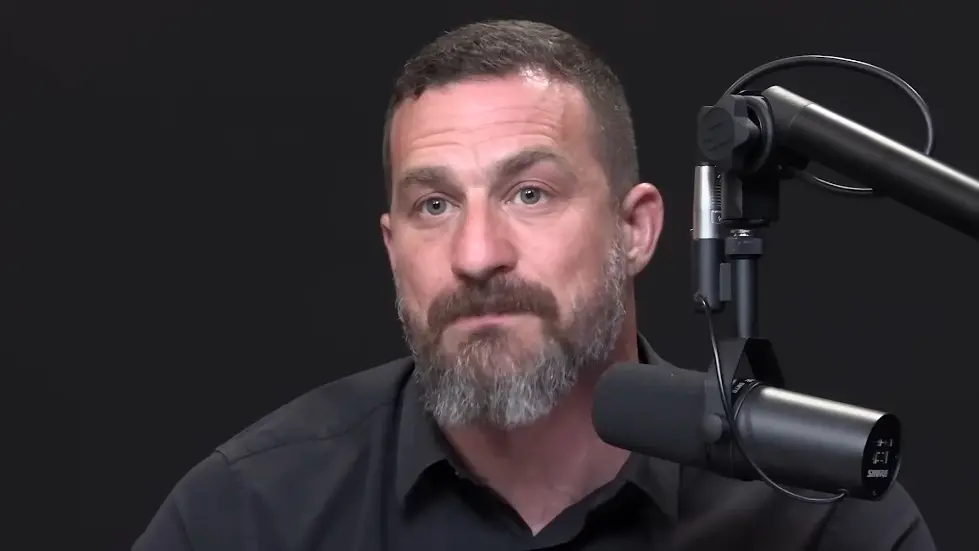
Section 1: Introduction
- The video is about Dr. Noam Sobel, a professor of neurobiology at the Weissman Institute of Science, who studies olfaction and chemosensation.
- The video covers a range of topics related to the sense of smell and its impact on our hormones, health, and behavior.
- Dr. Sobel has made significant discoveries in the field of olfaction, including the ability of humans to follow scent trails and the incredible power of human olfaction.
- The video also discusses some of the experiments and discoveries made by Dr. Sobel's laboratory at UC Berkeley and the Weissman Institute of Science.
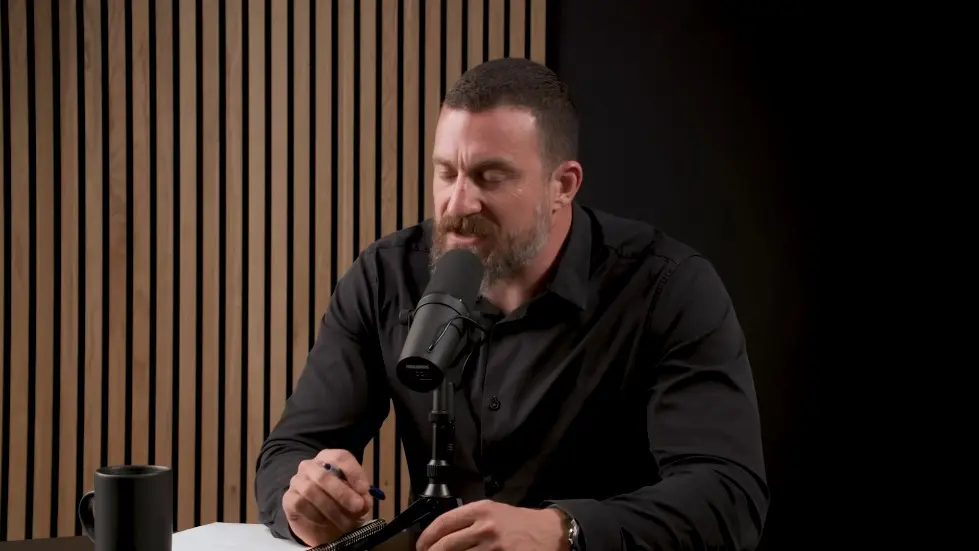
Section 2: The Sense of Smell
- Humans are incredibly good at sensing the chemical world around them, even better than dogs in some cases.
- Every time we meet someone, we are taking in chemicals from them, either from the chemical cloud that surrounds them or directly from their skin.
- This information is processed by our brains and nervous system, and can impact our emotions, decision-making, and who we choose to relate to.
- Tears of others can impact our hormone levels in powerful ways.
- There is a regular schedule of alternating ease in breathing through one nostril or the other, which reflects an underlying dynamic of our nervous system and can impact how alert or sleepy we are.
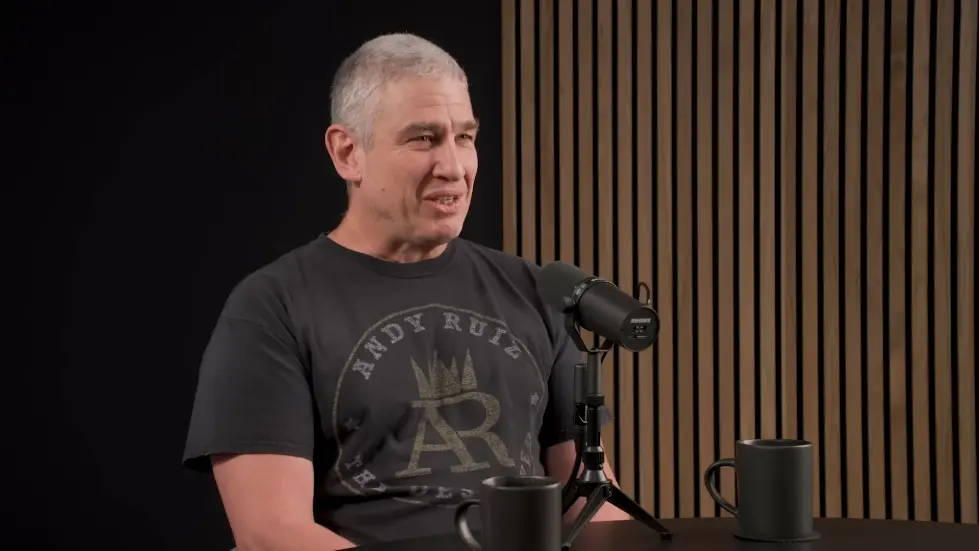
Section 3: Olfaction and Hormones
- Humans are always sensing our own odors, even if we don't realize it, and can use this information to change our cognition and behavior.
- The sense of smell plays a crucial role in regulating our hormones, particularly those related to stress and mood.
- Certain scents can trigger the release of hormones that promote relaxation, while others can trigger the release of hormones that promote alertness and energy.
- The sense of smell can also impact our appetite and metabolism, with certain scents promoting hunger and others suppressing it.

Section 4: Olfaction and Health
- The sense of smell is closely linked to our immune system, with certain scents promoting the production of antibodies and others suppressing it.
- Certain scents can also help to alleviate symptoms of respiratory illnesses, such as colds and flu.
- The sense of smell can also impact our sleep patterns, with certain scents promoting relaxation and others promoting alertness.
- The sense of smell can also play a role in our cognitive function, with certain scents promoting memory and others promoting focus.

The Sense of Smell
- Humans are incredibly good at sensing the chemical world around them, even better than dogs in some cases.
- Every time we meet someone, we are taking in chemicals from them, either from the chemical cloud that surrounds them or directly from their skin.
- Tears of others can impact our hormone levels in powerful ways.
- There is a regular schedule of alternating ease in breathing through one nostril or the other, which reflects an underlying dynamic of our nervous system and can impact how alert or sleepy we are.
- We are always sensing our own odors, even if we don't realize it, and can use this information to change our cognition and behavior.

Experiments and Discoveries
- Humans have six to seven million olfactory receptors in their nose.
- Bloodhounds have a billion receptors in their nose, which is why they are so amazing.
- The number of receptors in Bloodhounds is not well grounded and is likely a myth.
- Duron Lancet, a geneticist, said that the number of receptors in Bloodhounds is made up and propagated in textbooks.
- The number of receptors in Bloodhounds is not supported by evidence and sheds light on the inaccuracies in scientific and medical textbooks.

Odorants and Transduction
- Odorants interact with olfactory receptors in our epithelium and undergo transduction, turning into a neural signal or enforcing the receptor to respond in a neural signal.
- The neural signal in this case is an action potential, which is not gradient potentials of any kind.
- The olfactory nerve goes from our epithelium through the thinnest part of our skull, the cribriform plate, and synapses at the first target in the brain, the olfactory bulb.
- Humans have a unique point of sensitivity in the olfactory bulb, which is why a lot of people lose their sense of smell due to trauma.
- The more common cause for losing your sense of smell for trauma is a contra coup injury, which occurs when the brain has a forward and backward movement in the liquid in the skull and the olfactory nerve is severed.

The Sense of Smell
- Humans are incredibly good at sensing the chemical world around them, even better than dogs in some cases.
- Every time we meet someone, we are taking in chemicals from them, either from the chemical cloud that surrounds them or directly from their skin.
- Tears of others can impact our hormone levels in powerful ways.
- There is a regular schedule of alternating ease in breathing through one nostril or the other, which reflects an underlying dynamic of our nervous system and can impact how alert or sleepy we are.
- We are always sensing our own odors, even if we don't realize it, and can use this information to change our cognition and behavior.
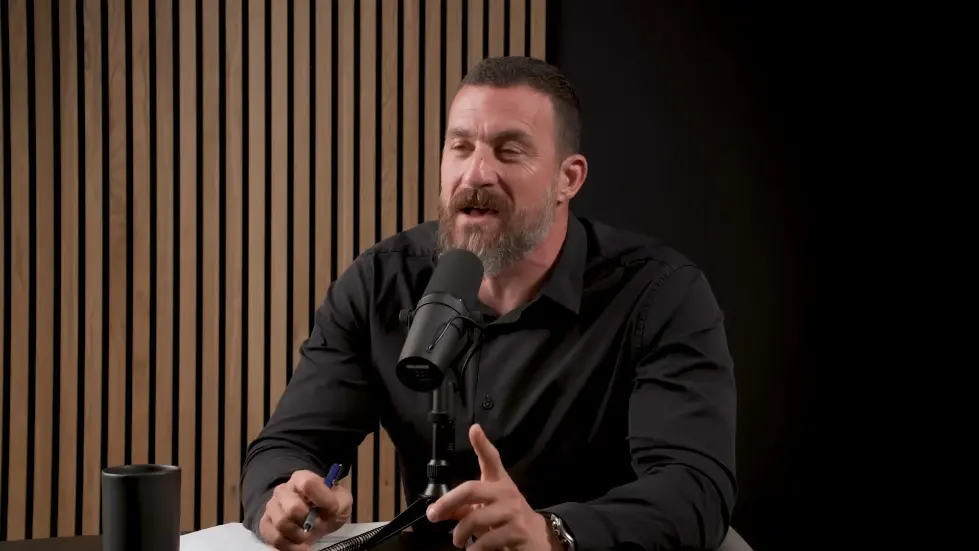
Experiments and Discoveries
- Dr. Sobel's laboratory at UC Berkeley and the Weissman Institute of Science has made experiments and discoveries related to the sense of smell, including the ability of humans to follow scent trails and the incredible power of human olfaction.
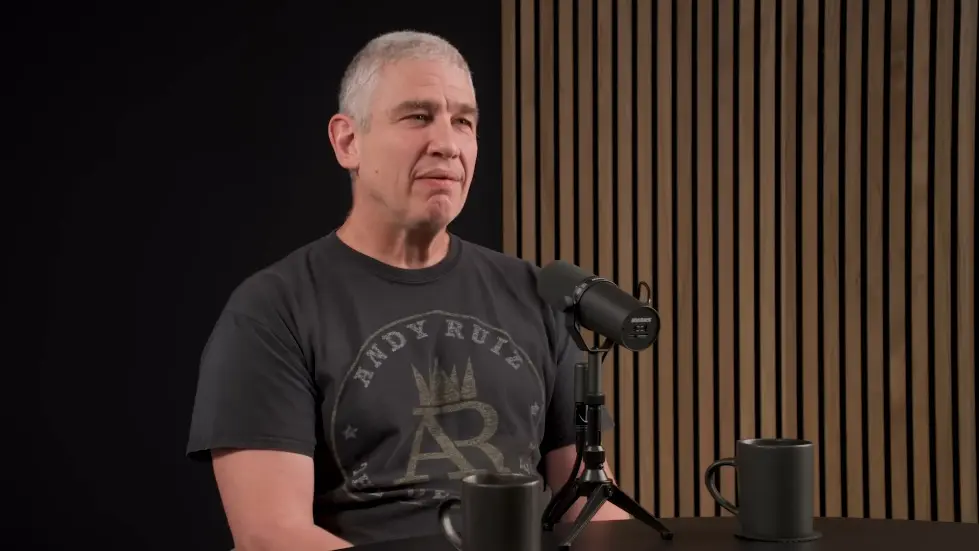
Recovery from Olfactory Loss
- If someone loses their sense of smell, it can be distressing and impact their emotions, decision-making, and who they choose to relate to.
- If the injury is completely severed, the person will lose their sense of smell forever.
- If the injury is partial or something shows up in a short while after the injury, the person has a good chance of recovery because the damaged axons will grow along the trajectory of the other axons.
- The time frame for recovery is typically a year to a year and a half.
- There is an over-the-counter remedy called alpha lipoic acid that can accelerate the recovery of smell.

Smelling and Perception
- When we smell things, it's the result of more sensory subsystems than the olfactory system alone.
- There are several chemosensory sensitive nerves in the nose, beyond the olfactory nerve, that are involved in smelling.
- An example of a pure olfactant is coffee, which will stimulate the olfactory nerve alone and not influence the trigeminal nerve.
- Olfactory training can help people recover from partial or complete loss of primary olfaction.
- Keeping neurons electrically active in the olfactory system is important for maintaining their connections and preventing them from dying.
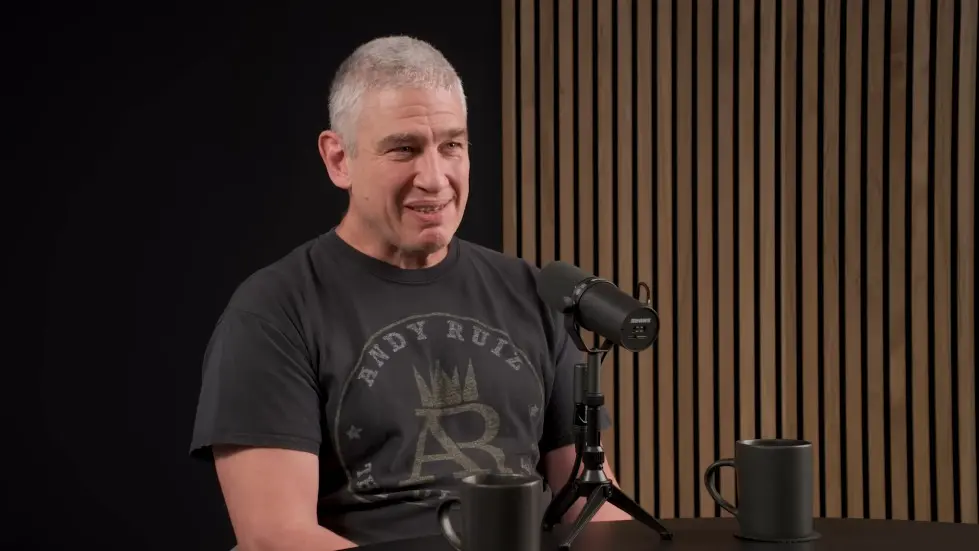
Humans are incredibly good at sensing the chemical world around them
- Humans are incredibly good at sensing the chemical world around them, even better than dogs in some cases.
- Every time we meet someone, we are taking in chemicals from them, either from the chemical cloud that surrounds them or directly from their skin.
- This information is processed by our brains and nervous system, and can impact our emotions, decision-making, and who we choose to relate to.
- Tears of others can impact our hormone levels in powerful ways.
- There is a regular schedule of alternating ease in breathing through one nostril or the other, which reflects an underlying dynamic of our nervous system and can impact how alert or sleepy we are.

The sense of smell and its impact on our hormones, health, and behavior
- Humans are incredibly good at sensing the chemical world around them, even better than dogs in some cases.
- Every time we meet someone, we are taking in chemicals from them, either from the chemical cloud that surrounds them or directly from their skin.
- This information is processed by our brains and nervous system, and can impact our emotions, decision-making, and who we choose to relate to.
- Tears of others can impact our hormone levels in powerful ways.
- There is a regular schedule of alternating ease in breathing through one nostril or the other, which reflects an underlying dynamic of our nervous system and can impact how alert or sleepy we are.
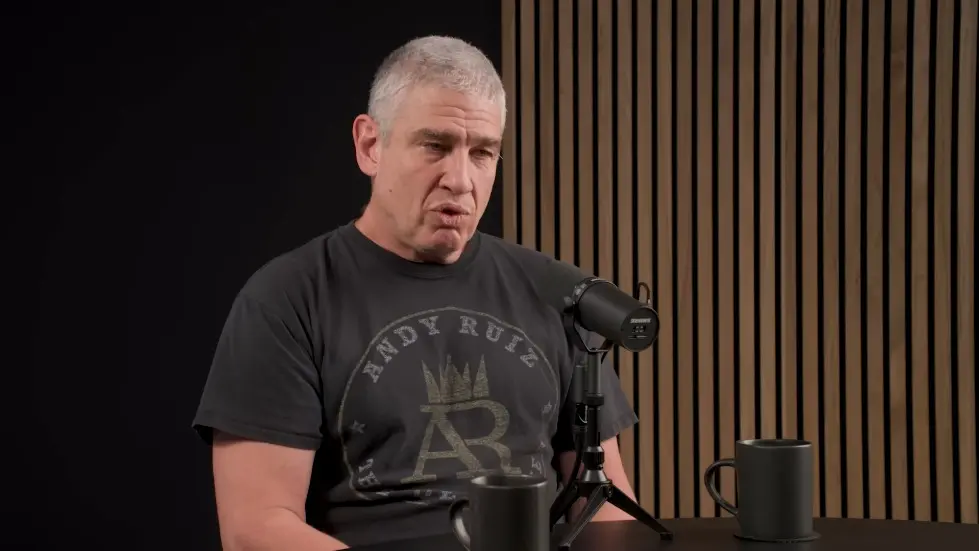
Experiments and discoveries made by Dr. Sobel's laboratory
- Dr. Sobel's laboratory at UC Berkeley and the Weissman Institute of Science has made many discoveries related to the sense of smell.
- The ability of humans to follow scent trails is a fascinating example of the power of human olfaction.
- The incredible power of human olfaction is also evident in the way that our sense of smell can impact our emotions and behavior.
- Dr. Sobel's laboratory has also studied the impact of the sense of smell on our hormones and health.

Regeneration in the olfactory system
- The olfactory neurons are the only neurons in the adult mammalian brain that systematically regenerate.
- The human olfactory system shows the same level of regeneration as it does in other mammals, but this is somewhat questionable.
- A study published in Neuron in 2014 looked at levels of C14 in adults who were exposed to Atomic Bomb experiments.
- This study suggested that there is not as much turnover in the human olfactory bulb as there is in other mammals.
- This is a debated question, but the study provides interesting insights into the regeneration of the human olfactory system.
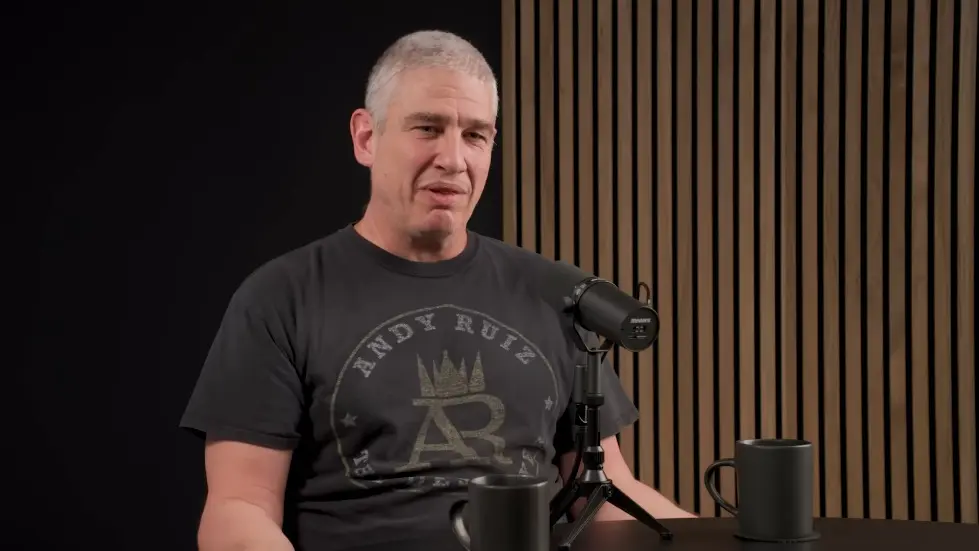
The Science of Smell
- Humans are incredibly good at sensing the chemical world around them, even better than dogs in some cases.
- Every time we meet someone, we are taking in chemicals from them, either from the chemical cloud that surrounds them or directly from their skin. This information is processed by our brains and nervous system, and can impact our emotions, decision-making, and who we choose to relate to.
- Tears of others can impact our hormone levels in powerful ways.
- There is a regular schedule of alternating ease in breathing through one nostril or the other, which reflects an underlying dynamic of our nervous system and can impact how alert or sleepy we are.
- We are always sensing our own odors, even if we don't realize it, and can use this information to change our cognition and behavior.
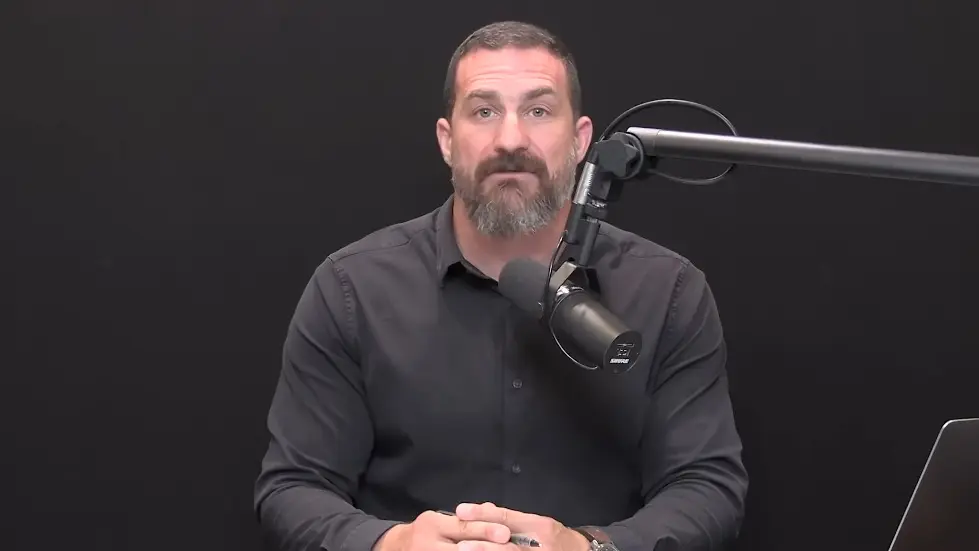
Experiments and Discoveries
- Dr. Sobel's laboratory at UC Berkeley and the Weissman Institute of Science has made many discoveries related to the sense of smell, including the ability of humans to follow scent trails and the incredible power of human olfaction.
- One study by Dr. Sobel's student, Sharon, found that there is something about the first time you experience a smell that generates a particularly robust representation, more than other sensory stimuli.
- Another study found that the priest effect, where a person is reminded of a past event by a similar sensory experience, is real and has been studied extensively.
- Dr. Sobel argues that there is something special about olfaction, but acknowledges that each sense has its own unique properties and functions.

Sponsorship
- The podcast is sponsored by Athletic Greens, a vitamin, mineral, probiotic drink that covers all of your foundational nutritional needs.
- The host has been taking Athletic Greens since 2012 and recommends it for gut health, as the probiotics and other nutrients in the drink are optimal for microbiotic health.
- Athletic Greens also contains adaptogens, vitamins, and minerals that make sure all of the host's foundational nutritional needs are met.
- Listeners can try Athletic Greens by going to athleticgreens.com/huberman and will receive five free travel packs and a year's supply of vitamin D3 and K2.
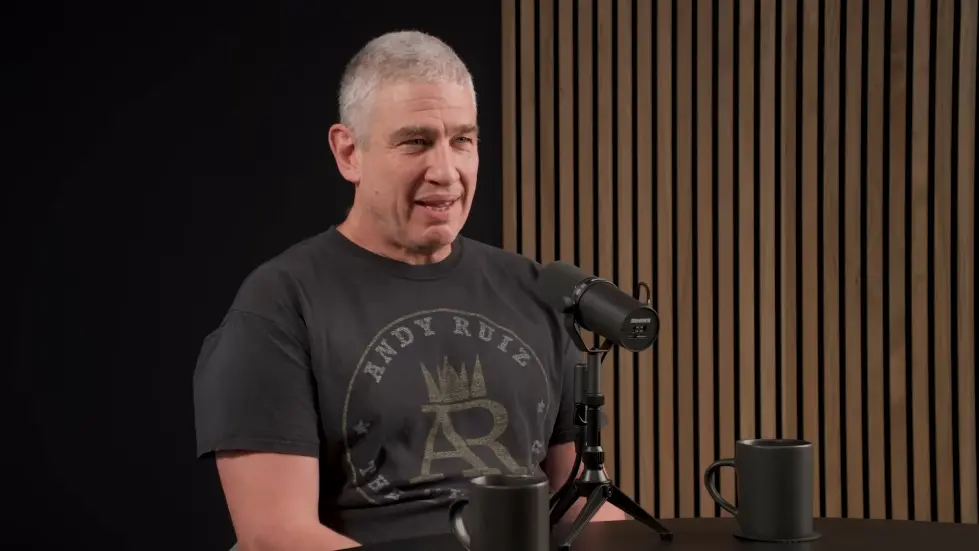
Section 1: Humans' Sense of Smell
- Humans have a remarkable sense of smell, which is often overlooked.
- Humans can detect chemicals in the environment, even if they are not consciously aware of it.
- Every time we meet someone, we are taking in chemicals from them, either from the chemical cloud that surrounds them or directly from their skin.
- Tears of others can impact our hormone levels in powerful ways.
- There is a regular schedule of alternating ease in breathing through one nostril or the other, which reflects an underlying dynamic of our nervous system and can impact how alert or sleepy we are.
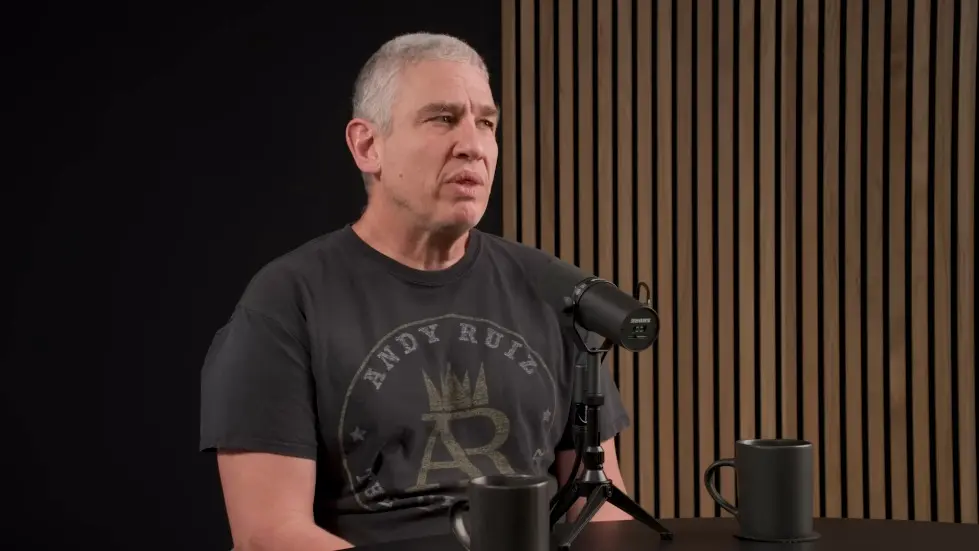
Section 2: The Power of Human Olfaction
- Humans are incredibly good at sensing the chemical world around them, even better than dogs in some cases.
- Every time we meet someone, we are taking in chemicals from them, either from the chemical cloud that surrounds them or directly from their skin.
- Tears of others can impact our hormone levels in powerful ways.
- There is a regular schedule of alternating ease in breathing through one nostril or the other, which reflects an underlying dynamic of our nervous system and can impact how alert or sleepy we are.
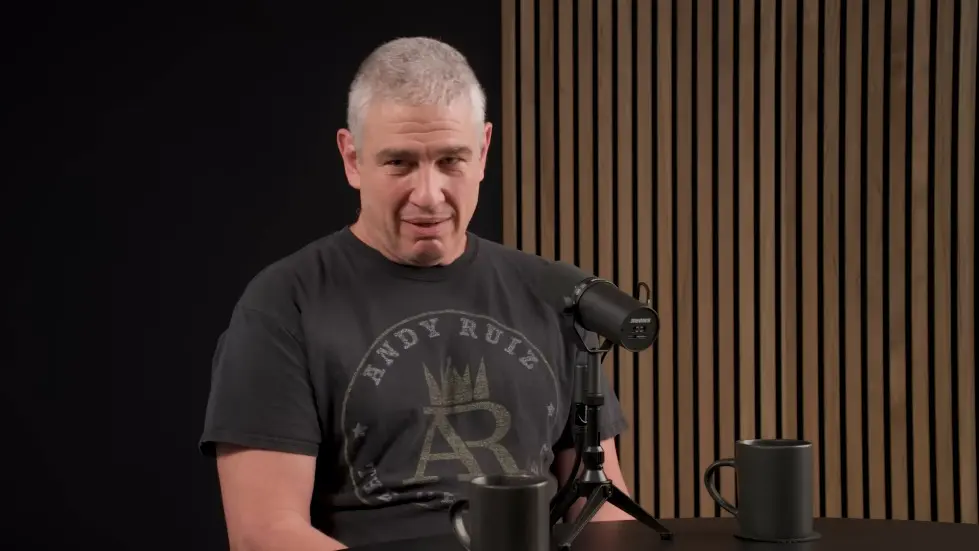
Section 3: Experiments and Discoveries
- Dr. Sobel's laboratory at UC Berkeley and the Weissman Institute of Science has conducted experiments on human olfaction.
- Humans can follow scent trails and the incredible power of human olfaction.
- The ability of humans to detect negative odors is exquisitely well.
- Some people have a keen sense of smell, while others have a poor sense of smell.
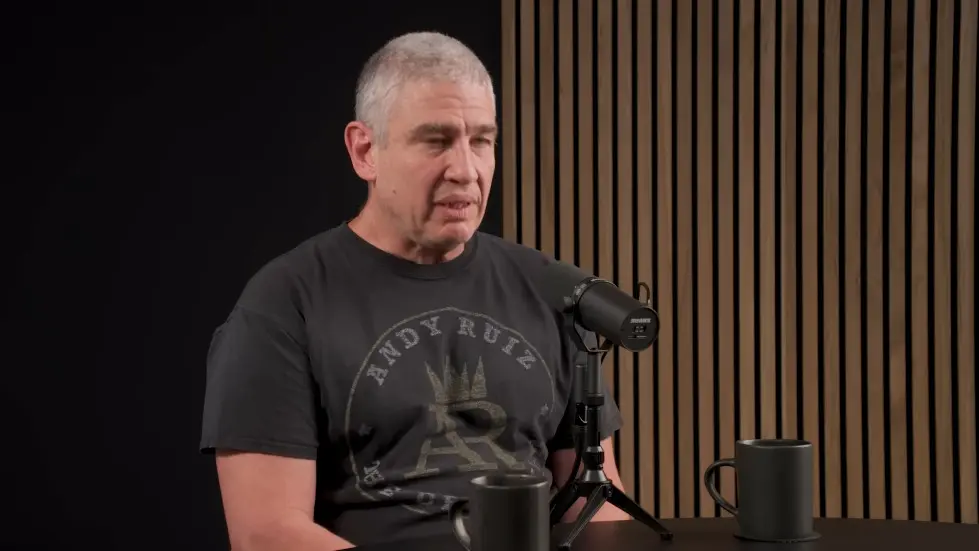
Section 4: Improving Our Ability to Smell
- Humans have a remarkable sense of smell, but it can be improved with training.
- Depriving people of vision and somatic sensation can enhance their sense of smell.
- Humans can improve their ability to track scents, even if they are not consciously aware of it.
- The sense of smell is an important part of our nervous system and can impact our emotions, decision-making, and who we choose to relate to.
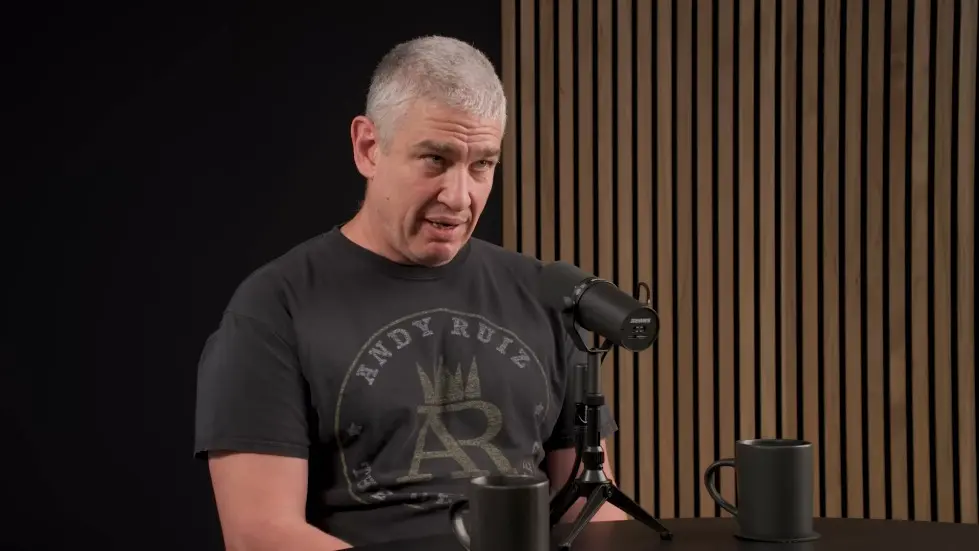
Section 1: Humans' Sensitivity to Chemicals
- Humans are incredibly good at sensing the chemical world around them, even better than dogs in some cases.
- Every time we meet someone, we are taking in chemicals from them, either from the chemical cloud that surrounds them or directly from their skin.
- This information is processed by our brains and nervous system, and can impact our emotions, decision-making, and who we choose to relate to.
- Tears of others can impact our hormone levels in powerful ways.
- There is a regular schedule of alternating ease in breathing through one nostril or the other, which reflects an underlying dynamic of our nervous system and can impact how alert or sleepy we are.
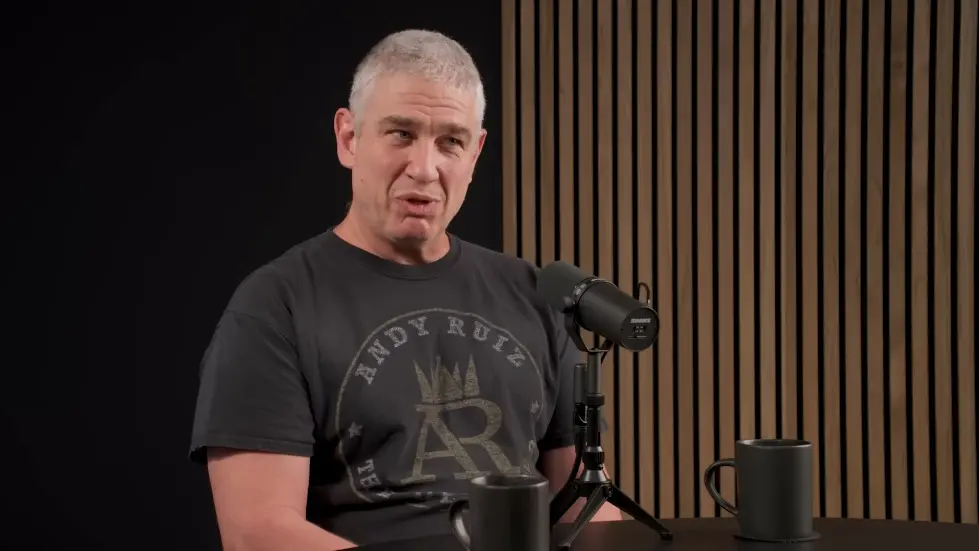
Section 2: The Power of Olfaction
- We are always sensing our own odors, even if we don't realize it, and can use this information to change our cognition and behavior.
- Humans can follow scent trails and the incredible power of human olfaction.
- The sense of smell plays a crucial role in our emotions, decision-making, and who we choose to relate to.
- Experiments have shown that people can just do this right off the bat, and when trained, the rate limiting factor became the speed at which they could crawl.
- People perform better with two nostrils over one centralized nostril, even though the flu remain the same.
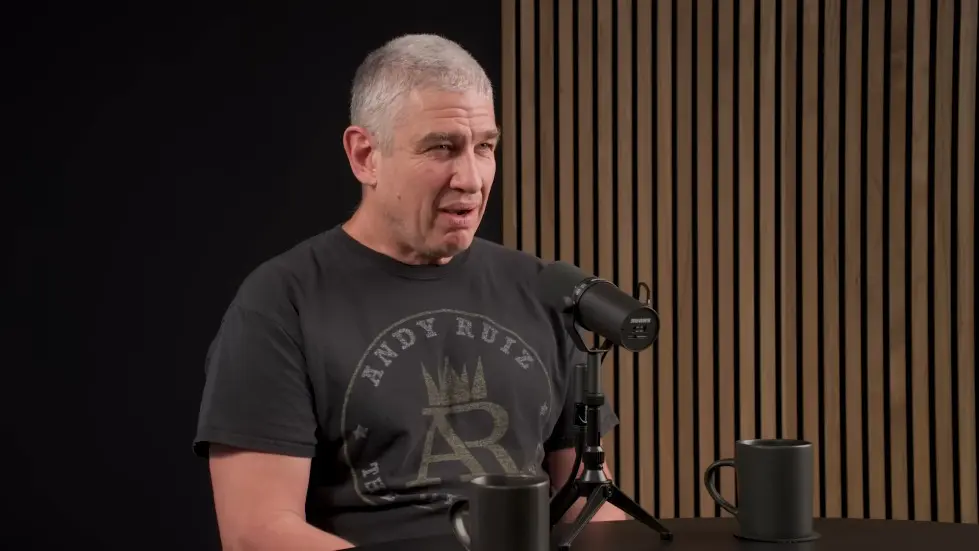
Section 3: The System of Smell
- Our sense of smell is a complex system that involves our epithelium, bulb, and connection to Cortex.
- We have two of these systems, one that combines both nostrils into one big nostril and another that maintains two separated nostrils.
- People perform better with two nostrils over one centralized nostril, even though the flu remain the same.
- The system of smell is unilateral, almost completely unilateral, with some small exceptions.
- We can gain depth perception information, perceive motion better, and locate sound because of the difference between our ears and how head blocks them between.
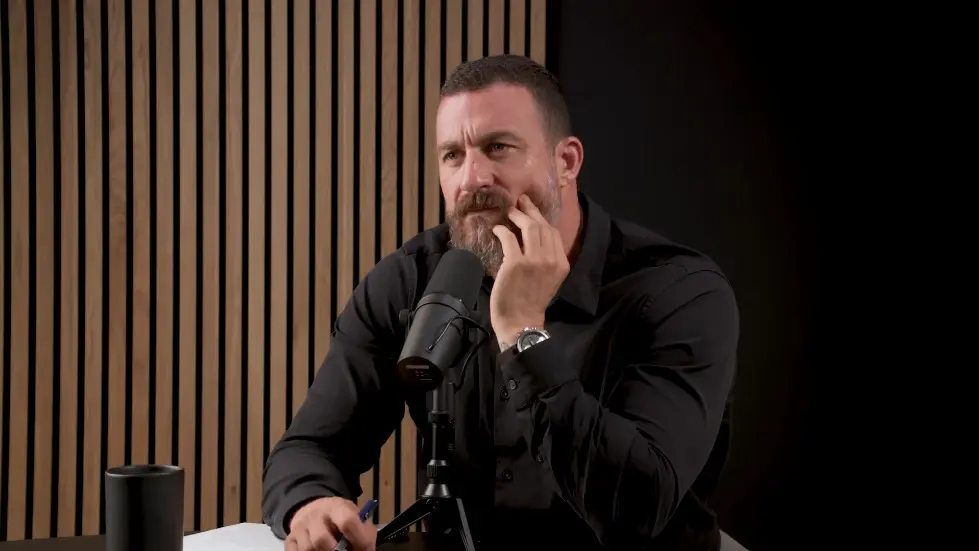
Section 4: Sniffing Behavior
- Sniffing behavior is a huge portion of our life and is taking us to places.
- Experiments have shown that people can sense a difference in flow when one nostril is occluded and sniffed in and the other is included and sniffed in.
- Most people don't know why this is, but it is a next question on the list.
- The sense of smell is often overlooked in neuroscience, but it plays a crucial role in our emotions, decision-making, and who we choose to relate to.
- The sense of smell is a complex system that involves our epithelium, bulb, and connection to Cortex.
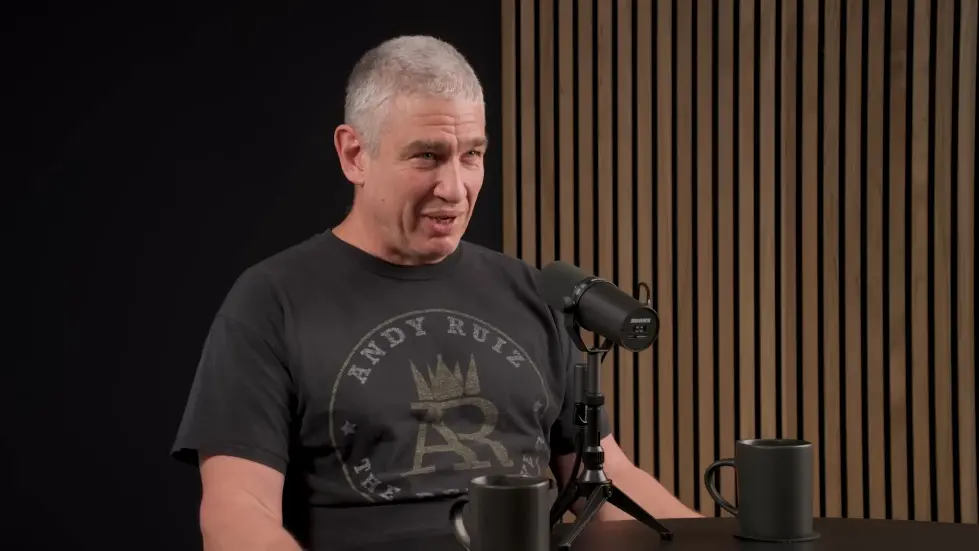
The Nasal Cycle
- The nasal cycle refers to the alternating flow of air through the two nostrils.
- Every two and a half hours on average, the high flow nostril and low flow nostril alternate.
- This cycle can be measured using a wearable device called the nasal halter.
- The nasal halter measures airflow in each nostril separately and logs it for 24 hours.
- Researchers are using the nasal halter to study the nasal cycle as a disease marker.

The Autonomic Nervous System
- The autonomic nervous system has a sympathetic and parasympathetic component.
- The sympathetic nervous system is responsible for generating patterns of alertness.
- The parasympathetic nervous system is associated with rest and digestion.
- The interplay between the sympathetic and parasympathetic nervous systems drives the switch from left to right nostril.
- The nasal cycle is linked to balance in the autonomic nervous system.

The Eye Cycle
- The eye cycle refers to the alternating closure of one eye.
- The eye cycle is linked to the nasal cycle.
- Researchers are using the eye cycle as a disease marker.
- The eye cycle can be measured using a wearable device called the nasal halter.
- The nasal halter measures airflow in each nostril separately and logs it for 24 hours.

The Nasal Halter
- The nasal halter is a wearable device that measures airflow in each nostril separately.
- The nasal halter logs airflow data for 24 hours.
- Researchers are using the nasal halter to study the nasal cycle as a disease marker.
- The nasal halter can be used to measure the difference between ADHD and non-ADHD adults.
- The nasal halter can also be used to measure if adults are on Ritalin or not.

The Science of Smell
- Humans are incredibly good at sensing the chemical world around them, even better than dogs in some cases.
- Every time we meet someone, we are taking in chemicals from them, either from the chemical cloud that surrounds them or directly from their skin. This information is processed by our brains and nervous system, and can impact our emotions, decision-making, and who we choose to relate to.
- Tears of others can impact our hormone levels in powerful ways.
- There is a regular schedule of alternating ease in breathing through one nostril or the other, which reflects an underlying dynamic of our nervous system and can impact how alert or sleepy we are.
- We are always sensing our own odors, even if we don't realize it, and can use this information to change our cognition and behavior.

Experiments and Discoveries
- Dr. Sobel's laboratory at UC Berkeley and the Weissman Institute of Science conducted experiments on the ability of humans to follow scent trails.
- The laboratory also studied the incredible power of human olfaction, including the ability to detect and identify thousands of different smells.
- Dr. Sobel's research has shown that the sense of smell plays a crucial role in our emotions, memories, and behavior.
- The laboratory has also discovered that the sense of smell is closely linked to the autonomic nervous system, which controls many of our bodily functions.
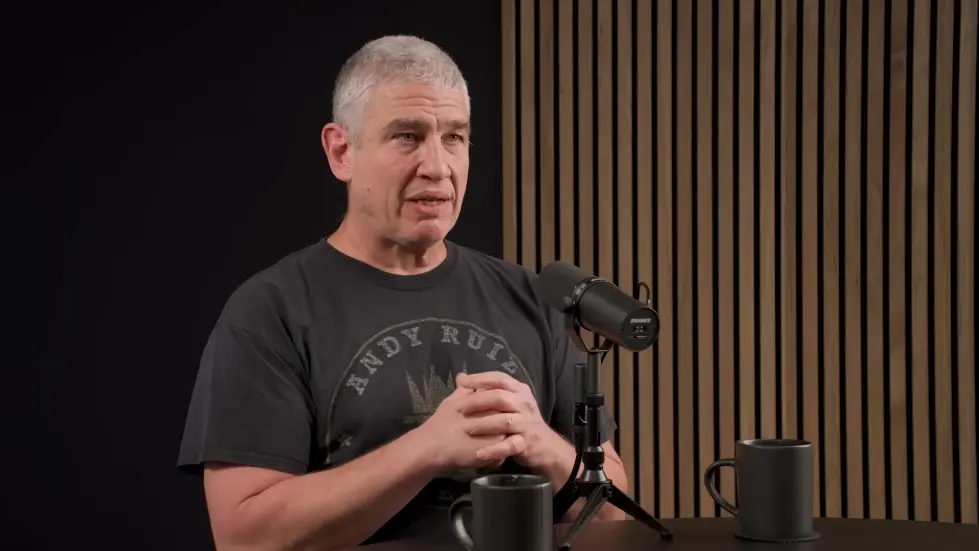
Conclusion
- The sense of smell is a powerful and complex system that plays a crucial role in our emotions, memories, and behavior.
- Dr. Sobel's research has shed new light on the incredible power of human olfaction and its impact on our nervous system and overall health.
- The sense of smell is a fascinating and complex system that continues to be studied and understood by scientists and researchers around the world.
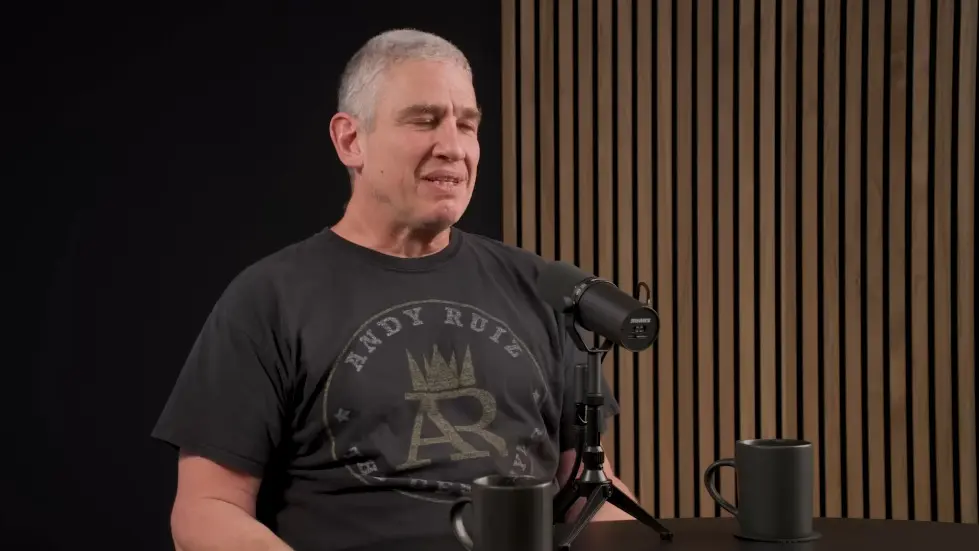
The Sniffing Brain Approach
- The sniffing brain approach is a theory that suggests that nasal inhalation is timing and driving a lot of aspects and patterns of neural activity and cognitive processing.
- The mammalian brain evolved from all faction and it sits there and an in all faction because olfaction depends on sniffing.
- Information processing is one-to-one linked to nasal inhalation.
- A study led by Dr. Peril from our lab found that people performed significantly better on inhalation versus exhalation for a visual spatial task.
- People also performed better on mouth inhalation versus mouth exhalation for the same task, but the difference wasn't as pronounced as it was with nasal inhalation versus exhalation.

Nasal Not Mouth Breathing
- Dr. Sobel is a big proponent of nasal not mouth breathing whenever possible for many health-related reasons.
- People who mouth breathe experience more colds and infections of various kinds.
- Nasal breathing is great for your health relative to mouth breathing.
- Nasal breathing shapes cognition and modulates it.
- Other labs are finding the same, suggesting that nasal inhalation is timing cognitive processing and modulating it.
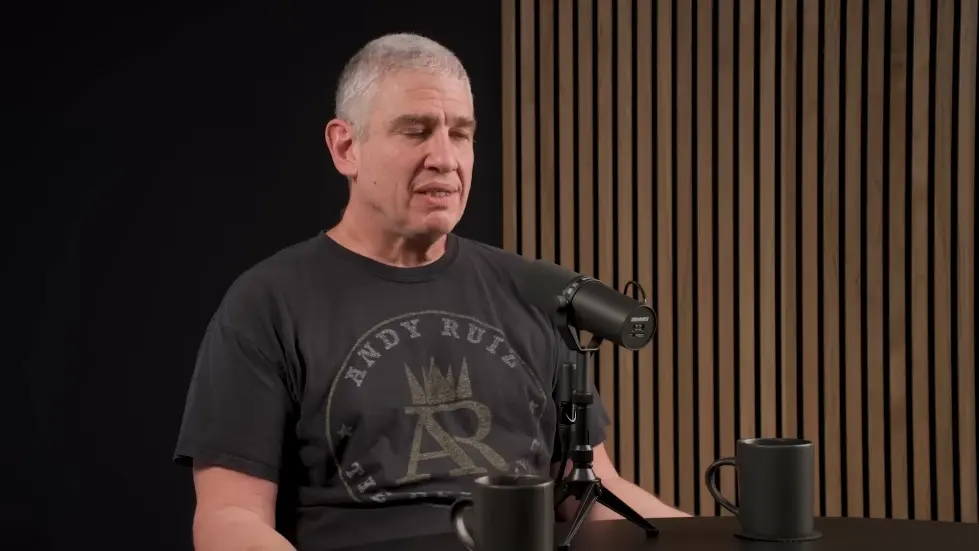
The Olfactory System
- The olfactory sensory neurons are right at the tops of the nostrils and they are brain neurons that meet the outside world.
- The olfactory system is the only place where your brain meets the outside world.
- The olfactory system is a pathway to the brain.
- The visual system in the brain is not as closely connected to the outside world as the olfactory system.
- The olfactory system is a powerful tool for processing information and modulating cognitive processing.
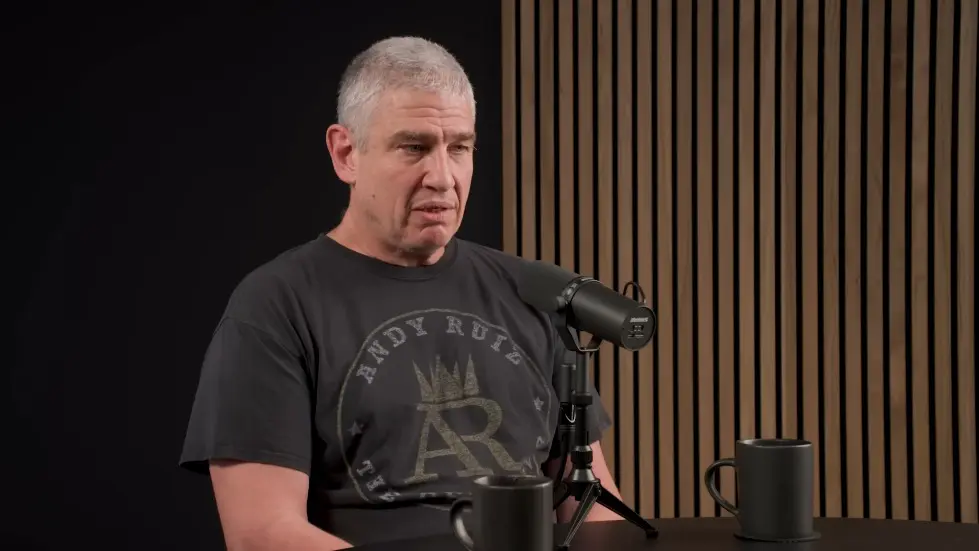
Experiments and Discoveries
- Dr. Sobel's laboratory at UC Berkeley and the Weissman Institute of Science has made many experiments and discoveries related to the sense of smell and its impact on our hormones, health, and behavior.
- Humans are incredibly good at sensing the chemical world around them, even better than dogs in some cases.
- Every time we meet someone, we are taking in chemicals from them, either from the chemical cloud that surrounds them or directly from their skin.
- Tears of others can impact our hormone levels in powerful ways.
- There is a regular schedule of alternating ease in breathing through one nostril or the other, which reflects an underlying dynamic of our nervous system and can impact how alert or sleepy we are.

The Sense of Smell and Its Impact on Hormones, Health, and Behavior
- Humans are incredibly good at sensing the chemical world around them, even better than dogs in some cases.
- Every time we meet someone, we are taking in chemicals from them, either from the chemical cloud that surrounds them or directly from their skin. This information is processed by our brains and nervous system, and can impact our emotions, decision-making, and who we choose to relate to.
- Tears of others can impact our hormone levels in powerful ways.
- There is a regular schedule of alternating ease in breathing through one nostril or the other, which reflects an underlying dynamic of our nervous system and can impact how alert or sleepy we are.
- We are always sensing our own odors, even if we don't realize it, and can use this information to change our cognition and behavior.

Olfactory Loss as an Early Sign of Neurodegeneration
- Loss of the sense of smell is one of the if not the earliest sign of neurodegenerative disease, such as Parkinson's disease.
- However, it's not a specific diagnostic tool because there are many reasons to lose your sense of smell and other forms of central degeneration, such as Alzheimer's, Parkinson's, Etc.
- Olfactory loss is an early sign of neurodegeneration and there's at least one theory particularly about Alzheimer's disease suggesting that that Alzheimer's may be the result of a pathogen that enters the brain through the olfactory system.
- Someone can lose their sense of smell does that mean they're getting Alzheimer's not necessarily but if their sense of smell was terrific the year before and it's 50 percent worse than actually that's a really bad sign.
- There are non-invasive and relatively pleasant or innocuous ways to track changes in olfactory function over time, such as an olfactory task every time someone goes to the doctor.
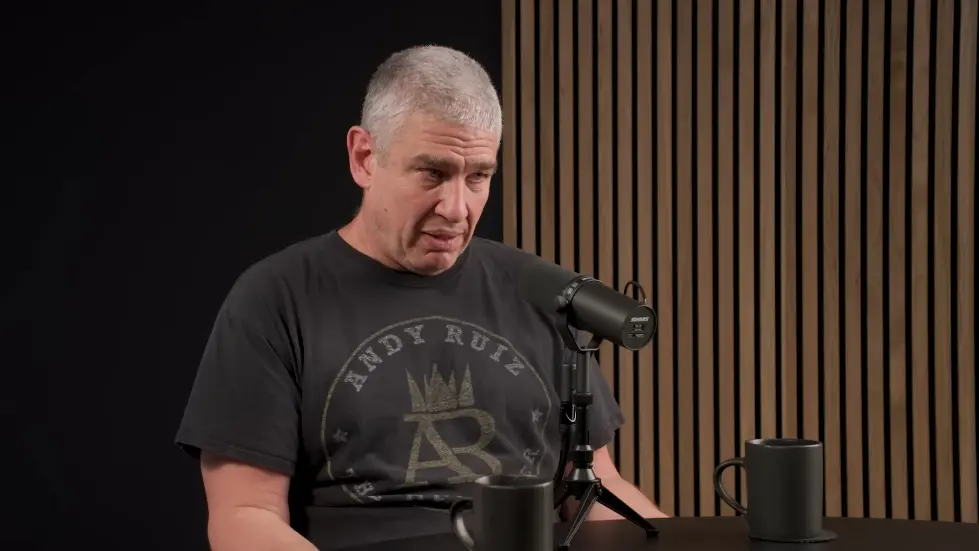
Digitizing Olfaction for Non-Invasive Neurodegeneration Readouts
- Olfaction has not been effectively digitized, meaning there is no precise visual or auditory information that can be generated from it.
- There are standard clinical tests of olfaction, such as the UPSIT, which control the world in this respect.
- One of the reasons that's not happened is just the utterly poor control of the stimulus.
- There are devices that generate orders called factometers, which are used to measure the resolution of the olfactory system.
- There is a European version called sniffing sticks, which is basically the same concept as the UPSIT, but it's not scratch and sniff, it's like these pens that you open up and sniff.

The Sense of Smell
- Humans are incredibly good at sensing the chemical world around them, even better than dogs in some cases.
- Every time we meet someone, we are taking in chemicals from them, either from the chemical cloud that surrounds them or directly from their skin. This information is processed by our brains and nervous system, and can impact our emotions, decision-making, and who we choose to relate to.
- Tears of others can impact our hormone levels in powerful ways.
- There is a regular schedule of alternating ease in breathing through one nostril or the other, which reflects an underlying dynamic of our nervous system and can impact how alert or sleepy we are.
- We are always sensing our own odors, even if we don't realize it, and can use this information to change our cognition and behavior.
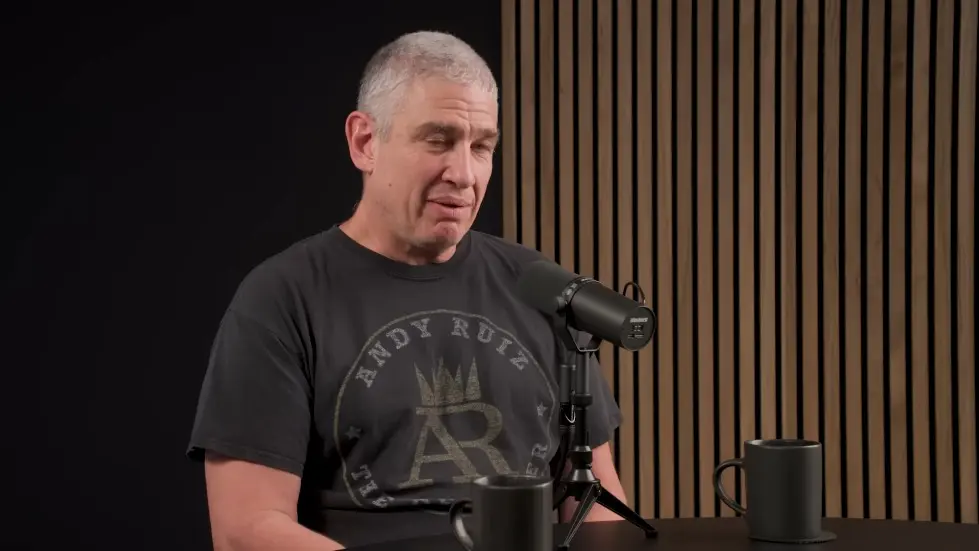
Congenital Anosmia
- Congenital anosmia is a condition where a person is born without the sense of smell.
- It is a rare condition, affecting about 1 in 500,000 people.
- The average age of diagnosis for congenital anosmia is 5 years old.
- People with congenital anosmia may suffer socially and have reduced romantic social contacts.
- It is not known if people with congenital anosmia have remnants of an olfactory bulb in adulthood.
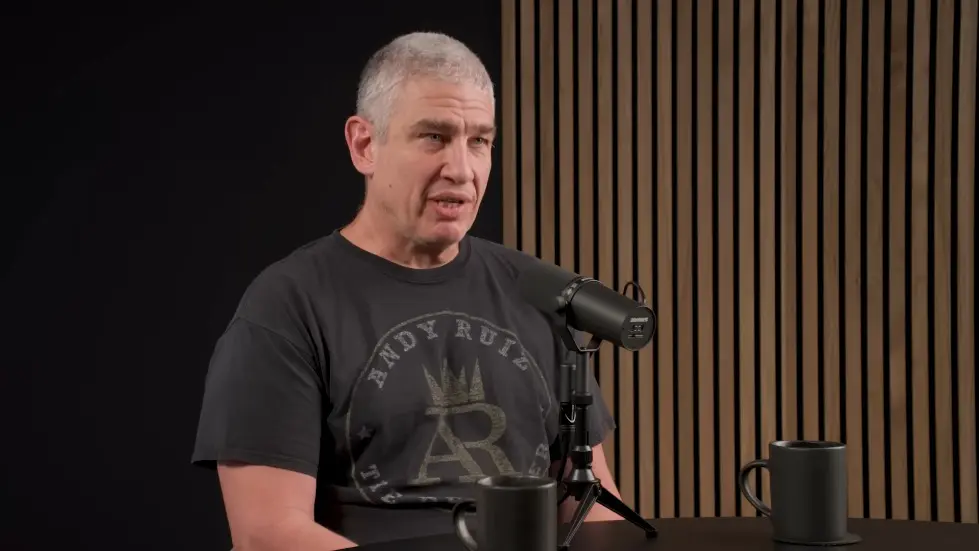
Olfactory Bulb and Hormones
- The olfactory bulb is a part of the brain that is responsible for processing smells.
- It is not known if people with congenital anosmia have remnants of an olfactory bulb in adulthood.
- The endocrine system is altered in people with congenital anosmia.
- There is a direct link between the olfactory system and the hypothalamic system that regulates the release of gonadotropins, which control testosterone and estrogen production.
- Common syndrome, a condition associated with congenital anosmia, is also associated with anosmia.
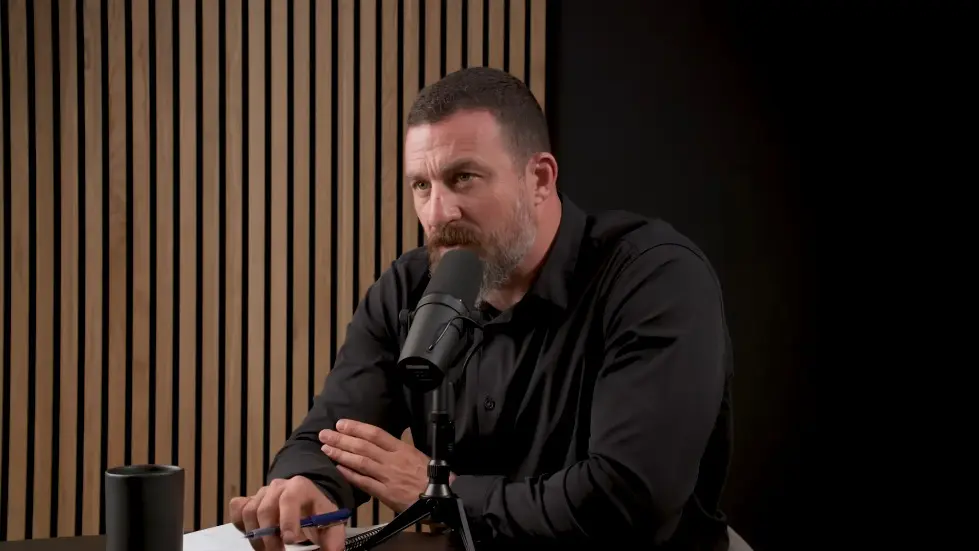
Smell and Reproduction
- Smell plays a significant role in reproduction in all mammals, including humans.
- The sense of smell is tightly linked to action and reproduction in all mammals.
- In humans, smell is closely linked to emotions, decision-making, and who we choose to relate to.
- Tears of others can impact our hormone levels in powerful ways.
- We are always sensing our own odors, even if we don't realize it, and can use this information to change our cognition and behavior.
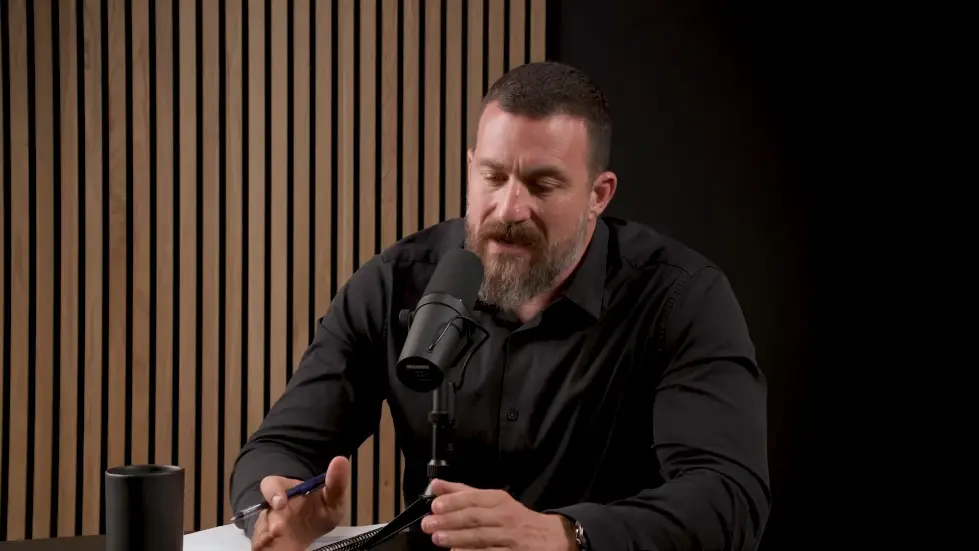
The Power of Smell
- Humans are incredibly good at sensing the chemical world around them, even better than dogs in some cases.
- Every time we meet someone, we are taking in chemicals from them, either from the chemical cloud that surrounds them or directly from their skin. This information is processed by our brains and nervous system, and can impact our emotions, decision-making, and who we choose to relate to.
- Tears of others can impact our hormone levels in powerful ways.
- There is a regular schedule of alternating ease in breathing through one nostril or the other, which reflects an underlying dynamic of our nervous system and can impact how alert or sleepy we are.
- We are always sensing our own odors, even if we don't realize it, and can use this information to change our cognition and behavior.
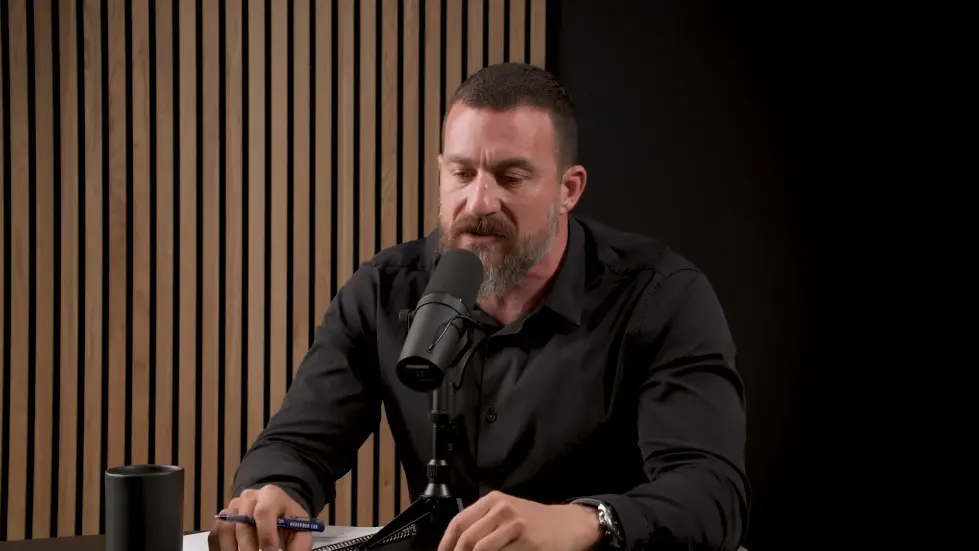
Experiments and Discoveries
- Dr. Sobel's laboratory at UC Berkeley and the Weissman Institute of Science has made experiments and discoveries related to the sense of smell and its impact on our hormones, health, and behavior.
- The ability of humans to follow scent trails is a powerful tool for navigation and tracking.
- The incredible power of human olfaction has been demonstrated in various studies and experiments.

Personalized Nutrition Platform
- Inside Tracker is a personalized nutrition platform that analyzes data from your blood and DNA to help you better understand your body and reach your health goals.
- Regular blood work is important for monitoring the markers such as hormone markers, lipids, and metabolic factors that impact your immediate and long-term health.
- Inside Tracker makes it easy to address the nutrition-based, behavior-based, and supplement-based approaches that can move the values of these markers into the ranges that are optimal for you.
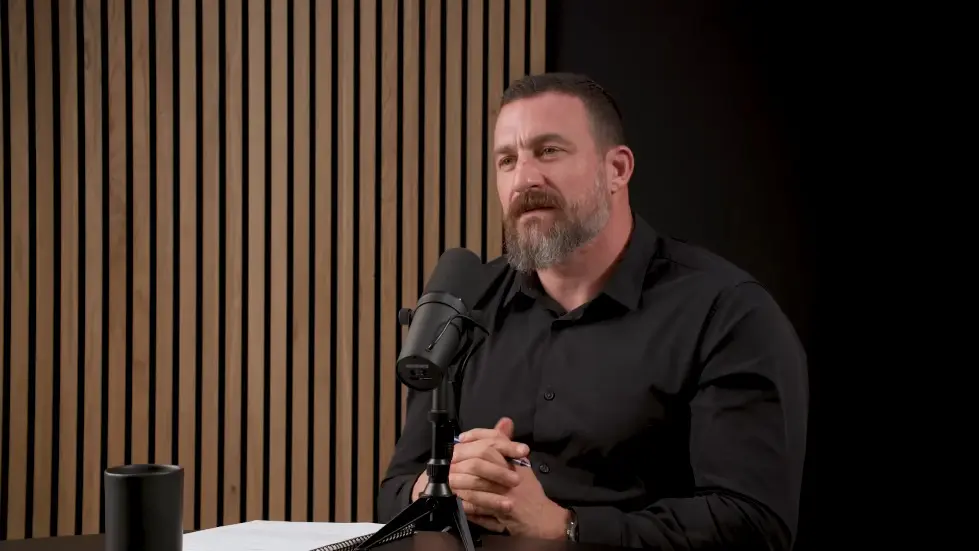
APO B and Cardiovascular Health
- April lipoprotein B (APO B) is a key marker of cardiovascular health.
- Knowing your APO B levels can help you make informed decisions about your health and wellness.

The Evolution of Handshaking
- The video discusses the evolution of handshaking and its purpose.
- There is a lack of evidence to support the idea that handshaking is used to show that a person is not holding a weapon.
- The video suggests that handshaking may have evolved as a way for people to sense each other's emotions and intentions.
- The video also mentions the idea that handshaking may have evolved as a way for people to establish social connections.
- The video suggests that handshaking may have evolved as a way for people to establish trust and rapport with each other.
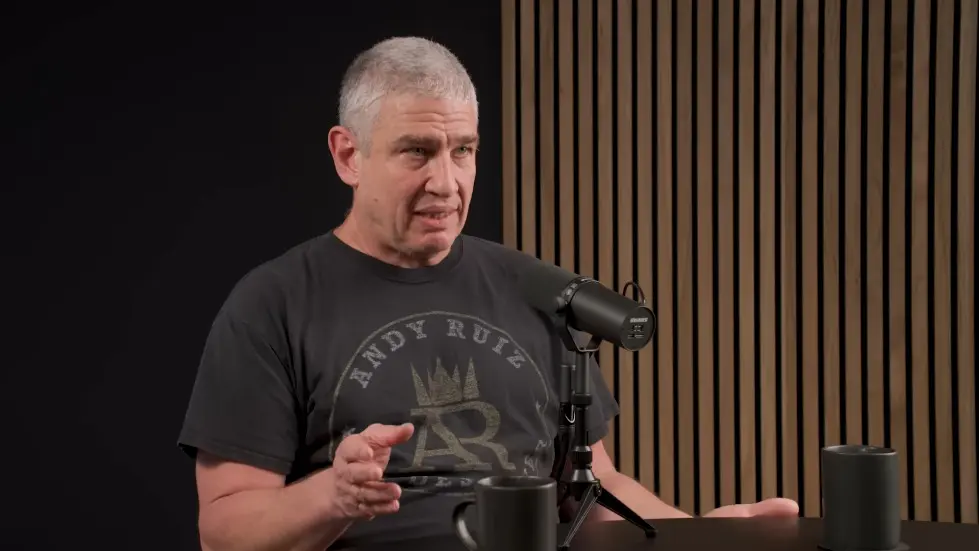
The Science of Smell
- The video discusses the science of smell and how it influences our hormones, health, and behavior.
- Humans are incredibly good at sensing the chemical world around them, even better than dogs in some cases.
- Every time we meet someone, we are taking in chemicals from them, either from the chemical cloud that surrounds them or directly from their skin.
- Tears of others can impact our hormone levels in powerful ways.
- There is a regular schedule of alternating ease in breathing through one nostril or the other, which reflects an underlying dynamic of our nervous system and can impact how alert or sleepy we are.
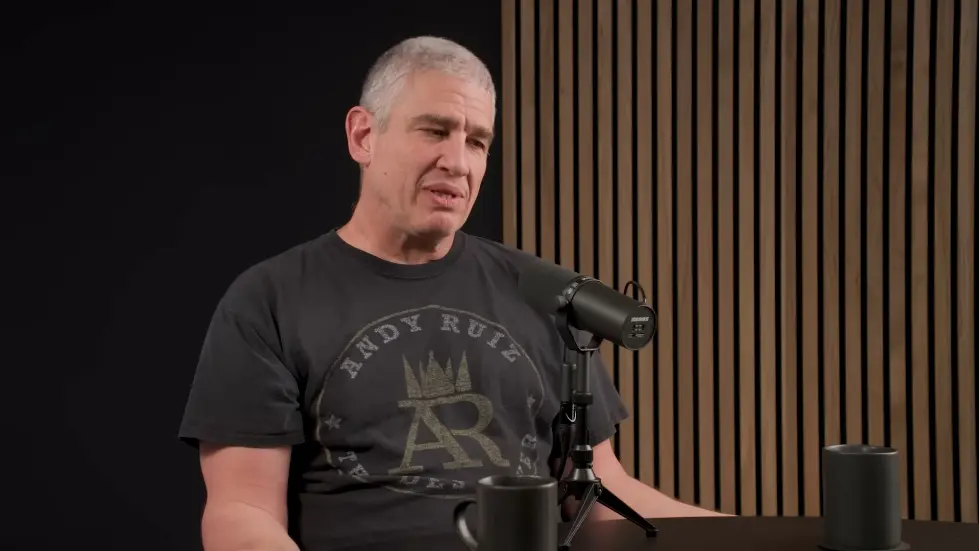
The Impact of Smell on Behavior
- The video discusses the impact of smell on our behavior, including how it can influence our emotions and decision-making.
- Tears of others can impact our hormone levels in powerful ways.
- We are always sensing our own odors, even if we don't realize it, and can use this information to change our cognition and behavior.
- The video also covers some of the experiments and discoveries made by Dr. Sobel's laboratory at UC Berkeley and the Weissman Institute of Science, including the ability of humans to follow scent trails and the incredible power of human olfaction.
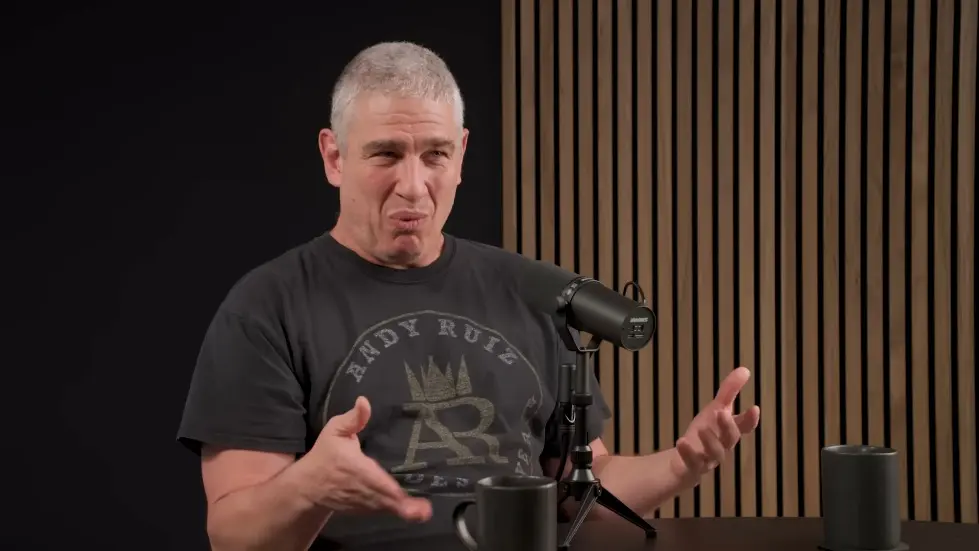
The Study on Handshaking
- The video discusses a study led by John Fruming in the lab at the time.
- The study aimed to determine whether certain behaviors that occur after a handshake, such as touching the nose or forehead, are real or not.
- The study found that these behaviors are real and occur frequently after a handshake.
- The study also found that the hand going to the nose after a handshake is an olfactory behavior.
- The video includes statistics and additional controls to verify that the behaviors observed were real and not due to other factors.
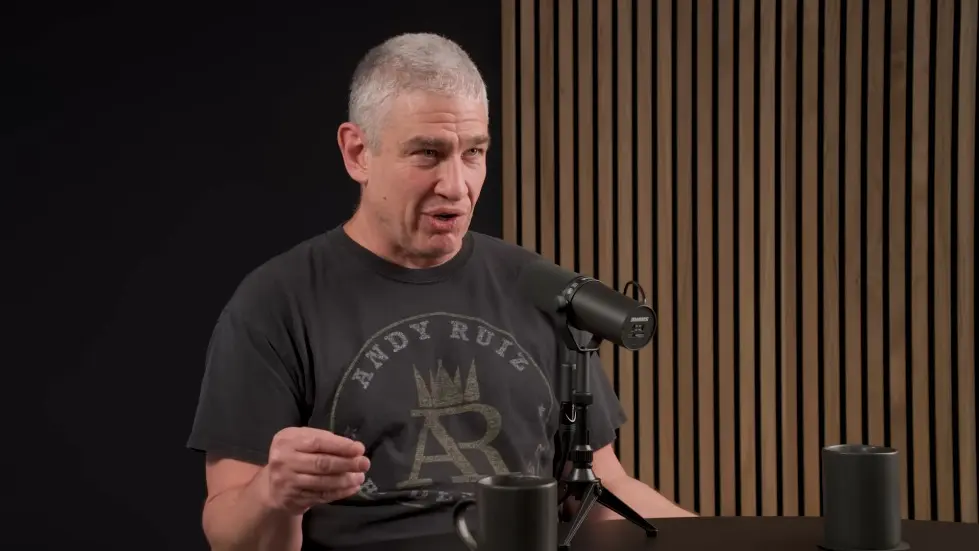
Section 1: Introduction
- The video is about Dr. Noam Sobel, a professor of neurobiology at the Weissman Institute of Science, who studies olfaction and chemosensation.
- The video covers a range of topics related to the sense of smell and its impact on our hormones, health, and behavior.
- The video discusses the incredible power of human olfaction and how it can influence our emotions, decision-making, and who we choose to relate to.
- The video also covers some of the experiments and discoveries made by Dr. Sobel's laboratory at UC Berkeley and the Weissman Institute of Science.
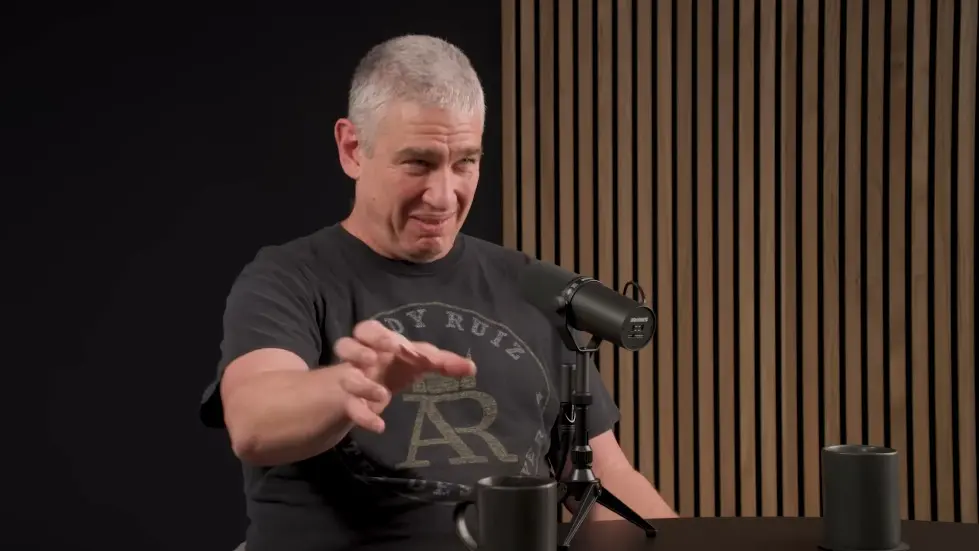
Section 2: The Sense of Smell
- Humans are incredibly good at sensing the chemical world around them, even better than dogs in some cases.
- Every time we meet someone, we are taking in chemicals from them, either from the chemical cloud that surrounds them or directly from their skin.
- This information is processed by our brains and nervous system, and can impact our emotions, decision-making, and who we choose to relate to.
- Tears of others can impact our hormone levels in powerful ways.
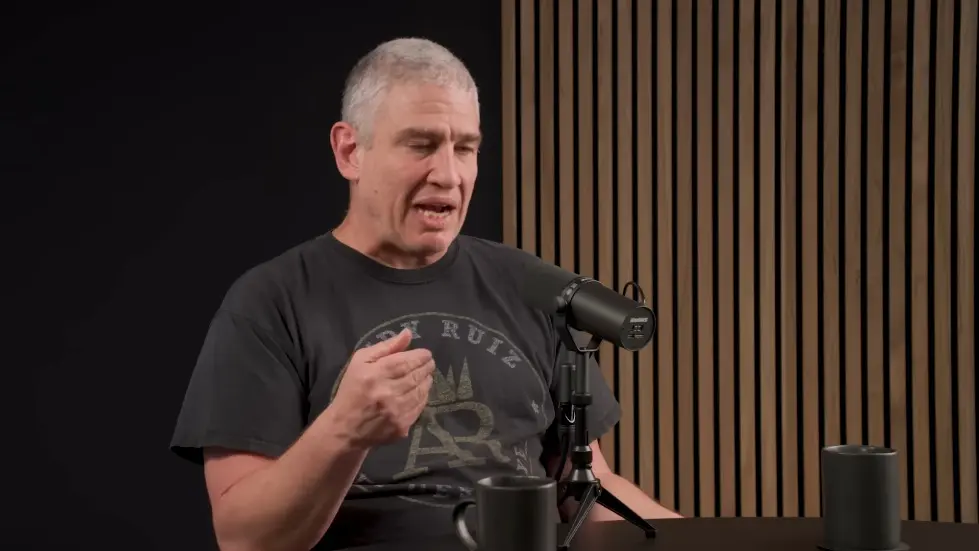
Section 3: The Power of Human Olfaction
- There is a regular schedule of alternating ease in breathing through one nostril or the other, which reflects an underlying dynamic of our nervous system and can impact how alert or sleepy we are.
- We are always sensing our own odors, even if we don't realize it, and can use this information to change our cognition and behavior.
- Studies have shown that the sense of smell plays a crucial role in memory and emotional regulation.
- The smell of a person can also impact our perception of their personality and attractiveness.
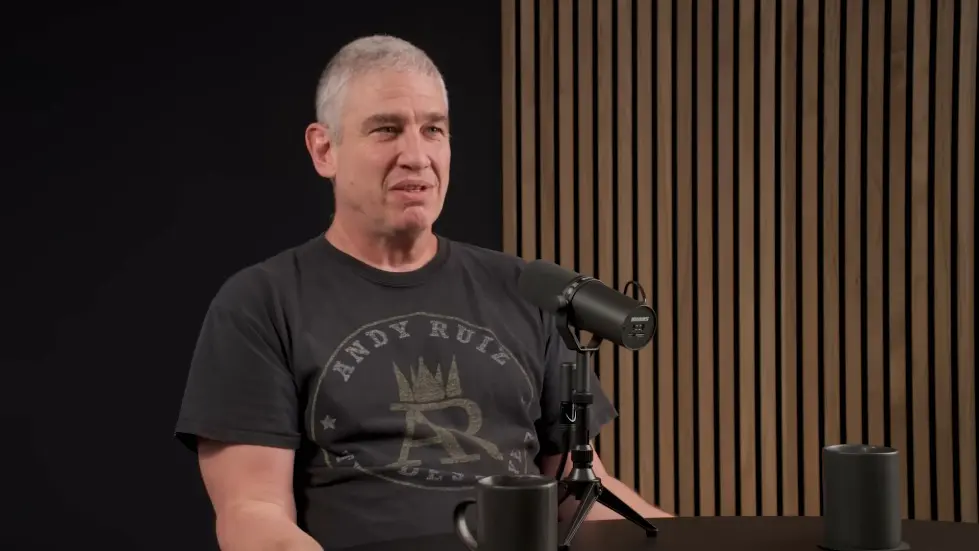
Section 4: Conclusion
- The video highlights the incredible power of human olfaction and its impact on our hormones, health, and behavior.
- It also discusses some of the experiments and discoveries made by Dr. Sobel's laboratory at UC Berkeley and the Weissman Institute of Science.
- Overall, the video provides a fascinating insight into the role of the sense of smell in our lives and how it can shape our experiences and relationships.
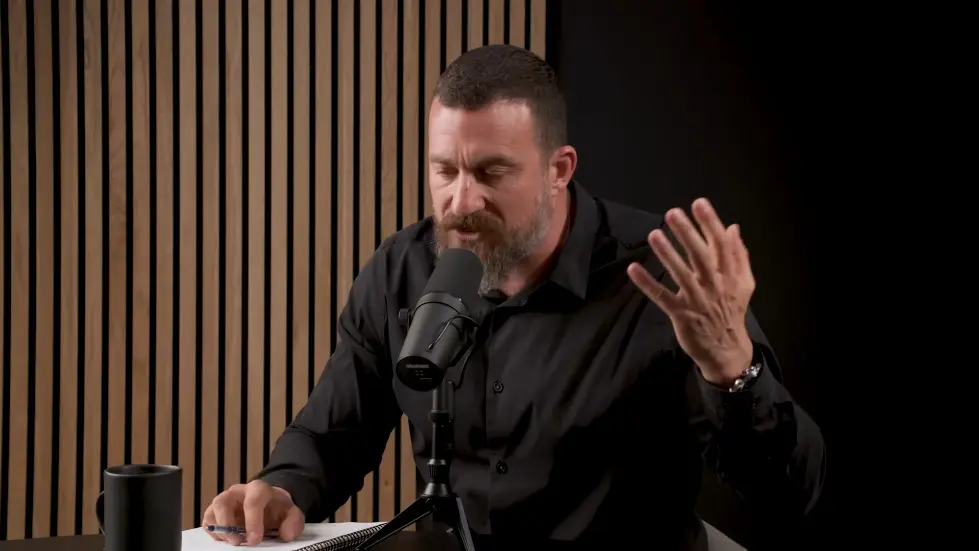
Section 1: Humans' Sense of Smell
- Humans are incredibly good at sensing the chemical world around them, even better than dogs in some cases.
- Every time we meet someone, we are taking in chemicals from them, either from the chemical cloud that surrounds them or directly from their skin.
- This information is processed by our brains and nervous system, and can impact our emotions, decision-making, and who we choose to relate to.
- Tears of others can impact our hormone levels in powerful ways.
- There is a regular schedule of alternating ease in breathing through one nostril or the other, which reflects an underlying dynamic of our nervous system and can impact how alert or sleepy we are.
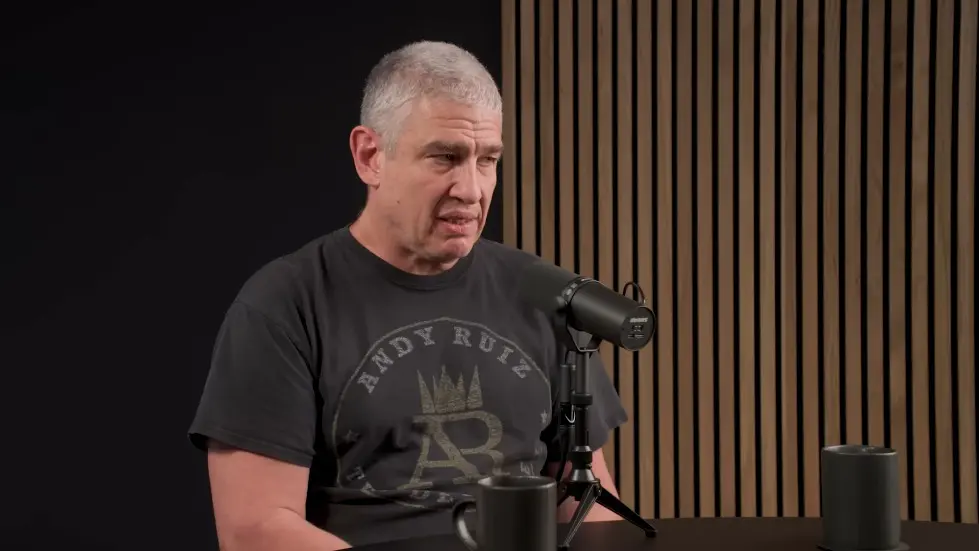
Section 2: The Power of Smell in Building Friendship
- We are always sensing our own odors, even if we don't realize it, and can use this information to change our cognition and behavior.
- Experiments have shown that people who smell more similar to each other are more likely to be friends and think that the other person is more likely to be a nice person, etc.
- This is not a result of friendship, but rather plays into the causal elements of building friendship.
- The relationship between smell and friendship is similar to the relationship between smell and romantic attraction and bond.

Section 3: The Relationship between Smell and Romantic Attraction and Bond
- If a mouse is given the option to mate with any number of other different mice, they will bias their choice toward the mouse that has the immune composition, the so-called MHC major histocomatibility complex, which reflects immune diversity.
- Evolutionary argument being that were they to produce offspring that the array of immune genes would be much broader than if they were to select an animal very close to them.
- Mating with very close kin, or incest, can potentially produce a higher rate of mutations in other words.
- The way you describe the animal literature is correct, and there's evidence to similar mechanisms in humans.
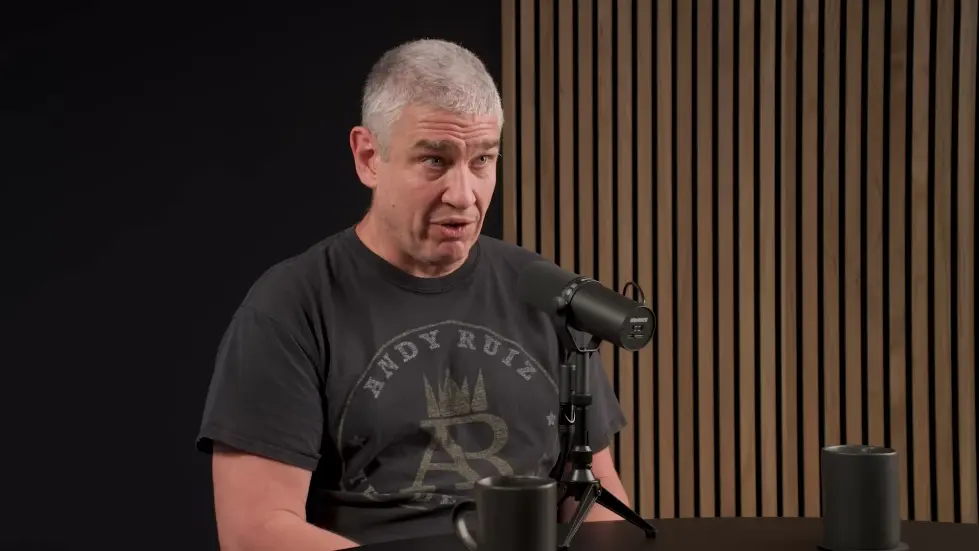
Section 4: The Influence of Smell on Romantic Selection in Humans
- Romantic order preferences in humans are influenced by body order, which is linked to MHC, the compatibility complex makeup of the portion of our genome that shapes our immune system.
- Studies have extensively reported on this effect in mice and humans.
- Not all work that has been done on this issue is directly related to romantic selection based on odor.
- There is evidence to suggest that this effect plays a role in romantic selection in humans.
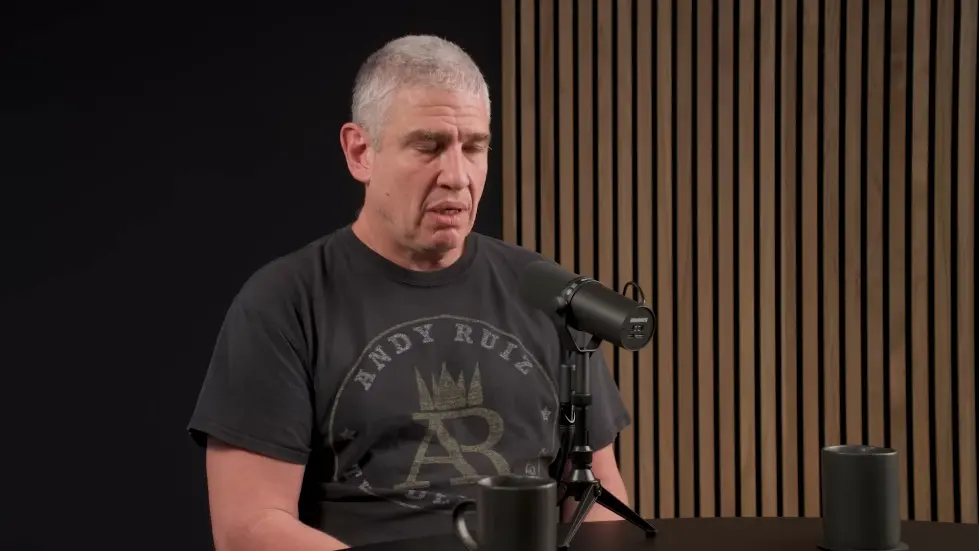
The Sense of Smell
- Humans are incredibly good at sensing the chemical world around them, even better than dogs in some cases.
- Every time we meet someone, we are taking in chemicals from them, either from the chemical cloud that surrounds them or directly from their skin. This information is processed by our brains and nervous system, and can impact our emotions, decision-making, and who we choose to relate to.
- Tears of others can impact our hormone levels in powerful ways.
- There is a regular schedule of alternating ease in breathing through one nostril or the other, which reflects an underlying dynamic of our nervous system and can impact how alert or sleepy we are.
- We are always sensing our own odors, even if we don't realize it, and can use this information to change our cognition and behavior.

The Sense of Smell and Reproduction
- Terrestrial mammals have a secondary olfactory system that is linked to a separate portion of the olfactory bulb not really a manual Factory bubble it's referred to as the accessory olfactory bulb.
- This subsystem processes utterance, including pheromones, which are odorants that are emitted by another member of the species to influence that member of the species and alter Behavior or hormonal state.
- The Bruce effect is an effect discovered by Margaret Bruce in 1959, where a pregnant Mouse exposed to the order of what is referred to in technical terms is the non-stud male will miscarry the pregnancy she will abort it.
- The effect is remarkably robust and occurs on about 80 percent of exposures.
- The effect is mediated by chemosensation and is completely dependent on the former nasal organ.
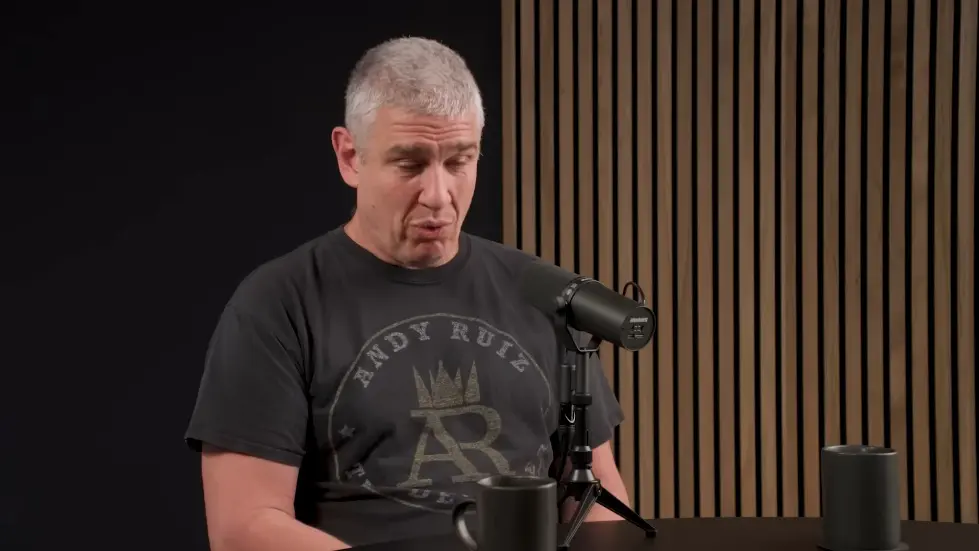
The Sense of Smell and Human Behavior
- Humans have a functional vomarinasal organ, although it is not as well developed as in dogs.
- We are always sensing our own odors, even if we don't realize it, and can use this information to change our cognition and behavior.
- The sense of smell plays a significant role in our social behavior and can impact our emotions, decision-making, and who we choose to relate to.
- The sense of smell is also linked to our reproductive behavior and can influence our hormonal state.
- Experiments have shown that the sense of smell can impact our behavior in powerful ways, even in cases where we are not consciously aware of it.
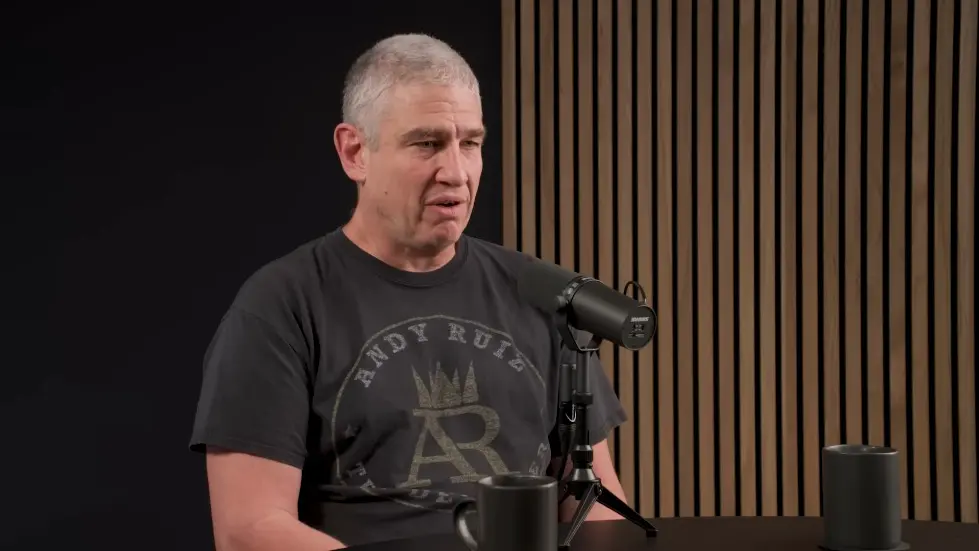
Section 1: Introduction to Jacobson's Organ
- Jacobson's Organ is a sensory organ of the accessory olfactory system.
- It is also called Jacobson because a military physician named Jacobson found it in a soldier.
- The organ is considered vestigial and non-functional, but it may have pheromone effects.
- Postmortem studies in humans are complicated and have not found evidence of its functionality.
- Humans may experience something similar to the Bruce effect, which is a phenomenon observed in mice.
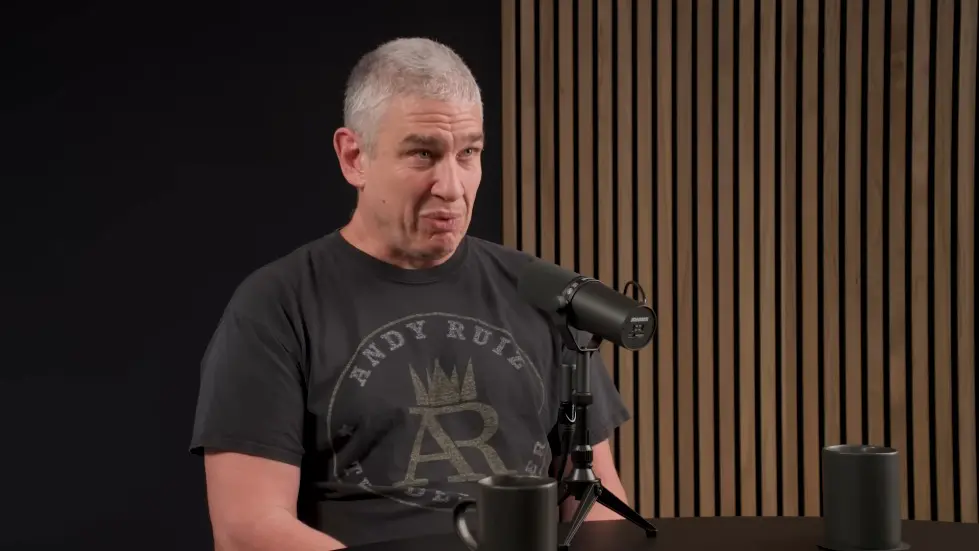
Section 2: Pheromone Effects in Mice
- Several examples of pheromonal effects in mice, rats, and rabbits have been observed.
- These effects are mediated by the manual factory system.
- The Bruce effect is a phenomenon observed in mice where the smell of a male mouse can cause a female mouse to become pregnant.
- The decision that the human Jacobson organ is non-functional relies on about one and a half papers that failed to find a nerve connecting it to the brain.

Section 3: Pregnancy Loss in Humans
- Humans have a huge number of miscarriages, with estimates ranging from 90% to 50%.
- There is a portion of unexplained pregnancy loss that cannot be explained by genetic or developmental factors.
- A statistical backdrop or setting suggests that a Remnant Bruce effect in humans may be possible.
- A group of people who are experiencing unexplained repeated pregnancy loss was enlisted for a study.

You have read 50% of the summary.
To read the other half, please enter your Name and Email. It's FREE.
You can unsubscribe anytime. By entering your email you agree to our Terms & Conditions and Privacy Policy.
Watch the video on YouTube:
Dr. Noam Sobel: How Smells Influence Our Hormones, Health & Behavior | Huberman Lab Podcast - YouTube
Related summaries of videos:
- Andrew Huberman: How Psilocybin Can Rewire Our Brain, Its Therapeutic Benefits and Its Risks (Huberman Lab Podcast)
- Dr. Susanna Søberg and Dr. Andrew Huberman: How to Use Cold & Heat Exposure to Improve Your Health | Huberman Lab Podcast
- Dr. Robin Carhart-Harris and Dr. Andrew Huberman: The Science of Psychedelics for Mental Health (Huberman Lab Podcast)
- Andrew Huberman: Adderall, Stimulants and Modafinil for ADHD: Short- and Long-Term Effects (Huberman Lab Podcast)
- Dr. Mary Helen, Immordino-Yang and Dr. Andrew Huberman: How Emotions and Social Factors Impact Learning (Huberman Lab Podcast)
- Andrew Huberman: The Science of MDMA and Its Therapeutic Uses - Benefits and Risks (Huberman Lab Podcast)
- Tim Ferriss and Andrew Huberman: How to Learn Better and Create Your Best Future (Huberman Lab Podcast)
- Dr. Jeffrey Goldberg and Dr. Andrew Huberman: How to Improve Your Eye Health and Offset Vision Loss (Huberman Lab Podcast)
- Andrew Huberman: How to Enhance Performance and Learning by Applying a Growth Mindset (Huberman Lab Podcast)
- Tony Hawk and Andrew Huberman: Harnessing Passion, Drive and Persistence for Lifelong Success (Huberman Lab Podcast)
- Home
- About us
- Contact
- Book Summaries 0-9
- Book Summaries A
- Book Summaries B
- Book Summaries C
- Book Summaries D
- Book Summaries E
- Book Summaries F
- Book Summaries G
- Book Summaries H
- Book Summaries I
- Book Summaries J
- Book Summaries K
- Book Summaries L
- Book Summaries M
- Book Summaries N
- Book Summaries O
- Book Summaries P
- Book Summaries Q
- Book Summaries R
- Book Summaries S
- Book Summaries T
- Book Summaries U
- Book Summaries V
- Book Summaries W
- Book Summaries X
- Book Summaries Y
- Book Summaries Z
- Jay Shetty Podcast - Summaries
- Tom Bilyeu Impact Theory - Summaries
- Lex Fridman - Summaries
- Diary of a CEO - Summaries
- Alex Hormozi - Summaries
