
Dr. Oded Rechavi and Dr. Andrew Huberman: Genes and the Inheritance of Memories Across Generations (Huberman Lab Podcast)
Last updated: Oct 2, 2023
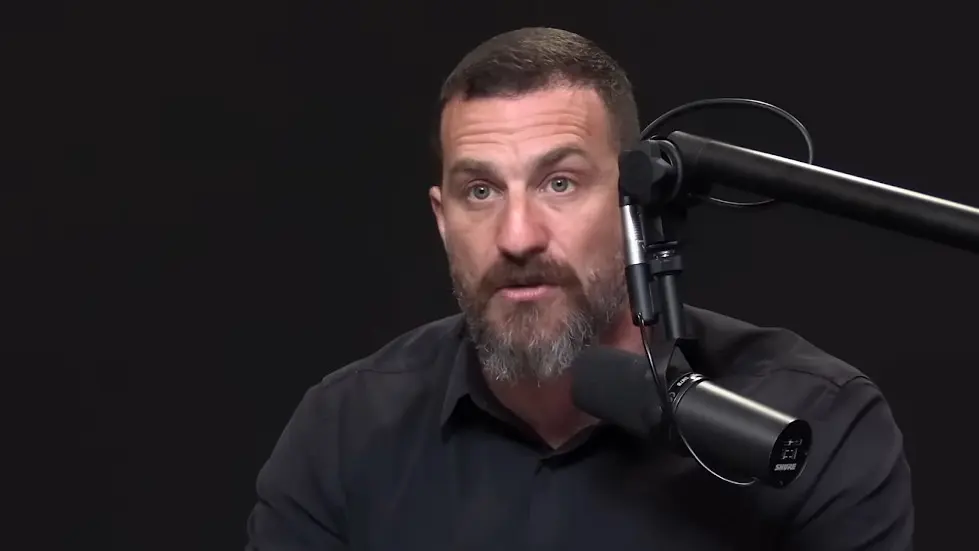
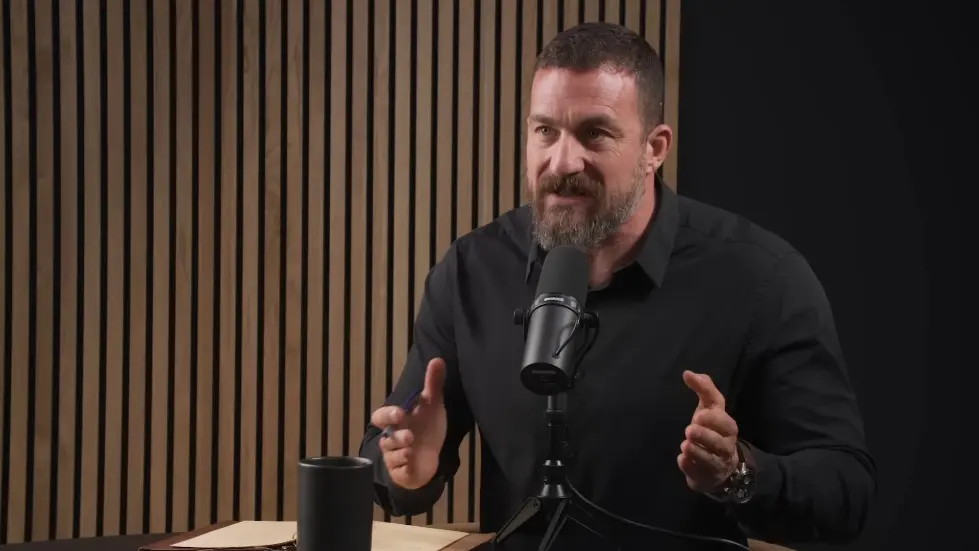
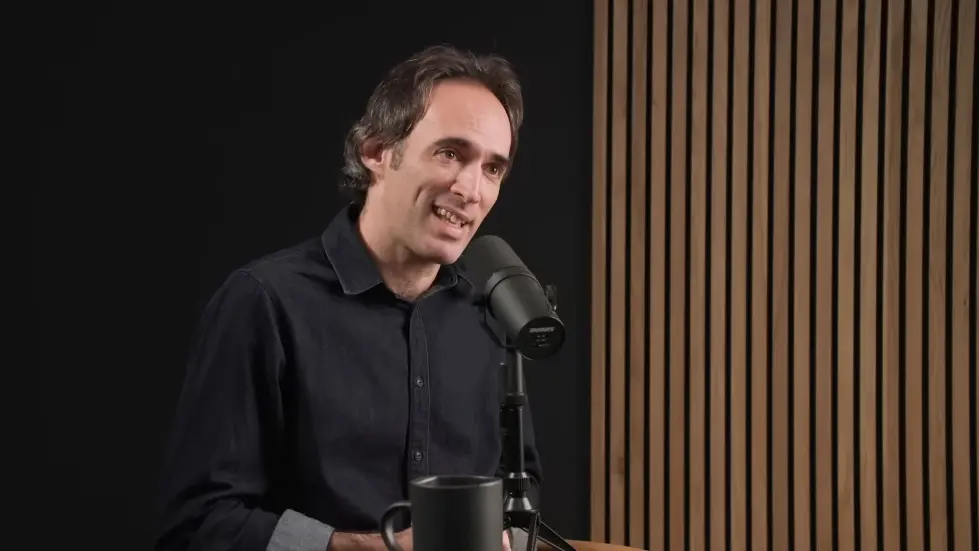
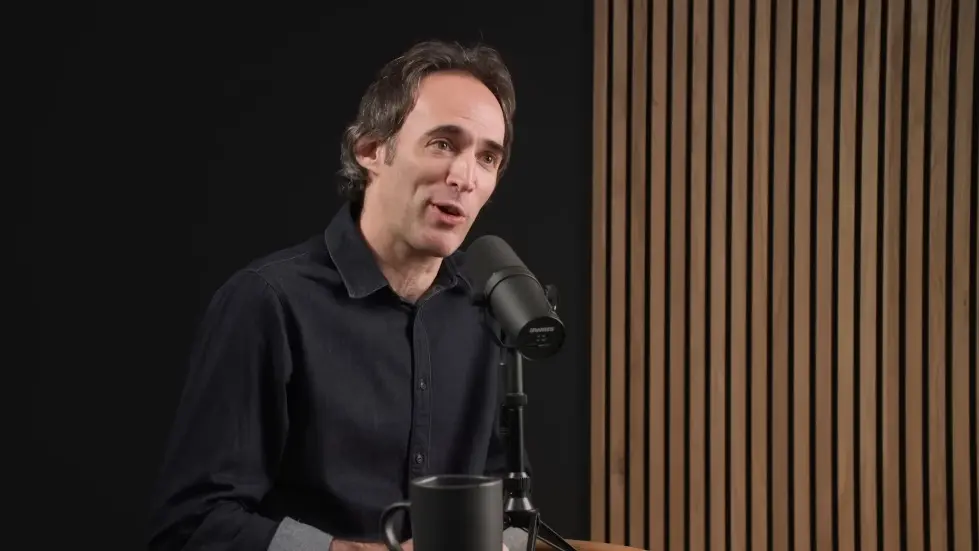
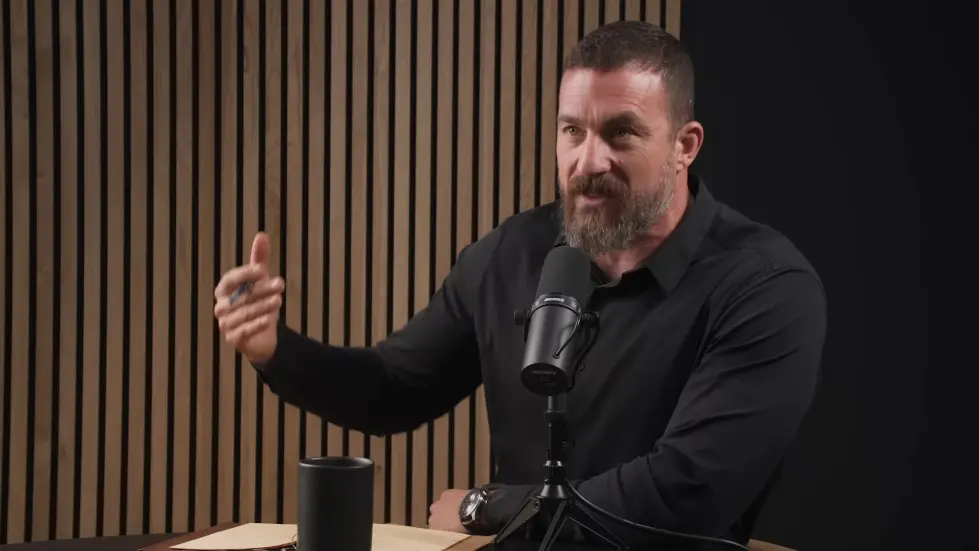
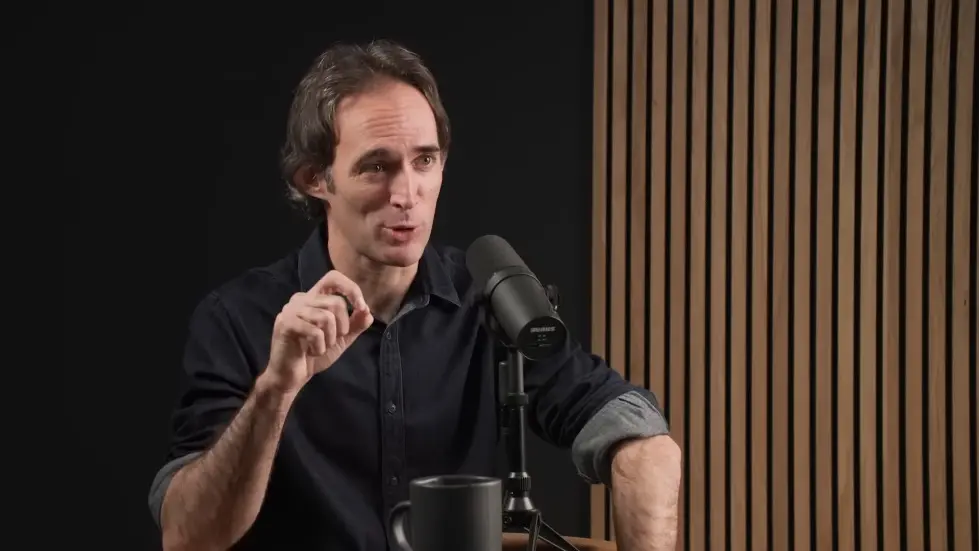
The video is about Dr. Oded Rechavi discussing genetic inheritance and the evidence that memories can be passed from one generation to the next. Dr. Rechavi explains how certain experiences can modify our genes, such that they are passed from our parents to us and even transgenerationally across multiple generations. He takes the audience on an incredible journey, explaining how our genes and different patterns of inheritance shape our experience of life and who we are. The podcast is sponsored by Roca, HVMN, and Eight Sleep.
This video by Andrew Huberman was published on Feb 27, 2023.
Video length: 02:32:01.
The video is about the topic of genetic inheritance and the passing on of memories from one generation to the next.
Dr. Oded Rechavi, a professor of neurobiology at Tel Aviv University, discusses the evidence that certain experiences can modify our genes and be passed on to our children and even transgenerationally across multiple generations. The video also covers the basics of genetics and how our experiences can shape our experience of life and who we are.
The sponsors of the podcast are Roca and HVMN.
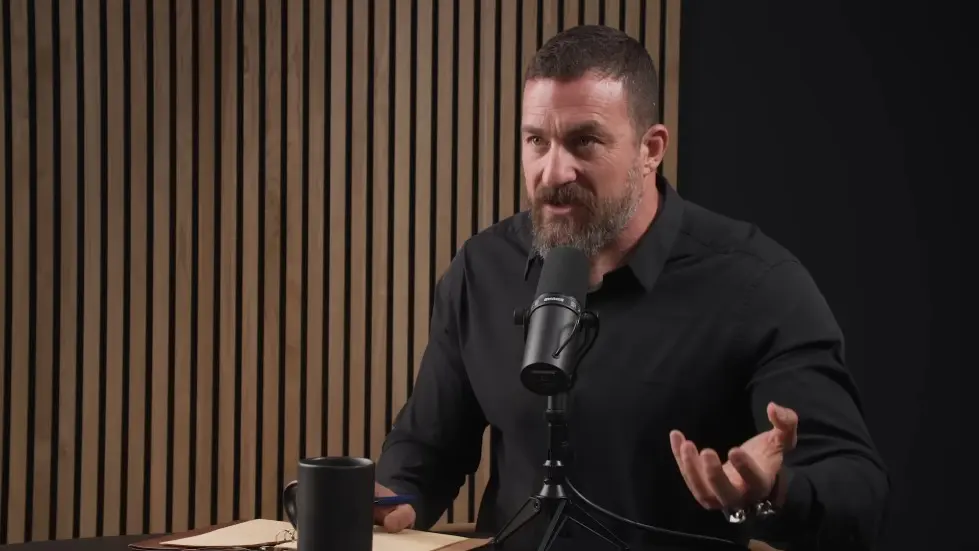
- The podcast is hosted by Andrew Huberman and features Dr. Oded Rechavi as a guest.
- The topic of discussion is genetic inheritance and how it shapes our experience of life and who we are.
- Genes and different patterns of inheritance can modify the biological circuits of the brain and body.
- Certain experiences can modify our genes such that they are passed from our parents to us and even transgenerationally across multiple generations.
- The body temperature needs to decrease by about one to three degrees in order for you to fall and stay deeply asleep at night.
- Controlling the temperature of your sleeping environment is critical for a good night's sleep.
- Dr. Oded Rechavi is a scientist who focuses on discoveries in his laboratory and other laboratories.
- He is known for his work on meme-type humor that relates to the scientific process.
- There is evidence that certain types of knowledge at the level of cells and systems can be inherited, meaning that they are passed from one generation to the next.
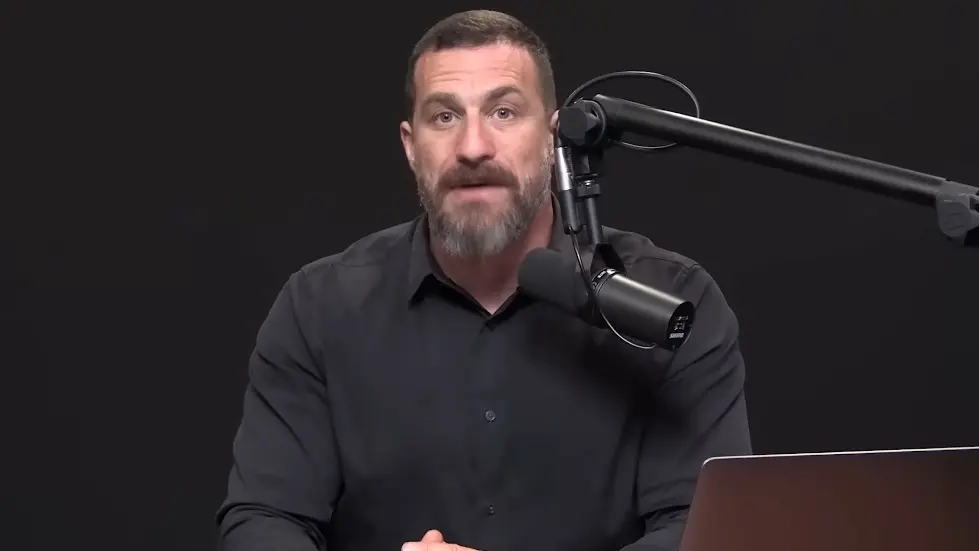
Introduction
- Welcome to the Huberman Lab podcast
- Discusses science and science-based tools for everyday life
- Hosted by Andrew Huberman, a professor of neurobiology and ophthalmology at Stanford School of Medicine
- Guest is Dr. Oded Rechavi, a professor of neurobiology at Tel Aviv University in Israel
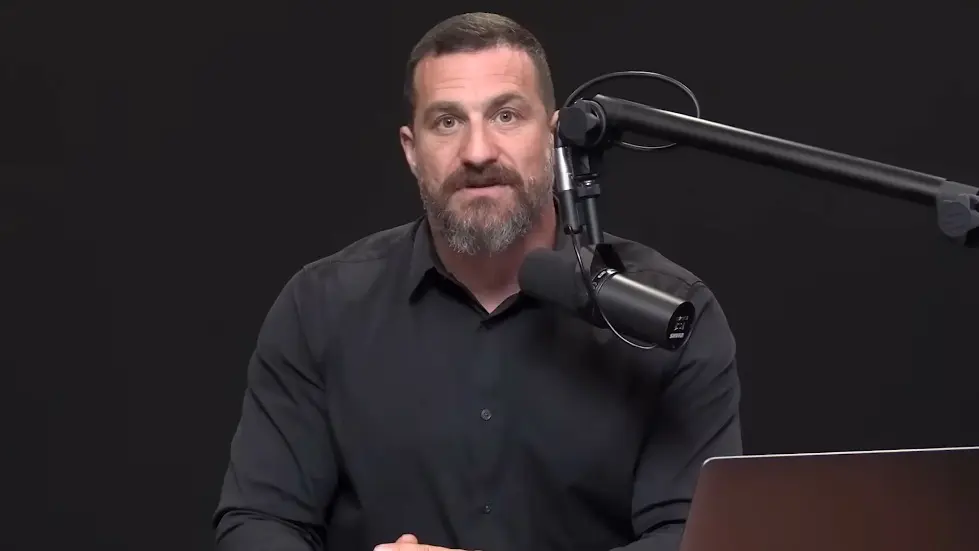
Genetic Inheritance and Epigenetics
- Discusses genetic inheritance, the idea that we inherit genes from our parents
- Introduces the concept of epigenetics, how our environment and experiences can change our genome
- Mentions evidence that memories can be passed from one generation to the next
- Explains that this is just the tip of the iceberg in terms of how our parents' experiences can be passed on from one generation to the next
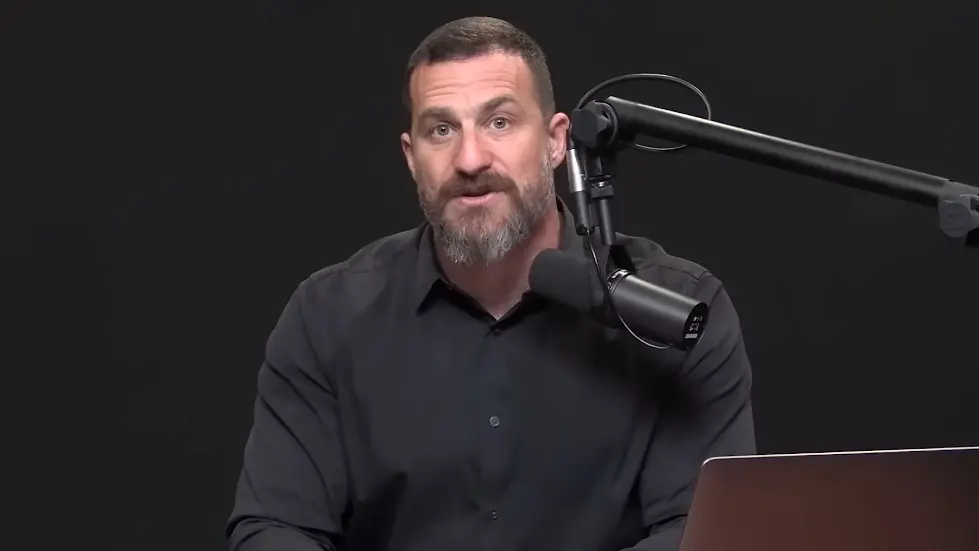
Genetic Passage of Traits
- Discusses the evidence that certain experiences can modify our genes
- Examples given include worms, flies, mice, and humans
- Explains how experiences can be passed from one generation to the next, even transgenerationally across multiple generations
- Gives the example of how a grandchild could still have genetic modifications that reflect their grandparents' prior experiences
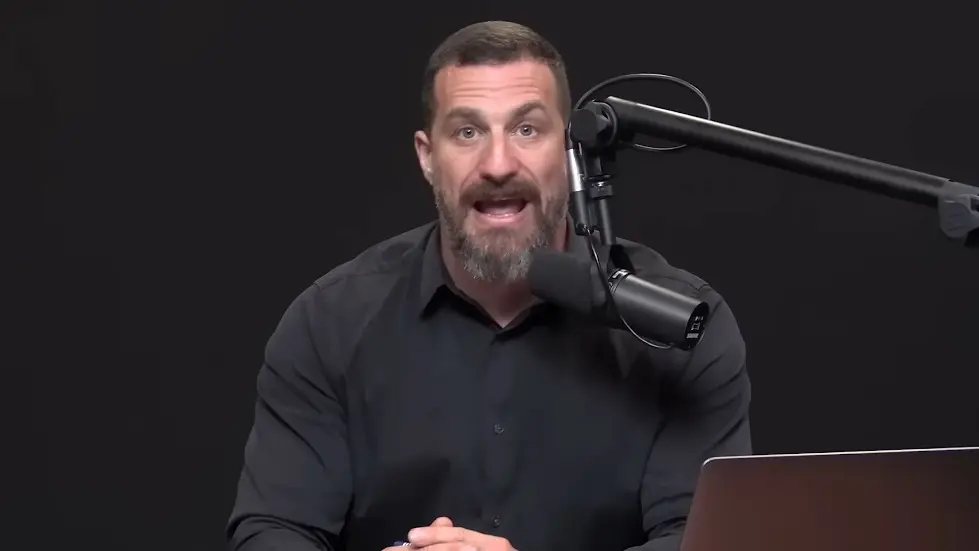
Genetics and Inheritance of Memories
- Takes the audience on an incredible journey explaining how our genes and different patterns of inheritance shape our experience of life and who we are
- Explains how our genes and different patterns of inheritance can modify the biological circuits of the brain and body
- Discusses the psychological consequences of those biological changes
- Mentions that certain experiences can modify our genes such that they are passed from our parents to us and even transgenerationally across multiple generations
Sponsors
- The podcast is sponsored by Roca, HVMN, and Eight Sleep
- Roca makes eyeglasses and sunglasses of the highest quality
- Designed with performance in mind, perfect for sport and everyday wear
- Use the code HUBERMAN to save 20 off your first order at Roka.com
- HVMN produces Ketone IQ, a ketone supplement that increases blood ketones
- Immensely beneficial for cognitive and physical performance
- Use the code HUBERMAN to save 20 off at HVMN.com
- Eight Sleep makes Smart mattress covers with cooling, heating, and sleep tracking capacity
- Critical relationship between sleep and temperature
Section 1: Sleep Temperature
- The body temperature needs to decrease by about one to three degrees in order for you to fall and stay deeply asleep at night.
- When you wake up in the morning, your body temperature needs to increase by about one to three degrees in order to feel refreshed.
- Controlling the temperature of your sleeping environment is critical for a good night's sleep.
- Eight Sleep mattress covers can be programmed to control the temperature of your mattress throughout the night.
- The author has been sleeping on an eight-sleep mattress cover for over a year and it has greatly improved the quality of his sleep.
Section 2: Dr. Oded Rechavi
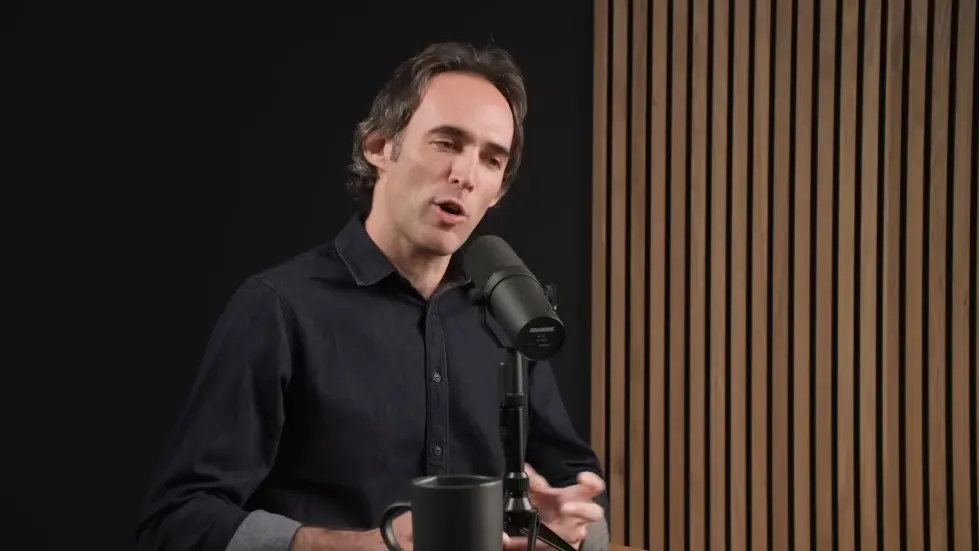
- Dr. Oded Rechavi is a scientist who focuses on discoveries in his laboratory and other laboratories.
- He is known for his work on meme-type humor that relates to the scientific process.
- He is active on social media in a positive stance around science that includes humor.
- He is based in Israel and has a Ph.D. in genetics from the Hebrew University of Jerusalem.
- He has published numerous papers in scientific journals and has received several awards for his research.
Section 3: Genes and Inheritance
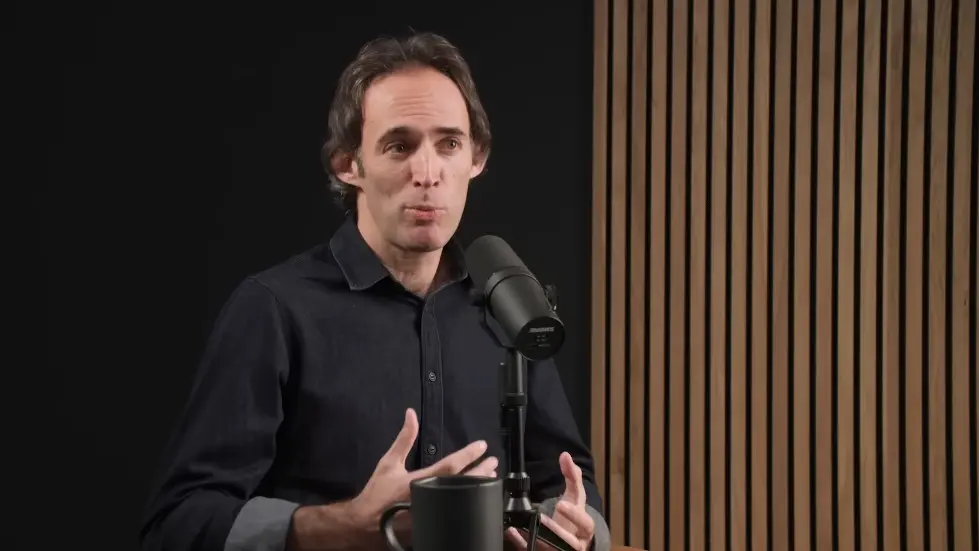
- DNA is the material that contains the genetic instructions in every cell of our body.
- Genes are made of DNA and they contain the instructions for the development and function of cells and systems.
- The genome is the set of genes that contains the entire set of genetic instructions in every cell of our body.
- Certain types of knowledge at the level of cells and systems can be inherited, meaning that they are passed from one generation to the next.
- Eye color is thought to be inherited because it is determined by specific genes, while knowledge and other traits are not inherited in the same way.
Section 4: Interesting Questions and Evidence
- There are many interesting questions that arise from the study of genes and inheritance, including how certain traits are passed from one generation to the next and how they are influenced by environmental factors.
- There is evidence that certain types of knowledge at the level of cells and systems can be inherited, meaning that they are passed from one generation to the next.
- There is also evidence that certain experiences can modify our genes, such that they are passed from our parents to us and even transgenerationally across multiple generations.
- The study of genes and inheritance has important implications for our understanding of who we are and how we experience life.
- It also has important implications for the development of new treatments and interventions for genetic disorders.
The Role of DNA and RNA in Inheritance
- DNA is the instruction to make the genome, which is the instructor to make everything.
- RNA is the set of instructions that the DNA provides to make one particular protein.
- Messenger RNA (mRNA) is a type of RNA that contains the information for making proteins.
- Only a small percentage of the RNA in the cell encodes for mRNA, but a lot of the RNA transcribed from the genome serves other purposes.
- The distinction between somatic cells and germ cells is important for inheritance. Somatic cells do not contribute to the next generation, while germ cells do.
Inheritance of Acquired Traits
- Acquired traits, such as learning architecture or building muscle, cannot be inherited by the next generation because the information resides in synaptic connections or particular circuits that developed in the brain.
- The next generation will only form from the combination of the genomes in the sperm and egg, even if a mutation or change in DNA is acquired in a particular brain cell.
- There is evidence for inheritance of experience, but the language around what is being inherited can be confusing and at the same time fairly simple.
The Controversial Topic of Inheritance of Acquired Traits
- The idea of inheritance of acquired traits is controversial in the field of longevity.
- Some people believe that anti-aging and longevity are related to niche clinics, while others argue that it is not.
- The naming of this field is often debated, with some people preferring the term "longevity clinics" and others preferring "anti-aging."
- The proper language to refer to the discussion of inheritance of acquired traits is important to frame the discussion correctly.
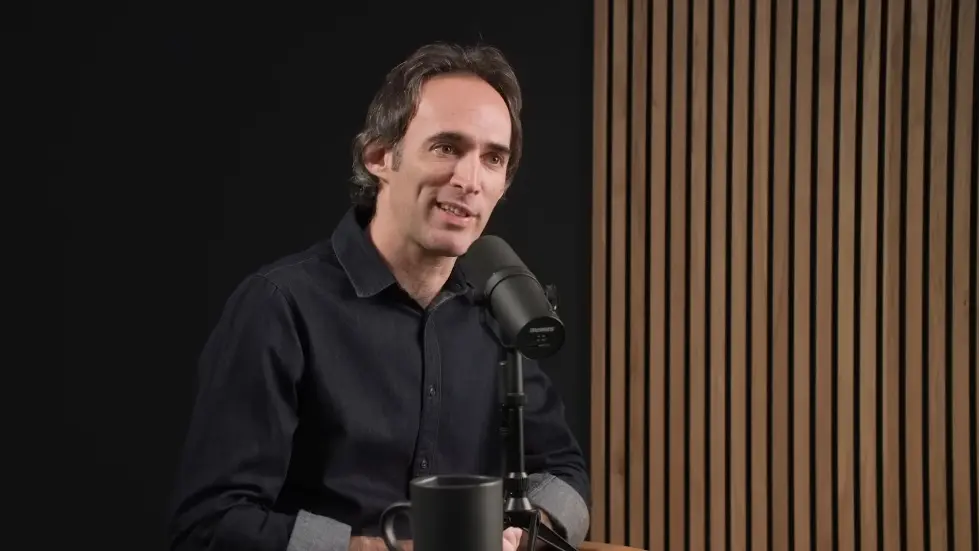
- Lamarckian evolution, which is the idea that one can change themselves through some activity, is a controversial concept in the field of inheritance of acquired traits.
The History of Lamarckian Evolution
- Lamarckian evolution is associated with the term "inheritance of acquired traits," but it is not polite to use this term.
- The Greeks talked about inheritance of acquired traits before Lamarck, but Lamarck is often associated with this concept.
- Lamarck believed in the inheritance of acquired traits, but this was a common belief in his time.
- Mendel's work on genetics and the understanding of DNA as the heritable material came after Lamarck's time.
- Darwin also believed in the inheritance of acquired traits, but this was a common belief in his time.
The Origin of Species and Lamarckian Evolution
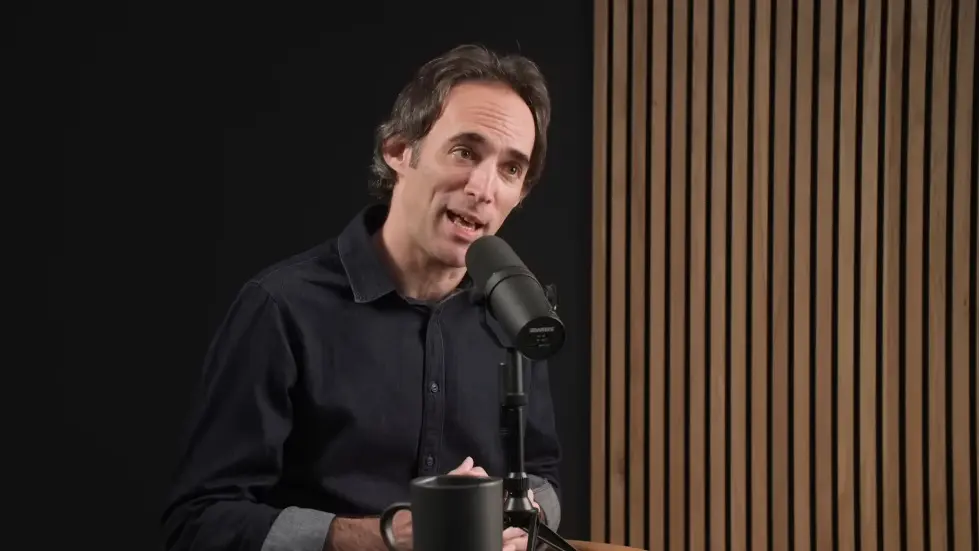
- Lamarck didn't make a distinction between generations in his writings.
- He connected the terms inheritance of acquired traits to evolution.
- Lamarck made many mistakes in his understanding of the mechanism of evolution.
- The idea that one can change themselves through some activity is similar to the idea of self-help public figures.
- The idea that one can become anything they want to become is a dangerous idea that has led to horrible things.
The Inheritance of Memories Across Generations
- Dr. Oded Rechavi discusses genetic inheritance and the evidence that memories can be passed from one generation to the next.
- Certain experiences can modify our genes, such that they are passed from our parents to us and even transgenerationally across multiple generations.
- Our genes and different patterns of inheritance shape our experience of life and who we are.
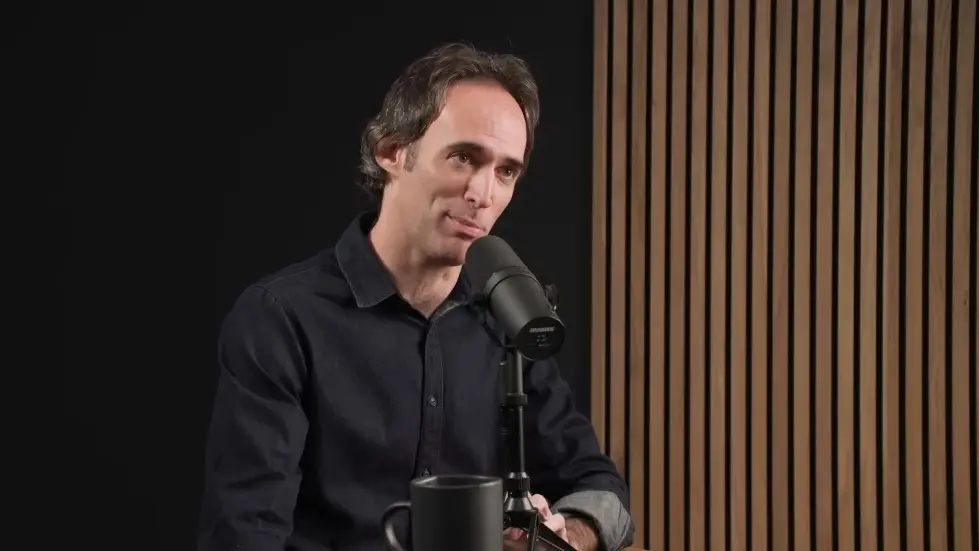
- The classic example of Lamarck's theory of inheritance is the giraffe's long neck, which was passed down from generation to generation due to natural selection.
- Lamarck's theory of inheritance became a bad term due to its association with Stalin's scientist Lisenko, who believed that normal genetics should not be done.
The Inheritance of Memories Across Generations
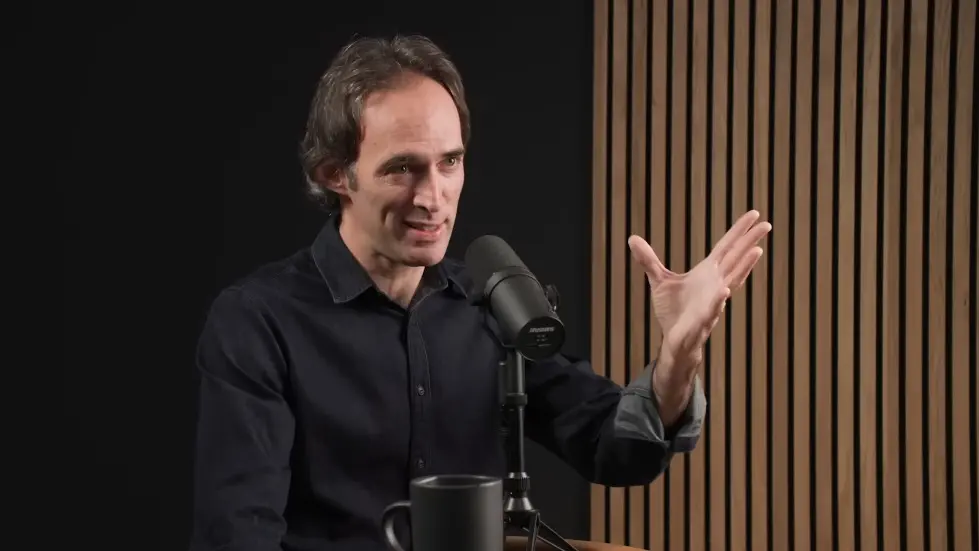
- Dr. Oded Rechavi discusses genetic inheritance and the evidence that memories can be passed from one generation to the next.
- Certain experiences can modify our genes, such that they are passed from our parents to us and even transgenerationally across multiple generations.
- Our genes and different patterns of inheritance shape our experience of life and who we are.
- The podcast is sponsored by Roca, HVMN, and Eight Sleep.
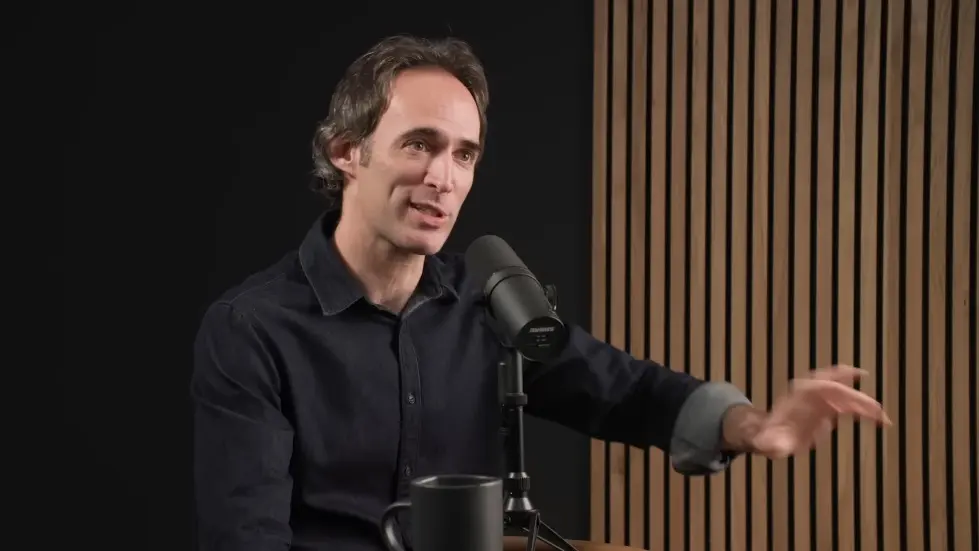
Traveling and Talking Before PowerPoint and Keynote
- Dr. Rechavi traveled and talked before PowerPoint and Keynote were invented.
- He traveled with transparent pieces of plastic paper that he used for demonstrations.
- He cheated during his lectures by standing with his hands behind his back while others examined the samples.
- The story of Dr. Rechavi's fraudulent behavior is controversial and not replicated.
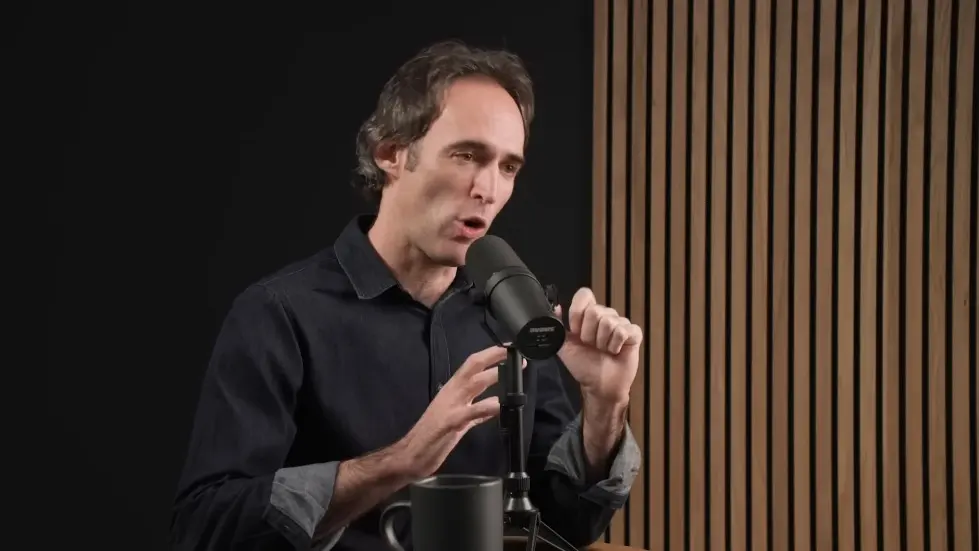
Sakai's Fraudulent Result and Suicide
- Sakai was doing accomplished work on the growth of retinas in a dish.
- He was accused of another fraudulent result, which turned out to be false.
- Sakai killed himself after the accusations.
- It is rare but not impossible for scientists to commit fraud.
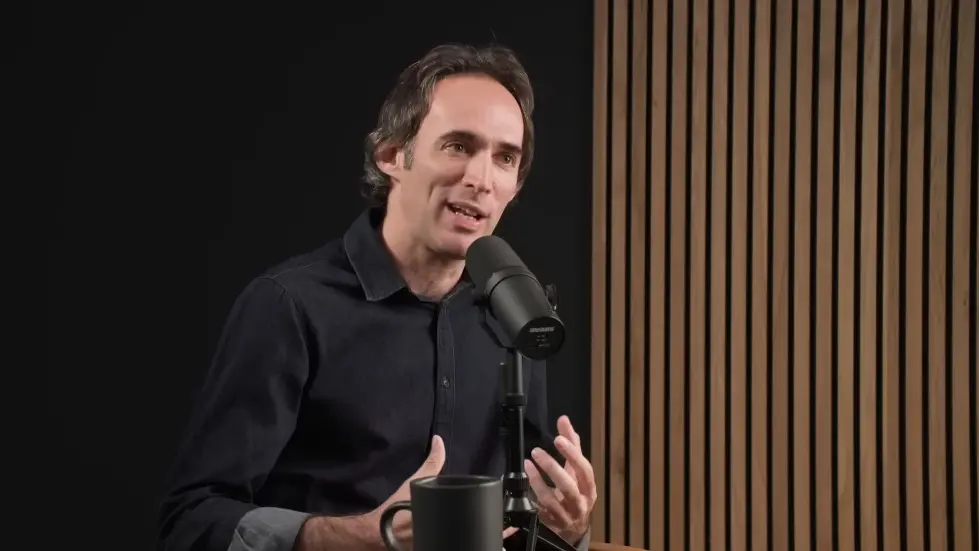
Accuracy of Scientific Results
- Dr. Rechavi agrees that most scientists are seeking truth and are well-meaning.
- Even when people are wrong, it is not always because they are evil or trying to deceive.
- There are many ways to be wrong and bend truth without committing fraud.
- Scientific results should be replicated to ensure accuracy.
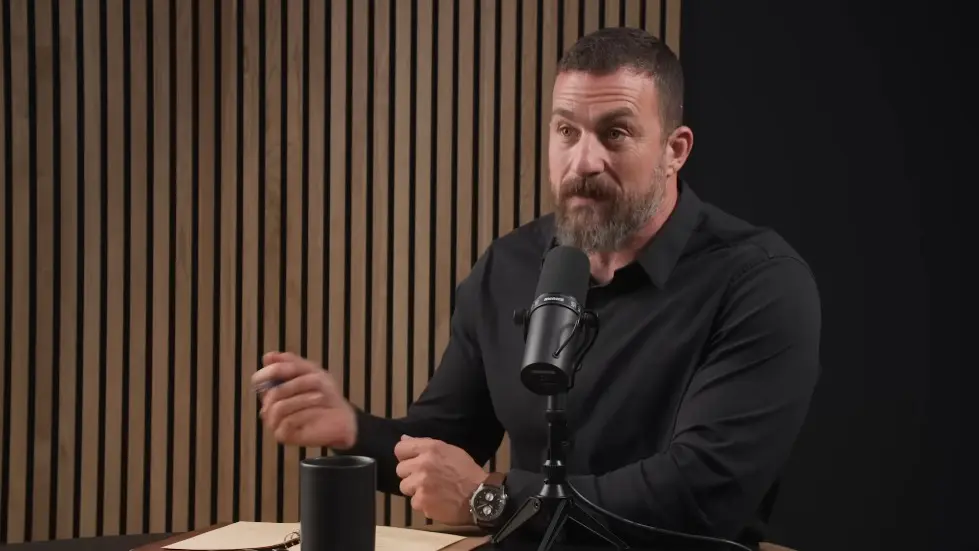
Camera Around 1907
- Dr. Rechavi mentions that a camera was used around 1907.
- Toads with ink or neupitol pads were used for mating on land.
- The camera is no longer available.
- Dr. Rechavi takes a quick break to acknowledge a sponsor.
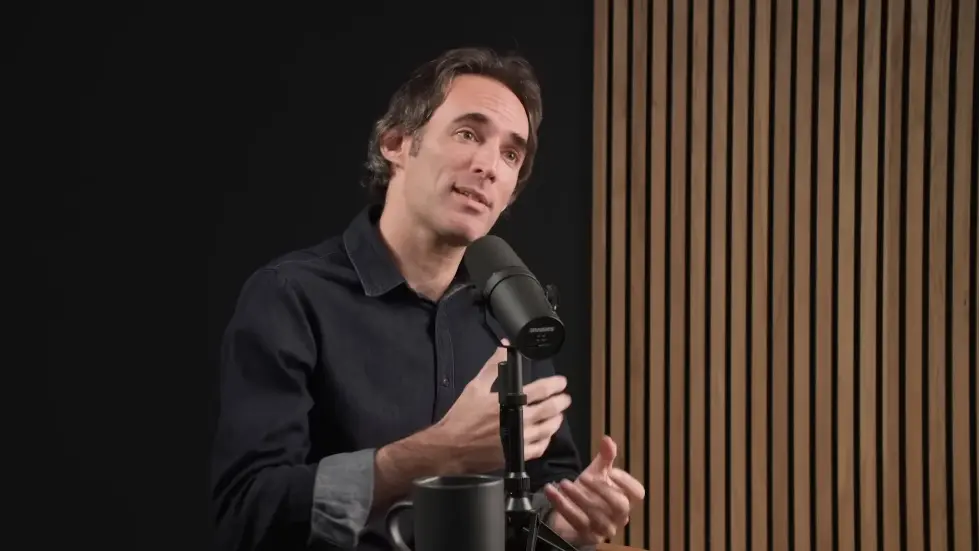
Introduction
- The video is about Dr. Oded Rechavi discussing genetic inheritance and the evidence that memories can be passed from one generation to the next.
- Dr. Rechavi explains how certain experiences can modify our genes, such that they are passed from our parents to us and even transgenerationally across multiple generations.
- The podcast is sponsored by Roca, HVMN, and Eight Sleep.
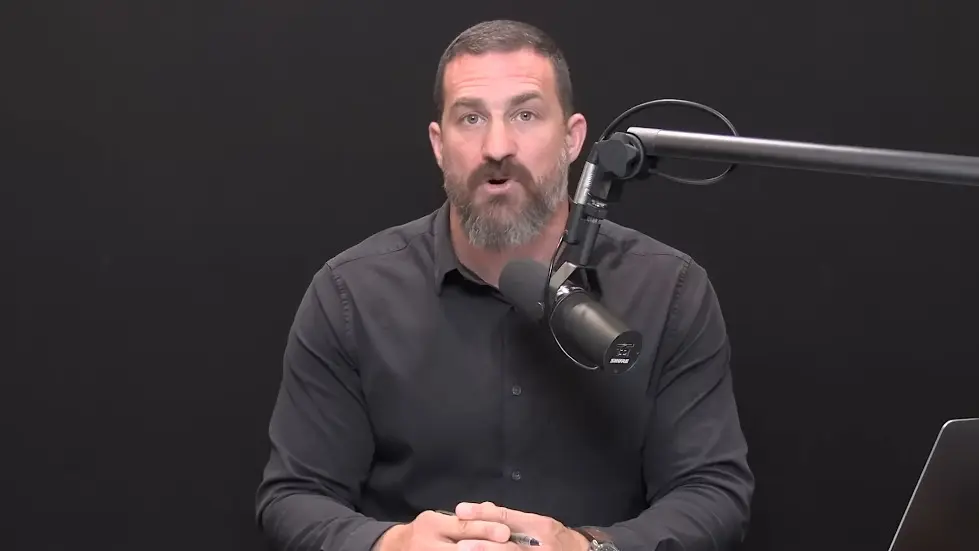
Planaria Worms
- Planaria worms are a flat, flatworm that is a model for genetics research.
- Unlike humans, planaria worms reproduce by fission, tearing themselves apart to create new individuals.
- Planaria worms have a centralized brain with lobes and even degenerate eyes.
- Dr. Rechavi studied planaria worms and found that they can be trained to learn and remember certain things.
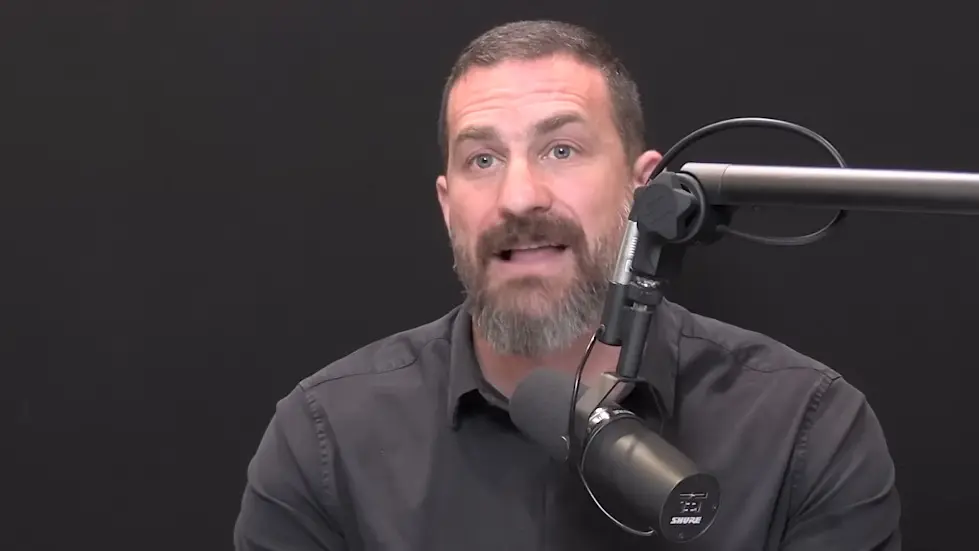
Memory Transfer
- Dr. Rechavi found that memories can be transferred from one generation of planaria worms to the next.
- He found that new worms can learn from the experiences of their ancestors, even if they have never been exposed to the same stimuli.
- This discovery has opened up new avenues of research into the inheritance of memories across generations.
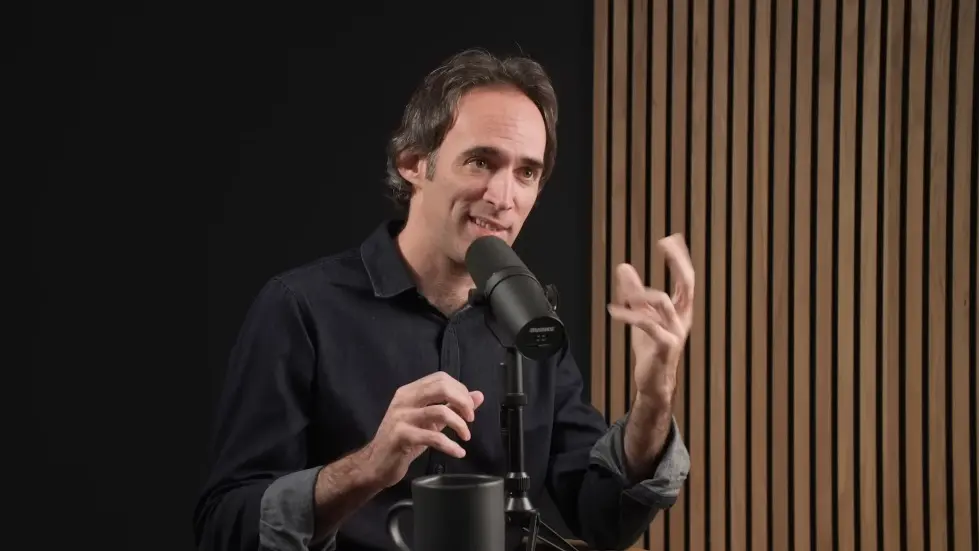
Controversy
- Dr. Rechavi's findings have been controversial, with some scientists questioning the validity of his research.
- There have been difficulties in replicating his experiments, leading to ongoing debates about the nature of memory inheritance.
- Despite the controversy, Dr. Rechavi's work has had a significant impact on our understanding of genetics and memory.
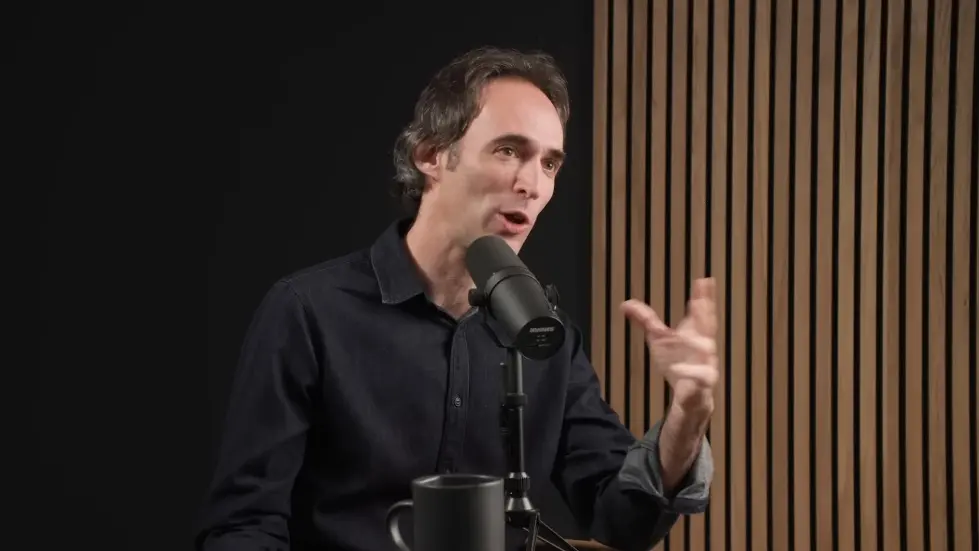
Dr. Oded Rechavi's Research
- Dr. Oded Rechavi is a researcher who studies genetic inheritance and the evidence that memories can be passed from one generation to the next.
- He explains how certain experiences can modify our genes, such that they are passed from our parents to us and even transgenerationally across multiple generations.
- His research is based on experiments done in the 70s and 80s, where he was able to transfer memories through chopped animals and break them down into different fractions.
- He found that the fraction that transmits the memory is the RNA, which is very interesting because it was a long time before everything that we know about RNA today.
- His research is significant because it shows that memories can be passed down through genes, and that RNA plays a crucial role in this process.
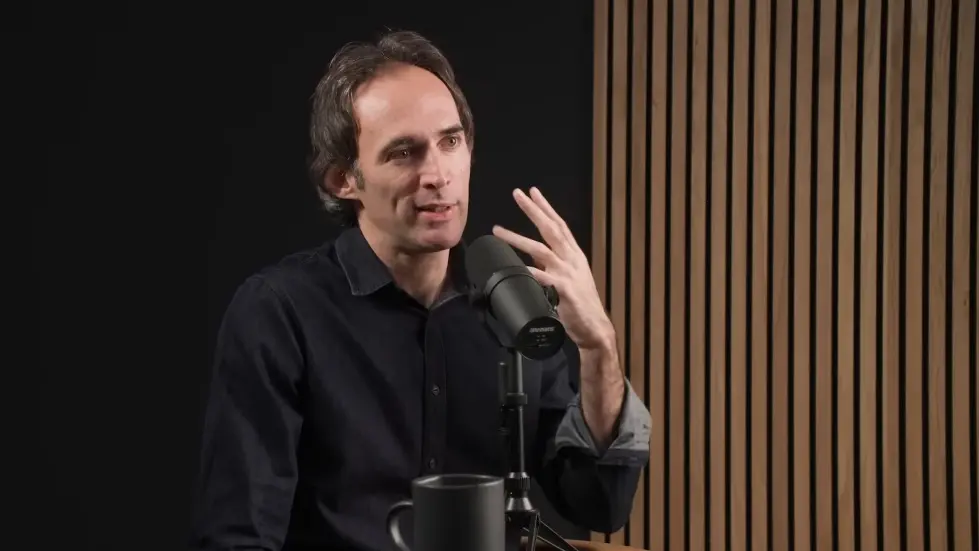
Inheritance of Memories
- Dr. Rechavi discusses the concept of inheritance of memories, which refers to the idea that experiences and memories can be passed down from one generation to the next.
- He explains that this concept is based on the idea that certain experiences can modify our genes, such that they are passed from our parents to us and even transgenerationally across multiple generations.
- He also discusses the barriers that have to be breached for this to happen, including the separation of the soma from the germ cells and the concept of epigenetics.
- He mentions that natural selection is the first barrier, while the second barrier is the concept of epigenetics, which refers to the idea that experiences and memories can be passed down through genes.
- He also discusses the idea that direct influence of the environment on the germ cells may not be necessary for this to happen, as natural selection may be enough to explain everything.
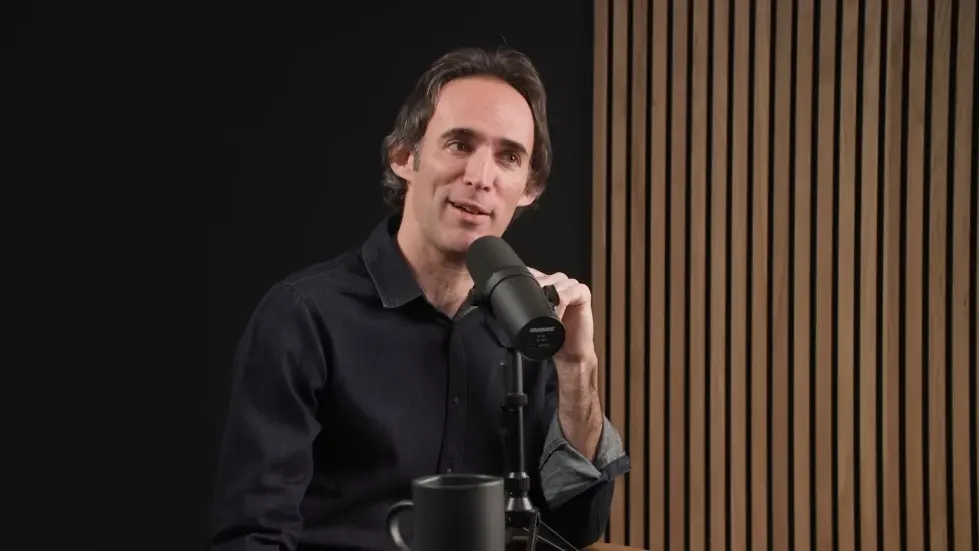
Inheritance of Acquired Traits
- Dr. Rechavi also discusses the concept of inheritance of acquired traits, which refers to the idea that experiences and memories can be passed down from one generation to the next.
- He explains that this concept is based on the idea that certain experiences can modify our genes, such that they are passed from our parents to us and even transgenerationally across multiple generations.
- He mentions that this concept is significant because it shows that experiences and memories can be passed down through genes, and that RNA plays a crucial role in this process.
- He also discusses the idea that direct influence of the environment on the germ cells may not be necessary for this to happen, as natural selection may be enough to explain everything.
- He mentions that this concept is still standing, but not entirely, as some organisms are rich in RNA and epigenetics.
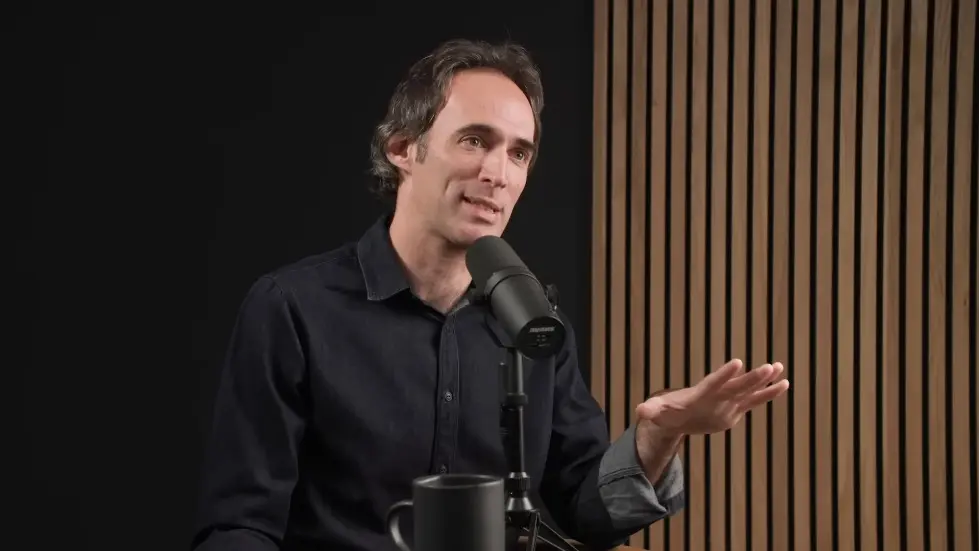
Epigenetics
- Dr. Rechavi discusses the concept of epigenetics, which refers to the idea that experiences and memories can be passed down through genes.
- He explains that epigenetics is another term which people misuse horribly and say about everything that is epigenetics.
- He mentions that epigenetics is significant because it shows that experiences and memories can be passed down through genes, and that RNA plays a crucial role in this process.
- He also discusses the idea that direct influence of the environment on the germ cells may not be necessary for this to happen, as natural selection may be enough to explain everything.
- He mentions that this concept is still standing, but not entirely, as some organisms are rich in RNA and epigenetics.
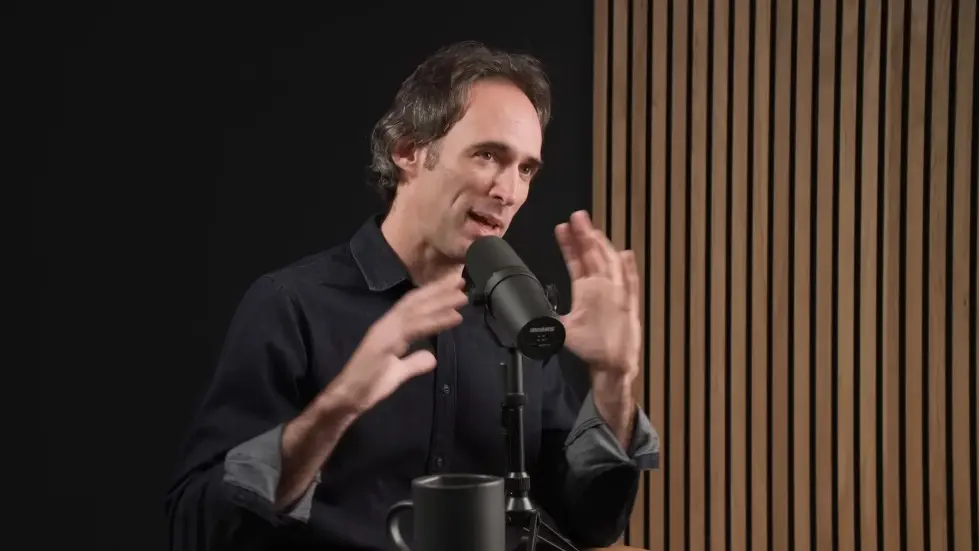
Section 1: Introduction to Epigenetics
- Epigenetics is the study of how genes and their products interact to bring about the phenotype of an organism.
- Epigenetic mechanisms are changes in gene expression that do not involve changes to the DNA sequence itself.
- Epigenetic modifications can be added or removed and can be passed from one generation to the next.
- Epigenetic modifications can influence development and can affect gene expression later in life.
- Epigenetics is a relatively new field of study that has gained popularity in recent years.
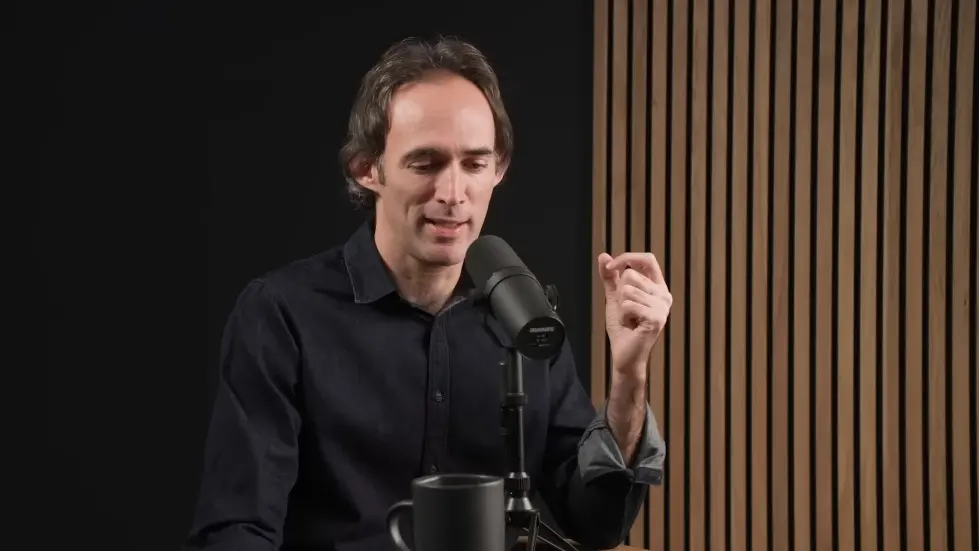
Section 2: DNA and Epigenetic Modifications
- DNA is built out of four basic elements: adenine (A), guanine (G), cytosine (C), and thymine (T).
- Epigenetic modifications can change the action of genes by modifying the DNA or the proteins that condense the DNA.
- One common epigenetic modification is methylation, which involves the addition of a methyl group to the cytosine base of DNA.
- Methylation can affect gene expression by changing the degree of condensation of the DNA and making it more or less accessible.
- Other epigenetic modifications include acetylation and serotonin production, which can also affect gene expression.
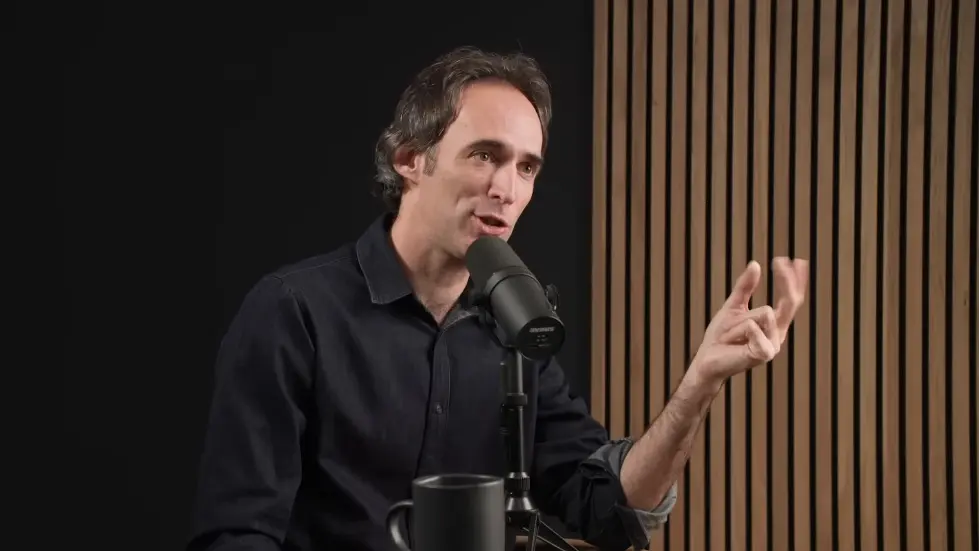
Section 3: Epigenetics and Gene Expression
- Epigenetic modifications can affect gene expression by changing the degree of condensation of the DNA and making it more or less accessible.
- Epigenetic modifications can also affect gene expression by changing the way genes are activated or deactivated.
- Epigenetic modifications can be passed from one generation to the next, influencing the development and function of an organism.
- Epigenetic modifications can be influenced by environmental factors, such as diet and early experiences.
- Epigenetic modifications can play a role in the development of diseases, such as cancer and neurological disorders.
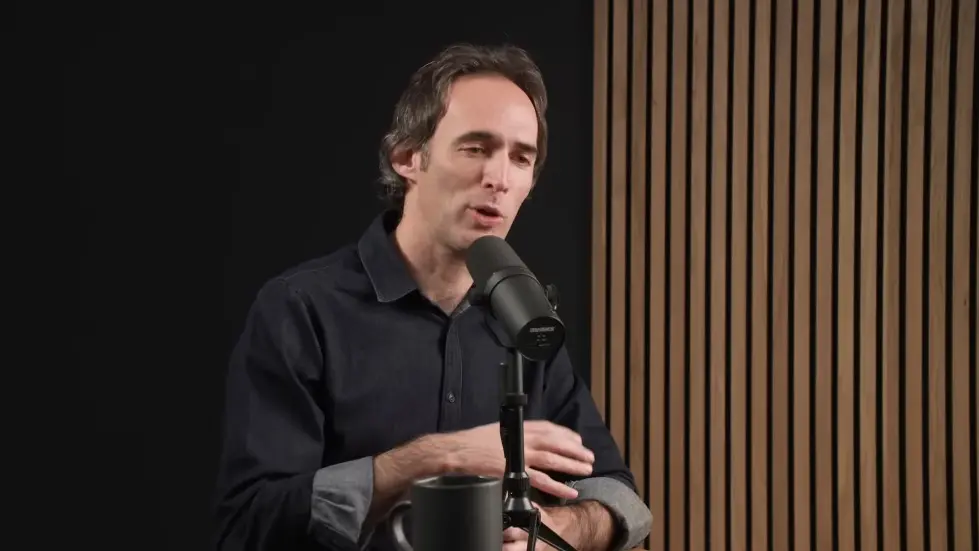
Section 4: Conclusion
- Epigenetics is a complex and fascinating field of study that is still being explored.
- Epigenetic modifications can have a significant impact on the development and function of an organism.
- Epigenetic modifications can be passed from one generation to the next, influencing the development and function of future generations.
- Epigenetic modifications can be influenced by environmental factors, such as diet and early experiences.
- Epigenetics has important implications for our understanding of the inheritance of memories and the development of diseases.
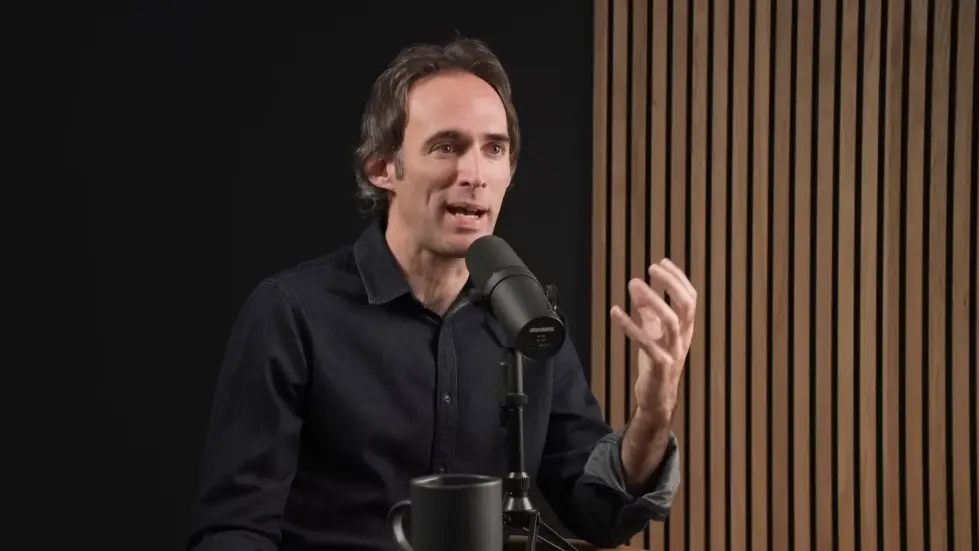
Genetic Inheritance and Epigenetic Reprogramming
- The genetic material in our cells acquires all kinds of changes through the course of our lifespan.
- These modifications are largely erased in the transition between generations, so we can start a blank slate based on the genetic instructions.
- The idea is to take the instruction but go through and erase all the pen and pencil marks erase all those additional little modifications that the the owner use or introduced to it and return to the original instruction.
- We have some very striking examples even in members where some of the marks are maintained for example the classic example is imprint imprinting is a very interesting phenomena and the way DNA works is that we you inherit and a copy for every chromosome from your mother and your father.
- There are some situations where it does matter there's a limited number of genes that are in Pre called imprintages where it does matter whether you inherited from your mother or your father.
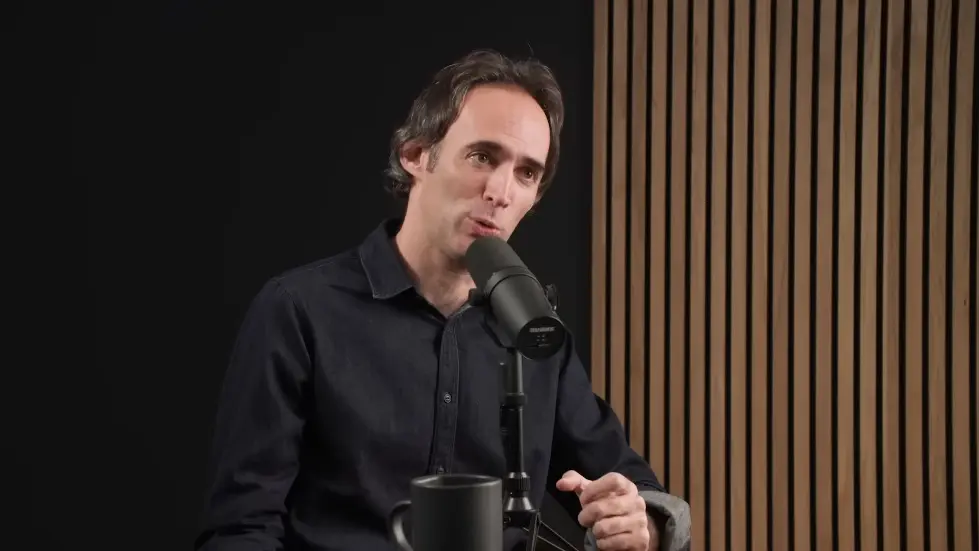
Epigenetic Analysis and Imprinting
- Epigenetic analysis not because of changes to the DNA sequence but because of maintain maintenance of this chemical modifications across generations.
- Evidence that some cells contain the complete genome from Mom or the complete genome from Dad and it can also switch during your life.
- Early on in in your life it's different whether you express the maternal or paternal copy then when you're more mature.
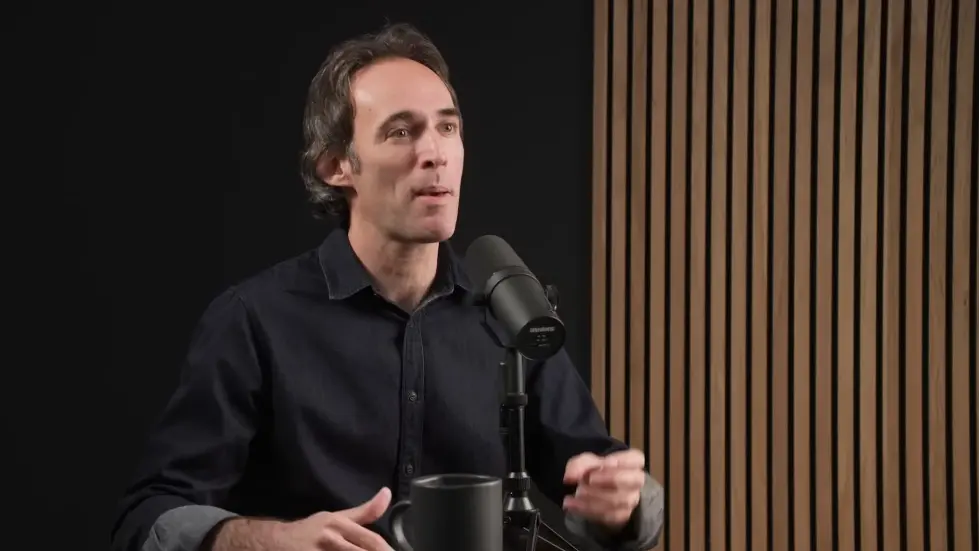
Inheritance of Acquired Traits
- According to the theory it's not clear that actually true because in some organisms doesn't really happen.
- We will just we will not develop according to the species typical genetic instructions so to preserve this we we raise them at the all these modifications that start anew and this is in memmers and in humans.
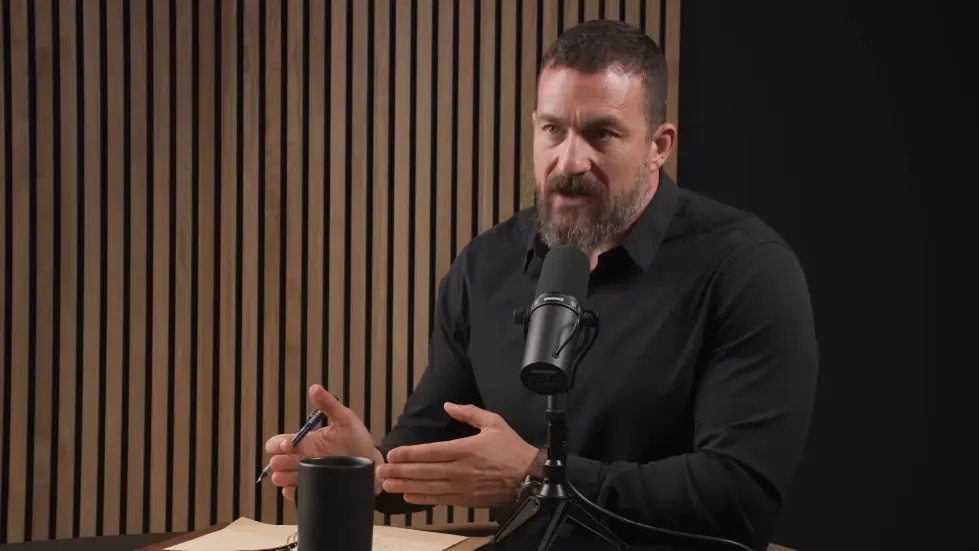
RNA Molecules and Inheritance
- RNA molecules are the most interesting players today in the inheritance of acquired traits.
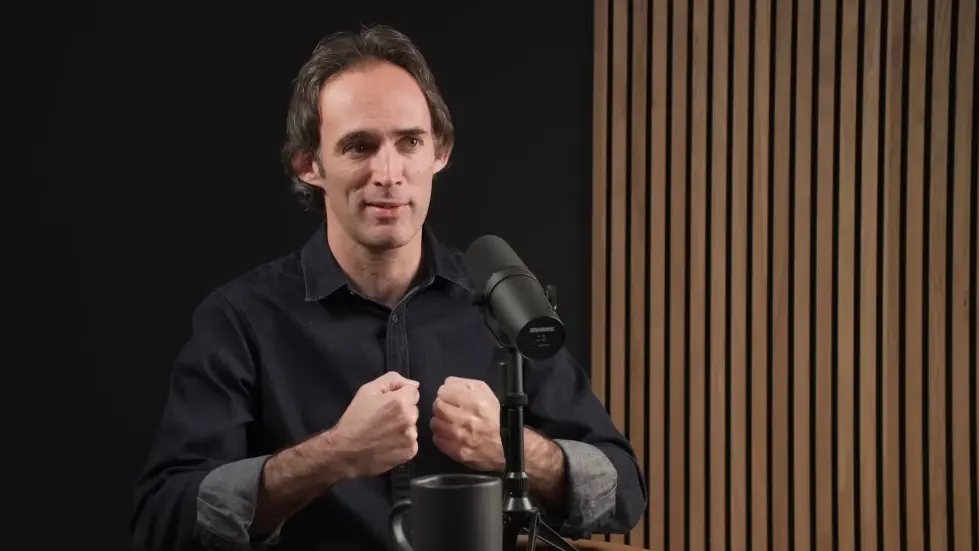
The Inheritance of Memories
- The video discusses the inheritance of memories across generations.
- Certain experiences can modify our genes, which are passed from our parents to us and even transgenerationally across multiple generations.
- Our genes and different patterns of inheritance shape our experience of life and who we are.
- The environment played no role in this situation; it was just whether it passed to the mother or the father.
- The question is whether the environment can change the heritable material.
Epigenetic Inheritance
- Epigenetic inheritance means that the environment of the parents somehow changes the children.
- There are two main barriers that are serious bottlenecks that we have to think about.
- One possibility is that it's really this limited number of chemical modifications that survive.
- Another possibility is that there are other mechanisms.
- It's unclear what transmits if it can transmit and which molecule does it in humans and members in general.
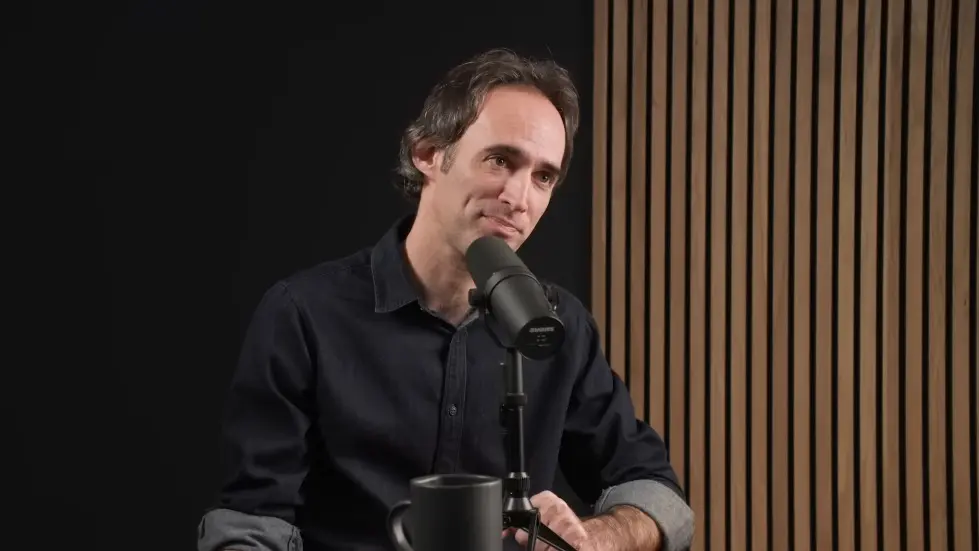
Environmental Factors
- The video discusses many examples for environments that change the children.
- It's unclear how to separate nurture from nature.
- The mechanism is not understood.
- Classic examples in humans include periods of famine, starvation, and epidemiological studies.
- Starvation or hardship of some kind led to adaptive traits in different organisms.
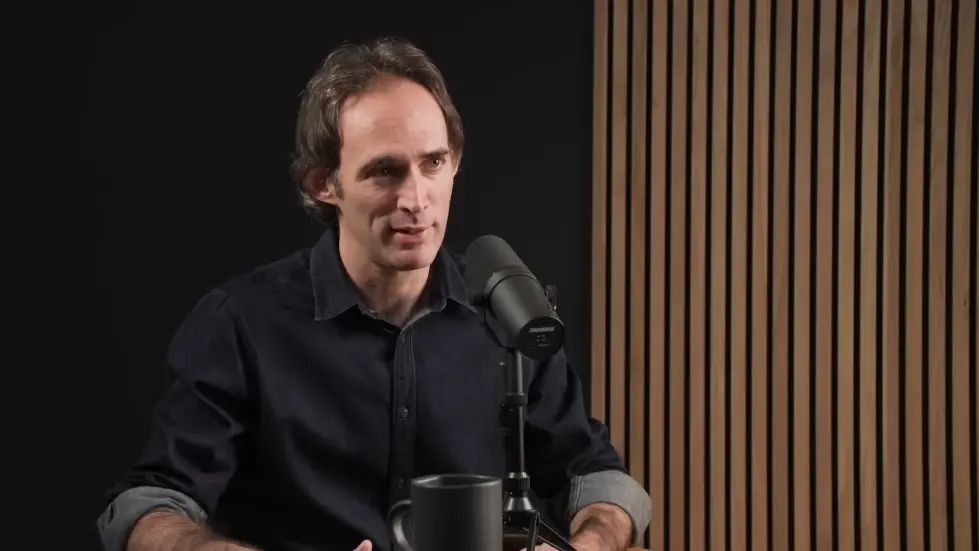
Stress and Memory
- Stress can affect the next generations and their memory.
- Males who are stressed show less anxiety but have memory deficits.
- Nicotine exposure can improve the tolerance to exposure to similar drugs in the next generation.
- Our ability to anchor our thoughts in the past, present, or future is adaptive in certain contexts.
- The video discusses simmering ideas that our ability to remember can keep us ruminating and not right in certain contexts.
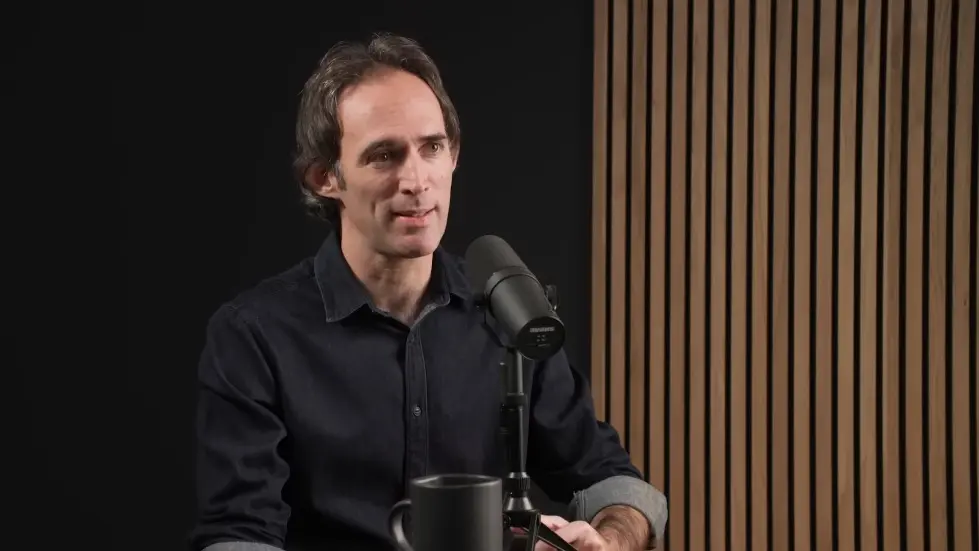
The Inheritance of Memories Across Generations
- Dr. Oded Rechavi discusses genetic inheritance and the evidence that memories can be passed from one generation to the next.
- Certain experiences can modify our genes, such that they are passed from our parents to us and even transgenerationally across multiple generations.
- Our genes and different patterns of inheritance shape our experience of life and who we are.
- The study shows that this heritable effect even if an antagonist is used to block the nicotine receptor.
- The one thing that is clear is that biology is cryptic sometimes, and the obvious mechanism is rarely the one that is actually at play.
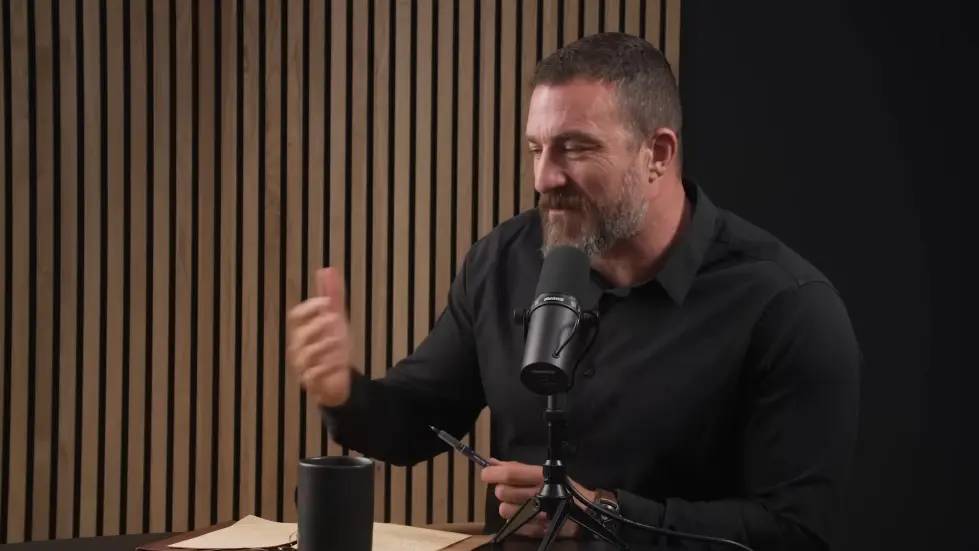
Trade-offs in Biology
- People always ask why certain mechanisms exist, and the answer is that there could be so many trade-offs.
- For example, starving worms live longer, but this could be a trade-off with other things like fertility.
- The next generations are more sick and less fertile because of this trade-off.
- It is not necessarily a good thing, and it is important to be aware of the potential trade-offs in biology.
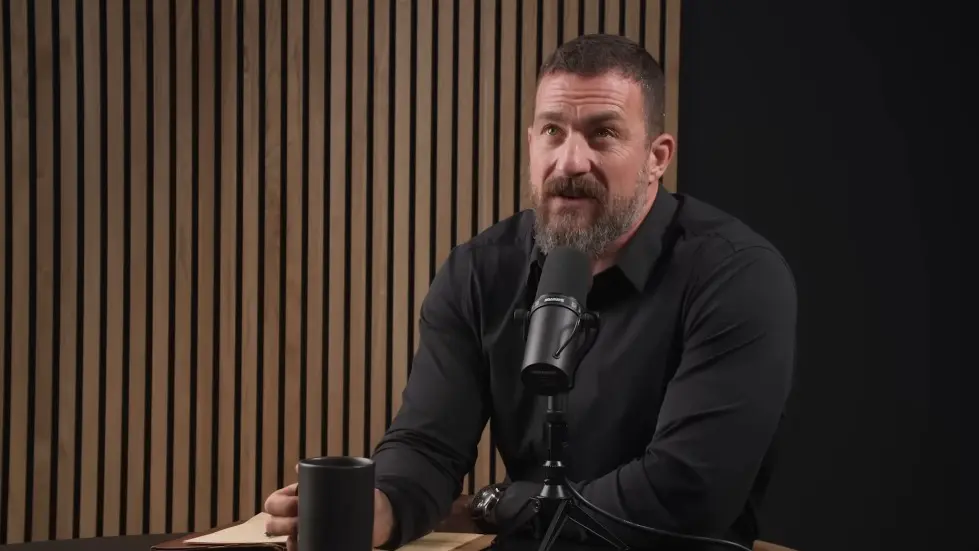
Cults and Biology
- There are many cults that aim at achieving eternal life or some sort of life extension through caloric restriction.
- One example of such a cult is the one that castrated the male members in the idea that maintaining some prepubescent data would extend longevity.
- However, this cult also committed suicide when the hail Bop Comet came through town.
- It is important to be aware of the potential dangers of cults and their claims about biology.
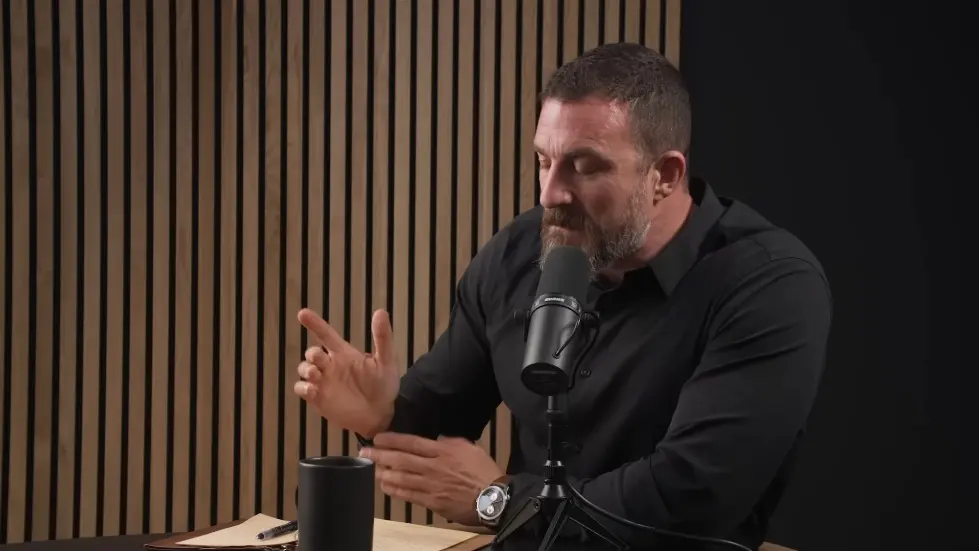
Metabolic Changes and Nutrition
- There are numerous examples where you either overfeed or starve and get effects in the next generations.
- These effects can contrast depending on the way you do this.
- For example, starving or overfeeding the mothers or fathers changes the body weight of the next generation.
- It is important to be aware of the potential effects of metabolic changes and nutrition on the next generations.
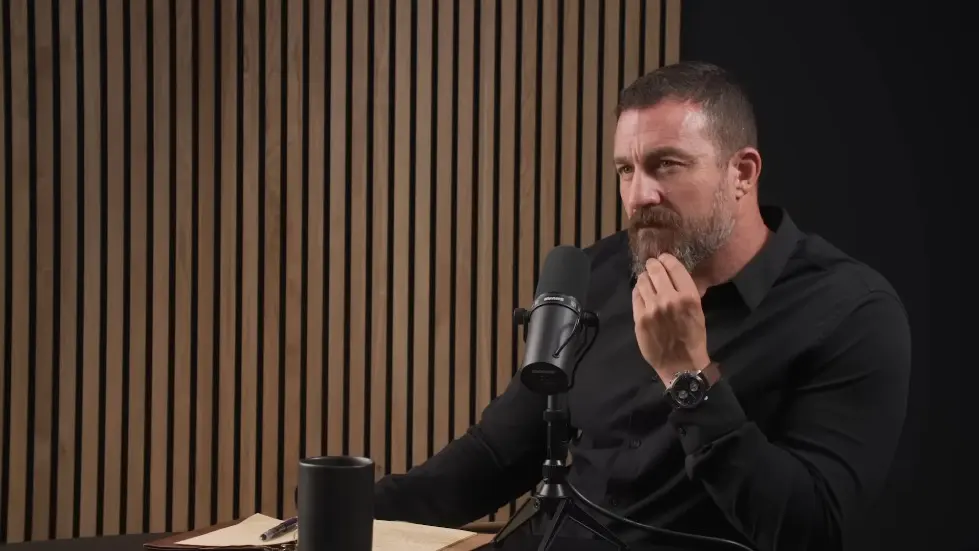
The Epigenome and Inheritance
- The fact that there is an effect that something transmits from one generation to the next does not necessarily have to go through the sperm and involves the epigenome.
- Changing the metabolism of the animal as it develops can affect it when you, for example, starve women that are pregnant.
- The baby is already in Utah exposed directly to the environment, so it's not even a heritable effect.
- The study shows that the epigenome plays a crucial role in inheritance.
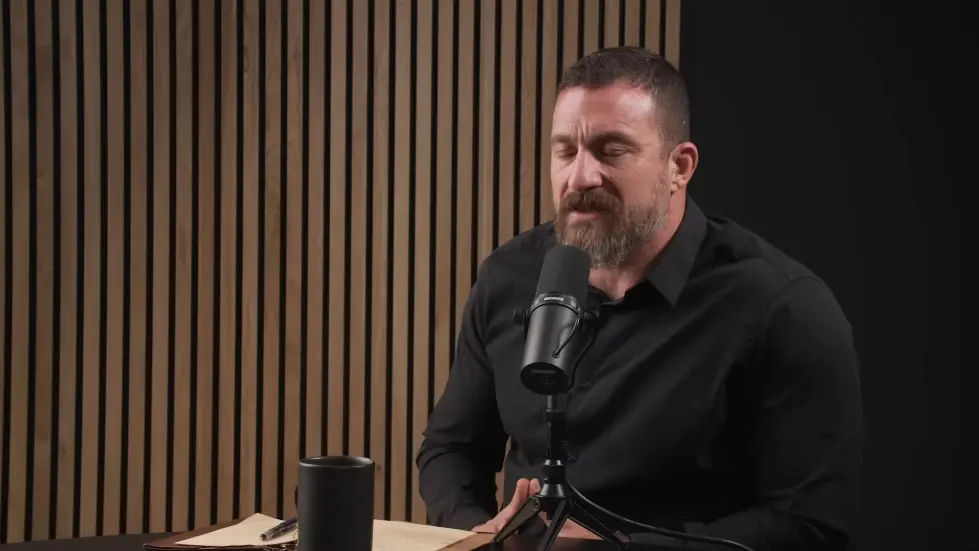
The Inheritance of Memories Across Generations
- Dr. Oded Rechavi discusses genetic inheritance and the evidence that memories can be passed from one generation to the next.
- Certain experiences can modify our genes, such that they are passed from our parents to us and even transgenerationally across multiple generations.
- The embryo is affected by the mother's genes, and the next generation is directly exposed to them.
- Exposure of the mother also affects the transmission of the father's genetic information through the sperm.
- Epigenetic effects are involved in the inheritance of genetic information through the paternal and maternal lines.
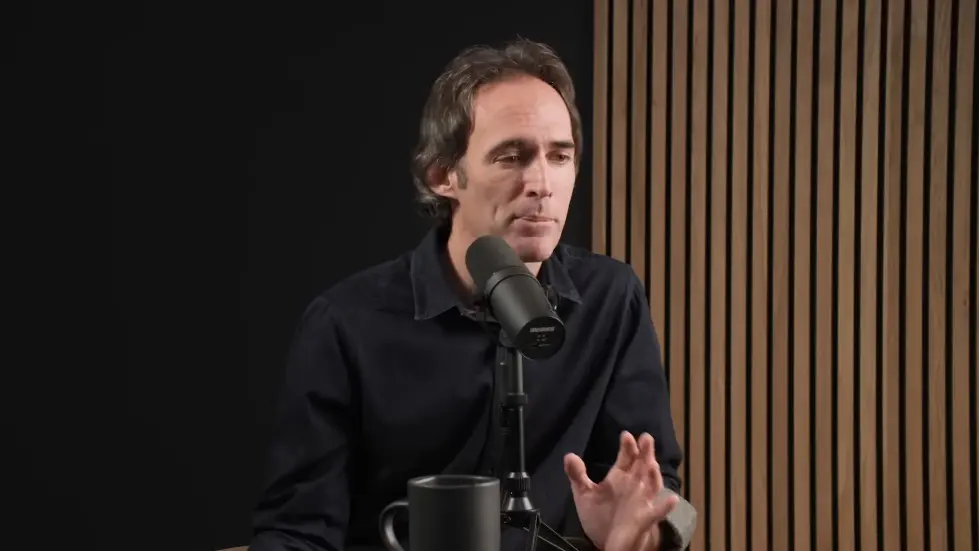
The Influence of the Environment on Genetic Inheritance
- The field is evolving and improving, with many people using IVF to ensure that heritable information is not affected by the environment.
- Studies have shown that epigenetic effects can transfer between generations, and it depends on who you ask whether people believe it or not.
- Many geneticists do not believe in epigenetic inheritance, while many people do believe it.
- The scientific process of understanding how things work is challenging the dogma, and this is very interesting for psychologists.
- We are at a point in time where we don't really know whether epigenetic inheritance happens to what extent, and we need bigger studies.
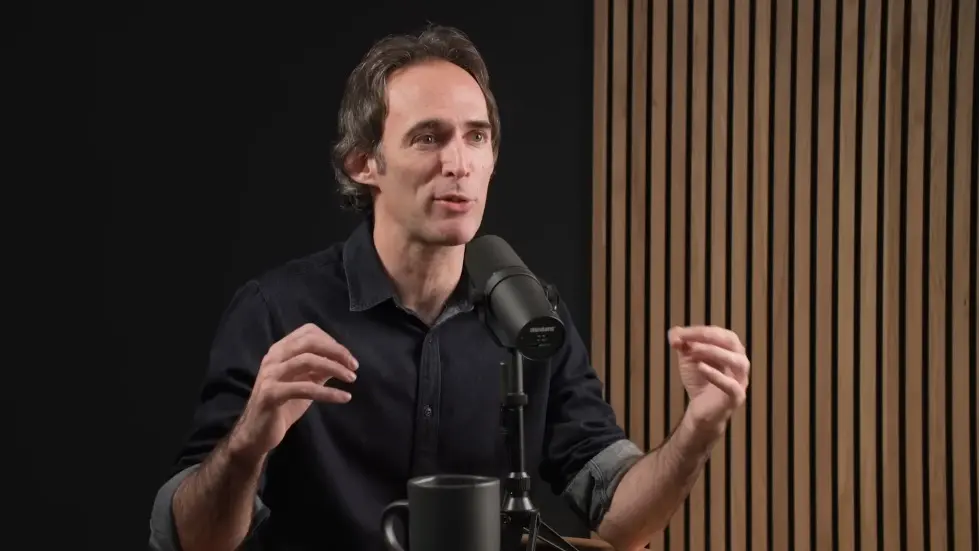
The Study of Complex Traits and Epigenetics
- Big genome-wide Association studies and genetic studies involve hundreds of thousands of people.
- Epigenetics is much more complicated because it needs to take into account the environment as well.
- Designing an experiment to study epigenetics is very challenging.
- The resistance to the ideal is based on total theoretical grounds because of the barriers and controversies.
- People really want to believe in epigenetic inheritance because it gives their life meaning if they can change their biology.
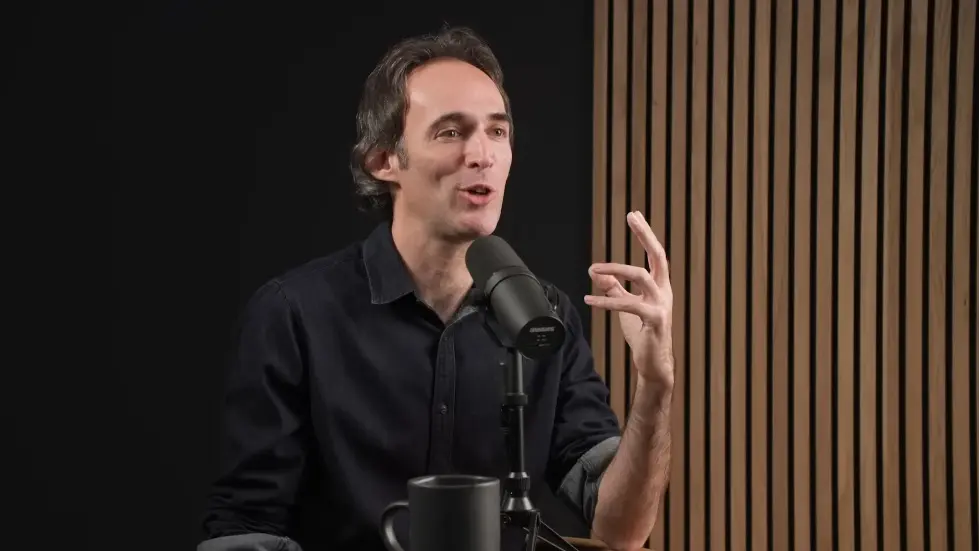
The Inheritance of Memories Across Generations
- Dr. Oded Rechavi discusses genetic inheritance and the evidence that memories can be passed from one generation to the next.
- Certain experiences can modify our genes, such that they are passed from our parents to us and even transgenerationally across multiple generations.
- Our genes and different patterns of inheritance shape our experience of life and who we are.
- Our biology and psychology are interconnected, and many people want genetic inheritance to happen even though it is not possible.
- James Shredder, a physicist, wrote a book in 1944 called "What is Life?" which established molecular biology and discussed the inheritance of acquired traits.
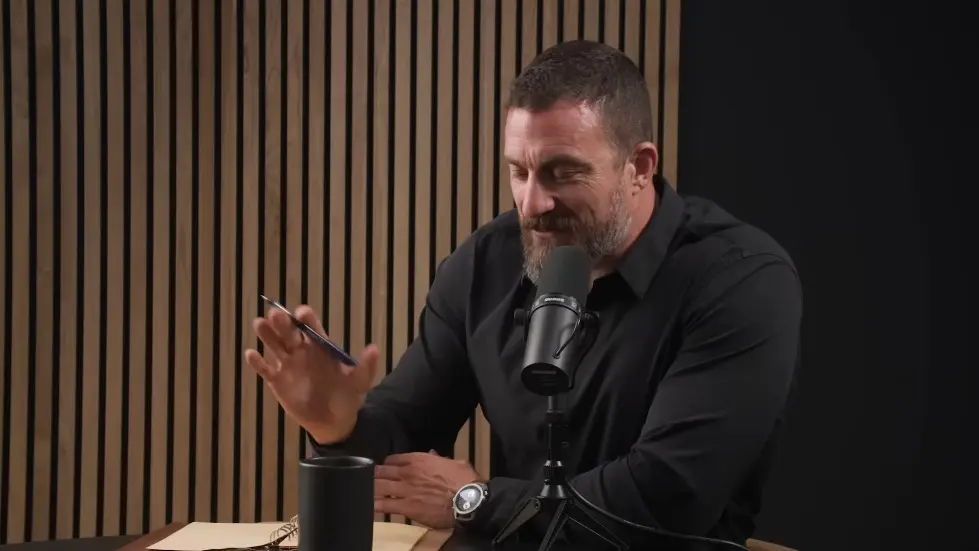
Partner Selection and Reproduction
- Partner selection is a way of selecting for certain traits related to vigor and reproduction.
- Women tend to like men who are kind, have resource potential, and are aesthetically attractive.
- Male-male, female-female, and male-female reproduction all involve selecting for certain traits.
- In terms of reproduction, sperm and eggs are selected for certain traits.
- Research has shown that there is potential capacity to sense immune compatibility and other traits related to reproduction.
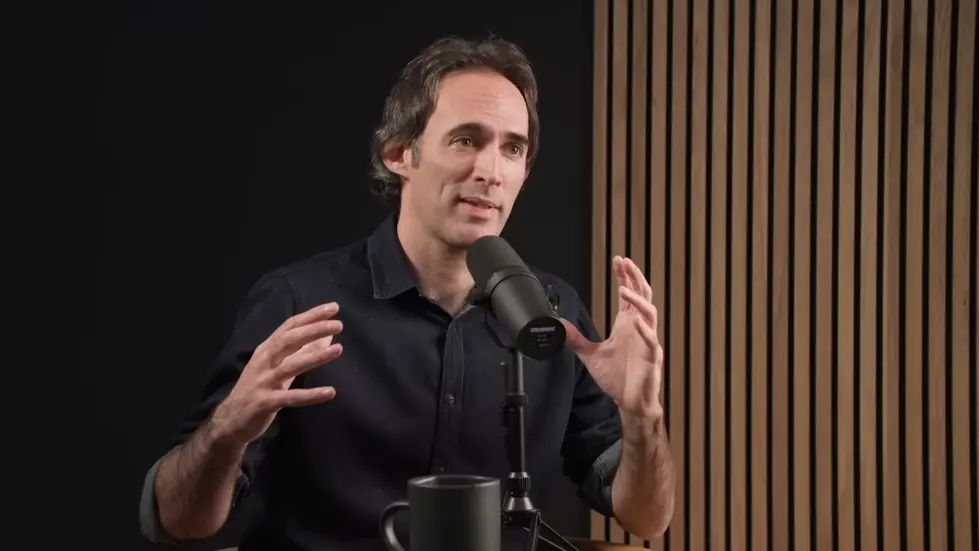
Population Genetics and Immune Compatibility
- Calculations of how population genetics work simplify things and help do the math.
- Random mating does not work like that, and it complicates things because we know there is research about potential capacity to sense immune compatibility.
- We can draw lines between certain traits without any direct evidence, but it makes sense that someone kind who might also stick around or be honest in these kinds of things would be selecting for certain biological traits.
- Immune function and other forms of robustness are potential biological traits that we are not aware of.
- Recent years have seen the cutting edge of research in the mammalian field, with RNA having the potential to transmit information between generations.
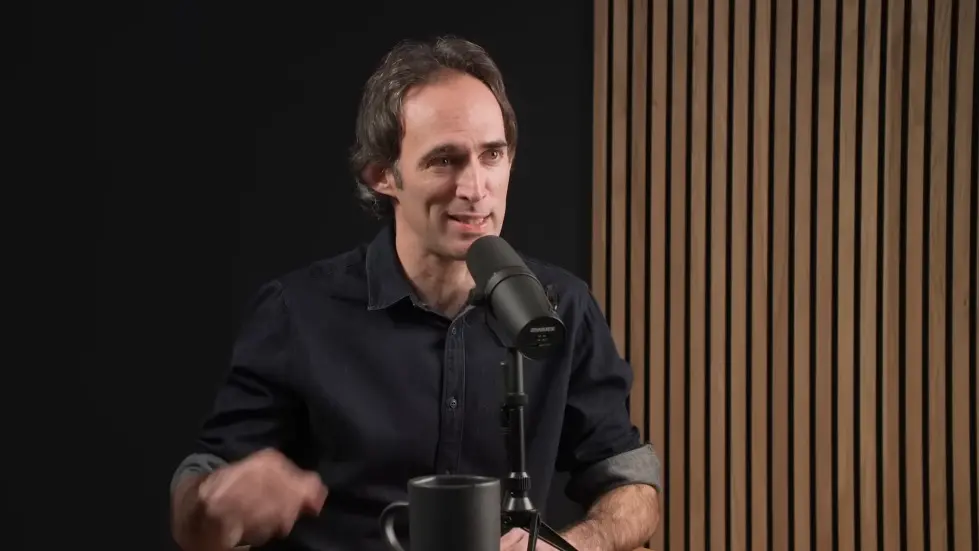
RNA and Information Transmission
- RNA molecules have the potential to transmit information between generations.
- There are different types of RNA, including messenger RNA that encodes for the information for making protein and other RNAs that regulate gene expression.
- Recent years have seen the cutting edge of research in the mammalian field, with RNA having the potential to transmit information between generations.
- Inside Tracker is a personalized nutrition platform that analyzes data from your blood and DNA to help you better understand your body and help you reach your health goals.
- Inside Tracker now includes a measurement of vitality and longevity, making it a valuable tool for understanding and improving your health.
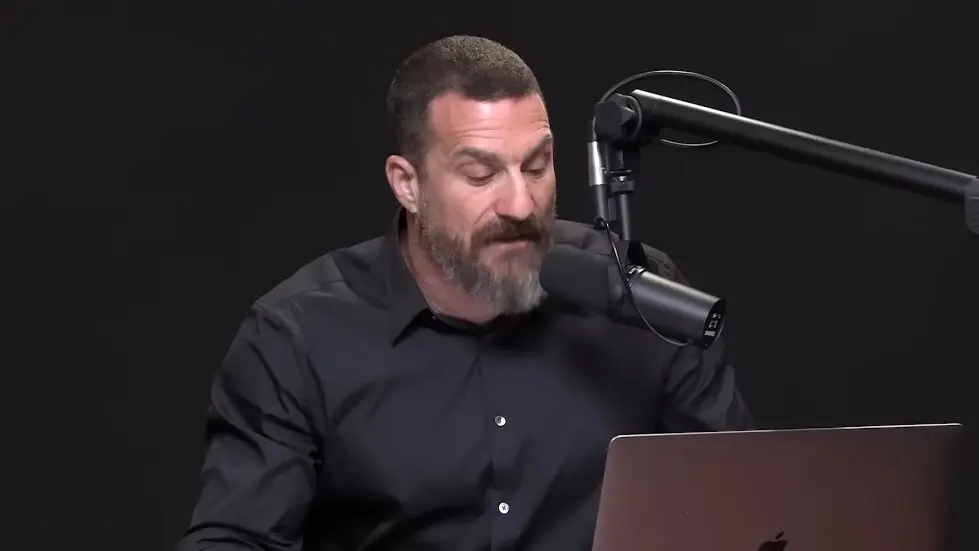
Introduction
- The video is about Dr. Oded Rechavi discussing genetic inheritance and the evidence that memories can be passed from one generation to the next.
- Dr. Rechavi explains how certain experiences can modify our genes, such that they are passed from our parents to us and even transgenerationally across multiple generations.
- The podcast is sponsored by Roca, HVMN, and Eight Sleep.
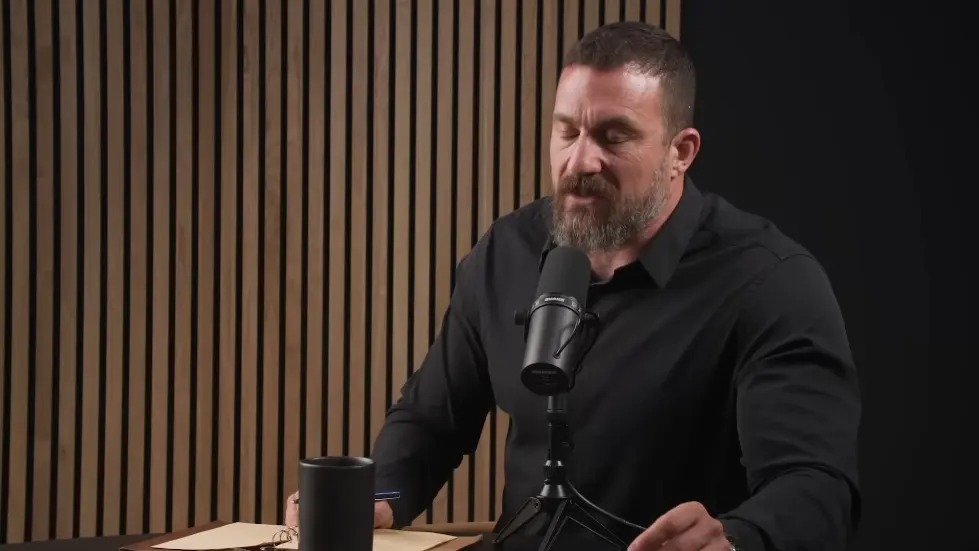
Model Organisms
- Model organisms are organisms that many people work on, but not around every organism.
- There is a huge community of researchers that combine sources to create all the resources and the tools and understanding that accumulates.
- There are only a handful of model organisms in the short history of the field of biology.
- These organisms are important because we learn so much about biology through them.
- Model organisms are used to study many important diseases, including human diseases.
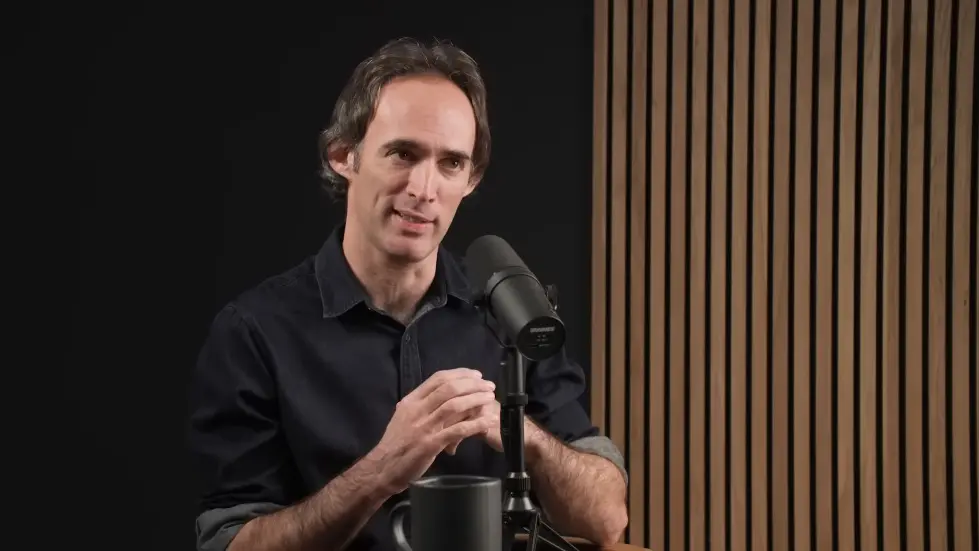
Examples of Model Organisms
- E coli bacteria phage is a virus of bacteria.
- Flies are used to study many topics, including flower preference and caffeine.
- Worms called C elegans are used to study regeneration.
- Fish called zebrafish are used to study many topics, including human diseases.
- Mice are used to study many topics, including human diseases.
- Plants, such as arabidopsis, are used to study many topics.
- Non-human primates, such as macaque monkeys and marmoset squirrel monkeys, are used to study many topics.
- Emerging model organisms, such as logarithms, are used to study many topics.
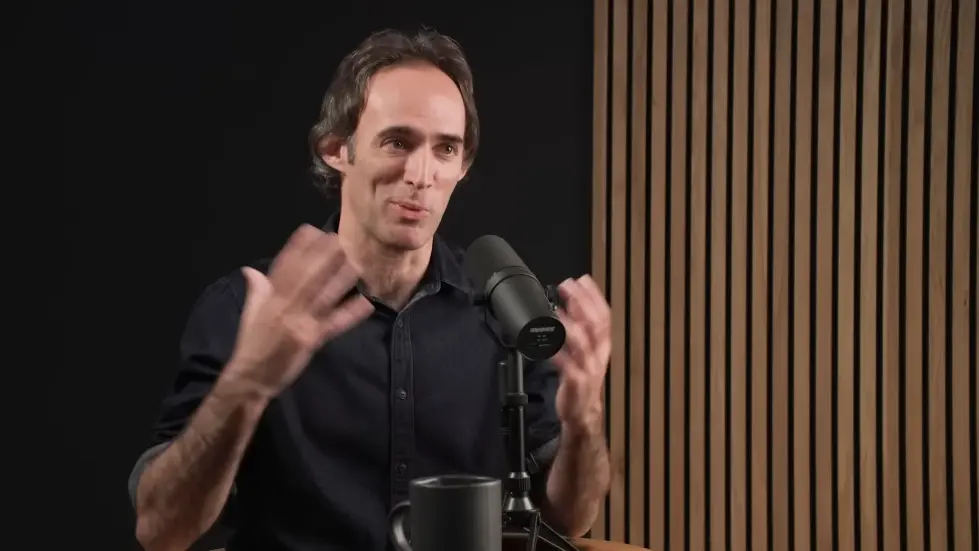
Learning from Model Organisms
- We can learn a lot about humans by studying these animals because we all evolve from the same ancestor.
- Many of our functions and genes are shared with these animals.
- Different model organisms have different advantages that serve us.
- Some things that are much more apparent in these animals that we can study.
- For example, learning and memory were largely studied in the beginning in a snail called Ecclesia.
You have read 50% of the summary.
To read the other half, please enter your Name and Email. It's FREE.
You can unsubscribe anytime. By entering your email you agree to our Terms & Conditions and Privacy Policy.
Watch the video on YouTube:
Dr. Oded Rechavi: Genes & the Inheritance of Memories Across Generations | Huberman Lab Podcast - YouTube
Related summaries of videos:
- Dr. Satchin Panda and Dr. Andrew Huberman: Intermittent Fasting to Improve Health, Cognition and Longevity (Huberman Lab)
- Dr. Peter Attia and Dr. Andrew Huberman: Improve Vitality, Emotional and Physical Health and Lifespan (Huberman Lab Podcast)
- Andrew Huberman: Leverage Dopamine to Overcome Procrastination and Optimize Effort (Huberman Lab Podcast)
- Dr. Elissa Epel and Dr. Andrew Huberman: Control Stress for Healthy Eating, Metabolism and Aging (Huberman Lab Podcast)
- Andrew Huberman and Dr. Matthew MacDougall: Neuralink and Technologies to Enhance Human Brains (Huberman Lab Podcast)
- Andrew Huberman: Science-Based Mental Training and Visualization for Improved Learning (Huberman Lab Podcast)
- Dr. Noam Sobel and Dr. Andrew Huberman: How Smells Influence Our Hormones, Health and Behavior (Huberman Lab Podcast)
- Andrew Huberman: How Psilocybin Can Rewire Our Brain, Its Therapeutic Benefits and Its Risks (Huberman Lab Podcast)
- Dr. Susanna Søberg and Dr. Andrew Huberman: How to Use Cold & Heat Exposure to Improve Your Health | Huberman Lab Podcast
- Dr. Robin Carhart-Harris and Dr. Andrew Huberman: The Science of Psychedelics for Mental Health (Huberman Lab Podcast)
- Home
- About us
- Contact
- Book Summaries 0-9
- Book Summaries A
- Book Summaries B
- Book Summaries C
- Book Summaries D
- Book Summaries E
- Book Summaries F
- Book Summaries G
- Book Summaries H
- Book Summaries I
- Book Summaries J
- Book Summaries K
- Book Summaries L
- Book Summaries M
- Book Summaries N
- Book Summaries O
- Book Summaries P
- Book Summaries Q
- Book Summaries R
- Book Summaries S
- Book Summaries T
- Book Summaries U
- Book Summaries V
- Book Summaries W
- Book Summaries X
- Book Summaries Y
- Book Summaries Z
- Jay Shetty Podcast - Summaries
- Tom Bilyeu Impact Theory - Summaries
- Lex Fridman - Summaries
- Diary of a CEO - Summaries
- Alex Hormozi - Summaries
