
Dr. Paul Conti and Dr. Andrew Huberman: How to Build and Maintain Healthy Relationships (Huberman Lab Guest Series)
Last updated: Oct 2, 2023
The video is about Dr. Andrew Huberman and Dr. Paul Conti discussing the topic of healthy relationships and how to achieve them. The episode is part of a four-episode series on mental health, and it builds on the framework of the psychology of self and mental health established in the first and second episodes. Dr. Conti discusses various types of bonds, including healthy bonds and trauma bonds, and the challenges people face in relationships, including abusive relationships. He also discusses the role of power dynamics, anxiety, and boundaries in relationships. The episode approaches the topic of relationships through the lens of the self, focusing on the conscious and subconscious mind and how they interact with each other. Dr. Conti provides actionable steps that anyone can take to improve their relationships with themselves and others. The episode is sponsored by BetterHelp and Waking Up, a meditation app.
This video by Andrew Huberman was published on Sep 20, 2023.
Video length: 03:04:38.
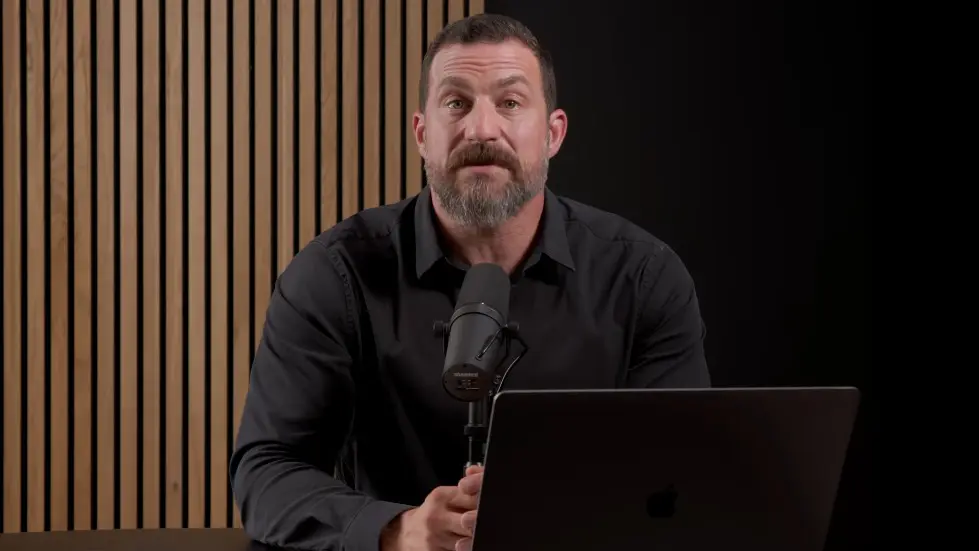
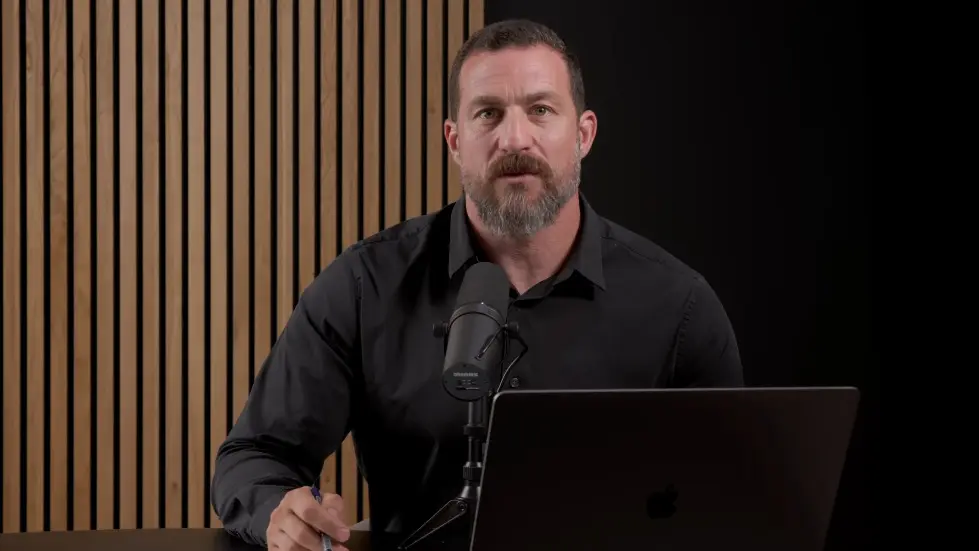
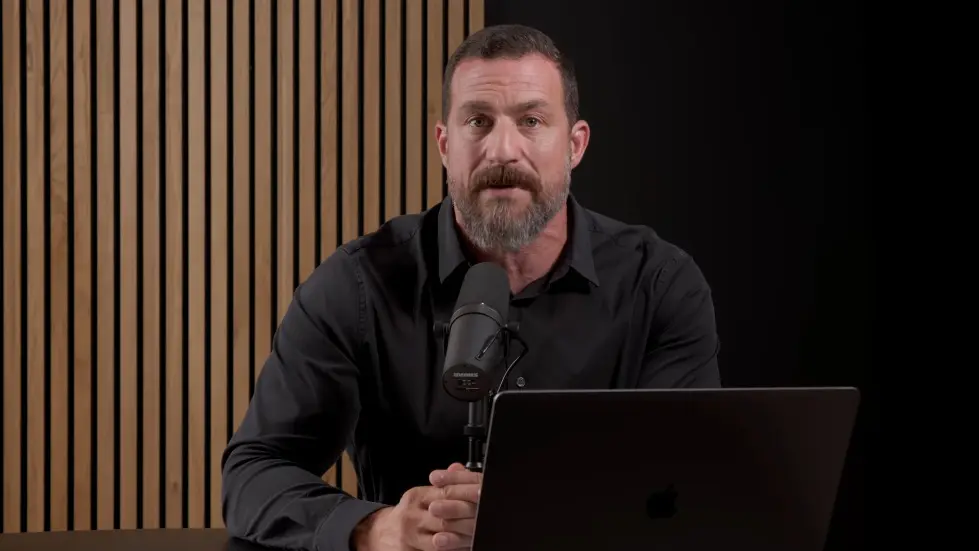
The video is about Dr. Paul Conti discussing the topic of healthy relationships and how to achieve them.
The episode is part of a four-part series on mental health, and it builds on the framework of the psychology of self and mental health established in the first and second episodes. Dr. Conti discusses various types of bonds, including healthy bonds and trauma bonds, and the challenges people face in relationships, such as abusive relationships. He also discusses the role of power dynamics, anxiety, and boundaries in relationships. The episode approaches the topic of relationships through the lens of the self, focusing on the conscious and subconscious mind and how they interact with each other. Dr. Conti provides actionable steps that anyone can take to improve their relationships with themselves and others.
The episode is sponsored by BetterHelp and Waking Up, a meditation app.
- The video is from Andrew Huberman's Huberman Lab YouTube channel.
- The video is a part of a four-episode series on mental health.
- The episode is the third in the series and focuses on healthy relationships.
- The episode is sponsored by BetterHelp and Waking Up, a meditation app.
- The host, Andrew Huberman, is a professor of neurobiology and ophthalmology at Stanford School of Medicine.
- The episode defines a healthy relationship as one that is based on mutual respect, trust, and communication.
- The host discusses the importance of setting boundaries in healthy relationships.
- The episode covers the role of power dynamics in relationships and how to navigate them in a healthy way.
- The host emphasizes the importance of self-awareness and self-reflection in maintaining healthy relationships.
- The episode discusses different types of bonds, including healthy bonds and trauma bonds.
- The host explains how to identify and heal from trauma bonds.
- The episode covers the importance of self-care in maintaining healthy relationships.
- The host emphasizes the importance of seeking professional help when needed.
- The video will focus on healthy relationships, including romantic relationships, friendships, family relationships, and the relationship to oneself.
- The discussion will be approached from the perspective of how people relate, with a focus on the relationship to oneself.
- The video will build on the framework of mental health established in the first and second episodes of the series.
- The episode will provide actionable steps to improve relationships with oneself and others.
- The video will discuss what it means to be a healthy person.
- The discussion will focus on how to determine whether or not someone is healthy and where to look in terms of making adjustments if they want to be healthier.
- The top two concepts that will be discussed are agency and gratitude.
- Agency is the ability to take control of one's life, while gratitude is the ability to appreciate the good things in life.
- The video will discuss how to build empowerment and humility.
- Empowerment is the ability to take control of one's life, while humility is the ability to recognize one's limitations.
- The video will discuss how to generate curiosity about one's defense mechanisms and character structure.
- Defense mechanisms are unconscious patterns of thought and behavior that protect oneself from pain or discomfort.
- The video will discuss the role of agency and gratitude in relationships.
- Agency is the ability to take control of one's life, while gratitude is the ability to appreciate the good things in life.
- The video will discuss how to build empowerment and humility through agency and gratitude.
- Empowerment is the ability to take control of one's life, while humility is the ability to recognize one's limitations.
Introduction
- The video is from Andrew Huberman's Huberman Lab YouTube channel.
- The video is a part of a four-episode series on mental health.
- The episode is the third in the series and focuses on healthy relationships.
- The episode is sponsored by BetterHelp and Waking Up, a meditation app.
- The host, Andrew Huberman, is a professor of neurobiology and ophthalmology at Stanford School of Medicine.

Defining Healthy Relationships
- The episode defines a healthy relationship as one that is based on mutual respect, trust, and communication.
- The host discusses the importance of setting boundaries in healthy relationships.
- The episode also covers the role of power dynamics in relationships and how to navigate them in a healthy way.
- The host emphasizes the importance of self-awareness and self-reflection in maintaining healthy relationships.

Types of Bonds
- The episode discusses different types of bonds, including healthy bonds and trauma bonds.
- The host explains how to identify and heal from trauma bonds.
- The episode also covers the importance of self-care in maintaining healthy relationships.
- The host emphasizes the importance of seeking professional help when needed.
Challenges in Relationships
- The episode discusses common challenges in relationships, including communication breakdowns and trust issues.
- The host provides tips for improving communication in relationships.
- The episode also covers the importance of setting boundaries in relationships.
- The host emphasizes the importance of self-awareness and self-reflection in maintaining healthy relationships.

Conclusion
- The episode approaches the topic of relationships through the lens of the self.
- The host provides actionable steps for improving relationships with oneself and others.
- The episode emphasizes the importance of self-awareness and self-reflection in maintaining healthy relationships.
- The host encourages listeners to seek professional help when needed.

Section 1: Understanding Healthy Relationships
- The video will focus on healthy relationships, including romantic relationships, friendships, family relationships, and the relationship to oneself.
- The discussion will be approached from the perspective of how people relate, with a focus on the relationship to oneself.
- The video will build on the framework of mental health established in the first and second episodes of the series.
- The episode will provide actionable steps to improve relationships with oneself and others.

Section 2: Understanding Healthy People
- The video will discuss what it means to be a healthy person.
- The discussion will focus on how to determine whether or not someone is healthy and where to look in terms of making adjustments if they want to be healthier.
- The top two concepts that will be discussed are agency and gratitude.
- Agency is the ability to take control of one's life, while gratitude is the ability to appreciate the good things in life.

Section 3: Building Empowerment and Humility
- The video will discuss how to build empowerment and humility.
- Empowerment is the ability to take control of one's life, while humility is the ability to recognize one's limitations.
- The video will discuss how to generate curiosity about one's defense mechanisms and character structure.
- Defense mechanisms are unconscious patterns of thought and behavior that protect oneself from pain or discomfort.

Section 4: The Role of Agency and Gratitude
- The video will discuss the role of agency and gratitude in relationships.
- Agency is the ability to take control of one's life, while gratitude is the ability to appreciate the good things in life.
- The video will discuss how to build empowerment and humility through agency and gratitude.
- Empowerment is the ability to take control of one's life, while humility is the ability to recognize one's limitations.

Section 1: Introduction
- The video is about Dr. Paul Conti discussing the topic of healthy relationships and how to achieve them.
- The episode is part of a four-episode series on mental health, and it builds on the framework of the psychology of self and mental health established in the first and second episodes.
- Dr. Conti discusses various types of bonds, including healthy bonds and trauma bonds, and the challenges people face in relationships, including abusive relationships.
- He also discusses the role of power dynamics, anxiety, and boundaries in relationships.
- The episode approaches the topic of relationships through the lens of the self, focusing on the conscious and subconscious mind and how they interact with each other.

Section 2: Types of Bonds
- Dr. Conti discusses different types of bonds, including healthy bonds and trauma bonds.
- Healthy bonds are those in which both parties feel safe, respected, and valued.
- Trauma bonds are those in which one party feels trapped, controlled, and emotionally dependent on the other.
- Dr. Conti explains that trauma bonds can be formed in abusive relationships, where one party uses fear, manipulation, and control to maintain power over the other.
- He also discusses the challenges people face in breaking free from trauma bonds and forming healthy relationships.

Section 3: Challenges in Relationships
- Dr. Conti discusses the challenges people face in relationships, including abusive relationships.
- He explains that abusive relationships can be physical, emotional, or psychological, and can involve verbal abuse, gaslighting, and other forms of manipulation.
- Dr. Conti also discusses the role of power dynamics in relationships, explaining that power imbalances can lead to abuse and control.
- He emphasizes the importance of setting boundaries and taking care of oneself in relationships.
- Dr. Conti also discusses the role of anxiety in relationships, explaining that anxiety can lead to fear, avoidance, and other negative emotions.

Section 4: Building Healthy Relationships
- Dr. Conti provides actionable steps that anyone can take to improve their relationships with themselves and others.
- He emphasizes the importance of mentalizing, or thinking about what's going on inside of you, and bringing the best of yourself to your relationships.
- Dr. Conti also discusses the role of agency and gratitude in relationships, explaining that these two pillars work together to uplift and empower individuals.
- He emphasizes the importance of understanding the structure of self, including the unconscious and conscious mind, defense mechanisms, character structure, and self.
- Dr. Conti also discusses the functions of self, including awareness, expression of the structure of self, and the role of salience in relationships.

Section 1: Introduction
- The video is about Dr. Paul Conti discussing the topic of healthy relationships and how to achieve them.
- The episode is part of a four-episode series on mental health, and it builds on the framework of the psychology of self and mental health established in the first and second episodes.
- Dr. Conti discusses various types of bonds, including healthy bonds and trauma bonds, and the challenges people face in relationships, including abusive relationships.
- He also discusses the role of power dynamics, anxiety, and boundaries in relationships.
- The episode approaches the topic of relationships through the lens of the self, focusing on the conscious and subconscious mind and how they interact with each other.

Section 2: Types of Bonds
- Dr. Conti discusses different types of bonds, including healthy bonds and trauma bonds.
- Healthy bonds are those in which both individuals feel safe, respected, and valued.
- Trauma bonds are those in which one individual feels controlled, manipulated, and emotionally drained by the other.
- Dr. Conti explains that trauma bonds can be difficult to break, as they are often formed in response to past traumatic experiences.
- He also discusses the importance of recognizing and healing from trauma bonds in order to form healthy relationships.

Section 3: Challenges in Relationships
- Dr. Conti discusses the challenges people face in relationships, including abusive relationships.
- He explains that abusive relationships can take many forms, including physical, emotional, and psychological abuse.
- Dr. Conti emphasizes the importance of recognizing and leaving abusive relationships, as they can have long-term negative effects on mental and physical health.
- He also discusses the role of power dynamics in relationships, and how they can contribute to abusive behavior.
- Dr. Conti emphasizes the importance of establishing healthy boundaries in relationships, in order to maintain a sense of safety and respect for oneself and one's partner.

Section 4: Understanding Relationships
- Dr. Conti discusses the importance of understanding oneself and one's partner in order to form healthy relationships.
- He explains that relationships are complex, and that there are many factors that can influence how they develop and evolve over time.
- Dr. Conti emphasizes the importance of self-awareness and self-reflection in understanding oneself and one's own motivations and needs in relationships.
- He also discusses the role of communication in relationships, and how it can help to build trust and understanding between partners.
- Dr. Conti emphasizes the importance of seeking support and guidance from others, whether it be through therapy, counseling, or other forms of support.

Factors that Matter in Relationships
- The factors that matter in relationships are the ones that influence the agency and gratitude of the individuals involved.
- The top of the geyser, or the generative drive, is a crucial factor in relationships.
- The maps of the individuals involved in a relationship can synergize in beautiful and unpredictable ways when both are coming from a generative drive perspective.
- The generative drive in each individual can inform the maps of the other, leading to a new map that is different from the sum of both individuals.
- The maps of the individuals involved in a relationship can have significant differences around clear, concrete things.

The Generative Drive in Relationships
- The generative drive is a key factor in relationships that can influence the agency and gratitude of the individuals involved.
- The generative drive can inform the maps of the other individuals in a relationship, leading to a new map that is different from the sum of both individuals.
- The generative drive can synergize in beautiful and unpredictable ways when both individuals are coming from a generative drive perspective.
- The generative drive can be a simple yet helpful concept in relationships.

Compatibility in Relationships
- Compatibility in relationships is often framed in the context of hypothetical romantic relationships, but it pertains to other sorts of relationships as well.
- Points of compatibility are often based on factors such as education, family structure, and shared interests.
- Responding to the wrong things when thinking about compatibility can lead to misunderstandings and miscommunication.
- The whole is greater than the sum of its parts is a common assumption in relationships, but it is often irrelevant and unimportant.

Dating Apps and Compatibility
- Dating apps often list out factors such as first or second dates, learning about someone, and intentional awareness to how the other person is behaving.
- Love languages, such as gifts, acts of physical touch, and acts of service, are often used to describe compatibility in relationships.
- The love languages of individuals can vary, and it is important to understand and respect each other's preferences.
- In the absence of the things they value the most, relationships can feel like deprivation.

The Nature of Generative Drive
- Generative drive is a fundamental aspect of human behavior that refers to the drive to create, innovate, and contribute to the world.
- It is expressed in various ways, such as through creativity, problem-solving, and personal growth.
- Generative drive is closely related to the concept of agency, which refers to the ability to take action and make decisions.
- Gratitude is also closely tied to generative drive, as it involves recognizing and appreciating the contributions of others.
- The generative drive can be a source of conflict in relationships, as it can lead to differences in values, goals, and priorities.

Compatibility in Relationships
- Compatibility in relationships refers to the ability of two individuals to connect and work together effectively.
- It is not solely based on superficial factors such as shared interests or values, but rather on the underlying generative drive of each individual.
- Compatibility is not a fixed or static concept, but rather a dynamic process that requires ongoing communication, understanding, and adaptation.
- Healthy relationships are built on a foundation of mutual respect, trust, and openness to learning and growth.
- The concept of compatibility is closely tied to the idea of generative drive, as it involves the ability to find common ground and work together towards shared goals.

The Role of Agency and Gratitude in Relationships
- Agency is a key component of healthy relationships, as it involves the ability to take action and make decisions that align with one's values and goals.
- Gratitude is also an important aspect of healthy relationships, as it involves recognizing and appreciating the contributions of others.
- Agency and gratitude are closely related, as they both involve a sense of empowerment and appreciation for the contributions of others.
- Individuals who lack agency or struggle with gratitude may struggle to form healthy relationships, as they may feel disconnected or unfulfilled in their interactions with others.
- The ability to cultivate agency and gratitude is an important aspect of personal growth and development, and can have a significant impact on one's ability to form and maintain healthy relationships.

The Importance of Openness and Humility in Relationships
- Openness is an important aspect of healthy relationships, as it involves the ability to be curious and receptive to new ideas and perspectives.
- Humility is also an important aspect of healthy relationships, as it involves recognizing one's limitations and the contributions of others.
- Openness and humility are closely related, as they both involve a willingness to learn and grow from others.
- Individuals who struggle with openness or humility may struggle to form healthy relationships, as they may be resistant to new ideas or unwilling to recognize the contributions of others.
- Cultivating openness and humility is an important aspect of personal growth and development, and can have a significant impact on one's ability to form and maintain healthy relationships.

The Importance of Generative Drives in Relationships
- The text discusses the concept of generative drives and how they match up with people's preferences and activities.
- It highlights that people often assume that people who like the same things are meant to be together, but this is not always the case.
- The text suggests that online dating can break through traditional barriers and increase the probability of meeting someone who shares similar generative drives.
- It emphasizes the importance of interconnectedness and learning new things in relationships, as it can lead to a greater probability of living longer and living healthier.
- The text also discusses the role of generative drives in relationships, and how they can make people more undefended and open to finding interest in things about other people.

The Role of Sameness in Relationships
- The text discusses the idea that seeking difference in relationships can be beneficial.
- It suggests that striving for sameness in relationships does not make good things happen.
- The text highlights that the alleged factors of sameness matter only if they are concrete, such as living in the same area.
- It emphasizes the importance of looking for something different in relationships, as it can simplify the process and lead to a greater probability of finding a compatible partner.

The Importance of Generative Drives in Finding a Compatible Partner
- The text emphasizes the importance of looking for a partner with a strong generative drive.
- It suggests that people who create agency and gratitude are more likely to have a strong generative drive.
- The text highlights that people who grow a garden together or engage in other regenerative activities are more likely to have a strong generative drive.
- It suggests that looking for a partner with a strong generative drive is the one factor that really matters in relationships.

The Importance of Interconnectedness in Relationships
- The text emphasizes the importance of interconnectedness in relationships.
- It suggests that people who are interconnected and learning new things are more likely to live longer and live healthier.
- The text highlights that people who are always learning new things are more likely to seem younger and have a greater probability of living a longer and healthier life.
- It suggests that interconnectedness and learning new things are key factors in maintaining healthy relationships.

Section 1: Introduction to Ag1
- The video is about Dr. Paul Conti discussing the topic of healthy relationships and how to achieve them.
- The episode is part of a four-episode series on mental health, and it builds on the framework of the psychology of self and mental health established in the first and second episodes.
- Dr. Conti discusses various types of bonds, including healthy bonds and trauma bonds, and the challenges people face in relationships, including abusive relationships.
- He also discusses the role of power dynamics, anxiety, and boundaries in relationships.
- The episode approaches the topic of relationships through the lens of the self, focusing on the conscious and subconscious mind and how they interact with each other.

Section 2: Ag1 as a Supplement
- Ag1 is a vitamin mineral probiotic drink that meets all of your foundational nutrition needs.
- Dr. Conti takes Ag1 daily and recommends it to others as a way to ensure they are getting all the vitamins, minerals, probiotics, and fiber they need in their diet.
- Ag1 is easy to take and can be taken once or twice a day.
- Proper nutrition from Whole Foods is essential, but most people struggle to get enough servings of fruits and vegetables each day and especially to get enough prebiotics and probiotics to ensure gut health.
- Ag1 is a convenient way to ensure that you are getting all the nutrients you need for your mental and physical health.

Section 3: The Importance of Healthy Relationships
- Dr. Conti emphasizes the importance of healthy relationships in mental and physical health.
- He notes that most of what people hear about relationships is complete nonsense and that it is important to find someone similar to you who wants to make themselves healthy.
- Dr. Conti also notes that healthy relationships protect us against bad relationships and that it is important to recognize a lack of health in the other person.
- He emphasizes that finding someone who wants to make themselves healthy is crucial for a healthy relationship.
- Dr. Conti notes that healthy relationships are not just about finding someone who is like you, but also about finding someone who is willing to work on themselves and make themselves better.

Section 4: The Generative Drive
- Dr. Conti discusses the generative drive, which he defines as energy that defines potential.
- He notes that the generative drive exists within us and that it is determined by a whole bunch of different factors, including genetics and formative experiences.
- Dr. Conti notes that the generative drive is a cornerstone of today's discussion and that it is important to understand it in order to have healthy relationships.
- He notes that the generative drive is a drive within us to make new learning, understand things we didn't understand before, and spread a sense of goodness.
- Dr. Conti emphasizes that the generative drive is a key component of healthy relationships and that it is important to understand it in order to have successful relationships.

The Drive as a Set of Potentials
- The drive is a set of potentials within a person.
- It exists in a way that can be localized.
- The drive is one of the most active verbs in a person.
- It is observing the generative drive.
- The drive is dominant and makes sense with agency and gratitude.

Agency and Gratitude as Operative Forms
- Agency and gratitude are the operative forms of the drive.
- They are leading the decisions and reflections.
- Aggression, assertion, and proactiveness are all inside a person.
- The drive for pleasure and gratification is also inside a person.
- The drive is observing the generative drive.

Peacefulness and Contentment
- There is a strong generative drive in a person.
- The set of potentials are being actualized through the verbs of agency and gratitude.
- There is a sense of peace and contentment as a person is enacting all of it.
- The sense of peace and contentment reinforces the generative drive.
- It protects a person against the next sling or arrow of outrageous fortune.

The Structure of Happiness
- The science, history, clinical experience, and phenomenology all tell us what we're looking for.
- We can put different words to it but what we're looking at is the truth.
- As we get higher up in the hierarchy, it gets simpler.
- The unconscious is very complicated but if we approach the world with agency and gratitude, it becomes simpler.
- The similarity between two people is the set of potentials within them that are building and altering each moment.

Section 1: The Importance of Generative Drives in Relationships
- Generative drives are potentials in individuals that are actively worked on and determined each moment.
- Generative drives can be expressed to varying degrees in individuals.
- Matching of levels of generative drives is what fosters the best relationships.
- Generative drives can be expressed in various ways, such as pleasure drive, proactive drive, and curiosity drive.
- Generative drives are important in relationships because they show up in individuals and determine their behavior and actions.

Section 2: The Role of Generative Drives in Romantic Relationships
- Generative drives can be expressed in romantic relationships in various ways, such as pleasure drive, proactive drive, and curiosity drive.
- Matching of levels of generative drives is important in romantic relationships.
- Generative drives can be expressed to varying degrees in individuals.
- Generative drives are important in romantic relationships because they determine the behavior and actions of individuals.
- Generative drives can be expressed in various ways, such as pleasure drive, proactive drive, and curiosity drive.

Section 3: The Importance of Matching Levels of Generative Drives in Relationships
- Matching of levels of generative drives is important in relationships.
- Generative drives can be expressed to varying degrees in individuals.
- Matching of levels of generative drives is what fosters the best relationships.
- Generative drives can be expressed in various ways, such as pleasure drive, proactive drive, and curiosity drive.
- Generative drives are important in relationships because they determine the behavior and actions of individuals.

Section 4: The Importance of Generative Drives in Romantic Relationships
- Generative drives can be expressed in romantic relationships in various ways, such as pleasure drive, proactive drive, and curiosity drive.
- Matching of levels of generative drives is important in romantic relationships.
- Generative drives can be expressed to varying degrees in individuals.
- Generative drives are important in romantic relationships because they determine the behavior and actions of individuals.
- Generative drives can be expressed in various ways, such as pleasure drive, proactive drive, and curiosity drive.

Trauma Bonds
- Trauma bonds are relationships where both people have experienced trauma and are impacted by it in similar ways.
- The drives, such as the generative and pleasure drives, may not be gratified in these relationships.
- The ability to express the drives may be hindered in one or both people.
- Trauma bonds can be a great thing for these two people if they recognize and communicate about how it makes things harder for them.
- There may be overlap in social avoidance and sense of vulnerability, but there may also be differences between the two people.

Healthy Relationships
- Healthy relationships involve recognizing and working through trauma within oneself.
- The drives are in a better place when people are able to recognize and work on things that they would like to be different and better.
- Agency and gratitude are critical elements of communication in healthy relationships.
- People with high generative drive in these examples seem to be capable of self-inquiry and asking the other person questions that bring them closer together into a deeper understanding of themselves.
- Conversations in relationships often revolve around communication or lack thereof.

The Engine Behind Communication
- The engine behind communication is the desire to learn and know.
- The generative drive is the issue or the lack of generative drive in any of those conversations.
- Someone who just wants a lot of attention needs an excess amount of attention and wants to work and be successful.
- The pleasure drive through the lens of sex and sexuality is highly charged.
- There is a big mismatch when two people have different generative drives.

Mismatched Generative Drives
- When two people have a big mismatch, the relationship can create friction.
- The person who is a two feels inadequate because the person who is innate wants either more or different.
- The person on the higher level feels resentful of the person at the lower level.
- The person with the lower drive feels bad and may resent the person with a higher drive.
- The problems are enormous when there is a big mismatch in generative drives.

High Generative Drives
- With really high generative drives, the ability to think about self and others is developed.
- The two people together can talk about their emotional states and come at each other through agency and gratitude.
- The person with the lower drive can talk about how frustrating it feels to feel pressured.
- The person with the higher drive can talk about what they feel inside if there is frustration.
- In situations like this, there can be somewhere in the middle, and the two isn't going to become an eight or an eight isn't going to become a two.

Embarrassment and Self-Consciousness
- People feel embarrassed and self-conscious when trying new things or trying more.
- Shame around sexuality is common across different populations.
- Let's say in a loving, caring relationship, you're like that person.

Section 1: The Importance of Self-Awareness in Relationships
- The video discusses the importance of self-awareness in relationships.
- It highlights the role of the conscious and subconscious mind in relationships.
- The video suggests that people who are more self-aware are better equipped to handle difficult situations in relationships.
- It emphasizes the importance of being honest with oneself and others in relationships.
- The video suggests that people who are more self-aware are better able to communicate their needs and boundaries in relationships.
Section 2: The Challenges of Maintaining Healthy Relationships
- The video discusses the challenges of maintaining healthy relationships.
- It highlights the importance of setting boundaries in relationships.
- The video suggests that people who are more self-aware are better equipped to handle difficult situations in relationships.
- It emphasizes the importance of being honest with oneself and others in relationships.
- The video suggests that people who are more self-aware are better able to communicate their needs and boundaries in relationships.

Section 3: The Role of Power Dynamics in Relationships
- The video discusses the role of power dynamics in relationships.
- It highlights the importance of being aware of power dynamics in relationships.
- The video suggests that people who are more self-aware are better equipped to handle difficult situations in relationships.
- It emphasizes the importance of being honest with oneself and others in relationships.
- The video suggests that people who are more self-aware are better able to communicate their needs and boundaries in relationships.

Section 4: The Importance of Communication in Relationships
- The video discusses the importance of communication in relationships.
- It highlights the importance of being honest with oneself and others in relationships.
- The video suggests that people who are more self-aware are better equipped to handle difficult situations in relationships.
- It emphasizes the importance of being aware of power dynamics in relationships.
- The video suggests that people who are more self-aware are better able to communicate their needs and boundaries in relationships.

Section 1: The Importance of Core Body Temperature in Sleep
- The core body temperature needs to drop by about one to three degrees to fall asleep deeply.
- The core body temperature needs to increase by about one to three degrees to wake up feeling refreshed.
- Using an eight-sleep mattress cover can help regulate the temperature of the sleeping environment.
- The eight-sleep mattress cover allows the temperature of the sleeping environment to be programmed at the beginning, middle, and end of the night.
- The speaker started sleeping on an eight-sleep mattress cover over two years ago and it improved the quality and depth of their sleep.

Section 2: The Generative Drive and Pleasure Drive
- The generative drive is greater than the aggressive or pleasure drives.
- Having a high pleasure drive can lead to problems with compatibility in relationships.
- Infidelity is an example of when the pleasure drive has overcome the generative drive.
- The generative drive of the person who wants a family is not being respected or undermined by excess desire for pleasure.
- Love can do anything, but it may not overcome all obstacles in relationships.

Section 3: The Role of the Generative Drive in Relationships
- The generative drive is important in relationships because it involves a strong need to live in a certain place.
- In some situations, the love between two people can emerge from one person and the other, even if they live on opposite sides of the world.
- The first person in a relationship needs to have a strong generative drive to be healthy and understand that their needs may not always align with their partner's needs.
- The generative drive is a new entity that emerges from one person and the other in a relationship.
- Knowing everything about one person in a relationship does not mean that their needs and desires will always align.

Section 4: Conclusion
- The eight-sleep mattress cover is a useful tool for regulating the temperature of the sleeping environment.
- The generative drive is more important than the aggressive or pleasure drives in relationships.
- Infidelity is an example of when the pleasure drive has overcome the generative drive.
- The first person in a relationship needs to have a strong generative drive to be healthy and understand their partner's needs.
- Love can do anything, but it may not overcome all obstacles in relationships.

Section 1: The Definition of Love
- The two people in a relationship together are an "us" and if that "us" has a strong generative drive, it can emerge.
- Love is not just about pleasure or shared interests, but also about generative drive and the ability to work together.
- People can love each other without being aware of the limitations inside them, such as childhood trauma or comfort zones.
- To have a healthy relationship, both people need to make themselves as healthy as they can be.

Section 2: The Generative Drive
- The generative drive is the ability to create and generate new things.
- It is a key component of a healthy relationship, as it allows for growth and development.
- If the generative drive is not present or is not balanced with other drives, it can lead to problems in a relationship.

Section 3: The Aggressive Proactiveness Drive
- The aggressive proactiveness drive is the drive to take action and make things happen.
- It can be beneficial in a relationship if both people have a strong drive and are able to work together.
- However, if one person has a high aggressive proactiveness drive and the other does not, it can lead to problems in the relationship.

Section 4: Communication and Pillars
- Communication and discussion are important in a relationship, especially when it comes to setting boundaries and exploring the structure of oneself.
- Exploring the pillars, or the structure of oneself, can help individuals gain insight into their defense mechanisms and behaviors that may be impacting their relationships.
- It is important to address any issues that arise in a relationship, such as avoidance, in order to work through them and improve the relationship.

Section 1: Understanding Trauma Bonds
- Trauma bonds are formed when a person experiences a major trauma that they haven't processed.
- A lot of times, it's not a major trauma, but a person may have never learned to feel comfortable with sexuality or may have had bad experiences with it.
- Society and culture can contribute to negative feelings about sexuality, making it difficult for people to feel comfortable with it.
- It's important to validate and honor all experiences related to sexuality, regardless of whether they are positive or negative.
- Working through trauma bonds can help individuals feel more comfortable with themselves and their relationships with others.

Section 2: Common Unhealthy Pairings
- Common unhealthy pairings in relationships can lead to negative outcomes.
- It's important to recognize these pairings and avoid them or at least recognize when you're in one.
- Healthy relationships require two maps coming together to form a new and somewhat independent map that represents the relationship.
- All individuals, even the healthiest among us, can benefit from working on themselves to express more generative drive and positivity.
- It's a lifelong endpoint to work on improving relationships and expressing more positivity for oneself and others.

Section 3: Mental Health and Relationships
- Mental health plays a significant role in relationships.
- It's important to work on your own mental health to improve your relationships with others.
- Power dynamics, anxiety, and boundaries can all impact relationships.
- It's important to communicate openly and honestly with your partner to avoid misunderstandings and conflicts.
- It's important to prioritize self-care and mental health to maintain healthy relationships.

Section 4: Actionable Steps
- Practice self-reflection to understand your own thoughts and feelings related to relationships.
- Seek therapy or counseling to work through any trauma or negative experiences related to relationships.
- Communicate openly and honestly with your partner to avoid misunderstandings and conflicts.
- Prioritize self-care and mental health to maintain healthy relationships.
- Continuously work on yourself to express more generative drive and positivity for yourself and others.

Section 1: Types of Bonds
- Healthy bonds are those that are built on mutual respect, trust, and communication.
- Trauma bonds are those that are built on fear, vulnerability, and a desire to make the past right.
- Healthy bonds are built on a conscious and subconscious mind, while trauma bonds are built on the limbic system.
- Healthy bonds are built on a conscious and subconscious mind, while trauma bonds are built on the limbic system.
- Healthy bonds are built on a conscious and subconscious mind, while trauma bonds are built on the limbic system.

Section 2: Common Paradigms
- Repetition compulsion is a common paradigm in the clinical setting.
- Repetition compulsion is not a compulsion that one cannot control.
- Trauma impacts the limbic system, which creates strong negative emotions that stay with us regardless of time.
- Trauma impacts the limbic system, which creates strong negative emotions that stay with us regardless of time.
- Trauma impacts the limbic system, which creates strong negative emotions that stay with us regardless of time.

Section 3: Trauma Bonds
- Trauma bonds are built on fear, vulnerability, and a desire to make the past right.
- Trauma bonds are built on the limbic system, which creates strong negative emotions that stay with us regardless of time.
- Trauma bonds trigger shame in us if the trauma is strong enough.
- Trauma bonds trigger shame in us if the trauma is strong enough.
- Trauma bonds trigger shame in us if the trauma is strong enough.

Section 4: Repetition Compulsion
- Repetition compulsion is the drive to make a situation right again.
- Repetition compulsion is not a compulsion that one cannot control.
- Repetition compulsion is the drive to make a situation right again.
- Repetition compulsion is not a compulsion that one cannot control.
- Repetition compulsion is the drive to make a situation right again.

Section 1: The Problem
- The speaker discusses the idea that relationships can be unhealthy and that people often find themselves in repeated unsuccessful pairings.
- The speaker mentions that people may be drawn to narcissists or narcissists may be drawn to submissive people, but this is not always the case.
- The speaker emphasizes that most people are not in extreme settings, but that extreme circumstances can serve as a model for how things can happen in less extreme situations.
- The speaker mentions that people often seek relationships where one person is more assertive than they would like to be, and that this can lead to problems over time.

You have read 50% of the summary.
To read the other half, please enter your Name and Email. It's FREE.
You can unsubscribe anytime. By entering your email you agree to our Terms & Conditions and Privacy Policy.
Watch the video on YouTube:
Dr. Paul Conti: How to Build and Maintain Healthy Relationships | Huberman Lab Guest Series - YouTube
Related summaries of videos:
- U.S. Surgeon General Dr. Vivek Murthy and Dr. Andrew Huberman: Efforts and Challenges in Promoting Public Health
- Dr. Paul Conti and Dr. Andrew Huberman: Tools and Protocols for Mental Health (Huberman Lab Guest Series)
- Chris Voss and Andrew Huberman: How to Succeed at Hard Conversations (Huberman Lab Podcast)
- Andrew Huberman: How to Increase Your Willpower and Tenacity (Huberman Lab Podcast)
- Dr. Lisa Feldman Barrett and Dr. Andrew Huberman: How to Understand Emotions (Huberman Lab Podcast)
- Andrew Huberman: Mental Health Toolkit - Tools to Bolster Your Mood and Mental Health
- Dr. Michael Eisenberg and Dr. Andrew Huberman: Improving Male Sexual Health, Function and Fertility
- Dr. Natalie Crawford and Dr. Andrew Huberman: Female Hormone Health, Fertility and Vitality
- Andrew Huberman: A Science-Supported Journaling Protocol to Improve Mental and Physical Health
- Dr. Adam Grant and Dr. Andrew Huberman: How to Unlock Your Potential, Motivation and Unique Abilities
- Home
- About us
- Contact
- Book Summaries 0-9
- Book Summaries A
- Book Summaries B
- Book Summaries C
- Book Summaries D
- Book Summaries E
- Book Summaries F
- Book Summaries G
- Book Summaries H
- Book Summaries I
- Book Summaries J
- Book Summaries K
- Book Summaries L
- Book Summaries M
- Book Summaries N
- Book Summaries O
- Book Summaries P
- Book Summaries Q
- Book Summaries R
- Book Summaries S
- Book Summaries T
- Book Summaries U
- Book Summaries V
- Book Summaries W
- Book Summaries X
- Book Summaries Y
- Book Summaries Z
- Jay Shetty Podcast - Summaries
- Tom Bilyeu Impact Theory - Summaries
- Lex Fridman - Summaries
- Diary of a CEO - Summaries
- Alex Hormozi - Summaries
