
Dr. Paul Conti and Dr. Andrew Huberman: How to Understand and Assess Your Mental Health (Huberman Lab Guest Series)
Last updated: Oct 2, 2023
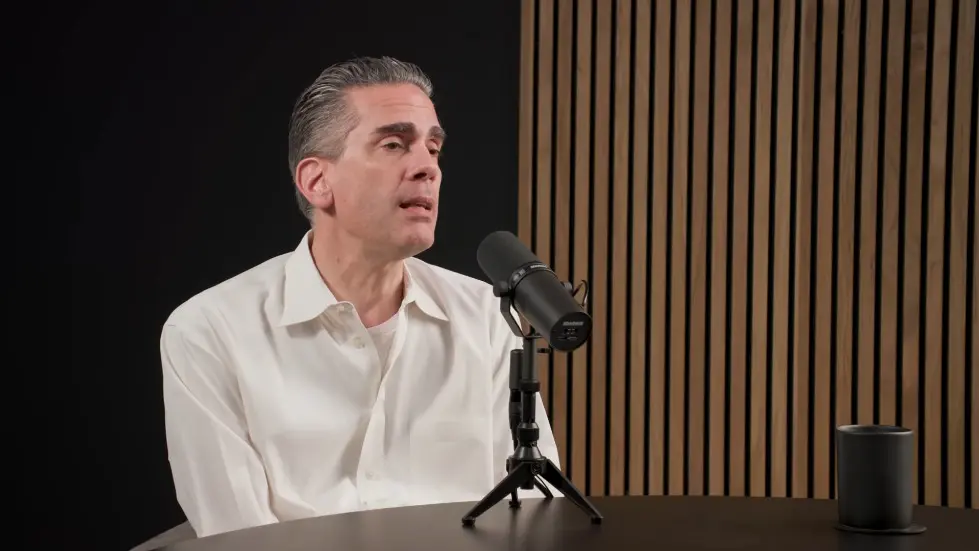
The video is about Dr. Andrew Huberman and Dr. Paul Conti discussing the structure of our own minds and how to think about our own minds as a way to enhance our mental health. Dr. Conti explains how our subconscious mind and our conscious mind interact to drive our emotions, decision making, and behavior. The video also discusses common challenges such as overthinking and the role of defense mechanisms and other aspects of the conscious and unconscious mind interactions that can lead us toward or away from the healthiest versions of ourselves. Dr. Conti provides protocols for addressing levels of anxiety, confidence, and self-talk, and restructuring self-talk. He also discusses the relationship between our conscious mind and our subconscious mind in ways that can be applied toward enhancing our mental health. Dr. Conti has provided several PDFs that illustrate his framework for understanding the structure of the mind and the subconscious mind, which are available for free by going to the links in the show.
This video by Andrew Huberman was published on Sep 6, 2023.
Video length: 03:42:50.
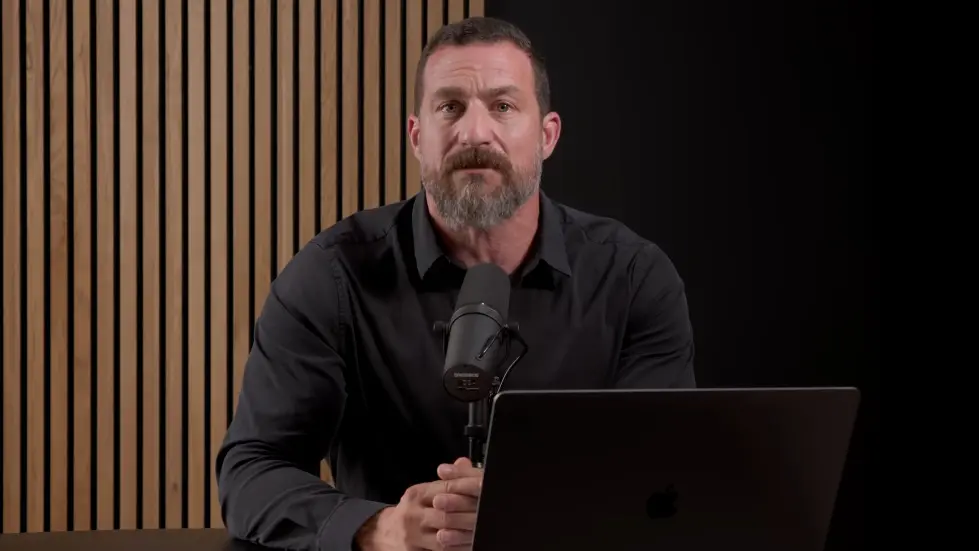
The video is about Dr. Paul Conti, a medical doctor and psychiatrist, discussing the structure of our own minds and how to think about our own minds as a way to enhance our mental health.
The episode addresses several key questions and provides protocols for addressing levels of anxiety, confidence, and other mental health concerns. Dr. Conti describes a framework for understanding the relationship between our conscious and subconscious minds and how to apply it to enhance our mental health. He also provides PDFs that illustrate the framework and are available for free download.
The episode emphasizes the importance of mental health and the transformative power of the information presented.
- The video is from Andrew Huberman's YouTube channel.
- The video is a part of a transcript of a video with the title 'Dr. Paul Conti: How to Understand & Assess Your Mental Health | Huberman Lab Guest Series - YouTube' and with the description 'The video is about Dr. Paul Conti discussing the structure of our own minds and how to think about our own minds as a way to enhance our mental health. Dr. Conti explains how our subconscious mind and our conscious mind interact to drive our emotions, decision making, and behavior. The video also discusses common challenges such as overthinking and the role of defense mechanisms and other aspects of the conscious and unconscious mind interactions that can lead us toward or away from the healthiest versions of ourselves. Dr. Conti provides protocols for addressing levels of anxiety, confidence, and self-talk, and restructuring self-talk. He also discusses the relationship between our conscious mind and our subconscious mind in ways that can be applied toward enhancing our mental health.'.
- The video discusses the structure of our own minds.
- Dr. Conti explains how our subconscious mind and our conscious mind interact to drive our emotions, decision making, and behavior.
- The video also discusses common challenges such as overthinking and the role of defense mechanisms and other aspects of the conscious and unconscious mind interactions that can lead us toward or away from the healthiest versions of ourselves.
- The video teaches us about the structure of our own minds and how to think about our own minds as a way to enhance our mental health.
- Dr. Conti provides protocols for addressing levels of anxiety, confidence, and self-talk, and restructuring self-talk.
- The video discusses the relationship between our conscious and subconscious minds in ways that can be applied toward enhancing our mental health.
- The video shares immensely powerful tools for enhancing mental health that at least to the speaker's knowledge have never been shared publicly before.
- The information was absolutely transformative in terms of reshaping the speaker's thought patterns, emotional patterns, and behavioral patterns.
- Understanding and assessing our mental health is an ongoing process.
Dr. Paul Conti: How to Understand & Assess Your Mental Health | Huberman Lab Guest Series - YouTube
Introduction
- The video is from Andrew Huberman's YouTube channel.
- The video is a part of a transcript of a video with the title 'Dr. Paul Conti: How to Understand & Assess Your Mental Health | Huberman Lab Guest Series - YouTube' and with the description 'The video is about Dr. Paul Conti discussing the structure of our own minds and how to think about our own minds as a way to enhance our mental health. Dr. Conti explains how our subconscious mind and our conscious mind interact to drive our emotions, decision making, and behavior. The video also discusses common challenges such as overthinking and the role of defense mechanisms and other aspects of the conscious and unconscious mind interactions that can lead us toward or away from the healthiest versions of ourselves. Dr. Conti provides protocols for addressing levels of anxiety, confidence, and self-talk, and restructuring self-talk. He also discusses the relationship between our conscious mind and our subconscious mind in ways that can be applied toward enhancing our mental health.'.
Section 1: The Structure of Our Own Minds
- The video discusses the structure of our own minds.
- Dr. Conti explains how our subconscious mind and our conscious mind interact to drive our emotions, decision making, and behavior.
- The video also discusses common challenges such as overthinking and the role of defense mechanisms and other aspects of the conscious and unconscious mind interactions that can lead us toward or away from the healthiest versions of ourselves.
Section 2: Understanding Our Own Minds
- The video teaches us about the structure of our own minds and how to think about our own minds as a way to enhance our mental health.
- Dr. Conti provides protocols for addressing levels of anxiety, confidence, and self-talk, and restructuring self-talk.
Dr. Paul Conti: How to Understand & Assess Your Mental Health | Huberman Lab Guest Series - YouTube
Section 3: The Relationship Between Conscious and Subconscious Minds
- The video discusses the relationship between our conscious mind and our subconscious mind in ways that can be applied toward enhancing our mental health.
Section 4: Conclusion
- The video shares immensely powerful tools for enhancing mental health that at least to the speaker's knowledge have never been shared publicly before.
- The information was absolutely transformative in terms of reshaping the speaker's thought patterns, emotional patterns, and behavioral patterns.
Introduction
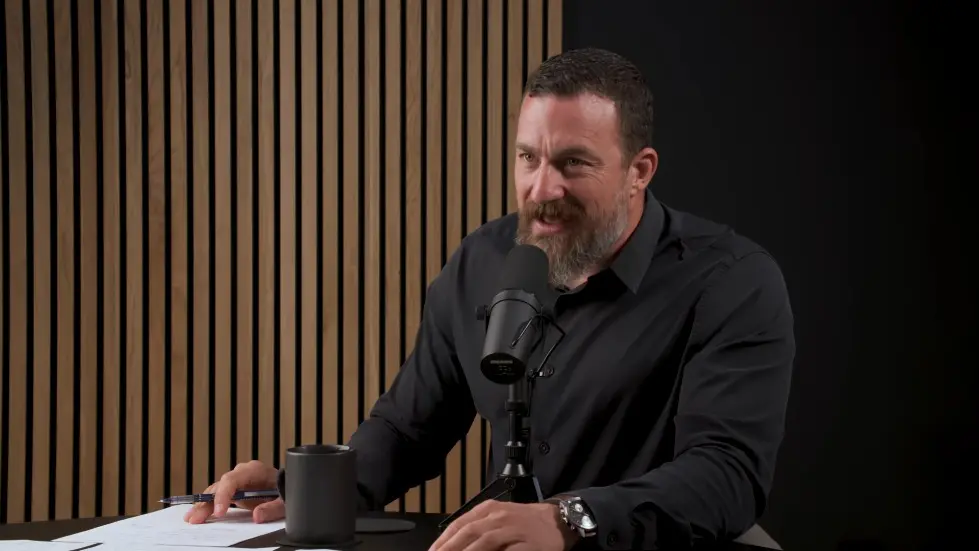
- The video is about Dr. Paul Conti discussing the structure of our own minds and how to think about our own minds as a way to enhance our mental health.
- Dr. Conti explains how our subconscious mind and our conscious mind interact to drive our emotions, decision making, and behavior.
- The video also discusses common challenges such as overthinking and the role of defense mechanisms and other aspects of the conscious and unconscious mind interactions that can lead us toward or away from the healthiest versions of ourselves.
- Dr. Conti provides protocols for addressing levels of anxiety, confidence, and self-talk, and restructuring self-talk.
- He also discusses the relationship between our conscious mind and our subconscious mind in ways that can be applied toward enhancing our mental health.
The Structure of Our Minds
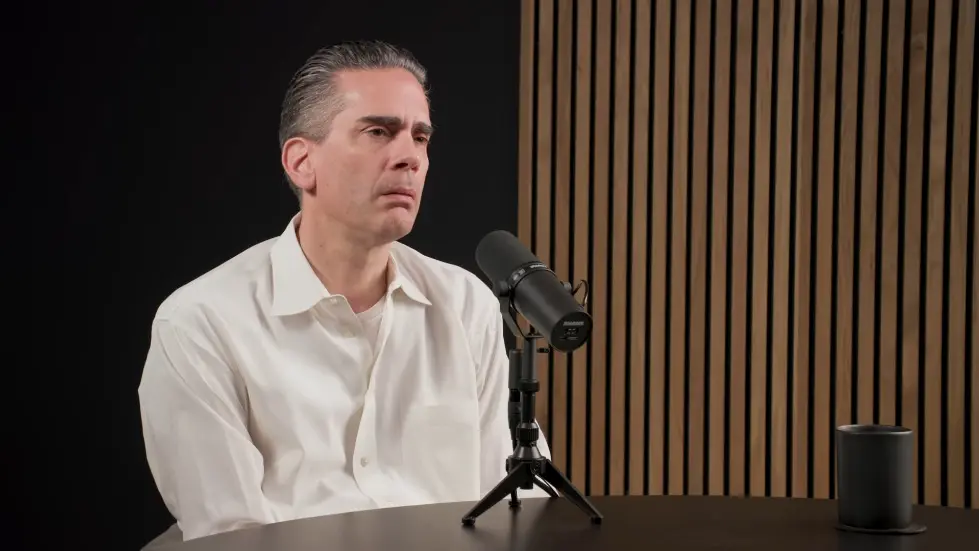
- Our minds are made up of two parts: the conscious mind and the subconscious mind.
- The conscious mind is where we experience our thoughts, emotions, and perceptions.
- The subconscious mind is where our habits, beliefs, and memories are stored and processed.
- Our subconscious mind influences our conscious mind and our behavior.
- Our thoughts and emotions are shaped by our past experiences and our beliefs.
Understanding Our Minds
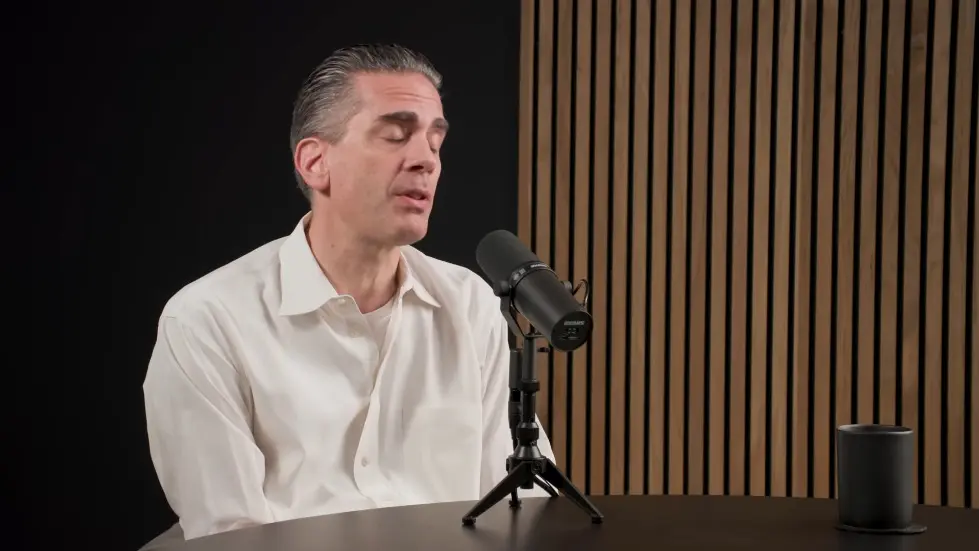
- Understanding our own minds is key to enhancing our mental health.
- We can learn to observe our thoughts and emotions without getting caught up in them.
- We can learn to identify our patterns of thinking and behavior.
- We can learn to challenge our beliefs and assumptions.
- We can learn to cultivate self-awareness and mindfulness.
Assessing Our Mental Health
- Assessing our mental health involves understanding our own minds and our emotions.
- We can learn to recognize signs of anxiety, depression, and other mental health issues.
- We can learn to identify our defense mechanisms and how they are affecting our behavior.
- We can learn to develop coping strategies for dealing with difficult emotions.
- We can learn to seek support from others when needed.
Conclusion
- Understanding and assessing our mental health is an ongoing process.
- We can learn to cultivate self-awareness and mindfulness.
- We can learn to develop coping strategies for dealing with difficult emotions.
- We can learn to seek support from others when needed.
- By taking these steps, we can enhance our mental health and live our best lives.
Section 1: The Importance of Agency and Gratitude
- Having agency and gratitude can lead to a healthy self-image and a positive outlook on life.
- Agency refers to the ability to affect the world around us in the ways that we want.
- Gratitude is the practice of being thankful and appreciative of the good things in our lives.
- Agency and gratitude are interconnected and can lead to a sense of empowerment and humility.
- Having a healthy structure and function of the self is important for developing agency and gratitude.
Section 2: Understanding the Structure and Function of the Self
- The structure of the self refers to the components and parts that make up our identity.
- The function of the self refers to how these components work together to create our behavior and thoughts.
- Understanding the structure and function of the self can help us identify areas for improvement and growth.
- A healthy structure and function of the self can lead to a sense of empowerment and humility.
- The structure and function of the self are interconnected and can affect each other.
Section 3: The Relationship Between Empowerment, Humility, and Agency
- Empowerment refers to the ability to navigate the world around us and bring ourselves to bear in effective ways.
- Humility refers to a sense of our place in the world and our power to navigate it as we choose.
- Agency and gratitude are important components of empowerment and humility.
- Empowerment and humility can lead to a sense of agency and gratitude.
- Having a healthy structure and function of the self can lead to empowerment and humility.
Section 4: The Importance of Gratitude in Mental Health
- Gratitude is a practice that can have positive effects on mental health.
- Gratitude can lead to a sense of well-being and happiness.
- Gratitude can help us focus on the positive aspects of our lives.
- Gratitude can help us develop a more positive outlook on life.
- Gratitude can be practiced through various methods, such as journaling or meditation.
The Structure of Our Own Minds
- The subconscious mind and conscious mind interact to drive our emotions, decision making, and behavior.
- Our thoughts and beliefs shape our reality and influence our actions.
- Our past experiences and memories can impact our present behavior and emotions.
- Our thoughts and beliefs can be influenced by external factors such as media and social norms.
- Our thoughts and beliefs can be changed through conscious effort and self-awareness.
Assessing Our Mental Health
- Understanding our own thoughts and beliefs is key to assessing our mental health.
- Common challenges such as overthinking and defense mechanisms can lead us away from the healthiest versions of ourselves.
- It is important to be aware of our emotions and how they are impacting our behavior.
- Seeking professional help can be beneficial in addressing mental health issues.
- It is important to prioritize self-care and take steps to improve our mental health.
Protocols for Addressing Mental Health Issues
- Addressing levels of anxiety involves identifying and challenging negative thoughts and beliefs.
- Building confidence involves developing a growth mindset and focusing on progress rather than perfection.
- Improving self-talk involves replacing negative self-talk with positive affirmations and self-compassion.
- Restructuring self-talk involves identifying and challenging negative self-talk patterns and replacing them with positive ones.
- It is important to be patient and consistent in addressing mental health issues.
The Relationship Between Conscious and Subconscious Minds
- The conscious mind and subconscious mind interact to shape our thoughts, emotions, and behavior.
- The subconscious mind can influence our conscious thoughts and emotions without our awareness.
- The conscious mind can influence the subconscious mind through conscious effort and self-awareness.
- The conscious mind can be trained to become more aware of its own thoughts and emotions.
- The conscious mind can be trained to become more in control of its own thoughts and emotions.
The Structure of the Self
- The structure of the self refers to the connections between the conscious and unconscious mind.
- The conscious mind is the part of the self that we are aware of, while the unconscious mind is the part that we are not aware of.
- The unconscious mind is the biological supercomputer that controls our thoughts, habits, and behaviors.
- The unconscious mind is responsible for millions of things that happen under the surface, such as electrical and chemical signals and multiple pathways.
- The conscious mind is the part of the self that we can control and manipulate, while the unconscious mind is beyond our control.
The Function of the Self
- The function of the self is to control our thoughts, habits, and behaviors.
- The conscious mind is responsible for decision making, self-talk, and emotions.
- The unconscious mind is responsible for our subconscious thoughts, habits, and behaviors.
- The conscious mind and unconscious mind interact to drive our emotions, decision making, and behavior.
- The function of the self is to help us achieve agency and gratitude.
Assessing the Self
- Assessing the self involves understanding the structure and function of the self.
- Assessing the self involves looking at the unconscious mind and the conscious mind.
- Assessing the self involves looking at the connections between the conscious and unconscious mind.
- Assessing the self involves looking at the thoughts, habits, and behaviors of the self.
- Assessing the self involves looking at the emotions, decision making, and behavior of the self.
Creating the Healthy Psychological Self
- Creating the healthy psychological self involves understanding the structure and function of the self.
- Creating the healthy psychological self involves exploring the unconscious mind and the conscious mind.
- Creating the healthy psychological self involves looking at the connections between the conscious and unconscious mind.
- Creating the healthy psychological self involves looking at the thoughts, habits, and behaviors of the self.
- Creating the healthy psychological self involves looking at the emotions, decision making, and behavior of the self.
The Structure of Our Minds
- The conscious mind is the part of the iceberg that is above the water and is vulnerable to various defenses.
- The unconscious mind is the part of the iceberg that is under the water and is responsible for defense mechanisms.
- The conscious mind is girded by defense mechanisms that arise from the unconscious mind to protect it from the world around us.
- The vulnerability of the conscious mind is to fear, confusion, and despair.
- The character structure is the raw material from which we create our personality and is made up of the part under the water, the part above the water, and the defensive structure around it.
Defense Mechanisms
- Defense mechanisms are unconscious to us and are used to protect the conscious mind from the world around us.
- Defense mechanisms can include rationalization, avoidance, and acting out.
- Defense mechanisms can be used to protect us from fear, confusion, and despair.
- Defense mechanisms can be used to protect us from awareness of our own vulnerability.
- Defense mechanisms can be used to protect us from awareness of our own limitations.
Character Structure
- The character structure is the thing that we use to interface with the world around us.
- The character structure is made up of the part under the water, the part above the water, and the defensive structure around it.
- The character structure determines how we engage with the world around us.
- The character structure determines the decisions that we make.
- The character structure determines the self that comes at the world in a certain way.
Personality
- Personality is made up of the character structure and the decisions that we make.
- Personality is determined by the unconscious mind and the defense mechanisms that arise from it.
- Personality is determined by the conscious mind and the decisions that we make.
- Personality is determined by the interaction between the conscious mind and the unconscious mind.
- Personality is determined by the interaction between the conscious mind and the defense mechanisms that arise from it.
The Structure of Our Own Minds
- The self is the product of feelings, thoughts, and knowledge about ourselves and ourselves.
- Our subconscious mind and conscious mind interact to drive our emotions, decision making, and behavior.
- Our decisions lead to a healthy or unhealthy character structure.
- Our character structure is built upon a structure of self and a function of self that are healthy.
- Empowerment and humility are the result of a healthy character structure.
Dispositions and Contextual Conditions
- Dispositions are contextual and depend on different conditions.
- Different dispositions are appropriate for different conditions.
- Dispositions can be adaptive or maladaptive.
- Different dispositions can be appropriate for different environments and people.
- The definition of a healthy character structure is when dispositions match the context perfectly.
Predispositions and Contextual Conditions
- Predispositions are inherited and not learned.
- Predispositions can be adaptive or maladaptive.
- Predispositions can be appropriate for different contexts.
- Predispositions can be different from dispositions.
- Predispositions can be evaluated for ourselves.
Evaluating Character Structure
- Character structure is context-driven and not dispositions.
- Character structure is evaluated based on predispositions.
- Character structure is evaluated based on how it responds to different contexts.
- Character structure can be evaluated for ourselves.
- Character structure can be improved by understanding and evaluating it.
Section 1: Understanding the Structure of Our Own Minds
- The video discusses the structure of our own minds and how to think about our own minds as a way to enhance our mental health.
- Our subconscious mind and our conscious mind interact to drive our emotions, decision making, and behavior.
- Common challenges such as overthinking and the role of defense mechanisms and other aspects of the conscious and unconscious mind interactions that can lead us toward or away from the healthiest versions of ourselves.
- Dr. Conti provides protocols for addressing levels of anxiety, confidence, and self-talk, and restructuring self-talk.
- He also discusses the relationship between our conscious mind and our subconscious mind in ways that can be applied toward enhancing our mental health.
Section 2: Assessing Our Own Character Structure
- The video acknowledges that most people are familiar with assessing and assigning names to the character structures of others, but few are familiar with assessing their own character structure.
- Dr. Conti explains that certain questions and narratives can reveal to the clinician the character structure and perhaps from there some of the possible defense mechanisms and structure of the person's unconscious mind and conscious mind that are unaware to them.
- He suggests that we should be asking what type of character do we have depending on one circumstance or another, and what sorts of defenses we have.
- Dr. Conti also discusses the issue of what are healthy versus unhealthy defenses because the defense mechanisms are a very strong component in determining what our character structure is.
- He identifies factors that are consistently relevant across people and get identified as such, such as isolation versus affiliation.

Section 3: Addressing Levels of Anxiety, Confidence, and Self-Talk
- Dr. Conti provides protocols for addressing levels of anxiety, confidence, and self-talk.
- He suggests that we should restructure our self-talk by focusing on positive affirmations and reframing negative thoughts.
- He also recommends practicing mindfulness and meditation to help manage anxiety and improve mental health.
- Dr. Conti suggests that we should focus on building a growth mindset, which involves embracing challenges and learning from them.
- He emphasizes the importance of self-care, such as getting enough sleep, exercise, and nutrition, to support mental health and well-being.
Section 4: Conclusion
- The video provides a comprehensive overview of the structure of our own minds and how to think about our own minds as a way to enhance our mental health.
- Dr. Conti emphasizes the importance of assessing our own character structure and addressing levels of anxiety, confidence, and self-talk.
- He suggests that we should focus on building a growth mindset and practicing self-care to support mental health and well-being.
- Overall, the video provides valuable insights and practical strategies for improving our mental health and well-being.
Factors to Consider
- Affiliative or isolating tendencies
- Use of humor and its impact on discomfort and belittling others
- Exploring action states, such as isolation versus engagement, to reveal character structure
- Observing a person's reactions to events to understand their potentialities and positions
- Engaging with someone to understand the self and its components
Character Structure
- Potentialities and positions that interface with events
- Defense mechanisms that reveal themselves through action steps
- Understanding the self and its components to make things better
Clinician's Role
- Listening for places where defense mechanisms can reveal themselves
- Exploring potentialities and positions through enacting them in life
- Engaging with and understanding the self to learn about what is underneath
- Asking questions to understand elements of character structure and self-response in certain situations
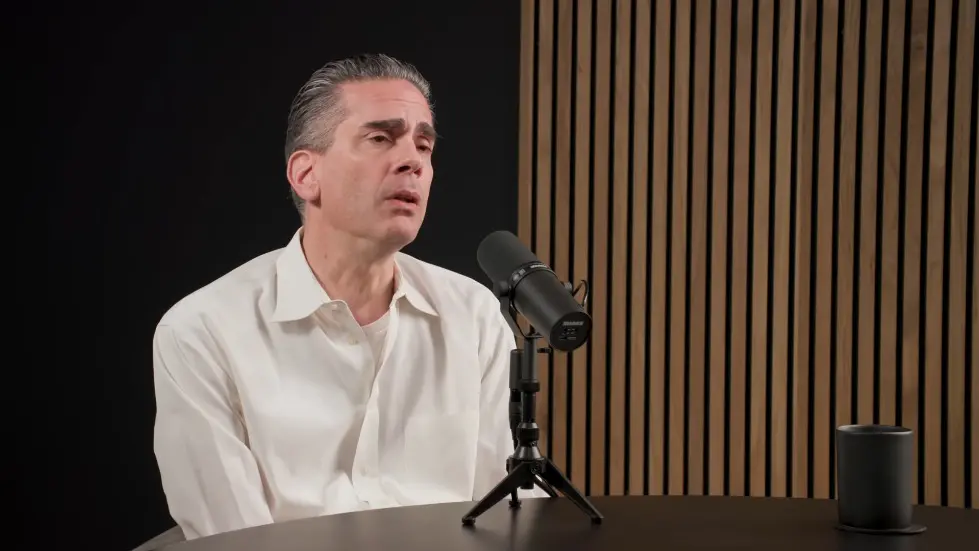
The Structure of Our Own Minds
- The idea is that mental health should not be a mystery anymore.
- Examining a self and understanding its components can help make changes to improve mental health.
- Understanding the structure of the mind can empower individuals to feel humility, altruism, and gratitude.
- Anxiety is a basic function of the autonomic nervous system and can affect a person's ability to sleep and wake up feeling reasonably good.
- Anxiety can be a healthy defense mechanism that keeps individuals vigilant about important things, but too much anxiety can be counterproductive.
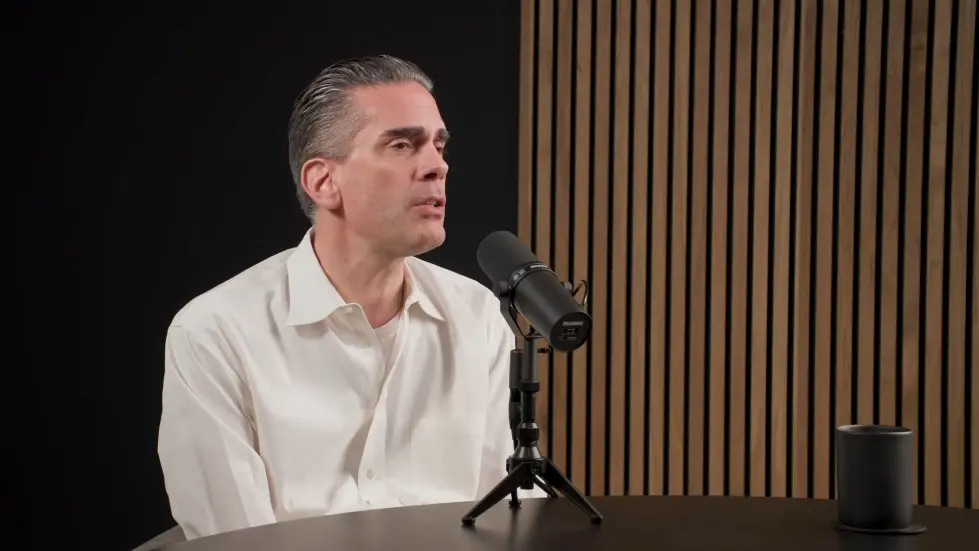
Assessing Mental Health
- Physical examination, history, and imaging can provide important information about a person's mental health.
- Examining a self and understanding its components can help identify the root cause of mental health issues.
- Understanding the structure of the mind can help individuals make changes to improve their mental health.
- Anxiety can be a healthy defense mechanism that keeps individuals vigilant about important things, but too much anxiety can be counterproductive.
- It is important to differentiate between healthy and unhealthy defense mechanisms and to find a balance between vigilance and counterproductivity.
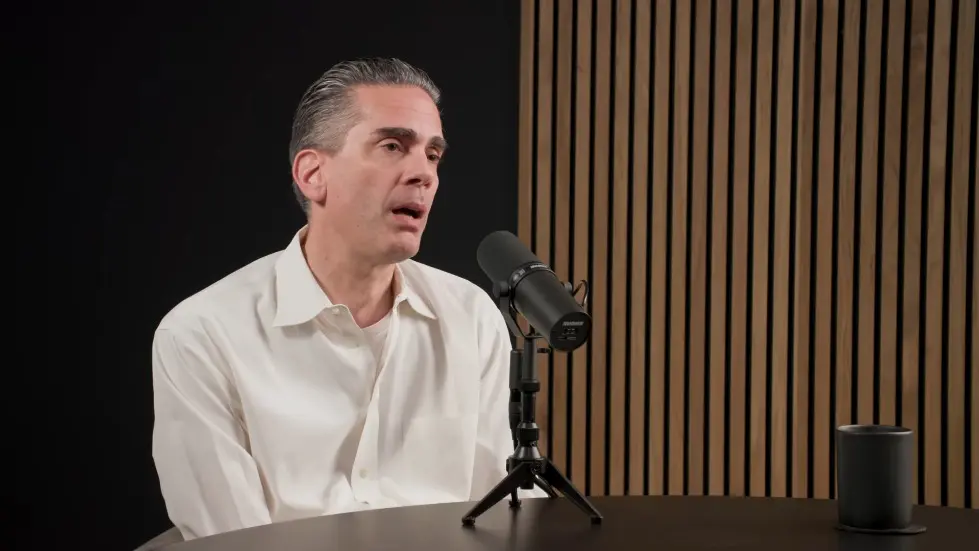
Understanding the Conscious and Unconscious Mind
- The conscious mind and the unconscious mind interact to drive emotions, decision making, and behavior.
- The conscious mind is responsible for self-awareness and decision making, while the unconscious mind is responsible for habits and reflexes.
- Defense mechanisms are unconscious strategies that individuals use to protect themselves from anxiety or other negative emotions.
- Understanding the relationship between the conscious and unconscious mind can help individuals make changes to improve their mental health.
- Defense mechanisms can be both healthy and unhealthy, and it is important to differentiate between them to find a balance between protection and growth.
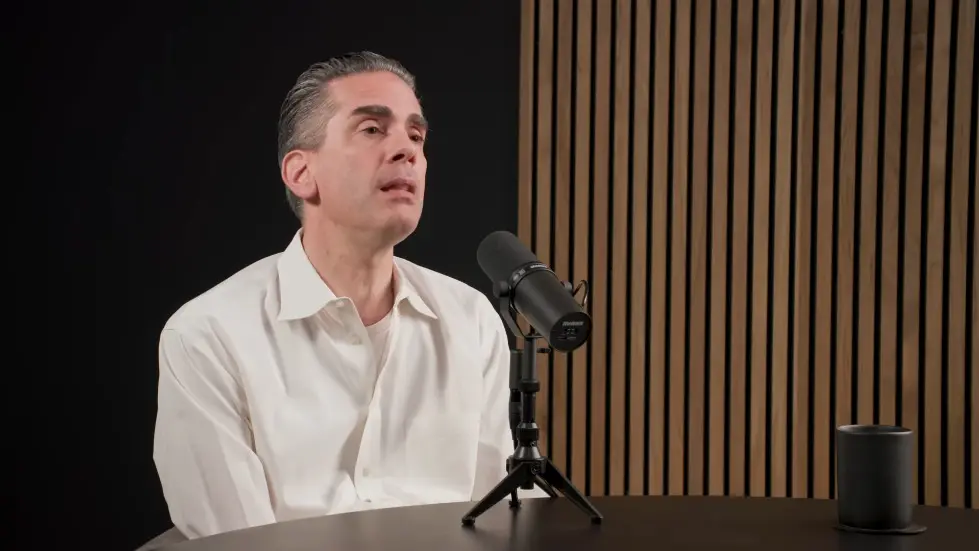
Protocols for Addressing Mental Health Issues
- There are protocols for addressing levels of anxiety, confidence, and self-talk that can be applied to improve mental health.
- Restructuring self-talk can help individuals change their negative thought patterns and improve their mental health.
- Empowering individuals to feel humility, altruism, and gratitude can improve their mental health and overall well-being.
- It is important to find a balance between vigilance and counterproductivity to maintain good mental health.
- Consulting with a mental health professional can provide additional support and guidance in addressing mental health issues.
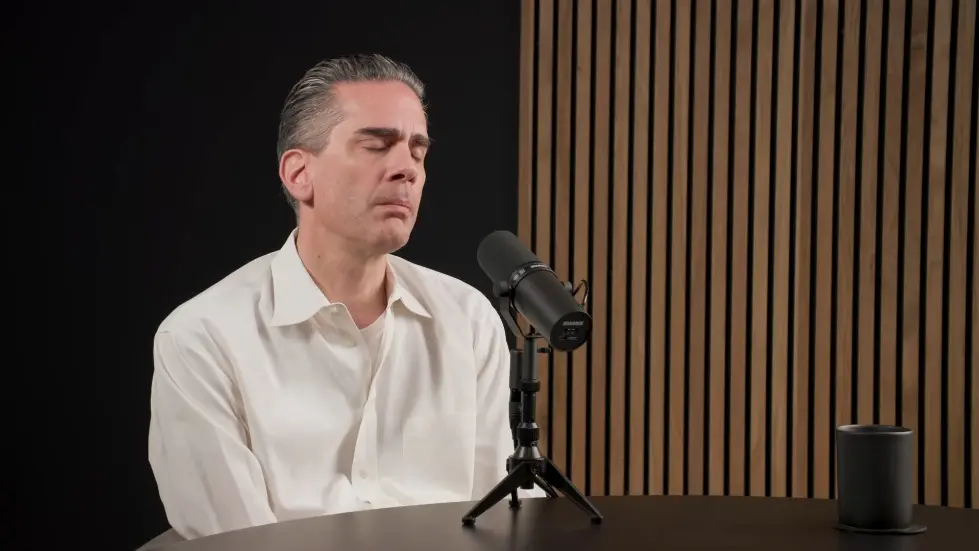
The Structure of Our Own Minds
- The subconscious mind and conscious mind interact to drive our emotions, decision making, and behavior.
- Common challenges such as overthinking and the role of defense mechanisms and other aspects of the conscious and unconscious mind interactions that can lead us toward or away from the healthiest versions of ourselves.
- Dr. Conti provides protocols for addressing levels of anxiety, confidence, and self-talk, and restructuring self-talk.
- The relationship between our conscious mind and our subconscious mind can be applied toward enhancing our mental health.
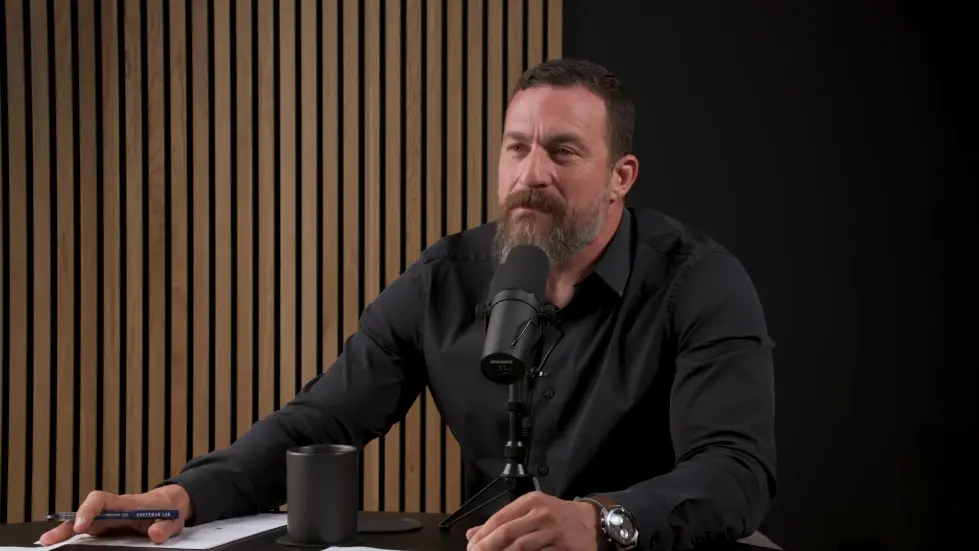
Defenses Around Us
- Defense mechanisms are girding our conscious self and impacting our character structure and decisions.
- Avoidance behavior can be a defense mechanism that leads to anxiety and other negative emotions.
- Understanding the defense mechanisms and character structure can help us address our mental health issues.
- Probing the self that's riding along on top of it can help us understand the experience of that self and make changes.
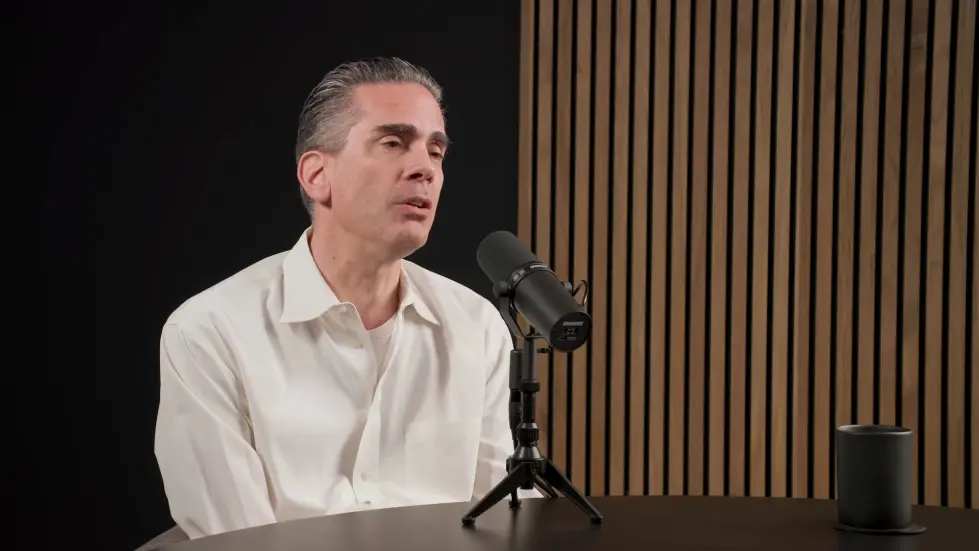
Addressing Mental Health Issues
- We can understand what's the experience of the self and if we do all of that how is it that we don't get to a place where we can understand anxiety and make things better.
- We can understand that anxiety is something negative that is making unhappiness for us and taking away from empowerment and humility.
- We can understand that confidence is our ability to trust our predispositions and potentialities enough that we would feel pretty good that we would respond the right way in a way that wouldn't threaten our conscious mind at a core level.
- We can understand that narcissism is not a psychologically healthy person and anyone truly psychologically healthy person would not want to be the idiot that gets called upon to answer a question publicly or give a speech or be at a critical moment in a relationship or something and just everything is just going to go so badly wrong that it's just gonna dissolve them as a person.
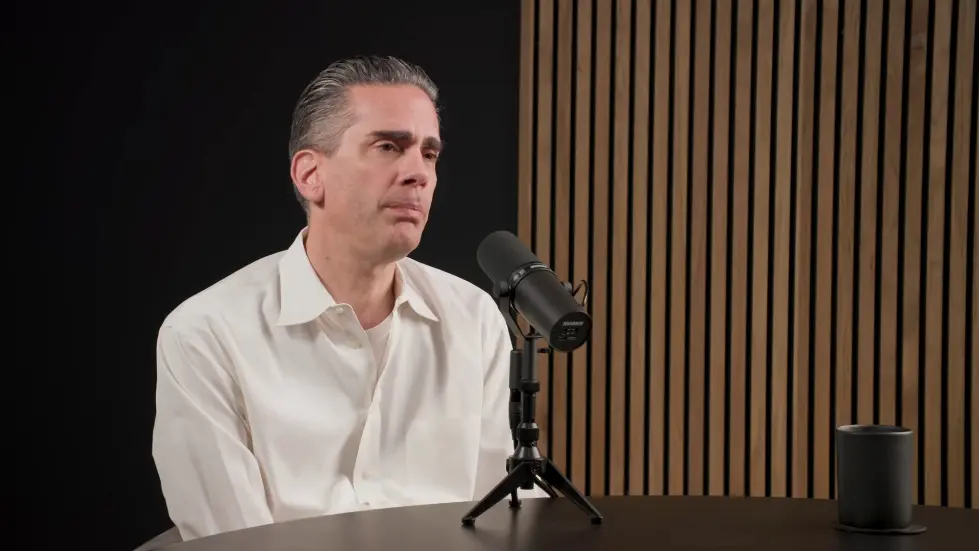
Section 1: Understanding Confidence
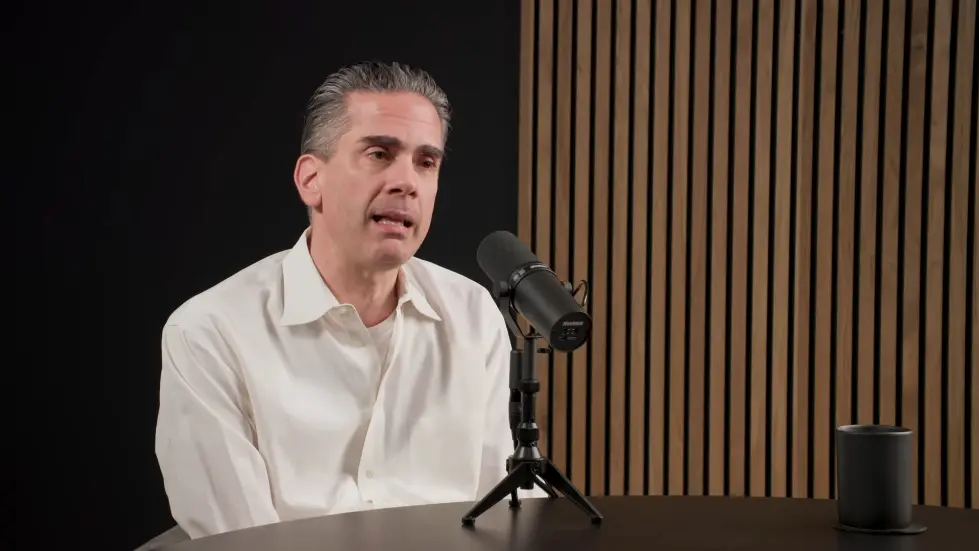
- Confidence is not uniform across the board.
- It is not automatically uniform.
- Confidence can be specific to a certain area.
- It is often the case that a person has the potentialities and predispositions for confidence, but lacks it in a specific situation.
- The lack of confidence can be due to state dependence or phenomenology.
Section 2: State Dependence and Phenomenology
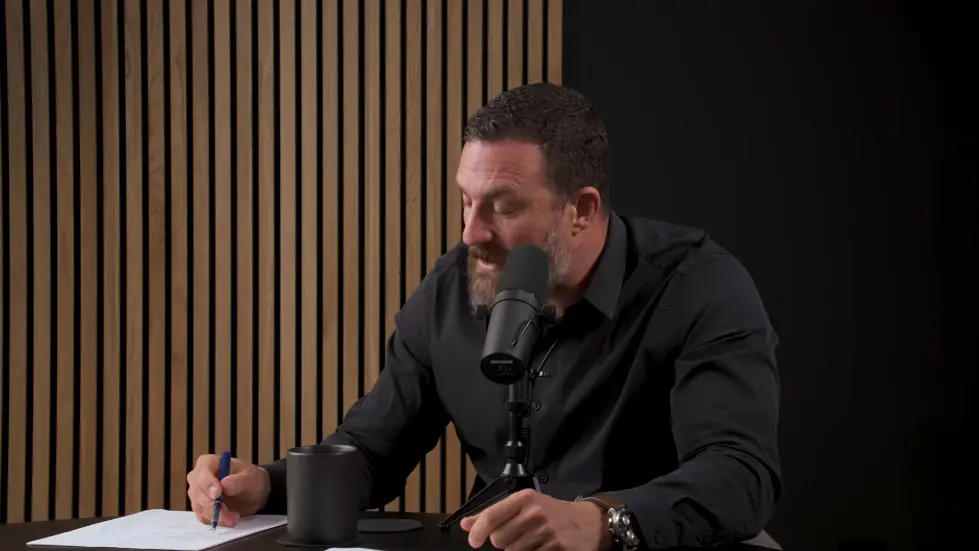
- State dependence refers to the fact that confidence can vary depending on the situation.
- Phenomenology refers to the subjective experience of confidence.
- It is important to understand the state dependence and phenomenology of confidence in order to make it better.
- The lack of confidence can be due to childhood trauma or early life trauma.
- The state dependence and phenomenology of confidence can be impacted by childhood trauma or early life trauma.
Section 3: Understanding Confidence
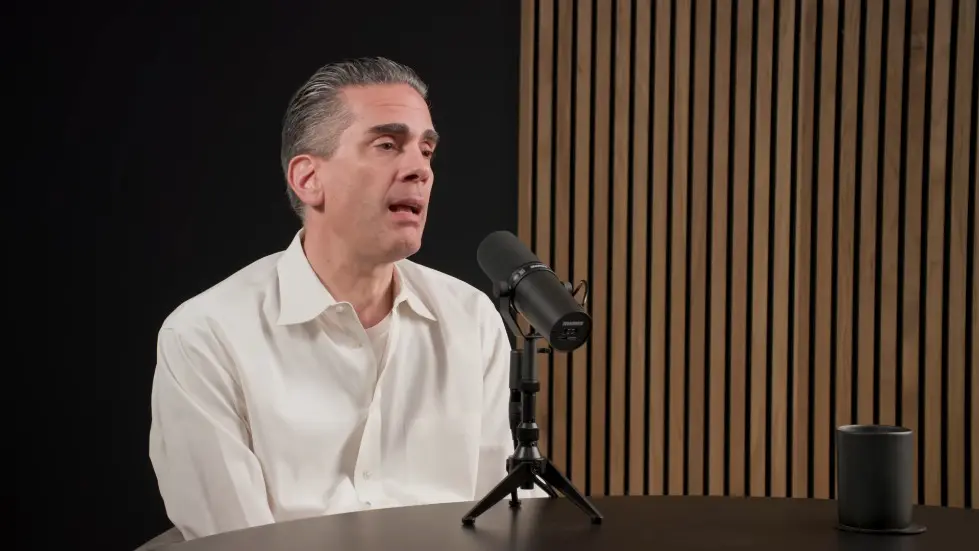
- It is important to understand the state dependence and phenomenology of confidence.
- The lack of confidence can be due to childhood trauma or early life trauma.
- It is important to understand the real-world experience of confidence across situations.
- It is important to understand the person's experience of confidence inside.
- The conveyor belt medicine does not work in situations where we are dealing with human beings, such as mental health.
Section 4: Beliefs and Internal Narratives
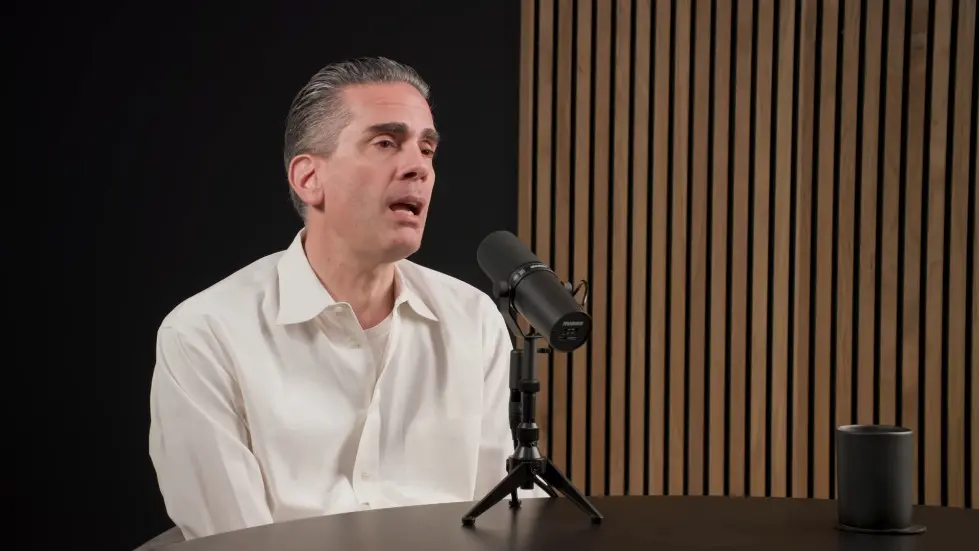
- People often ask how to change their beliefs about themselves.
- People also ask how to change their internal narratives.
- It is important to understand the context and knowledge of what a person is telling us.
- It is important to understand the real-world experience of beliefs and internal narratives.
- It is important to understand the person's experience of beliefs and internal narratives inside.
The Structure of Our Own Minds
- The self or the structure of self includes the unconscious mind.
- The conscious mind is protected by defense mechanisms that grow from the unconscious mind.
- Character structure and beliefs are formed from the interaction of the unconscious and conscious minds.
- Internal dialogue and narratives are extremely important and can affect our lives significantly.
- We live in a culture that is attuned to rapid gratification, which can make it difficult to change beliefs and internal narratives quickly.
Beliefs and Internal Narratives
- Beliefs and internal narratives are important to rewire and reset.
- Changing beliefs can be a slow process that requires time and effort.
- Beliefs don't change quickly, and it can take months or years to make significant changes.
- Beliefs are emotionally laden and can be difficult to change, but they can be changed through the process of atrophy.
- In a world that values rapid gratification, it can be challenging to fix beliefs and internal narratives.
Therapy and Beliefs
- Therapy can be effective in changing beliefs and internal narratives, but it may not always be successful.
- Therapy can take time and effort to produce significant changes in beliefs and internal narratives.
- It is important to be aware of what is going on inside ourselves and to make changes in a conscious and deliberate manner.
- Changing beliefs and internal narratives can help us feel better about ourselves and more confident in our abilities.
- Approaching change in the right way is crucial to achieving success in rewiring beliefs and internal narratives.
The Path to Change
- Making changes in beliefs and internal narratives can be a challenging but rewarding process.
- Blazing a new path in our minds can lead to significant improvements in our lives.
- The path to change may not always be easy, but it can be well-lit and wide enough to accommodate more traffic over time.
- Paving the path can help to make it easier for more people to travel along it and achieve their goals.
- The process of change requires time, effort, and a conscious commitment to making positive changes in our beliefs and internal narratives.
Understanding Our Mental Health
- The video discusses the structure of our own minds and how to think about our own minds as a way to enhance our mental health.
- The subconscious mind and the conscious mind interact to drive our emotions, decision making, and behavior.
- Common challenges such as overthinking and the role of defense mechanisms and other aspects of the conscious and unconscious mind interactions that can lead us toward or away from the healthiest versions of ourselves.
- Dr. Conti provides protocols for addressing levels of anxiety, confidence, and self-talk, and restructuring self-talk.
- The relationship between our conscious mind and our subconscious mind can be applied toward enhancing our mental health.
Identifying Our Mental Health Issues
- Understanding what is going on inside ourselves is important for identifying our mental health issues.
- We need to remember things and understand the process of change to increase our empowerment during the process of change.
- Changing beliefs and internal narratives is very hard, but understanding the tools or the questions that can help patients along the pathway is important.
- We need to understand the beliefs and internal narratives that have changed despite the fact that someone is engaging in the world differently and more positively.
- We need to address the pattern of something bad happens and we can't take care of ourselves for six months to stave off the fear of gaining weight back.
Practical Tools for Mental Health
- We can ask the question of what's going on inside to understand the beliefs and internal narratives that have changed despite the fact that someone is engaging in the world differently and more positively.
- We can work together to stave off the fear of gaining weight back by understanding the pattern and the beliefs and internal narratives that have changed.
- We can reinforce the positive by looking at where that comes from and making sure we are doing that well.
- We can come at it through the lens of health to reinforce the positive and address any negative aspects of the beliefs and internal narratives.
- We can come at it and reinforce the positive by looking at where that comes from and making sure we are doing that well.
Conclusion
- Understanding our own minds and the relationship between our conscious mind and our subconscious mind is important for enhancing our mental health.
- Identifying our mental health issues and understanding the beliefs and internal narratives that have changed despite the fact that we are engaging in the world differently and more positively is important.
- Practical tools such as asking the question of what's going on inside, working together to stave off the fear of gaining weight back, and reinforcing the positive can help us address our mental health issues.
- We can come at it through the lens of health to reinforce the positive and address any negative aspects of the beliefs and internal narratives.
- By understanding our own minds and the beliefs and internal narratives that have changed, we can increase our empowerment during the process of change and enhance our mental health.
Understanding the Structure of Our Own Minds
- The subconscious mind and conscious mind interact to drive our emotions, decision making, and behavior.
- Our thoughts and emotions are influenced by our past experiences and traumas.
- Our subconscious mind holds beliefs, patterns, and habits that shape our behavior and emotions.
- Our conscious mind is responsible for our thoughts, decisions, and actions.
- Our conscious mind can be influenced by our beliefs, patterns, and habits from our subconscious mind.
Assessing Our Mental Health
- Our mental health can be assessed by understanding our thoughts, emotions, and behaviors.
- Our mental health can be influenced by our past experiences and traumas.
- Our mental health can be improved by addressing our beliefs, patterns, and habits from our subconscious mind.
- Our mental health can be improved by addressing our thoughts, emotions, and behaviors in the present moment.
- Our mental health can be improved by developing a healthy relationship with our subconscious mind and conscious mind.
Protocols for Addressing Mental Health Issues
- Addressing anxiety involves identifying and challenging negative thoughts and beliefs.
- Addressing confidence involves developing a growth mindset and focusing on progress over perfection.
- Addressing self-talk involves restructuring negative self-talk into positive affirmations.
- Addressing mental health issues involves developing a healthy relationship with our subconscious mind and conscious mind.
- Addressing mental health issues involves addressing underlying physical health issues that may be impacting mental health.
Relationship between Conscious and Subconscious Minds
- Our conscious mind is responsible for our thoughts, decisions, and actions.
- Our subconscious mind holds beliefs, patterns, and habits that shape our behavior and emotions.
- Our conscious mind can be influenced by our beliefs, patterns, and habits from our subconscious mind.
- Our subconscious mind can be influenced by our conscious mind through conscious effort and awareness.
- Our conscious mind and subconscious mind work together to shape our thoughts, emotions, and behaviors.
Section 1: Understanding the Structure of Our Own Minds
- The subconscious mind and conscious mind interact to drive our emotions, decision making, and behavior.
- Our subconscious mind is responsible for our automatic thoughts and behaviors, while our conscious mind is responsible for our awareness and decision making.
- Our subconscious mind is influenced by our past experiences, beliefs, and values, while our conscious mind is influenced by our present thoughts and actions.
- Our subconscious mind can be accessed through techniques such as meditation, journaling, and therapy.
- Understanding the structure of our own minds can help us gain insight into our thoughts, emotions, and behaviors, and make positive changes in our lives.
Section 2: Assessing Our Mental Health
- Our mental health is influenced by our thoughts, emotions, and behaviors, as well as external factors such as stress, trauma, and relationships.
- Common mental health challenges include anxiety, depression, bipolar disorder, and schizophrenia.
- Self-talk plays a significant role in our mental health, and negative self-talk can contribute to feelings of low self-esteem, depression, and anxiety.
- Positive self-talk can help us build confidence, resilience, and a healthy self-image.
- Assessing our mental health involves understanding our thoughts, emotions, and behaviors, as well as seeking professional help when necessary.
Section 3: Strengthening Our Mental Health
- Strengthening our mental health involves developing healthy habits and practices, such as exercise, meditation, and therapy.
- Exercise can help reduce stress, improve mood, and increase self-esteem.
- Meditation can help us develop mindfulness, reduce stress, and improve our overall well-being.
- Therapy can help us address underlying issues and develop coping strategies for dealing with stress and trauma.
- Strengthening our mental health requires a combination of effort, dedication, and resilience.
Section 4: Conclusion
- Understanding the structure of our own minds and assessing our mental health is essential for making positive changes in our lives.
- Strengthening our mental health involves developing healthy habits and practices, as well as seeking professional help when necessary.
- Mental health is a complex and multifaceted aspect of our well-being, and requires a combination of effort, dedication, and resilience.
- By taking steps to understand and improve our mental health, we can lead happier, healthier, and more fulfilling lives.
Understanding the Structure of Our Own Minds
- The subconscious mind and conscious mind interact to drive our emotions, decision making, and behavior.
- Defense mechanisms are determined by the lay of the land and protect the conscious mind from risk.
- The unconscious turning away is protective against all negative possibilities and is pretty rational.
- The probability that one interaction could ratchet up to a life of companionship and romance with somebody is in uh exceedingly small.
- There is immense interest in understanding the unconscious processes in us that are reaching up out of the iceberg and preventing us from seeing our life and ourselves the way that it actually is occurring and perhaps preventing us from achieving these ideals of agency and gratitude empowerment and humility.
Common Challenges
- Overthinking is a common challenge that can lead us toward or away from the healthiest versions of ourselves.
- Defense mechanisms and other aspects of the conscious and unconscious mind interactions can lead us toward or away from the healthiest versions of ourselves.
Protocols for Addressing Levels of Anxiety, Confidence, and Self-Talk
- Dr. Conti provides protocols for addressing levels of anxiety, confidence, and self-talk.
Restructuring Self-Talk
- Dr. Conti discusses the relationship between our conscious mind and our subconscious mind in ways that can be applied toward enhancing our mental health.
Section 1: Understanding the Structure of Our Own Minds
- The video discusses the structure of our own minds and how to think about our own minds as a way to enhance our mental health.
- The subconscious mind and the conscious mind interact to drive our emotions, decision making, and behavior.
- Our thoughts and emotions are not always conscious and can be influenced by our subconscious mind.
- The conscious mind is responsible for our thoughts, emotions, and behavior.
- The conscious mind can be influenced by our subconscious mind and our past experiences.
Section 2: Common Challenges in Mental Health
- Overthinking is a common challenge in mental health.
- Defense mechanisms can lead us away from the healthiest versions of ourselves.
- The conscious mind and the subconscious mind can interact in ways that can lead to mental health challenges.
- The conscious mind can be influenced by the subconscious mind and past experiences.
- Mental health challenges can be caused by a combination of factors, including the conscious and unconscious mind.
Section 3: Protocols for Addressing Mental Health Challenges
- Dr. Conti provides protocols for addressing levels of anxiety, confidence, and self-talk.
- He recommends restructuring self-talk to improve mental health.
- Dr. Conti suggests addressing the relationship between the conscious and subconscious mind to improve mental health.
- He recommends using PDFs that illustrate his framework for understanding the structure of the mind and the subconscious mind to improve mental health.
- Dr. Conti suggests that being aware of what can and cannot be controlled can make the situation much better and improve mental health.
Section 4: Conclusion
- The video discusses the structure of our own minds and how to think about our own minds as a way to enhance our mental health.
- Dr. Conti provides protocols for addressing levels of anxiety, confidence, and self-talk.
- He recommends restructuring self-talk to improve mental health.
- Dr. Conti suggests addressing the relationship between the conscious and subconscious mind to improve mental health.
- Being aware of what can and cannot be controlled can make the situation much better and improve mental health.
Understanding the Structure of Our Own Minds
- The video discusses the structure of our own minds and how to think about our own minds as a way to enhance our mental health.
- The subconscious mind and the conscious mind interact to drive our emotions, decision making, and behavior.
- Common challenges such as overthinking and the role of defense mechanisms and other aspects of the conscious and unconscious mind interactions that can lead us toward or away from the healthiest versions of ourselves.
- Dr. Conti provides protocols for addressing levels of anxiety, confidence, and self-talk, and restructuring self-talk.
- The relationship between our conscious mind and our subconscious mind can be applied toward enhancing our mental health.
Exploring Reflexes
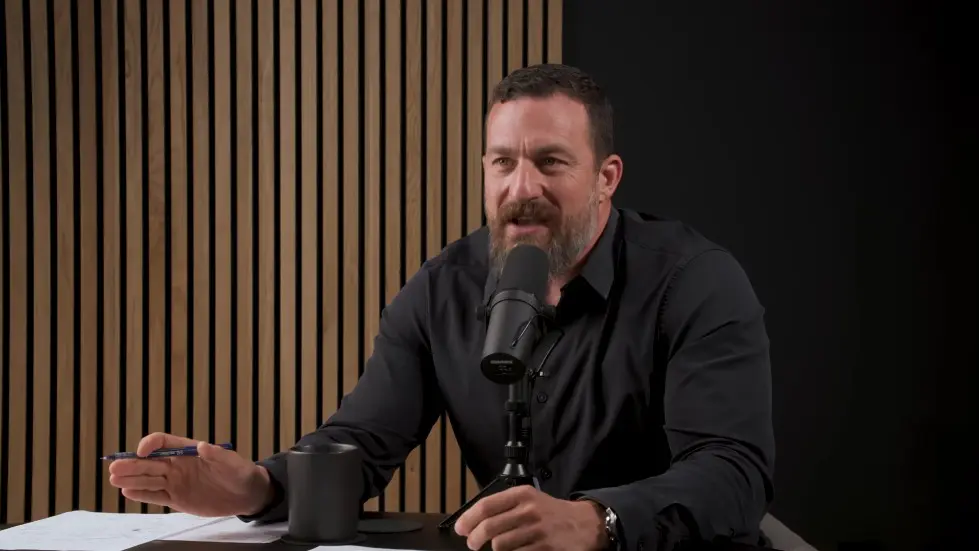
- Exploring and thinking about our reflexes is key to understanding and assessing our mental health.
- An example of displacement is kicking the dog, which may seem like a good thing to do but is actually harmful to the dog and the person doing it.
- Trickle-down anxiety is a common phenomenon in academia where the lab head's stress is passed on to graduate students and postdocs.
- Projective identification is a defense mechanism where someone's emotional state becomes contagious to others, causing them to feel anxious and tense.
- Putting our keys in the same place every day is an example of how projective identification works and can be used to avoid negative emotions and behaviors.
Defense Mechanisms
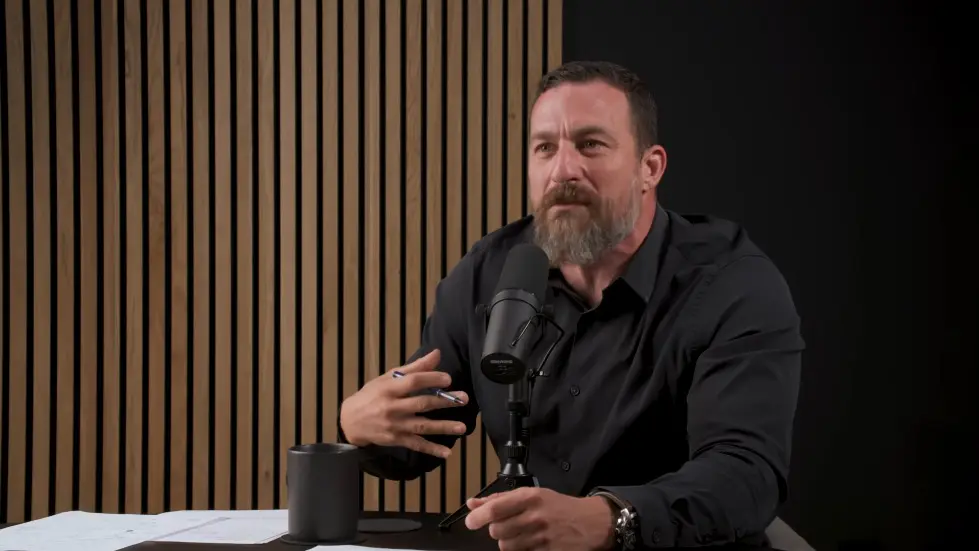
- Defense mechanisms are unconscious strategies used to protect ourselves from anxiety or distress.
- Projection is a defense mechanism where we attribute our own emotions to others.
- Displacement is a defense mechanism where we shift our emotions onto someone or something else.
- Projective identification is a defense mechanism where we express an emotional state inside of us that becomes contagious to others.
- It is important to become aware of these defense mechanisms in order to change negative patterns of behavior and thought.
Mental Health Assessment
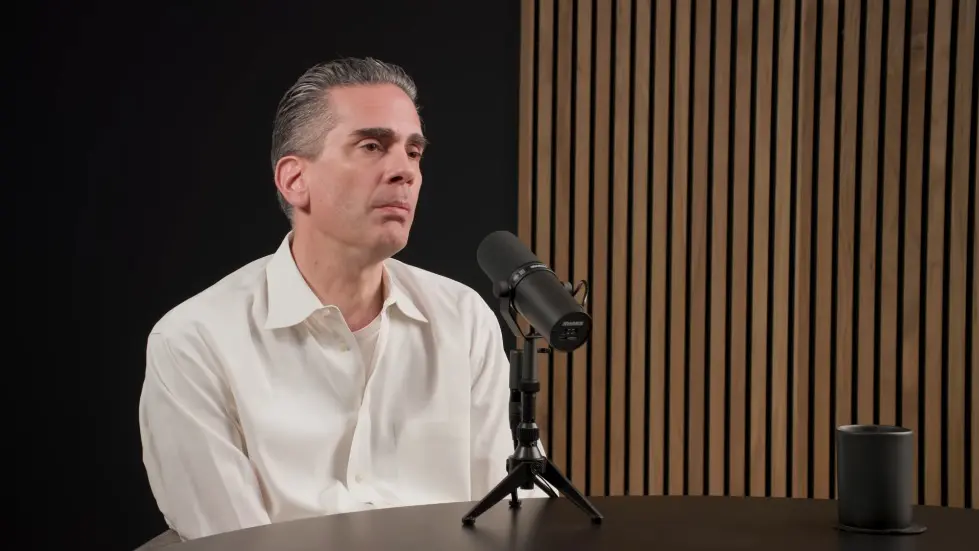
- The video discusses the importance of assessing our mental health and how to do so.
- Dr. Conti provides protocols for addressing levels of anxiety, confidence, and self-talk.
- Restructuring self-talk is a key component of improving mental health.
- The relationship between our conscious mind and our subconscious mind can be applied toward enhancing our mental health.
- It is important to reflect on our thoughts and behaviors in order to make positive changes to our mental health.
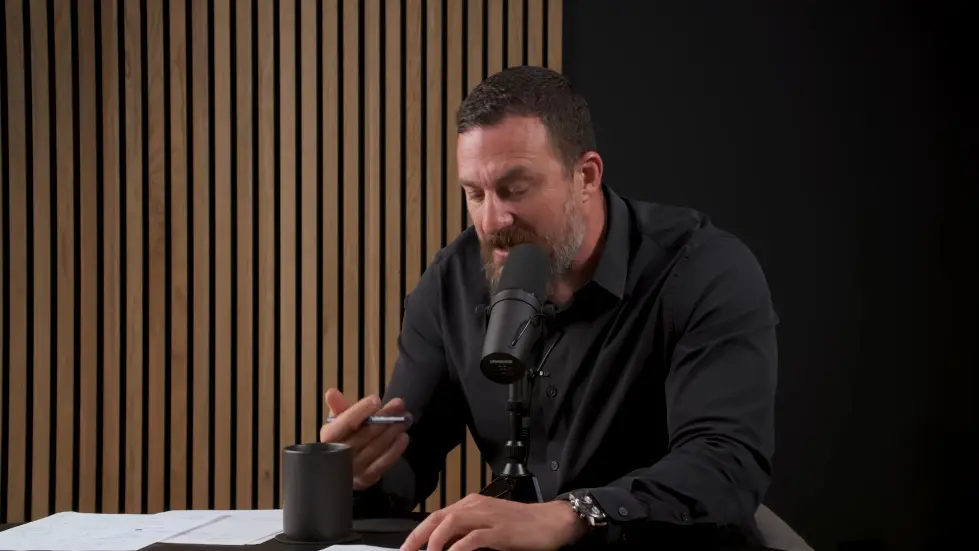
Sarcasm and Cynicism as Defense Mechanisms
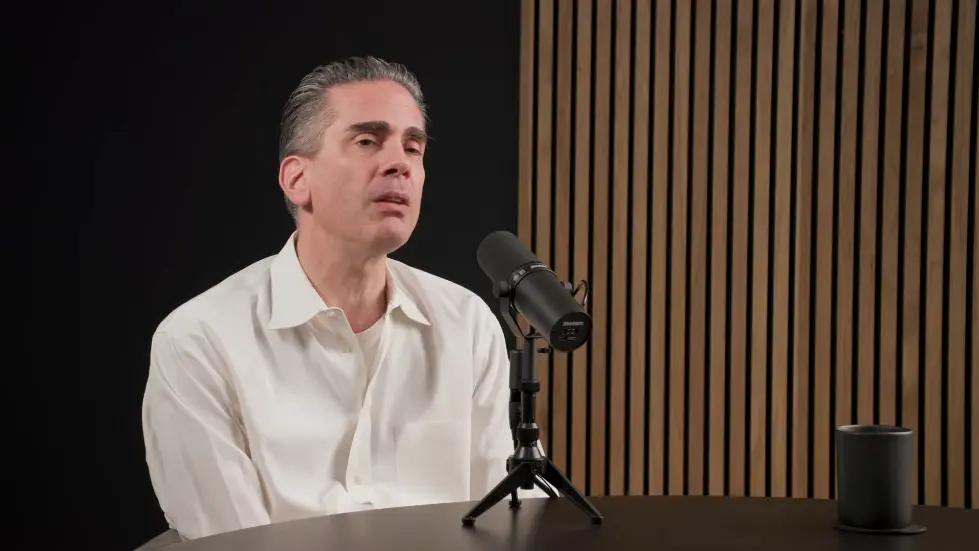
- Sarcasm and cynicism can be used as defense mechanisms to protect oneself from disappointment and negative emotions.
- Sarcasm can be used to diminish someone else's positive behavior or actions.
- Cynicism can be used to reflect what is not good about life or what is happening.
- Sarcasm and cynicism can be used to cut down benevolence or bonding experiences.
- Sarcasm and cynicism can be used as a form of aggression, pushing someone back and making them feel not so good about themselves.
Sarcasm and Cynicism in Clinical Literature
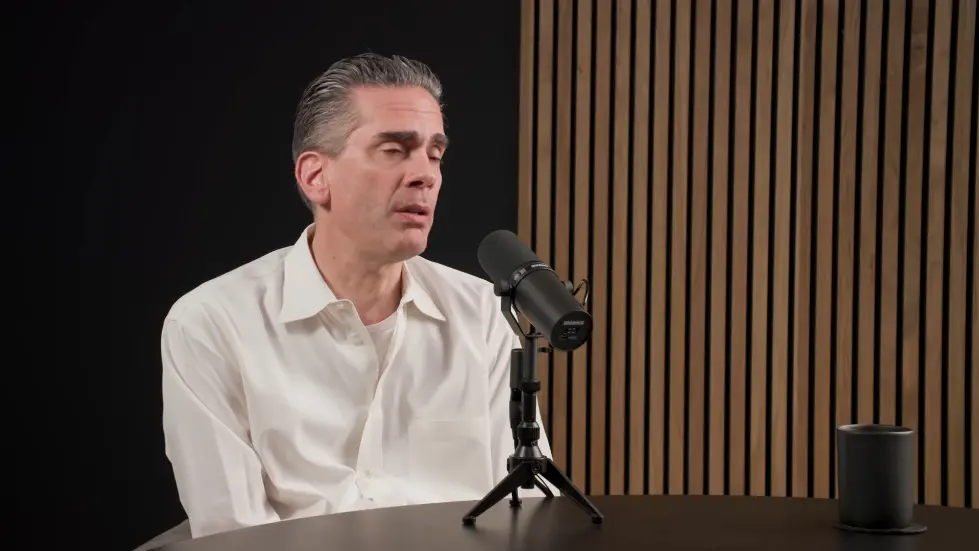
- Sarcasm and cynicism are often used to cut down benevolence or bonding experiences.
- Sarcasm and cynicism can be used as a form of aggression, pushing someone back and making them feel not so good about themselves.
- Sarcasm and cynicism can be used to reflect what is not good about life or what is happening.
- Sarcasm and cynicism can be used to diminish someone else's positive behavior or actions.
- Sarcasm and cynicism can be used to cut down benevolence or bonding experiences.
Sarcasm and Cynicism as Unhealthy Defense Mechanisms
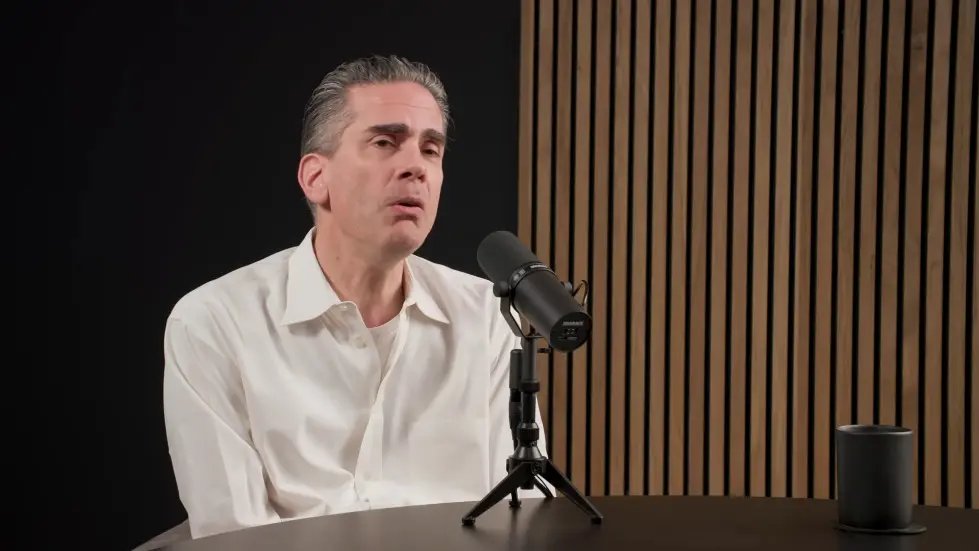
- Sarcasm and cynicism can be used as a form of aggression, pushing someone back and making them feel not so good about themselves.
- Sarcasm and cynicism can be used to reflect what is not good about life or what is happening.
- Sarcasm and cynicism can be used to diminish someone else's positive behavior or actions.
- Sarcasm and cynicism can be used to cut down benevolence or bonding experiences.
- Sarcasm and cynicism can be used to cut down benevolence or bonding experiences.
Sarcasm and Cynicism as Forms of Aggression
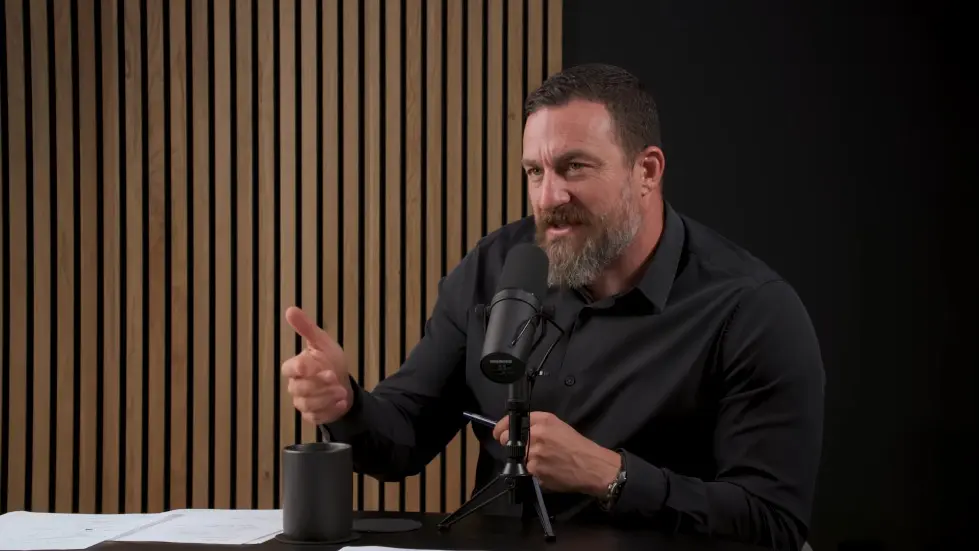
- Sarcasm and cynicism can be used as a form of aggression, pushing someone back and making them feel not so good about themselves.
- Sarcasm and cynicism can be used to reflect what is not good about life or what is happening.
- Sarcasm and cynicism can be used to diminish someone else's positive behavior or actions.
- Sarcasm and cynicism can be used to cut down benevolence or bonding experiences.
- Sarcasm and cynicism can be used to cut down benevolence or bonding experiences.
The Structure of Our Own Minds
- The subconscious mind and conscious mind interact to drive our emotions, decision making, and behavior.
- Our subconscious mind is the part of our mind that is not fully conscious and is responsible for our automatic thoughts and behaviors.
- Our conscious mind is the part of our mind that is fully conscious and is responsible for our thoughts, feelings, and actions that we are aware of.
- Our subconscious mind can influence our conscious mind and our behavior, and can be influenced by our conscious mind as well.
- Our thoughts and beliefs can shape our subconscious mind and our behavior, and can be changed through conscious effort and awareness.
Defense Mechanisms in Action
- Defense mechanisms are unconscious strategies that we use to protect ourselves from anxiety, fear, or other negative emotions.
- Salience is a concept that refers to the focus of our attention and the things that we pay attention to.
- Our attention is focused on one thing at a time, and we can choose to place our attention on different things or not place our attention on them.
- Our attention is determined by many factors, including our thoughts, emotions, and experiences.
- Defense mechanisms can become so strong that they prevent us from paying attention to other things or from changing our behavior.
Awareness and Salience
- Awareness is the realization that there is an "eye" or a self, and that we are separate from others.
- Salience refers to the focus of our attention and the things that we pay attention to.
- Awareness and salience are related, as our awareness of ourselves and others can influence our salience and the things that we pay attention to.
- Awareness and salience can be influenced by many factors, including our thoughts, emotions, and experiences.
- Awareness and salience can be changed through conscious effort and awareness, and can lead to positive changes in our behavior and emotions.
Internal Narratives and Self-Punishment
- Internal narratives are the stories that we tell ourselves about ourselves and our experiences.
- Negative internal narratives can become so strong that they prevent us from paying attention to other things or from changing our behavior.
- Negative internal narratives can be a form of self-punishment, as we use them to enact our anger and frustration towards ourselves.
- Negative internal narratives can be weakened over time through conscious effort and awareness, and can lead to positive changes in our behavior and emotions.
- Positive internal narratives can be strengthened through conscious effort and awareness, and can lead to positive changes in our behavior and emotions.
Section 1: Understanding the Structure of Our Own Minds
- The speaker discusses the structure of our own minds and how to think about our own minds as a way to enhance our mental health.
- The subconscious mind and conscious mind interact to drive our emotions, decision making, and behavior.
- The speaker discusses common challenges such as overthinking and the role of defense mechanisms and other aspects of the conscious and unconscious mind interactions that can lead us toward or away from the healthiest versions of ourselves.
- The speaker provides protocols for addressing levels of anxiety, confidence, and self-talk, and restructuring self-talk.
- The speaker discusses the relationship between our conscious mind and our subconscious mind in ways that can be applied toward enhancing our mental health.
You have read 50% of the summary.
To read the other half, please enter your Name and Email. It's FREE.
You can unsubscribe anytime. By entering your email you agree to our Terms & Conditions and Privacy Policy.
Watch the video on YouTube:
Dr. Paul Conti: How to Understand & Assess Your Mental Health | Huberman Lab Guest Series - YouTube
Related summaries of videos:
- Andrew Huberman: Journal Club with Dr. Peter Attia - Metformin for Longevity and The Power of Belief Effects
- Dr. Paul Conti and Dr. Andrew Huberman: How to Improve Your Mental Health (Huberman Lab Guest Series)
- Andrew Huberman: How to Use Music to Boost Motivation, Mood and Improve Learning (Huberman Lab Podcast)
- Dr. Paul Conti and Dr. Andrew Huberman: How to Build and Maintain Healthy Relationships (Huberman Lab Guest Series)
- U.S. Surgeon General Dr. Vivek Murthy and Dr. Andrew Huberman: Efforts and Challenges in Promoting Public Health
- Dr. Paul Conti and Dr. Andrew Huberman: Tools and Protocols for Mental Health (Huberman Lab Guest Series)
- Chris Voss and Andrew Huberman: How to Succeed at Hard Conversations (Huberman Lab Podcast)
- Andrew Huberman: How to Increase Your Willpower and Tenacity (Huberman Lab Podcast)
- Dr. Lisa Feldman Barrett and Dr. Andrew Huberman: How to Understand Emotions (Huberman Lab Podcast)
- Andrew Huberman: Mental Health Toolkit - Tools to Bolster Your Mood and Mental Health
- Home
- About us
- Contact
- Book Summaries 0-9
- Book Summaries A
- Book Summaries B
- Book Summaries C
- Book Summaries D
- Book Summaries E
- Book Summaries F
- Book Summaries G
- Book Summaries H
- Book Summaries I
- Book Summaries J
- Book Summaries K
- Book Summaries L
- Book Summaries M
- Book Summaries N
- Book Summaries O
- Book Summaries P
- Book Summaries Q
- Book Summaries R
- Book Summaries S
- Book Summaries T
- Book Summaries U
- Book Summaries V
- Book Summaries W
- Book Summaries X
- Book Summaries Y
- Book Summaries Z
- Jay Shetty Podcast - Summaries
- Tom Bilyeu Impact Theory - Summaries
- Lex Fridman - Summaries
- Diary of a CEO - Summaries
- Alex Hormozi - Summaries
