
Dr. Paul Conti and Dr. Andrew Huberman: Tools and Protocols for Mental Health (Huberman Lab Guest Series)
Last updated: Oct 2, 2023
The video is about Dr. Andrew Huberman and Dr. Paul Conti discussing tools and protocols for mental health. The episode is the fourth in a four-part series on the topic of mental health. Dr. Conti discusses the importance of self-care and how it relates to mental health. He explains that true self-care is about constructing a life narrative in which we frame our past, present, and future in a way that allows us to see what's gone wrong, what's gone right, and the best path to navigate forward. Dr. Conti also discusses some of the things that can inhibit our ability to take excellent self-care, including traumatic experiences, and explains how to frame those experiences so that we can best move forward. He shares various practices that include therapy and practices that we can carry out on our own such as specific forms of meditation, journaling, and other ways of examining the self and fostering better self-care toward our mental health.
This video by Andrew Huberman was published on Sep 27, 2023.
Video length: 02:41:13.
The video is about the topic of self-care and its importance in mental health.
Dr. Paul Conti, a neurobiologist and ophthalmologist, discusses the concept of self-care and how it can be used to improve mental health. He explains that self-care is not just about pampering oneself, but also about constructing a life narrative that allows individuals to see what has gone wrong, what has gone right, and the best path to navigate forward. Dr. Conti also discusses the importance of fostering a sense of self-awareness and doing so within a framework that is known to work. He touches on some of the things that can inhibit self-care, including traumatic experiences, and explains how to frame those experiences so that individuals can best move forward.
Dr. Conti also shares various practices that can be used to foster better self-care, including therapy and specific forms of meditation, journaling, and other ways of examining the self.
- The video is from Andrew Huberman's YouTube channel.
- The video is a part of a transcript of a video with the title 'Dr. Paul Conti: Tools and Protocols for Mental Health | Huberman Lab Guest Series - YouTube' and with the description 'The video is about Dr. Paul Conti discussing tools and protocols for mental health. The episode is the fourth in a four-part series on the topic of mental health. Dr. Conti discusses the importance of self-care and how it relates to mental health.'.
- Self-care is about constructing a life narrative in which we frame our past, present, and future in a way that allows us to see what's gone wrong, what's gone right, and the best path to navigate forward.
- True self-care is about fostering a sense of self-awareness and doing so within the context of a framework that is known to work.
- Some of the things that can inhibit our ability to take excellent self-care include traumatic experiences.
- Properly processing traumatic experiences is important for moving forward.
- Therapy is a valuable practice in improving one's health.
- Betterhelp offers Professional Therapy with a licensed therapist carried out all online.
- Waking Up is a meditation app that offers guided meditation sessions, mindfulness trainings, yoga, and more.
- In this series, the focus is on mental health and defining what it is and how to achieve it.
- Episode one provided a map of things that anyone can look at at any time with any degree of resources to try and get a better understanding of themselves and how well or not well they are moving toward or creating true mental health.
- Episode two covered common challenges observed in life and clinical practice and ways to overcome them by going to the map and asking specific questions.
- Episode three discussed how looking at the map and exploring the map in the cupboards can help people in relational aspects of life, such as romantic relationships, work relationships, family relationships, and the relationship to self.
- Today's discussion is about the aspects of ourselves that exist in all people and the action steps and paths of inquiry that are available to all people to improve mental health and move toward ideals of agency and gratitude on a regular basis.
- Self-care is not just about taking care of our bodies, but also our mental health.
- Self-care involves asking really good questions about oneself to better understand oneself and our mental health.
- Dr. Conti explains that true self-care is about being aware of our agency and gratitude, and how we are living life and engaging with the world around us.
- Dr. Conti shares various practices that include therapy and practices that we can carry out on our own such as specific forms of meditation, journaling, and other ways of examining the self and fostering better self-care toward our mental health.
- Dr. Conti explains that self-care involves constructing a life narrative in which we frame our past, present, and future in a way that allows us to see what's gone wrong, what's gone right, and the best path to navigate forward.
- He shares various practices that include therapy and practices that we can carry out on our own such as specific forms of meditation, journaling, and other ways of examining the self and fostering better self-care toward our mental health.
- Dr. Conti explains that true self-care is about being curious about our past, present, and future to better understand ourselves and our mental health.
Dr. Paul Conti: Tools and Protocols for Mental Health | Huberman Lab Guest Series - YouTube
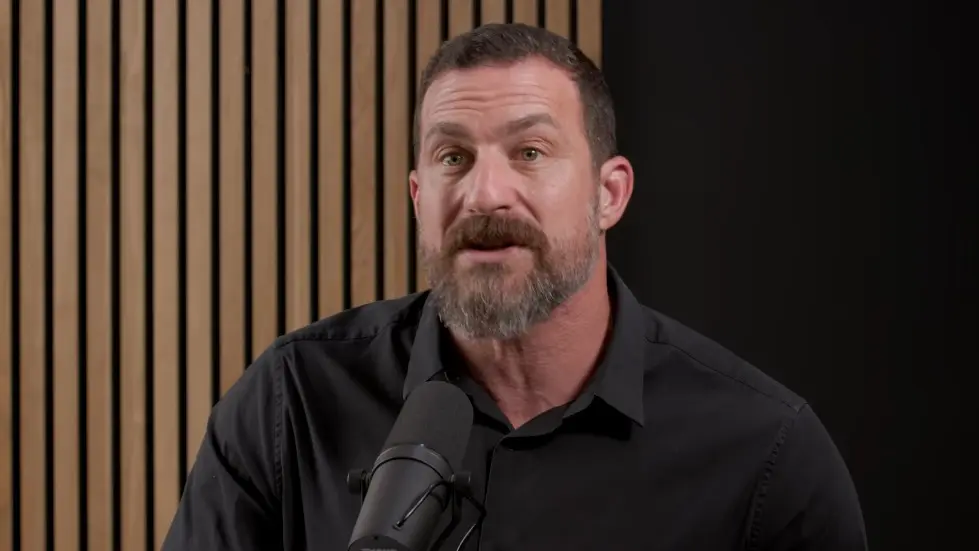
Introduction
- The video is from Andrew Huberman's YouTube channel.
- The video is a part of a transcript of a video with the title 'Dr. Paul Conti: Tools and Protocols for Mental Health | Huberman Lab Guest Series - YouTube' and with the description 'The video is about Dr. Paul Conti discussing tools and protocols for mental health. The episode is the fourth in a four-part series on the topic of mental health. Dr. Conti discusses the importance of self-care and how it relates to mental health.'.
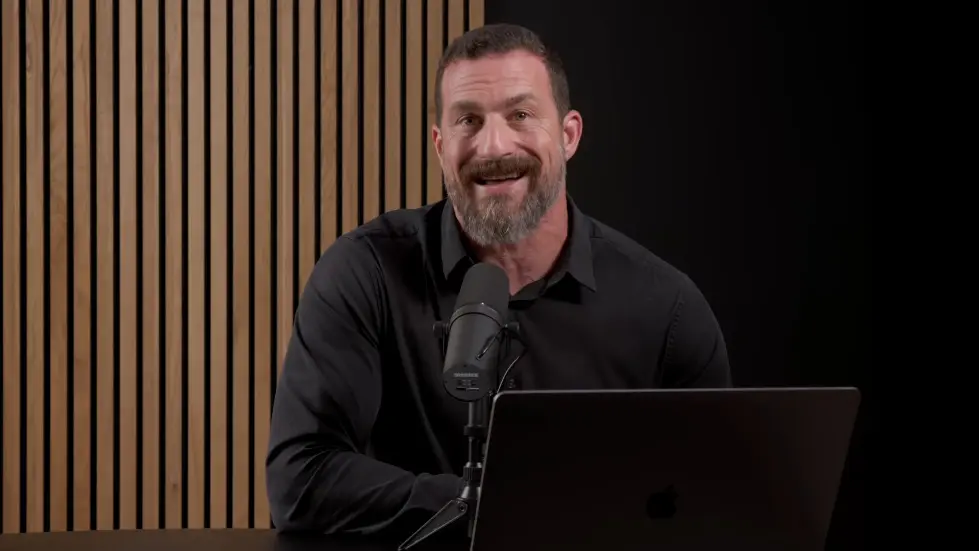
Section 1: Definition of Self-Care
- Self-care is about constructing a life narrative in which we frame our past, present, and future in a way that allows us to see what's gone wrong, what's gone right, and the best path to navigate forward.
- True self-care is about fostering a sense of self-awareness and doing so within the context of a framework that is known to work.
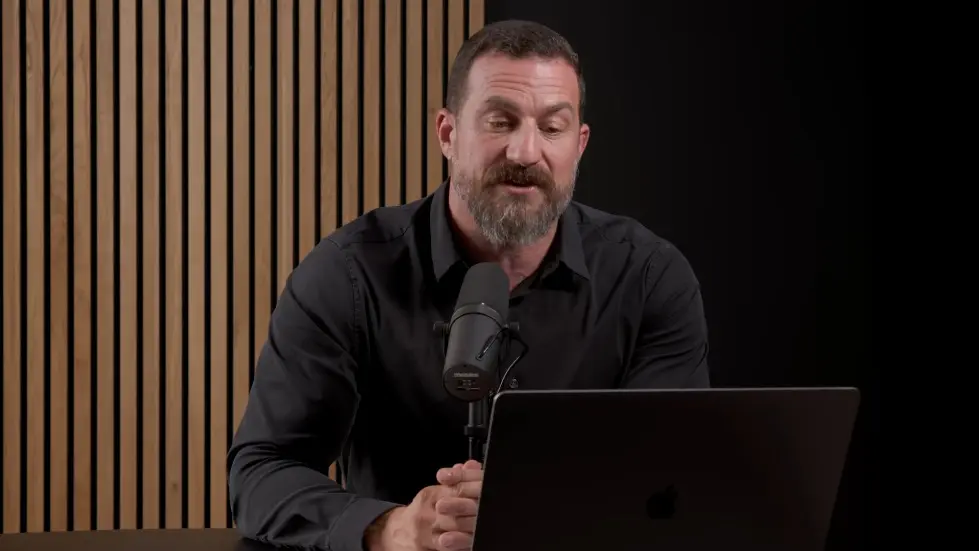
Section 2: Barriers to Self-Care
- Some of the things that can inhibit our ability to take excellent self-care include traumatic experiences.
- Properly processing traumatic experiences is important for moving forward.
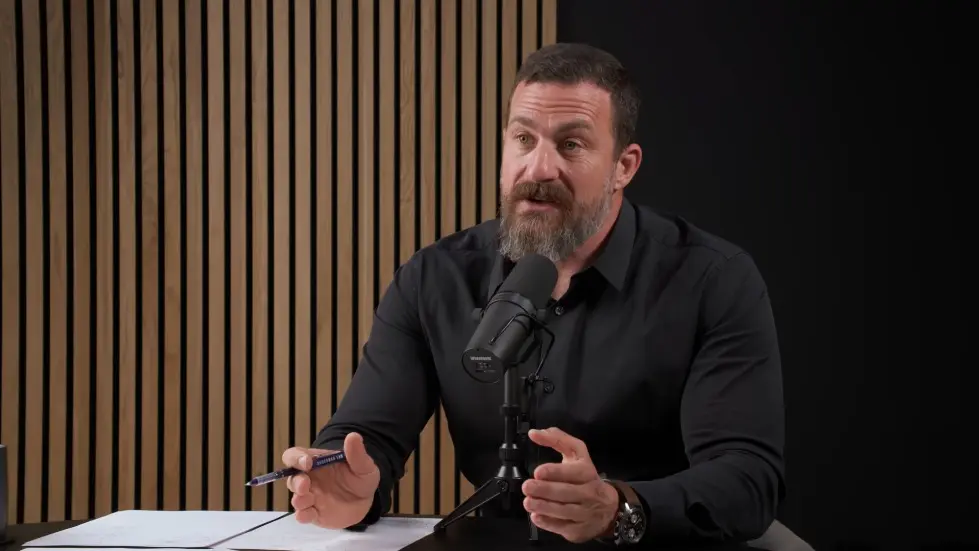
Dr. Paul Conti: Tools and Protocols for Mental Health | Huberman Lab Guest Series - YouTube
Section 3: Practices for Self-Care
- Therapy is a valuable practice in improving one's health.
- Betterhelp offers Professional Therapy with a licensed therapist carried out all online.
- Waking Up is a meditation app that offers guided meditation sessions, mindfulness trainings, yoga, and more.

Section 4: Conclusion
- The video is about Dr. Paul Conti discussing tools and protocols for mental health.
- The episode is the fourth in a four-part series on the topic of mental health.
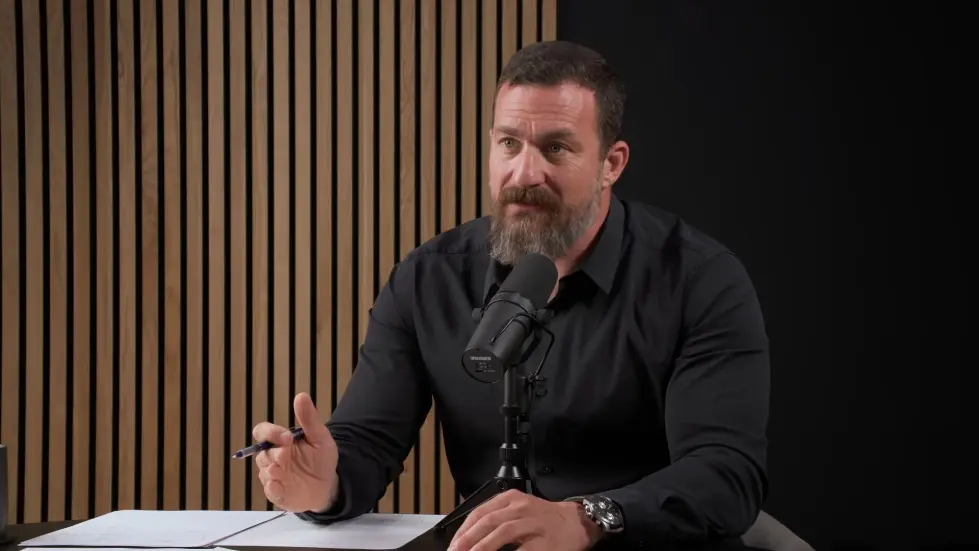
Introduction to Waking Up App
- The Waking Up App provides a 30-day introduction course for those who have not meditated before or are getting back to a meditation practice.
- The app also has more advanced meditations and yoga sessions for skilled and regular meditators.
- To try the Waking Up App, go to wakingup.com/huberman and access a free 30-day trial.

Discussion about Mental Health with Dr. Paul Conti
- In this series, the focus is on mental health and defining what it is and how to achieve it.
- Episode one provided a map of things that anyone can look at at any time with any degree of resources to try and get a better understanding of themselves and how well or not well they are moving toward or creating true mental health.
- Episode two covered common challenges observed in life and clinical practice and ways to overcome them by going to the map and asking specific questions.
- Episode three discussed how looking at the map and exploring the map in the cupboards can help people in relational aspects of life, such as romantic relationships, work relationships, family relationships, and the relationship to self.
- Today's discussion is about the aspects of ourselves that exist in all people and the action steps and paths of inquiry that are available to all people to improve mental health and move toward ideals of agency and gratitude on a regular basis.
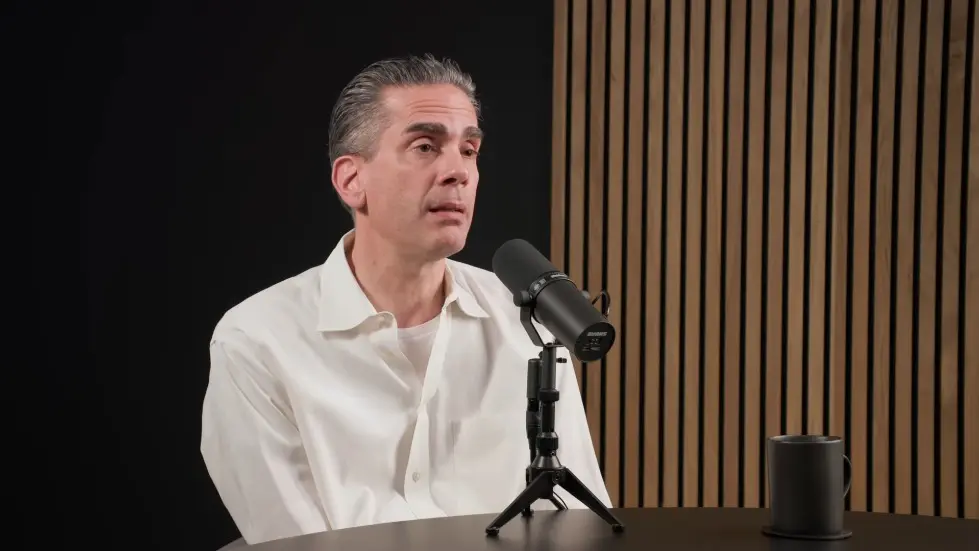
Self-Care
- Self-care is about taking care of the internal landscape of the mind, which also qualifies as self-care.
- Factors that are essential for achieving good things upon them include eating well enough to feel okay, staying hydrated, getting enough sleep, and moving the body.
- People need to be in a situation that is not making them feel fear and misery all the time, such as an abusive relationship, before they can start taking care of themselves in a way that builds goodness.
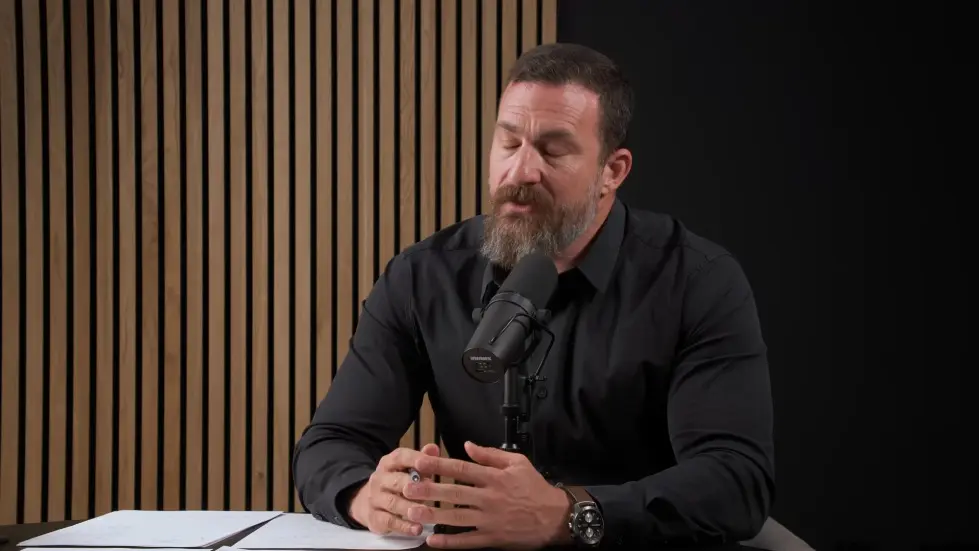
Section 1: Understanding Self
- The video is about Dr. Paul Conti discussing tools and protocols for mental health.
- Dr. Conti explains that true self-care is about constructing a life narrative in which we frame our past, present, and future in a way that allows us to see what's gone wrong, what's gone right, and the best path to navigate forward.
- He shares various practices that include therapy and practices that we can carry out on our own such as specific forms of meditation, journaling, and other ways of examining the self and fostering better self-care toward our mental health.
- Dr. Conti explains that self-understanding is important for mental health and that we can be curious about our past, present, and future to better understand ourselves.
- He also explains that we don't know everything that goes on inside of us and being aware of that and being curious about it can help us better understand ourselves.

Section 2: Self-Care and Mental Health
- Dr. Conti explains that self-care is not just about taking care of our bodies, but also our mental health.
- He explains that self-care involves asking really good questions about oneself to better understand ourselves and our mental health.
- Dr. Conti also explains that self-care involves constructing a life narrative in which we frame our past, present, and future in a way that allows us to see what's gone wrong, what's gone right, and the best path to navigate forward.
- He shares various practices that include therapy and practices that we can carry out on our own such as specific forms of meditation, journaling, and other ways of examining the self and fostering better self-care toward our mental health.
- Dr. Conti explains that true self-care is about being aware of our agency and gratitude, and how we are living life and engaging with the world around us.

Section 3: Understanding Traumatic Experiences
- Dr. Conti explains that traumatic experiences can inhibit our ability to take excellent self-care.
- He explains that we can frame those experiences so that we can best move forward.
- Dr. Conti shares various practices that include therapy and practices that we can carry out on our own such as specific forms of meditation, journaling, and other ways of examining the self and fostering better self-care toward our mental health.
- He explains that self-care involves being aware of our agency and gratitude, and how we are living life and engaging with the world around us.
- Dr. Conti explains that true self-care is about being curious about our past, present, and future to better understand ourselves and our mental health.
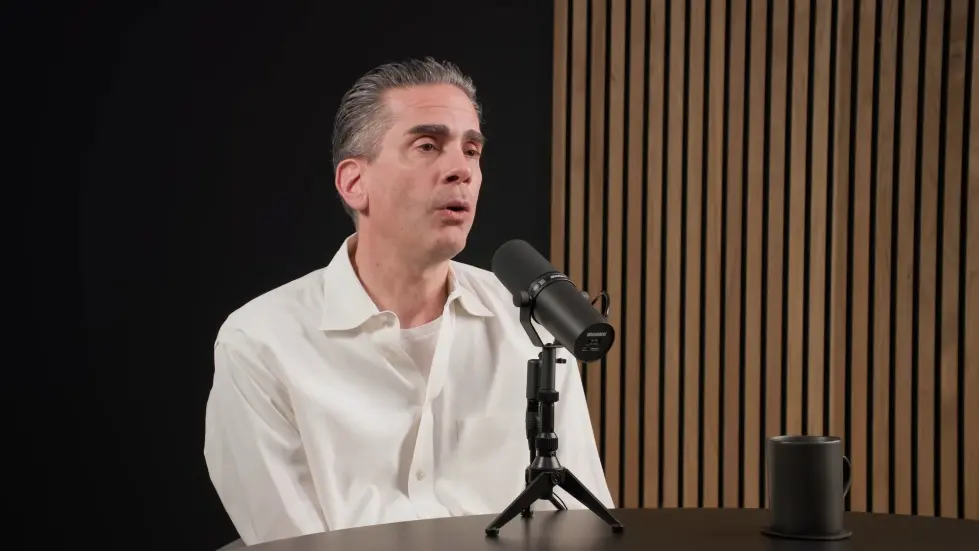
Section 4: Conclusion
- The video is about Dr. Paul Conti discussing tools and protocols for mental health.
- Dr. Conti explains that true self-care is about constructing a life narrative in which we frame our past, present, and future in a way that allows us to see what's gone wrong, what's gone right, and the best path to navigate forward.
- He shares various practices that include therapy and practices that we can carry out on our own such as specific forms of meditation, journaling, and other ways of examining the self and fostering better self-care toward our mental health.
- Dr. Conti explains that self-care involves being aware of our agency and gratitude, and how we are living life and engaging with the world around us.
- The video is the fourth in a four-part series on the topic of mental health.
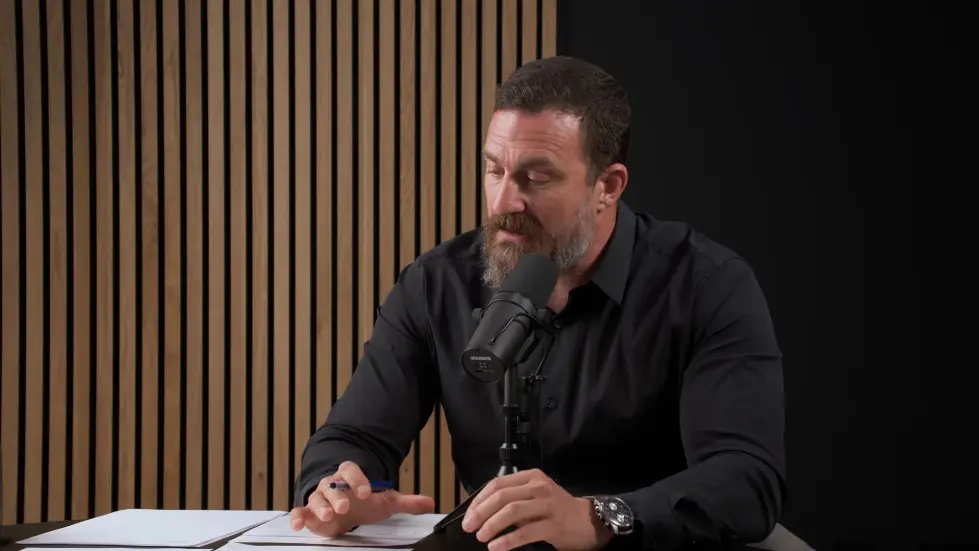
The Importance of Self-Care for Mental Health
- Self-care is about constructing a life narrative that allows us to see what's gone wrong, what's gone right, and the best path to navigate forward.
- The life narrative guides us to the places to ask the questions and helps us establish a road map for our mental health.
- Journaling and other practices can be used to orient oneself in time and learn about oneself from doing so.
- Examining the self and fostering better self-care toward our mental health can expose truths of self and draw our attention to ways in which we've changed.
- It can also help us understand the impact of external events and ground us in time.
Tools and Protocols for Mental Health
- Journaling and other practices can be used to orient oneself in time and learn about oneself from doing so.
- Examining the self and fostering better self-care toward our mental health can expose truths of self and draw our attention to ways in which we've changed.
- It can also help us understand the impact of external events and ground us in time.
- Sharing within with another person always should be a trusted other.
- There are a near infinite number of ways that people could do this, but what are a few that you've seen work really well.
The Importance of Self-Care for Mental Health
- Self-care is about constructing a life narrative that allows us to see what's gone wrong, what's gone right, and the best path to navigate forward.
- True self-care involves examining the self and fostering better self-care toward our mental health.
- Inhibitors to self-care include traumatic experiences, which can be framed in a way that allows us to best move forward.
- Practices that can help with self-care include therapy and specific forms of meditation, journaling, and other ways of examining the self.
- Knowledge is power, and imparting knowledge to others can help them feel a sense of really having helped someone and see a change in themselves.

Accessing the Unconscious Mind
- Accessing the unconscious mind is important for mental health and can be done through writing, talking, or other forms of communication.
- Talking to a person about how trauma can impact us and how we can shove it under the surface can help them understand and work on it.
- Professional help may be necessary for some problems, but reflecting on the self can also be helpful.
- Listening to others is important in therapy and can help them come in and say what they need to say.
- Self-inquiry, including therapy, can help us achieve a sense of peace, contentment, coming at the world through agency and gratitude.
The Importance of Self-Care for Mental Health
- Self-care is about constructing a life narrative that allows us to see what's gone wrong, what's gone right, and the best path to navigate forward.
- True self-care involves examining the self and fostering better self-care toward our mental health.
- Traumatic experiences can inhibit our ability to take excellent self-care, but framing those experiences can help us move forward.
- Practices such as therapy and specific forms of meditation, journaling, and other ways of examining the self can help with self-care.
- Revelations and insights can come to mind during times of day and evening where the brain is in a liminal state, providing a chance for the unconscious mind to work and help figure things out.

The Role of the Unconscious Mind in Mental Health
- The unconscious mind can help us figure things out and provide insights that are not always immediately apparent.
- People may have a panic attack when they finally relax, indicating that the unconscious mind is working and helping them figure things out.
- When we stop focusing outward and settle into an inward state, the things that are underneath the surface come to the surface, allowing us to address any issues that may be bothering us.
- The unconscious mind can throw up important things to the surface when we stop putting all our attention outward, allowing us to generate new insights and understanding.
- The unconscious mind can prevent understanding by preventing us from seeing things from a different perspective, making it important to engage in practices that allow us to access our unconscious thoughts and feelings.
The Benefits of Self-Reflection and Therapy
- Self-reflection and therapy can be beneficial in moments of doing, allowing us to gain new insights and understanding.
- The process of self-reflection and therapy can be hard work, but the renewed insights gained can be invaluable.
- Therapy can help us address traumatic experiences and conflicts, allowing us to move forward and heal.
- Therapy can be a transformative process, helping us to better understand ourselves and our experiences.
- Therapy can be a safe and supportive environment, allowing us to explore our thoughts and feelings in a non-judgmental way.
The Importance of Self-Care for Mental Health
- Self-care is about constructing a life narrative that allows us to see what's gone wrong, what's gone right, and the best path to navigate forward.
- True self-care involves examining the self and fostering better self-care toward our mental health.
- Traumatic experiences can inhibit our ability to take excellent self-care, but framing those experiences can help us move forward.
- Therapy can be helpful in processing grief and dealing with guilt and shame, but sometimes basic conversations with someone can also be effective.
- Therapy can lead us to the point where we can see that our past actions were not our fault, which can help us feel better about ourselves.
The Role of Therapy in Mental Health
- Therapy can be helpful in processing grief and dealing with guilt and shame.
- Sometimes basic conversations with someone can also be effective in therapy.
- Therapy can lead us to the point where we can see that our past actions were not our fault, which can help us feel better about ourselves.
- Therapy can help us cut through difficult emotions and take action to address them.
- Therapy can help us see what has gone wrong, what has gone right, and the best path to navigate forward.

The Benefits of Self-Inquiry for Mental Health
- Self-inquiry is a powerful tool for mental health.
- It is an ongoing process that can help us see what's gone wrong, what's gone right, and the best path to navigate forward.
- It can help us examine the self and foster better self-care toward our mental health.
- It can help us cut through difficult emotions and take action to address them.
- It can help us see that our past actions were not our fault, which can help us feel better about ourselves.

The Importance of Proper Nutrition for Mental Health
- Proper nutrition is essential for mental health.
- Getting enough servings of fruits and vegetables each day can be difficult, but supplements like ag1 can help ensure we get all the vitamins, minerals, probiotics, and fiber we need.
- The gut microbiome, which establishes critical connections with other organs of the body, is important for mental health.
- Taking ag1 can help ensure we get all the nutrients we need to enhance our mental health, physical health, and performance.
- Self-inquiry can help us see the connection between nutrition and mental health.

The Importance of Self-Care for Mental Health
- Self-care is about constructing a life narrative that allows us to see what's gone wrong, what's gone right, and the best path to navigate forward.
- True self-care involves examining the self and fostering better self-care toward our mental health.
- Traumatic experiences can inhibit our ability to take excellent self-care, but we can frame those experiences so that we can best move forward.
- There are various practices that can be carried out on our own such as specific forms of meditation, journaling, and other ways of examining the self and fostering better self-care toward our mental health.
- It's important to be cautious when engaging in self-inquiry if we feel like we're not in a safe or stable place, thoughts of self-harm, or thoughts of hopelessness.

The Map for Understanding Mental Health
- The map established for understanding mental health includes self-awareness, salience, and other key things.
- Self-awareness involves understanding that there's an "eye" or a self, and exploring what that's really about in the moment, both historically and narratively.
- Salience involves focusing on what's most obvious or what we default to, both internally and externally.
- Conflict between gaining more self-awareness and salience can be important to drill into.
- If we think there's something that we can't bring to mind, it's important to be cautious and seek guidance from a clinician.

Section 1: Understanding Salience
- Salience is the way in which something stands out and grabs our attention.
- It can be conscious or unconscious, and can be a voice in the background telling us something negative or distressing.
- If something is gnawing at our conscious mind every once in a while, it is likely operating below the level of our conscious awareness.
- Exploring something like this is important because we can't be aware of the ways that it is damaging to us or limiting us.
- Self-awareness and addressing one's personal narrative are key to building up agency and gratitude.
Section 2: The Structure and Function of Self
- The structure of self is one pillar, and the function of self is another pillar underneath it.
- The 10 cupboards of inquiry under the structure of self represent the areas of inquiry for us.
- The answers to our questions are in these pillars, and by honoring what we find there, we become healthier.
- Empowerment and humility are qualities that are enacted and have the potential to be used in different ways.
- Empowerment is the opposite of being disempowered, and humility is the opposite of reactive grandiosity or self-oppression.
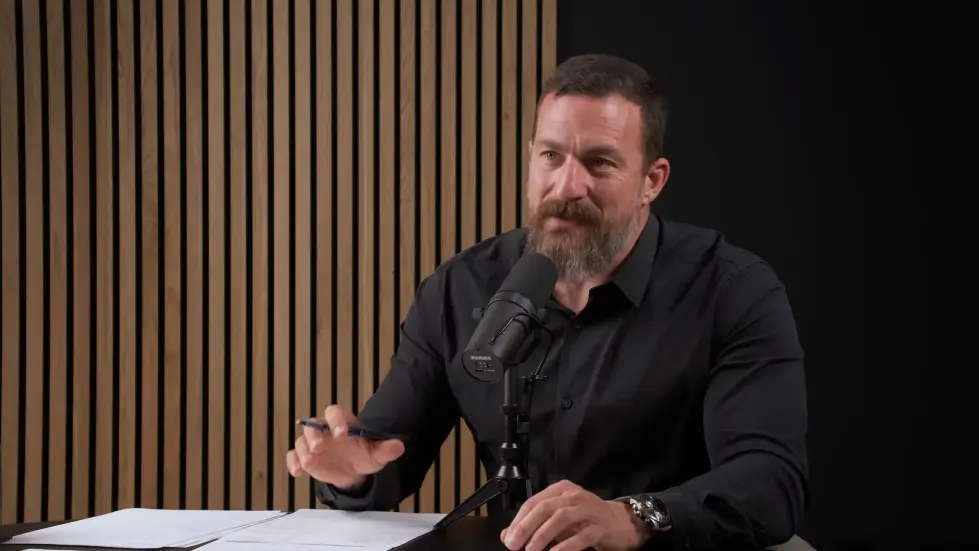
Section 3: The 10 Cupboards of Inquiry
- The 10 cupboards of inquiry under the structure of self represent the areas of inquiry for us.
- The answers to our questions are in these pillars, and by honoring what we find there, we become healthier.
- The 10 cupboards are not explicitly stated in the text, but they are mentioned as the areas of inquiry for us.
- The 10 cupboards are likely related to the areas of inquiry discussed in previous episodes of the series.
- The 10 cupboards are likely related to the pillars of self and the function of self, which are discussed in the text.

Section 4: The Generative Drive
- The generative drive is a key concept that is essential for building agency and gratitude.
- It is the drive to create, to generate, and to make something new.
- It is the drive to express oneself and to share one's ideas and creations with others.
- It is the drive to be creative and to make a positive impact on the world.
- It is the drive to be proactive and to take action to make things better.

The Importance of Self-Care for Mental Health
- Self-care is about constructing a life narrative that allows us to see what's gone wrong, what's gone right, and the best path to navigate forward.
- True self-care involves examining the self and fostering better self-care toward our mental health.
- Agency and gratitude are active things that empower us and bring peace, contentment, and delight.
- Life is an active process, and our choices determine where we are in the variance of our potentials.
- The more we take care of ourselves, the more assertive and engaged we become, bringing us more pleasure.
The Importance of Self-Care for Mental Health
- Self-care is about constructing a life narrative that allows us to see what's gone wrong, what's gone right, and the best path to navigate forward.
- True self-care involves examining the self and fostering better self-care toward our mental health.
- Traumatic experiences can inhibit our ability to take excellent self-care, but we can frame those experiences so that we can best move forward.
- Practices such as therapy, specific forms of meditation, journaling, and other ways of examining the self can help us take excellent self-care for our mental health.
Relationships and Compatibility
- The best metric for romantic compatibility is not based on superficial notions of what people enjoy or their level of education, but on the maps that the two individuals have and the extent to which they are expressing their generative drive, agency, and gratitude.
- Relationships, whether romantic or not, should be focused on the critical issue of relational structure and the maps that the individuals have, rather than on superficial notions of what people enjoy or their level of education.
- The maps that the two individuals have and the extent to which they are expressing their generative drive, agency, and gratitude are far more important in determining compatibility than superficial notions of what people enjoy or their level of education.
- The maps that the two individuals have and the extent to which they are expressing their generative drive, agency, and gratitude are critical in determining compatibility, not superficial notions of what people enjoy or their level of education.
Hierarchy and Moving Up
- When Dr. Conti said "move up the hierarchy," he was referring to the hierarchy within the map that has been laid out, not to an external social hierarchy.
- Exploring the cupboards that reside at the lower levels of the map and that are quite complex is a perfect jumping off point for going into the map with a little bit more depth and detail and exploring these cupboards in more detail.
- The cupboards that reside at the lower levels of the map and that are quite complex are extremely valuable for any and all of us to look in and explore and ask specific questions because it's what resides within those cupboards that combines in a sort of recipe and then geyser up into whether or not and how we can be healthier as a group of two or as parts of larger groups.
- The hierarchy within the map that has been laid out is a critical aspect of moving up and becoming healthier as a group of two or as parts of larger groups.
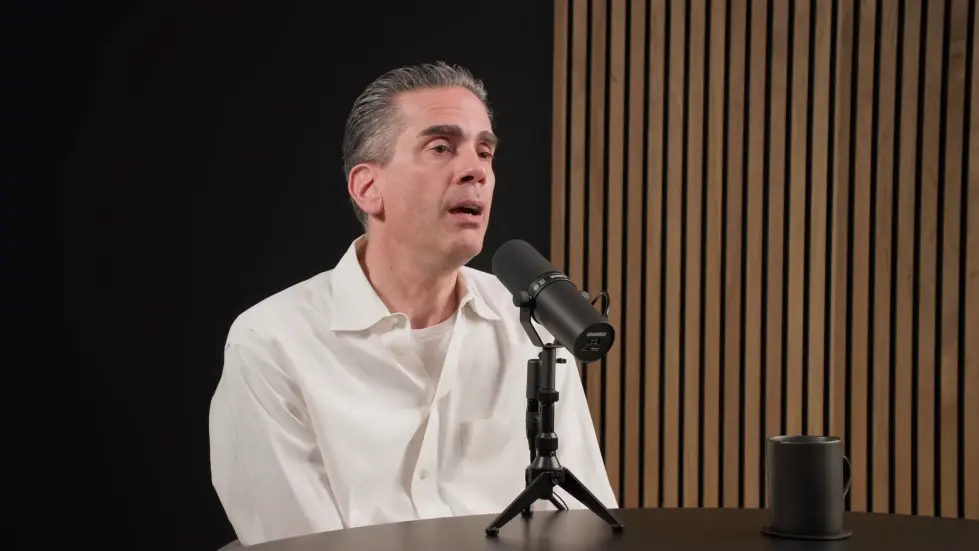
The Iceberg Model
- The unconscious mind is the deepest level of the structure of self.
- It is a biological supercomputer that has a huge effect on the conscious mind.
- What emerges from the complexity of the unconscious mind gets simpler and simpler as we move towards better health and effectiveness in life.
- The unconscious mind is not directly accessible to us, but it can be accessed through other ways such as reflection or therapy.
- What is in the unconscious mind has a strong effect on the conscious mind.
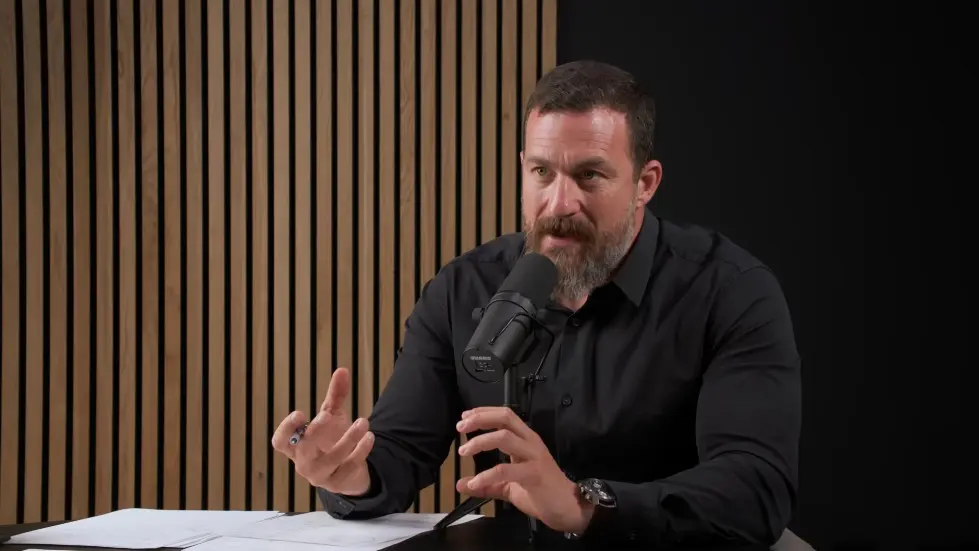
The Unconscious Mind
- The unconscious mind is the deepest level of the structure of self.
- It is a biological supercomputer that has a huge effect on the conscious mind.
- What emerges from the complexity of the unconscious mind gets simpler and simpler as we move towards better health and effectiveness in life.
- What is in the unconscious mind has a strong effect on the conscious mind.
- The unconscious mind is not directly accessible to us, but it can be accessed through other ways such as reflection or therapy.

The Unconscious Mind and the Conscious Mind
- The unconscious mind is the deepest level of the structure of self.
- It is a biological supercomputer that has a huge effect on the conscious mind.
- What emerges from the complexity of the unconscious mind gets simpler and simpler as we move towards better health and effectiveness in life.
- What is in the unconscious mind has a strong effect on the conscious mind.
- The unconscious mind is not directly accessible to us, but it can be accessed through other ways such as reflection or therapy.

The Unconscious Mind and Health
- The unconscious mind is the deepest level of the structure of self.
- It is a biological supercomputer that has a huge effect on the conscious mind.
- What emerges from the complexity of the unconscious mind gets simpler and simpler as we move towards better health and effectiveness in life.
- What is in the unconscious mind has a strong effect on the conscious mind.
- The unconscious mind is not directly accessible to us, but it can be accessed through other ways such as reflection or therapy.

The Importance of Self-Care for Mental Health
- Self-care is about constructing a life narrative that allows us to see what's gone wrong, what's gone right, and the best path to navigate forward.
- True self-care involves examining the self and fostering better self-care toward our mental health.
- Traumatic experiences can inhibit our ability to take excellent self-care, but we can frame those experiences so that we can best move forward.
- Therapy can help us understand and fix abscesses inside us that may be acting like an abscess in our life, leading to better mental health.
- Going into the unconscious mind is important to understand and fix abscesses that may be troubling us or if we don't know what's going on.

Other Ways to Access the Unconscious
- Journaling and spelling out one's life narrative in written or spoken form can help access the unconscious.
- If someone can't afford or is not willing to do therapy, but fully adopts the abscess model, they can still access the unconscious.
- Developing and embracing curiosity about oneself can help tap into the unconscious.
- Looking at pictures, talking to people, and reflecting upon how one behaved and felt at different stages of life can help access the unconscious.
- Anchoring oneself to memories and then extrapolating from there can help become curious about oneself.

Improving Mental Health
- Making progress and improving mental health requires looking at some in some of these other cupboards as you're describing them.
- Developing and embracing curiosity about oneself can help improve mental health.
- Being dispassionate when exploring one's life can help improve mental health.
- Observing ego, or the ability to stand outside of oneself and think about oneself without negative emotion, can help improve mental health.
- Calling attention to changes in one's life and understanding the root cause of those changes can help improve mental health.
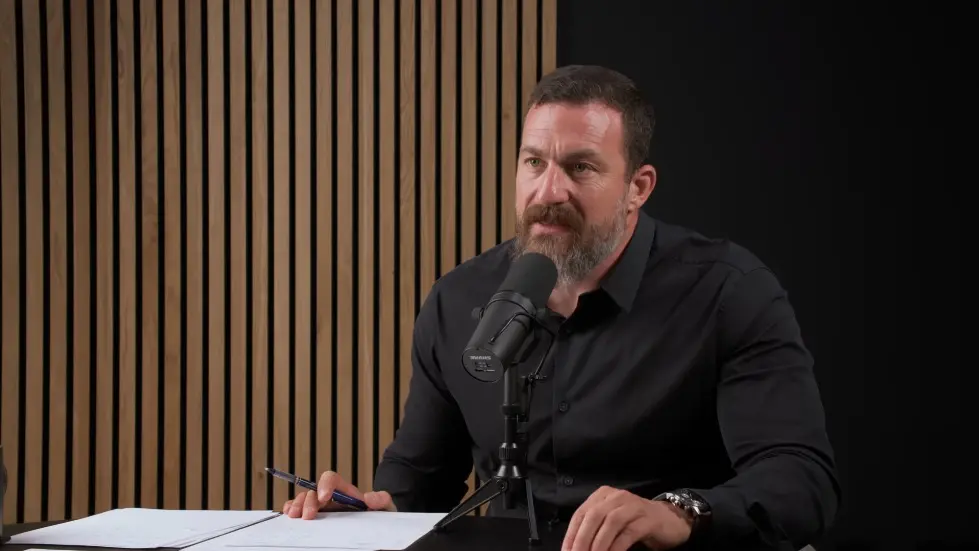
The Importance of Self-Care for Mental Health
- Self-care is about constructing a life narrative that allows us to see what's gone wrong, what's gone right, and the best path to navigate forward.
- True self-care involves examining the self and fostering better self-care toward our mental health.
- Traumatic experiences can inhibit our ability to take excellent self-care, but we can frame those experiences so that we can best move forward.
- Therapy can help us gain understanding and think more about the conscious mind, but it's not the only way to do so.
- Understanding the unconscious mind and defense mechanisms can help us look further and gain a better understanding of our mental health.

The Role of Reflection in Self-Care
- Reflecting on our past, present, and future can help us see what's gone wrong, what's gone right, and the best path to navigate forward.
- We can use various practices such as therapy, specific forms of meditation, journaling, and other ways of examining the self to foster better self-care toward our mental health.
- It's important to understand that the negative emotion is so strong and that part of our brain doesn't care about the clock in the calendar.
- We can gain understanding and think more about the conscious mind by looking in the unconscious mind and that part of the structure of self.
- Defense mechanisms grow up out of the unconscious mind, and we can have some understanding of them even though they're unconscious.
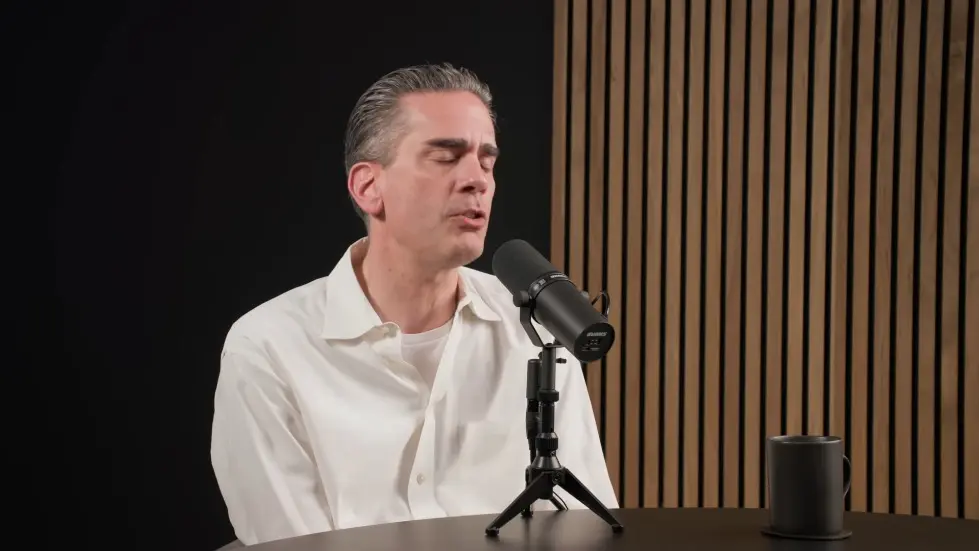
The Importance of Understanding the Process of Change
- Understanding the process of change is not opaque, and we can gain a better understanding of it by putting words to it.
- We can change our understanding of the process of change even that realization that I was much more functional things were different.
- We often romanticize the idea of the person who can just live life forward who doesn't look back or explore their past.
- We become like a sprinter who comes out of the blocks too fast if we're just looking forward and thought an idea that's how to live life.
- We need to understand what those limitations are and we have to understand ourselves to avoid coming out of the block so fast and then sprawling headlong onto the track.
The Importance of Self-Care for Mental Health
- Self-care is about constructing a life narrative that allows us to see what's gone wrong, what's gone right, and the best path to navigate forward.
- True self-care involves examining the self and fostering better self-care toward our mental health.
- Traumatic experiences can inhibit our ability to take excellent self-care, but we can frame those experiences so that we can best move forward.
- Exploring the unconscious mind can be immensely valuable in improving mental health.
- Getting better mentally and being able to function better in the world as a consequence is not a terrific use of one's time, even if it seems to take us off course in the moment or for even a few days.

The Curiosity of Self
- We can stop and think about why we do things automatically, like why do we go to work or why do we eat certain foods.
- Exploring the curiosity of self can provide valuable insights and help us make better choices.
- Thinking about our choices can lead us to realize that we are not innately hardworking or diligent, but we can show it in other ways.
- Asking simple questions like "why do I go to work each day" can lead to changes in our lives and help us explore the unconscious mind.
- Cognitive behavioral tactics like thought redirection can help us redirect our thoughts away from negative emotions and improve our mental health.
The Importance of Self-Care for Mental Health
- Dr. Paul Conti discusses the importance of self-care for mental health.
- True self-care involves constructing a life narrative that allows us to see what's gone wrong, what's gone right, and the best path to navigate forward.
- Inhibitors to self-care include traumatic experiences.
- Framing traumatic experiences can help us move forward.
- Practices that can foster better self-care include therapy, specific forms of meditation, journaling, and other ways of examining the self.
The Role of Automatic Busyness in Mental Health
- Dr. Conti discusses the idea that being automatically busy is not good for mental health.
- It makes us think about how we are busy in ways that are good for us and how we are busy in ways that are not.
- The conversation about automatic busyness stopped Dr. Conti in his tracks and made him realize that there was a lot of extra stuff he was doing that was a waste of his time.
- Dr. Conti brings up the example of being busy with things that do not bring agency, gratitude, peace, contentment, and delight.
- He suggests that it is important to think about what we are doing now and make adjustments to improve our mental health.
The Complexity of Making Good Decisions for the Future
- Dr. Conti discusses the difficulty of projecting ahead into the future and making good decisions.
- The deathbed exercise is an example of a complicated and ultimately meaningless exercise.
- It is better to focus on what we are choosing now that will lead us to the best future.
- We can be aware of our defense mechanisms and there is value in exploring them.
- Defense mechanisms are accessible to us and can be explored through fantastical imagery.
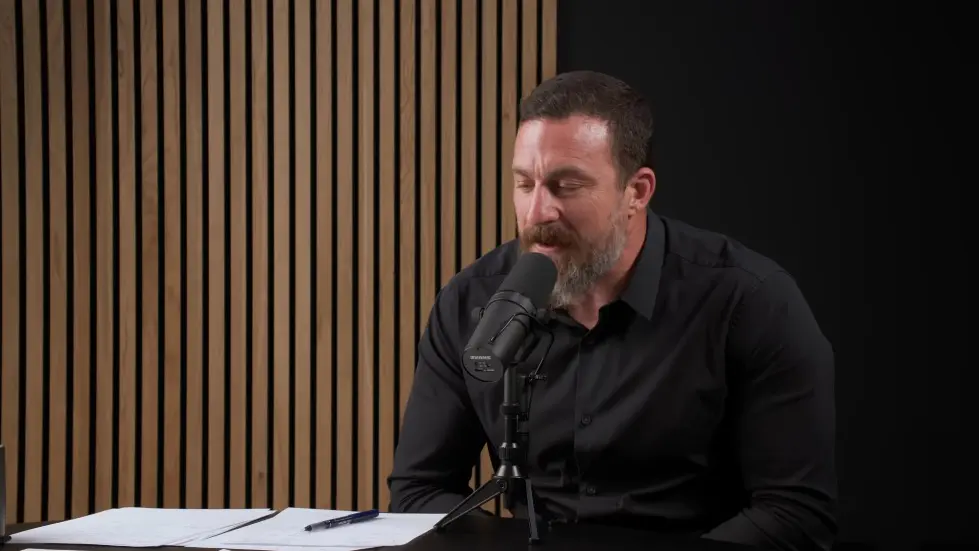
The Importance of Awareness of Defense Mechanisms
- Dr. Conti discusses the importance of being aware of our defense mechanisms.
- Defense mechanisms are a way of protecting ourselves from pain or discomfort.
- There are several questions about defense mechanisms, including whether we can be aware of them and if there is value in exploring them.
- Defense mechanisms can be explored through fantastical imagery.
- The third question would be how does one go about exploring defense mechanisms.

Defense Mechanisms
- Defense mechanisms are unconscious and automatic, but they can be accessed and understood through inquiry.
- Knowledge is power, and understanding defense mechanisms can lead to better self-care and mental health.
- Self-reflection can help understand which defense mechanisms are being used and how they may have changed over time.
- Defense mechanisms can be used to cope with difficult situations or people, but they can also lead to negative emotions and behaviors.
- The process of reflection or inquiry can help understand the branches of defense mechanisms that are coming up from the unconscious mind and how they are arranged.
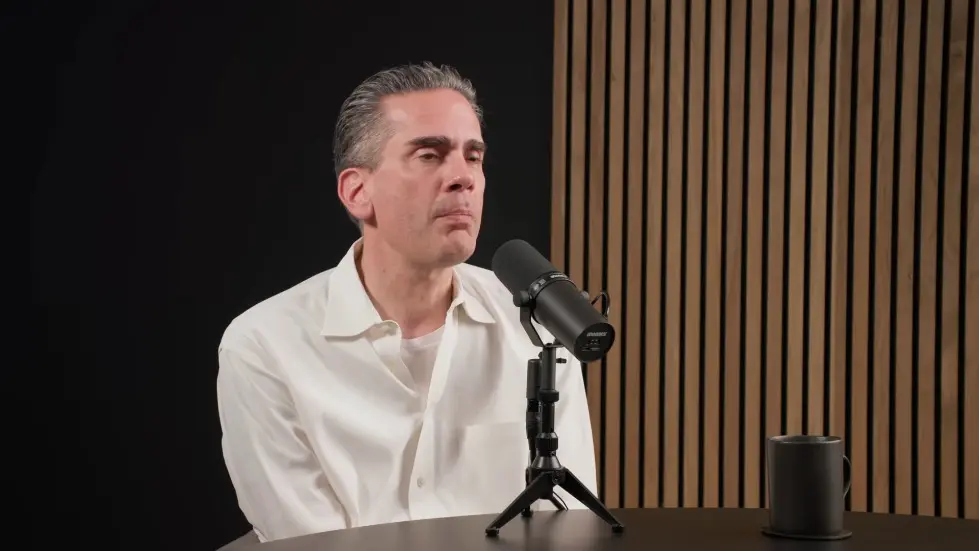
Alcohol as a Defense Mechanism
- Alcohol can be used as a defense mechanism to soothe negative emotions, but it can also lead to negative consequences.
- Alcohol can be used as a way to punish or act out against oneself, which is not healthy.
- The process of reflection or inquiry can help understand the branches of defense mechanisms that are coming up from the unconscious mind and how they are arranged.
- It is possible to take away a diseased branch of a defense mechanism and put something healthier in its place.
- Remembering and bringing defense mechanisms to consciousness can lead to better mental health and affect the next level around it, which is the person's character structure.
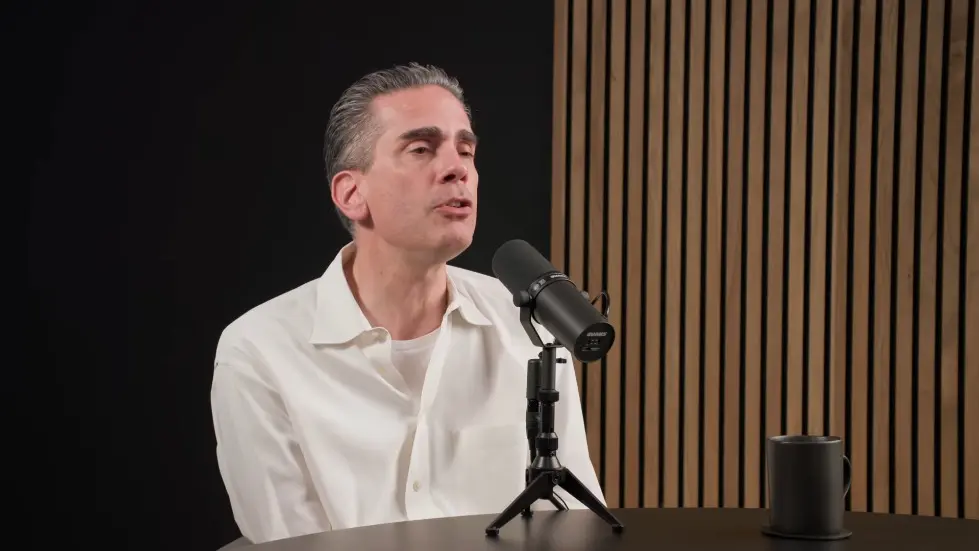
Character Structure as a Nest
- The unconscious mind, conscious mind, defense mechanisms, and character structure are all part of a nest that contains and defines the self.
- The character structure is more than just the conscious mind, it is the conscious mind in action, the defense mechanisms in action, and all the things that are going on underneath the surface in the unconscious mind.
- The character structure is how we actively be in the world and how we engage with the world.
- The character structure is up above the surface of the water and includes things like defense mechanisms and the unconscious mind.
- Understanding the character structure can lead to better mental health and self-care.

You have read 50% of the summary.
To read the other half, please enter your Name and Email. It's FREE.
You can unsubscribe anytime. By entering your email you agree to our Terms & Conditions and Privacy Policy.
Watch the video on YouTube:
Dr. Paul Conti: Tools and Protocols for Mental Health | Huberman Lab Guest Series - YouTube
Related summaries of videos:
- Chris Voss and Andrew Huberman: How to Succeed at Hard Conversations (Huberman Lab Podcast)
- Andrew Huberman: How to Increase Your Willpower and Tenacity (Huberman Lab Podcast)
- Dr. Lisa Feldman Barrett and Dr. Andrew Huberman: How to Understand Emotions (Huberman Lab Podcast)
- Andrew Huberman: Mental Health Toolkit - Tools to Bolster Your Mood and Mental Health
- Dr. Michael Eisenberg and Dr. Andrew Huberman: Improving Male Sexual Health, Function and Fertility
- Dr. Natalie Crawford and Dr. Andrew Huberman: Female Hormone Health, Fertility and Vitality
- Andrew Huberman: A Science-Supported Journaling Protocol to Improve Mental and Physical Health
- Dr. Adam Grant and Dr. Andrew Huberman: How to Unlock Your Potential, Motivation and Unique Abilities
- Dr. Andrew Huberman: AMA #13: Winter Months and Sickness, Wim Hof Breathing and Stressors
- Robert Greene and Andrew Huberman: A Process for Finding and Achieving Your Unique Purpose
- Home
- About us
- Contact
- Book Summaries 0-9
- Book Summaries A
- Book Summaries B
- Book Summaries C
- Book Summaries D
- Book Summaries E
- Book Summaries F
- Book Summaries G
- Book Summaries H
- Book Summaries I
- Book Summaries J
- Book Summaries K
- Book Summaries L
- Book Summaries M
- Book Summaries N
- Book Summaries O
- Book Summaries P
- Book Summaries Q
- Book Summaries R
- Book Summaries S
- Book Summaries T
- Book Summaries U
- Book Summaries V
- Book Summaries W
- Book Summaries X
- Book Summaries Y
- Book Summaries Z
- Jay Shetty Podcast - Summaries
- Tom Bilyeu Impact Theory - Summaries
- Lex Fridman - Summaries
- Diary of a CEO - Summaries
- Alex Hormozi - Summaries
