
Dr. Rena Malik and Dr. Andrew Huberman: Improving Sexual and Urological Health in Males and Females (Huberman Lab Podcast)
Last updated: Oct 2, 2023
The video is about Dr. Andrew Huberman and Dr. Rena Malik discussing sexual and urological health in males and females. Dr. Malik is a board-certified urologist and pelvic surgeon who specializes in both male and female urological pelvic floor and sexual health. The episode covers topics such as how to avoid urinary tract infections, pelvic floor anatomy and function, and sexual health as it relates to erectile function, vaginal lubrication, and orgasm. Dr. Malik also discusses the difference between psychological desire and arousal that occurs within the genitals and important misconceptions about sexual dysfunction. The episode is suitable for adults and young adults, but parents and households should be aware of the content and decide if it is appropriate for their children to hear. Dr. Malik is an active clinician who sees patients daily out of her clinic in Southern California and has authored numerous high-quality peer-reviewed publications in the fields of urology, pelvic health, and sexual health.
This video by Andrew Huberman was published on Aug 14, 2023.
Video length: 02:54:30.
The video is about Dr. Rena Malik, a board-certified urologist and pelvic surgeon, discussing sexual and urological health in males and females.
Dr. Malik answers commonly asked questions about urinary tract infections, pelvic floor anatomy and function, and sexual health. She highlights the importance of understanding the difference between psychological desire and arousal that occurs within the genitals and separates out misconceptions about sexual dysfunction. Dr. Malik also talks about the neural, vascular, and muscular aspects of bladder function, prostate function, and sexual health. She discusses these topics from the standpoint of a clinician and biologist and provides information on different stages across the lifespan. The content of the episode is sexual in nature and may not be appropriate for young children.
Dr. Malik is an active clinician, has authored dozens of high-quality peer-reviewed publications, and provides zero-cost content about sexual health, pelvic floor health, and urology on her YouTube channel.
- Dr. Rena Malik is a board-certified urologist and pelvic surgeon who specializes in both male and female urological pelvic floor and sexual health.
- The episode covers topics such as how to avoid urinary tract infections, pelvic floor anatomy and function, and sexual health as it relates to erectile function, vaginal lubrication, and orgasm.
- Dr. Malik discusses the difference between psychological desire and arousal that occurs within the genitals and important misconceptions about sexual dysfunction.
- The pelvic floor is a group of muscles and tissues that support the bladder, vagina, and rectum.
- Common issues with pelvic floor health include urinary incontinence and vaginal prolapse.
- Pelvic floor dysfunction can affect urination, defecation, sexual function, and GI function.
- Pelvic floor physical therapy can help strengthen and stretch the muscles.
- Kegel exercises can also help strengthen the pelvic floor muscles.
- It is important to seek medical attention if you suspect pelvic floor dysfunction.
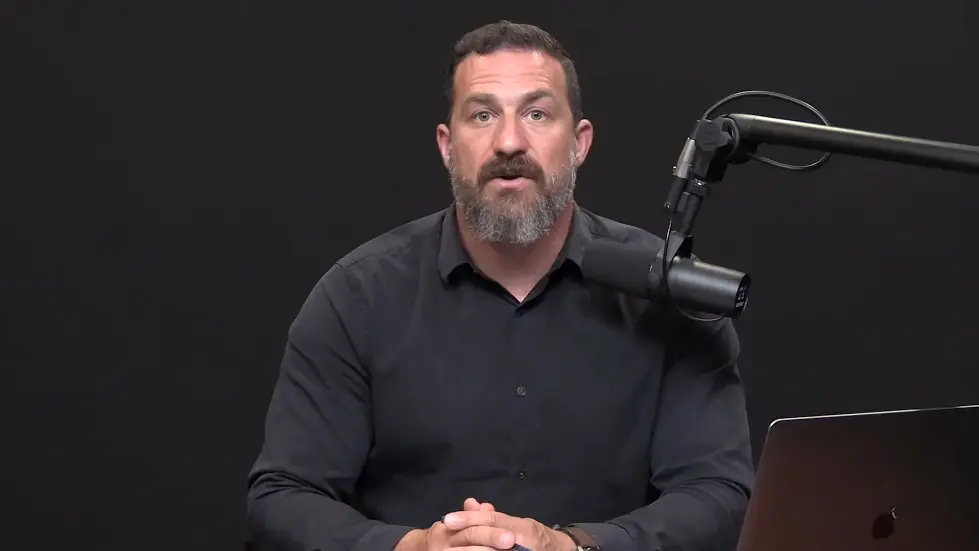
Section 1: Introduction
- Welcome to the Huberman Lab podcast
- Hosted by Andrew Huberman, a professor of neurobiology and ophthalmology at Stanford School of Medicine
- Guest is Dr. Rina Malik, a board-certified urologist and pelvic surgeon who specializes in both male and female urological pelvic floor and sexual health
- Discusses topics such as urinary tract infections, pelvic floor anatomy and function, and sexual health as it relates to erectile function, vaginal lubrication, and orgasm
- Important misconceptions about sexual dysfunction and the difference between psychological desire and arousal that occurs within the genitals
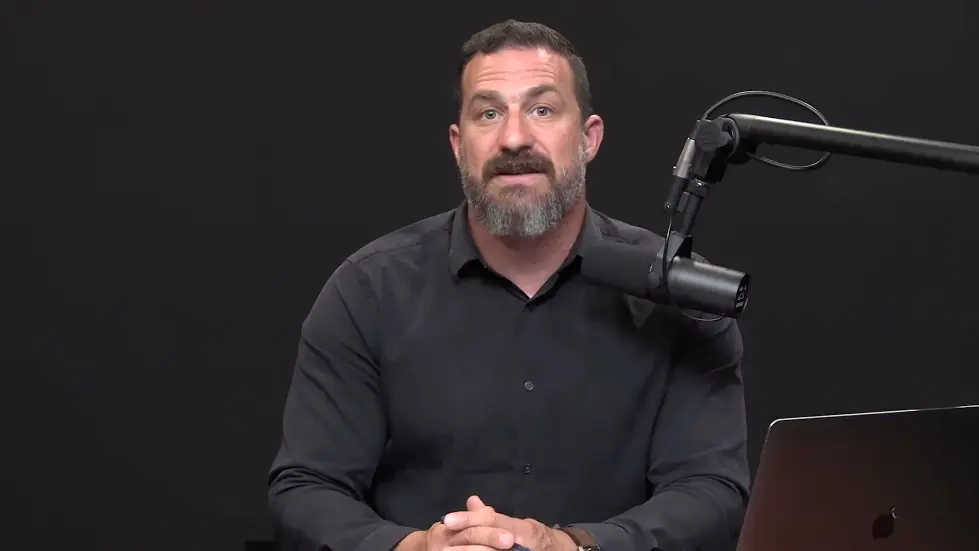
Section 2: Urinary Tract Infections
- Discusses how to avoid getting urinary tract infections (UTIs)
- Importance of proper urinary tract hygiene
- Drinking plenty of water and cranberry juice to flush out bacteria
- Avoiding tight-fitting clothing and irritating products
- Proper cleaning of the genital area

Section 3: Pelvic Floor Anatomy and Function
- Discusses the anatomy and function of the pelvic floor
- Importance of proper pelvic floor function for both males and females
- Common issues with pelvic floor function, such as overly tight or overly relaxed pelvic floor
- Importance of learning to relax the pelvic floor for proper Urologic and sexual function
- Differences between pelvic floor and blood flow related issues and their impact on sexual dysfunction
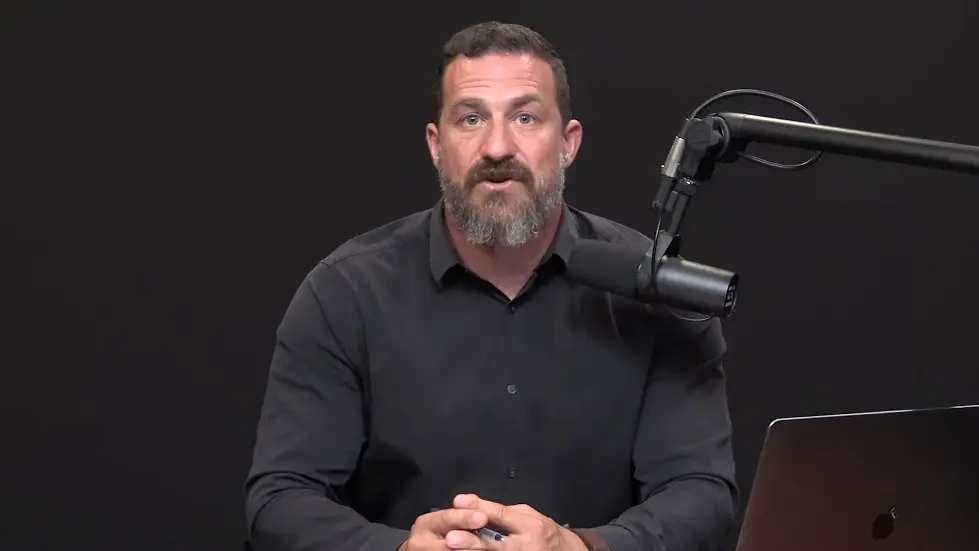
Section 4: Sexual Health
- Discusses sexual health as it relates to erectile function, vaginal lubrication, and orgasm
- Separates out very carefully the difference between psychological desire and arousal that occurs within the genitals
- Important misconceptions about sexual dysfunction, such as hormone dysregulation being responsible for only a small percentage of sexual dysfunction
- Discusses the neural and vascular aspects of bladder function, prostate function, schemes, glands, vaginal health, and penile health
- Talks about these things as it relates to different stages across the lifespan
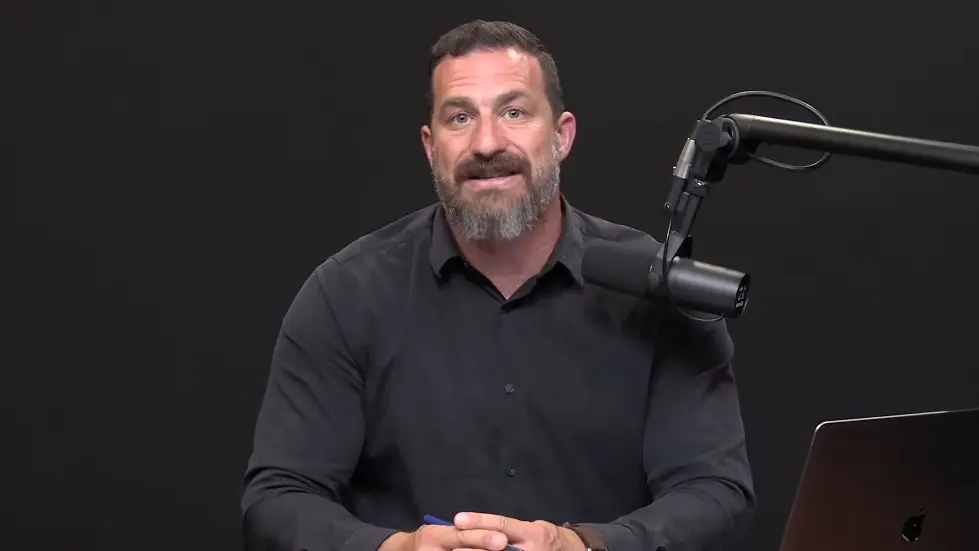
Section 1: Introduction
- The video is about Dr. Rena Malik discussing sexual and urological health in males and females.
- Dr. Malik is a board-certified urologist and pelvic surgeon who specializes in both male and female urological pelvic floor and sexual health.
- The episode covers topics such as how to avoid urinary tract infections, pelvic floor anatomy and function, and sexual health as it relates to erectile function, vaginal lubrication, and orgasm.
- Dr. Malik also discusses the difference between psychological desire and arousal that occurs within the genitals and important misconceptions about sexual dysfunction.

Section 2: Urological Pelvic Floor Health
- Dr. Malik discusses the importance of pelvic floor health for both males and females.
- She explains that the pelvic floor is a group of muscles and tissues that support the bladder, vagina, and rectum.
- Dr. Malik discusses common issues with pelvic floor health, such as urinary incontinence and vaginal prolapse.
- She explains that these issues can be caused by a variety of factors, including childbirth, aging, and poor posture.

Section 3: Sexual Health
- Dr. Malik discusses sexual health in both males and females.
- She explains that sexual health is an important aspect of overall health and well-being.
- Dr. Malik discusses common sexual health issues, such as erectile dysfunction and vaginal dryness.
- She explains that these issues can be caused by a variety of factors, including stress, hormonal imbalances, and relationship issues.

Section 4: Conclusion
- Dr. Malik emphasizes the importance of seeking professional help for sexual and urological health issues.
- She encourages viewers to speak with their healthcare provider if they are experiencing any issues with their sexual or urological health.
- Dr. Malik also encourages viewers to prioritize their sleep and to consider using a customized mattress from Helix Sleep to improve their sleep quality.

Pelvic Floor Anatomy and Function
- The pelvic floor is a bowl of muscles that connects bones in the pelvis and holds up organs.
- It helps with urination, defecation, sexual function, posture, and more.
- A strong, healthy pelvic floor can mean normal urination, defecation, and great sex.
- It can also prevent ailments like back pain and issues related to those organs.
- Pelvic floor dysfunction can affect urination, defecation, sexual function, and GI function.

Pelvic Floor Dysfunction
- Pelvic floor dysfunction can happen when doing repetitions of exercises or overstraining the muscles.
- It can lead to symptoms like urgency, frequency, and difficulty urinating.
- It can also cause pain with sex, erections, and ejaculation.
- Constipation and back pain can also be symptoms of pelvic floor dysfunction.
- Pelvic floor dysfunction can be caused by childbirth, neurologic disorders, or connective tissue disorders.

Testing for Pelvic Floor Dysfunction
- There is no direct way to describe pelvic floor muscular shortening that everyone can understand.
- It can be difficult to describe the sensation of pelvic floor dysfunction.
- It is important to have a thorough physical examination to diagnose pelvic floor dysfunction.
- Imaging tests like ultrasound or MRI may also be used to diagnose pelvic floor dysfunction.
- It is important to seek medical attention if you suspect pelvic floor dysfunction.

Treatment for Pelvic Floor Dysfunction
- Pelvic floor physical therapy can help strengthen and stretch the muscles.
- Kegel exercises can also help strengthen the pelvic floor muscles.
- Medications like anticholinergics can help relax the bladder and improve urination.
- Surgery may be necessary in severe cases of pelvic floor dysfunction.
- It is important to work closely with a healthcare provider to develop a treatment plan.

Pelvic Floor Muscular Relaxation
- Pelvic floor muscular relaxation is a pattern of relaxation that occurs just prior to initiating a bowel movement.
- It is difficult to notice and requires training to recognize.
- Most people cannot recognize it because it is gradual and becomes noticeable over time with symptoms such as difficulty with bowel movements, urinary tract infections, and vaginal lubrication.
- The pelvic floor is a muscle that was not trained to be recognized like Kegel exercises.
- Usually, when people come to First, they get an examination to see if their pelvic floor is tight. For women, it is a pelvic exam, and for men, it is usually a rectal exam.

Pelvic Floor Exam
- A pelvic floor exam involves palpating the muscles and looking at their function.
- For digital palpation, the physician inserts their fingers through the anus and feels the prostate to see if it is swollen.
- A prostate exam goes as described, with the physician feeling the pelvic floor muscles through the vagina for women and the rectum for men.
- The physician can feel the iliococcygeus, pubic oxygous, and levator Ani muscles through the vagina.
- The physician can assess the tenseness of the pelvic floor based on palpation, tenderness, and observation of muscle coordination and sensation.

Pelvic Floor Therapy
- Pelvic floor therapy involves working with a therapist on a prolonged basis to normalize the function of the pelvic floor.
- The first step in pelvic floor therapy is aligning the bones and the way a person sits and walks to prevent straining the muscles.
- For men, a pelvic floor exam involves inserting fingers into the urethra, which is difficult due to its small opening.
- Some pelvic floor therapy involves external examination of the region between the scrotum and the anus.
- To get a high-quality assessment of the pelvic floor's health, it is recommended to see a pelvic floor specialist.

Kegel Exercises
- Kegel exercises are a strengthening exercise for the pelvic floor.
- They were developed by a gynecologist named Kegel.
- Kegel exercises are not meant to diagnose but can be used to strengthen the pelvic floor.
- There is nothing that can give a baseline reading of whether the pelvic floor is normal or abnormal.
- It is difficult to recognize pelvic floor muscular relaxation, and it requires training to recognize.

Section 1: Understanding Kegels
- Kegels are a way to strengthen the pelvic floor muscles.
- These muscles are used when urinating, but it's important not to do them during urination.
- Instead, the muscles should be squeezed and relaxed in sets.
- The muscles can be described as being pulled up and in, like the feeling of trying to lift the penis off the floor without touching it.
- Kegels can be done lying down, sitting up, or standing, with 10-15 repetitions in the morning, at night, and maybe once during the middle of the day.

Section 2: Benefits of Kegels
- Kegels are typically prescribed for urinary incontinence, specifically stress urinary incontinence.
- They can also help with pelvic organ prolapse in women and urinary leakage after a prostatectomy in men.
- Some people use kegels recreationally to improve the pelvic floor musculature and make orgasms more pleasurable.
- However, overdoing kegels can lead to a more tense pelvic floor, which is not desirable.
- It's important to understand the mechanics of kegels and to seek guidance from a pelvic floor physical therapist if possible.

Section 3: Anti-Kegels
- If someone has a tight pelvic floor, they can learn to relax the muscles through various methods.
- Massage of the area, vaginal dilators, and suppositories with medications like valium or baclofen can help relax the muscles.
- Working with a physical therapist can also be beneficial, as they can teach exercises to downtrain the pelvic floor.
- One exercise that a physical therapist might teach is the "happy baby" pose, which stretches and elongates the pelvic floor muscles.
- It's important to seek guidance from a healthcare professional if experiencing symptoms related to a tight pelvic floor.

Section 1: Exercises for Pelvic Floor Muscles
- Doing pelvic floor exercises regularly can help lengthen the pelvic floor muscles.
- Stopping certain exercises, such as crunches with legs crossed, can provide relief from pelvic floor discomfort.
- It is important to breathe correctly during exercise to stabilize the pelvic floor.
- Diaphragmatic breathing, which involves a deep breath that expands the diaphragm, is particularly important for pelvic floor exercises.
- Exhaling during exercise helps to contract the pelvic floor and stabilize it.

Section 2: Importance of Blood Flow in Pelvic Health
- Blood flow is an important factor in pelvic health, particularly when it comes to erectile function, vaginal lubrication, and orgasm.
- Decreased blood flow to the pelvic floor muscles can affect sexual function and cause pain.
- Nerve inflammation can also cause pain in the pelvic area.
- It is important to consider the hormonal, blood flow, and neural influences when discussing pelvic health.
- Exercise physiologists have confirmed that cutting off blood flow to the pelvic floor muscles can lead to erectile dysfunction and pain during vaginal intercourse.

Section 3: Common Exercises and Their Effects on Pelvic Health
- Squats and deadlifts can improve pelvic floor strength and function.
- Tensing the pelvic floor during exercises like dumbbell curls can lead to hypercontraction of the muscles and impede desired outcomes.
- Many people exercise for aesthetic and health reasons, but it is important to consider the potential effects on pelvic health.
- Testosterone plays a role in both male and female pelvic health, particularly in relation to sexual function.
- It is important to be aware of the potential side effects and direct effects of exercise on pelvic health.

Section 1: Introduction
- The video is about Dr. Rena Malik discussing sexual and urological health in males and females.
- Dr. Malik is a board-certified urologist and pelvic surgeon who specializes in both male and female urological pelvic floor and sexual health.
- The episode covers topics such as how to avoid urinary tract infections, pelvic floor anatomy and function, and sexual health as it relates to erectile function, vaginal lubrication, and orgasm.
- Dr. Malik also discusses the difference between psychological desire and arousal that occurs within the genitals and important misconceptions about sexual dysfunction.
- The episode is suitable for adults and young adults, but parents and households should be aware of the content and decide if it is appropriate for their children to hear.

Section 2: Understanding Sexual Function
- Sexual function is influenced by testosterone, which is involved in libido and the male and female sexual response.
- Low lubrication, pain during vaginal intercourse, and loss of erectile strength or some form of erectile dysfunction can take on different forms.
- To know if a problem is related to blood flow, hormones, or neural issues, it is important to understand the difference between psychological arousal and arousal to engage in intercourse.
- Psychological arousal is the desire to have sex, while arousal to engage in intercourse is the physical response of the genitals.
- Desire and arousal do not always go in one direction, and it is important to distinguish between the two.

Section 3: Assessing Sexual Health
- To assess sexual health, it is important to find out what is going on specifically, such as whether a person is getting aroused, having erections, or masturbating.
- Psychological arousal and arousal to engage in intercourse are different, and it is important to recognize the difference.
- Desire and arousal can be influenced by various factors, such as psychological issues, comorbidities, and hormonal imbalances.
- Blood flow issues can negatively affect sexual function, and it is important to assess other comorbidities that may be affecting blood flow to the genitals.
- Hormonal issues are important for desire and sexual function, and it is important to identify any hormonal imbalances that may be affecting sexual health.

Section 4: Treatment Options
- Doppler ultrasounds of the genitals can be used to assess blood flow and identify any issues that may be affecting sexual function.
- Treatment options for sexual dysfunction may vary depending on the underlying cause, but may include medication, therapy, or surgery.
- It is important to work with a healthcare provider to identify the underlying cause of sexual dysfunction and develop an appropriate treatment plan.
- Regular communication with a partner can also help improve sexual function and overall relationship satisfaction.
- It is important to remember that sexual health is a complex issue, and it may take time and effort to identify and address any underlying issues.

Assessing Blood Flow
- Assessing blood flow in the penis and clitoris can be done by measuring peak systolic velocity and end diastolic velocity.
- These tests can help determine if there is a problem with arterial inflow or venous outflow.
- Nerve function can also be assessed through clinical reports, but sometimes it may be difficult to reverse nerve problems.
- As people age, sensation becomes less due to decreased sensitivity of receptors and nerves.
- It is important to consider all aspects of a patient's life, such as relationship and stress, when discussing sexual health.

Finding a Pelvic Floor Therapist or Urologist
- It is important to find a physician who specializes in pelvic floor health, such as a urologist, gynecologist, or physical medicine rehabilitation doctor.
- Board certification in female pelvic medicine and reconstructive surgery is important for female patients.
- Physical medicine rehabilitation doctors may also focus on pelvic floor health.
- It is important to find a pelvic floor physical therapist who is certified in pelvic floor physical therapy and has experience treating your gender.
- There may be limited resources for finding a pelvic floor physical therapist or urologist, so it is important to do research and ask for recommendations.

Pelvic Floor Physical Therapy
- Pelvic floor physical therapy can help address issues related to the genitals, such as erectile dysfunction, vaginal lubrication, and orgasm.
- It is important to find a pelvic floor physical therapist who is certified in pelvic floor physical therapy and has experience treating your gender.
- Physical medicine rehabilitation doctors may also focus on pelvic floor health.
- There may be limited resources for finding a pelvic floor physical therapist or urologist, so it is important to do research and ask for recommendations.
- It is important to consider all aspects of a patient's life, such as relationship and stress, when discussing sexual health.
Supplements
- Supplements such as ag1 can help meet foundational nutrition needs and provide adaptogens to help buffer stress.
- It is important to consider all aspects of a patient's life, such as relationship and stress, when discussing supplements.
- Supplements may not be a substitute for a healthy diet and lifestyle.
- It is important to consult with a healthcare professional before starting any new supplement regimen.
- Supplements may not be effective for everyone and may have side effects.

Conclusion
- Assessing blood flow, finding a pelvic floor therapist or urologist, and considering all aspects of a patient's life are important when discussing sexual health.
- Supplements may be helpful in meeting foundational nutrition needs and providing adaptogens to help buffer stress.
- It is important to consult with a healthcare professional before starting any new supplement regimen.
- Supplements may not be effective for everyone and may have side effects.
- It is important to consider all aspects of a patient's life, such as relationship and stress, when discussing sexual health.

Section 1: Introduction
- The video is about Dr. Rena Malik discussing sexual and urological health in males and females.
- Dr. Malik is a board-certified urologist and pelvic surgeon who specializes in both male and female urological pelvic floor and sexual health.
- The episode covers topics such as how to avoid urinary tract infections, pelvic floor anatomy and function, and sexual health as it relates to erectile function, vaginal lubrication, and orgasm.
- Dr. Malik also discusses the difference between psychological desire and arousal that occurs within the genitals and important misconceptions about sexual dysfunction.
- The episode is suitable for adults and young adults, but parents and households should be aware of the content and decide if it is appropriate for their children to hear.

Section 2: Erectile Dysfunction in Males and Females
- Erectile dysfunction in males is clearly a form of sexual dysfunction.
- The parallel to erectile dysfunction in females is lack of vaginal lubrication and lack of relaxation of the vagina to have non-painful intercourse.
- Difficulty orgasming in women is multifactorial and can be caused by vascular problems, hormonal problems, neurologic problems, psychogenic issues, and other medications.
- There are issues that can affect erectile function, such as vascular problems, hormonal problems, neurologic problems, psychogenic issues, and other medications.
- Sexual dysfunction presents differently in both genders, and it is important to understand the specific issues that affect each gender.
Section 3: Sexual Dysfunction in Males and Females
- Sexual dysfunction in males is often visual, and the one way men can assess it is by their level of arousal.
- Women can assess their level of lubrication, if sex hurts, and if they get an orgasm.
- Hormones play a role in sexual differentiation and can affect sexual function and dysfunction in both genders.
- Testosterone is pro-libido in both men and women, and dopamine is also associated with desire.
- Estrogen is not anti-libido or anti-male, and taking drugs to suppress estrogen can lead to a slow shift in how people think about estrogen and its role in sexual health.

Section 4: Conclusion
- The video provides an overview of sexual and urological health in males and females.
- Dr. Malik discusses topics such as how to avoid urinary tract infections, pelvic floor anatomy and function, and sexual health as it relates to erectile function, vaginal lubrication, and orgasm.
- The episode is suitable for adults and young adults, but parents and households should be aware of the content and decide if it is appropriate for their children to hear.
- The video highlights the importance of understanding the specific issues that affect sexual dysfunction in both genders.
- It is important to seek professional help if experiencing sexual dysfunction, as there are treatments available that can improve sexual function and quality of life.

Misconceptions about Sexual Dysfunction
- The erection response and the vaginal lubrication response is generated by the parasympathetic nervous system.
- Some people can get psychological sexual issues due to lack of erection or lack of vaginal lubrication.
- Individuals can experience erection or vaginal lubrication due to alertness, aggression, or excitement (adrenaline).
- The arousal response in males and females is initiated by a parasympathetic tone and shifts towards the sympathetic nervous system as sexual desire and arousal progress.
- The climax response, which may or may not include ejaculation, is a stress system response and then shifts back to the parasympathetic nervous system.

Nitric Oxide and Erections
- Nitric oxide is the ignition for erections.
- Nitric oxide is released from the parasympathetic nervous system when there is a stimulus, such as aggression or excitement.
- Nitric oxide is essential for erections.
- The reason the speaker talks about erections more often is due to the data showing that there are more articles about the penis than the clitoris.

Domination of Urology and Sexual Health Field by Men
- The Urology and sexual health field was dominated by men.
- There were more men in medicine.
- It is easier to study the male sexual response than the female sexual response.

Introduction
- The video is about Dr. Rena Malik discussing sexual and urological health in males and females.
- Dr. Malik is a board-certified urologist and pelvic surgeon who specializes in both male and female urological pelvic floor and sexual health.

Male Penis Response
- The video discusses the male penis response to erectile dysfunction treatments.
- Intracavernosal injections are used for erectile dysfunction and are effective.
- There are three brand names of intracavernosal injections used for erectile dysfunction.

Intracavernosal Injections
- Intracavernosal injections are used for erectile dysfunction.
- They are well tolerated and do not cause as much pain as they seem.
- These injections are the most effective non-surgical treatment for erectile dysfunction.

Mechanisms of Erection
- Nitric oxide is released by the endothelium in response to visual or tactile stimuli.
- This release of nitric oxide sets off the erection cascade.
- Medications like PDE5 inhibitors work by increasing cGMP, which causes the erection.

Supplements
- L-citrulline is an over-the-counter supplement that works similarly to PDE5 inhibitors.
- It is in the Arginine pathway and increases the availability of nitric oxide.
- L-Arginine is the more direct pathway but has low bioavailability.

Conclusion
- Intracavernosal injections are the most effective non-surgical treatment for erectile dysfunction.
- Supplements like L-citrulline and L-Arginine can increase the availability of nitric oxide and improve erectile function.
Section 1: Erectile Dysfunction in Males
- Erectile dysfunction (ED) is a common issue in males, affecting 60-70% of men.
- There are various factors that can contribute to ED, including medication side effects, psychological issues, and physical problems.
- Cialis, Viagra, and l-citrulline are commonly used medications to treat ED in males.
- Low dosage Cialis (tadalafel) is increasingly being used for prostate health, although it was originally developed for blood flow issues.
- Combined low dosage Cialis and April morphine is also being used for ED treatment in some cases.

Section 2: Erectile Dysfunction in Females
- ED can also affect females, although there is less research on this topic.
- Low dosage Cialis (tadalafel) can be used off-label to improve sexual function in women with blood flow issues.
- There is limited data on the effectiveness of these medications in women, and more research is needed.
- Prostate health is a common concern for both males and females, and low dosage Cialis (tadalafel) has been used to increase blood flow to the prostate for this purpose.
- Combined low dosage Cialis and April morphine is also being used for ED treatment in some cases.

Section 3: Erectile Dysfunction in Young Men
- Erectile dysfunction (ED) can affect men of all ages, including those in their 20s and 30s.
- Lack of physical activity, overuse of nicotine (including vaping), and poor pelvic floor health can contribute to ED in young men.
- Nicotine is a vasoconstrictor, which can run counter to the sexual arousal process.
- It is important for young men to prioritize healthy habits, such as regular exercise and sufficient sleep, to maintain healthy sexual function.
- There is limited research on ED in young men, and more studies are needed to better understand this issue.

Section 1: Introduction
- The video is about Dr. Rena Malik discussing sexual and urological health in males and females.
- Dr. Malik is a board-certified urologist and pelvic surgeon who specializes in both male and female urological pelvic floor and sexual health.
- The episode covers topics such as how to avoid urinary tract infections, pelvic floor anatomy and function, and sexual health as it relates to erectile function, vaginal lubrication, and orgasm.
- Dr. Malik also discusses the difference between psychological desire and arousal that occurs within the genitals and important misconceptions about sexual dysfunction.
- The episode is suitable for adults and young adults, but parents and households should be aware of the content and decide if it is appropriate for their children to hear.
Section 2: Eating Habits
- The video assumes that the audience is eating a healthy diet, with most of their foods coming from non-processed or minimally processed foods.
- They are also engaging in healthy relationships and not masturbating excessively to porn.
- It is not specified if the audience is on any SSRI medication.
- The video mentions that many young men in the clinic have pelvic floor dysfunction, even though they are doing all the right things.
- It is suggested that walking more and using a standing desk can help improve pelvic floor function.

Section 3: Pelvic Floor Dysfunction
- Pelvic floor dysfunction is a common cause of erectile issues in young men.
- Sitting for long periods of time, especially during work or school, can affect pelvic floor function.
- Exercising for one hour is not enough to offset the day of sitting.
- It is suggested that walking more and using a standing desk can help improve pelvic floor function.
- It is also suggested that there may be a psychogenic feedback loop that can make things worse.

Section 4: Sexual Health
- Masturbation to porn can lead to problematic pornography use, which is only described in about 4% of people in studies.
- Pornography activates the dopamine pathways in the brain, which can lead to addiction-like behavior.
- Healthy sexual behavior involves at least four things: consensual, age-appropriate, context-appropriate, and species-appropriate behavior.
- There is a spectrum of people who watch pornography, ejaculate to pornography, and have a normal life.
- Shaming people for watching pornography can create problems and lead to negative behavior.

Section 1: Introduction
- The video is about Dr. Rena Malik discussing sexual and urological health in males and females.
- Dr. Malik is a board-certified urologist and pelvic surgeon who specializes in both male and female urological pelvic floor and sexual health.
- The episode covers topics such as how to avoid urinary tract infections, pelvic floor anatomy and function, and sexual health as it relates to erectile function, vaginal lubrication, and orgasm.
- Dr. Malik also discusses the difference between psychological desire and arousal that occurs within the genitals and important misconceptions about sexual dysfunction.

Section 2: Shame and Cultural Norms
- There is a cultural shame that comes with discussing sexual health, particularly in relation to pornography.
- This shame can extend both ways and is a problem in the long term.
- Many people watch pornography and have no problems, so it is important to have open conversations about sex and what is normal.
- Young people who are watching pornography may not get an education about what sex is and what is normal, leading to confusion and misconceptions.

Section 3: The Importance of Normalcy
- It is important for people to know what is normal in terms of sexual health.
- This includes consensual, age-appropriate, context-appropriate, and species-appropriate behavior.
- Regular blood work can help people understand their body and meet their health goals.
- Inside Tracker is a personalized nutrition platform that analyzes data from blood and DNA to help people better understand their body and meet their health goals.

Section 4: Conclusion
- Dr. Malik emphasizes the importance of having open conversations about sex and what is normal.
- She also discusses the potential negative effects of shame and cultural norms on sexual health.
- It is important for people to understand what is normal in terms of sexual health and to have open conversations with their partners and healthcare providers.
- Regular blood work and personalized nutrition platforms like Inside Tracker can help people better understand their body and meet their health goals.

Masturbation and Sexual Health
- Masturbation can lead to problems with healthy sexual relationships and courtship skills.
- Pornography and masturbation can create a "problem" in the sense that they can make someone feel comfortable only in those domains.
- Young men are more likely to reach out for help with sexual health issues.
- Technology has made it easier for people to access information and connect with others online, but it has also led to a decline in face-to-face conversations and the development of social skills.
- It is important to be cautious about the information and advice given on the internet, as it may be misleading or detrimental.

Female Sexual Response
- The female sexual response is not always based on intimacy and relationships.
- There are stereotypes about the female sexual response, but these are not fixed and are constantly evolving.
- There are multiple forms of female arousal and orgasm, and it is important to understand the different types.
- Research on the female sexual response has been conducted, and there is a wealth of information available on the subject.

Section 1: Understanding Sexual and Urological Health in Males and Females
- The video is about Dr. Rena Malik discussing sexual and urological health in males and females.
- Dr. Malik is a board-certified urologist and pelvic surgeon who specializes in both male and female urological pelvic floor and sexual health.
- The episode covers topics such as how to avoid urinary tract infections, pelvic floor anatomy and function, and sexual health as it relates to erectile function, vaginal lubrication, and orgasm.
- Dr. Malik also discusses the difference between psychological desire and arousal that occurs within the genitals and important misconceptions about sexual dysfunction.

Section 2: Understanding Erectile Function
- Erectile function is a response of the body where you will have increased sympathetic response and you will have pelvic floor muscle contractions which are rhythmic about 0.8 seconds or so.
- Orgasm is essentially a response of the body where you will have increased sympathetic response and you will have pelvic floor muscle contractions which are rhythmic about 0.8 seconds or so.
- You can have a refractory period after orgasm which can have you know sort of a refractory time period at which point you can no longer you know orgasm again if you'd like to or for men to obtain another erection again for a short period of time and that can be kind of an absolute refractory period so where it's definitely not happening and then a relative refractory period where you'd need something more novel and exciting to then again resume that cycle again.
- The Coolidge effect is present in both males and females meaning if a male ejaculates and is of the feeling that they can't have another erection for some period of time the presentation of a novel I guess we should say partner because we could be talking about homosexual relationship here not just heterosexual but um a novel sexual partner female or male depending on their um their proclivities can override the refractory period.

Section 3: Understanding Post-Orgasmic Refractory Period
- A post-orgasmic refractory period is a period of time after orgasm during which a person is unable to have another orgasm.
- The duration of the refractory period can vary depending on the individual and the circumstances.
- A person can experience arousal and orgasm again after the refractory period if they are given an adequate stimulus.
- The prolactin is essentially establishing the refractory period and the dopamine is essentially overriding the refractory period.
Section 4: Understanding Centrally Acting Medications
- Centrally acting medications are available for premenopausal women with low libido.
- One such medication is melanocyte stimulating hormone (MSH) which gives people a tan, makes them erect, and increases libido.
- MSH is derived from the pituitary gland and is available as a peptide injection.
- Pre-opism, a condition where a person experiences prolonged and painful erections, can occur with MSH injections.

Melatonin Peptide
- Melatonin peptide is a melanocortin receptor agonist that works on the brain pathways to increase desire.
- It is taken as an injectable and works quite effectively in increasing desire for up to 24 hours.
- Some people may be up to 48 hours, but this varies.
- It is important to note that obtaining gray market peptides can be dangerous as they are often contaminated with LPS, a substance that can induce an immune response in animals.
- It is recommended to obtain melatonin peptide by prescription from a quality physician.

Phlebanserin
- Phlebanserin, also known as Addie, is a medication that works on serotonin and dopaminergic areas of the brain.
- It is taken before bedtime and helps with decreasing hypoactive sexual desire disorder in about 60-70% of patients.
- It is important to take it for some time to see results.
- It is a brand name medication that is available but can be costly and may not be covered by insurance.
- It is FDA approved for treating hypoactive sexual desire disorder, which is essentially low libido that causes distress and bother.

Vaginal Lubrication, Arousal, and Female Orgasm
- There is no BMI chart that can determine whether a person's libido is normal, high, or low.
- Determining libido is largely based on intuitive understanding of a person's partner's desire and whether they can meet those desires.
- People tend to compare their libido to how they felt in earlier years or at different times of the year or under different psychological conditions.
- There is no right or wrong amount of libido, and it is a matter of distress and bother.
- Studies for female sexual dysfunction show that about 40% of people qualify for having sexual dysfunction, but only 12% are bothered by it.

Section 1: Understanding Libido
- Libido is influenced by both self-desires and the hopes and expectations of sexual partners.
- Healthy levels of libido are important for sexual health and satisfaction.
- Discussing libido with a partner is important for understanding each other's needs and expectations.
- Lubrication is not the only indicator of arousal and can occur independently of libido.
- It is important to distinguish between arousal-based lubrication and other forms of arousal and lubrication.

Section 2: Female Sexual Arousal and Orgasm
- Physiologically, the cervix moves up and out of the way to allow for penetration during female sexual arousal and orgasm.
- The vagina can double in size during arousal and orgasm, allowing for increased penetration.
- Some people may need a longer period of time for arousal to occur before penetration.
- Lubrication is not the only indicator of arousal and can occur independently of libido.
- It is important to have open and honest communication with a partner about sexual arousal and orgasm.

You have read 50% of the summary.
To read the other half, please enter your Name and Email. It's FREE.
You can unsubscribe anytime. By entering your email you agree to our Terms & Conditions and Privacy Policy.
Watch the video on YouTube:
Dr. Rena Malik: Improving Sexual & Urological Health in Males and Females | Huberman Lab Podcast - YouTube
Related summaries of videos:
- Dr. David Linden and Andrew Huberman: Life, Death and the Neuroscience of Your Unique Experience (Huberman Lab Podcast)
- Andrew Huberman: Goals Toolkit - How to Set and Achieve Your Goals (Huberman Lab Podcast)
- Dr. Paul Conti and Dr. Andrew Huberman: How to Understand and Assess Your Mental Health (Huberman Lab Guest Series)
- Andrew Huberman: Journal Club with Dr. Peter Attia - Metformin for Longevity and The Power of Belief Effects
- Dr. Paul Conti and Dr. Andrew Huberman: How to Improve Your Mental Health (Huberman Lab Guest Series)
- Andrew Huberman: How to Use Music to Boost Motivation, Mood and Improve Learning (Huberman Lab Podcast)
- Dr. Paul Conti and Dr. Andrew Huberman: How to Build and Maintain Healthy Relationships (Huberman Lab Guest Series)
- U.S. Surgeon General Dr. Vivek Murthy and Dr. Andrew Huberman: Efforts and Challenges in Promoting Public Health
- Dr. Paul Conti and Dr. Andrew Huberman: Tools and Protocols for Mental Health (Huberman Lab Guest Series)
- Chris Voss and Andrew Huberman: How to Succeed at Hard Conversations (Huberman Lab Podcast)
- Home
- About us
- Contact
- Book Summaries 0-9
- Book Summaries A
- Book Summaries B
- Book Summaries C
- Book Summaries D
- Book Summaries E
- Book Summaries F
- Book Summaries G
- Book Summaries H
- Book Summaries I
- Book Summaries J
- Book Summaries K
- Book Summaries L
- Book Summaries M
- Book Summaries N
- Book Summaries O
- Book Summaries P
- Book Summaries Q
- Book Summaries R
- Book Summaries S
- Book Summaries T
- Book Summaries U
- Book Summaries V
- Book Summaries W
- Book Summaries X
- Book Summaries Y
- Book Summaries Z
- Jay Shetty Podcast - Summaries
- Tom Bilyeu Impact Theory - Summaries
- Lex Fridman - Summaries
- Diary of a CEO - Summaries
- Alex Hormozi - Summaries
