
Dr. Robin Carhart-Harris and Dr. Andrew Huberman: The Science of Psychedelics for Mental Health (Huberman Lab Podcast)
Last updated: Oct 2, 2023
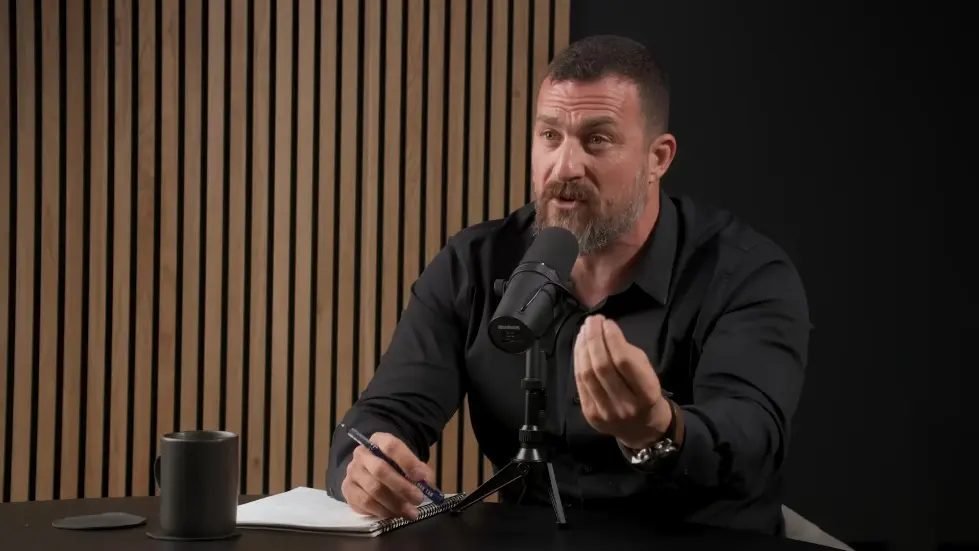
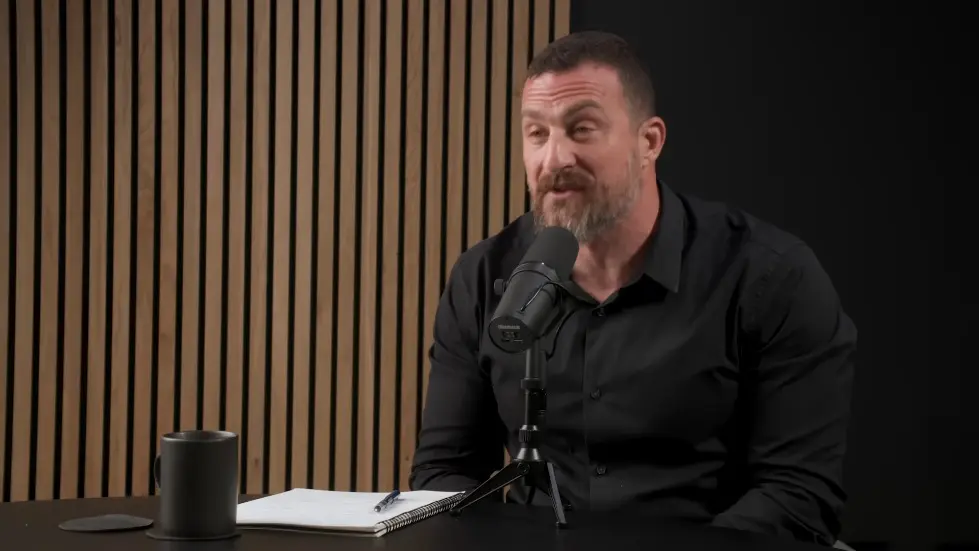
The video is about Dr. Andrew Huberman and Dr. Robin Carhart-Harris, a professor of Neurology and Psychiatry at the University of California San Francisco, discussing the science of psychedelics for mental health. The video covers the history of the study of psychedelics, the legislature surrounding psychedelics, and how psychedelics can rewire the brain before and after the journey or trip. The video also discusses the different aspects of the psychedelic journey and its impact on therapeutic outcomes. The video is sponsored by eight sleep and levels.
This video by Andrew Huberman was published on May 22, 2023.
Video length: 02:37:09.
The video is about Dr. Robin Carhart-Harris, a professor of Neurology and Psychiatry at the University of California San Francisco, discussing the science of psychedelics for mental health.
The video covers the history of the study of psychedelics, the legislature surrounding psychedelics, and how psychedelics work in the brain to change neural circuitry. Dr. Carhart-Harris also talks about the clinical trials that have demonstrated the effectiveness of appropriate dosages of psychedelics in treating major depression. The video also discusses the different aspects of the psychedelic journey and how those relate to therapeutic outcomes.
The video is sponsored by eight sleep and levels.
- Psychedelics have been studied for centuries
- Legislature surrounding psychedelics is evolving
- Psychedelics are being used to treat psychiatric challenges
- Different aspects of the psychedelic journey relate to therapeutic outcomes
- Psychedelics can rewire the brain before and after the journey
- Psychedelics can have long-term effects on the brain
- The word "psychedelic" was coined by Humphrey Osmond
- The term "psychedelic" comes from two ancient Greek words: "psyche" and "delos"
- Psychedelics are compounds that work on a particular receptor in the brain, the serotonin 2A receptor
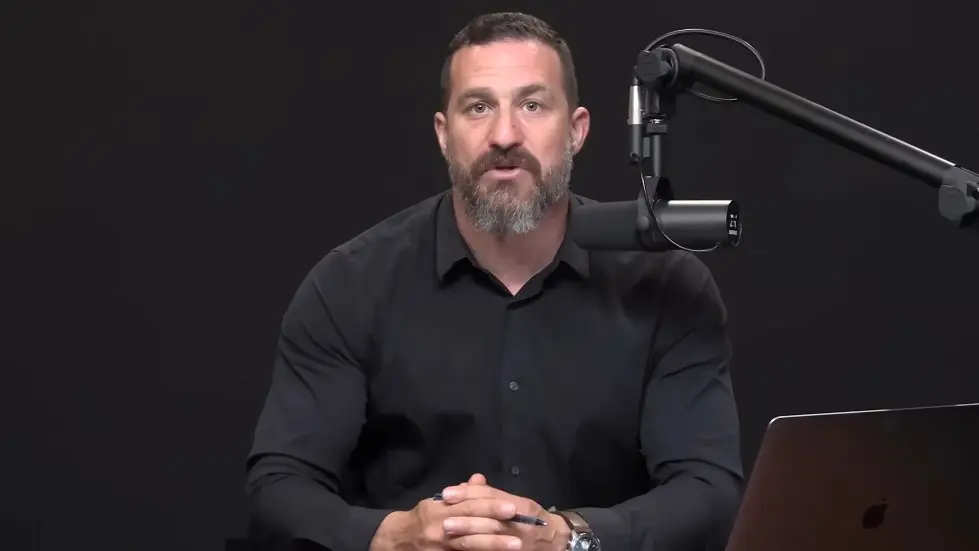
Introduction
- Welcome to the Huberman Lab podcast
- Hosted by Andrew Huberman
- Guest is Dr. Robin Carhart-Harris
- Discussing the science of psychedelics for mental health
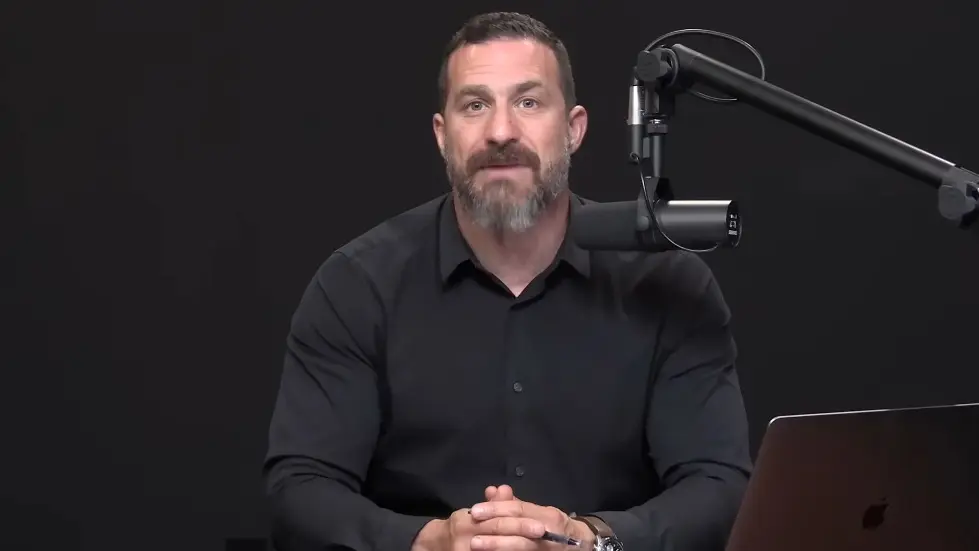
History of Psychedelic Studies
- Psychedelics have been studied for centuries
- Legislature surrounding psychedelics is evolving
- Psychedelics are being used to treat psychiatric challenges
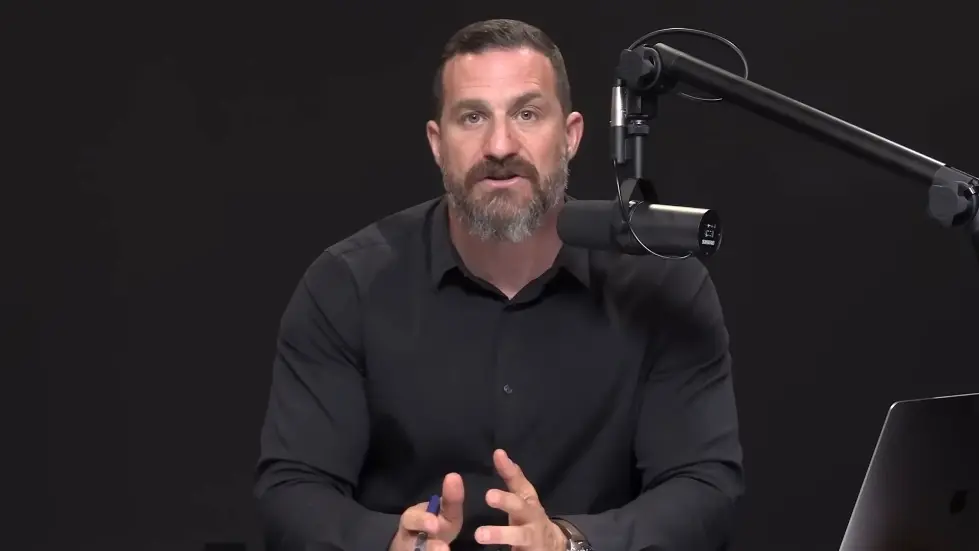
Psychedelic Journey and Therapeutic Outcomes
- Different aspects of the psychedelic journey relate to therapeutic outcomes
- Psychedelics can rewire the brain before and after the journey
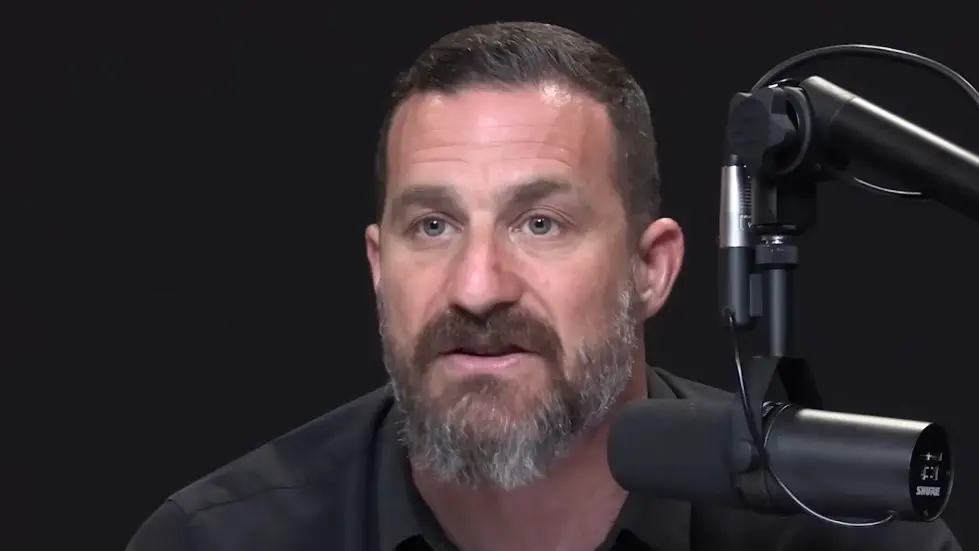
Long-Term Effects of Psychedelics
- Psychedelics can have long-term effects on the brain
Sponsors
- First sponsor is Eight Sleep
- Eight Sleep makes Smart mattress covers with cooling, heating, and sleep tracking capacity
- Controlling the temperature of your mattress is one of the best ways to control your sleeping environment
- Eight Sleep currently ships in the USA, Canada, United Kingdom, select countries in the EU, and Australia
- Second sponsor is Levels
- Levels lets you see how different foods affect your health by giving you real-time feedback on your diet using a continuous glucose monitor
- Assessing how different foods impact your blood glucose levels is important for your energy levels and immediate and long-term health
- Levels is offering an additional two free months of membership
- Third sponsor is HVMN Ketone IQ
- HVMN Ketone IQ is a ketone supplement that increases blood ketones

Introduction
- The video is about Dr. Robin Carhart-Harris, a professor of Neurology and Psychiatry at the University of California San Francisco, discussing the science of psychedelics for mental health.
- The video covers the history of the study of psychedelics, the legislature surrounding psychedelics, and how psychedelics can rewire the brain before and after the journey or trip.
- The video also discusses the different aspects of the psychedelic journey and its impact on therapeutic outcomes.

History of Psychedelics
- The word "psychedelic" was coined by Humphrey Osmond, a Brit excommunicated living in Canada.
- Osmond felt dissatisfied with the classification of psychedelics as psychotomimetics and wanted to find a more apt term to speak to the principal component of their action.
- The term "psychedelic" comes from two ancient Greek words: "psyche" meaning the human mind or soul, and "delos" meaning to make clear or to make visible.

Legislature Surrounding Psychedelics
- The video does not discuss the current legislature surrounding psychedelics.
Impact of Psychedelics on the Brain
- Psychedelics can rewire the brain before and after the journey or trip.
- The video does not discuss the specific ways in which psychedelics rewire the brain.

Different Aspects of the Psychedelic Journey
- The video discusses the different aspects of the psychedelic journey and its impact on therapeutic outcomes.
- The video does not discuss the specific aspects of the psychedelic journey or its impact on therapeutic outcomes.

The Science of Psychedelics for Mental Health
- Psychedelics are compounds that work on a particular receptor in the brain, the serotonin 2A receptor.
- The term "psychedelics" is a non-specific valence term that does not specify a particular outcome, such as a great time or going mad.
- The phenomenology, or subjective experience, of psychedelics is an important aspect of their study.
- Psychedelics can reveal something about the mind that is not obvious to us otherwise.
- The example of blind sight is an interesting but different phenomenon from non-conscious processing, which is related but not the same.

The Science of Psychedelics for Mental Health
- Psychedelics are drugs that can reveal aspects of the psyche that are not fully available to conscious awareness.
- Psychedelics have been studied for their potential therapeutic effects on mental health.
- Classic psychedelics like LSD and psilocybin have been found to catalyze the therapeutic process with strong emotional release and insights.
- The principal action of classic psychedelics is to reveal what is in the psyche and what is happening in the brain and body when people become aware of things that previously they were not fully aware of.
- Clinical trials have been conducted on psilocybin as the principal hallucinatory psychedelic agent in magic mushrooms.
Microdosing
- Microdosing is a practice of taking a sub-perceptible dose of psychedelics, such as LSD, on a semi-regular basis.
- The threshold level for microdosing is around 10 micrograms of LSD, which is the level that some people who are sensitive could feel it.
- Microdosing gurus might consider a dose of 10 micrograms of LSD as a microdose.
- Microdosing is typically done on a semi-regular basis, such as one day on and one day off or one day on two days off.
- There are different protocols for microdosing, and some people like Jim Faderman, a popularizer of microdosing, might say that a true microdose should be sub-perceptible.

Compelling Evidence
- There is currently a lack of compelling evidence for the effectiveness of microdosing.
- Study designs for microdosing are often weak, making it difficult to do a study with microdosing.
- Permission to give people a microdose is required for practical reasons, and it is expensive to do a study with microdosing against a suitable control.
- A study in New Zealand has some preliminary data that did the design right, but it hasn't been published yet.
- Positive findings have been presented around improvements in mood, but it is too early to get too excited about that.

Creative Study
- A creative study was done with my colleagues at Imperial College, where people were instructed to do their own blinding and placebo-controlled blinding of their own microdosing.
- The study was a classic citizen science study, where people would get their LSD tabs and chop them up into gel capsules.
- The study was not an easy study, and it was difficult to shuffle the capsules up without knowing which ones had the microdose in and which ones were empty.
- The study was fascinating, and the results showed that the microdosing didn't compellingly beat the placebo.

The Science of Psychedelics for Mental Health
- The study of psychedelics has a long history, but it is still a relatively new field of research.
- The legislature surrounding psychedelics is complex and varies depending on the country and state.
- Psychedelics can rewire the brain before and after the journey or trip, leading to therapeutic outcomes.
- The psychedelic journey can have different aspects, including visual and auditory hallucinations, altered perception, and a sense of connection to the universe.
- The placebo effect can drive a therapeutic effect in mental health treatment, and it is important to calibrate dosing to ensure safety and efficacy.

Psychedelics for Depression
- A clinical trial published last year compared 25 milligrams of psilocybin to 10 milligrams of psilocybin, with a drug called escitalopram (Lexapro) as a control.
- The results of the study showed that both doses of psilocybin were effective in treating depression, with the higher dose having a greater effect.
- Other trials involving psilocybin for depression have shown promising results, with some participants experiencing a complete remission of their symptoms.
- It is important to note that the dosage of psilocybin for depression treatment can vary depending on the individual and the severity of their symptoms.
- More research is needed to fully understand the mechanisms behind psilocybin's effectiveness in treating depression and to determine the optimal dosage for different individuals.

The Experience of Psychedelics
- The experience of psychedelics can vary greatly from person to person, depending on factors such as the type of compound, the dosage, and the individual's mindset and expectations.
- Visual and auditory hallucinations are common during a psychedelic journey, and can range from mild to intense and colorful.
- Altered perception of time, space, and self can also occur during a psychedelic journey, leading to a sense of connection to the universe and a feeling of transcendence.
- The experience of psychedelics can be both challenging and transformative, leading to a change in mood, state, and trait.
- It is important to approach psychedelic experiences with an open mind and a willingness to learn and grow, as they can provide valuable insights and perspectives on life and the world around us.

The Science of Psychedelics for Mental Health
- The experience of taking psychedelics is important and has been shown to predict therapeutic outcomes with high reliability.
- Independent studies have converged on the magnitude of certain kinds of experience rated with subjective rating scales.
- The experience of taking psychedelics is not just an impulse, but rather data and evidence that is converging.
- The experience of taking psychedelics is not just an Epi phenomenon, but rather a human experience that matters to us.
- Psychedelic therapy is a settled condition with music playing and little variability between different sites.

Psychedelic Therapy Sessions
- In psychedelic therapy sessions, patients typically use an eye mask and are in the eye mask so eyes closed.
- The experience of taking psychedelics is different from taking a psychedelic because you shut your eyes.
- In psychedelic therapy, there is continuity of music with lyrics or without lyrics throughout the session.
- The music in psychedelic therapy is typically spacious and builds to become atmospheric.
- Music is a staple component in all published studies having an impact on psychiatry and beyond.

The Impact of Music in Psychedelic Therapy
- Music in psychedelic therapy coaxes emotions and intentionally strings for example would come in.
- The psychedelic experience in psychedelic therapy is emotionally intense when music is present as a default.
- All published studies now have music as a staple component and it is assumed to be necessary.
- If you were to run with the idea that music is therapy, you would say why are you making all this fuss about psychedelics.
- Psychedelic therapy is a combination treatment with music therapy.

Section 1: Psychedelic Therapy
- Psychedelic therapy is a form of therapy that uses psychedelic drugs to treat mental health conditions.
- The synergy between psychedelics and therapy is why it is used.
- Dr. Robin Carhart-Harris, a professor of Neurology and Psychiatry at the University of California San Francisco, discusses the science of psychedelics for mental health.
- The video covers the history of the study of psychedelics, the legislature surrounding psychedelics, and how psychedelics can rewire the brain before and after the journey or trip.

Section 2: Psychedelic Journey
- The psychedelic journey is a process of experiencing altered states of consciousness through the use of psychedelic drugs.
- The journey can be divided into different stages, including the onset, peak, and afterglow.
- The onset is the initial period of time when the psychedelic takes effect, and the peak is the period of maximum intensity.
- The afterglow is the period of time after the peak when the effects of the psychedelic begin to subside.

Section 3: Psychedelic Therapy and the Psychedelic Journey
- Psychedelic therapy is often used in conjunction with the psychedelic journey to enhance its therapeutic effects.
- The psychedelic journey can provide a safe and controlled environment for individuals to explore their inner selves and gain new insights into their mental health conditions.
- The psychedelic journey can also help individuals develop a greater sense of self-awareness and self-acceptance, which can lead to improved mental health outcomes.

Section 4: Psychedelic Therapy and the Brain
- Psychedelic drugs can have a profound effect on the brain and its neural pathways.
- The use of psychedelics can lead to changes in the brain's connectivity and activity, which can have long-lasting effects on mental health.
- The study of psychedelics and the brain is an area of active research, and there is ongoing exploration of the potential therapeutic uses of psychedelics for mental health conditions.
The Science of Psychedelics for Mental Health
- The study of psychedelics has a long history, dating back to the 1950s and 1960s.
- The legislature surrounding psychedelics is complex and varies by country.
- Psychedelics can rewire the brain before and after the journey or trip.
- The psychedelic journey is a complex and multifaceted experience.
- The impact of the psychedelic journey on therapeutic outcomes is significant.

Trust, Rapport, and Openness
- Trust is an important component of therapeutic rapport.
- Therapeutic rapport can be measured even with a single item, such as a visual analog scale.
- The quality of the experience under the drug is significantly predicted by the subjective rating scale on the morning of dosing.
- Let go is another important component of therapeutic rapport.
- Let go is about a willingness to surrender to the experience and not resist.

Being Open and Confronting Vulnerability
- Being open is about a willingness to confront vulnerability and be inquisitive.
- Struggle is common during the psychedelic journey.
- The psychedelic journey can be nightmarish at times.
- The early phase of the psychedelic journey is dominated by negative emotions and negatively valenced feelings of anxiety and struggle.
- The latter half of the psychedelic journey is different and can be a breakthrough or a calmer state.

The Different Phases of the Psychedelic Experience
- The psychedelic journey has different phases, including the early, middle, and end phases.
- The early phase of the psychedelic journey is characterized by negative emotions and negatively valenced feelings of anxiety and struggle.
- The latter half of the psychedelic journey is different and can be a breakthrough or a calmer state.
- The psychedelic journey can be a transformative experience for individuals.
- The psychedelic journey can lead to a greater sense of self-awareness and understanding.

Conclusion
- The study of psychedelics for mental health is an ongoing area of research.
- The psychedelic journey can be a transformative experience for individuals.
- The impact of the psychedelic journey on therapeutic outcomes is significant.
- The psychedelic journey can lead to a greater sense of self-awareness and understanding.
- The psychedelic journey can be a powerful tool for mental health treatment.
The Science of Psychedelics for Mental Health
- The video discusses the science of psychedelics for mental health.
- The history of the study of psychedelics is briefly mentioned.
- The legislature surrounding psychedelics is also briefly discussed.
- The video covers the different aspects of the psychedelic journey and its impact on therapeutic outcomes.
- The video is sponsored by eight sleep and levels.

Fear of Going Mad
- The video discusses the fear of going mad or losing one's mind when taking psychedelics.
- This fear is dose-dependent and is a basic drug action.
- The fear of going mad is a common experience among people who take psychedelics.
- The fear of going mad is a palpable experience that comes up reliably.
- The fear of going mad is a core fear that is experienced by many people who take psychedelics.
Enhanced Communication
- The video discusses the enhanced communication that occurs under the influence of psychedelics.
- The enhanced communication is maintained after the psychedelic journey is over.
- The enhanced communication is thought to play a role in the positive therapeutic outcomes of psychedelics.
- The enhanced communication is thought to be intermodular and to transcend modules.
- The enhanced communication is thought to be a result of an increase in global functional connectivity in the brain.

Study of Psychedelics
- The video discusses a recent study of psychedelics that found enhanced communication across brain areas.
- The study used LSD and DMT to test the effects of psychedelics on communication.
- The study found that the communication between brain areas transcended modules and became more intermodular.
- The study found that the enhanced communication was correlated with the magnitude of the subjective effects.
- The study is still ongoing and new papers will be published soon.

Conclusion
- The video discusses the science of psychedelics for mental health.
- The video covers the different aspects of the psychedelic journey and its impact on therapeutic outcomes.
- The video is sponsored by eight sleep and levels.
Section 1: Computational Modeling of Psychedelics
- Computational modeling work identifies the location of the 2A receptor and looks at its basic effect on neural activity.
- The computational modeling can recreate the effect seen in the data with scanning.
- Psychedelics can increase connectivity and lead to auditory visual hallucinations and changes in thinking.
- The increased connectivity is a distinct phenomenon layered on top of the effect of psychedelics.
- The causality is circular, with psychedelics influencing each other and the subjective experience.

Section 2: Materialism and Dualism in Neuroscience
- Materialism is a first port of call in cognitive neuroscience.
- Circular causality is essential in understanding the interaction between mind and brain.
- Subjective experience is the thing in and of itself but not divorced from what's going on biologically.
- There is a movement within the scientific community to develop drugs that can cure or alleviate symptoms of depression or trauma.
- These drugs do not produce hallucinations or massive changes in subjective experience.
Section 3: Controversial Approach to Psychedelics
- The history of psychedelics has been one of people accessing different modes of thinking, feeling, seeing things, and letting go.
- Laboratories are trying to tease apart the activation of receptors independent of subjective experience.
- Pharma would like to have drugs that can cure depression but don't make people hallucinate.
- The system is used to it as it is medicine, and it doesn't give mental imagery of the Summer of Love in San Francisco or kaleidoscope eyes.
- Those who would not be inclined toward this approach might embrace a therapeutic that is strictly effective at treating depression with no hallucinations.

Section 4: Future of Psychedelics in Medicine
- It is difficult to pick the two approaches apart and there is a kind of essential dualism where subjective experience is the thing in and of itself but not divorced from what's going on biologically.
- There is a movement within the scientific community to develop drugs that can cure or alleviate symptoms of depression or trauma.
- These drugs do not produce hallucinations or massive changes in subjective experience.
- The system is used to it as it is medicine, and it doesn't give mental imagery of the Summer of Love in San Francisco or kaleidoscope eyes.
- Those who would not be inclined toward this approach might embrace a therapeutic that is strictly effective at treating depression with no hallucinations.

The Science of Psychedelics for Mental Health
- The speaker is skeptical about the idea that deep catharsis can transform a person's life.
- The speaker is skeptical because they cannot see the logic or fit of the idea in a compelling way.
- The speaker is also skeptical because they think it could easily be wishful thinking.
- The speaker questions whether microdosing can provide therapeutic action without the psychedelic effects.
- The speaker points out that what's new in people developing direct to agonists rather than indirect through a serotonin receptor.

Direct to Agonists
- The speaker is not aware of any drugs that selectively activate serotonin 2A receptor that are not psychedelic.
- The speaker mentions that there are drugs that selectively agonize serotonin 2A receptor, but they are not licensed and used as medicines in psychiatry.
- The speaker had a debate on social media about the existence of a selective serotonin receptor stimulator, an agonist that is therapeutic in psychiatry and is not psychedelic.
- The speaker mentions that there are no examples of a selective serotonin receptor stimulator that is therapeutic in psychiatry and is not psychedelic.
- The speaker hopes that such a drug will be developed in the future.

Neuroplasticity and Psychedelics
- The speaker mentions that increased connectivity between or communication between brain areas is observed while people are under the influence of psychedelics.
- The speaker mentions that increased connectivity between or communication between brain areas is observed later after the effects of the drug wear off.
- The speaker mentions that neuroplasticity, structural changes in neurons, functional changes in neurons are responsible for that.
- The speaker mentions that the extent to which neuroplasticity is responsible for that is not clear.
- The speaker mentions that the duration of neuroplasticity changes is not clear.

The Science of Psychedelics for Mental Health
- The study of psychedelics for mental health is ongoing and there is limited data available.
- Functional plasticity, or the increase in communication across systems, is a key aspect of psychedelic therapy.
- Increased global connectivity, or the connectivity between different regions of the brain, is also seen during and after psychedelic trips.
- Decrease in modularity, or the separation of function between different regions of the brain, is correlated with therapeutic outcomes for depression.
- Increasing crosstalk between different modules of the brain is strongly correlated with a positive therapeutic outcome for depression.

Psychedelic Journey and Its Impact on Therapeutic Outcomes
- The psychedelic journey, or the experience of taking a psychedelic drug, can have a significant impact on therapeutic outcomes.
- The psychedelic journey can increase connectivity and communication across systems in the brain.
- The psychedelic journey can also decrease modularity, or the separation of function between different regions of the brain.
- The psychedelic journey can have a lasting impact on the brain, with changes in structure and function occurring for several weeks after the trip.
- The psychedelic journey can also have a positive impact on mental health outcomes, such as depression.

The Flexibility of Brain Function
- The psychedelic journey can increase flexibility in brain function, allowing for a more expansive and creative approach to problem-solving.
- The psychedelic journey can also increase non-linearity or randomness in brain processing, which is distinct from more linear thinking.
- The psychedelic journey can have a therapeutic value in helping individuals move along the continuum from more linear to non-linear thinking.
- The psychedelic journey can also have a positive impact on mental health outcomes, such as depression.
- The psychedelic journey can increase crosstalk between different modules of the brain, which is strongly correlated with a positive therapeutic outcome for depression.

The Science of Psychedelics for Mental Health
- The study of psychedelics has a history dating back to the 1950s and 1960s, but it has been limited by legislature and stigma.
- Psychedelics can rewire the brain before and after the journey or trip, potentially leading to therapeutic outcomes.
- The psychedelic journey can have different aspects, including altered perception of time, changes in mood, and increased creativity.
- The psychedelic journey can also lead to a greater sense of interconnectedness and openness, potentially leading to more flexible and creative thinking.
- Psychedelics have been shown to have potential therapeutic benefits for severe mental illness, such as depression and anxiety.
Section 1: Electrolytes and Physical Training
- Electrolytes are important for physical training.
- Drinking element in water can help with electrolyte balance.
- Sweating can cause a loss of electrolytes.
- Drinking element after physical training can help replenish electrolytes.
- Element can be purchased from lmnt.com.

Section 2: Psychedelic Therapy Dosing Sessions
- Psychedelic therapy dosing sessions typically involve 2-3 sessions.
- Sessions are typically spaced 1-3 weeks apart.
- Psilocybin therapy has been used for anorexia treatment.
- Results of an anorexia trial using psilocybin therapy were promising.
- Anorexia is a deadly psychiatric illness with a high suicide rate.

Section 3: Psychedelic Journey and Trip
- The psychedelic journey and trip can last beyond the day of drug intake.
- The integration phase is a crucial part of the psychedelic journey.
- During the integration phase, increased connectivity and insights occur.
- Consolidation of these insights can occur through daily conversation with a therapist and journaling.
- People can maximize neuroplasticity and brain changes in a positive way after using psychedelics.

Section 4: Integration and Therapeutic Outcomes
- The integration phase can last a lifetime.
- The frequency of thinking about insights can impact therapeutic outcomes.
- Data on the therapeutic outcomes of psychedelics is still being gathered.
- Upwards of 60% of people getting relief from depression have used psychedelics.
- Psychedelics can be a promising treatment for depression compared to typical antidepressant treatments.
The Science of Psychedelics for Mental Health
- Psychedelics have been studied for their potential to treat mental health conditions such as post-traumatic stress disorder (PTSD) and depression.
- MDMA therapy has shown promising results in treating PTSD by making it easier for individuals to process traumatic experiences.
- The integration of psychedelic therapy into a treatment model is essential, but it requires ongoing work and practice.
- Meditation and mindfulness practices can complement psychedelic therapy by promoting an ability to sit with and process experiences without reactivity.
- Psychedelics seem to give people access to a better version of themselves and allow them to process traumatic experiences more effectively.

Dose
- The study used psilocybin as the psychedelic drug.
- The dose of psilocybin used in the study was 25 milligrams.

Subjects
- The study used healthy volunteers as subjects.
- The average age of the subjects was 40 years old.
- The study had an equal proportion of male and female subjects.

Design
- The study used a repeated measures design.
- The study gave participants a placebo first to do all the procedures, therapy, and music listening.
- The study gave participants a placebo dose of soliciting in one milligram.
- The study used EG headsets to record brain activity during the experience.
- The study used MRI scanning to look at the functional connectivity and properties of brain anatomy.

You have read 50% of the summary.
To read the other half, please enter your Name and Email. It's FREE.
You can unsubscribe anytime. By entering your email you agree to our Terms & Conditions and Privacy Policy.
Watch the video on YouTube:
Dr. Robin Carhart-Harris: The Science of Psychedelics for Mental Health | Huberman Lab Podcast - YouTube
Related summaries of videos:
- Andrew Huberman: Adderall, Stimulants and Modafinil for ADHD: Short- and Long-Term Effects (Huberman Lab Podcast)
- Dr. Mary Helen, Immordino-Yang and Dr. Andrew Huberman: How Emotions and Social Factors Impact Learning (Huberman Lab Podcast)
- Andrew Huberman: The Science of MDMA and Its Therapeutic Uses - Benefits and Risks (Huberman Lab Podcast)
- Tim Ferriss and Andrew Huberman: How to Learn Better and Create Your Best Future (Huberman Lab Podcast)
- Dr. Jeffrey Goldberg and Dr. Andrew Huberman: How to Improve Your Eye Health and Offset Vision Loss (Huberman Lab Podcast)
- Andrew Huberman: How to Enhance Performance and Learning by Applying a Growth Mindset (Huberman Lab Podcast)
- Tony Hawk and Andrew Huberman: Harnessing Passion, Drive and Persistence for Lifelong Success (Huberman Lab Podcast)
- Dr. Andrew Huberman: Ketamine - Benefits and Risks for Depression, PTSD and Neuroplasticity (Huberman Lab Podcast)
- Dr. Rena Malik and Dr. Andrew Huberman: Improving Sexual and Urological Health in Males and Females (Huberman Lab Podcast)
- Dr. David Linden and Andrew Huberman: Life, Death and the Neuroscience of Your Unique Experience (Huberman Lab Podcast)
- Home
- About us
- Contact
- Book Summaries 0-9
- Book Summaries A
- Book Summaries B
- Book Summaries C
- Book Summaries D
- Book Summaries E
- Book Summaries F
- Book Summaries G
- Book Summaries H
- Book Summaries I
- Book Summaries J
- Book Summaries K
- Book Summaries L
- Book Summaries M
- Book Summaries N
- Book Summaries O
- Book Summaries P
- Book Summaries Q
- Book Summaries R
- Book Summaries S
- Book Summaries T
- Book Summaries U
- Book Summaries V
- Book Summaries W
- Book Summaries X
- Book Summaries Y
- Book Summaries Z
- Jay Shetty Podcast - Summaries
- Tom Bilyeu Impact Theory - Summaries
- Lex Fridman - Summaries
- Diary of a CEO - Summaries
- Alex Hormozi - Summaries
