
Why Is Modern Dating Such A Mess? - Sadia Khan | Modern Wisdom 694
Last updated: Oct 17, 2023
The video is about the host's experience of being banned on Instagram for pushing a narrative that goes against sex work and pornography. The host reflects on the widespread belief that love is toxic and how this belief is often based on negative relationships and a lack of responsibility in causing toxicity. The host argues that love is not toxic, but rather our behaviors and decisions that lead to toxic relationships. The host also discusses the idea that love is seen as suffering and the emotional consequences of poor decision-making, and encourages viewers to choose wisely in order to avoid seeing love as weak or subservient.
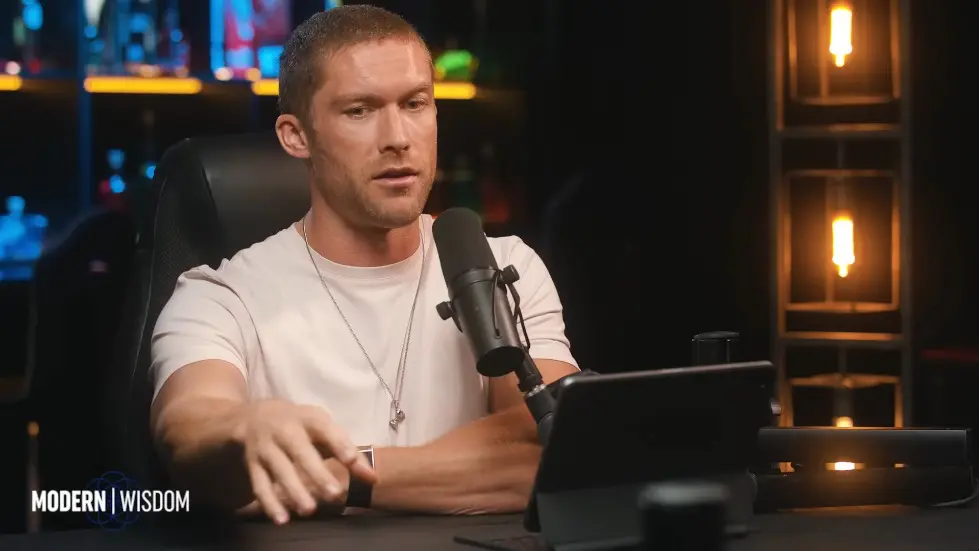
This video by Chris Williamson was published on Oct 16, 2023.
Video length: 02:08:00.
In this video, Chris Williamson discusses the idea that modern dating is a mess and that there is a widespread belief that love is toxic.
He argues that this belief is based on negative relationships and that it is easy to blame love as a separate entity for causing pain, rather than acknowledging the role of our own behaviors in creating toxicity. Williamson also discusses the idea that love is seen as suffering and that it is positioned as the antithesis of independence, which is currently a trend in society.
He encourages viewers to examine their decision-making and choose wisely in order to avoid seeing love as suffering.
- The host was banned on Instagram for pushing a narrative that goes against sex work and pornography.
- The host believes that the debasement of marriage and long-term relationships is contributing to the belief that love is toxic.
- The host thinks that the narrative of love being toxic is often based on negative relationships.
- The host believes that love is not toxic, but rather our behaviors and decisions that lead to toxic relationships.
- The host advises that love is not toxic, but rather our behaviors and decisions that lead to toxic relationships.
- The host encourages viewers to choose wisely in order to avoid seeing love as weak or subservient.
- The host reflects on the widespread belief that love is toxic and how this belief is often based on negative relationships and a lack of responsibility in causing toxicity.
- The host argues that love is not toxic, but rather our behaviors and decisions that lead to toxic relationships.
- The host discusses the idea that love is seen as suffering and the emotional consequences of poor decision-making, and encourages viewers to choose wisely in order to avoid seeing love as weak or subservient.
Why Is Modern Dating Such A Mess? - Sadia Khan | Modern Wisdom 694 - YouTube
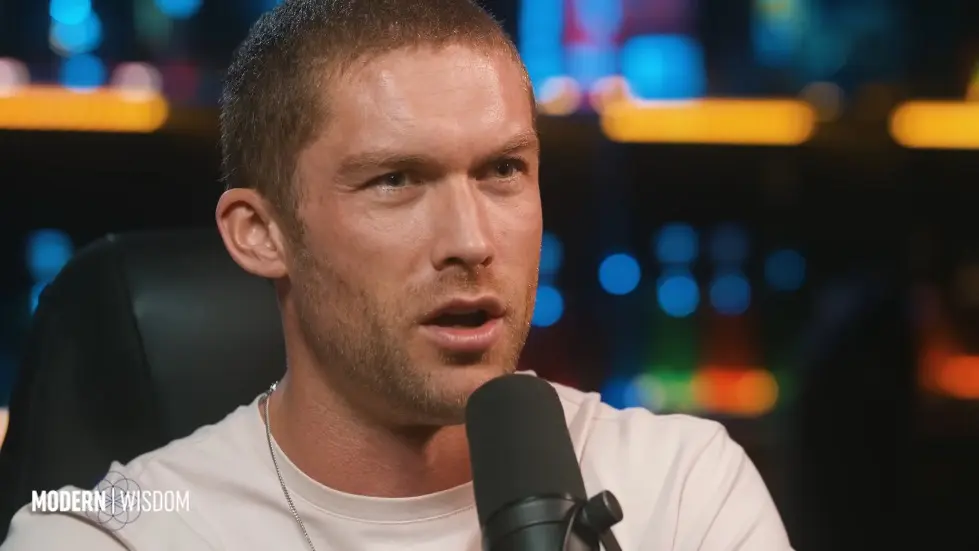
Section 1: The Host's Experience on Instagram
- The host was banned on Instagram for pushing a narrative that goes against sex work and pornography.
- The host found out that an OnlyFans content creator felt the host's content was against their platform.
- The host was able to get back on Instagram but is aware of the potential consequences of their actions.
- The host is making a vow to stay out of trouble and avoid losing their Instagram account.
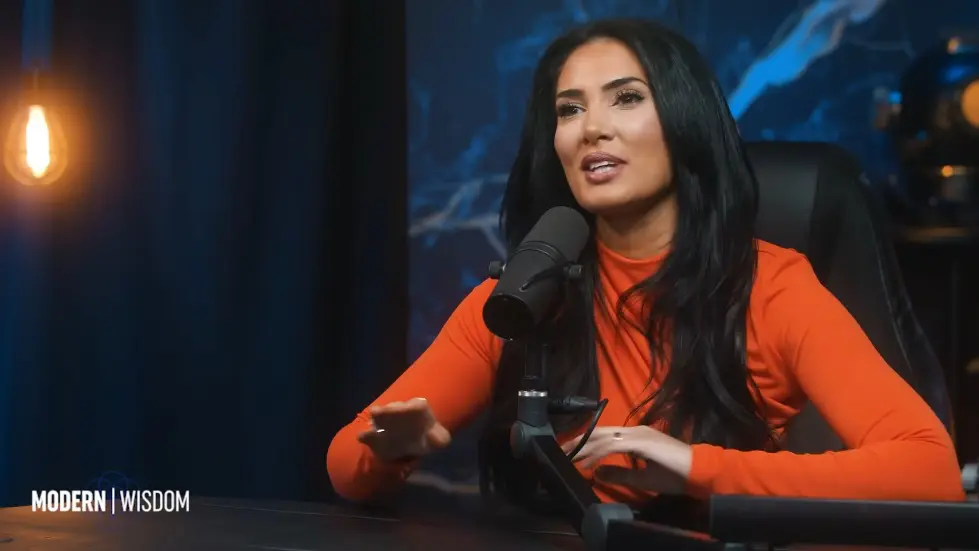
Section 2: The Belief that Love is Toxic
- The host has noticed a widespread belief that love is toxic.
- The host believes that the debasement of marriage and long-term relationships is contributing to this belief.
- The host thinks that the narrative of love being toxic is often based on negative relationships.
- The host believes that love is not toxic, but rather our behaviors and decisions that lead to toxic relationships.
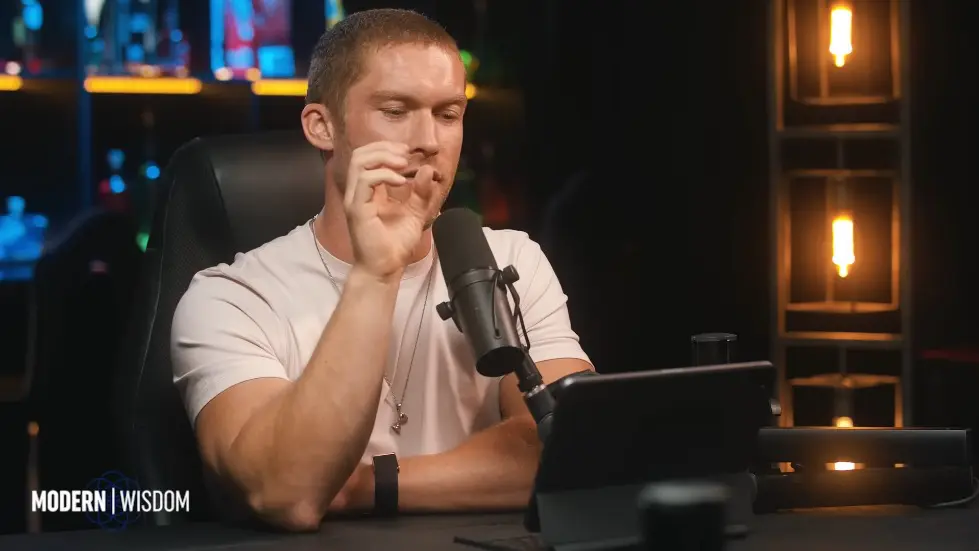
Section 3: The Narrative of Love Being Weak
- The host believes that the narrative of love being weak is being propagated in the culture today.
- The host thinks that the idea of mocking connection and mocking love is being seen as negative.
- The host believes that falling in love makes people irrational and weak.
- The host thinks that love is seen as suffering and the emotional consequences of poor decision-making.
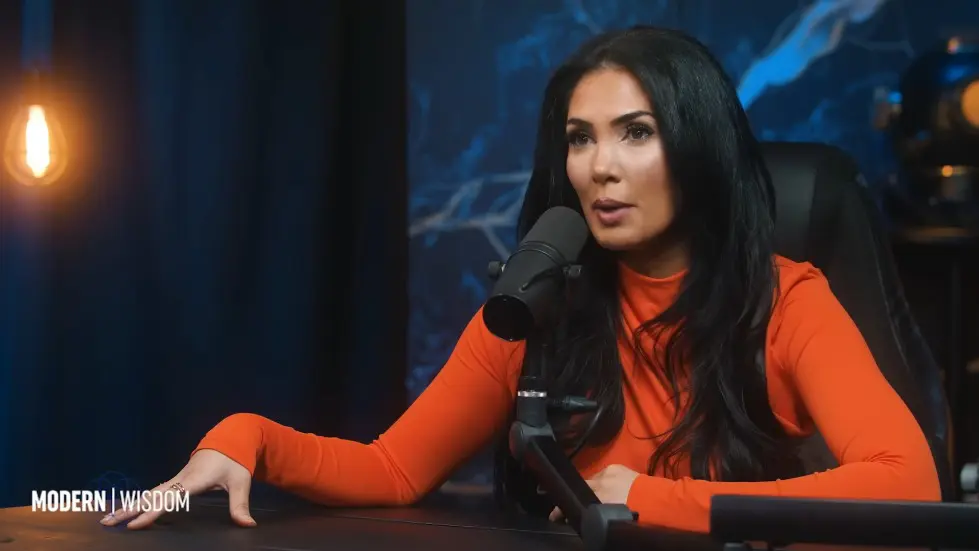
Why Is Modern Dating Such A Mess? - Sadia Khan | Modern Wisdom 694 - YouTube
Section 4: The Host's Advice
- The host advises that love is not toxic, but rather our behaviors and decisions that lead to toxic relationships.
- The host encourages viewers to choose wisely in order to avoid seeing love as weak or subservient.
The Problem with Modern Dating
- The host reflects on the widespread belief that love is toxic and how this belief is often based on negative relationships and a lack of responsibility in causing toxicity.
- The host argues that love is not toxic, but rather our behaviors and decisions that lead to toxic relationships.
- The host discusses the idea that love is seen as suffering and the emotional consequences of poor decision-making, and encourages viewers to choose wisely in order to avoid seeing love as weak or subservient.
- The host talks about the common anti-love trend among feminists and how it's a plague that they think is going on at the moment.
- The host talks about the inner Citadel that people retreat into if they can't get what they want and how it prevents them from fulfilling their potential in life.
The Negative Effects of Avoiding Love
- When people avoid love, they are preventing themselves from fulfilling their potential in life.
- Love is designed to be in our body and it's an anti-anxiety and pain relief.
- Studies have shown that people who hold their partner's hand during labor experience less pain.
- People who sleep with lots of people in a communion sleep better and don't have micro-awakenings in the night.
- The micro-awakenings thing is a measure of comfort that people have in safety.
The Alternative to Relationships
- Some men who feel undesirable avoid relationships because there's a lot of effort for very little return.
- The alternative to relationships is watching pornography or hiring an escort, which requires little effort and provides maximum return.
- From a logical point of view, if someone is going to spend time and effort on something, they should expect to get something in return.
- The host encourages viewers to choose wisely in order to avoid seeing love as weak or subservient.
- The host argues that love is not toxic, but rather our behaviors and decisions that lead to toxic relationships.
The Psychology of Escorts and Sex Work
- The rise of escorts and sex work is fascinating to look at the psychology of the women who do it and the men who pay for it.
- The women who do usually have a history of childhood sexual abuse and the reason why child abuse often becomes monetized sex work is because when we are violated as a child, our ego makes sense of what happens to us by minimizing the importance and significance of what was stolen from us.
- The psychology of escorts is usually coming from a broken place and they struggle with knowing what loyalty looks like in a relationship.
- Escorts see sex as an activity and if they do it with somebody else, it doesn't bother them because they don't understand the process.
- The relationships between escorts and their partners become emotionally disconnected and transactional, which leads to the relationships not lasting very long.
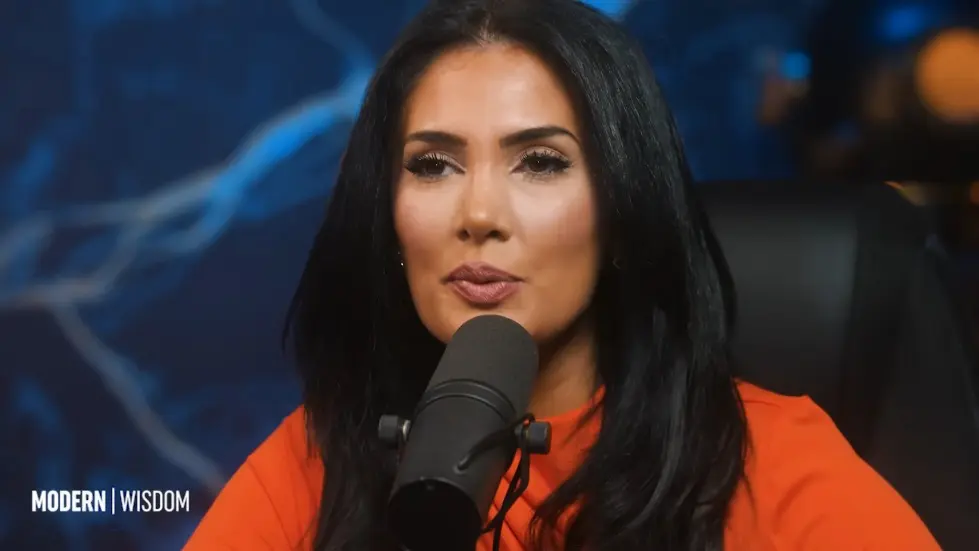
The Psychology of Men Who Pay for Escorts
- The men who pay for escorts are usually highly avoidant and have emotional disconnect in their household.
- Escorts are porn addicts with money and they skip the emotional component and go straight to escorts.
- The low self-esteem of the men who pay for escorts means that they don't believe they can access a woman of that caliber in real life.
- The emotional disconnect in both the customer and the escort is why they often fall in love with each other.
- The narrative that escorts provide men with an ego boost with bearing in mind their emotional disabilities.
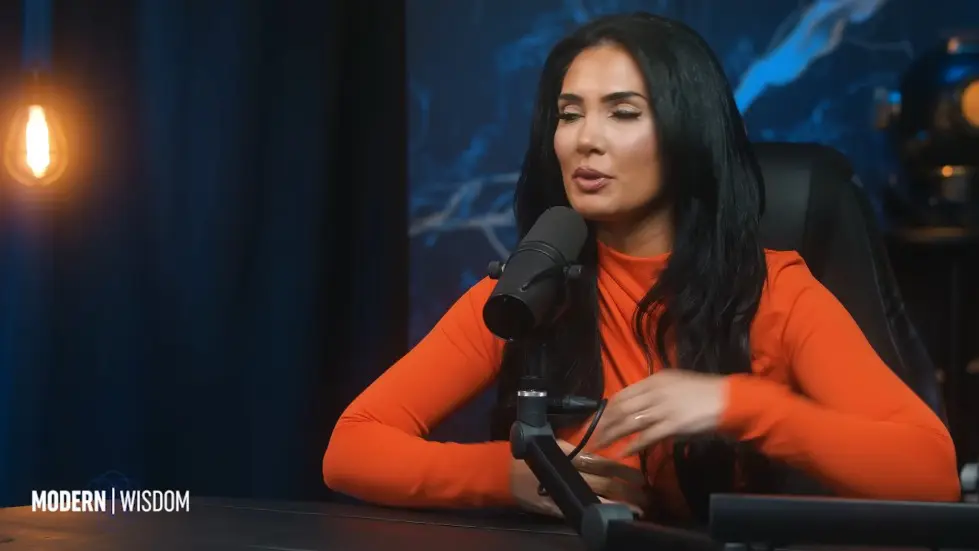
The Rampancy of Escorts in Different Locations
- Escorts are rampant in Dubai, Miami, and London.
- If you moved to Miami, you would be the color denominator.
- The girls in strip clubs struggle to see men as genuine humans because their job requires them to see men as resources to be extracted from.
- Girls in working-class strip clubs still see men as resources to be extracted from.
- The psychology of escorts is usually coming from a broken place and they struggle with knowing what loyalty looks like in a relationship.
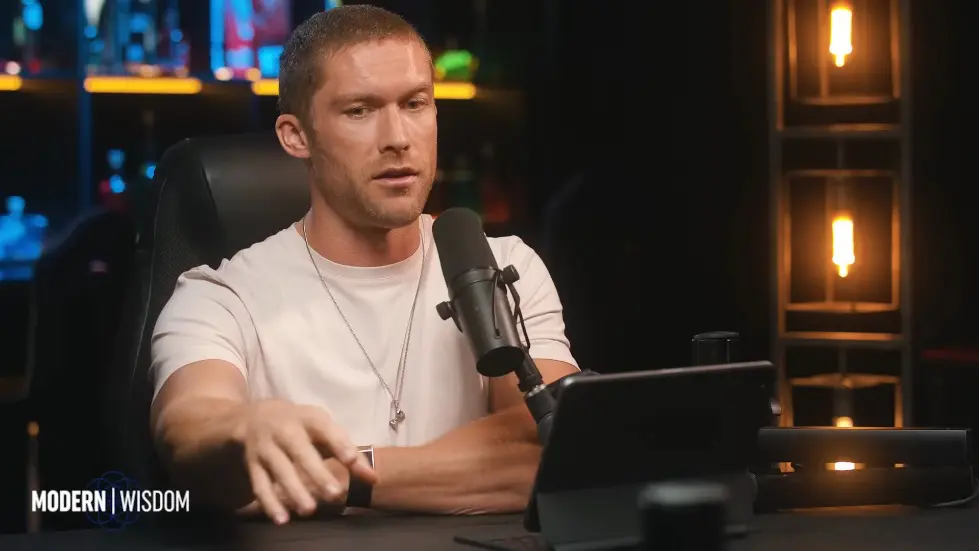
The Culture of Sex Work
- The host reflects on the widespread belief that love is toxic and how this belief is often based on negative relationships and a lack of responsibility in causing toxicity.
- The host argues that love is not toxic, but rather our behaviors and decisions that lead to toxic relationships.
- The host discusses the idea that love is seen as suffering and the emotional consequences of poor decision-making, and encourages viewers to choose wisely in order to avoid seeing love as weak or subservient.
- The host mentions the host's experience of being banned on Instagram for pushing a narrative that goes against sex work and pornography.
- The host reflects on the widespread belief that love is toxic and how this belief is often based on negative relationships and a lack of responsibility in causing toxicity.
Sex Work and Love
- The host argues that love is not toxic, but rather our behaviors and decisions that lead to toxic relationships.
- The host discusses the idea that love is seen as suffering and the emotional consequences of poor decision-making, and encourages viewers to choose wisely in order to avoid seeing love as weak or subservient.
- The host mentions the host's experience of being banned on Instagram for pushing a narrative that goes against sex work and pornography.
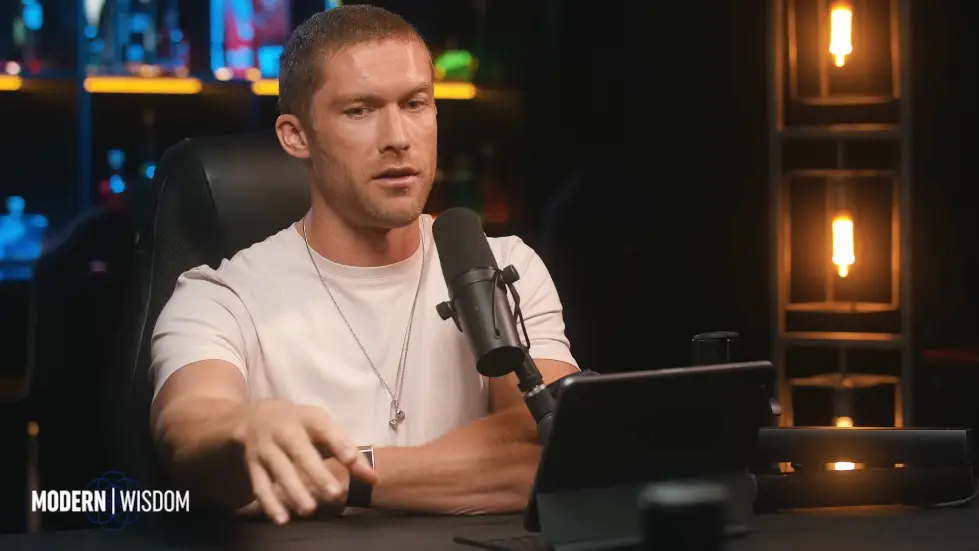
Sex Work and Masculinity
- The host mentions that when you go into sex work you are left with firstly your customers are incredibly low self-esteem, incredibly naive to even believe that you're going to be loyal to them.
- The host discusses the idea that the type of men that truly respect women wouldn't be with them, so the only men they can they definitely can't fall in love with the guy that is the you know giving them money.
- The host mentions that many girls in strip clubs get into relationships with the bouncers and the door staff and the manager and stuff like that they end up more they're just more likely to be with a man that they provide for than a one that provides for them.
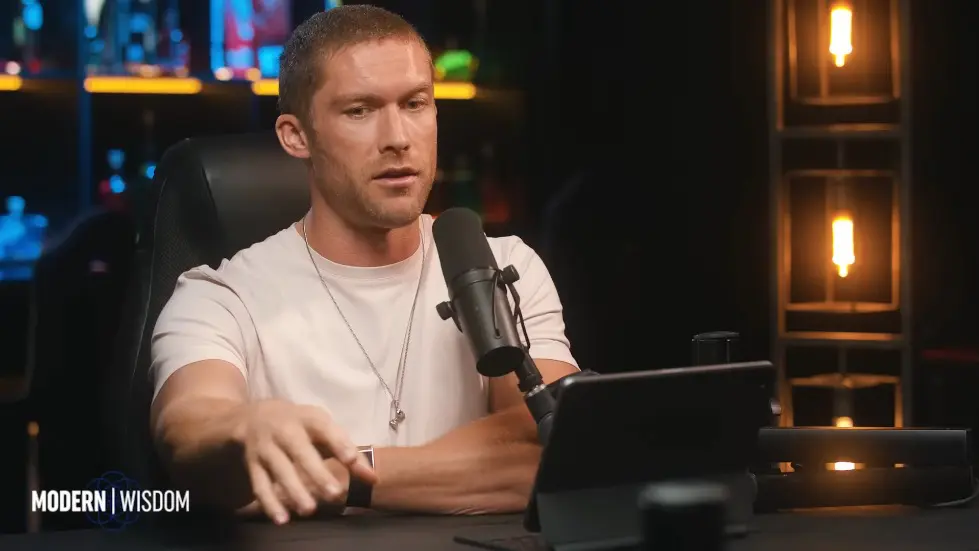
Sex Work and Shaming
- The host mentions that when we use the word you're [ __ ] shaming what we're really saying is stop pointing out the flaws in my flawed behavior.
- The host discusses the idea that we need a society filled with guilt shame and regret to help direct us into making proper decision-making.
- The host mentions that the concept of fat shaming and [ __ ] shaming is broken.
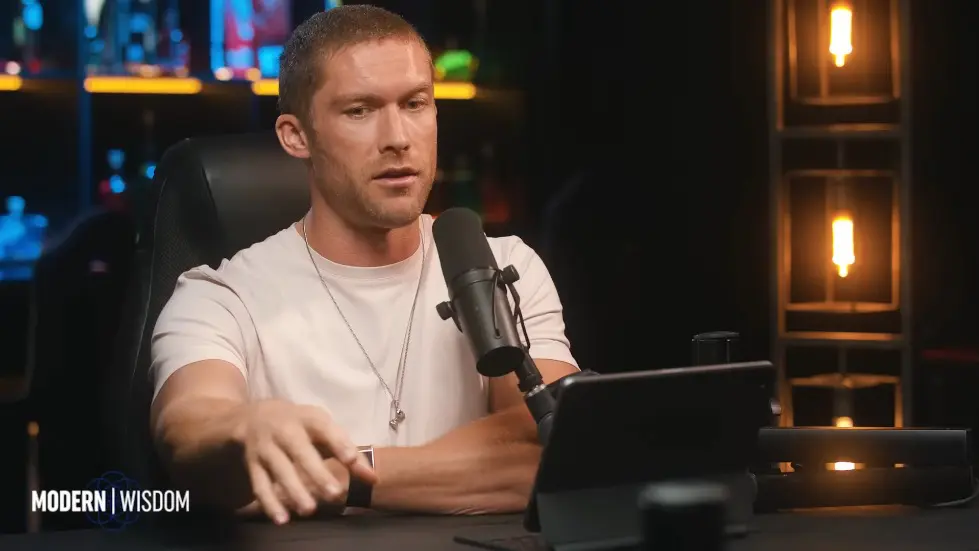
The Problem with Modern Dating
- The host reflects on the widespread belief that love is toxic and how this belief is often based on negative relationships and a lack of responsibility in causing toxicity.
- The host argues that love is not toxic, but rather our behaviors and decisions that lead to toxic relationships.
- The host discusses the idea that love is seen as suffering and the emotional consequences of poor decision-making, and encourages viewers to choose wisely in order to avoid seeing love as weak or subservient.
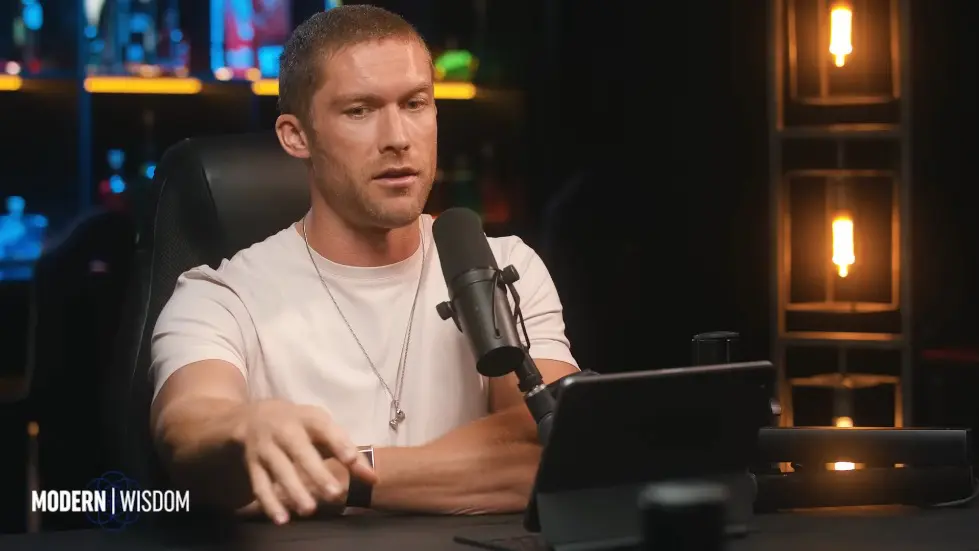
The Gender Divide in Shaming
- The host notes that more shaming comes from women than it does from men.
- The host believes that women are invested in other women not lowering the price of sex too low.
- The host argues that women are concerned about sex without resources, while men are concerned with resources without sex.
Simp Shaming
- The host notes that simp shaming is fundamentally about giving away one of the few things that men are supposed to hold in the highest value, which is their ability to provide.
- The host believes that simp shaming and [ __ ] shaming both are trying to ensure that competitors of the same sex don't give away the most valuable resource.
- The host argues that simp shaming is a form of inse
Section 1: The Host's Experience on Instagram
- The host was banned on Instagram for pushing a narrative that goes against sex work and pornography.
- The host reflects on the widespread belief that love is toxic and how this belief is often based on negative relationships and a lack of responsibility in causing toxicity.
- The host argues that love is not toxic, but rather our behaviors and decisions that lead to toxic relationships.
- The host discusses the idea that love is seen as suffering and the emotional consequences of poor decision-making, and encourages viewers to choose wisely in order to avoid seeing love as weak or subservient.
Section 2: The Host's Perspective on Love
- The host believes that love is not toxic, but rather our behaviors and decisions that lead to toxic relationships.
- The host argues that love is seen as suffering and the emotional consequences of poor decision-making, and encourages viewers to choose wisely in order to avoid seeing love as weak or subservient.
- The host believes that love is a natural human emotion and that it can be a positive force in our lives if we approach it in a healthy way.
- The host encourages viewers to be mindful of their own behaviors and decisions when it comes to love, and to prioritize communication and mutual respect in their relationships.
Section 3: The Host's Perspective on Sex Work and Pornography
- The host was banned on Instagram for pushing a narrative that goes against sex work and pornography.
- The host believes that sex work and pornography are harmful to individuals and society as a whole.
- The host argues that the objectification of women in these industries contributes to a culture of toxic masculinity and reinforces harmful gender roles.
- The host encourages viewers to be critical of the sex industry and to support alternative forms of sexual expression that prioritize consent and respect for all individuals involved.
Section 4: The Host's Perspective on Modern Dating
- The host believes that modern dating is often toxic and that this is due to a lack of communication and mutual respect in relationships.
- The host argues that the emphasis on physical appearance and superficial connections in modern dating contributes to a culture of shallow relationships and unfulfillment.
- The host encourages viewers to prioritize communication and mutual respect in their relationships, and to be mindful of their own behaviors and decisions when it comes to love and dating.
- The host believes that true love is based on a deep connection and understanding between two individuals, and that this type of love is rare in modern society.
Section 1: The Problem with Modern Dating
- The host reflects on the widespread belief that love is toxic and how this belief is often based on negative relationships and a lack of responsibility in causing toxicity.
- The host argues that love is not toxic, but rather our behaviors and decisions that lead to toxic relationships.
- The host discusses the idea that love is seen as suffering and the emotional consequences of poor decision-making, and encourages viewers to choose wisely in order to avoid seeing love as weak or subservient.
Section 2: The Host's Experience with Instagram
- The host discusses his experience of being banned on Instagram for pushing a narrative that goes against sex work and pornography.
- The host reflects on the widespread belief that love is toxic and how this belief is often based on negative relationships and a lack of responsibility in causing toxicity.
Section 3: The Host's View on Love
- The host argues that love is not toxic, but rather our behaviors and decisions that lead to toxic relationships.
- The host discusses the idea that love is seen as suffering and the emotional consequences of poor decision-making, and encourages viewers to choose wisely in order to avoid seeing love as weak or subservient.
Section 4: The Host's Advice on Modern Dating
- The host encourages viewers to choose wisely in order to avoid seeing love as weak or subservient.
- The host discusses the importance of mutual respect in healthy relationships.
Section 1: The Host's Experience with Being Banned on Instagram
- The host, Chris Williamson, was banned on Instagram for pushing a narrative that goes against sex work and pornography.
- The host reflects on the widespread belief that love is toxic and how this belief is often based on negative relationships and a lack of responsibility in causing toxicity.
- The host argues that love is not toxic, but rather our behaviors and decisions that lead to toxic relationships.
- The host discusses the idea that love is seen as suffering and the emotional consequences of poor decision-making, and encourages viewers to choose wisely in order to avoid seeing love as weak or subservient.
Section 2: The Host's Perspective on Modern Dating
- The host believes that love is not toxic, but rather our behaviors and decisions that lead to toxic relationships.
- The host argues that love is seen as suffering and the emotional consequences of poor decision-making, and encourages viewers to choose wisely in order to avoid seeing love as weak or subservient.
- The host believes that love is a choice and that we have the power to choose wisely in order to avoid toxic relationships.
- The host encourages viewers to be honest and open with themselves and their partners in order to avoid misunderstandings and toxic relationships.
Section 3: The Host's Perspective on Friendship
- The host believes that men and women can be friends, but that it can be difficult to maintain a friendship when one person gets into a relationship with someone that isn't in the friendship.
- The host argues that the line between what you have and what you're familiar with when it comes to guys and girls and the line of romantic desability is pretty fine and it only needs to be confused by one party for the relation for the Friendship to break.
- The host believes that it's important to be honest and open with yourself and your friends in order to maintain a healthy friendship.
- The host encourages viewers to be respectful and considerate of their friends' feelings and boundaries in order to maintain a healthy friendship.
Section 4: The Host's Perspective on Platonic Friendships
- The host believes that it's possible to have platonic friendships with people of the opposite sex.
- The host argues that the line between what you have and what you're familiar with when it comes to guys and girls and the line of romantic desability is pretty fine and it only needs to be confused by one party for the relation for the Friendship to break.
- The host believes that it's important to be honest and open with yourself and your friends in order to maintain a healthy friendship.
- The host encourages viewers to be respectful and considerate of their friends' feelings and boundaries in order to maintain a healthy friendship.
Section 1: Cross-Sex Mind Reading
- The author argues that cross-sex mind reading is a failure.
- This failure is shown up reliably in data from David Buss.
- Men and women often misinterpret each other's signals.
- This misinterpretation can lead to toxic relationships.
- The author argues that love is not toxic, but rather our behaviors and decisions that lead to toxic relationships.
Section 2: Speed Dating
- Women in speed dating often rate that they were less attracted to the man than the man thought.
- This failure of cross-sex mind reading explains a lot about the world that men and women inhabit.
- The author argues that men and women do not inhabit the same world.
- This lack of understanding leads to misunderstandings and toxic relationships.
- The author argues that love is seen as suffering and the emotional consequences of poor decision-making.
Section 3: Female Friends
- The author argues that having female friends is important for men.
- Female friends can teach men what things upset women and what makes them happy.
- When a woman is in love, she often plays stupid games.
- Having female friends helps men understand this human psychology behind a woman.
- The author argues that experience direct experience with women won't teach as much as having female friends.
Section 4: Factor Meals
- The author promotes Factor meals as a solution for busy people who want to eat well.
- Factor meals are ready in just 2 minutes and are fresh, never frozen.
- The Autumn menu has some "absolute bangers" like cranberry pecan chicken and apple Dijon pork chop.
- Factor meals also have high protein content, making them a great option for those struggling to hit their protein goals.
- The author offers a discount code (mw50) for those who want to try Factor meals.
Chris Williamson's Perspective on Modern Dating
- Chris Williamson reflects on his experience of being banned on Instagram for pushing a narrative that goes against sex work and pornography.
- He argues that love is not toxic, but rather our behaviors and decisions that lead to toxic relationships.
- Williamson discusses the idea that love is seen as suffering and the emotional consequences of poor decision-making, and encourages viewers to choose wisely in order to avoid seeing love as weak or subservient.
- He argues that the widespread belief that love is toxic is often based on negative relationships and a lack of responsibility in causing toxicity.
- Williamson believes that love is not toxic, but rather our behaviors and decisions that lead to toxic relationships.
The Left-Handedness Argument
- The left-handedness argument is used to justify the increase in trans youths and trans adults.
- During the Middle Ages, people who were left-handed were seen as being touched by the devil and witches.
- The percentage of left-handed people went from less than five to around about 12% of the population.
- There is an argument made that one of the reasons for the increase in trans youths and trans adults is that previously the judgments of society created a glass ceiling that made people keep their true selves hidden.
- The suicide rate among trans people is still the same despite the world now accepting transgender identity.
Bisexuality and Transgender Identity
- There is an argument that one of the justifications for an increase in trans youths and trans adults is that previously the judgments of society created a glass ceiling that made people keep their true selves hidden.
- The judgments of society have been released, allowing people to be their open and honest selves.
- There is an underlying mental health concern that may have been a precursor to the gender identity not being identified in terms of bisexuality.
- There is an asymmetry going on with how men see their partner being with another woman versus a man.
- Women when they provide each other with sexual stimulation, it's nothing really a man can't do also, but when a man provides another man with sexual stimulation, women can't compete.
Bisexuality and Men
- There is an argument that one of the justifications for an increase in trans youths and trans adults is that previously the judgments of society created a glass ceiling that made people keep their true selves hidden.
- The judgments of society have been released, allowing people to be their open and honest selves.
- There is an underlying mental health concern that may have been a precursor to the gender identity not being identified in terms of bisexuality.
- There is an asymmetry going on with how men see their partner being with another woman versus a man.
- Women when they provide each other with sexual stimulation, it's nothing really a man can't do also, but when a man provides another man with sexual stimulation, women can't compete.
Bisexuality and Women
- There is an argument that one of the justifications for an increase in trans youths and trans adults is that previously the judgments of society created a glass ceiling that made people keep their true selves hidden.
- The judgments of society have been released, allowing people to be their open and honest selves.
- There is an underlying mental health concern that may have been a precursor to the gender identity not being identified in terms of bisexuality.
- There is an asymmetry going on with how men see their partner being with another woman versus a man.
- Women when they provide each other with sexual stimulation, it's nothing really a man can't do also, but when a man provides another man with sexual stimulation, women can't compete.
Conclusion
- The left-handedness argument is used to justify the increase in trans youths and trans adults.
- The judgments of society have been released, allowing people to be their open and honest selves.
- There is an underlying mental health concern that may have been a precursor to the gender identity not being identified in terms of bisexuality.
- There is an asymmetry going on with how men see their partner being with another woman versus a man.
- Women when they provide each other with sexual stimulation, it's nothing really a man can't do also, but when a man provides another man with sexual stimulation, women can't compete.
The Problem with Modern Dating
- The host reflects on the widespread belief that love is toxic and how this belief is often based on negative relationships and a lack of responsibility in causing toxicity.
- The host argues that love is not toxic, but rather our behaviors and decisions that lead to toxic relationships.
- The host discusses the idea that love is seen as suffering and the emotional consequences of poor decision-making, and encourages viewers to choose wisely in order to avoid seeing love as weak or subservient.
Involuntary Childlessness
- The host discusses the issue of involuntary childlessness, which affects 20% of men over 42 and 5% more than women of the same age group.
- The host notes that men are often mute about this issue, while women are more vocal about their experiences with childlessness.
- The host argues that men suffer more from not having children than women, as marriage and children provide men with a sense of purpose and motivation.
Marriage and Children
- The host discusses the benefits of marriage and children for men, including increased motivation and a sense of purpose.
- The host notes that marriage can add about four years of life to a man, while it is round about the same for women.
- The host argues that the family laws in certain countries make marriage seem like a death sentence, which can lead to fear and reluctance to commit.
Risk and Reward
- The host discusses the risk and reward of getting married and having children, arguing that the risk can be mitigated by making good decisions.
- The host notes that the risk of getting married and having children has increased, while the reward has stayed the same.
- The host argues that the fear of the consequences of getting married and having children can be reduced by trusting one's decisions.
The Importance of Children
- The host discusses the negative impact of the generalized anti-family creation culture on society.
- The host argues that having children is an important part of reaching one's full potential and achieving a sense of purpose.
- The host notes that having children can be a form of therapy, helping individuals fix their traumas and self-sabotaging behaviors.
The Problem with Modern Dating
- The host reflects on the widespread belief that love is toxic and how this belief is often based on negative relationships and a lack of responsibility in causing toxicity.
- The host argues that love is not toxic, but rather our behaviors and decisions that lead to toxic relationships.
- The host discusses the idea that love is seen as suffering and the emotional consequences of poor decision-making, and encourages viewers to choose wisely in order to avoid seeing love as weak or subservient.
The Importance of Responsibility in Relationships
- The host argues that responsibility is a key factor in healthy relationships.
- The host discusses the idea that men who have children or have been married are often more responsible and accountable than those who have not.
- The host encourages women to be with men who have a good relationship with their ex-husband or wife, rather than those who have no contact with them.
The Impact of Fatherlessness on Children
- The host discusses the impact of fatherlessness on children's behavior and what they look for in relationships as they grow up.
- The host argues that women who go for age gap relationships are often in survival mode and sexualize conversations with older men.
- The host encourages viewers to be aware of the importance of responsibility and safety in relationships.
The Impact of Early Relationships on Sexual Attraction
- The host reflects on the widespread belief that love is toxic and how this belief is often based on negative relationships and a lack of responsibility in causing toxicity.
- The host argues that love is not toxic, but rather our behaviors and decisions that lead to toxic relationships.
- The host discusses the idea that love is seen as suffering and the emotional consequences of poor decision-making, and encourages viewers to choose wisely in order to avoid seeing love as weak or subservient.
- The host argues that our early relationships, particularly with our fathers, can have a significant impact on our sexual attraction.
- The host suggests that if we have a safe and secure base in our early relationships, we are more likely to be attracted to people who make us feel safe, rather than those who we confuse with safety and attraction.
The Confusion between Attraction and Safety
- The host discusses the idea that people often confuse attraction and safety, leading them to look for relationships with older men who can provide them with a sense of security.
- The host argues that this confusion can lead to cheating and other negative behaviors in relationships.
- The host suggests that it is important to differentiate between attraction and safety in order to form healthy and fulfilling relationships.
- The host argues that people who prioritize socioeconomic status in their relationships are more likely to end up with men who have low self-esteem, which can lead to unfulfilling relationships.
- The host suggests that it is important to prioritize intellectual intimacy and respect in relationships, rather than just physical attraction or financial stability.
The Impact of Parental Alienation on Relationships
- The host discusses the impact of parental alienation on relationships, particularly in the context of single mothers who block access to fathers.
- The host argues that this can lead to women selecting very abusive partners, as they are drawn to people who can provide them with a sense of security and stability.
- The host suggests that it is important for parents to prioritize their children's relationships with both parents, in order to prevent negative patterns from developing in the future.
- The host argues that women who have been deprived of a father figure in their childhood are more likely to be drawn to abusive partners, as they seek out people who can provide them with a sense of security and stability.
- The host suggests that it is important for women to prioritize their own self-care and healing, in order to prevent them from becoming drawn to abusive partners.
The Importance of Supporting Others in Relationships
- The host discusses the importance of supporting others in relationships, particularly in the context of reality TV dating shows.
- The host argues that these shows often promote a competitive and toxic view of love, which can have negative consequences for society as a whole.
- The host suggests that it is important to prioritize empathy and understanding in our relationships, rather than just competition and winning.
- The host argues that we should focus on building healthy and fulfilling relationships, rather than just trying to win at dating.
- The host suggests that it is important to prioritize our own emotional well-being in our relationships, in order to prevent us from becoming drawn to toxic or unhealthy partners.
Section 1: The Host's Experience on Love Island
- The host reflects on their experience on Love Island.
- They found that love is often seen as a competition.
- The host realized that love is not toxic, but rather our behaviors and decisions that lead to toxic relationships.
- They also discussed the idea that love is seen as suffering and the emotional consequences of poor decision-making.
- The host encourages viewers to choose wisely in order to avoid seeing love as weak or subservient.
Section 2: The Host's Reflection on the Widespread Belief that Love is Toxic
- The host reflects on the widespread belief that love is toxic.
- They argue that love is not toxic, but rather our behaviors and decisions that lead to toxic relationships.
- The host encourages viewers to choose wisely in order to avoid seeing love as weak or subservient.
Section 3: The Host's Discussion on the Idea that Love is Suffering
- The host discusses the idea that love is seen as suffering.
- They argue that love is not suffering, but rather the emotional consequences of poor decision-making.
Section 4: The Host's Encouragement to Choose Wisely in Order to Avoid Seeing Love as Weak or Subservient
- The host encourages viewers to choose wisely in order to avoid seeing love as weak or subservient.
The Reality of Modern Dating
- The host reflects on the widespread belief that love is toxic and how this belief is often based on negative relationships and a lack of responsibility in causing toxicity.
- The host argues that love is not toxic, but rather our behaviors and decisions that lead to toxic relationships.
- The host discusses the idea that love is seen as suffering and the emotional consequences of poor decision-making, and encourages viewers to choose wisely in order to avoid seeing love as weak or subservient.
- The host reflects on the host's experience of being banned on Instagram for pushing a narrative that goes against sex work and pornography.
- The host reflects on the host's experience of being a woman and having millions of cosmetic procedures, and the higher risk of depression due to the lifestyle choices.
Section 1: The Not Dating Transitioned People Argument
- The host argues that the not dating transitioned people argument is transphobic.
- The host believes that people should have the right to choose who they date based on their preferences.
- The host believes that it is self-defeating to argue that people should date everyone.
- The host believes that the study with Dr. Money and the twins shows that blocking hormones before puberty can lead to self-discovery issues.
- The host believes that it is dangerous to play with people's gender, especially before puberty.
Section 2: Hot Girls and Crazy Behavior
- The host believes that hot girls are not necessarily more crazy.
- The host believes that hot girls can be very balanced.
- The host believes that hot girls get an insight into men that are incredibly intimidated by their beauty or incredibly lustful after their beauty.
- The host believes that hot girls see men as huge risk takers that will do anything to have sex with them.
- The host believes that hot girls lose their naivety about men and become more intense and crazy as a result.
Section 3: The Impact of Beauty on Men's Behavior
- The host believes that beautiful women tend to see other women as threats.
- The host believes that beautiful women see the competitive nature of women and see other women as competition.
- The host believes that beautiful women see other women as looking at their man and competing with them.
- The host believes that beautiful women see other women as feeling more attractive if they get a beautiful woman's man.
- The host believes that beautiful women see other women as feeling more attractive if they get a beautiful woman's man.
Section 4: The Impact of Beauty on Women's Behavior
- The host believes that beautiful women see other women as threats.
- The host believes that beautiful women see the competitive nature of women and see other women as competition.
- The host believes that beautiful women see other women as looking at their man and competing with them.
- The host believes that beautiful women see other women as feeling more attractive if they get a beautiful woman's man.
- The host believes that beautiful women see other women as feeling more attractive if they get a beautiful woman's man.
The Psychology of Attractive Women
- The host reflects on the widespread belief that love is toxic and how this belief is often based on negative relationships and a lack of responsibility in causing toxicity.
- The host argues that love is not toxic, but rather our behaviors and decisions that lead to toxic relationships.
- The host discusses the idea that love is seen as suffering and the emotional consequences of poor decision-making, and encourages viewers to choose wisely in order to avoid seeing love as weak or subservient.
- The host argues that the psychology of an attractive woman is different from that of a less attractive woman, as women see other women primarily as enemies and are hyper aware of the power they can bestow on their partners.
- The host notes that attractive women often select for a very specific type of guy who is sufficiently confident to approach them, while less attractive women may see men making ridiculous and wild u-turns in their life in an attempt to get to them.
The Transition of Attractive Women
- The host notes that the transition of an attractive woman's looks fading is harder than that of a less attractive woman, as the power dynamic shifts and the woman may become more insecure.
- The host argues that if a woman has good values, she recognizes that the looks are replaced with family connection, but if her identity is built on her appearance, she may go through more and more extents to prove her attractiveness, which may lead to promiscuity.
- The host notes that being an attractive woman can be difficult, as men typically value their appearance differently and may not wax and wane in the same way as women.
- The host argues that for women, the dip in their looks can happen a lot earlier and is more significant, as people look for their flaws more when they are not attractive.
- The host notes that being attractive can make women more vulnerable to negative assumptions about their character, while being less attractive can make people accept what they say and not delve into it as much.
The Battle of Attractive Women
- The host notes that being an attractive woman can be a battle, as people make negative assumptions about their character based on their appearance.
- The host argues that attractive women have to work against people's negative assumptions of their character, while less attractive women may not face the same level of scrutiny.
- The host notes that some girls may counter signal by wearing slouchy clothes and acting in ways that are more bookish or intellectual, in order to prove that they are more than just their appearance.
- The host argues that there may be something going on with the girls that the host was around, as they may be trying to counter signal that they are more than just what they are paid for as a part of their career.
- The host notes that there is a big difference between beauty and hotness, and that the reality of a very hot woman can be a distortion field for men, causing them to see her as a sphere that follows around her and distorting all of her experiences with women and men.
Section 1: The Super Hot Sexy Woman
- The super hot sexy woman is the one who gets it the worst.
- She activates a man's short-term mating strategies.
- She also activates threats in women.
- Women's use of threats when threatened with a woman is to go prot, suggesting that she's promiscuous.
- The man when his short-term mating strategies are activated is exactly what he's looking for.
Section 2: The Anderson Effect
- The Anderson effect is easy to throw shade at hot girls.
- The conversation helps everybody to understand the experienced psychology of someone on that side of the fence.
- Privilege and the halo effect are discussed.
- The halo effect is the idea that she's getting in for free at nightclubs.
- The man's success in relationships is determined by his self-esteem.
Section 3: Low Self-Esteem
- Low self-esteem is a major factor in a man's success in relationships.
- His success in relationships is determined by his self-esteem.
- If he grew up without any validation, his self-esteem is almost blocked.
- He can still be a sucker to women and still accept the unacceptable simply because he wants to be desired.
- If he has good self-esteem and good boundaries, he will never suffer in relationships.
Section 4: Money and Self-Esteem
- Money with low self-esteem is really difficult.
- It's a lonely path and it's full of gold diggers, escorts, and partying.
- Money with high self-esteem is still difficult, but it's not as bad as low self-esteem.
- Successful women struggle with jealousy and rejection.
- The only thing that helps remove jealousy is building an identity outside of the relationship.
The Fear of Letting Go
- The fear of letting go in a relationship can lead to constant competition with the partner and a fear of them finding someone else.
- When you build your own identity, you realize that if your partner does meet someone else, they're no longer the person you loved anyway.
- The fear of losing a partner can be improved by having more things occur in life that give a more stable foundation.
- If you get jealous, you have two difficult choices: tell your partner or swallow it yourself and deal with it on your own.
- Keeping things from your partner can create a trend in a relationship of keeping things from your partner.
Historical Jealousy
- Historical jealousy is now a big topic of debate and men are like oh body count body count body count.
- The testament of your body count is more your rejection rate than how many people you slept with.
- If a girl slept with five men or 10 men but only five or 10 men have tried to approach her, her rejection rate is higher.
- Look at how many people your partner is rejecting rather than just their body count.
- The ones that have access but choose to be selective have a selectivity problem.
Body Count Conversation
- The body count conversation has become a big topic of debate.
- Men are like oh body count body count body count.
- The testament of your body count is more your rejection rate than how many people you slept with.
- If a girl slept with five men or 10 men but only five or 10 men have tried to approach her, her rejection rate is higher.
- Look at how many people your partner is rejecting rather than just their body count.
Historical Jealousy and Body Count
- Historical jealousy is now a big topic of debate.
- The testament of your body count is more your rejection rate than how many people you slept with.
- If a girl slept with five men or 10 men but only five or 10 men have tried to approach her, her rejection rate is higher.
- Look at how many people your partner is rejecting rather than just their body count.
- The ones that have access but choose to be selective have a selectivity problem.
Historical Jealousy
- Human beings prefer predictable pain over unexpected pain.
- Retroactive jealousy is a way of predicting future harm based on past experiences.
- Anxious individuals perceive threats in their environment more intensely.
- People who are jealous of the past believe they have a core belief that their partner will hurt them in the future.
- If there is no present-day evidence for this belief, they look for it in the past and use it to create a hypothesis of how they might be hurt in the future.
Women's Worries
- Women worry about previous exes if there is still financial or emotional investment in them, usually when there are children involved.
- Women are threatened by women who have access to resources, such as energy, time, or money.
- Women's jealousy is often directed towards ex-wives who have children and are still a priority in their resources.
- Women suffer from jealousy towards their ex and their children, which can be difficult to navigate.
- A good co-parenting relationship and a good father can help alleviate women's jealousy and provide a sense of security for the future.
Men's Choices
- Men who prioritize their children are more attractive to women in the long term.
- Women want a man who prioritizes his children and his family over his own desires.
- A man who prioritizes his children is seen as a good partner and father.
- Women are attracted to men who prioritize their children and their family.
- Men who prioritize their children are more likely to have a successful and fulfilling relationship with their partner and their family.
Societal Pressure
- Societal pressure can influence people's beliefs and behaviors.
- People are often bombarded with images of women who are the opposite of what they desire.
- People tend to gravitate towards women who are visually appealing and sexually stimulating.
- People who want to be sexually stimulated may compromise on other qualities, such as conventional values.
- Societal pressure can lead to unrealistic expectations and unhealthy relationships.
Section 1: The Shallow Values of Modern Society
- The host argues that modern society values superficial things such as looks and popularity.
- He believes that people are more interested in finding someone who is attractive rather than someone who has good qualities.
- The host argues that this focus on looks and popularity has led to a lack of appreciation for people who are not considered attractive.
- He believes that this has led to a culture of infidelity, where people are more likely to cheat on their partners if they are not considered attractive.
- The host argues that this focus on looks and popularity is a result of the normalization of pornography and Instagram culture.
Section 2: The Reality of Infidelity
- The host argues that infidelity is a common occurrence in modern relationships.
- He believes that people are more likely to cheat on their partners if they are not satisfied with their relationship.
- The host argues that people often ignore red flags in their relationships, which can lead to infidelity.
- He believes that people who cheat on their partners are often not aware of the consequences of their actions.
- The host argues that people who cheat on their partners are often not willing to put in the effort to make their relationship work.
Section 3: The Importance of Communication in Relationships
- The host argues that communication is essential in modern relationships.
- He believes that people who are not willing to communicate with their partners are more likely to cheat on them.
- The host argues that people who are not willing to communicate with their partners are often not aware of the needs and desires of their partners.
- He believes that people who are not willing to communicate with their partners are often not willing to put in the effort to make their relationship work.
- The host argues that people who are not willing to communicate with their partners are often not willing to make sacrifices for the sake of their relationship.
Section 4: The Importance of Self-Awareness in Relationships
- The host argues that self-awareness is essential in modern relationships.
- He believes that people who are not self-aware are more likely to cheat on their partners.
- The host argues that people who are not self-aware are often not aware of their own needs and desires.
- He believes that people who are not self-aware are often not willing to put in the effort to make their relationship work.
- The host argues that people who are not self-aware are often not willing to make sacrifices for the sake of their relationship.
The Problem with Modern Dating
- The host reflects on his experience of being banned on Instagram for pushing a narrative that goes against sex work and pornography.
- The host argues that love is not toxic, but rather our behaviors and decisions that lead to toxic relationships.
- The host discusses the idea that love is seen as suffering and the emotional consequences of poor decision-making, and encourages viewers to choose wisely in order to avoid seeing love as weak or subservient.
- The host argues that people get back together after a fair amount of time, but expect the behavior to continue when the other person cheated.
- The host argues that people focus on whether the other person can accept themselves, rather than whether the person can accept being accepted, especially for women.
Infidelity and Acceptance
- The host argues that infidelity is a consideration that people focus on when dealing with infidelity, but that the other person's ability to accept themselves is more important.
- The host argues that accepting the unacceptable can deplete a person's masculinity and make them hate themselves for not being able to walk away.
- The host argues that men who forgive their partners for infidelity are respected, while those who do not are not.
- The host argues that married women cheat for a variety of reasons, including not marrying the person they truly wanted to marry, feeling unfulfilled in their current relationship, and craving attention and desire.
- The host argues that women who come from single-parent homes are more likely to cheat, as they may feel a void when one of their parents is absent and seek a backup in case that person removes their love from them.
Men's Reasons for Cheating
- The host argues that men usually cheat when they are chasing an ego boost, rather than being in love with the person they are cheating with.
- The host argues that men seek a particular feeling that they are deprived of, either from their marriage or from their childhood, and as a result they seek it out.
- The host argues that men crave novelty or someone else making them feel a certain way, and that this is a psychological and emotional reason for cheating, rather than a sexual one.
You have read 50% of the summary.
To read the other half, please enter your Name and Email. It's FREE.
You can unsubscribe anytime. By entering your email you agree to our Terms & Conditions and Privacy Policy.
Watch the video on YouTube:
Why Is Modern Dating Such A Mess? - Sadia Khan | Modern Wisdom 694 - YouTube
Related summaries of videos:
- The Weird Mental Frameworks Of The Super Rich - Codie Sanchez | Modern Wisdom 695
- Build More Muscle & Supercharge Your Longevity - Dr Gabrielle Lyon | Modern Wisdom 696
- Why Is Everyone Losing Their Minds? - Konstantin Kisin (4K) | Modern Wisdom 697
- Did The Sexual Revolution Actually Benefit Women? - Mary Eberstadt | Modern Wisdom 698
- Non-Monogamy, Exclusivity Agreements & Regulating Sexual Jealousy - Justin Mogiliski | Modern Wisdom
- Practical Tools To Hack Your Brain For Success - Dr Andrew Huberman (4K)
- Why Modern Dating Feels So Awful - Alex DatePsych
- 16 Lessons From 700 Episodes - Sam Harris, Mark Manson & Tim Urban
- Patrick Bet-David - Why Does No One Trust The Media Anymore? (4K)
- Ancestral Mating Strategies VS Modern Mating - Mads Larsen
- Home
- About us
- Contact
- Book Summaries 0-9
- Book Summaries A
- Book Summaries B
- Book Summaries C
- Book Summaries D
- Book Summaries E
- Book Summaries F
- Book Summaries G
- Book Summaries H
- Book Summaries I
- Book Summaries J
- Book Summaries K
- Book Summaries L
- Book Summaries M
- Book Summaries N
- Book Summaries O
- Book Summaries P
- Book Summaries Q
- Book Summaries R
- Book Summaries S
- Book Summaries T
- Book Summaries U
- Book Summaries V
- Book Summaries W
- Book Summaries X
- Book Summaries Y
- Book Summaries Z
- Jay Shetty Podcast - Summaries
- Tom Bilyeu Impact Theory - Summaries
- Lex Fridman - Summaries
- Diary of a CEO - Summaries
- Alex Hormozi - Summaries
