
Become Unstoppable: The Man Behind The World's Top Performers - Dr Steve Peters
Last updated: Aug 24, 2023
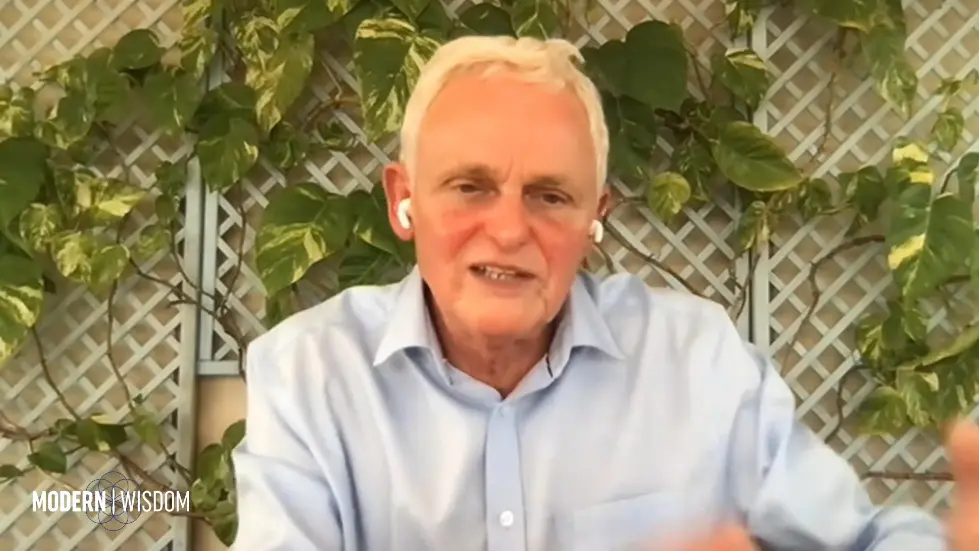
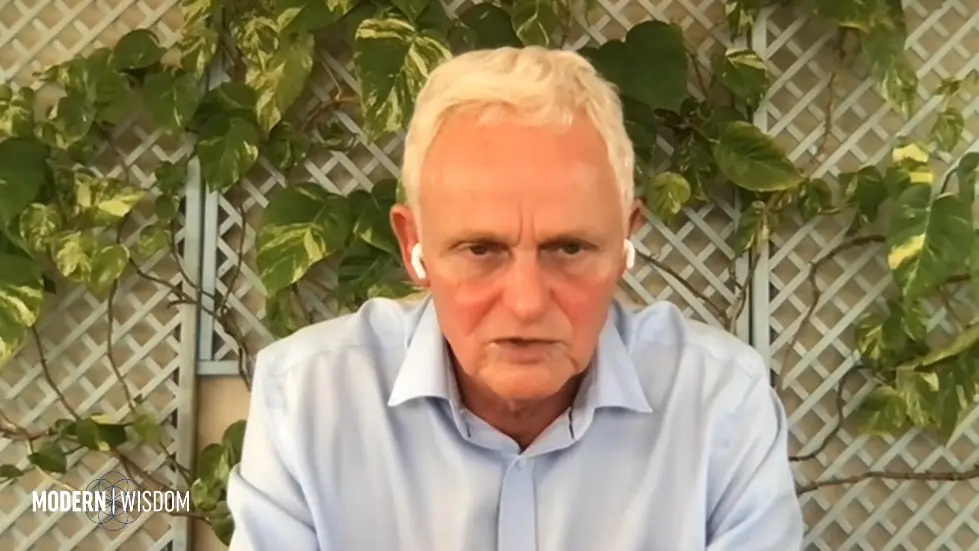
The video is about Dr. Steve Peters, who is the host of the Modern Wisdom Podcast. In the video, he discusses his concept of the "chimp model," which is a way of understanding human behavior and decision-making. He explains how he came up with the concept and how it has evolved over time. He also talks about how the concept has been applied in therapy and neuroscience.
This video by Chris Williamson was published on Aug 24, 2023.
Video length: 01:15:18.
The video is about Dr. Steve Peters, a neuroscientist and psychiatrist who developed the "Chimp Model" of human behavior.
The model suggests that humans have an inner "chimp system" that operates alongside our rational, logical, and emotional systems. The chimp system is responsible for our impulsive behavior and our desire for instant gratification. The video discusses how the chimp system can be managed and controlled, and how it affects our decision-making and behavior.
The video also talks about how the chimp model has been applied in various fields, including sports and education.
- The chimp model is a concept that explains human behavior and decision-making.
- It was originally introduced by Dr. Steve Peters, who is the host of the Modern Wisdom Podcast.
- The concept has evolved over time and has been applied in therapy and neuroscience.
- The chimp model is based on the idea that humans have an inner chimp system that operates alongside their human system.
- The strength of the chimp system determines how often it will present and can affect decision-making and behavior.
- Neuroscience has shown that there are circuit trees in the brain that are just automatic and outside of our control.
- These parts of the brain are not just drives and instincts, but have an entire system that thinks and interprets and makes decisions without permission.
- Dr. Steve Peters was intrigued by this system and how it affects human behavior and decision-making.
- Many people believe that willpower is the key to controlling their behavior and decision-making.
Become Unstoppable: The Man Behind The World's Top Performers - Dr Steve Peters - YouTube
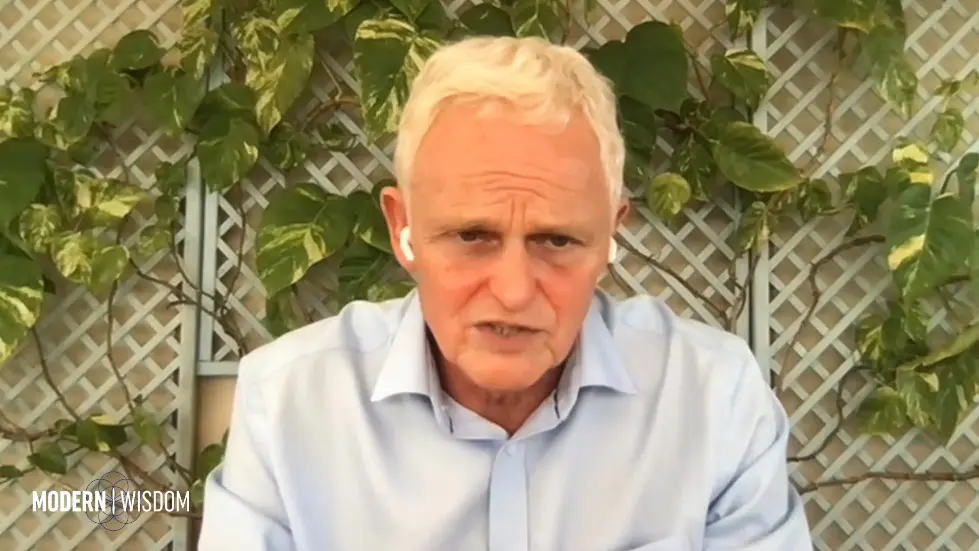
The Chimp Model
- The chimp model is a concept that explains human behavior and decision-making.
- It was originally introduced by Dr. Steve Peters, who is the host of the Modern Wisdom Podcast.
- The concept has evolved over time and has been applied in therapy and neuroscience.
- The chimp model is based on the idea that humans have an inner chimp system that operates alongside their human system.
- The strength of the chimp system determines how often it will present and can affect decision-making and behavior.

Introduction to the Chimp Model
- Dr. Steve Peters introduced the chimp model to the public as a way of understanding human behavior and decision-making.
- He explained that the concept was based on his experiences as a psychiatrist and his observations of human behavior.
- He also discussed how the chimp model has been applied in therapy and neuroscience.
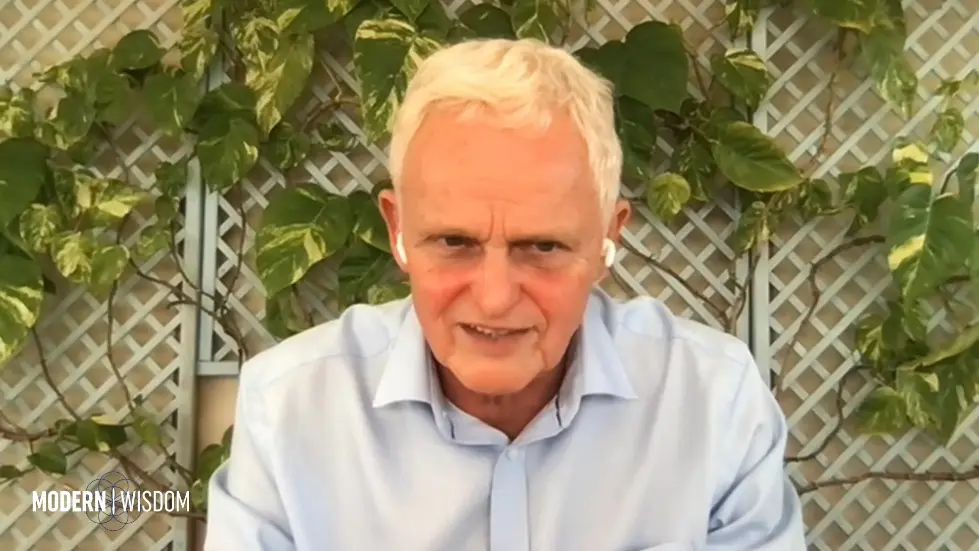
The Chimp Model and Neuroscience
- Neuroscience has shown that there are circuit trees in the brain that are just automatic and outside of our control.
- These parts of the brain are not just drives and instincts, but have an entire system that thinks and interprets and makes decisions without permission.
- This system is often impulsive and looks for instant gratification.
- Dr. Steve Peters was intrigued by this system and how it affects human behavior and decision-making.
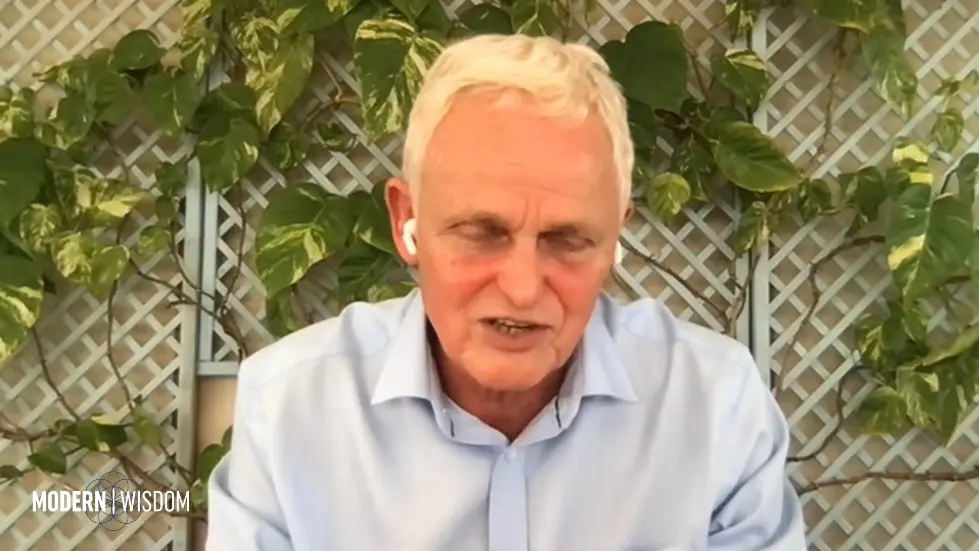
Become Unstoppable: The Man Behind The World's Top Performers - Dr Steve Peters - YouTube
The Chimp Model and Willpower
- Many people believe that willpower is the key to controlling their behavior and decision-making.
- However, the newer science teaches that there is an entire system based on survival that thinks and decides and is impulsive.
- When offered something that is desired, this system may override the individual's willpower.
- Dr. Steve Peters was intrigued by this system and how it affects human behavior and decision-making.

The Chimp Model and Great Apes
- Dr. Steve Peters spoke to specialists on great apes, including gorillas, orangutans, and bonobos.
- These animals are believed to have different thinking systems than humans.
- However, the chimp system is similar to the thinking systems of these animals.
- Dr. Steve Peters discovered that humans have an inner chimp system that operates alongside their human system.

The Chimp Model
- The chimp model is a concept developed by Dr. Steve Peters to understand human behavior and decision-making.
- It is based on the idea that humans have two systems in their brains: the human system and the chimp system.
- The human system is responsible for rational thinking, while the chimp system is responsible for instinctual and emotional reactions.
- The chimp system is more reactive and can act quickly in emergency situations, while the human system is slower and more deliberate.
- The chimp system is useful in many circumstances where there is an apparent danger, as it can act instinctively and accurately.
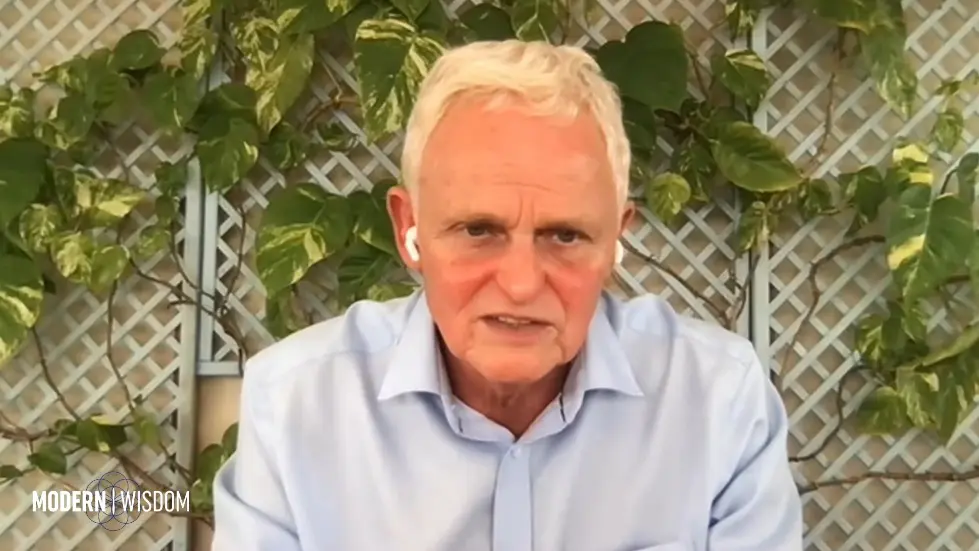
The Chimp Paradox
- The chimp paradox is a path through the jungle that explains how the human brain works and how it can be used to improve performance.
- It is based on the chimp model and has an evidence base and research behind it.
- It is useful in our past to have a reactive set up inside of our minds, but it is still useful now.
- The chimp system can do that for us, so in a serious emergency it will know what to do.
- The chimp system is the best friend, but it can also be the worst enemy if not used correctly.

The Inner Chimp
- The inner chimp is a part of the chimp system that is responsible for instinctual and emotional reactions.
- It is the best friend, as long as we understand what it is trying to tell us.
- We can use the inner chimp to work as a team and make decisions based on a logical basis.
- If we start saying negative things about ourselves, it can become the worst enemy.
- The approach is to understand what part of the brain is trying to tell us and what we can do to stop it.

The Chimp Model in Therapy and Neuroscience
- The chimp model has been applied in therapy and neuroscience.
- It has been assessed by Cambridge Neuroscience department and found to be spot on.
- It is an amazing model that is very detailed and useful in linking it to neuroscience.
- It is useful in our past to have a reactive set up inside of our minds, but it is still useful now.
- The chimp system can do that for us, so in a serious emergency it will know what to do.
Chris Hoy and Flow State
- Chris Hoy is a cyclist who has won multiple Olympic gold medals.
- Dr. Steve Peters worked with Chris Hoy to help him achieve Flow State during the Olympics.
- Flow State is a mental state where a person is fully focused and engaged in an activity.
- Dr. Steve Peters' approach to helping Chris Hoy achieve Flow State was to explain how his mind works and help him focus on the task at hand.
- Chris Hoy's chimp, or his emotional side, was also a factor in achieving Flow State.

Ronnie O'Sullivan and His Chimp
- Ronnie O'Sullivan is a snooker player who came to Dr. Steve Peters very dysfunctional.
- Dr. Steve Peters worked with Ronnie O'Sullivan to help him manage his chimp, or his emotional side.
- Ronnie O'Sullivan's chimp is very active and is subject to the same emotions as he is.
- Dr. Steve Peters' approach to helping Ronnie O'Sullivan was to perfect his skills and manage his chimp.
- Ronnie O'Sullivan has improved significantly over the 10 years he has worked with Dr. Steve Peters.

Emotional Skills
- Dr. Steve Peters believes that emotional skills can be learned and improved.
- He has worked with people who have transformed themselves within weeks or months.
- Emotional skills are not different from learning to sing or any other skill.
- Dr. Steve Peters gets someone who can start from a square one in a bad place and end up in a great place.
- Understanding the difference between a person and their brain working is an early starting point for improving emotional skills.
The Chimp Model
- Dr. Steve Peters' concept of the chimp model is a way of understanding human behavior and decision-making.
- The chimp model is based on the idea that humans have a rational side and an emotional side, or chimp.
- The chimp can cause outbursts and emotional disturbances, but it can also be controlled and managed.
- Dr. Steve Peters' approach to working with people is to help them understand their chimp and manage it.
- The chimp model has been applied in therapy and neuroscience.

The Chimp Model
- The chimp model is a concept developed by Dr. Steve Peters to understand human behavior and decision-making.
- It is based on the idea that humans are not entirely rational and that our behavior is often driven by emotions and instincts.
- The chimp model suggests that our emotions and instincts can be seen as messages from the "chimp computer system" that give us an alert or a question.
- Anger, despondency, and frustration are examples of emotions that can be seen as messages from the chimp computer system.
- The chimp model emphasizes the importance of understanding the differences between emotions and how they can be used to alert us to important information.

Low Self-Esteem
- Low self-esteem is a common reason why people's emotions can become eroded.
- Dr. Steve Peters believes that people have low self-esteem when they define themselves based on their values and beliefs, rather than accepting themselves for who they are.
- He gives the example of someone who sets off with the intention of doing something, but then becomes angry and blames the chimp computer system instead of taking responsibility for their actions.
- Dr. Peters emphasizes the importance of managing the chimp computer system and learning to accept oneself for who they are.
Dissociation
- Dissociation is a concept that refers to the detachment of one's thoughts and emotions from reality.
- Dr. Steve Peters suggests that dissociation can occur when our emotions and instincts take over and we lose control of our behavior.
- He emphasizes the importance of understanding and managing our emotions and instincts in order to avoid dissociation and maintain control over our behavior.
The Chimp Model
- Dr. Steve Peters is the host of the Modern Wisdom Podcast and is known for his concept of the "chimp model," which is a way of understanding human behavior and decision-making.
- The chimp model is based on the idea that our human behavior is influenced by our animal instincts and emotions, which are controlled by a "chimp system" in our brain.
- The chimp system is responsible for our sense of humor, creativity, and our ability to laugh and have fun.
- The chimp model also suggests that our sense of humor and creativity are not innate human traits, but rather are learned behaviors that are passed down from generation to generation.
- The chimp model has been applied in therapy and neuroscience to help people understand and manage their emotions and behavior.
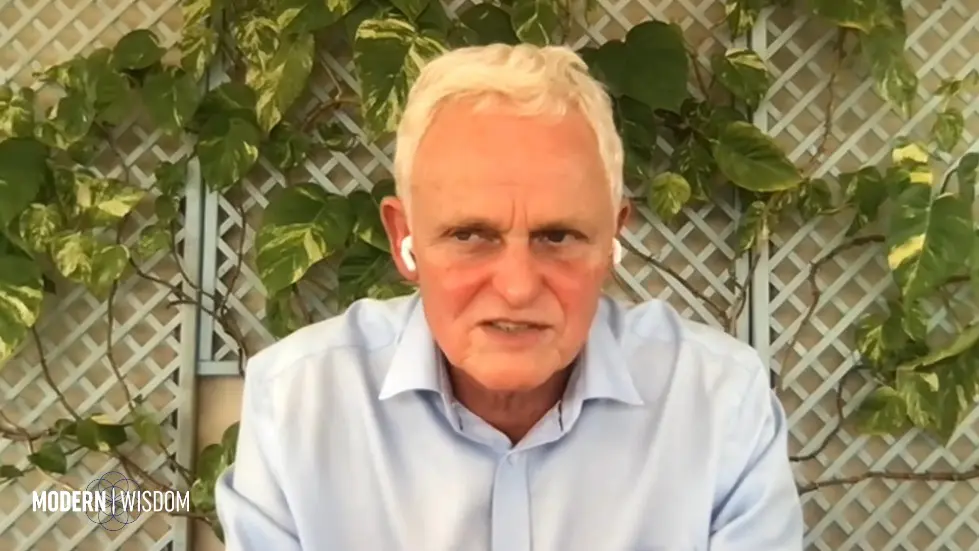
The Chimp Model
- The chimp model is a concept used to understand human behavior and decision-making.
- It was developed by Dr. Steve Peters, who is the host of the Modern Wisdom Podcast.
- The concept has evolved over time and has been applied in therapy and neuroscience.
- The chimp model is based on the idea that our emotions and instincts can take over our rational thinking.
- It is important to manage our emotions and instincts in order to make better decisions.
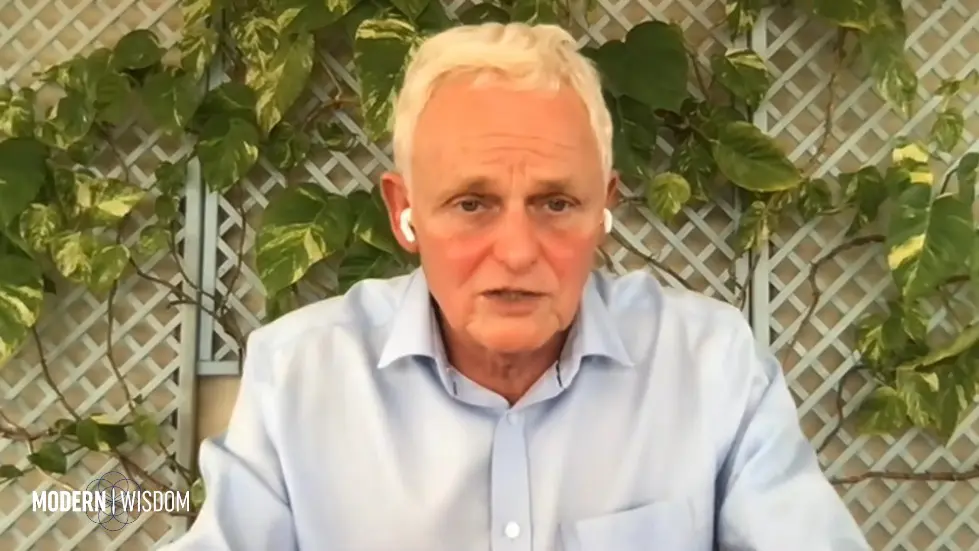
Scars
- Scars are emotional wounds that can be difficult to deal with.
- It is important to manage scars in order to prevent them from taking over our lives.
- Talking about our scars can help us process them and take pressure off.
- There will be good days and bad days when dealing with scars, but it is important to keep going.
- The chimp model can be used to manage scars by recognizing and accepting them.
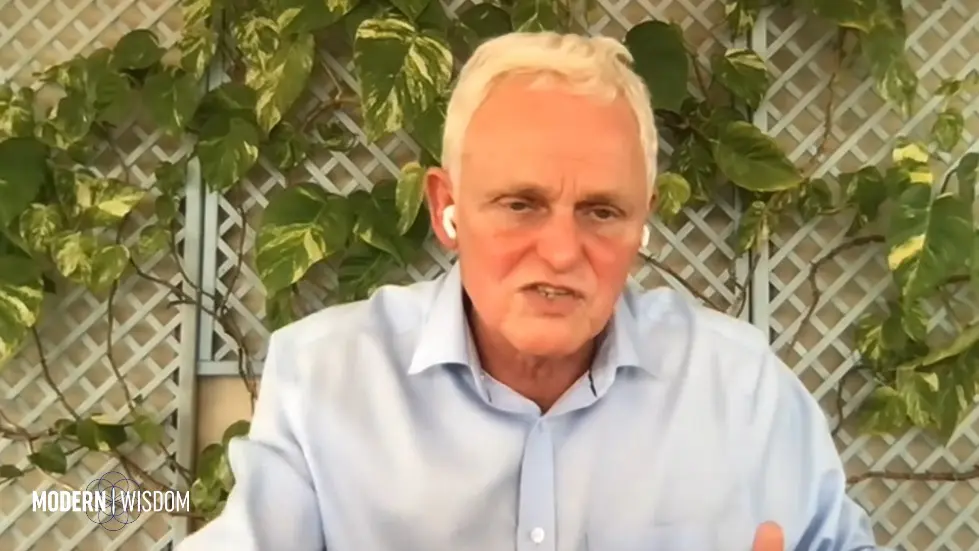
Mind Management
- The mind can become emotionally unstable, leading to scarring.
- It is important to manage the mind in order to prevent scarring.
- Stabilizing the mind can be done by accepting and acknowledging our emotions.
- Perspective is a stabilizer of the mind and can help us see things in a different way.
- Broadening our time horizons can also help us manage our mind and prevent scarring.
Obsession and Pressure
- Obsession and pressure can lead to scarring and emotional instability.
- It is important to release pressure and relinquish obsession in order to manage the mind.
- The chimp model can help us understand why we become obsessed and how to manage it.
- It is important to recognize that most things are time-bound and subject to change.
- The chimp model can help us manage our emotions and instincts in order to prevent scarring.
Human Mode
- The human mode is a way of thinking that is based on rationality and values.
- The chimp model can help us move from the chimp mode to the human mode.
- The human mode can help us bring perspective to a situation and make better decisions.
- The complexity of the brain is that the chimp will always win if there is a fight between the two.
- It is important to recognize the subtle differences between the chimp and human modes.

The Chimp Model
- The chimp model is a concept that explains human behavior and decision-making.
- It suggests that humans are controlled by a "chimp" part of the brain that takes over when the conscious mind is knocked out.
- The chimp relies on information from the computer, which provides advice based on beliefs, experiences, intuition, and other sources.
- Programming the computer with the right information can help manage the mind and prevent the chimp from taking control.
- Values and beliefs are important in understanding human behavior and decision-making.
Values and Beliefs
- Values and beliefs are innate and compelling emotions and feelings that are biologically driven.
- There are many different drives, including the drive for security, the sex drive, and the drive for first.
- Beliefs are based on experiences and what a person has been taught.
- Extreme beliefs can have repercussions, such as feeling isolated and not trusting others.
- It's important to be aware of one's beliefs and to assess whether they are reasonable and balanced.

Programming the Computer
- Programming the computer with the right information can help manage the mind and prevent the chimp from taking control.
- The computer provides advice based on beliefs, experiences, intuition, and other sources.
- If the computer is not programmed properly, the chimp may take over and make decisions based on fear or other negative emotions.
- It's important to program the computer with positive and balanced beliefs to help manage the mind and make better decisions.
Conclusion
- The chimp model is a useful concept for understanding human behavior and decision-making.
- Values and beliefs are important in shaping our behavior and decision-making.
- Programming the computer with the right information can help manage the mind and make better decisions.
- It's important to be aware of our beliefs and to assess whether they are reasonable and balanced.
- By understanding the chimp model and managing our beliefs, we can become unstoppable and achieve our goals.

The Chimp Model
- The chimp model is a concept developed by Dr. Steve Peters to understand human behavior and decision-making.
- It is based on the idea that humans have two parts: the rational, logical part (the "human") and the emotional, instinctual part (the "chimp").
- The chimp is the part of us that reacts to stimuli without thinking, and it is responsible for our emotions and impulses.
- The human part of us is the rational, logical part that thinks and makes decisions based on logic and reason.
- The chimp model helps us understand how our emotions and impulses can influence our behavior and decision-making, and how we can use this understanding to improve our lives.
Values
- Values are important to Dr. Steve Peters because they give us a sense of purpose and direction in life.
- Knowing our values and living by them can bring us peace of mind, which is different from happiness.
- Values are immoral beliefs that we hold and act out with behavior.
- Values can be subtle and may not always be easy to define or measure.
- Values can be different for different people, but they are an important part of our identity and can help us navigate life's challenges.
Defining Values
- Defining values can be confusing for many people because there are different definitions of what values are.
- Dr. Steve Peters defines a value as an immoral belief that we hold and act out with behavior.
- Values can be subtle and may not always be easy to define or measure.
- It is important to listen to others and understand their views when defining values.
- Defining values can help us live by them and bring us peace of mind.

Exercises for Defining Values
- One exercise for defining values is to listen to others and understand their views.
- Another exercise is to measure how we act out our values in behavior.
- It is important to be honest with ourselves when defining values.
- Defining values can help us live by them and bring us peace of mind.
- It is important to be patient and persistent when defining values.
You have read 50% of the summary.
To read the other half, please enter your Name and Email. It's FREE.
You can unsubscribe anytime. By entering your email you agree to our Terms & Conditions and Privacy Policy.
Watch the video on YouTube:
Become Unstoppable: The Man Behind The World's Top Performers - Dr Steve Peters - YouTube
Related summaries of videos:
- The Untold Story Behind The Sound of Freedom - Paul Hutchinson | Modern Wisdom 672
- Overcome The Limits Of Your Mind - 7X World Champion Phil Heath (4K) | Modern Wisdom 673
- 17 Ugly Psychology Truths No One Wants To Admit - Adam Lane Smith | Modern Wisdom 674
- The Shocking Lessons Of History Everyone Has Forgotten - Niall Ferguson | Modern Wisdom 675
- Eric Weinstein - Why Can No One Agree On The Truth Anymore? (4K) | Modern Wisdom 676
- What No One Wants to Admit About Porn - Zack Telander | Modern Wisdom 677
- Will We Ever Become An Interstellar Civilisation? - Avi Loeb | Modern Wisdom 678
- The Most Attractive Traits In A Guy - Sara Saffari (4K) | Modern Wisdom 679
- Why Fathers Matter - Dr Anna Machin | Modern Wisdom 680
- The Man Bringing Extinct Creatures Back To Life - Ben Lamm | Modern Wisdom 681
- Home
- About us
- Contact
- Book Summaries 0-9
- Book Summaries A
- Book Summaries B
- Book Summaries C
- Book Summaries D
- Book Summaries E
- Book Summaries F
- Book Summaries G
- Book Summaries H
- Book Summaries I
- Book Summaries J
- Book Summaries K
- Book Summaries L
- Book Summaries M
- Book Summaries N
- Book Summaries O
- Book Summaries P
- Book Summaries Q
- Book Summaries R
- Book Summaries S
- Book Summaries T
- Book Summaries U
- Book Summaries V
- Book Summaries W
- Book Summaries X
- Book Summaries Y
- Book Summaries Z
- Jay Shetty Podcast - Summaries
- Tom Bilyeu Impact Theory - Summaries
- Lex Fridman - Summaries
- Diary of a CEO - Summaries
- Alex Hormozi - Summaries
